


 购物车
购物车 个人中心
个人中心
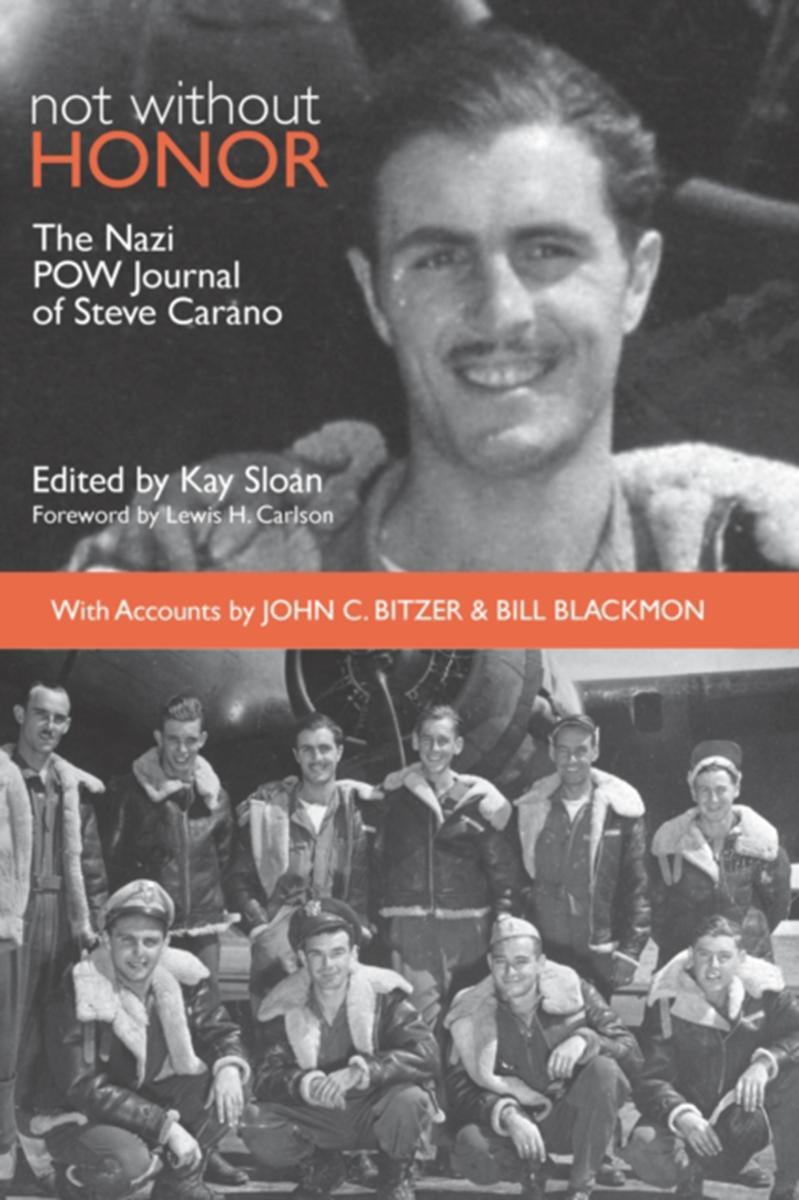
Not Without Honor
¥223.57
Not Without Honor threads together the stories of three American POWs-Carano; his buddy Bill Blackmon, who was also at Stalag 17 b; and John C. Bitzer, who survived the brutal "e;Death March"e; from northern Germany to liberation in April 1945. At times the journal reads like a thriller as he records air battles and escape attempts. Yet in their most gripping accounts, these POWs ruminate on psychological survival. The sense of community they formed was instrumental to their endurance. This compelling book allows the reader to journey with these young men as they bore firsthand witness to the best and worst of human nature.
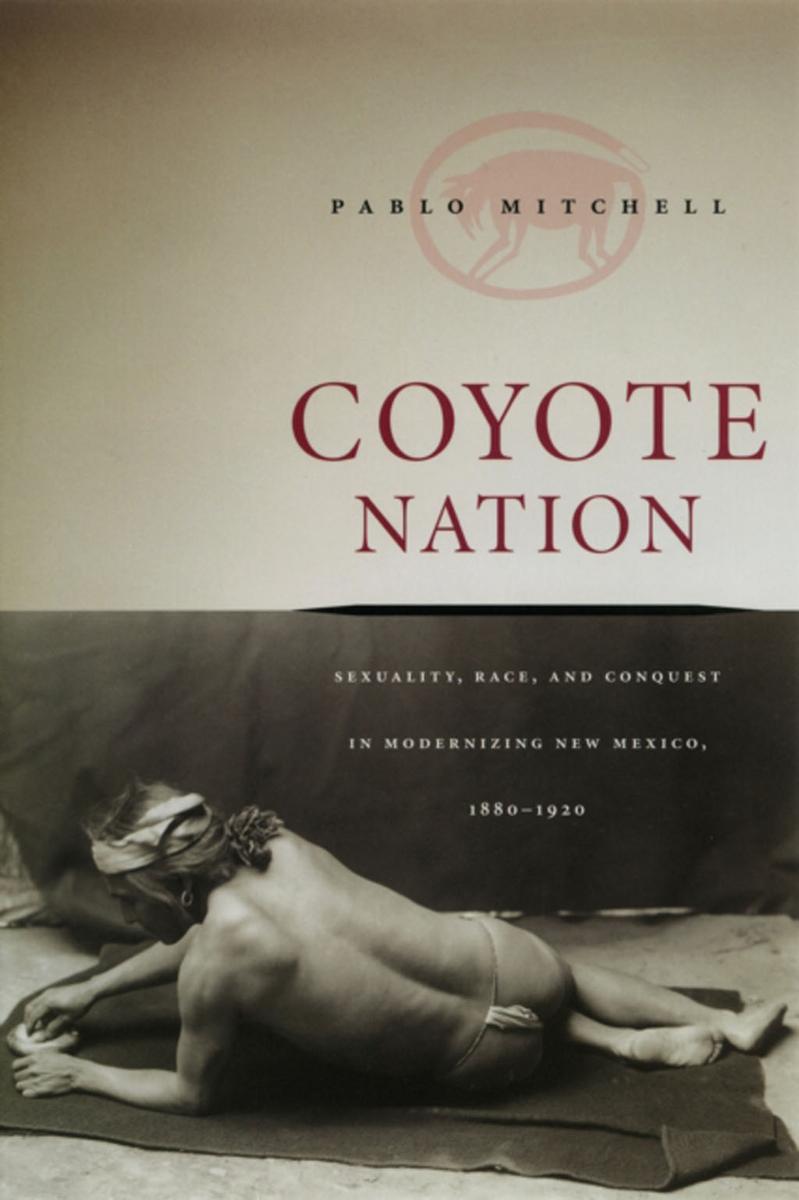
Coyote Nation
¥253.10
With the arrival of the transcontinental railroad in the 1880s came the emergence of a modern and profoundly multicultural New Mexico. Native Americans, working-class Mexicans, elite Hispanos, and black and white newcomers all commingled and interacted in the territory in ways that had not been previously possible. But what did it mean to be white in this multiethnic milieuAnd how did ideas of sexuality and racial supremacy shape ideas of citizenry and determine who would govern the region?Coyote Nation considers these questions as it explores how New Mexicans evaluated and categorized racial identities through bodily practices. Where ethnic groups were numerous and-in the wake of miscegenation-often difficult to discern, the ways one dressed, bathed, spoke, gestured, or even stood were largely instrumental in conveying one's race. Even such practices as cutting one's hair, shopping, drinking alcohol, or embalming a deceased loved one could inextricably link a person to a very specific racial identity.A fascinating history of an extraordinarily plural and polyglot region, Coyote Nation will be of value to historians of race and ethnicity in American culture.
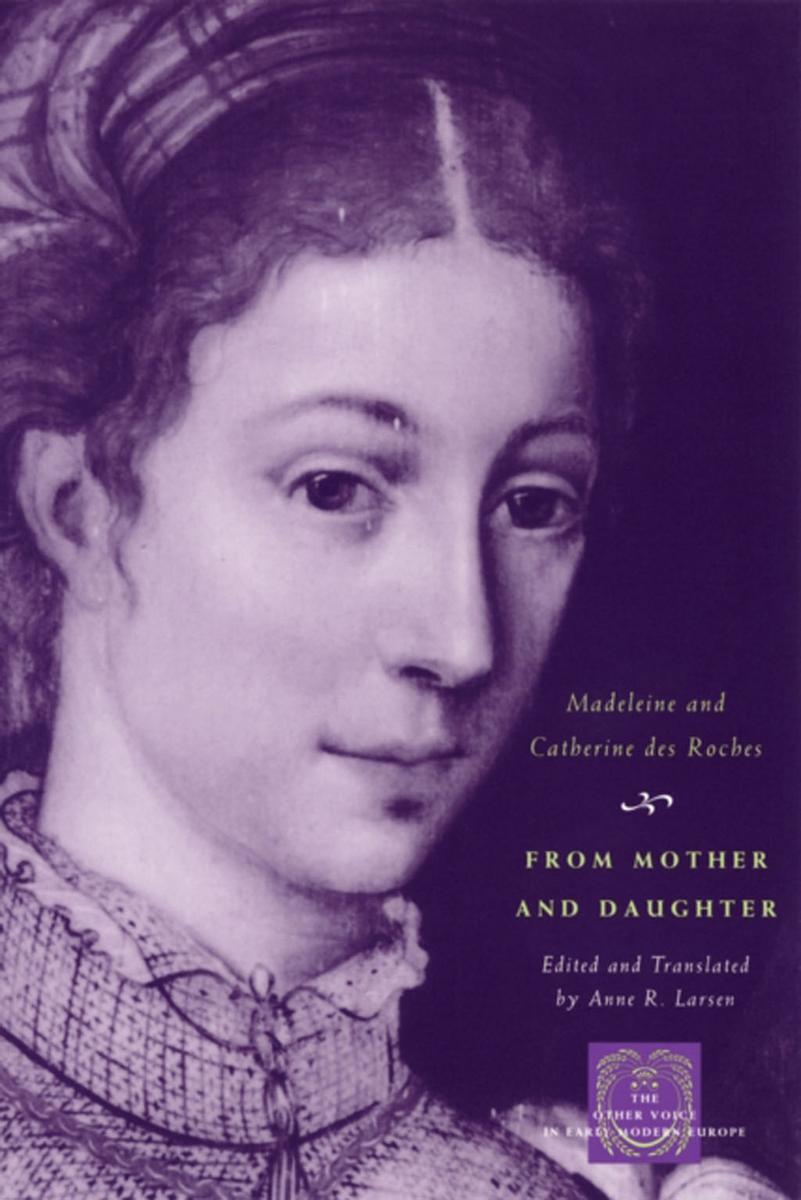
From Mother and Daughter
¥265.87
Among the best-known and most prolific French women writers of the sixteenth century, Madeleine (1520-87) and Catherine (1542-87) des Roches were celebrated not only for their uncommonly strong mother-daughter bond but also for their bold assertion of poetic authority for women in the realm of belles lettres. The Dames des Roches excelled in a variety of genres, including poetry, Latin and Italian translations, correspondence, prose dialogues, pastoral drama, and tragicomedy; collected in From Mother and Daughter are selections from their celebrated oeuvre, suffused with an engaging and enduring feminist consciousness. Madeleine and Catherine spent their entire lives in civil war-torn Poitiers, where a siege of the city, vandalism, and desecration of churches fueled their political and religious commentary. Members of an elite literary circle that would inspire salon culture during the next century, the Dames des Roches addressed the issues of the day, including the ravages of religious civil wars, the weak monarchy, education for women, marriage and the family, violence against women, and the status of women intellectuals. Through their collaborative engagement in shared public discourse, both mother and daughter were models of moral, political, and literary agency.
Timing of Affect
¥288.41
Affect, or the process by which emotions come to be embodied, is a burgeoning area of interest in both the humanities and the sciences. For Timing of Affect, Marie-Luise Angerer, Bernd Bosel, and Michaela Ott have assembled leading scholars to explore the temporal aspects of affect through the perspectives of philosophy, music, film, media, and art, as well as technology and neurology. The contributions address possibilities for affect as a capacity of the body; as an anthropological in*ion and a primary, ontological conjunctive and disjunctive processes; as an interruption of chains of stimulus and response; and as an arena within cultural history for political, media, and psychopharmacological interventions. Showing how these and other temporal aspects of affect are articulated both throughout history and in contemporary society, the editors then explore the implications for the current knowledge structures surrounding affect today.
Theological Basis of Liberal Modernity in Montesquieu's "Spirit of the Laws"
¥311.96
The Spirit of the Laws-Montesquieu's huge, complex, and enormously influential work-is considered one of the central texts of the Enlightenment, laying the foundation for the liberally democratic political regimes that were to embody its values. In his penetrating analysis, Thomas L. Pangle brilliantly argues that the inherently theological project of Enlightenment liberalism is made more clearly-and more consequentially- in Spirit than in any other work.In a probing and careful reading, Pangle shows how Montesquieu believed that rationalism, through the influence of liberal institutions and the spread of commercial culture, would secularize human affairs. At the same time, Pangle uncovers Montesquieu's views about the origins of humanity's religious impulse and his confidence that political and economic security would make people less likely to sacrifice worldly well-being for otherworldly hopes. With the interest in the theological aspects of political theory and practice showing no signs of diminishing, this book is a timely and insightful contribution to one of the key achievements of Enlightenment thought.
Theatricality of Greek Tragedy
¥394.36
Ancient Greek tragedy has been an inspiration to Western culture, but the way it was first performed has long remained in question. In The Theatricality of Greek Tragedy, Graham Ley provides an illuminating discussion of key issues relating to the use of the playing space and the nature of the chorus, offering a distinctive impression of the performance of Greek tragedy in the fifth century BCE. Drawing on evidence from the surviving texts of tragedies by Aeschylus, Sophocles, and Euripides, Ley explains how scenes with actors were played in the open ground of the orchestra, often considered as exclusively the dancing place of the chorus. In reviewing what is known of the music and dance of Greek antiquity, Ley goes on to show that in the original productions the experience of the chorus-expressed in song and dance and in interaction with the characters-remained a vital characteristic in the performance of tragedy.Combining detailed analysis with broader reflections about the nature of ancient Greek tragedy as an art form, this volume-supplemented with a series of illustrative drawings and diagrams-will be a necessary addition to the bookshelf of anyone interested in literature, theater, or classical studies.
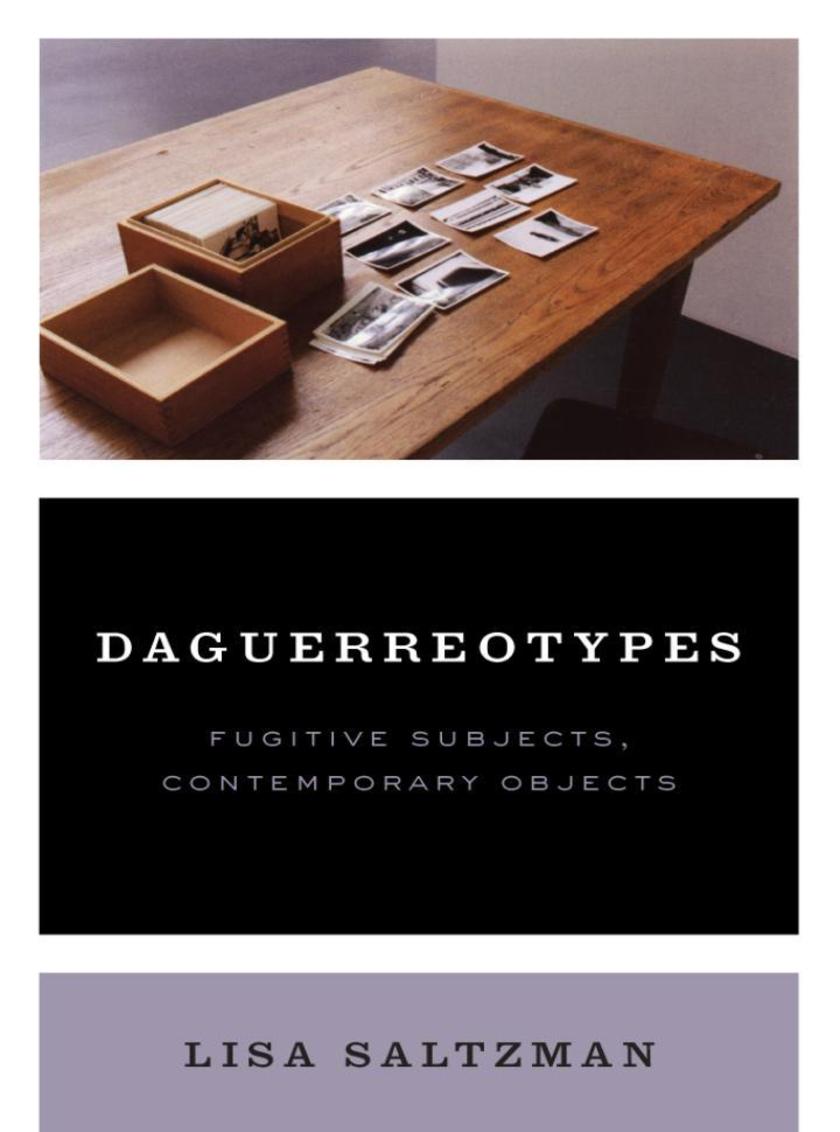
Daguerreotypes
¥288.41
In the digital age, photography confronts its future under the competing signs of ubiquity and obsolescence. While technology has allowed amateurs and experts alike to create high-quality photographs in the blink of an eye, new electronic formats have severed the original photochemical link between image and subject. At the same time, recent cinematic photography has stretched the concept of photography and raised questions about its truth value as a documentary medium. Despite this situation, photography remains a stubbornly substantive form of evidence: referenced by artists, filmmakers, and writers as a powerful emblem of truth, photography has found its home in other media at precisely the moment of its own material demise.By examining this idea of photography as articulated in literature, film, and the graphic novel, Daguerreotypes demonstrates how photography secures identity for figures with an otherwise unstable sense of self. Lisa Saltzman argues that in many modern works, the photograph asserts itself as a guarantor of identity, whether genuine or fabricated. From Roland Barthes's Camera Lucida to Ridley Scott's Blade Runner, W. G. Sebald's Austerlitz to Alison Bechdel's Fun Home-we find traces of photography's "e;fugitive subjects"e; throughout contemporary culture. Ultimately, Daguerreotypes reveals how the photograph, at once personal memento and material witness, has inspired a range of modern artistic and critical practices.

Alfred the Great
¥265.87
Filled with drama and action, here is the story of the ninth-century life and times of Alfred-warrior, conqueror, lawmaker, scholar, and the only king whom England has ever called "e;The Great."e; Based on up-to-date information on ninth-century history, geography, philosophy, literature, and social life, it vividly presents exciting views of Alfred in every stage of his long career and leaves the reader with a sharply-etched picture of the world of the Middle Ages.

Afterlife Is Where We Come From
¥265.87
When a new baby arrives among the Beng people of West Africa, they see it not as being born, but as being reincarnated after a rich life in a previous world. Far from being a tabula rasa, a Beng infant is thought to begin its life filled with spiritual knowledge. How do these beliefs affect the way the Beng rear their children?In this unique and engaging ethnography of babies, Alma Gottlieb explores how religious ideology affects every aspect of Beng childrearing practices-from bathing infants to protecting them from disease to teaching them how to crawl and walk-and how widespread poverty limits these practices. A mother of two, Gottlieb includes moving discussions of how her experiences among the Beng changed the way she saw her own parenting. Throughout the book she also draws telling comparisons between Beng and Euro-American parenting, bringing home just how deeply culture matters to the way we all rear our children.All parents and anyone interested in the place of culture in the lives of infants, and vice versa, will enjoy The Afterlife Is Where We Come From."e;This wonderfully reflective text should provide the impetus for formulating research possibilities about infancy and toddlerhood for this century."e; - Caren J. Frost, Medical Anthropology Quarterly?"e;Alma Gottlieb's careful and thought-provoking account of infancy sheds spectacular light upon a much neglected topic. . . . [It] makes a strong case for the central place of babies in anthropological accounts of religion. ?Gottlieb's remarkably rich account, delivered after a long and reflective period of gestation, deserves a wide audience across a range of disciplines."e;-Anthony Simpson, Critique of Anthropology?
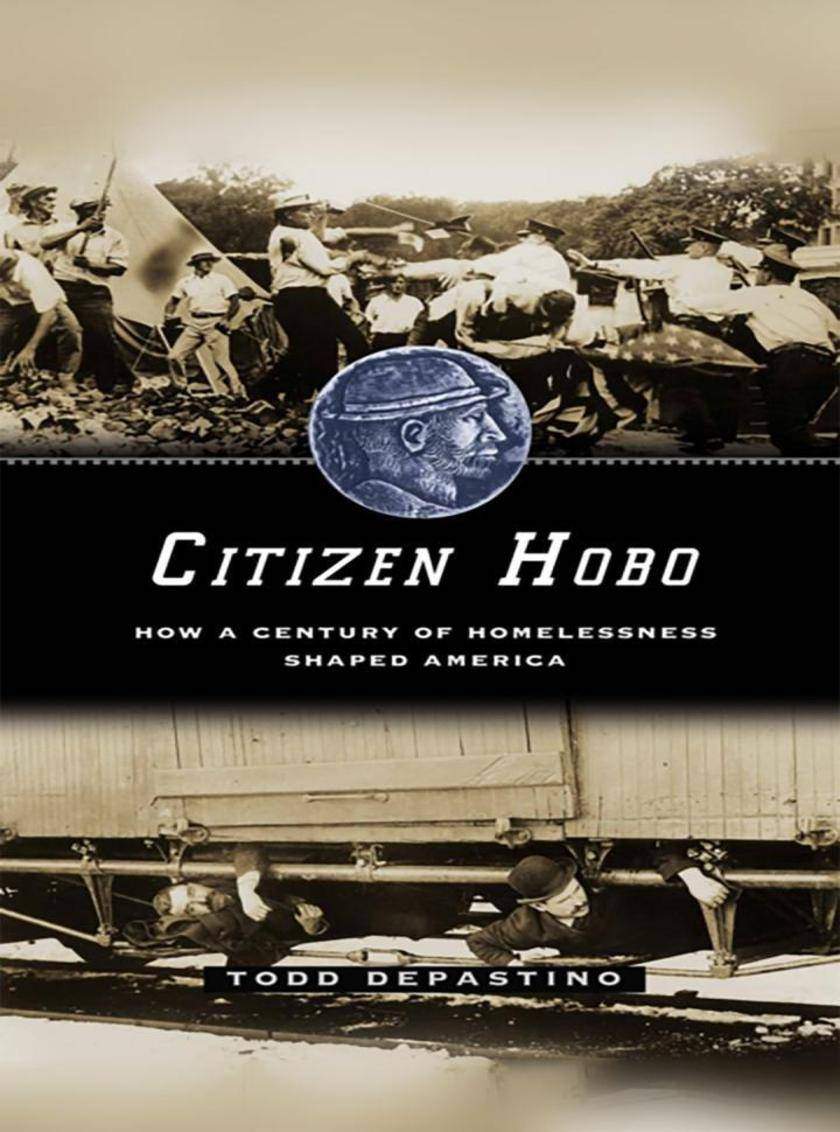
Citizen Hobo
¥253.10
In the years following the Civil War, a veritable army of homeless men swept across America's "e;wageworkers' frontier"e; and forged a beguiling and bedeviling counterculture known as "e;hobohemia."e; Celebrating unfettered masculinity and jealously guarding the American road as the preserve of white manhood, hoboes took command of downtown districts and swaggered onto center stage of the new urban culture. Less obviously, perhaps, they also staked their own claims on the American polity, claims that would in fact transform the very entitlements of American citizenship.In this eye-opening work of American history, Todd DePastino tells the epic story of hobohemia's rise and fall, and crafts a stunning new interpretation of the "e;American century"e; in the process. Drawing on sources ranging from diaries, letters, and police reports to movies and memoirs, Citizen Hobo breathes life into the largely forgotten world of the road, but it also, crucially, shows how the hobo army so haunted the American body politic that it prompted the creation of an entirely new social order and political economy. DePastino shows how hoboes-with their reputation as dangers to civilization, sexual savages, and professional idlers-became a cultural and political force, influencing the creation of welfare state measures, the promotion of mass consumption, and the suburbanization of America. Citizen Hobo's sweeping retelling of American nationhood in light of enduring struggles over "e;home"e; does more than chart the change from "e;homelessness"e; to "e;houselessness."e; In its breadth and scope, the book offers nothing less than an essential new context for thinking about Americans' struggles against inequality and alienation.
Embers and the Stars
¥247.21
"e;It is hard to put this profound book into a category. Despite the author's criticisms of Thoreau, it is more like Walden than any other book I have read. . . . The book makes great strides toward bringing the best insights from medieval philosophy and from contemporary environmental ethics together. Anyone interested in both of these areas must read this book."e;-Daniel A. Dombrowski, The Thomist"e;Those who share Kohk's concern to understand nature as other than a mere resource or matter in motion will find his temporally oriented interpretation of nature instructive. It is here in particular that Kohk turns moments of experience to account philosophically, turning what we habitually overlook or avoid into an opportunity and basis for self-knowledge. This is an impassioned attempt to see the vital order of nature and the moral order of our humanity as one."e;-Ethics
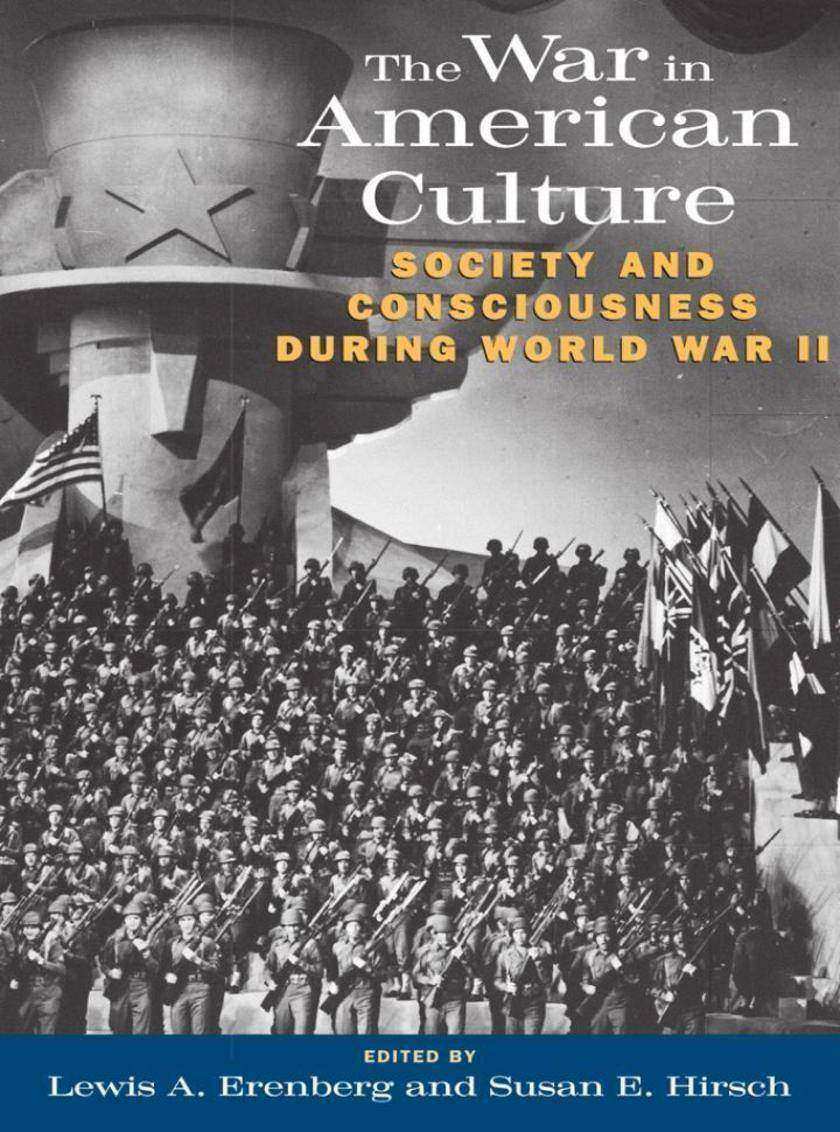
War in American Culture
¥247.21
The War in American Culture explores the role of World War II in the transformation of American social, cultural, and political life.World War II posed a crisis for American culture: to defeat the enemy, Americans had to unite across the class, racial and ethnic boundaries that had long divided them. Exploring government censorship of war photography, the revision of immigration laws, Hollywood moviemaking, swing music, and popular magazines, these essays reveal the creation of a new national identity that was pluralistic, but also controlled and sanitized. Concentrating on the home front and the impact of the war on the lives of ordinary Americans, the contributors give us a rich portrayal of family life, sexuality, cultural images, and working-class life in addition to detailed consideration of African Americans, Latinos, and women who lived through the unsettling and rapidly altered circumstances of wartime America.
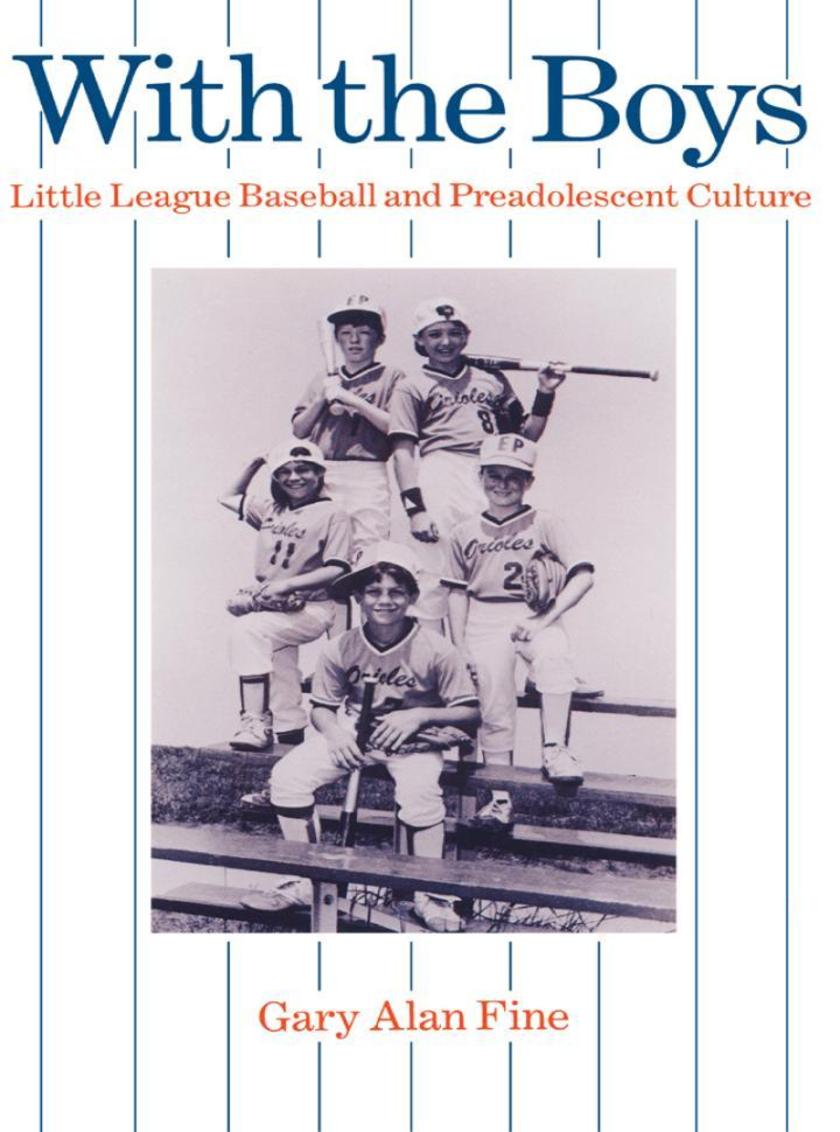
With the Boys
¥247.21
What are boys likeWho is the creature inhabiting the twilight zone between the perils of the Oedipus complex and the Strum und Drang of pubertyIn With the Boys, Gary Alan Fine examines the American male preadolescent by studying the world of Little League baseball. Drawings on three years of firsthand observation of five Little Leagues, Fine describes how, through organized sport and its accompanying activities, boys learn to play, work, and generally be "e;men."e;
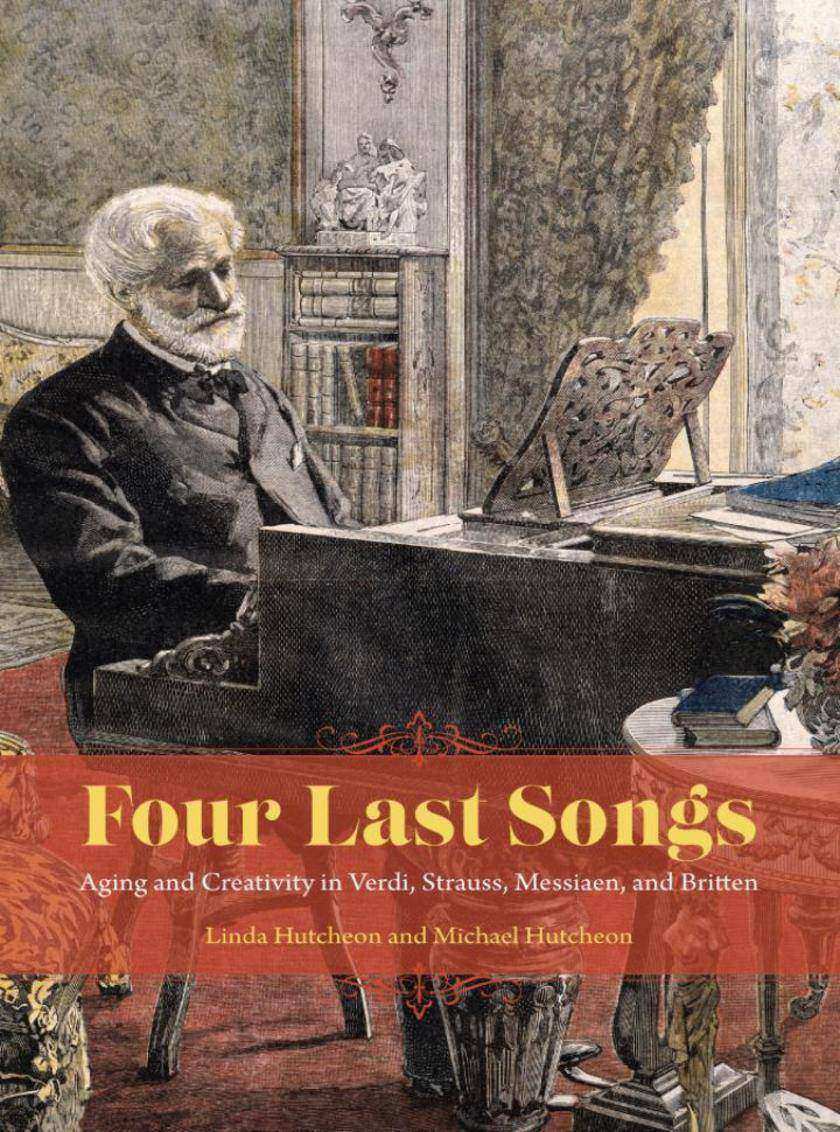
Four Last Songs
¥247.21
Aging and creativity can seem a particularly fraught relationship for artists, who often face age-related difficulties as their audience's expectations are at a peak. In?Four Last Songs, Linda and Michael Hutcheon explore this issue via the late works of some of the world's greatest composers.Giuseppe Verdi (1813-1901), Richard Strauss (1864-1949), Olivier Messiaen (1908-92), and Benjamin Britten (1913-76) all wrote operas late in life, pieces that reveal unique responses to the challenges of growing older. Verdi's?Falstaff, his only comedic success, combated Richard Wagner's influence by introducing young Italian composers to a new model of national music. Strauss, on the other hand, struggling with personal and political problems in Nazi Germany, composed the self-reflexive?Capriccio, a "e;life review"e; of opera and his own legacy. Though it exhausted him physically and emotionally, Messiaen at the age of seventy-five finished?his only opera,?Saint Franois d'Assise, which marked the pinnacle of his career. Britten, meanwhile, suffering from heart problems, refused surgery until he had completed his masterpiece,?Death in Venice. For all four composers, age, far from sapping their creative power, provided impetus for some of their best accomplishments.With its deft treatment of these composers' final years and works, Four Last Songs provides a valuable look at the challenges-and opportunities-that present themselves as artists grow older.
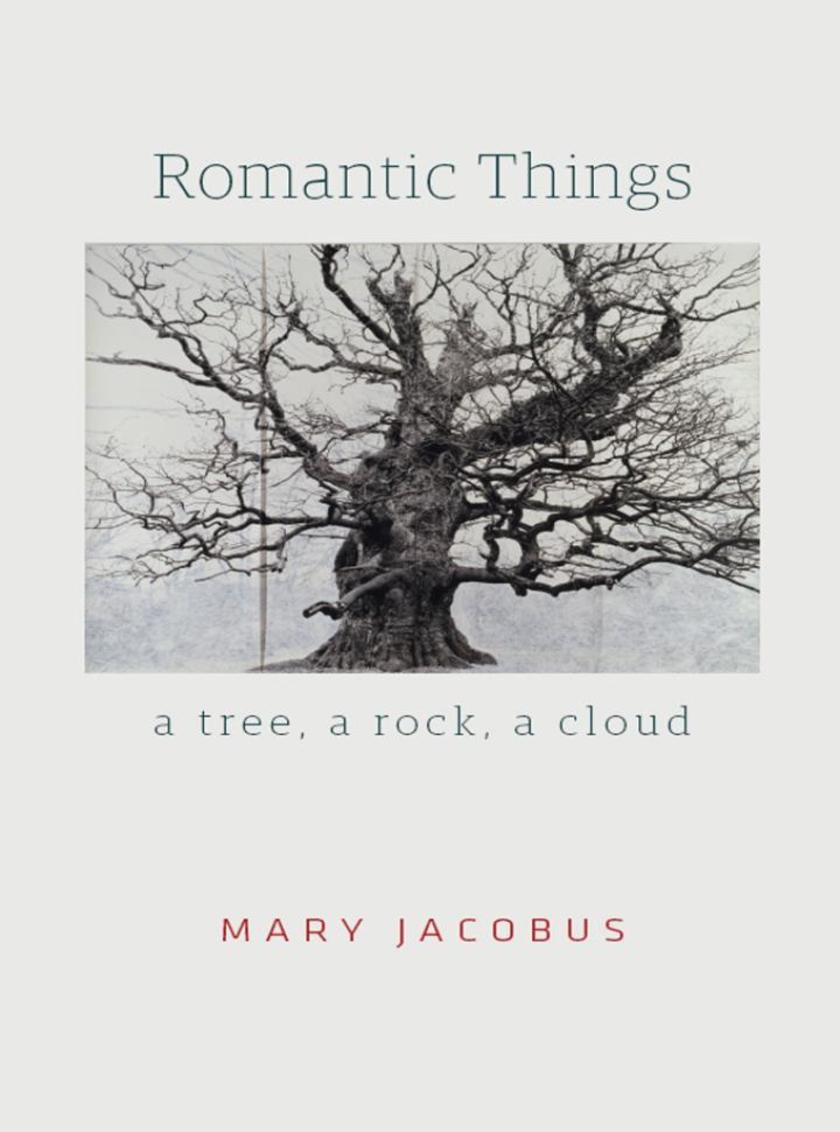
Romantic Things
¥247.21
Our thoughts are shaped as much by what things make of us as by what we make of them. Lyric poetry is especially concerned with things and their relationship to thought, sense, and understanding. In Romantic Things, Mary Jacobus explores the world of objects and phenomena in nature as expressed in Romantic poetry alongside the theme of sentience and sensory deprivation in literature and art.?Jacobus discusses objects and attributes that test our perceptions and preoccupy both Romantic poetry and modern philosophy. John Clare, John Constable, Rainer Maria Rilke, W. G. Sebald, and Gerhard Richter make appearances around the central figure of William Wordsworth as Jacobus explores trees, rocks, clouds, breath, sleep, deafness, and blindness in their work. While she thinks through these things, she is assisted by the writings of Maurice Merleau-Ponty, Jacques Derrida, and Jean-Luc Nancy. Helping us think more deeply about things that are at once visible and invisible, seen and unseen, felt and unfeeling, Romantic Things opens our eyes to what has been previously overlooked in lyric and Romantic poetry.

Socrates and the Jews
¥247.21
"e;What has Athens to do with Jerusalem?"e; Asked by the early Christian Tertullian, the question was vigorously debated in the nineteenth century. While classics dominated the intellectual life of Europe, Christianity still prevailed and conflicts raged between the religious and the secular. Taking on the question of how the glories of the classical world could be reconciled with the Bible, Socrates and the Jews explains how Judaism played a vital role in defining modern philhellenism.Exploring the tension between Hebraism and Hellenism, Miriam Leonard gracefully probes the philosophical tradition behind the development of classical philology and considers how the conflict became a preoccupation for the leading thinkers of modernity, including Matthew Arnold, Moses Mendelssohn, Kant, Marx, Nietzsche, and Freud. For each, she shows how the contrast between classical and biblical traditions is central to writings about rationalism, political subjectivity, and progress. Illustrating how the encounter between Athens and Jerusalem became a lightning rod for intellectual concerns, this book is a sophisticated addition to the history of ideas.
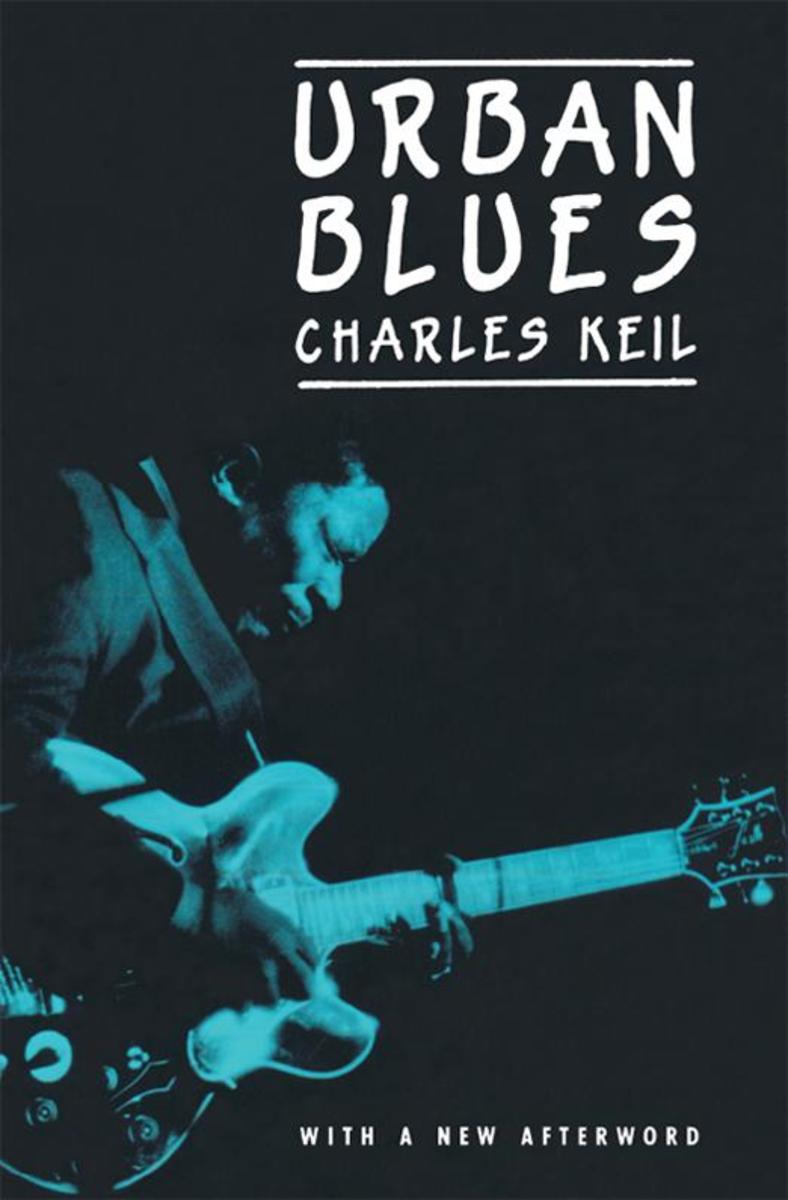
Urban Blues
¥211.90
Charles Keil examines the expressive role of blues bands and performers and stresses the intense interaction between performer and audience. Profiling bluesmen Bobby Bland and B. B. King, Keil argues that they are symbols for the black community, embodying important attitudes and roles-success, strong egos, and close ties to the community. While writing Urban Blues in the mid-1960s, Keil optimistically saw this cultural expression as contributing to the rising tide of raised political consciousness in Afro-America. His new Afterword examines black music in the context of capitalism and black culture in the context of worldwide trends toward diversification."e;Enlightening. . . . [Keil] has given a provocative indication of the role of the blues singer as a focal point of ghetto community expression."e;-John S. Wilson, New York Times Book Review"e;A terribly valuable book and a powerful one. . . . Keil is an original thinker and . . . has offered us a major breakthrough."e;-Studs Terkel, Chicago Tribune"e;[Urban Blues] expresses authentic concern for people who are coming to realize that their past was . . . the source of meaningful cultural values."e;-Atlantic"e;An achievement of the first magnitude. . . . He opens our eyes and introduces a world of amazingly complex musical happening."e;-Robert Farris Thompson, Ethnomusicology?"e;[Keil's] vigorous, aggressive scholarship, lucid style and sparkling analysis stimulate the challenge. Valuable insights come from treating urban blues as artistic communication."e;-James A. Bonar, Boston Herald?
Commentary on The Complete Greek Tragedies. Aeschylus
¥211.90
This commentary offers a rich introduction and useful guide to the seven surviving plays attributed to Aeschylus. Though it may profitably be used with any translation of Aeschylus, the commentary is based on the acclaimed Chicago translations, The Complete Greek Tragedies, edited by David Grene and Richmond Lattimore.James C. Hogan provides a general introduction to Aeschylean theater and drama, followed by a line-by-line commentary on each of the seven plays. He places Aeschylus in the historical, cultural, and religious context of fifth-century Athens, showing how the action and metaphor of Aeschylean theater can be illuminated by information on Athenian law athletic contests, relations with neighboring states, beliefs about the underworld, and countless other details of Hellenic life. Hogan clarifies terms that might puzzle modern readers, such as place names and mythological references, and gives special attention to textual and linguistic issues: controversial questions of interpretation; difficult or significant Greek words; use of style, rhetoric, and commonplaces in Greek poetry; and Aeschylus's place in the poetic tradition of Homer, Hesiod, and the elegiac poets. Practical information on staging and production is also included, as are maps and illustrations, a bibliography, indexes, and extensive cross-references between the seven plays. Forthcoming volumes will cover the works of Sophocles and Euripides.
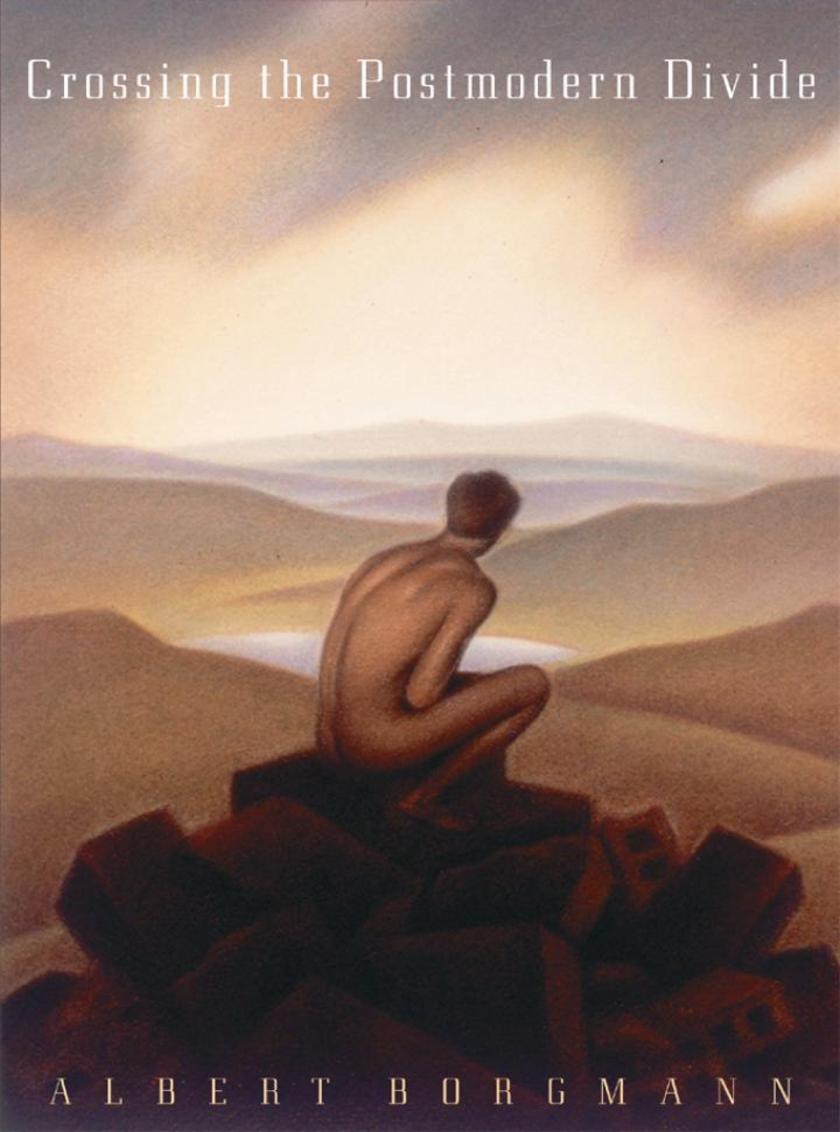
Crossing the Postmodern Divide
¥165.81
In this eloquent guide to the meanings of the postmodern era, Albert Borgmann charts the options before us as we seek alternatives to the joyless and artificial culture of consumption. Borgmann connects the fundamental ideas driving his understanding of society's ills to every sphere of contemporary social life, and goes beyond the language of postmodern discourse to offer a powerfully articulated vision of what this new era, at its best, has in store."e;[This] thoughtful book is the first remotely realistic map out of the post modern labyrinth."e;-Joseph Coates, The Chicago Tribune"e;Rather astoundingly large-minded vision of the nature of humanity, civilization and science."e;-Kirkus Reviews
When Egypt Ruled the East
¥165.81
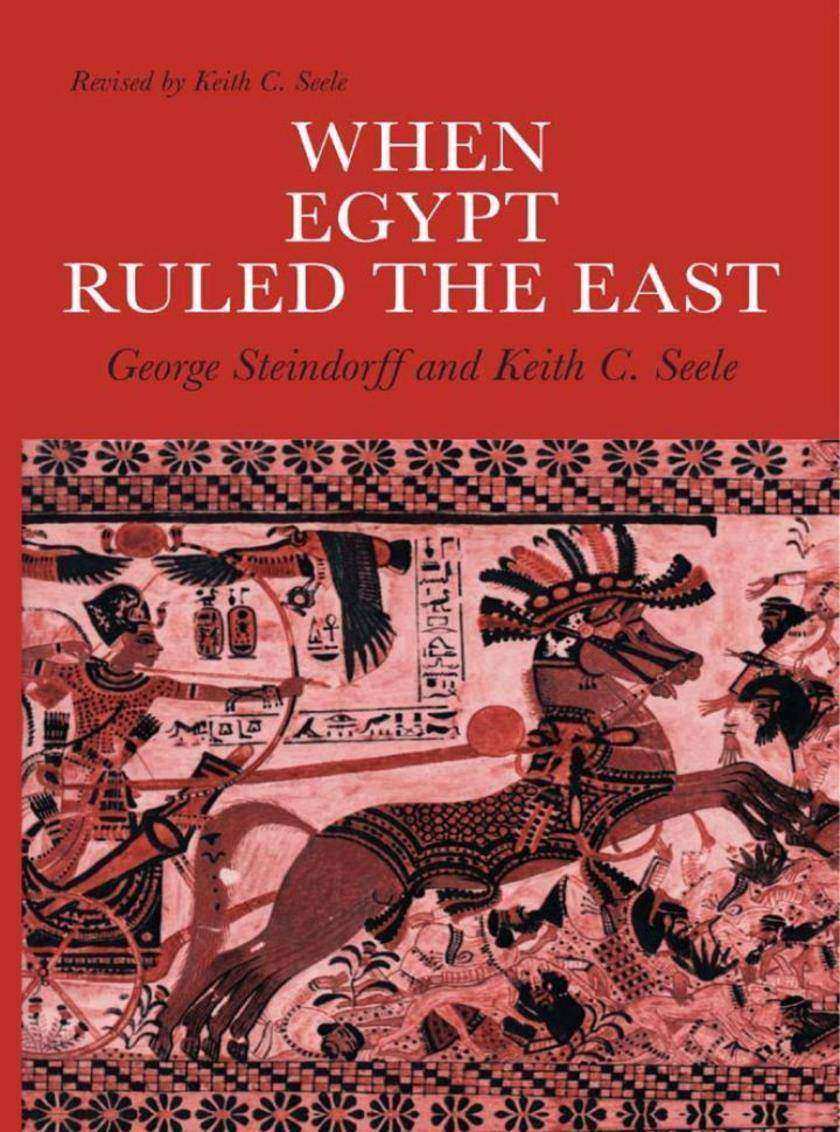
Here, adequately presented for the first time in English, is the fascinating story of a splendid culture that flourished thirty-five hundred years ago in the empire on the Nile: kings and conquests, gods and heroes, beautiful art, sculpture, poetry, architecture.Significant archeological discoveries are constantly being made in Egypt. In this revision Professor Steele has rewritten whole chapters on the basis of these new finds and offers several new conclusions to age-old problems.
Accounts
¥147.15
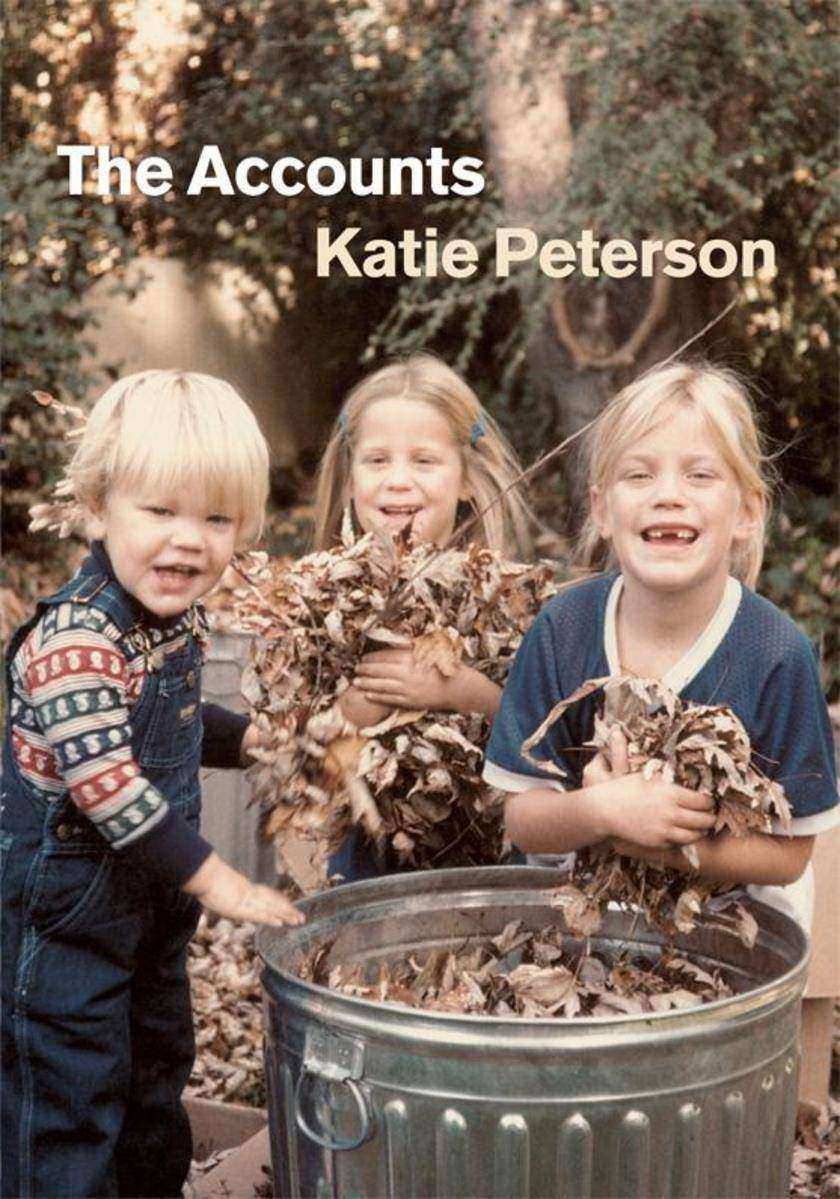
The death of a mother alters forever a family's story of itself. Indeed, it taxes the ability of a family to tell that story at all. The Accounts narrates the struggle to speak with any clear understanding in the wake of that loss. The title poem attempts three explanations of the departure of a life from the earth-a physical account, a psychological account, and a spiritual account. It is embedded in a long narrative sequence that tries to state plainly the facts of the last days of the mother's life, in a room that formerly housed a television, next to a California backyard. The visual focus of that sequence, a robin's nest, poised above the family home, sings in a kind of lament, giving its own version of ways we can see the transformation of the dying into the dead. In other poems, called "e;Arguments,"e; two voices exchange uncertain truths about subjects as high as heaven and as low as crime. Grief is a problem that cannot be solved by thinking, but that doesn't stop the mind, which relentlessly carries on, trying in vain to settle its accounts. The death of a well-loved person creates a debt that can never be repaid. It reminds the living of our own psychological debts to each other, and to the dead. In this sense, the death of this particular mother and the transformation of this particular family are evocative of a greater struggle against any changing reality, and the loss of all beautiful and passing forms of order.


