


 购物车
购物车 个人中心
个人中心
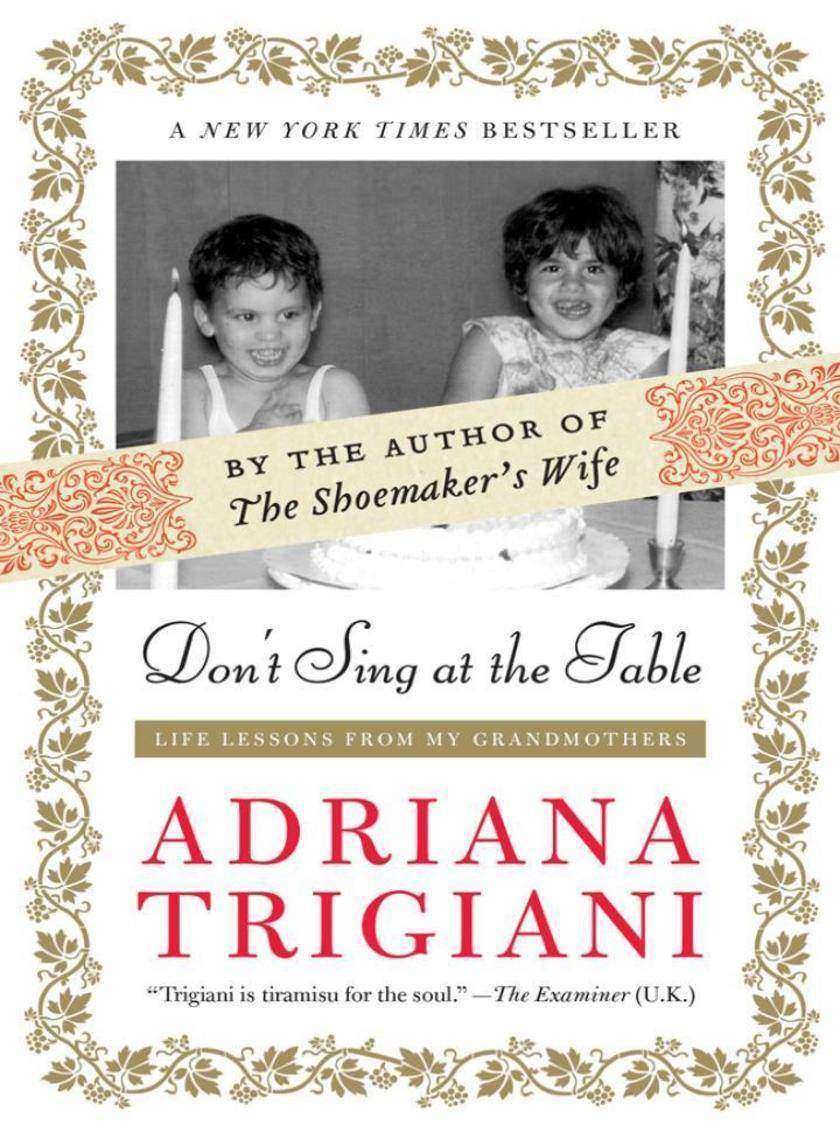
Don't Sing at the Table
¥83.92
As devoted readers of Adriana Trigiani's New York Times bestselling novels know, this "seemingly effortless storyteller" (Boston Globe) frequently draws inspiration from her own family history, in particular from the lives of her two remarkable grandmothers, who have found their way into all Trigiani's cherished novels. In Don't Sing at the Table, this much-beloved writer has gathered their estimable life lessons, revealing how her grandmothers' simple values have shaped her own life, sharing the experiences, humor, and wisdom of her beloved mentors to delight readers of all ages.Lucia Spada Bonicelli (Lucy) and Yolanda Perin Trigiani (Viola) lived through the twentieth century from beginning to end as working women who juggled careers and motherhood. From the factory line to the family table, Lucy and Viola, the very definition of modern women, cut a path for their granddaughter by demonstrating moxie and pluck in their fearless approach to life, love, and overcoming obstacles.Lucy's and Viola's traditions and spiritual fortitude will encourage you to hold on to the values that make life rich and beautiful. Their entrepreneurial spirit will inspire you to take risks and reap the rewards. And their remarkable resilience in the face of tragedy will be a source of strength and comfort. Trigiani visits the past to seek answers to the essential questions that define the challenges women face today at work and at home. This is a primer, grand-mother to granddaughter, filled with everyday wisdom and life lessons that are truly "tiramisu for the soul" (The Examiner), handed down with care and built to last. Includes an excerpt from Adriana Trigian's novel The Shoemaker's Wife.
The Wisdom of Tenderness
¥83.03
A Stirring Invitation to Accept God's Unfathomable Tenderness
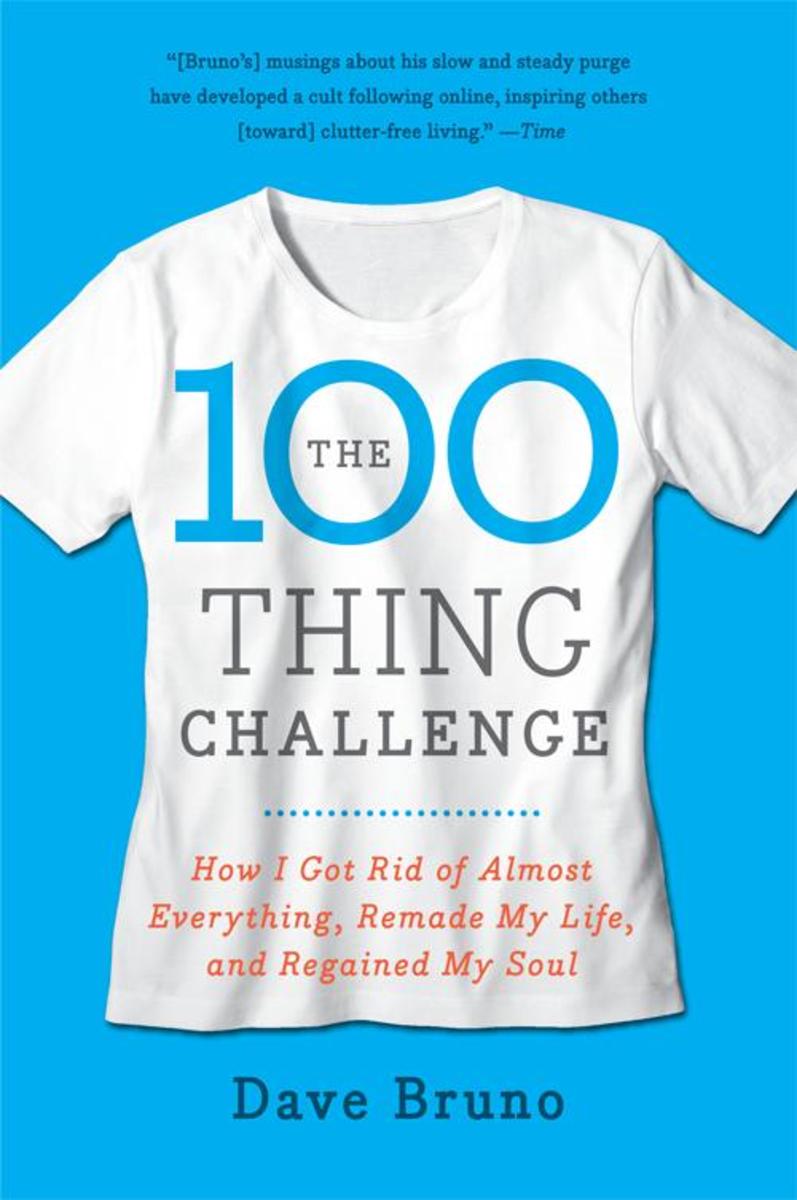
The 100 Thing Challenge
¥88.56
An ordinary man's inspiring journey toward a simpler, more meaningful life. In 2008, average American family man Dave Bruno decided to unhook himself from the intravenous drip of consumerism that fueled his life by winnowing all his personal possessions down to just 100 things. Little did he realize that he would be igniting a grassroots movement soon after Dave embarked on his journey, media around the world took notice and others started to follow his lead.A cause for pause, The 100 Thing Challenge is a response to the culture of materialism in America, one that has filled our lives with the constant and unsatisfactory desire for "more." Dave Bruno offers compelling anecdotes and practical advice to help readers live more meaningfully, simply by casting off the unnecessary "stuff" that clutters their lives. The 100 Thing Challenge is a golden opportunity to experience the positive changes that occur as you defiantly hop off the treadmill of consumerism.

The Little Prisoner
¥83.03
When Jane Elliott was four years old, the nightmare began. She became the helpless victim of a sociopath bullied, dominated, and sexually abused by a man only fourteen years her senior: her stepfather. For nearly two decades she was held prisoner, both physically and emotionally. But at the age of twenty-one she escaped . . . and then she fought back.The Little Prisoner is the shocking, astonishing, and ultimately uplifting true story of one woman's shattering twenty-year ordeal and how she triumphed against an evil and violent human monster when honesty and bravery were her only weapons.

Waterloo
¥77.49
June 18, 1815, was one of the most momentous days in world history, marking the end of twenty-two years of French Revolutionary and Napoleonic Wars. On the bloody battlefield of Waterloo, the Emperor Napoleon and his hastily formed legions clashed with the Anglo-Allied armies led by the Duke of Wellington -- the only time the two greatest military strategists of their age faced each other in combat.With precision and elegance, Andrew Roberts sets the political, strategic, and historical scene, providing a breathtaking account of each successive stage of the battle while also examining new evidence that reveals exactly how Napoleon was defeated. Illuminating, authoritative, and engrossing, Waterloo is a masterful work of history.

Death and Justice
¥84.16
Controversy rages about capital punishment as innocent men and women are being released from death rows all over the country. Are innocent people being executedIs capital punishment justice or is it revengeInto the debate steps Mark Fuhrman, America's most famous detective, and no stranger to controversy himself. Fuhrman seeks to answer these questions by investigating the death penalty in Oklahoma, where a "hang 'em high" attitude of cowboy justice resulted in twenty one executions in 2001, more than any other state. Most of these cases came from one jurisdiction, Oklahoma County, where legendary DA Bob Macy bragged of sending more people to death row than any other prosecutor, and police chemist Joyce Gilchrist was eventually fired for mismanaging the crime lab. Examining police records, trial tran*s, appellate decisions and conducting hundreds of interviews, Fuhrman focuses his considerable investigative skills on more than a dozen of the most controversial Oklahoma death penalty cases.
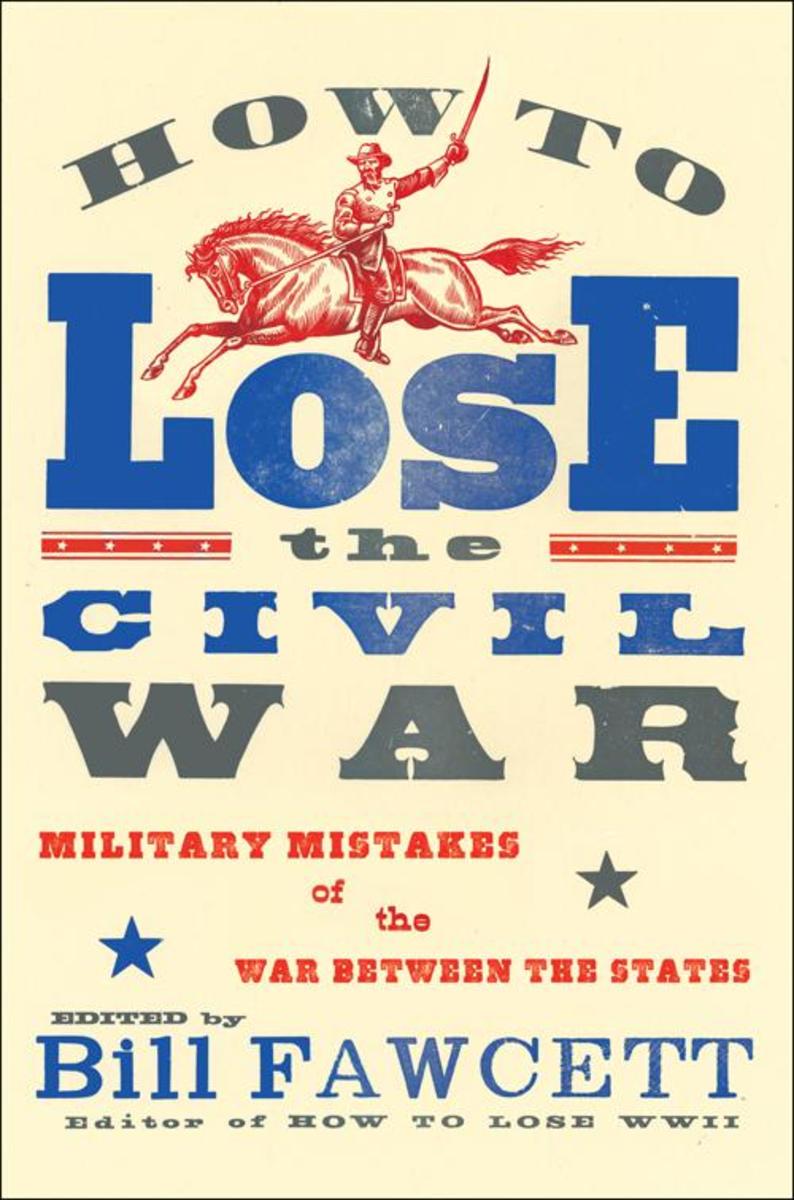
How to Lose the Civil War
¥77.49
A fascinating and fact–filled collection of the greatest and dumbest missteps of America's bloodiest conflict For four years in the middle of the nineteenth century, brother fought brother on American soil. No American war ever had higher stakes than, or changed a nation as profoundly as, the terrible conflict between the Union and the Confederacy. A dark historical panorama populated by a remarkable cast of colorful characters, the War Between the States was indelibly marked by both brilliant military maneuvers and mind-boggling battlefield blunders that gravely threatened the continuation of the American Experiment. With suitable irreverence, Bill Fawcett chronicles the unbelievably disastrous decisions made by both sides in this monumental clash, including: ?The Second Battle of Bull Run, where Robert E. Lee looks smart beating a remarkably stupid general ?How the Union's shortsighted Colonel James Ripley's bad decision arms the Confederate Army better than his own ?Lincoln's roller-coaster search for competent commanders, a long-running dark comedy of tragic errors ?A golden opportunity squandered: General Lee fails to exploit a vulnerable Union and capture Washington, D.C. ?Pickett's disastrous charge and the many, many Confederate command failures at Gettysburg ?Lincoln's contentious draft policy that nearly burns New York City to the ground
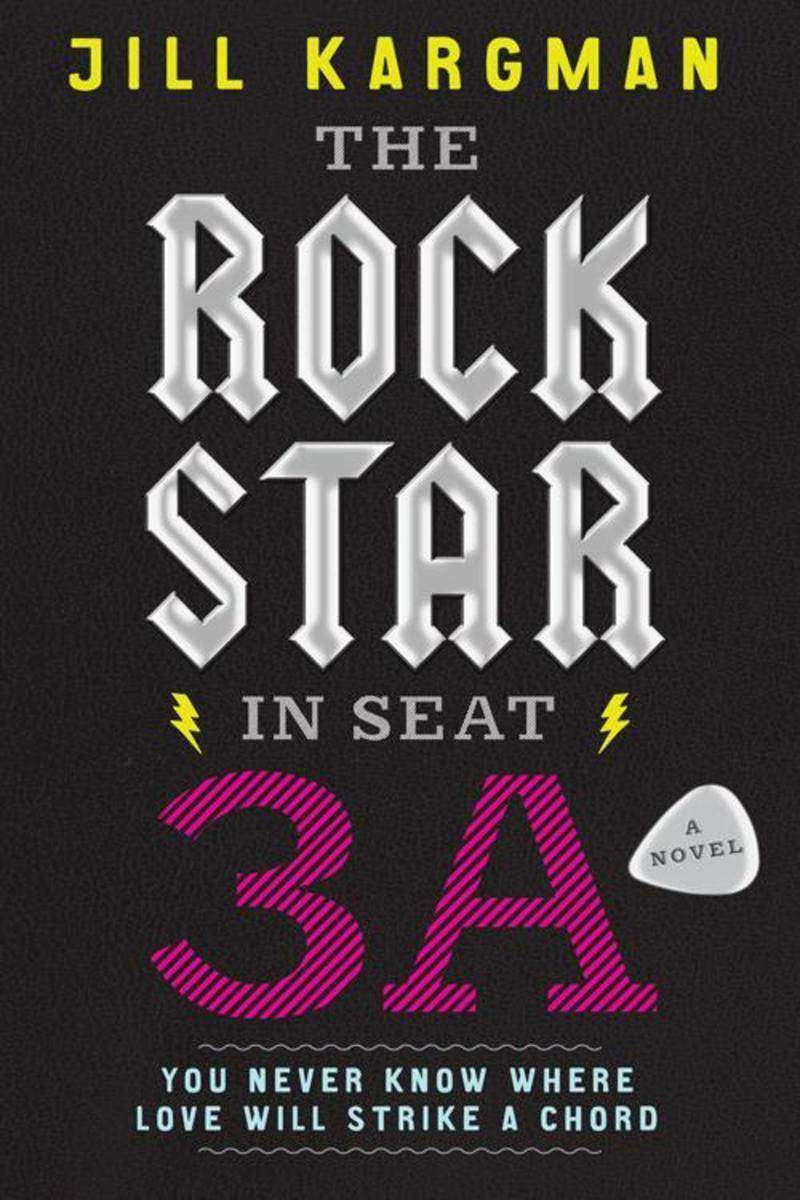
The Rock Star in Seat 3A
¥77.49
It's Hazel's thirtieth birthday and she has everything she's ever wanted: a kickass job, a dream apartment in New York City, and the perfect boyfriend who's just days away from proposing. Hazel thinks she's happy but isn't quite ready to settle down. So when her most far-fetched fantasy enters the realm of the possible, shouldn't she drop everything to see it through?The morning after her birthday, Hazel boards a flight to L.A. only to get the surprise of her life. When she's bumped up to first class, extra legroom and free drinks are absolutely the last things on her mind when she catches sight of her seatmate: her all-time biggest celebrity crush, rock star Finn Schiller! Only the night before she'd confessed her infatuation with the gorgeous musician, and her boyfriend joked that she had a free pass if she ever met him. Hazel can't believe fate has actually thrown them together. Even more unbelievable is that during the flight they genuinely connect. Finn likes her uncensored cursing and wicked sense of humor, and that she's unlike all of his groupies; Hazel likes his killer looks, ripped physique, and soulful music. But what started as a fantasy quickly becomes a real attraction, and after a dream date and taste of the rock-star life with Finn in L.A., Hazel is forced to examine the track her life is on. Indulging in a passionate affair with a rock star seems crazy but could she ever forgive herself if she walked away from her wildest dream coming trueAnd is her wildest dream the stuff that happiness is made of?A lively novel about a down-to-earth New York City girl who suddenly finds herself in a rock 'n' roll Cinderella fantasy, The Rock Star in Seat 3A is seasoned with Jill Kargman's signature wit and hilarious dialogue. This is a fairy-tale romance with a twist.

Stage II Relationships
¥84.16
Offers clear and practical techniques for couples and families who have faced the issue of addiction and are now striving to bring health and vitality to their relationships.

Women's Reality
¥77.49
Defines the Female System as an emerging reality--a system in which women are valued, first-class citizens. Now with a new foreword by Carol S. Pearson.
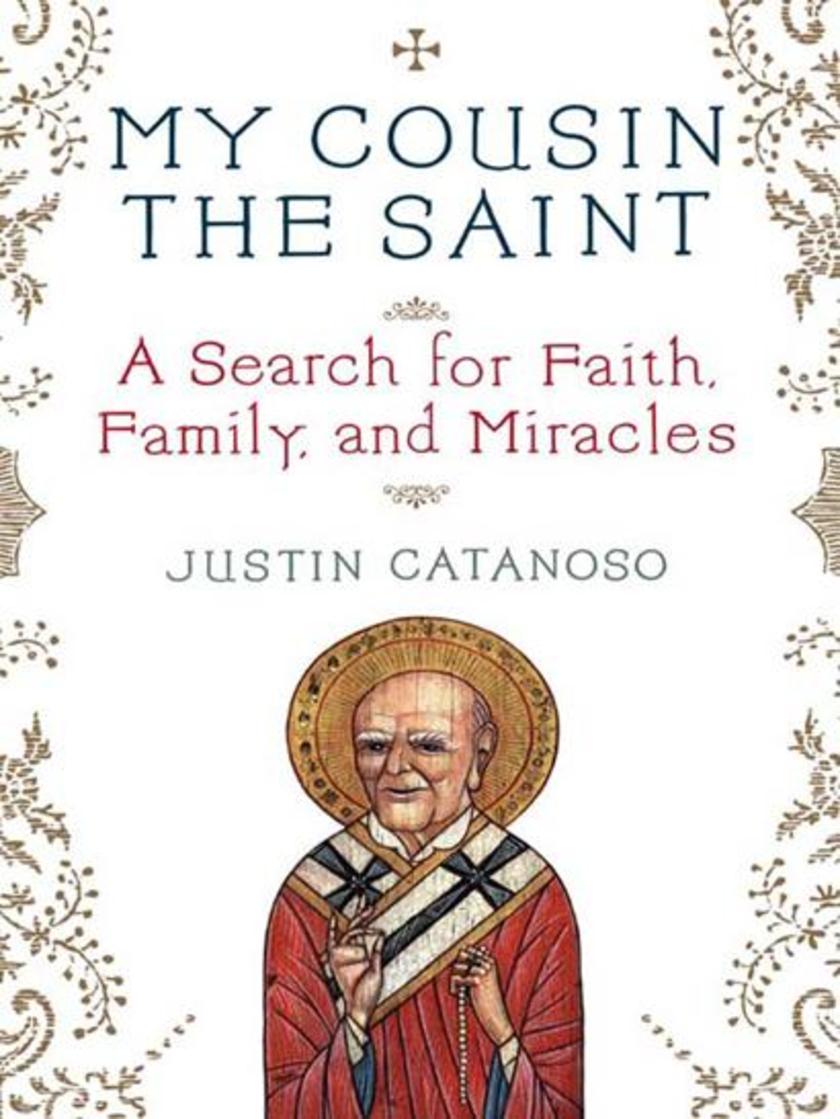
My Cousin the Saint
¥84.16
An inspiring story of faith and family across two continents Like millions of other Italians in the early twentieth century, Justin Catanoso's grandfather immigrated to America to escape poverty and hardship. Nearly a hundred years later, Justin, born and raised in New Jersey, knows little of his family beyond the Garden State. That changes in 2001 when he discovers that his grandfather's cousin, Padre Gaetano Catanoso, is a Vatican-certified miracle worker. After a life of serving the poor and founding an order of nuns, Gaetano had been approved by Pope John Paul II to become a saint, the first priest from Calabria ever to be canonized. A typically lapsed American Catholic, Justin embarks on a quest to connect with his extended family in southern Italy and, ultimately, to awaken his slumbering faith. My Cousin the Saint charts the parallel history of two relatives Justin's grandfather, Carmelo, and his sainted cousin, Gaetano. While Carmelo leaves his homeland to pursue New World prosperity, Gaetano stays behind to relieve Old World misery. Justin reunites the two halves of a sundered family by both exploring the life of the saint in Calabria and uncovering the untold story of his grandfather's family, raised in New Jersey between two world wars. Justin confronts his own tenuous spiritual moorings in the process. After meeting with Vatican officials in Rome, he is astonished by the complexity of saint-making. After hearing one miracle story after another, he struggles with the line between the mystical and the divine. After seeing his brother fall ill with terminal cancer, he questions the value of prayer. And after reveling in the charm and generosity of his newfound Italian relatives, he comes to learn what it means to have a saint in the family.A compelling narrative written with grace and honesty, My Cousin the Saint is a testament to the challenge of being Catholic in twenty-first-century America. More than a biography, more than an immigrant memoir, more than a chronicle of renewed faith, it is a love letter to a family now reunited across oceans and years.
Hunters & Shooters
¥84.16
The U.S. Navy SEALs have long been considered among the finest, most courageous, and professional soldiers in American military history an elite fighting force trained as parachutists, frogmen, demolition experts, and guerrilla warriors ready for sea, air, and land combat. Born out of a proud naval tradition dating back to World War II, the first SEAL teams were commissioned in the early 1960s. Vietnam was their proving ground.In this remarkable volume, fifteen former SEALs most of them original founding team members, or "plankowners" share their vivid first-person remembrances of action in Vietnam. Here are honest, brutal, and relentlessly thrilling stories of covert missions, ferocious firefights, and red-hot chopper insertions and extractions, revealing astonishing little-known truths that will only add strength to the enduring SEAL legend.
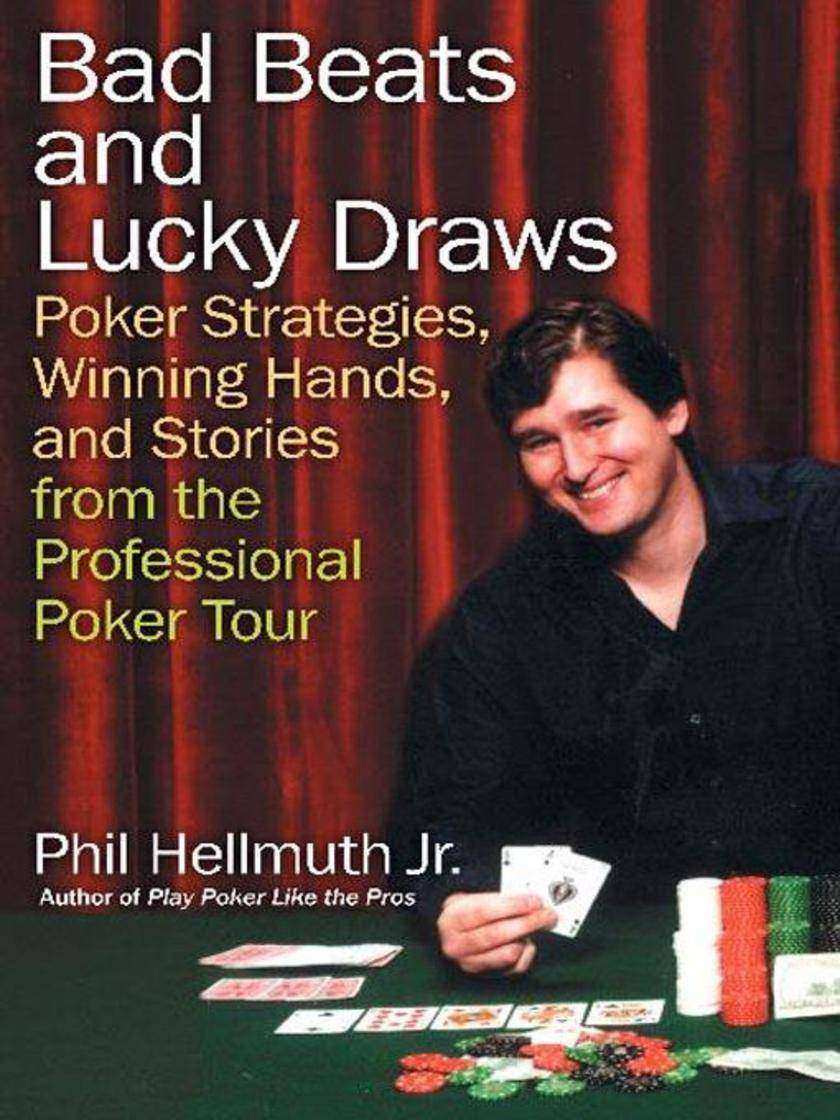
Bad Beats and Lucky Draws
¥84.16
Bad Beats and Lucky Draws is your down-and-dirty guide to the world of high-stakes professional poker. Phil Hellmuth, nine-time World Series of Poker Champion and author of Play Poker Like the Pros, presents a blow-by-blow account of many of poker's "clash of the titans" hands from the World Series of Poker, the World Poker Tour, and the European Tour. Phil provides insights into what the players were thinking and includes his own take on what they (and in many cases what he) should have done differently. Highly entertaining and instructive, Bad Beats and Lucky Draws gives you a seat at the table with the best bluffs, reads, and over-the-top plays such as the hand that won Phil his record-tying ninth bracelet at the 2003 World Series to the heartbreaking play that knocked him out of the "Big One." Bad Beats and Lucky Draws also includes special contributions by Doyle Brunson Johnny Chan Annie Duke Howard Lederer Daniel Negreanu Ted Forrest Jennifer Harman Layne Flack Men Nguyen John Bonetti
Bad Blood
¥88.56
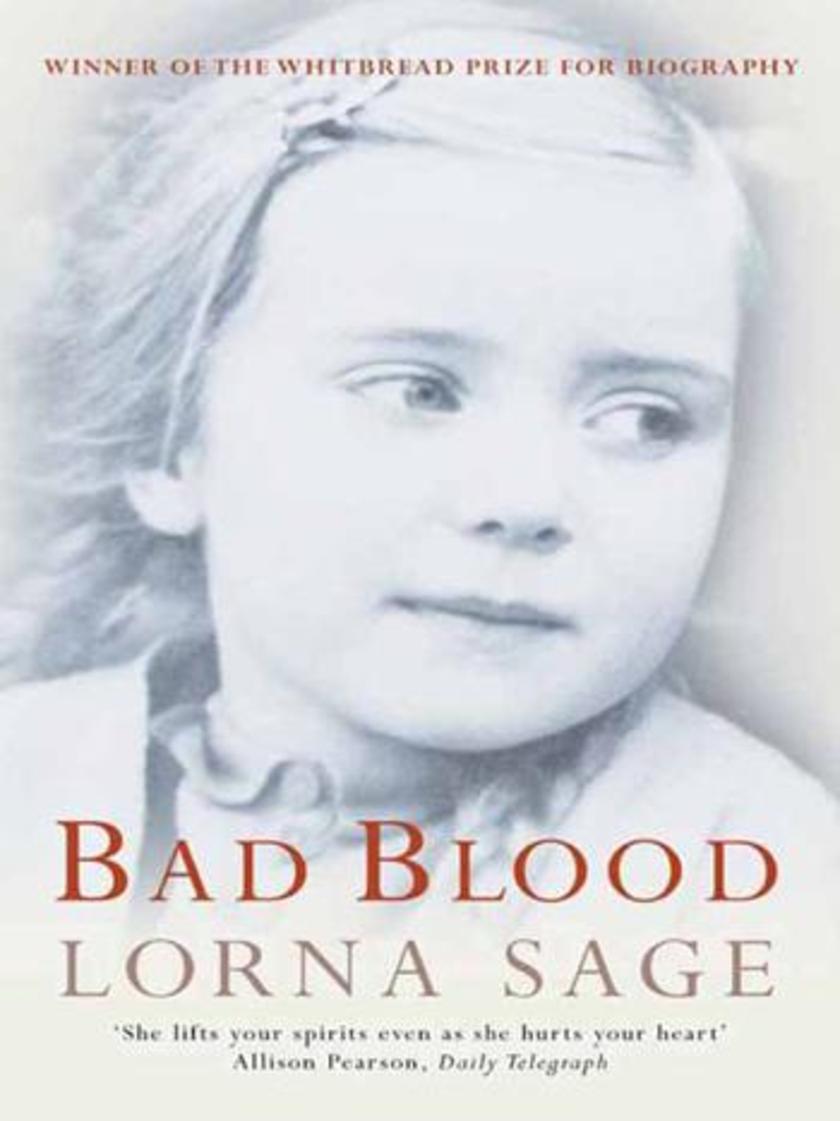
Blood trickles down through every generation, seeps into every marriage. An international bestseller and winner of the Whitbread Biography Award, Bad Blood is a tragicomic memoir of one woman's escape from a claustrophobic childhood in post-World War II Britain and the story of three generations of the author's family and its marriages.In one of the most extraordinary memoirs of recent years, Bad Blood brings alive in vivid detail a time -- the '40s and '50s -- not so distant from us but now disappeared. As a portrait of a family and a young girl's place in it, it is unsurpassed.

Don't Throw Away Tomorrow
¥83.03
Fifty years ago Robert H. Schuller founded a church on the idea that with faith, focus, and follow-through all of our dreams can become realities. A tireless advocate of this positive message, he built the Crystal Cathedral into one of America's most popular and beloved centers of worship. Dedicating his life to both his family and his ministry, Dr. Schuller has gone on to teach millions the power of belief. A gifted and moving storyteller, he now offers the wisdom he's gained over a lifetime of optimism and devotion. In this personal and inspirational book, Schuller shows us how the universal principles that have formed his life and his work can guide ours as well. Starting with the message of "Don't Throw Away Tomorrow!" this landmark book discusses powerful and universal ideals such as starting with optimism, choosing positive values, keeping focused, clearing the channels of communication, and most important looking to the Ultimate Authority.For fifty years Americans have been listening to Schuller's thoughtful guidance and have been inspired by his love of humanity and God. Don't Throw Away Tomorrow is a culmination of his wisdom, delivered directly to the reader a tribute to the power of possibility thinking.
Grand Illusion
¥83.03
Rudy Giuliani emerged from the smoke of 9/11 as the unquestioned hero of the day: America's Mayor, the father figure we could all rely on to be tough, to be wise, to do the right thing. In that uncertain time, it was a comfort to know that he was on the scene and in control, making the best of a dire situation.But was he really?Grand Illusion is the definitive report on Rudy Giuliani's role in 9/11 the true story of what happened that day and the first clear-eyed evaluation of Giuliani's role before, during, and after the disaster.While the pictures of a soot-covered Giuliani making his way through the streets became very much a part of his personal mythology, they were also a symbol of one of his greatest failures. The mayor's performance, though marked by personal courage and grace under fire, followed two terms in office pursuing an utterly wrongheaded approach to the city's security against terrorism. Turning the mythology on its head, Grand Illusion reveals how Giuliani has revised his own history, casting himself as prescient terror hawk when in fact he ran his administration as if terrorist threats simply did not exist, too distracted by pet projects and turf wars to attend to vital precautions.Authors Wayne Barrett and Dan Collins also provide the first authoritative view of the aftermath of the 9/11 attacks, recounting the triumphs and missteps of the city's efforts to heal itself. With surprising new reporting about the victims, the villains, and the heroes, this is an eye-opening reassessment of one of the pivotal events and politicians of our time.

The Rabbi of 84th Street
¥84.16
Always wearing an easy smile, Hasidic rabbi Haskel Besser spreads joy wherever he goes, enriching the lives of his many friends and congregants with his profound understanding of both Orthodox Judaism and humannature.With warmth and admiration, journalist Warren Kozak writes about the rabbi's extraordinary life from his family's escape to Palestine in the late 1930s to his witnessing of Israel's rebirth in 1948, to his move to New York City, where he lives today.A rare window into the normally closed world of Hasidic Jews, The Rabbi of 84th Street is also the story of Judaism in the twentieth century; of the importance of centuries-old traditions; and of the triumph of faith, kindness, and spirit.
Save Me from Myself
¥88.56
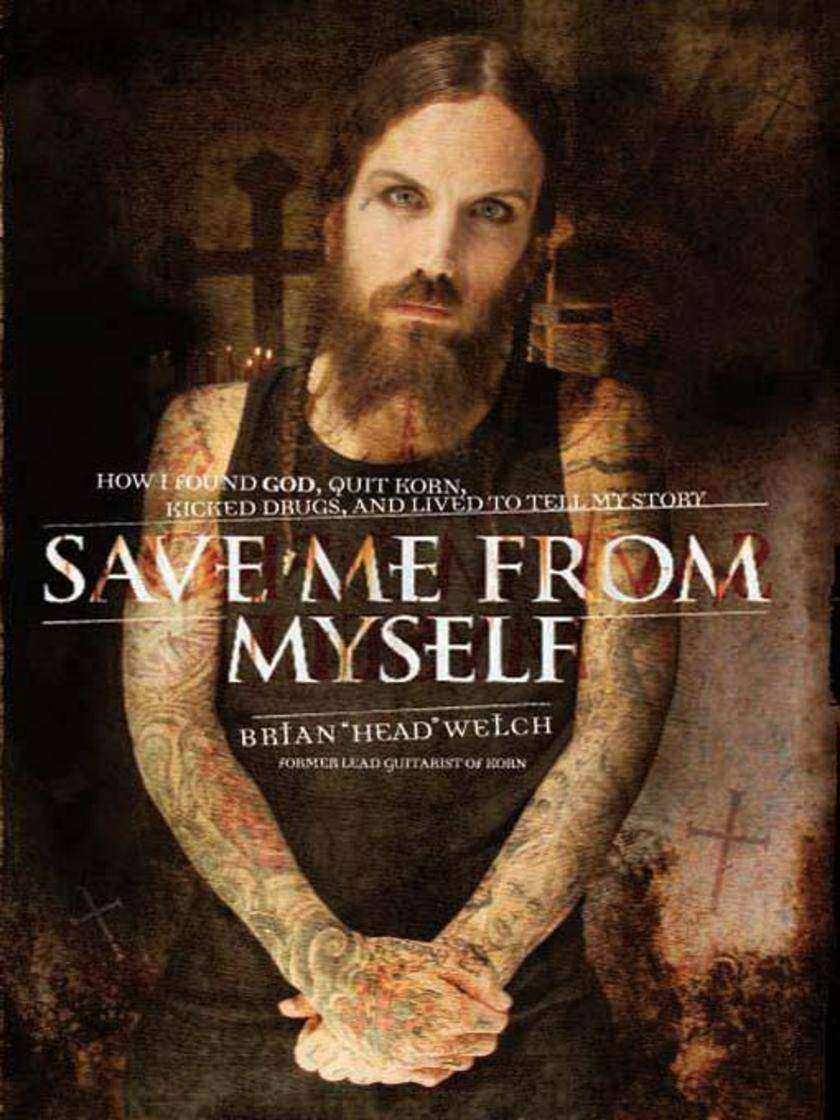
The amazing true story of an out-of-control rock star, his devastating addiction to drugs, and his miraculous redemption through Jesus Christ. In February 2005, more than ten thousand people in Bakersfield, California, watched as Brian "Head" Welch the former lead guitarist of the controversial rock band Korn was saved by Jesus Christ. The event set off a media frenzy as observers from around the world sought to understand what led this rock star out of the darkness and into the light.Now, in this courageous memoir, Head talks for the first time about his shocking embrace of God and the tumultuous decade that led him into the arms of Jesus Christ. Offering a backstage pass to his time with Korn, Head tells the inside story of his years in the band and explains how his rock star lifestyle resulted in an all-consuming addiction to methamphetamines. Writing openly about the tour bus mayhem of Ozzfest and The Family Values tour, he provides a candid look at how the routine of recording, traveling, and partying placed him in a cycle of addiction that he could not break on his own.Speaking honestly about his addiction, Head details his struggles with the drug that ultimately led him to seek a higher power. Despite his numerous attempts to free himself from meth, nothing not even the birth of his daughter could spur him to kick it for good. Here Head addresses how, with the help of God, he emerged from his dangerous lifestyle and found a path that was not only right for his daughter, it was right for him. Discussing the chaotic end to his time in Korn and how his newfound faith has influenced his relationship with his daughter, his life, and his music, Head describes the challenging but rewarding events of the last two years, exposing the truth about how his moments of doubt and his hardships have only deepened his faith.Candid, compelling, and inspirational, Save Me from Myself is a rock 'n' roll journey unlike any other.
Yankee for Life
¥84.16
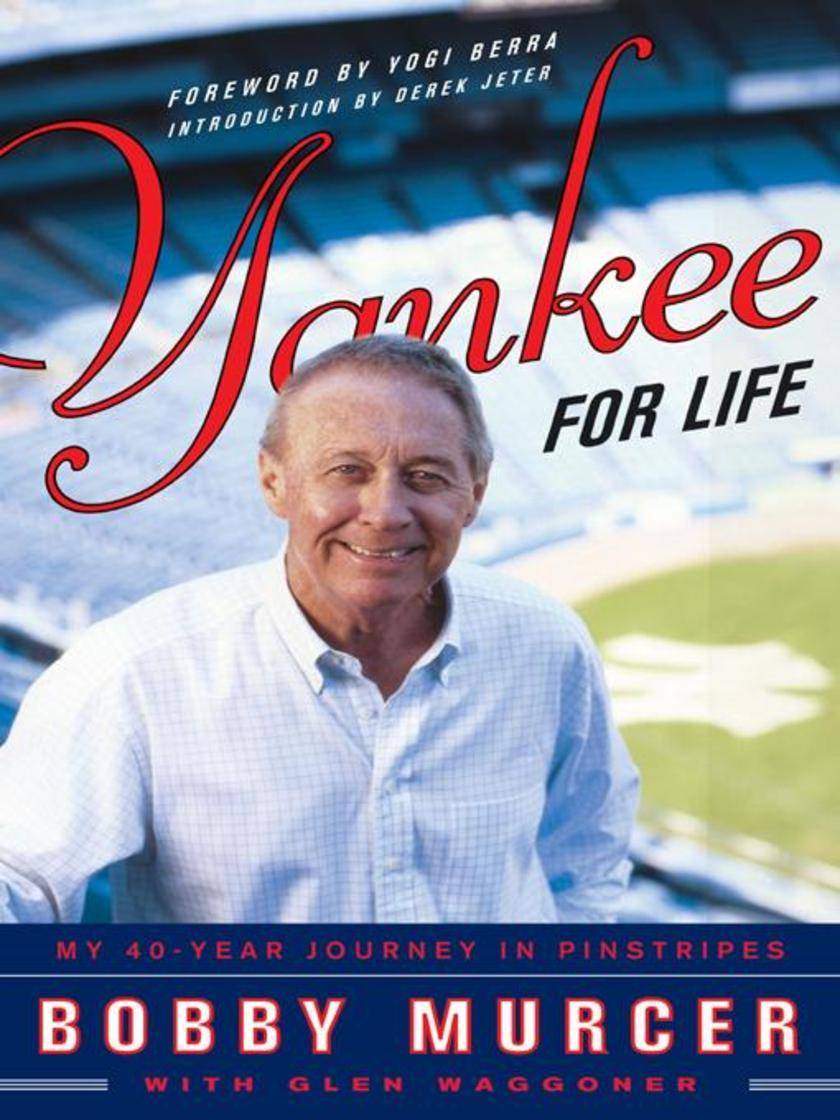
As he stepped to the plate at Yankee Stadium on opening day in 1966, Bobby Murcer carried with him the hopes and expectations of Yankees fans looking for the next Mickey Mantle. Bobby wasn't the next Mick, of course, but he became one of the most beloved Yankees of all time. Yankee for Life is Murcer's account of his stellar career as both a player and an Emmy Award-winning broadcaster. With self-effacing humor and down-home charm, he shares fascinating and illuminating anecdotes about former teammates, bosses, and the new generation of Yankees superstars Rivera, Jeter, Rodriguez whom he watched grow up from the broadcast booth. With candor, courage, and a refreshing dose of wit, he tells of his battle with brain cancer, explaining how the love of his wife and family, his deep religious faith, and the passionate support of fans helped see him through his ordeal.Bobby Murcer may not have achieved the celebrity of some of his fellow players, but ultimately he was what fans always wanted him to be: a Yankee for life.
Write Away
¥83.03
Bestselling author Elizabeth George has spent years teaching writing, and in Write Away she shares her knowledge of the creative process. George combines clear, intelligent, and functional advice on fiction writing with anecdotes from her own life, the story of her journey to publication, and inside information on how she meticulously researches and writes her novels. George's solid understanding of craft is conveyed in the enticing manner of a true storyteller, making Write Away not only a marvelous, interesting, and informative book but also a glimpse inside the world of a beloved writer.

El Dorado
¥147.15
In El Dorado, Peter Campion explores what it feels like to live in America right now, at the beginning of the twenty-first century. Splicing cell-phone chatter with translations of ancient poems, jump-cutting from traditional to invented forms, and turning his high-res lens on everything from box stores to trout streams to airport lounges, Campion renders both personal and collective experience with capacious and subtle skill.


