


 购物车
购物车 个人中心
个人中心

Garantált hepiend
¥59.84
Megvertek és elárultak, meglték az apámat. Bosszút állok – bármi áron” 1789. Párizs varázslatos városában felvirrad a Francia Forradalom hajnala . Az utcakvek vértl vrslenek, ahogy a nép fellázad az elnyomó arisztokrácia ellen. De a forradalmi igazságszolgáltatásért komoly árat kell fizetnie minden embernek… Mikzben a gazdagok és a szegények kztti választóvonal minden korábbinál szélesebbre nyílik, és egy nemzet nmagát tépi szét, két fiatalember, egy férfi és egy n, bosszút akar állni mindazért, amit elveszített. Arno és lise hamarosan az Orgyilkosok és a Templomosok évszázados küzdelme kells kzepén találja magát – egy olyan világban, amelynek halálos veszedelmei minden képzeletet felülmúlnak. Az Ubisoft díjnyertes videójátéka alapján.
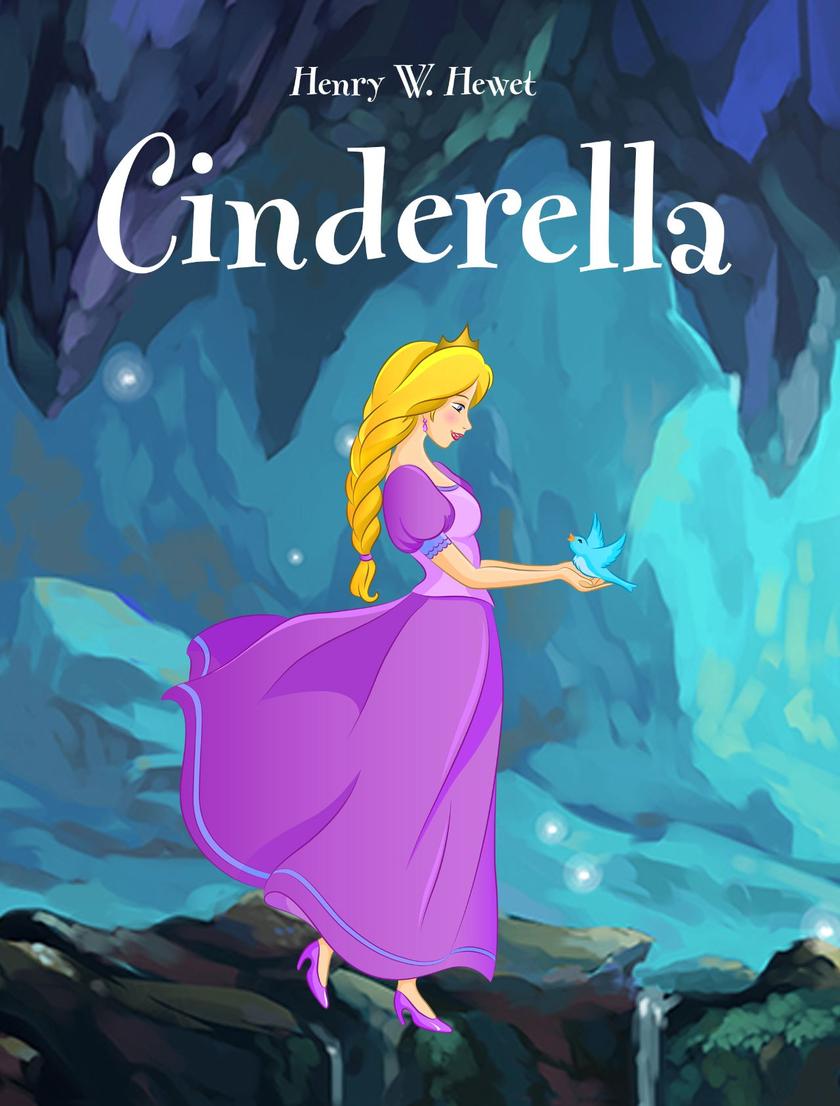
Cinderella: Illustrated Edition
¥8.09
The Original - The Prince and the Pauper - Mark Twain. Classic Historical Fiction. Top 100 Historical Fiction. The Prince and the Pauper is a novel by American author Mark Twain. On the same day in 16th century London were born Tom Canty, destined to become a street beggar, and Edward Tudor, son of Henry VII, a future king. Several years later, young Canty invades the royal precincts hoping to see the Prince. The boys discover they are identical in appearance and exchange clothes. Mistaken for the beggar boy, Prince Edward is thrown into the streets. Tom Canty, too frightened to confess his true identity, assumes the mantle of the Prince of Wales.

Depresszió
¥71.69
A Szvetséges sidk óta kztünk jár és építi birodalmát. Nem egy embert kell legyznünk. Hanem egy legendát.” A mindig harcra kész Lyrna királynnek Alltor véres ostroma után ssze kell gyjtenie csapatait, hogy visszafoglalja a fvárost a volári megszállóktól, és kivívja az Egységes Királyság függetlenségét. Céljai érdekében kénytelen a Hetedik Renddel szvetkezni: olyan férfiakkal és nkkel, akiknek szrny ereje a Stétség rémiszt hatalmától ered. Vaelin Al Sorna ismét a legfbb hadúr szerepében találja magát, és felismeri, hogy csak a voláriak titokzatos Szvetségesének leleplezésével fordíthatja meg a háború menetét. Ehhez pedig mélyen be kell hatolnia a jégpáncélba zárt északi fldekre, hogy rátaláljon valakire, akit szinte lehetetlen legyzni, hiszen halhatatlan. Ráadásul mindezt immár a vér énekének segédlete nélkül, amely baljósan hallgat… Ryan mindent hoz,ami csak jó a fantasyben: stét trténet, si mágia, kegyetlen sszeesküvések, kérdéses hség és vér. Patakokban.” – Publishers Weekly
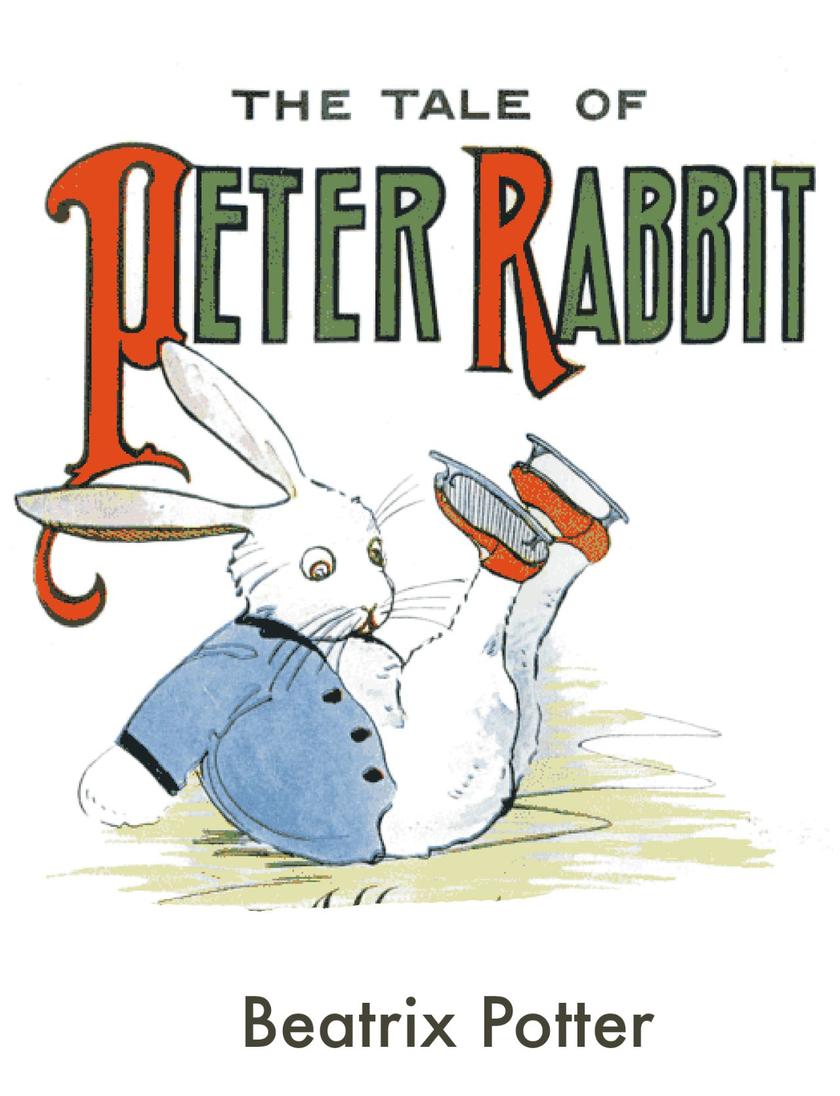
The Tale Of Peter Rabbit
¥8.09
Tanara Oriana moare intr-un accident, chiar in ziua nuntii ei. Pentru oricine, acesta ar parea sfarsitul. Nu si pentru ea. Se intoarce ca recuperator de suflete, insa nu la vechea viata si familie, pentru care trebuie sa ramana moarta, ci la una cu totul noua. Rasfatul si confortul, considerate garantate mai inainte, se duc acum pe Apa Sambetei. Va trebui sa lupte pentru a-i salva pe ceilalti, dar si pe sine. Apar noi prieteni, noi dusmani si… prima iubire? Exista viata dupa moarte? Unii vor spune ca da, altii ca nu. Dar exista un raspuns la care cu siguranta nu v-ati gandit. Exista recuperatorii de suflete. Smulsi din existentele lor, sunt aruncati in altele, neintrebati de nimeni, fara sa li se ceara acceptul. Trebuie doar sa se supuna legilor celor de Dincolo. Iar unii aleg razvratirea…In volumul 2, relatia ei cu Marc, dar si cu ingerii, se aprofundeaza si o determina sa reevalueze tot ce simtea fata de fiecare dintre ei.Aventura se inteteste, atragand cititorul intr-un vartej din care nu mai poate, si nu mai vrea, sa iasa.
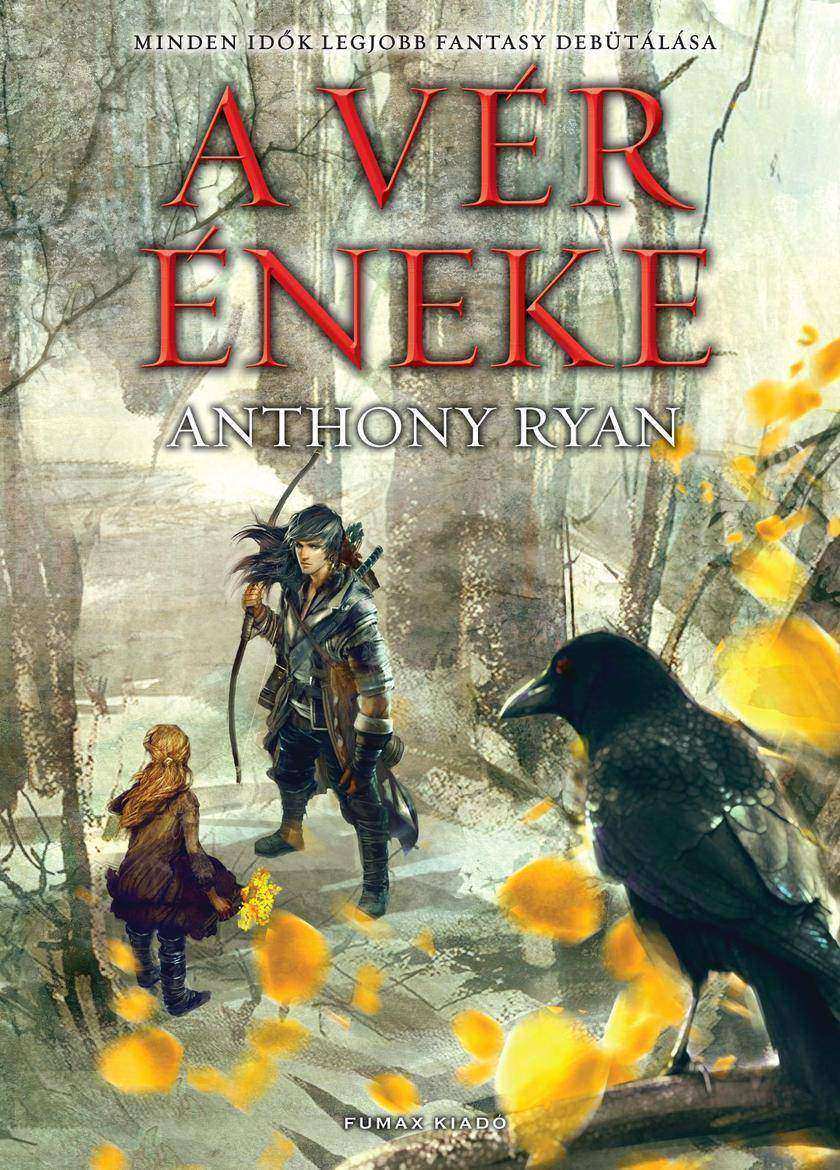
A vér éneke
¥81.18
After the publication of "The Wonderful Wizard of OZ" I began to receive letters from children, telling me of their pleasure in reading the story and asking me to "write something more" about the Scarecrow and the Tin Woodman. At first I considered these little letters, frank and earnest though they were, in the light of pretty compliments; but the letters continued to come during succeeding months, and even years. Finally I promised one little girl, who made a long journey to see me and prefer her request,—and she is a "Dorothy," by the way—that when a thousand little girls had written me a thousand little letters asking for the Scarecrow and the Tin Woodman I would write the book, Either little Dorothy was a fairy in disguise, and waved her magic wand, or the success of the stage production of "The Wizard of OZ" made new friends for the story, For the thousand letters reached their destination long since—and many more followed them. ? ?And now, although pleading guilty to long delay, I have kept my promise in this book. L. FRANK BAUM., Chicago, June, 1904 To those excellent good fellows and comedians David C. Montgomery and Frank A. Stone whose clever personations of the Tin Woodman and the Scarecrow have delighted thousands of children throughout the land, this book is gratefully dedicated by THE AUTHOR Chapter 1 Tip Manufactures a Pumpkinhead ??In the Country of the Gillikins, which is at the North of the Land of Oz, lived a youth called Tip. There was more to his name than that, for old Mombi often declared that his whole name was Tippetarius; but no one was expected to say such a long word when "Tip" would do just as well. This boy remembered nothing of his parents, for he had been brought when quite young to be reared by the old wom-an known as Mombi, whose reputation, I am sorry to say, was none of the best. For the Gillikin people had reason to suspect her of indulging in magical arts, and therefore hesi-tated to associate with her. Mombi was not exactly a Witch, because the Good Witch who ruled that part of the Land of Oz had forbidden any oth-er Witch to exist in her dominions. So Tip's guardian, how-ever much she might aspire to working magic, realized it was unlawful to be more than a Sorceress, or at most a Wizardess. ? Tip was made to carry wood from the forest, that the old woman might boil her pot. He also worked in the corn-fields, hoeing and husking; and he fed the pigs and milked the four-horned cow that was Mombi's especial pride... ? ABOUT AUTHOR: Lyman Frank Baum (May 15, 1856–May 6, 1919) was an American author, actor, and independent filmmaker best known as the creator, along with illustrator W. W. Denslow, of one of the most popular books ever written in American children's literature, The Wonderful Wizard of Oz, better known today as simply The Wizard of Oz. He wrote thirteen sequels, nine other fantasy novels, and a plethora of other works, and made numerous attempts to bring his works to the stage and screen.? Other Books of Author: The Wonderful Wizard of Oz (1900) Dorothy and the Wizard in Oz (1908) American Fairy Tales (1901) The Emerald City of Oz (1910) Ozma of Oz (1907) The Lost Princess of Oz (1917) Glinda of Oz (1920) The Road to Oz (1909) Tik-Tok of Oz (1914)
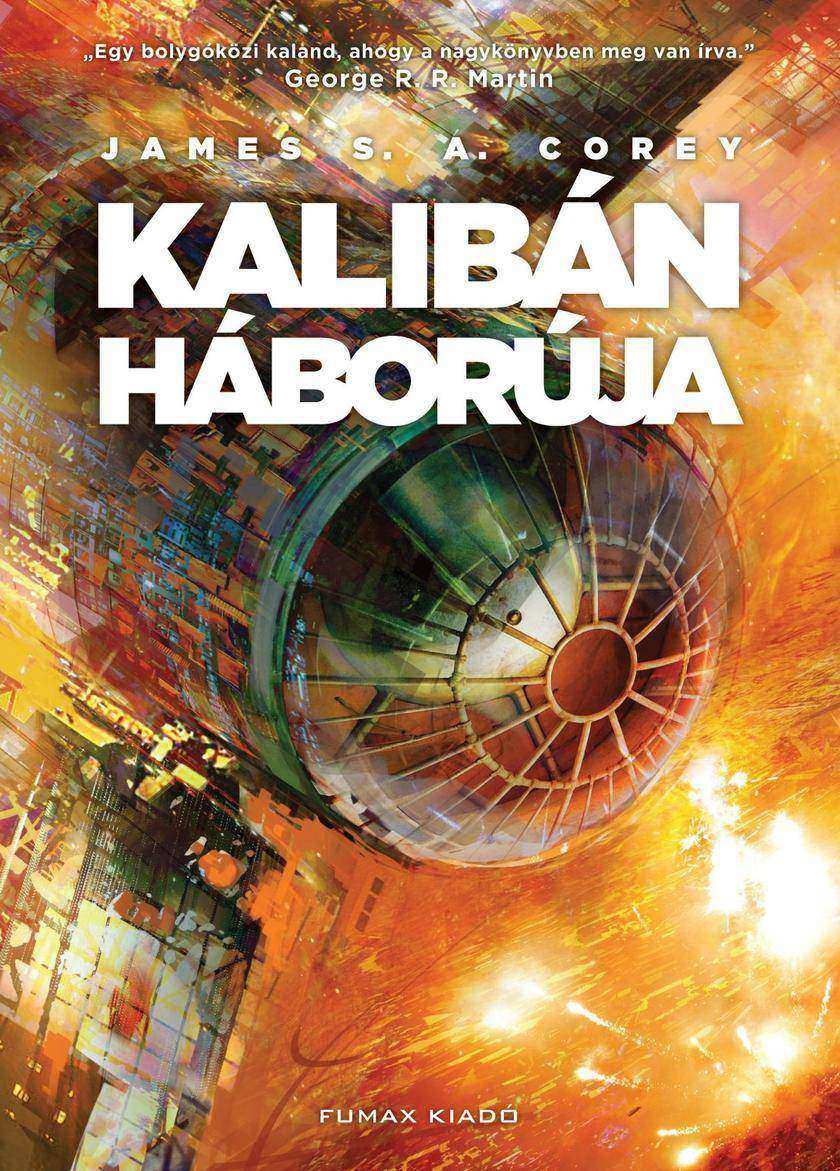
Kalibán háborúja
¥65.66
The Trial (German: Der Process) is a novel by Franz Kafka about a character named Josef K., who awakens one morning and, for reasons never revealed, is arrested and prosecuted for an unspecified crime. According to Kafka's friend Max Brod, the author never finished the novel and wrote in his will that it was to be destroyed. After his death, Brod went against Kafka's wishes and edited The Trial into what he felt was a coherent novel and had it published in 1925.
A v?r?s halál álarca
¥22.73
Az el?kel? bentlakásos iskola borostyánnal borított falai k?z?tt korrupció, botrány és egy ?sszeesküvés baljós hálózata rejt?zik. Az Amerikából j?tt Raven Stone-nak felt?nik, hogy valami nagyon nem stimmel. El?sz?r is ott vannak a titokzatos elt?nések. Aztán a tanárok hazugságai. ?s most pedig a halálos fenyegetések... A nyugtalanító t?rténéseket csak tovább bonyolítja a rejtélyes Kieran Storm felt?nése, akinek nemcsak az agya penge, de a teste is d?gleszt?. Raven érzi, hogy beleszeret a fiúba, de megbízhat olyasvalakiben, akir?l szinte semmit sem tud?
San-Antonio. De la A la Z
¥32.62
Codul vindec?rii este echipamentul vostru pentru via??: folositi-l! ?n 2001, Alexander Loyd a descoperit cum s? activeze func?ia fizic? ?ncorporat? ?n organism, care poate ?nl?tura, ?n propor?ie de p?n? la 95%, sursa tuturor bolilor ?i st?rilor de r?u. ?n acest caz, sistemul neuro-imunitar ??i poate ?ndeplini misiunea de a vindeca orice r?u din organism. Descoperirile dr. Loyd au fost validate prin teste ?i m?rturii ale oamenilor din ?ntreaga lume, care au folosit sistemul Codul vindec?rii pentru a corecta, practic, orice problem? fizic?, emo?ional? sau rela?ional?, dar ?i pentru a avea succes deosebit ?n carier?. Testele doctorului Alexander Loyd au ar?tat c? exist? un ?cod universal al vindec?rii“ care poate ajuta la vindecarea celor mai multe probleme pentru cei mai mul?i oameni. cartea cuprinde ?i: Cele ?apte secrete ale vie?ii, s?n?t??ii ?i prosperit??ii; Tehnica de 10 secunde a Impactului imediat pentru dezamorsarea stresului zilnic; Detectorul de probleme suflete?ti, singurul test care identific? problemele de baz? printr-un raport personalizat ?i succint. ?Am folosit aproape toate tehnologiile moderne, protocoale de tratament, tehnici, sisteme, filozofii ?i modalit??i de vindecare at?t din medicina alopat?, c?t ?i din cea alternativ?, dar, dac? ar fi s? aleg doar una, aceasta ar fi lucrarea dr. Loyd. Nu cunosc niciun alt proces care s? fie at?t de elegant ?n simplitatea lui, at?t de u?or de ?nv??at, de profund eficient ?i, mai ales, etern. Cea mai bun? recomandare pe care o pot face este s? spun c? ?l folosesc eu ?nsumi, ?l folosesc pentru familia ?i pacien?ii mei.“ – Merril Ken Galera, medic, director medical la Galera Center ?Aproape c? trebuie s? treci printr-un proces ca acela din Codul vindec?rii pentru a-?i schimba convingerile gre?ite care te ?mpiedic? s? ai via?a ?i s?n?tatea pe care ?i le dore?ti.“ – Dr. Bruce Lipton, fost cercet?tor ?n domeniul biologiei celulei la Stanford ?i autor al bestsellerului Biology of Belief
A várúr
¥80.03
"When Jesus arrives, Hades bids his servants to bolt and lock the doors, but to no avail; Jesus shatters the gates and enters. He seizes Satan and binds him in iron chains, then consigning him into Hades’s keeping until the second coming. Jesus next turns his attention to the patriarchs. He raises up Adam, along with all the prophets and the saints. Together, they all depart up out of Hades, and ascend into Paradise.) The “Harrowing of Hell” portion of that Gospel was widely circulated in other compilations of religious literature, most notably in the Golden Legend of the lives of the saints, compiled by Jacob of Voragine in the 13th century." The literary versions of the “Harrowing of Hell” in turn gave rise to many works of art, including the “mystery play” tradition of medieval religious drama. Most commonly, however, people would learn about Jesus’s descent into the underworld from the artwork which decorated the churches and cathedrals of Europe. A Dialogue in Hades, this illlustrated version of the book, gives a many perspective to the readers, With WELL ILLUSTRATIONS BY MURAT UKRAY {E-KITAP PROJESI}..

Feketén fehéren
¥69.41
"Miklóska nagyon boldog volt, hogy újra láthatja a cica-babát és megint játszhatik vele, Kandur bátya sem adta meg a cica-babának azt a pofont és azt a pár karmolást, amit?l a cica-baba félt. Egyébként Kandur bátya csakhamar hazautazott, a cica-baba ellenben Budapesten maradt s Miklóskával együtt megy haza nyaralni a nagymamához."
Damele din p?l?rie. Pseudospionologykos
¥32.62
Inspirat de o tem? pe care o prime?te de la noul s?u profesor de ?tiin?e sociale, micul Trevor are o idee menit? s? schimbe lumea. O ambi?ie uria?? pentru un pu?ti de numai doisprezece ani, dar care reu?e?te, ?n ciuda obstacolelor, s? nu-?i piard? idealismul ?i s? demonstreze c? to?i putem fi capabili de fapte bune.?n jocul aritmetic al lui Trevor, de la un singur om care face trei lucruri importante pentru trei oameni diferi?i, se poate ajunge la o lume ?ntreag? ?n care o favoare primit? nu se ?ntoarce, ci se r?spl?te?te d?nd mai departe ajutorul celor care au nevoie de el.?O capodoper? cu un final incendiar." Kirkus Reviews?Foarte puternic… dialoguri veridice ?i nuan?e care fac personajele mai vii dec?t ar fi ?n realitate." Chicago Tribune?Catherine Ryan Hyde ne conduce c?tre un final curajos ?i puternic." Los Angeles Times?Filosofia din spatele c?r?ii este at?t de interesant?, iar optimismul ei at?t de contagios, ?nc?t cititorul absoarbe f?r? s?-?i dea seama o poveste de care-?i va aminti mult? vreme." The Denver Post
Kenoma
¥16.27
Documentele publicate sub egida Institutului de Istorie ?George Bari?iu“ al Academiei Rom?ne au fost structurate ?n dou? p?r?i: Emigra?ia albgardist? ?i Biserica Rus? din Bucure?ti. Prima parte cuprinde r?spunsul direc?iilor regionale la Ordinul Direc?iei Generale a Securit??ii Statului nr. 354/81558 privind albgardi?tii din raza acestora de competen??, iar cea de a doua – materiale ale Direc?iei Regionale a Securit??ii Bucure?ti despre personalul, emigran?ii ?i refugia?ii care frecventeaz? Biserica Rus?. Sursele relev? destinul, starea de spirit ?i material? a fo?tilor membri ai armatelor ruse ?i ucrainene stabili?i ?n Rom?nia, supravie?uitori ai celor dou? r?zboaie mondiale, liderii fiind deja aresta?i.Din sinteza informativ? a Direc?iei Regionale a Securit??ii Bac?u din 27 octombrie 1951:??n urma ac?iunilor contrarevolu?ionare desf??urate ?n t?n?rul Stat Sovietic de c?tre bandele conduse de Denikin, Kerenski ?i Vranghel, bande ce au fost distruse de c?tre t?n?ra Armat? Ro?ie Sovietic? ?i alungate peste grani?ele Statului Sovietic, ?i ?n ?ar? la noi au venit o serie de elemente ce au f?cut parte din aceste armate, care ?i-au stabilit domiciliul ?n diferite ora?e ale ??rii noastre, unde sub regimul burghezo-mo?ieresc ce se afla ?n acel timp la c?rma ??rii noastre au g?sit azil ?i ocrotire.Astfel ?i ?n regiunea Bac?u din aceste elemente identificate p?n? ?n prezent sunt ?n num?r de 6 persoane, ?i anume: Mateevski Konstantin, ?n prezent domiciliat ?n Piatra-Neam?, de profesie electrician ?i mecanic, angajat ?n aceast? func?ie la Sovromlemn Piatra-Neam?; Petrovski Vasile, fost colonel de artilerie ?i avia?ie ?n armata alb? a lui Vranghel, ?n prezent domiciliat ?n Piatra-Neam?, fiind angajat ca magazioner la fabrica Bistri?a din Piatra-Neam?; Galini?cenko Alexandru, domiciliat ?n Piatra-Neam?, f?r? ocupa?ie, ?n prezent fiind b?tr?n; Kazimirov Mark, de profesie ?ofer angajat ?n aceast? calitate la fabrica ?Reconstruc?ia“ Piatra-Neam?, fost ofi?er ?n Armata Alb? ucrainean?, ?n prezent lucreaz? ca t?mplar, ?i Babici Ifrim, fost ofi?er ?n armata lui Vranghel, actualmente domiciliat ?n comuna Tarc?u, raionul Piatra-Neam?, cu serviciul la Sovromlemn.?n leg?tur? cu susnumi?ii trebuie s? ar?t?m c? dac? ?n trecut existau unele rela?ii de prietenie ?ntre d?n?ii, ?nt?lniri ?n care ??i reaminteau cu pl?cere de trecutul lor, ast?zi, fiind elemente b?tr?ne, nu se mai observ? aceste leg?turi, mai ales c? majoritatea sunt c?s?tori?i cu cet??ence rom?ne ?i parte dintre d?n?ii au chiar ?i copii.De asemeni, din cele cunoscute de noi rezult? c? ace?tia nu ?ntre?in leg?turi prin coresponden?? cu str?in?tatea ?i nici cu elementele dubioase ?i du?m?noase din locurile unde tr?iesc ei. S-a putut constata c? aceste elemente sunt extrem de fricoase ca nu cumva s? vin? o dispozi?ie care s?-i pun? ?n situa?ia s? se ?ntoarc? ?n URSS, obliga?i. Comentarii ?n acest gen au fost extrem de multe ?n r?ndurile lor, ?n special ?ntre anii 1945-1946, c?nd ei credeau sigur c? vor fi evacua?i din ?ara noastr? ?i trimi?i ?n Uniunea Sovietic?. Totu?i ?i ?n prezent, de?i b?tr?ni, exist? ?i ?n r?ndurile lor unele comentarii ?i nemul?umiri, pe care ?ns? ?i le arat? ?n anturajul restr?ns pe care eventual ?l au.“

Cele cinci trepte ale s?n?t??ii
¥73.49
Poeziile lui Giorgio Baffo (1694-1768), mentor al lui Casanova, sunt de o sinceritate dezarmant?. Un limbaj poetic picant, cu un efect direct asupra cititorului. Erotismul abund? ?n rostogoliri de imagini fierbin?i, iar sonetele autorului italian par o petrecere ?n rime, care iau peste picior bunele moravuri ale epocii.?F?r? Baffo, n?am avea idee de decaden?a voluptuoas? a Serenissimei Republici. Prin el, cunoa?tem via?a sexual? a Vene?iei, cu serb?ri, cu osterii, cu cazinouri, cu jocuri de noroc, cu dansatoare ?i cu c?lug?ri?e liber?tine“ – Guillaume Apollinaire

Enzima ?ntineririi
¥48.97
Volumul de proz? scurt? al lui Dorin David reune?te dou?zeci ?i trei de scrieri, o parte din ele publicate ?n perioada 2001-2013 ?n revistele Calende, Vatra, Tribuna ?i Astra, restul fiind inedite.Povestirile penduleaz? ?ntre dou? universuri – cel al realit??ii imediate, cu personaje ?i situa?ii palpabile, ?i cel al fic?iunii literare, chiar al magicului –, care la un moment dat ??i confund? grani?ele, cititorul trec?nd , gra?ie ?u?ilor“ ?i ?ferestrelor“ sugerate cu subtilitate de autor, dintr-o dimensiune ?n alta.
?szi k?ztársaság
¥80.52
Anna Karenina is a novel by the Russian writer Leon Tolstoy, published in serial installments from 1873 to 1877 in the periodical The Russian Messenger. Tolstoy clashed with editor Mikhail Katkov over political issues that arose in the final installment (Tolstoy's unpopular views of volunteers going to Serbia); therefore, the novel's first complete appearance was in book form. Widely regarded as a pinnacle in realist fiction, Tolstoy considered Anna Karenina his first true novel, when he came to consider War and Peace to be more than a novel. Fyodor Dostoevsky declared it to be "flawless as a work of art". His opinion was shared by Vladimir Nabokov, who especially admired "the flawless magic of Tolstoy's style", and by William Faulkner, who described the novel as "the best ever written". The novel is currently enjoying popularity, as demonstrated by a recent poll of 125 contemporary authors by J. Peder Zane, published in 2007 in "The Top Ten" in Time, which declared that Anna Karenina is the "greatest novel ever written" "..The novel opens with a scene introducing Prince Stepan Arkadyevich Oblonsky ("Stiva"), a Moscow aristocrat and civil servant who has been unfaithful to his wife Darya Alexandrovna ("Dolly"). Dolly has discovered his affair with the family's governess, and the household and family are in turmoil. Stiva's affair and his reaction to his wife's distress show an amorous personality that he cannot seem to suppress. In the midst of the turmoil, Stiva informs the household that his married sister, Anna Arkadyevna Karenina, is coming to visit from Saint Petersburg. Meanwhile, Stiva's childhood friend, Konstantin Dmitrievich Levin ("Kostya"), arrives in Moscow with the aim of proposing to Dolly's youngest sister, Princess Katerina Alexandrovna Shcherbatskaya ("Kitty"). Levin is a passionate, restless, but shy aristocratic landowner who, unlike his Moscow friends, chooses to live in the country on his large estate. He discovers that Kitty is also being pursued by Count Alexei Kirillovich Vronsky, an army officer. Whilst at the railway station to meet Anna, Stiva bumps into Vronsky who is there to meet his mother, the Countess Vronskaya. Anna and Vronskaya have traveled and talked together in the same carriage. As the family members are reunited, and Vronsky sees Anna for the first time, a railway worker accidentally falls in front of a train and is killed. Anna interprets this as an "evil omen." Vronsky, however, is infatuated with her. Anna is uneasy about leaving her young son, Sergei ("Seryozha"), alone for the first time.At the Oblonsky home, Anna talks openly and emotionally to Dolly about Stiva's affair and convinces her that Stiva still loves her despite the infidelity. Dolly is moved by Anna's speeches and decides to forgive Stiva. Kitty, who comes to visit Dolly and Anna, is just eighteen. In her first season as a debutante, she is expected to make an excellent match with a man of her social standing. Vronsky has been paying her considerable attention, and she expects to dance with him at a ball that evening. Kitty is very struck by Anna's beauty and personality and becomes infatuated with her just as Vronsky is. When Levin proposes to Kitty at her home, she clumsily turns him down, believing she is in love with Vronsky and that he will propose to her, and encouraged to do so by her mother who believes Vronsky would be a better match.At the big ball Kitty expects to hear something definitive from Vronsky, but he dances with Anna, choosing her as a partner over a shocked and heartbroken Kitty. Levin, crushed by Kitty's refusal, returns to his estate, abandoning any hope of marriage. Anna returns to her husband Alexei Alexandrovich Karenin, a senior government official, and her son Seryozha in Saint Petersburg. On seeing her husband for the first time since her encounter with Vronsky, Anna realises that she finds him unattractive, though she tells herself he is a good man.." ? ABOUT AUTHOR: Tolstoy was born in Yasnaya Polyana, the family estate in the Tula region of Russia. The Tolstoys were a well-known family of old Russian nobility. He was the fourth of five children of Count Nikolai Ilyich Tolstoy, a veteran of the Patriotic War of 1812, and Countess Mariya Tolstaya (Volkonskaya).

Supravie?uitorii. Vol. 1 - Ora?ul pustiu
¥32.62
Volumul Marianei Damian reconstituie via?a celui mai iubit poet latin, Publius Ovidius Naso, ?n contextul istoric, politic ?i cultural al perioadei lui Augustus. Cartea este o radiografie am?nun?it? a fr?m?nt?rilor poetului roman ?n urma exil?rii sale la marginea imperiului, pe malul M?rii Negre, invit?ndu-i pe cititori la o relectur? a operei ovidiene din perspectiva motivelor ?nstr?in?rii, singur?t??ii ?i nostalgiei.

Hajnali beszélgetések Lukits Milossal
¥27.71
T?rténik Olivér házában, Frigyes herceg udvarában, valamint az Ardeni-erd?ben – vélhet?leg Franciaországban. Egy nagy erej? vitéz, miként nálunk majd Toldi, legy?z egy bajnokot. Bár testvére ármánya miatt meg kellett volna halnia a párviadalban, mégis az ? homlokára kerül a gy?ztesnek kijáró koszorú. ?s ezzel kezdetét veszi vessz?futása. El?bb csak bátyja, majd uralkodója haragja el?l, utóbb egyenest a szám?zetésbe. Vigaszul csupán egy mosoly, egy fehér lánykézb?l kapott amulett és ?reg szolgája sírig h? ragaszkodása szolgál. ?m az ardeni erd? mélyén további barátokra, igaz szerelemre, és el?z?tt hercegének birodalmára talál.
Vészmadarak
¥57.47
"BLEAK HOUSE" is a novel by Charles Dickens, published in 20 monthly instalments between March 1852 and September 1853. It is held to be one of Dickens's finest novels, containing one of the most vast, complex and engaging arrays of minor characters and sub-plots in his entire canon. The story is told partly by the novel's heroine, Esther Summerson, and partly by a mostly omniscient narrator. Memorable characters include the menacing lawyer Tulkinghorn, the friendly but depressive John Jarndyce, and the childish and disingenuous Harold Skimpole, as well as the likeable but imprudent Richard Carstone. At the novel's core is long-running litigation in England's Court of Chancery, Jarndyce v Jarndyce, which has far-reaching consequences for all involved. This case revolves around a testator who apparently made several wills. The litigation, which already has taken many years and consumed between 60,000 and 70,000 in court costs, is emblematic of the failure of Chancery. Though Chancery lawyers and judges criticised Dickens's portrait of Chancery as exaggerated and unmerited, his novel helped to spur an ongoing movement that culminated in the enactment of legal reform in the 1870s. In fact, Dickens was writing just as Chancery was reforming itself, with the Six Clerks and Masters mentioned in Chapter One abolished in 1842 and 1852 respectively: the need for further reform was being widely debated. These facts raise an issue as to when Bleak House is actually set. Technically it must be before 1842, and at least some of his readers at the time would have been aware of this. However, there is some question as to whether this timeframe is consistent with the themes of the novel. The English legal historian Sir William Holdsworth set the action in 1827. Characters in Bleak House: As usual, Dickens drew upon many real people and places but imaginatively transformed them in his novel. Hortense is based on the Swiss maid and murderess Maria Manning. The "telescopic philanthropist" Mrs Jellyby, who pursues distant projects at the expense of her duty to her own family, is a criticism of women activists like Caroline Chisholm. The "childlike" but ultimately amoral character Harold Skimpole is commonly regarded as a portrait of Leigh Hunt. "Dickens wrote in a letter of 25 September 1853, 'I suppose he is the most exact portrait that was ever painted in words! ... It is an absolute reproduction of a real man'; and a contemporary critic commented, 'I recognized Skimpole instantaneously; ... and so did every person whom I talked with about it who had ever had Leigh Hunt's acquaintance.'"[2] G. K. Chesterton suggested that Dickens "may never once have had the unfriendly thought, 'Suppose Hunt behaved like a rascal!'; he may have only had the fanciful thought, 'Suppose a rascal behaved like Hunt!'". Mr Jarndyce's friend Mr Boythorn is based on the writer Walter Savage Landor. The novel also includes one of the first detectives in English fiction, Inspector Bucket. This character is probably based on Inspector Charles Frederick Field of the then recently formed Detective Department at Scotland Yard. Dickens wrote several journalistic pieces about the Inspector and the work of the detectives in Household Words, his weekly periodical in which he also published articles attacking the Chancery system. The Jarndyce and Jarndyce case itself has reminded many readers of the thirty-year Chancery case over Charlotte Smith's father-in-law's will. Major characters: Esther Summerson – the heroine of the story, and one of its two narrators (Dickens's only female narrator), raised as an orphan because the identity of her parents is unknown. At first, it seems probable that her guardian, John Jarndyce, is her father because he provides for her. This, however, he disavows shortly after she comes to live under his roof.
10 plus 10 prozatori exemplari nominaliza?i la Nobel
¥40.79
Candide is characterised by its sarcastic tone, as well as by its erratic, fantastical and fast-moving plot. A picaresque novel with a story similar to that of a more serious bildungsroman, it parodies many adventure and romance clichés, the struggles of which are caricatured in a tone that is mordantly matter-of-fact. Still, the events discussed are often based on historical happenings, such as the Seven Years' War and the 1755 Lisbon earthquake. As philosophers of Voltaire's day contended with the problem of evil, so too does Candide in this short novel, albeit more directly and humorously. Voltaire ridicules religion, theologians, governments, armies, philosophies, and philosophers through allegory; most conspicuously, he assaults Leibniz and his optimism. Voltaire's men and women point his case against optimism by starting high and falling low. A modern could not go about it after this fashion.?He would not plunge his people into an unfamiliar misery. He would just keep them in the misery they were born to. But such an account of Voltaire's procedure is as misleading as the plaster cast of a dance. Look at his procedure again. Mademoiselle Cunégonde, the illustrious Westphalian, sprung from a family that could prove seventy-one quarterings, descends and descends until we find her earning her keep by washing dishes in the Propontis. The aged faithful attendant, victim of a hundred acts of rape by negro pirates, remembers that she is the daughter of a pope, and that in honor of her approaching marriage with a Prince of Massa-Carrara all Italy wrote sonnets of which not one was passable. We do not need to know French literature before Voltaire in order to feel, although the lurking parody may escape us, that he is poking fun at us and at himself. His laughter at his own methods grows more unmistakable at the last, when he caricatures them by casually assembling six fallen monarchs in an inn at Venice. A modern assailant of optimism would arm himself with social pity. There is no social pity in "Candide." Voltaire, whose light touch on familiar institutions opens them and reveals their absurdity, likes to remind us that the slaughter and pillage and murder which Candide?witnessed among the Bulgarians was perfectly regular, having been conducted according to the laws and usages of war. Had Voltaire lived today he would have done to poverty what he did to war. Pitying the poor, he would have shown us poverty as a ridiculous anachronism, and both the ridicule and the pity would have expressed his indignation. About Author: VOLTAIREFran?ois-Marie Arouet (1694 – 1778), known by his nom de plume Voltaire, was a French Enlightenment writer, historian and philosopher famous for his wit, his attacks on the established Catholic Church, and his advocacy of freedom of religion, freedom of expression, and separation of church and state. Voltaire was a versatile writer, producing works in almost every literary form, including plays, poems, novels, essays, and historical and scientific works. He wrote more than 20,000 letters and more than 2,000 books and pamphlets. He was an outspoken advocate, despite the risk this placed him in under the strict censorship laws of the time. As a satirical polemicist, he frequently made use of his works to criticize intolerance, religious dogma, and the French institutions of his day.
Wuthering Heights
¥8.09
Kedves Feln?ttek! ?Ez a k?nyv Nektek készült! T?rténetünk a XXXIV. században játszódik. Egy királyi család nem épp szokványos életén keresztül betekintést nyerhetünk a j?v?be. ??j faj k?rvonalazódik, aminek fejl?dése megállíthatatlan. ?Unalmasnak t?n?, idillikus életüket felváltja a S?tétség er?ivel folytatott harc, aminek kimenetele végleg meghatározza a F?ld bolygó sorsát...
Annuska
¥8.67
The history of our English translations of "Don Quixote" is instructive. Shelton's, the first in any language, was made, apparently, about 1608, but not published till 1612. This of course was only the First Part. It has been asserted that the Second, published in 1620, is not the work of Shelton, but there is nothing to support the assertion save the fact that it has less spirit, less of what we generally understand by "go," about it than the first, which would be only natural if the first were the work of a young man writing currente calamo, and the second that of a middle-aged man writing for a bookseller. On the other hand, it is closer and more literal, the style is the same, the very same translations, or mistranslations, occur in it, and it is extremely unlikely that a new translator would, by suppressing his name, have allowed Shelton to carry off the credit. In 1687 John Phillips, Milton's nephew, produced a "Don Quixote" "made English," he says, "according to the humour of our modern language." His "Quixote" is not so much a translation as a travesty, and a travesty that for coarseness, vulgarity, and buffoonery is almost unexampled even in the literature of that day. But it is, after all, the humour of "Don Quixote" that distinguishes it from all other books of the romance kind. It is this that makes it, as one of the most judicial-minded of modern critics calls it, "the best novel in the world beyond all comparison." It is its varied humour, ranging from broad farce to comedy as subtle as Shakespeare's or Moliere's that has naturalised it in every country where there are readers, and made it a classic in every language that has a literature.


