


 购物车
购物车 个人中心
个人中心
Economic Imperative
¥63.67
The book explores the role of leisure in modern life. It was written in the belief that leisure sets us apart as a species, that what is "e;useless"e; by commercial standards is probably the best thing we have going for us, and that leisure is under attack, in high danger of being lost, and has been for some time (since at least the end of the Second World War). The source of the problem is the ascendancy of the economic imperative, the subordination of the science of means (philosophy) by the science of ends (economics). The book argues that our leisurely impulse has been so squandered that boredom is now a significant problem in modern life. The essays canvass the distinctive contributions of art, science and religion, and provide a synthetic account of these three forces driving human culture. Although the book covers the science/religion question, this book differs from others on the science/religion debate in that it connects the traditional discussion to questions of economics and social policy. It takes an innovative approach in weaving the fundamentals of human life (art, science, economics and so on) into one fabric, namely, leisure.
Castles, A Very Peculiar History
¥58.76
Whether you're planning your first seige, building a fortress or just looking for a way to escape the peasants below, 'Castles: A Very Peculiar History' is full of tips, tricks and horror stories from the castle-building trade. We can't all match up to the combined beauty and danger of the Tower of London, but in this title you'll learn who developed the world's first flat-pack castle, the difference between donjeons and dungeons (it's important, trust us) and even the best time of year for a siege. Discover how a fortress was brought down by forty pigs and even how to use a common plant to defect lightning! Gasp in horrible glee at the many horrid substances poured onto beseigers through those dastardly trebuchets (there are things worse than boiling hot oil!). From the keep to the bailey, 'Castles: A Very Peculiar History' is all you need to learn how to build, manage and defend a mighty fortress.

Exploring Emotions
¥73.48
This practical book from Ros Bayley is designed to enable every practitioner to help children manage their emotions. This title looks at the whole range of emotions that children feel and enable any practitioner to help children recognise these emotions and talk about them. Brimming with ideas for using puppets, toys, pictures, games and stories this is a must-have book for any practitioner looking to manage the emotions of children in their care.
Mendacious Colours of Democracy
¥132.34
Politics is a noble, but also a dirty, business. To gain election - and retain office - in a democratic system, politicians are frequently compelled to be dishonest. They engage in benevolent lying because obstruction by stupid voters will otherwise stop them advancing the national interest as they see it.'So claims the author of this eye-opening book, which straddles politics, philosophy, morality and economics. Alex Rubner's own background as an economist advising policy-makers gives authority to his words and a personal dimension to his illustrations.

Putting Morality Back into Politics
¥63.67
Machiavelli almost succeeded in removing morality from European politics and, indeed, since his day it has sometimes been assumed that morality and politics are separate. Ryder argues that the time has come for public policies to be seen to be based upon moral objectives. Politicians should be expected routinely to justify their policies with open moral argument.In Part I, Ryder sketches an overview of contemporary political philosophy as it relates to the moral basis for politics, and Part 2 suggests a way of putting morality back into politics, along with a clearer emphasis upon scientific evidence.
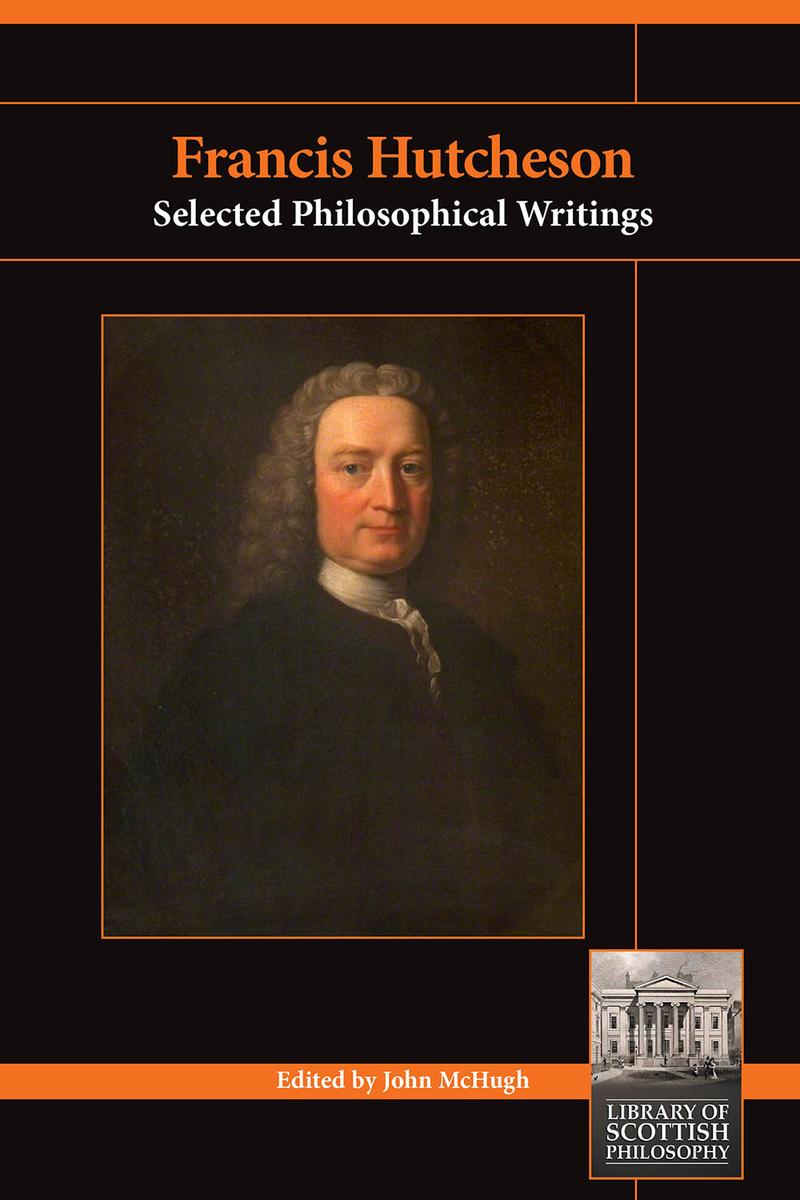
Francis Hutcheson
¥107.81
Known today mainly as a teacher of Adam Smith (1723-90) and an influence on David Hume (1711-76), Francis Hutcheson (1694-1746) was a first-rate thinker whose work deserves study on its own merit. While his most important contribution to the history of ideas was likely his theory of an innate sense of morality, Hutcheson also wrote on a wide variety of other subjects, including art, psychology, law, politics, economics, metaphysics, and logic. Spanning his entire literary career, this collection brings together selections from Hutcheson's greater and lesser known works, including his youthful "e;Thoughts"e; (1725) on Thomas Hobbes' (1588-1679) egoistic theory of laughter.

Evolu?ia unei revolu?ii. Bazele psihoterapiei ra?ional-emotive
¥122.54
Lauren Hope a fiatal, gyönyör?, és céltudatos n? minden kétséget kizáróan hisz benne. Két nagy álma van: sikeres író szeretne lenni, és meg akarja ismerni az igaz szerelmet, melyr?l a nagy könyvekben írnak. Egy nap messzire utazik abban a reményben, hogy fájdalmait maga mögött hagyhatja. Akkor még nem is sejti, hogy ez az utazás alapjaiban változtatja meg az életét. Távol otthonától a véletlennek köszönhet?en megismerkedik egy titokzatos, jókép? zenésszel. Dylan Duprés, a biztonságot sugárzó férfi, Lauren álmainak lehetséges megvalósítója, egyben minden probléma forrása. Vajon milyen hatással lesz Lauren életére ennek a rejtélyes férfinek a felbukkanása? Elképzelhet?, hogy mindkét álma valóra válik? És ha választania kell? Zsarnai Beáta - a N?k Lapjához tartozó Cafeblog kiemelt bloggerének - els? regénye a sors hatalmáról.
The Home
¥18.74
What is the magic of pastoral Greece? What is it that gives to you a sensation of being gently released from the cares of life and the boredom of modern civilization, with its often unmeaning complications, its unnecessary luxuries, its noisy self-satisfactions? This is not the tremendous, the spectacular release of the desert, an almost savage tearing away of bonds. Nothing in the Greece I saw is savage; scarcely anything is spectacular. But, oh, the bright simplicity of the life and the country along the way to Marathon! It was like an early world. One looked, and longed to live in those happy woods like the Turkish Gipsies. Could life offer anything better? The pines are small, exquisitely shaped, with foliage that looks almost as if it had been deftly arranged by a consummate artist. They curl over the slopes with a lightness almost of foam cresting a wave. Their color is quite lovely. The ancient Egyptians had a love color: well, the little pine-trees of Greece are the color of happiness. You smile involuntarily when you see them. And when, descending among them, you are greeted by the shining of the brilliant-blue sea, which stretches along the edge of the plain of Marathon, you know radiance purged of fierceness.? The road winds down among the pines till, at right angles to it, appears another road, or rough track just wide enough for a carriage. This leads to a large mound which bars the way. Upon this mound a habitation was perched. It was raised high above the ground upon a sort of tripod of poles. It had yellow walls of wheat, and a roof and floor of brushwood and maize. A ladder gave access to it, and from it there was a wide outlook over the whole crescent-shaped plain of Marathon. This dwelling belonged to a guardian of the vineyards, and the mound is the tomb of those who died in the great battle. PICTURESQUE DALMATIA ? Chapter I: PICTURESQUE DALMATIA IN AND NEAR ATHENS ? Chapter II: IN AND NEAR ATHENS THE ENVIRONS OF ATHENS ? Chapter III: THE ENVIRONS OF ATHENS DELPHI AND OLYMPIA ? Chapter IV: DELPHI AND OLYMPIA IN CONSTANTINOPLE ? Chapter V: IN CONSTANTINOPLE STAMBOUL, THE CITY OF MOSQUES ? Chapter VI: STAMBOUL, THE CITY OF MOSQUE
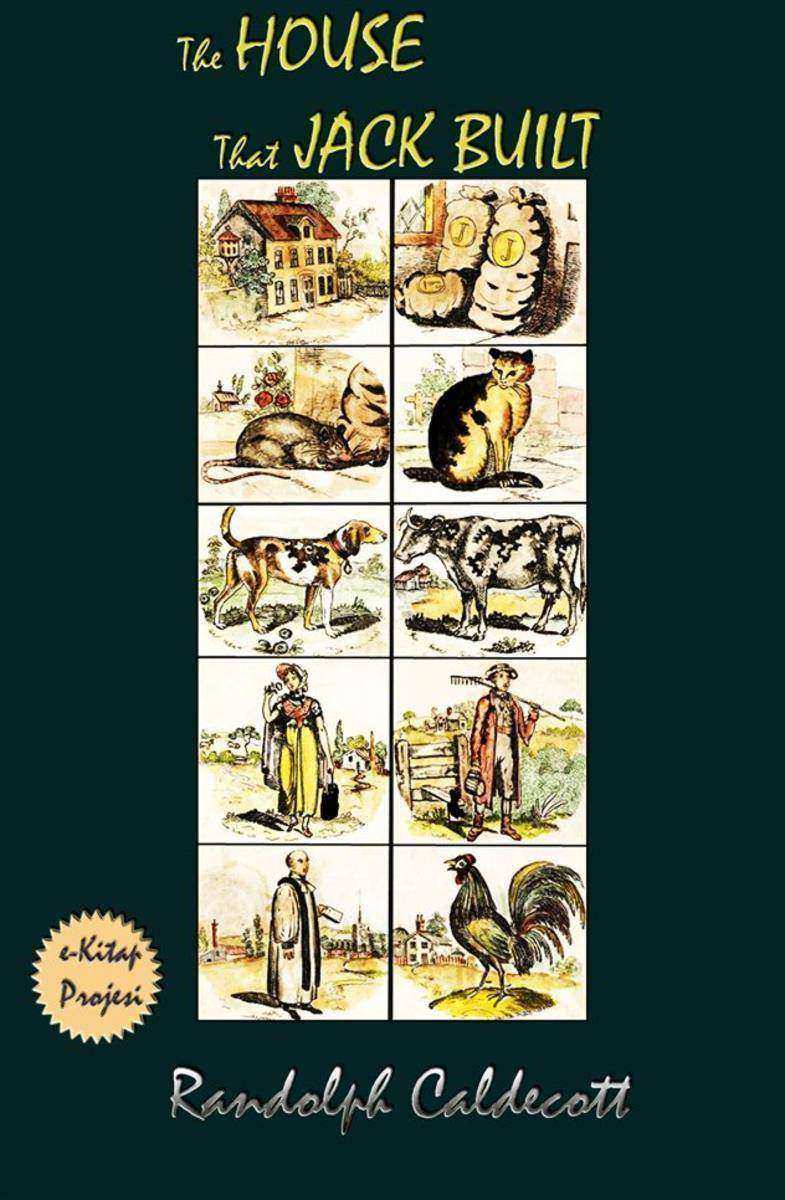
The House That Jack Built: "Illustrated"
¥9.24
Books of instruction in the practice of painting have rarely been successful. Chiefly because they have been too narrow in their point of view, and have dealt more with recipes than with principles. It is not possible to give any one manner of painting that shall be right for all men and all subjects. To say "do thus and so" will not teach any one to paint. But there are certain principles which underlie all painting, and all schools of painting; and to state clearly the most important of these will surely be helpful, and may accomplish something. It is the purpose of this book to deal practically with the problems which are the study of the painter, and to make clear, as far as may be, the principles which are involved in them. I believe that this is the only way in which written instruc-tion on painting can be of any use. It is impossible to understand principles without some statement of theory; and a book in order to be practical must therefore be to some extent theoretical. I have been as concise and brief in the theoretical parts as clearness would permit of, and I trust they are not out of proportion to the practical parts. Either to paint well, or to judge well of a painting, requires an understanding of the same things: namely, the theoretical standpoint of the painter; the technical problems of color, composition, etc.; and the practical means, processes, and materials through which and with which these are worked out. It is obvious that one cannot become a good painter without the ability to know what is good painting, and to prefer it to bad painting. Therefore, I have taken space to cover, in some sort, the whole ground, as the best way to help the student towards becoming a good painter. If, also, the student of pictures should find in this book what will help him to appreciate more truly and more critically, I shall be gratified. There is a false implication in the saying that "a poor workman blames his tools." It is not true that a good workman can do good work with bad tools. On the contrary, the good workman sees to it that he has good tools, and makes it a part of his good workmanship that they are in good condition. In painting there is nothing that will cause you more trouble than bad materi-als. You can get along with few materials, but you cannot get along with bad ones. That is not the place to economize. To do good work is difficult at best. Econo-mize where it will not be a hindrance to you. Your tools can make your work harder or easier according to your selection of them. The relative cost of good and bad materials is of slight importance compared with the relative effect on your work.The way to economize is not to get anything which you do not need. Save on the non-essentials, and get as good a quality as you can of the essentials. Save on the number of things you get, not on the quantity you use. You must feel free in your use of material. There is nothing which hampers you more than parsimony in the use of things needful to your painting. If it is worth your while to paint at all, it is worth your while to be generous enough with yourself to insure ordinary freedom of use of material.The essentials of painting are few, but these cannot be dispensed with. Put it out of your mind that any one of these five things can be got along without:—You must have something to paint on, canvas or panel. Have plenty of these.
A tenger munkásai
¥8.83
El?sz?r futni tanítanak meg. Ez mindennek az alapja minden hadseregben szerte a világon. Megtanulsz futni, megtanulod bírni. Hegynek fel-le. Futsz erd?ben, tó- és folyóparton, futsz sportpályán. Együtt a szakasszal, és amikor valaki nem bírja és lemarad, nyomod a fekv?támaszt. Majd ha megérkezett, újra futsz.Ha már tudsz futni, van mire építeni a t?bbit. Megtanítanak, hogy bánj a fegyverrel, hogyan élesítsd a gránátot, vezess harcjárm?vet és telepíts m?szaki akadályt. De arra nem tanítanak meg, hogy amikor évekkel kés?bb a háború után, emlékeidt?l verejtékben úszva egyedül ébredsz jéghideg ágyadban, azt hogyan dolgozd fel. Amikor olyan s?tét az éj hajnali háromkor, hogy még az utcáról besz?r?d? lámpa fénye se hoz világosságot, amikor már rég kialudt az a mécses, amit a halott bajtársaid emlékére gyújtasz minden este. Akkor hiába tanítottak meg futni. Amikor arra ébredsz, hogy skorpiók vannak az ágyadban, és hallod az ellenség suttogását, mintha csak méterekre lennének t?led a l?vészárokban. Amikor minden olyan csendes, hogy már mar ez a hangtalanság. Akkor már nincs hova futnod. ?vek után rád?bbensz, hogy meg kell állnod és szembenézned a múltaddal. Mindennel, amit tettél, vagy nem tettél. ?n, mintha gyóntam volna, megírtam ezt a k?nyvet. Elszámoltam magammal, mert megtanultam egy fontos dolgot: a lelkedért csak te felelsz! Ezt senkinek se tanították meg. Erre nekünk kellett ráj?nnünk.

The Man in the Iron Mask
¥28.04
Jonas Lie is sufficiently famous to need but a very few words of introduction. Ever since 1870, when he made his reputation by his first novel, "Den Fremsynte," he has been a prime favourite with the Scandinavian public, and of late years his principal romances have gone the round of Europe. He has written novels of all kinds, but he excels when he describes the wild seas of Northern Norway, and the stern and hardy race of sail-ors and fishers who seek their fortunes, and so often find their graves, on those dangerous waters. Such tales, for instance, as "Tremasteren Fremtid," "Lodsen og hans Hustru," "Gaa Paa!" and "Den Fremsynte" are unique of their kind, and give far truer pictures of Norwegian life and character in the rough than anything that can be found elsewhere in the literature. Indeed, Lie's skippers and mates are as superior to Kjelland's, for instance, as the peasants of Jens Tvedt (a writer, by the way, still unknown beyond his native land) are superior to the much-vaunted peasants of Bj?rnstjerne Bj?rnson. But it is when Lie tells us some of the wild legends of his native province, Nordland, some of the grim tales on which he himself was brought up, so to speak, that he is perhaps most vivid and enthralling. The folk-lore of those lonely sub-arctic tracts is in keeping with the savagery of nature. We rarely, if ever, hear of friendly elves or companionable gnomes there. The supernatural beings that haunt those shores and seas are, for the most part, malignant and malefic. They seem to hate man. They love to mock his toils, and sport with his despair. In his very first romance, "Den Fremsynte," Lie relates two of these weird tales (Nos. 1 and 3 of the present selection). Another tale, in which many of the superstitious beliefs and wild imaginings of the Nordland fishermen are skilfully grouped together to form the background of a charming love-story, entitled "Finn Blood," I have borrowed from the volume of "Fort?llinger og Skildringer," published in 1872. The re-maining eight stories are selected from the book "Trold," which was the event of the Christmas publishing season at Christiania in 1891. Last Christmas a second series of "Trold" came out, but it is distinctly inferior to the former one. TALES: THE FISHERMAN AND THE DRAUGJACK OF SJOHOLM AND THE GAN-FINNTUG OF WAR."THE EARTH DRAWS"THE CORMORANTS OF ANDVAERISAAC AND THE PARSON OF BRONOTHE WIND-GNOMETHE HULDREFISHFINN BLOODTHE HOMESTEAD WESTWARD IN THE BLUE MOUNTAINS"IT'S ME."

Starting with A collection of Stories and Poems
¥127.43
This innovative and flexible series of five books, is specifically designed to support and develop a child's personal, social and emotional wellbeing through stories and poems with links to PSED in the EYFS, the Citizenship and PSHE curriculum in KS1 and the SEAL programme

Knowledge Monopolies
¥63.67
Historians and sociologists chart the consequences of the expansion of knowledge; philosophers of science examine the causes. This book bridges the gap. The focus is on 'academisation' - the paradox whereby, as the general public becomes better educated to live and work with knowledge, the 'academy' increases its intellectual distance from the public, so that the nature of social and natural reality becomes more rather than less obscure.
Goca Meryem
¥18.39
Birileri ?anakkale’de, Kurtulu? Sava??’nda sava??p tutsak olurken, ?ehit olurken baz? az?nl?klar ve a?a tak?m? geride kal?p mal mülk edinme pe?indedirler. Devlet y?netimindeki adamlar?n?n deste?iyle A?alar halk?n elindeki topra?a zorla el koyar. El koyduklar? yetmezmi? gibi halk? adeta k?le gibi ezer, s?mürür; ?nüne ??kan her engeli yok ederler.? Fakat Goca Meryem gibi bir kad?n ??kar ve kendili?inden olu?an hareketin ba??na ge?erek kanl? bir ba?kald?r? ger?ekle?tirir.? Sonras?nda ?smet ?n?nü deste?iyle Ziraat Bankas? kredi verir ve toprak reformu yap?l?r. ?Bu y?nüyle bu ?ykü ülkemizde ya?anm?? benzeri olmayan bir ?yküdür. ?Zulme ra?men romantizmi elden b?rakmayan, a?klar?n? koruyan insan ?ykülerini k?rk kaynak ki?inin anlat?m?na ba?l? olarak ger?ek kahraman ve yer adlar?yla yaz?lm?? bir an? romand?r Goca Meryem. K?y Ak da??n eteklerinde, kü?ük bir ovan?n k?y?s?nda duran tatl? iki tepeci?e yaslanm??t?. Ovalar?nda ahlat armutlar?, güz rengine boyanm?? meyvesiz a?a?lar, kü?ücük da? elmalar?, as?rl?k cevizler toprak daml? evleri sakl?yordu. K?y iki yakas? bir araya gelmemi?, zar zor ge?inen yoksul elli alt? haneden olu?uyordu. Her evin az ?ok ke?isi, koyunu; uysal ?küzleri, inekleri vard?. ???????? 1924 y?l?nda Cumhuriyetle birlikte ??rten k?yü Mu?la’dan al?n?p Burdur iline kat?ld?. Bu nedenle Mu?lal? birka? toprak sahibi topraklar?n? sat?p gitme karar? ald?. ?Bu teklif üzerine birka? kurnaz k?ylü toprak sahiplerine: ????????? “Bekleyin biz aram?zda g?rü?üp karar? size bildirece?iz,”dediler. Bir araya gelen Muhtar Karaca, Habip ve G?k ?akir, oturmu? bu konuyu tart???yorlard?: “Ta?lay?verelim gitsinler. Bu zamanda kim para bulmu? da toprak sat?n alacak. Satamazlar. Satamad??? topra?? ne yapacaklar? Gelip ekebilecekler mi? Sanm?yorum. ?ekip gidecekler, ?yle de?il mi?” dedi G?k ?akir. Habip: “Ta?layal?m vallahi, ta?land??? yere bir daha ad?mlar?n? atamazlar.” “Arkada?lar bu insanlarla y?llarca tarla kom?ulu?u yapm???z, birbirimizin lokmalar?n? yemi?iz, sonra babalar? da baba dostlar?d?r. Ay?p olmaz m? k?yden kuduz k?pek kovar gibi bu insanlar? ta?lamak!” G?k ?akir: “Ay?p diyorsun, ama toprak alacak para m? var?” “Oldu?u kadar veririz, gerisini harman kalk?m?ndan sonra deriz, olmad? taksit taksit ?deriz. Adamlar?n ba?ka bir se?ene?i g?rünmüyor gibi; kabul etmeyip de ne yapacaklar!” “??te ba?ka se?enekleri olmad??? i?in ta?layaca??z ya, ta?layal?m gitsinler!” deyip ?srar?n? sürdürdü G?k ?akir. “Hadi o zaman gazam?z mübarek olsun!”dedi onun silah arkada?? Habip. Zaten G?k ?akir ne derse ona uyard?. ?ünkü seferberlikte yaralan?p dü?tü?ünde kendisini omzuna al?p cephe gerisine ta??y?p kurtaran G?k ?akir’di. Ona bir can borcu vard?. O yüzden, o gün bu gün hep ayn? sibekten i?erlerdi. Karaca ne de olsa muhtard?. Bu i?e kar??mak istemiyordu. G?k ?akir ile Habip, birka? k?ylüyü yanlar?na ald?. Eli ta? tutan ne kadar ?oluk ?ocuk varsa toplad?lar. Mu?lal? toprak sahipleri, Karap?nar’?n ?nünde k?ylülerden gelecek haberi bekliyordu. K?ylüler, gizlendikleri yerden onlar? ta?a tuttular. Her bir yandan ya?mur gibi ta? ya??yordu. Toprak sahipleri neye u?rad?klar?n? anlayamad?lar. “Anam, yand?m! Can?n? seven ka?s?n!” “Hadi atla! “Tak tuk” Mu?lal?lar ka?arken ayaklar? k??lar?na yap???yordu. HAL?L ERDEM ?1961 Dirmil-Burdur do?umlu. Gazi ?niversitesi E?itim Fakültesi S?n?f ??retmenli?ini bitirdi. Türk?e B?lümünde lisans tamamlad?. Kar Ayd?nl??????? (Roman)?????? Fam Yay?nlar? 2014 Dirmil ?mürcüsü????? (Roman)?????? Fam Yay?nlar?2006- 2014 Goca Meryem? (Roman)?????? Fam Yay?nlar? 2014 Tokat??????????????? (?ocuk Roman?) Kendi Yay?n? 2013 Teke Y?resi Halk ?nan?lar? (Ara?t?rma - inceleme) Kendi Yay?n? 2008 Karacao?lan Gelene?inde Dirmil Güzellemeleri ve ?yküler (Ara?t?rma inceleme) 2011 Alter Yay. Gece Mavisinde A?k?????????????? (?iir)?????? Kendi Yay?n? 1998 Ve Al???ld? ?lüme???? (?iir )????? Temmuz Yay?nlar? 1990 Kardan Adam?? (?ocuk ?iirleri) Kendi Yay?n? 1998 I??k Avc?lar??????? (?ocuk ?iirleri) Kendi Yay?n?) 2013 ??pten ??rendi?im Hayat?? ?ocuk Kitab?????????? ????2015 G?l Hikayeleri?????????? (?ykü)???????????????????????????????????? 2015 ? ?iir ve yaz?lar?n? Bah?e, Mavi Umut, Bahar, ?al?, ??retmen Dünyas?, Dirmil, Noktam, Bezuvar, süje, Kar dergilerinde yay?nlad?. Beykonak E?itim ve Kültür Vakf? Yirce ?iir Yar??mas?nda. Ne-Var Yok ?iiriyle Birincilik ald?.(2004) Resim ?al??malar?n? da yürüten Halil ERDEM 3 ki?isel, 25 karma resim sergi etkinli?inde bulundu.
Limpezimi
¥16.35
Russo ni se dovedeste… in aceasta opera mai renumita a lui, posesorul unui ?simt muzical?, pe care, in acelasi fel si cu aceleasi caracteristici, proza romaneasca nu-l manifestase mai inainte… Multimea conjunctiei ?si? in Cantarea Romaniei lucreaza ca un ?legatto? muzical, menit sa elimine articulatia logica si oarecum spatiala a propozitiilor si sa sublinieze continuitatea lor metodica. Nimeni mai mult ca Russo n-a folosit in proza noastra acest vechi ?si? biblic, procedeu magic si incantatoriu…“ – Tudor Vianu
C?ntarea Rom?niei
¥16.35
Cu privire la G. Toprceanu se constat dou atitudini n sfera unei consideraii generale. Unii l preuiesc ca pe un poet mare alii ca pe un poet minor. Cea dinti opinie este greu de susinut. ns n starea poeziei de azi cnd adesea lipsete scriitorului ndreptirea nsi de a scrie expresia minor“ poate s fie ru interpretat. S spunem dar c Toprceanu e socotit ca un poet al universului mic. Dar unde se afl adevrata poezie Orict ncntare ne-ar produce Parodiile originale spiritul nostru critic ntmpin greutate s gseasc alt merit dect acela de observaie i virtuozitate n nite compuneri al cror punct de plecare este n poezia altora. O parodie este n definitiv o pasti exagerat ca spre a-i gsi iertarea n recunoaterea imitrii. Toprceanu nsui le numea pagini modeste de critic literar n pilde“. Totui se poate observa la el acel fenomen de uitare n model care e chiar semnul clasicei inspiraii...“ – G. Calinescu Istoria literaturii romne de la origini pn n prezent
Legende istorice
¥16.35
Cel ce a scris aceast?? c??rticic?? ?i al c??rui nume s-a tot pitit p?n?? acuma sub modestul titlul de Culeg??torul tipograf p?n?? c?nd ?n sf?r?it meritele sale literare de to?i recunoscute ne-au f??cut s??-l silim acum pentru ?nt?ia?i dat?? a se da ?n vileagul publicit???ii cel ce a scris aceast?? c??rticic?? zic mi-a f??cut onoarea ?i pl??cerea de a m?? consulta adesea asupra alegerii faptelor pe care voia s?? le povesteasc?? ?ntr-?nsa. I-a dat ?n minte d-lui P. Ispirescu bunul g?nd de a l??muri pe cei din cititori rom?ni care nu sunt tocmai c??rtutari ad?nci asupra unei mul?imi de nume de cuvinte ?i de zic??tori str??ine pe cari ?n timpul de acum le ?ntrebuin?eaz?? mereu scriitorii no?tri prin gazete ?i prin felurite c??r?i. [...] Apoi pentru un a?a bun serviciu nu se cade oare s?? mul?umim domnului P. Ispirescu culeg??torul ?i scriitorul at?tor Basme Snoave ?i Zic??tori rom?ne?ti con?tiinciosul ?i merituosul lor editor? Ba z??u foarte mult ?i eu unul m?? simt acum fericit c?? mi-a dat ?nsu?i prilejul de a-i aduce prin aceste r?nduri cel dint?i prinos de mul?umire. Sunt ?ncredin?at c?? ?n urm??-mi are s?? se adune gloat?? mare. A. I. ODOBESCU
![Sing a Song of Sixpence: [Illustrated]](https://platform-permanent.ddimg.cn/pt-media-info-soa-resource/digital/product/53/13/1901165313_ii_cover.jpg?version=72ffa993-0d82-44e1-96c7-94b432ffcec8)
Sing a Song of Sixpence: [Illustrated]
¥9.24
A brand new sixpence fresh from the Mint! How it sparkled and glittered in the dancing sunlight! Such a treasure for a small girl to possess! But then, on the other hand, what a heavy responsibility!??All day long it had been burning a hole in her pocket, and as for learning lessons, not an idea would enter her head. Everything went in at one ear and out of the other, as Miss Primmer sternly remarked when Nellie could not say her poetry. But, indeed, Nellie did try hard to learn her lessons; she squeezed her eyes together as tightly as possible, though how shutting her eyes was to prevent the lessons from coming out of her ears was not very clear. ??"But I must learn them now," she sighed, "or Miss Primmer will keep me in tomorrow, and I shan't be able to go out with Nursie and Reggie to spend my sixpence. Oh dear! I wish I could learn my poetry and keep it in, I guess I'd better get a bit of cotton wool to put in my ears and then it can't come out. There, now!
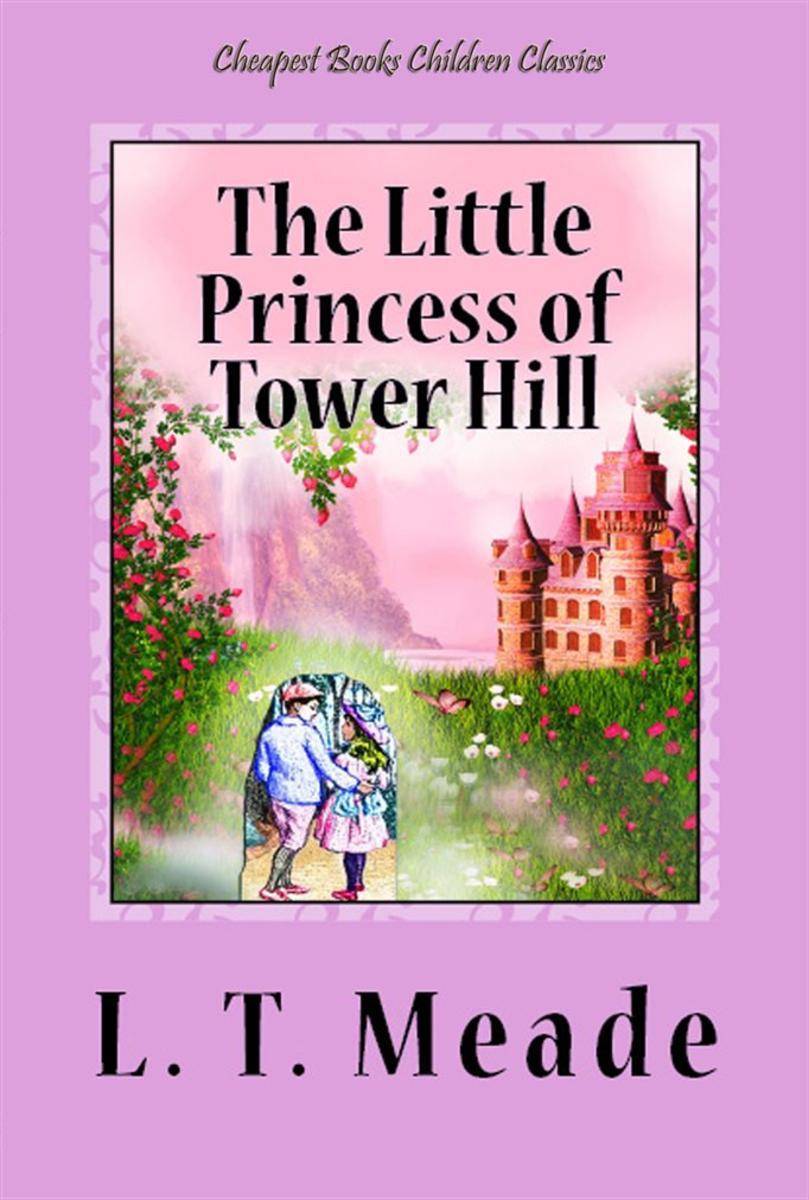
The Little Princess of Tower Hill
¥18.56
All the other children who knew her thought Maggie a wonderfully fortunate little girl. She was sometimes spoken about as the "Little Princess of Tower Hill," for Tower Hill was the name of her father's place, and Maggie was his only child. ??The children in the village close by spoke of her with great respect, and looked at her with a good deal of longing and also no slight degree of envy, for while they had to run about in darned and shabby frocks, Maggie could wear the gayest and daintiest little dresses, and while they had to trudge sometimes even on little bare feet, Maggie could sit by her mother's side and be carried rapidly over the ground in a most delicious and luxurious carriage, or, better still, she might ride on her white pony Snowball, followed by a groom. The poor children envied Maggie, and admired her vastly, and the children of those people who, compared to Sir John Ascot, Maggie's father, might be considered neither rich nor poor, also thought her one of the most fortunate little girls in existence. Mag-gie was nearly eight years old, and from her very earliest days there had been a great fuss made about her. At the time of her birth bonfires had been lit, and oxen killed and roasted whole to be given away to the poor people, and Sir John and Lady Ascot did not seem at all disappointed at their baby being a girl instead of a son and heir to the old title and the fine old place. ??There was a most extraordinary fuss made over Maggie while she was a baby; her mother was never tired of visiting her grand nurseries and watching her as she lay asleep, or smiling at her and kissing her when she opened her big, bright blue eyes.
![Borsaya Teknik Bak??: [A??klamal? Terimler ve Diyagramlarla]](https://platform-permanent.ddimg.cn/pt-media-info-soa-resource/digital/product/53/19/1901165319_ii_cover.jpg?version=14b54572-54c5-4d0d-94e7-6a83bd5cd642)
Borsaya Teknik Bak??: [A??klamal? Terimler ve Diyagramlarla]
¥37.11
NSZ / GR Ekonomik Analiz Hisse fiyatlar genel ekonomik koullardan etkilendiinden dolay ekonomik analiz temel analizin ilk aamasn oluturur. Hisse senetlerine yaplan bir yatrmn krla sonulanma olaslnn, gülü ve büyüyen ekonomilerde daha yüksek olduu bilinmektedir. Dolaysyla bu aamada hisse senedi yatrm iin genel ekonomik konjonktürün uygun olup olmad belirlenmeye allr. Zira ekonomik konjonktürdeki canlanma beklentisi hisse senedi yatrm iin uygun bir ortam iken, ekonomik konjonktürdeki daralma (resesyon) beklentisi hisse senedi yatrmlarndan klmas iin uygun bir ortama iaret eder. Ekonomik konjonktürdeki canlanma veya daralma beklentisi gstergelerden hareketle ekillenir. Ancak bu gstergeleri okuyabilmek ya da a deerlendirebilmek iin, nce genel olarak ekonomi ve ekonominin dinamikleri noktasnda bilgi sahibi olmak gerekir. Basite ifade edilmeye allan genel ekonomideki gelimeler ve sorunlar yakndan takip edilerek gelecek hakknda yaplan tahminler, yatrmclar asndan büyük nem tar. Ekonomik analizde ilk olarak dünyadaki ekonomik, sosyal ve politik gelimeler deerlendirilir. Daha sonra ise bu gelimelerin ülke ekonomisine olas etkileri deerlendirilir. Daha nce de ifade edildii üzere, bu tür deerlendirmeler ekonomik gstergelerden hareketle yaplr. Dolaysyla ekonomik analizde hangi ekonomik gstergelerin kullanlabilecei ve bu gstergelerin nasl deerlendirilecei konusu en nemli aamadr. Bu gstergeler ekonomik konjonktür hakknda bir fikir verecektir. Yazar Hakknda [Tarkan zhan, 1969-] RENM DURUMU: Trakya üniversitesi Blüm: Fen Fakultesi Kimyager MESLE: Borsac, Trader, Portfoy Ynetimi Aktif alma süresi; 25 yl
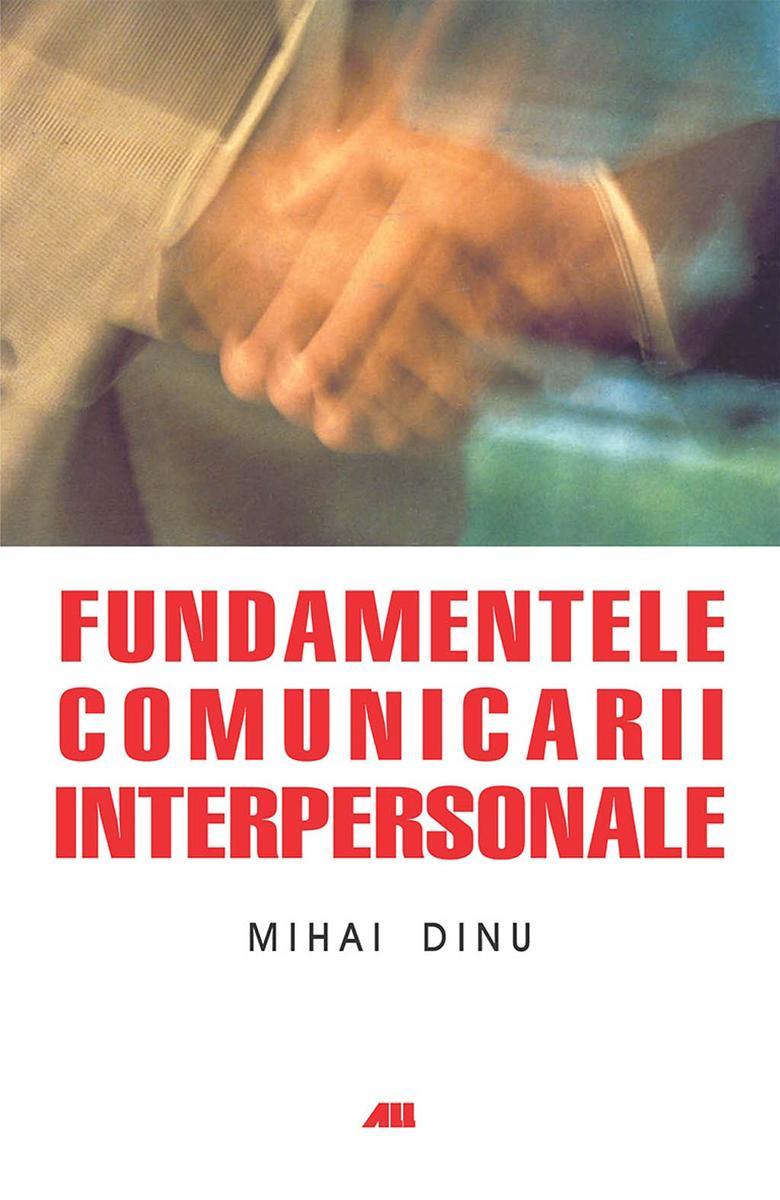
Fundamentele comunic?rii interpersonale
¥48.97
Puericultur? ?i pediatrie pentru asisten?i medicali ofer? elevilor ?colilor postliceale sanitare un instrument de studiu al particularit??ilor fiziologice ?i patologice ale copilului, necesar identific?rii nevoilor fundamentale ale copilului s?n?tos ?i bolnav ?i aplic?rii tehnicilor specifice de ?ngrijire a acestuia.Aceast? carte se dore?te a fi un ghid teoretic pentru elevii ?i asisten?ii medicali care ?ngrijesc copii ?n diverse perioade de dezvoltare, pornind de la premisa c? un copil nu este un adult ?n miniatur?.Lucrarea este astfel conceput? ?nc?t informa?ia oferit? s? acopere cerin?ele programei analitice, s? fie simplu de accesat ?i s? fie u?or de ?n?eles.


