


 购物车
购物车 个人中心
个人中心
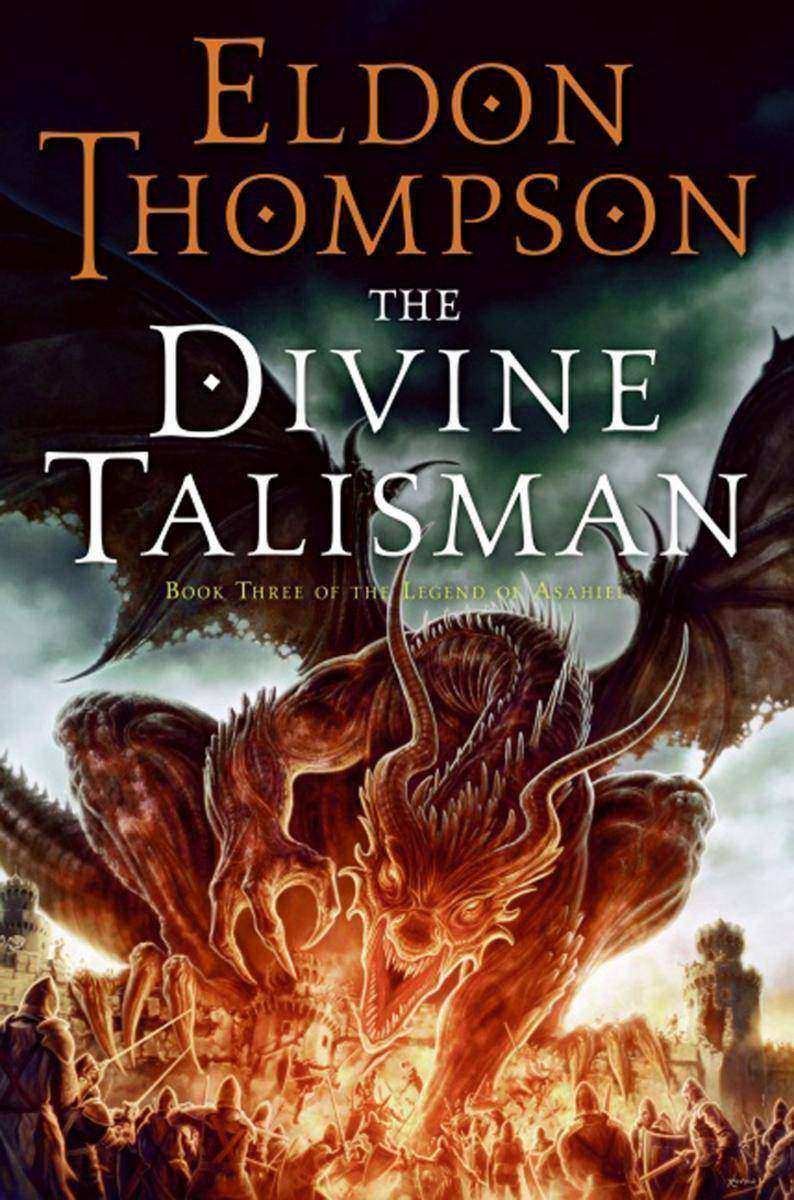
The Divine Talisman
¥55.31
To protect his people from the demonic Illysp, Torin, king of Alson, made the ultimate sacrifice. Now his best friend and his former love seek to salvage the shattered lands beyond their borders.But a treacherous assault costs them their most powerful weapon—the fabled Crimson Sword.Hopelessly outmatched, Pentania's citizens must flee their conquered homeland or else perish. And now the Leviathan has been awakened—an unfathomable creature whose wrath could single-handedly destroy the entire world. Scant hope remains—save for the possibly futile efforts of a lone elf, a mad witch, and a fallen hero charged with unraveling a series of divine riddles. But doom is inevitable, unless they can somehow break the powerful bonds of a fiendish, insidious possession.

The Big War
¥94.10
They were our husbands, our fathers, our lovers, our sons. They were Americans and Marines. And this is their story: The Big War, Anton Myrer's panoramic novel of Marines in the Pacific in World War II. This is the story of Alan Newcombe, the Boston society Harvard man; Danny Kantaylis, the natural-born leader; Jay O'Neill, the barroom scrapper. Myrer does not glorify war; he does not flinch from describing what the actual experience of warfare was like for a desperate group of Marines trapped in some of the worst fighting conditions of the war. We learn about their lives at home and their fates on the battlefield.
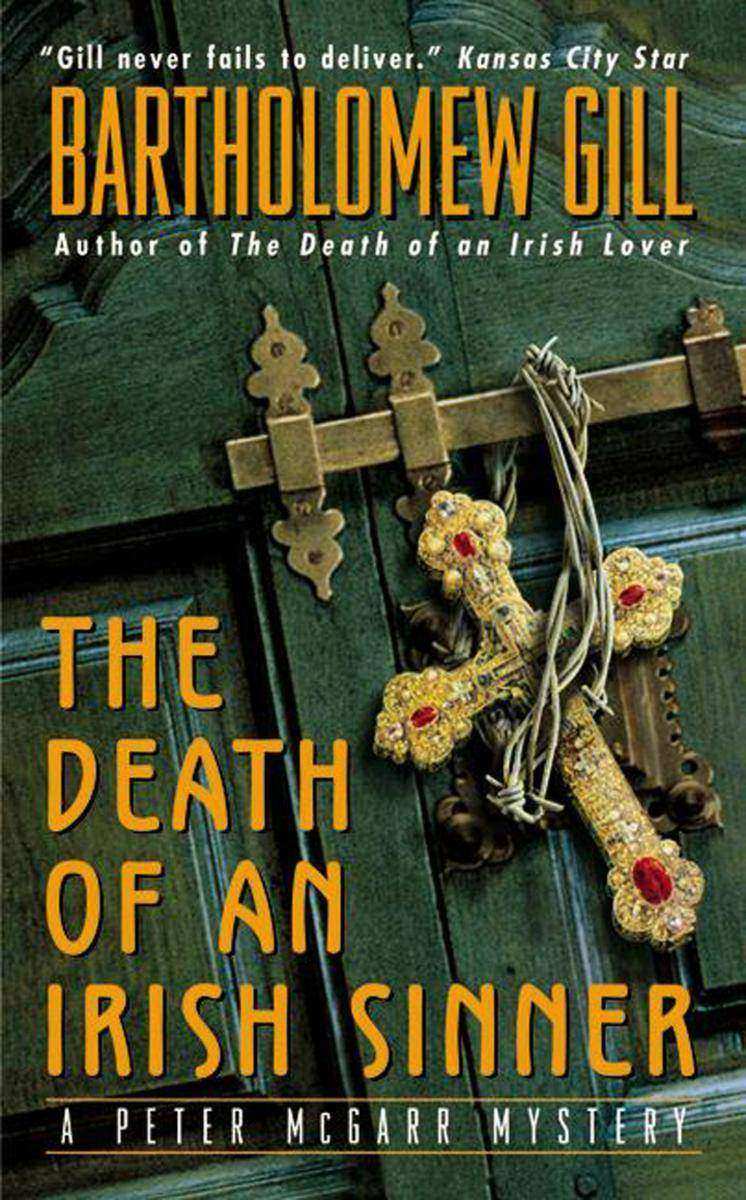
The Death of an Irish Sinner
¥48.91
Local benefactress and celebrated biographer Mary-Jo Stanton is a supplicant to death -- left lifeless on her knees in a patch of daffodils, a barbaric religious implement wrapped tightly around her neck. A clergyman has approached Peter McGarr, requesting that the Chief Superintendent quietly investigate this outrage that occurred at Barbastro, the slain grand lady's compoundlike Dublin estate. Murder is McGarr's business, but this one might be his undoing, as it draws him ever-closer to Opus Dei. A secret order of religious zealots devoted to enforcing the Lord's edicts no matter what the cost in money -- or human life -- it has ensnared the dedicated policeman in its lethal web. And now its madness is reaching out across a century to touch the place Peter McGarr is most vulnerable: the precious heart of his own adored family.
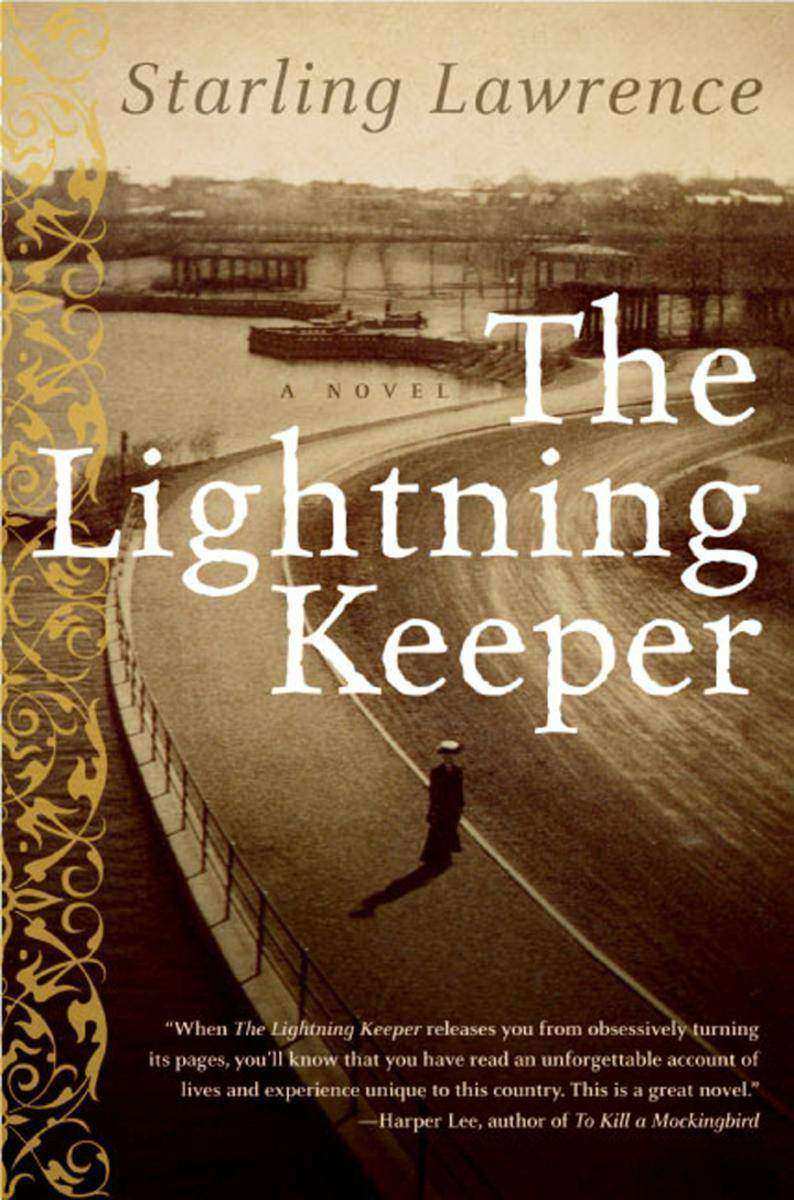
The Lightning Keeper
¥83.93
This is the story of an unlikely love at the dawn of the electric age in America. In 1914, Toma Pekocevic is a penniless immigrant in New York recently escaped from the bloody politics of the Balkans that has claimed most of his family. He is also a gifted inventor who designs a revolutionary water turbine while working with Harriet Bigelow, scion of a proud Connecticut iron-making dynasty now fallen on hard times. Their attraction is immediate and overwhelming, but every circumstance is against them. Toma's invention is all he has after losing Harriet to a wealthy politician, but he is determined to win her back, setting the stage for a confrontation that could change not only his life but the course of scientific progress.
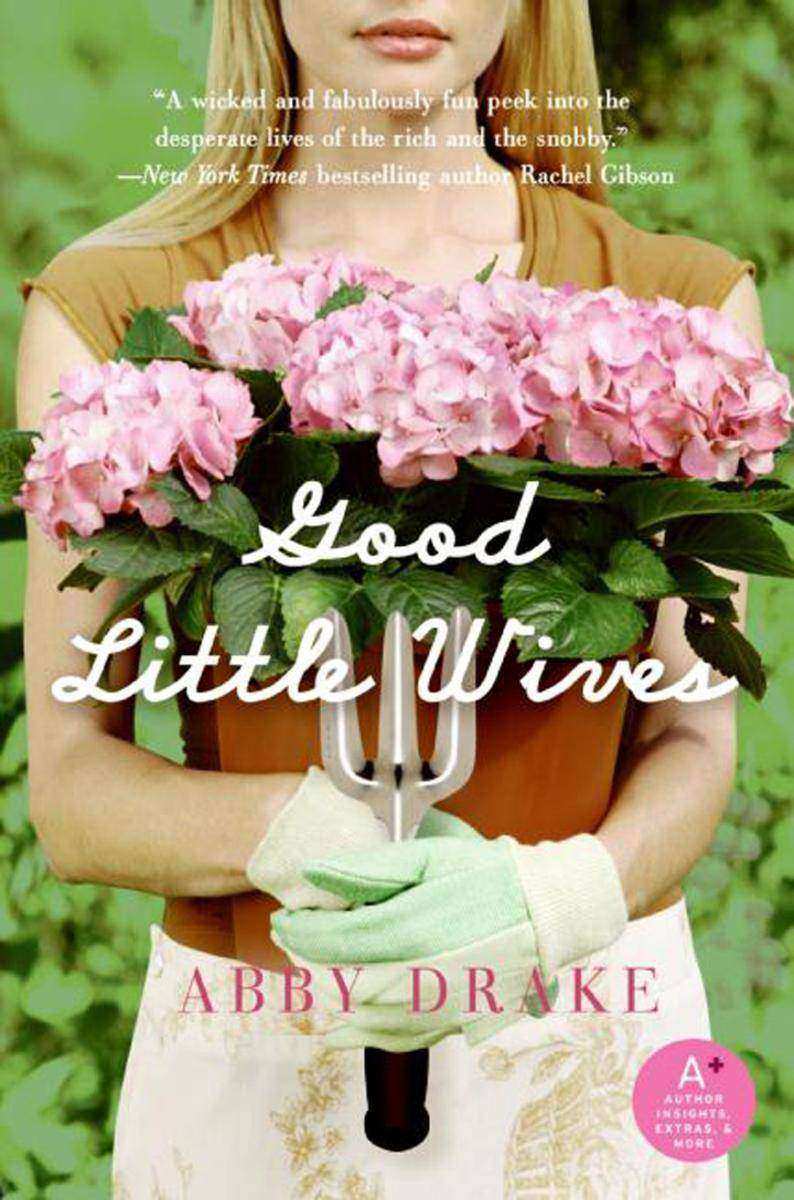
Good Little Wives
¥78.32
While their husbands are out making money, making deals, and making . . . whatever, the trophy wives of New Falls are slipping not so quietly into middle age. Lauren, Bridget, Dana, and Caroline pretend to each other that their only problems are parties, plastic surgery, and which Mikimotos to buy. But behind the closed doors of their gracious homes there are broken hearts and broken promises . . . the stuff that gossip is made of. And the newest dish du jour is a whopper! The husband of one of their oldest friends, who dumped his wife for a newer model—a sexier, flashier, sleeker hairdresser—is found dead, his ex-wife, Kitty, standing over him . . . holding the smoking gun. Kitty claims she's innocent, and there are plenty of women around town who might want the rat dead. Now it's up to the women to discover where in their high-priced suburb a killer is hiding, and which good little wife has done something very, very wicked.
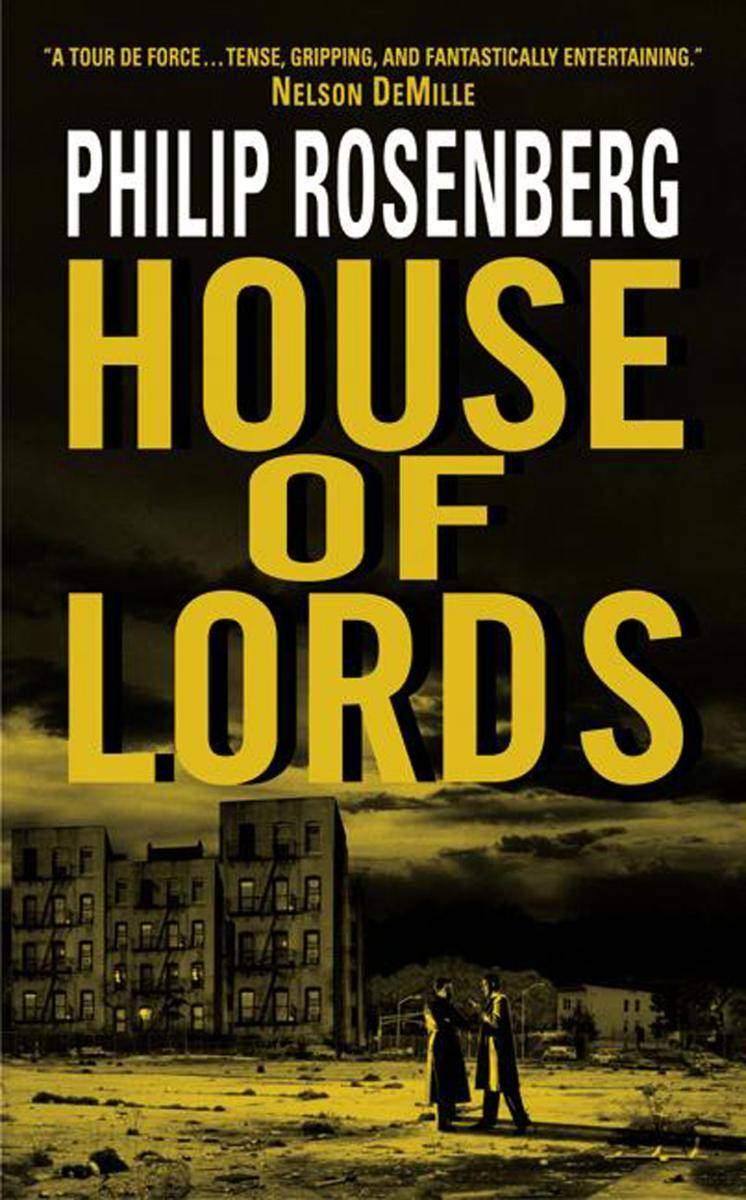
House of Lords
¥52.63
Jeffrey Blaine is a good man, a wealthy and powerful Wall Street broker with impeccable social standing. But his wife—who supports charitable foundations from their Park Avenue townhouse—seems to have lost interest in their marriage, and his daughter, a beautiful debutante ready for Yale University in the fall, has turned sullen and rebellious. Having achieved everything he'd ever dreamed of, Blaine now feels unsettled, stagnant, hungry for a new challenge—a challenge that presents itself suddenly in the person of Chet Fiore, an ambitious entrepreneur rumored to be tied to organized crime. When Blaine rebukes Fiore's offer to participate in an illegal business proposition, he discovers that the mafia lieutenant has laid an elaborate trap to ensure Blaine's cooperation: the abduction of his beloved daughter. To ensure her safe return, Blaine is forced now to become a partner in a money laundering scheme of immense proportions. But once the transaction is completed, Blaine is a changed man, unexpectedly empowered by Fiore's demands, a man ready to shed his staid past for the urgency and risk of a life of crime; and so they form an alliance that forever changes the lives of both men, leading to the demise of one and the corruption of the other.House of Lords is a riveting investigation of power and corruption—part human drama, part thriller—that has the potential both to be a critically acclaimed portrait of our age.

Pulp
¥94.10
Opening with the exotic Lady Death entering the gumshoe-writer's seedy office in pursuit of a writer named Celine, this novel demonstrates Bukowski's own brand of humour and realism, opening up a landscape of seamy Los Angeles.
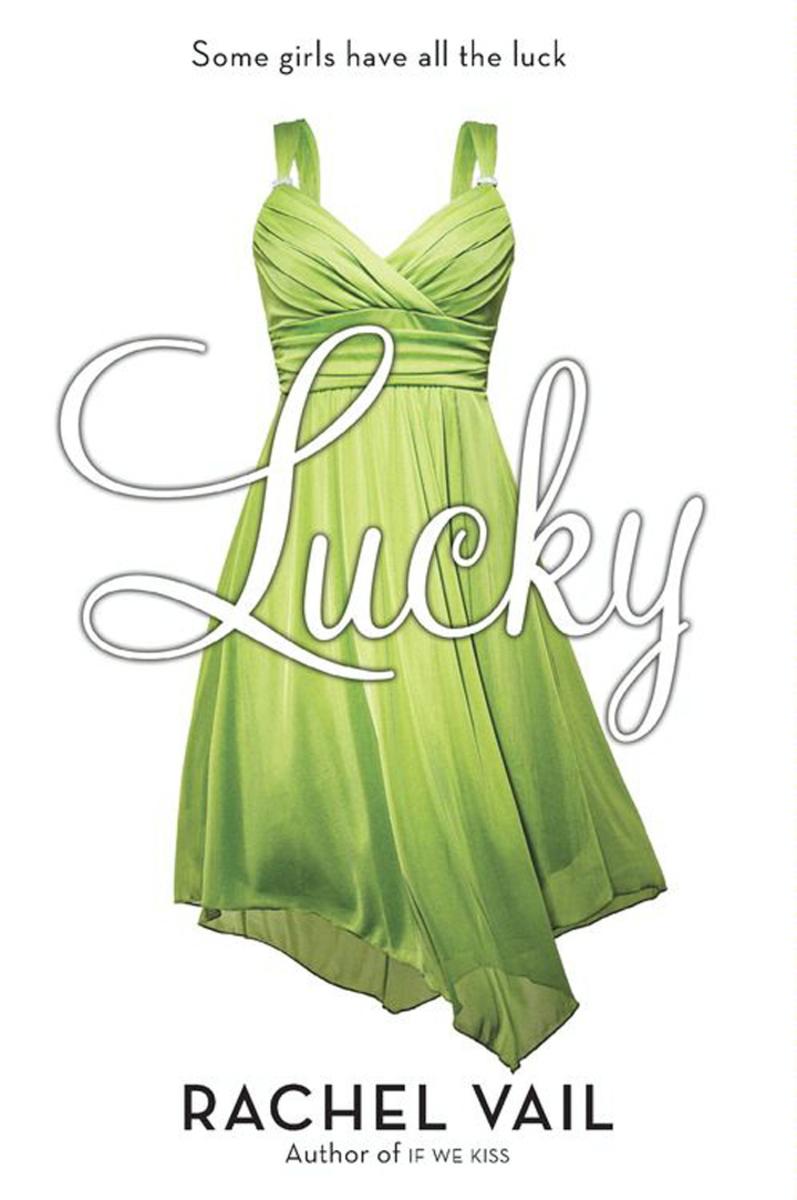
Lucky
¥56.08
It's all good . . . and lucky Phoebe Avery plans to celebrate by throwing an end-of-the-year bash with her four closest friends. Everything will be perfect—from the guest list to the fashion photographer to the engraved invitations. The only thing left to do is find the perfect dress . . . until Phoebe goes from having it all to hiding all she's lost.Phoebe's older sisters warn her to keep the family's crisis totally secret. Unfortunately, her alpha-girl best friend looks increasingly suspicious, and Phoebe's crush starts sending seriously mixed signals. Phoebe tries hard to keep smiling, but when her mother is humiliated in Neiman Marcus while buying Phoebe that perfect dress and her father decides to cancel her party, she panics. How far will she go to keep up her image as a lucky girl?With lucky, Rachel Vail begins a powerful sisterhood trilogy, comprised of one book for each of the three fascinating Avery sisters, with all their secrets laid bare during the year that completely changes their lives. Phoebe is the youngest; her story combines first love and flip-flops, friendship and sisterhood, humor and tears. Breezy, witty, and poignant, lucky is Rachel Vail at her breathtaking best.
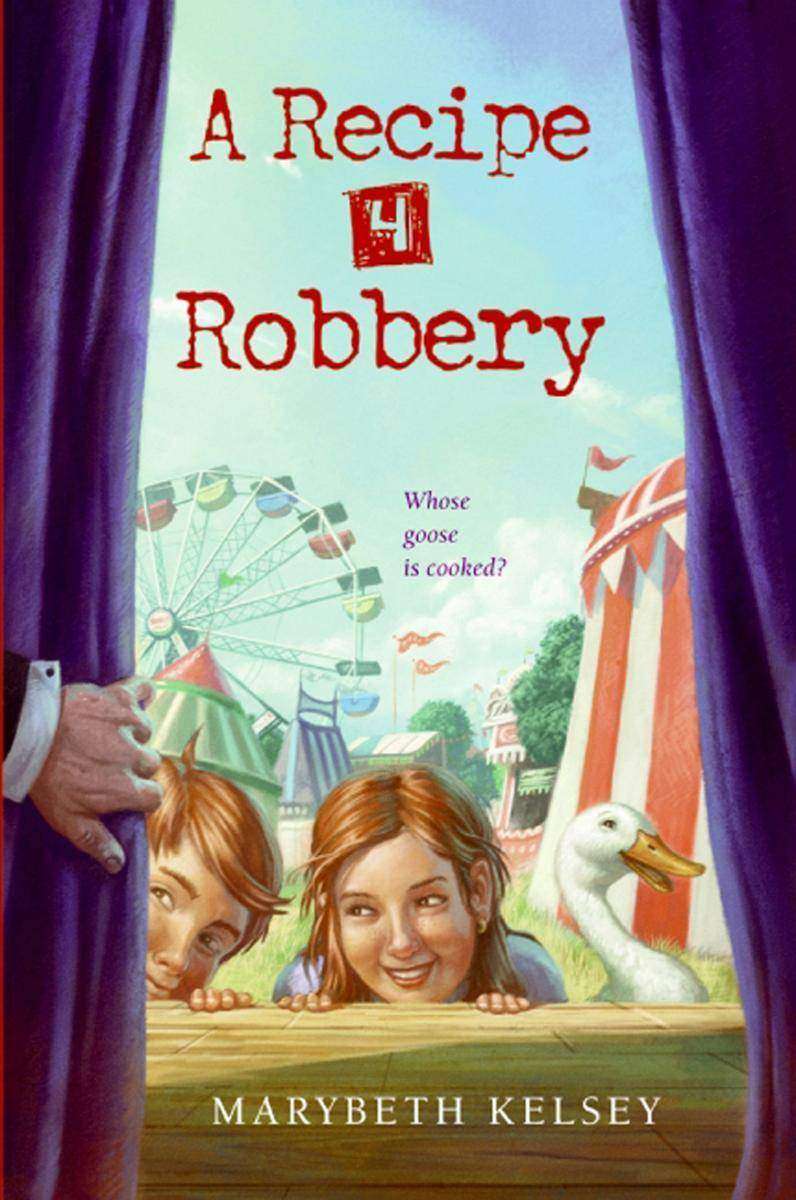
A Recipe for Robbery
¥95.39
Lemonade. Corn dogs. Strawberry shortcake.Veggies?The Bloomsberry Cucumber Festival is under way, and Lindy plans to avoid all vegetables, as usual. But then she ends up with a plateful of Granny Goose's slimy, disgusting stewed cucumbers.And a mystery.How did a valuable stolen locket end up buried in cucumber sludge?Granny Goose is a wacky lady, but Lindy knows she'd never steal from anyone. So, with best friend Margaret and know-it-all Gus Kinnard, Lindy sets out to find out who's behind the frame-up.Can the threesome work togetherAnd can they untangle the mess of clues fast enough to save Granny Goose—and collect a hefty reward?

Sloane Sisters
¥75.46
Style. Sabotage. Sisterhood.When Cate and Andie Sloane's Upper East Side dad met Stella and Lola Childs's British-model mom, nobody thought a transatlantic relationship would last. But then their parents drop the M-bomb—marriage—and it looks like Cate, Andie, Stella, and Lola are going to be one big happy family. Well, big anyway. Meet:Cate Sloane: She dominates the ninth grade at exclusive Ashton Prep. Tantrum-prone and competitive, Cate would rather wear Laura Ashley every day than be second best at anything. Luckily there's not a rival in sight. Yet.Andie Sloane: Twelve-year-old Andie desperately wants to walk the runway. Her face is flawless, and boys flock to her like love-struck sheep. There's just one leetle problem: She's only 4' 11". But with a new supermodel stepmom, she'll be voguing in no time. Right?Stella Childs: With her take-charge attitude and a closet full of supermodel swag, Stella was the It Girl at her London middle school. She's determined to rule Ashton Prep—even if that means dethroning the current queen bee. Can you say British Invasion?Lola Childs: London boys called gawky Lola "Sticks," but she's got a new mission in Manhattan: boyfriend or bust! With the help of her boy-magnet stepsister, Lola sets her sights on supercute Kyle Lewis. Too bad Kyle's only got eyes for . . . Andie.

Mackenzie Blue
¥39.24
Meet Mackenzie Blue, aka Zee She has it all—smarts, talent, humor, and style. . . . Is it enough to survive middle schoolCountdown to a 7th Grade Meltdown 1. Your BFF moves away. 2. Someone steals your diary and reveals your deepest secrets—to the entire class. 3. You have one chance to become a rock star and one chance to totally blow it. Guess what!All three happened to me! School's a disaster already. Don't get me wrong—I love Brookdale Academy and I have a fabulous crew of friends. (At least, I think I do.) But, if I'm going to survive, I need all the help I can get!
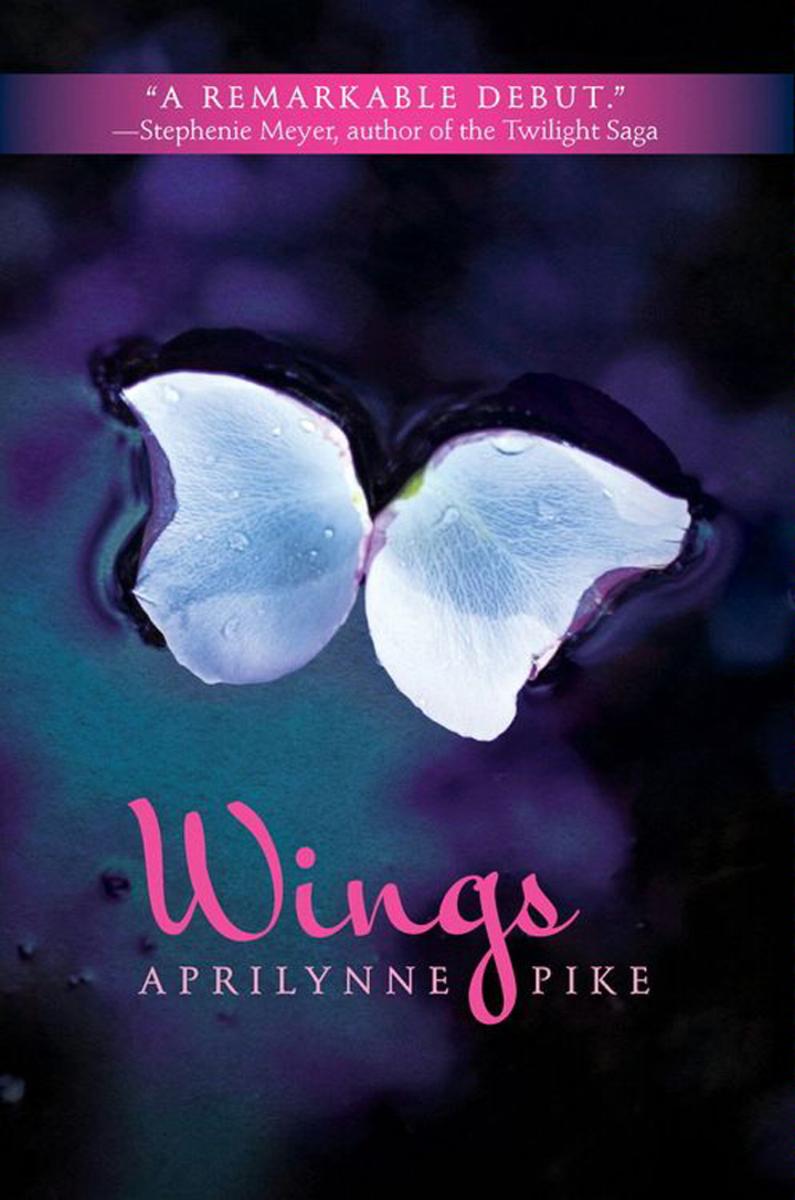
Wings
¥50.33
Laurel was mesmerized, staring at the pale things with wide eyes. They were terrifyingly beautiful—too beautiful for words. Laurel turned to the mirror again, her eyes on the hovering petals that floated beside her head. They looked almost like wings. In this extraordinary tale of magic and intrigue, romance and danger, everything you thought you knew about faeries will be changed forever.
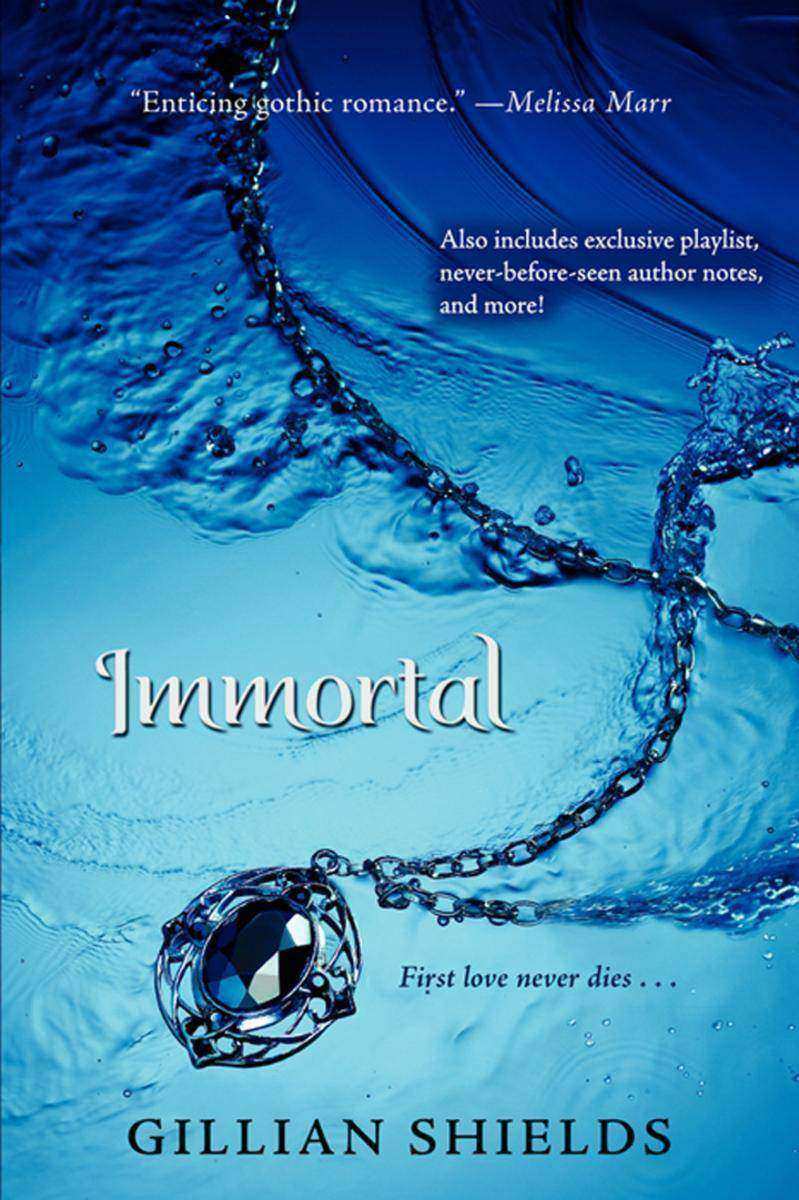
Immortal
¥49.79
Wyldcliffe Abbey School for Young Ladies, housed in a Gothic mansion on the bleak northern moors, is elite, expensive, and unwelcoming. When Evie Johnson is torn away from her home by the sea to become the newest scholarship student, she is more isolated than she could have dreamed. Strict teachers, snobbish students, and the oppressive atmosphere of Wyldcliffe leave Evie drowning in loneliness. Evie's only lifeline is Sebastian, a rebellious, mocking, dangerously attractive young man she meets by chance. As Evie's feelings for Sebastian grow with each secret meeting, she starts to fear that he is hiding something about his past. And she is haunted by glimpses of a strange, ghostly girl—a girl who is so eerily like Evie, she could be a sister. Evie is slowly drawn into a tangled web of past and present that she cannot control. And as the extraordinary, elemental forces of Wyldcliffe rise up like the mighty sea, Evie is faced with an astounding truth about Sebastian, and her own incredible fate. Gillian Shields's electrifying tale will dazzle readers with suspense, mysticism, and romance.
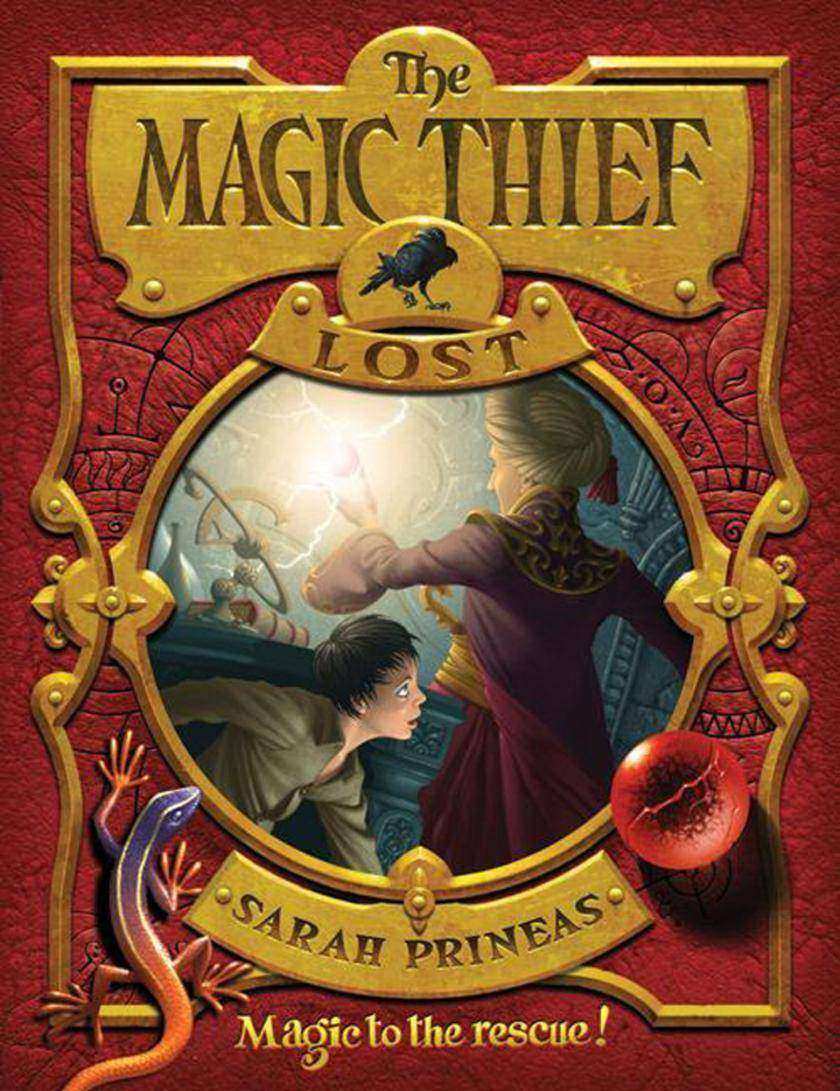
The Magic Thief: Lost
¥44.73
Never mix fire with magic!Conn may only be a wizard's apprentice, but even he knows it's dangerous to play with fire . . . especially around magic. His master, Nevery, warns him that it could all blow up in his face. Besides, they have bigger problems to deal with. There is evil afoot in the city of Wellmet, an evil that isn't human.But Conn is drawn to the murmurs he hears every time he sets off an explosion—something is trying to talk to him, to warn him. When none of the wizards listen, Conn takes matters into his own hands. His quest to protect everything he loves brings him face-to-face with a powerful sorcerer-king and a treachery beyond even his vivid imagination.Sarah Prineas works her own spells as she transports us to an extraordinary world where cities are run on living magic and even a thief can become a wizard's apprentice.
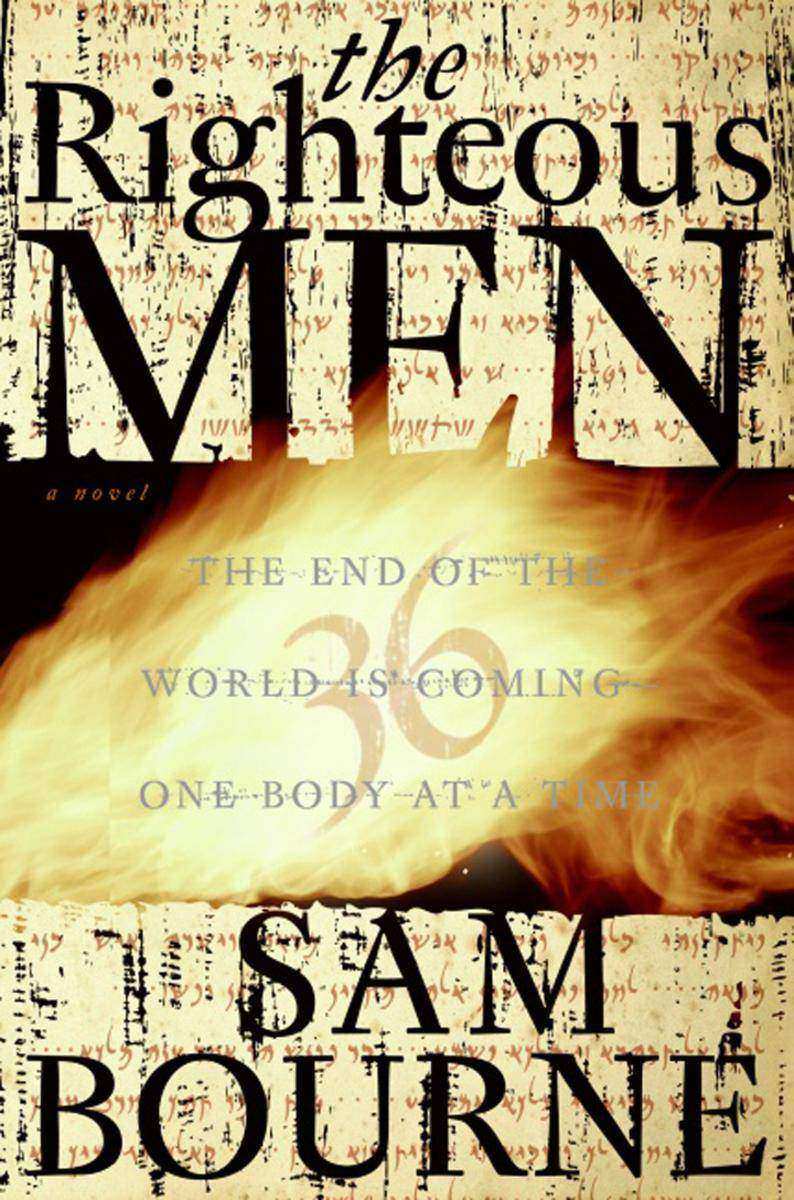
The Righteous Men
¥55.31
The righteous shall never be removed: but the wicked shall not inhabit the earth. . . .A teenage computer prodigy is mortally strangled in Mumbai. A far-right extremist is killed in a remote cabin in the Pacific Northwest. A wealthy businessman is murdered in Thailand. A pimp in Brooklyn is found stabbed to death and mysteriously covered by a brown shroud. What connects the victims is an ancient prophecy that leads to the end of the world, and it's up to Will Monroe, a fledgling reporter at the New York Times, to stop it. But Monroe's investigation quickly makes him some shadowy enemies, who kidnap his wife and hold her hostage in Crown Heights. Desperate to find the link between the killings and to save his wife, he enlists his college sweetheart, TC, an eccentric artist and Kabbalah expert. As the death toll rises, they follow a trail of clues that seems to lead inexorably to a set of ancient texts containing a prophecy that promises to save the world—or to destroy it.What will happen when the one secret that has kept the world safe for thousands of years is revealed to allIn The Righteous Men, a blistering thriller filled with mystery, romance, and suspense, Sam Bourne takes readers deep into the hidden worlds of fundamentalist religion, mysticism, and biblical prophecies. This is a visionary tale that is as frightening as it is entertaining. Readers won't stop turning the pages until the very end.
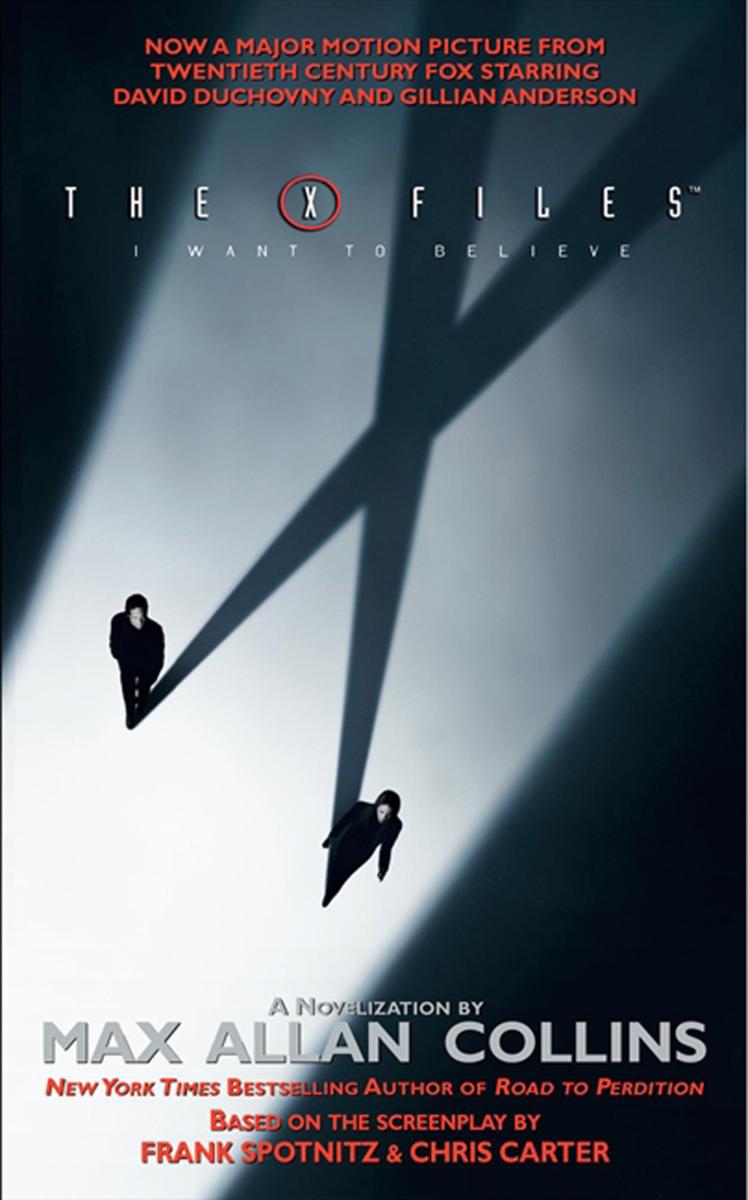
The X-Files: I Want to Believe
¥56.07
In the bitter heart of a brutal winter, women are inexplicably vanishing in rural Virginia. The only clues to the bizarre disappearances are grotesque remains—human remains—that are turning up in snow banks along the highway. And a disgraced priest has begun to experience strange and disturbing visions possibly connected with a terrible secret. But are the images haunting a fallen man of God to be trusted . . . . or are they the deadly lies of a twisted mind?It is a case right out of the X-Files. But the FBI suspended its investigations into the paranormal years ago. Ex-agents Fox Mulder and Dr. Dana Scully are the best team for the job, but they have no desire to revisit the past. Still, the truth about these horrific crimes is out there . . . . and only Mulder and Scully can uncover it.
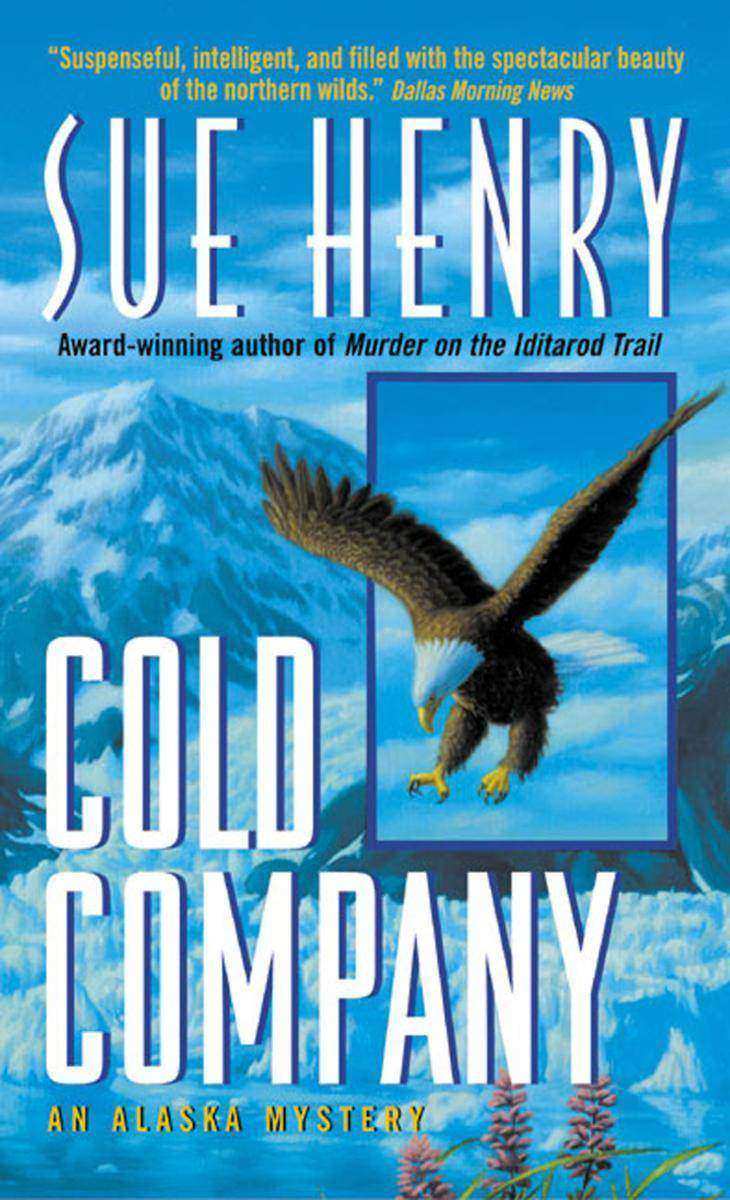
Cold Company
¥55.91
Multiple award-winning author Sue Henry takes us into the heart of America's last frontier with a gripping tale of suspense set in a rugged land that appeals to the adventurous and strong ... and to those who are drawn to darkness.Famed Alaskan "musher" Jessie Arnold thinks she's finally put her dark past behind her. But the excavations on her new cabin unearth a decades-old skeleton entombed in a crumbling basement wall -- along with a butterfly pendant necklace worn by the alleged victim of a brutal serial slayer who preyed on area women twenty years earlier.Pulled once more into a murder investigation against her will, Jessie fears a grim, half-forgotten nightmare has been reborn. For, in this stark and lonely place, in the first days of the all-too-brief Alaskan summer, another woman has disappeared without a trace. The signs suggest the unthinkable: an insatiable human monster has returned. And the clues she's uncovering hint that Jessie Arnold may well be his next victim.
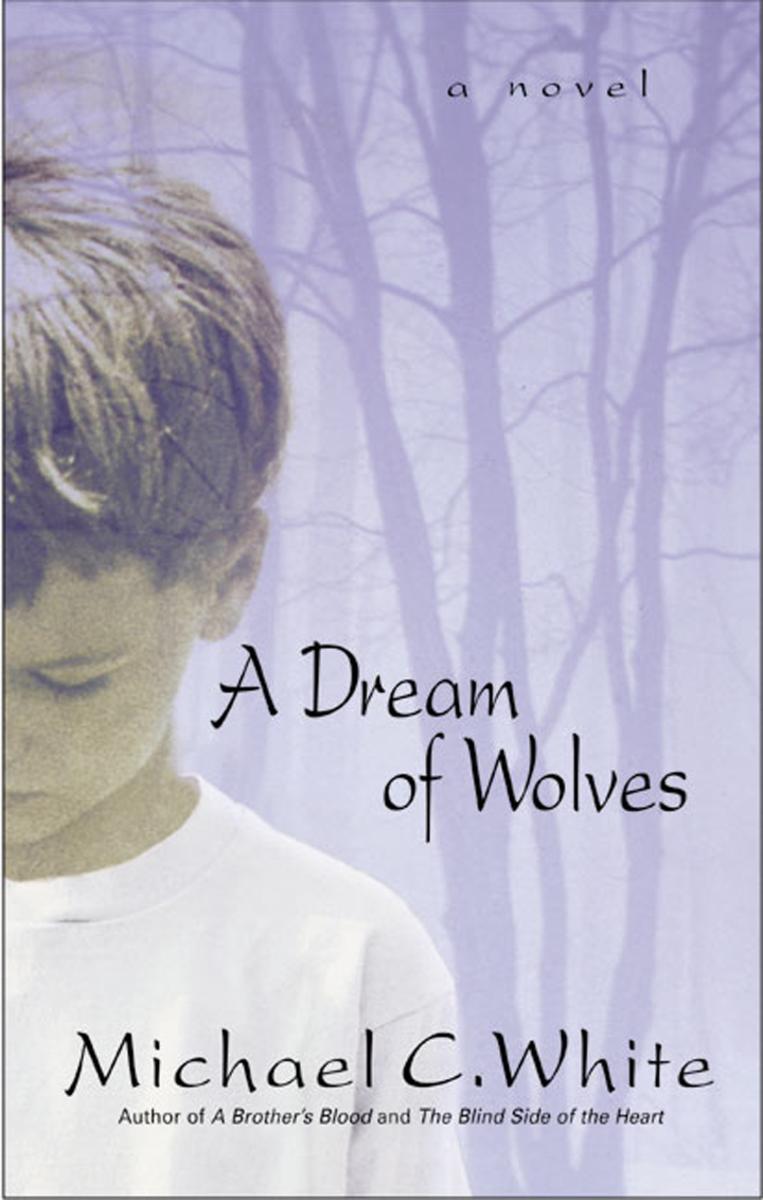
HarperCollins e-books
¥136.18
From the author of the critically acclaimed novels A Brother's Blood and The Blind Side of the Heart comes a brilliant tale of a decent man's struggle to choose between his past and his future, between the woman he once loved and the woman he now loves.
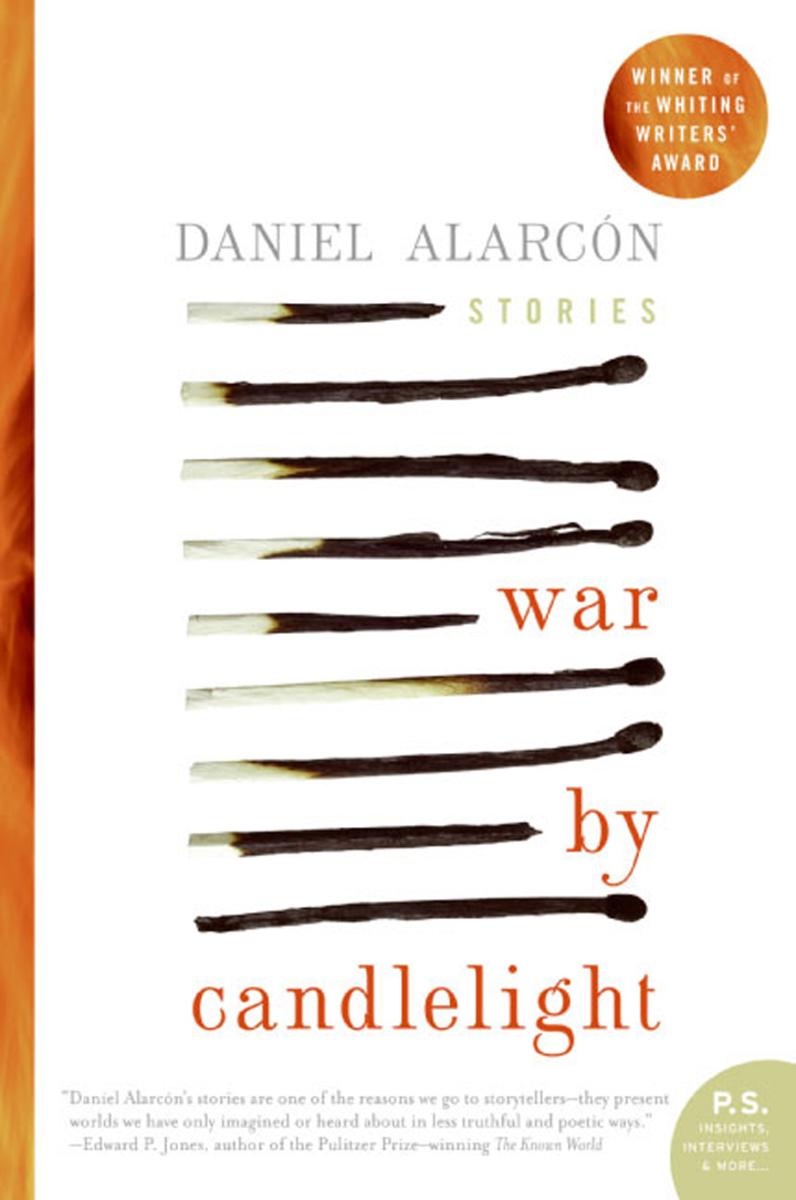
War by Candlelight
¥83.03
Something is happening around the globe: mass movements of peoples, dislocations of language and culture in the wake of war and economic crises -- simply put, our world is changing.In this exquisite collection, Daniel Alarcón takes the reader from Third World urban centers to the fault lines that divide nations and people. Wars, both national and internal, are waged in jungles, across borders, in the streets of Lima, in the intimacy of New York apartments. These are lives at the margins of the globalized and not-yet-globalized worlds, the stories of those who shuttle between them and never quite feel at home in the cities where they were born: an unrepentant terrorist remembers where it all began, a would-be emigrant contemplates the ramifications of leaving and never coming back, a reporter turns in his pad and pencil for the inglorious costume of a street clown.War by Candlelight is a devastating portrait ofa world in flux, and Daniel Alarcón is an extraordinary new voice in literary fiction, one you will not soon forget.

An Ex to Grind
¥84.16
The battle of the sexes rages on in this smart, witty, and extremely timely comedy from the phenomenally popular Jane HellerAt first, Manhattan financial planner Melanie Banks adores Dan Swain, her pro football player husband who's got a sexy Oklahoma drawl to go with his athletic good looks. But then his career comes to a screeching halt and he spends the next few years out of a job, seemingly unconcerned about it. Suddenly, she's the one bringing home the bacon and falling out of love with the paycheck-devouring, couch-sitting mooch. Divorce is the answer, she decides -- only to learn she has to fork over alimony while he lives like a prince on her income and she has to share custody of their precious dog, Buster. Consumed with the unfairness of it all, she plays dirty, hiring a high-profile matchmaker to find some unsuspecting female she can dump on Dan for ninety days and cause him to violate their cohabitation clause.But then Melanie's scheme backfires. Her ex's new love revitalizes him, miraculously transforming him into the focused, responsible go-getter she always hoped he'd be. And now, with the ninety-day clock about to chime, she realizes she wants him back.
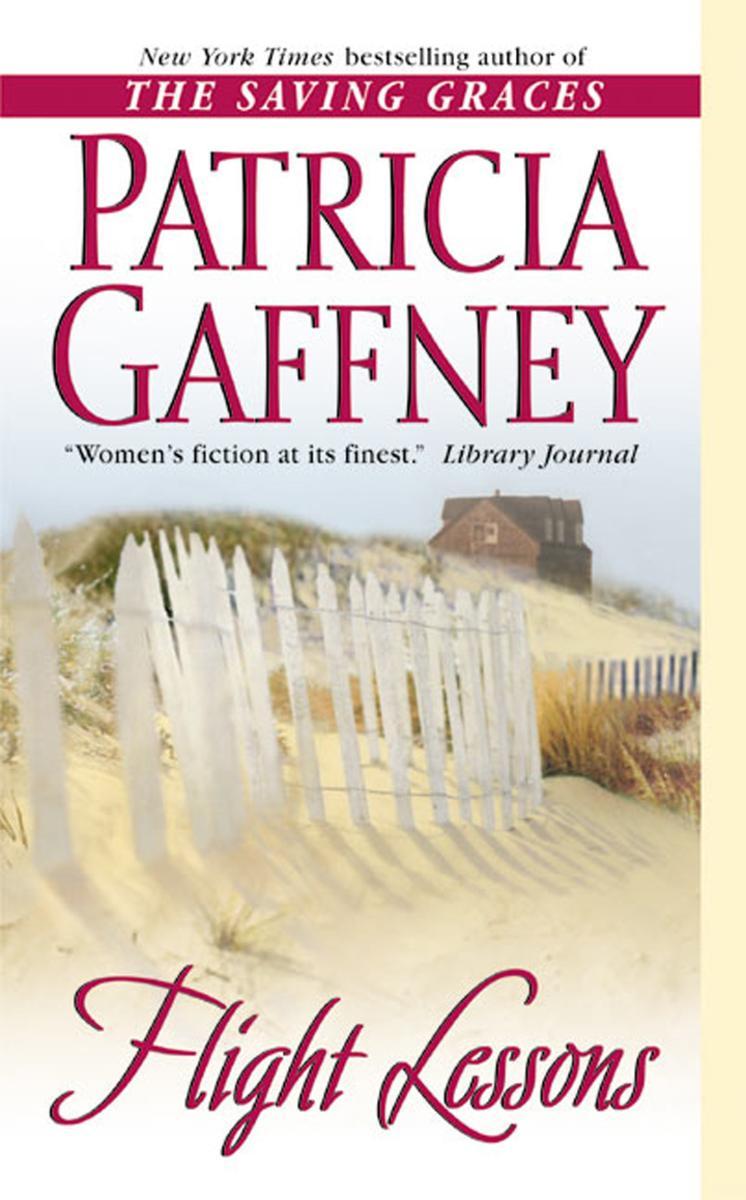
Flight Lessons
¥72.93
Anna has studiously avoided her Aunt Rose—the woman she once loved more than anyone else in the world—ever since the night Rose betrayed Anna and her mother, Rose's own fatally ill sister. In the sixteen years that have passed, Anna has built another life for herself far from her hometown on Maryland's eastern shore, but she can't forgive or forget.Now another betrayal, by a faithless lover, has brought Anna back to her family's restaurant, where Rose needs her estranged niece's help—and trust—more than ever before. Determined to leave as soon as the struggling business is back on its feet and her own hurt is healed, Anna joins Rose in the kitchen of the Bella Sorella, resolved to remain unaffected by Rose's longing to undo the past. But Anna's resistance could blind her to a true and unexpected love that's reaching out to grab her by the heart.New York Times bestselling author patricia gaffney's Flight Lessons is a poignant, funny, and wise story of truth, loyalty, and the bonds that shape, sustain, and ultimately uplift us.


