


 购物车
购物车 个人中心
个人中心
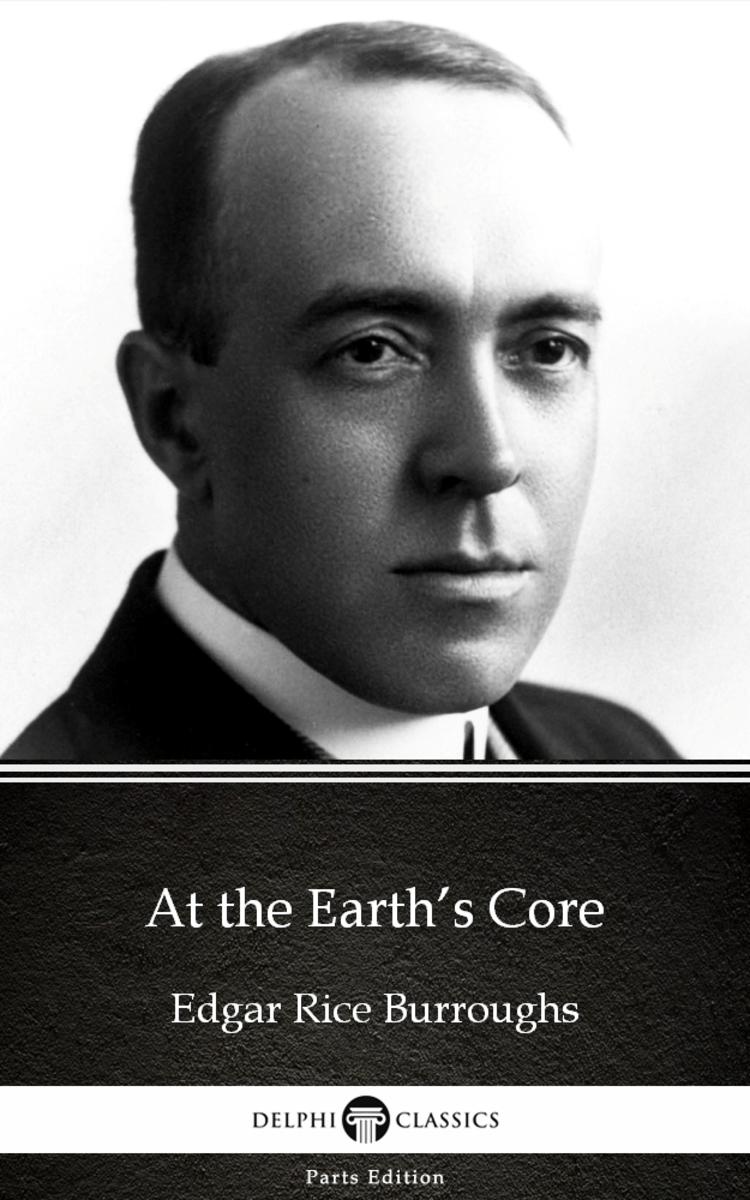
At the Earth’s Core by Edgar Rice Burroughs - Delphi Classics (Illustrated)
¥8.09
This eBook features the unabridged text of ‘At the Earth’s Core by Edgar Rice Burroughs - Delphi Classics (Illustrated)’ from the bestselling edition of ‘The Complete Works of Edgar Rice Burroughs’. Having established their name as the leading publisher of classic literature and art, Delphi Classics produce publications that are individually crafted with superior formatting, while introducing many rare texts for the first time in digital print. The Delphi Classics edition of Burroughs includes original annotations and illustrations relating to the life and works of the author, as well as individual tables of contents, allowing you to navigate eBooks quickly and easily. eBook features: * The complete unabridged text of ‘At the Earth’s Core by Edgar Rice Burroughs - Delphi Classics (Illustrated)’ * Beautifully illustrated with images related to Burroughs’s works * Individual contents table, allowing easy navigation around the eBook * Excellent formatting of the text Please visit www.delphiclassics.com to learn more about our wide range of titles
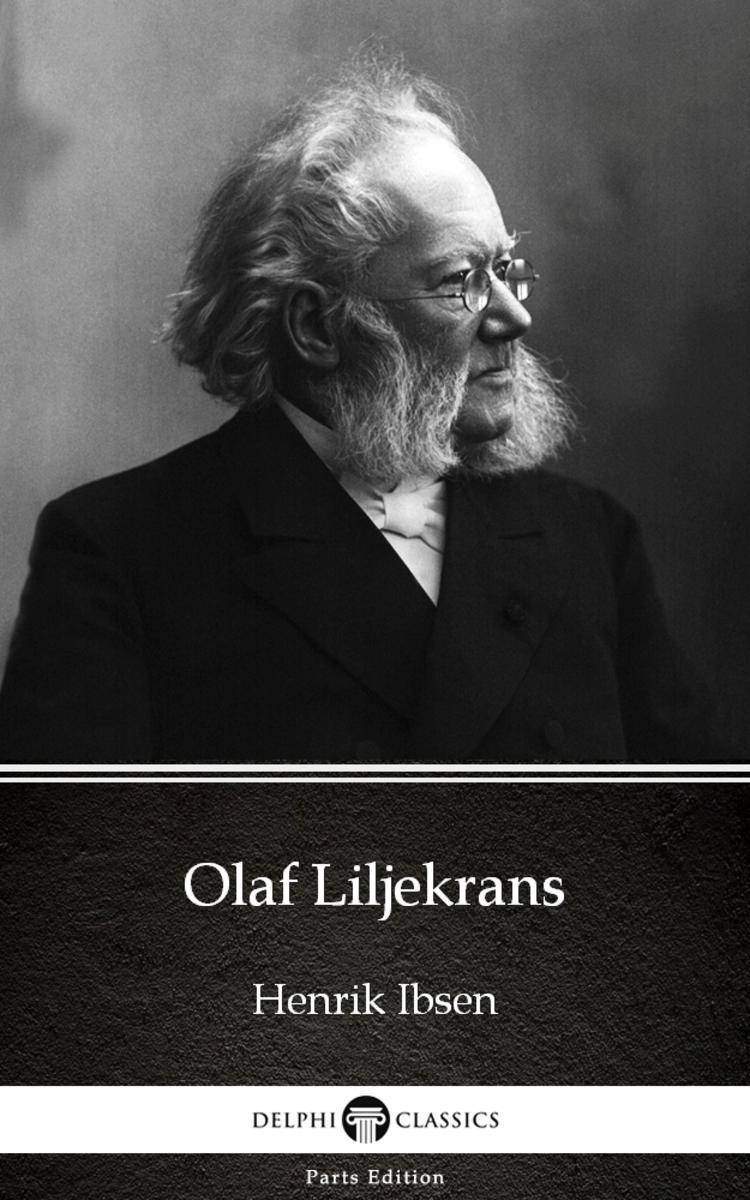
Olaf Liljekrans by Henrik Ibsen - Delphi Classics (Illustrated)
¥8.09
This eBook features the unabridged text of ‘Olaf Liljekrans by Henrik Ibsen - Delphi Classics (Illustrated)’ from the bestselling edition of ‘The Complete Works of Henrik Ibsen’. Having established their name as the leading publisher of classic literature and art, Delphi Classics produce publications that are individually crafted with superior formatting, while introducing many rare texts for the first time in digital print. The Delphi Classics edition of Ibsen includes original annotations and illustrations relating to the life and works of the author, as well as individual tables of contents, allowing you to navigate eBooks quickly and easily. eBook features: * The complete unabridged text of ‘Olaf Liljekrans by Henrik Ibsen - Delphi Classics (Illustrated)’ * Beautifully illustrated with images related to Ibsen’s works * Individual contents table, allowing easy navigation around the eBook * Excellent formatting of the text Please visit www.delphiclassics.com to learn more about our wide range of titles
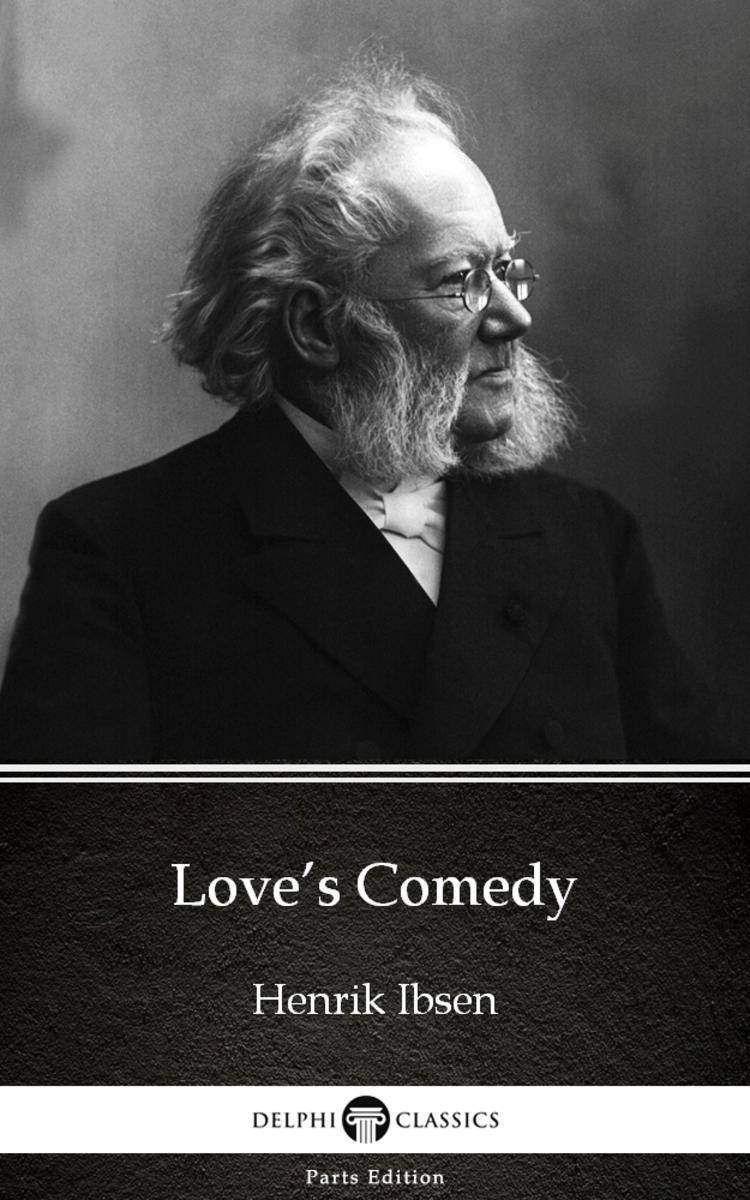
Love’s Comedy by Henrik Ibsen - Delphi Classics (Illustrated)
¥8.09
This eBook features the unabridged text of ‘Love’s Comedy by Henrik Ibsen - Delphi Classics (Illustrated)’ from the bestselling edition of ‘The Complete Works of Henrik Ibsen’. Having established their name as the leading publisher of classic literature and art, Delphi Classics produce publications that are individually crafted with superior formatting, while introducing many rare texts for the first time in digital print. The Delphi Classics edition of Ibsen includes original annotations and illustrations relating to the life and works of the author, as well as individual tables of contents, allowing you to navigate eBooks quickly and easily. eBook features: * The complete unabridged text of ‘Love’s Comedy by Henrik Ibsen - Delphi Classics (Illustrated)’ * Beautifully illustrated with images related to Ibsen’s works * Individual contents table, allowing easy navigation around the eBook * Excellent formatting of the text Please visit www.delphiclassics.com to learn more about our wide range of titles
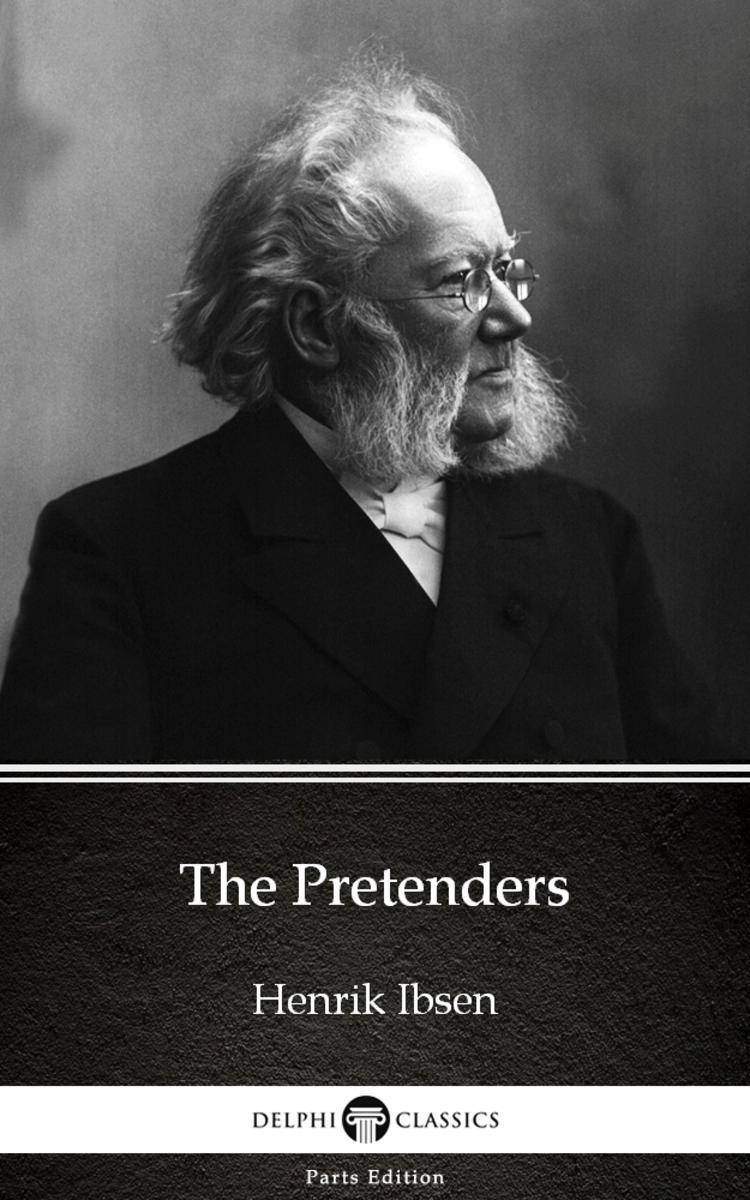
The Pretenders by Henrik Ibsen - Delphi Classics (Illustrated)
¥8.09
This eBook features the unabridged text of ‘The Pretenders by Henrik Ibsen - Delphi Classics (Illustrated)’ from the bestselling edition of ‘The Complete Works of Henrik Ibsen’. Having established their name as the leading publisher of classic literature and art, Delphi Classics produce publications that are individually crafted with superior formatting, while introducing many rare texts for the first time in digital print. The Delphi Classics edition of Ibsen includes original annotations and illustrations relating to the life and works of the author, as well as individual tables of contents, allowing you to navigate eBooks quickly and easily. eBook features: * The complete unabridged text of ‘The Pretenders by Henrik Ibsen - Delphi Classics (Illustrated)’ * Beautifully illustrated with images related to Ibsen’s works * Individual contents table, allowing easy navigation around the eBook * Excellent formatting of the text Please visit www.delphiclassics.com to learn more about our wide range of titles
Brand by Henrik Ibsen - Delphi Classics (Illustrated)
¥8.09
This eBook features the unabridged text of ‘Brand by Henrik Ibsen - Delphi Classics (Illustrated)’ from the bestselling edition of ‘The Complete Works of Henrik Ibsen’. Having established their name as the leading publisher of classic literature and art, Delphi Classics produce publications that are individually crafted with superior formatting, while introducing many rare texts for the first time in digital print. The Delphi Classics edition of Ibsen includes original annotations and illustrations relating to the life and works of the author, as well as individual tables of contents, allowing you to navigate eBooks quickly and easily. eBook features: * The complete unabridged text of ‘Brand by Henrik Ibsen - Delphi Classics (Illustrated)’ * Beautifully illustrated with images related to Ibsen’s works * Individual contents table, allowing easy navigation around the eBook * Excellent formatting of the text Please visit www.delphiclassics.com to learn more about our wide range of titles
The League of Youth by Henrik Ibsen - Delphi Classics (Illustrated)
¥8.09
This eBook features the unabridged text of ‘The League of Youth by Henrik Ibsen - Delphi Classics (Illustrated)’ from the bestselling edition of ‘The Complete Works of Henrik Ibsen’. Having established their name as the leading publisher of classic literature and art, Delphi Classics produce publications that are individually crafted with superior formatting, while introducing many rare texts for the first time in digital print. The Delphi Classics edition of Ibsen includes original annotations and illustrations relating to the life and works of the author, as well as individual tables of contents, allowing you to navigate eBooks quickly and easily. eBook features: * The complete unabridged text of ‘The League of Youth by Henrik Ibsen - Delphi Classics (Illustrated)’ * Beautifully illustrated with images related to Ibsen’s works * Individual contents table, allowing easy navigation around the eBook * Excellent formatting of the text Please visit www.delphiclassics.com to learn more about our wide range of titles
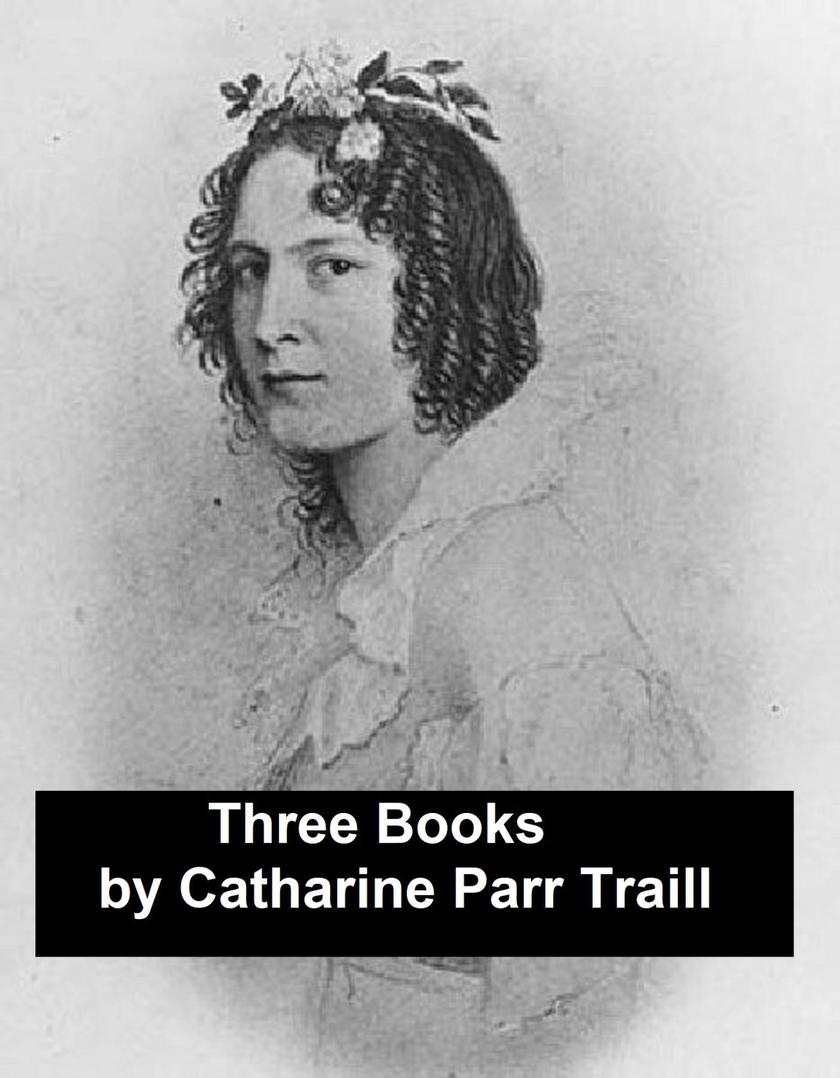
Three Books
¥8.09
This file includes: The Backwoods of Canada, Canadian Crusoes (AKA Lost in the Backwoods), In the Forest (AKA Lady Mary and Her Nurse), and Little Downy. According to Wikipedia: Catharine Parr Traill, born Strickland (9 January 1802 – 29 August 1899) was an English-Canadian author who wrote about life as a settler in Canada... She described her new life in letters and journals, and collected these into The Backwoods of Canada (1836), which continues to be read as an important source of information about early Canada. She describes everyday life in the community, the relationship between Canadians, Americans, and natives, the climate, and local flora and fauna. More observations were included in a novel, Canadian Crusoes (1851). She also collected information concerning the skills necessary for a new settler, published in The Female Emigrant's Guide (1854), later retitled The Canadian Settler's Guide. She wrote "Pearls and Pebbles" and "Cot and Cradle Stories".
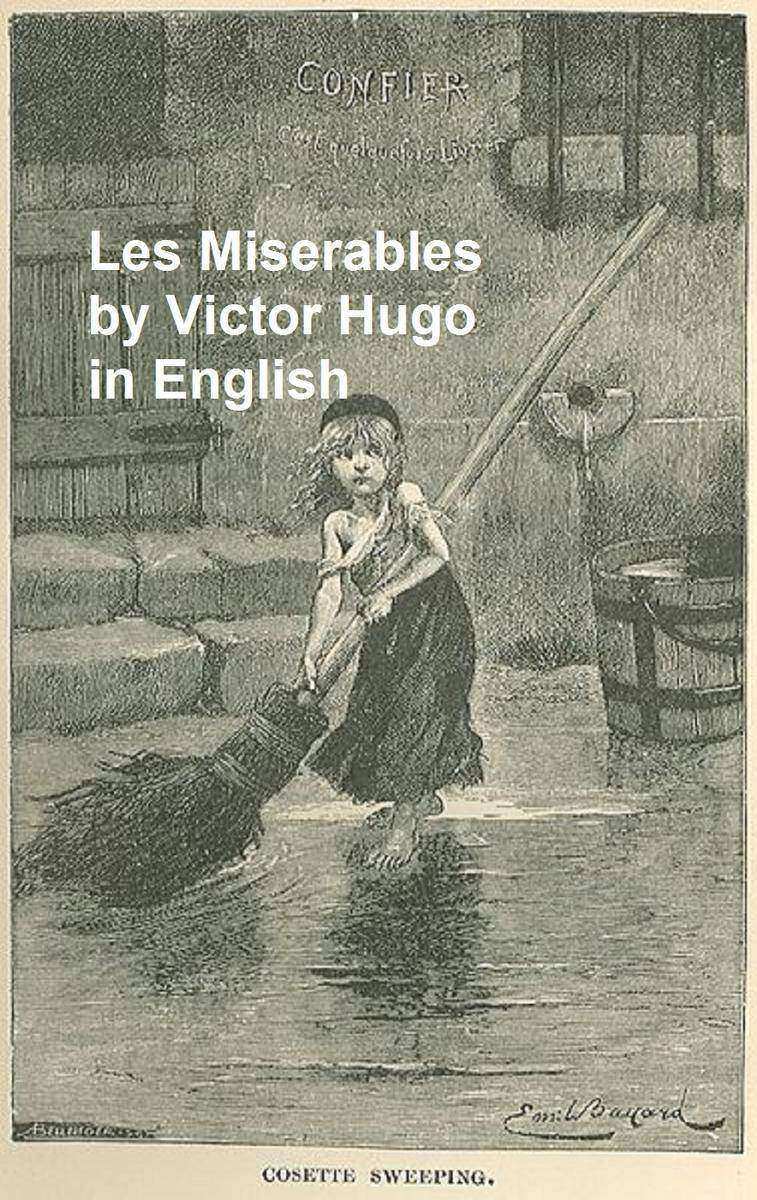
Les Miserables
¥8.09
According to Wikipedia: "Les Misérables is a French historical novel by Victor Hugo, first published in 1862, that is considered one of the greatest novels of the nineteenth century. In the English-speaking world, the novel is usually referred to by its original French title, which can be translated from the French as The Miserables, The Wretched, The Miserable Ones, The Poor Ones, The Wretched Poor, or The Victims. Beginning in 1815 and culminating in the 1832 June Rebellion in Paris, the novel follows the lives and interactions of several characters, focusing on the struggles of ex-convict Jean Valjean and his experience of redemption."
The Return of Sherlock Holmes, Third of the Five Sherlock Holmes Short Story Col
¥8.09
The five Sherlock Holmes story collections are: The Adventures of Sherlock Holmes, The Memoirs of Sherlock Holmes, The Return of Sherlock Holmes, His Last Bow, and The Case-Book of Sherlock Holmes. According to Wikipedia: "Sir Arthur Ignatius Conan Doyle, (22 May 1859 – 7 July 1930) was an author most noted for his stories about the detective Sherlock Holmes, which are generally considered a major innovation in the field of crime fiction, and for the adventures of Professor Challenger. He was a prolific writer whose other works include science fiction stories, historical novels, plays and romances, poetry, and non-fiction."
The Sign of the Four, Second of the Four Sherlock Holmes Novels
¥8.09
The four Sherlock Holmes novels are: A Study in Scarlet, Sign of the Four, The Hound of the Baskervilles, and The Valley of Fear. According to Wikipedia: "Sir Arthur Ignatius Conan Doyle, (22 May 1859 – 7 July 1930) was an author most noted for his stories about the detective Sherlock Holmes, which are generally considered a major innovation in the field of crime fiction, and for the adventures of Professor Challenger. He was a prolific writer whose other works include science fiction stories, historical novels, plays and romances, poetry, and non-fiction."
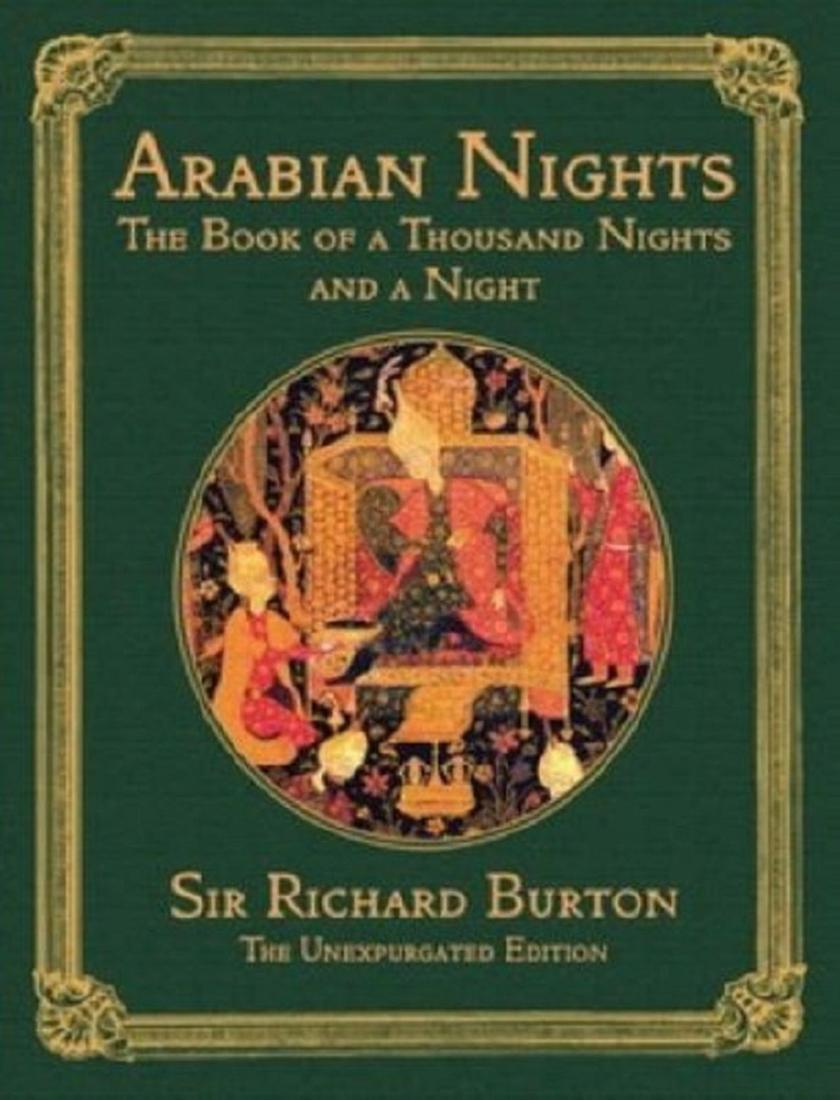
Arabian Nights: The Book of the Thousand Nights and a Night
¥8.09
The full text of all 16 volumes of Richard Burton's monumental translation of The Arabian Nights, with all his candid, racy footnotes, with their wealth of anthropological and cultural information. This file also includes "The Life of Sir Richard Burton by Thomas Wright According to Wikipedia: "One Thousand and One Nights is a collection of stories collected over many centuries by various authors, translators and scholars across the Middle East, North Africa and Indian subcontinent. These collections of tales trace their roots back to ancient and medieval Arabic, Persian, Indian, Egyptian and Mesopotamian literature. In particular, many tales were originally folk stories from the Caliphate era as well as the Sassanid-era Pahlavi work Hazār Afsān. Though the oldest Arabic manuscript dates from the 14th century, scholarship generally dates the collection's genesis to around the 9th century." Captain Sir Richard Francis Burton (1821 – 1890) was an English explorer, translator, writer, soldier, orientalist, ethnologist, linguist, poet, hypnotist, fencer and diplomat. He was known for his travels and explorations within Asia and Africa as well as his extraordinary knowledge of languages and cultures. According to one count, he spoke 29 European, Asian, and African languages. Burton's best-known achievements include traveling in disguise to Mecca, making an unexpurgated translation of The Book of One Thousand Nights and A Night..."
The Adventures of Sherlock Holmes, First of the Five Sherlock Holmes Short Story
¥8.09
The other Sherlock Holmes story collections are: The Memoirs of Sherlock Holmes, The Return of Sherlock Holmes, His Last Bow, and The Case-Book of Sherlock Holmes. According to Wikipedia: "Sir Arthur Ignatius Conan Doyle, (22 May 1859 – 7 July 1930) was an author most noted for his stories about the detective Sherlock Holmes, which are generally considered a major innovation in the field of crime fiction, and for the adventures of Professor Challenger. He was a prolific writer whose other works include science fiction stories, historical novels, plays and romances, poetry, and non-fiction."
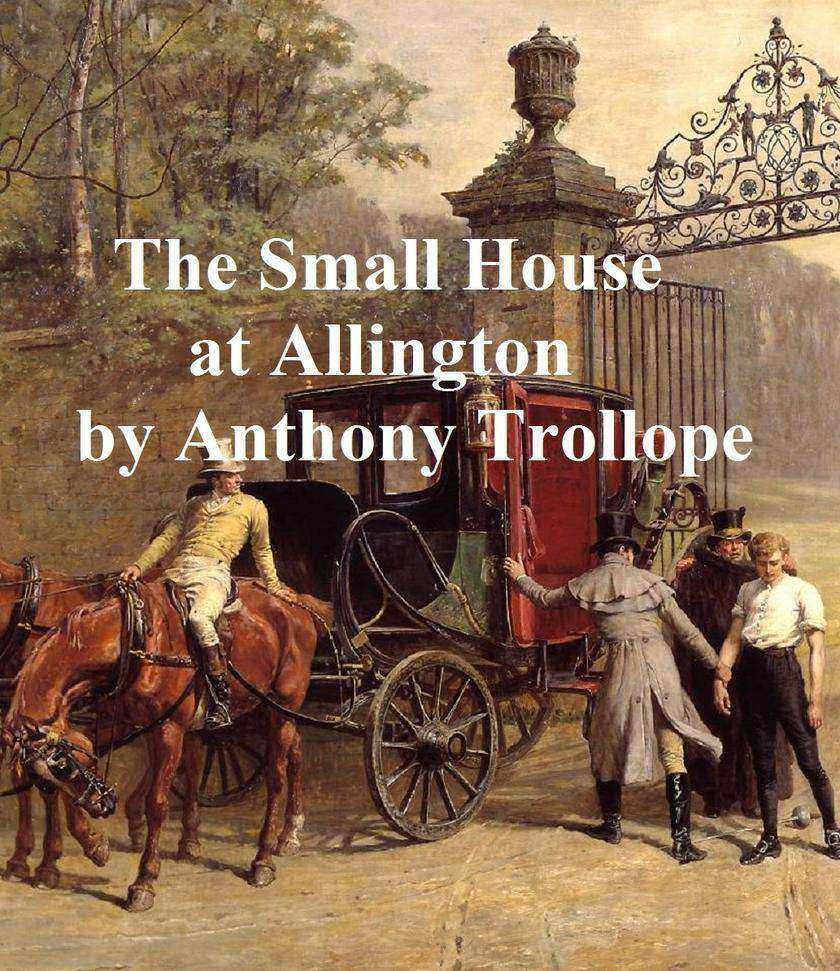
The Small House at Allington
¥8.09
The others in the series are: The Warden, Barchester Towers, Dr. Thorne, Framley Parsonage, and Last Chronicle of Barset. According to Wikipedia: "Anthony Trollope ( 1815 – 1882 ) became one of the most successful, prolific and respected English novelists of the Victorian era. Some of Trollope's best-loved works, known as the Chronicles of Barsetshire, revolve around the imaginary county of Barsetshire; he also wrote penetrating novels on political, social, and gender issues and conflicts of his day. Trollope has always been a popular novelist. Noted fans have included Sir Alec Guinness (who never travelled without a Trollope novel), former British Prime Ministers Harold Macmillan and Sir John Major, economist John Kenneth Galbraith, American novelists Sue Grafton and Dominick Dunne and soap opera writer Harding Lemay. Trollope's literary reputation dipped somewhat during the last years of his life, but he regained the esteem of critics by the mid-twentieth century. "Of all novelists in any country, Trollope best understands the role of money. Compared with him even Balzac is a romantic." — W. H. Auden"
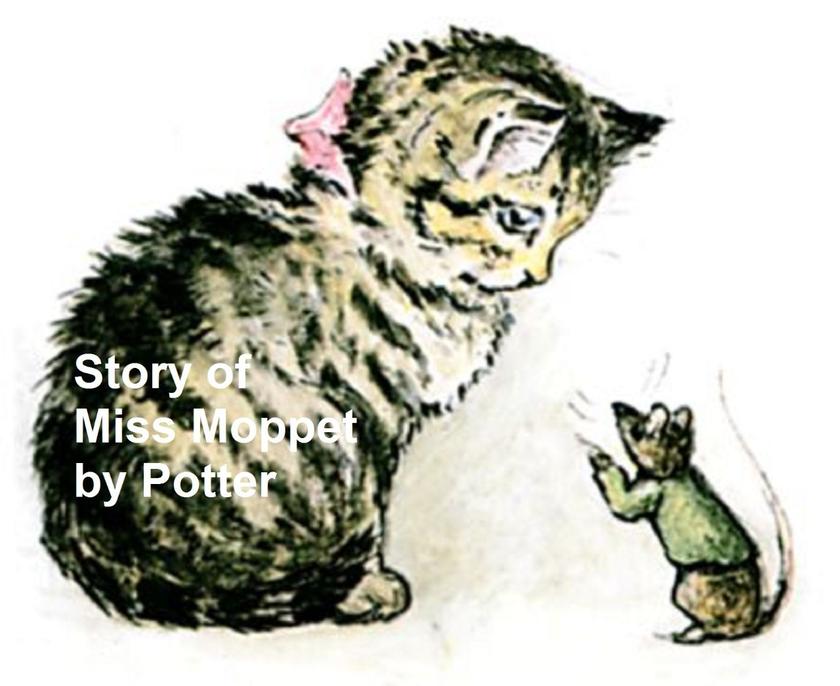
The Story of Miss Moppet
¥8.09
Classic children's picture book, with the 15 original color illustrations. According to Wikipedia: "Helen Beatrix Potter (28 July 1866 – 22 December 1943) was an English author, illustrator, natural scientist and conservationist best known for her imaginative children’s books featuring animals such as those in The Tale of Peter Rabbit which celebrated the British landscape and country life."
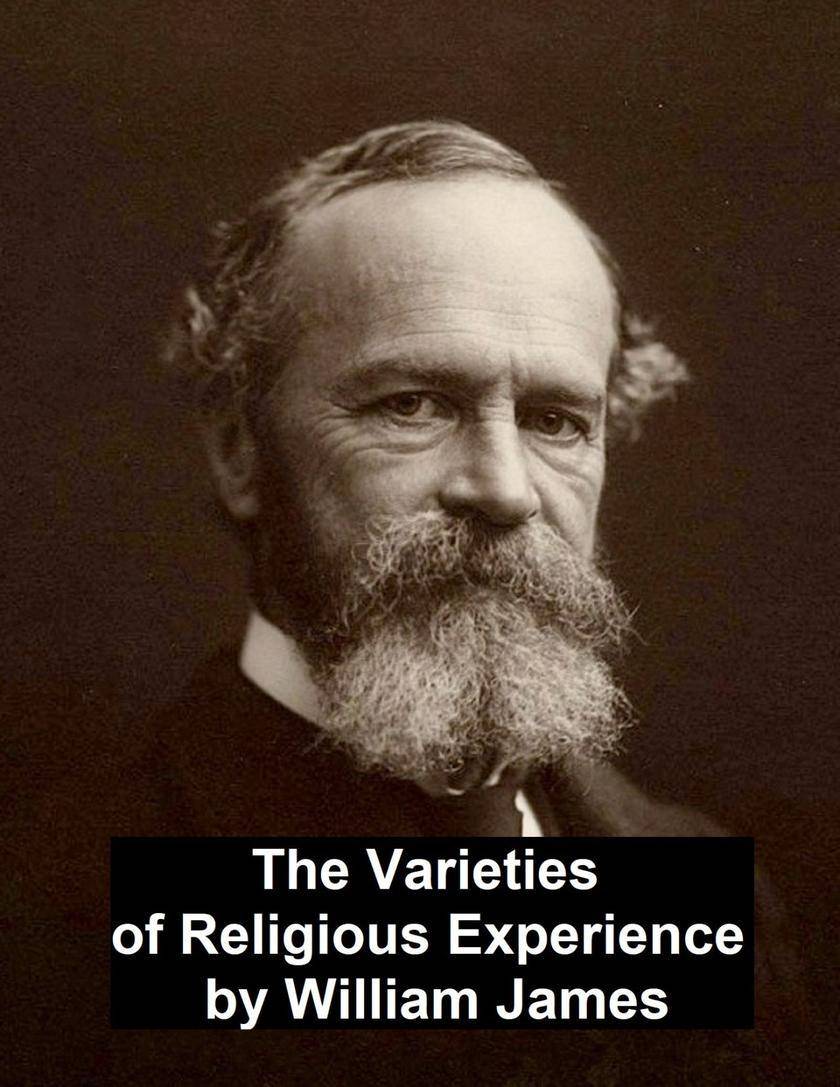
The Varieties of Religious Experience
¥8.09
The psychology of religious belief. "If the inquiry be psychological, not religious institutions, but rather religious feelings and religious impulses must be its subject, and I must confine myself to those more developed subjective phenomena recorded in literature produced by articulate and fully self-conscious men, in works of piety and autobiography." According to Wikipedia: "William James (1842 – 1910) was a pioneering American psychologist and philosopher trained as a medical doctor. He wrote influential books on the young science of psychology, educational psychology, psychology of religious experience and mysticism, and the philosophy of pragmatism. He was the brother of novelist Henry James and of diarist Alice James. William James was born at the Astor House in New York City. He was the son of Henry James Sr., an independently wealthy and notoriously eccentric Swedenborgian theologian well acquainted with the literary and intellectual elites of his day. The intellectual brilliance of the James family milieu and the remarkable epistolary talents of several of its members have made them a subject of continuing interest to historians, biographers, and critics."
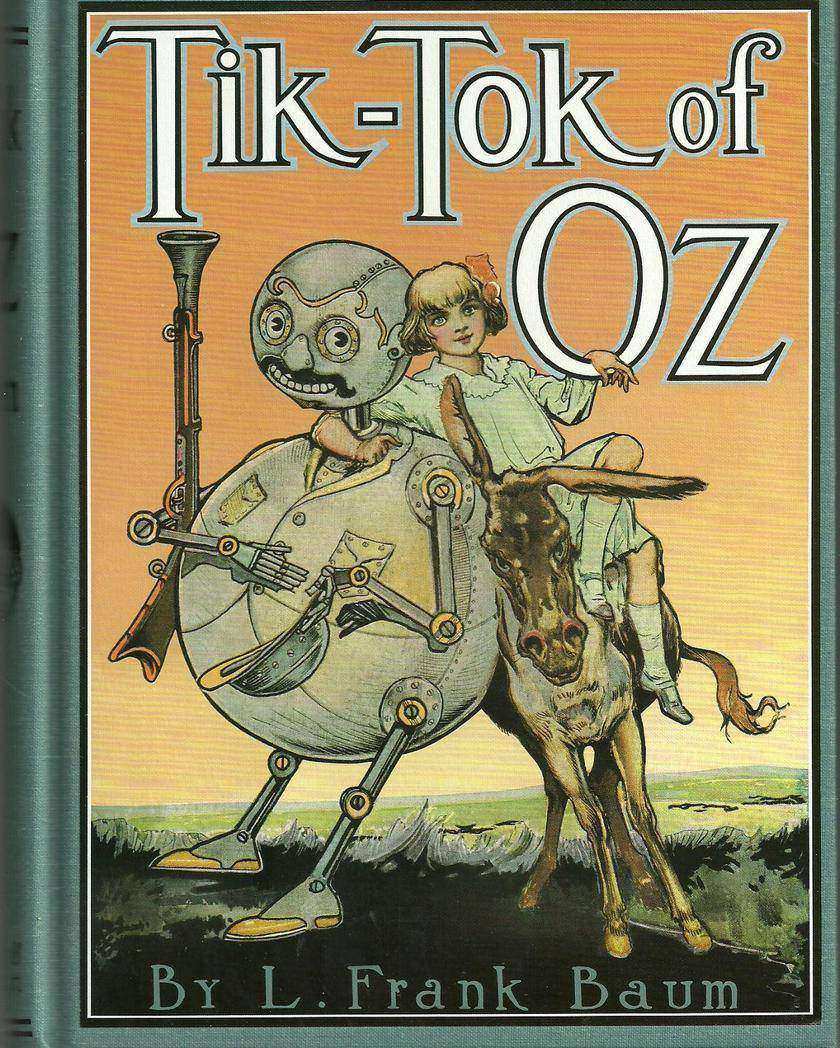
Tik-Tok of Oz
¥8.09
With 14 color illustrations by John R. Neill. According to Wikipedia: "Betsy Bobbin, a girl from Oklahoma, is shipwrecked with her mule, Hank, in the Rose Kingdom of Oz. She meets the Shaggy Man there and the two try to rescue the Shaggy Man's brother from the Nome King. This book is partly based upon Baum's stage musical, The Tik-Tok Man of Oz, which was in turn based on Ozma of Oz. The series includes: 1 The Wizard of Oz, 2 The Land of Oz, 3 Ozma of Oz, 4 Dorothy and the Wizard in Oz, 5 The Road to Oz, 6 The Emerald City of Oz, 7 The Patchwork Girl of Oz, 8 Tik-Tok of Oz, 9 The Scarecrow of Oz, 10 Rinkitink in Oz, 11 The Lost Princess of Oz, 12 The Tin Woodman of Oz, 13 The Magic of Oz, 14 Glinda of Oz, and 15 The Royal Book of Oz. According to Wikipedia: "Lyman Frank Baum (1856 – 1919) was an American author, poet, playwright, actor and independent filmmaker, best known today as the creator, along with illustrator W. W. Denslow, of one of the most popular books in American children's literature, The Wonderful Wizard of Oz, better known now as simply The Wizard of Oz. He wrote thirteen sequels, nine other fantasy novels, and a plethora of other works (55 novels in total, 82 short stories, over 200 poems, an unknown number of scripts, and many miscellaneous writings), and made numerous attempts to bring his works to the stage and screen.
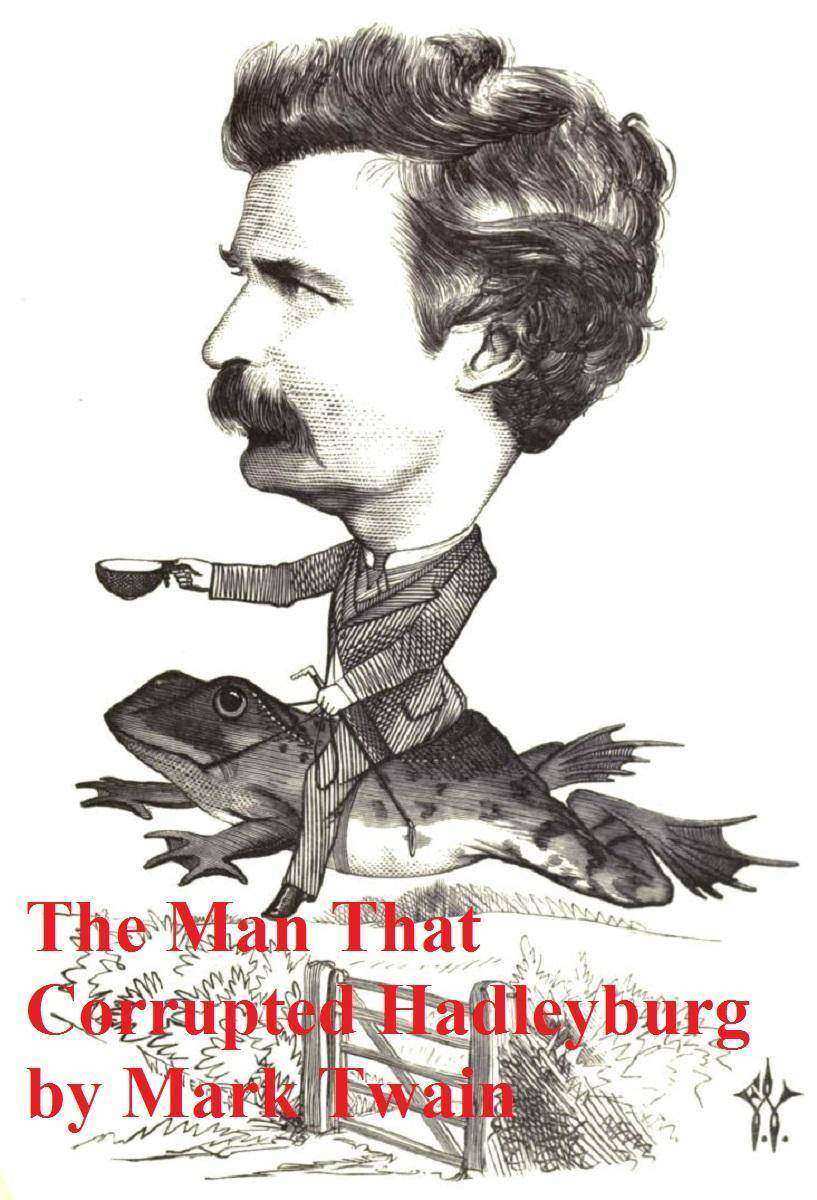
The Man That Corrupted Hadleyburg and Other Stories
¥8.09
The stories include: THE MAN THAT CORRUPTED HADLEYBURG; MY FIRST LIE; AND HOW I GOT OUT OF IT; THE ESQUIMAUX MAIDEN'S ROMANCE; CHRISTIAN SCIENCE AND THE BOOK OF MRS. EDDY; IS HE LIVING OR IS HE DEAD? MY DEBUT AS A LITERARY PERSON; AT THE APPETITE-CURE; CONCERNING THE JEWS; FROM THE 'LONDON TIMES' OF 1904; ABOUT PLAY-ACTING; TRAVELLING WITH A REFORMER; DIPLOMATIC PAY AND CLOTHES; LUCK; THE CAPTAIN'S STORY; STIRRING TIMES IN AUSTRIA; MEISTERSCHAFT; MY BOYHOOD DREAMS; TO THE ABOVE OLD PEOPLE; and IN MEMORIAM--OLIVIA SUSAN CLEMENS.
Hell fer Sartain and Other Stories
¥8.09
The stories include: ON HELL-FER-SARTAIN CREEK, THROUGH THE GAP, A TRICK O' TRADE, GRAYSON'S BABY, COURTIN' ON CUTSHIN, THE MESSAGE IN THE SAND, THE SENATOR'S LAST TRADE, PREACHIN' ON KINGDOM-COME, THE PASSING OF ABRAHAM SHIVERS, and A PURPLE RHODODENDRON. According to Wikipedia: "Born in Stony Point, Kentucky to John William Fox, Sr., and Minerva Worth Carr, Fox studied English at Harvard University. He graduated in 1883 before becoming a reporter in New York City. After working for both New York Times and the New York Sun, he published a successful serialization of his first novel, A Mountain Europa, in Century magazine in 1892. Two moderately successful short story collections followed, as well as his first conventional novel, The Kentuckians in 1898. Fox gained a following as a war correspondent, working for Harper's Weekly in Cuba during the Spanish-American War of 1898, where he served with the "Rough Riders." Six years later he traveled to Asia to report on the Russo-Japanese War for Scribner's magazine. Though he occasionally wrote for periodicals, after 1904, Fox dedicated much of his attention to fiction. The Little Shepherd of Kingdom Come (published in 1903) and The Trail of the Lonesome Pine (published in 1908) are arguably his most well known and successful works, entering the New York Times top ten list of bestselling novels for 1903, 1904, 1908, and 1909 respectively. Many of his works reflected the naturalist style, his childhood in Kentucky's Bluegrass region, and his life among the coal miners of Big Stone Gap, Virginia. Many of his novels were historical romances or period dramas set in that region."
Works of Schiller in English
¥8.09
This collection includes: Life of Schiller by Calvin Thomas and such works by Schiller as Death of Wallenstein, William Tell, excerpts from The Thirty Years' War, poetry, and Correspondence with Goethe. The German Classics Of The Nineteenth And Twentieth Centuries, Volume 3, edited by Kuno Francke.
Tales from the Jazz Age
¥8.09
This book includes: The Jelly-Bean, The Camel's Back, may Day, Porcelain and Pink, The Diamond as Big as the Ritz, The Curious Case of Benjamin Button, Tarquin of Cheapside, O Russet Witch, The Lees of Happiness, Mr. Icky, and Jemina. According to Wikipedia: "Francis Scott Key Fitzgerald (September 24, 1896 – December 21, 1940) was an American writer of novels and short stories, whose works are evocative of the Jazz Age, a term he coined himself. He is widely regarded as one of the twentieth century's greatest writers. Fitzgerald is considered a member of the "Lost Generation" of the twenties. He finished four novels, including The Great Gatsby, with another published posthumously, and wrote dozens of short stories that treat themes of youth and promise along with despair and age."
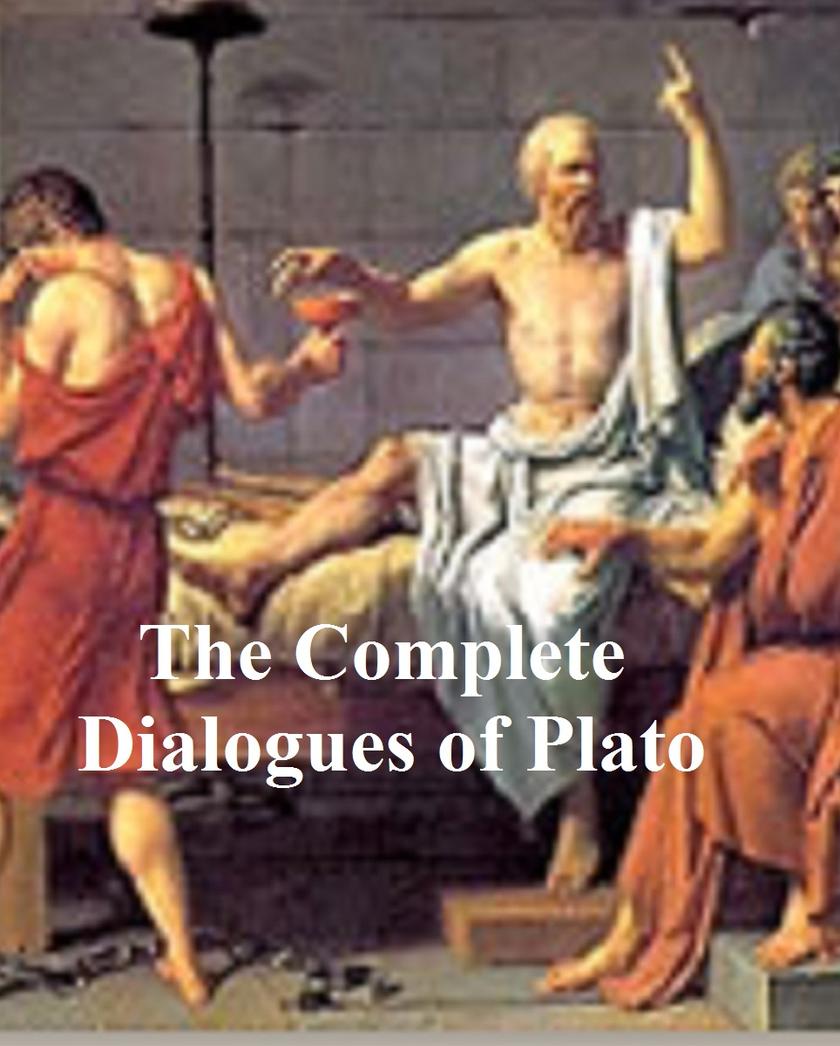
The Complete Dialogues of Plato
¥8.09
This book-collection file includes all 26 dialogues: Apology, Charmides (and preface to the collection), Cratylus, Critias, Crito, Euthyphro, Euthydemus, Gorgias, Ion, Laches, Laws, Lesser Hippias, Lysis, Menexus, Meno, Parmenides, Phaedo, Phaedrus, Philebus, Protagoras, Republic, Sophist, Statesman, Symposium, Theaetetus, and Timaeus. The Jowett translation. According to Wikipedia: "Plato (428/427 BC[a] – 348/347 BC), was a Classical Greek philosopher, who, together with his mentor, Socrates, and his student, Aristotle, helped to lay the foundations of Western philosophy.[2] Plato was also a mathematician, writer of philosophical dialogues, and founder of the Academy in Athens, the first institution of higher learning in the western world. Plato was originally a student of Socrates, and was as much influenced by his thinking as by what he saw as his teacher's unjust death."


