


 购物车
购物车 个人中心
个人中心

The Island of Doctor Moreau by H. G. Wells (Illustrated)
¥8.09
This eBook features the unabridged text of ‘The Island of Doctor Moreau’ from the bestselling edition of ‘The Complete Works of H. G. Wells’. Having established their name as the leading publisher of classic literature and art, Delphi Classics produce publications that are individually crafted with superior formatting, while introducing many rare texts for the first time in digital print. The Delphi Classics edition of Wells includes original annotations and illustrations relating to the life and works of the author, as well as individual tables of contents, allowing you to navigate eBooks quickly and easily.eBook features:* The complete unabridged text of ‘The Island of Doctor Moreau’* Beautifully illustrated with images related to Wells’s works* Individual contents table, allowing easy navigation around the eBook* Excellent formatting of the textPlease visit www.delphiclassics.com to learn more about our wide range of titles

The Sea Lady by H. G. Wells (Illustrated)
¥8.09
This eBook features the unabridged text of ‘The Sea Lady’ from the bestselling edition of ‘The Complete Works of H. G. Wells’. Having established their name as the leading publisher of classic literature and art, Delphi Classics produce publications that are individually crafted with superior formatting, while introducing many rare texts for the first time in digital print. The Delphi Classics edition of Wells includes original annotations and illustrations relating to the life and works of the author, as well as individual tables of contents, allowing you to navigate eBooks quickly and easily.eBook features:* The complete unabridged text of ‘The Sea Lady’* Beautifully illustrated with images related to Wells’s works* Individual contents table, allowing easy navigation around the eBook* Excellent formatting of the textPlease visit www.delphiclassics.com to learn more about our wide range of titles

The Food of the Gods and How It Came to Earth by H. G. Wells (Illustrated)
¥8.09
This eBook features the unabridged text of ‘The Food of the Gods and How It Came to Earth’ from the bestselling edition of ‘The Complete Works of H. G. Wells’. Having established their name as the leading publisher of classic literature and art, Delphi Classics produce publications that are individually crafted with superior formatting, while introducing many rare texts for the first time in digital print. The Delphi Classics edition of Wells includes original annotations and illustrations relating to the life and works of the author, as well as individual tables of contents, allowing you to navigate eBooks quickly and easily.eBook features:* The complete unabridged text of ‘The Food of the Gods and How It Came to Earth’* Beautifully illustrated with images related to Wells’s works* Individual contents table, allowing easy navigation around the eBook* Excellent formatting of the textPlease visit www.delphiclassics.com to learn more about our wide range of titles

The War in the Air by H. G. Wells (Illustrated)
¥8.09
This eBook features the unabridged text of ‘The War in the Air’ from the bestselling edition of ‘The Complete Works of H. G. Wells’. Having established their name as the leading publisher of classic literature and art, Delphi Classics produce publications that are individually crafted with superior formatting, while introducing many rare texts for the first time in digital print. The Delphi Classics edition of Wells includes original annotations and illustrations relating to the life and works of the author, as well as individual tables of contents, allowing you to navigate eBooks quickly and easily.eBook features:* The complete unabridged text of ‘The War in the Air’* Beautifully illustrated with images related to Wells’s works* Individual contents table, allowing easy navigation around the eBook* Excellent formatting of the textPlease visit www.delphiclassics.com to learn more about our wide range of titles

The Sleeper Awakes by H. G. Wells (Illustrated)
¥8.09
This eBook features the unabridged text of ‘The Sleeper Awakes’ from the bestselling edition of ‘The Complete Works of H. G. Wells’. Having established their name as the leading publisher of classic literature and art, Delphi Classics produce publications that are individually crafted with superior formatting, while introducing many rare texts for the first time in digital print. The Delphi Classics edition of Wells includes original annotations and illustrations relating to the life and works of the author, as well as individual tables of contents, allowing you to navigate eBooks quickly and easily.eBook features:* The complete unabridged text of ‘The Sleeper Awakes’* Beautifully illustrated with images related to Wells’s works* Individual contents table, allowing easy navigation around the eBook* Excellent formatting of the textPlease visit www.delphiclassics.com to learn more about our wide range of titles

The Passionate Friends by H. G. Wells (Illustrated)
¥8.09
This eBook features the unabridged text of ‘The Passionate Friends’ from the bestselling edition of ‘The Complete Works of H. G. Wells’. Having established their name as the leading publisher of classic literature and art, Delphi Classics produce publications that are individually crafted with superior formatting, while introducing many rare texts for the first time in digital print. The Delphi Classics edition of Wells includes original annotations and illustrations relating to the life and works of the author, as well as individual tables of contents, allowing you to navigate eBooks quickly and easily.eBook features:* The complete unabridged text of ‘The Passionate Friends’* Beautifully illustrated with images related to Wells’s works* Individual contents table, allowing easy navigation around the eBook* Excellent formatting of the textPlease visit www.delphiclassics.com to learn more about our wide range of titles

The Croquet Player by H. G. Wells (Illustrated)
¥8.09
This eBook features the unabridged text of ‘The Croquet Player’ from the bestselling edition of ‘The Complete Works of H. G. Wells’. Having established their name as the leading publisher of classic literature and art, Delphi Classics produce publications that are individually crafted with superior formatting, while introducing many rare texts for the first time in digital print. The Delphi Classics edition of Wells includes original annotations and illustrations relating to the life and works of the author, as well as individual tables of contents, allowing you to navigate eBooks quickly and easily.eBook features:* The complete unabridged text of ‘The Croquet Player’* Beautifully illustrated with images related to Wells’s works* Individual contents table, allowing easy navigation around the eBook* Excellent formatting of the textPlease visit www.delphiclassics.com to learn more about our wide range of titles

Star Begotten by H. G. Wells (Illustrated)
¥8.09
This eBook features the unabridged text of ‘Star Begotten’ from the bestselling edition of ‘The Complete Works of H. G. Wells’. Having established their name as the leading publisher of classic literature and art, Delphi Classics produce publications that are individually crafted with superior formatting, while introducing many rare texts for the first time in digital print. The Delphi Classics edition of Wells includes original annotations and illustrations relating to the life and works of the author, as well as individual tables of contents, allowing you to navigate eBooks quickly and easily.eBook features:* The complete unabridged text of ‘Star Begotten’* Beautifully illustrated with images related to Wells’s works* Individual contents table, allowing easy navigation around the eBook* Excellent formatting of the textPlease visit www.delphiclassics.com to learn more about our wide range of titles

Babes in the Darkling Wood by H. G. Wells (Illustrated)
¥8.09
This eBook features the unabridged text of ‘Babes in the Darkling Wood’ from the bestselling edition of ‘The Complete Works of H. G. Wells’. Having established their name as the leading publisher of classic literature and art, Delphi Classics produce publications that are individually crafted with superior formatting, while introducing many rare texts for the first time in digital print. The Delphi Classics edition of Wells includes original annotations and illustrations relating to the life and works of the author, as well as individual tables of contents, allowing you to navigate eBooks quickly and easily.eBook features:* The complete unabridged text of ‘Babes in the Darkling Wood’* Beautifully illustrated with images related to Wells’s works* Individual contents table, allowing easy navigation around the eBook* Excellent formatting of the textPlease visit www.delphiclassics.com to learn more about our wide range of titles

The Stolen Bacillus and Other Incidents by H. G. Wells (Illustrated)
¥8.09
This eBook features the unabridged text of ‘The Stolen Bacillus and Other Incidents’ from the bestselling edition of ‘The Complete Works of H. G. Wells’. Having established their name as the leading publisher of classic literature and art, Delphi Classics produce publications that are individually crafted with superior formatting, while introducing many rare texts for the first time in digital print. The Delphi Classics edition of Wells includes original annotations and illustrations relating to the life and works of the author, as well as individual tables of contents, allowing you to navigate eBooks quickly and easily.eBook features:* The complete unabridged text of ‘The Stolen Bacillus and Other Incidents’* Beautifully illustrated with images related to Wells’s works* Individual contents table, allowing easy navigation around the eBook* Excellent formatting of the textPlease visit www.delphiclassics.com to learn more about our wide range of titles

Jane Austen, Her Life and Letters
¥8.09
This eBook features the unabridged text of ‘Jane Austen, Her Life and Letters by William Austen-Leigh and Richard Arthur Austen-Leigh’ from the bestselling edition of ‘The Complete Works of Jane Austen’. Having established their name as the leading publisher of classic literature and art, Delphi Classics produce publications that are individually crafted with superior formatting, while introducing many rare texts for the first time in digital print. The Delphi Classics edition of Austen includes original annotations and illustrations relating to the life and works of the author, as well as individual tables of contents, allowing you to navigate eBooks quickly and easily.eBook features:* The complete unabridged text of ‘Jane Austen, Her Life and Letters by William Austen-Leigh and Richard Arthur Austen-Leigh’* Beautifully illustrated with images related to Austen’s works* Individual contents table, allowing easy navigation around the eBook* Excellent formatting of the textPlease visit www.delphiclassics.com to learn more about our wide range of titles

Hadji Murad by Leo Tolstoy (Illustrated)
¥8.09
This eBook features the unabridged text of ‘Hadji Murad’ from the bestselling edition of ‘The Complete Works of Leo Tolstoy’. Having established their name as the leading publisher of classic literature and art, Delphi Classics produce publications that are individually crafted with superior formatting, while introducing many rare texts for the first time in digital print. The Delphi Classics edition of Tolstoy includes original annotations and illustrations relating to the life and works of the author, as well as individual tables of contents, allowing you to navigate eBooks quickly and easily.eBook features:* The complete unabridged text of ‘Hadji Murad’* Beautifully illustrated with images related to Tolstoy’s works* Individual contents table, allowing easy navigation around the eBook* Excellent formatting of the textPlease visit www.delphiclassics.com to learn more about our wide range of titles

Tolstoy’s Journal by Leo Tolstoy (Illustrated)
¥8.09
This eBook features the unabridged text of ‘Tolstoy’s Journal’ from the bestselling edition of ‘The Complete Works of Leo Tolstoy’. Having established their name as the leading publisher of classic literature and art, Delphi Classics produce publications that are individually crafted with superior formatting, while introducing many rare texts for the first time in digital print. The Delphi Classics edition of Tolstoy includes original annotations and illustrations relating to the life and works of the author, as well as individual tables of contents, allowing you to navigate eBooks quickly and easily.eBook features:* The complete unabridged text of ‘Tolstoy’s Journal’* Beautifully illustrated with images related to Tolstoy’s works* Individual contents table, allowing easy navigation around the eBook* Excellent formatting of the textPlease visit www.delphiclassics.com to learn more about our wide range of titles

Right Ho, Jeeves
¥8.09
This Point Blank Classics edition includes the full original text and an easy to use interactive table of contents.

Dream Psychology
¥8.09
This Tribeca Press edition includes the full original text as well as exclusive images exclusive to this edition and an easy to use interactive table of contents.
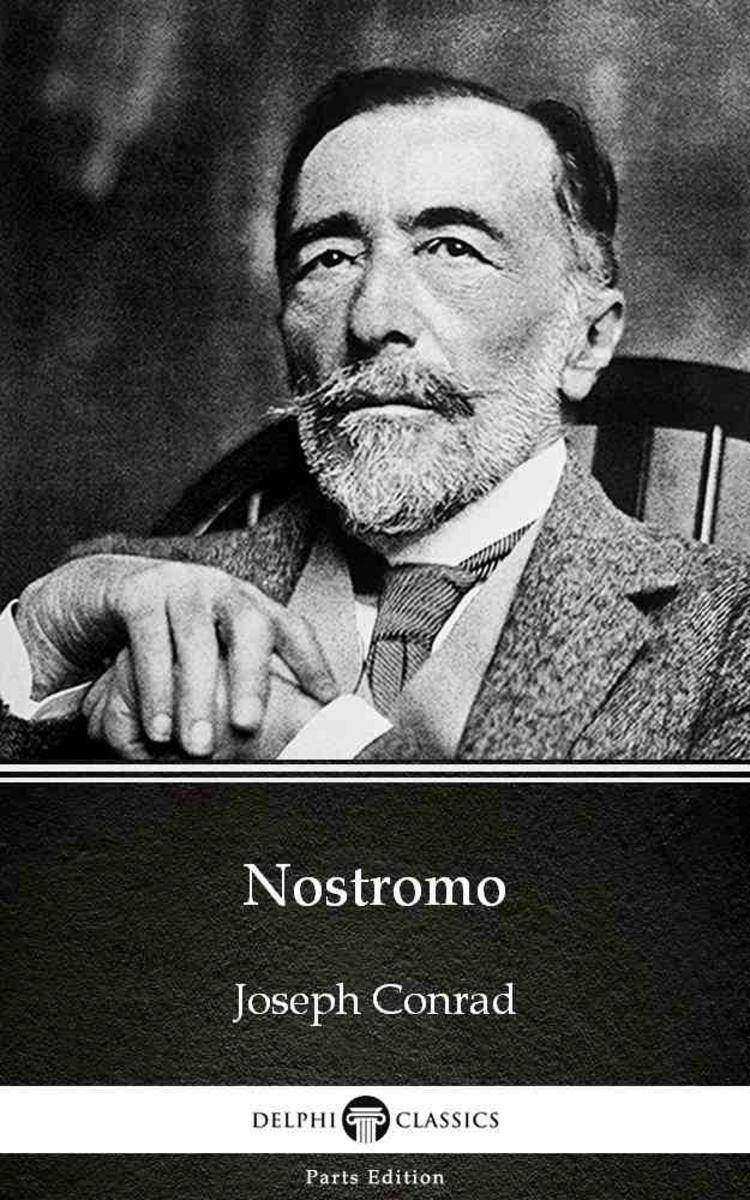
Nostromo by Joseph Conrad (Illustrated)
¥8.09
This eBook features the unabridged text of ‘Nostromo’ from the bestselling edition of ‘The Complete Works of Joseph Conrad’. Having established their name as the leading publisher of classic literature and art, Delphi Classics produce publications that are individually crafted with superior formatting, while introducing many rare texts for the first time in digital print. The Delphi Classics edition of Conrad includes original annotations and illustrations relating to the life and works of the author, as well as individual tables of contents, allowing you to navigate eBooks quickly and easily.eBook features:* The complete unabridged text of ‘Nostromo’* Beautifully illustrated with images related to Conrad’s works* Individual contents table, allowing easy navigation around the eBook* Excellent formatting of the textPlease visit www.delphiclassics.com to learn more about our wide range of titles

The Secret Agent by Joseph Conrad (Illustrated)
¥8.09
This eBook features the unabridged text of ‘The Secret Agent’ from the bestselling edition of ‘The Complete Works of Joseph Conrad’. Having established their name as the leading publisher of classic literature and art, Delphi Classics produce publications that are individually crafted with superior formatting, while introducing many rare texts for the first time in digital print. The Delphi Classics edition of Conrad includes original annotations and illustrations relating to the life and works of the author, as well as individual tables of contents, allowing you to navigate eBooks quickly and easily.eBook features:* The complete unabridged text of ‘The Secret Agent’* Beautifully illustrated with images related to Conrad’s works* Individual contents table, allowing easy navigation around the eBook* Excellent formatting of the textPlease visit www.delphiclassics.com to learn more about our wide range of titles

The Rover by Joseph Conrad (Illustrated)
¥8.09
This eBook features the unabridged text of ‘The Rover’ from the bestselling edition of ‘The Complete Works of Joseph Conrad’. Having established their name as the leading publisher of classic literature and art, Delphi Classics produce publications that are individually crafted with superior formatting, while introducing many rare texts for the first time in digital print. The Delphi Classics edition of Conrad includes original annotations and illustrations relating to the life and works of the author, as well as individual tables of contents, allowing you to navigate eBooks quickly and easily.eBook features:* The complete unabridged text of ‘The Rover’* Beautifully illustrated with images related to Conrad’s works* Individual contents table, allowing easy navigation around the eBook* Excellent formatting of the textPlease visit www.delphiclassics.com to learn more about our wide range of titles

The Village of Stepanchikovo by Fyodor Dostoyevsky
¥8.09
This eBook features the unabridged text of ‘The Village of Stepanchikovo’ from the bestselling edition of ‘The Complete Works of Fyodor Dostoyevsky’. Having established their name as the leading publisher of classic literature and art, Delphi Classics produce publications that are individually crafted with superior formatting, while introducing many rare texts for the first time in digital print. The Delphi Classics edition of Dostoyevsky includes original annotations and illustrations relating to the life and works of the author, as well as individual tables of contents, allowing you to navigate eBooks quickly and easily. eBook features:* The complete unabridged text of ‘The Village of Stepanchikovo’* Beautifully illustrated with images related to Dostoyevsky’s works* Individual contents table, allowing easy navigation around the eBook* Excellent formatting of the textPlease visit www.delphiclassics.com to learn more about our wide range of titles

The House of the Dead by Fyodor Dostoyevsky
¥8.09
This eBook features the unabridged text of ‘The House of the Dead’ from the bestselling edition of ‘The Complete Works of Fyodor Dostoyevsky’. Having established their name as the leading publisher of classic literature and art, Delphi Classics produce publications that are individually crafted with superior formatting, while introducing many rare texts for the first time in digital print. The Delphi Classics edition of Dostoyevsky includes original annotations and illustrations relating to the life and works of the author, as well as individual tables of contents, allowing you to navigate eBooks quickly and easily. eBook features:* The complete unabridged text of ‘The House of the Dead’* Beautifully illustrated with images related to Dostoyevsky’s works* Individual contents table, allowing easy navigation around the eBook* Excellent formatting of the textPlease visit www.delphiclassics.com to learn more about our wide range of titles

Notes from Underground
¥8.09
This eBook features the unabridged text of ‘Notes from Underground’ from the bestselling edition of ‘The Complete Works of Fyodor Dostoyevsky’. Having established their name as the leading publisher of classic literature and art, Delphi Classics produce publications that are individually crafted with superior formatting, while introducing many rare texts for the first time in digital print. The Delphi Classics edition of Dostoyevsky includes original annotations and illustrations relating to the life and works of the author, as well as individual tables of contents, allowing you to navigate eBooks quickly and easily. eBook features:* The complete unabridged text of ‘Notes from Underground’* Beautifully illustrated with images related to Dostoyevsky’s works* Individual contents table, allowing easy navigation around the eBook* Excellent formatting of the textPlease visit www.delphiclassics.com to learn more about our wide range of titles


