


 购物车
 个人中心


Captains All and Others
¥8.09
Dodo Collections brings you another classic from Jacobs W.W, ‘Captains All and Others.’ ? William Wymark Jacobs was an English author of short stories and novels. Quite popular in his lifetime primarily for his amusing maritime tales of life along the London docks (many of them humorous as well as sardonic in tone). Today he is best known for a few short works of horror fiction. One being "The Monkey's Paw"(published 1902). It has in its own right become a well-known and widely anthologized classic. ? In 1879, Jacobs began work as a clerk in the civil service, in the Post Office Savings Bank, and by 1885 he had his first short story published. His road to success was relatively slow: Arnold Bennett writing in 1898 was astonished that Jacobs turned down the sum of ?500 for six short stories. Jacobs was financially secure enough to be able to leave the Post Office in 1899.

In Pastures New
¥8.09
Dodo Collections brings you another classic from George Ade ‘In Pastures New.’ ‘In Pastures New’ is a humorous account of travels, chiefly in London and Egypt. Many of the letters appearing in this volume were printed in a syndicate of newspapers in the early months of 1906. With these letters have been incorporated extracts from letters written to the Chicago Record in 1895 and 1898. George Ade (February 9, 1866 – May 16, 1944) was an American writer, newspaper columnist, and playwright.? Ade's literary reputation rests upon his achievements as a great humorist of American character during an important era in American history: the first large wave of migration from the countryside to burgeoning cities like Chicago, where, in fact, Ade produced his best fiction. He was a practicing realist during the Age of (William Dean) Howells and a local colorist of Chicago and the Midwest. His work constitutes a vast comedy of Midwestern manners and, indeed, a comedy of late 19th-century American manners. In 1915, Sir Walter Raleigh, Oxford professor and man of letters, while on a lecture tour in America, called George Ade "the greatest living American writer. Ade's fiction dealt consistently with the "little man," the common, undistinguished, average American, usually a farmer or lower middle class citizen. (He sometimes skewered women, too, especially women with laughable social pretensions.) Ade followed in the footsteps of his idol Mark Twain by making expert use of the American language. A striking and unique feature of Ade's essays was the creative and liberal use of capitalization. George Ade is one of the American writers whose publications made him rich.

A House of Pomegranates
¥8.09
Dodo Collections brings you another classic from Oscar Wilde, ‘A House of Pomegranates’. A House of Pomegranates is a collection of fairy tales, written by Oscar Wilde, which was published in 1891 as a second collection for The Happy Prince and Other Tales (1888). Wilde once said that this collection was "intended neither for the British child nor the British public." The stories included in this collection are as follows: ????????? The Young King ????????? The Birthday of the Infanta ????????? The Fisherman and his Soul ????????? The Star-Child Oscar Fingal O'Flahertie Wills Wilde (16 October 1854 – 30 November 1900) was an Irish author, playwright and poet. After writing in different forms throughout the 1880s, he became one of London's most popular playwrights in the early 1890s. He is remembered for his epigrams, his novel The Picture of Dorian Gray, his plays, as well as the circumstances of his imprisonment and early death. At the height of his fame and success, while his masterpiece, The Importance of Being Earnest (1895), was still on stage in London, Wilde had the Marquess of Queensberry prosecuted for libel. The Marquess was the father of Wilde's lover, Lord Alfred Douglas. The charge carried a penalty of up to two years in prison. The trial unearthed evidence that caused Wilde to drop his charges and led to his own arrest and trial for gross indecency with other men. After two more trials he was convicted and imprisoned for two years' hard labour. In 1897, in prison, he wrote De Profundis, which was published in 1905, a long letter which discusses his spiritual journey through his trials, forming a dark counterpoint to his earlier philosophy of pleasure. Upon his release he left immediately for France, never to return to Ireland or Britain. There he wrote his last work, The Ballad of Reading Gaol (1898), a long poem commemorating the harsh rhythms of prison life. He died destitute in Paris at the age of 46.
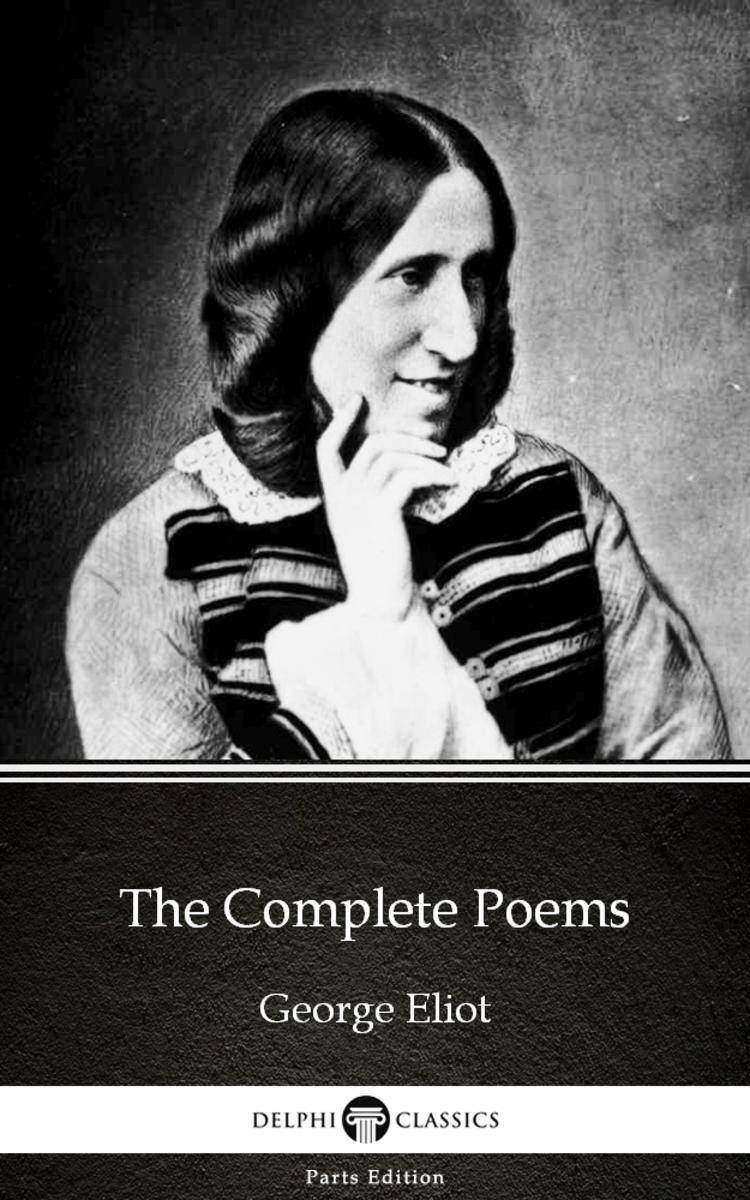
The Complete Poems by George Eliot - Delphi Classics (Illustrated)
¥8.09
This eBook features the unabridged text of ‘The Complete Poems by George Eliot - Delphi Classics (Illustrated)’ from the bestselling edition of ‘The Complete Works of George Eliot’. Having established their name as the leading publisher of classic literature and art, Delphi Classics produce publications that are individually crafted with superior formatting, while introducing many rare texts for the first time in digital print. The Delphi Classics edition of Eliot includes original annotations and illustrations relating to the life and works of the author, as well as individual tables of contents, allowing you to navigate eBooks quickly and easily. eBook features: * The complete unabridged text of ‘The Complete Poems by George Eliot - Delphi Classics (Illustrated)’ * Beautifully illustrated with images related to Eliot’s works * Individual contents table, allowing easy navigation around the eBook * Excellent formatting of the text Please visit www.delphiclassics.com to learn more about our wide range of titles
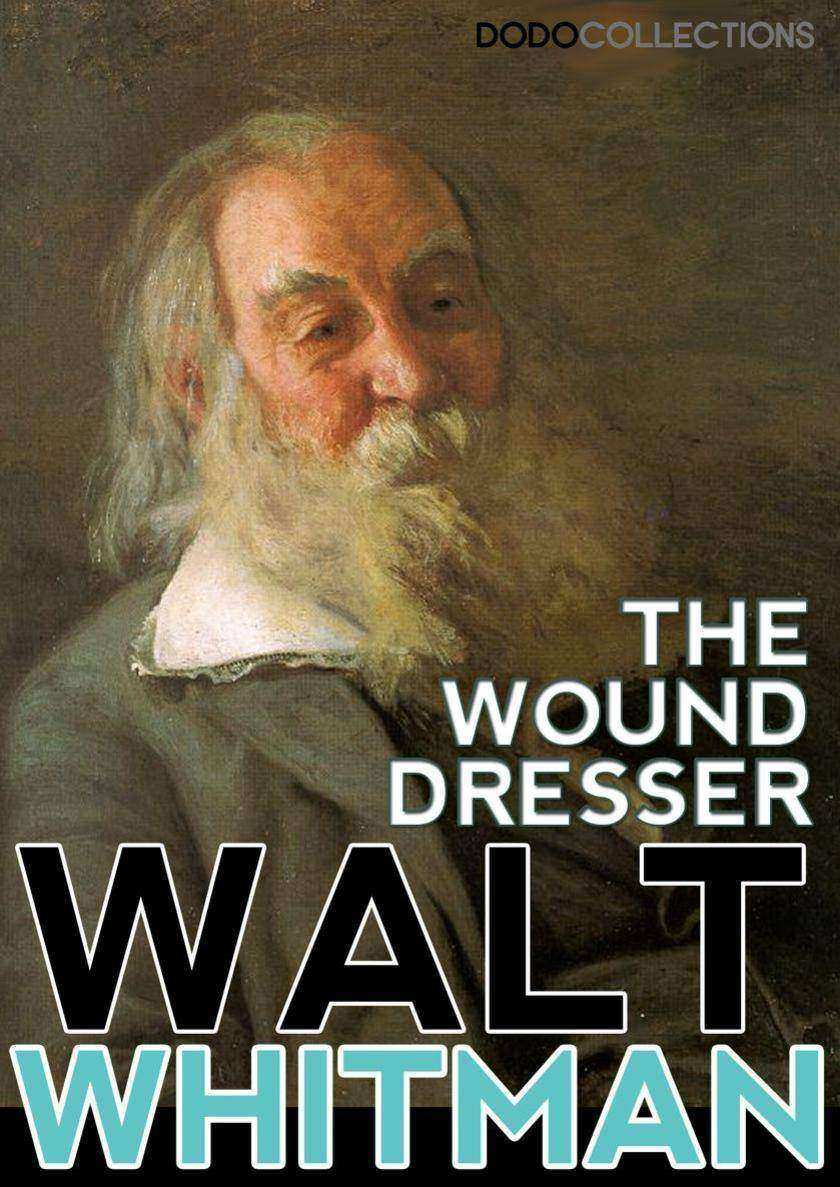
The Wound Dresser
¥8.09
Dodo Collections brings you another classic from Walt Whitman, ‘The Wound Dresser’. Walt Whitman’s “The Wound-Dresser” is a sixty-five-line free-verse poem in four sections describing the suffering in the Civil War hospitals and the poet’s suffering, faithfulness to duty, and developing compassion as he tended to soldiers’ physical wounds and gave comfort. Published at war’s end, the poem opens with an old veteran speaking, imaginatively suggesting some youths gathered about who have asked him to tell of his most powerful memories. The children request stories of battle glory, but the poet quickly dismisses these as ephemeral. He then narrates a journey through a military hospital such as Whitman experienced in Washington, D.C., during the second half of the war. Walter "Walt" Whitman (May 31, 1819 – March 26, 1892) was an American poet, essayist and journalist. A humanist, he was a part of the transition between transcendentalism and realism, incorporating both views in his works. Whitman is among the most influential poets in the American canon, often called the father of free verse. His work was very controversial in its time, particularly his poetry collection Leaves of Grass, which was described as obscene for its overt sexuality. Born in Huntington on Long Island, Whitman worked as a journalist, a teacher, a government clerk, and—in addition to publishing his poetry—was a volunteer nurse during the American Civil War. Early in his career, he also produced a temperance novel, Franklin Evans (1842). Whitman's major work, Leaves of Grass, was first published in 1855 with his own money. The work was an attempt at reaching out to the common person with an American epic. He continued expanding and revising it until his death in 1892. After a stroke towards the end of his life, he moved to Camden, New Jersey, where his health further declined. When he died at age 72, his funeral became a public spectacle. Whitman's sexuality is often discussed alongside his poetry. Though biographers continue to debate his sexuality, he is usually described as either homosexual or bisexual in his feelings and attractions. However, there is disagreement among biographers as to whether Whitman had actual sexual experiences with men. Whitman was concerned with politics throughout his life. He supported the Wilmot Proviso and opposed the extension of slavery generally. His poetry presented an egalitarian view of the races, though his attitude in life reflected many of the racial prejudices common to nineteenth-century America and his opposition to slavery was not necessarily based on belief in the equality of races per se. At one point he called for the abolition of slavery, but later he saw the abolitionist movement as a threat to democracy.

Views and Reviews
¥8.09
Dodo Classics brings you another classic from Henry James, ‘Views and Reviews.’ “When you lay down a proposition which is forthwith controverted, it is of course optional with you to take up the cudgels in its defence. If you are deeply convinced of its truth, you will perhaps be content to leave it to take care of itself; or, at all events, you will not go out of your way to push its fortunes; for you will reflect that in the long run an opinion often borrows credit from the forbearance of its patrons. In the long run, we say; it will meanwhile cost you an occasional pang to see your cherished theory turned into a football by the critics. A football is not, as such, a very respectable object, and the more numerous the players, the more ridiculous it becomes. Unless, therefore, you are very confident of your ability to rescue it from the chaos of kicks, you will best consult its interests by not mingling in the game.” Henry James, OM, son of theologian Henry James Sr., brother of the philosopher and psychologist William James and diarist Alice James, was an American-born author, one of the founders and leaders of a school of realism in fiction. He spent much of his life in England and became a British subject shortly before his death. He is primarily known for a series of major novels in which he portrayed the encounter of America with Europe. His plots centered on personal relationships, the proper exercise of power in such relationships, and other moral questions. His method of writing from the point of view of a character within a tale allowed him to explore the phenomena of consciousness and perception, and his style in later works has been compared to impressionist painting. ? James insisted that writers in Great Britain and America should be allowed the greatest freedom possible in presenting their view of the world, as French authors were. His imaginative use of point of view, interior monologue and unreliable narrators in his own novels and tales brought a new depth and interest to realistic fiction, and foreshadowed the modernist work of the twentieth century. An extraordinarily productive writer, in addition to his voluminous works of fiction he published articles and books of travel writing, biography, autobiography, and criticism,and wrote plays, some of which were performed during his lifetime with moderate success. His theatrical work is thought to have profoundly influenced his later novels and tales.

The Untamed
¥8.09
Dodo Collections brings you another classic from Max Brand, ‘The Untamed.’ The mysterious Whistlin' Dan Barry rides a black stallion named Satan, followed by a wolf dog named Black Bart. Dan has his own problems, but they multiply when he encounters Jim Silent and his outlaw gang. Frederick Schiller Faust (1892-1944) was an American fiction author known primarily for his thoughtful and literary Westerns. Faust wrote mostly under pen names, and today he is primarily known by one, Max Brand. Others include George Owen Baxter, Martin Dexter, Evin Evans, David Manning, Peter Dawson, John Frederick, and Pete Morland. Faust was born in Seattle. He grew up in central California and later worked as a cowhand on one of the many ranches of the San Joaquin Valley. Faust attended the University of California, Berkeley, where he began to write frequently. During the 1910s, Faust started to sell stories to the many emerging pulp magazines of the era. In the 1920s, Faust wrote furiously in many genres, achieving success and fame, first in the pulps and later in the upscale "slick" magazines. His love for mythology was, however, a constant source of inspiration for his fiction and his classical and literary inclinations. The classical influences are particularly noticeable in his first novel The Untamed (1919), which was also made into a motion picture starring Tom Mix in 1920.

Letters of Travel (1892-1913)
¥8.09
Dodo Collections brings you another classic from Rudyard Kipling, ‘Letters of Travel (1892-1913).’ ? Letters of Travel, 1892-1913, originally published in 1920, is a collection of articles on Japan, the United States, Canada and Egypt. ? Kipling's works of fiction include The Jungle Book (1894), Kim (1901), and many short stories, including "The Man Who Would Be King" (1888). His poems include "Mandalay" (1890), "Gunga Din" (1890), "The Gods of the Copybook Headings" (1919), "The White Man's Burden" (1899), and "If—" (1910). He is regarded as a major innovator in the art of the short story; his children's books are classics of children's literature; and one critic described his work as exhibiting "a versatile and luminous narrative gift". ? Kipling was one of the most popular writers in England, in both prose and verse, in the late 19th and early 20th centuries. Henry James said: "Kipling strikes me personally as the most complete man of genius (as distinct from fine intelligence) that I have ever known." In 1907, he was awarded the Nobel Prize in Literature, making him the first English-language writer to receive the prize, and its youngest recipient to date Among other honours, he was sounded out for the British Poet Laureateship and on several occasions for a knighthood, all of which he declined

Cleopatra
¥8.09
Dodo Collections brings you another classic from H. Rider Haggard, ‘Cleopatra.’ ? The story is set in the Ptolemaic era of ancient Egyptian history and revolves around the survival of a dynasty bloodline protected by the Priesthood of Isis. The main character Harmachis (the living descendant of this bloodline) is charged by the Priesthood to overthrow the supposed impostor Cleopatra, drive out the Romans, and restore Egypt to its golden era. As is the case with the majority of Haggard's works, the story draws heavily upon adventure and exotic concepts. The story, told from the point of view of the Egyptian priest Harmachis, is recounted in biblical language, being in the form of papyrus scrolls found in a tomb. Haggard's portrait of Cleopatra is quite stunning, revealing her wit, her treachery, and her overwhelming presence. All of the characters are mixtures of good and evil, and evoke both sympathy and loathing. ? Sir Henry Rider Haggard was an English writer of adventure novels set in exotic locations, predominantly Africa, and the creator of the Lost World literary genre. His stories, situated at the lighter end of the scale of Victorian literature, continue to be popular and influential. He was also involved in agricultural reform and improvement in the British Empire.? His breakout novel was?King Solomon's Mines(1885), which was to be the first in a series telling of the multitudinous adventures of its protagonist, Allan Quatermain. Haggard was made a Knight Bachelor in 1912 and a Knight Commander of the Order of the British Empire in 1919. He stood unsuccessfully for Parliament as a Conservative candidate for the Eastern division of Norfolk in 1895. The locality of Rider, British Columbia, was named in his memory.

Boone's Wilderness Road
¥8.09
Volume 6 of the series "Historic Highways of America". According to Wikipedia: "Archer Butler Hulbert (26 Jan 1873 – 24 Dec 1933), historical geographer, writer, and professor of American history... He was Vice-Principal of the Putnam Military Academy, Zanesville, Ohio, until 1897. Hulbert then did newspaper work in Korea in 1897 and '98: he was editor of the Korean Independent (Seoul) and edited Far East American newspapers... He was Professor of American History at Marietta College 1904-18. After Marietta College, Hulbert became a lecturer in American History at Clark University from 1918 to 1919. He also was a lecturer at the University of Chicago in 1904 and 1923; and he served as archivist for the Harvard Commission on Western History (1912-16). Hulbert's last position was at Colorado College, from 1920 until his death... Hulbert's interest in trails dated from fishing trips taken during his college, when he noticed Indian trails. This interest led at first to his 16 volumes of Historic Highways of America (1902-05)."

Waterways of Westward Expansion
¥8.09
Volume 9 of the series "Historic Highways of America". According to Wikipedia: "Archer Butler Hulbert (26 Jan 1873 – 24 Dec 1933), historical geographer, writer, and professor of American history... He was Vice-Principal of the Putnam Military Academy, Zanesville, Ohio, until 1897. Hulbert then did newspaper work in Korea in 1897 and '98: he was editor of the Korean Independent (Seoul) and edited Far East American newspapers... He was Professor of American History at Marietta College 1904-18. After Marietta College, Hulbert became a lecturer in American History at Clark University from 1918 to 1919. He also was a lecturer at the University of Chicago in 1904 and 1923; and he served as archivist for the Harvard Commission on Western History (1912-16). Hulbert's last position was at Colorado College, from 1920 until his death... Hulbert's interest in trails dated from fishing trips taken during his college, when he noticed Indian trails. This interest led at first to his 16 volumes of Historic Highways of America (1902-05)."

The Schoolmistress and Other Stories
¥8.09
This collection includes: THE SCHOOLMISTRESS, A NERVOUS BREAKDOWN, MISERY, CHAMPAGNE, AFTER THE THEATRE, A LADY'S STORY, IN EXILE, THE CATTLE-DEALERS, SORROW, ON OFFICIAL DUTY, THE FIRST-CLASS PASSENGER, A TRAGIC ACTOR, A TRANSGRESSION, SMALL FRY, THE REQUIEM, IN THE COACH-HOUSE, PANIC FEARS, THE BET, THE HEAD-GARDENER'S STORY, THE BEAUTIES, and THE SHOEMAKER AND THE DEVIL. According to Wikipedia: "Anton Pavlovich Chekhov (1860 – 1904) was a Russian short-story writer, playwright and physician, considered to be one of the greatest short-story writers in world literature. His career as a dramatist produced four classics and his best short stories are held in high esteem by writers and critics Chekhov practised as a doctor throughout most of his literary career: "Medicine is my lawful wife," he once said, "and literature is my mistress." Chekhov renounced the theatre after the disastrous reception of The Seagull in 1896; but the play was revived to acclaim in 1898 by Constantin Stanislavski's Moscow Art Theatre, which subsequently also produced Uncle Vanya and premiered Chekhov’s last two plays, Three Sisters and The Cherry Orchard. These four works present a special challenge to the acting ensemble as well as to audiences, because in place of conventional action Chekhov offers a "theatre of mood" and a "submerged life in the text." Chekhov had at first written stories only for the money, but as his artistic ambition grew, he made formal innovations which have influenced the evolution of the modern short story. His originality consists in an early use of the stream-of-consciousness technique, later adopted by James Joyce and other modernists, combined with a disavowal of the moral finality of traditional story structure He made no apologies for the difficulties this posed to readers, insisting that the role of an artist was to ask questions, not to answer them."
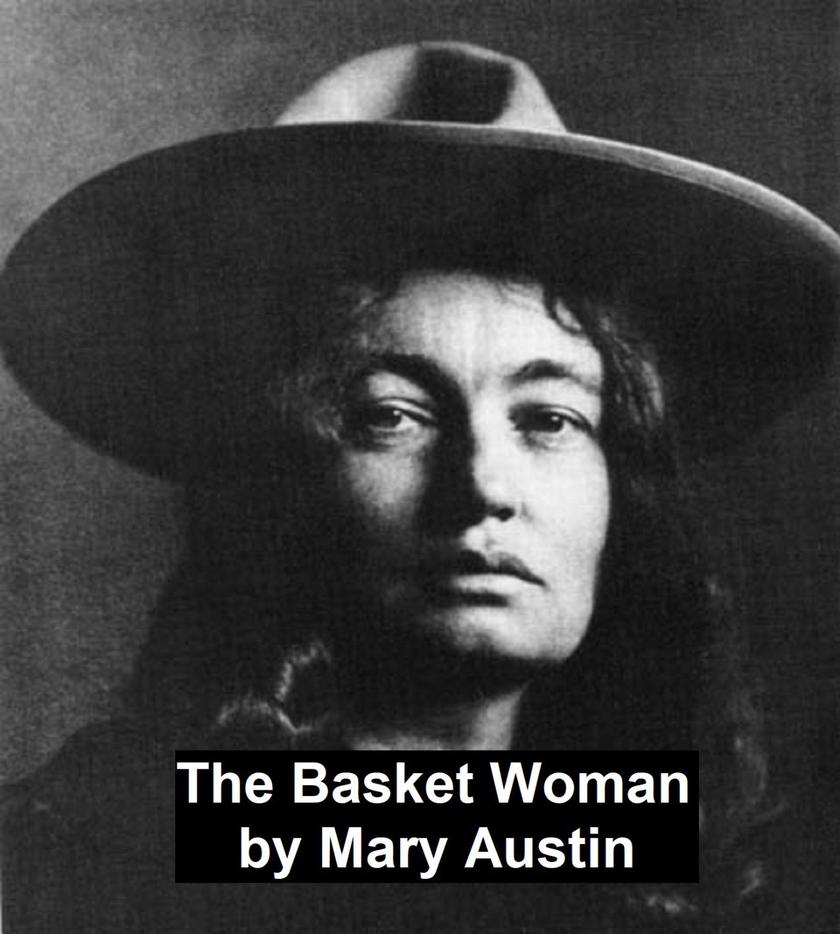
The Basket Woman
¥8.09
First published in 1904. According to Wikipedia: "Mary Hunter Austin (September 9, 1868 – August 13, 1934) was an American writer. One of the early nature writers of the American Southwest, her classic The Land of Little Rain (1903) describes the fauna, flora and people – as well as evoking the mysticism and spirituality – of the region between the High Sierra and the Mojave Desert of southern California."
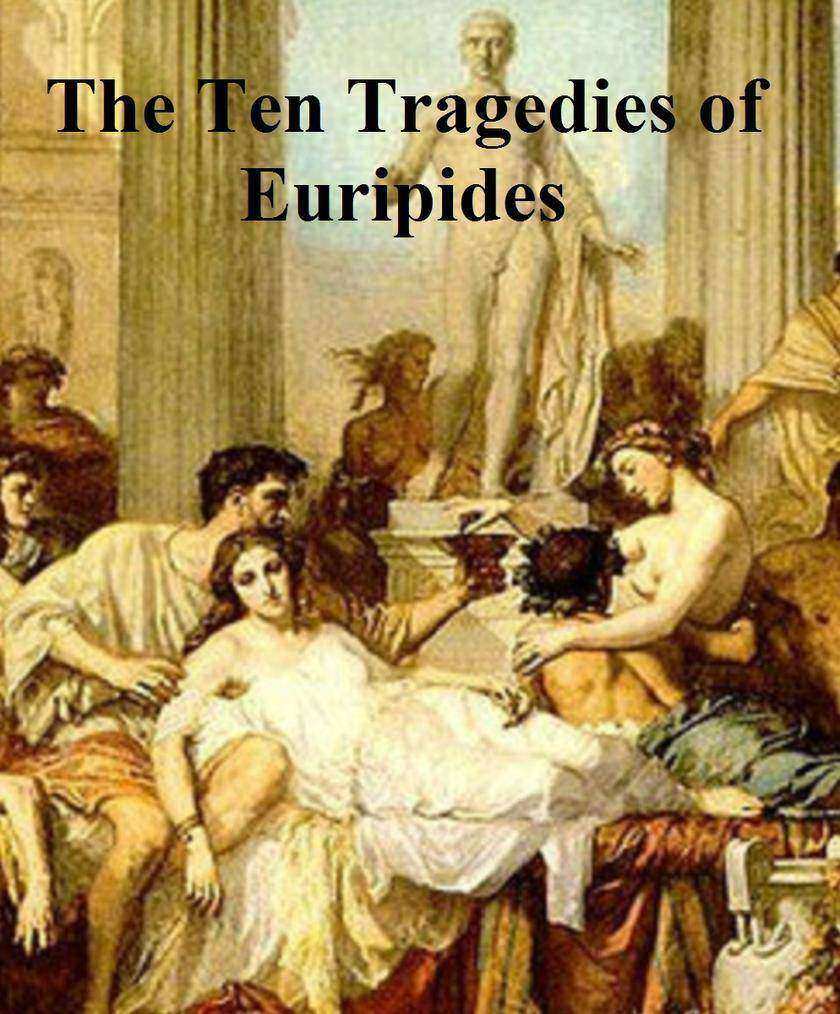
The Ten Tragedies of Euripides
¥8.09
This file includes 10 tragedies by Euripides, literally translated by Theodore Buckley. The plays are: HECUBA, ORESTES, PHOENISSAE (The Phoenician Virgins), MEDEA, HIPPOLYTUS, ALCESTIS, BACCHAE, HERACLIDAE, IPHIGENIA IN AULIS, and IPHIGENIA IN TAURIS. According to Wikipedia: "Euripides (ca. 480 BCE–406 BCE) was the last of the three great tragedians of classical Athens (the other two being Aeschylus and Sophocles). Ancient scholars thought that Euripides had written ninety-five plays, although four of those were probably written by Critias. Eighteen or nineteen of Euripides' plays have survived complete. There has been debate about his authorship of Rhesus, largely on stylistic grounds and ignoring classical evidence that the play was his. Fragments, some substantial, of most of the other plays also survive. More of his plays have survived than those of Aeschylus and Sophocles together, because of the unique nature of the Euripidean manuscript tradition. Euripides is known primarily for having reshaped the formal structure of Athenian tragedy by portraying strong female characters and intelligent slaves and by satirizing many heroes of Greek mythology. His plays seem modern by comparison with those of his contemporaries, focusing on the inner lives and motives of his characters in a way previously unknown to Greek audiences."

Ghostly Tales
¥8.09
This file includes the classic ghost stories: Schalken the Painter (1851), An Account of Some Strange Disturbances in Aungier Street (1853), An Authentic Narrative of a Haunted House (1862), Ultor De Lacy: A Legend of Cappercullen (1861) , The Haunted Baronet (1871), Ghost Stories of Chapelizod (1851), The Drunkard's Dream (1838), The Ghost and the Bone-setter (1838), The Mysterious Lodger (1850) , LAURA SILVER BELL (1872), WICKED CAPTAIN WALSHAWE, OF WAULING (1869), THE CHILD THAT WENT WITH THE FAIRIES (1870), STORIES OF LOUGH GUIR (1870), *The Magician Earl, *Moll Rial's Adventure, *The Banshee, *The Governess's Dream, *The Earl's Hall, THE VISION OF TOM CHUFF (1870), and DICKON THE DEVIL (1872) .
The Seven Plays of Sophocles
¥8.09
This file includes the English verse translation by Lewis Campbell of all seven extant Sophocles plays: Antigone, Aias. King Oedipus, Electra, The Tracinian Maidens, Philoctetes, and Oedippus at Colonos. According to Wikipedia: "Sophocles( c. 496 BC-406 BC) was the second of the three ancient Greek tragedians whose work has survived. His first plays were written later than those of Aeschylus and earlier than those of Euripides. According to the Suda, a 10th century encyclopedia, Sophocles wrote 123 plays during the course of his life, but only seven have survived in a complete form... The most famous of Sophocles' tragedies are those concerning Oedipus and Antigone: these are often known as the Theban plays, although each play was actually a part of different tetralogy, the other members of which are now lost. Sophocles influenced the development of the drama, most importantly by adding a third actor and thereby reducing the importance of the chorus in the presentation of the plot."
Three Books of Poetry and Two Plays
¥8.09
This file includes the short poetry collections A Few Figs from Thistles, Renascence and Other Poems, and Second April. It also includes the plays Aria da Capo (one act) and The Lamp and The Bell (five acts). According to Wikipedia: "Edna St. Vincent Millay (February 22, 1892 – October 19, 1950) was an American lyrical poet and playwright and the first woman to receive the Pulitzer Prize for Poetry. She was also known for her unconventional, bohemian lifestyle and her many love affairs. She used the pseudonym Nancy Boyd for her prose work."
The Odes of Pindar
¥8.09
This translation first published in 1874. According to Wikipedia: "Pindar (c. 522–443 BC), was an Ancient Greek lyric poet from Thebes. Of the canonical nine lyric poets of ancient Greece, his work is the best preserved. Quintilian wrote, "Of the nine lyric poets, Pindar is by far the greatest, in virtue of his inspired magnificence, the beauty of his thoughts and figures, the rich exuberance of his language and matter, and his rolling flood of eloquence, characteristics which, as Horace rightly held, make him inimitable." His poems however can also seem difficult and even peculiar... his style still challenges the casual reader and he continues to be a much admired though largely unread poet."
The Origin and Deeds of the Goths
¥8.09
This English version first published in 1908. "For the first time the story of the Goths recorded in the Getica of Jordanes, a Christian Goth who wrote his account in the year 551, probably in Constantinople, is now put in English form, as part of an edition of the Getica prepared by Mr. Mierow. Those who care for the romance of history will be charmed by this great tale of a lost cause and will not find the simple-hearted exaggerations of the eulogist of the Gothic race misleading. He pictured what he believed or wanted to believe, and his employment of fable and legend, as well as the naive exhibition of his loyal prejudices, merely heightens the interest of his story." According to Wikipedia: "Jordanes, also written Jordanis or, uncommonly, Jornandes, was a 6th-century Roman bureaucrat, who turned his hand to history later in life. While he also wrote Romana about the history of Rome, his best-known work is his Getica, written in Constantinople about AD 551. It is the only extant ancient work dealing with the early history of the Goths."
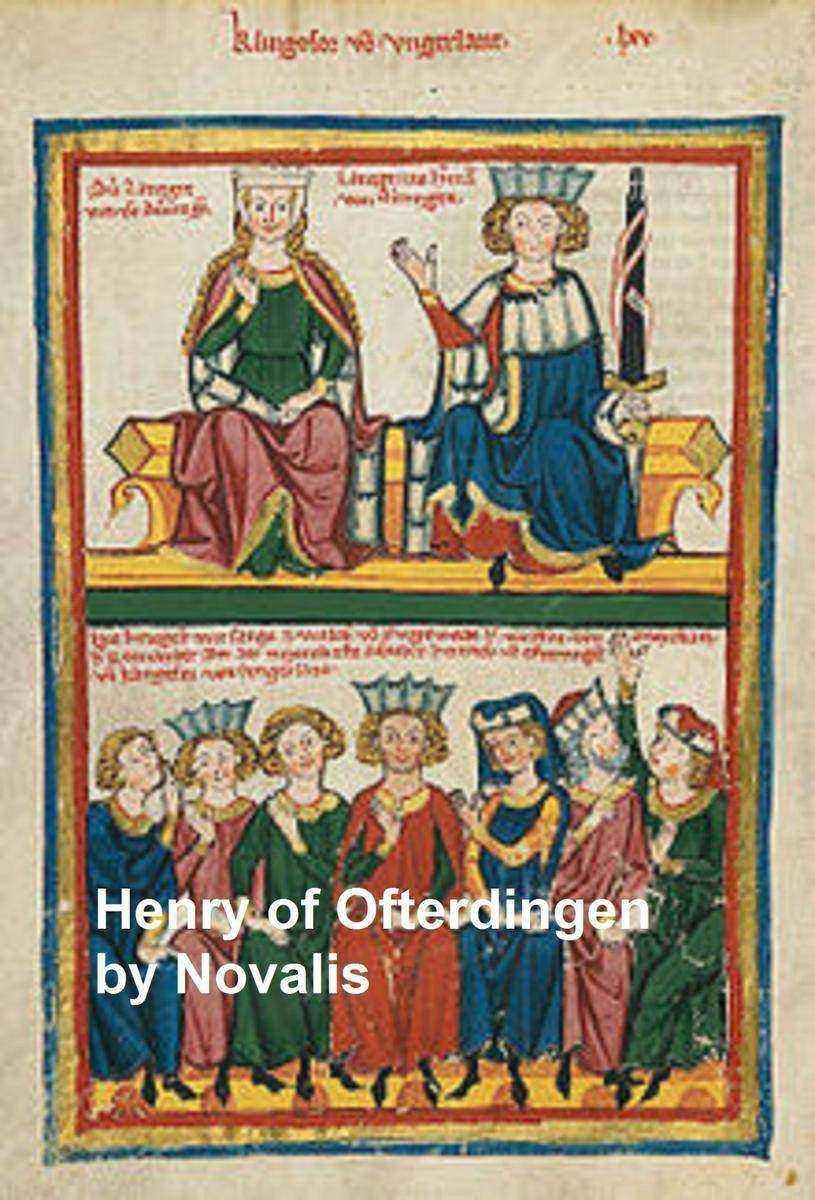
Henry of Ofterdingen
¥8.09
This translation first published in 1842. According to Wikipedia: "Novalis was the pseudonym of Georg Philipp Friedrich Freiherr von Hardenberg (May 2, 1772 – March 25, 1801), a poet, an author and philosopher of early German Romanticism... The novel fragments Heinrich von Ofterdingen and Die Lehrlinge zu Sais (The Novices of Sais) reflect the idea of describing a universal world harmony with the help of poetry. The novel 'Heinrich von Ofterdingen' contains the "blue flower", a symbol that became an emblem for the whole of German Romanticism. Originally the novel was supposed to be an answer to Goethe’s Wilhelm Meister, a work that Novalis had read with enthusiasm but later on judged as being highly unpoetical. He disliked the victory of the economical over the poetic."
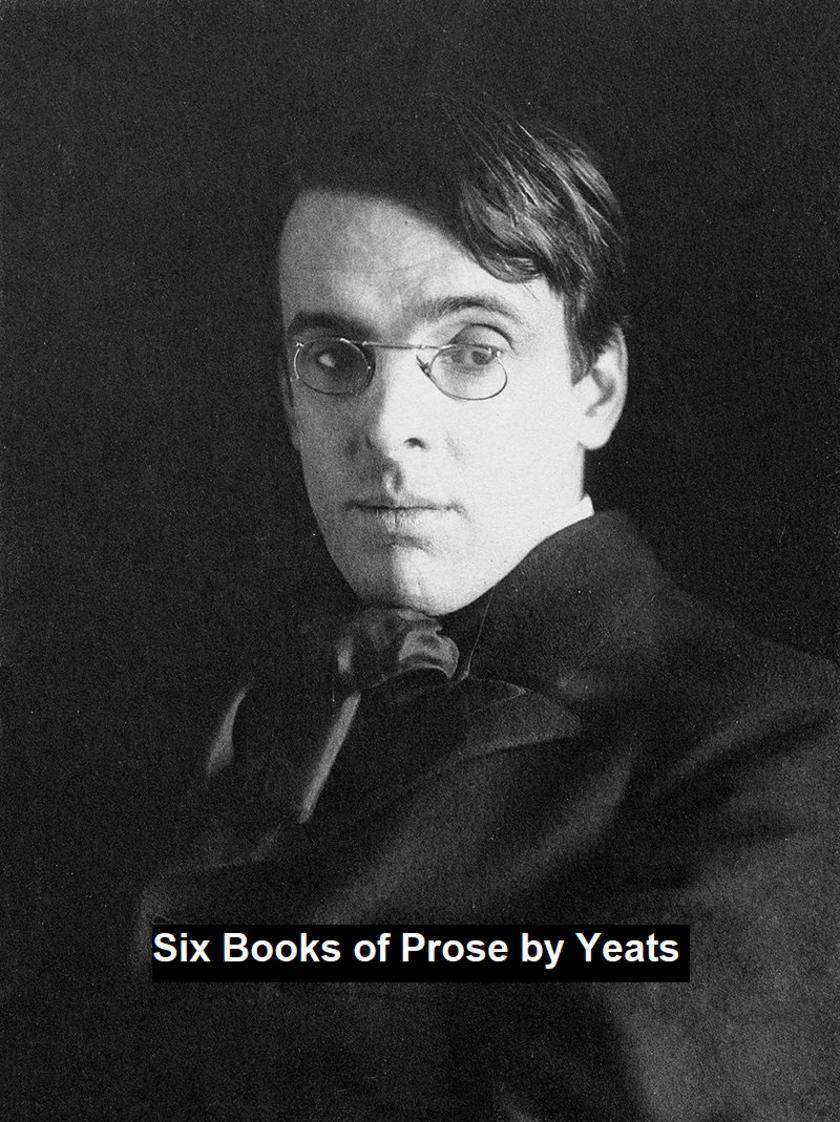
Six Books of Prose
¥8.09
This file includes: Celtic Twilight, Four Years, Rosa Alchemica, The Secret Rose, Stories of Red Hanrahan, and Synge and the Ireland of His Time. According to Wikipedia: "William Butler Yeats (13 June 1865 - 28 January 1939) was an Irish poet, dramatist, and one of the foremost figures of 20th century literature. A pillar of both the Irish and British literary establishments, in his later years Yeats served as an Irish Senator for two terms. He was a driving force behind the Irish Literary Revival, and along with Lady Gregory and Edward Martyn founded the Abbey Theatre, serving as its chief during its early years. In 1923, he was awarded a Nobel Prize in Literature for what the Nobel Committee described as "inspired poetry, which in a highly artistic form gives expression to the spirit of a whole nation." He was the first Irishman so honored. Yeats is generally considered one of the few writers whose greatest works were completed after being awarded the Nobel Prize;[2] such works include The Tower (1928) and The Winding Stair and Other Poems (1929). Yeats was born and educated in Dublin, but spent his childhood in County Sligo. He studied poetry in his youth, and from an early age was fascinated by both Irish legends and the occult. Those topics feature in the first phase of his work, which lasted roughly until the turn of the century. His earliest volume of verse was published in 1889, and those slowly paced and lyrical poems display debts to Edmund Spenser and Percy Bysshe Shelley, as well as to the lyricism of the Pre-Raphaelite poets. From 1900, Yeats' poetry grew more physical and realistic. He largely renounced the transcendental beliefs of his youth, though he remained preoccupied with physical and spiritual masks, as well as with cyclical theories of life."


