


 购物车
 个人中心

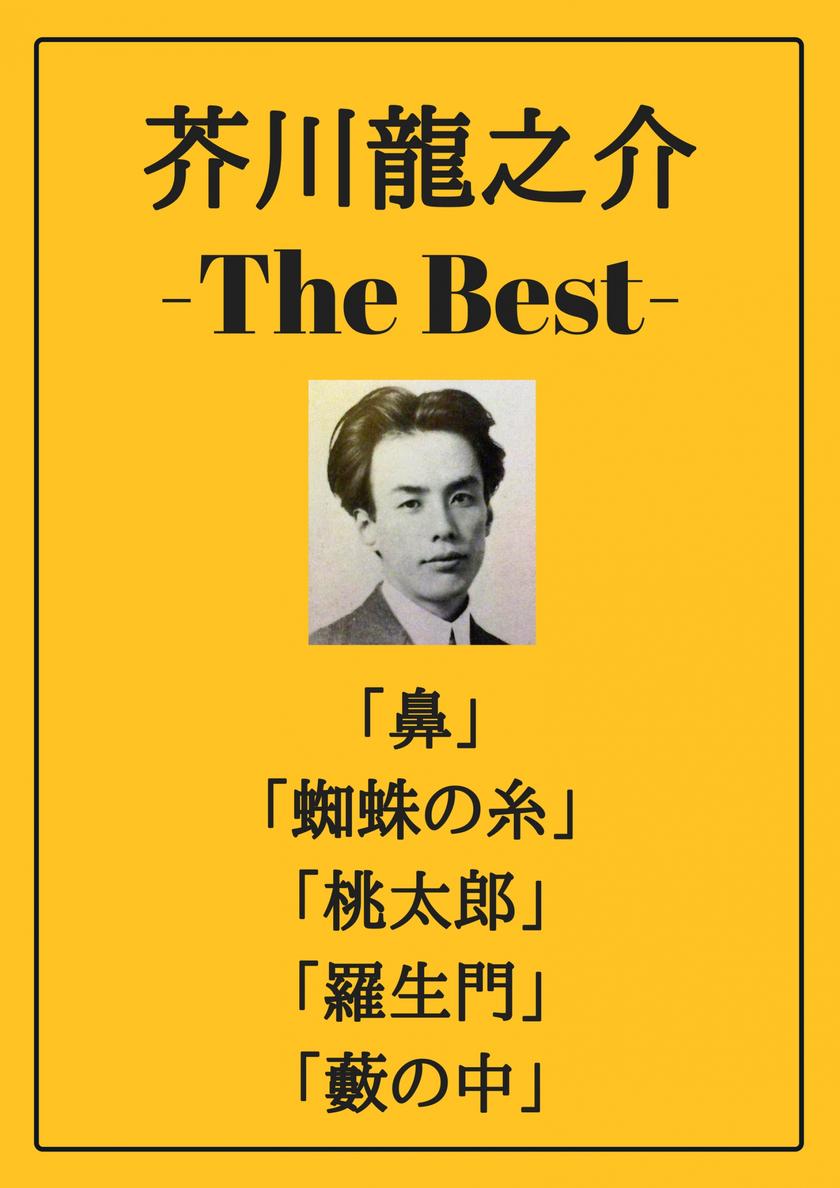
芥川龍之介 ザベスト:鼻、蜘蛛の糸、桃太郎、羅生門、藪の中: Ryunosuke Akutagawa the Best
¥8.09
芥川龍之介 ザベスト:鼻、蜘蛛の糸、桃太郎、羅生門、藪の中: Ryunosuke Akutagawa the Best
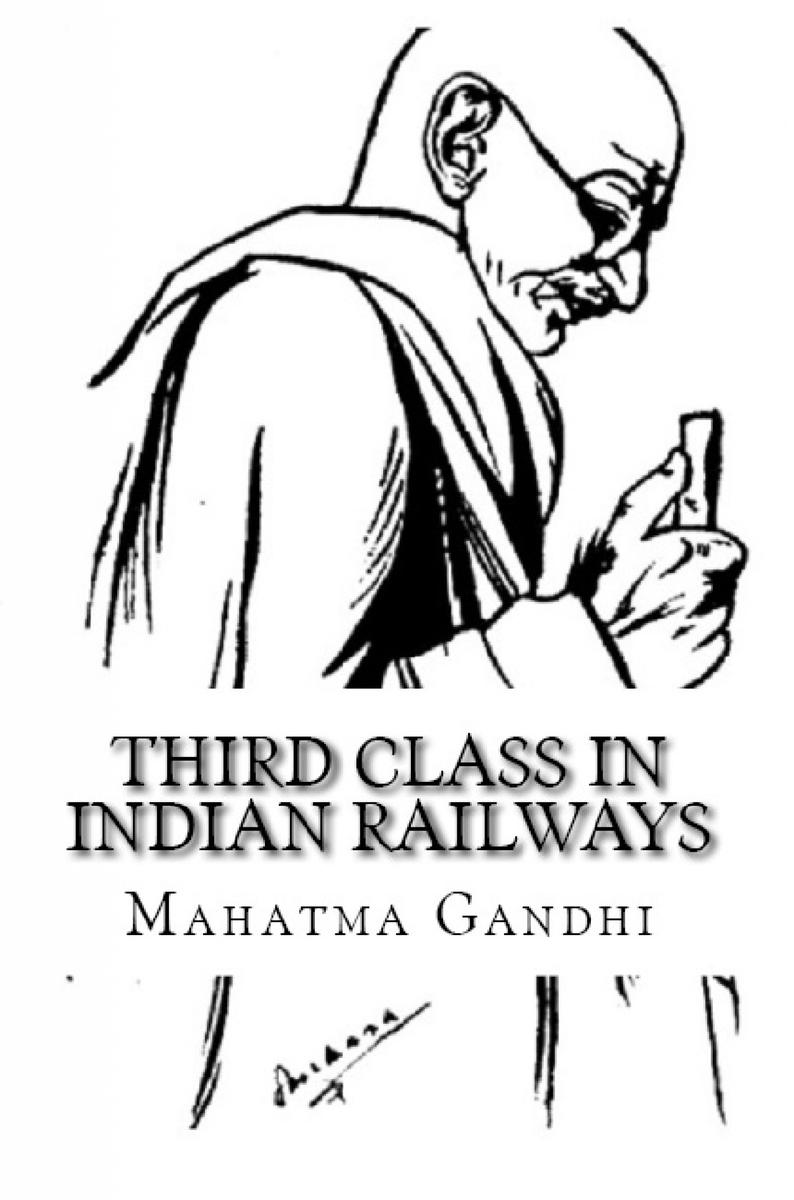
3rd Class in Indian Railway
¥8.09
3rd Class in Indian Railway
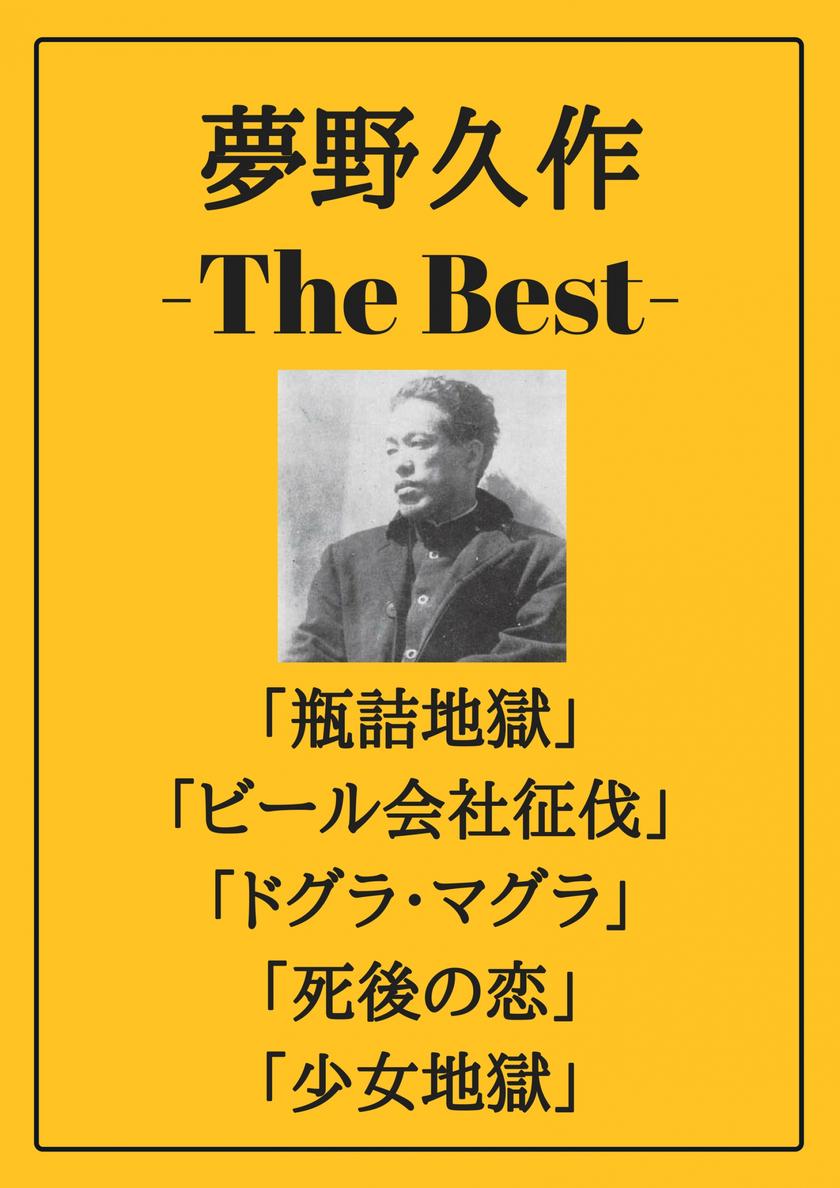
夢野久作 ザベスト:瓶詰地獄、ビール会社征伐、ドグラ?マグラ、死後の恋、少女地獄
¥8.09
夢野久作 ザベスト:瓶詰地獄、ビール会社征伐、ドグラ?マグラ、死後の恋、少女地獄
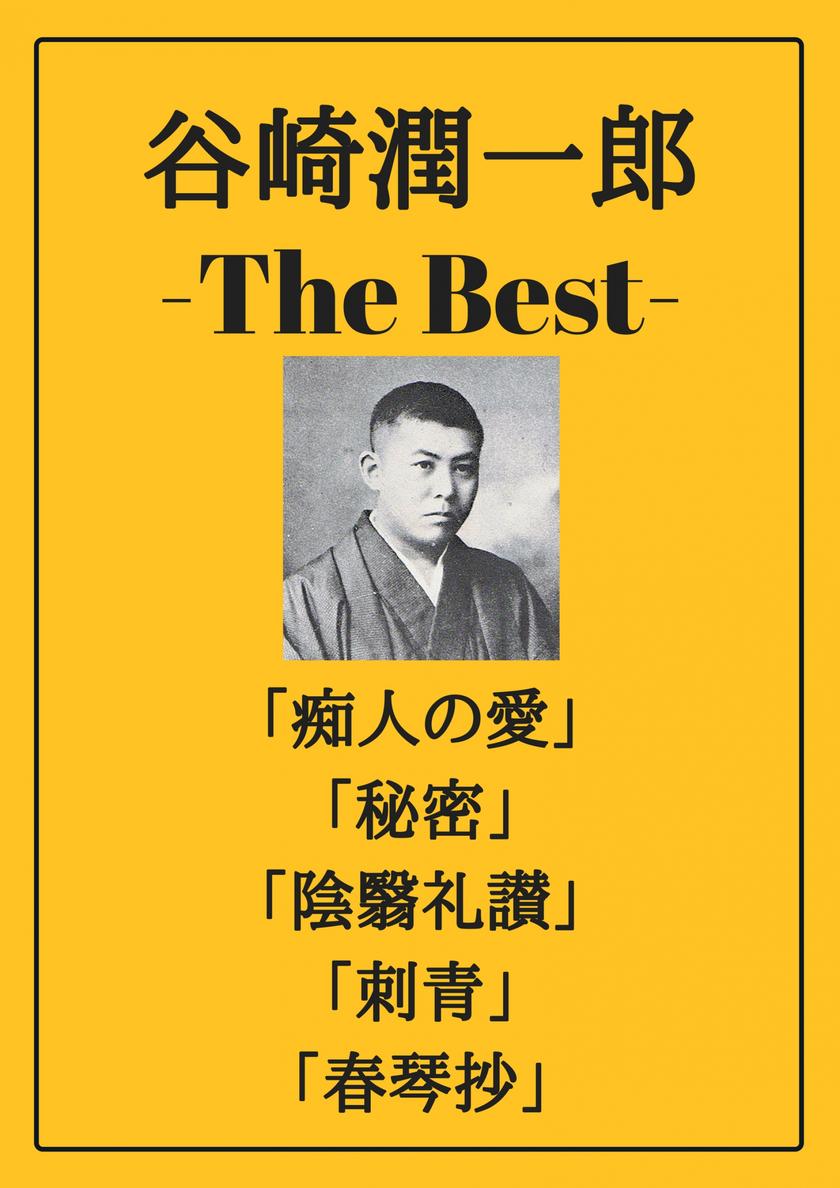
谷崎潤一郎 ザベスト:痴人の愛、秘密、陰翳礼讃、刺青、春琴抄
¥8.09
谷崎潤一郎 ザベスト:痴人の愛、秘密、陰翳礼讃、刺青、春琴抄

江戸川乱歩 ザベスト:赤い部屋、D坂の殺人事件、怪人二十面相、人間椅子、押絵と旅する男
¥8.09
江戸川乱歩 ザベスト:赤い部屋、D坂の殺人事件、怪人二十面相、人間椅子、押絵と旅する男

Dilaniato: Libro 2
¥8.09
Dilaniato: Libro 2
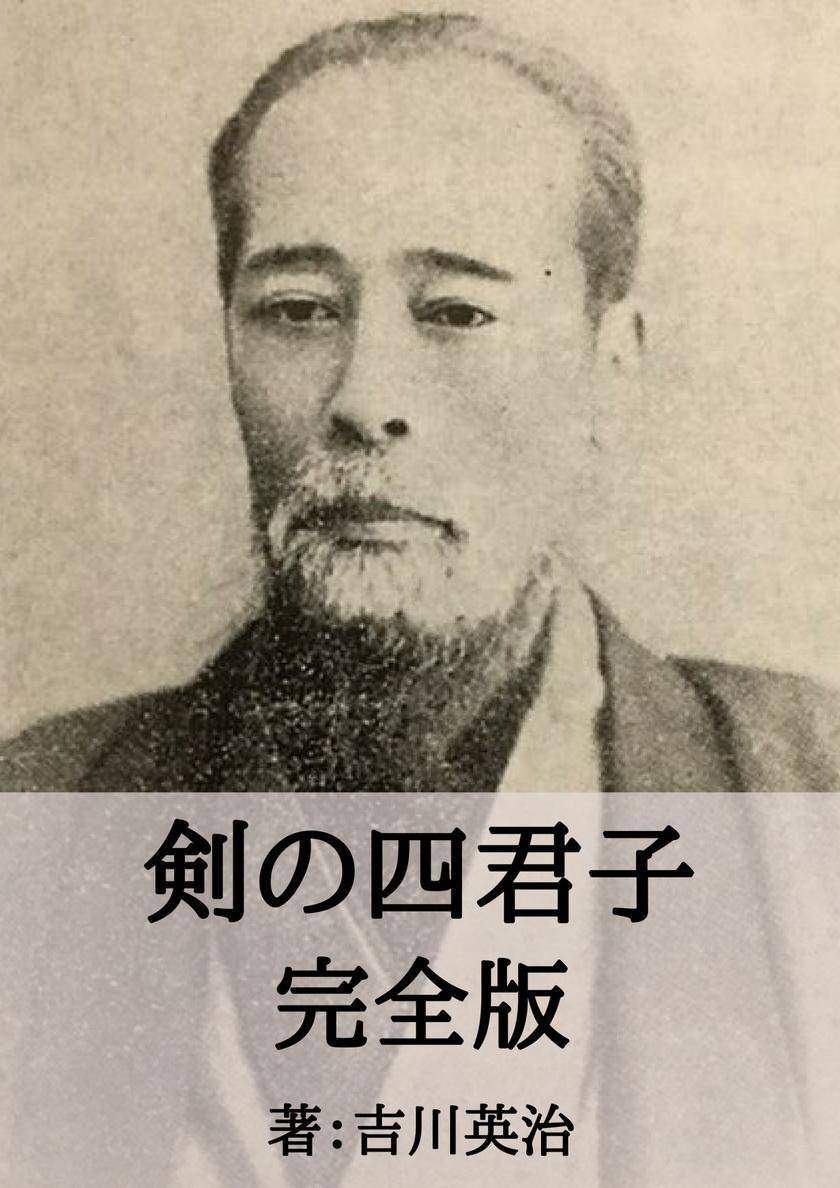
剣の四君子完全版: 柳生石舟斎、林崎甚助、高橋泥舟、小野忠明
¥8.09
剣の四君子完全版: 柳生石舟斎、林崎甚助、高橋泥舟、小野忠明
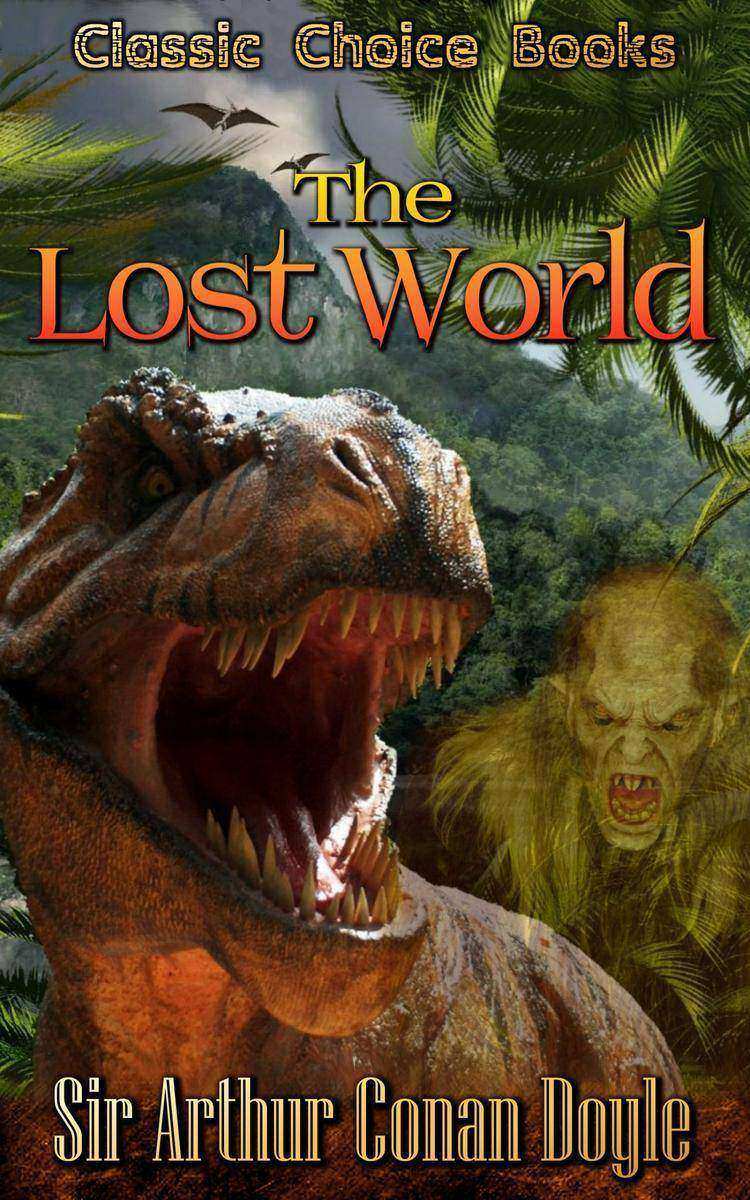
The Lost World
¥8.09
The Lost World

The Secret of the Night
¥8.09
The Secret of the Night

The Harvester
¥8.09
The Harvester
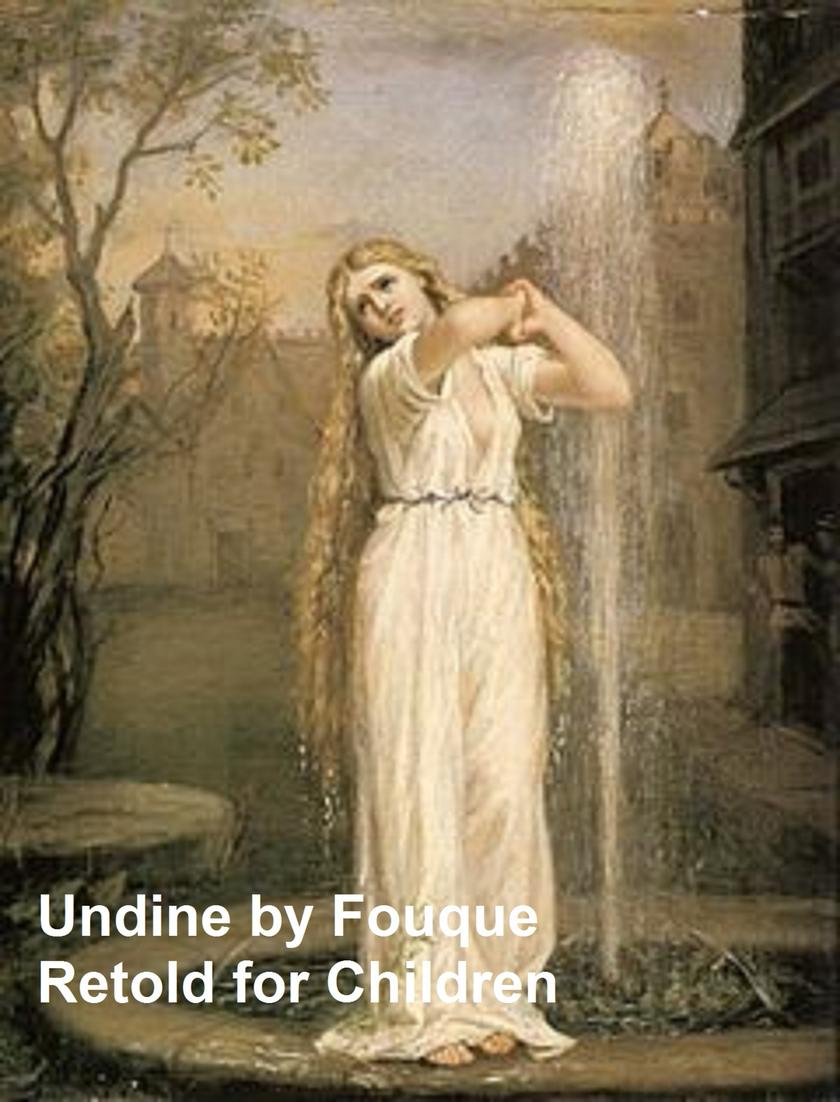
Undine
¥8.09
Undine
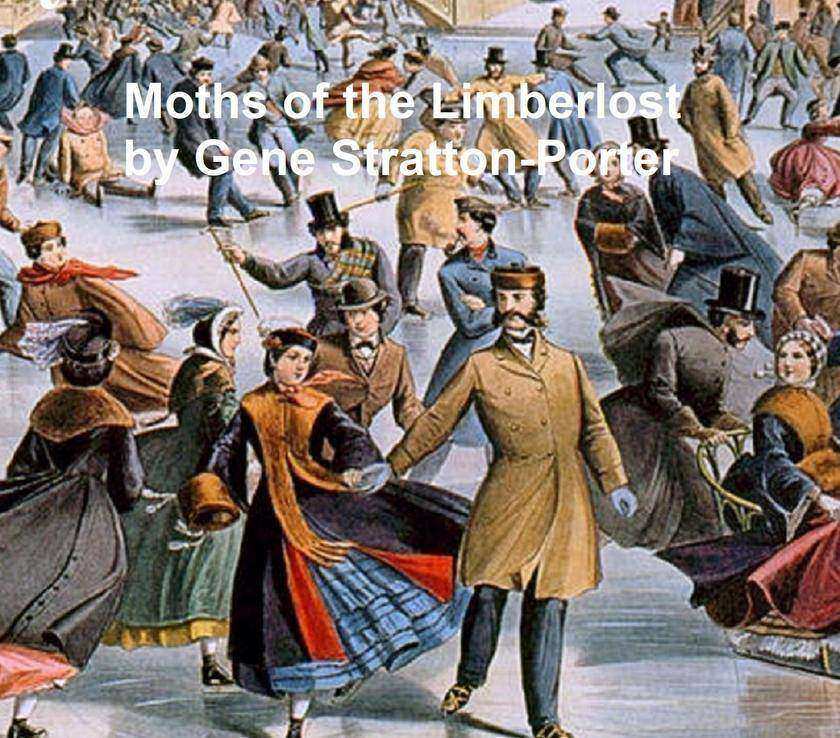
Moths of the Limberlost
¥8.09
Moths of the Limberlost
Bowser the Hound, Illustrated
¥8.09
Bowser the Hound, Illustrated
The Strange Adventure of James Shervinton
¥8.09
The Strange Adventure of James Shervinton

The New York Subway
¥8.09
Krimi, kaland, líra, utazás id?ben és térben a ’30-as évekt?l napjainkig, Argentínától Kanadáig négy ?nálló t?rténetben. Vajon, ha ugyanaz az elk?vet?, miért nem gyilkolt t?bb, mint 30 évig? Hogyan állít csapdát a csend?rkapitány és a rend?rkapitány az aranykez? tolvajnak? Mit keres egy üzletasszony a farkasok k?z?tt? Klaudia felfedi titkát Valentinnak? Kíváncsi vagy? Olvasd el!
Agent Nine and the Jewel Mystery: {Illustrated}
¥8.09
This collection of Japanese fairy tales is the outcome of a suggestion made to me indirectly through a friend by Mr. Andrew Lang. They have been translated from the modern version written by Sadanami Sanjin. These stories are not literal translations, and though the Japanese story and all quaint Japanese expressions have been faithfully preserved, they have been told more with the view to interest young readers of the West than the technical student of folk-lore. Grateful acknowledgment is due to Mr. Y. Yasuoka, Miss Fusa Okamoto, my brother Nobumori Ozaki, Dr. Yoshihiro Takaki, and Miss Kameko Yamao, who have helped me with translations. The story which I have named "The Story of the Man who did not Wish to Die" is taken from a little book written a hundred years ago by one Shinsui Tamenaga. It is named Chosei Furo, or "Longevity." "The Bamboo-cutter and the Moon-child" is taken from the classic "Taketari Monogatari," and is NOT classed by the Japanese among their fairy tales, though it really belongs to this class of literature. ? In telling these stories in English I have followed my fancy in adding such touches of local color or description as they seemed to need or as pleased me, and in one or two instances I have gathered in an incident from another version. At all times, among my friends, both young and old, English or American, I have always found eager listeners to the beautiful legends and fairy tales of Japan, and in telling them I have also found that they were still unknown to the vast majority, and this has encouraged me to write them for the children of the West. ? ? ? ? ? ? ? ? ? ? ? ? ? ? ? ? ? ? ? ? ? Y. T. O. ? MY LORD BAG OF RICE ? "Long, long ago there lived, in Japan a brave warrior known to all as Tawara Toda, or "My Lord Bag of Rice." His true name was Fujiwara Hidesato, and there is a very interesting story of how he came to change his name. One day he sallied forth in search of adventures, for he had the nature of a warrior and could not bear to be idle. So he buckled on his two swords, took his huge bow, much taller than himself, in his hand, and slinging his quiver on his back started out. He had not gone far when he came to the bridge of Seta-no-Karashi spanning one end of the beautiful Lake Biwa. No sooner had he set foot on the bridge than he saw lying right across his path a huge serpent-dragon. Its body was so big that it looked like the trunk of a large pine tree and it took up the whole width of the bridge. One of its huge claws rested on the parapet of one side of the bridge, while its tail lay right against the other. The monster seemed to be asleep, and as it breathed, fire and smoke came out of its nostrils. ? At first Hidesato could not help feeling alarmed at the sight of this horrible reptile lying in his path, for he must either turn back or walk right over its body. He was a brave man, however, and putting aside all fear went forward dauntlessly. Crunch, crunch! he stepped now on the dragon's body, now between its coils, and without even one glance backward he went on his way. .."
The Circular Staircase
¥8.09
According to Wikipedia: "Mary Roberts Rinehart (August 12, 1876-September 22, 1958) was a prolific author often called the American Agatha Christie.[1] She is considered the source of the phrase "The butler did it", although she did not actually use the phrase herself, and also considered to have invented the "Had-I-But-Known" school of mystery writing.... Rinehart wrote hundreds of short stories, poems, travelogues and special articles. Many of her books and plays, such as The Bat (1920) were adapted for movies, such as The Bat (1926), The Bat Whispers (1930), and The Bat (1959). While many of her books were best-sellers, critics were most appreciative of her murder mysteries. Rinehart, in The Circular Staircase (1908), is credited with inventing the "Had-I-But-Known" school of mystery writing. The Circular Staircase is a novel in which "a middle-aged spinster is persuaded by her niece and nephew to rent a country house for the summer. The house they choose belonged to a bank defaulter who had hidden stolen securities in the walls. The gentle, peace-loving trio is plunged into a series of crimes solved with the help of the aunt. This novel is credited with being the first in the "Had-I-But-Known" school."[3] The Had-I-But-Known mystery novel is one where the principal character (frequently female) does less than sensible things in connection with a crime which have the effect of prolonging the action of the novel. Ogden Nash parodied the school in his poem Don't Guess Let Me Tell You: "Sometimes the Had I But Known then what I know now I could have saved at least three lives by revealing to the Inspector the conversation I heard through that fortuitous hole in the floor." The phrase "The butler did it", which has become a cliché, came from Rinehart's novel The Door, in which the butler actually did do it, although that exact phrase does not actually appear in the work."
Tangled Trails, A Western Detective Story
¥8.09
Classic western novel, first published in 1921. According to Wikipedia: "William MacLeod Raine (1871—1954), was a British-born American novelist who wrote fictional adventure stories about the American Old West.."
A Texas Ranger
¥8.09
Classic western novel, first published in 1910. "How a member of the border police saved the life of an innocent man, followed a fugitive to Wyoming, and then passed through deadly peril to ultimate happiness." William MacLeod Raine (1871—1954), was a British-born American novelist who wrote fictional adventure stories about the American Old West.
Four Crazy Short Stories
¥8.09
Four Crazy Short Stories
David, Jonathan, and Sylvester
¥8.09
David, Jonathan, and Sylvester


