


 购物车
购物车 个人中心
个人中心
The Old Sixth Regiment:Its War Record, 1861-65
¥8.09
The object of this work is to give a true and impartial record of the old Sixth Regiment during the war. The author collected the facts from a private diary kept by himself while in the service. Less has been known of the Sixth by our citizens than most of the other regiments; perhaps this is due partly to the fact that when we arrived.in Washington Colonel Chatfield instructed officers and men that it was unmilitary to write letters for the press; he desired that the War Record should know the record of the Sixth, and not the newspapers only. Its history is less full on this account; yet none can say that the record of the Sixth is sullied. In many trying places the regiment proved itself honor ably and gained confidence from its corps and department commanders. There may be errors in this work, and if any are inclined to censure, I trust they will remember that very few histories are without them; yet they are errors of the head and not of the heart. If what is here written meets the approval of the old members and the intelligent readers in general, I shall feel that my labors have been amply rewarded.

The Beautiful and Damned
¥8.09
This unique edition of The Beautiful and Damned from Dead Dodo Vintage includes the full original text as well as exclusive features not available in other editions.
The Jungle Book
¥8.09
This unique edition of The Jungle Book from Dead Dodo Vintage includes the full original text as well as exclusive features not available in other editions.
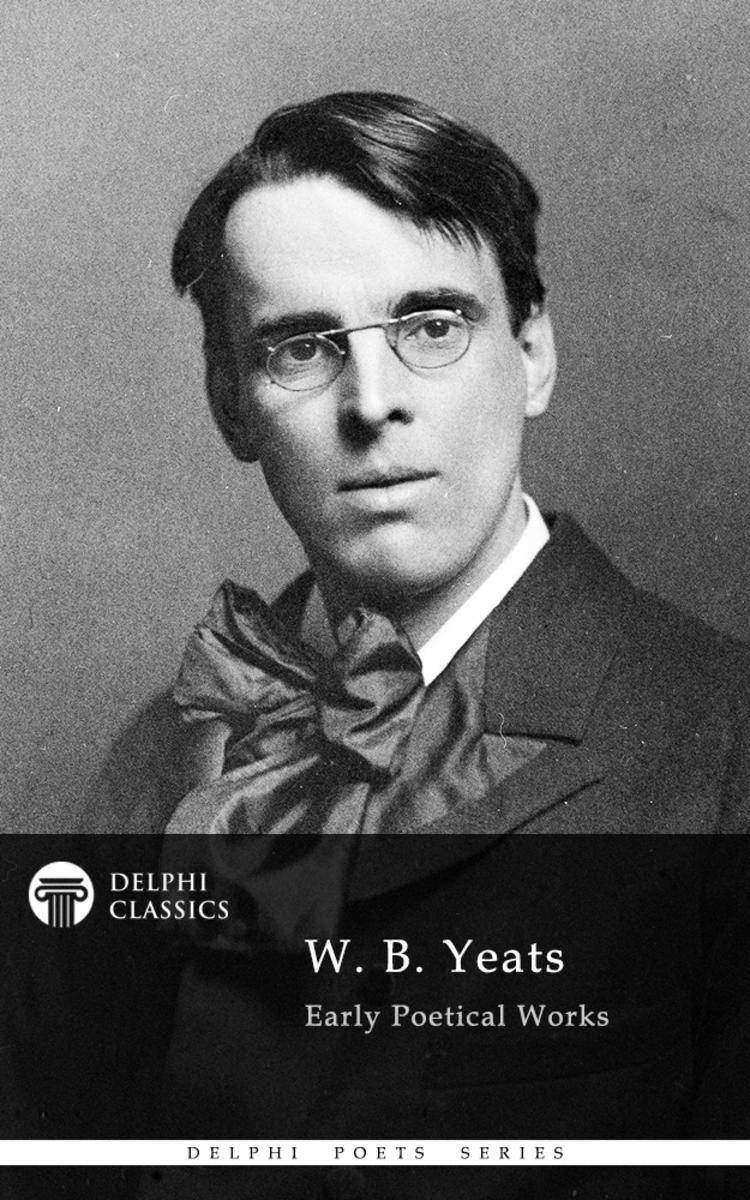
Delphi Works of W. B. Yeats (Illustrated)
¥8.09
This is the seventh volume of a new series of publications by Delphi Classics, the best-selling publisher of classical works. Many poetry collections are often poorly formatted and difficult to read on eReaders. The Delphi Poets Series offers readers the works of literature's finest poets, with superior formatting. This volume presents the poetical works and plays of W. B. Yeats, with illustrations and the usual Delphi bonus material. (Version: 1) * Beautifully illustrated with images relating to Yeats' life and works * Concise introductions to the poetry and other works * Ten poetry collections – the most poems possible due to US copyright restrictions * Images of how the poetry books were first printed, giving your eReader a taste of the original texts * Excellent formatting of the poems and plays * Special chronological and alphabetical contents tables for the poetry * Easily locate the poems you want to read * 19 plays, including rare dramas appearing for the first time in digital print * Features two autobiographies - discover Yeats' literary life * Scholarly ordering of texts into chronological order and literary genres Please note: to comply with US copyright restrictions, poetry collections, plays and autobiographical works published after 1922 cannot appear in this volume. Once these later works enter the US public domain, they will be added as a free update to the eBook. Please visit www.delphiclassics.com to browse through our range of exciting titles CONTENTS The Poetry Collections THE WANDERINGS OF OISIN AND OTHER POEMS THE COUNTESS KATHLEEN AND VARIOUS LEGENDS AND LYRICS THE WIND AMONG THE REEDS Poems from THE SHADOWY WATERS TWO NARRATIVE POEMS IN THE SEVEN WOODS THE GREEN HELMET AND OTHER POEMS RESPONSIBILITIES THE WILD SWANS AT COOLE MICHAEL ROBARTES AND THE DANCER The Poems LIST OF POEMS IN CHRONOLOGICAL ORDER LIST OF POEMS IN ALPHABETICAL ORDER The Plays THE COUNTESS CATHLEEN THE LAND OF HEART’S DESIRE DIARMUID AND GRANIA WHERE THERE IS NOTHING CATHLEEN NI HOULIHAN THE HOUR-GLASS THE POT OF BROTH THE KING’S THRESHOLD ON BAILE’S STRAND DEIRDRE THE UNICORN FROM THE STARS THE GREEN HELMET THE SHADOWY WATERS THE HOUR-GLASS (VERSE VERSION) AT THE HAWK’S WELL THE DREAMING OF THE BONES THE ONLY JEALOUSY OF EMER CALVARY THE PLAYER QUEEN The Autobiographies REVERIES OVER CHILDHOOD AND YOUTH THE TREMBLING OF THE VEIL

The Last Tenant
¥8.09
This Housemartin Classics edition includes the full original text as well as an easy to use interactive table of contents.

Moll Flanders
¥8.09
Space and Time are pleased to bring you this classic presented as a wonderfully presented edition with a fully interactive table of contents.
The Mysterious Stranger
¥8.09
This Tribeca Press edition includes the full original text as well as an easy to use interactive table of contents.

The Big Book of Soups
¥8.09
Big Kitchen Series is proud to bring you The Big Book of Soups. This full edition is all you will ever need for your favourite soup recipes. Including the most loved recipes as well as some more unusual ideas, you can be sure that you will never be stuck for a soup to make ever again! It is packed with great ideas and variety. Be sure to check out other new titles from the Big Kitchen Series releasing throughout 2014.

Pennsylvania Dutch Cooking
¥8.09
Pennsylvania Dutch cuisine is the typical and traditional fare of the Pennsylvania Dutch. According to one writer, "If you had to make a short list of regions in the United States where regional food is actually consumed on a daily basis, the land of the Pennsylvania Dutch -- in and around Lancaster County, Pennsylvania -- would be at or near the top of that list," mainly because the area is a cultural enclave of Pennsylvania Dutch culture. Pennsylvania Dutch cuisine reflects influences of the Pennsylvania Dutch's German heritage, agrarian society, and rejection of rapid change.

The Ball and the Cross by G. K. Chesterton (Illustrated)
¥8.09
This eBook features the unabridged text of ‘The Ball and the Cross’ from the bestselling edition of ‘The Complete Works of G. K. Chesterton’. Having established their name as the leading publisher of classic literature and art, Delphi Classics produce publications that are individually crafted with superior formatting, while introducing many rare texts for the first time in digital print. The Delphi Classics edition of Chesterton includes original annotations and illustrations relating to the life and works of the author, as well as individual tables of contents, allowing you to navigate eBooks quickly and easily.eBook features:* The complete unabridged text of ‘The Ball and the Cross’* Beautifully illustrated with images related to Chesterton’s works* Individual contents table, allowing easy navigation around the eBook* Excellent formatting of the textPlease visit www.delphiclassics.com to learn more about our wide range of titles
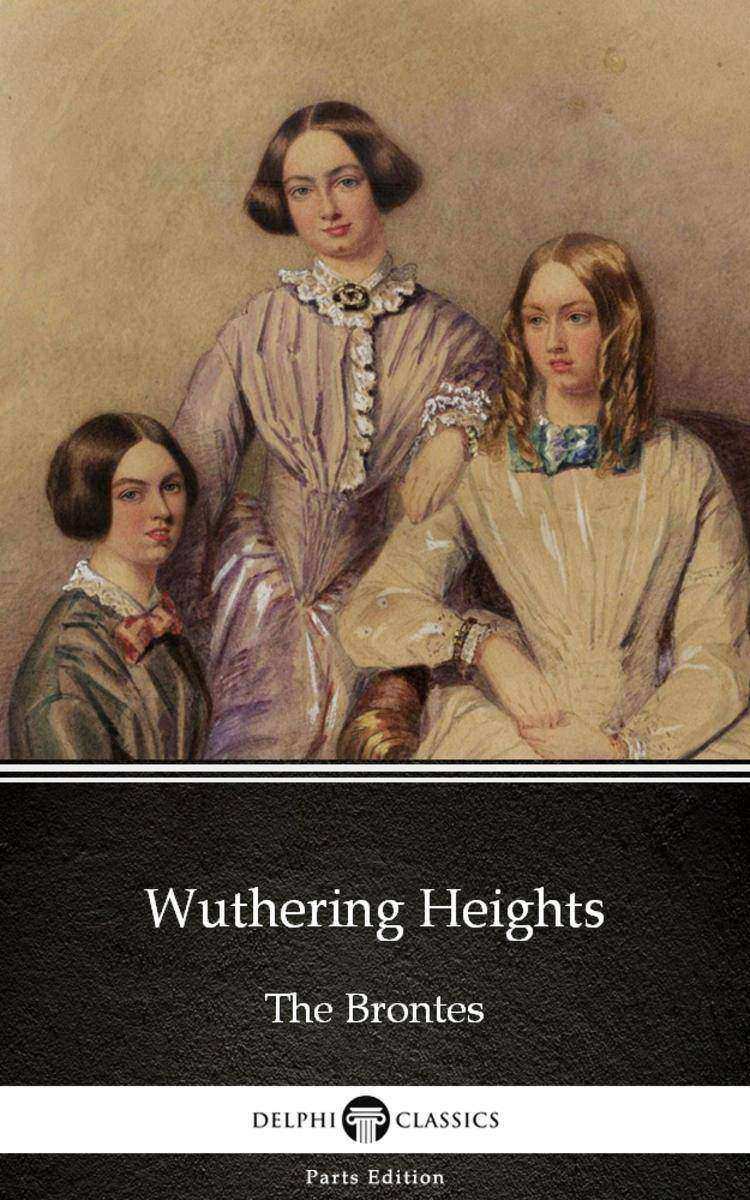
Wuthering Heights by Emily Bronte (Illustrated)
¥8.09
This eBook features the unabridged text of ‘Wuthering Heights’ from the bestselling edition of ‘The Complete Works of The Brontes’. Having established their name as the leading publisher of classic literature and art, Delphi Classics produce publications that are individually crafted with superior formatting, while introducing many rare texts for the first time in digital print. The Delphi Classics edition of Brontes includes original annotations and illustrations relating to the life and works of the author, as well as individual tables of contents, allowing you to navigate eBooks quickly and easily.eBook features:* The complete unabridged text of ‘Wuthering Heights’* Beautifully illustrated with images related to Brontes’s works* Individual contents table, allowing easy navigation around the eBook* Excellent formatting of the textPlease visit www.delphiclassics.com to learn more about our wide range of titles
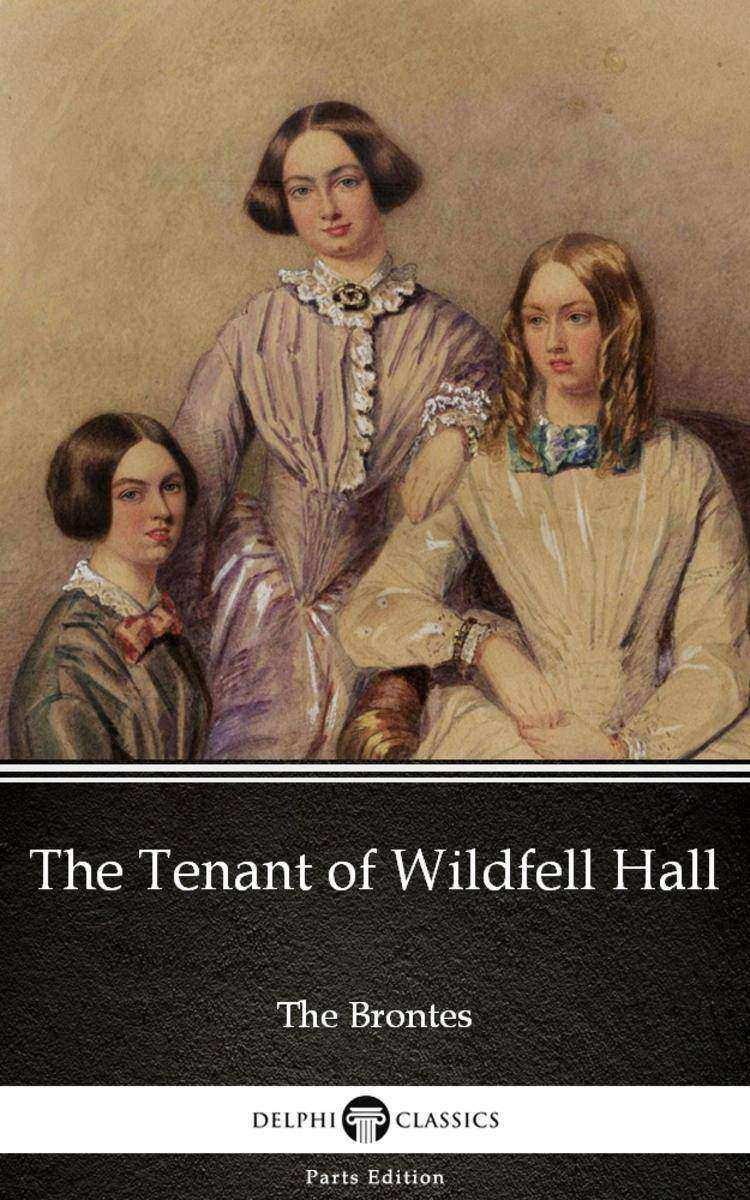
The Tenant of Wildfell Hall by Anne Bronte (Illustrated)
¥8.09
This eBook features the unabridged text of ‘The Tenant of Wildfell Hall’ from the bestselling edition of ‘The Complete Works of The Brontes’. Having established their name as the leading publisher of classic literature and art, Delphi Classics produce publications that are individually crafted with superior formatting, while introducing many rare texts for the first time in digital print. The Delphi Classics edition of Brontes includes original annotations and illustrations relating to the life and works of the author, as well as individual tables of contents, allowing you to navigate eBooks quickly and easily.eBook features:* The complete unabridged text of ‘The Tenant of Wildfell Hall’* Beautifully illustrated with images related to Brontes’s works* Individual contents table, allowing easy navigation around the eBook* Excellent formatting of the textPlease visit www.delphiclassics.com to learn more about our wide range of titles
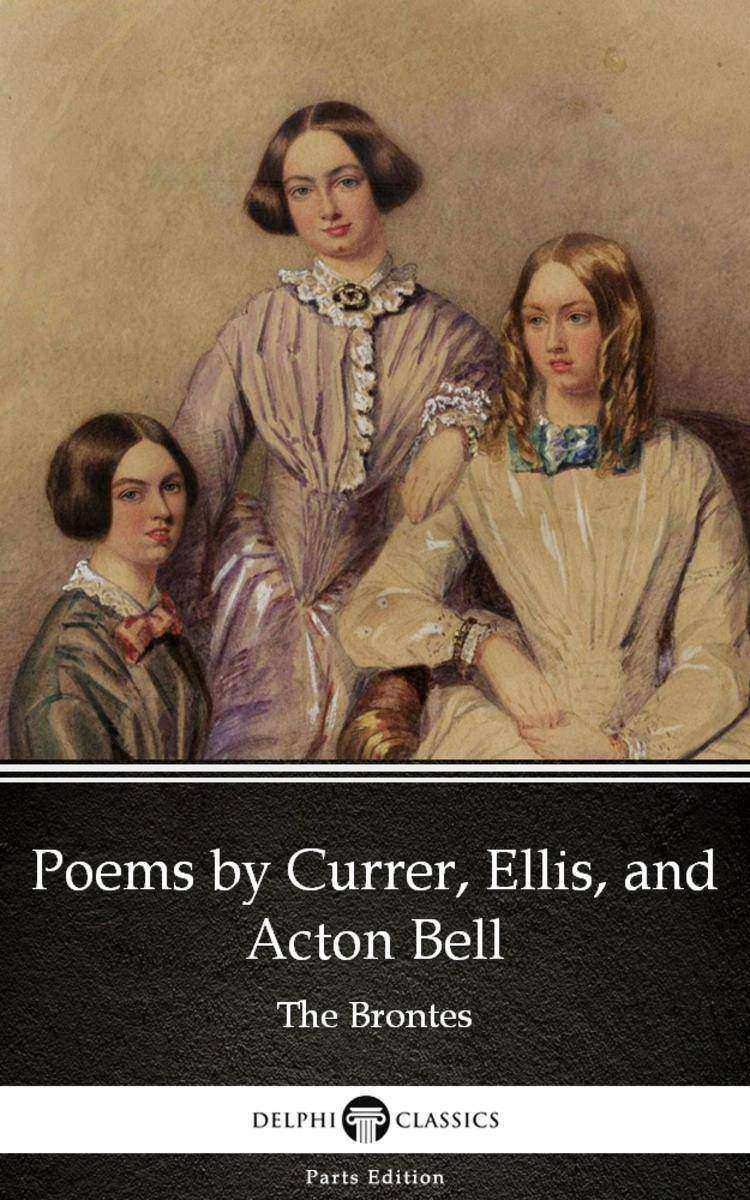
Poems by Currer, Ellis, and Acton Bell by The Bronte Sisters (Illustrated)
¥8.09
This eBook features the unabridged text of ‘Poems by Currer, Ellis, and Acton Bell’ from the bestselling edition of ‘The Complete Works of The Brontes’. Having established their name as the leading publisher of classic literature and art, Delphi Classics produce publications that are individually crafted with superior formatting, while introducing many rare texts for the first time in digital print. The Delphi Classics edition of Brontes includes original annotations and illustrations relating to the life and works of the author, as well as individual tables of contents, allowing you to navigate eBooks quickly and easily.eBook features:* The complete unabridged text of ‘Poems by Currer, Ellis, and Acton Bell’* Beautifully illustrated with images related to Brontes’s works* Individual contents table, allowing easy navigation around the eBook* Excellent formatting of the textPlease visit www.delphiclassics.com to learn more about our wide range of titles
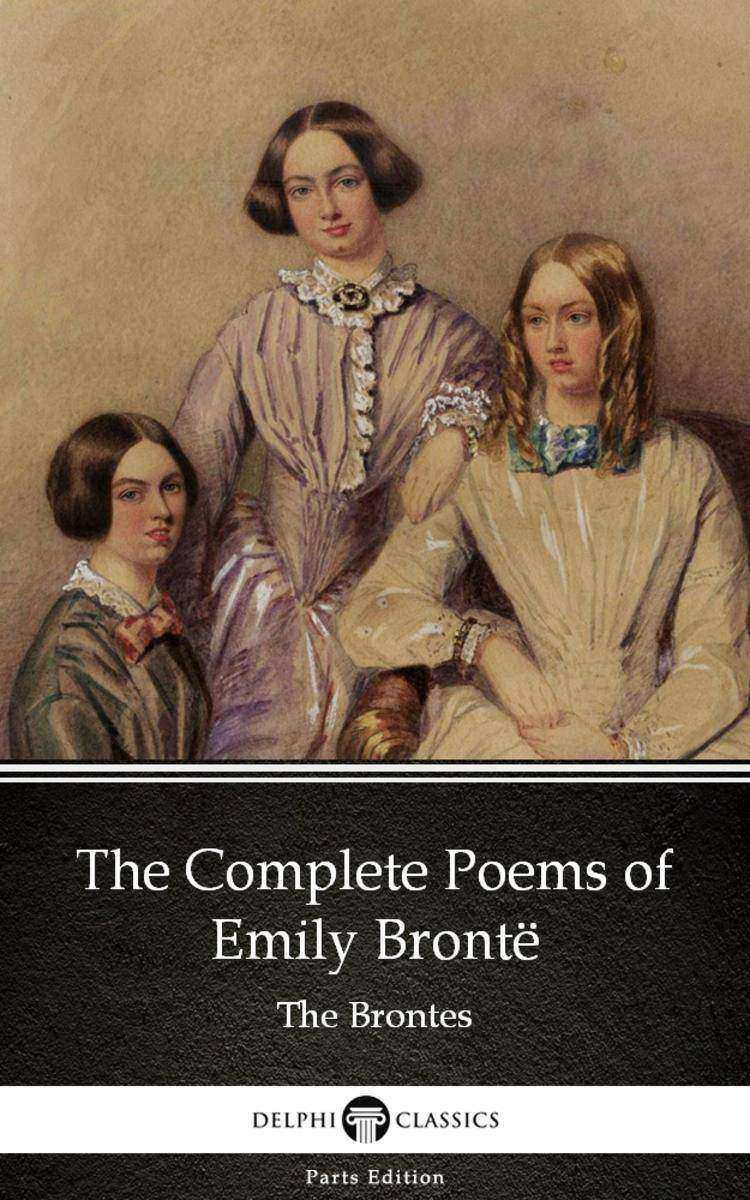
The Complete Poems of Emily Bront? (Illustrated)
¥8.09
This eBook features the unabridged text of ‘The Complete Poems of Emily Bront?’ from the bestselling edition of ‘The Complete Works of The Brontes’. Having established their name as the leading publisher of classic literature and art, Delphi Classics produce publications that are individually crafted with superior formatting, while introducing many rare texts for the first time in digital print. The Delphi Classics edition of Brontes includes original annotations and illustrations relating to the life and works of the author, as well as individual tables of contents, allowing you to navigate eBooks quickly and easily.eBook features:* The complete unabridged text of ‘The Complete Poems of Emily Bront?’* Beautifully illustrated with images related to Brontes’s works* Individual contents table, allowing easy navigation around the eBook* Excellent formatting of the textPlease visit www.delphiclassics.com to learn more about our wide range of titles
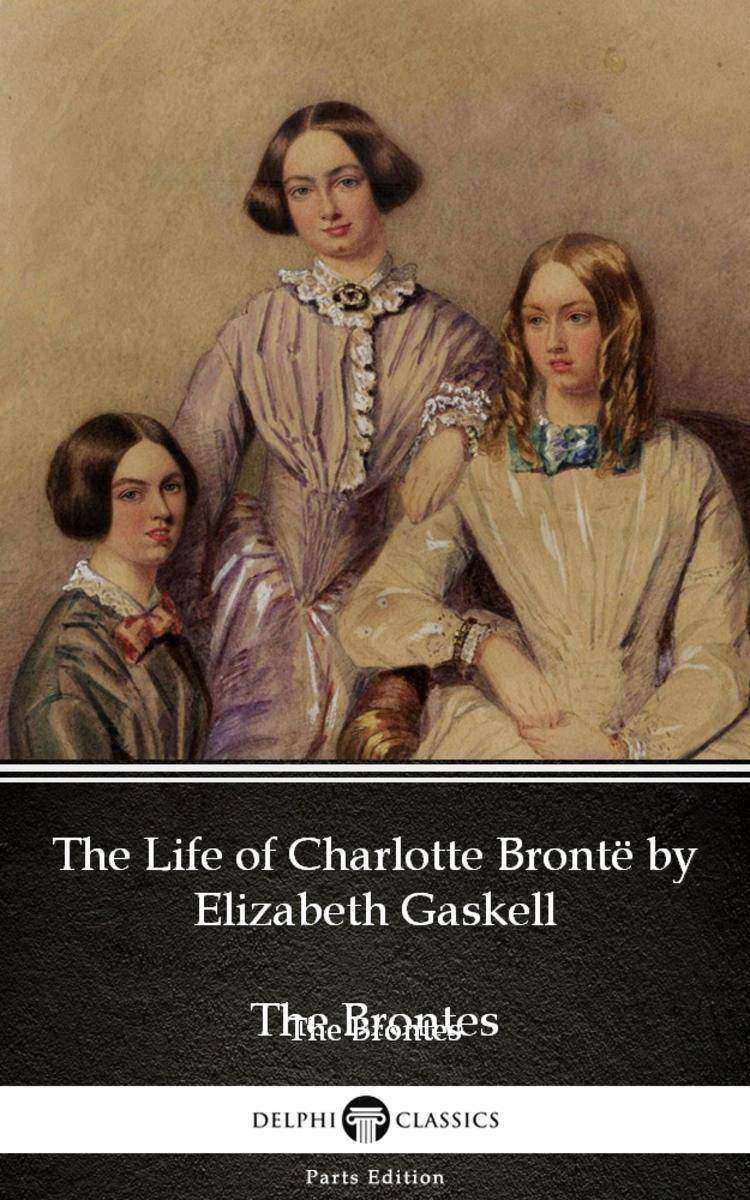
The Life of Charlotte Bront? by Elizabeth Gaskell (Illustrated)
¥8.09
This eBook features the unabridged text of ‘The Life of Charlotte Bront? by Elizabeth Gaskell’ from the bestselling edition of ‘The Complete Works of The Brontes’. Having established their name as the leading publisher of classic literature and art, Delphi Classics produce publications that are individually crafted with superior formatting, while introducing many rare texts for the first time in digital print. The Delphi Classics edition of Brontes includes original annotations and illustrations relating to the life and works of the author, as well as individual tables of contents, allowing you to navigate eBooks quickly and easily.eBook features:* The complete unabridged text of ‘The Life of Charlotte Bront? by Elizabeth Gaskell’* Beautifully illustrated with images related to Brontes’s works* Individual contents table, allowing easy navigation around the eBook* Excellent formatting of the textPlease visit www.delphiclassics.com to learn more about our wide range of titles
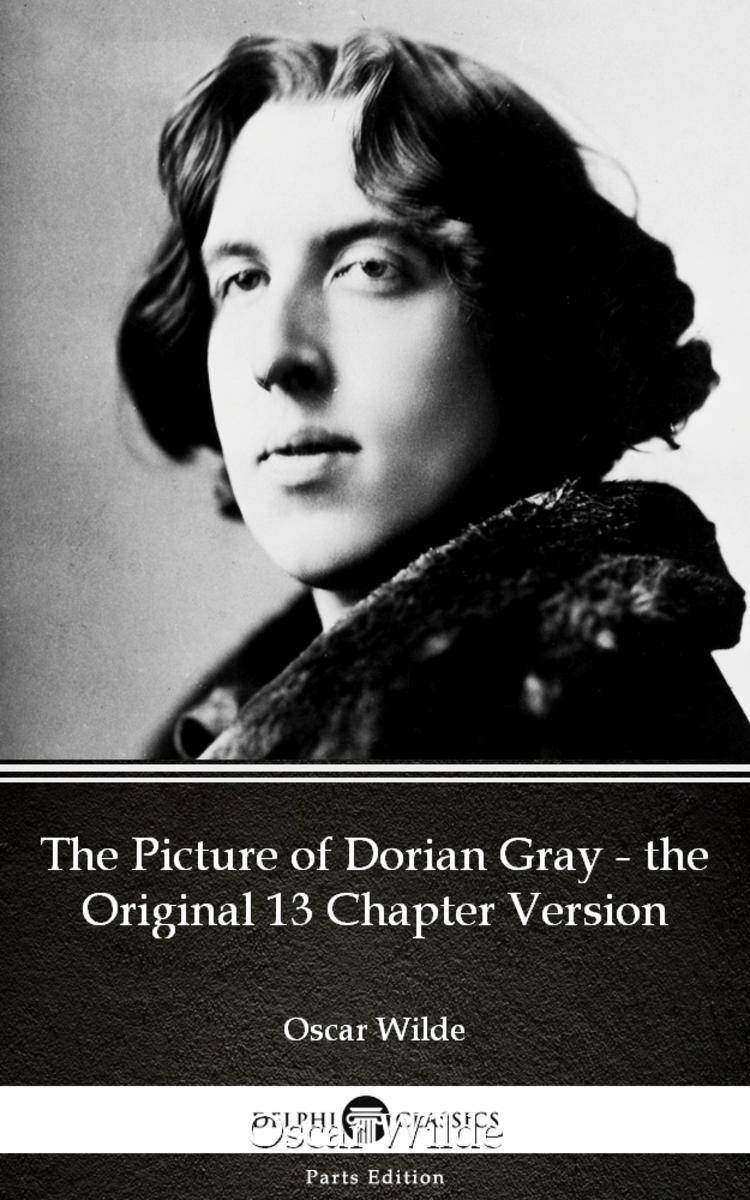
The Picture of Dorian Gray - the Original 13 Chapter Version by Oscar Wilde
¥8.09
This eBook features the unabridged text of ‘The Picture of Dorian Gray - the Original 13 Chapter Version’ from the bestselling edition of ‘The Complete Works of Oscar Wilde’. Having established their name as the leading publisher of classic literature and art, Delphi Classics produce publications that are individually crafted with superior formatting, while introducing many rare texts for the first time in digital print. The Delphi Classics edition of Wilde includes original annotations and illustrations relating to the life and works of the author, as well as individual tables of contents, allowing you to navigate eBooks quickly and easily.eBook features:* The complete unabridged text of ‘The Picture of Dorian Gray - the Original 13 Chapter Version’* Beautifully illustrated with images related to Wilde’s works* Individual contents table, allowing easy navigation around the eBook* Excellent formatting of the textPlease visit www.delphiclassics.com to learn more about our wide range of titles

The Cruise of the Dazzler by Jack London (Illustrated)
¥8.09
This eBook features the unabridged text of ‘The Cruise of the Dazzler’ from the bestselling edition of ‘The Complete Works of Jack London’. Having established their name as the leading publisher of classic literature and art, Delphi Classics produce publications that are individually crafted with superior formatting, while introducing many rare texts for the first time in digital print. The Delphi Classics edition of London includes original annotations and illustrations relating to the life and works of the author, as well as individual tables of contents, allowing you to navigate eBooks quickly and easily.eBook features:* The complete unabridged text of ‘The Cruise of the Dazzler’* Beautifully illustrated with images related to London’s works* Individual contents table, allowing easy navigation around the eBook* Excellent formatting of the textPlease visit www.delphiclassics.com to learn more about our wide range of titles
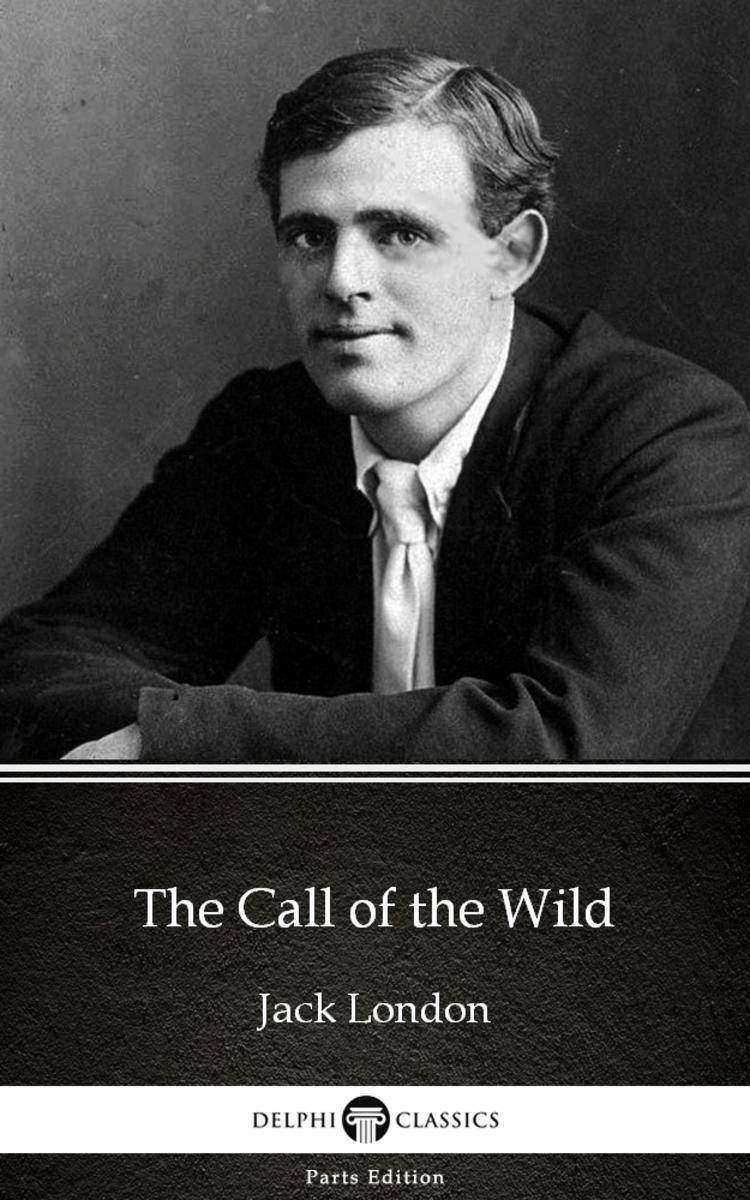
The Call of the Wild by Jack London (Illustrated)
¥8.09
This eBook features the unabridged text of ‘The Call of the Wild’ from the bestselling edition of ‘The Complete Works of Jack London’. Having established their name as the leading publisher of classic literature and art, Delphi Classics produce publications that are individually crafted with superior formatting, while introducing many rare texts for the first time in digital print. The Delphi Classics edition of London includes original annotations and illustrations relating to the life and works of the author, as well as individual tables of contents, allowing you to navigate eBooks quickly and easily.eBook features:* The complete unabridged text of ‘The Call of the Wild’* Beautifully illustrated with images related to London’s works* Individual contents table, allowing easy navigation around the eBook* Excellent formatting of the textPlease visit www.delphiclassics.com to learn more about our wide range of titles
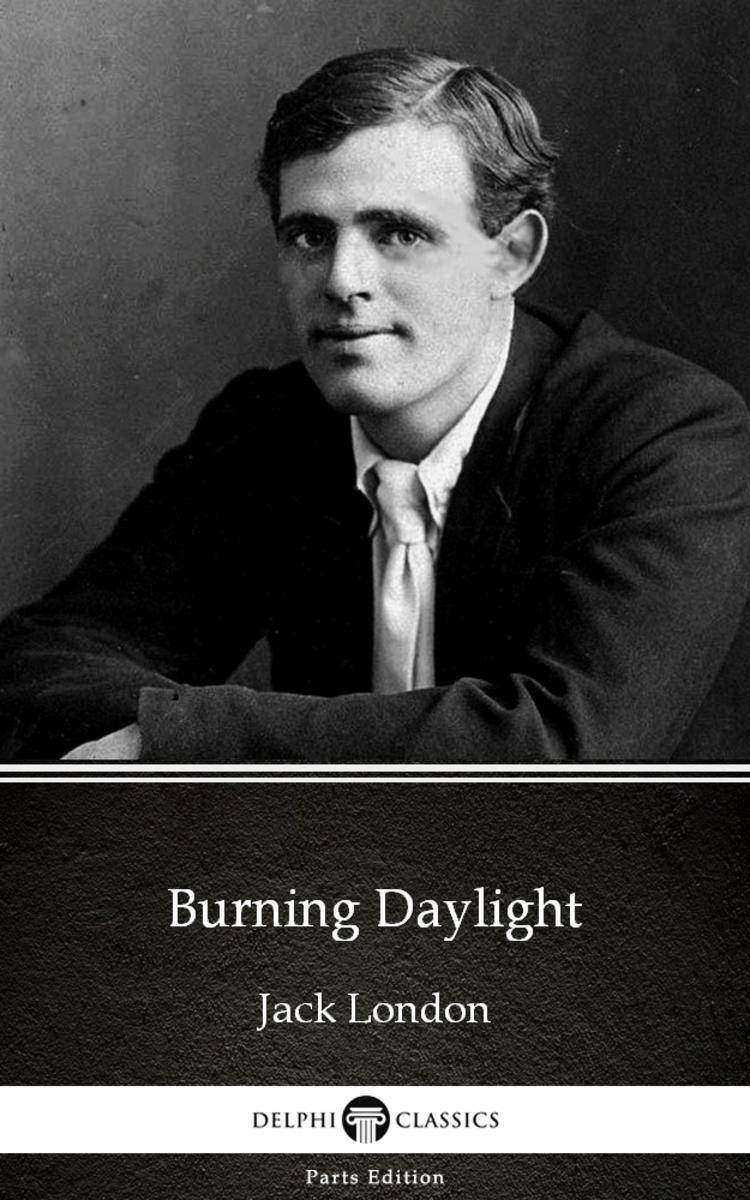
Burning Daylight by Jack London (Illustrated)
¥8.09
This eBook features the unabridged text of ‘Burning Daylight’ from the bestselling edition of ‘The Complete Works of Jack London’. Having established their name as the leading publisher of classic literature and art, Delphi Classics produce publications that are individually crafted with superior formatting, while introducing many rare texts for the first time in digital print. The Delphi Classics edition of London includes original annotations and illustrations relating to the life and works of the author, as well as individual tables of contents, allowing you to navigate eBooks quickly and easily.eBook features:* The complete unabridged text of ‘Burning Daylight’* Beautifully illustrated with images related to London’s works* Individual contents table, allowing easy navigation around the eBook* Excellent formatting of the textPlease visit www.delphiclassics.com to learn more about our wide range of titles
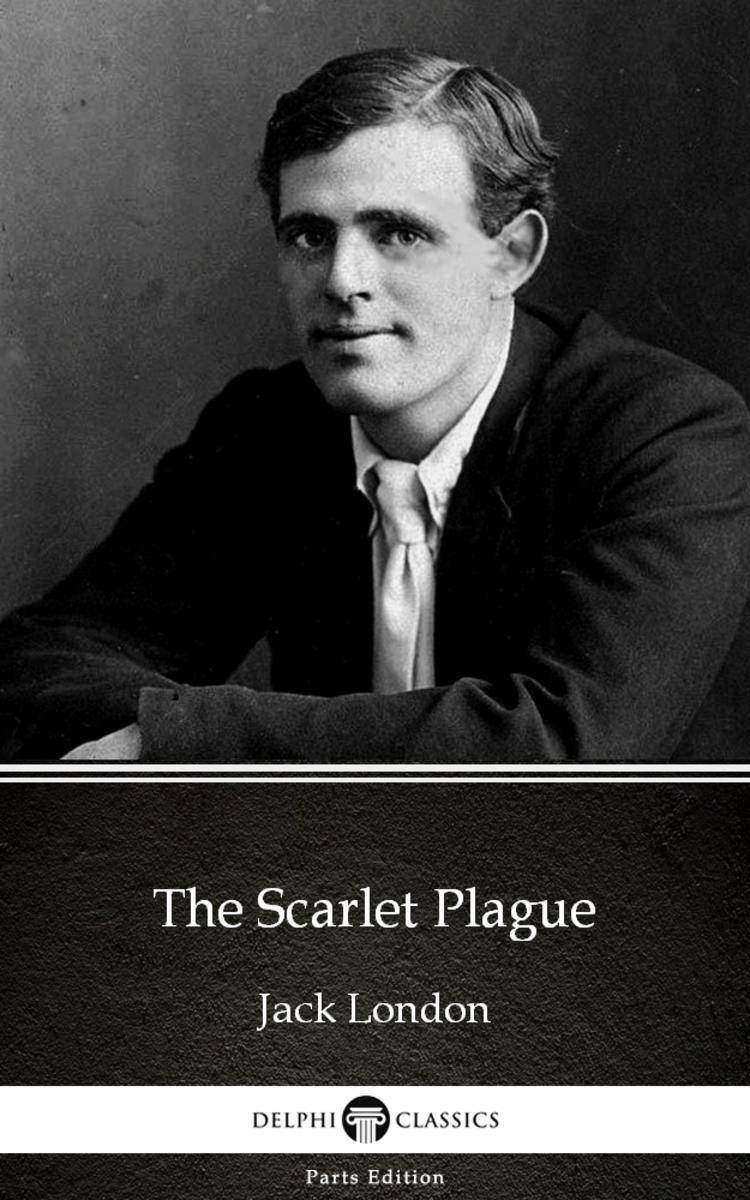
The Scarlet Plague by Jack London (Illustrated)
¥8.09
This eBook features the unabridged text of ‘The Scarlet Plague’ from the bestselling edition of ‘The Complete Works of Jack London’. Having established their name as the leading publisher of classic literature and art, Delphi Classics produce publications that are individually crafted with superior formatting, while introducing many rare texts for the first time in digital print. The Delphi Classics edition of London includes original annotations and illustrations relating to the life and works of the author, as well as individual tables of contents, allowing you to navigate eBooks quickly and easily.eBook features:* The complete unabridged text of ‘The Scarlet Plague’* Beautifully illustrated with images related to London’s works* Individual contents table, allowing easy navigation around the eBook* Excellent formatting of the textPlease visit www.delphiclassics.com to learn more about our wide range of titles

The Admirable Crichton
¥8.09
This unique edition of The Admirable Crichton from Dead Dodo Vintage includes the full original text as well as exclusive features not available in other editions.


