


 购物车
购物车 个人中心
个人中心
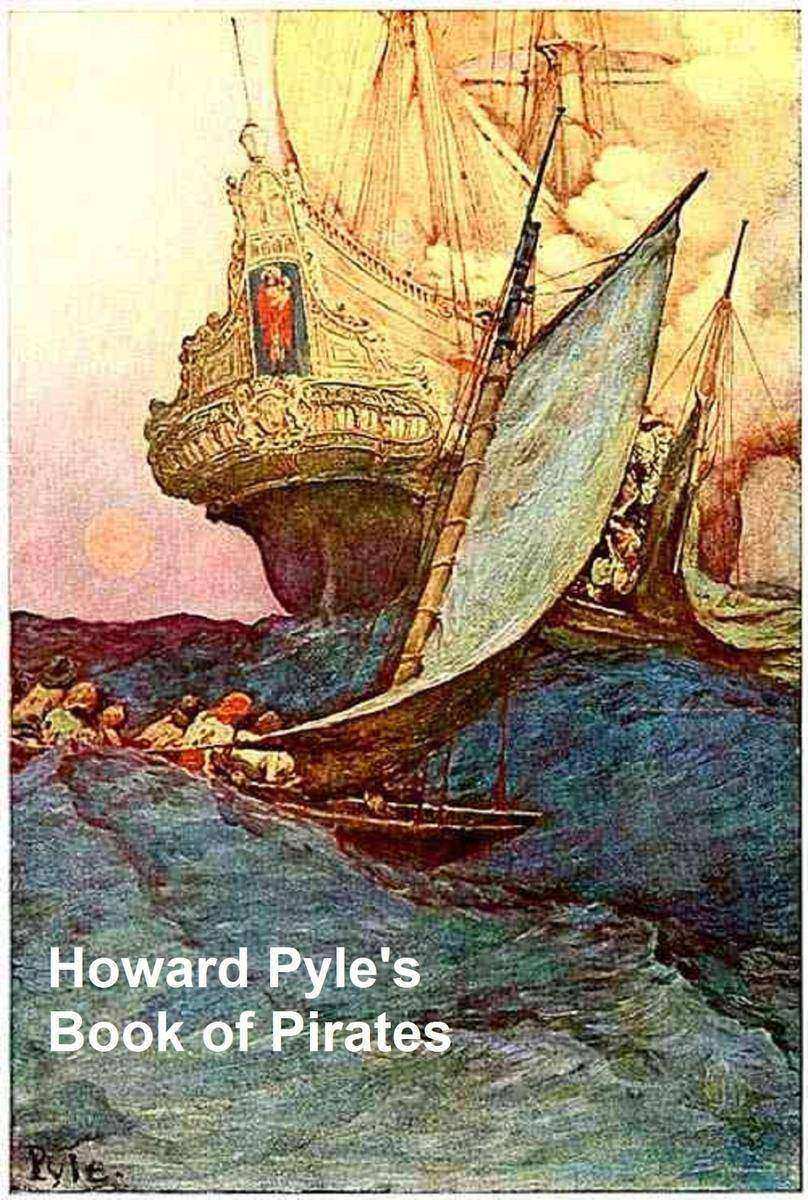
Book of Pirates
¥8.09
Fiction, fact and fancy concerning the bucaneers and marooners of the Spanish Main, from the writings of Howard Pyle. 56 illustrations, some color, some black-and-white. According to Wikipedia: "Howard Pyle (March 5, 1853 – November 9, 1911) was an American illustrator and author, primarily of books for young people... His 1883 classic publication The Merry Adventures of Robin Hood remains in print, and his other books, frequently with medieval European settings, include a four-volume set on King Arthur. He is also well known for his illustrations of pirates, and is credited with creating the now stereotypical modern image of pirate dress."

The Well-Beloved
¥8.09
According to Wikipedia: "Thomas Hardy, (1840 – 1928) was an English author of the naturalist movement, though he regarded himself primarily as a poet and composed novels mainly for financial gain. The bulk of his work, set mainly in the semi-fictional land of Wessex, delineates characters struggling against their passions and circumstances. Hardy's poetry, first published in his 50s, has come to be as well regarded as his novels, especially after The Movement of the 1950s and 1960s."
The Prairie: Fifth and last of the Leatherstocking Tales
¥8.09
Fifth and last of the Leatherstocking Tales in terms of the story line. Third in terms of publication date. Historical novel set in 1804, first published in 1827. The other Leatherstocking Tales are Deerslayer, Last of the Mohicans, Pathfinder, and Pioneers. According to Wikipedia: "James Fenimore Cooper (September 15, 1789 – September 14, 1851) was a prolific and popular American writer of the early 19th century. He is best remembered as a novelist who wrote numerous sea-stories and the historical novels known as the Leatherstocking Tales, featuring frontiersman Natty Bumppo. Among his most famous works is the Romantic novel The Last of the Mohicans, which many consider to be his masterpiece."
The Deerslayer: First of the Leatherstocking Tales
¥8.09
First of the Leatherstocking Tales (in terms of chronological order, rather than publication date). Historical novel set in 1744. First published in 1841. The other Leatherstocking Tales are Last of the Mohicans, Pathfinder, Pioneers, and Prairie. According to Wikipedia: "James Fenimore Cooper (September 15, 1789 – September 14, 1851) was a prolific and popular American writer of the early 19th century. He is best remembered as a novelist who wrote numerous sea-stories and the historical novels known as the Leatherstocking Tales, featuring frontiersman Natty Bumppo. Among his most famous works is the Romantic novel The Last of the Mohicans, which many consider to be his masterpiece."

The Antiquary
¥8.09
First published in 1816. Set in Angus, Scotland, in the 1790s. According to Wikipedia: "Sir Walter Scott, 1st Baronet (1771 – 1832) was a prolific Scottish historical novelist and poet popular throughout Europe during his time. In some ways Scott was the first English-language author to have a truly international career in his lifetime, with many contemporary readers all over Europe, Australia, and North America. His novels and poetry are still read, and many of his works remain classics of both English-language literature and of Scottish literature. Famous titles include Ivanhoe, Rob Roy, The Lady of The Lake, Waverley, The Heart of Midlothian and The Bride of Lammermoor."
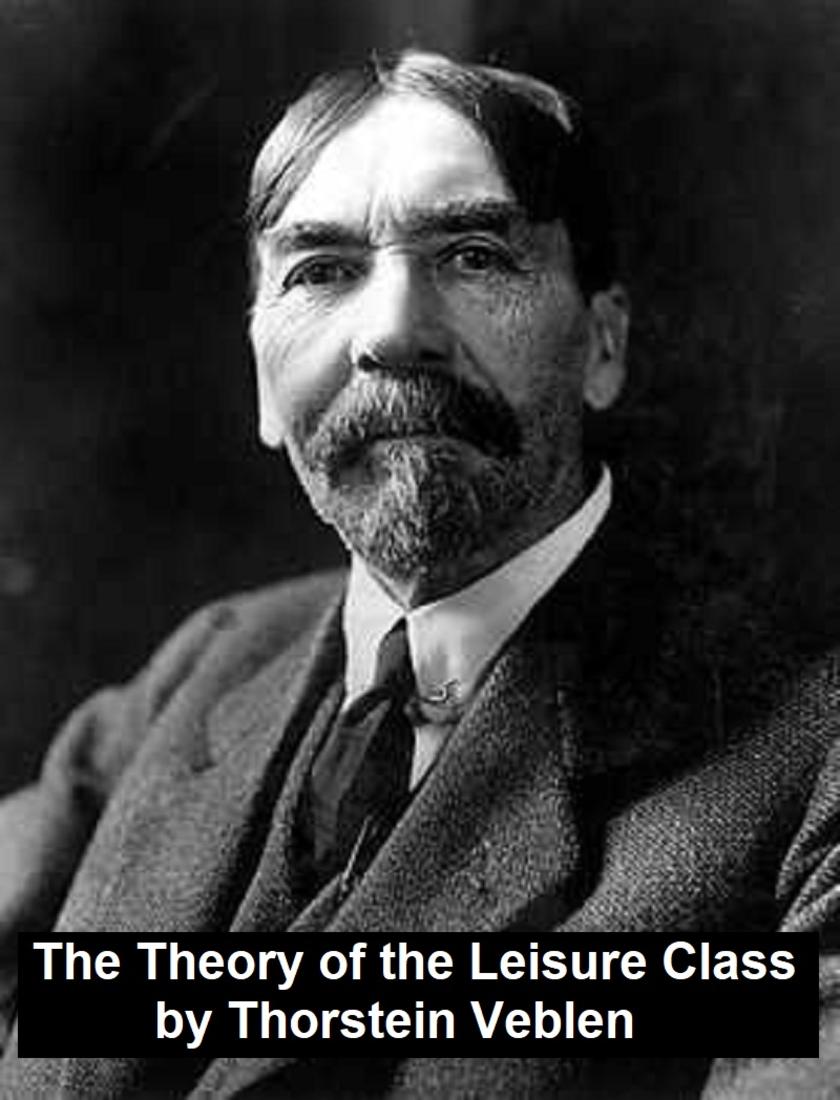
The Theory of the Leisure Class
¥8.09
According to Wikipedia: "Thorstein Bunde Veblen, born Tosten Bunde Veblen (July 30, 1857 – August 3, 1929) was a Norwegian-American sociologist and economist and a primary mentor, along with John R. Commons, of the institutional economics movement. He was an impassioned critic of the performance of the American economy, and is most famous for his book The Theory of the Leisure Class (1899)."
Starr of the Desert
¥8.09
Classic western. "A New Mexico ranch story of mystery and adventure." According to Wikipedia: "Bertha Muzzy Sinclair or Sinclair-Cowan, née Muzzy (November 15, 1871 – July 23, 1940), best known by her pseudonym B. M. Bower, was an American novelist who wrote fictional stories about the American Old West... She wrote 57 Western novels, several of which were turned into films."
John Leech's Pictures of Life and Character
¥8.09
Classic short story, first published in 1854. According to Wikipedia: "Thackeray is most often compared to one other great novelist of Victorian literature, Charles Dickens. During the Victorian era, he was ranked second only to Dickens, but he is now much less read and is known almost exclusively for Vanity Fair. In that novel he was able to satirize whole swaths of humanity while retaining a light touch. It also features his most memorable character, the engagingly roguish Becky Sharp. As a result, unlike Thackeray's other novels, it remains popular with the general reading public; it is a standard fixture in university courses and has been repeatedly adapted for movies and television. In Thackeray's own day, some commentators, such as Anthony Trollope, ranked his History of Henry Esmond as his greatest work, perhaps because it expressed Victorian values of duty and earnestness, as did some of his other later novels. It is perhaps for this reason that they have not survived as well as Vanity Fair, which satirizes those values."
The Young Alaskans
¥8.09
Classic western. According to Wikipedia: "Emerson Hough (1857-1923) was an American author, best known for writing western stories. Hough was born in Newton, Iowa, and graduated from the University of Iowa with a law degree. He moved to White Oaks, New Mexico, and practiced law there but eventually turned to literary work by taking camping trips and writing about them for publication. He is best known as a novelist, writing The Mississippi Bubble as well as The Covered Wagon, about Oregon Trail pioneers, which later became successful as a movie, running 59 weeks at the Criterion Theater in New York City, passing the record set by Birth of a Nation. Other notable works included Story of the Cowboy, Way of the West, Singing Mouse Stories, and Passing of the Frontier, and writing the "Out-of-Doors" column for the Saturday Evening Post."
Ronicky Doone
¥8.09
Classic western. According to Wikipedia: "Frederick Schiller Faust (May 29, 1892 - May 12, 1944) was an American fiction author known primarily for his thoughtful and literary Westerns. Faust wrote mostly under pen names, and today is primarily known by one, Max Brand. Others include George Owen Baxter, Evan Evans, David Manning, John Frederick, Peter Morland, George Challis, and Frederick Frost. ... Faust managed a massive outpouring of fiction, rivaling Edgar Wallace and especially Isaac Asimov as one of the most prolific authors of all time. He wrote more than 500 novels for magazines and almost as many stories of shorter length. His total literary output is estimated to have been between 25,000,000 and 30,000,000 words. Most of his books and stories were turned out at breakneck rate, sometimes as quickly as 12,000 words in the course of a weekend. New books based on magazine serials or unpublished manuscripts or restored versions continue to appear so that he has averaged a new book every four months for seventy-five years. Beyond this, some work by him is newly reprinted every week of every year in one or another format somewhere in the world."
Jeff Brigg's Love Story
¥8.09
Classic western novel. According to Wikipedia: "Bret Harte (August 25, 1836[2] – May 6, 1902) was an American author and poet, best remembered for his accounts of pioneering life in California. He was born in Albany, New York. ... He moved to California in 1853, later working there in a number of capacities, including miner, teacher, messenger, and journalist. He spent part of his life in the northern California coast town now known as Arcata, then just a mining camp on Humboldt Bay. His first literary efforts, including poetry and prose, appeared in The Californian, an early literary journal edited by Charles Henry Webb. In 1868 he became editor of The Overland Monthly, another new literary magazine, but this one more in tune with the pioneering spirit of excitement in California. His story, "The Luck of Roaring Camp," appeared in the magazine's second edition, propelling Harte to nationwide fame... Determined to pursue his literary career, in 1871 he and his family traveled back East, to New York and eventually to Boston, where he contracted with the publisher of The Atlantic Monthly for an annual salary of $10,000, "an unprecedented sum at the time." His popularity waned, however, and by the end of 1872 he was without a publishing contract and increasingly desperate. He spent the next few years struggling to publish new work (or republish old), delivering lectures about the gold rush, and even selling an advertising jingle to a soap company. In 1878 Harte was appointed to the position of United States Consul in the town of Krefeld, Germany and then to Glasgow in 1880. In 1885 he settled in London. During the thirty years he spent in Europe, he never abandoned writing, and maintained a prodigious output of stories that retained the freshness of his earlier work. He died in England in 1902 of throat cancer and is buried at Frimley."
A Millionaire of Rough and Ready
¥8.09
Classic western novel. According to Wikipedia: "Bret Harte (August 25, 1836[2] – May 6, 1902) was an American author and poet, best remembered for his accounts of pioneering life in California. He was born in Albany, New York. ... He moved to California in 1853, later working there in a number of capacities, including miner, teacher, messenger, and journalist. He spent part of his life in the northern California coast town now known as Arcata, then just a mining camp on Humboldt Bay. His first literary efforts, including poetry and prose, appeared in The Californian, an early literary journal edited by Charles Henry Webb. In 1868 he became editor of The Overland Monthly, another new literary magazine, but this one more in tune with the pioneering spirit of excitement in California. His story, "The Luck of Roaring Camp," appeared in the magazine's second edition, propelling Harte to nationwide fame... Determined to pursue his literary career, in 1871 he and his family traveled back East, to New York and eventually to Boston, where he contracted with the publisher of The Atlantic Monthly for an annual salary of $10,000, "an unprecedented sum at the time." His popularity waned, however, and by the end of 1872 he was without a publishing contract and increasingly desperate. He spent the next few years struggling to publish new work (or republish old), delivering lectures about the gold rush, and even selling an advertising jingle to a soap company. In 1878 Harte was appointed to the position of United States Consul in the town of Krefeld, Germany and then to Glasgow in 1880. In 1885 he settled in London. During the thirty years he spent in Europe, he never abandoned writing, and maintained a prodigious output of stories that retained the freshness of his earlier work. He died in England in 1902 of throat cancer and is buried at Frimley."
A Phyllis of the Sierras
¥8.09
Classic western novel. According to Wikipedia: "Bret Harte (August 25, 1836[2] – May 6, 1902) was an American author and poet, best remembered for his accounts of pioneering life in California. He was born in Albany, New York. ... He moved to California in 1853, later working there in a number of capacities, including miner, teacher, messenger, and journalist. He spent part of his life in the northern California coast town now known as Arcata, then just a mining camp on Humboldt Bay. His first literary efforts, including poetry and prose, appeared in The Californian, an early literary journal edited by Charles Henry Webb. In 1868 he became editor of The Overland Monthly, another new literary magazine, but this one more in tune with the pioneering spirit of excitement in California. His story, "The Luck of Roaring Camp," appeared in the magazine's second edition, propelling Harte to nationwide fame... Determined to pursue his literary career, in 1871 he and his family traveled back East, to New York and eventually to Boston, where he contracted with the publisher of The Atlantic Monthly for an annual salary of $10,000, "an unprecedented sum at the time." His popularity waned, however, and by the end of 1872 he was without a publishing contract and increasingly desperate. He spent the next few years struggling to publish new work (or republish old), delivering lectures about the gold rush, and even selling an advertising jingle to a soap company. In 1878 Harte was appointed to the position of United States Consul in the town of Krefeld, Germany and then to Glasgow in 1880. In 1885 he settled in London. During the thirty years he spent in Europe, he never abandoned writing, and maintained a prodigious output of stories that retained the freshness of his earlier work. He died in England in 1902 of throat cancer and is buried at Frimley."
Susy, a Story of the Plains
¥8.09
Classic western novel. According to Wikipedia: "Bret Harte (August 25, 1836[2] – May 6, 1902) was an American author and poet, best remembered for his accounts of pioneering life in California. He was born in Albany, New York. ... He moved to California in 1853, later working there in a number of capacities, including miner, teacher, messenger, and journalist. He spent part of his life in the northern California coast town now known as Arcata, then just a mining camp on Humboldt Bay. His first literary efforts, including poetry and prose, appeared in The Californian, an early literary journal edited by Charles Henry Webb. In 1868 he became editor of The Overland Monthly, another new literary magazine, but this one more in tune with the pioneering spirit of excitement in California. His story, "The Luck of Roaring Camp," appeared in the magazine's second edition, propelling Harte to nationwide fame... Determined to pursue his literary career, in 1871 he and his family traveled back East, to New York and eventually to Boston, where he contracted with the publisher of The Atlantic Monthly for an annual salary of $10,000, "an unprecedented sum at the time." His popularity waned, however, and by the end of 1872 he was without a publishing contract and increasingly desperate. He spent the next few years struggling to publish new work (or republish old), delivering lectures about the gold rush, and even selling an advertising jingle to a soap company. In 1878 Harte was appointed to the position of United States Consul in the town of Krefeld, Germany and then to Glasgow in 1880. In 1885 he settled in London. During the thirty years he spent in Europe, he never abandoned writing, and maintained a prodigious output of stories that retained the freshness of his earlier work. He died in England in 1902 of throat cancer and is buried at Frimley."
The Forester's Daughter, A Romance of the Bear-Tooth Range
¥8.09
Classic western novel. According to Wikipedia: "Hamlin Hannibal Garland (September 14, 1860 – March 4, 1940) was an American novelist, poet, essayist, and short story writer. He is best known for his fiction involving hard-working Midwestern farmers."
Prairie Folks
¥8.09
Classic western novel. According to Wikipedia: "Hamlin Hannibal Garland (September 14, 1860 – March 4, 1940) was an American novelist, poet, essayist, and short story writer. He is best known for his fiction involving hard-working Midwestern farmers."
Steve Yeager
¥8.09
Classic western novel, first published in 1915. "A story brimful of excitement, with enough gun-play and adventure to suit anyone." According to Wikipedia: "William MacLeod Raine (1871—1954), was a British-born American novelist who wrote fictional adventure stories about the American Old West.."
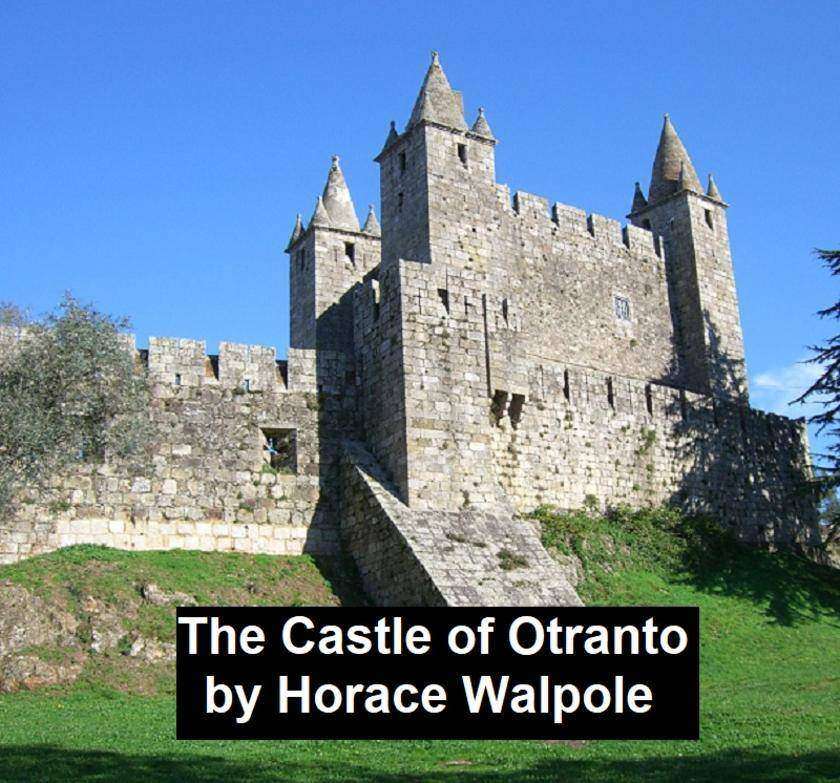
The Castle of Otranto
¥8.09
According to Wikipedia: "Horatio Walpole, 4th Earl of Orford (24 September 1717 – 2 March 1797), was an English art historian, man of letters, antiquarian and politician. He is now largely remembered for Strawberry Hill, the home he built in Twickenham, south-west London where he revived the Gothic style some decades before his Victorian successors, and for his Gothic novel, The Castle of Otranto. Along with the book, his literary reputation rests on his Letters, which are of significant social and political interest. He was the son of Sir Robert Walpole, and cousin of Lord Nelson."

Antoine et Cleopatre, Antony and Cleopatra in French
¥8.09
Traduit par Fran?ois Pierre Guillaume Guizot (1787 - 1874), historien fran?ais et homme d'?tat. Publié en 1862. Selon Wikipeia: "Antony et" Cléop?tre est une tragédie par William Shakespeare, qui aurait été écrit entre 1603 et 1607. Il a d'abord été imprimé dans le premier folio de 1623. L'intrigue est basée sur la traduction de Thomas North de la vie de Plutarque et suit la relation entre Cléop?tre et Marc Antoine depuis l'époque de la guerre des Parthes jusqu'au suicide de Cléop?tre. L'antagoniste majeur est Octavius Caesar, l'un des compagnons de triumviri d'Antony et le futur premier empereur de Rome. La tragédie est une pièce romaine caractérisée par des changements rapides et panoramiques dans les lieux géographiques et dans les registres, alternant entre Alexandrie sensuelle et imaginative et la Rome plus austère et plus pragmatique. Beaucoup considèrent le r?le de Cléop?tre dans ce jeu l'un des r?les féminins les plus complexes dans le travail de Shakespeare. "
Drag Harlan
¥8.09
Classic western. According to Pulprack (quoting Adventure Fiction.com) "Charles Alden Seltzer (Aug. 15, 1875 - Feb. 9, 1942) The vital statistics are: Born in August 1875, at the village of Janesville, Wisconsin. One year in Wisconsin. Then to Columbus, Ohio, where after a time I worked at various enterprises, such as newsboy, telegraph messenger, painter, carpenter and manager of the circulation of a newspaper. Spent the better part of five summer and some of the winters in Union County, New Mexico. At twenty I was in Cleveland, Ohio, where I was again a carpenter. Foreman, contractor. Began to write about this time -- nights. Thirteen years of writing without finding a publisher. In the interim I was engaged in various enterprises: Building inspector for the City of Cleveland, editor of a small newspaper, expert for the Cuyahoga County Board of Appraisers. Wrote and sold about one hundred short stories. Published a book of short stories called the Range Riders in 1911. A success. Followed it with a full length novel called The Two Gun Man in 1911. Another bell-ringer..."
The Journal of a Tour to the Hebrides
¥8.09
According to Wikipedia: "James Boswell, 9th Laird of Auchinleck (October 29, 1740 – May 19, 1795) was a lawyer, diarist, and author born in Edinburgh, Scotland; he is best known for his biography of Samuel Johnson. His name has passed into the English language as a term (Boswell, Boswellian, Boswellism) for a constant companion and observer. Boswell is also known for the detailed and frank journals that he wrote for long periods of his life, which remained undiscovered until the 1920s. These included voluminous notes on the grand tour of Europe that he took as a young man and, subsequently, of his tour of Scotland with Johnson. His journals also record meetings and conversations with eminent individuals belonging to The Club, including Lord Monboddo, David Garrick, Edmund Burke, Reynolds and Oliver Goldsmith. His written works focus chiefly on others, but he was admitted as a good companion and accomplished conversationalist in his own right."


