


 购物车
购物车 个人中心
个人中心
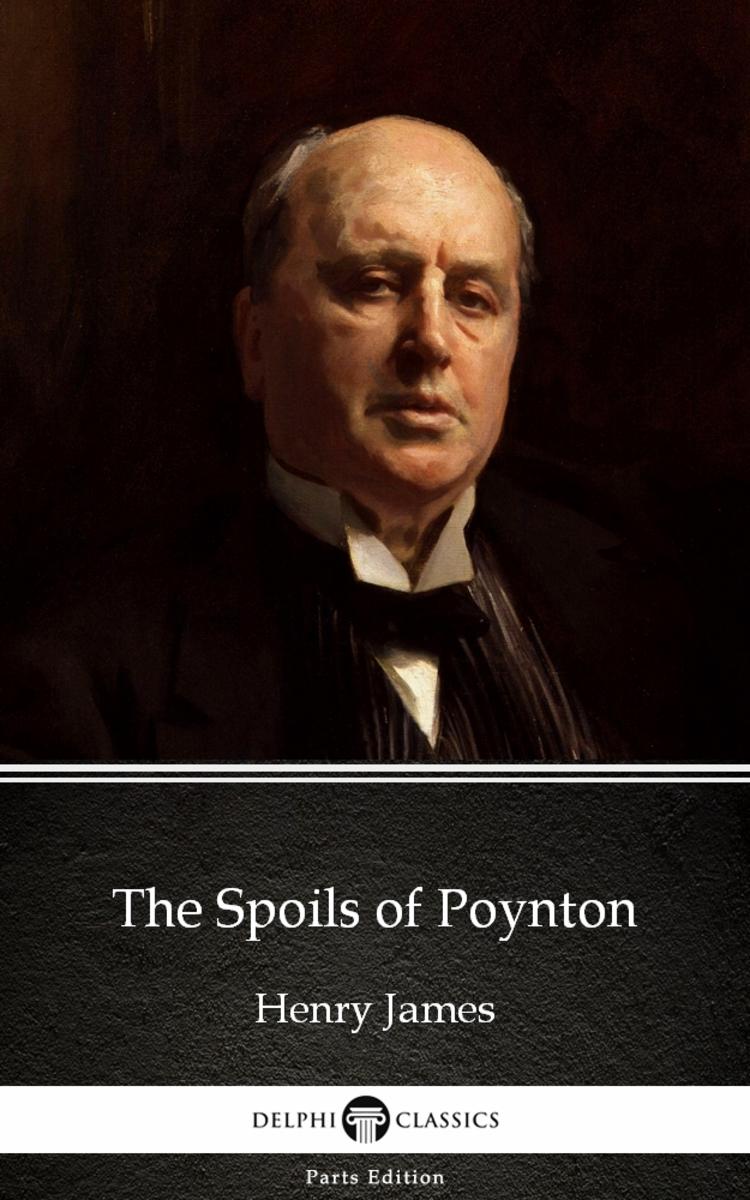
The Spoils of Poynton by Henry James (Illustrated)
¥8.09
This eBook features the unabridged text of ‘The Spoils of Poynton’ from the bestselling edition of ‘The Complete Works of Henry James’. Having established their name as the leading publisher of classic literature and art, Delphi Classics produce publications that are individually crafted with superior formatting, while introducing many rare texts for the first time in digital print. The Delphi Classics edition of James includes original annotations and illustrations relating to the life and works of the author, as well as individual tables of contents, allowing you to navigate eBooks quickly and easily.eBook features:* The complete unabridged text of ‘The Spoils of Poynton’* Beautifully illustrated with images related to James’s works* Individual contents table, allowing easy navigation around the eBook* Excellent formatting of the textPlease visit www.delphiclassics.com to learn more about our wide range of titles
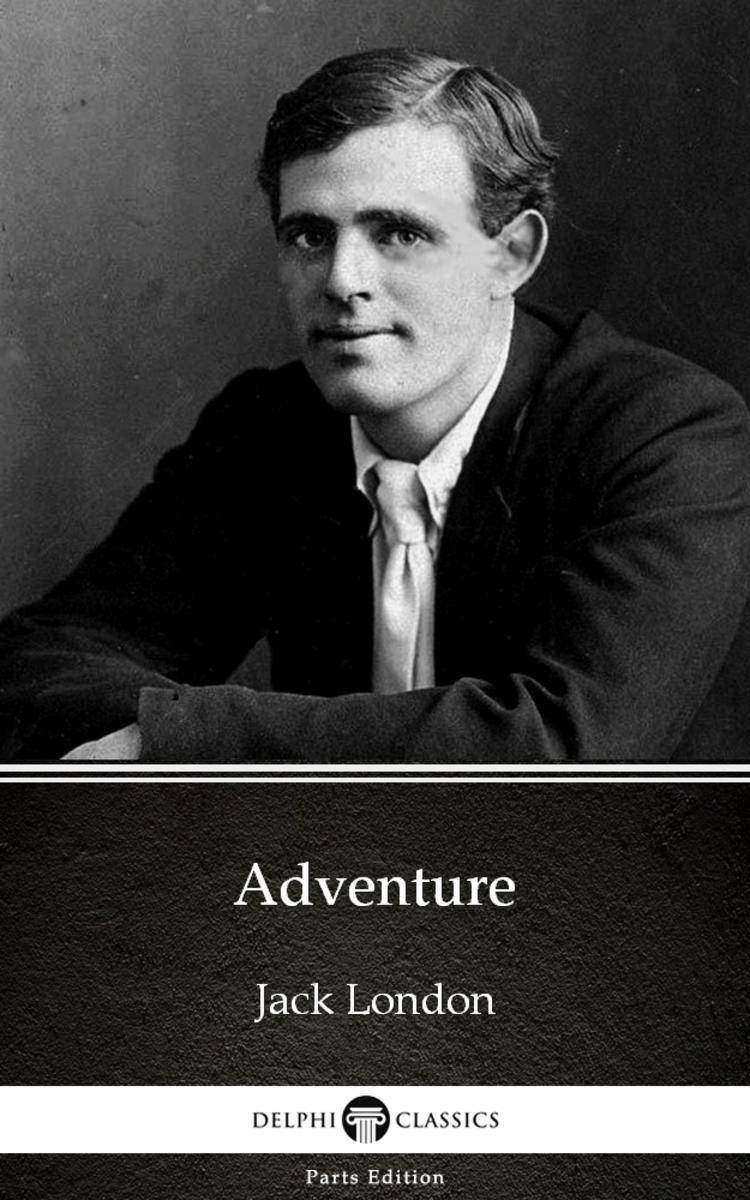
Adventure by Jack London (Illustrated)
¥8.09
This eBook features the unabridged text of ‘Adventure’ from the bestselling edition of ‘The Complete Works of Jack London’. Having established their name as the leading publisher of classic literature and art, Delphi Classics produce publications that are individually crafted with superior formatting, while introducing many rare texts for the first time in digital print. The Delphi Classics edition of London includes original annotations and illustrations relating to the life and works of the author, as well as individual tables of contents, allowing you to navigate eBooks quickly and easily.eBook features:* The complete unabridged text of ‘Adventure’* Beautifully illustrated with images related to London’s works* Individual contents table, allowing easy navigation around the eBook* Excellent formatting of the textPlease visit www.delphiclassics.com to learn more about our wide range of titles

The Awkward Age by Henry James (Illustrated)
¥8.09
This eBook features the unabridged text of ‘The Awkward Age’ from the bestselling edition of ‘The Complete Works of Henry James’. Having established their name as the leading publisher of classic literature and art, Delphi Classics produce publications that are individually crafted with superior formatting, while introducing many rare texts for the first time in digital print. The Delphi Classics edition of James includes original annotations and illustrations relating to the life and works of the author, as well as individual tables of contents, allowing you to navigate eBooks quickly and easily.eBook features:* The complete unabridged text of ‘The Awkward Age’* Beautifully illustrated with images related to James’s works* Individual contents table, allowing easy navigation around the eBook* Excellent formatting of the textPlease visit www.delphiclassics.com to learn more about our wide range of titles
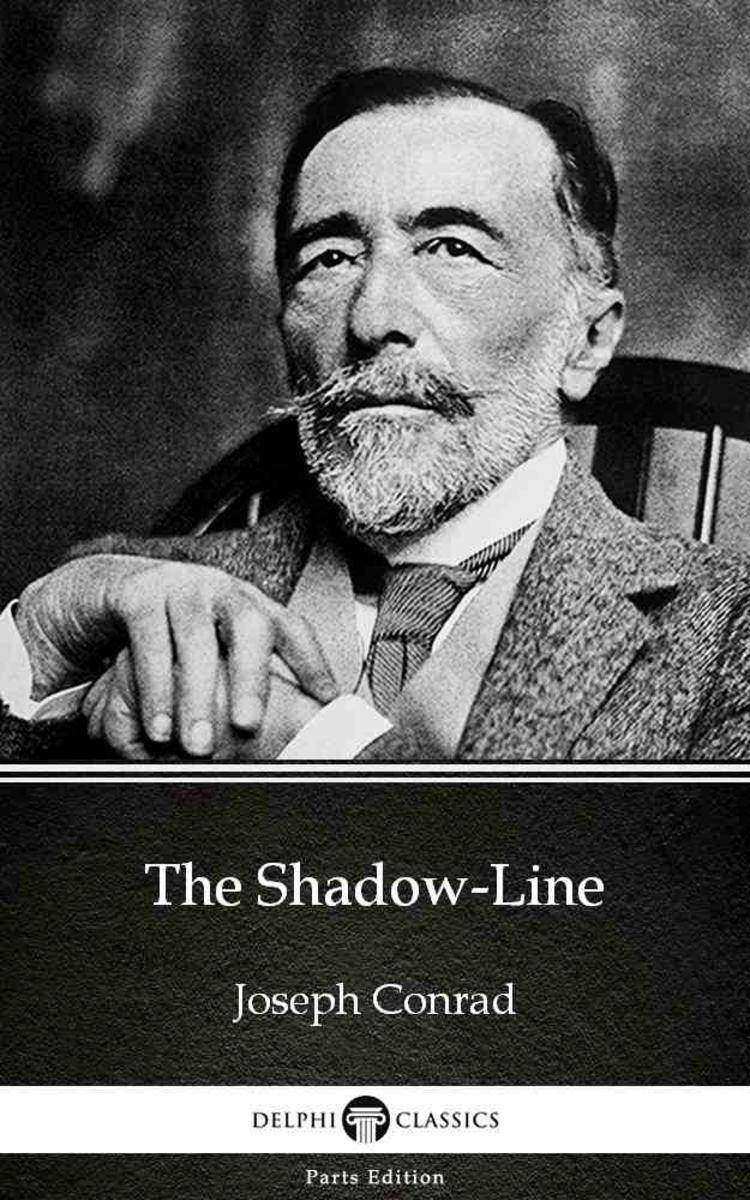
The Shadow-Line by Joseph Conrad (Illustrated)
¥8.09
This eBook features the unabridged text of ‘The Shadow-Line’ from the bestselling edition of ‘The Complete Works of Joseph Conrad’. Having established their name as the leading publisher of classic literature and art, Delphi Classics produce publications that are individually crafted with superior formatting, while introducing many rare texts for the first time in digital print. The Delphi Classics edition of Conrad includes original annotations and illustrations relating to the life and works of the author, as well as individual tables of contents, allowing you to navigate eBooks quickly and easily.eBook features:* The complete unabridged text of ‘The Shadow-Line’* Beautifully illustrated with images related to Conrad’s works* Individual contents table, allowing easy navigation around the eBook* Excellent formatting of the textPlease visit www.delphiclassics.com to learn more about our wide range of titles
Dialogues Concerning Natural Religion
¥8.09
Dialogues Concerning Natural Religion is a philosophical work by the Scottish philosopher David Hume. Through dialogue, three philosophers named Demea, Philo, and Cleanthes debate the nature of God's existence. Whether or not these names reference specific philosophers, ancient or otherwise, remains a topic of scholarly dispute. While all three agree that a god exists, they differ sharply in opinion on God's nature or attributes and how, or if, humankind can come to knowledge of a deity. ? In the Dialogues, Hume's characters debate a number of arguments for the existence of God, and arguments whose proponents believe through which we may come to know the nature of God. Such topics debated include the argument from design—for which Hume uses a house—and whether there is more suffering or good in the world (argument from evil). ? Hume started writing the Dialogues in 1750 but did not complete them until 1776, shortly before his death. They are based partly on Cicero's De Natura Deorum. The Dialogues were published posthumously in 1779, originally with neither the author's nor the publisher's name.

Mansfield Park
¥8.09
This Point Blank Classics edition includes the full original text as well as exclusive images exclusive to this edition and an easy to use interactive table of contents. Mansfield Park is a novel by Jane Austen, written at Chawton Cottage between February 1811 and 1813. It was published in May 1814 by Thomas Egerton, who published Jane Austen's two earlier novels, Sense and Sensibility and Pride and Prejudice. When the novel reached a second edition in 1816, its publication was taken over by John Murray, who also published its successor, Emma. The main character, Fanny Price, is a young girl from a large and relatively poor family, who is taken from them at age 10 to be raised by her rich uncle and aunt, Sir Thomas, a baronet, and Lady Bertram, of Mansfield Park. She had previously lived with her own parents, Lieut. Price and his wife, Frances (Fanny), Lady Bertram's sister. She is the second child and eldest daughter, with seven siblings born after her. She has a firm attachment to her older brother, William, who at the age of 12 has followed his father into the navy. With so many mouths to feed on a limited income, Fanny's mother is grateful for the opportunity to send Fanny away to live with her fine relatives. Mansfield Park is the most controversial of Austen's major novels. Regency critics praised the novel's wholesome morality, but many modern readers find Fanny's timidity and disapproval of the theatricals difficult to sympathise with and reject the idea (made explicit in the final chapter) that she is a better person for the relative privations of her childhood.

The Shoven Elect
¥8.09
Aliens have landed on the moon. The war for Earth has begun. Can we stop fighting each other long enough to save the planet!

The Analysis of Mind
¥8.09
This Point Blank Classics edition includes the full original text as well as exclusive images exclusive to this edition and an easy to use interactive table of contents.
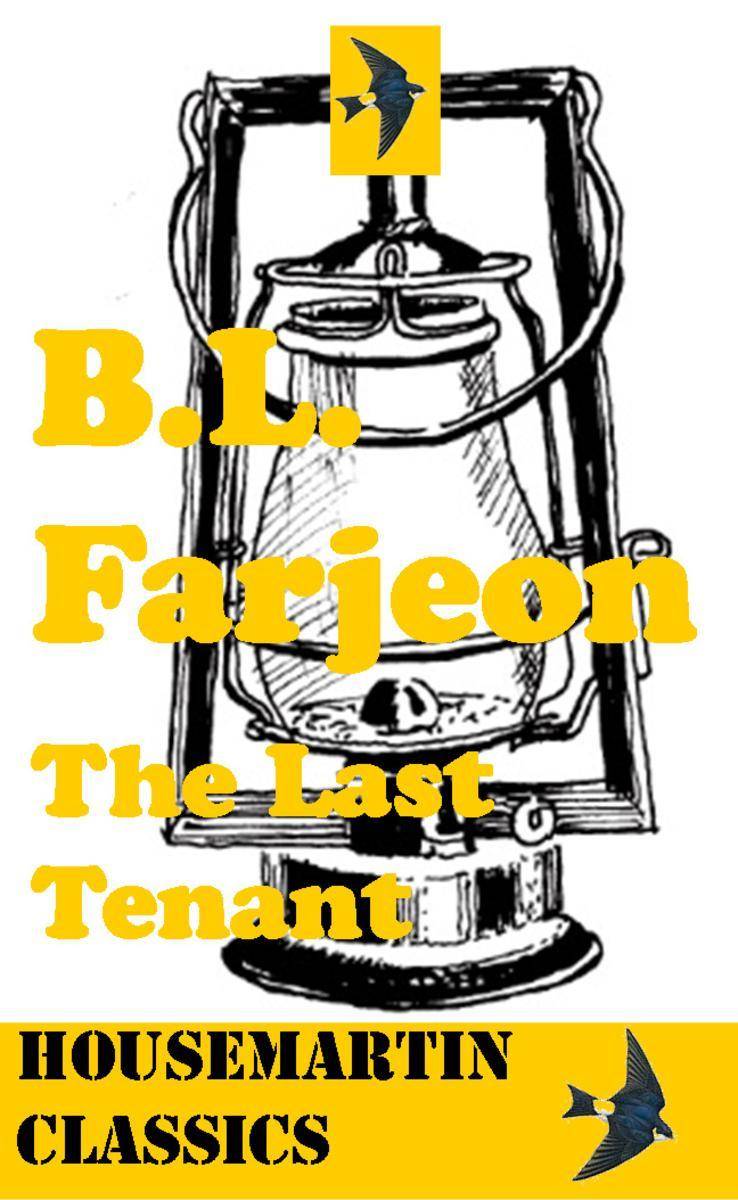
The Last Tenant
¥8.09
This Housemartin Classics edition includes the full original text as well as an easy to use interactive table of contents.

The Time Machine
¥8.09
This Housemartin Classics edition includes the full original text as well as an easy to use interactive table of contents.

Paranormal Investigators 10 Paranormal Pioneers and The Modern Investigator
¥8.09
In Paranormal Pioneers and The Modern Investigator, we look at early pioneers such as Sir William Crookes, one of the world's great scientist who also happened to be a paranormal investigator. The remarkable Frederick Bligh Bond. The two men most responsible for the popularity of Paranormal investigations Jason Conrad Hawes and Grant Steven Wilson. Thanks to their Ghost Hunters show millions of people discovered the world of the paranormal investigators for the first time.

Moll Flanders
¥8.09
Space and Time are pleased to bring you this classic presented as a wonderfully presented edition with a fully interactive table of contents.
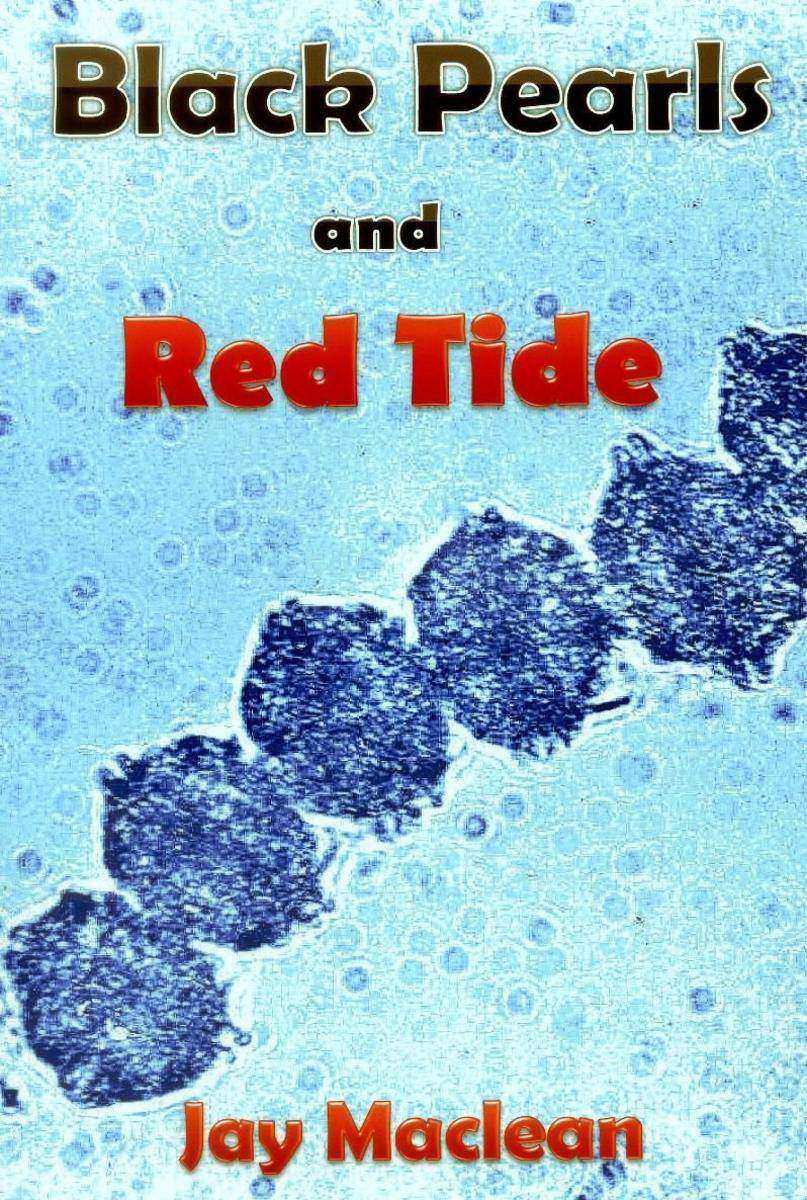
Black Pearls and Red Tide
¥8.09
The strange death of three young children in a small coastal village in far away Papua New Guinea in March 1972 did not rate a mention in the territory’s annual report that year to its Australian governors—let alone make a ripple in international ponds. Yet, it was an event of incredible proportions. It marked the end of a chain of knowledge that extended back more than 45,000 years; it heralded the beginning of an era of immense, baffling phenomena and disasters around the world; and it marked the rise of a deadly toxin from the seabed that would spread from country to country. The book works back in time to discover the origin of the toxin’s host, traces its emergence and bizarre spread from country to country with resulting deaths, and projects into the future the likely, unsettling to horrific, consequences for the world’s food security, already set irreversibly in motion. It is a story that encompasses much of the globe, from the Pacific islands to Asia—Brunei Darussalam, Indonesia, Japan, Malaysia and the Philippines—to the Middle East—Persian Gulf and Red Sea, and the Egypt of the Pharaohs—to the Pacific and Atlantic coasts of the Americas, and to Australia and Antarctica. It is a detective story too, about who or what killed the three children, taking us in helicopters, light planes, speedboats and a naval patrol vessel, and on underwater explorations. It is a romance spanning a period from the tail end of the Palaeolithic era, pausing for a less ancient exodus, that of the Jews from Egypt, and for Cleopatra’s—incredibly expensive as we will see—dinner with Marc Antony, and leap-frogging through events over the following two millennia via connections with Spanish kings, Napoleon Bonaparte, and the most famous pair to play the part of Cleopatra and Marc Antony in modern times: Elizabeth Taylor and Richard Burton. Finally, it is the story of a young scientist sent unknowingly as a spy into Papua New Guinea shortly before its independence. How did he find himself enmeshed in the threads of this strange puzzle and what did he discover?
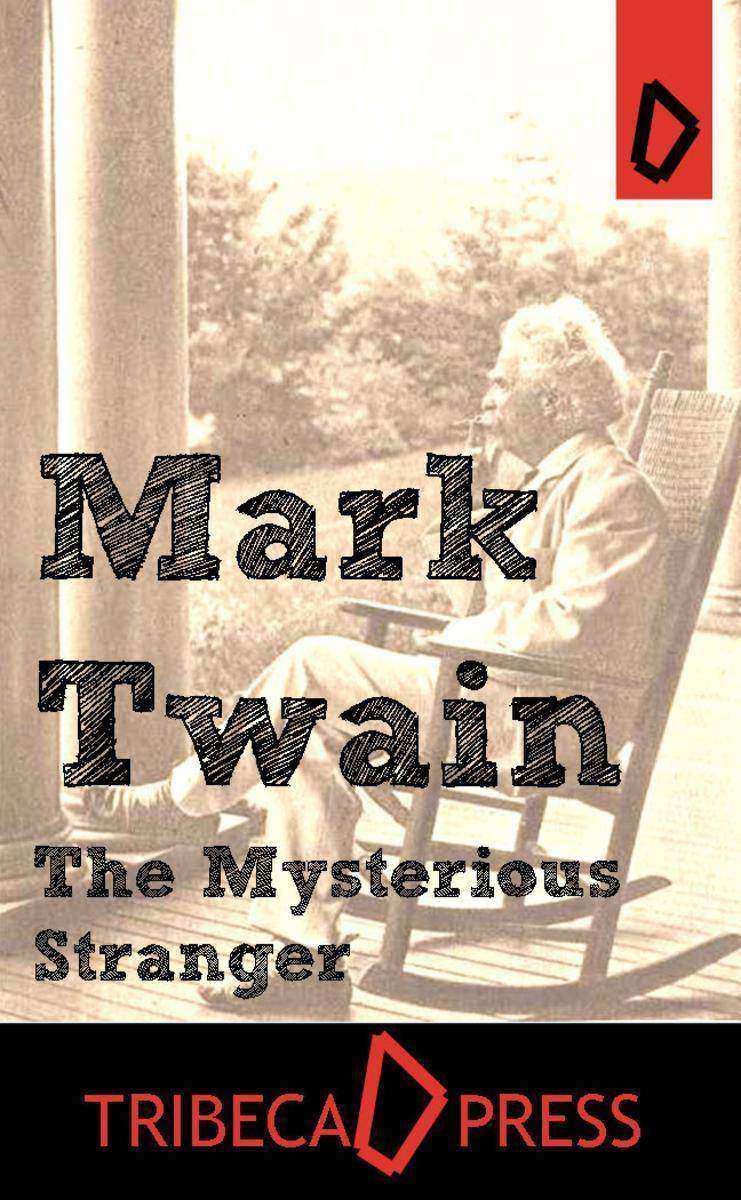
The Mysterious Stranger
¥8.09
This Tribeca Press edition includes the full original text as well as an easy to use interactive table of contents.

The Big Book of Soups
¥8.09
Big Kitchen Series is proud to bring you The Big Book of Soups. This full edition is all you will ever need for your favourite soup recipes. Including the most loved recipes as well as some more unusual ideas, you can be sure that you will never be stuck for a soup to make ever again! It is packed with great ideas and variety. Be sure to check out other new titles from the Big Kitchen Series releasing throughout 2014.
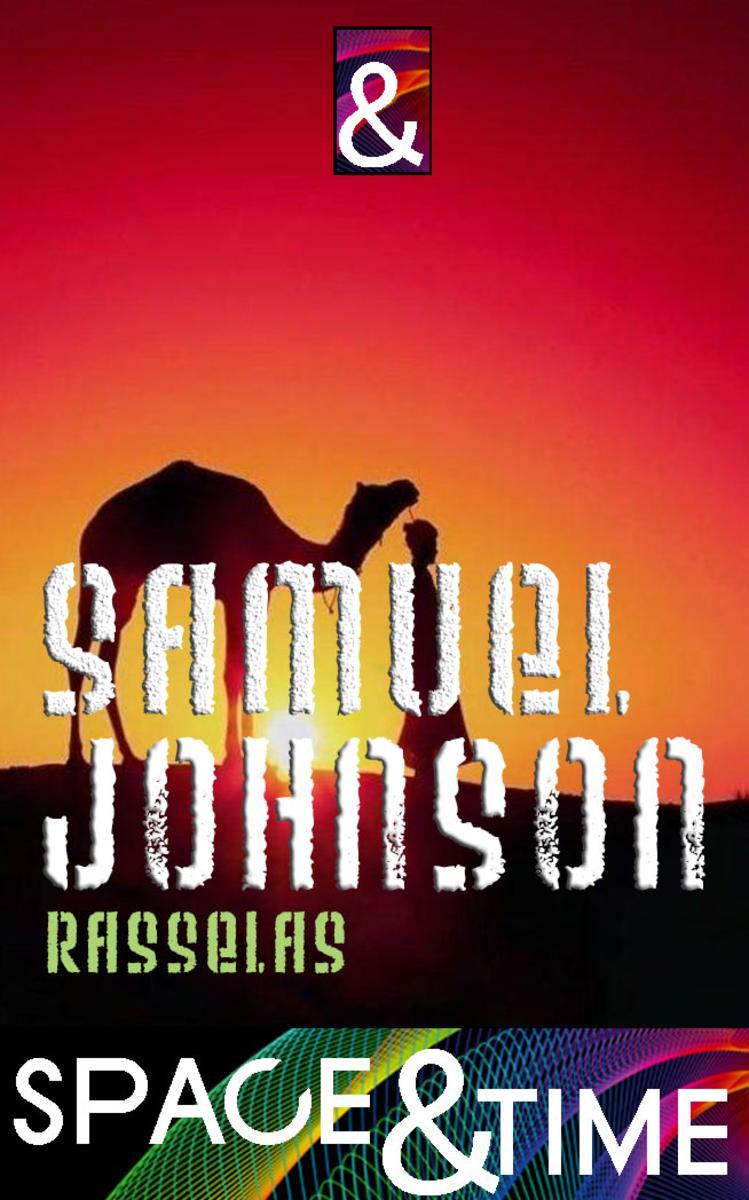
Rasselas
¥8.09
Space and Time are pleased to bring you Samuel Johnsons Rasselas. This classic is presented as a wonderfully presented edition with a fully interactive table of contents.
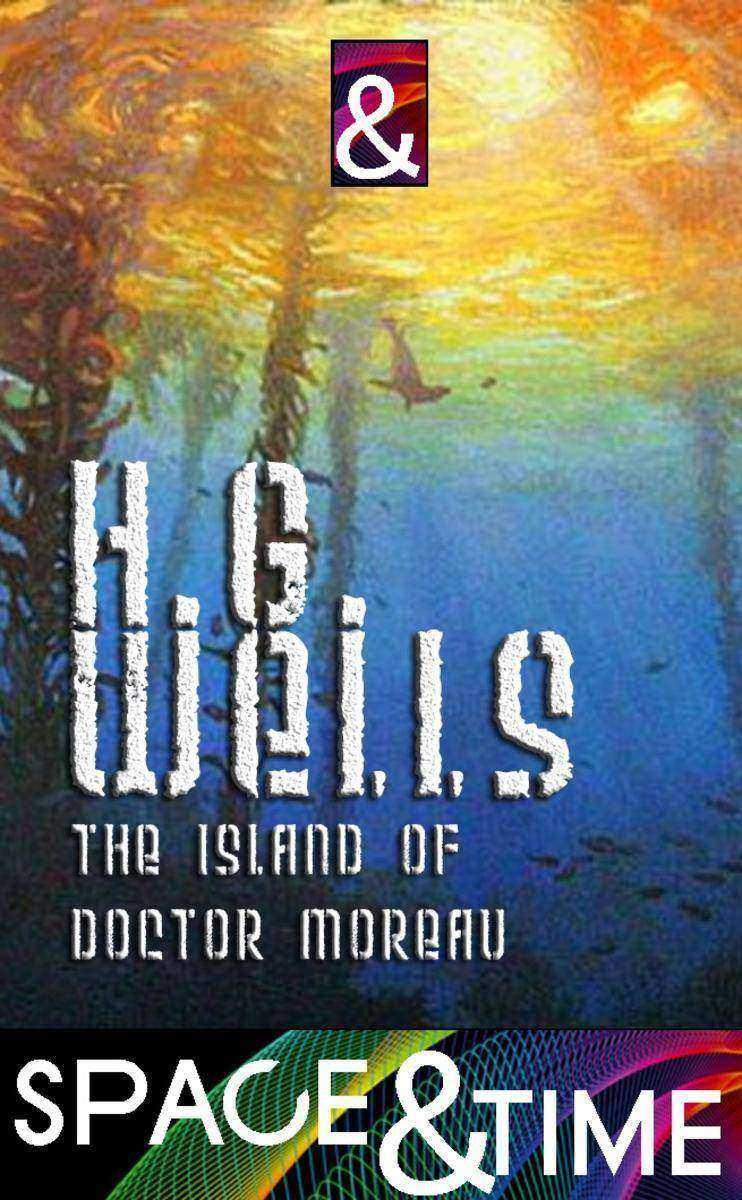
The Island of Doctor Moreau
¥8.09
Space and Time are pleased to bring you The Island of Doctor Moreau by H. G. Wells. This classic is presented as a wonderfully presented edition with a fully interactive table of contents.

Pennsylvania Dutch Cooking
¥8.09
Pennsylvania Dutch cuisine is the typical and traditional fare of the Pennsylvania Dutch. According to one writer, "If you had to make a short list of regions in the United States where regional food is actually consumed on a daily basis, the land of the Pennsylvania Dutch -- in and around Lancaster County, Pennsylvania -- would be at or near the top of that list," mainly because the area is a cultural enclave of Pennsylvania Dutch culture. Pennsylvania Dutch cuisine reflects influences of the Pennsylvania Dutch's German heritage, agrarian society, and rejection of rapid change.
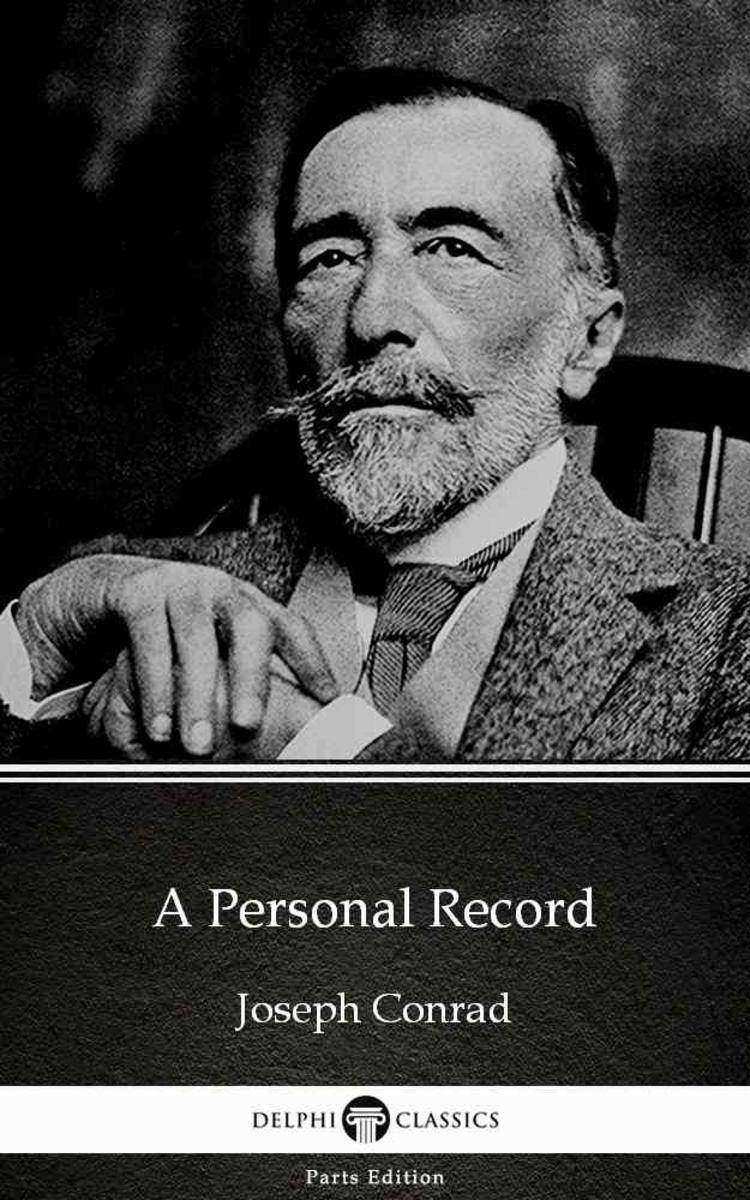
A Personal Record by Joseph Conrad (Illustrated)
¥8.09
This eBook features the unabridged text of ‘A Personal Record’ from the bestselling edition of ‘The Complete Works of Joseph Conrad’. Having established their name as the leading publisher of classic literature and art, Delphi Classics produce publications that are individually crafted with superior formatting, while introducing many rare texts for the first time in digital print. The Delphi Classics edition of Conrad includes original annotations and illustrations relating to the life and works of the author, as well as individual tables of contents, allowing you to navigate eBooks quickly and easily.eBook features:* The complete unabridged text of ‘A Personal Record’* Beautifully illustrated with images related to Conrad’s works* Individual contents table, allowing easy navigation around the eBook* Excellent formatting of the textPlease visit www.delphiclassics.com to learn more about our wide range of titles
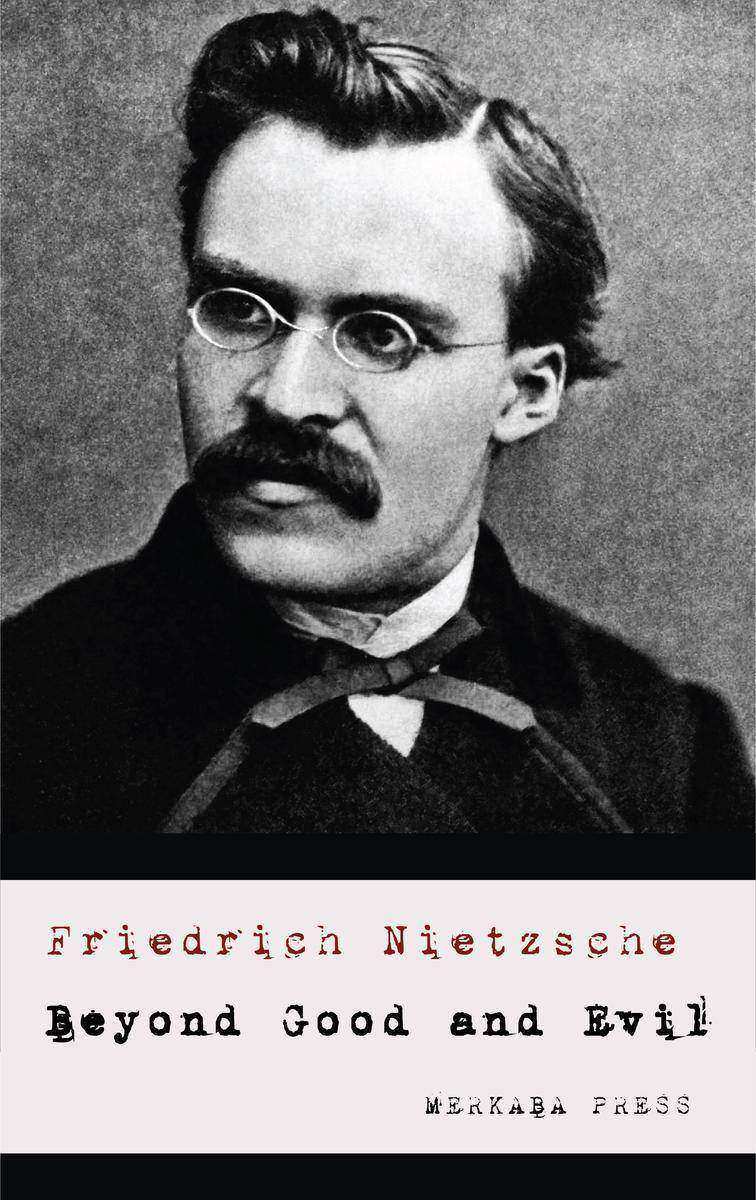
Beyond Good and Evil
¥8.09
Beyond Good and Evil
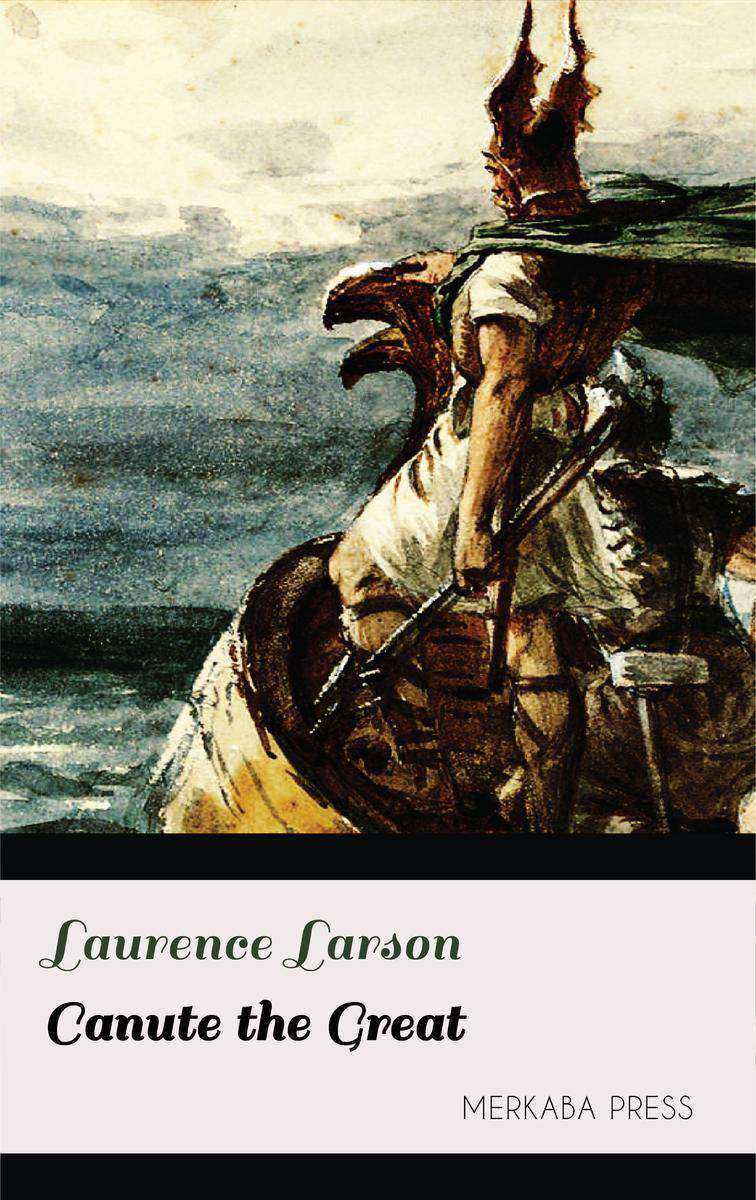
Canute the Great
¥8.09
Canute the Great


