


 购物车
购物车 个人中心
个人中心

The Wonderful Visit by H. G. Wells (Illustrated)
¥8.09
This eBook features the unabridged text of ‘The Wonderful Visit’ from the bestselling edition of ‘The Complete Works of H. G. Wells’. Having established their name as the leading publisher of classic literature and art, Delphi Classics produce publications that are individually crafted with superior formatting, while introducing many rare texts for the first time in digital print. The Delphi Classics edition of Wells includes original annotations and illustrations relating to the life and works of the author, as well as individual tables of contents, allowing you to navigate eBooks quickly and easily.eBook features:* The complete unabridged text of ‘The Wonderful Visit’* Beautifully illustrated with images related to Wells’s works* Individual contents table, allowing easy navigation around the eBook* Excellent formatting of the textPlease visit www.delphiclassics.com to learn more about our wide range of titles
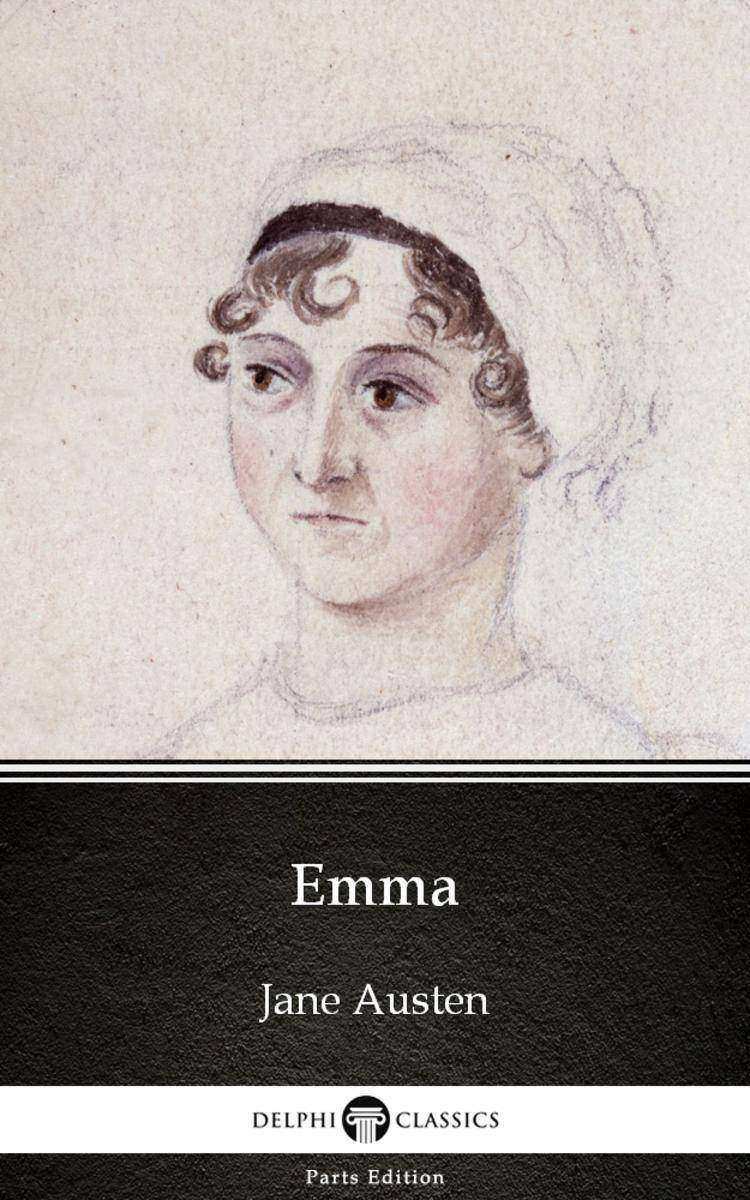
Emma by Jane Austen (Illustrated)
¥8.09
This eBook features the unabridged text of ‘Emma’ from the bestselling edition of ‘The Complete Works of Jane Austen’. Having established their name as the leading publisher of classic literature and art, Delphi Classics produce publications that are individually crafted with superior formatting, while introducing many rare texts for the first time in digital print. The Delphi Classics edition of Austen includes original annotations and illustrations relating to the life and works of the author, as well as individual tables of contents, allowing you to navigate eBooks quickly and easily.eBook features:* The complete unabridged text of ‘Emma’* Beautifully illustrated with images related to Austen’s works* Individual contents table, allowing easy navigation around the eBook* Excellent formatting of the textPlease visit www.delphiclassics.com to learn more about our wide range of titles
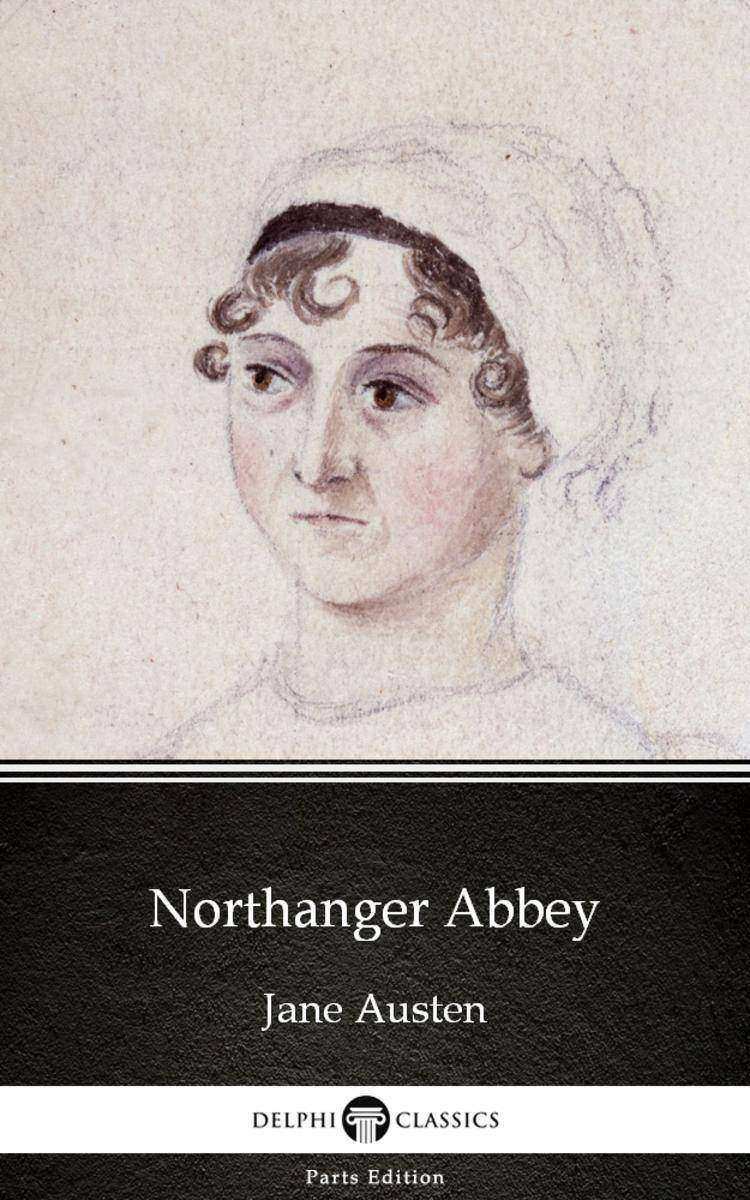
Northanger Abbey by Jane Austen (Illustrated)
¥8.09
This eBook features the unabridged text of ‘Northanger Abbey’ from the bestselling edition of ‘The Complete Works of Jane Austen’. Having established their name as the leading publisher of classic literature and art, Delphi Classics produce publications that are individually crafted with superior formatting, while introducing many rare texts for the first time in digital print. The Delphi Classics edition of Austen includes original annotations and illustrations relating to the life and works of the author, as well as individual tables of contents, allowing you to navigate eBooks quickly and easily.eBook features:* The complete unabridged text of ‘Northanger Abbey’* Beautifully illustrated with images related to Austen’s works* Individual contents table, allowing easy navigation around the eBook* Excellent formatting of the textPlease visit www.delphiclassics.com to learn more about our wide range of titles
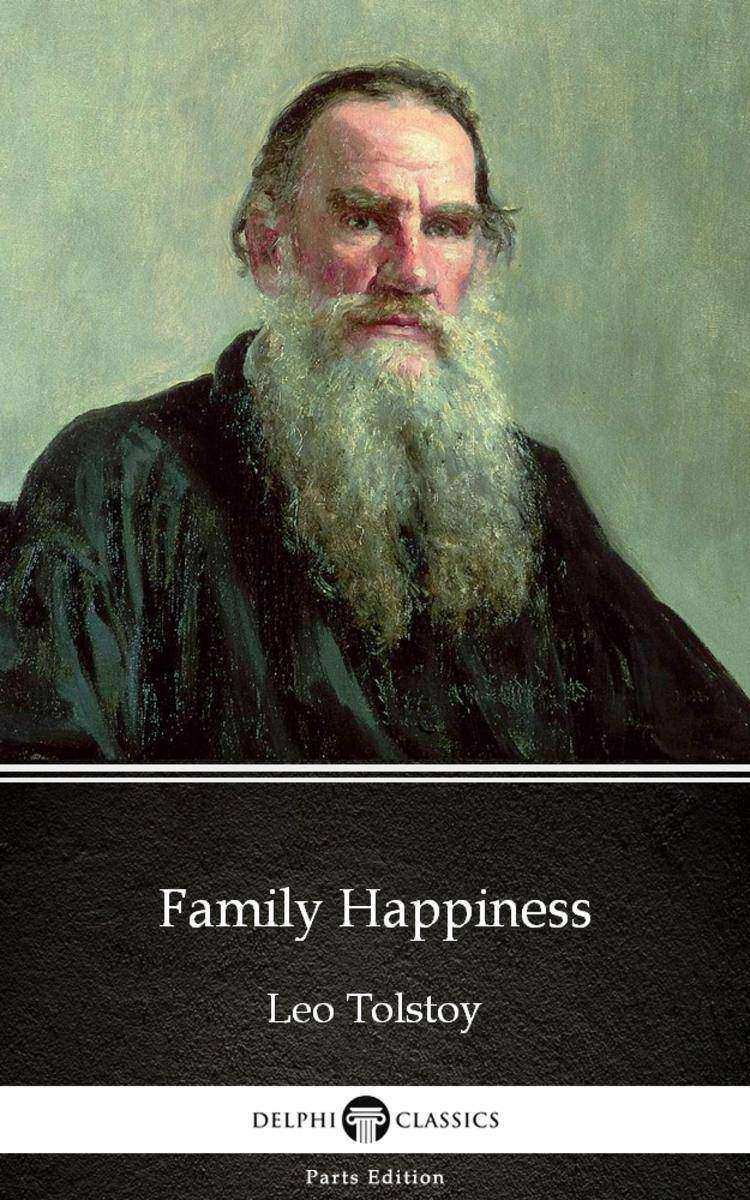
Family Happiness by Leo Tolstoy (Illustrated)
¥8.09
This eBook features the unabridged text of ‘Family Happiness’ from the bestselling edition of ‘The Complete Works of Leo Tolstoy’. Having established their name as the leading publisher of classic literature and art, Delphi Classics produce publications that are individually crafted with superior formatting, while introducing many rare texts for the first time in digital print. The Delphi Classics edition of Tolstoy includes original annotations and illustrations relating to the life and works of the author, as well as individual tables of contents, allowing you to navigate eBooks quickly and easily.eBook features:* The complete unabridged text of ‘Family Happiness’* Beautifully illustrated with images related to Tolstoy’s works* Individual contents table, allowing easy navigation around the eBook* Excellent formatting of the textPlease visit www.delphiclassics.com to learn more about our wide range of titles

Anna Karenina by Leo Tolstoy (Illustrated)
¥8.09
This eBook features the unabridged text of ‘Anna Karenina’ from the bestselling edition of ‘The Complete Works of Leo Tolstoy’. Having established their name as the leading publisher of classic literature and art, Delphi Classics produce publications that are individually crafted with superior formatting, while introducing many rare texts for the first time in digital print. The Delphi Classics edition of Tolstoy includes original annotations and illustrations relating to the life and works of the author, as well as individual tables of contents, allowing you to navigate eBooks quickly and easily.eBook features:* The complete unabridged text of ‘Anna Karenina’* Beautifully illustrated with images related to Tolstoy’s works* Individual contents table, allowing easy navigation around the eBook* Excellent formatting of the textPlease visit www.delphiclassics.com to learn more about our wide range of titles

The Call of the Wild by Jack London (Illustrated)
¥8.09
This eBook features the unabridged text of ‘The Call of the Wild’ from the bestselling edition of ‘The Complete Works of Jack London’. Having established their name as the leading publisher of classic literature and art, Delphi Classics produce publications that are individually crafted with superior formatting, while introducing many rare texts for the first time in digital print. The Delphi Classics edition of London includes original annotations and illustrations relating to the life and works of the author, as well as individual tables of contents, allowing you to navigate eBooks quickly and easily.eBook features:* The complete unabridged text of ‘The Call of the Wild’* Beautifully illustrated with images related to London’s works* Individual contents table, allowing easy navigation around the eBook* Excellent formatting of the textPlease visit www.delphiclassics.com to learn more about our wide range of titles

Crime and Punishment by Fyodor Dostoyevsky
¥8.09
This eBook features the unabridged text of ‘Crime and Punishment’ from the bestselling edition of ‘The Complete Works of Fyodor Dostoyevsky’. Having established their name as the leading publisher of classic literature and art, Delphi Classics produce publications that are individually crafted with superior formatting, while introducing many rare texts for the first time in digital print. The Delphi Classics edition of Dostoyevsky includes original annotations and illustrations relating to the life and works of the author, as well as individual tables of contents, allowing you to navigate eBooks quickly and easily. eBook features:* The complete unabridged text of ‘Crime and Punishment’* Beautifully illustrated with images related to Dostoyevsky’s works* Individual contents table, allowing easy navigation around the eBook* Excellent formatting of the textPlease visit www.delphiclassics.com to learn more about our wide range of titles

Love and Mr. Lewisham by H. G. Wells (Illustrated)
¥8.09
This eBook features the unabridged text of ‘Love and Mr. Lewisham’ from the bestselling edition of ‘The Complete Works of H. G. Wells’. Having established their name as the leading publisher of classic literature and art, Delphi Classics produce publications that are individually crafted with superior formatting, while introducing many rare texts for the first time in digital print. The Delphi Classics edition of Wells includes original annotations and illustrations relating to the life and works of the author, as well as individual tables of contents, allowing you to navigate eBooks quickly and easily.eBook features:* The complete unabridged text of ‘Love and Mr. Lewisham’* Beautifully illustrated with images related to Wells’s works* Individual contents table, allowing easy navigation around the eBook* Excellent formatting of the textPlease visit www.delphiclassics.com to learn more about our wide range of titles

The World Set Free by H. G. Wells (Illustrated)
¥8.09
This eBook features the unabridged text of ‘The World Set Free’ from the bestselling edition of ‘The Complete Works of H. G. Wells’. Having established their name as the leading publisher of classic literature and art, Delphi Classics produce publications that are individually crafted with superior formatting, while introducing many rare texts for the first time in digital print. The Delphi Classics edition of Wells includes original annotations and illustrations relating to the life and works of the author, as well as individual tables of contents, allowing you to navigate eBooks quickly and easily.eBook features:* The complete unabridged text of ‘The World Set Free’* Beautifully illustrated with images related to Wells’s works* Individual contents table, allowing easy navigation around the eBook* Excellent formatting of the textPlease visit www.delphiclassics.com to learn more about our wide range of titles

Bealby:A Holiday by H. G. Wells (Illustrated)
¥8.09
This eBook features the unabridged text of ‘Bealby: A Holiday’ from the bestselling edition of ‘The Complete Works of H. G. Wells’. Having established their name as the leading publisher of classic literature and art, Delphi Classics produce publications that are individually crafted with superior formatting, while introducing many rare texts for the first time in digital print. The Delphi Classics edition of Wells includes original annotations and illustrations relating to the life and works of the author, as well as individual tables of contents, allowing you to navigate eBooks quickly and easily.eBook features:* The complete unabridged text of ‘Bealby: A Holiday’* Beautifully illustrated with images related to Wells’s works* Individual contents table, allowing easy navigation around the eBook* Excellent formatting of the textPlease visit www.delphiclassics.com to learn more about our wide range of titles
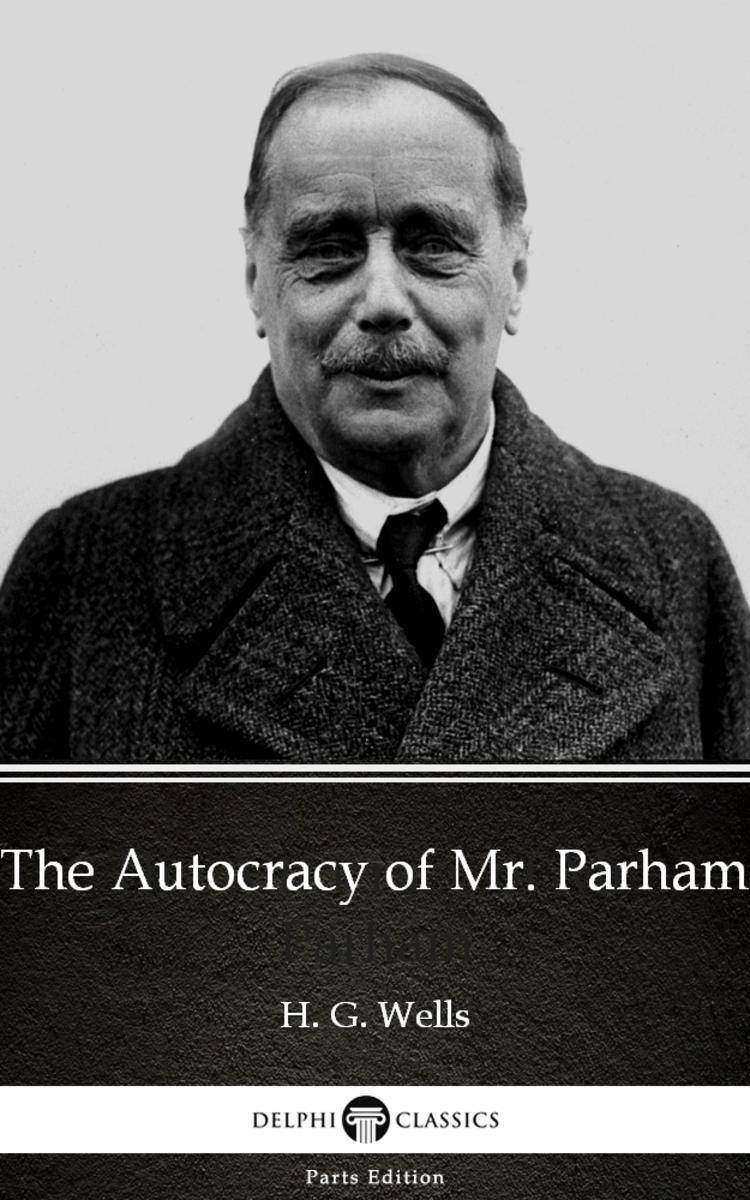
The Autocracy of Mr. Parham by H. G. Wells (Illustrated)
¥8.09
This eBook features the unabridged text of ‘The Autocracy of Mr. Parham’ from the bestselling edition of ‘The Complete Works of H. G. Wells’. Having established their name as the leading publisher of classic literature and art, Delphi Classics produce publications that are individually crafted with superior formatting, while introducing many rare texts for the first time in digital print. The Delphi Classics edition of Wells includes original annotations and illustrations relating to the life and works of the author, as well as individual tables of contents, allowing you to navigate eBooks quickly and easily.eBook features:* The complete unabridged text of ‘The Autocracy of Mr. Parham’* Beautifully illustrated with images related to Wells’s works* Individual contents table, allowing easy navigation around the eBook* Excellent formatting of the textPlease visit www.delphiclassics.com to learn more about our wide range of titles
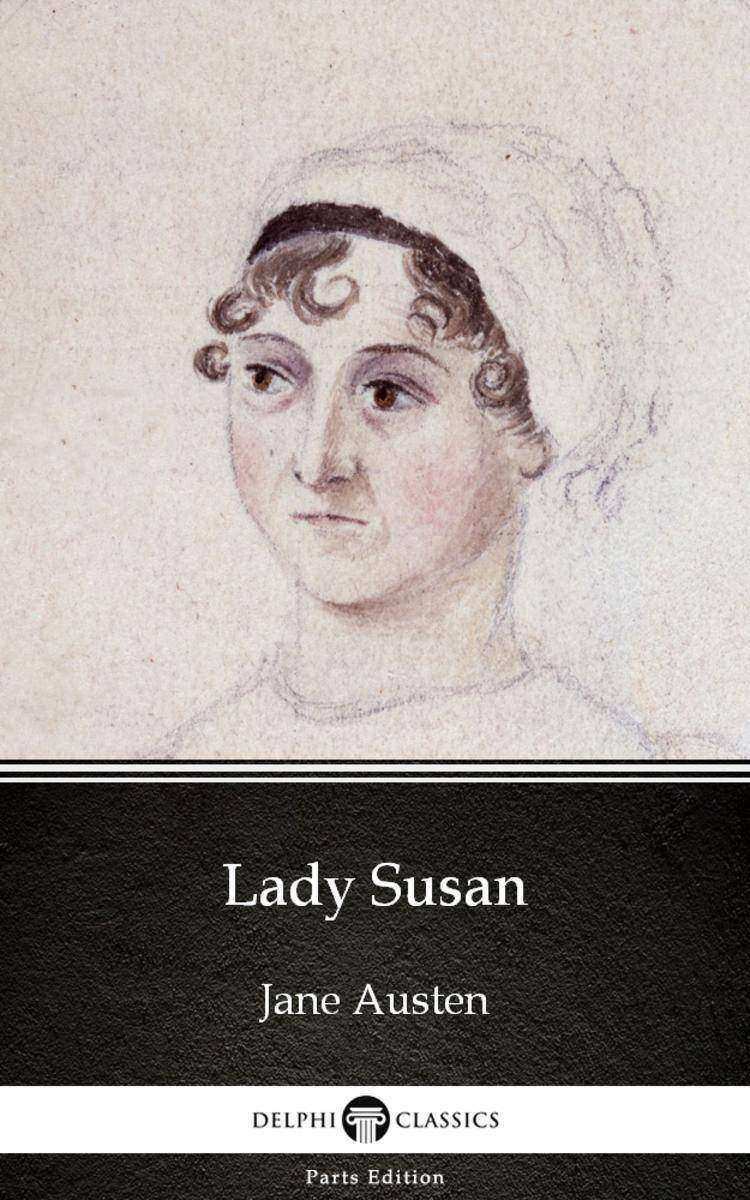
Lady Susan by Jane Austen (Illustrated)
¥8.09
This eBook features the unabridged text of ‘Lady Susan’ from the bestselling edition of ‘The Complete Works of Jane Austen’. Having established their name as the leading publisher of classic literature and art, Delphi Classics produce publications that are individually crafted with superior formatting, while introducing many rare texts for the first time in digital print. The Delphi Classics edition of Austen includes original annotations and illustrations relating to the life and works of the author, as well as individual tables of contents, allowing you to navigate eBooks quickly and easily.eBook features:* The complete unabridged text of ‘Lady Susan’* Beautifully illustrated with images related to Austen’s works* Individual contents table, allowing easy navigation around the eBook* Excellent formatting of the textPlease visit www.delphiclassics.com to learn more about our wide range of titles
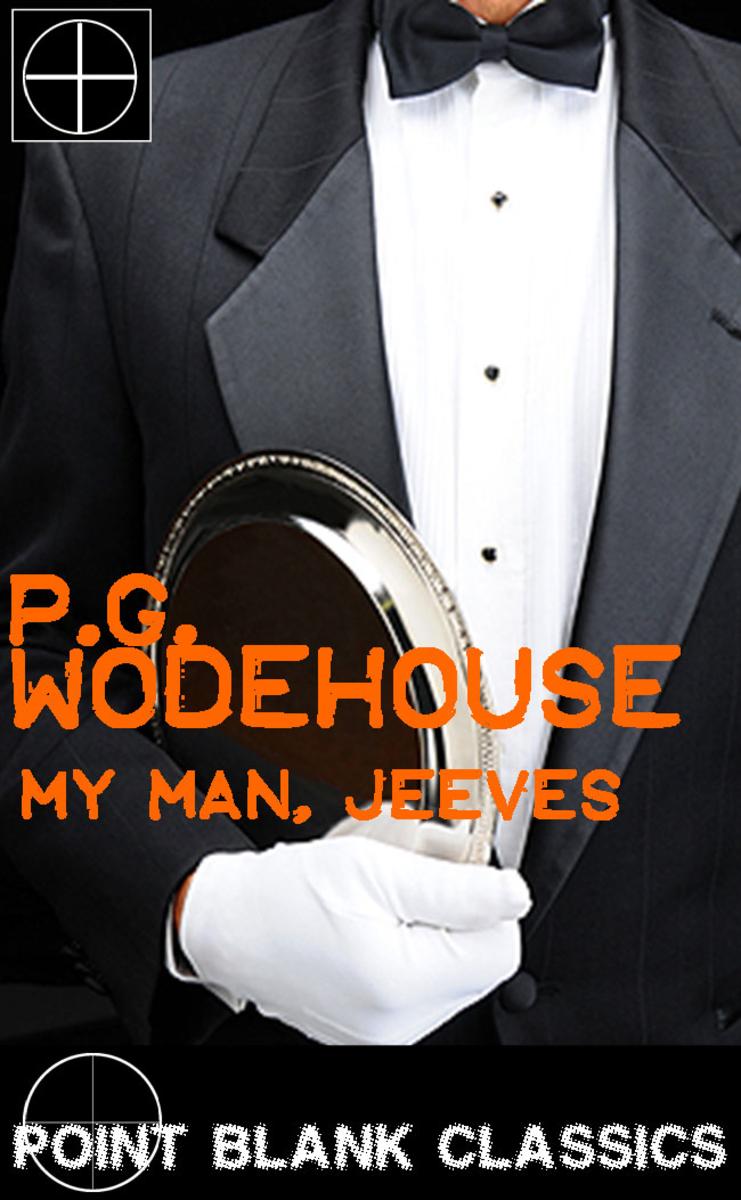
My Man Jeeves
¥8.09
This Point Blank Classics edition includes the full original text as well as an easy to use interactive table of contents. My Man Jeeves is a collection of short stories by P. G. Wodehouse, first published in the United Kingdom in May 1919 by George Newnes. Of the eight stories in the collection, half feature the popular characters Jeeves and Bertie Wooster, while the others concern Reggie Pepper, an early prototype for Wooster. Although the book was not published in the United States, all the stories had appeared there, mostly in The Saturday Evening Post or Collier's Weekly, and in the Strand in the UK, prior to the publication of the UK book. Several appeared later in rewritten form in Carry on, Jeeves (1925), such as "Helping Freddie", which in its later incarnation was called "Fixing It for Freddie" and featured Jeeves and Wooster. The other Reggie Pepper stories were included in the U.S. version of The Man with Two Left Feet (1917).Jeeves and Wooster had first appeared in the short story "Extricating Young Gussie", which appeared in the Saturday Evening Post in 1915, and was included in The Man with Two Left Feet.
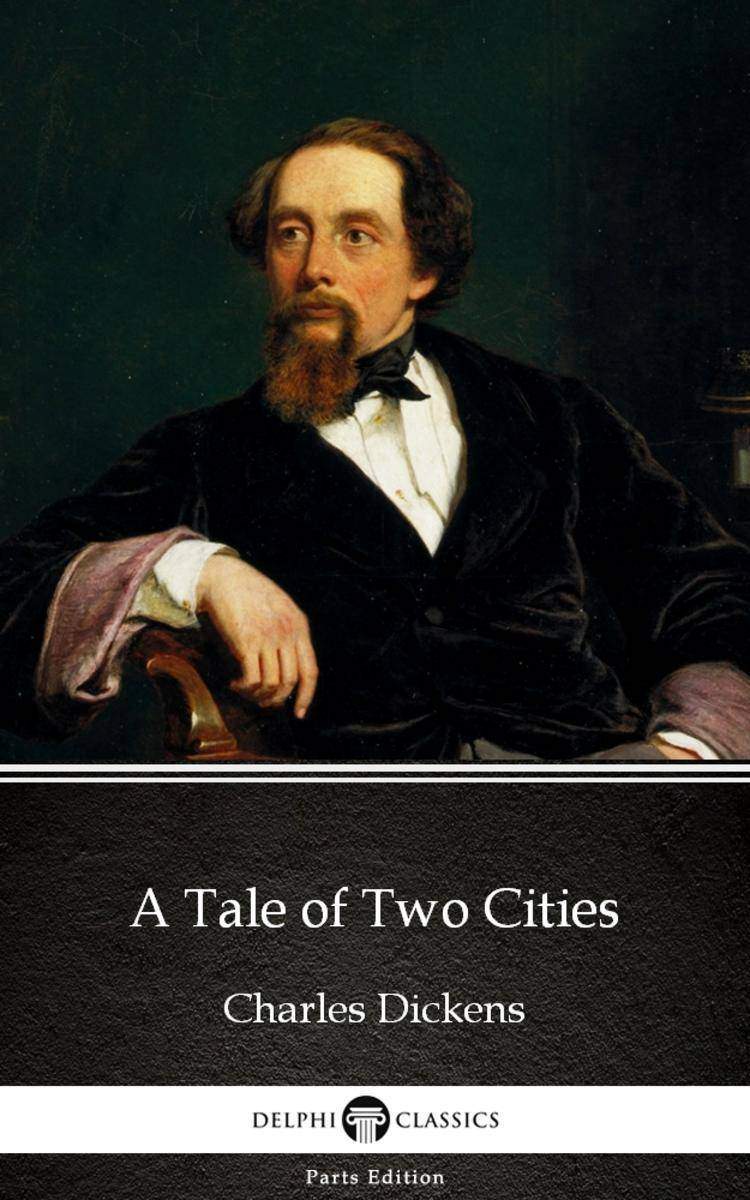
A Tale of Two Cities by Charles Dickens (Illustrated)
¥8.09
This eBook features the unabridged text of ‘A Tale of Two Cities’ from the bestselling edition of ‘The Complete Works of Charles Dickens’. Having established their name as the leading publisher of classic literature and art, Delphi Classics produce publications that are individually crafted with superior formatting, while introducing many rare texts for the first time in digital print. The Delphi Classics edition of Dickens includes original annotations and illustrations relating to the life and works of the author, as well as individual tables of contents, allowing you to navigate eBooks quickly and easily.eBook features:* The complete unabridged text of ‘A Tale of Two Cities’* Beautifully illustrated with images related to Dickens’s works* Individual contents table, allowing easy navigation around the eBook* Excellent formatting of the textPlease visit www.delphiclassics.com to learn more about our wide range of titles
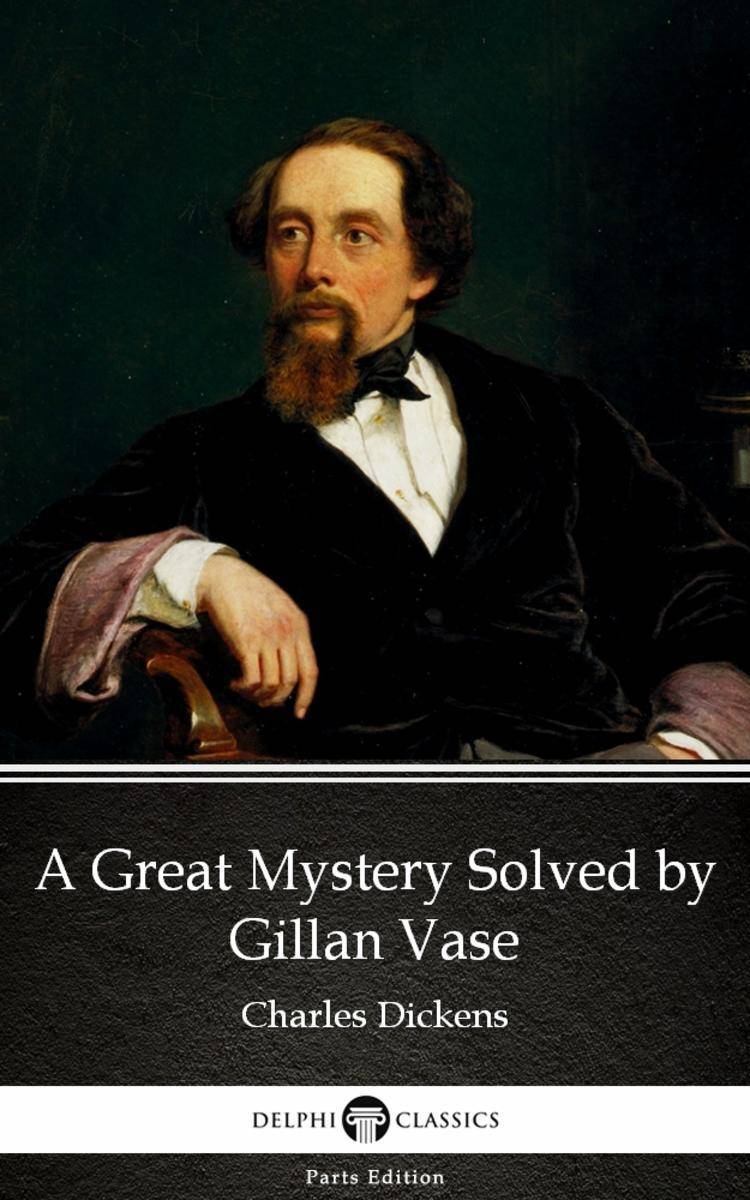
A Great Mystery Solved by Gillan Vase (Illustrated)
¥8.09
This eBook features the unabridged text of ‘A Great Mystery Solved by Gillan Vase’ from the bestselling edition of ‘The Complete Works of Charles Dickens’. Having established their name as the leading publisher of classic literature and art, Delphi Classics produce publications that are individually crafted with superior formatting, while introducing many rare texts for the first time in digital print. The Delphi Classics edition of Dickens includes original annotations and illustrations relating to the life and works of the author, as well as individual tables of contents, allowing you to navigate eBooks quickly and easily.eBook features:* The complete unabridged text of ‘A Great Mystery Solved by Gillan Vase’* Beautifully illustrated with images related to Dickens’s works* Individual contents table, allowing easy navigation around the eBook* Excellent formatting of the textPlease visit www.delphiclassics.com to learn more about our wide range of titles

A Christmas Carol by Charles Dickens (Illustrated)
¥8.09
This eBook features the unabridged text of ‘A Christmas Carol’ from the bestselling edition of ‘The Complete Works of Charles Dickens’. Having established their name as the leading publisher of classic literature and art, Delphi Classics produce publications that are individually crafted with superior formatting, while introducing many rare texts for the first time in digital print. The Delphi Classics edition of Dickens includes original annotations and illustrations relating to the life and works of the author, as well as individual tables of contents, allowing you to navigate eBooks quickly and easily.eBook features:* The complete unabridged text of ‘A Christmas Carol’* Beautifully illustrated with images related to Dickens’s works* Individual contents table, allowing easy navigation around the eBook* Excellent formatting of the textPlease visit www.delphiclassics.com to learn more about our wide range of titles

The Autobiography of Benjamin Franklin
¥8.09
Space and Time are pleased to bring you this classic presented as a wonderfully presented edition with a fully interactive table of contents.
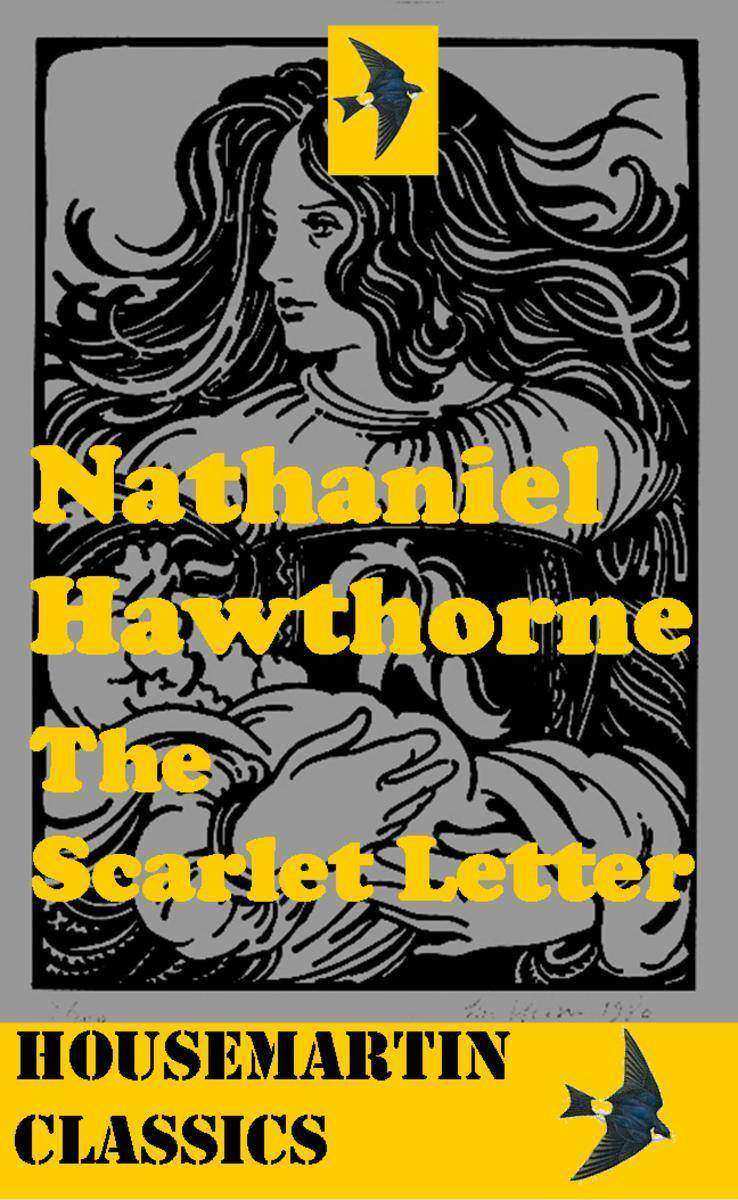
The Scarlet Letter
¥8.09
This Housemartin Classics edition includes the full original text as well as an easy to use interactive table of contents.
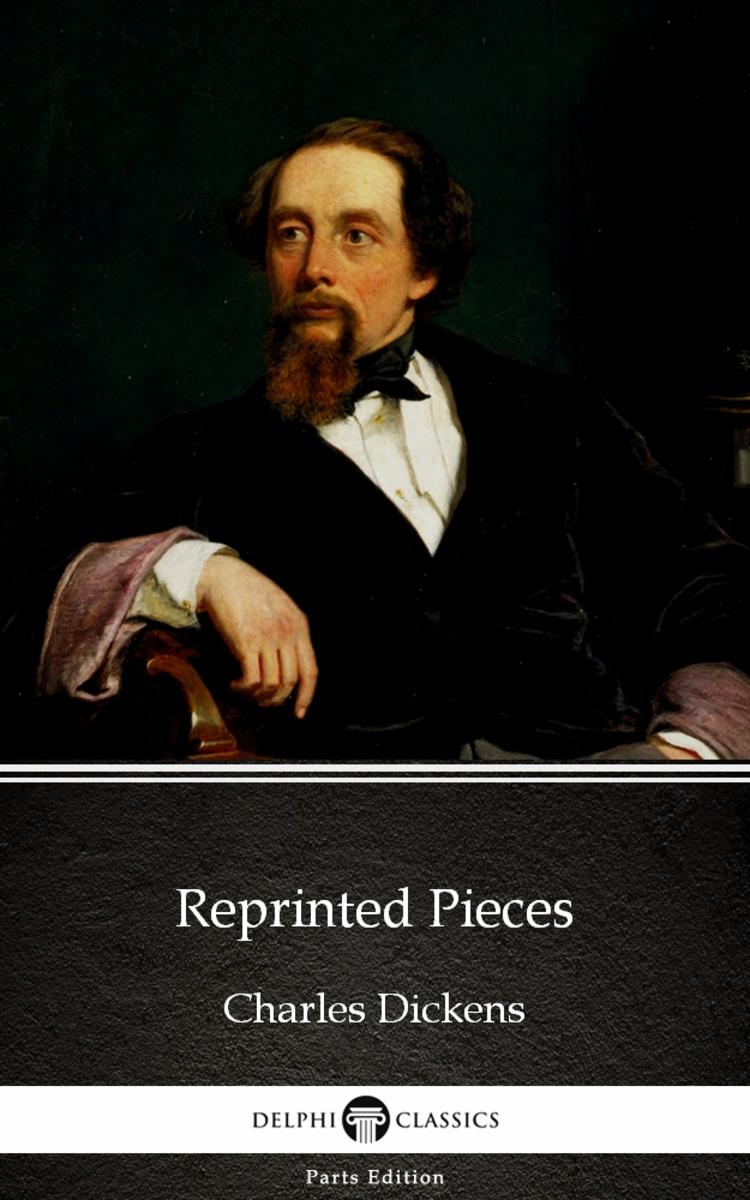
Reprinted Pieces by Charles Dickens (Illustrated)
¥8.09
This eBook features the unabridged text of ‘Reprinted Pieces’ from the bestselling edition of ‘The Complete Works of Charles Dickens’. Having established their name as the leading publisher of classic literature and art, Delphi Classics produce publications that are individually crafted with superior formatting, while introducing many rare texts for the first time in digital print. The Delphi Classics edition of Dickens includes original annotations and illustrations relating to the life and works of the author, as well as individual tables of contents, allowing you to navigate eBooks quickly and easily.eBook features:* The complete unabridged text of ‘Reprinted Pieces’* Beautifully illustrated with images related to Dickens’s works* Individual contents table, allowing easy navigation around the eBook* Excellent formatting of the textPlease visit www.delphiclassics.com to learn more about our wide range of titles

A Tramp Abroad
¥8.09
This Tribeca Press edition includes the full original text as well as exclusive images exclusive to this edition and an easy to use interactive table of contents.
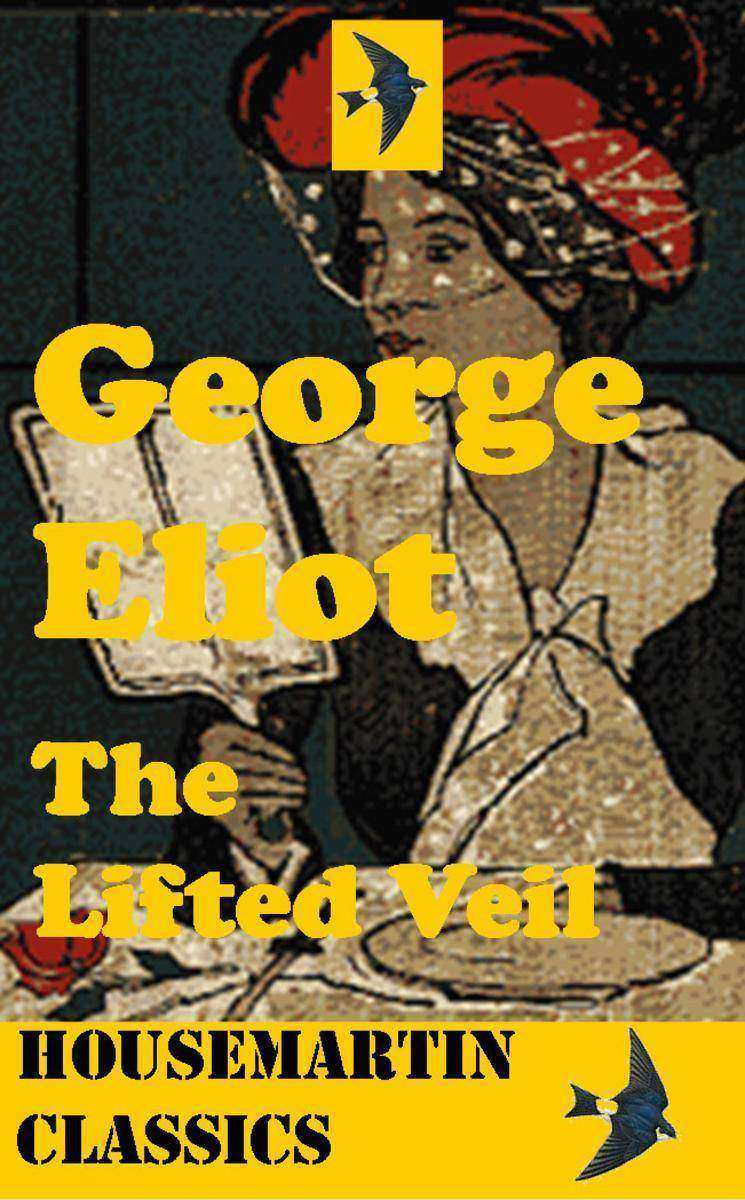
The Lifted Veil
¥8.09
This Tribeca Press edition includes the full original text as well as exclusive images exclusive to this edition and an easy to use interactive table of contents.


