


 购物车
购物车 个人中心
个人中心
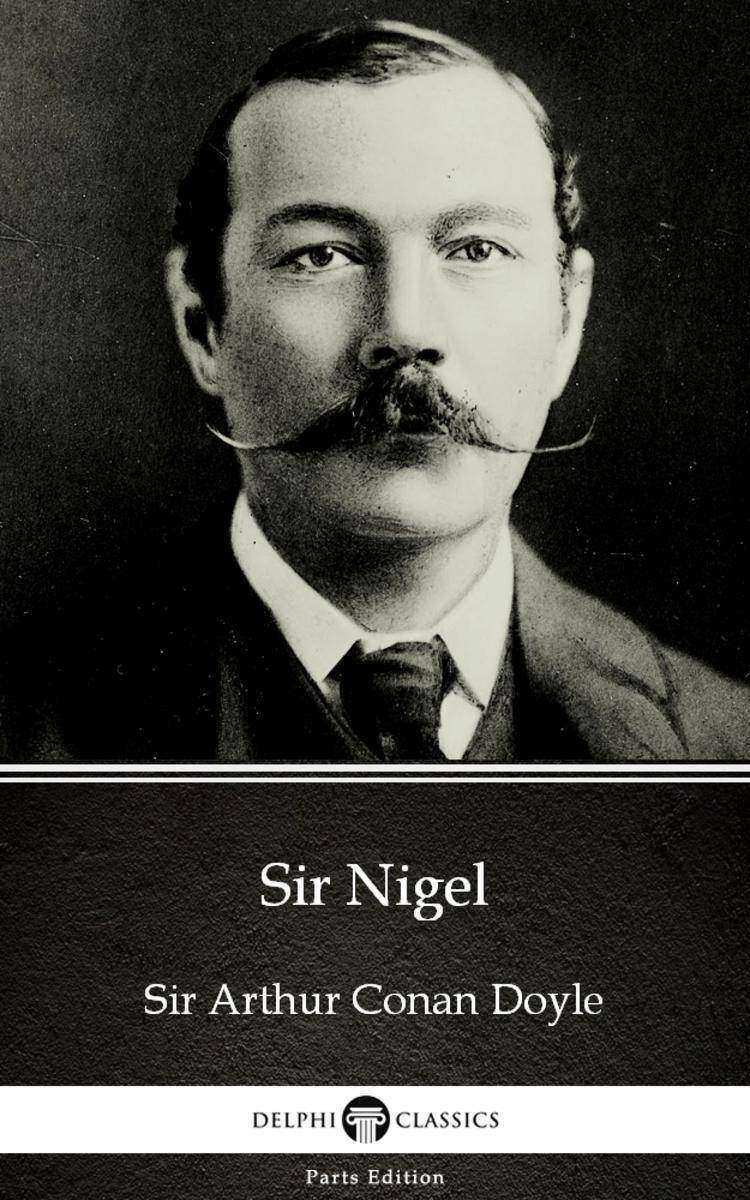
Sir Nigel by Sir Arthur Conan Doyle (Illustrated)
¥8.09
This eBook features the unabridged text of ‘Sir Nigel’ from the bestselling edition of ‘The Complete Works of Sir Arthur Conan Doyle’. Having established their name as the leading publisher of classic literature and art, Delphi Classics produce publications that are individually crafted with superior formatting, while introducing many rare texts for the first time in digital print. The Delphi Classics edition of Doyle includes original annotations and illustrations relating to the life and works of the author, as well as individual tables of contents, allowing you to navigate eBooks quickly and easily.eBook features:* The complete unabridged text of ‘Sir Nigel’* Beautifully illustrated with images related to Doyle’s works* Individual contents table, allowing easy navigation around the eBook* Excellent formatting of the textPlease visit www.delphiclassics.com to learn more about our wide range of titles
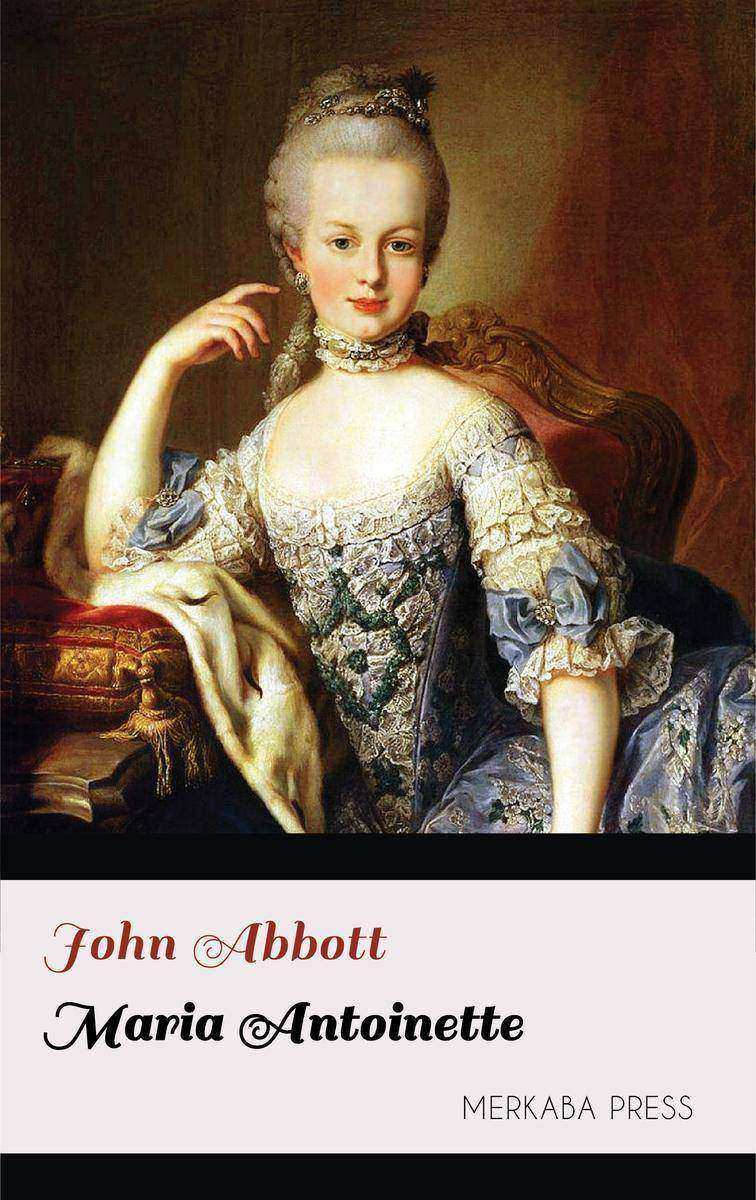
Maria Antoinette
¥8.09
Maria Antoinette
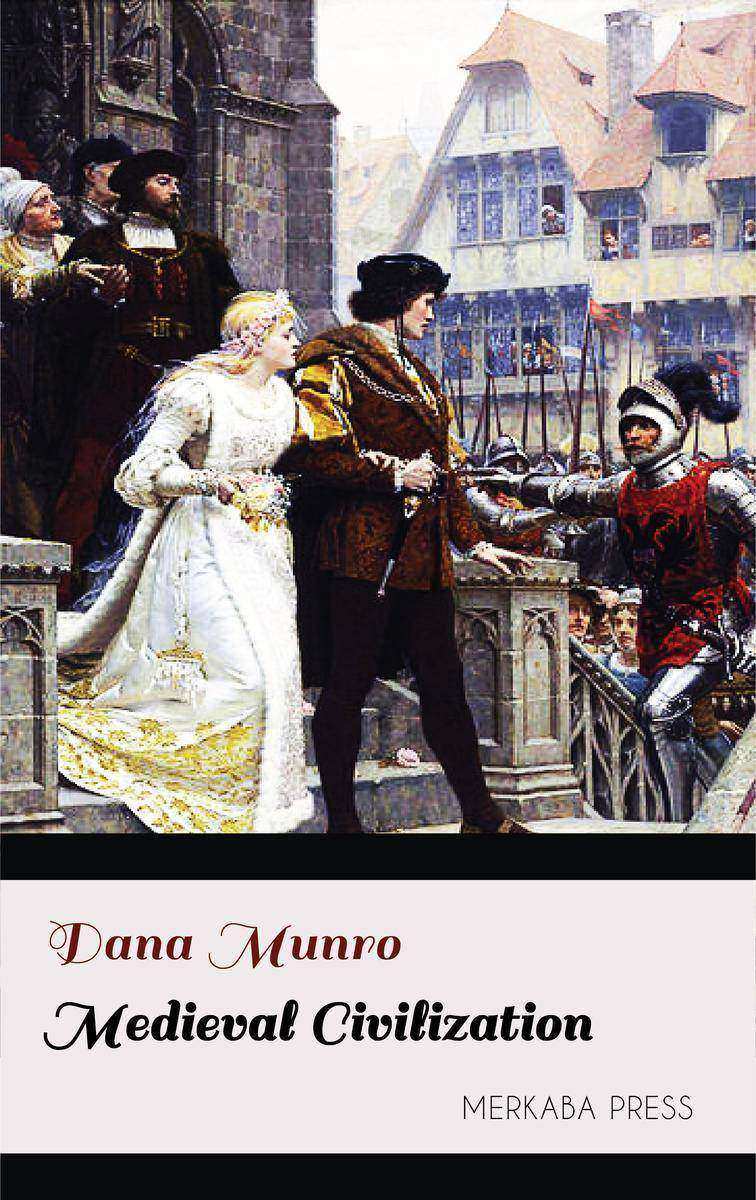
Medieval Civilization
¥8.09
Medieval Civilization
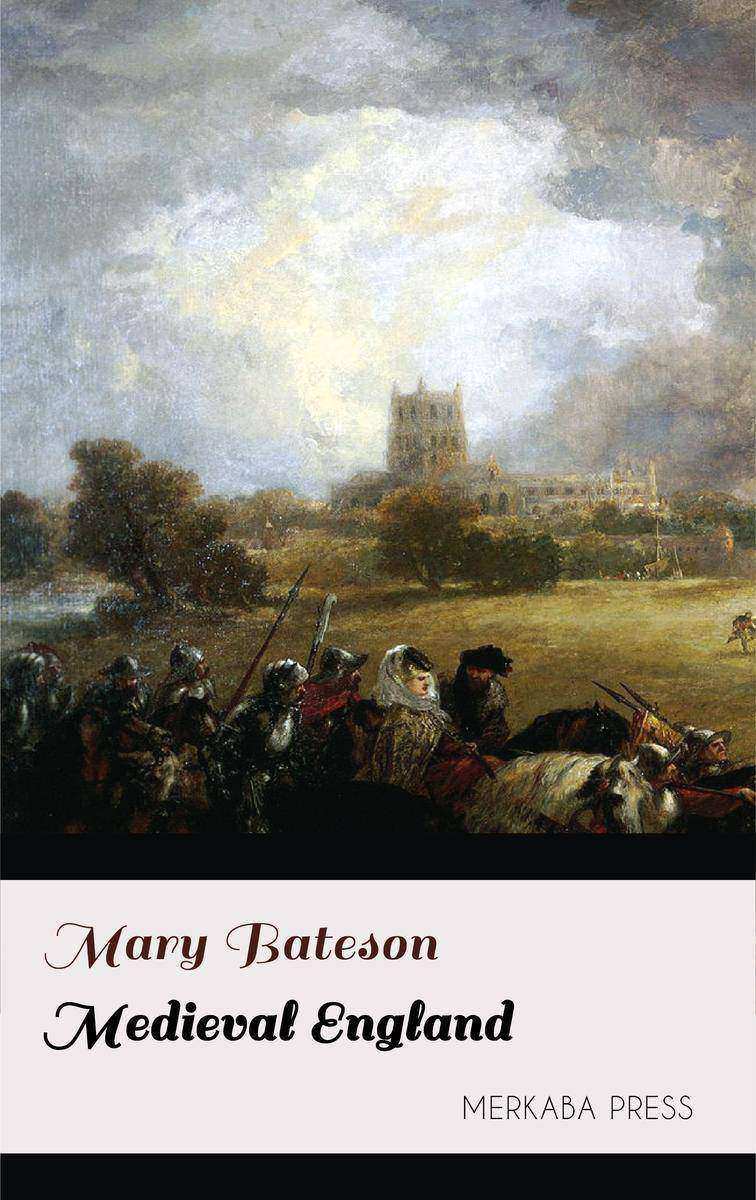
Medieval England
¥8.09
Medieval England

Nietzsche
¥8.09
Nietzsche
Oliver Twist
¥8.09
Oliver Twist
On the Origin of Species
¥8.09
On the Origin of Species
Sand - Flaubert Letters
¥8.09
Classic literary correspondence in English translation. According to Wikipedia: "Amandine Aurore Lucile Dupin, Baroness Dudevant (July 1, 1804 – June 8, 1876), best known by her pseudonym George Sand, was a French novelist and feminist.... A liaison with the writer Jules Sandeau heralded her literary debut. They published a few stories in collaboration, signing them "Jules Sand." She consequently adopted, for her first independent novel, Indiana (1832) , the pen name that made her famous – George Sand. Her first published novel, Rose et Blanche (1831), was written in collaboration with Jules Sandeau. Drawing from her childhood experiences of the countryside, she wrote the rural novels La Mare au Diable (1846), Fran?ois le Champi (1847–1848), La Petite Fadette (1849), and Les Beaux Messieurs Bois-Doré (1857). A Winter in Majorca described the period that she and Chopin spent on that island in 1838-9. Her other novels include Indiana (1832), Lélia (1833), Mauprat (1837), Le Compagnon du Tour de France (1840), Consuelo (1842–1843), and Le Meunier d'Angibault (1845). Further theatre pieces and autobiographical pieces include Histoire de ma vie (1855), Elle et Lui (1859) (about her affair with Musset), Journal Intime, and Correspondence..... Also according to Wikipedia: "Gustave Flaubert (December 12, 1821 – May 8, 1880) was a French writer who is counted among the greatest Western novelists. He is known especially for his first published novel, Madame Bovary (1857), and for his scrupulous devotion to his art and style, best exemplified by his endless search for "le mot juste" ("the precise word")."

The Pavillion on the Links
¥8.09
Classic long short story. According to Wikipedia: "Robert Louis (Balfour) Stevenson ( 1850 - 1894), was a Scottish novelist, poet, and travel writer, and a leading representative of Neo-romanticism in English literature. He was the man who "seemed to pick the right word up on the point of his pen, like a man playing spillikins", as G. K. Chesterton put it. He was also greatly admired by many authors, including Jorge Luis Borges, Ernest Hemingway, Rudyard Kipling, Vladimir Nabokov, and J. M. Barrie. Most modernist writers dismissed him, however, because he was popular and did not write within their definition of modernism. It is only recently that critics have begun to look beyond Stevenson's popularity and allow him a place in the canon."
The Fatal Boots
¥8.09
Classic long story or short novel. According to Wikipedia: "Thackeray is most often compared to one other great novelist of Victorian literature, Charles Dickens. During the Victorian era, he was ranked second only to Dickens, but he is now much less read and is known almost exclusively for Vanity Fair. In that novel he was able to satirize whole swaths of humanity while retaining a light touch. It also features his most memorable character, the engagingly roguish Becky Sharp. As a result, unlike Thackeray's other novels, it remains popular with the general reading public; it is a standard fixture in university courses and has been repeatedly adapted for movies and television. In Thackeray's own day, some commentators, such as Anthony Trollope, ranked his History of Henry Esmond as his greatest work, perhaps because it expressed Victorian values of duty and earnestness, as did some of his other later novels. It is perhaps for this reason that they have not survived as well as Vanity Fair, which satirizes those values."
George Cruikshank
¥8.09
Classic long story. According to Wikipedia: "Thackeray is most often compared to one other great novelist of Victorian literature, Charles Dickens. During the Victorian era, he was ranked second only to Dickens, but he is now much less read and is known almost exclusively for Vanity Fair. In that novel he was able to satirize whole swaths of humanity while retaining a light touch. It also features his most memorable character, the engagingly roguish Becky Sharp. As a result, unlike Thackeray's other novels, it remains popular with the general reading public; it is a standard fixture in university courses and has been repeatedly adapted for movies and television. In Thackeray's own day, some commentators, such as Anthony Trollope, ranked his History of Henry Esmond as his greatest work, perhaps because it expressed Victorian values of duty and earnestness, as did some of his other later novels. It is perhaps for this reason that they have not survived as well as Vanity Fair, which satirizes those values."
Dead Men Tell No Tales
¥8.09
Classic mystery/detective novel. According to Wikipedia: "Ernest William Hornung (June 7, 1866 – March 22, 1921)... was an English author, most famous for writing the Raffles series of novels about a gentleman thief in late Victorian London. Hornung was the third son of John Peter Hornung, a Hungarian, and was born in Middlesbrough, England. He was educated at Uppingham School during some of the later years of its great headmaster, Edward Thring. He spent most of his life in England and France, but in 1884 left for Australia and stayed for two years where he working as a tutor at Mossgiel station. Although his Australian experience had been so short, it coloured most of his literary work from A Bride from the Bush published in 1899, to Old Offenders and a few Old Scores, which appeared after his death. He returned from Australia in 1886, and married Constance ("Connie") Doyle (1868-1924), the sister of Sir Arthur Conan Doyle in 1893. Hornung published the poems Bond and Free and Wooden Crosses in The Times. The character of A. J. Raffles, a "gentleman thief", first appeared in Cassell's Magazine in 1898 and the stories were later collected as The Amateur Cracksman (1899). Other titles in the series include The Black Mask (1901), A Thief in the Night (1905), and the full-length novel Mr. Justice Raffles (1909).."
The Gambler
¥8.09
According to Wikipedia: "The Gambler is a short novel by Fyodor Dostoevsky about a young tutor in the employment of a formerly wealthy Russian general. The novella reflects Dostoevsky's own addiction to roulette, which was in more ways than one the inspiration for the book: Dostoevsky completed the novella under a strict deadline to pay off gambling debts."
Raffles, Further Adventures of the Amateur Cracksman
¥8.09
Classic mystery/detective novel. According to Wikipedia: "Ernest William Hornung (June 7, 1866 – March 22, 1921)... was an English author, most famous for writing the Raffles series of novels about a gentleman thief in late Victorian London. Hornung was the third son of John Peter Hornung, a Hungarian, and was born in Middlesbrough, England. He was educated at Uppingham School during some of the later years of its great headmaster, Edward Thring. He spent most of his life in England and France, but in 1884 left for Australia and stayed for two years where he working as a tutor at Mossgiel station. Although his Australian experience had been so short, it coloured most of his literary work from A Bride from the Bush published in 1899, to Old Offenders and a few Old Scores, which appeared after his death. He returned from Australia in 1886, and married Constance ("Connie") Doyle (1868-1924), the sister of Sir Arthur Conan Doyle in 1893. Hornung published the poems Bond and Free and Wooden Crosses in The Times. The character of A. J. Raffles, a "gentleman thief", first appeared in Cassell's Magazine in 1898 and the stories were later collected as The Amateur Cracksman (1899). Other titles in the series include The Black Mask (1901), A Thief in the Night (1905), and the full-length novel Mr. Justice Raffles (1909). He also co-wrote the play Raffles, The Amateur Cracksman with Eugene Presbrey in 1903."
A Garland for Girls
¥8.09
Classic novel by the author of "Little Women". According to Wikipedia: "Louisa May Alcott (1832 – 1888) was an American novelist. She is best known for the novel Little Women, published in 1868. This novel is loosely based on her childhood experiences with her three sisters."
Pauline's Passion and Punishment
¥8.09
Classic novel by the author of "Little Women". According to Wikipedia: "Louisa May Alcott (1832 – 1888) was an American novelist. She is best known for the novel Little Women, published in 1868. This novel is loosely based on her childhood experiences with her three sisters."
A Vindication of the Rights of Woman
¥8.09
Seminal work on the rights of woman. According to Wikipedia: "A Vindication of the Rights of Woman: with Strictures on Political and Moral Subjects (1792), written by the 18th-century British feminist Mary Wollstonecraft, is one of the earliest works of feminist philosophy. In it, Wollstonecraft responds to those educational and political theorists of the 18th century who did not believe women should have an education. She argues that women ought to have an education commensurate with their position in society, claiming that women are essential to the nation because they educate its children and because they could be "companions" to their husbands, rather than mere wives. Instead of viewing women as ornaments to society or property to be traded in marriage, Wollstonecraft maintains that they are human beings deserving of the same fundamental rights as men. Wollstonecraft was prompted to write the Rights of Woman after reading Charles Maurice de Talleyrand-Périgord's 1791 report to the French National Assembly, which stated that women should only receive a domestic education; she used her commentary on this specific event to launch a broad attack against sexual double standards and to indict men for encouraging women to indulge in excessive emotion. Wollstonecraft wrote the Rights of Woman hurriedly in order to respond directly to ongoing events; she intended to write a more thoughtful second volume but died before completing it."
Fenimore Cooper's Literary Offenses
¥8.09
Short humorous critical essay. According to Wikipedia: "Samuel Langhorne Clemens (November 30, 1835 - April 21, 1910), better known by the pen name Mark Twain, was a humorist, satirist, lecturer and writer from the United States of America. Twain is most noted for his novels Adventures of Huckleberry Finn, which has since been called the Great American Novel, and The Adventures of Tom Sawyer. He is also known for his quotations. During his lifetime, Twain became a friend to presidents, artists, leading industrialists and European royalty. Twain enjoyed immense public popularity, and his keen wit and incisive satire earned him praise from both critics and peers. American author William Faulkner called Twain 'the father of American literature.'"
Songs of Travel
¥8.09
Short poetry collection. According to Wikipedia: "Robert Louis (Balfour) Stevenson ( 1850 - 1894), was a Scottish novelist, poet, and travel writer, and a leading representative of Neo-romanticism in English literature. He was the man who "seemed to pick the right word up on the point of his pen, like a man playing spillikins", as G. K. Chesterton put it. He was also greatly admired by many authors, including Jorge Luis Borges, Ernest Hemingway, Rudyard Kipling, Vladimir Nabokov, and J. M. Barrie. Most modernist writers dismissed him, however, because he was popular and did not write within their definition of modernism. It is only recently that critics have begun to look beyond Stevenson's popularity and allow him a place in the canon."
A Modern Cinderella, Or The Little Old Shoe and Other Stories
¥8.09
Short stories by the author of "Little Women", including A MODERN CINDERELLA: OR, THE LITTLE OLD SHOE, DEBBY'S DEBUT, BROTHERS, and NELLY'S HOSPITAL. According to Wikipedia: "Louisa May Alcott (1832 – 1888) was an American novelist. She is best known for the novel Little Women, published in 1868. This novel is loosely based on her childhood experiences with her three sisters."
In the Closed Room
¥8.09
Short story for children. According to Wikipedia: "Frances Hodgson Burnett, ( 1849 - 1924) was an English–American playwright and author. She is best known for her children's stories, in particular The Secret Garden, A Little Princess, and Little Lord Fauntleroy. Born Frances Eliza Hodgson in Cheetham Hill, Manchester, her father died in 1854, and the family had to endure poverty and squalor in the Victorian slums of Manchester. Following the death of her mother in 1867, an 18-year-old Frances was now the head of a family of four younger siblings. She turned to writing to support them all, with a first story published in Godey's Lady's Book in 1868. Soon after she was being published regularly in Godey's, Scribner's Monthly, Peterson's Ladies' Magazine and Harper's Bazaar. Her main writing talent was combining realistic detail of working-class life with a romantic plot. Her first novel was published in 1877; That Lass o' Lowrie's was a story of Lancashire life. After moving with her husband to Washington, D.C., Burnett wrote the novels Haworth's (1879), Louisiana (1880), A Fair Barbarian (1881), and Through One Administration (1883), as well as a play, Esmeralda (1881), written with William Gillette...Her later works include Sara Crewe (1888) - later rewritten as A Little Princess (1905); The Lady of Quality (1896) - considered one of the best of her plays; and The Secret Garden (1909), the children's novel for which she is probably best known today. The Lost Prince was published in 1915..."


