


 购物车
购物车 个人中心
个人中心
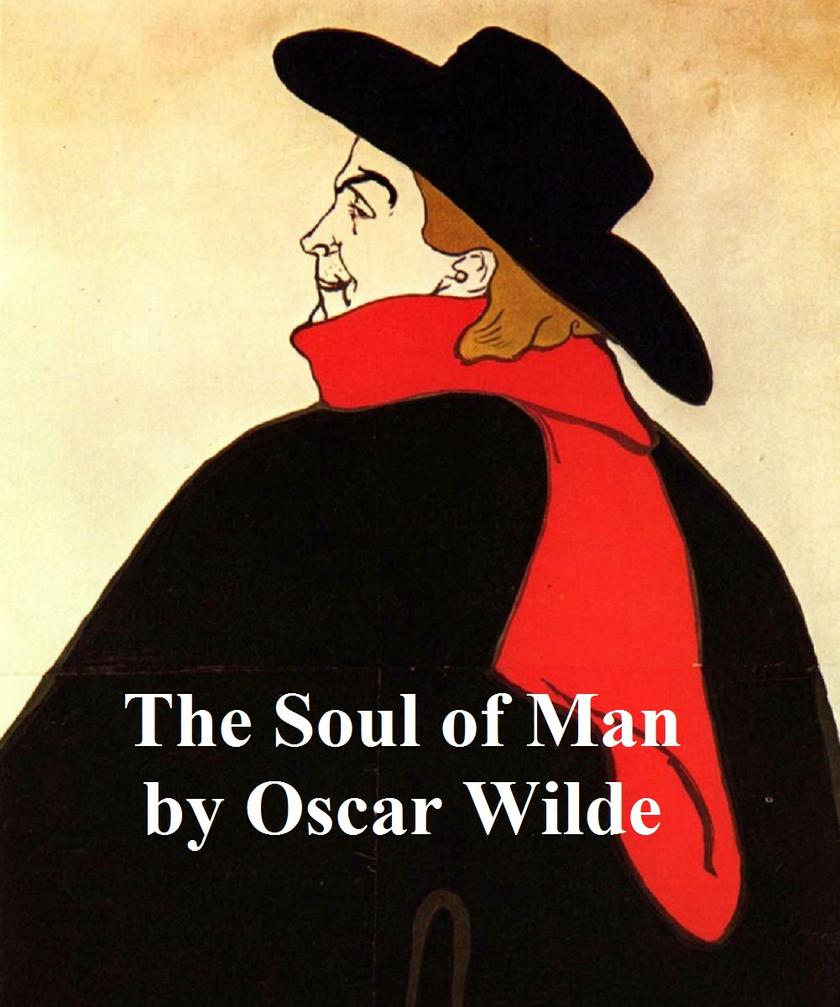
The Soul of Man: An essay
¥8.09
An essay. According to Wikipedia: "Oscar Fingal O'Flahertie Wills Wilde (1854 - 1900) was an Irish playwright, novelist, poet, and author of short stories. Known for his barbed wit, he was one of the most successful playwrights of late Victorian London, and one of the greatest celebrities of his day. As the result of a famous trial, he suffered a dramatic downfall and was imprisoned for two years of hard labour after being convicted of the offence of 'gross indecency.'"
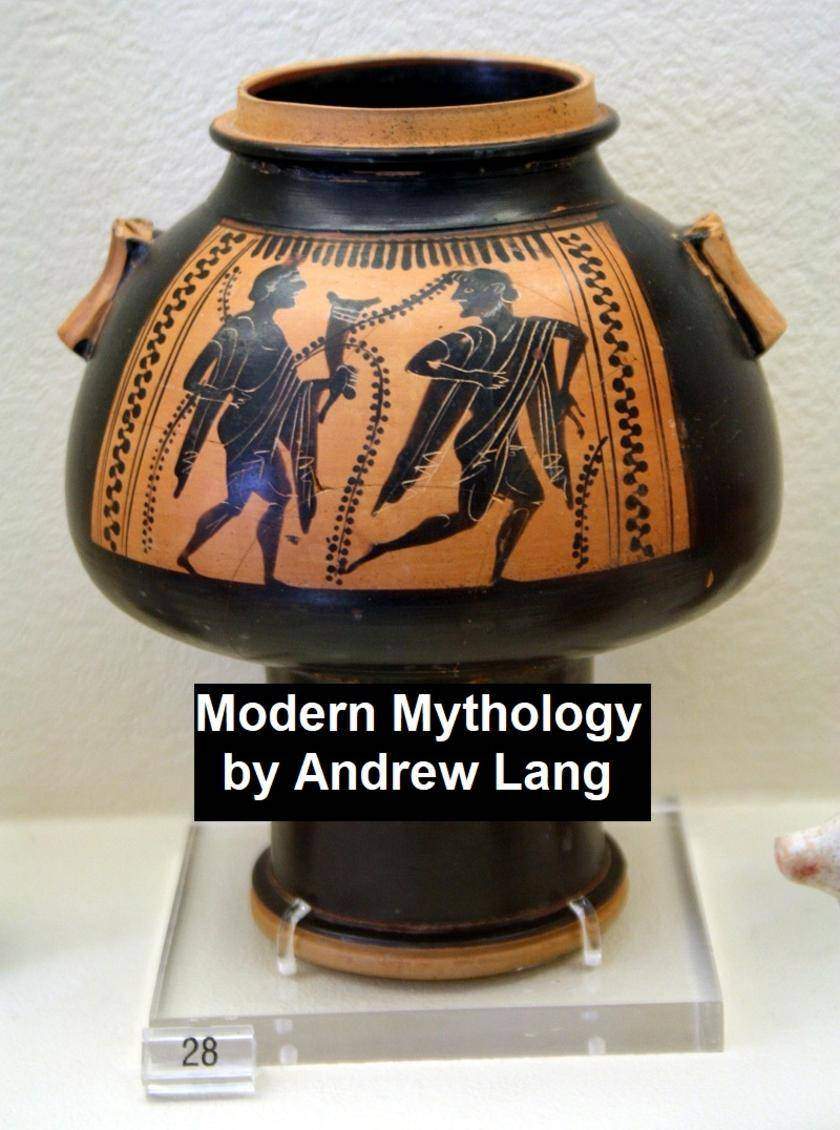
Modern Mythology
¥8.09
Anthropology and theory of myths and myth-making. According to Wikipedia: "Andrew Lang (March 31, 1844, Selkirk - July 20, 1912, Banchory, Kincardineshire) was a prolific Scots man of letters. He was a poet, novelist, and literary critic, and contributor to anthropology. He now is best known as the collector of folk and fairy tales."
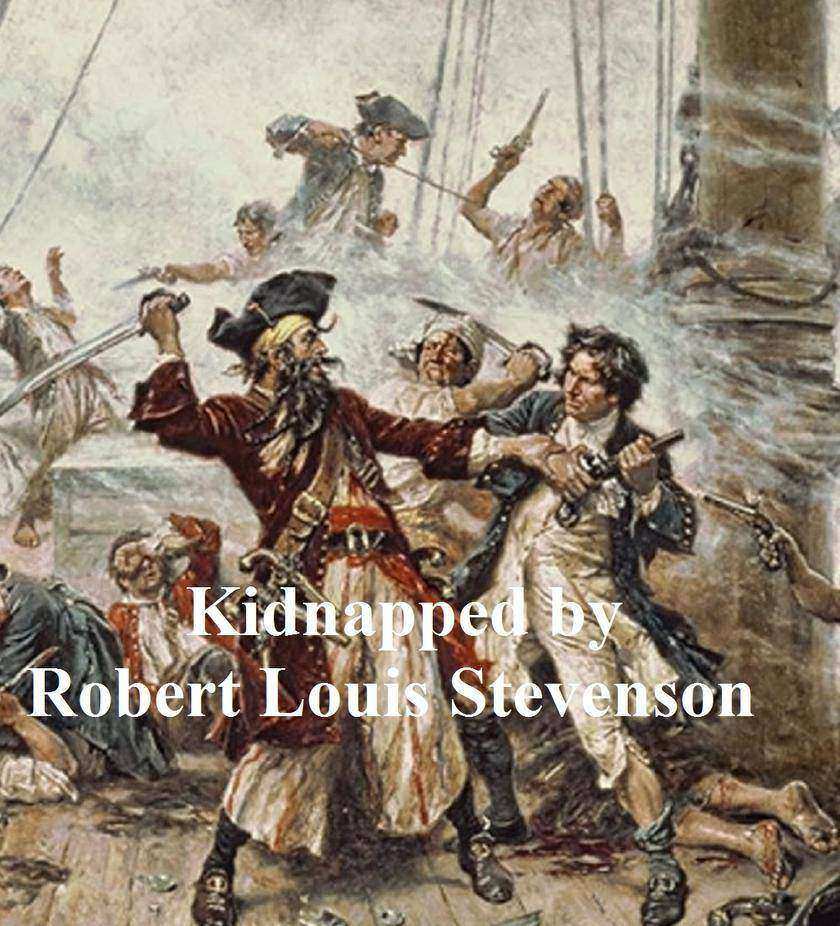
Kidnapped
¥8.09
Historical novel, by the author of Treasure Island. According to Wikipedia: "Robert Louis Balfour Stevenson (13 November 1850–3 December 1894), was a Scottish novelist, poet, essayist and travel writer. He was the man who "seemed to pick the right word up on the point of his pen, like a man playing spillikins", as G. K. Chesterton put it."
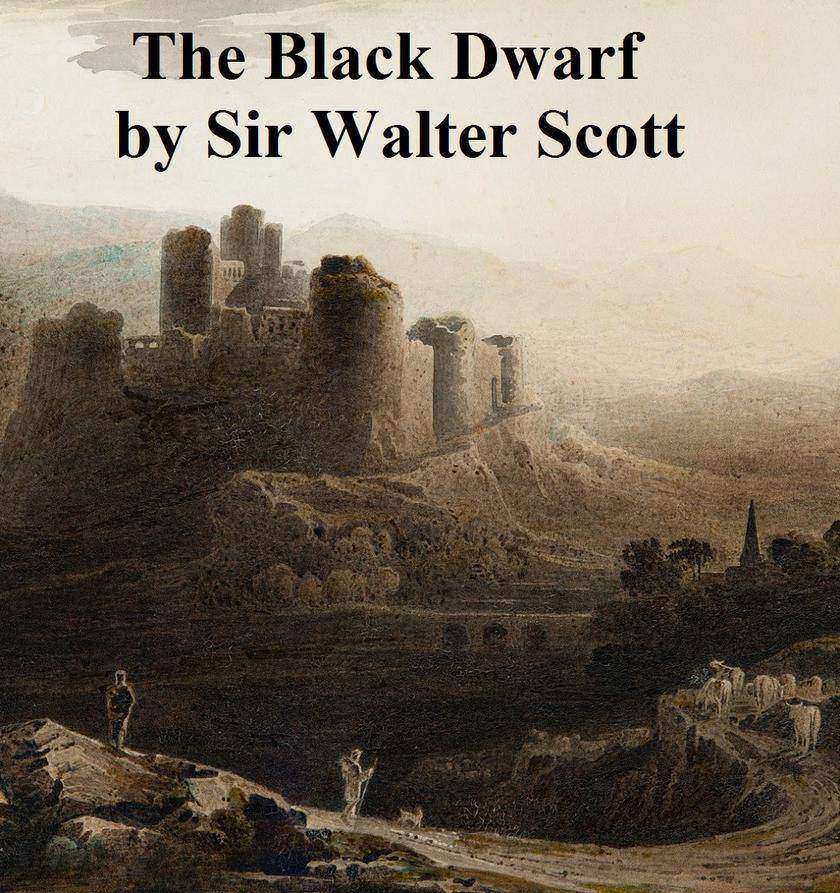
The Black Dwarf
¥8.09
Historical novel, first published in 1816. Set in the Scottish Borders, in 1707. According to Wikipedia: "Sir Walter Scott, 1st Baronet (1771 – 1832) was a prolific Scottish historical novelist and poet popular throughout Europe during his time. In some ways Scott was the first English-language author to have a truly international career in his lifetime, with many contemporary readers all over Europe, Australia, and North America. His novels and poetry are still read, and many of his works remain classics of both English-language literature and of Scottish literature. Famous titles include Ivanhoe, Rob Roy, The Lady of The Lake, Waverley, The Heart of Midlothian and The Bride of Lammermoor."
Rob Roy
¥8.09
Historical novel, first published in 1818. Set in Loch Lomond, Scotland, 1715-1716. According to Wikipedia: "Sir Walter Scott, 1st Baronet (1771 – 1832) was a prolific Scottish historical novelist and poet popular throughout Europe during his time. In some ways Scott was the first English-language author to have a truly international career in his lifetime, with many contemporary readers all over Europe, Australia, and North America. His novels and poetry are still read, and many of his works remain classics of both English-language literature and of Scottish literature. Famous titles include Ivanhoe, Rob Roy, The Lady of The Lake, Waverley, The Heart of Midlothian and The Bride of Lammermoor."
A Legend of Montrose
¥8.09
Historical novel, first published in 1819. Set in the Scottish Highlands in 1644-1645. According to Wikipedia: "Sir Walter Scott, 1st Baronet (1771 – 1832) was a prolific Scottish historical novelist and poet popular throughout Europe during his time. In some ways Scott was the first English-language author to have a truly international career in his lifetime, with many contemporary readers all over Europe, Australia, and North America. His novels and poetry are still read, and many of his works remain classics of both English-language literature and of Scottish literature. Famous titles include Ivanhoe, Rob Roy, The Lady of The Lake, Waverley, The Heart of Midlothian and The Bride of Lammermoor."

Dewey and other Naval Commanders
¥8.09
Biography. According to Wikipedia: "Edward Sylvester Ellis (April 11, 1840 – June 20, 1916) was an American author who was born in Ohio and died at Cliff Island, Maine. Ellis was a teacher, school administrator, and journalist, but his most notable work was that that he performed as author of hundreds of dime novels that he produced under his name and a number of noms de plume. Notable works by Ellis include The Huge Hunter, or the Steam Man of the Prairies and Seth Jones, or the Captives of the Frontier. Internationally, Edward S. Ellis is probably best known for his Deerhunter novels widely read by young boys up to the 1950s (together with works by James Fenimore Cooper and Karl May). In the mid-1880s, after a fiction-writing career of some thirty years, Ellis eventually turned his pen to more serious works of biography, history, and persuasive writing."
The History of Herodotus
¥8.09
Both volumes in a single file, translated by Macaulay. According to Wikipedia: "Herodotus of Halicarnassus was a Greek historian who lived in the 5th century BC (c. 484 BC–c. 425 BC) and is regarded as the "Father of History" in Western culture. He was the first historian to collect his materials systematically, test their accuracy to a certain extent and arrange them in a well-constructed and vivid narrative.[1] He is almost exclusively known for writing The Histories, a record of his "inquiries" (or ?στορ?αι, a word that passed into Latin and took on its modern meaning of history) into the origins of the Greco-Persian Wars which occurred in 490 and 480-479 BC—especially since he includes a narrative account of that period, which would otherwise be poorly documented, and many long digressions concerning the various places and peoples he encountered during wide-ranging travels around the lands of the Mediterranean and Black Sea. Although some of his stories are not completely accurate, he states that he is only reporting what has been told to him."
History of Florence
¥8.09
By the author of "The Prince" and "The Discourses", classic works of political science. From the Introduction: "Niccolo Machiavelli, the first great Italian historian, and one of the most eminent political writers of any age or country, was born at Florence, May 3, 1469. He was of an old though not wealthy Tuscan family, his father, who was a jurist, dying when Niccolo was sixteen years old. We know nothing of Machiavelli's youth and little about his studies. He does not seem to have received the usual humanistic education of his time, as he knew no Greek. The first notice of Machiavelli is in 1498 when we find him holding the office of Secretary in the second Chancery of the Signoria, which office he retained till the downfall of the Florentine Republic in 1512. His unusual ability was soon recognized, and in 1500 he was sent on a mission to Louis XII. of France, and afterward on an embassy to Cesare Borgia, the lord of Romagna, at Urbino..."
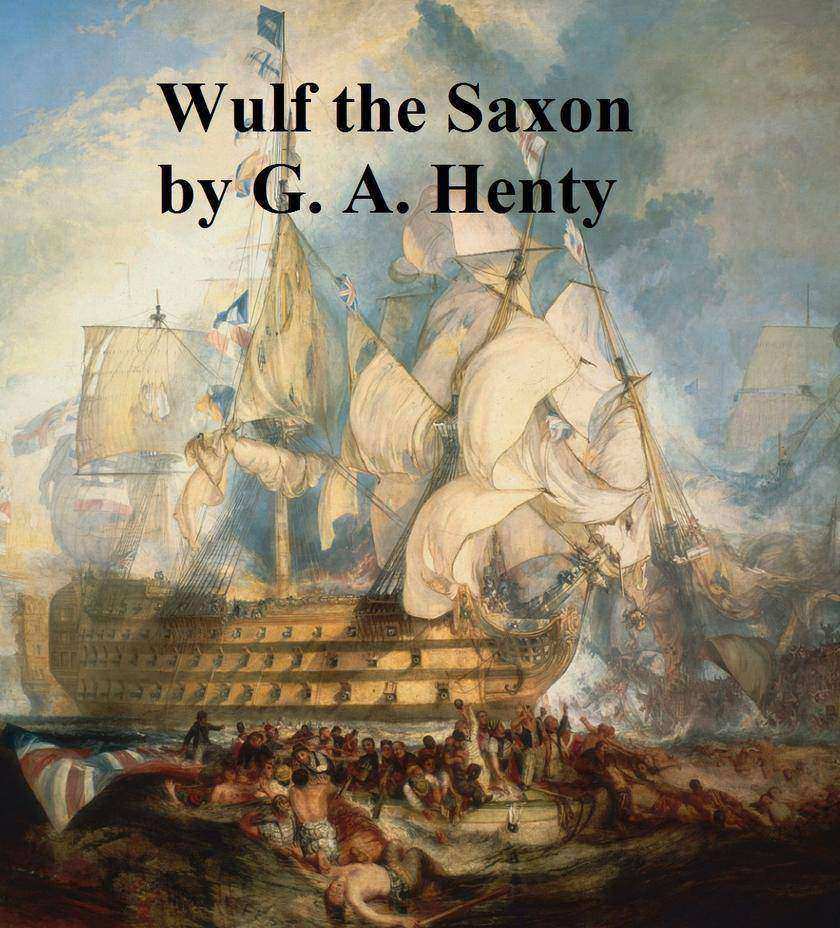
Wulf the Saxon
¥8.09
Historical novel, set at the time of William the Conqueror and the Battle of Hastings (1066). The Preface begins: "Although the immediate results of the Battle of Hastings may have been of less importance to the world than were those of some other great battles, the struggle has, in the long run, had a greater influence upon the destiny of mankind than any other similar event that has ever taken place. That admixture of Saxon, Danish, and British races which had come to be known under the general name of English, was in most respects far behind the rest of Europe. The island was, as it had always been,--except during the rule of two or three exceptionally strong kings,--distracted by internal dissensions. Broad lines of division still separated the North from the South, and under weak Kings the powerful Earls became almost independent. The enterprise that had distinguished their Saxon and Danish ancestors seems to have died out..." According to Wikipedia: "George Alfred Henty (8 December 1832 - 16 November 1902), referred to as G. A. Henty, was a prolific English novelist, special correspondent, and Imperialist born in Trumpington, Cambridgeshire, England. He is best known for his historical adventure stories that were popular in the late 19th century. His works include Out on the Pampas (1871), The Young Buglers (1880), With Clive in India (1884) and Wulf the Saxon (1895)."
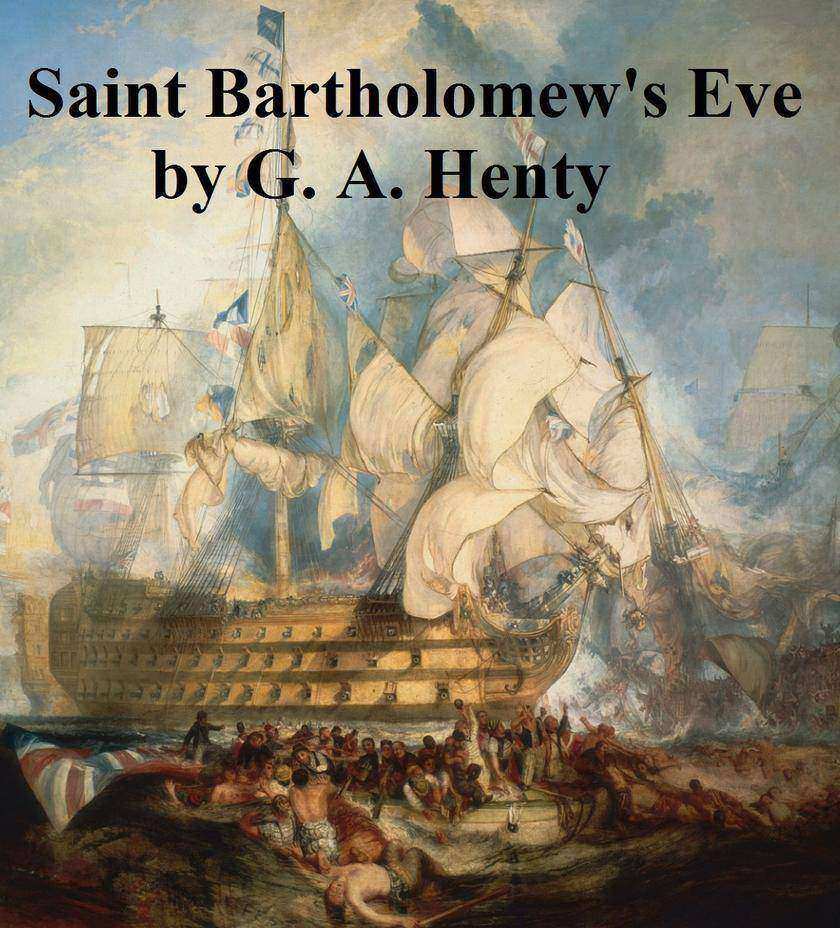
Saint Bartholomew's Eve
¥8.09
Historical novel, set in 16th century France, focusing on the conflict between Protestants and Catholics. The Preface begins: "It is difficult, in these days of religious toleration, to understand why men should, three centuries ago, have flown at each others' throats in the name of the Almighty; still less how, in cold blood, they could have perpetrated hideous massacres of men, women, and children. The Huguenot wars were, however, as much political as religious. Philip of Spain, at that time the most powerful potentate of Europe, desired to add France to the countries where his influence was all powerful; and in the ambitious house of Guise he found ready instruments." According to Wikipedia: "George Alfred Henty (8 December 1832 - 16 November 1902), referred to as G. A. Henty, was a prolific English novelist, special correspondent, and Imperialist born in Trumpington, Cambridgeshire, England. He is best known for his historical adventure stories that were popular in the late 19th century. His works include Out on the Pampas (1871), The Young Buglers (1880), With Clive in India (1884) and Wulf the Saxon (1895)."
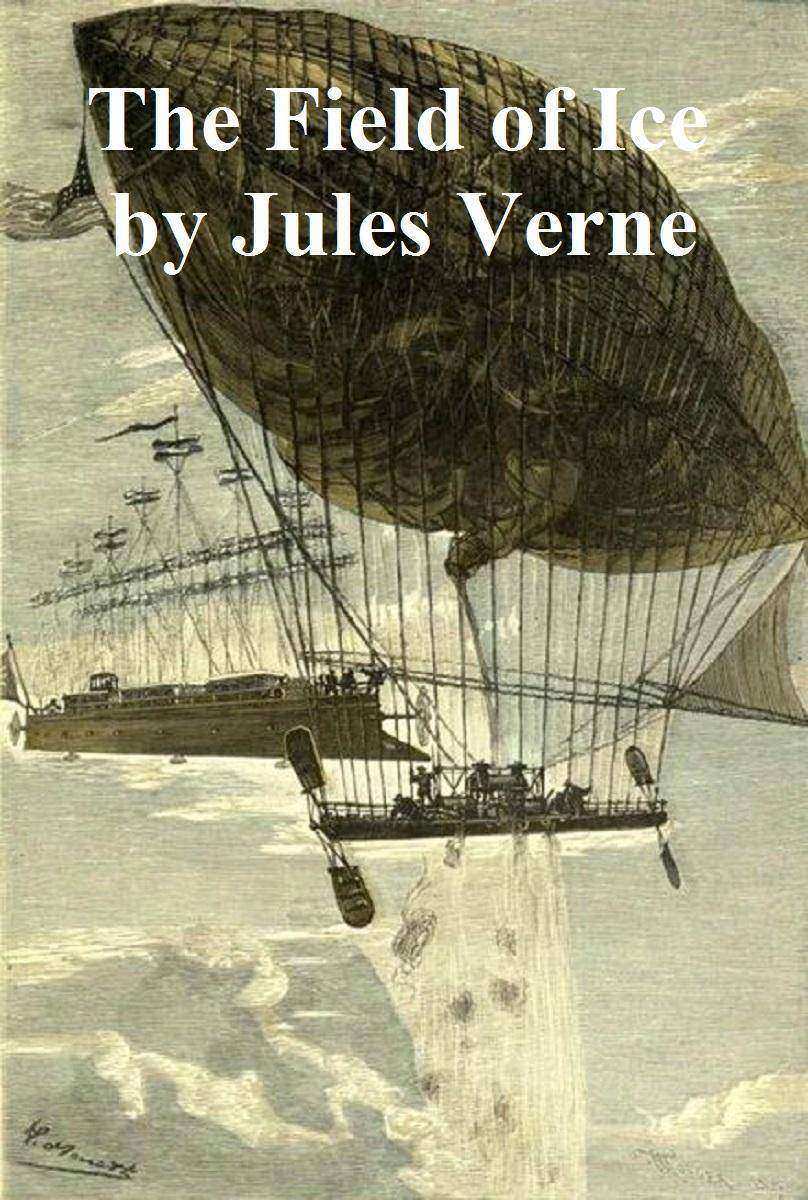
The Field of Ice
¥8.09
Classic adventure novel by Jules Verne. According to Wikipedia: "Jules Gabriel Verne (February 8, 1828 – March 24, 1905) was a French author who pioneered the science-fiction genre. He is best known for his novels Journey to the Center of the Earth (written in 1864), From the Earth to the Moon (1865), Twenty Thousand Leagues Under the Sea (1869–1870), and Around the World in Eighty Days (1873). Verne wrote about space, air, and underwater travel before navigable aircraft and practical submarines were invented, and before any means of space travel had been devised. Consequently he is often referred to as the "Father of science fiction", along with H. G. Wells. Verne is the second most translated author of all time, only behind Agatha Christie with 4162 translations..."

The Dragon and the Raven
¥8.09
Historical novel, set in England in the ninth century. According to Wikipedia: "George Alfred Henty (8 December 1832 - 16 November 1902), referred to as G. A. Henty, was a prolific English novelist, special correspondent, and Imperialist born in Trumpington, Cambridgeshire, England. He is best known for his historical adventure stories that were popular in the late 19th century. His works include Out on the Pampas (1871), The Young Buglers (1880), With Clive in India (1884) and Wulf the Saxon (1895)."

Les Cinq Cents Millions de Begum
¥8.09
Roman d'aventure classique, en fran?ais original. Selon Wikipédia: ?Jules Gabriel Verne (8 février 1828 - 24 mars 1905) est un auteur fran?ais qui a été le pionnier du genre de la science-fiction, notamment des romans comme Voyage au centre de la terre (1864), Vingt mille lieues sous la mer (1870) et autour du monde en quatre-vingts jours (1873) Verne a écrit sur l'espace, l'air et les voyages sous-marins avant que les voyages aériens et les sous-marins pratiques soient inventés. Selon Index Translationum, il est le troisième auteur le plus traduit au monde, certains de ses livres ont été transformés en films ... Verne, avec HG Wells, est souvent surnommé le ?père de la science-fiction?

Les Enfants du Capitaine Grant
¥8.09
Roman d'aventure classique, en fran?ais original. Selon Wikipédia: ?Jules Gabriel Verne (8 février 1828 - 24 mars 1905) est un auteur fran?ais qui a été le pionnier du genre de la science-fiction, notamment des romans comme Voyage au centre de la terre (1864), Vingt mille lieues sous la mer (1870) et autour du monde en quatre-vingts jours (1873) Verne a écrit sur l'espace, l'air et les voyages sous-marins avant que les voyages aériens et les sous-marins pratiques soient inventés. Selon Index Translationum, il est le troisième auteur le plus traduit au monde, certains de ses livres ont été transformés en films ... Verne, avec HG Wells, est souvent surnommé le ?père de la science-fiction?
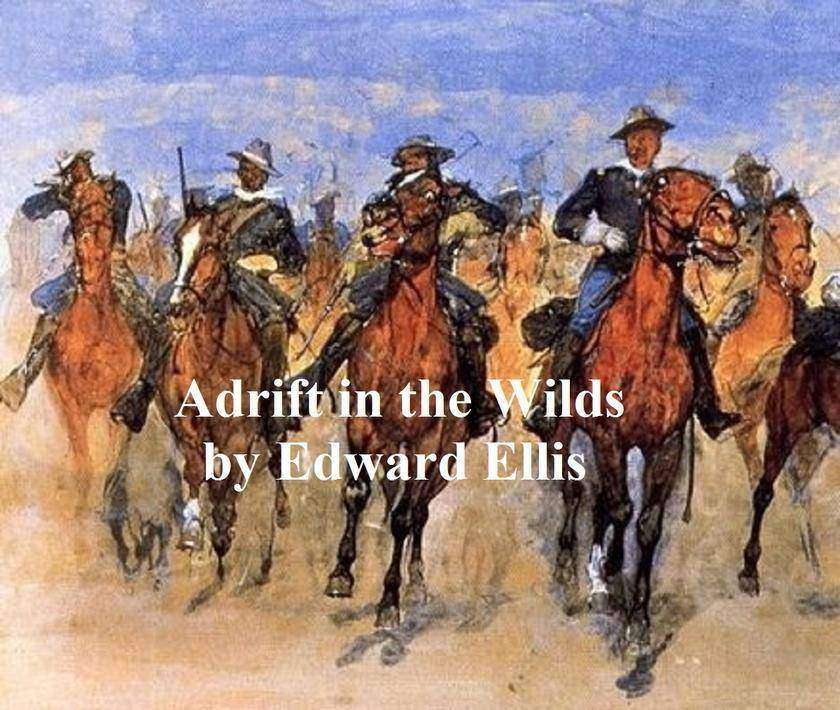
Adrift in the Wilds, Or the Adventures of Two Shipwrecked Boys
¥8.09
Classic adventure novel. According to Wikipedia: "Edward Sylvester Ellis (April 11, 1840 – June 20, 1916) was an American author who was born in Ohio and died at Cliff Island, Maine. Ellis was a teacher, school administrator, and journalist, but his most notable work was that that he performed as author of hundreds of dime novels that he produced under his name and a number of noms de plume. Notable works by Ellis include The Huge Hunter, or the Steam Man of the Prairies and Seth Jones, or the Captives of the Frontier. Internationally, Edward S. Ellis is probably best known for his Deerhunter novels widely read by young boys up to the 1950s (together with works by James Fenimore Cooper and Karl May). In the mid-1880s, after a fiction-writing career of some thirty years, Ellis eventually turned his pen to more serious works of biography, history, and persuasive writing."

Before the Dawn
¥8.09
Historical novel, set in the Civil War. According to Wikipedia: "Joseph Alexander Altsheler (1862 - 1919), was an American author of popular juvenile historical fiction. Altsheler was born in Three Springs, Kentucky to Joseph and Louise Altsheler. In 1885, he took a job at the Louisville Courier-Journal as a reporter and later, an editor. He started working for the New York World in 1892, first as the paper's Hawaiian correspondent and then as the editor of the World's tri-weekly magazine. Due to a lack of suitable stories, he began writing children's stories for the magazine."

Deerfoot in the Mountains
¥8.09
Classic adventure novel. According to Wikipedia: "Edward Sylvester Ellis (April 11, 1840 – June 20, 1916) was an American author who was born in Ohio and died at Cliff Island, Maine. Ellis was a teacher, school administrator, and journalist, but his most notable work was that that he performed as author of hundreds of dime novels that he produced under his name and a number of noms de plume. Notable works by Ellis include The Huge Hunter, or the Steam Man of the Prairies and Seth Jones, or the Captives of the Frontier. Internationally, Edward S. Ellis is probably best known for his Deerhunter novels widely read by young boys up to the 1950s (together with works by James Fenimore Cooper and Karl May). In the mid-1880s, after a fiction-writing career of some thirty years, Ellis eventually turned his pen to more serious works of biography, history, and persuasive writing."
In the Irish Brigade
¥8.09
Historical novel, set in the early 18th century. From the Preface: "For records of the doings of some of the regiments of the Irish Brigade, during the years 1706-1710, I am indebted to the painstaking account of the Irish Brigade in the service of France, by J. C. O'Callaghan; while the accounts of the war in Spain are drawn from the official report, given in Boyer's Annals of the Reign of Queen Anne, which contains a mine of information of the military and civil events of the time." According to Wikipedia: "George Alfred Henty (8 December 1832 - 16 November 1902), referred to as G. A. Henty, was a prolific English novelist, special correspondent, and Imperialist born in Trumpington, Cambridgeshire, England. He is best known for his historical adventure stories that were popular in the late 19th century. His works include Out on the Pampas (1871), The Young Buglers (1880), With Clive in India (1884) and Wulf the Saxon (1895)."

The Hunters of the Ozark
¥8.09
Classic adventure novel. According to Wikipedia: "Edward Sylvester Ellis (April 11, 1840 – June 20, 1916) was an American author who was born in Ohio and died at Cliff Island, Maine. Ellis was a teacher, school administrator, and journalist, but his most notable work was that that he performed as author of hundreds of dime novels that he produced under his name and a number of noms de plume. Notable works by Ellis include The Huge Hunter, or the Steam Man of the Prairies and Seth Jones, or the Captives of the Frontier. Internationally, Edward S. Ellis is probably best known for his Deerhunter novels widely read by young boys up to the 1950s (together with works by James Fenimore Cooper and Karl May). In the mid-1880s, after a fiction-writing career of some thirty years, Ellis eventually turned his pen to more serious works of biography, history, and persuasive writing."
The Lion of St. Mark
¥8.09
Historical novel. According to the Preface: "Of all the chapters of history, there are few more interesting or wonderful than that which tells the story of the rise and progress of Venice. Built upon a few sandy islands in a shallow lagoon, and originally founded by fugitives from the mainland, Venice became one of the greatest and most respected powers of Europe. She was mistress of the sea; conquered and ruled over a considerable territory bordering on the Adriatic; checked the rising power of the Turks; conquered Constantinople; successfully defied all the attacks of her jealous rivals to shake her power; and carried on a trade relatively as great as that of England in the present day. I have laid my story in the time not of the triumphs of Venice, but of her hardest struggle for existence--when she defended herself successfully against the coalition of Hungary, Padua, and Genoa--for never at any time were the virtues of Venice, her steadfastness, her patriotism, and her willingness to make all sacrifice.. According to Wikipedia: "George Alfred Henty (8 December 1832 - 16 November 1902), referred to as G. A. Henty, was a prolific English novelist, special correspondent, and Imperialist born in Trumpington, Cambridgeshire, England. He is best known for his historical adventure stories that were popular in the late 19th century. His works include Out on the Pampas (1871), The Young Buglers (1880), With Clive in India (1884) and Wulf the Saxon (1895)."


