


 购物车
购物车 个人中心
个人中心
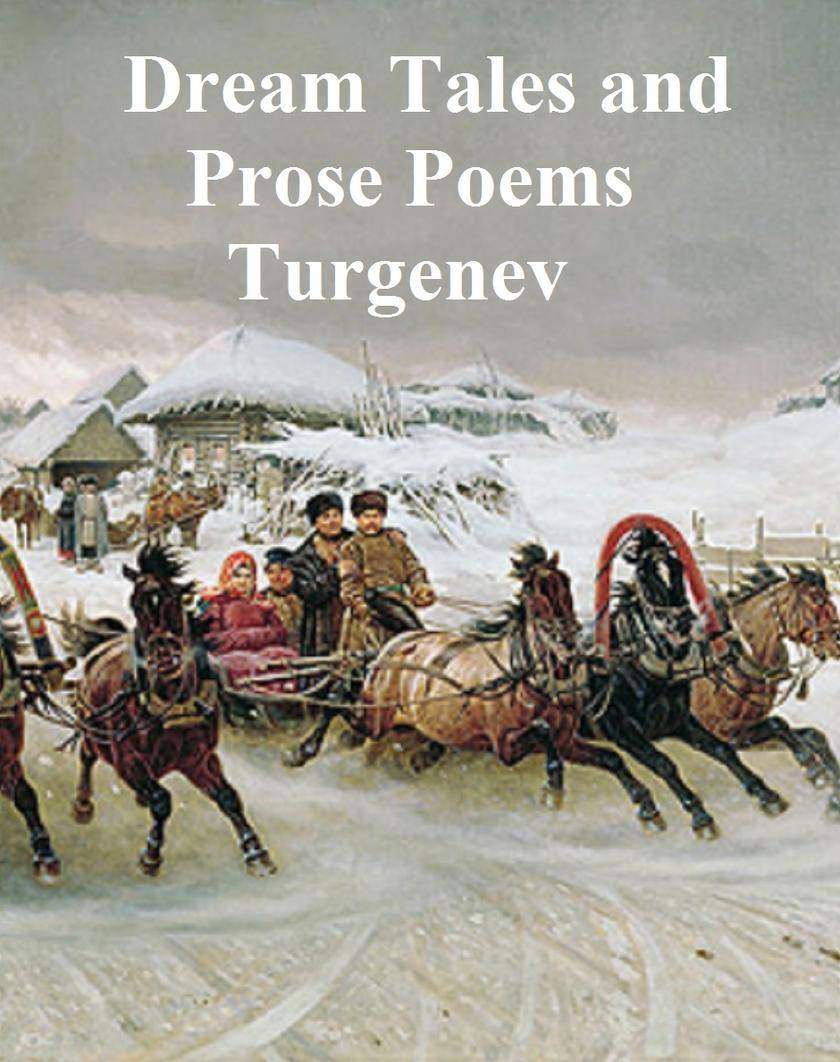
Dream Tales and Prose Poems
¥8.09
Classic Russian short stories, including Clara Militch, Phantoms, The Song of Triumphant Love, and The Dream, plus poems in prose. According to Wikipedia: "Ivan Sergeyevich Turgenev 1818 - 1883) was a Russian novelist and playwright. His novel Fathers and Sons is regarded as one of the major works of 19th-century fiction."
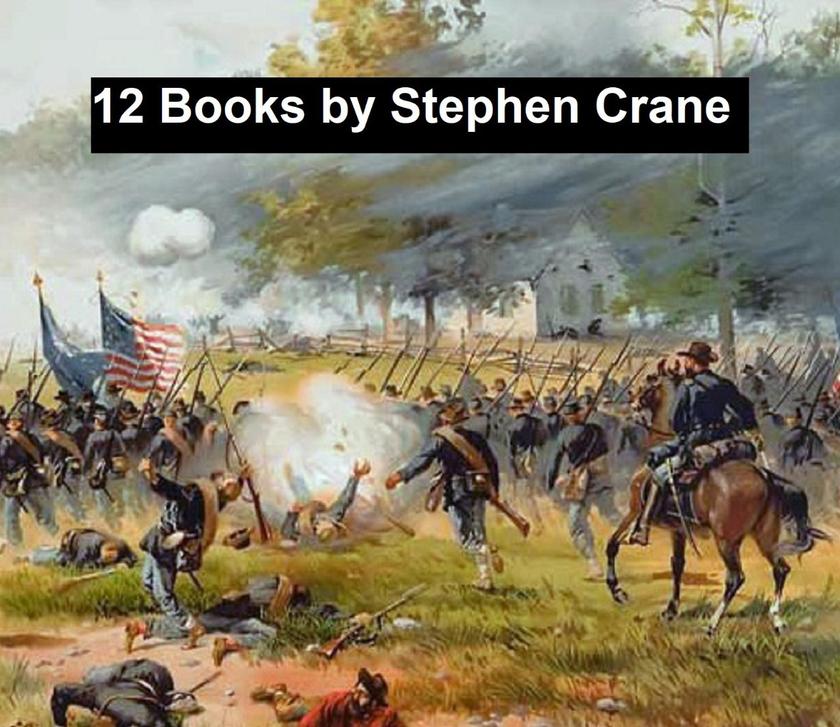
12 Books
¥8.09
This file includes twelve books: Active Service, Black Riders and Other Lines (poetry), The Little Regiment and Other Episodes of the American Civil War, Last Words, Maggie: a Girl of the Streets, The Monster and Other Stories; Men, Women and Boats; ORuddy, The Red Badge of Courage, The Third Violet, War Is Kind (poetry), and Whilomville Stories. According to Wikipedia: "Stephen Crane (November 1, 1871 – June 5, 1900) was an American novelist, short story writer, poet and journalist. Prolific throughout his short life, he wrote notable works in the Realist tradition as well as early examples of American Naturalism and Impressionism. He is recognized by modern critics as one of the most innovative writers of his generation."
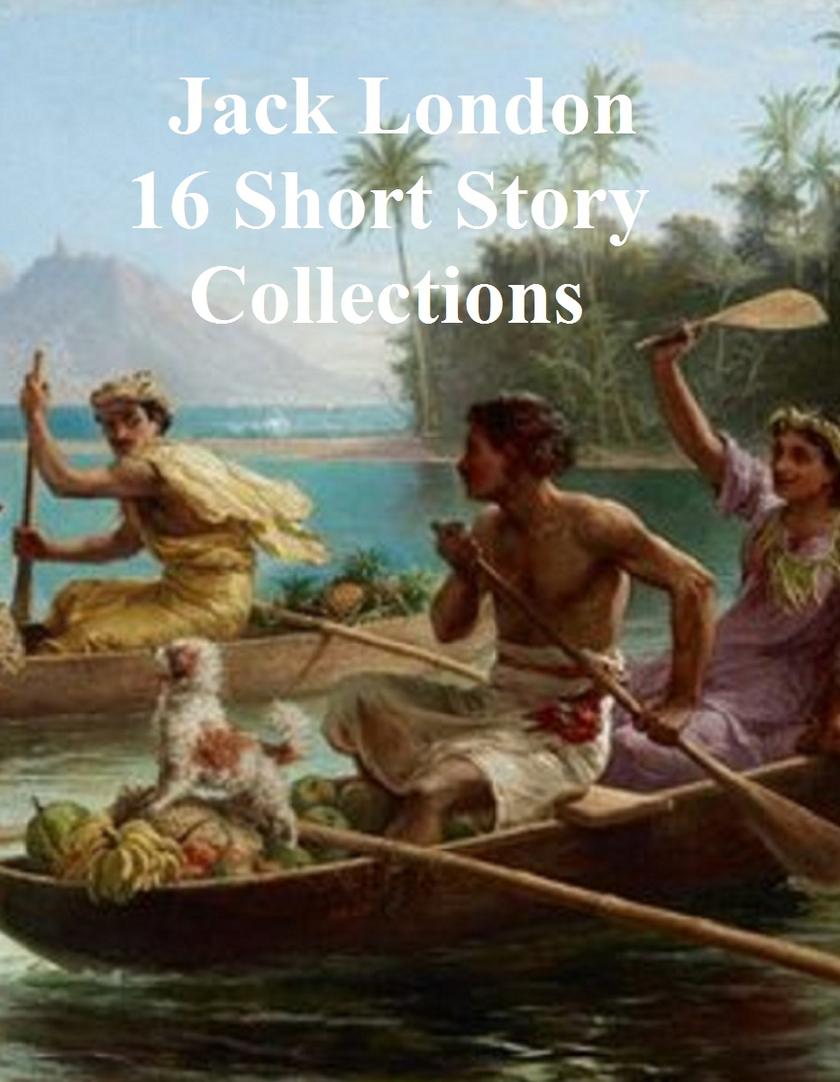
16 Short Story Collections
¥8.09
This book-collection file includes the following short story collections : Son of the Wolf, Children of the Frost, Tales of the Fish Patrol, South Sea Tales, Smoke Bellew, The Turtles of Tasman, Dutch Courage and Other Stories, The Faith of Men, Moon Face, Lost Face, Human Drift, The House of Pride, The Night Born, On the Makaloa Mat, Strength of the Strong, Tales of the Klondyke, When God Laughs and Other Stories. It also includes the plays Theft and The Acorn Planter. According to Wikipedia: "Jack London (12 January, 1876 – 22 November, 1916) was an American author who wrote The Call of the Wild and other books. A pioneer in the then-burgeoning world of commercial magazine fiction, he was one of the first Americans to make a lucrative career exclusively from writing."
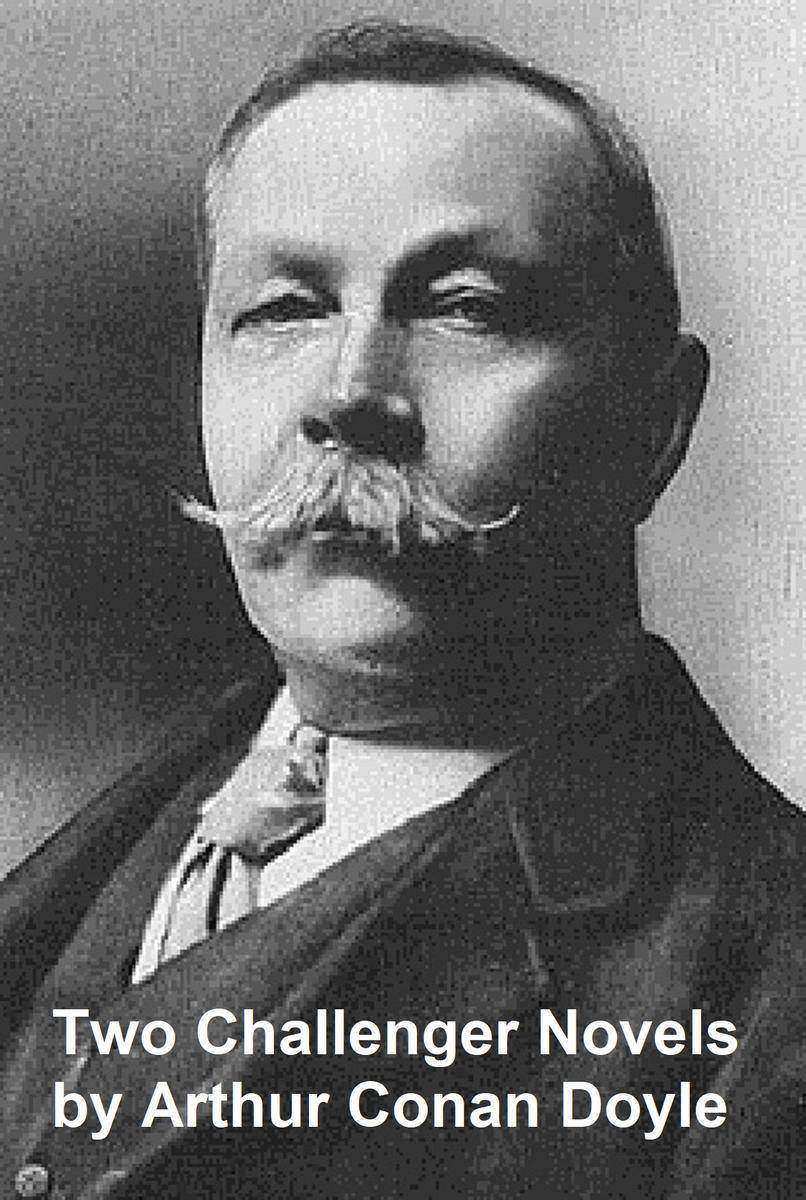
Two Challenger Novels
¥8.09
This book-collection file includes two Challenger novels: The Lost World and The Poison Belt. According to Wikipedia: "Sir Arthur Ignatius Conan Doyle, DL (22 May 1859 – 7 July 1930) was an author most noted for his stories about the detective Sherlock Holmes, which are generally considered a major innovation in the field of crime fiction, and for the adventures of Professor Challenger. He was a prolific writer whose other works include science fiction stories, historical novels, plays and romances, poetry, and non-fiction."
The Shot
¥8.09
Classic Russian short story. According to Wikipedia: "Alexander Sergeyevich Pushkin (1799 - 1837) was a Russian Romantic author who is considered to be the greatest Russian poet and the founder of modern Russian literature. Pushkin pioneered the use of vernacular speech in his poems and plays, creating a style of storytelling, mixing drama, romance, and satire, associated with Russian literature ever since and greatly influencing later Russian writers."
The Inspector General
¥8.09
Classic satiric play. According to Wikipedia: "Nikolai Vasilievich Gogol ( 1809 - 1852) was a Russian writer of Ukrainian ethnicity. Although his early works were heavily influenced by his Ukrainian upbringing and identity, he wrote in Russian and his works belong to the tradition of Russian literature; often called the "father of modern Russian realism," he was one of the first Russian authors to criticize his country's way of life. The novels Taras Bul'ba (1835; 1842 [revised edition]), Dead Souls (1842), the play The Inspector-General (1836, 1842), and the short story The Overcoat (1842) are among his masterpieces."
Robur-le-Conquerant
¥8.09
Roman d'aventure de science-fiction classique, dans le fran?ais original. Selon Wikipédia: ?Jules Gabriel Verne (8 février 1828 - 24 mars 1905) est un auteur fran?ais qui a été le pionnier du genre de la science-fiction, notamment des romans comme Voyage au centre de la terre (1864), Vingt mille lieues sous la mer (1870) et autour du monde en quatre-vingts jours (1873) Verne a écrit sur l'espace, l'air et les voyages sous-marins avant que les voyages aériens et les sous-marins pratiques soient inventés. Selon Index Translationum, il est le troisième auteur le plus traduit au monde, certains de ses livres ont été transformés en films ... Verne, avec HG Wells, est souvent surnommé le ?père de la science-fiction?
The Taming of the Shrew, with line numbers
¥8.09
Classic Shakespearean comedy, with line numbers. According to Wikipedia: "The Taming of the Shrew is an early comedy by William Shakespeare believed to have been written between 1590 and 1594. The play begins with a framing device, often referred to as the Induction, in which a drunken tinker named Sly is tricked into thinking he is a nobleman by a mischievous Lord. The Lord has a play performed for Sly's amusement with a primary and sub-plot. The main plot depicts the courting of Petruchio, a gentleman of Verona, and Katherina, the headstrong, obdurate, and eponymous shrew. Katherina is at first an unwilling participant in the relationship but Petruchio tempers her with various psychological torments - the "taming" - until she is an obedient bride. The sub-plot features a competition between the suitors of Katherina's less intractable sister, Bianca."
Markheim
¥8.09
Classic short story about a deal with the Devil. According to Wikipedia: "Robert Louis (Balfour) Stevenson ( 1850 - 1894), was a Scottish novelist, poet, and travel writer, and a leading representative of Neo-romanticism in English literature. He was the man who "seemed to pick the right word up on the point of his pen, like a man playing spillikins", as G. K. Chesterton put it. He was also greatly admired by many authors, including Jorge Luis Borges, Ernest Hemingway, Rudyard Kipling, Vladimir Nabokov, and J. M. Barrie. Most modernist writers dismissed him, however, because he was popular and did not write within their definition of modernism. It is only recently that critics have begun to look beyond Stevenson's popularity and allow him a place in the canon."
Works of Freytag and Fontane
¥8.09
This collection includes works by Gustav Freytag and Theodor Fontane. The German Classics Of The Nineteenth And Twentieth Centuries, Volume 1, edited by Kuno Francke.
Little Travels and Roadside Sketches
¥8.09
Classic short story, first published under the pen name "Titmarsh". Classic short story, first published in 1854. According to Wikipedia: "Thackeray is most often compared to one other great novelist of Victorian literature, Charles Dickens. During the Victorian era, he was ranked second only to Dickens, but he is now much less read and is known almost exclusively for Vanity Fair. In that novel he was able to satirize whole swaths of humanity while retaining a light touch. It also features his most memorable character, the engagingly roguish Becky Sharp. As a result, unlike Thackeray's other novels, it remains popular with the general reading public; it is a standard fixture in university courses and has been repeatedly adapted for movies and television. In Thackeray's own day, some commentators, such as Anthony Trollope, ranked his History of Henry Esmond as his greatest work, perhaps because it expressed Victorian values of duty and earnestness, as did some of his other later novels. It is perhaps for this reason that they have not survived as well as Vanity Fair, which satirizes those values."
Thrawn Janet
¥8.09
Classic short story. According to Wikipedia: "Robert Louis (Balfour) Stevenson ( 1850 - 1894), was a Scottish novelist, poet, and travel writer, and a leading representative of Neo-romanticism in English literature. He was the man who "seemed to pick the right word up on the point of his pen, like a man playing spillikins", as G. K. Chesterton put it. He was also greatly admired by many authors, including Jorge Luis Borges, Ernest Hemingway, Rudyard Kipling, Vladimir Nabokov, and J. M. Barrie. Most modernist writers dismissed him, however, because he was popular and did not write within their definition of modernism. It is only recently that critics have begun to look beyond Stevenson's popularity and allow him a place in the canon."

Edinburgh
¥8.09
Classic travelogue. According to Wikipedia: "Robert Louis (Balfour) Stevenson ( 1850 - 1894), was a Scottish novelist, poet, and travel writer, and a leading representative of Neo-romanticism in English literature. He was the man who "seemed to pick the right word up on the point of his pen, like a man playing spillikins", as G. K. Chesterton put it. He was also greatly admired by many authors, including Jorge Luis Borges, Ernest Hemingway, Rudyard Kipling, Vladimir Nabokov, and J. M. Barrie. Most modernist writers dismissed him, however, because he was popular and did not write within their definition of modernism. It is only recently that critics have begun to look beyond Stevenson's popularity and allow him a place in the canon."
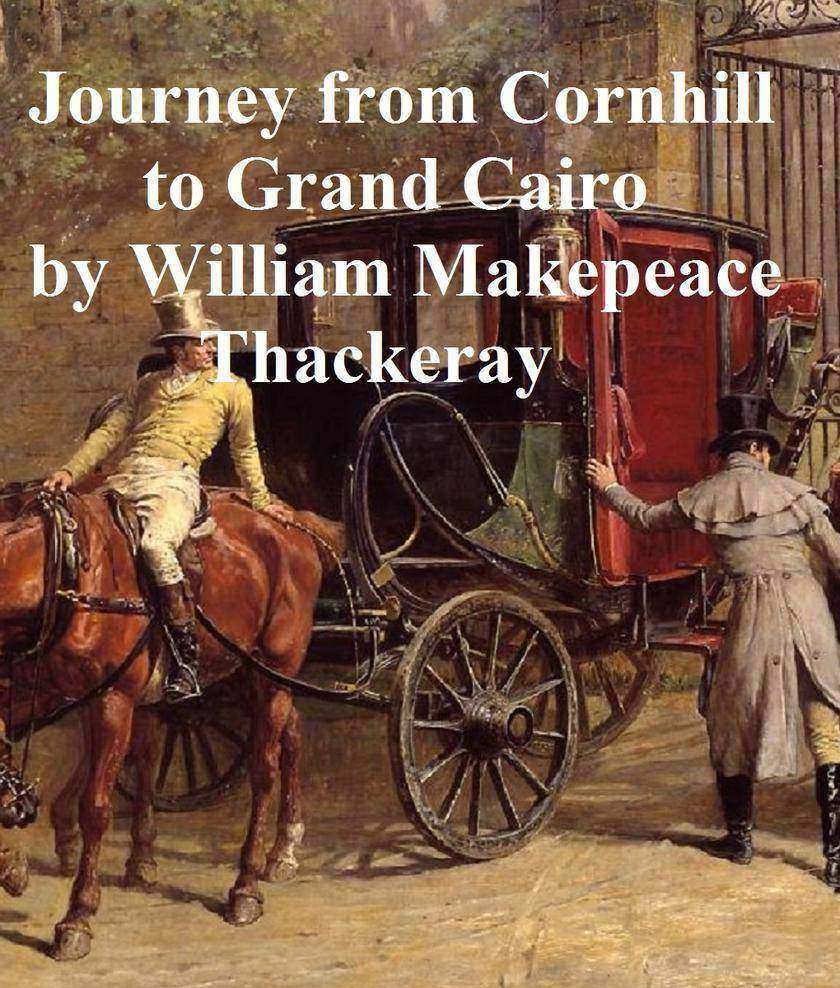
Notes on a Journey from Cornhill to Grand Cairo
¥8.09
Classic travelogue. According to Wikipedia: "Thackeray is most often compared to one other great novelist of Victorian literature, Charles Dickens. During the Victorian era, he was ranked second only to Dickens, but he is now much less read and is known almost exclusively for Vanity Fair. In that novel he was able to satirize whole swaths of humanity while retaining a light touch. It also features his most memorable character, the engagingly roguish Becky Sharp. As a result, unlike Thackeray's other novels, it remains popular with the general reading public; it is a standard fixture in university courses and has been repeatedly adapted for movies and television. In Thackeray's own day, some commentators, such as Anthony Trollope, ranked his History of Henry Esmond as his greatest work, perhaps because it expressed Victorian values of duty and earnestness, as did some of his other later novels. It is perhaps for this reason that they have not survived as well as Vanity Fair, which satirizes those values."
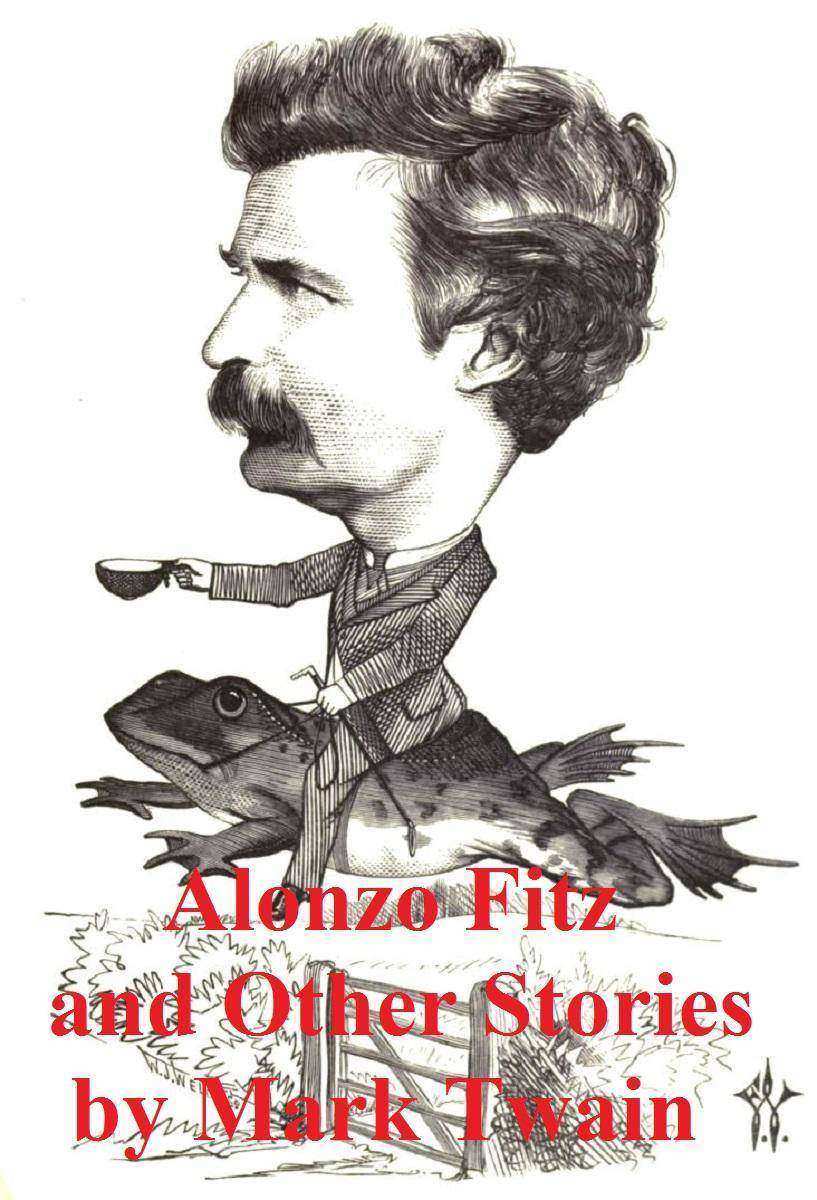
Alonzo Fitz and Other Stories
¥8.09
Classic Twain humor. The stories include: THE LOVES OF ALONZO FITZ CLARENCE AND ROSANNAH ETHELTON, ON THE DECAY OF THE ART OF LYING, ABOUT MAGNANIMOUS-INCIDENT LITERATURE, THE GRATEFUL POODLE, THE BENEVOLENT AUTHOR, THE GRATEFUL HUSBAND, PUNCH, BROTHERS, PUNCH; THE GREAT REVOLUTION IN PITCAIRN, THE CANVASSER'S TALE, AN ENCOUNTER WITH AN INTERVIEWER, PARIS NOTES, LEGEND OF SAGENFELD, IN GERMANY; SPEECH ON THE BABIES, SPEECH ON THE WEATHER, CONCERNING THE AMERICAN LANGUAGE, and ROGERS.
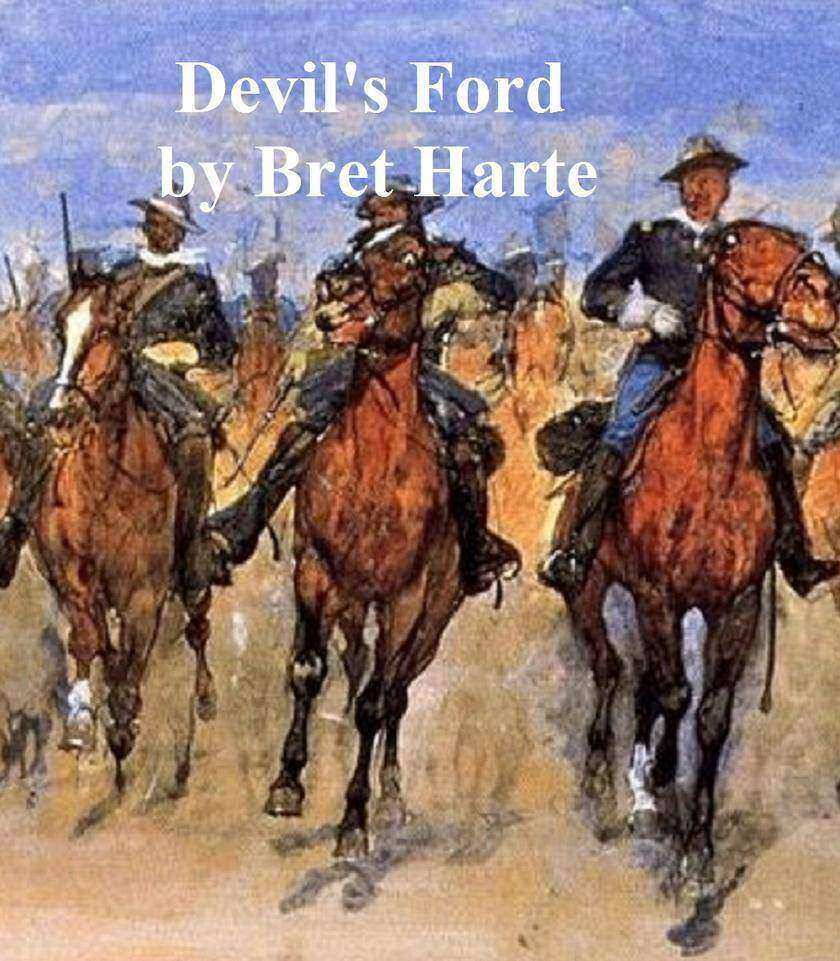
Devil's Ford
¥8.09
Classic western novel. According to Wikipedia: "Bret Harte (August 25, 1836[2] – May 6, 1902) was an American author and poet, best remembered for his accounts of pioneering life in California. He was born in Albany, New York. ... He moved to California in 1853, later working there in a number of capacities, including miner, teacher, messenger, and journalist. He spent part of his life in the northern California coast town now known as Arcata, then just a mining camp on Humboldt Bay. His first literary efforts, including poetry and prose, appeared in The Californian, an early literary journal edited by Charles Henry Webb. In 1868 he became editor of The Overland Monthly, another new literary magazine, but this one more in tune with the pioneering spirit of excitement in California. His story, "The Luck of Roaring Camp," appeared in the magazine's second edition, propelling Harte to nationwide fame... Determined to pursue his literary career, in 1871 he and his family traveled back East, to New York and eventually to Boston, where he contracted with the publisher of The Atlantic Monthly for an annual salary of $10,000, "an unprecedented sum at the time." His popularity waned, however, and by the end of 1872 he was without a publishing contract and increasingly desperate. He spent the next few years struggling to publish new work (or republish old), delivering lectures about the gold rush, and even selling an advertising jingle to a soap company. In 1878 Harte was appointed to the position of United States Consul in the town of Krefeld, Germany and then to Glasgow in 1880. In 1885 he settled in London. During the thirty years he spent in Europe, he never abandoned writing, and maintained a prodigious output of stories that retained the freshness of his earlier work. He died in England in 1902 of throat cancer and is buried at Frimley."
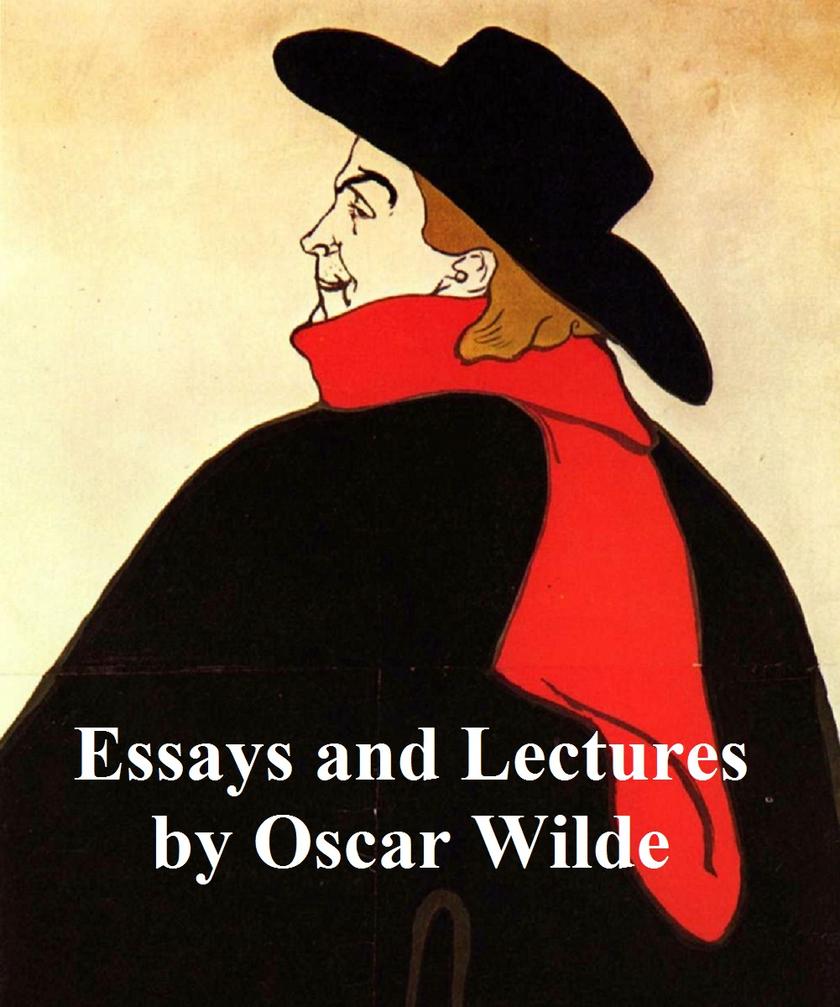
Lectures and Essays
¥8.09
This collection includes: The Rise of Historical Criticism, The English Renaissance of Art, House Decoration, Art and the Handicraftsman, Lecture to Art Students, London Models, and Poems in Prose. According to Wikipedia: "Oscar Fingal O'Flahertie Wills Wilde (1854 - 1900) was an Irish playwright, novelist, poet, and author of short stories. Known for his barbed wit, he was one of the most successful playwrights of late Victorian London, and one of the greatest celebrities of his day. As the result of a famous trial, he suffered a dramatic downfall and was imprisoned for two years of hard labour after being convicted of the offence of 'gross indecency.'"
The Wife and Other Stories
¥8.09
This collection includes: The Wife, Difficult People, The Grasshopper, A Dreary Story, The Privy Councilor, The Man in Case, Gooseberries, About Love, and The Lottery Ticket. According to Wikipedia: "Anton Pavlovich Chekhov (1860 – 1904) was a Russian short-story writer, playwright and physician, considered to be one of the greatest short-story writers in world literature. His career as a dramatist produced four classics and his best short stories are held in high esteem by writers and critics Chekhov practised as a doctor throughout most of his literary career: "Medicine is my lawful wife," he once said, "and literature is my mistress." Chekhov renounced the theatre after the disastrous reception of The Seagull in 1896; but the play was revived to acclaim in 1898 by Constantin Stanislavski's Moscow Art Theatre, which subsequently also produced Uncle Vanya and premiered Chekhov’s last two plays, Three Sisters and The Cherry Orchard. These four works present a special challenge to the acting ensemble as well as to audiences, because in place of conventional action Chekhov offers a "theatre of mood" and a "submerged life in the text." Chekhov had at first written stories only for the money, but as his artistic ambition grew, he made formal innovations which have influenced the evolution of the modern short story. His originality consists in an early use of the stream-of-consciousness technique, later adopted by James Joyce and other modernists, combined with a disavowal of the moral finality of traditional story structure He made no apologies for the difficulties this posed to readers, insisting that the role of an artist was to ask questions, not to answer them."

The Story of a Mine
¥8.09
Classic western novel. According to Wikipedia: "Bret Harte (August 25, 1836[2] – May 6, 1902) was an American author and poet, best remembered for his accounts of pioneering life in California. He was born in Albany, New York. ... He moved to California in 1853, later working there in a number of capacities, including miner, teacher, messenger, and journalist. He spent part of his life in the northern California coast town now known as Arcata, then just a mining camp on Humboldt Bay. His first literary efforts, including poetry and prose, appeared in The Californian, an early literary journal edited by Charles Henry Webb. In 1868 he became editor of The Overland Monthly, another new literary magazine, but this one more in tune with the pioneering spirit of excitement in California. His story, "The Luck of Roaring Camp," appeared in the magazine's second edition, propelling Harte to nationwide fame... Determined to pursue his literary career, in 1871 he and his family traveled back East, to New York and eventually to Boston, where he contracted with the publisher of The Atlantic Monthly for an annual salary of $10,000, "an unprecedented sum at the time." His popularity waned, however, and by the end of 1872 he was without a publishing contract and increasingly desperate. He spent the next few years struggling to publish new work (or republish old), delivering lectures about the gold rush, and even selling an advertising jingle to a soap company. In 1878 Harte was appointed to the position of United States Consul in the town of Krefeld, Germany and then to Glasgow in 1880. In 1885 he settled in London. During the thirty years he spent in Europe, he never abandoned writing, and maintained a prodigious output of stories that retained the freshness of his earlier work. He died in England in 1902 of throat cancer and is buried at Frimley."

Kafka auf Deutsch
¥8.09
Diese Datei enth?lt (im Original Deutsch): Die Verwandlung; Betrachtung: Kleine Erz?hlungen; Ein Landarzt: Kleine Erz?hlungen; Ein Hungerkünstler, Erz?hlung; In der Strafkolonie, Erz?hlung; und Das Urteil, Erz?hlung. Nach Wikipedia: Franz Kafka (3. Juli 1883 - 3. Juni 1924) war ein bedeutender Schriftsteller des 20. Jahrhunderts. Er wurde in einer deutschsprachigen jüdischen Familie in Prag, B?hmen (heute Tschechische Republik), ?sterreich-Ungarn geboren. Sein einzigartiger Schriftk?rper, von dem viele unvollst?ndig sind und der haupts?chlich posthum ver?ffentlicht wurde, gilt als einer der einflussreichsten in der westlichen Literatur. Kafka wurde in einem der H?user am Prager Altstadtplatz geboren, direkt neben der St.-Nikolaus-Kirche. In diesem Haus wurde eine Galerie mit einer Dauerausstellung über Kafkas Leben er?ffnet. Seine Geschichten umfassen die Metamorphose (1912) und In der Strafkolonie (1914), w?hrend seine Romane The Trial (1925), The Castle (1926) und Amerika (1927) sind.
A Daughter of the Middle Border
¥8.09
Classic western novel. According to Wikipedia: "Hamlin Hannibal Garland (September 14, 1860 – March 4, 1940) was an American novelist, poet, essayist, and short story writer. He is best known for his fiction involving hard-working Midwestern farmers."


