


 购物车
购物车 个人中心
个人中心
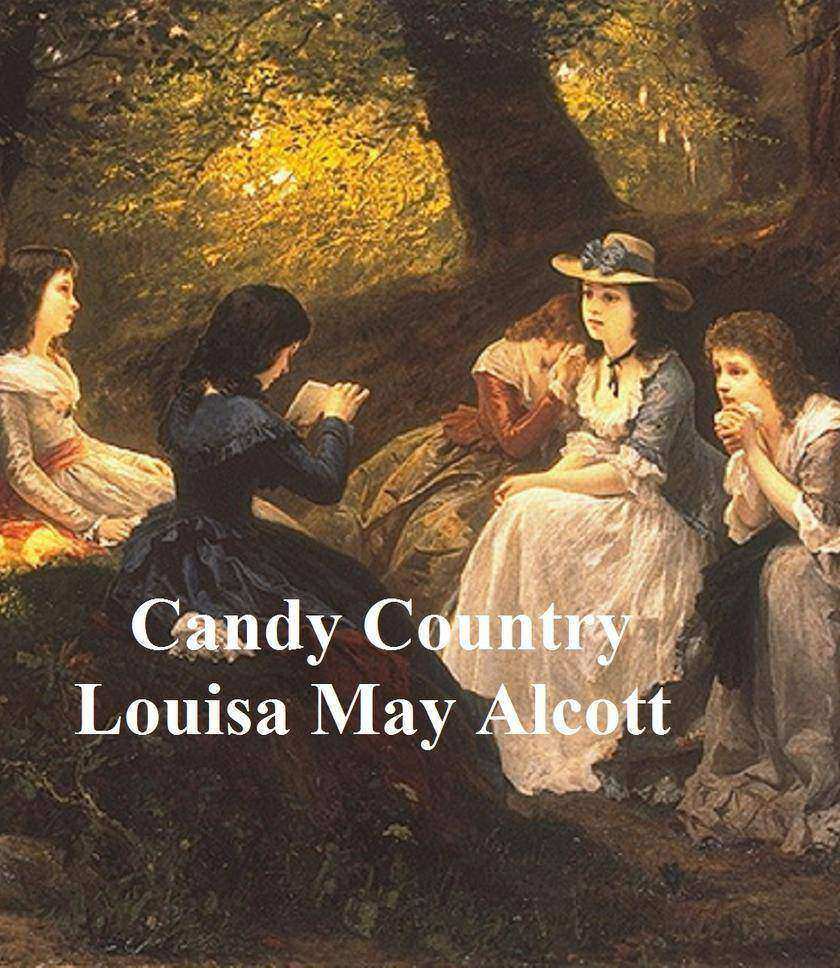
Candy Country
¥8.09
Short story by the author of Little Women. According to Wikipedia: "Louisa May Alcott's overwhelming success dated from the appearance of the first part of Little Women: or Meg, Jo, Beth and Amy, (1868) a semi-autobiographical account of her childhood years with her sisters in Concord, Massachusetts. Part two, or Part Second, also known as Good Wives, (1869) followed the March sisters into adulthood and their respective marriages. Little Men (1871) detailed Jo's life at the Plumfield School that she founded with her husband Professor Bhaer at the conclusion of Part Two of Little Women. Jo's Boys (1886) completed the "March Family Saga." Most of her later volumes, An Old Fashioned Girl (1870), Aunt Jo's Scrap Bag (6 vols., 1871–1879), Eight Cousins and its sequel Rose in Bloom (1876), and others, followed in the line of Little Women, remaining popular with her large and loyal public. Although the Jo character in Little Women was based on Louisa May Alcott, she, unlike Jo, never married. Alcott explained her "spinsterhood" in an interview with Louise Chandler Moulton, "... because I have fallen in love with so many pretty girls and never once the least bit with any man."
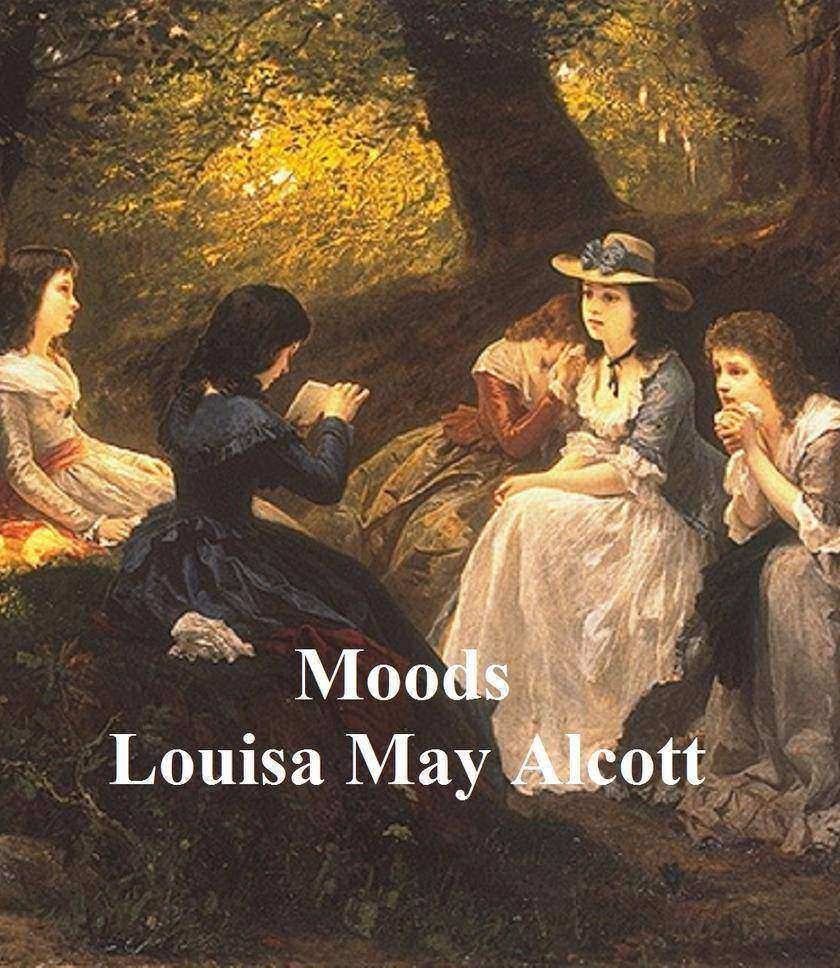
Moods
¥8.09
According to Wikipedia: "Louisa May Alcott (November 29, 1832 – March 6, 1888) was an American novelist. She is best known for the novel Little Women and its sequels Little Men and Jo's Boys. Little Women was set in the Alcott family home, Orchard House in Concord, Massachusetts, and published in 1868. This novel is loosely based on her childhood experiences with her three sisters."
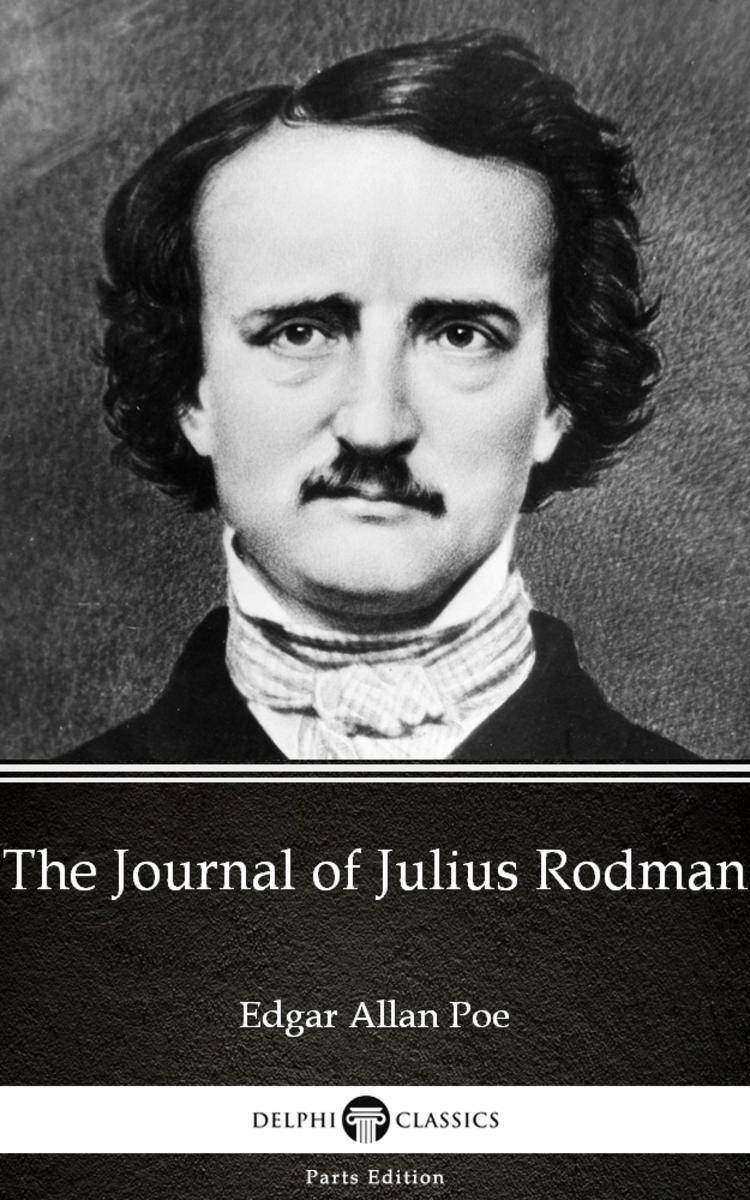
The Journal of Julius Rodman by Edgar Allan Poe - Delphi Classics (Illustrated)
¥8.09
This eBook features the unabridged text of ‘The Journal of Julius Rodman by Edgar Allan Poe - Delphi Classics (Illustrated)’ from the bestselling edition of ‘The Complete Works of Edgar Allan Poe’. Having established their name as the leading publisher of classic literature and art, Delphi Classics produce publications that are individually crafted with superior formatting, while introducing many rare texts for the first time in digital print. The Delphi Classics edition of Poe includes original annotations and illustrations relating to the life and works of the author, as well as individual tables of contents, allowing you to navigate eBooks quickly and easily. eBook features: * The complete unabridged text of ‘The Journal of Julius Rodman by Edgar Allan Poe - Delphi Classics (Illustrated)’ * Beautifully illustrated with images related to Poe’s works * Individual contents table, allowing easy navigation around the eBook * Excellent formatting of the text Please visit www.delphiclassics.com to learn more about our wide range of titles
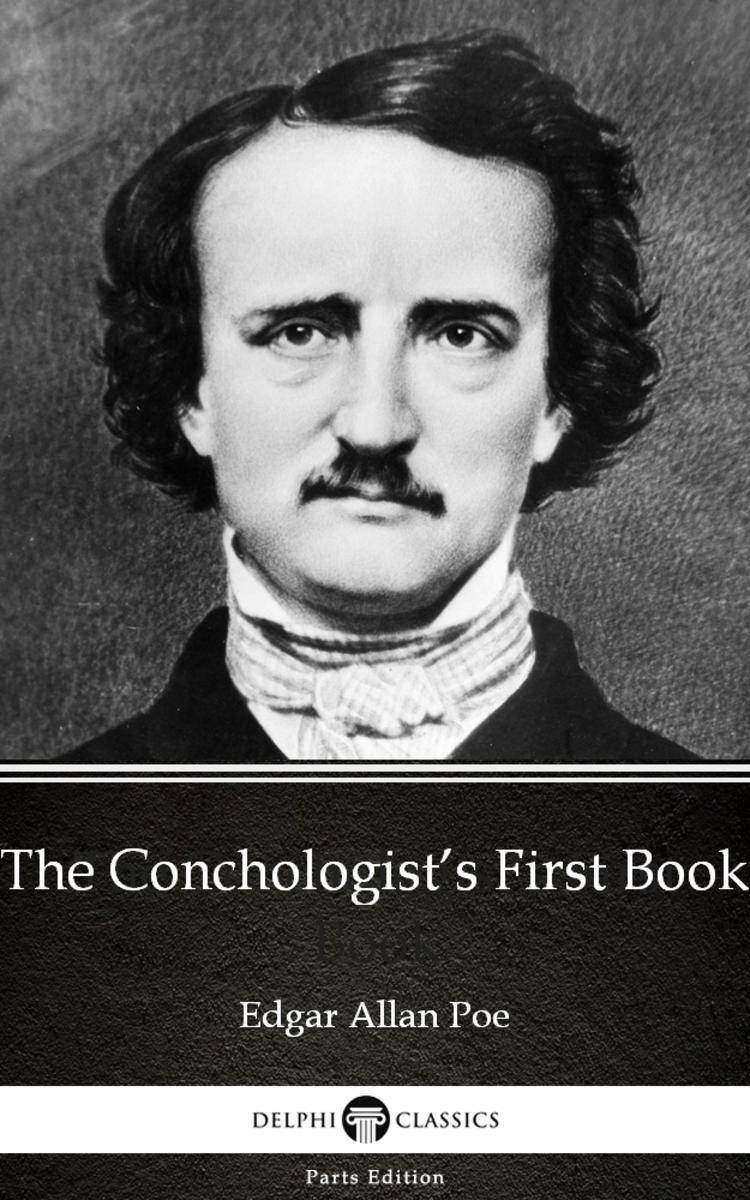
The Conchologist’s First Book by Edgar Allan Poe - Delphi Classics (Illustrated)
¥8.09
This eBook features the unabridged text of ‘The Conchologist’s First Book by Edgar Allan Poe - Delphi Classics (Illustrated)’ from the bestselling edition of ‘The Complete Works of Edgar Allan Poe’. Having established their name as the leading publisher of classic literature and art, Delphi Classics produce publications that are individually crafted with superior formatting, while introducing many rare texts for the first time in digital print. The Delphi Classics edition of Poe includes original annotations and illustrations relating to the life and works of the author, as well as individual tables of contents, allowing you to navigate eBooks quickly and easily. eBook features: * The complete unabridged text of ‘The Conchologist’s First Book by Edgar Allan Poe - Delphi Classics (Illustrated)’ * Beautifully illustrated with images related to Poe’s works * Individual contents table, allowing easy navigation around the eBook * Excellent formatting of the text Please visit www.delphiclassics.com to learn more about our wide range of titles
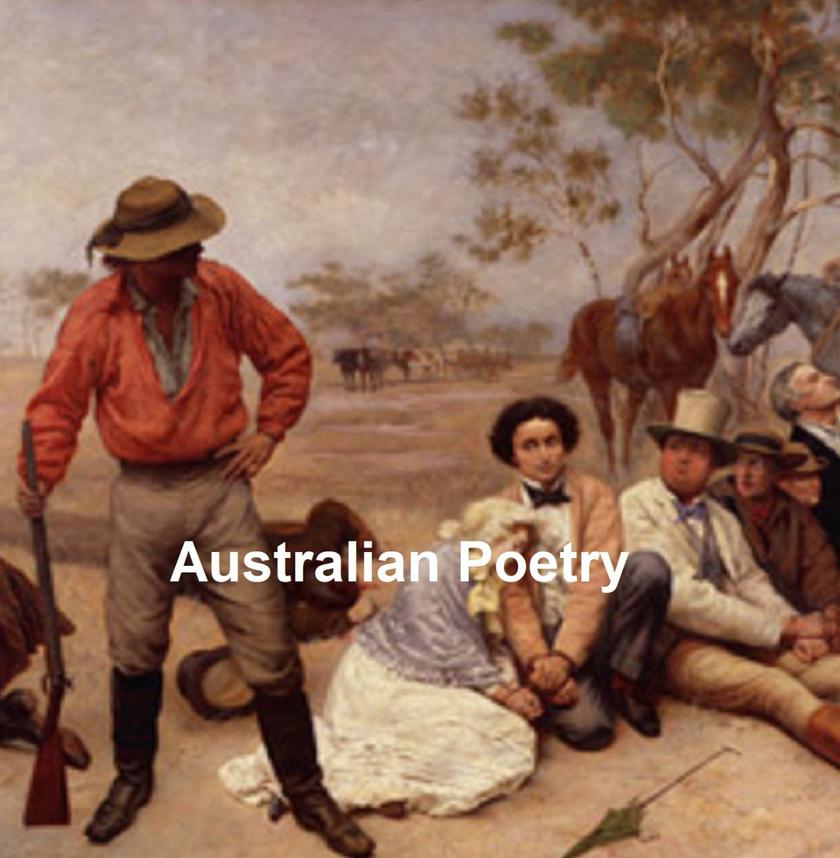
Australian Poetry
¥8.09
This file includes The Man from Snowy River and Other Verses, Saltbush Bill, J. P. and Other Verses, Rio rade's Last Race and other Verses all by Banjo Paterson, The Old Bush Songs edited by Banjo Paterson, In the Cays When the World Was Wide and Other Verses by Henry Lawson, and The Songs of a Sentimental Bloke, Digger Smith, and The Glugs of Gosh by C. J. Dennis.
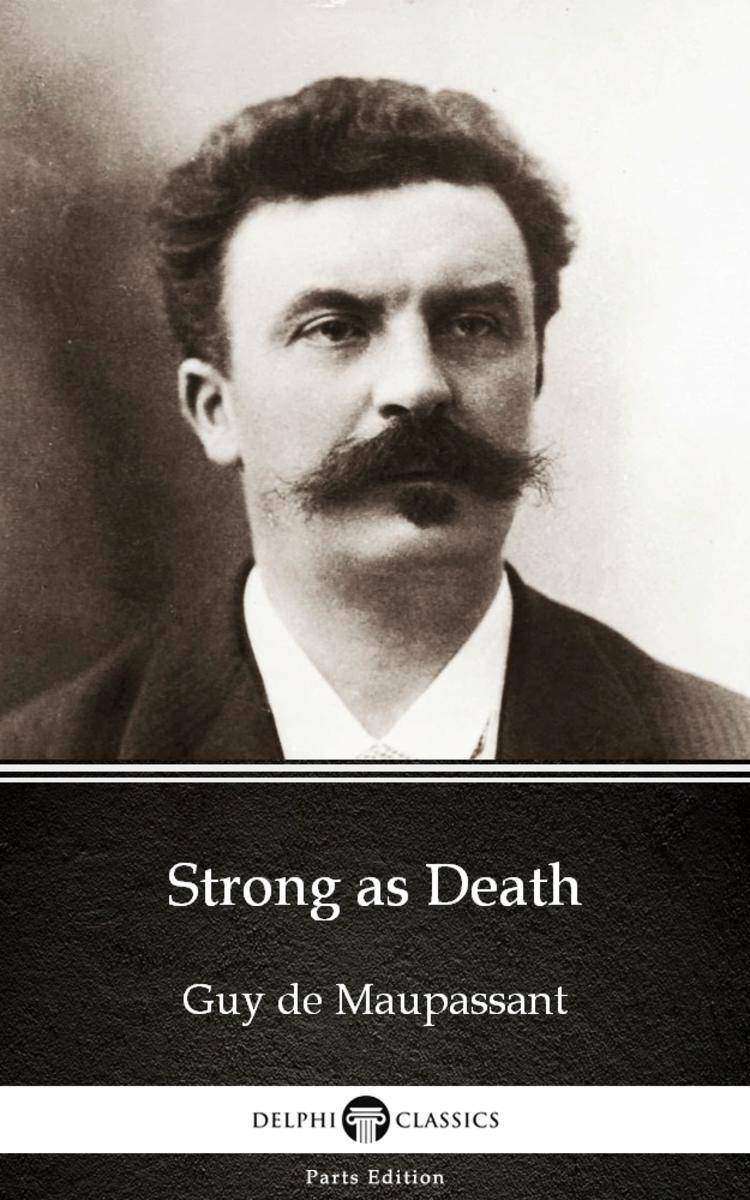
Strong as Death by Guy de Maupassant - Delphi Classics (Illustrated)
¥8.09
This eBook features the unabridged text of ‘Strong as Death by Guy de Maupassant - Delphi Classics (Illustrated)’ from the bestselling edition of ‘The Complete Works of Guy de Maupassant’. Having established their name as the leading publisher of classic literature and art, Delphi Classics produce publications that are individually crafted with superior formatting, while introducing many rare texts for the first time in digital print. The Delphi Classics edition of Maupassant includes original annotations and illustrations relating to the life and works of the author, as well as individual tables of contents, allowing you to navigate eBooks quickly and easily. eBook features: * The complete unabridged text of ‘Strong as Death by Guy de Maupassant - Delphi Classics (Illustrated)’ * Beautifully illustrated with images related to Maupassant’s works * Individual contents table, allowing easy navigation around the eBook * Excellent formatting of the text Please visit www.delphiclassics.com to learn more about our wide range of titles
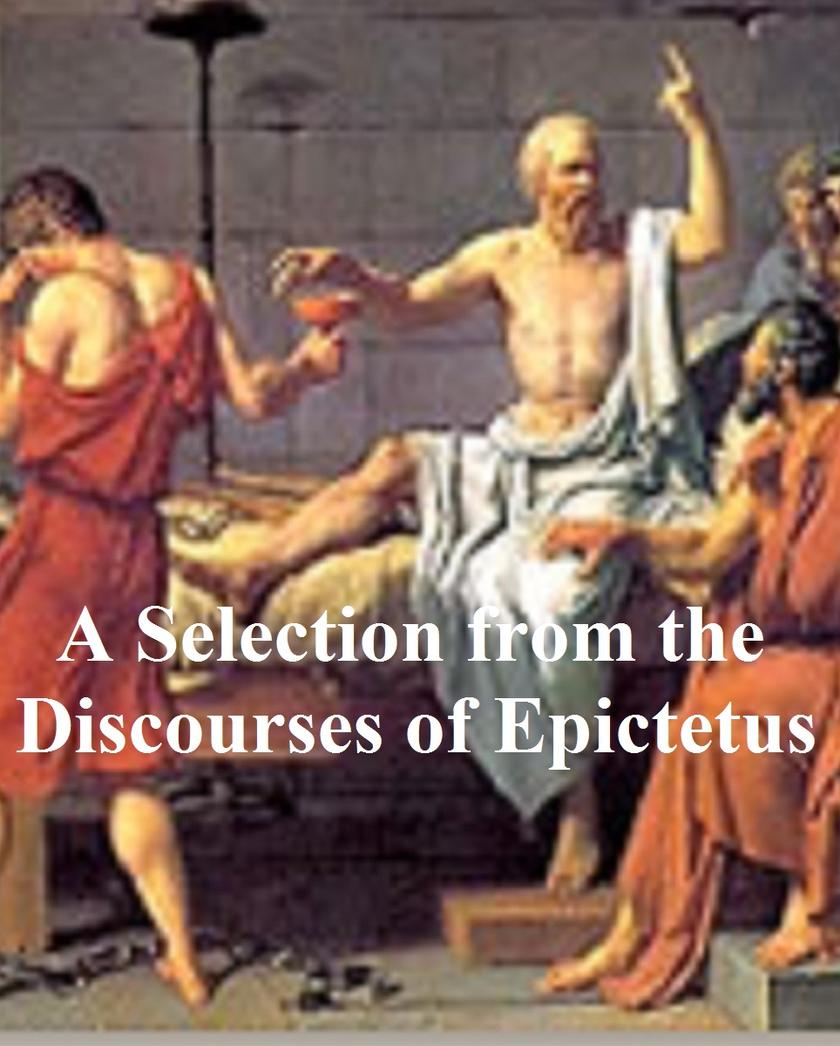
A Selection from the Discourses of Epictetus, with the Encheiridion
¥8.09
According to Wikipedia: "Epictetus (Ancient Greek: ?π?κτητο?; AD 55 – AD 135) was a Greek sage and Stoic philosopher. He was born a slave at Hierapolis, Phrygia (present day Pamukkale, Turkey), and lived in Rome until banishment when he went to Nicopolis in northwestern Greece where he lived the rest of his life. His teachings were noted down and published by his pupil Arrian in his Discourses."
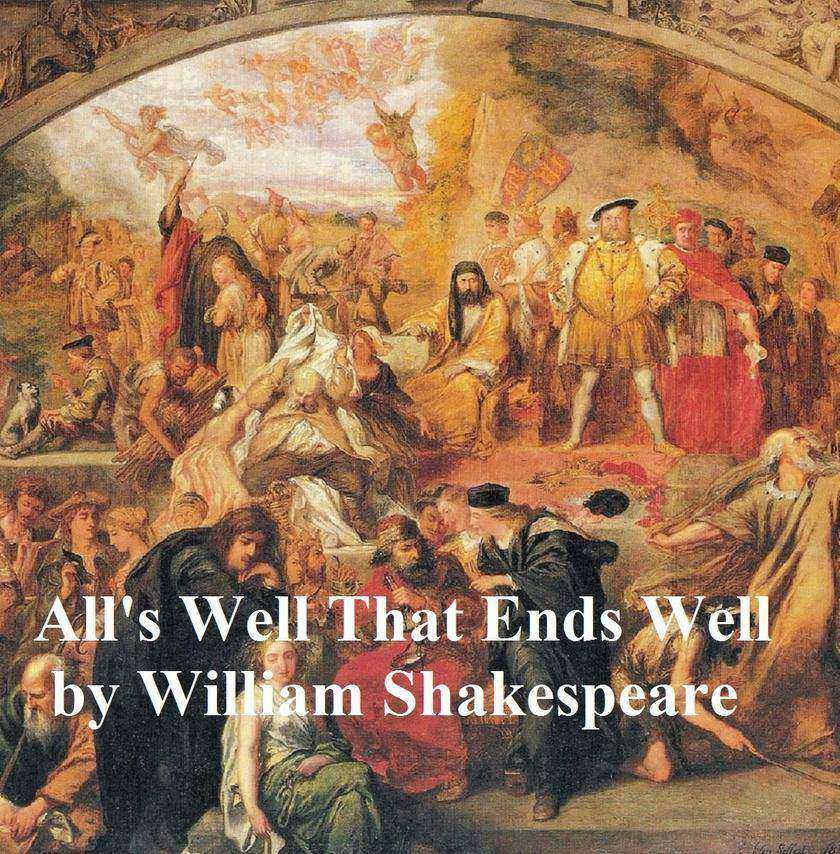
All's Well That Ends Well, with line numbers
¥8.09
The classic comedy. According to Wikipedia: "All's Well That Ends Well is a play by William Shakespeare. It was probably written between 1601 and 1608, and it was first published in the First Folio in 1623. Though originally the play was classified as a comedy, the play is now often considered one of his problem plays.[citation needed] These plays of Shakespeare's are so named because they cannot be neatly classified as tragedy or comedy."

The Subjection of Women
¥8.09
According to Wikipedia: "The Subjection of Women is the title of an essay written by John Stuart Mill in 1869, possibly jointly with his wife Harriet Taylor Mill, stating an argument in favour of equality between the sexes. At the time it was published in 1869, this essay was an affront to European conventional norms for the status of men and women."

Scenes of Clerical Life by George Eliot - Delphi Classics (Illustrated)
¥8.09
This eBook features the unabridged text of ‘Scenes of Clerical Life by George Eliot - Delphi Classics (Illustrated)’ from the bestselling edition of ‘The Complete Works of George Eliot’. Having established their name as the leading publisher of classic literature and art, Delphi Classics produce publications that are individually crafted with superior formatting, while introducing many rare texts for the first time in digital print. The Delphi Classics edition of Eliot includes original annotations and illustrations relating to the life and works of the author, as well as individual tables of contents, allowing you to navigate eBooks quickly and easily. eBook features: * The complete unabridged text of ‘Scenes of Clerical Life by George Eliot - Delphi Classics (Illustrated)’ * Beautifully illustrated with images related to Eliot’s works * Individual contents table, allowing easy navigation around the eBook * Excellent formatting of the text Please visit www.delphiclassics.com to learn more about our wide range of titles
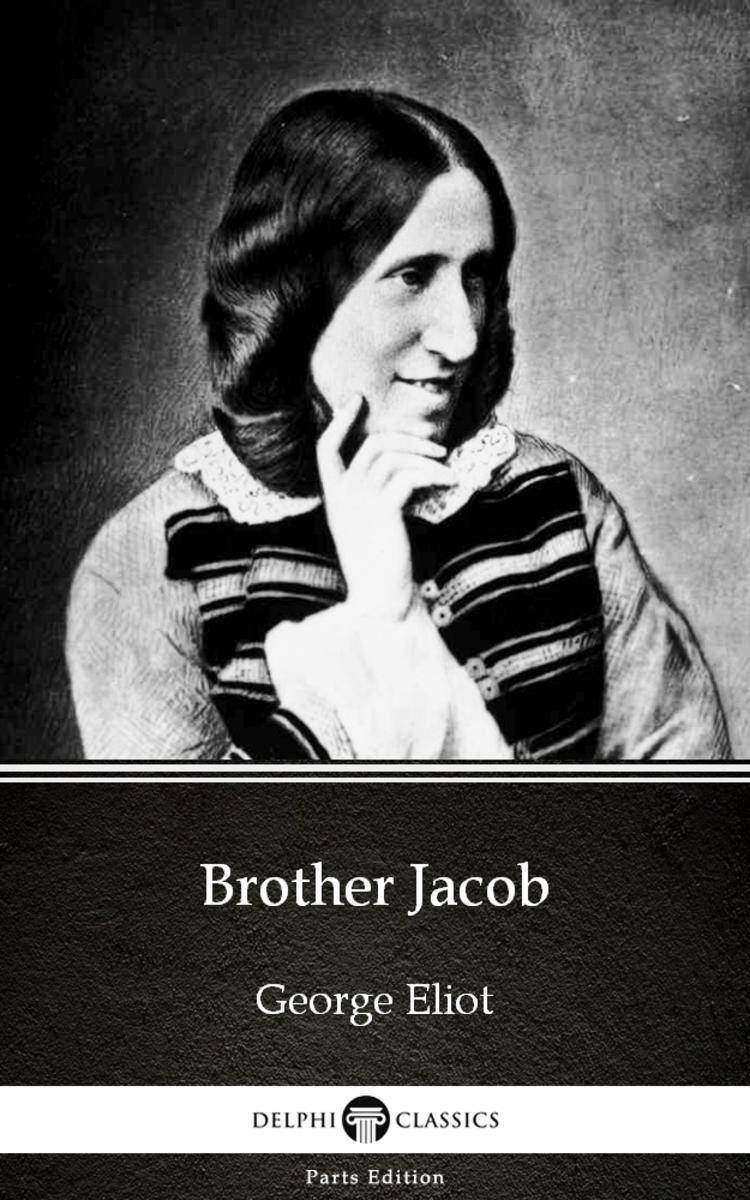
Brother Jacob by George Eliot - Delphi Classics (Illustrated)
¥8.09
This eBook features the unabridged text of ‘Brother Jacob by George Eliot - Delphi Classics (Illustrated)’ from the bestselling edition of ‘The Complete Works of George Eliot’. Having established their name as the leading publisher of classic literature and art, Delphi Classics produce publications that are individually crafted with superior formatting, while introducing many rare texts for the first time in digital print. The Delphi Classics edition of Eliot includes original annotations and illustrations relating to the life and works of the author, as well as individual tables of contents, allowing you to navigate eBooks quickly and easily. eBook features: * The complete unabridged text of ‘Brother Jacob by George Eliot - Delphi Classics (Illustrated)’ * Beautifully illustrated with images related to Eliot’s works * Individual contents table, allowing easy navigation around the eBook * Excellent formatting of the text Please visit www.delphiclassics.com to learn more about our wide range of titles

The Life of Jesus Critically Examined by Dr. David Friedrich Strauss by George E
¥8.09
This eBook features the unabridged text of ‘The Life of Jesus Critically Examined by Dr. David Friedrich Strauss by George Eliot - Delphi Classics (Illustrated)’ from the bestselling edition of ‘The Complete Works of George Eliot’. Having established their name as the leading publisher of classic literature and art, Delphi Classics produce publications that are individually crafted with superior formatting, while introducing many rare texts for the first time in digital print. The Delphi Classics edition of Eliot includes original annotations and illustrations relating to the life and works of the author, as well as individual tables of contents, allowing you to navigate eBooks quickly and easily. eBook features: * The complete unabridged text of ‘The Life of Jesus Critically Examined by Dr. David Friedrich Strauss by George Eliot - Delphi Classics (Illustrated)’ * Beautifully illustrated with images related to Eliot’s works * Individual contents table, allowing easy navigation around the eBook * Excellent formatting of the text Please visit www.delphiclassics.com to learn more about our wide range of titles
Swann's Way
¥8.09
The classic novel in English translation. According to Wikipedia: "In Search of Lost Time or Remembrance of Things Past (French: ? la recherche du temps perdu) is a novel in seven volumes by Marcel Proust. His most prominent work, it is popularly known for its considerable length and the notion of involuntary memory, the most famous example being the "episode of the madeleine." The novel is widely referred to in English as Remembrance of Things Past but the title In Search of Lost Time, a literal rendering of the French, has gained in usage since D. J. Enright adopted it in his 1992 revision of the earlier translation by C. K. Scott Moncrieff and Terence Kilmartin. The complete story contains nearly 1.5 million words and is one of the longest novels in world literature."
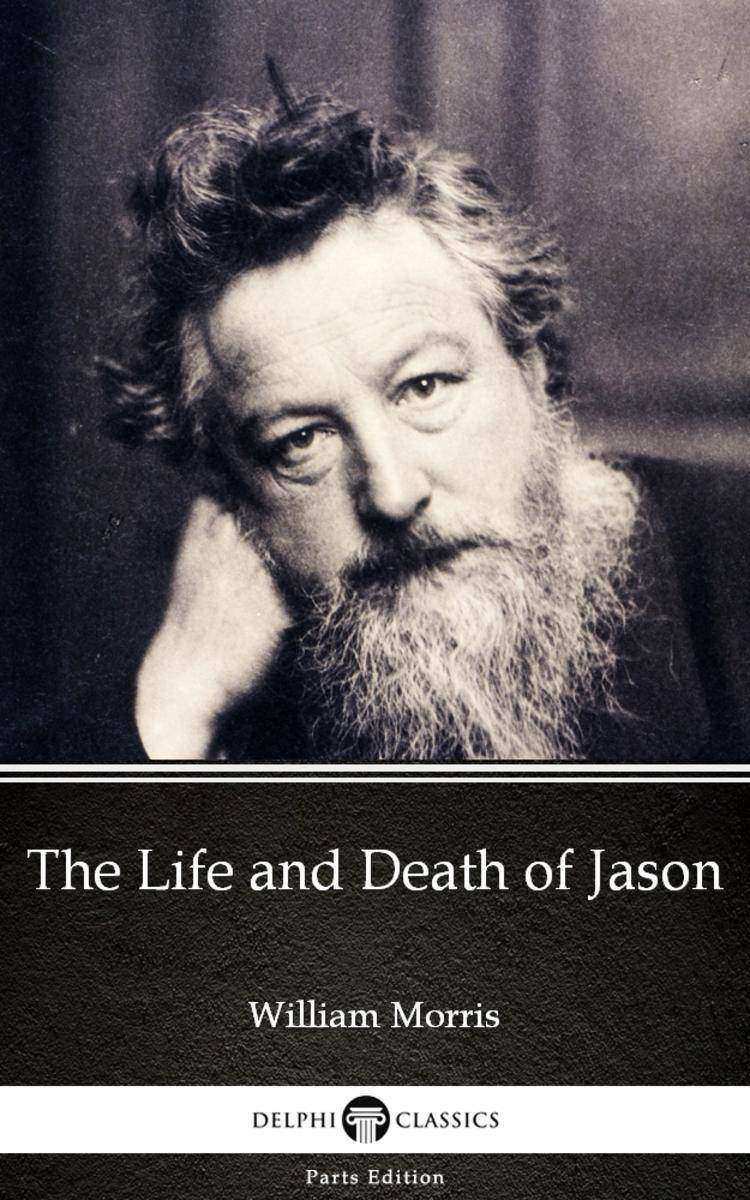
The Life and Death of Jason by William Morris - Delphi Classics (Illustrated)
¥8.09
This eBook features the unabridged text of ‘The Life and Death of Jason by William Morris - Delphi Classics (Illustrated)’ from the bestselling edition of ‘The Complete Works of William Morris’. Having established their name as the leading publisher of classic literature and art, Delphi Classics produce publications that are individually crafted with superior formatting, while introducing many rare texts for the first time in digital print. The Delphi Classics edition of Morris includes original annotations and illustrations relating to the life and works of the author, as well as individual tables of contents, allowing you to navigate eBooks quickly and easily. eBook features: * The complete unabridged text of ‘The Life and Death of Jason by William Morris - Delphi Classics (Illustrated)’ * Beautifully illustrated with images related to Morris’s works * Individual contents table, allowing easy navigation around the eBook * Excellent formatting of the text Please visit www.delphiclassics.com to learn more about our wide range of titles
Adventures of Tom Sawyer
¥8.09
The 1886 edition, with 151 black-and-white illustrations. According to Wikipedia: "Thomas "Tom" Sawyer is the title character of the Mark Twain novel The Adventures of Tom Sawyer (1876). He appears in three other novels by Twain: Adventures of Huckleberry Finn (1884), Tom Sawyer Abroad (1894), and Tom Sawyer, Detective (1896)... Tom Sawyer's best friends include Joe Harper and Huckleberry Finn. In The Adventures of Tom Sawyer, Tom's infatuation with classmate Rebecca "Becky" Thatcher is apparent. He lives with his half brother Sid, his cousin Mary, and his stern Aunt Polly in the (fictional) town of St. Petersburg, Missouri. In addition, he has another aunt, Sally Phelps, who lives considerably farther down the Mississippi River, in the town of Pikesville. Tom is the son of Aunt Polly's dead sister."
Doctrine and Practice of Yoga
¥8.09
According to Wikipedia: "Yoga is the Hindu practice of physical, mental, and spiritual discipline, originating in ancient India. The goal of yoga, or of the person practicing yoga, is the attainment of a state of perfect spiritual insight and tranquility while meditating on the Hindu concept of divinity or Brahman. The word is associated with meditative practices in Hinduism, Jainism, and Buddhism."
The Red Badge of Courage
¥8.09
The classic realistic novel of war, from the perspective of a young recruit. According to Wikipedia: "Stephen Crane (1871 – 1900) was an American novelist, short story writer, poet and journalist. Prolific throughout his short life, he wrote notable works in the Realist tradition as well as early examples of American Naturalism and Impressionism. He is recognized by modern critics as one of the most innovative writers of his generation. The eighth surviving child of highly devout parents, Crane was raised in several New Jersey towns and Port Jervis, New York. He began writing at an early age and had published several articles by the age of 16. Having little interest in university studies, he left school in 1891 and began work as a reporter and writer. Crane's first novel was the 1893 Bowery tale Maggie: A Girl of the Streets, which critics generally consider the first work of American literary Naturalism. He won international acclaim for his 1895 Civil War novel The Red Badge of Courage, which he wrote without any battle experience."
An Answer to the Question “What Is Enlightenment” by Immanuel Kant - Delphi Clas
¥8.09
This eBook features the unabridged text of ‘An Answer to the Question “What Is Enlightenment” by Immanuel Kant - Delphi Classics (Illustrated)’ from the bestselling edition of ‘The Collected Works of Immanuel Kant’. Having established their name as the leading publisher of classic literature and art, Delphi Classics produce publications that are individually crafted with superior formatting, while introducing many rare texts for the first time in digital print. The Delphi Classics edition of Kant includes original annotations and illustrations relating to the life and works of the author, as well as individual tables of contents, allowing you to navigate eBooks quickly and easily. eBook features: * The complete unabridged text of ‘An Answer to the Question “What Is Enlightenment” by Immanuel Kant - Delphi Classics (Illustrated)’ * Beautifully illustrated with images related to Kant’s works * Individual contents table, allowing easy navigation around the eBook * Excellent formatting of the text Please visit www.delphiclassics.com to learn more about our wide range of titles
Henry VI Part 2, with line numbers
¥8.09
The classic Shakespeare history play, with line numbers. According to Wikipedia: "William Shakespeare (baptised 26 April 1564 – died 23 April 1616) was an English poet and playwright, widely regarded as the greatest writer in the English language and the world's pre-eminent dramatist. He is often called England's national poet and the "Bard of Avon" (or simply "The Bard"). His surviving works consist of 38 plays, 154 sonnets, two long narrative poems, and several other poems. His plays have been translated into every major living language, and are performed more often than those of any other playwright."
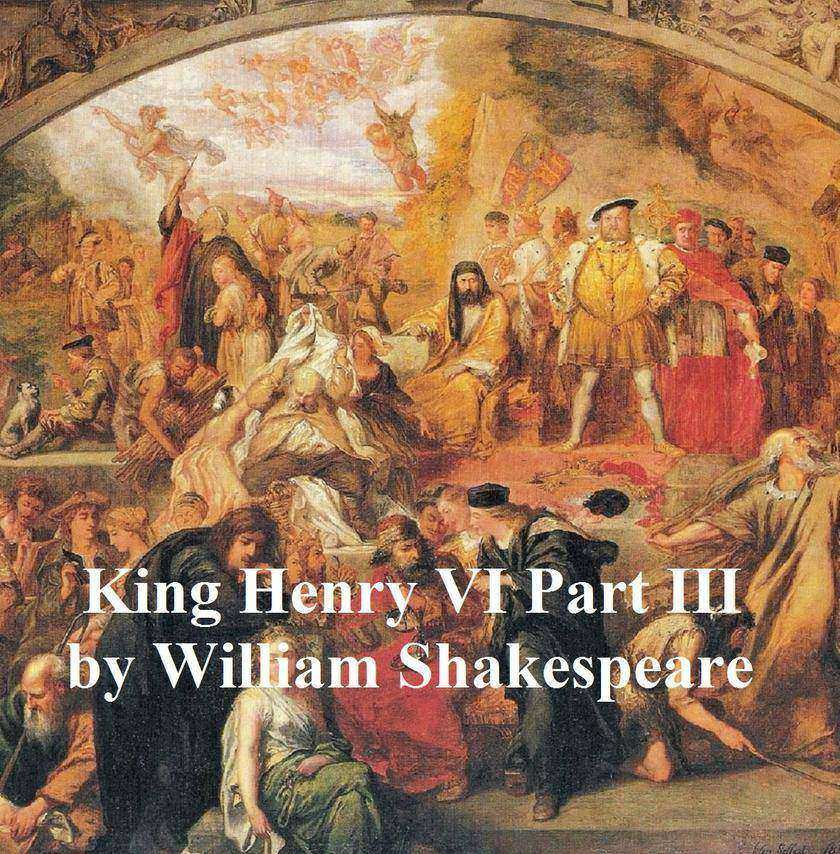
Henry VI Part 3, with line numbers
¥8.09
The classic Shakespeare history play, with line numbers. According to Wikipedia: "William Shakespeare (baptised 26 April 1564 – died 23 April 1616) was an English poet and playwright, widely regarded as the greatest writer in the English language and the world's pre-eminent dramatist. He is often called England's national poet and the "Bard of Avon" (or simply "The Bard"). His surviving works consist of 38 plays, 154 sonnets, two long narrative poems, and several other poems. His plays have been translated into every major living language, and are performed more often than those of any other playwright."
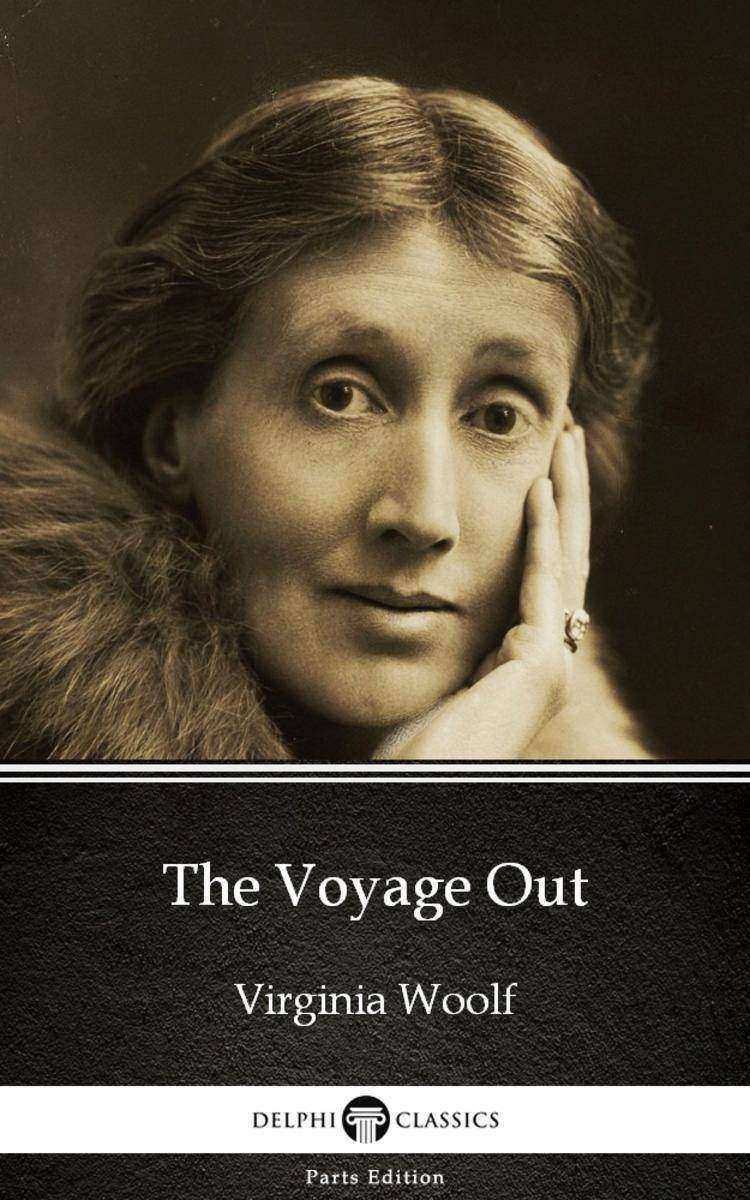
The Voyage Out by Virginia Woolf - Delphi Classics (Illustrated)
¥8.09
This eBook features the unabridged text of ‘The Voyage Out by Virginia Woolf - Delphi Classics (Illustrated)’ from the bestselling edition of ‘The Complete Works of Virginia Woolf’. Having established their name as the leading publisher of classic literature and art, Delphi Classics produce publications that are individually crafted with superior formatting, while introducing many rare texts for the first time in digital print. The Delphi Classics edition of Woolf includes original annotations and illustrations relating to the life and works of the author, as well as individual tables of contents, allowing you to navigate eBooks quickly and easily. eBook features: * The complete unabridged text of ‘The Voyage Out by Virginia Woolf - Delphi Classics (Illustrated)’ * Beautifully illustrated with images related to Woolf’s works * Individual contents table, allowing easy navigation around the eBook * Excellent formatting of the text Please visit www.delphiclassics.com to learn more about our wide range of titles


