Conscious by Nature: Understanding the nature of consciousness through nature it
¥40.79
Come on a journey into the nature of consciousness, finding the space 'between thoughts' as the most obvious place to recognize your true and eternal Self. We recognize overlooked aspects of the natural world around us; as ourselves, as well as using nature to demonstrate spiritual concepts such as God, union and liberation. Your true 'nature' awaits...---------------------------"No matter how it is approached, no amount of words will ever transmit to another person the indescribable 'ultimate Truth'. The fact that it's described as indescribable should be enough to stop us trying. Yet it's made even more difficult because of our troublesome human mind. As intelligent and magnificent as it is, it has a deep and tragic habit of confusing the symbols we use (for simple convenience) in our lives, for the actual things or ideas they represent. As Alan Watts used to say, it's like climbing a signpost rather than walking in the direction it points. Our greatest of misunderstandings is that we confuse the story and idea of who we are, with what is actually true; pure and simple. We make a false judgment on who or what we are, and you wouldn't believe the amount of mischief that arises in result.As exaggerated or humorous as all this may sound on first impressions, this habit of confusing symbols for reality is a very real problem plaguing our human world, and the implications are exceptionally far reaching. We have confused such things as money for wealth, status or fame for character and even the virtual world for real - but most appropriate to this book, is that religious or spiritual concepts are always confused for the things they are pointing towards. That's particularly true of our concepts of 'God', particularly true of Buddha's Dharma, particularly true of any teaching towards enlightenment or liberation."---------------------------"OmniscienceOh father in heaven, omniscience cannot be. It makes no sense, no sense to me....***Between thoughts, your functioning remains flawless. Between thoughts you are ego-less, yet still exist...?How is it so that your heart beats without your control?How do migrating birds travel without directions, newborn horses stand straight up and embryos form without instruction. How does a plant know how to flower and a seed mature into a tree??Without thought or instruction, nature around you is already omniscient. Are you different from nature, or one and the same?***Young one, nature already exists in an omniscient state with no mind…?Between thoughts, are you omniscient?Mid-thought, do you believe you're not?"
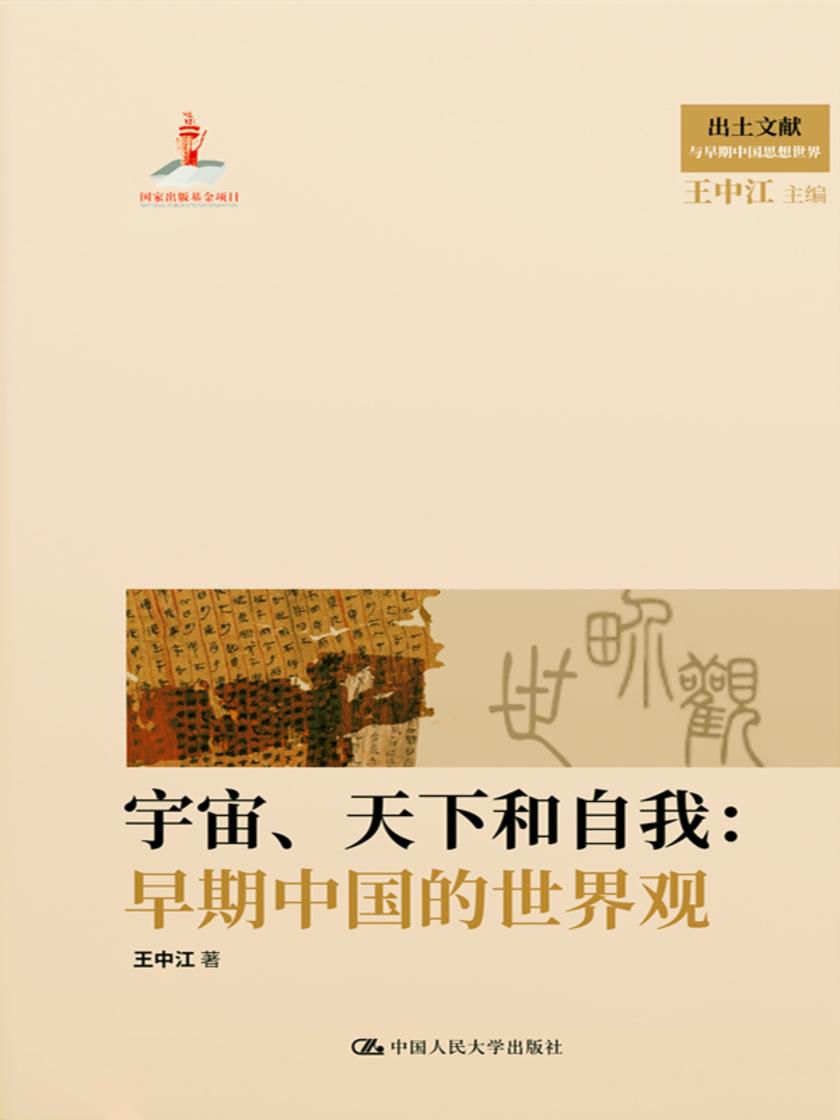
贺麟全集:马克思博士论文 黑格尔辩证法和哲学一般的批判
¥42.00
《马克思博士论文黑格尔辩证法和哲学一般的批判》(“贺麟全集”第九卷)是贺麟译述马克思早年经典哲学论著的重要成果。收发表于1842年的博士论文《德谟克里特的自然哲学与伊壁鸠鲁的自然哲学的差别》,该文对于用辩证法观研究古代自然哲学史有很大贡献,1958年由贺麟完成中译,1961年人民出版社出版单行本,后收《马恩全集》。《黑格尔辩证法和哲学一般的批判》于1955年翻译出版,对黑格尔哲学批判研究很有指导作用。本书另收四篇贺麟所撰相关文章,以备研究参考之用。
赫尔墨斯的口误(增订)(曹卫东学术文集)
促销价:¥15.00|¥25.00
《赫尔墨斯的口误(增订)》是作者的学术译文合集,涉及形而上学批判、话语政治、文艺理论等,收录了霍克海默、哈贝马斯、伽达默尔、克吕格、巴尔塔萨、罗曼·茵伽登、顾彬等著名学者的经典文章。译文难度较大,可见译者译笔矫健,这些文章也为学术界提供了颇具学术价值的成果。
Getting Used to Weird: A very different sort of Love Story
¥8.63
Are you awakening spiritually and feeling weird?You’re not alone. Truly, you are not alone. You have many spiritual helpers, and just like Angela, you can learn to communicate with them and enlist their support. Lorelle Taylor’s extraordinary book traces Angela’s journey from normal to weird. Join her as she confronts challenges and undertakes deeply spiritual lessons while exploring the biggest questions. Learn about life and death from angels, spirit guides, Jesus and God. Discover how to overcome obstacles in your own path as you too discover the secrets for a fulfilled and happy life. Start reading?Getting Used to Weird: A very different sort of Love Story?today and you’ll discover that on this journey, you’re also getting used to love. You’ll come away with the knowledge that “Love is the answer to all questions.”
Inigo: a play about Ignatius of Loyola
¥32.62
Inigo (Ignatius de Loyola) begins as a hot-headed, street-fighting sensualist, in this action-packed play but due to serious injury in a sword-fight, he has to spend time recovering and reassessing his dissolute life. This stage version of his life follows his transformation to become the co-founder of the Jesuits in the sixteenth century, battling the powers of the day and the Inquisition. In Moore's bold, funny play, he asserts Inigo's position as a radical figure bent on changing the Catholic Church.?? This play is not only for those interested in Inigo and the Jesuits. It is also about individuals who fight for change against an implacable Establishment and it is ideal for performing in schools, colleges and theatres. Of special interest to schools and colleges, many of which are named after Inigo (Ignatius de Loyola).?Inigo's spiritual tools for change have informed other self-development programs such as the 12 step program for recovering drug and alcohol addicts. As Pope Francis is a Jesuit, this is a timely exploration of one of history's major spiritual leaders and reformers. "This is the most interesting play text to have reached me for a while... Ignatius of Loyala, founder of the Jesuits is not the most obvious choice for a play subject until you remember that he was effectively a counter-cultural radical fighting an implacable establishment suddenly it s both topical and relevant. I hope this thoughtful, engaging and very funny in places eight-hander will get more outings very soon. If not read the text anyway." --Susan Elkin, The Stage"Brilliantly written... a great evening of thoughtful and dynamic theatre." --Mark Lawson, arts correspondent"The structure and dynamism of the play, the art with which Jonathan Moore makes Ignatius accessible to us, capturing much of the drama of the Spiritual Exercises themselves, would also make I?igo an excellent discovery for schools and colleges." --James Hanvey SJ, Master of Campion Hall, University of Oxford, Thinking Faith Jonathan Moore is an award-winning actor, writer and director. As an actor he has played leading roles at the Royal Shakespeare Co, Royal Court, Donmar, the Royal Exchange and on BBC TV. He has directed theatre and opera world premieres at the Almeida, Donmar, West End, Royal Exchange, Gate, English National Opera, Covent Garden, La Fenice in Venice and on TV among many others. He has directed world premieres by composers such as Turnage, MacMillan, Henze, Schnittke, Nyman, Copeland and more, and his early work was sponsored by Joe Strummer of The Clash. He has collaborated with members of punk band Killing Joke and on several projects with Industrial group Test Dept. A published playwright and librettist, his work has been performed at leading theatres including the Donmar, Royal Exchange, Gate, BBC TV, radio and internationally. Jonathan was asked by Mark Rylance to direct the large-scale immersive project for over fifty performers What You Will, a co-production for Shakespeare s Globe, The Cultural Olympiad and Mayor s Office and several subsequent Shakespeare projects. He is due to direct a large-scale site-specific immersive project for Ludovico Einaudi in Italy and a new opera project with Stewart Copeland. He is on the Artistic Advisory Committee of the Royal Academy of Dramatic Art. He has had a Who s Who entry since 2007. A collection of Moore's plays has been previously published by Aurora Metro Books. www.jonathanmooreuk.com
马克思主义如何中国化(马克思主义研究论库·第二辑)
¥34.80
马克思主义如何由西方形态变为东方形态,由欧洲形态变为亚洲形态,由德国形态变为中国形态,一句话,马克思主义如何中国化,是一个特别重要的理论前沿问题。本书从马克思主义中国化的历史进程、文化意蕴、当代视野,中国特色社会主义理论体系的创立和发展,马克思主义中国化的理论创新及其成果,中国传统文化与马克思主义中国化,发展当代中国马克思主义等多个方面,梳理、总结马克思主义中国化的基本经验,展望在新的历史条件下如何推进马克思主义中国化、发展当代中国马克思主义。
Revistele literare ale exilului rom?nesc. Luceaf?rul
¥69.57
Adam Smith (1723-1790) este p?rintele g?ndirii economice moderne. ?n volumul de fa?? au fost culese c?teva dintre cele mai importante capitole din lucrarea care a marcat ?nceputurile disciplinare ale unui domeniu pentru care ast?zi se acord? Premiul Nobel, dar ?i paragraful care ofer? cititorului o explica?ie sintetic? a conceptului pentru care autorul va r?m?ne ?n istorie: m?na invizibil?. Chiar daca unele concepte-cheie ale teoriei g?nditorului sco?ian par dep??ite, ?n esen?a observa?iile ?i explica?iile sale privitoare la natura economic? a socialului r?m?n c?t se poate de subtile ?i conving?toare.
Sceptrul ?i s?ngele. Regi ?i regine ?n tumultul celor dou? R?zboaie Mondiale
¥90.84
Cum a fost ?nceputul, de unde ?i de ce a venit Universul la fiin??? Cine a creat, de fapt, via?a pe P?m?nt ?i cum va fi Sf?r?itul? Ce se ?nt?mpl? atunci c?nd murim ?i unde ajungem dup? aceea? ?i, la urma urmei, ce contur trebuie s?-i d?m vie?ii noastre dac? Dumnezeu nu exist?? Miturile ?i speran?ele noastre ofer? r?spunsuri convenabile, dar periculoase, la aceste ?ntreb?ri ?ntruc?t ?ntre?in iluzii care ne sporesc, ?n realitate, angoasa ?i la?itatea. Avem, totu?i, o alternativ?: apelul la metodele ?i descoperirile ?tiin?ei pentru a repune lucrurile ?i problemele ?n contextul din care au fost decupate din ignoran?? sau din r?utate. Despre via?? ?i moarte reabiliteaz? acest tip de demers ?ntr-un periplu scris cu umor, dar ?i cu seriozitate, cu elegan??, dar ?i cu duio?ie.
Paradoksal Ritüeller: [Aforizmatik Deneme]
¥18.80
Geli?mi?li?in ??karsamalar?nda ilk akla gelen ?l?üt, meden? olarak ilerleme kaydetti?ini iddi? eden, d??avurumcu insanlar toplulu?unun bencil yap?la?mas?ndan ge?mektedir. Ara?t?rmalar sonucunda elde edilebilen, g?rsel, i?itsel, yaz?l?, ar?iv v.b tüm veriler do?rultusunda ayd?nlat?lm?? ger?ekler düny?si mevcuttur. Asalak olarak hayata tutunmaya ?al??an, ?z bireyci katmanlar?n en alt?na indirgenmi? insan say?lan varl?klar?n, niteliksel ?zelliklerle ?a?a tutunmas? imk?nsizdir. "En ?ok ben kazanay?m." s?yleminden yola ??karak, rahatl?k ve konforun adresinde bulu?an simbiyoz ya?ant?lar?n; ?a?d??? kalm??, kendi dü?üncesi h?ricindekileri yok sayan, ?ok katmanl? yüzeysel düny?s?nda gezinmenin verdi?i ferahl?k, bir?ok insan? cezbederek, ?ekilsiz ya?ant? portrelerini bilfiil olu?turmu?tur. Dü?ünceleri ve mevc?diyeti ?imento ile kaplanan nesillerin, zenginlik saltanat?na ayak ba?? olmas?ndan korkan erkin, katmerli yapt?r?mlar? bulunmaktad?r. D??s?z kalm?? medeniyetin, ??karsamalarla dolu ??karc? düny?s?nda, kendine en ufak bir yer edinimini ba?ar? sayan birey, ya?ant? düny?sinin ger?ek yüzeyine ula?t??? i?in mutlu olmal? m?d?r? G?rülen ve g?sterilen, verilen, yapt?r?lan tüm edimlerin ve edinimlerin, do?rultusunda, bireyin ??karc? sistem adamlar? ile yapt??? yolculu?a dikkat etmesi gerekir. Ritüel h?line gelmi?, paradoksal d?ngüde her d?im ba?lad??? yerden farkl? bir sona ula?mas? gereken yolculu?u yapan bireyin de, beklentisi bu olan macer?s?nda, üzüntü ve yenilgi verici sonucun, ayn? ?ekilde ikinci, ü?üncü defa ger?ekle?mesi ve ?o?u insan?n, bunun fark?ndal???nda olmay???n?n verdi?i bocalamayla ge?en ?mrünün c?resizli?inde ??rp?nmas? ve bo?ulmas? an meselesidir. Yapt?r?mlar yapt?r?mlar?, bilgisizlik ve c?hillik yeni olu?umlar? tetikleyecektir. ?nemli olan her insan?n asl?nda bir paradoks denkleminde, paradoks yolunda oldu?unu bilmesi ve ba?lad??? noktaya geldi?inde, nas?l bir düzenin i?erisinde ritüel yapt???n?n fark?nda olmas? gerekmektedir. Naz?re davran??lar?, sistem i?erisinde en az?ndan denemek, ayn? dü?üncede bulunan insanlar? bir araya getirmek ?artt?r. Ulusal bilincin her d?im uyan?k tutulmas?, paradokslarla sava??n en mükemmel ?rneklerinden birini olu?turacakt?r. ?nsan?n kat etti?i yol da, bu s?yede dünden kopu?un de?il, yar?n?n güvence alt?na al?nmas?n? tetikleyecektir. Yar?n? güvence alt?na al?nan bireyler de; kof, mesnetsiz, yalan ve riy?karl??a dayal? sistemleri ??kertme ve kendi hastal?kl? sistemlerini dayatmaya ?al??an ?o?unlu?un, katmerli ezici üstünlü?ü alt?nda direni? g?stermenin, mutlak gayreti i?erisinde olacakt?r. ?nsan?n yahut insanl???n bu eylemi ger?ekle?tirmeye ?al??mas?n?, en az?ndan denemesini diliyorum. N??M ONUR TEZMEN, 2013 MUSTAFA VE AY?E Mustafa’ya g?re; canl?lar?n, kompleks ya?am süreci i?erisinde, kabullenebilir davran?? grafi?ini topluma uydurmak ve o uyumu devam ettirme g?revi, bireysel sorumluluk gerektirmekteydi. Toplum i?erisindeki statüsünü belirleyen birtak?m rolleri üstlenen bireyin, davran?? biliminde girece?i rollerin karma?as?na kap?lmadan, gerekli ve ?l?ülü davran??, sosyal bilim do?rulu?u vey? bu do?rulu?a en yak?n olmay? gerektiren tüm birle?imler; bireyin ?zünü, karakterini ve bili?sel zek?sini olu?turmaktayd?. En az?ndan Mustafa'n?n dü?ünceleri ?????nda, akl?n? yordu?u; bilgi, kültür, gelenek ve g?renek birikimi ile a??klamas? buydu. Varolu?unun aksine, ayn? y?nde kürek ?ekmesine ba?l? olan ya?amsal uzamda, kendi do?ruluk pay?n? olu?turmas? ve bu pay?, ?evresindeki insanlara sunmas?, ona zevkli bir hus? veriyordu. Mustafa’ya g?re bilgelik, kazan?lan tecrübelerle birlikte, birikimlerin, paralel vey? ayn? düzlem i?erisinde hareket ettirebilmenin yoluydu. Bundan ??karacak ders de, birine bir do?ruyu empoze etmeden, ikn? k?biliyetini, ki?inin benzer birle?imlerinde ivme kazanan ara?lar gibi haz?rlamak ve var??a ondan ?nce vararak, kendi do?rusunun en yak?n bile?enine, kar??s?ndaki insan? ?ekebilmekti.
Educa?ia regal?. Cum ?i-au crescut regii britanici copiii din 1066 p?n? ?n preze
¥98.02
Despre guvernarea reprezentativ” este o carte plin de surprize i sugestii despre bunele practici ale guvernrii, care nu trebuie s lipseasc din bibliotecile celor preocupai de zona politicii. Volumul de fa a vzut prima dat lumina tiparului n 1861 i reunete principiile la care a lucrat filosoful britanic John Stuart Mill n cea mai mare parte a vieii sale. Aceast lucrare publicat la mijlocul secolului al XIX-lea i pstreaz prospeimea i relevana pn astzi, cnd suntem tot mai aproape de a ncheia a doua decad a secolului XXI. n primul rnd, pentru c imagineaz pn n cele mai mici detalii acel model politic pe care l numim democraia reprezentativ”. Winston Churchill spunea despre acesta c este prost, dar e cel mai bun dintre cele pe care le-a inventat omenirea”. John Stuart Mill i descrie organizarea, detaliaz rolul instituiilor, felul n care sunt alei sau numii demnitarii i explic atribuiile fiecruia. Pune n eviden atu-urile, dar i vulnerabilitile guvernrii reprezentative, comparnd-o cu alte sisteme politice din vremea sa. n final, ajunge la o concluzie foarte asemntoare cu cea a premierului britanic din secolul urmtor. Colecia IN NUCE reunete fragmente venic verzi” din cultura omenirii, mpletind discursuri din art, literatur, tiine sociale i religie. Dincolo de renumele autorilor i de valoarea titlurilor pentru fiecare domeniu n parte, acestea sunt pilde ale nelepciunii universale din toate vremurile. De acelasi autor: Utilitarismul
Zorii din Alexanderplatz
¥40.79
innd seama de multiplele referiri la istorie, ct i de importana i relevana perspectivei temporal-istorice pentru orice alt tem, ajungem firesc la cardinalitatea istoriei n discursul lui Emil Cioran. n noianul tuturor temelor sale obsesive, istoria este o mega-tem, aflat n puternice raporturi cu celelalte. Aderena i entuziasmul pentru studiul problemelor de filosofia istoriei le gsim mrturisite nc de la nceputul traseului, n cteva scrisori ctre Bucur incu din anii ‘30. n acele scrisori vorbete de pasiune, de gndire spontan i personal, de adaptare natural asupra domeniului, i se arat ncredinat c, alturi de problemele de filosofia culturii i antropologiei filosofice, problemele de filosofia istoriei nu pot concepe c lea prsi vreodat. Dintre multiplele justificri ulterioare – opuse ca atitudine fa de cele din perioada iniial, dar care marcheaz aceeai aderen –, s punem dou n corelaie, scrise n ani apropiai, n care preocuparea pentru istorie este descris prin stri de dependen: slbiciune, sete, patim.“ – Ioan Costea
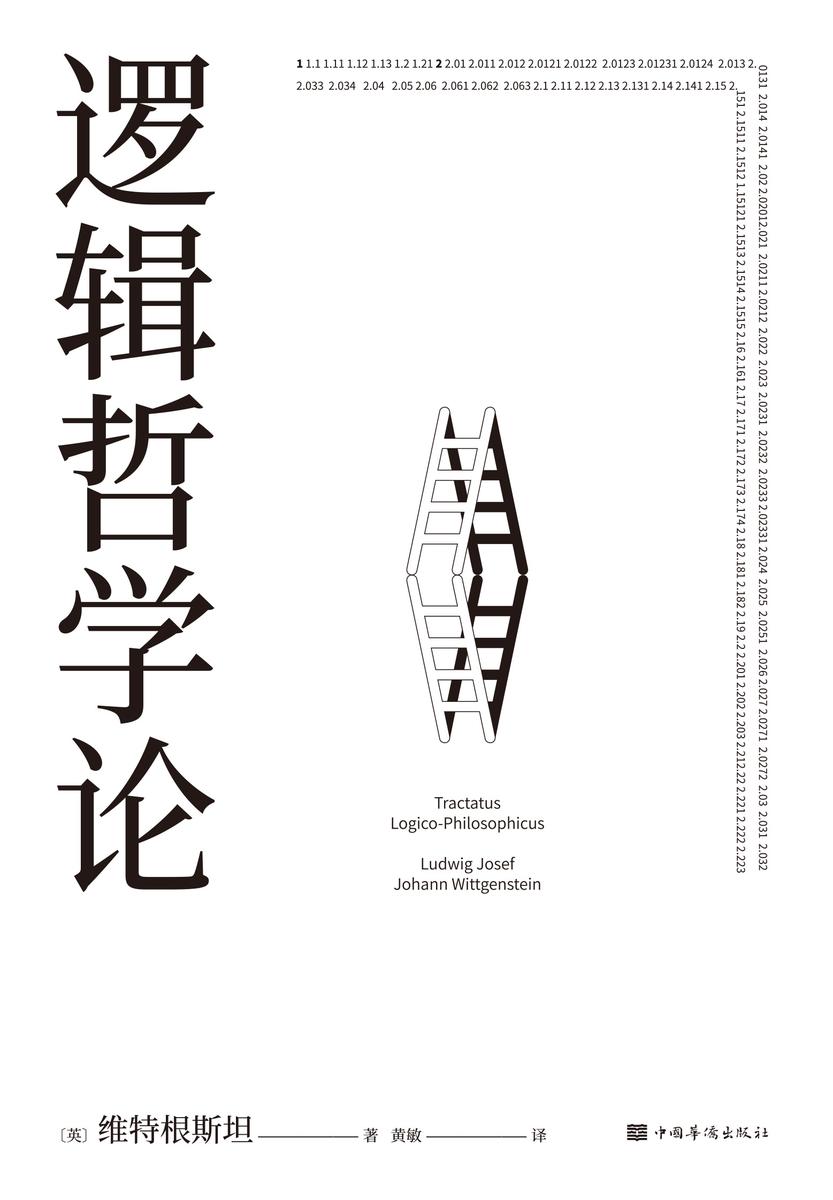
超图解西方哲学简史
¥5.00
本书在伯特兰·罗素的经典著作《西方哲学简史》的结构框架下,广泛吸取其他学界名家的研究成果,精选84位哲学家及其观,用近200幅思维导图与图表,将复杂晦涩的西方哲学图像化,以超图解的手法为你展现西方哲学的发展演,带你探索西方文明的本质与内核。 为什么柏拉图的《理想国》能长居西方高校书单榜首?怎样的哲学思想推了西方现代化程?为何以理性文明著称的欧洲会爆发两次世界大战? 英国著名哲学家、诺贝尔文学奖获得者伯特兰·罗素认为,想要了解一个时代或民族,必须了解其哲学,只有这样才能真正洞悉历史的发展。
The World Set Free
¥18.74
Kitab?n ba?l?ca vasf? olarak, Antik Yunan polisinden günümüze uzanan yolda, ?ocuk ve gen? yeti?tirmenin kamusal ve insan? ?nemini ortaya koyarken, fizik?, ahl?k? ve kültürel y?nleriyle bir bütün olarak e?itim felsefesi üzerine kaleme al?nm?? en temel eserlerden biri olmas? g?sterilebilir… ?Bu noktada, Rousseau’nun, “Tüm yazd?klar?m i?inde en iyi eserim” diye takdim etti?i?Emile’in 1762’de yay?nland???nda lanetlenip, 30 y?l sonra, Frans?z Devrimi’nin ?ncüleri i?in Frans?z milli e?itiminin ilham kayna?? addedildi?i dikkate al?nd???nda, Kant’?n e?itim üzerine sarf etti?i s?zlerin tarihsel ve toplumsal ba?lam? da ortaya ??kar. 18.yüzy?l?n ortalar?ndan 19.yüzy?l?n ba?lar?na dek ge?en bir ?mürlük sürede k?ta Avrupas? büyük bir do?umun sanc?lar?yla sars?lmaktad?r. ?ncesi ve sonras? diye tarihi ikiye ay?ran ?ifte Devrim (Sanayi ve Frans?z Devrimi) büyük bir zihinsel d?nü?üme yol a?mak üzeredir. Kant’? büyüten, ya da büyüklü?üne ayr?ca de?er katan bir unsur da, onun i?te bu ?a??n insan? olmas?d?r. ?Kant, 1806’daki Jena Sava??n? ve Napoleon i?galinin Alman milleti üzerinde yaratt??? ?ok ve deh?eti g?remeden vefat etse de, Wilhelm von Humboldt gibi e?itim reformcular? arac?l???yla Prusya (genel itibar?yla da Alman) e?itim sistemi i?in ne denli ?nemli bir yol a?t???n? tüm kitap boyunca seziyor gibidir. Bununla birlikte Kant’?nE?itim ?zerine’si, milli dilde ibadet edip, okumay? yazmay? te?vik eden Luhterci gelene?in Pietizmle kendini yenilemi? ve Büyük Frederich taraf?ndan te?vik edilmi? olan e?itim anlay???n?n olgunla?ma ?a??n?n da bir ürünüdür. Bu sebeple, kitab?n tamam?na h?kim olan motif, Ayd?nlanmac? bir “i?sel ?zgürle?im” ve “ruhan? terbiye” aras?nda kurulmas? gereken büyük dengedir. ? ? ?Bu arka plan? dikkate alarak, ?imdi kitaba biraz daha yak?ndan bakabiliriz… E?itim ?zerine, memleketin sayg?n ?evirmenlerinden biri olan Ahmet Aydo?an’?n sunu? ve ?ns?züyle ba?l?yor. ?stü kapal? fakat sitem dolu bir de?erlendirme yaz?s? olan “’Sapere Aude!’ Diye ??kt?k Yola”, Kant’a s?zü teslim etmeden evvel, 30 sayfada, Kant’?n dü?ünce dünyas?ndan ne denli uzakta kald???m?z?n ele?tirisini yap?yor. Bu arada, kitab?n ortaya ??k?? ?yküsüne de 22.sayfada a??klay?c? bir notla yer veriliyor. K?ningsberg ?niversitesi’nde muhtelif zamanlarda verilen dersler i?in haz?rlanan notlardan derlendi?i anla??lan?E?itim ?zerine, modern Türk?e’nin bir felsefe dili olamamas?n?n da etkisiyle, ?e?itli dipnotlar arac?l???yla kavramlar?n ve kelimelerin daha anla??l?r k?l?nd??? bir h?lde okura sunuluyor. ? “?nsan E?itilmesi Gereken Bir Varl?kt?r”: ? ?Kant, dü?üncelerini temellendirdi?i giri? sayfalar?nda insan?n e?itime muhta? ten varl?k oldu?u ger?e?inden hareket ediyor ve insan?n ancak e?itimle insan olabilece?ini dile getiriyor. (s.35) E?itime y?nelik bu yakla??m, Kant’?n idealizm felsefesinin ger?ekle?mesine giden yolu a?an anahtarlardan biri say?labilir.? ? ???NDEK?LER: ? KANT'IN YA?AMI…KANT'A G?RE AYDINLANMA NED?R?AHLAKIN METAF?Z???…KANT VE E??T?M ?ZER?NE….KANT VE TANRIKANT IN ELE?T?REL FELSEFES?KANT’IN ELE?T?REL FELSEFES?NE PLATON VE PARMEN?DES?N KATKILARI Kritisizm Nedir? KANT FELSEFES?N?N TEMEL KAVRAMLARIKANT’IN KURAMSAL METAF?Z?K ELE?T?R?S? HAKKINDAK? D???NCELER?..I. KANT'IN LE?BN?Z- WOLFF VE HUME'UN FELSEFELER?NE Y?NEL?K ELE?T?R?S?II. KANT'TA METAF?Z?K B?LG?N?N OLANA?I: METAF?Z?K OLANAKLI MIDIR?SONU?LARKANT’IN D?NYA YURTTA?LI?I AMACINA Y?NEL?K GENEL B?R TAR?H D???NCES?KANT’?I EBED? BARI?” D???NCES?S?YAS? HAKLARDA TEOR? VE PRAT?K ?L??K?S? ?ZER?NEK?RESELLE?EN SORUNLAR KAR?ISINDA KANT ET???UNUTULMAZ KANT S?ZLER?…..
Перегляд позитивного мислення
¥16.35
A compreens?o de Contos d’Escárnio n?o poderia restringir-se à constru??o do horizonte no qual nasce, o século XX. A inten??o de escrever lixo e bestagem, anunciada pelo narrador, aos poucos, revela um grotesco vindo de um longínquo, de um aquém. Por isto, faz-se necessário também compreender o fluxo histórico-estético que encontra acolhida na imagina??o de Hilda Hilst, cujo amparo conceitual buscou-se à estética da recep??o e do efeito. Na Teoria Estética, o feio insurge como fen?meno da realidade artística contempor?nea; refúgio de sobrevivência da arte e dos belos escritos, deixa livre à plasticidade do presente a tarefa da denúncia da realidade. Em protesto, o dissonante reivindica cidadania e se mantém como possibilidade da arte. Neste sentido, tem lugar em Hilda Hilst a atualidade do grotesco.
暴力拓扑学
¥21.99
有些事物,永不消逝,暴力即属此类。 暴力性表达并非现代性的标志。暴力只是变化多端而已,其表现形式随社会局势而变。如今,它回到皮下、交际之下、毛细和神经元的领域,呈现出微观物理学的形态;这种形态的存在,无需在统治或敌对关系中的那种否定或排斥性。 它从可见转为无形,从粗野蛮横转为沉思内省,从正面直转为病毒性感染。暴力起作用的方式不是公然袭,而是蔓延传染。 作者在本书中首次揭示了暴力事件的变形记,从君权和血亲等前现代社会的斩首,经由现代规训社会的畸变,*终到了今天绩效社会和倦怠社会的抑郁。 ------------- 韩炳哲作品系列(见识城邦出品)(已出齐) 《精神政治学》(2019年3月) Psychopolitik 《爱欲之死》(2019年3月) Agonie des Eros 《在群中》(2019年3月) Im Schwarm 《他者的消失》(2019年6月) Die Austreibung des Anderen 《倦怠社会》(2019年6月) Müdigkeitsgesellschaft 《娱乐何为》(2019年6月) Gute Unterhaltung 《暴力拓扑学》(2019年10月) Topologie der Gewalt 《透明社会》(2019年10月) Transparenzgesellschaft 《美的救赎》(2019年10月) Die Errettung des Sch?nen
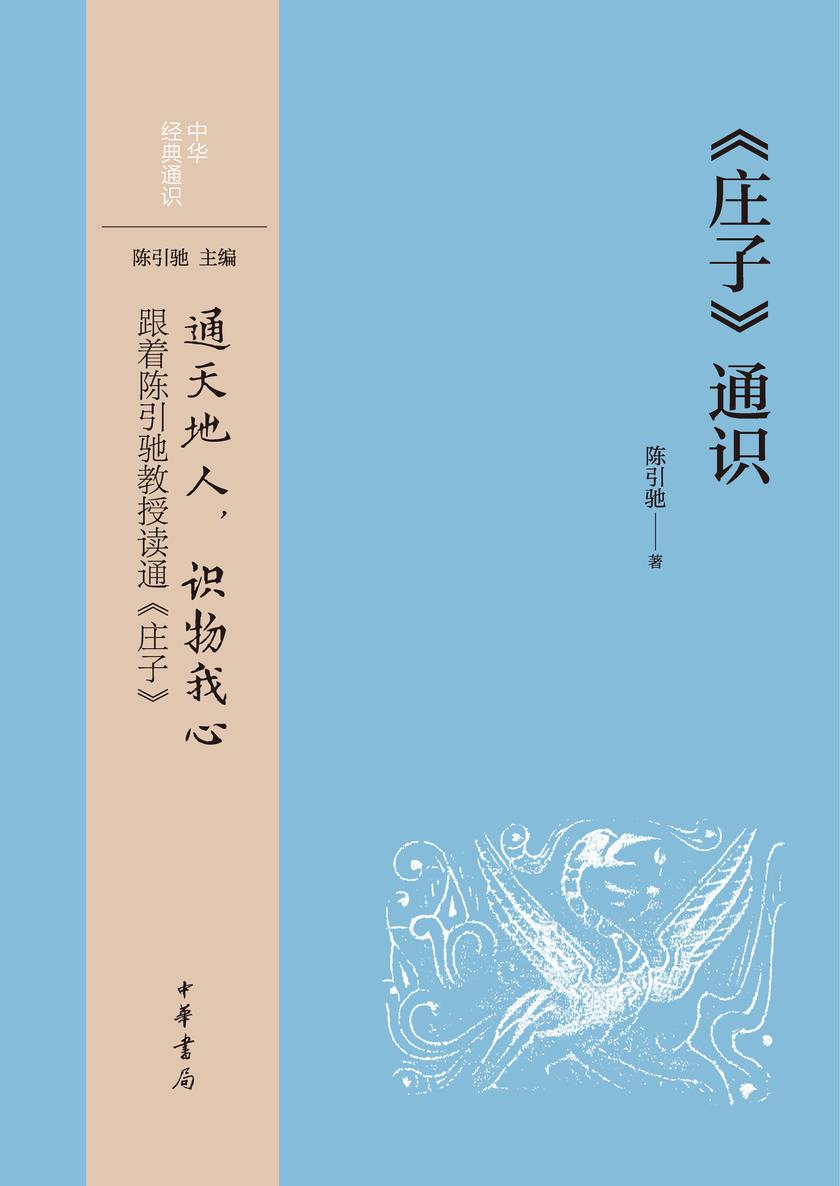
我说参同契.中册
¥22.80
《参同契》是早期道教重要典籍,全名《周易参同契》。书中借用乾、坤、坎、离、水、火等法象,以明炼丹修仙之术。为道教系统论述炼丹的早著作,道教奉为“丹经王”,是千古丹经之鼻祖。 本书是南怀瑾先生一九八三年在台湾讲解《参同契》的记录,分上、中、下三册。南怀瑾先生认为:《参同契》参合了三种原则相同的学问,且熔于一炉——老庄、道家的丹道,还有《易经》的学问,是一本非读不可的秘密典籍。《参同契》不止是丹经道书,它既是哲学又是科学,也是古典文学之作,其中包含了中华民族深之承天接地的文化。《参同契》素有“天书”之称。这部因深奥而埋藏已久的天书,因南师深入浅出的讲解而重新散发光芒。
宗镜录略讲(卷二)
¥24.00
《列子》为道家重要典籍之一,与老庄并列。它高深莫测,易读而难懂,以故事、神话的形态,阐释道家的学术及观念。 《列子臆说》是南怀瑾先生关于《列子》的讲记,共分上中下三册。南怀瑾先生讲述列子,深浅出、生动自在,以《列子》的内容为研究重,带领读者广阔的视野、深难测的奇妙境界,并破了意识的种种局限。列子,这个御风而行的人,要我们从一切自设的框架中突围,成就天地间的自在逍遥。
列子臆说(中册)
¥28.80
《金粟轩纪年诗初集(精)》为南怀瑾先生四十余年旧体诗作品合集,收录他在中国大陆、台湾以及美国等地创作的*句、律诗、长短句共计五百五十余首,根据不同时期,分别命名为《西行集》《海屋集》《海东集》《掩关集》《美京集》,同时又附录其佛门诗偈、楹联及佚诗数十首于后,可谓诗笔琳琅,洋洋大观,充分展现了南先生超拔敏锐的思想见地和丰富细腻的情感世界。
Istoria se repet?. Momente, Schi?e, Amintiri
¥33.03
Antropologie ?i antroposofie ? Max Dessoir despre antroposofie ? Franz BrentanoAlc?tuind cuprinsul acestei lucr?ri, Rudolf Steiner reveleaz? ?c?teva din firele ?tiin?ifice care trebuie trasate pornind de la antropozofie la filozofie, la psihologie ?i la fiziologie“. Cunoa?terea omului va trebui atunci s? fie extins? ?in?nd cont de enigmaticele aspecte ale vie?ii sale interioare, privite din perspective multiple. ?n aceast? carte, Rudolf Steiner prezint? ?n scris aspectele semnificative ale configur?rii ?ntreite a fiin?ei omene?ti: corpul fizic, organismul sufletesc ?i configura?ia spiritual?.
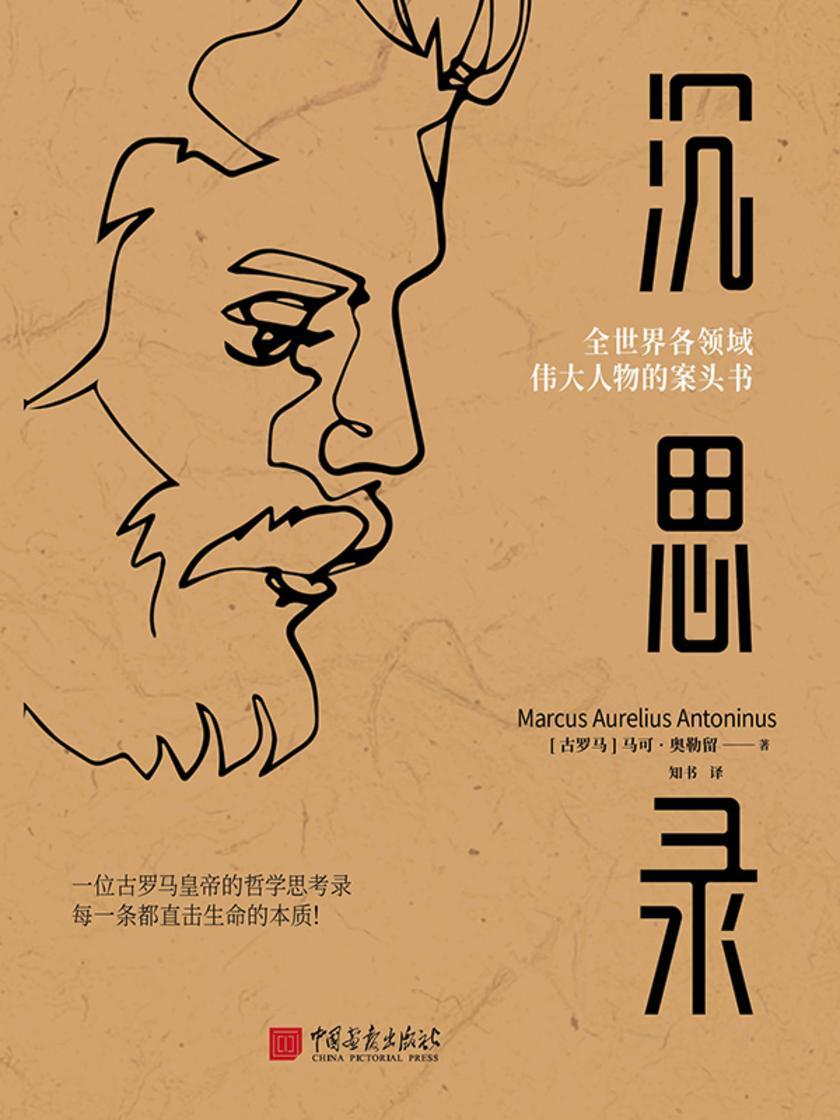
Discovery of the Future: Illustrated
¥13.98
Such is the system which underlies the Meditations of Marcus Aurelius. Some knowledge of it is necessary to the right understanding of the book, but for us the chief interest lies elsewhere. We do not come to Marcus Aurelius for a treatise on Stoicism. He is no head of a school to lay down a body of doctrine for students; he does not even contemplate that others should read what he writes. His philosophy is not an eager intellectual inquiry, but more what we should call religious feeling. The uncompromising stiffness of Zeno or Chrysippus is softened and transformed by passing through a nature reverent and tolerant, gentle and free from guile; the grim resignation which made life possible to the Stoic sage becomes in him almost a mood of aspiration. His book records the innermost thoughts of his heart, set down to ease it, with such moral maxims and reflections as may help him to bear the burden of duty and the countless annoyances of a busy life. It is instructive to compare the Meditations with another famous book, the Imitation of Christ. There is the same ideal of self-control in both. It should be a man's task, says the Imitation, 'to overcome himself, and every day to be stronger than himself.' 'In withstanding of the passions standeth very peace of heart.' 'Let us set the axe to the root, that we being purged of our passions may have a peaceable mind.' To this end there must be continual self-examination. 'If thou may not continually gather thyself together, namely sometimes do it, at least once a day, the morning or the evening. In the morning purpose, in the evening discuss the manner, what thou hast been this day, in word, work, and thought.' But while the Roman's temper is a modest self-reliance, the Christian aims at a more passive mood, humbleness and meekness, and reliance on the presence and personal friendship of God. The Roman scrutinises his faults with severity, but without the self-contempt which makes the Christian 'vile in his own sight.' The Christian, like the Roman, bids 'study to withdraw thine heart from the love of things visible'; but it is not the busy life of duty he has in mind so much as the contempt of all worldly things, and the 'cutting away of all lower delectations.' Both rate men's praise or blame at their real worthlessness; 'Let not thy peace,' says the Christian, 'be in the mouths of men.' But it is to God's censure the Christian appeals, the Roman to his own soul. The petty annoyances of injustice or unkindness are looked on by each with the same magnanimity. 'Why doth a little thing said or done against thee make thee sorry? It is no new thing; it is not the first, nor shall it be the last, if thou live long. At best suffer patiently, if thou canst not suffer joyously.' The Christian should sorrow more for other men's malice than for our own wrongs; but the Roman is inclined to wash his hands of the offender. 'Study to be patient in suffering and bearing other men's defaults and all manner infirmities,' says the Christian; but the Roman would never have thought to add, 'If all men were perfect, what had we then to suffer of other men for God?' The virtue of suffering in itself is an idea which does not meet us in the Meditations. Both alike realise that man is one of a great community. 'No man is sufficient to himself,' says the Christian; 'we must bear together, help together, comfort together.' But while he sees a chief importance in zeal, in exalted emotion that is, and avoidance of lukewarmness, the Roman thought mainly of the duty to be done as well as might be, and less of the feeling which should go with the doing of it. To the saint as to the emperor, the world is a poor thing at best. 'Verily it is a misery to live upon the earth,' says the Christian; few and evil are the days of man's life, which passeth away suddenly as a shadow. ? ? ? ? ? ? ? ? ? ? ? ? ? ? ? ? ? ? ? ? ? ? ? ? ? ? ? ? ? ? ? ? ? ? ? ? ? ? ? ? ? ?*** ? "MARCUS AURELIUS ANTONINUS" was born on April 26, A.D. 121. His real name was M. Annius Verus, and he was sprung of a noble family which claimed descent from Numa, second King of Rome. Thus the most religious of emperors came of the blood of the most pious of early kings. His father, Annius Verus, had held high office in Rome, and his grandfather, of the same name, had been thrice Consul. Both his parents died young, but Marcus held them in loving remembrance. On his father's death Marcus was adopted by his grandfather, the consular Annius Verus, and there was deep love between these two. On the very first page of his book Marcus gratefully declares how of his grandfather he had learned to be gentle and meek, and to refrain from all anger and passion. The Emperor Hadrian divined the fine character of the lad, whom he used to call not Verus but Verissimus, more Truthful than his own name. He advanced Marcus to equestrian rank when six years of age, and at the age of eight made him a member of the ancient Salian priesthood. The boy's aunt, A
61 de ore
¥81.67
Cartea este o culegere de eseuri pe teme de istorie literar?, istoria ideilor ?i probleme generale de estetica artelor, toate acestea fiind abordate dintr-un accentuat unghi filozofic ?i ?tiin?ific deopotriv?.

购物车
个人中心