


 购物车
购物车 个人中心
个人中心

暴力拓扑学
¥21.99
有些事物,永不消逝,暴力即属此类。 暴力性表达并非现代性的标志。暴力只是变化多端而已,其表现形式随社会局势而变。如今,它回到皮下、交际之下、毛细和神经元的领域,呈现出微观物理学的形态;这种形态的存在,无需在统治或敌对关系中的那种否定或排斥性。 它从可见转为无形,从粗野蛮横转为沉思内省,从正面直转为病毒性感染。暴力起作用的方式不是公然袭,而是蔓延传染。 作者在本书中首次揭示了暴力事件的变形记,从君权和血亲等前现代社会的斩首,经由现代规训社会的畸变,*终到了今天绩效社会和倦怠社会的抑郁。 ------------- 韩炳哲作品系列(见识城邦出品)(已出齐) 《精神政治学》(2019年3月) Psychopolitik 《爱欲之死》(2019年3月) Agonie des Eros 《在群中》(2019年3月) Im Schwarm 《他者的消失》(2019年6月) Die Austreibung des Anderen 《倦怠社会》(2019年6月) Müdigkeitsgesellschaft 《娱乐何为》(2019年6月) Gute Unterhaltung 《暴力拓扑学》(2019年10月) Topologie der Gewalt 《透明社会》(2019年10月) Transparenzgesellschaft 《美的救赎》(2019年10月) Die Errettung des Sch?nen
我说参同契.中册
¥22.80
《参同契》是早期道教重要典籍,全名《周易参同契》。书中借用乾、坤、坎、离、水、火等法象,以明炼丹修仙之术。为道教系统论述炼丹的早著作,道教奉为“丹经王”,是千古丹经之鼻祖。 本书是南怀瑾先生一九八三年在台湾讲解《参同契》的记录,分上、中、下三册。南怀瑾先生认为:《参同契》参合了三种原则相同的学问,且熔于一炉——老庄、道家的丹道,还有《易经》的学问,是一本非读不可的秘密典籍。《参同契》不止是丹经道书,它既是哲学又是科学,也是古典文学之作,其中包含了中华民族深之承天接地的文化。《参同契》素有“天书”之称。这部因深奥而埋藏已久的天书,因南师深入浅出的讲解而重新散发光芒。
宗镜录略讲(卷二)
¥24.00
《列子》为道家重要典籍之一,与老庄并列。它高深莫测,易读而难懂,以故事、神话的形态,阐释道家的学术及观念。 《列子臆说》是南怀瑾先生关于《列子》的讲记,共分上中下三册。南怀瑾先生讲述列子,深浅出、生动自在,以《列子》的内容为研究重,带领读者广阔的视野、深难测的奇妙境界,并破了意识的种种局限。列子,这个御风而行的人,要我们从一切自设的框架中突围,成就天地间的自在逍遥。
The World Set Free
¥18.74
Kitab?n ba?l?ca vasf? olarak, Antik Yunan polisinden günümüze uzanan yolda, ?ocuk ve gen? yeti?tirmenin kamusal ve insan? ?nemini ortaya koyarken, fizik?, ahl?k? ve kültürel y?nleriyle bir bütün olarak e?itim felsefesi üzerine kaleme al?nm?? en temel eserlerden biri olmas? g?sterilebilir… ?Bu noktada, Rousseau’nun, “Tüm yazd?klar?m i?inde en iyi eserim” diye takdim etti?i?Emile’in 1762’de yay?nland???nda lanetlenip, 30 y?l sonra, Frans?z Devrimi’nin ?ncüleri i?in Frans?z milli e?itiminin ilham kayna?? addedildi?i dikkate al?nd???nda, Kant’?n e?itim üzerine sarf etti?i s?zlerin tarihsel ve toplumsal ba?lam? da ortaya ??kar. 18.yüzy?l?n ortalar?ndan 19.yüzy?l?n ba?lar?na dek ge?en bir ?mürlük sürede k?ta Avrupas? büyük bir do?umun sanc?lar?yla sars?lmaktad?r. ?ncesi ve sonras? diye tarihi ikiye ay?ran ?ifte Devrim (Sanayi ve Frans?z Devrimi) büyük bir zihinsel d?nü?üme yol a?mak üzeredir. Kant’? büyüten, ya da büyüklü?üne ayr?ca de?er katan bir unsur da, onun i?te bu ?a??n insan? olmas?d?r. ?Kant, 1806’daki Jena Sava??n? ve Napoleon i?galinin Alman milleti üzerinde yaratt??? ?ok ve deh?eti g?remeden vefat etse de, Wilhelm von Humboldt gibi e?itim reformcular? arac?l???yla Prusya (genel itibar?yla da Alman) e?itim sistemi i?in ne denli ?nemli bir yol a?t???n? tüm kitap boyunca seziyor gibidir. Bununla birlikte Kant’?nE?itim ?zerine’si, milli dilde ibadet edip, okumay? yazmay? te?vik eden Luhterci gelene?in Pietizmle kendini yenilemi? ve Büyük Frederich taraf?ndan te?vik edilmi? olan e?itim anlay???n?n olgunla?ma ?a??n?n da bir ürünüdür. Bu sebeple, kitab?n tamam?na h?kim olan motif, Ayd?nlanmac? bir “i?sel ?zgürle?im” ve “ruhan? terbiye” aras?nda kurulmas? gereken büyük dengedir. ? ? ?Bu arka plan? dikkate alarak, ?imdi kitaba biraz daha yak?ndan bakabiliriz… E?itim ?zerine, memleketin sayg?n ?evirmenlerinden biri olan Ahmet Aydo?an’?n sunu? ve ?ns?züyle ba?l?yor. ?stü kapal? fakat sitem dolu bir de?erlendirme yaz?s? olan “’Sapere Aude!’ Diye ??kt?k Yola”, Kant’a s?zü teslim etmeden evvel, 30 sayfada, Kant’?n dü?ünce dünyas?ndan ne denli uzakta kald???m?z?n ele?tirisini yap?yor. Bu arada, kitab?n ortaya ??k?? ?yküsüne de 22.sayfada a??klay?c? bir notla yer veriliyor. K?ningsberg ?niversitesi’nde muhtelif zamanlarda verilen dersler i?in haz?rlanan notlardan derlendi?i anla??lan?E?itim ?zerine, modern Türk?e’nin bir felsefe dili olamamas?n?n da etkisiyle, ?e?itli dipnotlar arac?l???yla kavramlar?n ve kelimelerin daha anla??l?r k?l?nd??? bir h?lde okura sunuluyor. ? “?nsan E?itilmesi Gereken Bir Varl?kt?r”: ? ?Kant, dü?üncelerini temellendirdi?i giri? sayfalar?nda insan?n e?itime muhta? ten varl?k oldu?u ger?e?inden hareket ediyor ve insan?n ancak e?itimle insan olabilece?ini dile getiriyor. (s.35) E?itime y?nelik bu yakla??m, Kant’?n idealizm felsefesinin ger?ekle?mesine giden yolu a?an anahtarlardan biri say?labilir.? ? ???NDEK?LER: ? KANT'IN YA?AMI…KANT'A G?RE AYDINLANMA NED?R?AHLAKIN METAF?Z???…KANT VE E??T?M ?ZER?NE….KANT VE TANRIKANT IN ELE?T?REL FELSEFES?KANT’IN ELE?T?REL FELSEFES?NE PLATON VE PARMEN?DES?N KATKILARI Kritisizm Nedir? KANT FELSEFES?N?N TEMEL KAVRAMLARIKANT’IN KURAMSAL METAF?Z?K ELE?T?R?S? HAKKINDAK? D???NCELER?..I. KANT'IN LE?BN?Z- WOLFF VE HUME'UN FELSEFELER?NE Y?NEL?K ELE?T?R?S?II. KANT'TA METAF?Z?K B?LG?N?N OLANA?I: METAF?Z?K OLANAKLI MIDIR?SONU?LARKANT’IN D?NYA YURTTA?LI?I AMACINA Y?NEL?K GENEL B?R TAR?H D???NCES?KANT’?I EBED? BARI?” D???NCES?S?YAS? HAKLARDA TEOR? VE PRAT?K ?L??K?S? ?ZER?NEK?RESELLE?EN SORUNLAR KAR?ISINDA KANT ET???UNUTULMAZ KANT S?ZLER?…..
Перегляд позитивного мислення
¥16.35
A compreens?o de Contos d’Escárnio n?o poderia restringir-se à constru??o do horizonte no qual nasce, o século XX. A inten??o de escrever lixo e bestagem, anunciada pelo narrador, aos poucos, revela um grotesco vindo de um longínquo, de um aquém. Por isto, faz-se necessário também compreender o fluxo histórico-estético que encontra acolhida na imagina??o de Hilda Hilst, cujo amparo conceitual buscou-se à estética da recep??o e do efeito. Na Teoria Estética, o feio insurge como fen?meno da realidade artística contempor?nea; refúgio de sobrevivência da arte e dos belos escritos, deixa livre à plasticidade do presente a tarefa da denúncia da realidade. Em protesto, o dissonante reivindica cidadania e se mantém como possibilidade da arte. Neste sentido, tem lugar em Hilda Hilst a atualidade do grotesco.
论语(全新精编精校修订)(国学大书院)(塑造君子人格,培养学习态度,指导教育教学,讲述治国安邦)
¥17.40
《论语》以语录体记述了孔子及其弟子的言行,是中国儒家文化的本源,被儒家学派尊奉为圭臬。自西汉以来,《论语》所表述的孔子学说,被迅速传播,其影响遍及政治、经济、思想、文化、教育、伦理道德等各个领域,成为中国传统文化的一大标志。是我国古代儒家经典著作之一,是首创语录之体。南宋时,朱熹将它与《孟子》《大学》《中庸》合称为“四书”。
文本的深度耕犁(第三卷)——当代西方激进哲学的文本解读 第三卷
¥49.90
本书是作者关于当代世界马克思主义及左翼激哲学文本研究的多卷本论著《文本的深度耕犁》的第三卷,其内容主要是对西方激哲学思潮中经典文献的文本学研究。在本卷中,作者以构境论的文本解读方式分别批判性地解读了晚期福柯的“生命政治哲学”、朗西埃《歧义》、阿甘本的《奥斯维辛的剩余》、斯洛特戴克的《资本的内部空间》、维利里奥的《解放的速度》、斯蒂格勒《技术与时间》,以及奈格里、哈特的《帝国》等重要论著。
现代性与主体的命运(守望者)
¥44.00
哲学归根到底关注的是人的命运。根据逻辑与历史、时代精神与时代相一致的原则,本书区分出西方哲学发展的前现代(古代)、早期现代、后期现代和后现代(当代)四种形态,并重探讨现代哲学的历程。导论是对主体问题的概述,其余各章围绕主体的确立、主体的危机、主体的解体和主体的终结来揭示意识主体在现代性及其转折程中的命运。本书几乎囊括了自笛卡尔以来的主要西方哲学流派,既具有宏大的理论视野,又具有强烈的问题意识。

我的第一本哲学书
¥36.00
哲学能改变一个人的生活,它能够给人们的生活指明正确的方向,提供正确的方法,本书通过回应一些哲学问题,将我们引向哲学的思考方式,指导我们正确看待自己与他人,从而拥有正确的人生观、世界观、价值观,拥有幸福和成功。

有些事现在不做,一辈子都不会做了
¥48.00
生活中并不缺少美,缺少的只是一双发现美的眼睛。有很多地方值得你游历,有很多美食等着你去品尝。还有很多实际的事情等你去做,而不要只是在脑子里想象。是时候放慢匆忙的脚步,细细地体味生活了。享受亲情、爱情、友情的美好,享受树木、花朵、云霞、溪流、瀑布以及大自然的形形色色,享受艺术、旅行、读书等精神上的补给。因为这样,通过滴的积累,我们将生活中要做的一件件小事汇成了这本《有些事现在不做,一辈子都不会做了》,那些记忆、人事、风景、画面,亲切而又熟悉、温暖而又动人……如果在这其中作为读者能够感受到一股向上之力,那便是作者的态度,便是此书的意义。
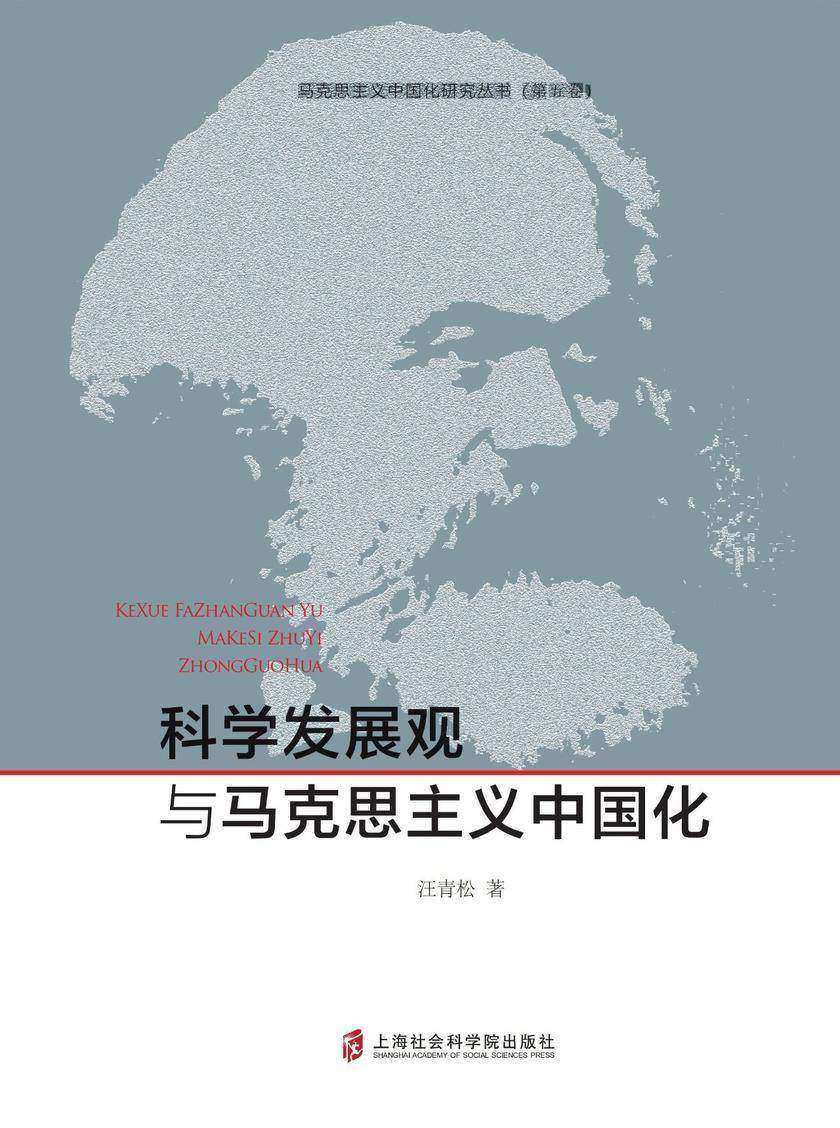
科学发展观与马克思主义中国化
¥39.90
科学发展观继承了*思想、邓小平理论、"三个代表"重要思想中关于发展的基本思想,深刻 体现了马克思主义中国化一脉相承的重要特。科学发展观是在新形势下提出的关于中国建设的又一新理论指导,是马克思主义中国化的*理论成果。本书主要从科学发展观的内容、要义等方面探讨了科学发展观就是中国化的马克思主义。
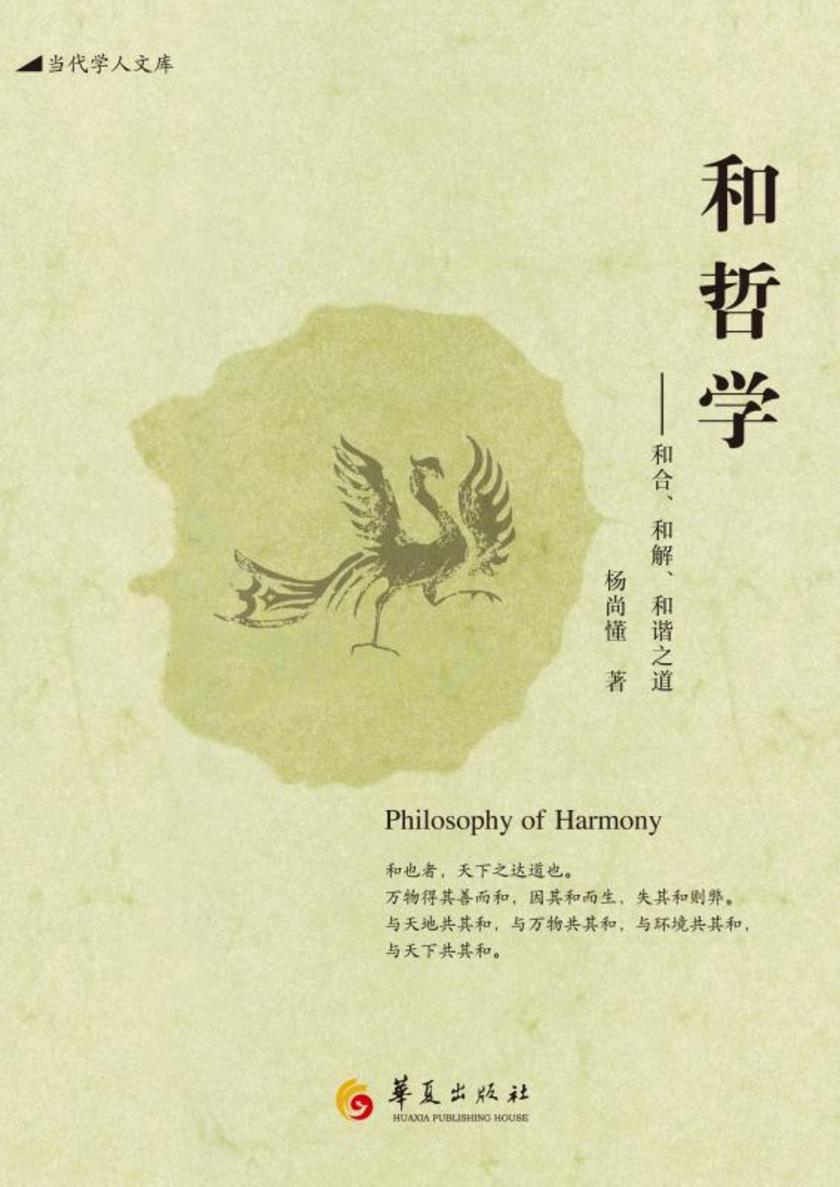
和哲学
¥11.05
现代社会遇到了这样的困局:以物质财富为标准来衡量人的价值和意义,人类对于善和自身德性完善的需求得不到应有的观照,人与人、人与物、人与环境之间的精神和解不能实现。但是,在这个困局的迷茫之中,也逐渐露出了新时代的曙光,更好和更高的精神文明将成为时代的重要主题。在这个时代,每个个体都应该懂得精神和解、学会精神和解,与现实共舞,与时代共舞,与历史共舞,与天地、万物、环境共其和,与规律、规则共其和,*可能地实现相互间的精神和解。这是人类乃至世界更好生存和更好发展的立足,也是每个人获得更多、更大的快乐和幸福的*好途径。
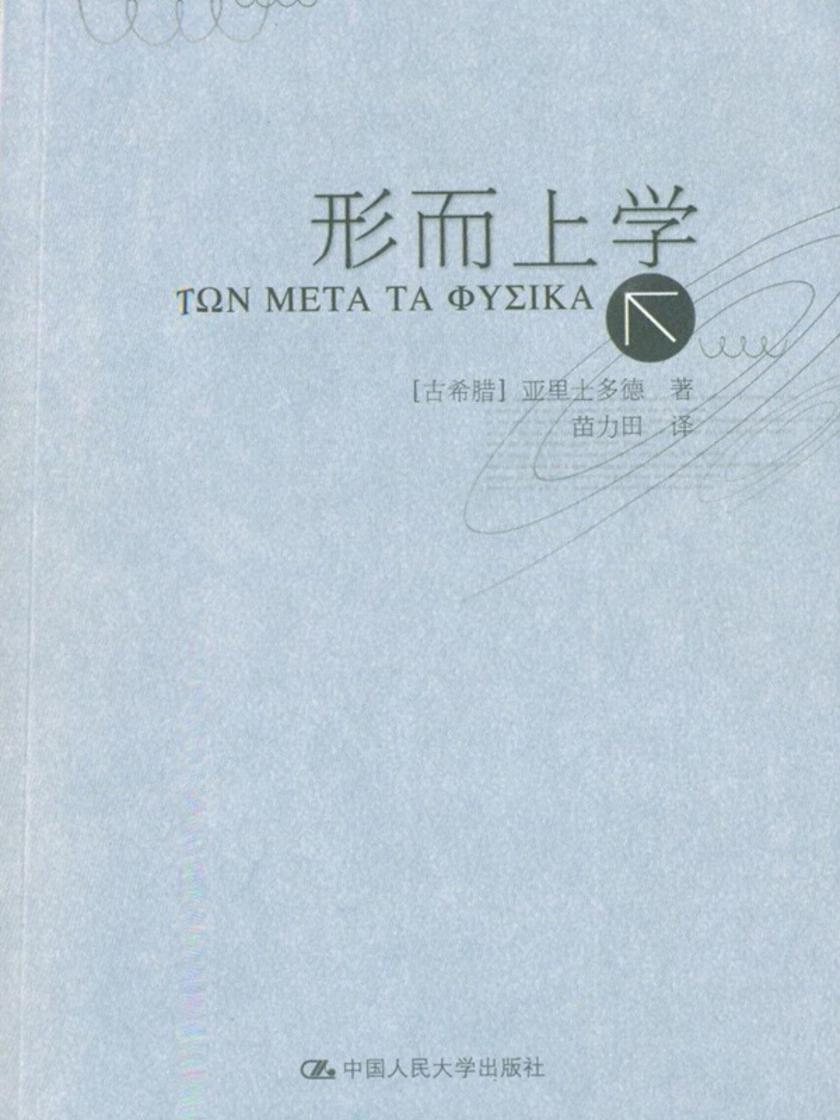
形而上学(亚里士多德著作单行本)
¥22.80
中文版《亚里士多德全集》(10卷本)1997年出齐后,获得了第四届国家图书奖(1999年)、国家社会科学基金项目优秀成果一等奖(1999年)等多项大奖。为了读者使用的方便,也为了把自己研究西方哲学尤其是古希腊哲学的心得传达给读者,全集主编苗力田先生又编选了带有注释的《亚里士多德选集》(包括形而上学卷、伦理学卷和政治学卷,1999—2000年出版)。几年来,不断有读者尤其是大学生和研究生反映需要亚里士多德著作的单行本。为了满足这些读者的需要,我们将亚里士多德*影响的著作(《工具论》、《物理学》、《形而上学》、《尼各马科伦理学》、《政治学》和《修辞术·亚历山大修辞学·论诗》)以单行本的形式出版。需要说明的是:单行本的译文与《亚里士多德全集》大体一致。个别术语和人名的改动,是苗力田先生在全集重印和做电子版时亲自订正的。单行本的注释与全集保持一致。全集的脚注中所引证的希腊语词是按照国家颁布的《汉语拼音方案》的字母表对应拼写的。对西方哲学名著的译介和研究是一项没有止境的事业。准确、完美的译文,深、详尽的注释,以至创造性的阐释和发展,是只能近而难以完全达到的理想境界。不断近这一境界,既有赖于学术界的努力,也需要出版界的推动。我们愿与学术界一道,不断为学术步作出贡献。

周易集解补释(上册)
¥35.00
传统《易学》主要分象数易和义理易两派,汉魏以象数为主,自王弼出,义理易大兴,而象数易式微,其说赖唐李鼎祚《周易集解》而得以保存。该书所收主要为汉唐象数易学,以纳甲、卦气、互体、爻变等说解说《周易》,是了解象数易*重要的书。曹元弼则对《周易集解》行补释,虽仍以象数易学为主,而于纳甲、卦气等并不特别看重,着重在互体与爻变,归宿于由乾坤实现既济,持论相对平和,兼具义理,不仅是对《周易集解》的补充之作,更是了解、研究《周易》的上乘之作。
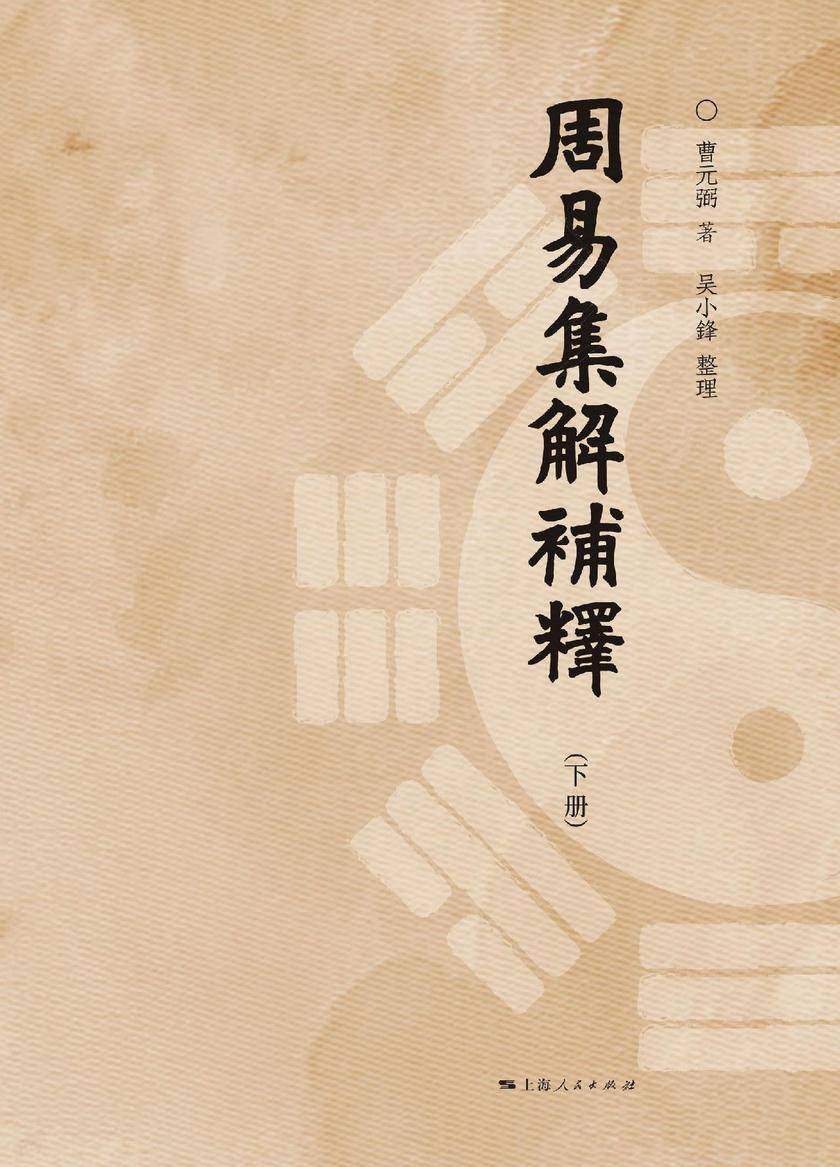
周易集解补释(下册)
¥35.00
传统《易学》主要分象数易和义理易两派,汉魏以象数为主,自王弼出,义理易大兴,而象数易式微,其说赖唐李鼎祚《周易集解》而得以保存。该书所收主要为汉唐象数易学,以纳甲、卦气、互体、爻变等说解说《周易》,是了解象数易*重要的书。曹元弼则对《周易集解》行补释,虽仍以象数易学为主,而于纳甲、卦气等并不特别看重,着重在互体与爻变,归宿于由乾坤实现既济,持论相对平和,兼具义理,不仅是对《周易集解》的补充之作,更是了解、研究《周易》的上乘之作。
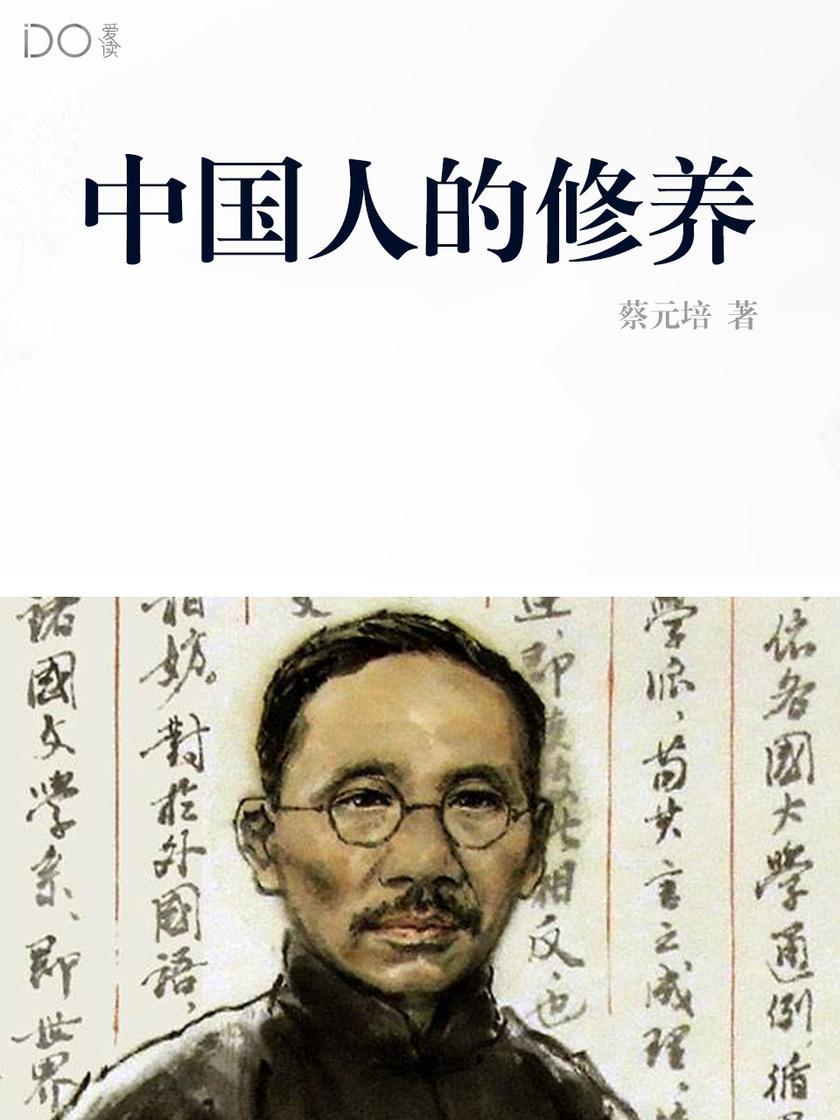
中国人的修养
¥6.99
《中国人的修养》是蔡元培公民道德修养方面的代表作,主要收录他重要的道德思想代表作品《华工学校讲义》和《中学修身教科书》,以及其他若干篇相关散论,充分体现了蔡元培先生对于培养现代公民应具有的道德素养的设想。本书以具体的行为实践为出发点,用浅显的思想、易操作的方法来直接引导读者,是值得全体国人阅读的公民道德实践之书。
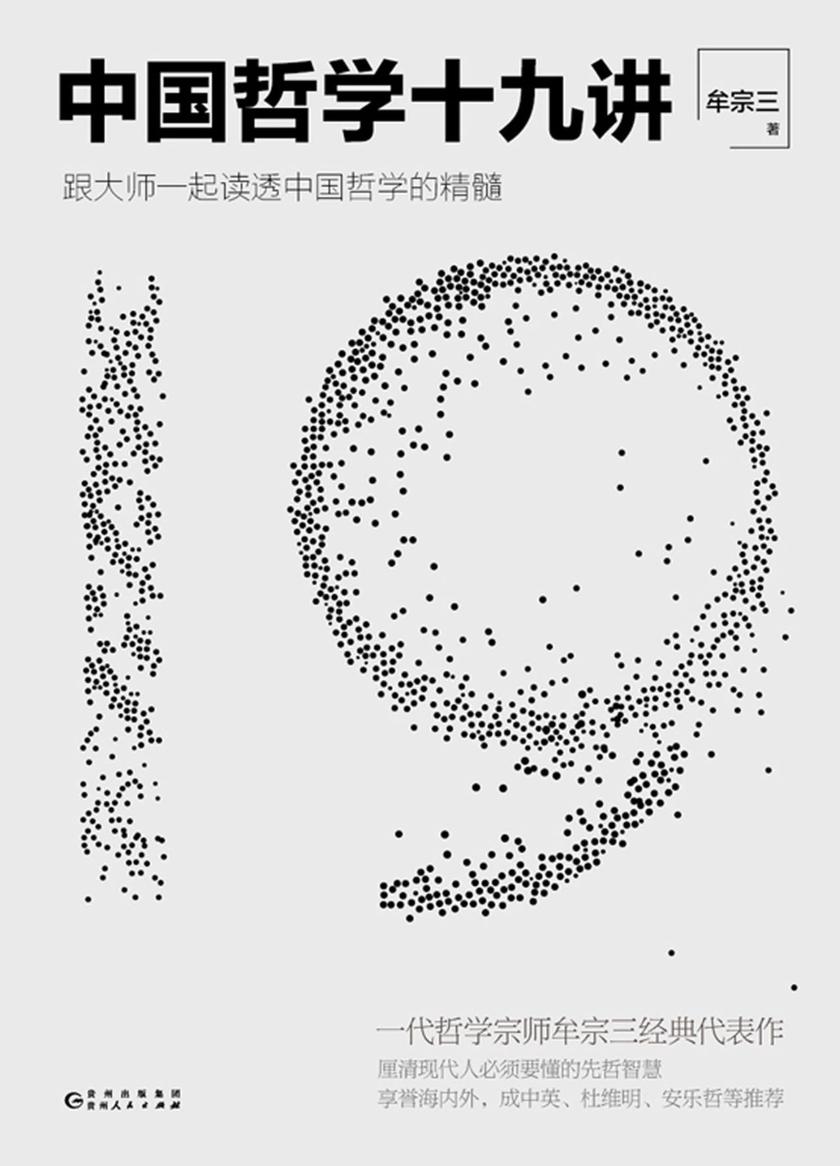
中国哲学十九讲
¥18.00
牟宗三,中国现代学者、哲学家、哲学史家,海外新儒学的重要代表和集大成者。哲学大家刘述先曾说,牟宗三在当代中国哲学的地位比之于康德在西方哲学的地位。 《中国哲学十九讲》为牟宗三的代表作之一,全书分为十九讲,大体按照时间顺序,论述中国哲学的特殊性问题、先秦诸子的起源及系统、魏晋玄理的内容及价值、佛教的哲学问题、宋明儒学等。书中所讲,关系到中国哲学的系统格局与义理综述。书中厘清的问题,对中国哲学的发展具有重大的启发性。
沉思录
¥9.99
《沉思录》的作者是古罗马帝国皇帝马可?奥勒留。他把一切事情都不看成是恶,认为痛苦和不安仅仅是来自内心,并且可以由自己的内心加以消除。书中记录了他摆脱激情和欲望、希望获得冷静而达观的生活态度,阐述了理性与死亡的关系,分析了个人德行以及个人对社会的责任,同时要求人们常常自省,并付诸行动。
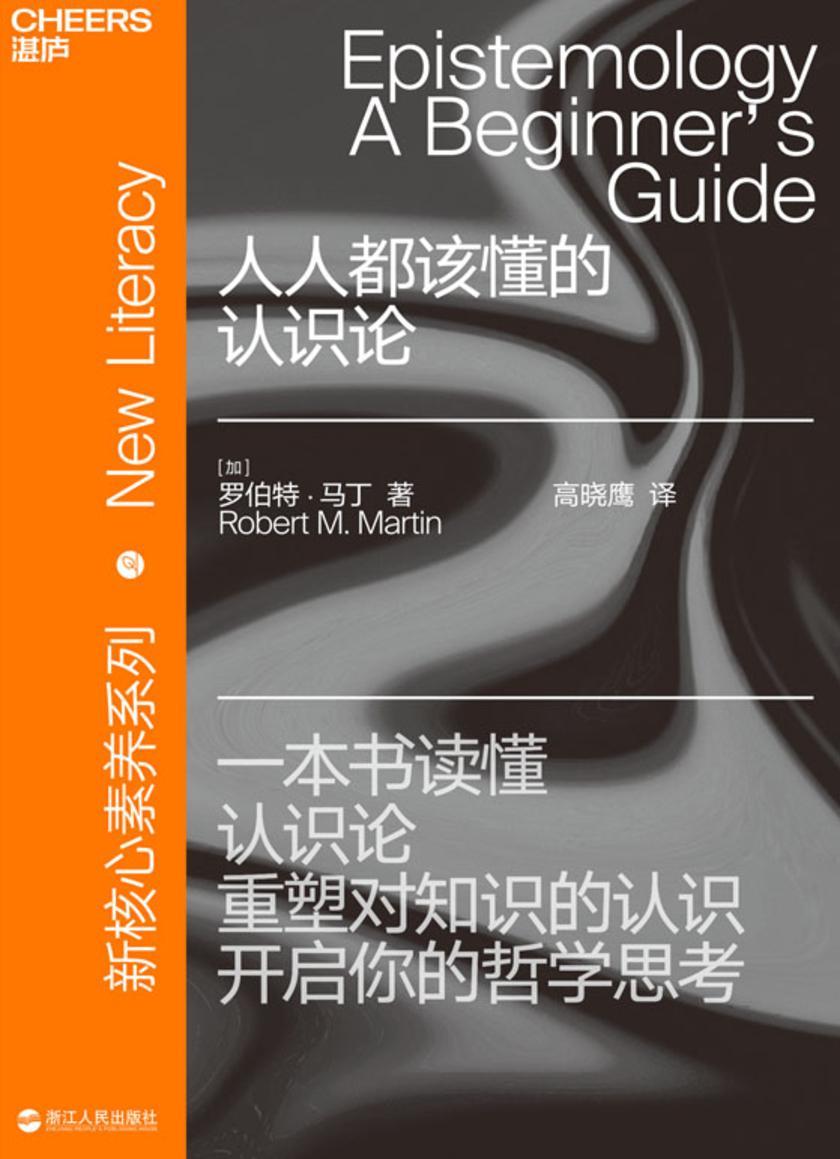
人人都该懂的认识论
¥32.90
究竟什么才是知识? 知识从何而来? 为什么有些信念的来源就是可靠的知识? 哲学家对知识的思考有哪些不同的答案呢? …… 关于知识的问题,几千年来一直是哲学家思考的重,他们彼此争论,寻求问题的答案。对知识的哲学研究就是认识论。在书中,你可以读到柏拉图、康德、笛卡儿等不同哲学家对知识的思考,重塑你对知识的认识,也能在外在主义、内在主义、怀疑主义、经验主义的理解中启你对哲学的思考。 但你不要期待能在书中找到关于知识的*终答案,因为哲学中没有公认的答案。阅读本书时,*好的做法是试着自己评估每一种哲学立场,判断它是否正确。这不仅仅是一种本能反应,因为每一种立场都会伴随着赞成或反对的观,这些观都值得你自己去仔细考量,从而判断它们是否令人信服。你甚至可以添加一些自己的思考,享受一次令人兴奋的体验。 《人人都该懂的认识论》属于湛庐文化重磅推出的“新核心素养”系列图书之一。本系列图书致力于推广通识阅读,扩展读者的阅读面,培养批判性思考的能力。其中涵盖了哲学、心理学、法律、艺术、物理学、生物科技等诸多人文科学和自然科学的知识,其中《人人都该懂的认识论》从哲学的角度出发,对知识行了一场哲学思考,可以帮助你更好地理解知识,探讨知识到底从何而来,启一场对哲学的重新思考。
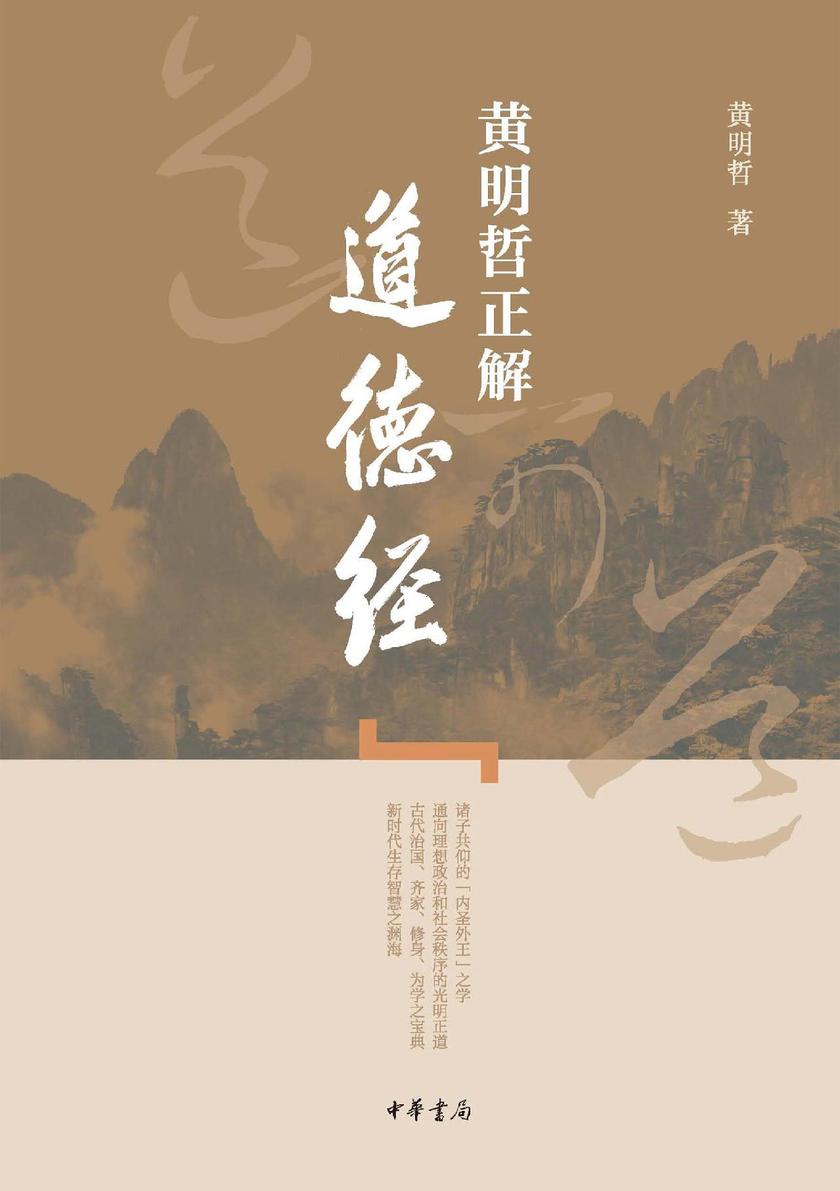
黄明哲正解《道德经》 中华书局出品
¥23.40
《道德经》教导天人合一、道法自然的永续发展之道,在社会快速变迁的今天,具有深刻的启发意义。本书依作者在喜马拉雅讲述《道德经》的讲稿《黄明哲正解〈道德经〉》整理润色而成,全书力图贯通诸家观,独创现代正解,深研究道家思维方式,揭示中华文明五千年发展的底层代码,适合各企业、公司、组织的决策者,期望理顺理财思路的金融投资人士,创业途中或即将始创业的人士,期望通过拼在职场有所成就的人士和国学爱好者阅读。
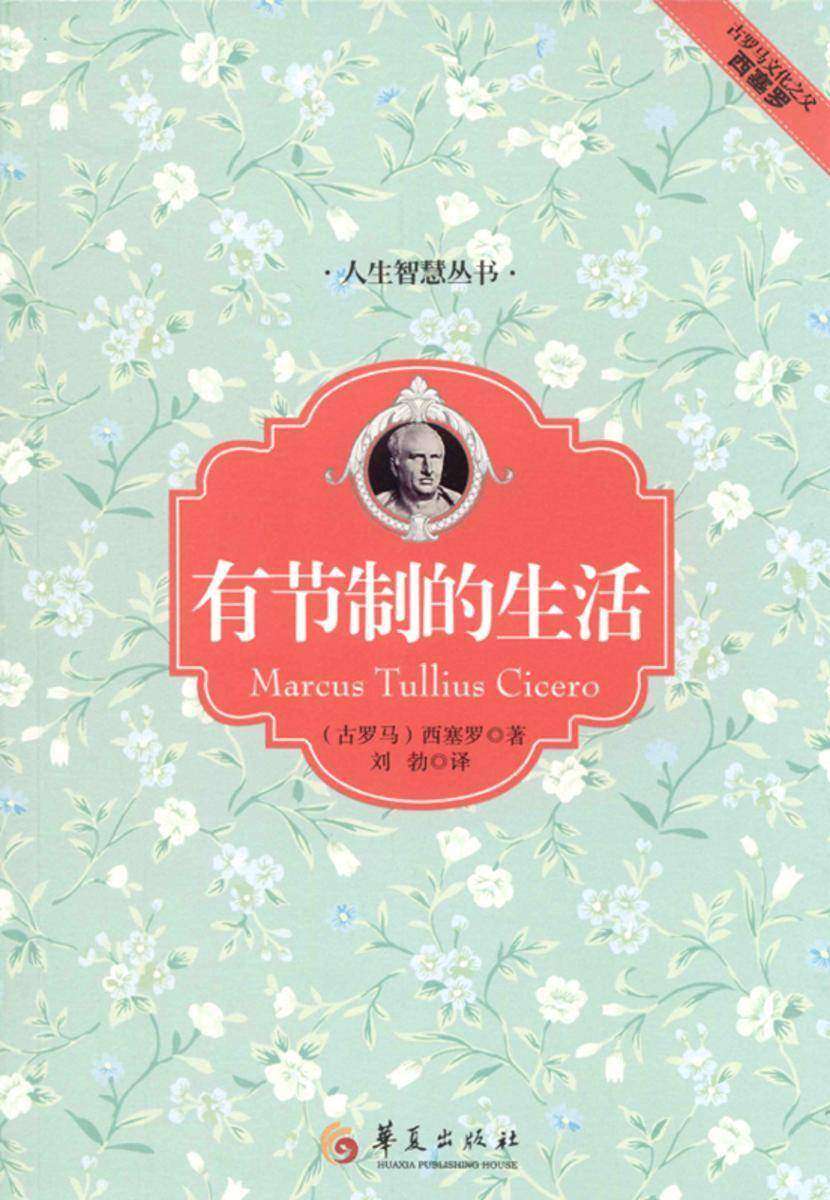
有节制的生活
¥11.32
这本书西塞罗从友谊、道德、责任等几方面向读者阐述了他对人生的看法,其中美德、智慧至关重要。他试图告诉我们,人生在坎坷和坦途中都不要忘记本性,保持一种智慧又从容淡定的心,去收获生活的喜怒哀乐。全书将长辈舐犊之心一览无余,口语化的教化让人更容易地阅读与受,金珠玉语流露出的更多的是对人生和生活的节制的态度。


