道德经全书
¥8.98
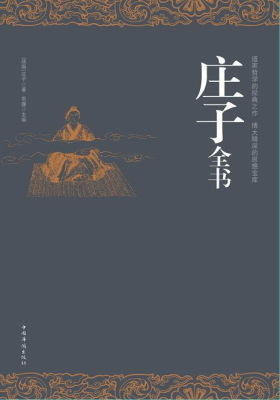
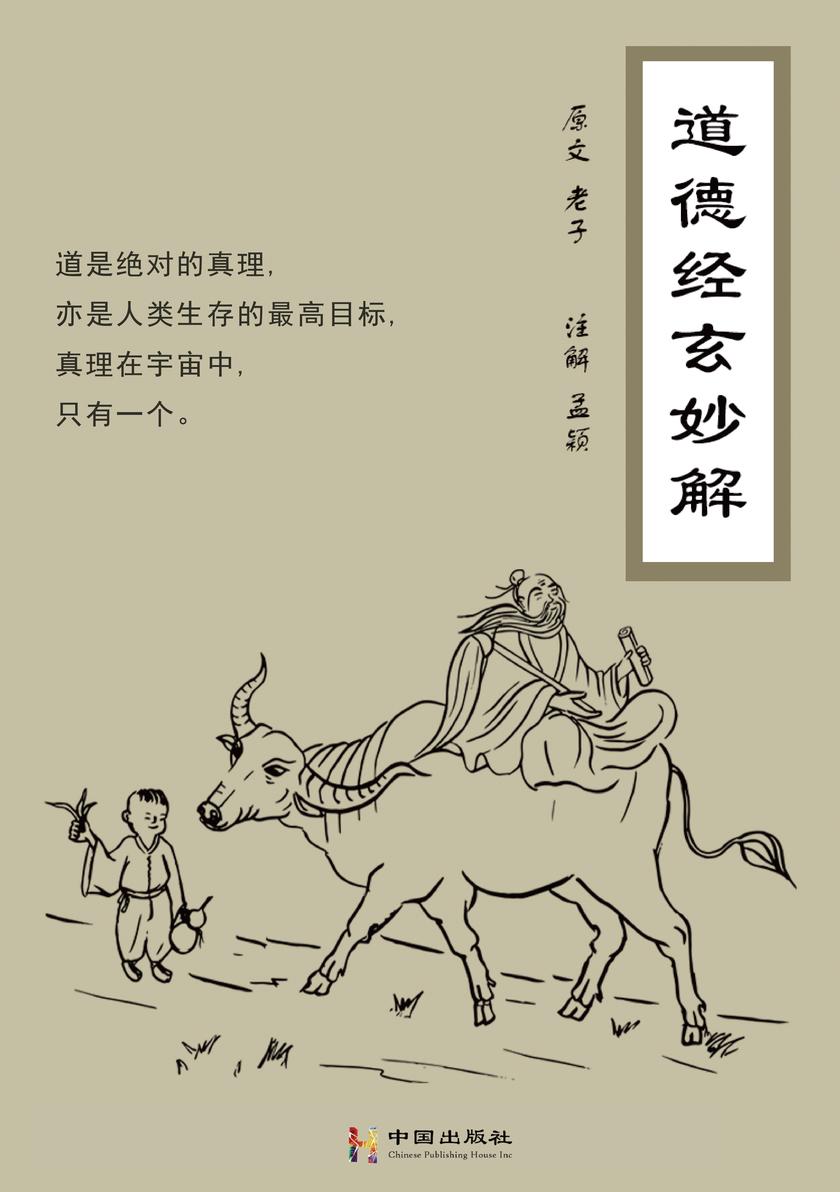
《道德经》是道家学派*权威的经典著作。它 文约义丰,涵盖哲学、伦理学、政治学、军事学等诸 多学科,其内容博大精深、玄奥无极、涵括百家、包 容万物,被后人尊奉为治国、齐家、修身、为学的宝 典。这部被誉为“万经之王”的奇书,对中国古老的 哲学、科学、政治、宗教等,产生了深刻的影响,无 论对中华民族的性格的铸成,还是对政治的统一与稳 定,都起着不可估量的作用。 ?文若愚编著的《道德经全书》共八十一章,分为 《道经》《德经》两篇。《道经》强调人类一定要顺 应宇宙的客观规律,合乎自然规律,才能和谐地生存 。《德经》说的是,只有返璞归真于婴儿般的自然纯 真状态,上位者卑谦若谷,下位者为而不争,社会才 能正常发展。 ?《道德经全书》为人们重新认识本真的自我提供 了一条良好的途径,它有助于读者放下浮躁的心态, 认识自己,把自我融入自然,达到率性天真、物我两 忘的自然境界。无论是治学修身、处世待人,还是经 商置业、从政为民;无论是高官大吏、富商大贾,还 是贩夫走卒、平民百姓,总能在《道德经》中找到自 己所需要的智慧。
沉思录
¥8.98
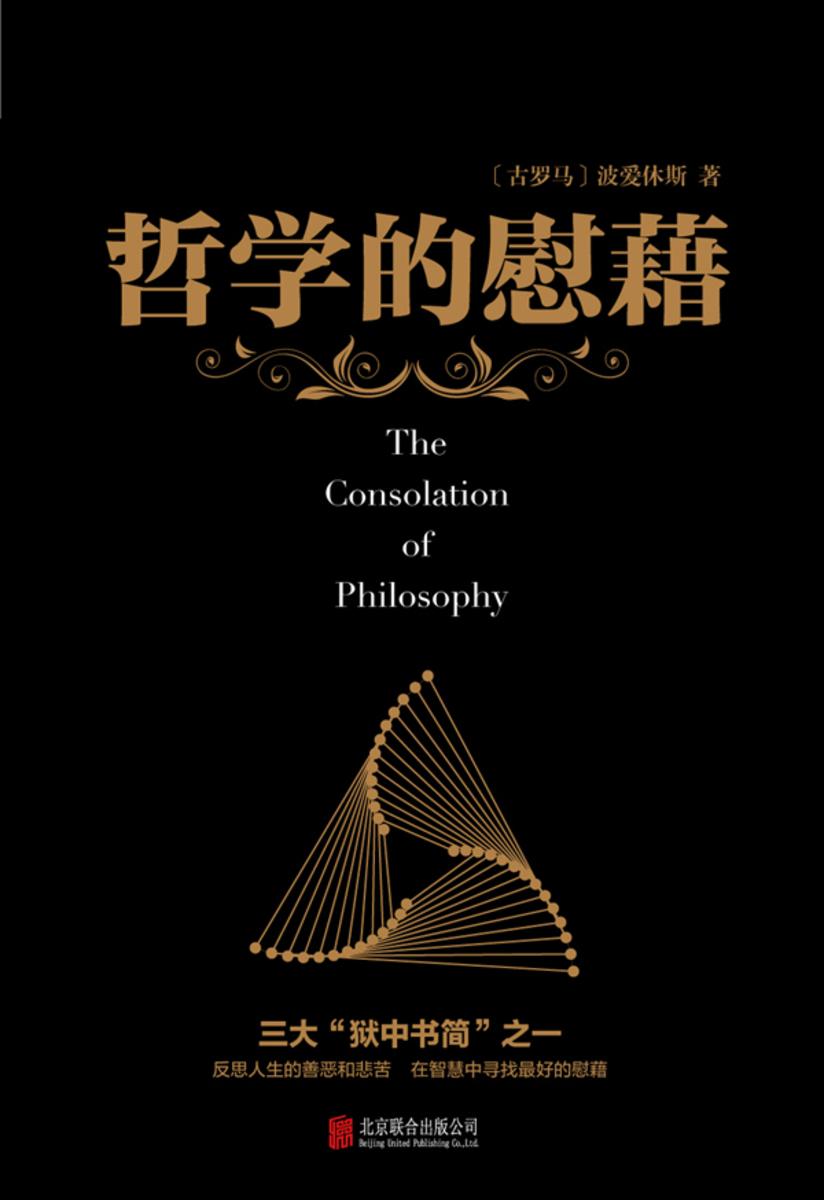
《沉思录》思想的光辉,至今仍闪烁着理性的光芒。这部作品充满睿智的神采,感悟内心的灵气和洞察人类的机心,其深邃而丰富的哲理意味,足以让我们久久思索。《沉思录》会使读者在阅读中直视内心,直视人们的精神和灵魂,使劳碌的心灵获得慰藉。
四书·五经
¥8.98
千百年来读书人从事政治活动文学创作的基础文本,上至帝王将相、下至黎民百姓治国、修身、立德的根本依据。《四书五经》不仅是中华民族为宝贵的文化遗产之一,在世界文化史思想史上也具有极高的地位。
生活禅
¥8.99
禅是一种思考,一种表现,是智慧的结晶。 生活中,既是追求事业、物质和权利,也要注意内在心灵的成长与提升,才能保持生活的平衡、满足和愉悦。这样的目标如何达成?阅读禅的故事可以为你带来实用的生活智慧,让你事半功倍。释迦牟尼在灵山会上说法,他拿着一朵花,面对大家,不发一语,这时听众们面面相觑,不知所以。只有迦叶会心地一笑。于是释迦牟尼便高兴地说:“吾
四书五经入门
¥8.99
本书是儒家思想文化的重要核心载体,是中华民族为宝贵的精神财富。这些经典中蕴含了华夏先哲的智慧,记述了儒家学说的核心思想。本书内容涉及历史、哲学、文学等诸多方面。四书五经自南宋定名后一直延续至今,影响极为深远。阅读本书,既可修身养性,又可增智广识,还可立德励志。本书在参考多个版本的基础上,对四书五经进行精编精选,通俗易懂的语言为读者扫除了字、词、句等阅读障碍。原汁原味的再现了当时的历史背景和社会生活以及人物的情感、精神风貌。对于文章中难以理解的部分,更做出了详细解释,让人一目了然。阅读本书,通晓古今智慧,塑造完整人格,丰富美好情感,同时改进我们的生活态度、工作态度和思维方式,成就不一样的人生。
记得牢,想得到,用得好
¥8.99
客户的姓名与长相永远对不起来,时间管理一塌糊涂,会议的重点老是记不住,没有小抄就无法顺利做简报。这些职场上司空见惯的毛病,其实都源自记忆力低落,换言之,只要加强记忆力,在职场上就能无往不利。本书所探讨的并非只是单纯背诵记忆力,而是以能在职场上发挥作用的记忆力为主,提供有效的具体实行方法,包括与简报或演说的发表有关的记忆力、如何记住对方的长相与名字、考试时必需的记忆力,乃至于如何加深对方对你的印象等,只要学会这些方法,不仅能大大提升自信心,更能提高他人对你的评价。
哲学九讲
¥8.99
哲学的根本问题是思维和存在、精神和物质的关系问题,人们在工作过程中通过对各种知识的概括学习和总结从而更好的更深刻的了解和认识自然、认识社会。哲学通常是研究根本问题的,这就需要对表面的问题进行批判的反思,通过这种反思更清楚的认识世界、了解人生。
庄子:平民的生活心态(重读经典)
¥8.99
本书由内篇、外篇、杂篇三部分构成。作者以普通人的视角,以章句分析的形式,重新解读了无为,解读了自然,解读了生命的真谛、道家丰富超然的精神世界。
如何用互联网思维创富(全两册)
¥8.99
在互联网时代,如果对互联网的发展趋势缺乏足够的了解,将会给企业的战略决策和发展带来巨大的风险,而掌 握了互联网思维的奥秘就等于掌握了致富的途径。《如何用互联网思维创富》不仅深刻、系统地解析了互联网思维的概念,而且从多个角度整理、揭示了互联网思维 对人们生活的影响,以及互联网思维所具有的独特魅力,让读者在互联网快速发展的今天,学会用互联网思维致富。
图解沉思录
¥8.99
《沉思录》以希腊文写成,共12卷,属于马可·奥勒留的语录笔记,是写给自己的心灵独白、对人生及社会的感悟和认知,处处闪烁着人生哲理及管理智慧。本书摘录各卷精华,以原著为依据,辅以轻松易懂的故事或寓言,解读原著所蕴含的精华,帮助你更容易领略原著的思想精神。在现实生活中思考和应用,领悟人生哲理,以冷静达观的心态体验艰难生命中的美妙。
羊皮卷:世界上最伟大的励志书
¥8.99
礼仪是文明社会约定俗成的行为准则,一个人要想融入社会,就要对社会上的习俗和规范了然于胸,按照这样的习俗和规范来指导自己的言行。礼仪是非常实用的社交艺术,可以使你在人际交往中进退自如,从容应对。 当今社会更是一个注重礼仪的时代,礼仪是一个人的修养、风度和魅力的体现。良好的礼仪会帮助你凝聚人气,建立人脉,赢得丰富的人际关系资源。礼仪是家庭幸福的资本,职场生存的资本,社会立足的资本,提高身份的资本,.走向国际的资本……一个没有良好礼仪风范的人,即使有高智商、高情商,也是无法走向成功的。 本书全面而详细地介绍了现代礼仪知识,从个ASL仪、社交礼仪、职场礼仪、商务礼仪等方面,囊括了社会生活中经常接触到的礼仪,为读者提供一个全面、实用的工具书。.仔细地阅读这本书吧!它会为你提供丰富的精神食粮,让你成为一个言谈得体、举止优雅的人。
中国人的修养
¥8.99
《中国人的修养》是蔡元培先生在公民道德修养方面的杰出作品,主要收录了他为重要的道德思想建设代表作:《华工学校讲义》和《中学修身教科书》。《中国人的修养》这本书完美结合了中华传统文化中的修身齐家治国平天下与现代公民道德教育理念,通过细微事件,具体、详尽地阐述了建设道德社会的方法,是一部值得所有国人阅读的道德范本。 中国人或许是保守、固执,亦利己的族群,他们有着发自内心的真诚和善良,却从未试图将这种真诚和善良,变成社会的公共精神。 但蔡元培先生显然并不这么认为。 在他的眼中,中国人是“可改造的”,如果能摒弃过去的束缚,并注入崭新的思想,中国人就一定能从“独善其身”,转而“兼济天下”。 这部几近百年前的教科书,如今的国人也许刚刚翻开页。但翻开便好,便是试图革新,便是大勇气。 《中国人的修养》是蔡元培先生在公民道德修养方面的杰出作品,主要收录了他为重要的道德思想建设代表作:《华工学校讲义》和《中学修身教科书》。《中国人的修养》这本书完美结合了中华传统文化中的修身齐家治国平天下与现代公民道德教育理念,通过细微事件,具体、详尽地阐述了建设道德社会的方法,是一部值得所有国人阅读的道德范本。 中国人或许是保守、固执,亦利己的族群,他们有着发自内心的真诚和善良,却从未试图将这种真诚和善良,变成社会的公共精神。 但蔡元培先生显然并不这么认为。 在他的眼中,中国人是“可改造的”,如果能摒弃过去的束缚,并注入崭新的思想,中国人就一定能从“独善其身”,转而“兼济天下”。 这部几近百年前的教科书,如今的国人也许刚刚翻开页。但翻开便好,便是试图革新,便是大勇气。
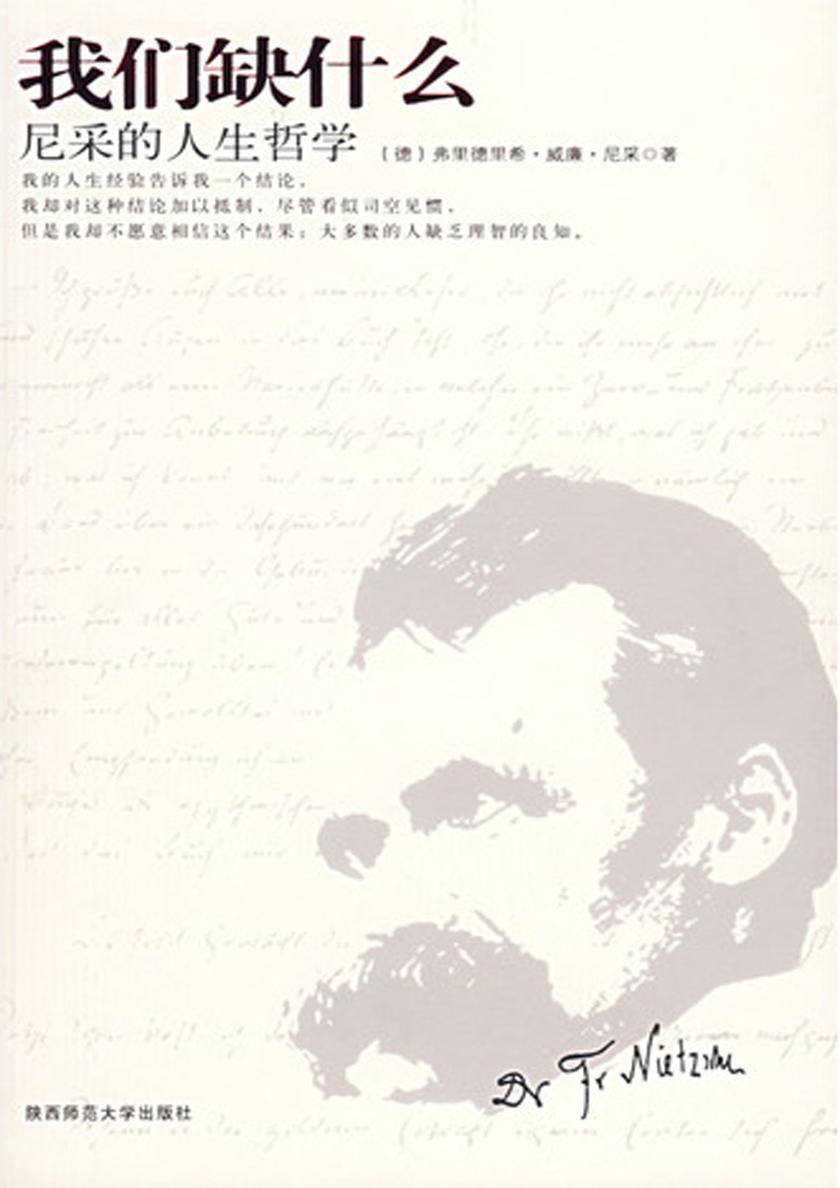
读书·治学·写作(精装珍藏本)
¥8.99
本书集结了季羡林关于读书、治学和写作方面的心得,另收录了他对陈寅恪、胡适等人治学理论的论述。做了一辈子学术研究的季羡林,将自己的实践经验坦诚地拿出来与人分享,于广大学生和学者而言,都是很有益处的。
北大逻辑课(全两册)
¥8.99
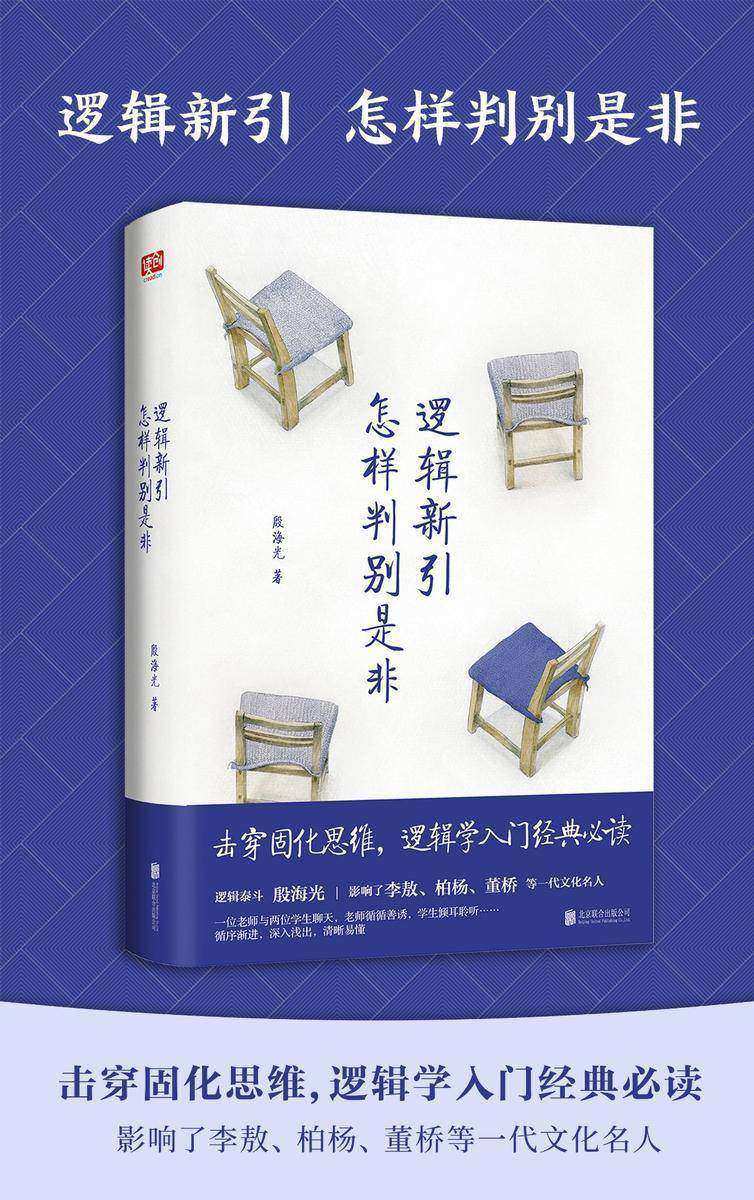
从古时起,很多智慧之士已经意识到了在日常生活中运用逻辑思维的重要性,逻辑思想在中国的先秦时代被叫做“名辩之学”。时至今日,我们更加不能轻视逻辑思维的重要性。对现代人来说,真正的财富并不是年收入的数字,而是他具有一种什么样的思维方式。 本书借用北大知名逻辑学讲师的经典理论,为读者揭示北大校园内对逻辑的判别与认知,让广大“北大校园外”的读者也可通过本书获得更多认知。希望广大读者 能够通过本书打开自己的智慧之门,对认识自我、激发自我、掌握自我等多个领域有所顿悟,为读者与人沟通、融入社会等方面提供帮助。
老子诵读本(插图版) 中华书局出品
¥9.00
《老子诵读本》(插图版)是“中华经典诵读工程配套读本”之一,专为4—12岁的青少年儿童编写,我们收录《老子》全文,并附有拼音,对难字、难词、难句做了精炼、准确、易懂的注释,同时,配有大量与文字密切关联的图片,让读者在愉悦的审美中,品味经典的魅力。
一生要读的国学经典
¥9.00
中国文化源远流长,那些传承下来的古书,凝聚着众多大家的智慧和心得,是取之不尽、用之不竭的宝藏。 本书推荐的古书,时间跨度从先秦一直延续到清末,类型多样,有《史记》《资治通鉴》等史学巨著;《诗经》《漱玉词》等诗词集;《红楼梦》《聊斋志异》等小说;《窦娥冤》《西厢记》等戏剧作品;《文心雕龙》《艺概》等文艺理论著作;也有《水经注》《齐民要术》等科学巨著。读者在了解其思想精髓的同时,也可以选取一些适合自己或者感兴趣的书来细细品读,相信定会受益匪浅。
说明、定律与因果
¥9.00
科学说明、自然定律与因果性,这三个概念都是科学哲学的核心问题。这些问题又彼此交错,相互联系,形成了一个复杂的问题群。本书分别研究了说明、定律与因果之间的关系,提出了自己的看法与论证,终对这些问题形成了较为统一而综合的观点。本书也研究了相关的专题,如说明与还原、解释的关系等。希望对于解决说明、定律与因果这一科学哲学的核心问题群起到积极作用。
Heart of Darkness
¥9.07
The Republic (Greek: Politeia) is a Socratic dialogue, written by Plato around 380 BC, concerning the definition of (justice), the order and character of the just city-state and the just man, reason by which ancient readers used the name On Justice as an alternative title (not to be confused with the spurious dialogue also titled On Justice). The dramatic date of the dialogue has been much debated and though it must take place some time during the Peloponnesian War, "there would be jarring anachronisms if any of the candidate specific dates between 432 and 404 were assigned". It is Plato's best-known work and has proven to be one of the most intellectually and historically influential works of philosophy and political theory. In it, Socrates along with various Athenians and foreigners discuss the meaning of justice and examine whether or not the just man is happier than the unjust man by considering a series of different cities coming into existence "in speech", culminating in a city (Kallipolis) ruled by philosopher-kings; and by examining the nature of existing regimes. The participants also discuss the theory of forms, the immortality of the soul, and the roles of the philosopher and of poetry in society. Short Summary (Epilogue):X.1—X.8. 595a—608b. Rejection of Mimetic ArtX.9—X.11. 608c—612a. Immortality of the SoulX.12. 612a—613e. Rewards of Justice in LifeX.13—X.16. 613e—621d. Judgment of the Dead The paradigm of the city — the idea of the Good, the Agathon — has manifold historical embodiments, undertaken by those who have seen the Agathon, and are ordered via the vision. The centre piece of the Republic, Part II, nos. 2–3, discusses the rule of the philosopher, and the vision of the Agathon with the allegory of the cave, which is clarified in the theory of forms. The centre piece is preceded and followed by the discussion of the means that will secure a well-ordered polis (City). Part II, no. 1, concerns marriage, the community of people and goods for the Guardians, and the restraints on warfare among the Hellenes. It describes a partially communistic polis. Part II, no. 4, deals with the philosophical education of the rulers who will preserve the order and character of the city-state.In Part II, the Embodiment of the Idea, is preceded by the establishment of the economic and social orders of a polis (Part I), followed by an analysis (Part III) of the decline the order must traverse. The three parts compose the main body of the dialogues, with their discussions of the “paradigm”, its embodiment, its genesis, and its decline.The Introduction and the Conclusion are the frame for the body of the Republic. The discussion of right order is occasioned by the questions: “Is Justice better than Injustice?” and “Will an Unjust man fare better than a Just man?” The introductory question is balanced by the concluding answer: “Justice is preferable to Injustice”. In turn, the foregoing are framed with the Prologue (Book I) and the Epilogue (Book X). The prologue is a short dialogue about the common public doxai (opinions) about “Justice”. Based upon faith, and not reason, the Epilogue describes the new arts and the immortality of the soul. ? About Author: Plato (Greek: Platon, " 428/427 or 424/423 BC – 348/347 BC) was a philosopher in Classical Greece. He was also a mathematician, student of Socrates, writer of philosophical dialogues, and founder of the Academy in Athens, the first institution of higher learning in the Western world. Along with his mentor, Socrates, and his most-famous student, Aristotle, Plato helped to lay the foundations of Western philosophy and science. Alfred North Whitehead once noted: "the safest general characterization of the European philosophical tradition is that it consists of a series of footnotes to Plato." Plato's sophistication as a writer is evident in his Socratic dialogues; thirty-six dialogues and thirteen letters have been ascribed to him, although 15–18 of them have been contested. Plato's writings have been published in several fashions; this has led to several conventions regarding the naming and referencing of Plato's texts. Plato's dialogues have been used to teach a range of subjects, including philosophy, logic, ethics, rhetoric, religion and mathematics. Plato is one of the most important founding figures in Western philosophy. His writings related to the Theory of Forms, or Platonic ideals, are basis for Platonism. ? Early lifeThe exact time and place of Plato's birth are not known, but it is certain that he belonged to an aristocratic and influential family. Based on ancient sources, most modern scholars believe that he was born in Athens or Aegina between 429 and 423 BC. His father was Ariston. According to a disputed tradition, reported by Diogenes Laertius, Ariston traced his descent from the king of Athens, Codrus, and the king of Messenia, Melanthus. Plato's mother was Perictione, whose family boasted of a relationship with the famous Athenian lawmaker an
易理与人生 中华书局出品
¥9.10
《易理与人生》以《周易》六十四卦为序,先对每一卦的易理进行解读,然后把易理结合作者自己的人生阅历和思考,阐发人生哲学,很多安身立命、为人处世之道非常实用,发前人之未言,很值得我们阅读、借鉴。
中国哲学史大纲--国民阅读经典(平装) 中华书局出品
¥9.10
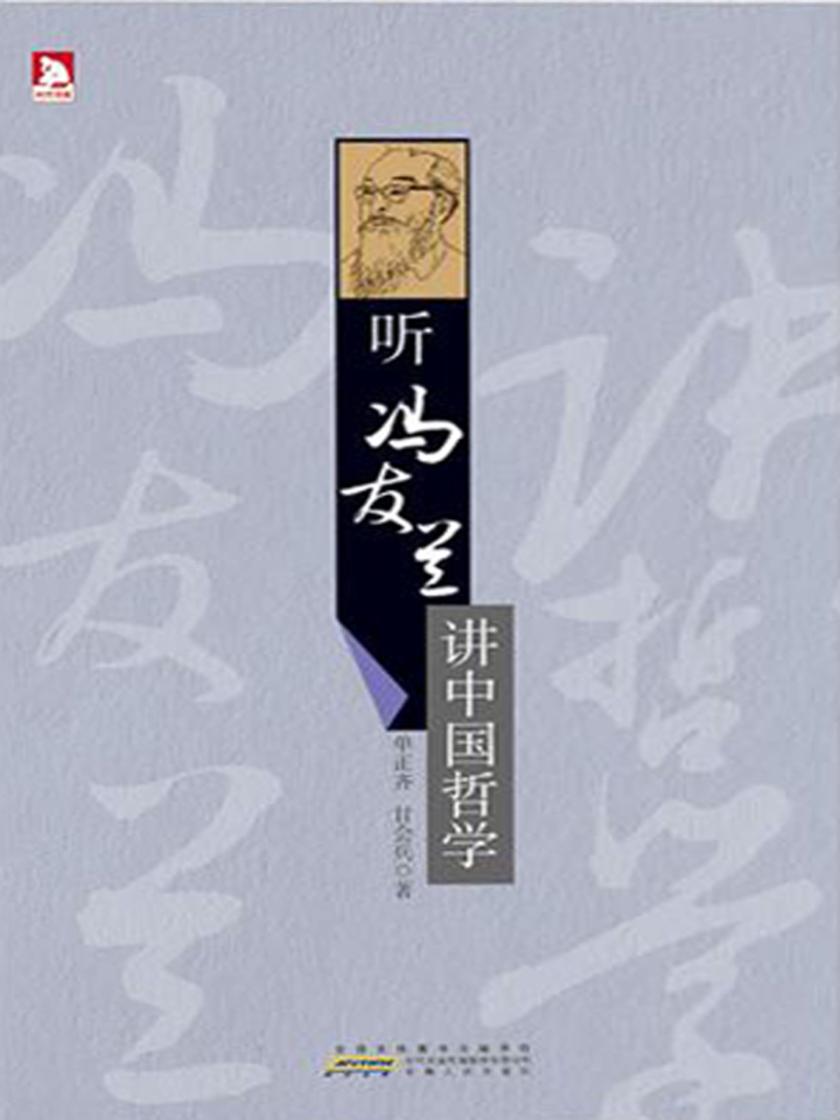
《中国哲学史大纲》为胡适所作,是中国学者运用现代学术方法系统研究中国古代哲学史的*部著作。它的出版被视为中国哲学史学科建立的标志。它所获得的赞誉无以复加,不但被视为一本划时代的著作,而且被誉为“五四”新文化运动的一个积极成果,是中国思想史研究的山之作,为胡适的学术地位奠定了一块不可撼动的基石。
Nature
¥9.24
The Prince (Italian: Il Principe) is a political treatise by the Italian diplomat, historian and political theorist Niccolò Machiavelli. From correspondence a version appears to have been distributed in 1513, using a Latin title, De Principatibus (About Principalities). But the printed version was not published until 1532, five years after Machiavelli's death. This was done with the permission of the Medici pope Clement VII, but "long before then, in fact since the first appearance of the Prince in manuscript, controversy had swirled about his writings" Although it was written as if it were a traditional work in the Mirror of Princes style, it is generally agreed that it was especially innovative, and not only because it was written in Italian rather than Latin. The Prince is sometimes claimed to be one of the first works of modern philosophy, in which the effective truth is taken to be more important than any abstract ideal. It was also in direct conflict with the dominant Catholic and scholastic doctrines of the time concerning how to consider politics and ethics. Although it is relatively short, the treatise is the most remembered of his works and the one most responsible for bringing "Machiavellian" into wide usage as a pejorative term. It also helped make "Old Nick" an English term for the devil, and even contributed to the modern negative connotations of the words "politics" and "politician" in western countries. In terms of subject matter it overlaps with the much longer Discourses on Livy, which was written a few years later. In its use of examples who were politically active Italians who perpetrated criminal deeds for politics, another lesser-known work by Machiavelli which The Prince has been compared to is the Life of Castruccio Castracani. The descriptions within The Prince have the general theme of accepting that ends of princes, such as glory, and indeed survival, can justify the use of immoral means to achieve those ends.

购物车
个人中心