


 购物车
购物车 个人中心
个人中心
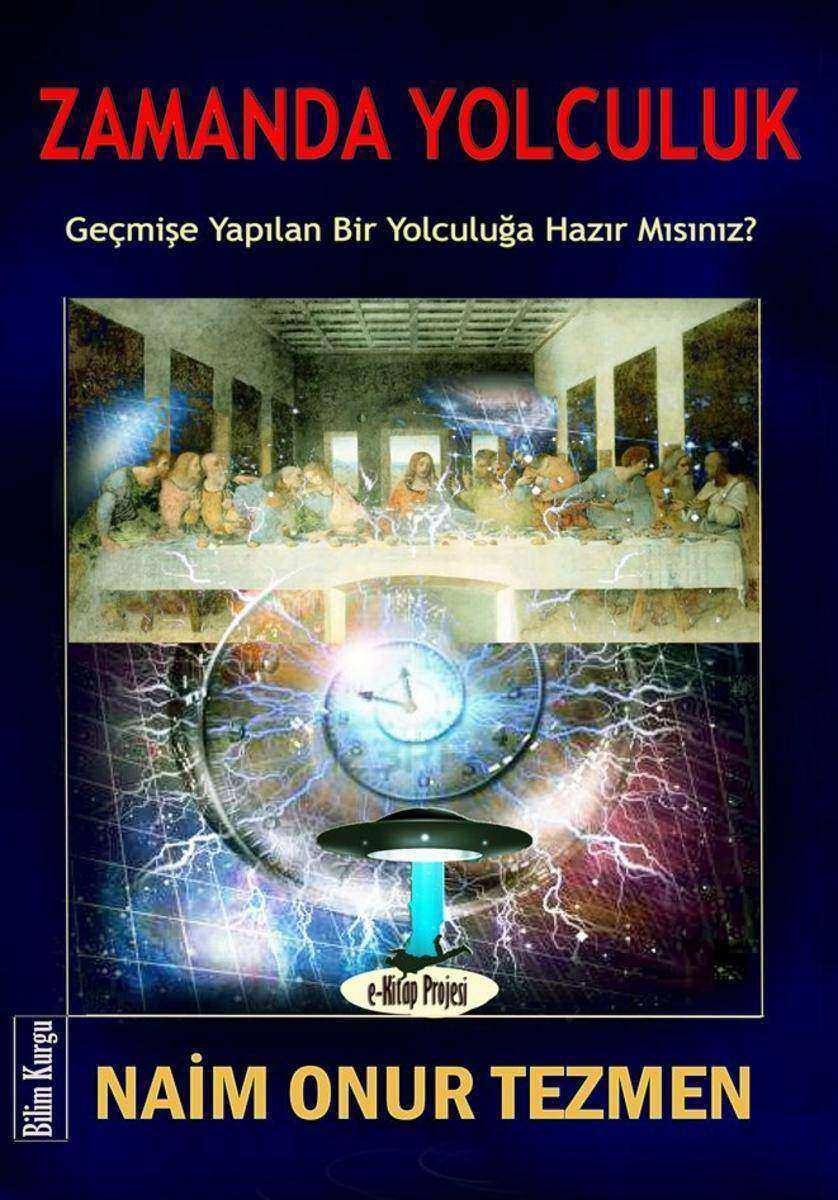
Zamanda Yolculuk: Ge?mi?e Yap?lan Bir Yolculu?a Haz?r M?s?n?z?
¥18.80
Zamanda yolculuk kelimesinin s?yleni?i ne kadar kolay gelse de, zamanda yap?lan bir yolculu?un kurgusal ?l?üde ger?ekle?tirilmesi bir o kadar zor g?zükmektedir. Ben buna en az?ndan ?aba sarf etti?ime, konu hakk?nda inceleme ara?t?rma yapt???ma, detayl? bir ?ekilde dü?ündü?üme ve dü?üncelerimi sizinle i?ten ve ?am?m? bir bi?imde payla?t???ma inan?yorum. De?erli okuyucular?m?n kitab? be?eneceklerini umar?m. Eserimde yer alan baz? ?zel isimlerin ve geli?en olaylar?n baz?lar?n?n, tarihsel ger?ekli?i kurgudur. ? ? ? ? ? ? ? ? ? ? ? ? ? ? ? ? ? ? ? ? ? ? ? ? ? ? ? ? ? ? ? ? ? ? ? ? ? ? ? ? ? ? ? ? ? ? ? ? ? ? ? ? ? ? ? ? ? ? ? ? ? ? ? ? ? [Yazar] Ba?lang??: “Her ?ey bugün ile ba?lad?, ama yar?nla bitecek” 2012 y?l?nda art?k “Büyük ?arp??t?r?c?” i?in her ?ey haz?rd?r. Profes?r David Roschenbach’?n ba?kanl???nda sürdürülen deneylerin art?k sonuna gelinmi?tir. Ge?mi?i kay?t alt?na alabilecek, tarihi Herodot’un ??retisi gibi bize miras b?rakabilecek bir kahramana ihtiya? vard?r. Bu ?ansl? ya da ?anss?z aday kim olacakt?r? Brian Schwarzkopf hayat?n? ne u?runa tehlikeye atmaktad?r? Tüm ya?am? boyunca elde ettiklerini bilim u?runa harcayacak m?d?r? ?sa ile kar??la?man?n tarihsel ve bilim kurgusal düzeydeki ger?ekli?ini bu kitapta belki de bulabileceksiniz. ?sa’ya kar?? yap?lan komplolar, hayat?n?n d?neme?leri, Roma ?mparatorlu?u’nun entrikalar? kitab?n olmazsa olmazlar? aras?nda... Bilim, insanlara sadece mutluluk mu verecek, yoksa onu olu?turacak olan olaylar dizgesini de?i?tirecek ve onu ileriye g?türecek midir? Yüzy?ll?k s??ramalar?n anahtar? Brain’da iken, o, bunlar? ne ?ekilde kullanacakt?r? Sinsi bir yolla bilgilerini kullan?p, Roma’n?n yeni hükümdar? m? olacakt?r, yoksa g?revine son derece ba?l? olarak tarihi, tarihin karanl?k sular?na m? g?mecektir?
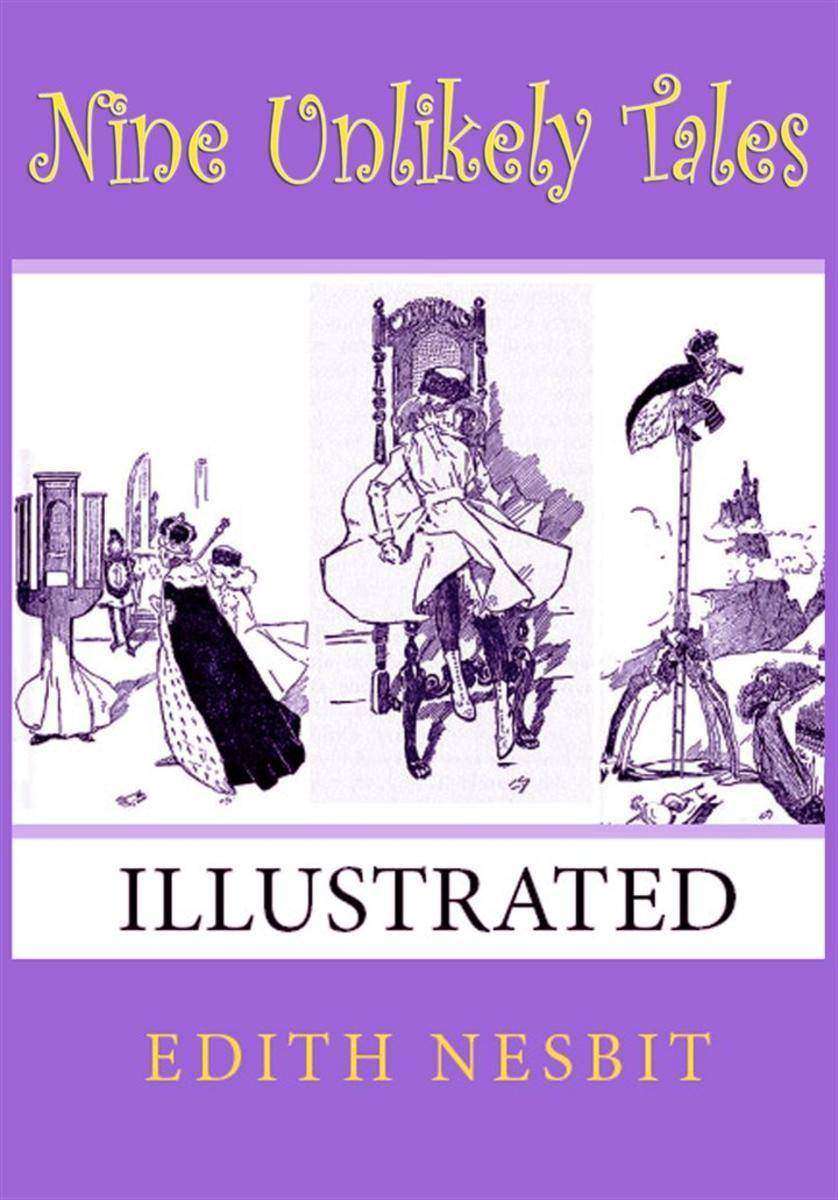
Nine Unlikely Tales: (Illustrated)
¥18.80
MATILDA'S ears were red and shiny. So were her cheeks. Her hands were red too. This was because Pridmore had washed her. It was not the usual washing, which makes you clean and comfortable, but the "thorough good wash," which makes you burn and smart till you wish you could be like the poor little savages who do not know anything, and run about bare in the sun, and only go into the water when they are hot. Matilda wished she could have been born in a savage tribe instead of at Brixton. "Little savages," she said, "don't have their ears washed thoroughly, and they don't have new dresses that are prickly in the insides round their arms, and cut them round the neck. Do they, Pridmore" ABOUT AUTHOR: Edith Nesbit (married name Edith Bland; 15 August 1858 – 4 May 1924) was an English author and poet; she published her books for children under the name of E. Nesbit. She wrote or collaborated on over 60 books of fiction for children, several of which have been adapted for film and television. She was also a political activist and co-founded the Fabian Society, a socialist organisation later connected to the Labour Party. Edith Nesbit was born in Kennington, Surrey, the daughter of agricultural chemist and schoolmaster John Collis Nesbit. The death of her father when she was four and the continuing ill health of her sister meant that Nesbit had a transitory childhood, her family moving across Europe in search of healthy climates only to return to England for financial reasons. Nesbit therefore spent her childhood attaining an education from whatever sources were available - local grammars, the occasional boarding school but mainly through reading.
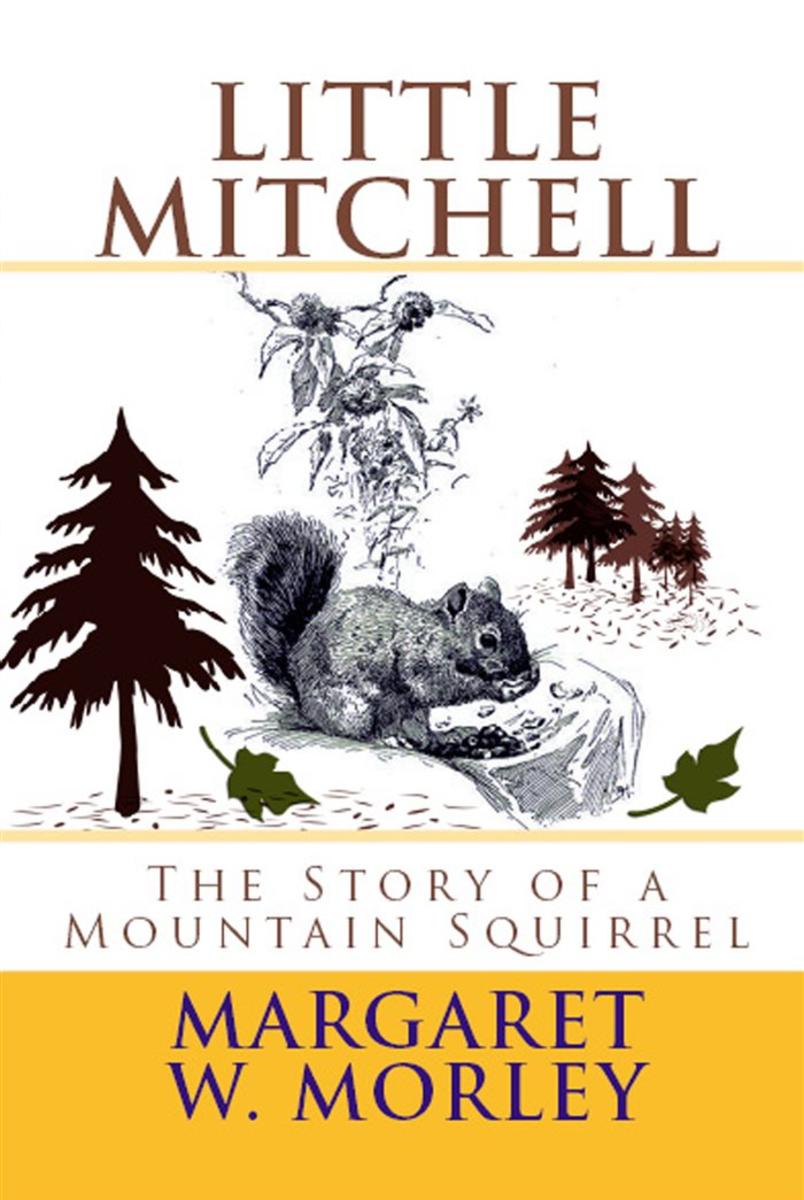
Little Mitchell: "The Story of a Mountain Squirrel"
¥18.80
Baby Mitchell was an August squirrel. That is, he was born in the month of August. His pretty gray mother found a nice hole, high up in the crotch of a tall chestnut tree, for her babies' nest; and I know she lined it with soft fur plucked from her own loving little breast,—for that is the way the squirrel mothers do. This chestnut tree grew on the side of a steep mountain,—none other than Mount Mitchell, the highest mountain peak in all the eastern half of the United States. It is in North Carolina, where there are a great many beautiful mountains, but none of them more beautiful than Mount Mitchell, with the great forest trees on its slopes. One of these forest trees was the big chestnut where Baby Mitchell was born. In the warm and lovely summer he lay safe in his snug nest twenty feet above the ground. There was a small log-cabin at the foot of the mountain, and here lived a father and mother and a very large family of very small children. There was no other house near; and the father had to go a great many miles through the woods to his work in a saw-mill that some one had set up in the mountains. “A squirrel’s nest, in a nice hole, high up in the crotch of a tall chestnut tree.” And the children had to go such a long way to school, over little rivers that they crossed on narrow foot-logs; and through deep shady woods, where the sun could scarcely send a ray down through the tops of the tall trees; and under tangled rhododendron bushes that were often like little trees they were so large, and in the summer time were covered with masses of splendid white flowers. ? ? ABOUT AUTHOR: Margaret Warner Morley was an American educator, biologist, and author of many children's books on nature and biology.
Lost in the Jungle
¥18.80
MY Dear Young Folks,—In the first book which I wrote for you, we traveled together through the Gorilla Country, and saw not only the gigantic apes, but also the cannibal tribes which eat men. In the second book we continued our hunting, and met leopards, elephants, hippopotami, wild boars, great serpents, etc., etc. We were stung and chased by the fierce Bashikouay ants, and plagued by flies. Last spring, your friend Paul, not satisfied with writing for young folks, took it into his head to lecture before them. When I mentioned the subject to my acquaintances, many of them laughed at the notion of my lecturing to you, and a few remarked, "This is another of your queer notions." I did not see it!!! I thought I would try. Thousands of young folks came to your friend Paul's lectures in Boston, Brooklyn, and New York; not only did my young friends come, but a great many old folks were also seen among them. The intelligent, eager faces of his young hearers, their sparkling eyes, spoke to him more eloquently than words could do, and told him that he had done well to go into the great jungle of Equatorial Africa, and that they liked to hear what he had done and what he had seen. When he asked the girls and boys of New York if he should write more books for them, the tremendous cheers and hurrahs they gave him in reply told him that he had better go to work.When, at the end of his third lecture, he made his appearance in the old clothes he had worn in Africa, and said he would be happy to shake hands with his young hearers, the rush then made assured him that they were his friends. Oh! how your hearty hand-shaking gladdened the heart of your friend Paul; he felt so happy as your small hands passed in and out of his! Before writing this new volume, I went to my good and estee-med friends, my publishers in Franklin Square, and asked them what they thought of a new book for Young Folks. "Certainly," they said; "by all means, Friend Paul. Write a new book, for STORI-ES OF THE GORILLA COUNTRY and WILD LIFE UNDER THEEQUATOR are in great demand."I immediately took hold of my old journals, removed the African dust from them, and went to work, and now we are going to be "LOST INTHE JUNGLE"

The Railway Children
¥18.80
They were not railway children to begin with. I don’t suppose they had ever thought about railways except as a means of getting to Maskelyne and Cook’s, the Pantomime, Zoological Gardens, and Madame Tussaud’s. They were just ordinary suburban children, and they lived with their Father and Mother in an ordinary red-brick-fronted villa, with coloured glass in the front door, a tiled passage that was called a hall, a bathroom with hot and cold water, electric bells, French windows, and a good deal of white paint, and ‘every modern con-venience’, as the house-agents say. There were three of them. Roberta was the eldest. Of course, Mothers never have favourites, but if their Mother HAD had a favourite, it might have been Roberta. Next came Peter, who wished to be an Engineer when he grew up; and the youngest was Phyllis, who meant extremely well. Mother did not spend all her time in paying dull calls to dull ladies, and sitting dully at home waiting for dull ladies to pay calls to her. She was almost always there, ready to play with the children, and read to them, and help them to do their home-lessons. Besides this she used to write stories for them while they were at school, and read them aloud after tea, and she always made up funny pieces of poetry for their birthdays and for other great occasions, such as the christening of the new kittens, or the refurnishing of the doll’s house, or the time when they were getting over the mumps. These three lucky children always had everything they needed: pretty clothes, good fires, a lovely nursery with heaps of toys, and a Mother Goose wallpaper. They had a kind and merry nursemaid, and a dog who was called James, and who was their very own. They also had a Father who was just perfect—never cross, never unjust, and always ready for a game—at least, if at any time he was NOT ready, he always had an excellent reason for it, and explained the reason to the children so interestingly and funnily that they felt sure he couldn’t help himself..
![Further Adventures of Robinson Crusoe: [Next Stories of Robinson Crusoe]](https://platform-permanent.ddimg.cn/pt-media-info-soa-resource/digital/product/44/68/1901164468_ii_cover.jpg?version=673c7d5d-69b5-4236-9797-9263c5664562)
Further Adventures of Robinson Crusoe: [Next Stories of Robinson Crusoe]
¥18.80
Daniel Defoe's faith-filled The Further Adventures of Robinson Crusoe finds Crusoe bored with his prosperity and consumed by an irresistible longing to return to the island he left many years before. Along with his trusty servant and companion, Friday, he embarks on a harrowing high-seas adventure that takes them to China, over the Russian steppes, and into Siberia. Readers will find themselves captivated by this sequel, which is every bit as engaging as the original.
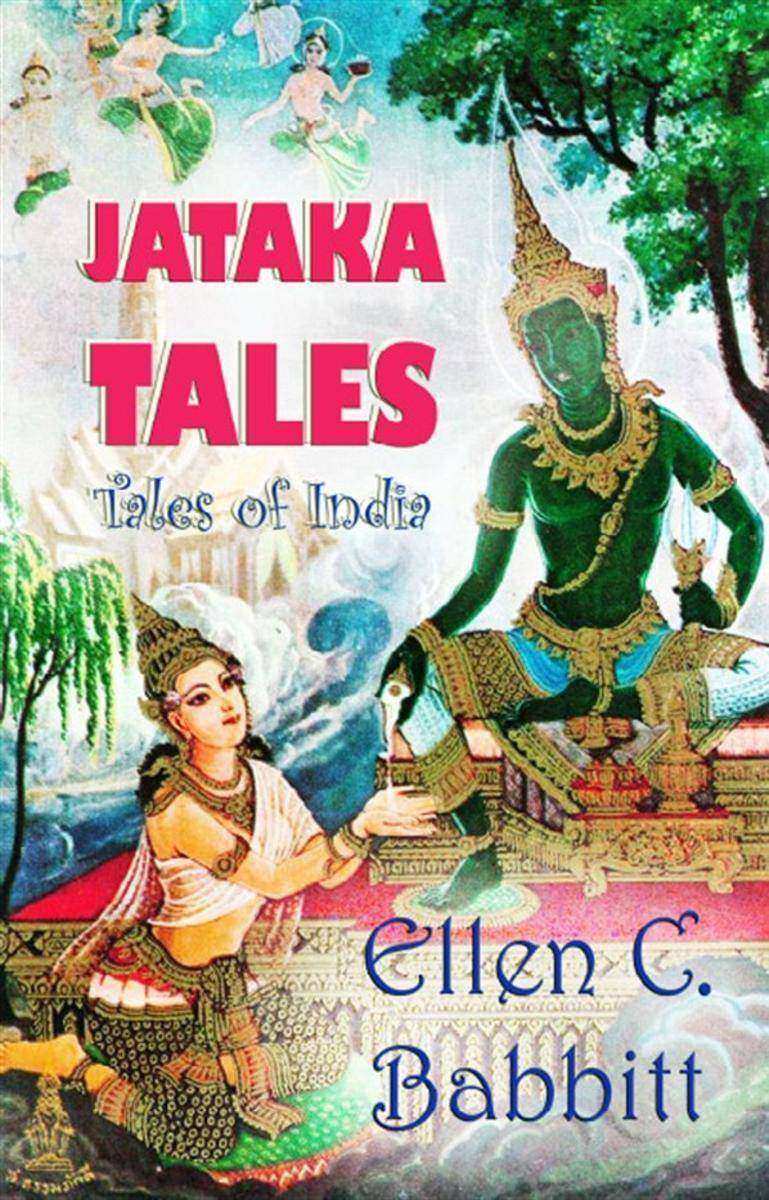
Jataka Tales: "Tales of India"
¥18.80
The Jatakas, or Birth-stories, form one of the sac-red books of the Buddhists and relate to the adventures of the Buddha in his former existences, the best character in any story being identified with the Master.??These legends were continually introduced into the religious discourses of the Buddhist teachers to illustrate the doctrines of their faith or to magnify the glory and sanctity of the Buddha, somewhat as medieval preachers in Europe used to enliven their sermons by introducing fables and popular tales to rouse the flagging interest of their hearers.? Sculptured scenes from the Jatakas, found upon the carved railings around the relic shrines of Sanchi and Amaravati and of Bharhut, indicate that the "Birth-stories" were widely known in the third century B.C., and were then considered as part of the sacred history of the religion. ??At first the tales were probably handed down orally, and it is uncertain when they were put together in systematic form.??While some of the stories are Buddhistic and depend for their point on some custom or idea peculiar to Buddhism, many are age-old fables, the flotsam and jetsam of folklore, which have appeared under various guises throughout the centuries, as when they were used by Boccaccio or Poggio, merely as merry tales, or by Chaucer, who unwittingly puts a Jataka story into the mouth of his pardoners when he tells the tale of "the Ryotoures three."??Quaint humor and gentle earnestness distinguish these legends and they teach many wholesome lessons, among them the duty of kindness to animals.??Dr. Felix Adler in his "Moral Instruction of Children," says:?The Jataka Tales contain deep truths, and are calcu-lated to impress lessons of great moral beauty. The tale of the Merchant of Seri, who gave up all that he had in exchange for a golden dish, embodies much the same idea as the parable of the priceless Pearl, in the New Testament. The tale of the Measures of Rice illustrates the importance of a true estimate of values. The tale of the Banyan Deer, which offered its life to save a roe and her young, illustrates self-sacrifice of the noblest sort. The tale of the Sandy Road is one of the finest in the collection..
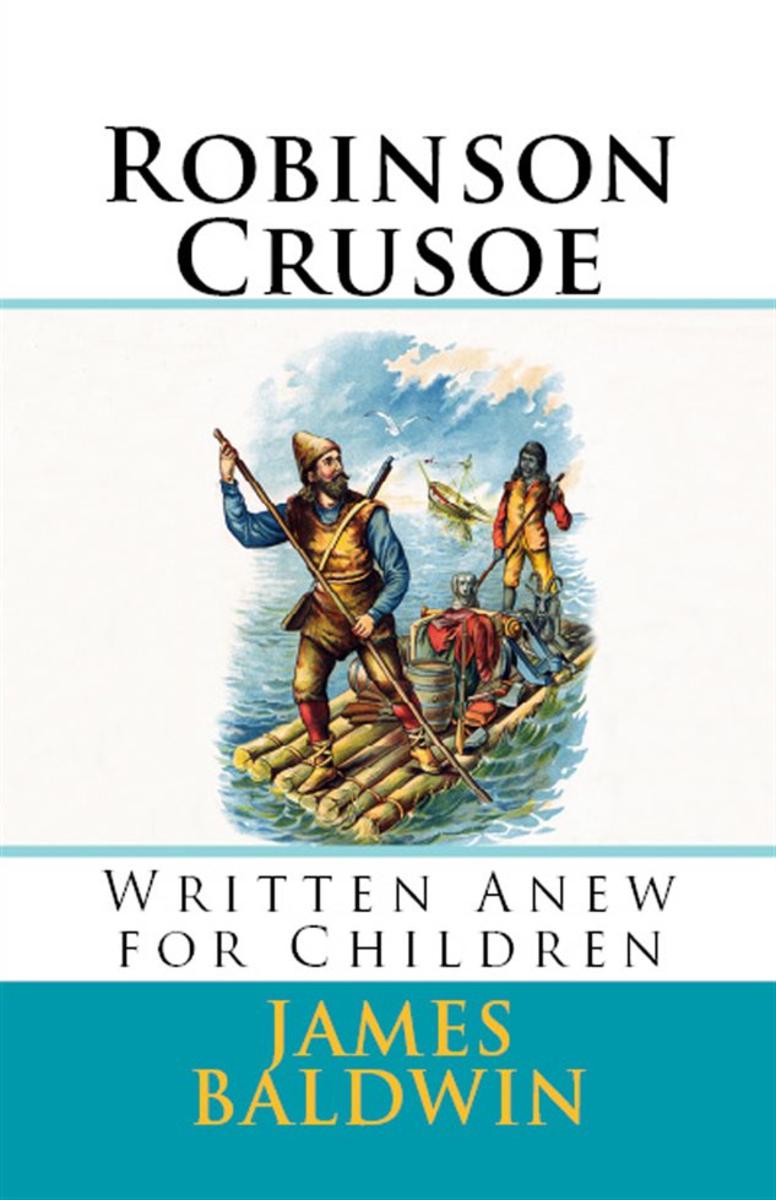
Robinson Crusoe: Written Anew for Children
¥18.80
IN the year 1719 an Englishman whose name was Daniel Defoe wrote a very long story, which he called "The Life and Surprising Adventures of Robinson Crusoe." His story was not designed for children, and therefore it contained a great deal of hard reading. There was much in it, however, that was interesting to young people, and from that day to this, the marvelous tale of Robinson Crusoe has been a favorite with boys as well as men. I have rewritten the story in words easy for every child, and have shortened it by leaving out all the dull parts.??I WISH TO BE A SAILOR?MY name is Robinson Crusoe. I was born in the old city of York, where there is a broad river, with ships coming and going.?When I was a little boy, I spent much of my time looking at the river.?How pleasant was the quiet stream, flowing, always flowing, toward the far-away sea!
![Stories of Don Quixote: [Written Anew for Children]](https://platform-permanent.ddimg.cn/pt-media-info-soa-resource/digital/product/46/86/1901164686_ii_cover.jpg?version=300f647f-dec2-461b-b937-5b09fb749e8c)
Stories of Don Quixote: [Written Anew for Children]
¥18.80
THE romance entitled "The Achievements of the Ingenious Gentleman, Don Quixote de la Mancha," was originally written in Spanish by Miguel de Cervantes Saavedra. It was published in two parts, the first in 1605 and the second in 1615—now just about three hundred years ago. Among the great books of the world it holds a permanent place. It has been translated into every language of Europe, even Turkish and Slavonic. It has been published in numberless editions. It has been read and enjoyed by men of the most diverse tastes and conditions.??The story is so simple that every one can understand it, and yet it has in it so much wisdom that the wisest may derive pleasure from it. It touches the sen-se of humor in every heart. It moves to pity rather than ridicule, and to tears as well as laughter. And herein lies its chief claim to greatness, that it seems to have been written not for one country nor for one age alone, but to give delight to all mankind. "It is our joyfullest modern book."??In its original form, however, it is a bulky work, dismaying the present-day reader by its vastness. For it fills more than a thousand closely printed pages, and the story itself is interrupted and encumbered by episodes and tedious passages which are no longer interesting and which we have no time to read. The person who would get at the kernel of this famous book and know something of its plan and its literary worth, must either struggle through many pages of tiresome details and unnecessary digressions, or he must resort to much ingenious skipping. In these days of many books and hasty reading, it is scarcely possible that any person should read the whole of Don Quixote in its original form. And yet no scholar can afford to be ignorant of a work so famous and so enjoyable.??These considerations have led to the preparation of the present small volume. It is not so much an ab-ridgment of the great book by Cervantes as it is a rewriting of some of its most interesting parts. While very much of the work has necessarily been omitted, the various adventures are so related as to form a continuous narrative; and in every way an effort is made to give a clear idea of the manner and content of the original. Although Cervantes certainly had no thought of writing a story for children, there are many passages in Don Quixote which appeal particularly to young readers; and it is hoped that this adaptation of such passages will serve a useful purpose in awakening a desire to become further acquainted with that great world's classic..
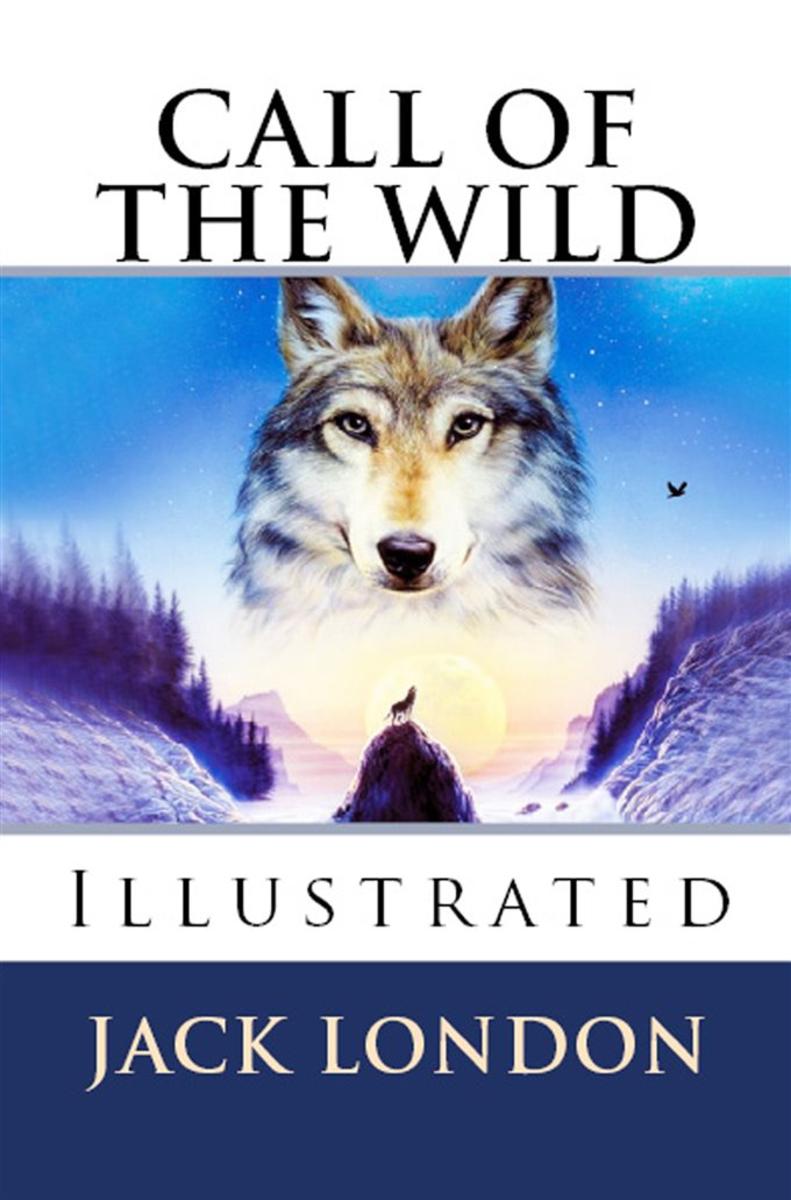
Call of the Wild
¥18.80
The Call of the Wild is a novel by American writer Jack London. The plot concerns a previously domesticated and even somewhat pampered dog named Buck, whose primordial instincts return after a series of events finds him serving as a sled dog in the treacherous, frigid Yukon during the days of the 19th century Klondike Gold Rushes.Published in 1903, The Call of the Wild is one of London's most-read books, and it is generally considered one of his best. Because the protagonist is a dog, it is sometimes classified as a juvenile novel, suitable for children, but it is dark in tone and contains numerous scenes of cruelty and violence. London followed the book in 1906 with White Fang, a companion novel with many similar plot elements and themes as The Call of the Wild, although following a mirror image plot in which a wild wolf becomes civilized by a mining expert from San Francisco named Weedon Scott. * * * BUCK did not read the newspapers, or he would have known that trouble was brewing, not alone for himself, but for every tide-water dog, strong of muscle and with warm, long hair, from Puget Sound to San Diego. Because men, groping in the Arctic darkness, had found a yellow metal, and because steamship and transportation companies were booming the find, thousands of men were rushing into the Northland. These men wanted dogs, and the dogs they wanted were heavy dogs, with strong musc-les by which to toil, and furry coats to protect them from the frost. Buck lived at a big house in the sun-kissed Santa Clara Valley. Judge Miller's place, it was called. It stood back from the road, half hidden among the trees, through which glimpses could be caught of the wide cool veranda that ran around its four sides. The house was approached by gravelled driveways which wound about through widespreading lawns and under the interlacing boughs of tall poplars. At the rear things were on even a more spacious scale than at the front. There were great stables, where a dozen grooms and boys held forth, rows of vineclad servants' cottages, an endless and orderly array of outhouses, long grape arbors, green pastures, orchards, and berry patches. Then there was the pumping plant for the artesian well, and the big cement tank where Judge Miller's boys took their morning plunge and kept cool in the hot afternoon.
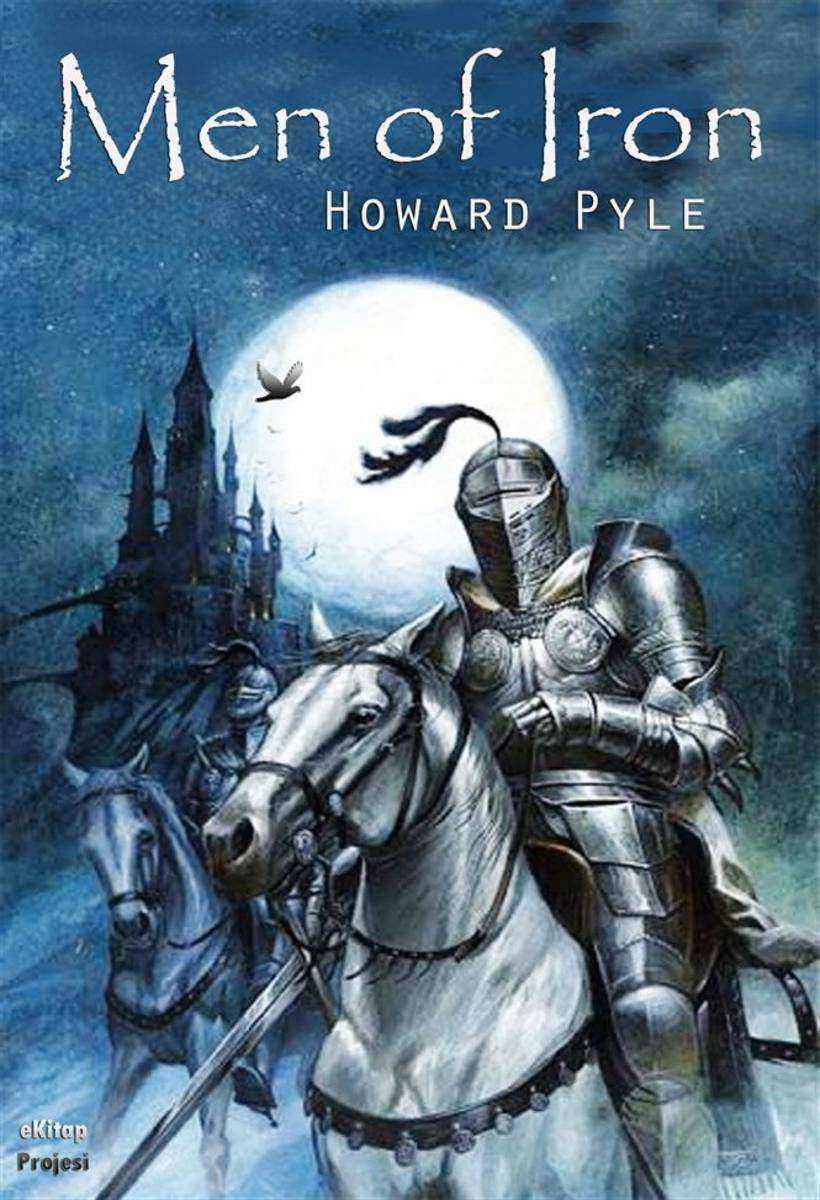
Men of Iron
¥18.80
THE YEAR 1400 opened with more than usual pea-cefulness in England. Only a few months before, Richard II—weak, wicked, and treacherous—had been dethroned, and Henry IV declared King in his stead. But it was only a seeming peacefulness, lasting but for a little while; for though King Henry proved himself a just and a merciful man—as justice and mercy went with the men of iron of those days—and though he did not care to shed blood needlessly, there were many noble families who had been benefited by King Richard during his reign, and who had lost somewhat of their power and prestige from the co-ming in of the new King. Among these were a number of great lords—the Dukes of Albemarle, Surrey, and Exeter, the Marquis of Dorset, the Earl of Gloucester, and others—who had been degra-ded to their former titles and estates, from which King Richard had lifted them. These and others brewed a secret plot to take King Henry's life, which plot might have succeeded had not one of their own number betrayed them. Their plan had been to fall upon the King and his adherents, and to massacre them during a great tournament, to be held at Oxford. But Henry did not appear at the lists; whereupon, knowing that he had been lodging at Windsor with only a few attendants, the conspirators marched thither against him. In the mean time the King had been warned of the plot, so that, instead of finding him in the royal castle, they discovered through their scouts that he had hurried to London, whence he was even then marching against them at the head of a considerable army. So nothing was left them but flight. Some betook themselves one way, some another; some sought sanctuary here, some there; but one and another, they were all of them caught and killed.

Herhangi Bir ?ey, Bir ?eyler 'Merhaba'
¥18.80
Caddeye d?ndü?ünde Reng?renk kafeler, restoranlar, giyim ma?azalar? s?ralan?p gidiyordu... Meydana do?ru bakt?: ?nsanlar rastgele bir oraya bir buraya savrulup duruyorlard?; ba?ka türlüsünü izah edemezdi ki, yoksa bu denli insan belli dü?ünce ve gayelerle bir yerlere gidiyor olamazlard?? Sanm?yordu; bunca dünya nas?l bir araya gelebilirdi; bir yan?ltma olmal?yd?; ?nünden ge?en bir bayan?n pe?ine tak?ld?; ger?e?i ??renmeliydi. Az sonra durdu; vazge?ti: ne yap?yordu? ??kmayal? uzun zaman oldu?unu hat?rlad?, yolunu de?i?tirdi. Yoruldu ve i?inde dayan?lmaz bir sigara i?me iste?ini hissetti, sonunda kafelerden birine oturmaya karar verdi. *** Garsona kahve s?ylerken o her zamanki kibirli, so?uk tavr?n? tak?nm?? ve tane tane konu?mu?tu. E?er garson “Efendim?, Anlayamad?m?” deseydi ya da s?ylenenleri teyit etmek i?in tekrar etmi? olsayd?; kahvesini i?meden kalkacakt?. Etraf?na bak?nd?; kimse onun varl???n? hissetmiyor gibi duruyordu. Rahat bir ?ekilde insanlar? izlemeye koyuldu; e?er onun gibi bir di?eri varsa g?z g?ze gelmeleri an meselesiydi. Genellikle pek ??kmazd? b?ylesi; buradakiler de sadece ya??yor gibi duruyordu; pek dikkat etmiyorlard?, her biri durmaks?z?n bir ?eyler anlatmaya devam ediyordu; ?o?unun sadece konu?mak i?in konu?tu?una bahse girerim; adeta dü?ünmemek i?in konu?uyorlar; zaman ge?irmek i?in. Sadece ya?amak istiyorlar art?k, ?ocuklu?unda kald? hayalleri hepsinin. Cevaplayamad?klar? ya da i?ine gelmeyen cevaplar bulduklar? kancalar i?in kurtulu?u olmayan bu ka???… ?yi bilirim o ?uursuz halleri; güzel bir kot, güzel bir t-shirt veya ba??n?n üstünde güne? g?zlükleri, kolunda ??k bir saat, renkli ayakkab?lar… Ve istisnas?z her insan?n akl?n?n bir k??esinde sürekli izlenme hissi... Hi? biri kendinde de?il; oysa yaln?z kald?klar?nda ?ylesine farkl?lar ki. Onlar da biliyorlar ki; yüzle?meyi erteledikleri tüm dü?ünceler bekliyor bir yerlerde kendilerini, bazen tedirginli?ini de ya??yorlar bu yüzle?menin; yine de umursam?yorlar. ?nsan denilen varl?k b?yleydi i?te; b?yle ya?ayabiliyordu bir tek… E?er herhangi bir sa?l?k sorunuyla veya k?tü bir olayla kar??la?sa bile, g?rdü?ü fark?ndal??a dayanam?yor ve ko?arak eski hayatlar?na d?nüyorlard?; hakl?yd?lar da ?ylece ya?ama dayanmak nerdeyse imk?ns?zd?. Eve do?ru y?neldi. Yorgun ve moralsizdi. Gece anlams?zca bir hayli ge? yatm??t?, sabah s?nav i?in erkenden kalkm??t?. S?nav? ne k?tü ge?mi?ti ne de iyi. Bu belirsizlik de can?n? s?k?yordu. ?yisi mi eve gidip biraz uyumal?yd?. Uyumak yar? ?lümdür derler ya; e?er bu denli rahatlat?yorsa yar? ?lüme, yani bunun tam olan?na bile raz?yd?…
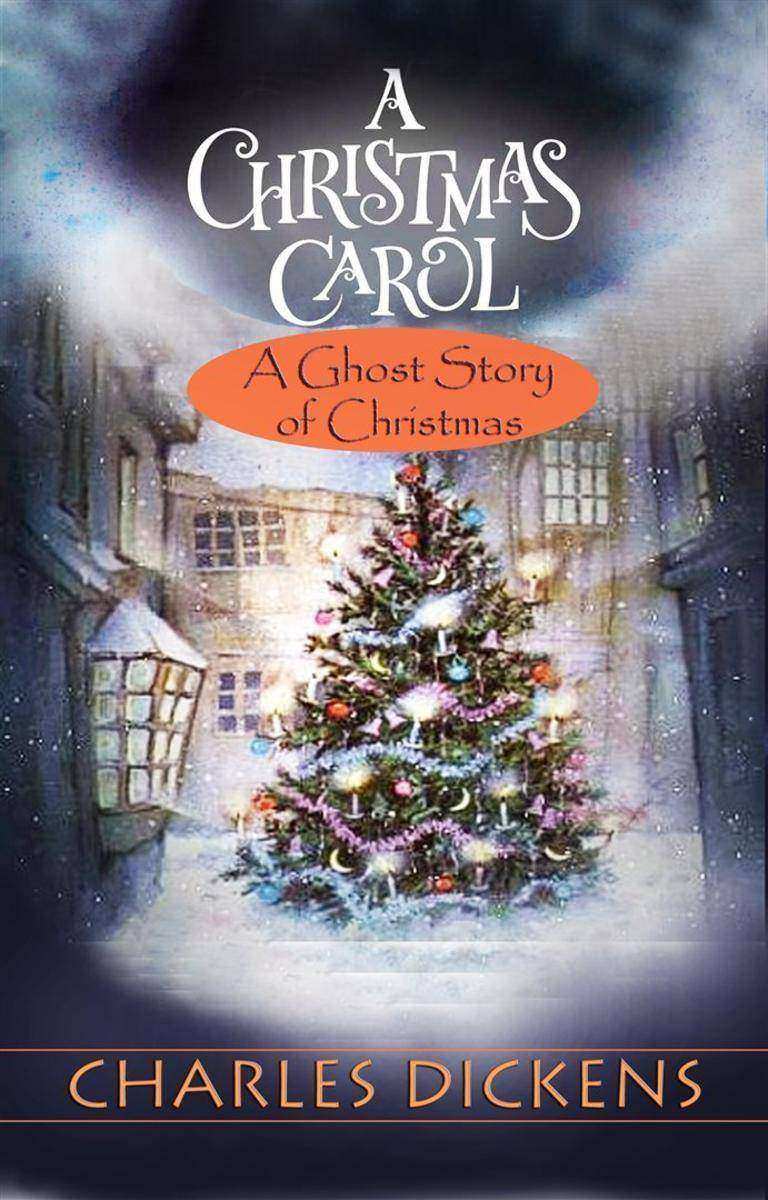
A Christmas Carol: 'A Ghost Story of Christmas'
¥18.80
Marley was dead: to begin with. There is no doubt whatever about that. The register of his burial was signed by the clergyman, the clerk, the undertaker, and the chief mourner. Scrooge signed it: and Scrooge’s name was good upon ’Change, for anything he chose to put his hand to. Old Marley was as dead as a door-nail. Mind! I don’t mean to say that I know, of my own knowledge, what there is particularly dead about a door-nail. I might have been inclined, myself, to regard a coffin-nail as the deadest piece of ironmongery in the trade. But the wisdom of our ancestors is in the simile; and my unhallowed hands shall not disturb it, or the Country’s done for. You will therefore permit me to repeat, emphatically, that Marley was as dead as a door-nail. Scrooge knew he was dead? Of course he did. How could it be otherwise? Scrooge and he were partners for I don’t know how many years. Scrooge was his sole executor, his sole administrator, his sole assign, his sole residuary legatee, his sole friend, and sole mourner. And even Scrooge was not so dreadfully cut up by the sad event, but that he was an excellent man of business on the very day of the funeral, and solemnised it with an undoubted bargain. The mention of Marley’s funeral brings me back to the point I started from. There is no doubt that Marley was dead. This must be distinctly understood, or nothing wonderful can come of the story I am going to relate. If we were not perfectly convinced that Hamlet’s Father died before the play began, there would be nothing more remarkable in his taking a stroll at night, in an easterly wind, upon his own ramparts, than there would be in any other middleaged gentleman rashly turning out after dark in a breezy spot—say Saint Paul’s Churchyard for instance—literally to astonish his son’s weak mind..
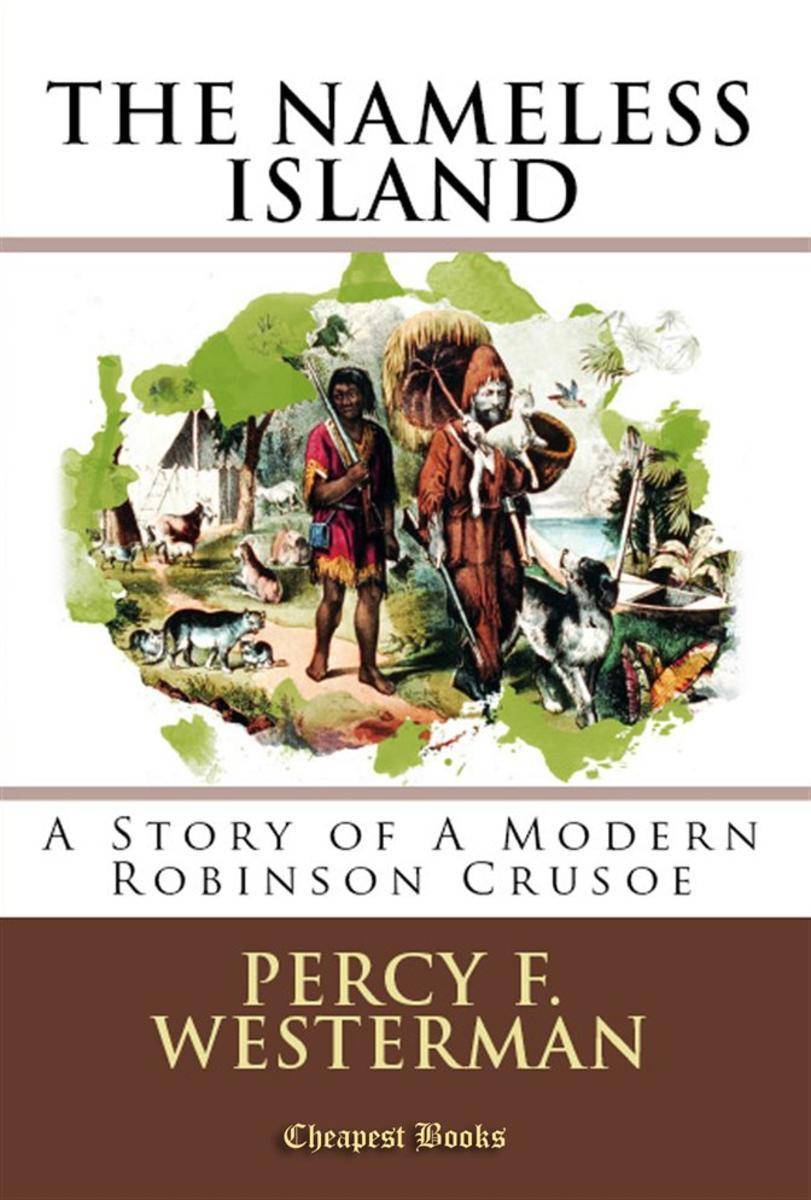
The Nameless Island: "A Story of A Modern Robinson Crusoe"
¥18.80
The San Martin, a single-screw cargo steamer of 3050 tons, was on her way from Realejo to Tahiti. Built on the Clyde twenty years back, this Peruvian-owned tramp was no longer in her prime. Since passing out of the hands of her British owners, neglect had lessened her speed, while the addition of various deck-houses, to suit the requirements of the South American firm under whose house-flag she sailed, had not increased her steadiness.??Captain Antonio Perez, who was in command, was a short, thick-set man of almost pure Spanish descent, swarthy, greasy, and vain—combining all the characteristics, good, bad, and indifferent, of the South American skipper. As part owner of the San Martin he was glad of the opportunity of adding to the vessel's earnings, so he had willingly agreed to take five passengers as far as Tahiti.? The five passengers were Mr. McKay, his son Andrew, Terence Donaghue, Fanshaw Ellerton, and Quexo; but before relating the circumstances in which they found themselves on board the San Martin, it will be necessary to introduce them to our readers.
![Don Ki?ot: [Resimli]](https://platform-permanent.ddimg.cn/pt-media-info-soa-resource/digital/product/44/86/1901164486_ii_cover.jpg?version=533339dc-c4a9-43c1-996b-5c5d9432c1d2)
Don Ki?ot: [Resimli]
¥18.80
17. yüzy?l ?spanya's?nda edebiyat dü?künü bir maceraperest; günümüzdeyse klasikle?mi? bir yazar: Miguel de Cervantes Saavedra. ?spanyol donanmas?na kat?l?p K?br?s'ta, ?nebaht?'da, Tunus'ta, Navar?n'de sava?t?. Be? y?l Cezayir'de esir hayat? ya?ad?. ?lkesinde resmi g?revler üstlendi ve yolsuzluk, cinayet gibi gerek?elerle defalarca hapse girdi ??kt?. Her ?ey edebiyat i?indi; onca serüvenden sonra tüm zamanlar?n en ünlü hayalperesti La Manchali Don Ki?ot'u yazd?. Nesli tükenmi? ??valyelere ?zenip hayallerinde kurdu?u dünyada ya?ayan Don Ki?ot, umutsuz bir kahramanl?kla, yel de?irmenlerini devle?tiren aptall?k aras?nda bir simge günümüz dünyas?nda. T?pk? u?a?? Sanco Panza'n?n pratik ve ger?ek?i halk?n simgesi oldu?u gibi… Birinci b?lümü 1605 y?l?nda yay?mlanan ?spanyol edebiyat?n?n bu ba?yap?t?, yay?mland??? günden beri pek ?ok dile ?evrildi, defalarca bas?ld?.?mrünün son y?llar?nda da olsa, D?n Ki?ot sayesinde istedi?i un, sayg?nl?k ve paraya kavu?an Cervantes ?ldü?ünde modern roman?n ilk kilometre ta?lar?ndan birini dikti?ini bilmiyordur. ?ok farkl? ulusal edebiyatlar?n ?ok farkl? yazar, ele?tirmen ve okurlar? Don Ki?ot'u modern edebiyat?n ba?lang?? noktas? ve kutsal kitab? olarak de?erlendirirler. Don Ki?ot'un ü? tek tanr?l? dinin kutsal kitaplar?ndan sonra gelmi? ge?mi? en ?ok okunan kitab? olmas? da bu de?erlendirmenin hakl?l???n? kan?tlar. Günümüzde onun yaln?zca ilk modern roman de?il, ayn? zamanda ilk post-modern roman oldu?unu iddia edenler de var. Bu ku?kusuz tart??maya a??k bir konudur; ancak bu iddian?n kesin olarak g?sterdi?i, modern zamanlar? yararak gelen muhte?em Don Ki?ot'un tam 400 y?l ?nce ?u s?ralarda yay?nland???ndan beri güncelli?inden hi?bir ?ey kaybetmemi? oldu?udur. Belki de bu yitmezli?in, bitmezli?in s?rr? bir ba?ka edebiyat olumsuzunun, Dostoyevski'nin ?u s?zlerinin alt?nda bir yerlerdedir: "Don Ki?ot, insan dü?üncesinin en son ve en büyük s?zü, insan?n ifade edebilece?i en ac? ironidir" ?enyor Kesada'n?n tatl? delilikleri: K?yün ?atosu bir tepe üstünde yükseliyordu. Berber ile papaz o sabah bu tepenin ete?inde kar??la?t?lar; hem birbirlerini g?rmekten, hem de bu taze ve parlak sabahtan do?an sevin?le uzun uzun birbirlerinin elini s?kt?lar, ?spanya k?rlar?, g?z alabildi?ine güne?in alt?na serilip gidiyordu. G?kyüzünde en güzel yaz günlerinin derin ve temiz mavili?i vard?. Her ?ey g?ze ho? g?rünüyor, her ?ey derin bir ya?ama sevinci ve tatl?l??? ile dolup ta??yordu. Bununla beraber papaz dü?ünceli g?rünmekte idi. Berber: — Dostumuz ?enyor Kesada ne halde? diye sordu. Papaz cenazeden d?ner gibi bir ?ehre ile i?ini ?ekerek cevap verdi: — Nas?l istemezseniz ?yle. Ben ?imdi ?atodan geliyorum. Dostumuza o u?ursuz kitaplar? bir par?a b?rak?p k?rlara ??kmas? i?in yalvard?m. Ha ona nasihat vermi?sin, ha bir d??? kat?ra ! Berber ba??n? iki yana sallayarak: — Do?ru, dedi, onunki si bal gibi delilik! O ??valye romanlar? yazmakla vakitlerini ge?iren a?a??l?k yaz?c?lar?n etti?ini bulacak.

Hayalet Harekat??
¥18.80
Bu kitap hayali kahraman?m?z?n ders notlar?n? i?eriyor diyebiliriz ama notlar bize ?ok ?eyi g?steriyor. Bu eser tamamen hayal ürünü oldu?u kadar biraz da ger?ekleri yans?tmaktad?r ve eser tamamen hayal ürünüdür. Ger?ek ki?i kurumlarla ilgisi yoktur ama eser konusunda bir puanlama yoluna gidebiliriz ki, bu eseri bitirdi?iniz zaman ?zel harekat?? olman?z garantisini vermiyoruz ama ?zel hayali bir ?zel harekat??l?k fakültesini yapt?k da diyebiliyoruz. Bunlar sizin ders notlar?n?z, tamam?n? okuman?z halinde hi?bir ?ey anlamayacaks?n?z diyebilirim, b?yle ?eyler gayet normal fakat bu durum lehinize olacakt?r. Anlamama oran?n?z ge?me notunuzu verecektir, ne kadar anlamazsan?z o kadar yüksek al?rs?n?z. Tekrar okursan?z yüksek lisans yapars?n?z ama size sa? kalma garantisi veriyoruz evet kendi ordunuz olsun ve komutan? olmak istemez misiniz? E?er cevab?n?z evetse ?lümsüzlük iksirinizi size ikram edece?iz biz bir orduyuz ama isteyen istedi?i davan?n adam? olacak, yani ba??n?zda komutan olmayacak ama en fazla yirmi milyon askerinizin olmas?na izin verilecek. Asl?nda hayal dünyas?n?n ucu buca?? yok, ?ünkü ya?ad???n yerin vergisini ?demek bazen kanla oluyor ve say?n?z artt?k?a kan?n?z damarlar?n?zdan ?ekiliyor ve tabi bu da insanlar? su?a bula?t?r?yor. Oysa ?zel harekat??l?k su?luyu veya su?u ortadan kald?rmak i?indir, meslek sahibi olamad?ysan?z bir i?e yaramad???n?z? dü?ünüyorsan?z, ?lmek i?in bile bir sebebiniz yoksa, bu kitab? okuyun derim. Art?k ?lmemek i?in bir sebebiniz olmayacak, peki nedir bu ?zel hayali ?zel harekat? Bu i? bitti?inde hayalet harekat olacaks?n?z kimseye bir eyvallah?n?z olmayacak. * * * Uyand?lar, yepyeni bir gündü s?cac?k nefes al?p verecek kadar birbirlerine sar?ld?lar frei ve aden. Yine beraber uyanm??lard?, neler yapt?klar?ndan heberleri yoktu ve yine alkol alm?lard?, dev kazay? beraber atlatt?lar. Bu kadar samimilerdi ama sonradan samimiyet hatay? tetikledi ve ikisi de o an bomba gibilerdi ama sanki yolunda gitmeyen bir ?eyler vard?, mutlu de?ildiler. Her ?eyleri oldu?undan art?k ne yapmal?y?z diye dü?ündüler, sanki ?lümü de tatm??lard?, ruhlar alemine gidip gelmi?lerdi. Malum aksiyon macera can s?k?nt?s?na iyi gelirdi, gelmi? ge?mi? zamanlar?n kendilerince en iyi olmalar?na kar??n, freinin yetenekleri s?n?rl?yd?. Keza onu da tanr? yaratm??t? ama tüm bran?larda en iyisi olma gücünü ona bah?etmi?ti. Nereden bilecekti ki bunun bir foto?raf makinesinin tu?unda oldu?u, tabi ilgilendikleri bran?larda bu ba?ka boyutlarda da oluyordu. Bu adamlardan ?ldürünce her?ey sanki tekrar yoluna giriyordu, en k?tülere yap??t?lar ama ikisi de me?guldü. ?u an saniyeler saniyeleri a?t? tan??t?klar süre boyunca bir gün bile ayr? uyumad?lar ve japon kimli?iyle o?luna verdi?i ismiyle, frei yani takashi gidip hayat?n tad?n? ??karmak istemedi. Bu ilk kez oluyordu, belki tanr? onlara birbilerini bah?etmi?ti, a?klar? onlar? hayata ba?l?yordu. Hayatlar?n? da nerde nas?l olursa olsun. Birbirlerine hayatlar?n? atfetmi?lerdi sakin sakin durdular birbirlerine tekrar bakt?lar. Sokaktan bir iki sarho? ?evirdiler tuhaf tuhaf sorular sordular, tuhaf cevaplar ald?lar ama ?te yandan gidip girdikleri ikinci bir kaosu daha kald?ramayacak durumdayd?lar. Neyse dediler a?ktan kim s?k?l?r dediklerine ra?men, beraber ba?ka ülkelere gidip neler yapabilecekleri konusunda hi?bir fikirleri yoktu ama di?er yandan hatalar?n? gideren ?eyler belki de ikisi aras?nda gizli bir ba?d?, belki de a?kt?, belki de ortakl?k, belki de tüm bu olanlar duruma g?re de?i?iyordu.?
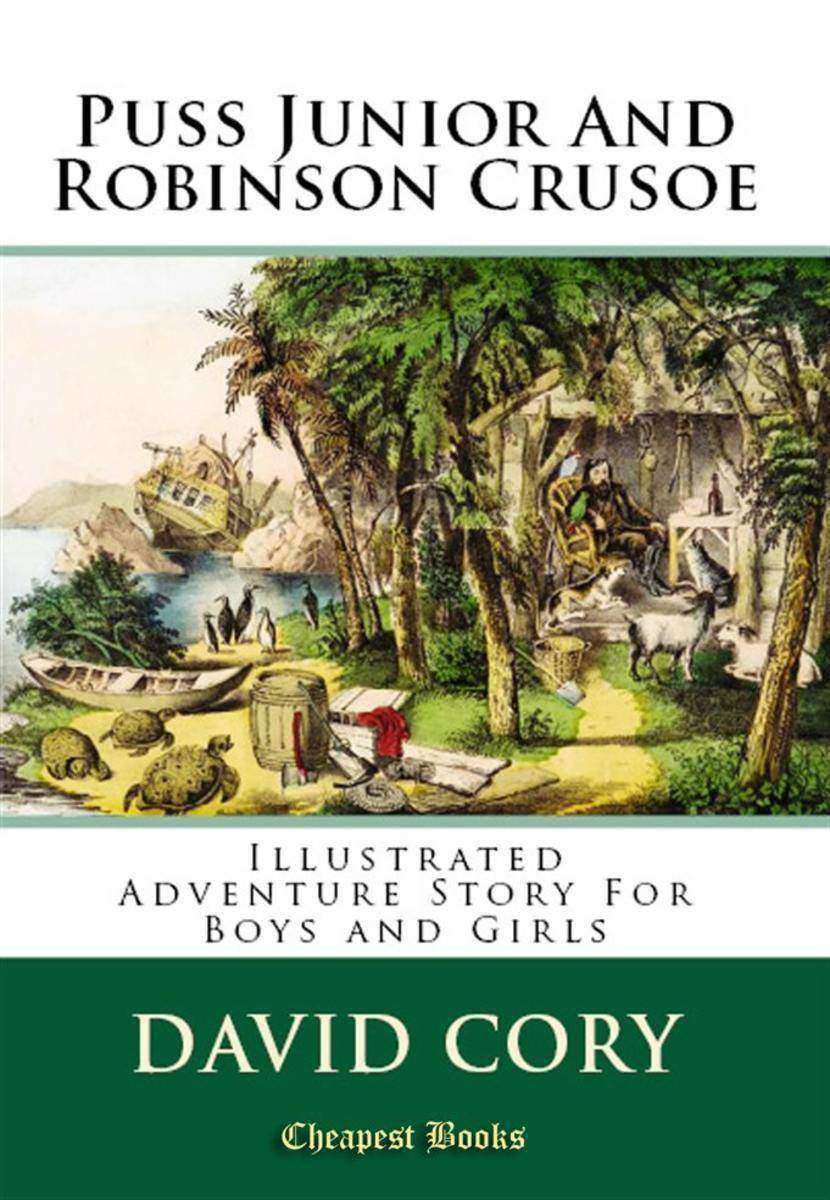
Puss Junior and Robinson Crusoe: "Illustrated Adventure Story for Boys and Girls
¥18.80
ONE day as little Puss, Junior, was traveling through New Mother Goose country, he came to a funny little house all covered with rose vines, even up to the top of the small red chimney they grew in crimson splendor. And as Puss stopped to look at the pretty sight, a tiny blue bird in a cage on the front porch began to sing:"Jack Sprat had a pig,Who was not very big;He was not very leanHe was not very fat;'He'll do for a grunt,'Says little Jack Sprat.""Oh, ho," thought Puss, and he turned into the yard and walked around to the little red barn. There stood Jack Sprat himself, leaning against the sty, watching his pig eat his dinner.Well, just then, all of a sudden, a swarm of golden bees came humming into the little farmyard, and before long they had made a home in the empty beehive that stood close by.

Forever Starts Tonight (A Novella) (Loving on the Edge Series)
¥18.84
A short story sequel to MELT INTO YOU - find out what Evan, Jace and Andre get up to next… Two dominant men, one beautiful woman. Jace Austin knows he doesn't have what you'd call a conventional relationship with Evan and Andre, but it works. Boy, does it work. Until one day, Evan starts acting strangely and Andre's ex-fiancée pops back into his life, unbalancing a perfectly happy threesome. Jace is forced to face the unthinkable: that the two people he cares most about in this world are in danger of slipping away from him. So Jace plans a surprise getaway to a secluded mountain cabin for the three of them. And he knows exactly what he needs to do: give both his lovers a fantasy week they'll never forget. And the possibilities for pleasure are endless. But when they get snowed in and the heat between them reaches a fever pitch, secrets come out. And Evan has one that could change all their lives forever…
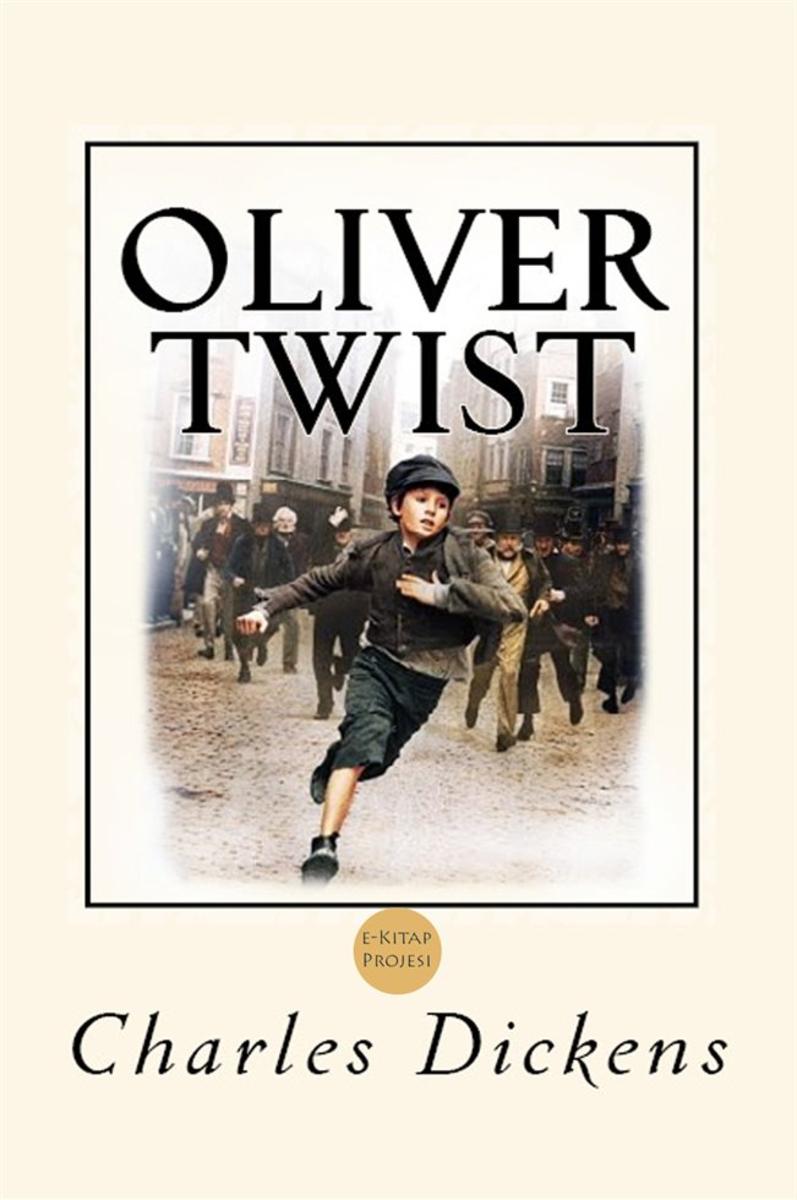
Oliver Twist
¥18.88
Charles Dickens was born on 1812, in Portsea, England. His parents were middle-class, but they suffered financially as a result of living beyond their means. When Dickens was twelve years old, his family's dire straits forced him to quit school and work in a blacking factory, a place where shoe polish is made. Within weeks, his father was put in debtor's prison, where Dickens's mother and siblings eventually joined him. At this point, Dickens lived on his own and continued to work at the factory for several months. The horrific conditions in the factory haunted him for the rest of his life, as did the experience of temporary orphanhood. Apparently, Dickens never forgot the day when a more senior boy in the warehouse took it upon himself to instruct Dickens in how to do his work more efficiently. For Dickens, that instruction may have represented the first step toward his full integration into the misery and tedium of working-class life. The more senior boy's name was Bob Fagin. Dickens's residual resentment of him reached a fevered pitch in the characterization of the villain Fagin in Oliver Twist.??After inheriting some money, Dickens's father got out of prison and Charles returned to school. As a young adult, he worked as a law clerk and later as a journalist. His experience as a journalist kept him in close contact with the darker social conditions of the Industrial Revolution, and he grew disillusioned with the attempts of lawmakers to alleviate those conditions. A collection of semi-fictional sketches entitled Sketches by Boz earned him recognition as a writer. Dickens became famous and began to make money from his writing when he published his first novel, The Pickwick Papers, which was serialized in 1836 and published in book form the following year.??In 1837, the first installment of Oliver Twist appeared in the magazine Bentley’s Miscellany, which Dickens was then editing. It was accompanied by illustrations by George Cruikshank, which still accompany many editions of the novel today. Even at this early date, some critics accused Dickens of writing too quickly and too prolifically, since he was paid by the word for his serialized novels. Yet the passion behind Oliver Twist, animated in part by Dickens’s own childhood experiences and in part by his outrage at the living conditions of the poor that he had witnessed as a journalist, touched his contemporary readers. Greatly successful, the novel was a thinly veiled protest against the Poor Law of 1834.??In 1836, Dickens married Catherine Hogarth, but after twenty years of marriage and ten children, he fell in love with Ellen Ternan, an actress many years his junior. Soon after, Dickens and his wife separated, ending a long series of marital difficulties. Dickens remained a prolific writer to the end of his life, and his novels—among them Great Expectations, A Tale of Two Cities, A Christmas Carol, David Copperfield, and Bleak House—continued to earn critical and popular acclaim. He died of a stroke in 1870, at the age of 58, leaving The Mystery of Edwin Drood unfinished.??The Poor Laws: Oliver Twist’s Social Commentary?Oliver Twist opens with a bitter invective directed at the nineteenth-century English Poor Laws. These laws were a distorted manifestation of the Victorian middle class’s emphasis on the virtues of hard work. England in the 1830s was rapidly undergoing a transformation from an agricultural, rural economy to an urban, industrial nation. The growing middle class had achieved an economic influence equal to, if not greater than, that of the British aristocracy.??In the 1830s, the middle class clamored for a share of political power with the landed gentry, bringing about a restructuring of the voting system. Parliament passed the Reform Act, which granted the right to vote to previously disenfranchised middle-class citizens. This desire gave rise to the Evangelical religious movement and inspired sweeping economic and political change.
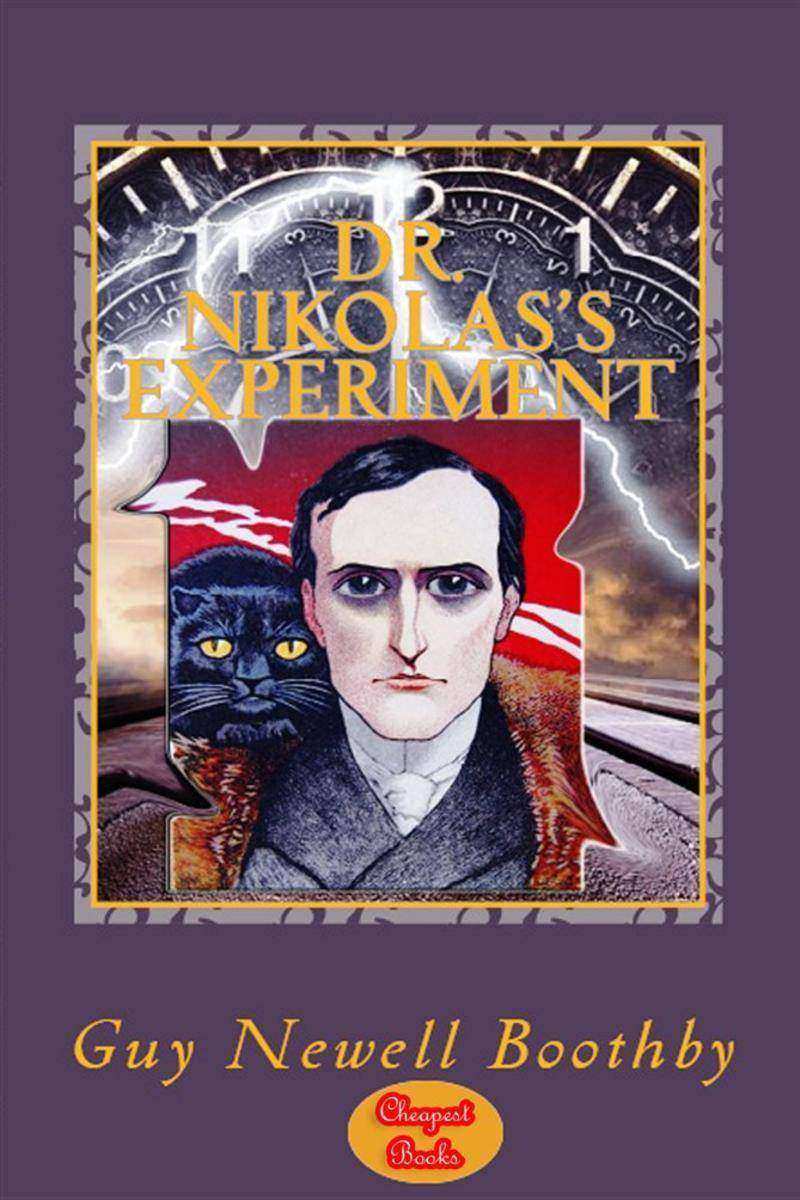
Dr. Nikola's Experiment
¥18.88
This fourth novel of Boothby's Dr. Nikola series reveals that Nikola has discovered all of the facts necessary to extend a human being's life. He has studied science and magic secrets of Tibetan monks. He explains: ?"It has been a long and tedious search, but such labour only makes success the sweeter. The machinery is now prepared; all that remains is to fit the various parts together. In six months' time, if all goes well, I will have a man walking upon this earth who, under certain conditions, shall live a thousand years."??To assist him, he hires a destitute young physician, who explains his predicament: ?"As ill luck would have it, however, I had got into the wrong set, and before I had been two years in the hospital was over head and ears in such a quagmire of debt and difficulties that it looked as if nothing but an absolute miracle co-uld serve to extricate me." ?That miracle seems to have come to him in the person of Dr. Nikola.??The nefarious and wealthy Nikola has purchased a remote castle in the north of England, where the seclusion will allow him and his new assistant and Nikola's deaf-mute malformed Chinese servant to conduct his grand experiment on a human subject. ? AUTHOR: Guy Newell Boothby was an Australian novelist and writer, born in Adelaide, son of Thomas Wilde Boothby, who for a time was a member of the South Australian Legislative Assembly. Guy Boothby's grandfather was Benjamin Boothby (1803-1868), judge of the supreme court of South Australia from 1853 to 1867. When Boothby was six, he traveled to England with his mother. Around 1890, he took the position of private secretary to the mayor of Adelaide, Australia, but was not content with the work due to little opportunity for advancement. He turned to his writing talents, writing librettos for 2 comic operas and stories about Australian life. Boothby moved back to the United Kingdom in 1894. He wrote over 50 books in the course of a decade, before dying of pneumonia in Bournemouth. Some of Boothby's earlier works were non-fiction, but later he turned to writing novels. He was once well known for his series of five novels about Doctor Nikola, an occultist anti-hero seeking immortality and world domination.
![Rudy and Babette: [Illustrated Edition]](https://platform-permanent.ddimg.cn/pt-media-info-soa-resource/digital/product/45/8/1901164508_ii_cover.jpg?version=9d02e19f-7784-4ad4-85d2-15b056aa4db1)
Rudy and Babette: [Illustrated Edition]
¥18.88
LET us now go to Switzerland, and see its wonderful mountains, whose steep, rocky sides are covered with trees. We will climb up to the fields of snow, and then make our way down to the grassy valleys, with their countless streams and rivulets, impetuously rushing to lose themselves in the sea. The sunshine is hot in the narrow valley; the snow becomes firm and solid, and in the course of time it either descends as an avalanche, or creeps along as a glacier. ??THERE are two of these glaciers in the valleys below the Schreckhorn and the Wetterhorn, near the long village of Grindelwald. They are a remarka-ble sight, and therefore many travelers from all countries come in the summer to visit them: they come over the high mountains covered with snow, they traverse the deep valleys; and to do this they must climb, hour after hour, leaving the valley far beneath them, till they see it as if they were in an air-balloon. ??The clouds hang above them like thick mists over the mountains, and the sun's rays make their way through the openings between the clouds to where the brown houses lie spread, lighting up some chance spot with a vivid green. Below, the stream foams and blusters; but above it murmurs and ripples, and looks like a band of silver hanging down the side of the rock.??On either side of the path up the mountain lie wooden houses. Each house has its little plot of potatoes; and this they all require, for there are many children, and they all have good appetites. The children come out to meet every stranger, whether walking or riding, and ask him to buy their carved wooden ch?lets, made like the houses they live in. Be it fine or be it wet, the children try to sell their carvings.??About twenty years since you might have seen one little boy standing apart from the others, but evidently very desirous to dispose of his wares. He looked grave and sad, and held his little tray tightly with both hands as if he was afraid of losing it. This serious look and his small size caused him to be much noticed by travelers, who often called him and purchased many of his toys, though he did not know why he was so favored. His grandfather lived two miles off among the mountains, where he did his carving. He had a cabinet full of the things he had made. ??There were nut-crackers, knives and forks, boxes carved with leaves and chamois, and many toys for children; but little Rudy cared for nothing so much as for an old gun, hanging from a rafter in the ceiling, for his grandfather had told him it should be his own when he was big enough to know how to use it.


