


 购物车
购物车 个人中心
个人中心

Childhood: Illustrated
¥18.74
The Ladybird was written in the year 1923 by David Herbert Lawrence. This book is one of the most popular novels of David Herbert Lawrence, and has been translated into several other languages around the world.This book is published by Booklassic which brings young readers closer to classic literature globally.
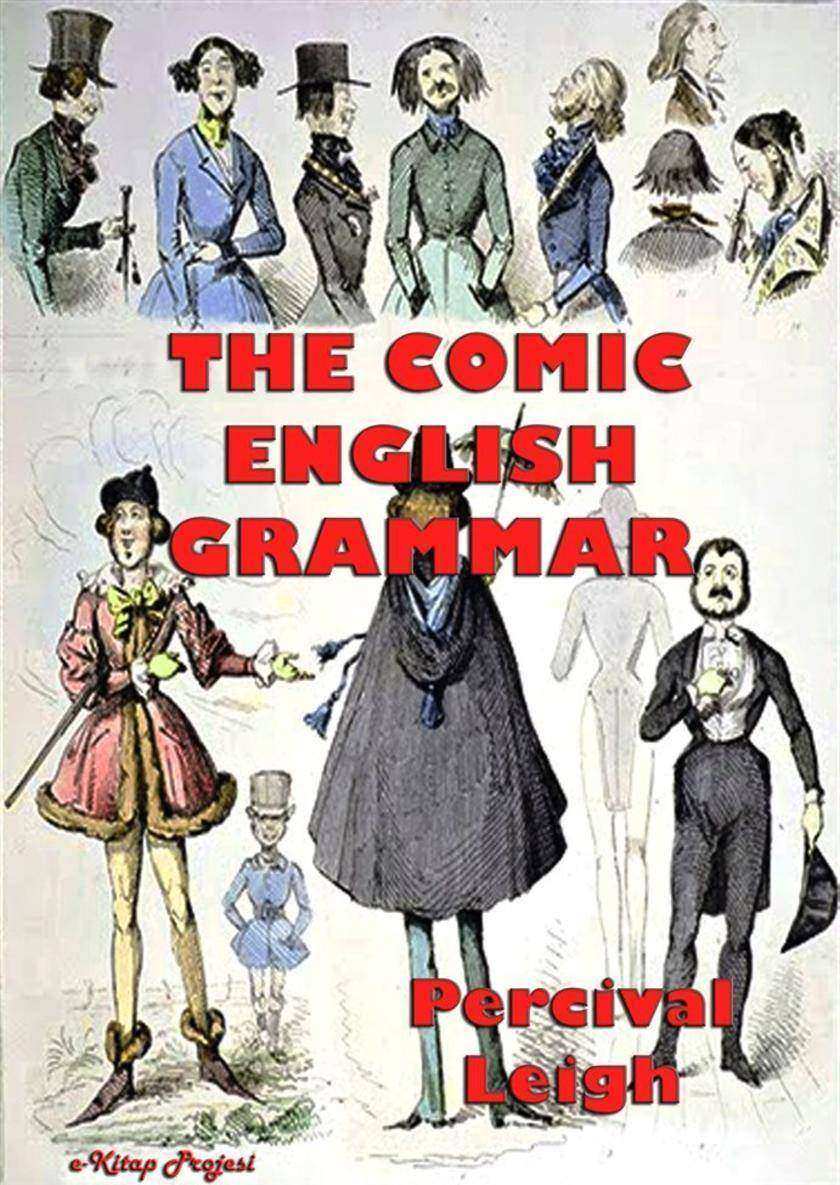
The Comic English Grammar
¥18.74
Children, as well as their interested parents, will eagerly welcome this beautiful edition of the one great nursery classic, just as a worthy edition of Shakespeare is welcomed by discriminating adult readers.? But some may ask what there is in these simple melodies, attributed to Mother Goose, which gives them so secure and beloved a place in the home, the school and the public library. Is it the humor, the action, the rhythm, or the mystery of the theme which appeals so strongly to critical little minds in each generation of childhood, and even to adult minds so fortunate as to have retained some of the refreshing naiveté of early years?? It is useless to try to explain the charm of these nonsense melodies. The children themselves do not know why they love them. No mother can tell us the magic of the spell which seems to be cast over her restless baby as she croons to it a Mother Goose lullaby. No primary teacher quite understands why the mere repetition or singing of a Mother Goose jingle will transform her listless, inattentive class into one all eagerness and attention. But mother and teacher agree that the best of these verses have an even more potent influence than that of innocently diverting and entertaining the child. The healthy moral, so subtly suggested in many of the rhymes, is unconsciously absorbed by the child's receptive mind, helping him to make his own distinction between right and wrong, bravery and cowardice, generosity and selfishness.?From a literary standpoint, also, these rhymes have proved of real value in creating a taste for the truly musical in poetry and song. They train the ear and stir the imagination of the child as no other verses do. Many famous poets and writers trace their first inspiration, and love for things literary, back to the nursery songs and fairy tales of their childhood.??Teachers well know that children who have reveled in these rhymes and stories, at the time of their strongest appeal, step naturally and appreciatively into the great fields of good literature which are beyond.?Knowing these things to be true, we do not hesitate to place this venerable classic on the shelf beside our Shakespeare, and to send our children there for delight and inspiration. They will understand Shakespeare the better for having known and loved Mother Goose.?But what about the personality of this classic writer? Was she really Mistress Elizabeth Goose who is said to have lived in Boston about two hundred years ago, and who crooned her nonsense jingles to a large and happy family of grandchildren? We are told that their father, Thomas Fleet, who was a printer by trade, thought to turn an honest penny with his mother-in-law's popular verses, so he published them in a small volume under the title of "Songs for the Nursery: or, Mother Goose's Melodies." A goose with a very long neck and a wide-open mouth flew across the title page, at least so the story goes. But we have to believe that it is only a story, for no copy of the book can be found, and nothing but tradition identifies Elizabeth Goose, the Boston grandmother, with the famous rhymester.
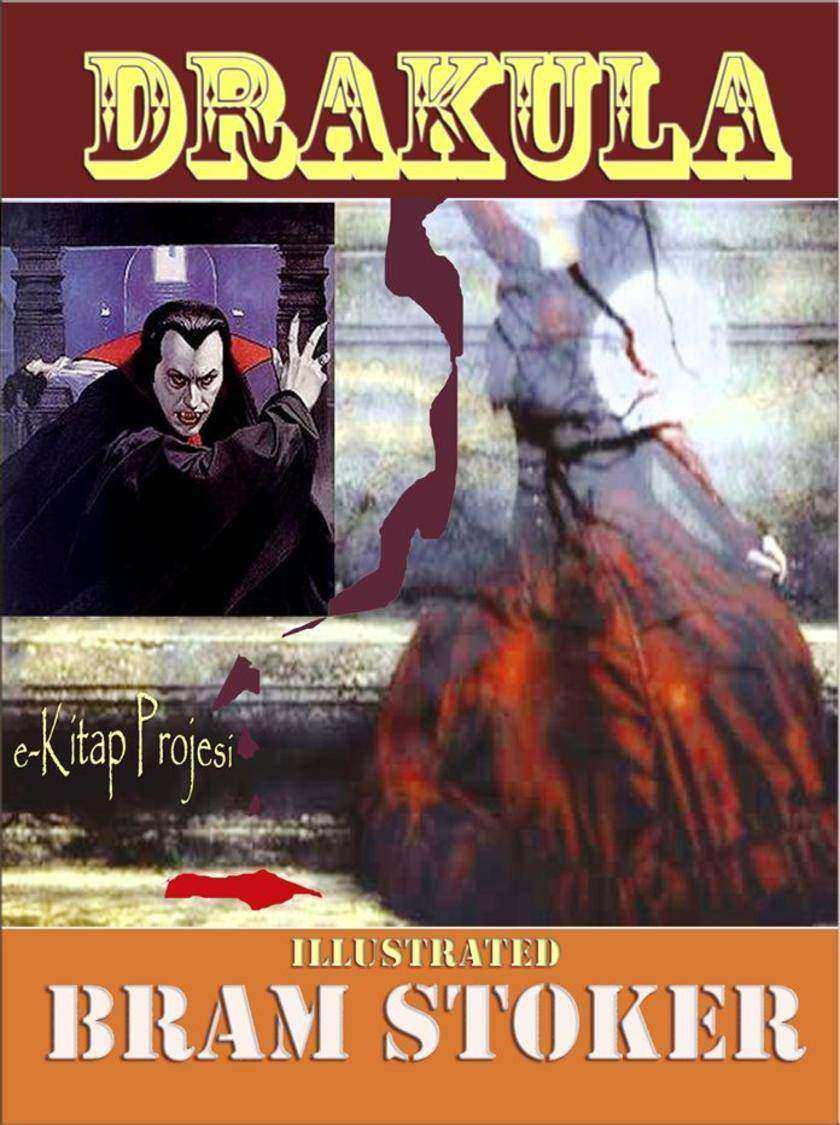
Drakula
¥18.74
Hark! hark! the dogs bark,The beggars are coming to town;Some in rags and some in tags,And some in a silken gown.Some gave them white bread,And some gave them brown,And some gave them a good horse-whip,And sent them out of the town. Little Jack Horner sat in the corner,Eating a Christmas pie;He put in his thumb, and pulled out a plum,And said, oh! what a good boy am I.
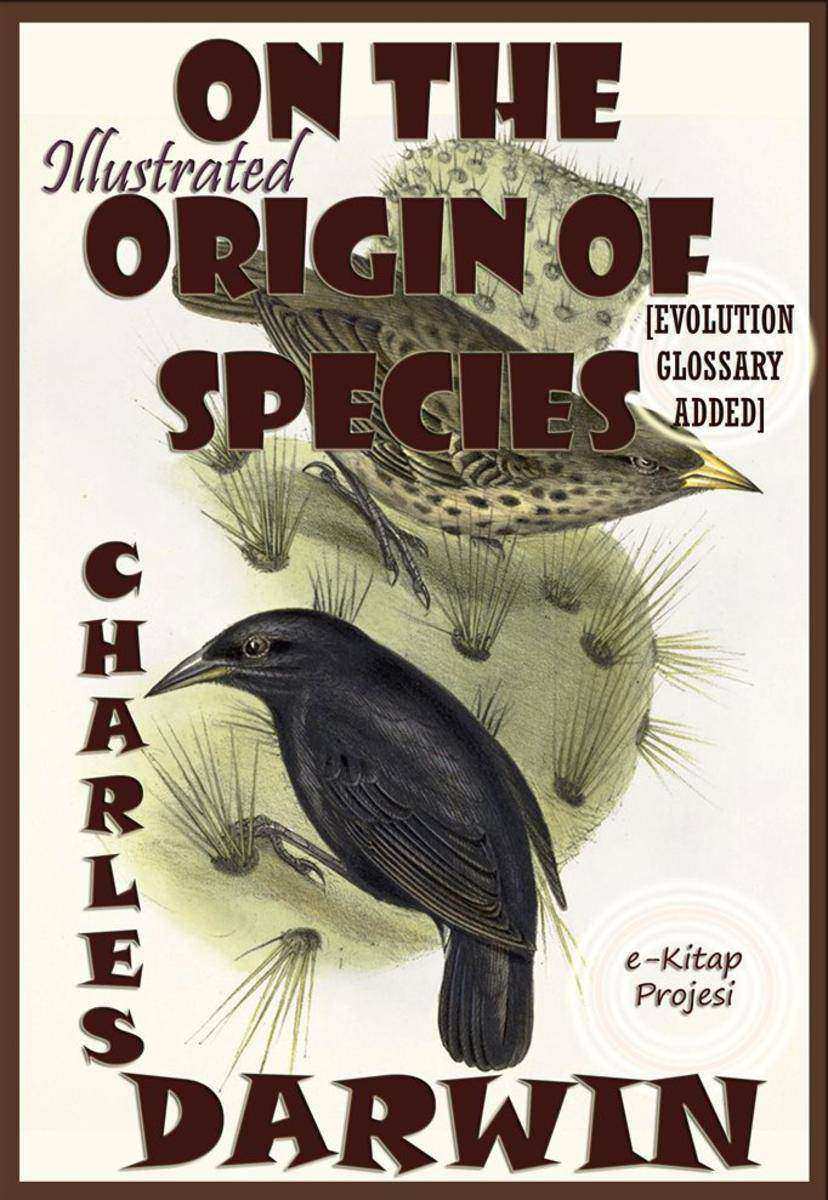
On the Origin Of Species: Illustrated
¥18.74
THIS is a fierce bad Rabbit; look at his savage whiskers, and his claws and his turned-up tail. THIS is a nice gentle Rabbit. His mother has given him a carrot. THE bad Rabbit would like some carrot.

Blaster Squad #3 Planet of Doom
¥18.80
Blaster Squad #3 Planet of Doom
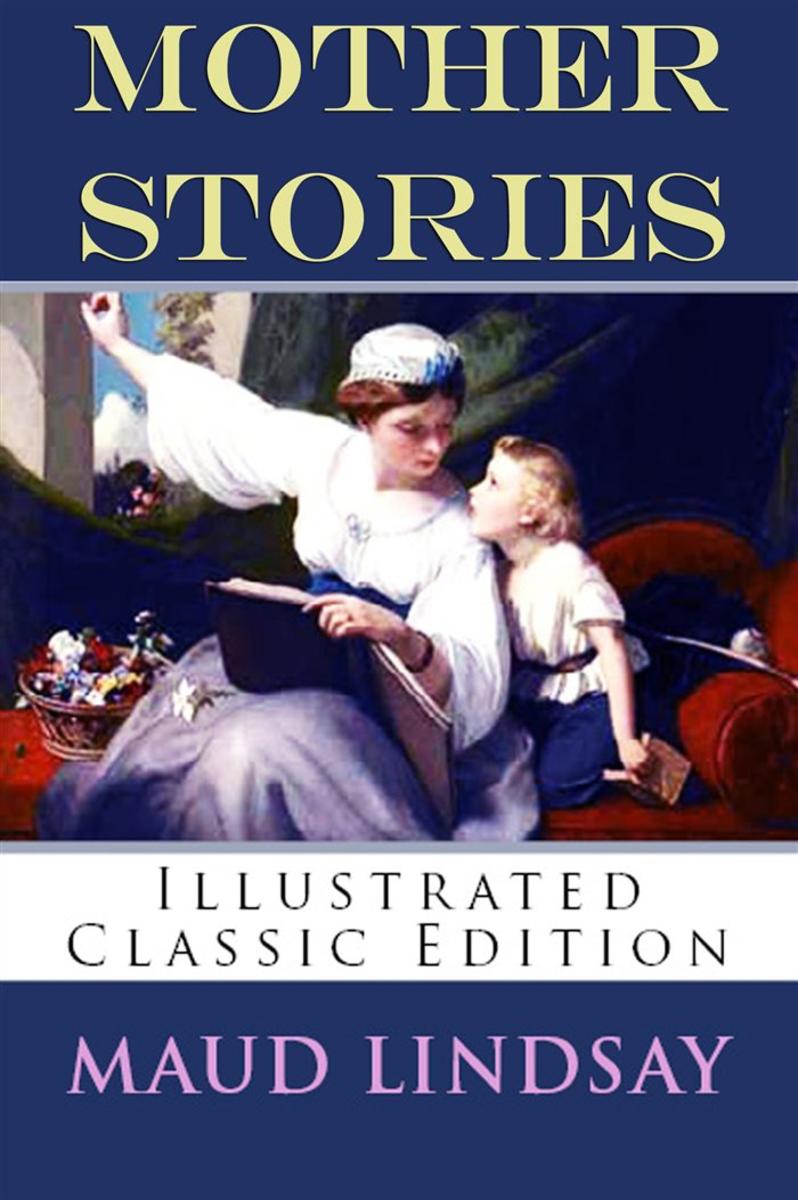
Mother Stories: (Illustrated)
¥18.80
"Mother, a Story at the right time,Is a Looking-glass for the Mind." – Froebel – Endeavored to write, for mothers and dear little children, a few simple stories, embodying some of the truths of Froebel's Mother Play. The Mother Play is such a vast treasure house of Truth, that each one who seeks among its stores may bring to light some gem; and though, perhaps, I have missed its diamonds and rubies, I trust my string of pearls may find acceptance with some mother who is trying to live with her children. I have written my own mottoes, with a few exceptions, that I might emphasize the particular lesson which I endeavor to teach in the story; for every motto in the Mother Play comprehends so much that it is impossible to use the whole for a single subject. From "The Bridge" for instance, which is replete with lessons, I have taken only one,—for the story of the "Little Traveler."
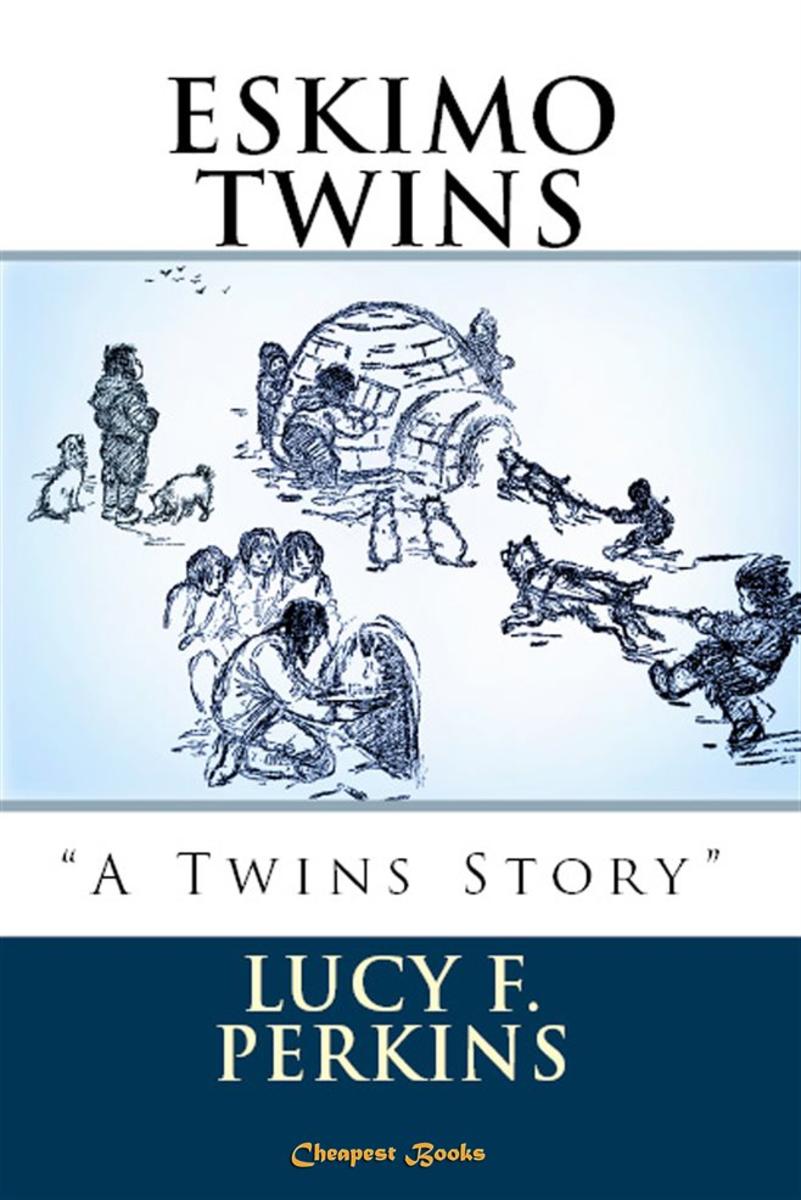
Eskimo Twins: "A Twins Story"
¥18.80
THIS is the true story of Menie and Monnie and their two little dogs, Nip and Tup.Menie and Monnie are twins, and they live far away in the North, near the very edge.They are five years old. Menie is the boy, and Monnie is the girl. But you cannot tell which is Menie and which is Monnie,—not even if you look ever so hard at their pictures!That is because they dress alike.When they are a little way off even their own mother can't always tell. And if she can't, who canSometimes the twins almost get mixed up about it themselves. And then it is very hard to know which is Nip and which is Tup, because the little dogs are twins too.Nobody was surprised that the little dogs were twins, because dogs often are.But everybody in the whole village where Menie and Monnie live was simply astonished to see twin babies!They had never known of any before in their whole lives.Old Akla, the Angakok, or Medicine Man of the village, shook his head when he heard about them. He said, "Such a thing never happened here before. Seals and human beings never have twins! There's magic in this."The name of the twins' father was Kesshoo. If you say it fast it sounds just like a sneeze.Their mother's name was Koolee. Kesshoo and Koolee, and Menie and Monnie, and Nip and Tup, all live together in the cold Arctic winter in a little stone hut, called an "igloo."In the summer they live in a tent, which they call a "tupik." The winters are very long and cold, and what do you think! They have one night there that is four whole months long!For four long months, while we are having Thanksgiving, and Christmas, and even Lincoln's Birthday, the twins never once see the sun!

Blaster Squad #2 Sea of Death
¥18.80
Blaster Squad #2 Sea of Death
Tales of Space and Time
¥18.80
Tales of Space and Time, A collection of short stories: "The Crystal Egg", "The Star", "A Story of the Stone Age", "A Story of the Days to Come" & "The Man who could Work Miracles" ? Some Books of Wells: The War of the Worlds (1898) The Time Machine (1895) A Modern Utopia (1905) The Invisible Man (1897) The Island of Dr. Moreau (1896) The Food of the Gods and How It Came to Earth (1904) The Sleeper Awakes (1910) The Story of the Inexperienced Ghost (1902) The First Men in the Moon (1901) A Dream of Armageddon (1901)
The Double
¥18.80
-THE DOUBLE- centers on a government clerk who goes mad. It deals with the internal psychological struggle of its main character, Yakov Petrovich Golyadkin, who repeatedly encounters someone who is his exact double in appearance but confident, aggressive, and extroverted, characteristics that are the polar opposites to those of the toadying "pushover" protagonist. ??The motif of the novella is a doppelganger (Russian "dvoynik"), known throughout the world in various guises such as the fetch. * * *? It was a little before eight o’clock in the morning when Yakov Petrovitch Golyadkin, a titular councillor, woke up from a long sleep. He yawned, stretched, and at last opened his eyes completely.?For two minutes, however, he lay in his bed without moving, as though he were not yet quite certain whether he were awake or still asleep, whether all that was going on around him were real and actual, or the continuation of his confused dreams. ??Very soon, however, Mr. Golyadkin’s senses began more clearly and more distinctly to receive their habitual and everyday impressions. The dirty green, smoke-begrimed, dusty walls of his little room, with the mahogany chest of drawers and chairs, the table painted red, the sofa covered with American leather of a reddish colour with little green flowers on it, and the clothes taken off in haste overnight and flung in a crumpled heap on the sofa, looked at him familiarly. At last the damp autumn day, muggy and dirty, peeped into the room through the dingy window pane with such a hostile, sour grimace that Mr. Golyadkin could not possibly doubt that he was not in the land of Nod, but in the city of Petersburg, in his own flat on the fourth storey of a huge block of buildings in Shestilavotchny Street.
The Scottish Fairy Book
¥18.80
There are, roughly speaking, two distinct types of Scottish Fairy Tales. There are what may be called "Celtic Stories," which were handed down for centuries by word of mouth by professional story-tellers, who went about from clachan to clachan in the "High-lands and Islands," earning a night's shelter by giving a night's entertainment, and which have now been collected and classified for us by Campbell of Isla and others.??These stories, which are also common to the North of Ireland, are wild and fantastic, and very often somewhat monotonous, and their themes are strangely alike. They almost always tell of some hero or heroine who sets out on some dangerous quest, and who is met by giants, generally three in number, who appear one after the other; with whom they hold quaint dialogues, and whom eventually they slay. Most of them are fairly long, and although they have a peculiar fascination of their own, they are quite distinct from the ordinary Fairy Tale.
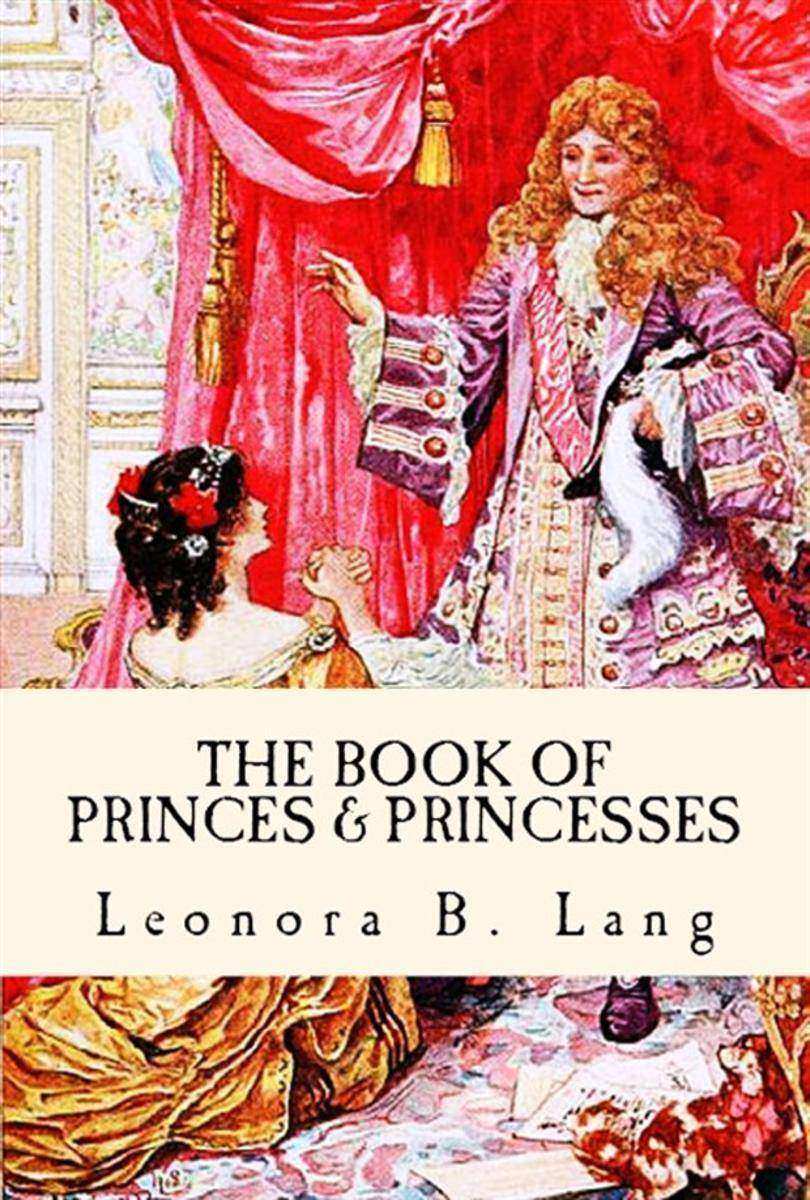
The Book of Princes and Princesses: "Developer Tales for Kids"
¥18.80
PREFACE?All the stories about Princes and Princesses in this book are true stories, and were written by Mrs. Lang, out of old books of history. There are some children who make life difficult by saying, first that stories about fairies are true, and that they like fairies; and next that they do not like true stories about real people, who lived long ago. I am quite ready to grant that there really are such things as fairies, because, though I never saw a fairy, any more than I have seen the little animals which lecturers call molecules and ions, still I have seen people who have seen fairies—truthful people. ??This book about Princes and Princesses is not one which a child is obliged to read. Indeed the stories are not put in order, beginning with the princes who lived longest ago and coming down gradually to people who lived nearest our own time. The book opens with the great Napoleon Bonaparte, who died when some very old people still living were alive. Napoleon was not born a prince, far from it; his father was only a poor gentleman on a wild rough little island. But he made himself not merely a king, but the greatest of all emperors and generals in war. He is not held up as a person whom every boy should try to imitate, but it is a truth that Napoleon always remained a boy in his heart. He liked to make up stories of himself, doing wonderful things which even he was unable to do. When he was a boy he played at being a general, making snow fortresses and besieging them, just as many boys do. And when he was a man he dreamed of conquering all the East, Asia, and India, and Australia; and he tried to do all that, but it was too much even for him.
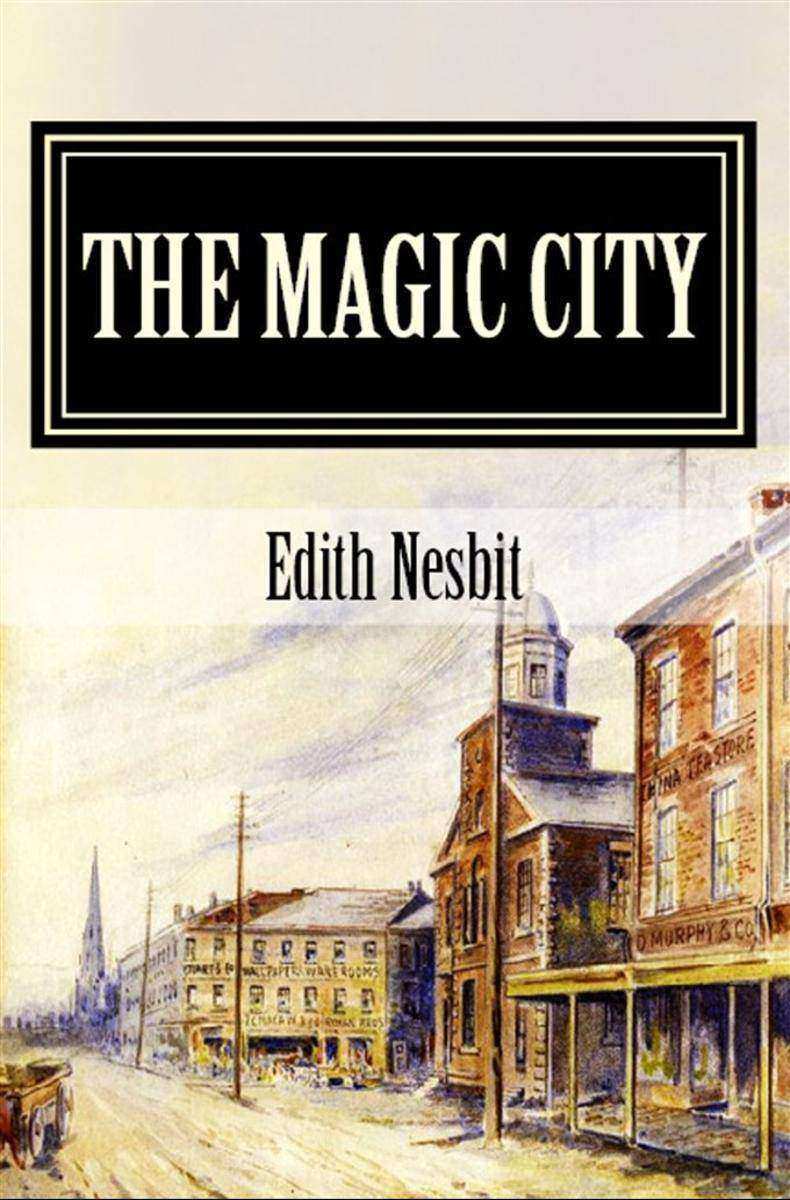
The Magic City: (Illustrated)
¥18.80
Philip Haldane and his sister lived in a little red-roofed house in a little redroofed town. They had a little garden and a little balcony, and a little stable with a little pony in it—and a little cart for the pony to draw; a little canary hung in a little cage in the little bow-window, and the neat little servant kept everything as bright and clean as a little new pin. Philip had no one but his sister, and she had no one but Philip. Their parents were dead, and Helen, who was twenty years older than Philip and was really his half-sister, was all the mother he had ever known. And he had never envied other boys their mothers, because Helen was so kind and clever and dear. She gave up almost all her time to him; she taught him all the lessons he learned; she played with him, inventing the most wonderful new games and adventures. ABOUT AUTHOR: Edith Nesbit (married name Edith Bland; 1858 – 1924) was an English author and poet; she published her books for children under the name of E. Nesbit. She wrote or collaborated on over 60 books of fiction for children, several of which have been adapted for film and television. She was also a political activist and co-founded the Fabian Society, a socialist organisation later connected to the Labour Party.

Blaster Squad #4 Raiders of Cloud City
¥18.80
Blaster Squad #4 Raiders of Cloud City
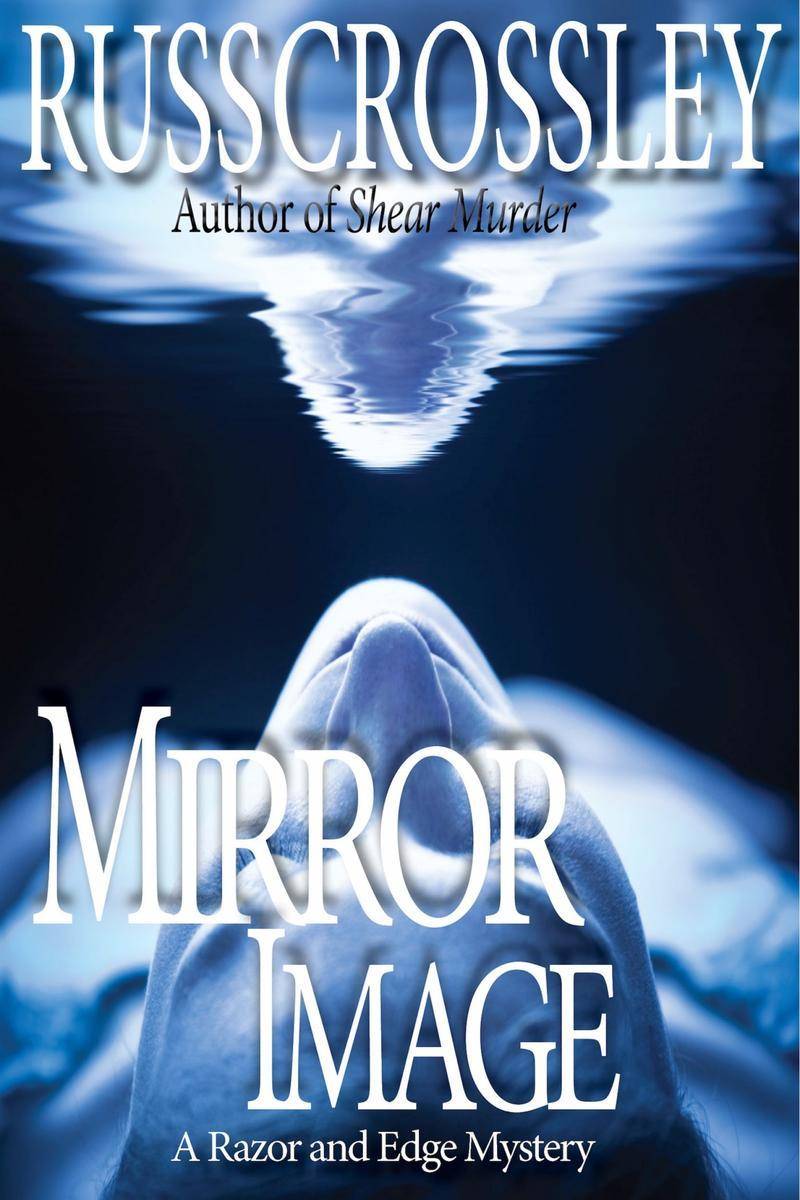
Mirror Image: A Razor and Edge Mystery
¥18.80
Mirror Image: A Razor and Edge Mystery
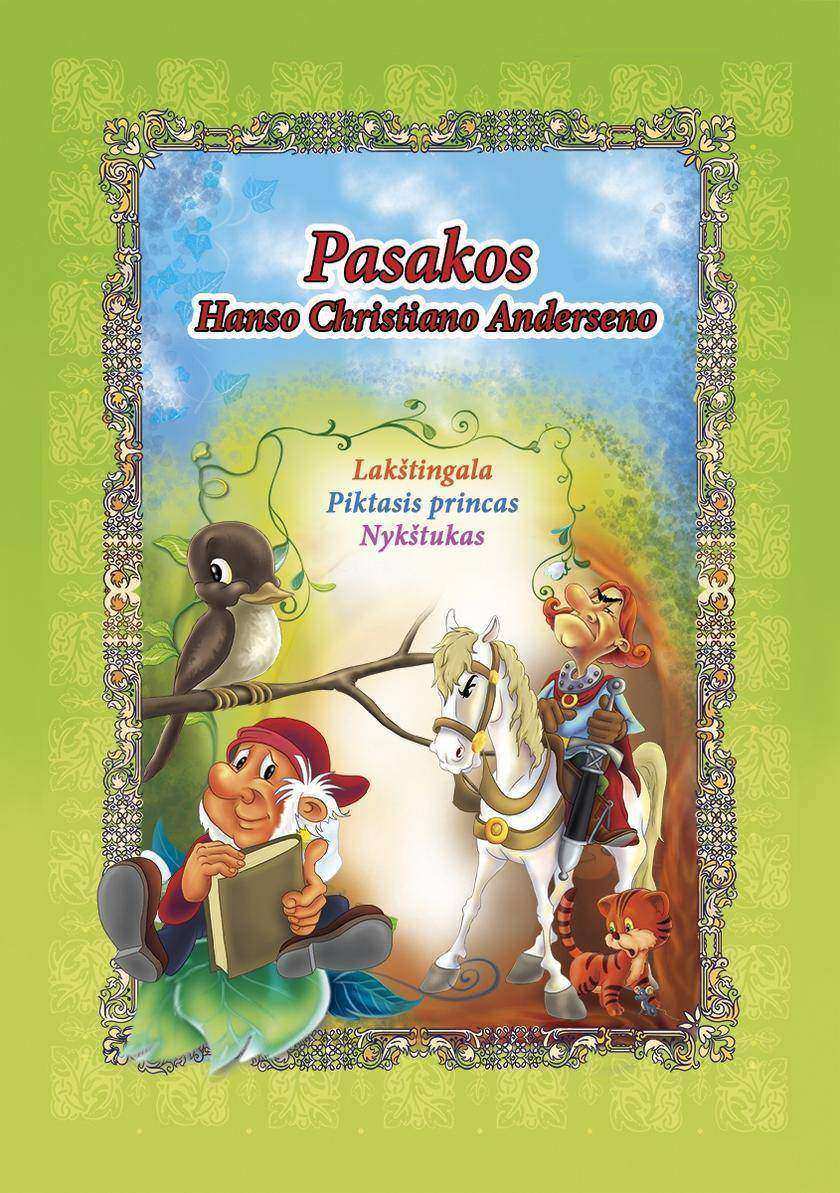
Pasakos Hanso Christiano Anderseno
¥18.80
Dup? o odisee a exilului ?i a înstr?in?rii de sine, dezvoltat? în romanul Bariera, romanul Me?terul Manole prezint? arhetipul omului care-?i închin? via?a unei construc?ii; spre deosebire de legendarul Me?ter Manole, omul modern nu mai înal?? îns? o construc?ie dedicat? Frumosului, lui Dumnezeu, ci una închinat? sie însu?i, sacrificând unei noi zeit??i, Libertatea, pe cei dragi, ?i f?r? s? ?tie, în final, pe el însu?i. Romanul raporteaz?, din punct de vedere ideal, via?a eroului contemporan al romanului la via?a legendarului constructor, la sensul profund al vie?ii acestuia. Primul nivel de lectur?, al secven?ei de fapte a eroului contemporan, capteaz? aten?ia cititorului ca un „roman poli?ist”. Spre deosebire de acesta, el nu r?mâne îns? la primul nivel de lectur?, ci analizeaz? sensul profund al existen?ei, al raportului dragoste-jertf?, via??-moarte, de la baza oric?rei fiin??ri, în istorie ?i via??, a?a cum apare în ethosul creatorului popular al baladei. Oglindirea între cotidian ?i mit, în situa?ii de via?? extreme, de suspans, prin care trece eroul romanului pune în eviden?? leg?tura dintre jertf? ?i crea?ie, moarte ?i via??, necesare vie?ii oric?rei înf?ptuiri care d?inuie. Suspendat ca deasupra unei pr?pastii, în alegerea între jertfa propriei vie?i ?i jertfa altei vie?i, eroul romanului, dup? multe încerc?ri prin care trece, se pr?bu?e?te de pe schela propriei vie?i, cu „aripi de ?indril?”, ca ?i legendarul me?ter. Aducerea arhetipului în actualitate, dincolo de nara?iunile ce se desf??oar? ?i pier în raza unor fapte f?r? ecou, dincolo de imediat, înseamn? o reflec?ie profund? asupra sensului ?i originii noastre. La fel ca ?i Miori?a, alt roman al lui Emil Petru Ra?iu, Me?terul Manole abordeaz? o tem? major?.
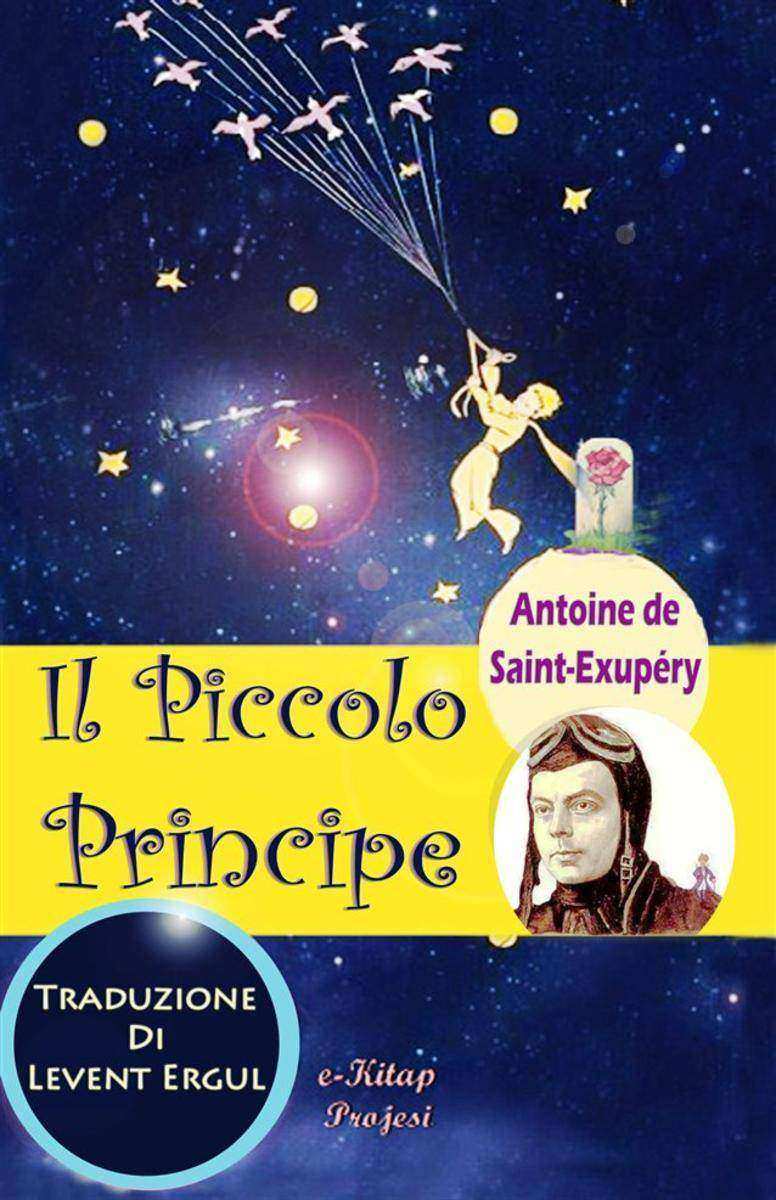
Il Piccolo Principe: "Classica Illustrata Edizione"
¥18.80
Sei anni fa, ebbi un incidente col mio aeroplano nel deserto del Sahara. Qualche cosa si era rotta nel motore, e siccome non avevo con me né un meccanico, né dei passeggeri. Mi accinsi da solo a cercare di riparare il guasto. Era una questione di vita o di morte, perché avevo acqua da bere soltanto per una settimana... Potete immaginare il mio stupore di essere svegliato all'alba da una strana vocetta: "Mi disegni, per favore, una pecora"... E fu così che feci la conoscenza del piccolo principe. A cinquant'anni dalla pubblicazione negli Stati Uniti del libro, Il Piccolo Principe è divenuto un long seller internazionale, un testo chiave di formazione. Antoine de Saint-Exupéry, il suo autore, era un aviatore e un umanista: adorava volare e s'interessava agli uomini. Qualche mese dopo l'apparizione del suo capolavoro, scomparve in aereo sul Mar Mediterraneo. Ma la favola del ragazzino dai capelli d'oro continua. * * * Domando perdono ai bambini di aver dedicato questo libro a una persona grande. Ho una scusa seria: questa persona grande è il miglior amico che abbia al mondo. Ho una seconda scusa: questa persona grande può capire tutto, anche i libri per bambini; e ne ho una terza: questa persona grande abita in Francia, ha fame, ha freddo e ha molto bisogno di essere consolata. E se tutte queste scuse non bastano, dedicherò questo libro al bambino che questa grande persona è stato. Tutti i grandi sono stati bambini una volta. (Ma pochi di essi se ne ricordano). Perciò correggo la mia dedica: A LEONE WERTH QUANDO ERA UN BAMBINO
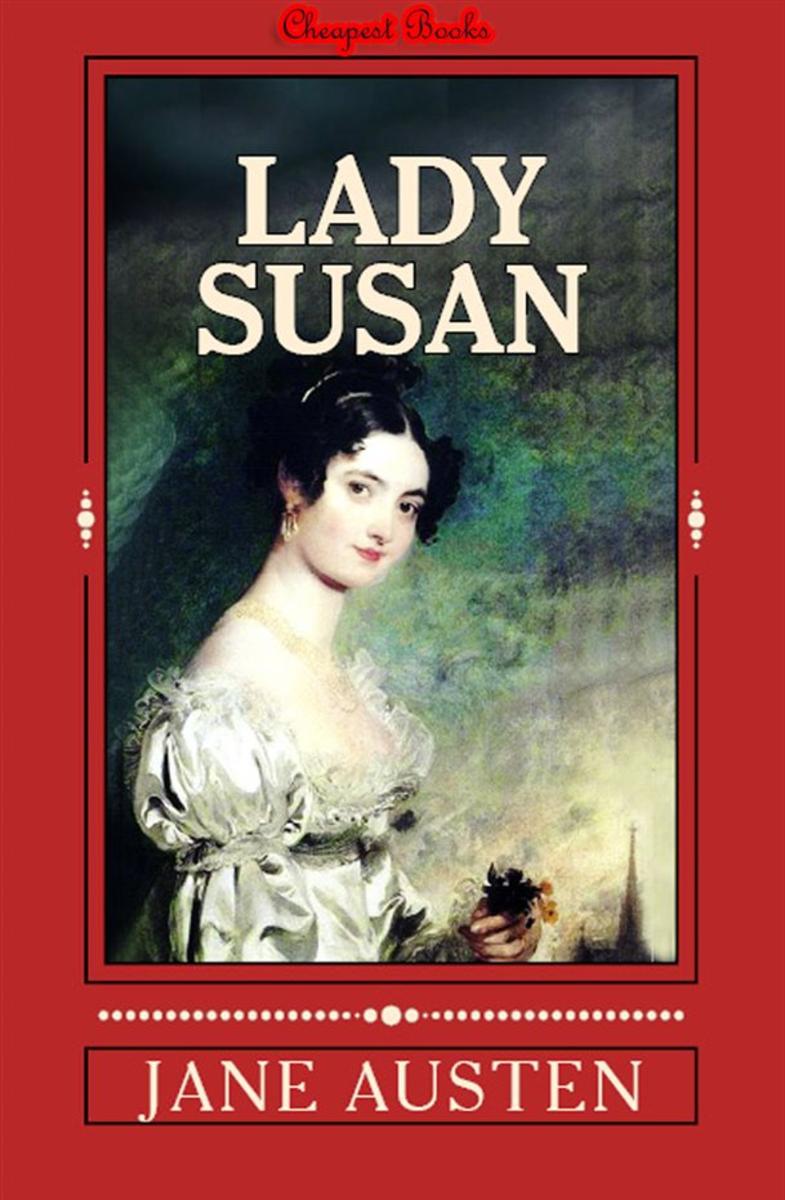
Lady Susan
¥18.80
“Lady Susan”, Austen's "most wicked tale, and "it is a short epistolary novel by Jane Austen, possibly written in 1794 but not published until 1871. Lady Susan is a selfish, attractive woman, who tries to trap the best possible husband while maintaining a relationship with a married man. She subverts all the standards of the romantic novel; she has an active role, she's not only beautiful but intelligent and witty, and her suitors are significantly younger than she is.???- Some Other Books of Austen:??- Pride and Prejudice (1813)??- Sense and Sensibility (1811)??- Emma (1816)??- Persuasion (1818)??- Mansfield Park (1814)??- Northanger Abbey (1817)??- Juvenilia – Volume II (1790)??- Juvenilia – Volume I (1790)??- Juvenilia – Volume III (1790)

An American Robinson Crusoe: "For American Boys and Girls"
¥18.80
"AN AMERICAN ROBINSON CRUSOE" is the outcome of many years of experience with the story in the early grades of elementary schools. ??It was written to be used as a content in giving a knowledge of the beginning and development of human progress. ??The aim is not just to furnish an interesting narrative, but one that is true to the course of human development and the scientific and geographical facts of the island on which Robinson is supposed to have lived. The excuse for departing so widely from the original story is to be found in the use which was desired to be made of it. ??The story here presented is simply the free adaptation of the original narrative to the demand for a specific kind of content in a form which would be interesting to the children.??THERE ONCE lived in the city of New York, a boy by the name of Robinson Crusoe. He had a pleasant home. His father and mother were kind to him and sent him to school.??They hoped that he would study hard and grow up to be a wise and useful man, but he loved rather to run idle about the street than to go to school. He was fond of playing along the River Hudson, for he there saw the great ships come and go. They were as big as houses. He watched them load and unload their cargoes and hundreds of people get off and on. His father had told him that the ships came from far distant lands, where lived many large animals and black men. His father told him too, that in these faraway countries the nuts on the trees grew to be as large as one's head and that the tree were as high as church steeples.??When Robinson saw the ships put out to sea he would watch them till they would disappear below the horizon far out in the ocean, and think, "Oh, if I could only go with them far away to see those strange countries!" Thus he would linger along the great river and wish he might find an opportunity of making a voyage. Often it would be dark before he would get home. When he came into the house his mother would meet him and say in a gentle voice, "Why, Robinson, how late you are in getting home! You have been to the river again."
![Czechoslovak Fairy Tales: [And Other Central Europe Stories]](https://platform-permanent.ddimg.cn/pt-media-info-soa-resource/digital/product/51/97/1901165197_ii_cover.jpg?version=c97fe4d1-16e8-47f7-ae85-30795416f5c6)
Czechoslovak Fairy Tales: [And Other Central Europe Stories]
¥18.80
Parker Fillmore, author of "The Laughing Prince", was a collector and editor of fairy tales from Czechoslovak tales and Slavic folklore. The Laughing Prince is classified as Slavic fairy tales, but the collection is also compromised of fairy tales and folklore for Bosnia, Bulgaria, Croatia, the Czech Republic, Montenegro, Russia, the Ukraine, Slovakia, Slovenia, Serbia, Poland and others.This Book, His other work, "Czechoslovak Fairy Tales", is another collection of fairy tales. Fillmore enjoyed the fairy tales he heard, and received a scholarship from patrons to spend time collecting these iconic tales that were part of the heritage of many he encountered in Czechoslovak and elsewhere. He referred to the tales as "charming little tales of sentiment" and called a few “full of stark simplicity and grim humor.” He also calls the tales his “own renderings” and not exactly translations, an important distinction to make. He does say, however, that he didn't invent new details, but instead made the stories his own.This rendering of some of the old Czechoslovak tales is not offered as a literal translation or a scholarly translation. I have retold the stories in a way that I hope will please American children. I have tried hard to keep the flavor of the originals but have taken the liberty of a short cut here and an elaboration there wherever these have seemed to me to make the English version clearer and more interesting. [Parker Fillmore]
![Dutch Fairy Tales: [Illustrated]](https://platform-permanent.ddimg.cn/pt-media-info-soa-resource/digital/product/51/99/1901165199_ii_cover.jpg?version=b9d71ac7-5679-4c29-9d3d-49ba34e3ce83)
Dutch Fairy Tales: [Illustrated]
¥18.80
William Elliot Griffis, was born in Philadelphia in 1843, author William Elliot Griffis was an extremely prolific author and published several books of fairy tales in the 1900's. An active minister in the United States in the 1800's, he worked in several churches in Boston and New York, before retiring from ministry in 1903 to write and lecture. His extensive bibliography includes works about Japanese culture and heritage, and he helped author Inazo Nitobe write the renowned Bushido: The Soul of Japan. As author and professor, his many trips to Europe, and especially the Netherlands, helped shape his appreciation of European cultures. Over the years, he would go on to publish collections of folklore from across the world, with titles such as Japanese Fairy World: Thirty-five Stories from the Wonderlore of Japan, The Firefly's Lovers and Other Fairy Tales of Old Japan, Belgian Fairy Tales, Swiss Fairy Tales, Welsh Fairy Tales, Korean Fairy Tales and Japanese Fairy Tales. Although he isn't as well known as Hans Christian Anderson, Griffis indeed contributed much to the world of folklore. He also received two Japanese orders (Order of the Rising Sun, Gold Rays with Neck Ribbon) and (Order of the Rising Sun, Gold Rays with Rosette). THE ENTANGLED MERMAIDLONG TIME AGO, in Dutch Fairy Land, there lived a young mermaid who was very proud of her good looks. She was one of a family of mere or lake folks dwelling not far from the sea. Her home was a great pool of water that was half salt and half fresh, for it lay around an island near the mouth of a river..


