


 购物车
 个人中心

Koldus és királyfi
¥8.67
Káprázatos, borzongtató, lélegzetelállító. T?kéletes. - Meg Rossoff Sally Gardner megd?bbent? regénye egy kegyetlen világban játszódik. Standish Treadwell - akinek kül?nb?z? szín?ek a szemei, és diszlexiája miatt nem tud írni-olvasni sem - egyetlen barátjával, Hectorral átmászik a várost k?rülvev? fal túloldalára, és ráj?nnek, mit rejteget el?lük az Anyaf?ld. Attól a pillanattól kezdve, hogy a két kamasz ráj?n egy óriási titokra, ami kapcsolatban van a Holdra szállással, az életük veszélybe kerül. Száz nagyon r?vid fejezet, t?kéletesen egyedi elbeszélésmódban, mely szinte végighajszolja az olvasót a t?rténeten, mert egyszerre izgalmas és s?tét humorú, lakatlan és borzongtató, gy?ngéd és elragadó. A Hold legs?tétebb oldala eredeti és megindító t?rténet, melyben a barátság és a bizalom az igazi fegyver. Sally Gardner Londonban n?tt fel, ma is ott él. Gyerekként maga is megküzd?tt a diszlexiával, egészen 14 éves koráig nem tanult meg sem írni, sem olvasni. Ikrei születése után kezdett regényeket publikálni, melyek a mágikus és t?rténelmi realizmus egyedi keverékei, stílusuk és témájuk kihívás az olvasóknak, akiket beszippant az általa teremtett világ. Sally szenvedélyesen hiszi, hogy a fiatal olvasókat inspirálni és szórakoztatni kell a k?nyvekkel, mint ahogy azt A Hold legs?tétebb oldala is bizonyítja, melyet számos díjjal tüntettek ki.
?tinapló: Wesselényi Miklós utazása Széchenyi Istvánnal, 1821-1822
¥28.78
Janka a csinos, 31 éves pincérn? legh?bb vágya, hogy belépjen életébe a nagy szerelem. Amikor megismerkedik Dáviddal, a híres énekessel, úgy érzi, benne megtalálta azt, akit mindig is keresett. Kapcsolatuk mégsem alakul felh?tlenül, bármilyen szenvedélyesen szerelmes is a popsztárba. Ahogy egyre jobban megismeri Dávidot, kiderül a férfi s?tét oldala. Janka azonban nem tud t?le elszakadni... A regény?arra keresi a választ, hogy milyen egy bántalmazó férfi és egy bántalmazói kapcsolat. Hogyan lehet egy ilyen kapcsolaton túljutni és ?nmagunkra találni annak ellenére, hogy képtelennek érezzük magunkat az elszakadásra? Hogyan lehet egy fájdalmas kapcsolaton túl is újra boldognak lenni?
Inima ca un pumn de boxeur
¥24.44
Volumul cuprinde prima pies? a lui Boris Vian tradus? ?n rom?ne?te, Ecarisajul pentru to?i, urmat? de seria de Cronici roman?ate ap?rut? ?n volumul de opere complete. Ecarisajul pentru to?i este una dintre cele mai cunoscute piese ale lui Vian, ?n care umorul negru, absurdul ?i jocurile de cuvinte amintesc teatrul lui Eugène Ionesco. C?t despre Cronicile roman?ate, acestea fac parte dintr?o categorie de texte aparte scrise de Vian ?i ap?rute ini?ial ?n publica?ii periodice precum s?pt?m?nalul La Rue: colorate, incisive, ciudate sau sobre, Cronicile sunt un dublu portret, al epocii lui Vian ?i al preocup?rilor autorului: via?a monden?, jazz?ul, automobilele, literatura, stilul de via?? american.
Az ellopott futár
¥14.39
Mit jelent az, hogy széls?jobboldal? Kikkel szimpatizálnak és mit képviselnek az újhungaristák? Mit jelképez a 88-as szám? Miféle ideológia áll a széls?jobboldali irányzatok hátterében? Mikor és miért válnak sikeressé a radikálisok? K?tetünk ezeken a kérdéseken kívül arra is választ ad, hogy melyek voltak a magyar széls?jobboldali mozgalmak megszületésének hazai el?zményei, külf?ldi szellemi el?képei és testvérmozgalmai. Mindemellett rávilágít a széls?jobboldaliság kritériumaira az irányzat 1919-es születését?l napjainkig, és feltárja a széls?jobboldali szubkultúrák változatos, markáns ismertet?jegyeit. A Jobbik és a Magyar Gárda tevékenységéig ível? áttekintés azt is megmutatja, milyen sokszín? jelenség a magyarországi széls?jobboldal, pontosabban az a radikális politikai mozgalmakat t?m?rít? gy?jt?fogalom, amelyet ma így szokás nevezni. A szerz?, PAKSA RUDOLF 1981-ben született Ajkán, az ELTE-n doktorált t?rténelemb?l és 2009 októberét?l az MTA T?rténettudományi Intézetének a munkatársa. ?rdekl?dési területe a modern kori magyar t?rténelem; kutatásai súlypontja a 19–20. századi historiográfia, a régi E?tv?s Collegium, valamint a Horthy-kori széls?jobboldali irányzatok.
Csontbrigád
¥14.39
T?bb mint egy év tel el azóta, hogy hazaértem. Akik kívülr?l néznek, aligha észlelnek kül?n?sebb változást. De nekem már csak k?d?sen rémlik egy n?, aki egykor én voltam, aki mindig felhúzva tartotta a vállát a feszültségt?l, mert másoknak akart megfelelni. Két hónappal hazatértem után eladtam elegáns, nagypolgári lakásomat, és bek?lt?ztem egy kisebbe, szerényebbe. Az autómat lecseréltem egy olcsóbb, alacsonyabb fogyasztásúra. Az addig igénybe vett szolgáltatások nagy részét lemondtam, megváltam a k?ltséges biztosítások t?bbségét?l, a giga-csomagoktól, az ilyen-olyan el?fizetésekt?l, és egy lényegesen egyszer?bb életvitelre rendezkedtem be. A ruháimat is kiválogattam, a felesleget elajándékoztam vagy áruba bocsátottam. Az maradt csak meg, és mindenb?l csak annyi, amire valóban szükségem van. Olykor gyertyával világítok, órákig bámulom, hogyan táncol a láng a s?tétben. Vagy ücs?rg?k a teraszon, és nézem az égboltot, amelynek addig ismeretlen szépségeit az ?ton fedeztem csak fel… Amíg ezt a boldogságot nem éltem át, elképzelni sem tudtam, hogy egyszer úgy fogom gondolni: ha mindenemet elveszíteném, akkor is maradna egy csomó dolog, ami boldoggá tesz. Látom a k?rnyezetemben él?ket, amint fáradtan hajszolnak valamit, amit már megnevezni sem tudok, annyira távolinak t?nik, hogy magam is így éltem. Nem tehetek t?bbet értük, mint hogy elmondom a magam t?rténetét, amely így kezd?dik: van esély! Csak a békességnek el?bb helyet kell készíteni, kell egy nagytakarítás. Amíg a beidegz?dések, el?ítéletek foglalják a helyet, addig a cs?nd nem ver tanyát odabent. Pedig ahhoz, hogy meghalljam a saját hangomat, cs?ndre volt szükség. Ilyen az életem a Camino után.
Elogiul minciunii
¥32.62
National Book Critics Circle Award 2005 pentru carte de nonfic?iune. Premiul pentru Pace Erich-Maria-Remarque, 2001 Carte interzis? ?n Bielorusia ?Explozia reactorului num?rul 4 va deveni cel mai mare dezastru nuclear civil din istoria omenirii. Zona este o realitate ?n toat? monstruozitatea ei. La fel ca ?n cartea SF a fra?ilor Struga?ki, Picnic la marginea drumului, Zona este un infern pe p?m?nt, guvernat de propriile legi. Aici danseaz? lumini deasupra c?mpului, praful ridicat de v?nt are culori ciudate, se nasc copii cu muta?ii genetice, popula?ia a fost evacuat?, regiunea, interzis? ?i p?zit? de patrule militare, dar oameni stranii ?i-au f?cut din Zon? locul ?n care tr?iesc. Ei sunt C?l?uzele reale ?n Zona reactorului de la Cernob?l.“ – Ion M. Ioni?? C?nd fra?ii Arkadi ?i Boris Struga?ki publicau ?n 1972 celebrul lor roman SF Picnic la marginea drumului, nu ?i-ar fi putut imagina, nici ?n cele mai negre vise, c? Zona descris? ?n roman va deveni realitate paisprezece ani mai t?rziu, ?n ?ara lor, URSS. Conform ideologiei oficiale, Zona nu avea cum s? apar? ?n patria sovietelor. Doar URSS construia cele mai sigure reactoare nucleare din lume care ?ar fi putut fi instalate chiar ?n Pia?a Ro?ie, at?t de fiabile erau“. Nu a fost a?a. Pe 26 aprilie 1986, lumea avea s? intre ?n epoca Cernob?l. Explozia reactorului num?rul patru va deveni cel mai mare dezastru nuclear civil din istoria omenirii. Zona este o realitate ?n toat? monstruozitatea ei. La fel ca ?n cartea SF a fra?ilor Struga?ki, Zona este un infern pe p?m?nt, guvernat de propriile legi. Aici lumini danseaz? deasupra c?mpului, praful ridicat de v?nt are culori ciudate, se nasc copii cu muta?ii genetice, popula?ia a fost evacuat?, regiunea, interzis? ?i p?zit? de patrule militare, dar oameni stranii ?i-au f?cut din Zon? locul ?n care tr?iesc. ?O istorie oral? mi?c?toare a catastrofei din 1986 de la reactorul nuclear de la Cernob?l, ?n care curajul fatalist ?i stoic este dublat de un umor incredibil de negru. Jurnalista rus? Svetlana Aleksievici a ?nregistrat o serie de m?rturii pe care le-a prezentat sub forma unor ?monologuri?, ?n stil romanesc, care zugr?vesc imaginea vie a atmosferei generale de nemul?umire de la sf?r?itul perioadei comuniste, ?n care liderilor de partid agresivi, propagandei paranoice ?i mobiliz?rilor haotice li se opun sarcasmul deprimant, g?ndurile amare ?i abuzul de votc?. Rezultatul este o radiografie de neuitat a sufletului rus.“ – Publishers Weekly
Rokonok
¥8.67
Voltak olyan korok, amikor az azonos nem?ek szerelme elfogadott volt. Vajon hogy lehet, hogy most, a 21. században mégse tudunk mit kezdeni ezzel a dologgal? Miért van az, hogy sokan még ma is csak a kül?nbségeket akarják látni, legyen szó akár vallásról, b?rszínr?l vagy szexuális orientációról? Sokan óvtak attól, hogy megírjam ezt a k?nyvet. Azt mondták, nem olyan világban élünk, hogy ilyenekr?l beszélni lehessen. ?n mégis azt hiszem, hogy az emberi érzéseknek, az emberi életek tanulságainak, az ember drámáinak, dilemmáinak és ?r?meinek mindig és mindenkor helye van, mert talán ezek a legfontosabbak az életben. Remélem, hogy ez a k?nyv sokaknak jelent majd segítséget, kapaszkodót és ad er?t, hogy mindenb?l, a legnehezebb élethelyzetekb?l is van kiút. Fenntartásokkal vettem kezembe ezt a k?nyvet. Nem szeretem a klikkesedést, és vallom, hogy akkor lesz majd jó világ, ha nem kell olyan k?nyveknek születnie, mint ez a mostani. De sajnos még kell. ?rz?dik a hangomban a sértettség? Talán én is sebzett vagyok? Nem tagadom. Nem egyszer? mindennap úgy kimenni az utcára, hogy legalább egyszer ne azt halljad: ?Ott j?n az a buzi a tévéb?l!” ?n mégis mindenkinek azt tanácsolom, hogy inkább ugorjon ?ssze a gyomra egy beszólástól, minthogy egész életében ?k?lbe szoruljon a fel nem vállalt élete miatt… Amikor elkezdtem olvasni ezeket az interjúkat, beszippantott, s?t beindított a sok kül?nb?z? hang. Egyre inkább úgy éreztem, hogy az egész rólam szól. Mondatok, gondolatok, apák, anyák, hülye helyzetek, szorongások, szépségek, a vágy titokzatos tárgyai, szex, szemétség, szerelem, szatíra… Heterók, biszexek, melegek és egyéb állatfajták egyaránt megtalálják a saját mondataikat ezekben a sztorikban korra, nemre való tekintet nélkül. Leny?g?z?, hogy megismételhetetlen életeink mennyire ?sszeforrnak a t?bbiek sorsával, mások t?rténetével. Ez villanyozott fel igazán! Mert eszembe jutott az els? ?barin?m” az oviból, meg az ?ikern?vérem” a gimib?l, akivel csókolóztam, és megrémültem, mert tudtam, hogy egészen másra gondolunk csók k?zben. ?s bevillant a torna?lt?z?, ahol hideg verejtékben für?dtem k?vér kisfiúként, mik?zben a nyolcadikos srácok el?ttünk ?lt?ztek át, és disznó vicceket mesélve r?h?gtek. ?s persze el?bújt az emlékeim k?zül a jelenet, amikor Spanyolországba k?lt?ztem, és apám a gyorsforgalmi úton a reptér felé megkérdezte, hogy akkor végül is meleg vagyok-e. ?s persze az anyámnak írt levél Madridból, mert neki mégis inkább tartoztam ezzel a vallomással. Aztán az els? látogatásom a picike melegbárban, biológiak?nyvemmel a kezemben – másnap az ?t?sért feleltem… Meg a nagy csalódásom a ?legjobb barátomban”, akivel a gimiben el?sz?r lefeküdtem. ?s persze eszembe jutott a ?nagy szerelem”, ami ugyanúgy nem tudott normális lenni, ahogy az egész életem sem az. Ugye, hogy ezek a helyzetek nagyjából mindenki életébe behelyettesíthet?k? A melegek csak annyiból ?mások”, amennyiben a t?bbiek annak akarják tekinteni ?ket. Ez a k?nyv azért fontos, mert mindenki megtalálhatja benne azt, ami róla szól. Lakatos Márk
Divine Comedy (Volume II): Illustrated Hell
¥18.74
Micrographia is a historic book by Robert Hooke, detailing the then thirty-year-old Hooke's observations through various lenses. Published in September 1665, the first major publication of the Royal Society, it was the first scientific best-seller, inspiring a wide public interest in the new science of microscopy. It is also notable for coining the biological term cell. Observations: Hooke most famously describes a fly's eye and a plant cell (where he coined that term because plant cells, which are walled, reminded him of a monk's quarters). Known for its spectacular copperplate engravings of the miniature world, particularly its fold-out plates of insects, the text itself reinforces the tremendous power of the new microscope. The plates of insects fold out to be larger than the large folio itself, the engraving of the louse in particular folding out to four times the size of the book. Although the book is best known for demonstrating the power of the microscope, Micrographia also describes distant planetary bodies, the wave theory of light, the organic origin of fossils, and various other philosophical and scientific interests of its author. Publication: Published under the aegis of The Royal Society, the popularity of the book helped further the society's image and mission of being "the" scientifically progressive organization of London. Micrographia also focused attention on the miniature world, capturing the public's imagination in a radically new way. This impact is illustrated by Samuel Pepys' reaction upon completing the tome: "the most ingenious book that I ever read in my life." Hooke also selected several objects of human origin; among these objects were the jagged edge of a honed razor and the point of a needle, seeming blunt under the microscope. His goal may well have been as a way to contrast the flawed products of mankind with the perfection of nature (and hence, in the spirit of the times, of biblical creation). About Author: Robert Hooke (1635 – 1703) was an English natural philosopher, architect and polymath.His adult life comprised three distinct periods: as a scientific inquirer lacking money; achieving great wealth and standing through his reputation for hard work and scrupulous honesty following the great fire of 1666, but eventually becoming ill and party to jealous intellectual disputes. These issues may have contributed to his relative historical obscurity. He was at one time simultaneously the curator of experiments of the Royal Society and a member of its council, Gresham Professor of Geometry and a Surveyor to the City of London after the Great Fire of London, in which capacity he appears to have performed more than half of all the surveys after the fire. He was also an important architect of his time – though few of his buildings now survive and some of those are generally misattributed – and was instrumental in devising a set of planning controls for London whose influence remains today. Allan Chapman has characterised him as "England's Leonardo".Robert Gunther's Early Science in Oxford, a history of science in Oxford during the Protectorate, Restoration and Age of Enlightenment, devotes five of its fourteen volumes to Hooke.Hooke studied at Wadham College during the Protectorate where he became one of a tightly knit group of ardent Royalists led by John Wilkins. Here he was employed as an assistant to Thomas Willis and to Robert Boyle, for whom he built the vacuum pumps used in Boyle's gas law experiments. He built some of the earliest Gregorian telescopes and observed the rotations of Mars and Jupiter. In 1665 he inspired the use of microscopes for scientific exploration with his book, Micrographia. Based on his microscopic observations of fossils, Hooke was an early proponent of biological evolution. He investigated the phenomenon of refraction, deducing the wave theory of light, and was the first to suggest that matter expands when heated and that air is made of small particles separated by relatively large distances. He performed pioneering work in the field of surveying and map-making and was involved in the work, though his plan for London on a grid system was rejected in favour of rebuilding along the existing routes. He also came near to an experimental proof that gravity follows an inverse square law, and hypothesised that such a relation governs the motions of the planets, an idea which was subsequently developed by Newton.

Cele 20000 de femei din via?a unui b?rbat: Romanul secolului XXI
¥57.14
As a dense yellow fog swirls through the streets of London, a deep melancholy has descended on Sherlock Holmes, who sits in a cocaine-induced haze at 221B Baker Street. His mood is only lifted by a visit from a beautiful but distressed young woman - Mary Morstan, whose father vanished ten years before. Four years later she began to receive an exquisite gift every year: a large, lustrous pearl. Now she has had an intriguing invitation to meet her unknown benefactor and urges Holmes and Watson to accompany her. And in the ensuing investigation - which involves a wronged woman, a stolen hoard of Indian treasure, a wooden-legged ruffian, a helpful dog and a love affair - even the jaded Holmes is moved to exclaim, 'Isn't it gorgeous!'For more than seventy years, Penguin has been the leading publisher of classic literature in the English-speaking world. With more than 1,700?titles, Penguin Classics represents a global bookshelf of the best works throughout history and across genres and disciplines. Readers trust the?series to provide authoritative texts enhanced by introductions and notes by distinguished scholars and contemporary authors, as well as up-to-date?translations by award-winning translators.

Ziua Mor?ilor
¥48.97
The Sherlock Holmes series read in unabridged form by David Timson is widely regarded as one of the finest. Here, Timson brings his remarkable performance skills to one of Doyle's full-length novels. Holmes and faithful Dr. Watson are summoned to a country house by a coded message. They arrive too late to save a life, but pursue the trail to unmasking the murderer.
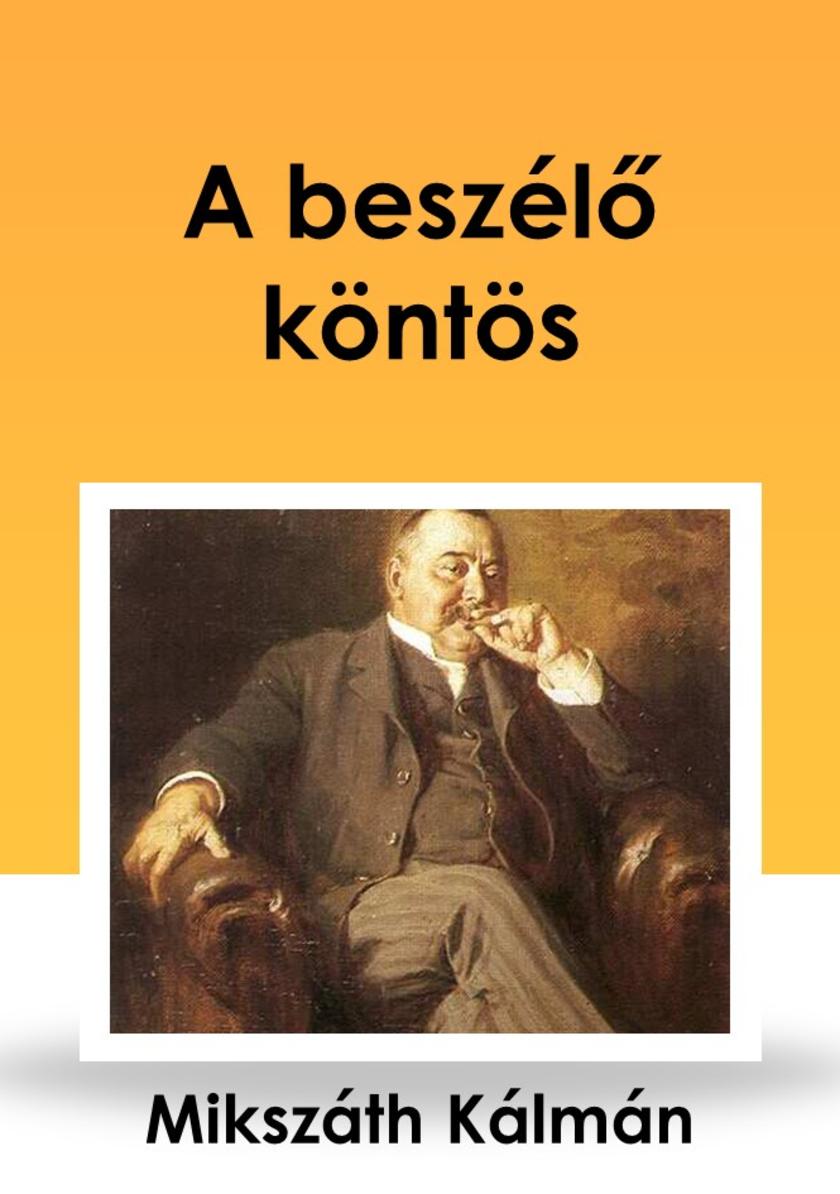
A beszél? k?nt?s
¥8.67
Pali kilencéves. Magányos otthon és az iskolában is. Egyik téli reggel aztán a mogorva újságárus csodálatos üveggolyót ad neki. Délutánra a konyhában felt?nik egy Egér, az ablakban megtelepszik egy Pók, egy Légy és egy Katica. Kik ezek és mit akarnak Palitól? Talán a rejtélyekre is fény derül, mikor egy picike kislány magával rántja a fiút a tük?rbe…
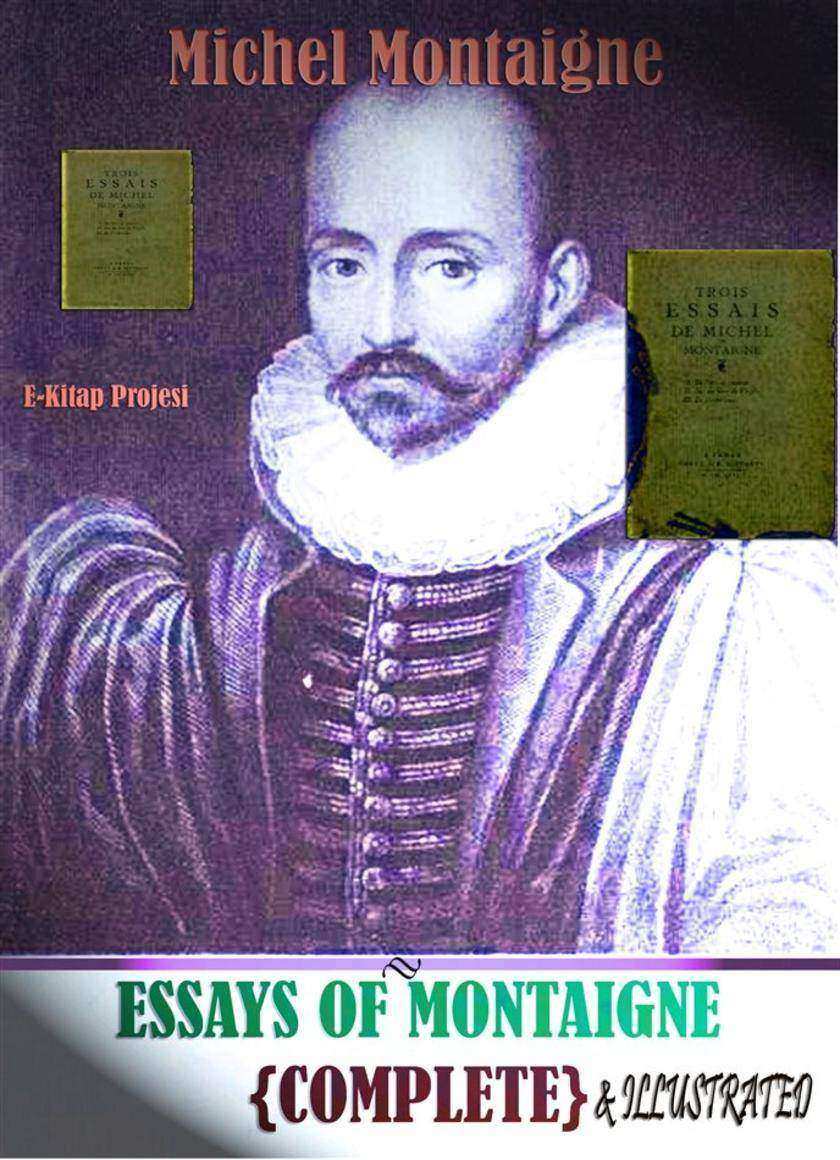
Essays of Montaigne: {Complete & Illustrated}
¥37.36
The Odyssey (Greek:Odysseia) is one of two major ancient Greek epic poems attributed to Homer. It is, in part, a sequel to the Iliad, the other work ascribed to Homer. The poem is fundamental to the modern Western canon, and is the second oldest extant work of Western literature, the Iliad being the oldest. It is believed to have been composed near the end of the 8th century BC, somewhere in Ionia, the Greek coastal region of Anatolia. The poem mainly centers on the Greek hero Odysseus (known as Ulysses in Roman myths) and his journey home after the fall of Troy. It takes Odysseus ten years to reach Ithaca after the ten-year Trojan War. In his absence, it is assumed he has died, and his wife Penelope and son Telemachus must deal with a group of unruly suitors, the Mnesteres or Proci, who compete for Penelope's hand in marriage. It continues to be read in the Homeric Greek and translated into modern languages around the world. Many scholars believe that the original poem was composed in an oral tradition by an aoidos (epic poet/singer), perhaps a rhapsode (professional performer), and was more likely intended to be heard than read. The details of the ancient oral performance, and the story's conversion to a written work inspire continual debate among scholars. The Odyssey was written in a poetic dialect of Greek—a literary amalgam of Aeolic Greek, Ionic Greek, and other Ancient Greek dialects—and comprises 12,110 lines of dactylic hexameter. Among the most noteworthy elements of the text are its non-linear plot, and the influence on events of choices made by women and serfs, besides the actions of fighting men. In the English language as well as many others, the word odyssey has come to refer to an epic voyage. The Odyssey has a lost sequel, the Telegony, which was not written by Homer. It was usually attributed in Antiquity to Cinaethon of Sparta, but in one source was said to have been stolen from Musaeus by Eugamon or Eugammon of Cyrene (see Cyclic poets). ABOUT AUTHOR: Homeros, In the Western classical tradition, Homer (Ancient Greek: Homeros) is the author of the Iliad and the Odyssey, and is revered as the greatest of ancient Greek epic poets. These epics lie at the beginning of the Western canon of literature, and have had an enormous influence on the history of literature. When he lived is unknown. Herodotus estimates that Homer lived 400 years before his own time, which would place him at around 850 BC, while other ancient sources claim that he lived much nearer to the supposed time of the Trojan War, in the early 12th century BC. Most modern researchers place Homer in the 7th or 8th centuries BC. The formative influence of the Homeric epics in shaping Greek culture was widely recognized, and Homer was described as the teacher of Greece. Homer's works, which are about fifty percent speeches, provided models in persuasive speaking and writing that were emulated throughout the ancient and medieval Greek worlds. Fragments of Homer account for nearly half of all identifiable Greek literary papyrus finds. PeriodFor modern scholars "the date of Homer" refers not to an individual, but to the period when the epics were created. The consensus is that "the Iliad and the Odyssey date from around the 8th century BC, the Iliad being composed before the Odyssey, perhaps by some decades," i.e. earlier than Hesiod, the Iliad being the oldest work of Western literature. Over the past few decades, some scholars have argued for a 7th-century BC date. Oliver Taplin believes that the conclusion of modern researchers is that Homer dates to between 750 to 650 BC. Some of those who argue that the Homeric poems developed gradually over a long period of time give an even later date for the composition of the poems; according to Gregory Nagy for example, they only became fixed texts in the 6th century BC. The question of the historicity of Homer the individual is known as the "Homeric question"; there is no reliable biographical information handed down from classical antiquity. The poems are generally seen as the culmination of many generations of oral story-telling, in a tradition with a well-developed formulaic system of poetic composition. Some scholars, such as Martin West, claim that "Homer" is "not the name of a historical poet, but a fictitious or constructed name."
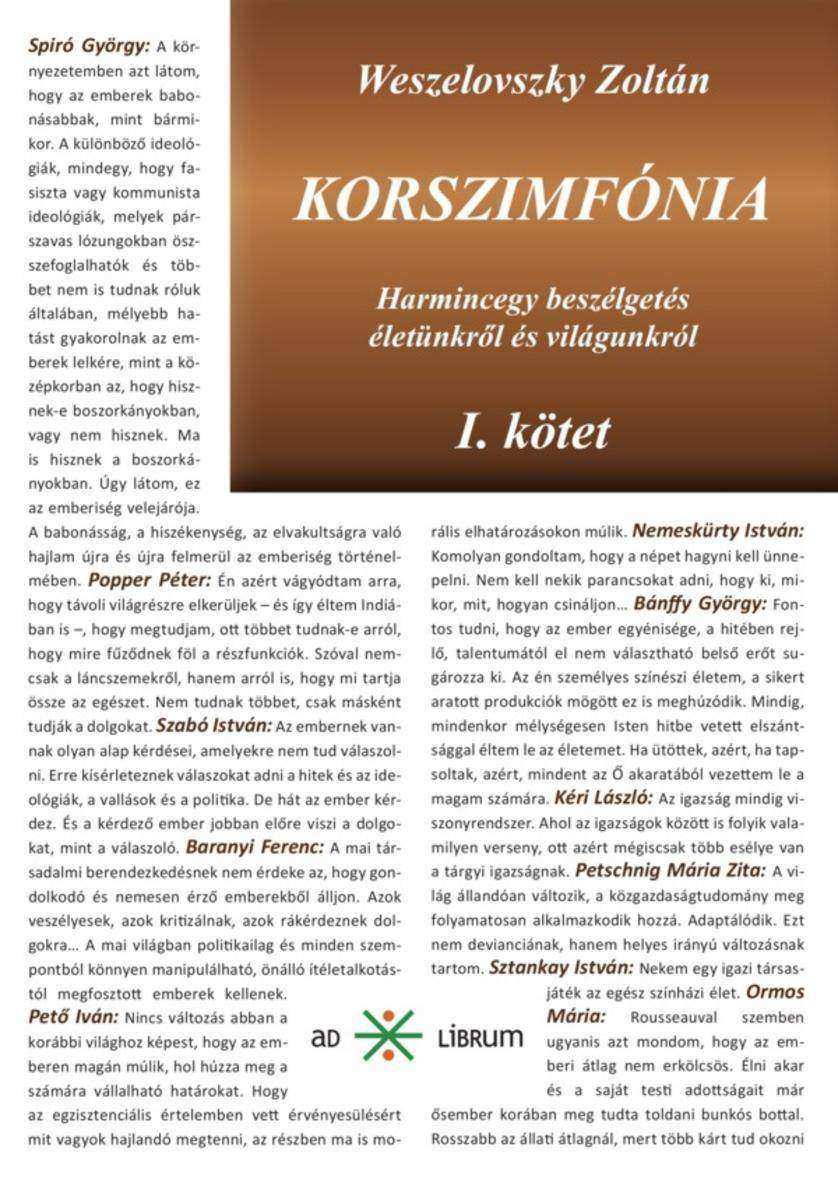
Korszimfónia: Harmincegy beszélgetés életünkr?l és világunkról
¥28.78
Bels? irányt?nk ahhoz az élethez vezet el, amelyr?l mindig is álmodtunk. Célunk felé tartva ráismerünk azokra a pontokra, ahol irányt kell változtatnunk, hogy kihasználhassuk teljes bels? potenciálunkat. Ez az inspiráló utazás minden életterületen átvezet: segít, hogy felismerjük életfeladatunkat, hogy meghozzuk a helyes d?ntéseket, hogy megvalósítsuk legrejtettebb vágyainkat. A híres életmódtanár ezúttal gyakorlati útmutatót ad ahhoz, miként menedzselhetjük sikeresen a saját életünket. "Már maga az a felismerés, hogy minden élethelyzetben igent mondhatok az életre, hihetetlenül gazdaggá tette a hétk?znapjaimat. ?jra meg újra próbára tettem, hogyan tudom az éveken át gy?jt?tt élettapasztalatokat és az új látásmódot alkalmazni, és az eredmények mindig azt igazolták, hogy minden egyes esetben lehetséges változást elérni. ?ppen csak meg kell teremteni a változás el?feltételeit." (a Szerz?) A K?nyvjelz? magazin 2015. májusi számában megjelent cikk: Okosabban kéne élni

Sense and Sensibility
¥16.27
Cunoa?te-te pe tine ?nsu?i Aceast? inscrip?ie reliefat? pe frontonul templului lui Apolo din Delfi a devenit principiul fundamental al filosofiei lui Socrate. Remarc?m de altfel c? majoritatea religiilor ?i ?nv???turilor antice ne ?ndeamn? c?tre aceea?i cunoa?tere fundamental?. ?Cunoa?te-te pe tine ?nsu?i!” s-a transformat ?ntr-o maxim? ?i un ?ndemn de urmat pentru majoritatea oamenilor, fiecare urm?ndu-?i propria cale. Ce ?nseamn? s? ne cunoa?tem? Ce suntem noi ?n realitate ?i ce este de (re)cunoscut referitor la fiin?a noastr?? Care este numitorul comun al tuturor ac?iunilor noastre? Care este aspira?ia l?untric? a fiec?ruia dintre noi, pentru ce facem tot ce facem ?i care este natura adev?ratei fericiri? Toat? c?utarea noastr? se rezum? la un lucru foarte simplu: g?sirea propriei identit??i. Poate fi adev?rata noastr? identitate o stare, o manifestare sau o experien??? Toate acestea sunt trec?toare, astfel c? dac? am fi fost una din ele, am fi disp?rut odat? cu ea. Nimic din ceea ce este supus schimb?rii, nimic din ceea ce apare ?i dispare nu poate constitui esen?a noastr?. Ceea ce suntem ?n realitate este permanent aici, percep?nd schimb?rile, apari?iile ?i dispari?iile experien?elor ?i a obiectelor din ele.

The Hound of the Baskervilles: Sherlock Holmes #5
¥16.27
Egy csodálatos fantáziával és íráskészséggel megáldott fiatal n? került a budapesti Moravcsik-féle elmeklinikára. Akkor végezte ott éppen klinikai gyakorlatait dr. Brenner József fiatal orvos, Csáth Géza néven országos hír? novellista és zenekritikus. Rendkívül sokoldalú tehetség: zenél és zenét szerez, felfedez? érték? zenekritikát ír, ráérez a legújabb festészeti ízlésre, s útt?r?je a novellam?fajnak. Akármibe fog, mindig és mindenben megel?zi kora gondolkodását, ízlését, m?veltségét. ?gy van ez orvostudományi munkásságával is. A nagy tekintély?, de konzervatív iskolát képvisel? Moravcsik professzor égisze alatt a szakmában még igazán sehol el nem ismert freudi módszereket alkalmazza betege pszichés védelmi mechanizmusainak f?ltárásában, megismerésében. A korszak magyar tudományosságát a teljes nyitottság jellemezte az új t?rekvések iránt. Még a konzervatív Moravcsik és orvosgárdája is elt?rte, s?t segítette kezd? orvosa freudista kísérleteit. Egy zseniális adottságokkal rendelkez? elmebeteg, egy zseniális fiatal orvos és lélekbúvár író, valamint egy minden újra fogékony tudományos k?rnyezet szerencsés találkozása eredményeképpen született meg Az elmebetegségek pszichikus mechanizmusa.

Párbajok nélkül
¥71.69
Galántai Zsófi úgy érzi, célba ért. Sikeres a munkájában, és végre ?sszek?lt?zhet a szerelmével. Aztán j?n egy furcsa, szégyenteljes, mégis felejthetetlen éjszaka egy messzir?l j?tt idegennel, és Zsófi jól felépített élete ?sszeomlik. Mindent hátrahagyva elindul a mexikói után, aki titokzatos jeleket hagy számára szerte a világban... Szerelem? Kalandvágy? Zarándoklat? - vajon mi hajtja a magyar lányt egyre egzotikusabb tájak, egyre veszélyesebb kalandok, és ?nmaga számára is ismeretlen énje felé?? Mi ad t?bb muníciót a lelkünknek: ha bátran kilépünk a megszokott és talán unalmas életünkb?l, vállalva a kockázatot, hogy veszítünk - vagy ha vágyainkat elnyomva éljük mindennapjainkat? Merre vezet az utunk? Hol jobb: útk?zben vagy "célba érve"? Fej?s ?va bestsellere most új kiadásban kerülhet az olvasó kezébe. A mexikói krimibe ill? izgalmakat, igazi lélektani drámát és jó szórakozást ígér.
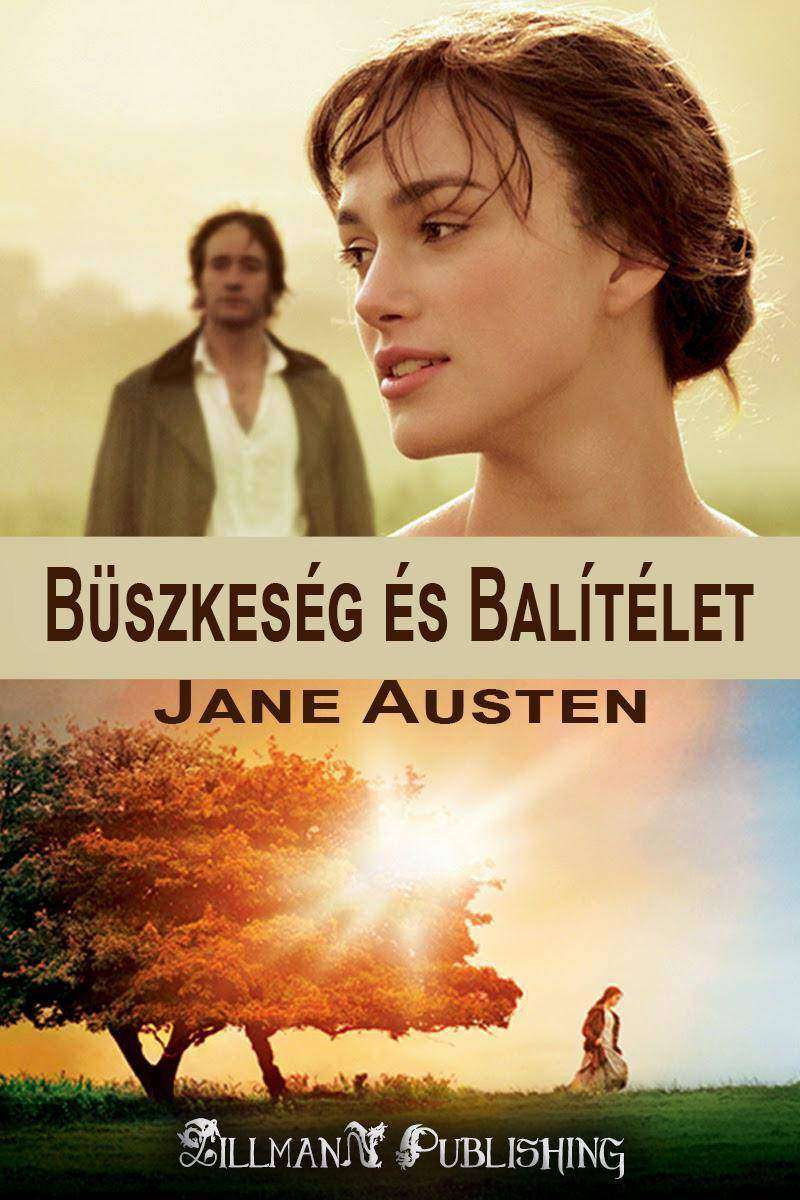
Büszkeség és Balítélet
¥16.27
Un b?iat de ?ase ani care a impresionat-o pe ?mp?r?teasa Austriei cu geniul s?u muzical Un compozitor care a scris peste 600 de concerte, sonate, simfonii ?i opere ?n cei treizeci ?i cinci de ani c?t a tr?it Un muzician serios c?ruia ?i pl?cea s? spun? glume stupide Toate cele de mai sus! ? Afl? mai multe despre adev?ratul Wolfgang Amadeus Mozart ?n aceast? biografie amuzant? ?i minunat ilustrat?!

Avalia??o de políticas urbanas: contexto e perspectivas
¥106.19
Iustopia este o insul?-stat ?n care forma de guvern?m?nt este iusocra?ia, bazat? pe suprema?ia Legii. De aceea, pre?edintele Cur?ii Supreme de Justi?ie este ?i pre?edintele Iustopiei. C?nd Lidia Staicu, cea care ocup? aceste dou? func?ii este ?antajat?, Robi Ciobanu (avocat ?n Societatea de avocatur? ?Ciobanii ?n Rob? ?i Asocia?ii“, dar ?i redactor ?ef al e-tabloidului de scandal juridic ?L’oierii“) ?mpreun? cu echipa lui sunt angaja?i s? o apere pe presupusa ?antajist?. De aici ?ncep adev?ratele problemele ale lui Robi ?i ale echipei sale. Vor renun?a la cauz? c?nd vor fi pu?i ?n situa?ia s? aleag? ?ntre L’oierii ?i client?? Vor crede ?n varianta clientei? Care va fi solu?ia final? dat? de Ma?in?ria Justi?iei Iustopiene?

Copilul m?rii. Aventura transform?rii l?untrice ?i a descoperirii de sine
¥65.32
Exerci?ii de Traducere gramatical? ?i Teste pentru examenele de admitere ?i orele de englez?, cu rezolvare.

Virals - Kincsvadászok
¥43.41
The Scarlet Letter, published in 1850, is an American novel written by Nathaniel Hawthorne and is generally considered to be his magnum opus. Set in 17th-century Puritan Boston, it tells the story of Hester Prynne, who gives birth after committing adultery, refuses to name the father, and struggles to create a new life of repentance and dignity. Throughout the novel, Hawthorne explores questions of grace, legalism, sin and guilt.
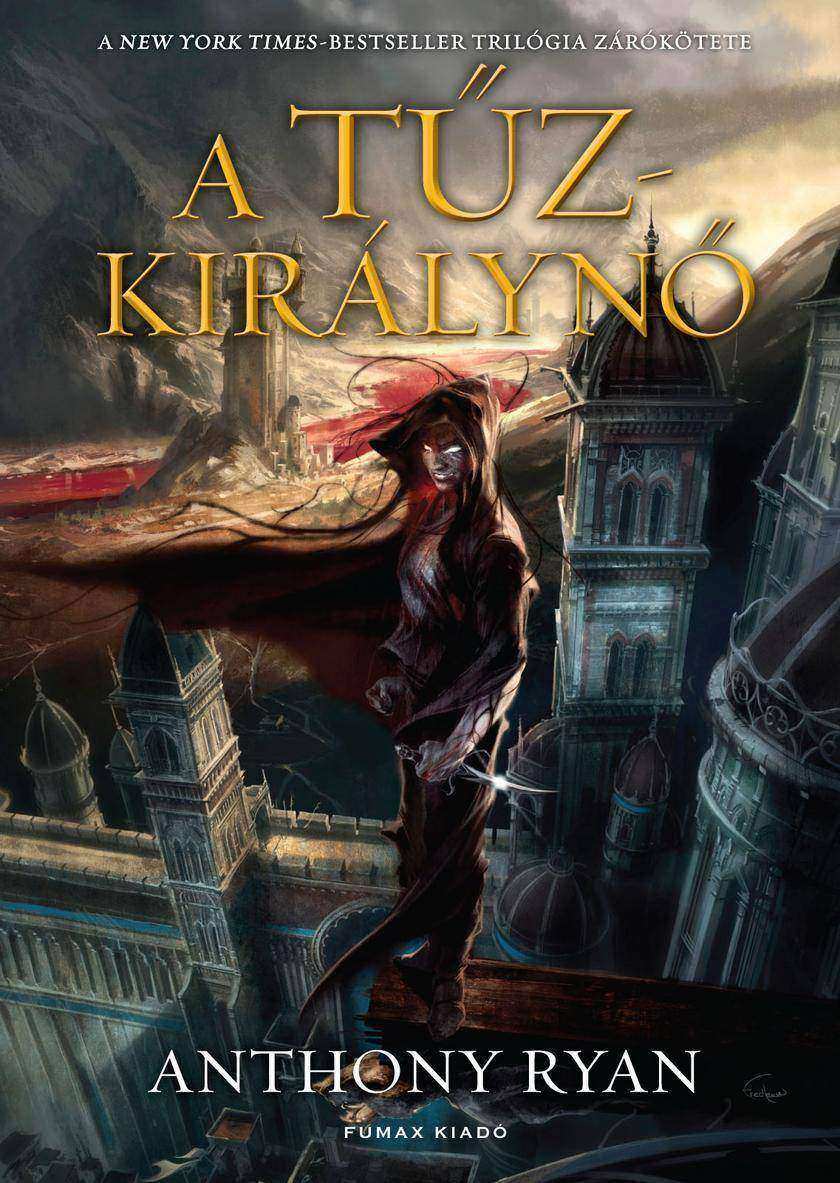
A T?zkirályn?
¥80.52
Bob Houston, the youngest agent of the Federal Bureau of Investigation, stepped out of the Department of Justice Building and turned toward home, his heart beating faster than it had in months. It hardly seemed real but he was now a full-fledged agent in the greatest man hunting division in the Federal Government. Bob paused a moment at the curb. Another man who had emerged from the justice building joined him. It was his uncle, Merritt Hughes, one of the most famous detectives in the department. He put his arm around Bob’s shoulders and shook him in a rough but friendly embrace.“Well, Bob, how does it feel to be a real federal agent?” he asked. It was a moment before Bob replied, and when he finally spoke the words came slowly.“I hardly know,” he confessed, “as yet it doesn’t seem real, but there is one thing I do know—I’m going to work night and day to make a success of this new job.” “Don’t worry about making a success,” advised his uncle. “You’ve got the stuff to make good or you wouldn’t have been taken into the department.”“When do you think I’ll get my first assignment on a new case?” asked Bob. “That’s hard to say,” replied the famous detective, “but if I were you I’d go home now and get a good night’s sleep. In this kind of a game you’d better sleep when you can.” “Then I’m headed for home now,” said Bob. “Good night, and thanks for all you’ve done for me.”With that the young federal agent strode off down the avenue, his lungs drinking in great gulps of the cool air of the fall night. Merritt Hughes stood on the curb of the justice building watching his nephew until Bob turned the corner a block away. Anyone noticing the federal agent would have seen a slight smile of pleasure on his lips and he might have guessed that Merritt Hughes was greatly pleased by the events which had happened in the preceding hours. As a matter of fact, Bob Houston, a plain clerk in the archives division of the War Department, temporarily a provisional federal agent, had been the key figure in preventing the theft of some of Uncle Sam’s most valuable radio secrets.


