


 购物车
购物车 个人中心
个人中心

Ghost Stories and Tales of Mystery by Sheridan Le Fanu - Delphi Classics (Illust
¥8.09
This eBook features the unabridged text of ‘Ghost Stories and Tales of Mystery by Sheridan Le Fanu - Delphi Classics (Illustrated)’ from the bestselling edition of ‘The Complete Works of Sheridan Le Fanu’. Having established their name as the leading publisher of classic literature and art, Delphi Classics produce publications that are individually crafted with superior formatting, while introducing many rare texts for the first time in digital print. The Delphi Classics edition of Fanu includes original annotations and illustrations relating to the life and works of the author, as well as individual tables of contents, allowing you to navigate eBooks quickly and easily. eBook features: * The complete unabridged text of ‘Ghost Stories and Tales of Mystery by Sheridan Le Fanu - Delphi Classics (Illustrated)’ * Beautifully illustrated with images related to Fanu’s works * Individual contents table, allowing easy navigation around the eBook * Excellent formatting of the text Please visit www.delphiclassics.com to learn more about our wide range of titles

John Burnet of Barns by John Buchan - Delphi Classics (Illustrated)
¥8.09
This eBook features the unabridged text of ‘John Burnet of Barns by John Buchan - Delphi Classics (Illustrated)’ from the bestselling edition of ‘The Complete Works of John Buchan’. Having established their name as the leading publisher of classic literature and art, Delphi Classics produce publications that are individually crafted with superior formatting, while introducing many rare texts for the first time in digital print. The Delphi Classics edition of Buchan includes original annotations and illustrations relating to the life and works of the author, as well as individual tables of contents, allowing you to navigate eBooks quickly and easily. eBook features: * The complete unabridged text of ‘John Burnet of Barns by John Buchan - Delphi Classics (Illustrated)’ * Beautifully illustrated with images related to Buchan’s works * Individual contents table, allowing easy navigation around the eBook * Excellent formatting of the text Please visit www.delphiclassics.com to learn more about our wide range of titles

The Goddess from the Shades by John Buchan - Delphi Classics (Illustrated)
¥8.09
This eBook features the unabridged text of ‘ the Goddess from the Shades by John Buchan - Delphi Classics (Illustrated)’ from the bestselling edition of ‘The Complete Works of John Buchan’. Having established their name as the leading publisher of classic literature and art, Delphi Classics produce publications that are individually crafted with superior formatting, while introducing many rare texts for the first time in digital print. The Delphi Classics edition of Buchan includes original annotations and illustrations relating to the life and works of the author, as well as individual tables of contents, allowing you to navigate eBooks quickly and easily. eBook features: * The complete unabridged text of ‘ the Goddess from the Shades by John Buchan - Delphi Classics (Illustrated)’ * Beautifully illustrated with images related to Buchan’s works * Individual contents table, allowing easy navigation around the eBook * Excellent formatting of the textPlease visit www.delphiclassics.com to learn more about our wide range of titles

The Free Fishers by John Buchan - Delphi Classics (Illustrated)
¥8.09
This eBook features the unabridged text of ‘The Free Fishers by John Buchan - Delphi Classics (Illustrated)’ from the bestselling edition of ‘The Complete Works of John Buchan’. Having established their name as the leading publisher of classic literature and art, Delphi Classics produce publications that are individually crafted with superior formatting, while introducing many rare texts for the first time in digital print. The Delphi Classics edition of Buchan includes original annotations and illustrations relating to the life and works of the author, as well as individual tables of contents, allowing you to navigate eBooks quickly and easily. eBook features: * The complete unabridged text of ‘The Free Fishers by John Buchan - Delphi Classics (Illustrated)’ * Beautifully illustrated with images related to Buchan’s works * Individual contents table, allowing easy navigation around the eBook * Excellent formatting of the text Please visit www.delphiclassics.com to learn more about our wide range of titles
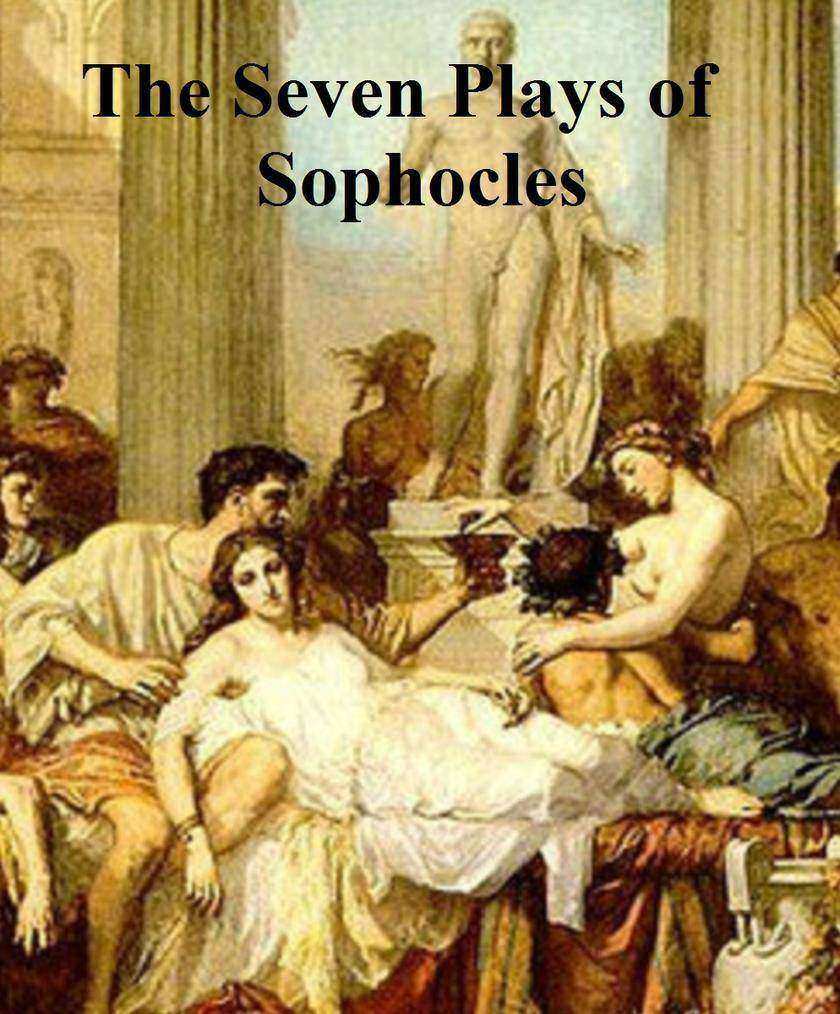
The Seven Plays of Sophocles
¥8.09
This file includes the English verse translation by Lewis Campbell of all seven extant Sophocles plays: Antigone, Aias. King Oedipus, Electra, The Tracinian Maidens, Philoctetes, and Oedippus at Colonos. According to Wikipedia: "Sophocles( c. 496 BC-406 BC) was the second of the three ancient Greek tragedians whose work has survived. His first plays were written later than those of Aeschylus and earlier than those of Euripides. According to the Suda, a 10th century encyclopedia, Sophocles wrote 123 plays during the course of his life, but only seven have survived in a complete form... The most famous of Sophocles' tragedies are those concerning Oedipus and Antigone: these are often known as the Theban plays, although each play was actually a part of different tetralogy, the other members of which are now lost. Sophocles influenced the development of the drama, most importantly by adding a third actor and thereby reducing the importance of the chorus in the presentation of the plot."

Three Books of Poetry and Two Plays
¥8.09
This file includes the short poetry collections A Few Figs from Thistles, Renascence and Other Poems, and Second April. It also includes the plays Aria da Capo (one act) and The Lamp and The Bell (five acts). According to Wikipedia: "Edna St. Vincent Millay (February 22, 1892 – October 19, 1950) was an American lyrical poet and playwright and the first woman to receive the Pulitzer Prize for Poetry. She was also known for her unconventional, bohemian lifestyle and her many love affairs. She used the pseudonym Nancy Boyd for her prose work."

The Warlord of Mars by Edgar Rice Burroughs - Delphi Classics (Illustrated)
¥8.09
This eBook features the unabridged text of ‘The Warlord of Mars by Edgar Rice Burroughs - Delphi Classics (Illustrated)’ from the bestselling edition of ‘The Complete Works of Edgar Rice Burroughs’. Having established their name as the leading publisher of classic literature and art, Delphi Classics produce publications that are individually crafted with superior formatting, while introducing many rare texts for the first time in digital print. The Delphi Classics edition of Burroughs includes original annotations and illustrations relating to the life and works of the author, as well as individual tables of contents, allowing you to navigate eBooks quickly and easily. eBook features: * The complete unabridged text of ‘The Warlord of Mars by Edgar Rice Burroughs - Delphi Classics (Illustrated)’ * Beautifully illustrated with images related to Burroughs’s works * Individual contents table, allowing easy navigation around the eBook * Excellent formatting of the text Please visit www.delphiclassics.com to learn more about our wide range of titles

The Battle of the Books by Jonathan Swift - Delphi Classics (Illustrated)
¥8.09
This eBook features the unabridged text of ‘The Battle of the Books by Jonathan Swift - Delphi Classics (Illustrated)’ from the bestselling edition of ‘The Complete Works of Jonathan Swift’. Having established their name as the leading publisher of classic literature and art, Delphi Classics produce publications that are individually crafted with superior formatting, while introducing many rare texts for the first time in digital print. The Delphi Classics edition of Swift includes original annotations and illustrations relating to the life and works of the author, as well as individual tables of contents, allowing you to navigate eBooks quickly and easily. eBook features: * The complete unabridged text of ‘The Battle of the Books by Jonathan Swift - Delphi Classics (Illustrated)’ * Beautifully illustrated with images related to Swift’s works * Individual contents table, allowing easy navigation around the eBook * Excellent formatting of the text Please visit www.delphiclassics.com to learn more about our wide range of titles

The Bickerstaff-Partridge Papers by Jonathan Swift - Delphi Classics (Illustrate
¥8.09
This eBook features the unabridged text of ‘The Bickerstaff-Partridge Papers by Jonathan Swift - Delphi Classics (Illustrated)’ from the bestselling edition of ‘The Complete Works of Jonathan Swift’. Having established their name as the leading publisher of classic literature and art, Delphi Classics produce publications that are individually crafted with superior formatting, while introducing many rare texts for the first time in digital print. The Delphi Classics edition of Swift includes original annotations and illustrations relating to the life and works of the author, as well as individual tables of contents, allowing you to navigate eBooks quickly and easily. eBook features: * The complete unabridged text of ‘The Bickerstaff-Partridge Papers by Jonathan Swift - Delphi Classics (Illustrated)’ * Beautifully illustrated with images related to Swift’s works * Individual contents table, allowing easy navigation around the eBook * Excellent formatting of the text Please visit www.delphiclassics.com to learn more about our wide range of titles

Gulliver’s Travels by Jonathan Swift - Delphi Classics (Illustrated)
¥8.09
This eBook features the unabridged text of ‘Gulliver’s Travels by Jonathan Swift - Delphi Classics (Illustrated)’ from the bestselling edition of ‘The Complete Works of Jonathan Swift’. Having established their name as the leading publisher of classic literature and art, Delphi Classics produce publications that are individually crafted with superior formatting, while introducing many rare texts for the first time in digital print. The Delphi Classics edition of Swift includes original annotations and illustrations relating to the life and works of the author, as well as individual tables of contents, allowing you to navigate eBooks quickly and easily. eBook features: * The complete unabridged text of ‘Gulliver’s Travels by Jonathan Swift - Delphi Classics (Illustrated)’ * Beautifully illustrated with images related to Swift’s works * Individual contents table, allowing easy navigation around the eBook * Excellent formatting of the text Please visit www.delphiclassics.com to learn more about our wide range of titles

A Journal to Stella by Jonathan Swift - Delphi Classics (Illustrated)
¥8.09
This eBook features the unabridged text of ‘A Journal to Stella by Jonathan Swift - Delphi Classics (Illustrated)’ from the bestselling edition of ‘The Complete Works of Jonathan Swift’. Having established their name as the leading publisher of classic literature and art, Delphi Classics produce publications that are individually crafted with superior formatting, while introducing many rare texts for the first time in digital print. The Delphi Classics edition of Swift includes original annotations and illustrations relating to the life and works of the author, as well as individual tables of contents, allowing you to navigate eBooks quickly and easily. eBook features: * The complete unabridged text of ‘A Journal to Stella by Jonathan Swift - Delphi Classics (Illustrated)’ * Beautifully illustrated with images related to Swift’s works * Individual contents table, allowing easy navigation around the eBook * Excellent formatting of the text Please visit www.delphiclassics.com to learn more about our wide range of titles

Uncle Tom’s Cabin Or, Life Among the Lowly by Harriet Beecher Stowe - Delphi Cla
¥8.09
This eBook features the unabridged text of ‘Uncle Tom’s Cabin Or, Life Among the Lowly by Harriet Beecher Stowe - Delphi Classics (Illustrated)’ from the bestselling edition of ‘The Complete Works of Harriet Beecher Stowe’. Having established their name as the leading publisher of classic literature and art, Delphi Classics produce publications that are individually crafted with superior formatting, while introducing many rare texts for the first time in digital print. The Delphi Classics edition of Stowe includes original annotations and illustrations relating to the life and works of the author, as well as individual tables of contents, allowing you to navigate eBooks quickly and easily. eBook features: * The complete unabridged text of ‘Uncle Tom’s Cabin Or, Life Among the Lowly by Harriet Beecher Stowe - Delphi Classics (Illustrated)’ * Beautifully illustrated with images related to Stowe’s works * Individual contents table, allowing easy navigation around the eBook * Excellent formatting of the text Please visit www.delphiclassics.com to learn more about our wide range of titles

The Young Lion Hunter by Zane Grey - Delphi Classics (Illustrated)
¥8.09
This eBook features the unabridged text of ‘The Young Lion Hunter by Zane Grey - Delphi Classics (Illustrated)’ from the bestselling edition of ‘The Collected Works of Zane Grey’. Having established their name as the leading publisher of classic literature and art, Delphi Classics produce publications that are individually crafted with superior formatting, while introducing many rare texts for the first time in digital print. The Delphi Classics edition of Grey includes original annotations and illustrations relating to the life and works of the author, as well as individual tables of contents, allowing you to navigate eBooks quickly and easily. eBook features: * The complete unabridged text of ‘The Young Lion Hunter by Zane Grey - Delphi Classics (Illustrated)’ * Beautifully illustrated with images related to Grey’s works * Individual contents table, allowing easy navigation around the eBook * Excellent formatting of the text Please visit www.delphiclassics.com to learn more about our wide range of titles
Glinda of Oz by L. Frank Baum - Delphi Classics (Illustrated)
¥8.09
This eBook features the unabridged text of ‘Glinda of Oz by L. Frank Baum - Delphi Classics (Illustrated)’ from the bestselling edition of ‘The Complete Works of L. Frank Baum’. Having established their name as the leading publisher of classic literature and art, Delphi Classics produce publications that are individually crafted with superior formatting, while introducing many rare texts for the first time in digital print. The Delphi Classics edition of Baum includes original annotations and illustrations relating to the life and works of the author, as well as individual tables of contents, allowing you to navigate eBooks quickly and easily. eBook features: * The complete unabridged text of ‘Glinda of Oz by L. Frank Baum - Delphi Classics (Illustrated)’ * Beautifully illustrated with images related to Baum’s works * Individual contents table, allowing easy navigation around the eBook * Excellent formatting of the text Please visit www.delphiclassics.com to learn more about our wide range of titles

The Lone Star Ranger by Zane Grey - Delphi Classics (Illustrated)
¥8.09
This eBook features the unabridged text of ‘The Lone Star Ranger by Zane Grey - Delphi Classics (Illustrated)’ from the bestselling edition of ‘The Collected Works of Zane Grey’. Having established their name as the leading publisher of classic literature and art, Delphi Classics produce publications that are individually crafted with superior formatting, while introducing many rare texts for the first time in digital print. The Delphi Classics edition of Grey includes original annotations and illustrations relating to the life and works of the author, as well as individual tables of contents, allowing you to navigate eBooks quickly and easily. eBook features: * The complete unabridged text of ‘The Lone Star Ranger by Zane Grey - Delphi Classics (Illustrated)’ * Beautifully illustrated with images related to Grey’s works * Individual contents table, allowing easy navigation around the eBook * Excellent formatting of the text Please visit www.delphiclassics.com to learn more about our wide range of titles

The Enchanted Island of Yew by L. Frank Baum - Delphi Classics (Illustrated)
¥8.09
This eBook features the unabridged text of ‘The Enchanted Island of Yew by L. Frank Baum - Delphi Classics (Illustrated)’ from the bestselling edition of ‘The Complete Works of L. Frank Baum’. Having established their name as the leading publisher of classic literature and art, Delphi Classics produce publications that are individually crafted with superior formatting, while introducing many rare texts for the first time in digital print. The Delphi Classics edition of Baum includes original annotations and illustrations relating to the life and works of the author, as well as individual tables of contents, allowing you to navigate eBooks quickly and easily. eBook features: * The complete unabridged text of ‘The Enchanted Island of Yew by L. Frank Baum - Delphi Classics (Illustrated)’ * Beautifully illustrated with images related to Baum’s works * Individual contents table, allowing easy navigation around the eBook * Excellent formatting of the text Please visit www.delphiclassics.com to learn more about our wide range of titles

Wildfire by Zane Grey - Delphi Classics (Illustrated)
¥8.09
This eBook features the unabridged text of ‘Wildfire by Zane Grey - Delphi Classics (Illustrated)’ from the bestselling edition of ‘The Collected Works of Zane Grey’. Having established their name as the leading publisher of classic literature and art, Delphi Classics produce publications that are individually crafted with superior formatting, while introducing many rare texts for the first time in digital print. The Delphi Classics edition of Grey includes original annotations and illustrations relating to the life and works of the author, as well as individual tables of contents, allowing you to navigate eBooks quickly and easily. eBook features: * The complete unabridged text of ‘Wildfire by Zane Grey - Delphi Classics (Illustrated)’ * Beautifully illustrated with images related to Grey’s works * Individual contents table, allowing easy navigation around the eBook * Excellent formatting of the text Please visit www.delphiclassics.com to learn more about our wide range of titles
The Sea Fairies by L. Frank Baum - Delphi Classics (Illustrated)
¥8.09
This eBook features the unabridged text of ‘The Sea Fairies by L. Frank Baum - Delphi Classics (Illustrated)’ from the bestselling edition of ‘The Complete Works of L. Frank Baum’. Having established their name as the leading publisher of classic literature and art, Delphi Classics produce publications that are individually crafted with superior formatting, while introducing many rare texts for the first time in digital print. The Delphi Classics edition of Baum includes original annotations and illustrations relating to the life and works of the author, as well as individual tables of contents, allowing you to navigate eBooks quickly and easily. eBook features: * The complete unabridged text of ‘The Sea Fairies by L. Frank Baum - Delphi Classics (Illustrated)’ * Beautifully illustrated with images related to Baum’s works * Individual contents table, allowing easy navigation around the eBook * Excellent formatting of the text Please visit www.delphiclassics.com to learn more about our wide range of titles
Phoebe Daring by L. Frank Baum - Delphi Classics (Illustrated)
¥8.09
This eBook features the unabridged text of ‘Phoebe Daring by L. Frank Baum - Delphi Classics (Illustrated)’ from the bestselling edition of ‘The Complete Works of L. Frank Baum’. Having established their name as the leading publisher of classic literature and art, Delphi Classics produce publications that are individually crafted with superior formatting, while introducing many rare texts for the first time in digital print. The Delphi Classics edition of Baum includes original annotations and illustrations relating to the life and works of the author, as well as individual tables of contents, allowing you to navigate eBooks quickly and easily. eBook features: * The complete unabridged text of ‘Phoebe Daring by L. Frank Baum - Delphi Classics (Illustrated)’ * Beautifully illustrated with images related to Baum’s works * Individual contents table, allowing easy navigation around the eBook * Excellent formatting of the text Please visit www.delphiclassics.com to learn more about our wide range of titles

The Man of the Forest by Zane Grey - Delphi Classics (Illustrated)
¥8.09
This eBook features the unabridged text of ‘The Man of the Forest by Zane Grey - Delphi Classics (Illustrated)’ from the bestselling edition of ‘The Collected Works of Zane Grey’. Having established their name as the leading publisher of classic literature and art, Delphi Classics produce publications that are individually crafted with superior formatting, while introducing many rare texts for the first time in digital print. The Delphi Classics edition of Grey includes original annotations and illustrations relating to the life and works of the author, as well as individual tables of contents, allowing you to navigate eBooks quickly and easily. eBook features: * The complete unabridged text of ‘The Man of the Forest by Zane Grey - Delphi Classics (Illustrated)’ * Beautifully illustrated with images related to Grey’s works * Individual contents table, allowing easy navigation around the eBook * Excellent formatting of the text Please visit www.delphiclassics.com to learn more about our wide range of titles

The Flying Girl by L. Frank Baum - Delphi Classics (Illustrated)
¥8.09
This eBook features the unabridged text of ‘The Flying Girl by L. Frank Baum - Delphi Classics (Illustrated)’ from the bestselling edition of ‘The Complete Works of L. Frank Baum’. Having established their name as the leading publisher of classic literature and art, Delphi Classics produce publications that are individually crafted with superior formatting, while introducing many rare texts for the first time in digital print. The Delphi Classics edition of Baum includes original annotations and illustrations relating to the life and works of the author, as well as individual tables of contents, allowing you to navigate eBooks quickly and easily. eBook features: * The complete unabridged text of ‘The Flying Girl by L. Frank Baum - Delphi Classics (Illustrated)’ * Beautifully illustrated with images related to Baum’s works * Individual contents table, allowing easy navigation around the eBook * Excellent formatting of the text Please visit www.delphiclassics.com to learn more about our wide range of titles


