


 购物车
购物车 个人中心
个人中心
Bull Hunter
¥8.09
Classic western. According to Wikipedia: "Frederick Schiller Faust (May 29, 1892 - May 12, 1944) was an American fiction author known primarily for his thoughtful and literary Westerns. Faust wrote mostly under pen names, and today is primarily known by one, Max Brand. Others include George Owen Baxter, Evan Evans, David Manning, John Frederick, Peter Morland, George Challis, and Frederick Frost. ... Faust managed a massive outpouring of fiction, rivaling Edgar Wallace and especially Isaac Asimov as one of the most prolific authors of all time. He wrote more than 500 novels for magazines and almost as many stories of shorter length. His total literary output is estimated to have been between 25,000,000 and 30,000,000 words. Most of his books and stories were turned out at breakneck rate, sometimes as quickly as 12,000 words in the course of a weekend. New books based on magazine serials or unpublished manuscripts or restored versions continue to appear so that he has averaged a new book every four months for seventy-five years. Beyond this, some work by him is newly reprinted every week of every year in one or another format somewhere in the world."
The Night Horseman
¥8.09
Classic western. According to Wikipedia: "Frederick Schiller Faust (May 29, 1892 - May 12, 1944) was an American fiction author known primarily for his thoughtful and literary Westerns. Faust wrote mostly under pen names, and today is primarily known by one, Max Brand. Others include George Owen Baxter, Evan Evans, David Manning, John Frederick, Peter Morland, George Challis, and Frederick Frost. ... Faust managed a massive outpouring of fiction, rivaling Edgar Wallace and especially Isaac Asimov as one of the most prolific authors of all time. He wrote more than 500 novels for magazines and almost as many stories of shorter length. His total literary output is estimated to have been between 25,000,000 and 30,000,000 words. Most of his books and stories were turned out at breakneck rate, sometimes as quickly as 12,000 words in the course of a weekend. New books based on magazine serials or unpublished manuscripts or restored versions continue to appear so that he has averaged a new book every four months for seventy-five years. Beyond this, some work by him is newly reprinted every week of every year in one or another format somewhere in the world."
Trailin'
¥8.09
Classic western. According to Wikipedia: "Frederick Schiller Faust (May 29, 1892 - May 12, 1944) was an American fiction author known primarily for his thoughtful and literary Westerns. Faust wrote mostly under pen names, and today is primarily known by one, Max Brand. Others include George Owen Baxter, Evan Evans, David Manning, John Frederick, Peter Morland, George Challis, and Frederick Frost. ... Faust managed a massive outpouring of fiction, rivaling Edgar Wallace and especially Isaac Asimov as one of the most prolific authors of all time. He wrote more than 500 novels for magazines and almost as many stories of shorter length. His total literary output is estimated to have been between 25,000,000 and 30,000,000 words. Most of his books and stories were turned out at breakneck rate, sometimes as quickly as 12,000 words in the course of a weekend. New books based on magazine serials or unpublished manuscripts or restored versions continue to appear so that he has averaged a new book every four months for seventy-five years. Beyond this, some work by him is newly reprinted every week of every year in one or another format somewhere in the world."
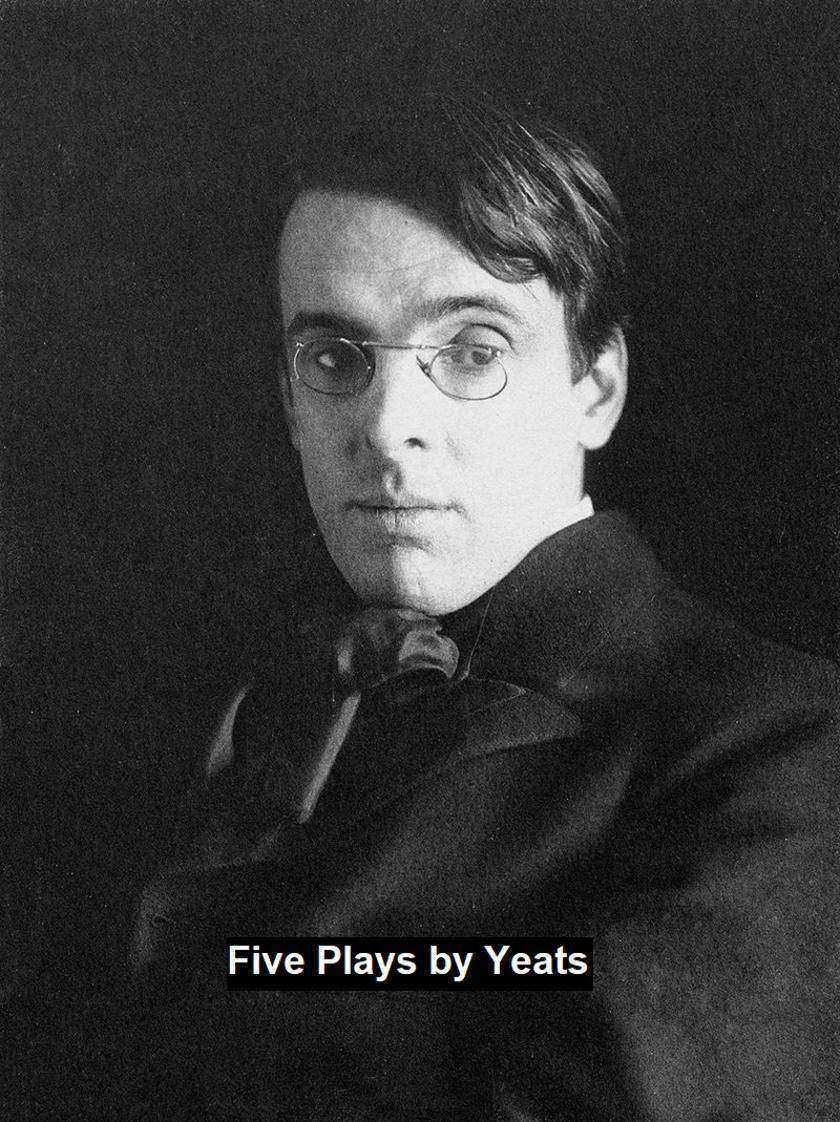
Five Plays
¥8.09
This file includes: The Land of Heart's Desire, The Countess Cathleen, The Unicorn and the Stars, Cathleen Ni Houlihan, and The Hour-Glass. According to Wikipedia: "William Butler Yeats (13 June 1865 - 28 January 1939) was an Irish poet, dramatist, and one of the foremost figures of 20th century literature. A pillar of both the Irish and British literary establishments, in his later years Yeats served as an Irish Senator for two terms. He was a driving force behind the Irish Literary Revival, and along with Lady Gregory and Edward Martyn founded the Abbey Theatre, serving as its chief during its early years. In 1923, he was awarded a Nobel Prize in Literature for what the Nobel Committee described as "inspired poetry, which in a highly artistic form gives expression to the spirit of a whole nation." He was the first Irishman so honored. Yeats is generally considered one of the few writers whose greatest works were completed after being awarded the Nobel Prize; such works include The Tower (1928) and The Winding Stair and Other Poems (1929). Yeats was born and educated in Dublin, but spent his childhood in County Sligo. He studied poetry in his youth, and from an early age was fascinated by both Irish legends and the occult. Those topics feature in the first phase of his work, which lasted roughly until the turn of the century. His earliest volume of verse was published in 1889, and those slowly paced and lyrical poems display debts to Edmund Spenser and Percy Bysshe Shelley, as well as to the lyricism of the Pre-Raphaelite poets. From 1900, Yeats' poetry grew more physical and realistic. He largely renounced the transcendental beliefs of his youth, though he remained preoccupied with physical and spiritual masks, as well as with cyclical theories of life."
The Head of the House of Coombe
¥8.09
Novel for children. According to Wikipedia: "Frances Hodgson Burnett, ( 1849 - 1924) was an English–American playwright and author. She is best known for her children's stories, in particular The Secret Garden, A Little Princess, and Little Lord Fauntleroy. Born Frances Eliza Hodgson in Cheetham Hill, Manchester, her father died in 1854, and the family had to endure poverty and squalor in the Victorian slums of Manchester. Following the death of her mother in 1867, an 18-year-old Frances was now the head of a family of four younger siblings. She turned to writing to support them all, with a first story published in Godey's Lady's Book in 1868. Soon after she was being published regularly in Godey's, Scribner's Monthly, Peterson's Ladies' Magazine and Harper's Bazaar. Her main writing talent was combining realistic detail of working-class life with a romantic plot. Her first novel was published in 1877; That Lass o' Lowrie's was a story of Lancashire life. After moving with her husband to Washington, D.C., Burnett wrote the novels Haworth's (1879), Louisiana (1880), A Fair Barbarian (1881), and Through One Administration (1883), as well as a play, Esmeralda (1881), written with William Gillette...Her later works include Sara Crewe (1888) - later rewritten as A Little Princess (1905); The Lady of Quality (1896) - considered one of the best of her plays; and The Secret Garden (1909), the children's novel for which she is probably best known today. The Lost Prince was published in 1915..."
Baron Trigault's Vengeance
¥8.09
Classic French mystery, in English translation. Sequel to The Count's Millions. According to Wikipedia: "?mile Gaboriau (November 9, 1832 – September 28, 1873) was a French writer, novelist, journalist, and a pioneer of detective fiction... after publishing some novels and miscellaneous writings, found his real gift in L'Affaire Lerouge (1866). The book, which was Gaboriau's first detective novel, introduced an amateur detective. It also introduced a young police officer named Monsieur Lecoq, who was the hero in three of Gaboriau's later detective novels. The character of Lecoq was based on a real-life thief turned police officer, Eugène Fran?ois Vidocq (1775–1857)." One of Robert Louis Stevenson's favorite authors.
Essays and Counsels, Civil and Moral
¥8.09
From the essay "Of Study": "Some books are to be tasted, others to be swallowed, and some few to be chewed and digested; that is, some books are to be read only in parts; others to be read, but not curiously; and some few to be read wholly, and with diligence and attention." According to Wikipedia: "Francis Bacon, 1st Viscount St Alban KC QC (22 January 1561 — 9 April 1626) was an English philosopher, statesman, and author. He served both as Attorney General and Lord Chancellor of England. He is also known as a catalyst of the scientific revolution. His most celebrated works include The New Atlantis. Bacon was knighted in 1603, created Baron Verulam in 1618, and Viscount St Alban in 1621..."
The Awakening and Selected Short Stories
¥8.09
From the Introduction: "In the early Christian centuries thousands turned to the Bible, as drowning men to a life buoy, because it offered them the only way of escape from the intolerable social and moral ills that attended the death pangs of the old heathenism. Then came the Dark Ages, with their resurgent heathenism and barbarism, when the Bible was taken from the hands of the people. In the hour of a nation's deepest humiliation and moral depravity, John Wycliffe, with the aid of a devoted army of lay priests, gave back the Bible to the people, and in so doing laid the foundations for England's intellectual, political and moral greatness. The joy and inspiration of the Protestant Reformers was the rediscovery and popular interpretation of the Bible. In all the great forward movements of the modern centuries the Bible has played a central role. The ultimate basis of our magnificent modern scientific and material progress is the inspiration given to the human race by the Protestant Reformation."
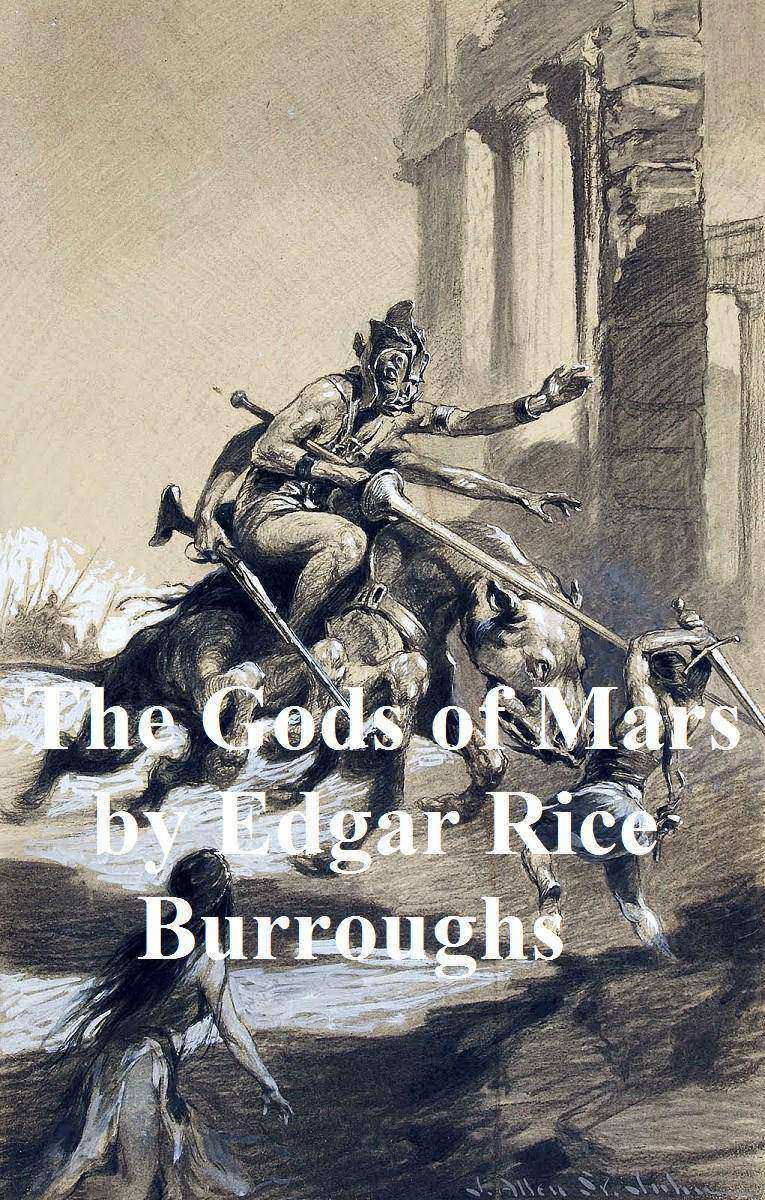
The Gods of Mars
¥8.09
Science fiction adventure, first published in 1914. According to Wikipedia: "Edgar Rice Burroughs (1875 – 1950) was an American author, best known for his creation of the jungle hero Tarzan and the heroic John Carter, although he produced works in many genres."
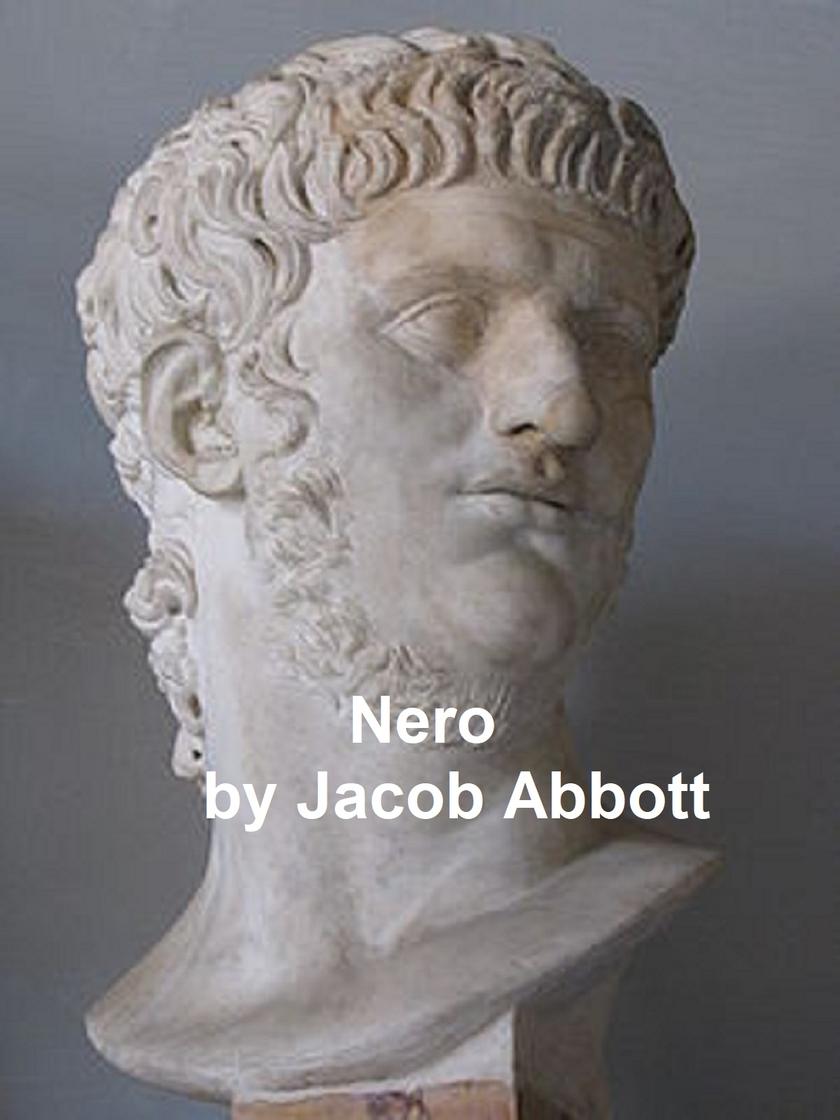
Nero
¥8.09
According to Wikipedia: "Jacob Abbott (November 14, 1803 – October 31, 1879) was an American writer of children's books. Abbott was born at Hallowell, Maine to Jacob and Betsey Abbott. He graduated from Bowdoin College in 1820; studied at Andover Theological Seminary in 1821, 1822, and 1824; was tutor in 1824-1825, and from 1825 to 1829 was professor of mathematics and natural philosophy at Amherst College; was licensed to preach by the Hampshire Association in 1826; founded the Mount Vernon School for Young Ladies in Boston in 1829, and was principal of it in 1829-1833; was pastor of Eliot Congregational Church (which he founded), at Roxbury, Massachusetts in 1834-1835; and was, with his brothers, a founder, and in 1843-1851 a principal of Abbott's Institute, and in 1845-1848 of the Mount Vernon School for Boys, in New York City. He was a prolific author, writing juvenile fiction, brief histories, biographies, religious books for the general reader, and a few works in popular science. He died in Farmington, Maine, where he had spent part of his time after 1839, and where his brother, Samuel Phillips Abbott, founded the Abbott School."
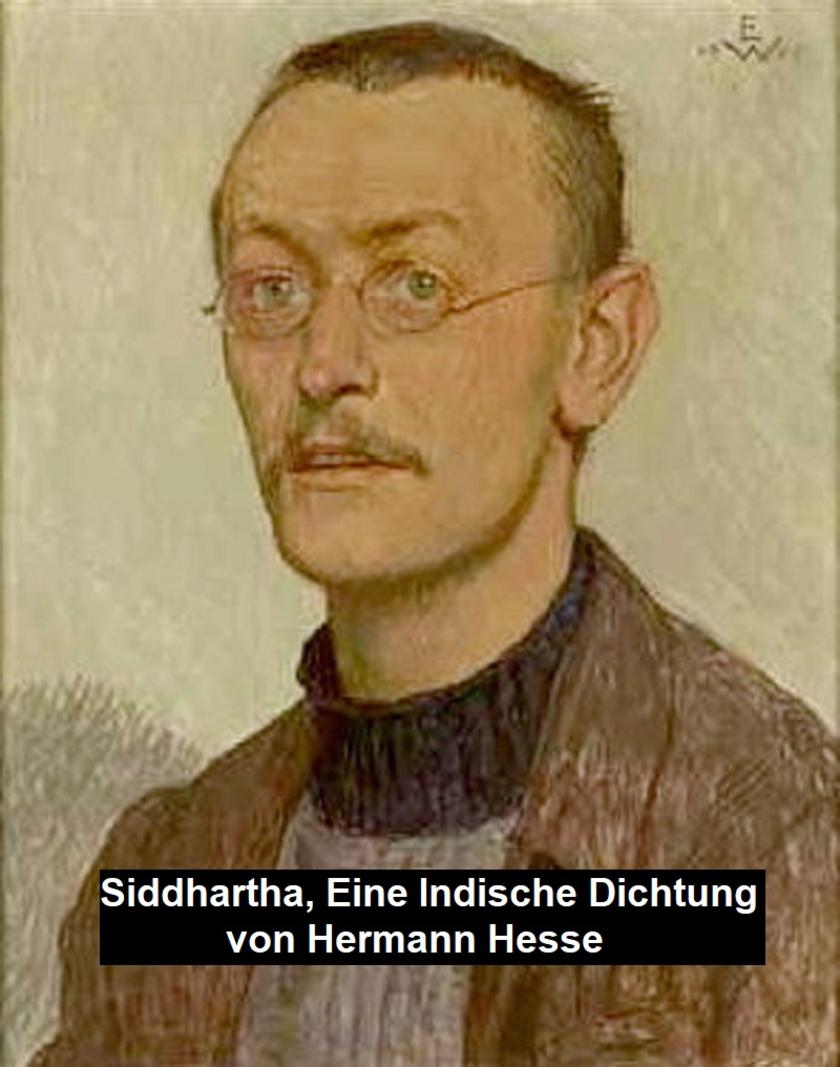
Siddhartha, Eine Indische Dichtung
¥8.09
Klassischer Roman, erstmals im Original 1922 ver?ffentlicht. Nach Wikipedia: "Siddhartha ist ein Roman von Hermann Hesse, der sich mit der spirituellen Reise eines Jungen namens Siddhartha vom indischen Subkontinent zur Zeit des Buddha besch?ftigt. Das Buch , Hesses neunter Roman, wurde auf eine einfache, aber dennoch kraftvolle und lyrische Art geschrieben, die 1951 in den USA ver?ffentlicht wurde und in den 1960er Jahren einflussreich wurde: Hesse widmete Siddhartha Ninon Hesse, seiner Frau, das Wort Siddhartha von zwei W?rtern in der Sanskrit-Sprache, siddha (erreicht) + artha (Bedeutung oder Reichtum). Die beiden W?rter zusammen bedeuten "derjenige, der Bedeutung (der Existenz) gefunden hat" oder "Er, der seine Ziele erreicht hat". Der Name des Buddha, vor seiner Entsagung war Prinz Siddhartha Gautama. In diesem Buch wird der Buddha als "Gotama" bezeichnet. "Hermann Hesse (2. Juli 1877 - 9. August 1962) war ein in Deutschland geborener Schweizer Dichter, Romancier und Maler. Im Jahr 1946 erhielt er den Nobelpreis für Literatur. Zu seinen bekanntesten Werken z?hlen Steppenwolf, Siddhartha und The Glass Bead Game (auch bekannt als Magister Ludi), die alle die Suche nach Authentizit?t, Selbsterkenntnis und Spiritualit?t untersuchen. "
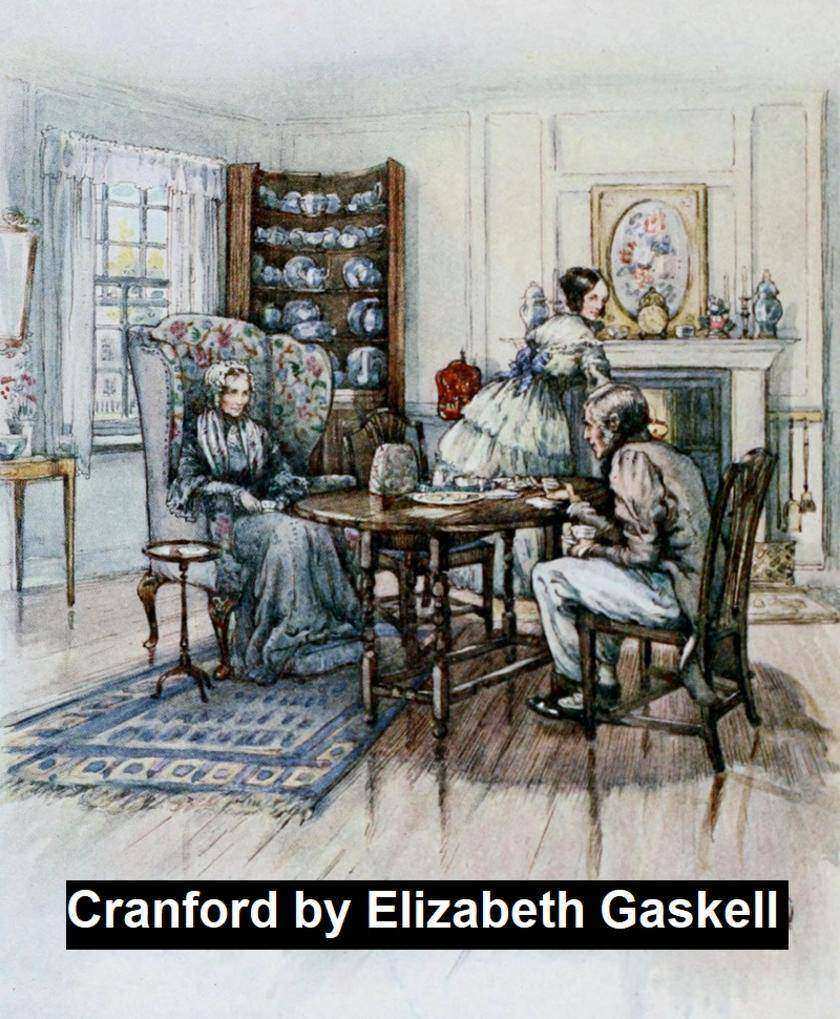
Cranford
¥8.09
Gaskell's best-known novel, the subject of a recent movie starring Dame Judi Dench and Simon Woods. According to Wikipedia: "Elizabeth Cleghorn Gaskell ( 1810 – 1865), often referred to simply as Mrs. Gaskell, was an English novelist and short story writer during the Victorian era. She is perhaps best known for her biography of Charlotte Bront?. Her novels offer a detailed portrait of the lives of many strata of society, including the very poor, and as such are of interest to social historians as well as lovers of literature."
Tales of the Fish Patrol
¥8.09
Classic Jack London short stories. According to Wikipedia: "Jack London (1876 – 1916) was an American author who wrote The Call of the Wild, White Fang, and The Sea Wolf along with many other popular books. A pioneer in the then-burgeoning world of commercial magazine fiction, he was one of the first Americans to make a lucrative career exclusively from writing."
The Rock of Chickamagua
¥8.09
Historical novel from the Civil War series. "The Rock of Chickamauga," presenting a critical phase of the great struggle in the west, is the sixth volume in the series, dealing with the Civil War, of which its predecessors have been "The Guns of Bull Run," "The Guns of Shiloh," "The Scouts of Stonewall," "The Sword of Antietam" and "The Star of Gettysburg." Dick Mason who fights on the Northern side, is the hero of this romance, and his friends reappear also. According to Wikipedia: "Joseph Alexander Altsheler (1862 - 1919), was an American author of popular juvenile historical fiction. Altsheler was born in Three Springs, Kentucky to Joseph and Louise Altsheler. In 1885, he took a job at the Louisville Courier-Journal as a reporter and later, an editor. He started working for the New York World in 1892, first as the paper's Hawaiian correspondent and then as the editor of the World's tri-weekly magazine. Due to a lack of suitable stories, he began writing children's stories for the magazine."
The Moon and Sixpence
¥8.09
Classic novel, first published in 1919. According to Wikipedia: "The Moon and Sixpence is a short novel of 1919 by William Somerset Maugham based on the life of the painter Paul Gauguin. The story is told in episodic form by the first-person narrator as a series of glimpses into the mind and soul of the central character, Charles Strickland, a middle-aged English stockbroker who abandons his wife and children abruptly to pursue his desire to become an artist."
The Hosts of the Air, The Story of a Quest in the Great War
¥8.09
Historical novel in the World War series. According to Wikipedia: "Joseph Alexander Altsheler (1862 - 1919), was an American author of popular juvenile historical fiction. Altsheler was born in Three Springs, Kentucky to Joseph and Louise Altsheler. In 1885, he took a job at the Louisville Courier-Journal as a reporter and later, an editor. He started working for the New York World in 1892, first as the paper's Hawaiian correspondent and then as the editor of the World's tri-weekly magazine. Due to a lack of suitable stories, he began writing children's stories for the magazine.
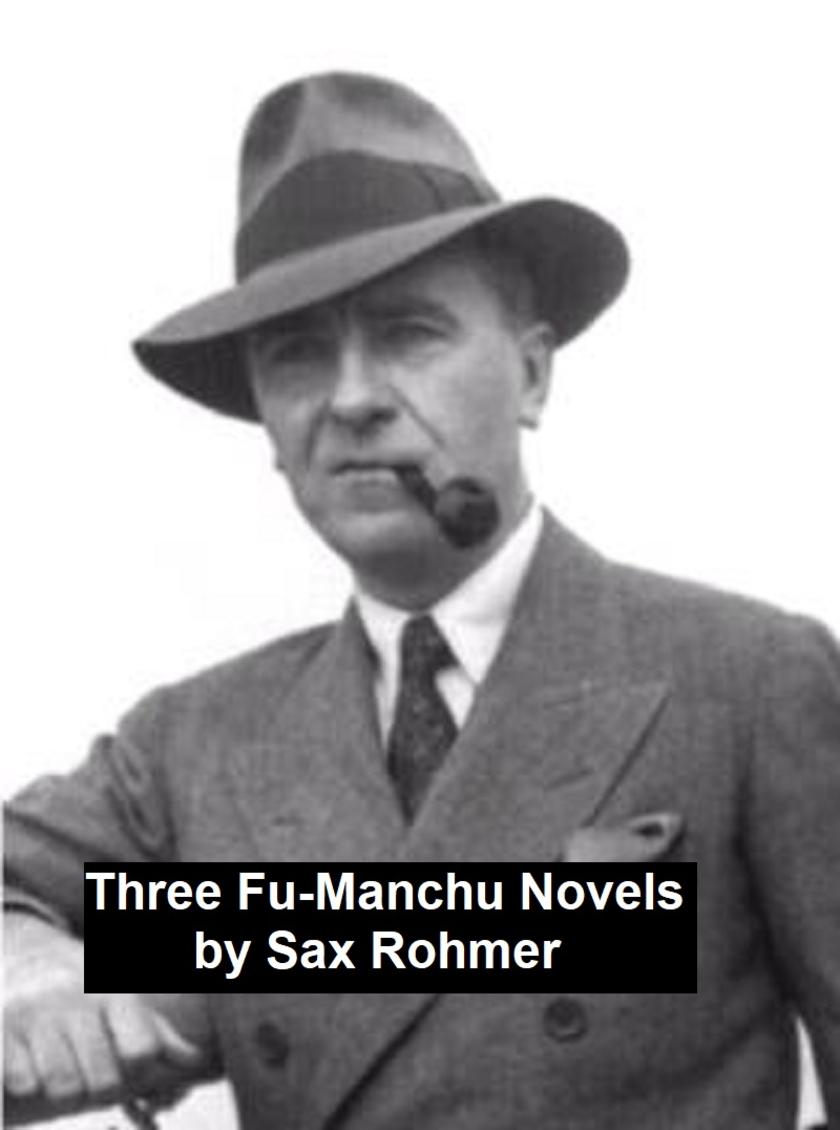
Three Fu-Manchu Novels
¥8.09
This file includes: The Insidious Dr. Fuu-Manchu (AKA The Mystery of Fu-Manchu), 1913; The Devil Doctor (AKA The Return of Dr. Fu-Manchu), 1916; and The Hand of Fu-Manchu (AKA The Si-Fan Mysteries), 1917. According to Wikipedia: "Dr. Fu Manchu is a fictional character introduced in a series of novels by British author Sax Rohmer during the first half of the 20th century. The character was also featured extensively in cinema, television, radio, comic strips and comic books for over 90 years, and has become an archetype of the evil criminal genius while inspiring the Fu Manchu moustache." "Arthur Henry Sarsfield Ward (15 February 1883 - 1 June 1959), better known as Sax Rohmer, was a prolific English novelist. He is best remembered for his series of novels featuring the master criminal Dr. Fu Manchu... His first published work was in 1903, the short story The Mysterious Mummy was sold to Pearson's Weekly. He gradually transitioned from writing for Music Hall performers to concentrating on short stories and serials for magazine publication. In 1909 he married Rose Elizabeth Knox. He published his first novel Pause! anonymously in 1910 and the first Fu Manchu novel, The Mystery of Dr. Fu-Manchu, was serialized from October 1912 - June 1913. It was an immediate success with its fast-paced story of Denis Nayland Smith and Dr. Petrie facing the worldwide conspiracy of the 'Yellow Peril'. The Fu Manchu stories, together with his more conventional detective series characters: Paul Harley, Gaston Max, Red Kerry, Morris Klaw, and The Crime Magnet made Rohmer one of the most successful and well-paid authors of the 1920s and 1930s.Rohmer also wrote several novels of supernatural horror, including Brood of the Witch-Queen. Sadly, Rohmer was very poor at managing his wealth and made several disastrous business decisions that hampered him througout his career. His final success came with a series of novels featuring a female variation on Fu Manchu, Sumuru."
Memories of Hawthorne
¥8.09
According to Wikipedia: "Mother Alphonsa was born on May 20, 1851 to Nathaniel Hawthorne and his wife Sophia Hawthorne, and baptised as Rose Hawthorne… After her father's death in 1864, she tried to become an author, like him. She wrote book of poems, Along the Shore, which was published in 1888. She later decided to rededicate her life to restoring her family's reputation after her brother's illegal activities and prostitution attempts. She was known for her service near and within New York City, caring for impoverished cancer by founding St. Rose's Free Home for Incurable Cancer in the Lower East Side. After George's death in 1898, she became a nun, and was inspired by "The New Colossus", a poem penned by her close friend Emma Lazarus, to found a community of Dominican religious, now known as the Dominican Sisters of Hawthorne."
Sketches from Concord and Appledore
¥8.09
According to Wikipedia: "Frank Preston Stearns (1846-1917), the son of abolitionist George Luther Stearns, was a writer and abolitionist from Massachusetts during the 19th century. In addition to collaborating with Elizur Wright in ambitious abolitionist projects, such as the American Anti-Slavery Society, he is credited with several seminal works exploring the lives and careers of important American public figures and authors of note, including The Life and Genius of Nathaniel Hawthorne and The Life and Public Services of George Luther Stearns."
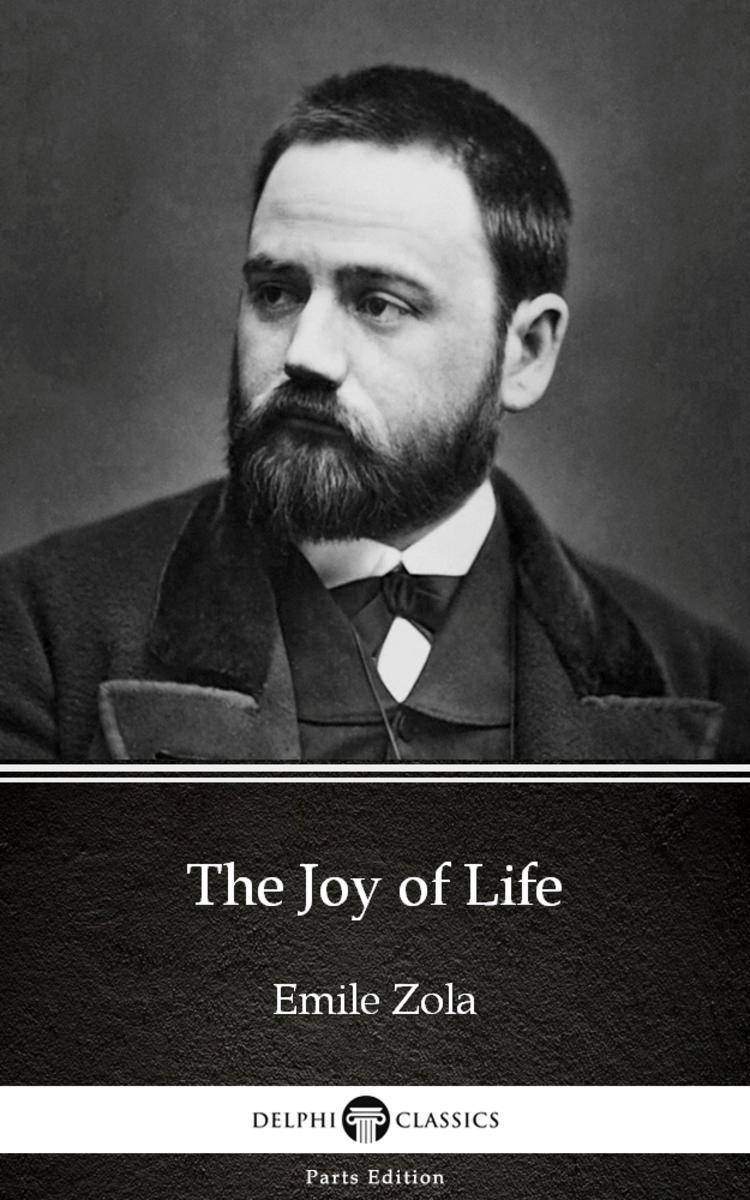
The Joy of Life by Emile Zola (Illustrated)
¥8.09
This eBook features the unabridged text of ‘The Joy of Life’ from the bestselling edition of ‘The Complete Works of Emile Zola’. Having established their name as the leading publisher of classic literature and art, Delphi Classics produce publications that are individually crafted with superior formatting, while introducing many rare texts for the first time in digital print. The Delphi Classics edition of Zola includes original annotations and illustrations relating to the life and works of the author, as well as individual tables of contents, allowing you to navigate eBooks quickly and easily.eBook features:* The complete unabridged text of ‘The Joy of Life’* Beautifully illustrated with images related to Zola’s works* Individual contents table, allowing easy navigation around the eBook* Excellent formatting of the textPlease visit www.delphiclassics.com to learn more about our wide range of titles
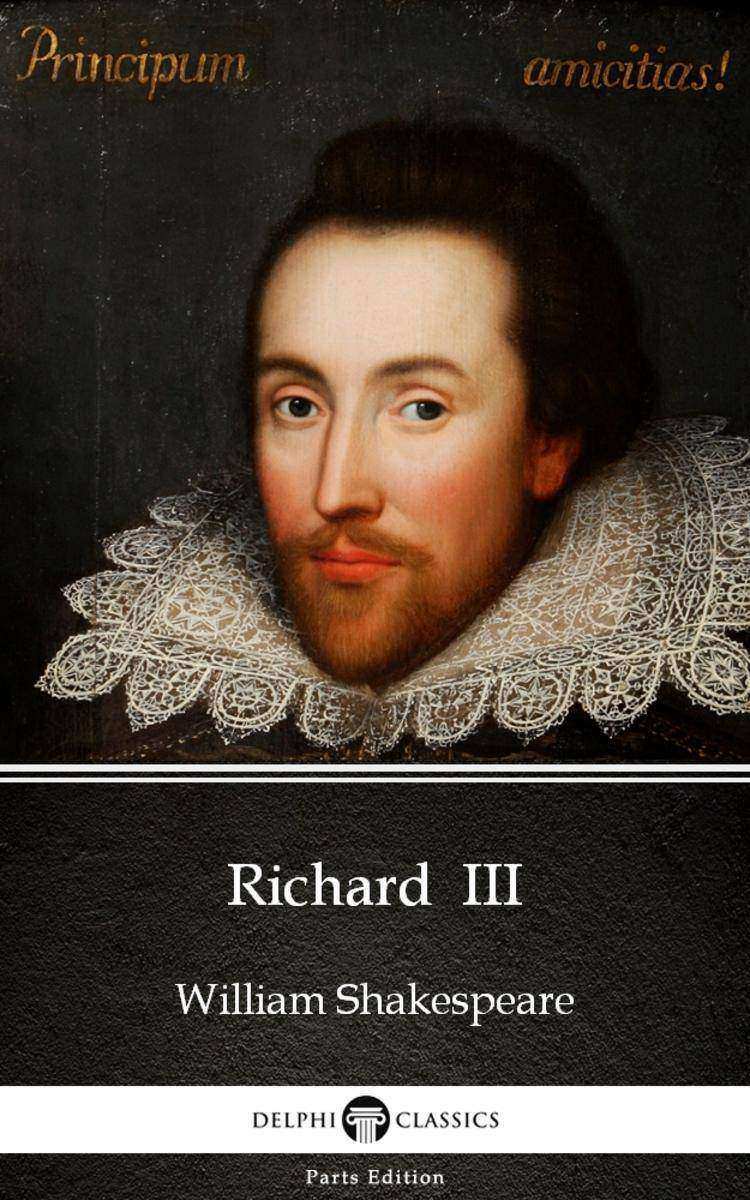
Richard III by William Shakespeare (Illustrated)
¥8.09
This eBook features the unabridged text of ‘Richard III’ from the bestselling edition of ‘The Complete Works of William Shakespeare’. Having established their name as the leading publisher of classic literature and art, Delphi Classics produce publications that are individually crafted with superior formatting, while introducing many rare texts for the first time in digital print. The Delphi Classics edition of Shakespeare includes original annotations and illustrations relating to the life and works of the author, as well as individual tables of contents, allowing you to navigate eBooks quickly and easily.eBook features:* The complete unabridged text of ‘Richard III’* Beautifully illustrated with images related to Shakespeare’s works* Individual contents table, allowing easy navigation around the eBook* Excellent formatting of the textPlease visit www.delphiclassics.com to learn more about our wide range of titles


