


 购物车
购物车 个人中心
个人中心
A Duet with an Occasional Chorus
¥8.09
Novel first published in 1899. According to Wikipedia: "Sir Arthur Ignatius Conan Doyle (22 May 1859 – 7 July 1930) was a Scottish physician and writer who is most noted for his fictional stories about the detective Sherlock Holmes, which are generally considered milestones in the field of crime fiction. He is also known for writing the fictional adventures of a second character he invented, Professor Challenger, and for popularising the mystery of the Mary Celeste. He was a prolific writer whose other works include fantasy and science fiction stories, plays, romances, poetry, non-fiction, and historical novels."
Exploits of Brigadier Gerard
¥8.09
According to Wikipedia: "Brigadier Gerard is the hero of a series of comic short stories by the British writer Arthur Conan Doyle. The hero, Etienne Gerard, is a Hussar in the French Army during the Napoleonic Wars. Gerard's most notable attribute is his vanity – he is utterly convinced that he is the bravest soldier, greatest swordsman, most accomplished horseman and most gallant lover in all France. Gerard is not entirely wrong, since he displays notable bravery on many occasions, but his self-satisfaction undercuts this quite often. Obsessed with honour and glory, he is always ready with a stirring speech or a gallant remark to a lady. Conan Doyle, in making his hero a vain, and often rather uncomprehending, Frenchman, was able to satirise both the stereotypical English view of the French and – by presenting them from Gerard's baffled point of view – English manners and attitudes."
The Firm of Girdlestone
¥8.09
According to Wikipedia: "The Firm of Girdlestone is a novel by British author Sir Arthur Conan Doyle. It was first published in 1890 by Chatto and Windus in London, England. In 1915 a silent film adaptation The Firm of Girdlestone was made. John Girdlestone owns the firm of Girdlestone. It is a very lucrative business and John Girdlestone and his son Ezra Girdlestone are respected by everyone. Both father and son are cynics and have no other thought but for their business; after giving a donation of ?25 for charity, John Girdlestone remarks to himself that it is not a bad "investment", as it will make a favorable impression on the collector, who is a Member of Parliament, whose influence he hopes to use some day. Ezra, his son, is even more of a cynic, as the elder Girdlestone's cynicism is mitigated by his supposed religiosity. However, he manifests a great acumen for business, sometimes, even surpassing his father's sharpness in business matters. A series of disastrous speculations by the elder Girdlestone financially ruins the firm. After keeping the impending bankruptcy a secret from everyone for a time, he tells his son (whom he has fooled with a dummy ledger) about it, who is disgusted by his father's rashness..."
Through the Magic Door
¥8.09
First published in 1907. A memoir of the books in Doyle's library. According to Wikipedia: "Sir Arthur Ignatius Conan Doyle (22 May 1859 – 7 July 1930) was a Scottish physician and writer who is most noted for his fictional stories about the detective Sherlock Holmes, which are generally considered milestones in the field of crime fiction. He is also known for writing the fictional adventures of a second character he invented, Professor Challenger, and for popularising the mystery of the Mary Celeste. He was a prolific writer whose other works include fantasy and science fiction stories, plays, romances, poetry, non-fiction, and historical novels."
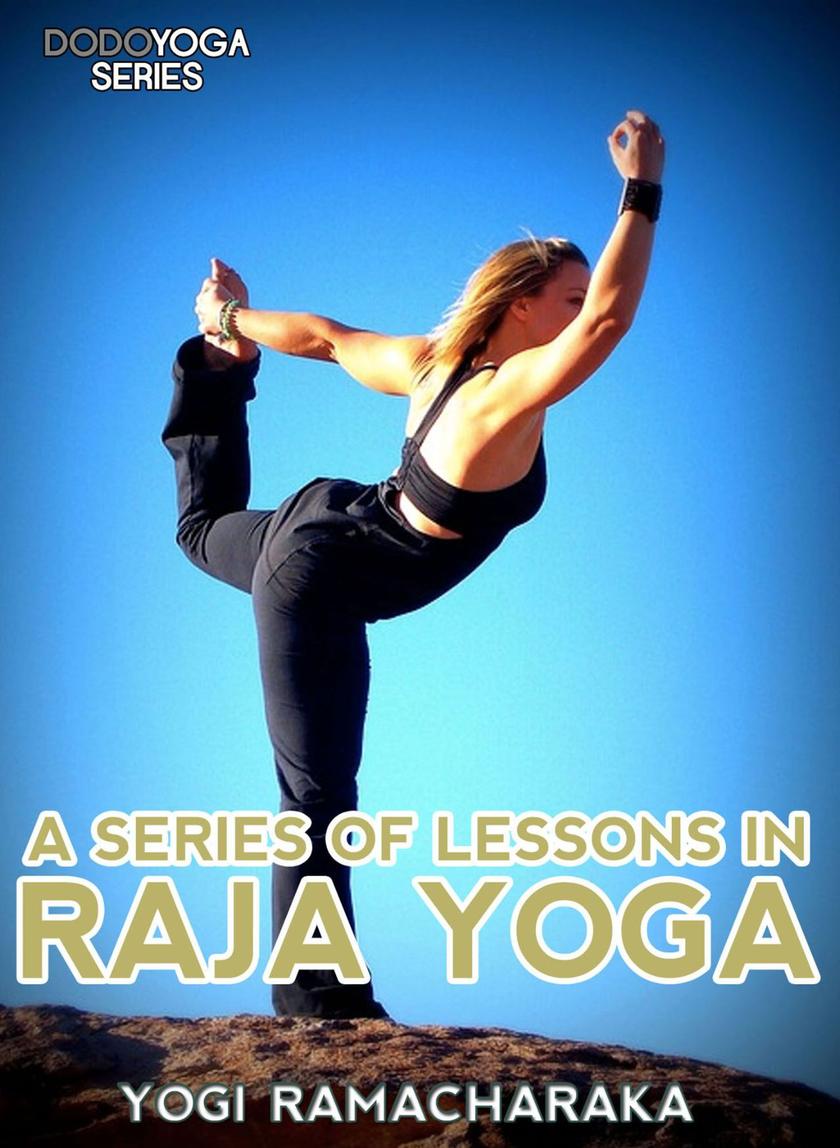
A Series Of Lessons In Raja Yoga
¥8.09
An absolute must for anyone interested in practicing Raja Yoga. ? Listen to what readers are saying: ? “It is over thirty years since I studied the entire works and teachings of Ramacharaka and even now his knowledge of yoga has proved invaluable in my own life as a Psychologist,Nuro-pathological re-mapping,without his teachings my own self knowledge would be lacking from my own understanding.Jai Sat Guru Dev.” ? “I read this book the first time in 1968. It was instrumental in my life long study of Yoga. Because of the priceless knowlegde contained within this text I went to India where I met a Fully Awakened Yoga Master. In a sense I owe it all to "Ramacharaka" and this book. 10 Star Rating!!!” ? “The reading of this book aided me beond words in finding the truths of this exsistance. I recomend it to everyone, those who are in need of its information will get more than they have ever desired. Peace unto you”

A Series Of Lessons In Gnani Yoga
¥8.09
The Yogi Philosophy may be divided into several great branches, or fields. What is known as "Hatha Yoga" deals with the physical body and its control; its welfare; its health; its preservation; its laws, etc. What is known as "Raja Yoga" deals with the Mind; its control; its development; its unfoldment, etc. What is known as "Bhakti Yoga" deals with the Love of the Absolute--God. What is known as "Gnani Yoga" deals with the scientific and intellectual knowing of the great questions regarding Life and what lies back of Life -- the Riddle of the Universe.
Fairy and Nursery Tales
¥8.09
This file includes three books: The Master Key, American Fairy Tales, and Mother Goose in Prose. According to Wikipedia: "Lyman Frank Baum (May 15, 1856 – May 6, 1919) was an American author of children's books, best known for writing The Wonderful Wizard of Oz. He wrote thirteen novel sequels, nine other fantasy novels, and a host of other works (55 novels in total, plus four "lost" novels, 83 short stories, over 200 poems, an unknown number of scripts, and many miscellaneous writings), and made numerous attempts to bring his works to the stage and screen. His works anticipated such century-later commonplaces as television, augmented reality, laptop computers (The Master Key), wireless telephones (Tik-Tok of Oz), women in high risk, action-heavy occupations (Mary Louise in the Country), and the ubiquity of advertising on clothing (Aunt Jane's Nieces at Work)."
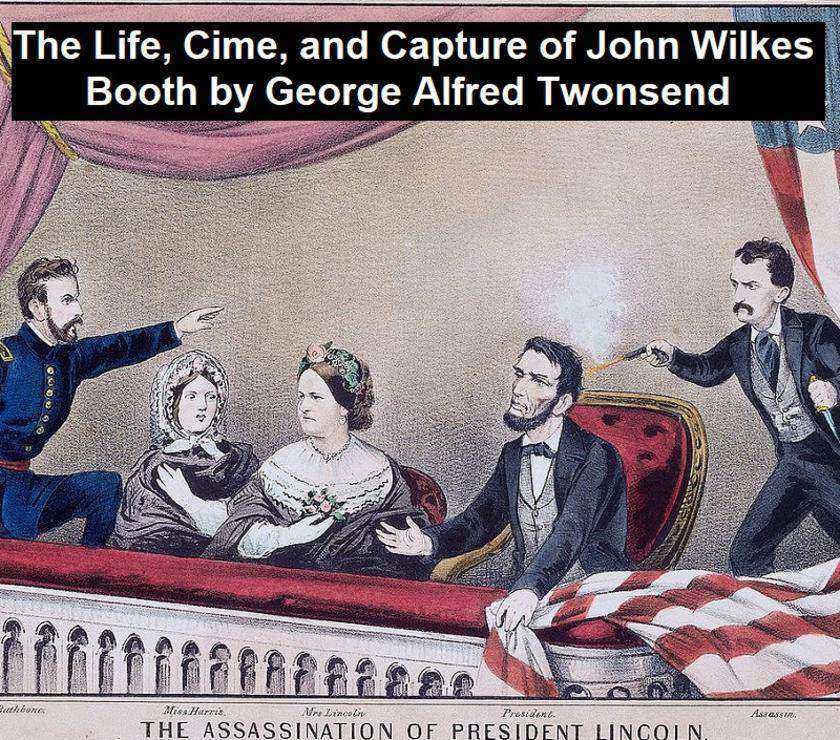
The Life, Crimes, and Capture of John Wilkes Booth
¥8.09
Account of the assassination of Abraham Lincoln, first published in 1865. According to Wikipedia: "George Alfred Townsend (January 30, 1841 – April 15, 1914), was a noted war correspondent during the American Civil War, and a later novelist. Townsend wrote under the pen name "Gath", which was derived by adding an "H" to his initials, and inspired by the biblical passage II Samuel 1:20, "Tell it not in Gath, publish it not in the streets of Askalon"... He is considered to have been the youngest correspondent of the war. In 1865, Townsend was Washington correspondent for the New York World, covering the assassination of Abraham Lincoln and its aftermath. His daily reports filed between April 17 – May 17 were published later in 1865 as a book, The Life, Crime, and Capture of John Wilkes Booth."
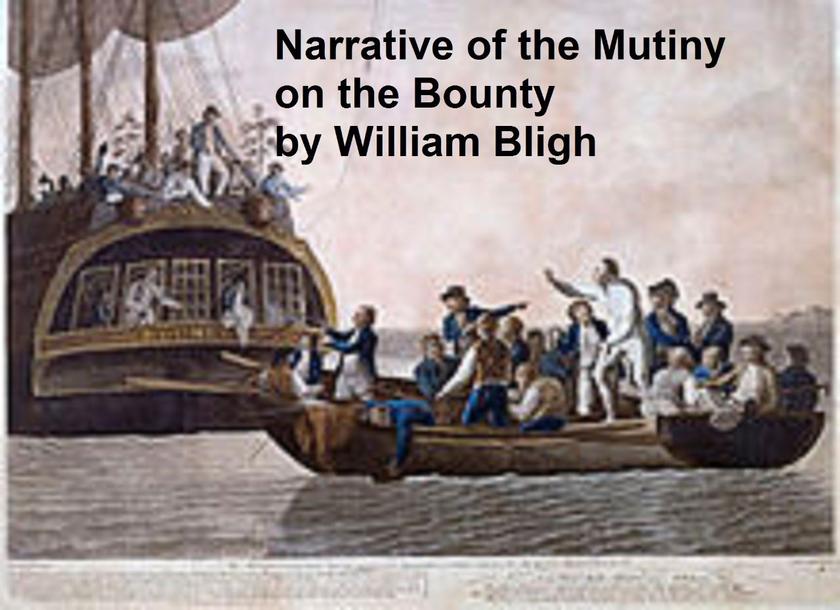
Narrative of the Mutiny on the Bounty
¥8.09
According to Wikipedia: "Vice Admiral William Bligh, (9 September 1754 – 7 December 1817) was an officer of the British Royal Navy and a colonial administrator. A historic mutiny occurred during his command of HMS Bounty in 1789; Bligh and his loyal men made a remarkable voyage to Timor, after being set adrift in the Bounty's launch by the mutineers. Fifteen years after the Bounty mutiny, he was appointed Governor of New South Wales in Australia, with orders to clean up the corrupt rum trade of the New South Wales Corps, resulting in the so-called Rum Rebellion."
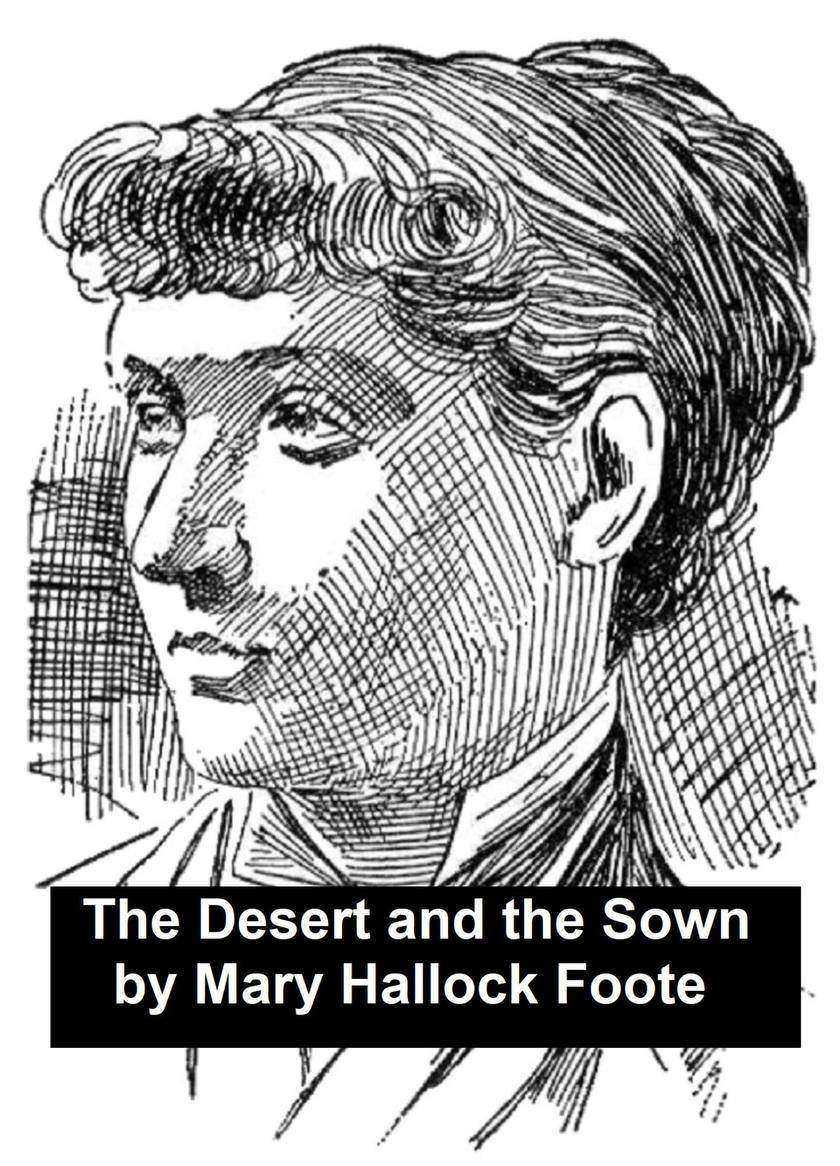
The Desert and the Sown
¥8.09
Western novel, first published in 1902. According to Wikipedia: "Mary Hallock was born November 9, 1847, in Milton, New York, of English Quaker ancestry. A singular girl and youth, she attended the Female Collegiate Seminary in Poughkeepsie, New York, then studied art in New York City at the new Cooper Institute School of Design for Women. By her early twenties she had become established in New York City as an accomplished artist-illustrator for notable publishers there. In 1876 Hallock married a young mining engineer, Arthur De Wint Foote, then moved cross-continent to live with him at the New Almaden mine near San Jose, California. Subsequently, as Arthur pursued his engineering career, she followed him throughout the West; to Leadville, Colorado, to Deadwood, South Dakota, then to Boise, Idaho, where Arthur originated a major irrigation project on the Boise River; then to Morelia, Michoacán, Mexico, and finally to Grass Valley, California, where Arthur advanced to managing the North Star mine, and retired there...Wallace Stegner's novel Angle of Repose (Pulitzer Prize, 1971) is based directly upon Mary Hallock Foote's extensive personal correspondence.'
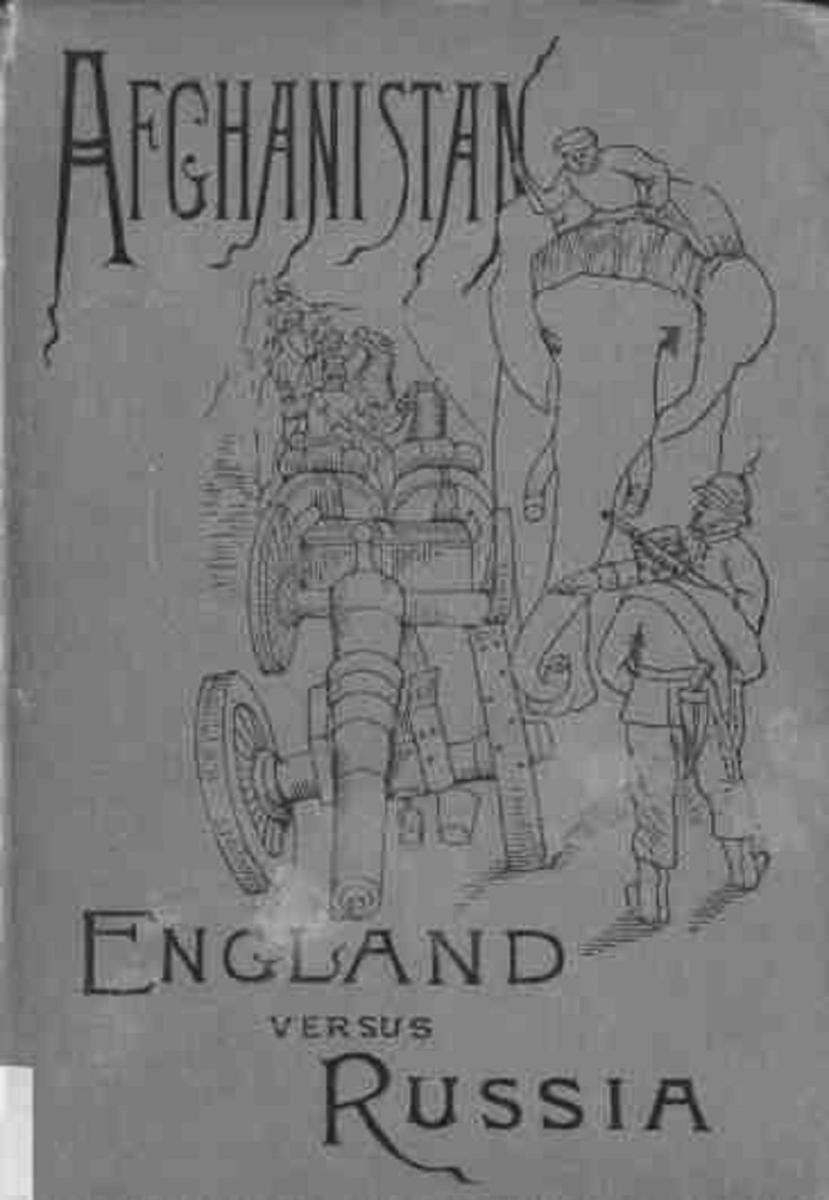
Afghanistan
¥8.09
First published in the 19th century. Written by a brigadier general from the U.S. The book begins: "In universal history there is no more interesting subject for the consideration of the political student than the record of Russian progress through Central Asia. In one sense this advance is a practical reestablishment or extension of the influence of the Aryan race in countries long dominated by peoples of Turki or Mongolian origin; in another sense it has resulted in a transition from the barbarism or rude forms of Asiatic life to the enlightenment and higher moral development of a European age. In a religious sense it embodies a crusade against Oriental fanaticism; and it is a curious feature of the Anglo-Russian dispute, that upon a question of temporal gain, the greatest Christian nation finds itself allied with the followers of Buddha and Mahomet against Russia under the Banner of the Cross."
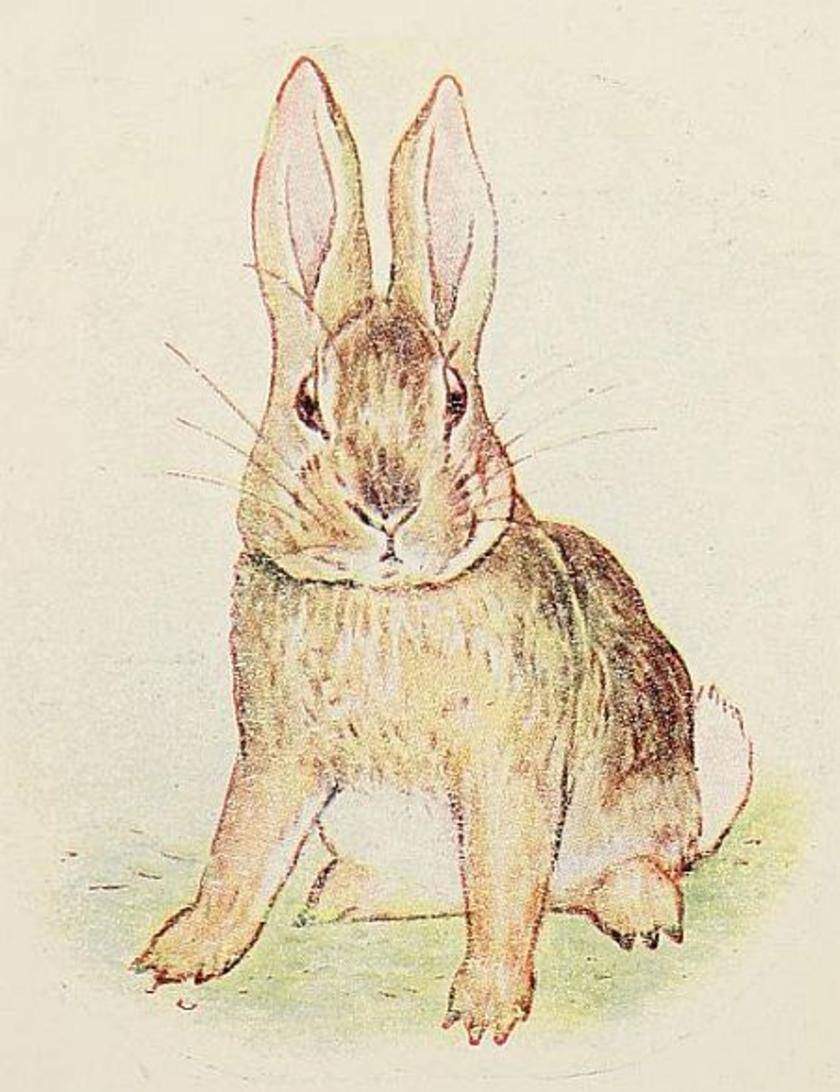
The Story of a Fierce Bad Rabbit
¥8.09
Classic picture book, with dozens of color illustations, first published in 1906. According to Wikipedia: "Helen Beatrix Potter (28 July 1866 – 22 December 1943) was an English author, illustrator, mycologist and conservationist best known for children's books featuring anthropomorphic characters such as in The Tale of Peter Rabbit. Born into a privileged household, Potter was educated by governesses and grew up isolated from other children. She had numerous pets and spent holidays in Scotland and the Lake District, developing a love of landscape, flora and fauna, all of which she closely observed and painted. Her parents discouraged her intellectual development as a young woman, but her study and watercolors of fungi led to her being widely respected in the field of mycology. In her thirties, Potter published the highly successful children's book, The Tale of Peter Rabbit. Potter began writing and illustrating children's books full time. With proceeds from the books, she became financially independent of her parents and was eventually able to buy Hill Top Farm in the Lake District. She extended the property with other purchases over time. In her forties, she married William Heelis, a local solicitor, became a sheep breeder and farmer while continuing to write and illustrate books for children. She published twenty-three books."
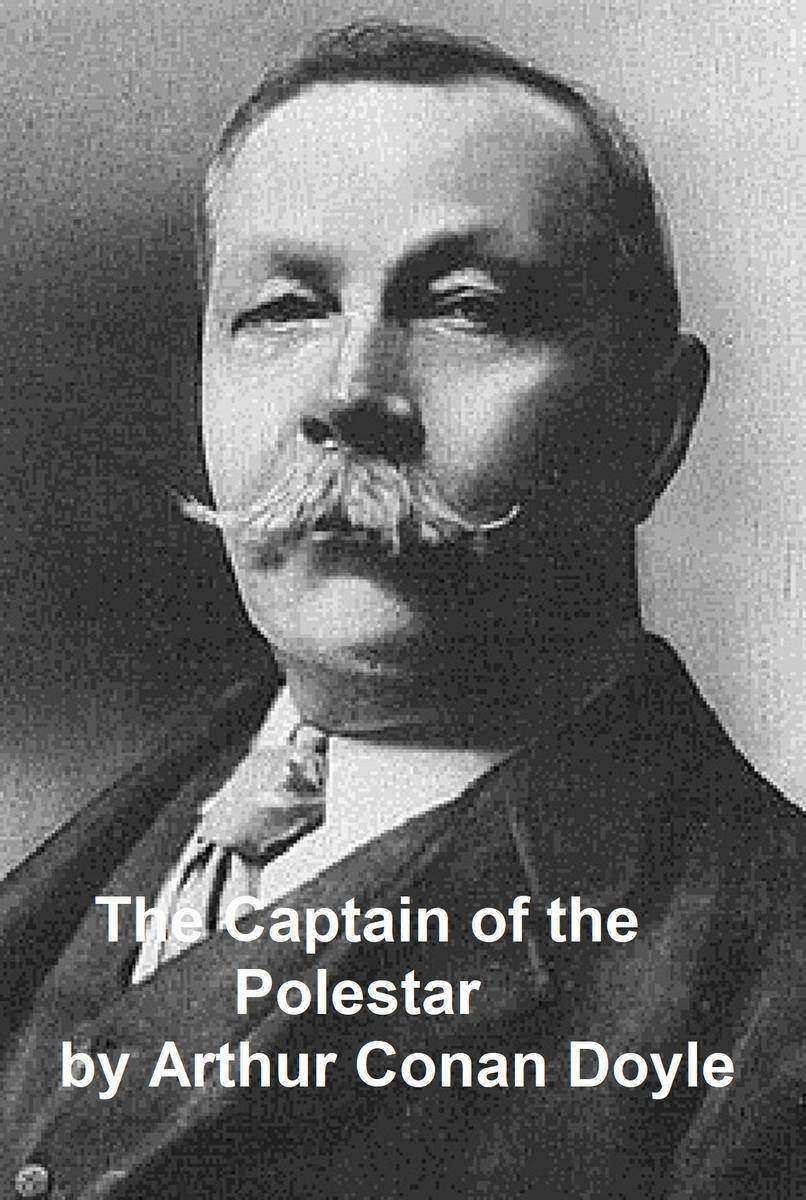
The Captain of the Polestar
¥8.09
Story collection, first published in 1883. According to Wikipedia: "Sir Arthur Ignatius Conan Doyle (22 May 1859 – 7 July 1930) was a Scottish physician and writer who is most noted for his fictional stories about the detective Sherlock Holmes, which are generally considered milestones in the field of crime fiction. He is also known for writing the fictional adventures of a second character he invented, Professor Challenger, and for popularising the mystery of the Mary Celeste. He was a prolific writer whose other works include fantasy and science fiction stories, plays, romances, poetry, non-fiction, and historical novels."
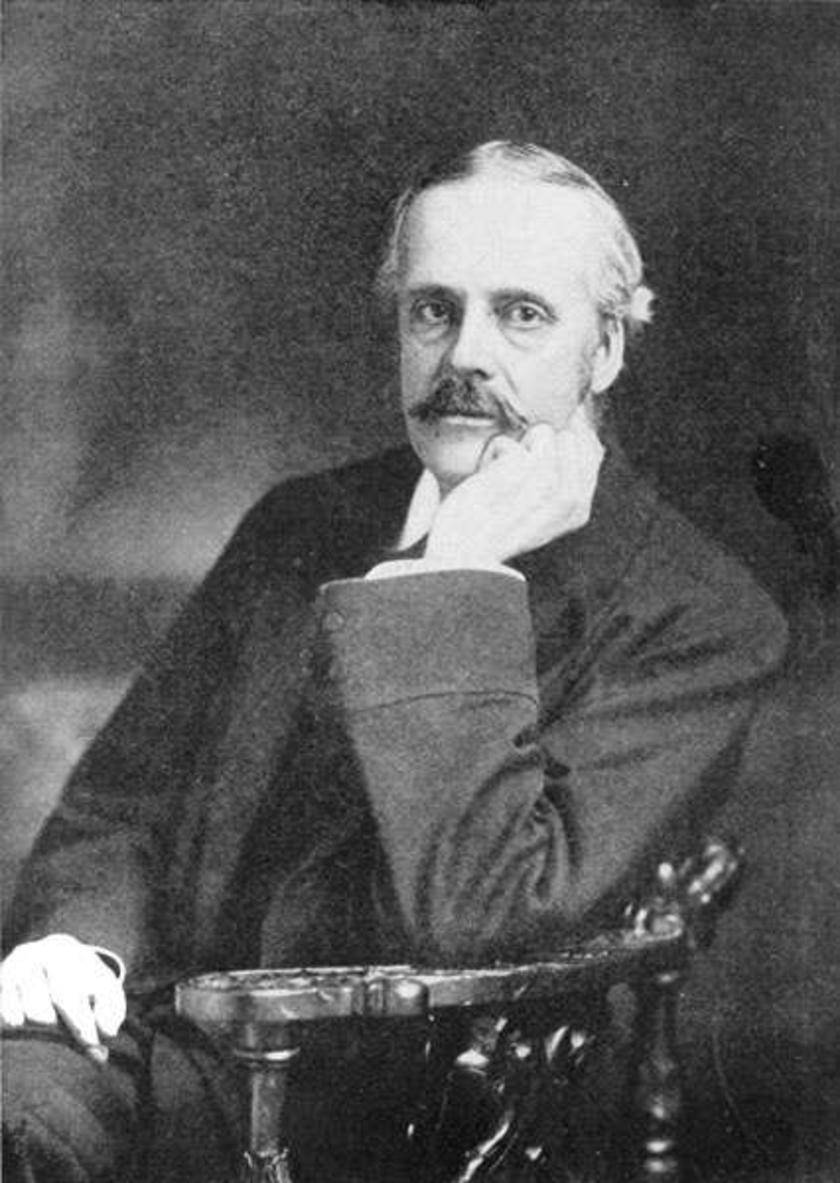
British Political Leaders
¥8.09
First published in 1903. Biographies of Balfour, Lord Salisbury, Lord Rosebery, Chamberlain, Labourchere, Morley, Burns, Hicks-Beach, Redmond,Harcourt, Bryce, Campbell-Bannerman, and the Earl of Aberdeen.
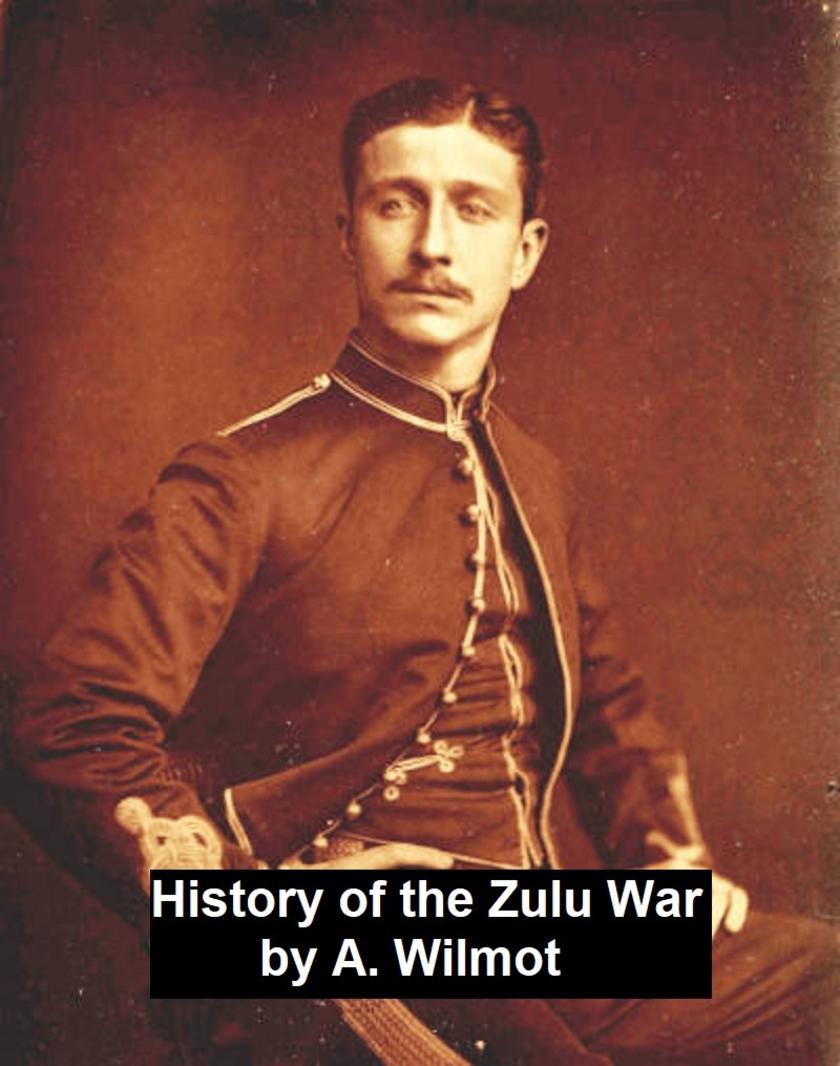
History of the Zulu War
¥8.09
First published in 1880. According to Wikipedia: "The Anglo-Zulu War was fought in 1879 between the British Empire and the Zulu Kingdom. Following Lord Carnarvon's successful introduction of federation in Canada, it was thought that similar political effort, coupled with military campaigns, might succeed with the African kingdoms, tribal areas and Boer republics in South Africa. In 1874, Sir Henry Bartle Frere was sent to South Africa as High Commissioner for the British Empire to bring such plans into being. Among the obstacles were the presence of the independent states of the South African Republic and the Kingdom of Zululand and its army.[6] Frere, on his own initiative, without the approval of the British government[7][8] and with the intent of instigating a war with the Zulu, had presented an ultimatum on 11 December 1878, to the Zulu king Cetshwayo with which the Zulu king could not comply.[9] Cetshwayo did not comply and Bartle Frere sent Lord Chelmsford to invade Zululand.[10] The war is notable for several particularly bloody battles, including a stunning opening victory by the Zulu at Isandlwana, as well as for being a landmark in the timeline of imperialism in the region. The war eventually resulted in a British victory and the end of the Zulu nation's independence."
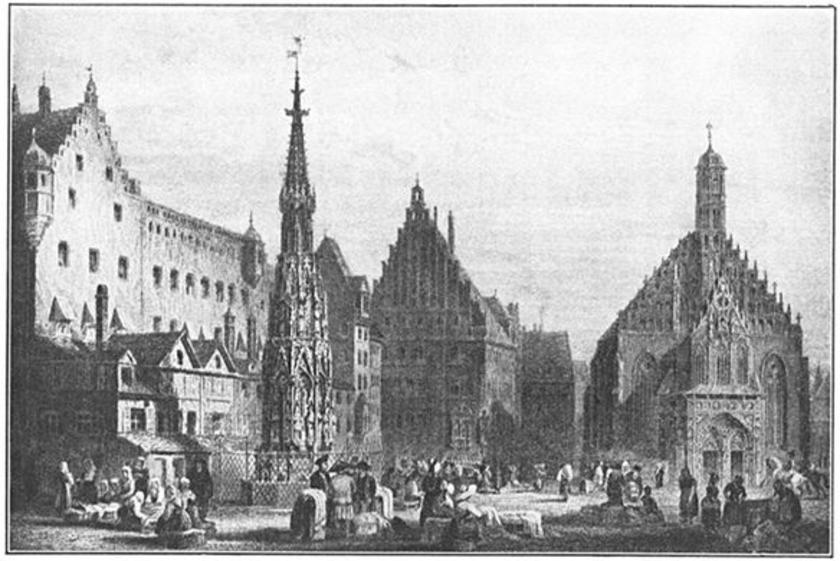
Great Opera Stories
¥8.09
First published in 1912. Stories from operas retold for children. Chapters include: Children of Kings, Haensel and Gretel, The aster Singers, Lohengrin the Knight of the Swan, The Flying Dutchman, and Tannhauser the Minstrel Knight.
Afghanistan - A Country Study
¥8.09
Based on research completed in 1997. Originally published by the Federal Research Division of the Library of Congress as part of the Country Studies/Area Handbook Series sponsored by the U.S. Department of the Army between 1986 and 1998. Each study offers a comprehensive description and analysis of the country or region's historical setting, geography, society, economy, political system, and foreign policy.

Predicting the Soviet Invasion of Afghanistan
¥8.09
Originally published by the CIA, as an unclassified public document. Douglas MacEachin served as CIA's Deputy Director for Intelligence from 1993 to 1995 during his thirty-two year career at CIA. Mr. MacEachin was an officer-in-residence at Harvard University's John F. Kennedy School of Government, from 1995 to 1997, subsequently becoming a senior at the Kennedy School.

Dissertations on the English Language
¥8.09
According to Wikipedia: "Noah Webster, Jr. (October 16, 1758 – May 28, 1843), was an American lexicographer, textbook pioneer, English-language spelling reformer, political writer, editor, and prolific author. He has been called the "Father of American Scholarship and Education." His blue-backed speller books taught five generations of American children how to spell and read, secularizing their education. According to Ellis (1979) he gave Americans "a secular catechism to the nation-state." Webster's name has become synonymous with "dictionary" in the United States, especially the modern Merriam-Webster dictionary that was first published in 1828 as An American Dictionary of the English Language. He was one of the Founding Fathers of the nation."
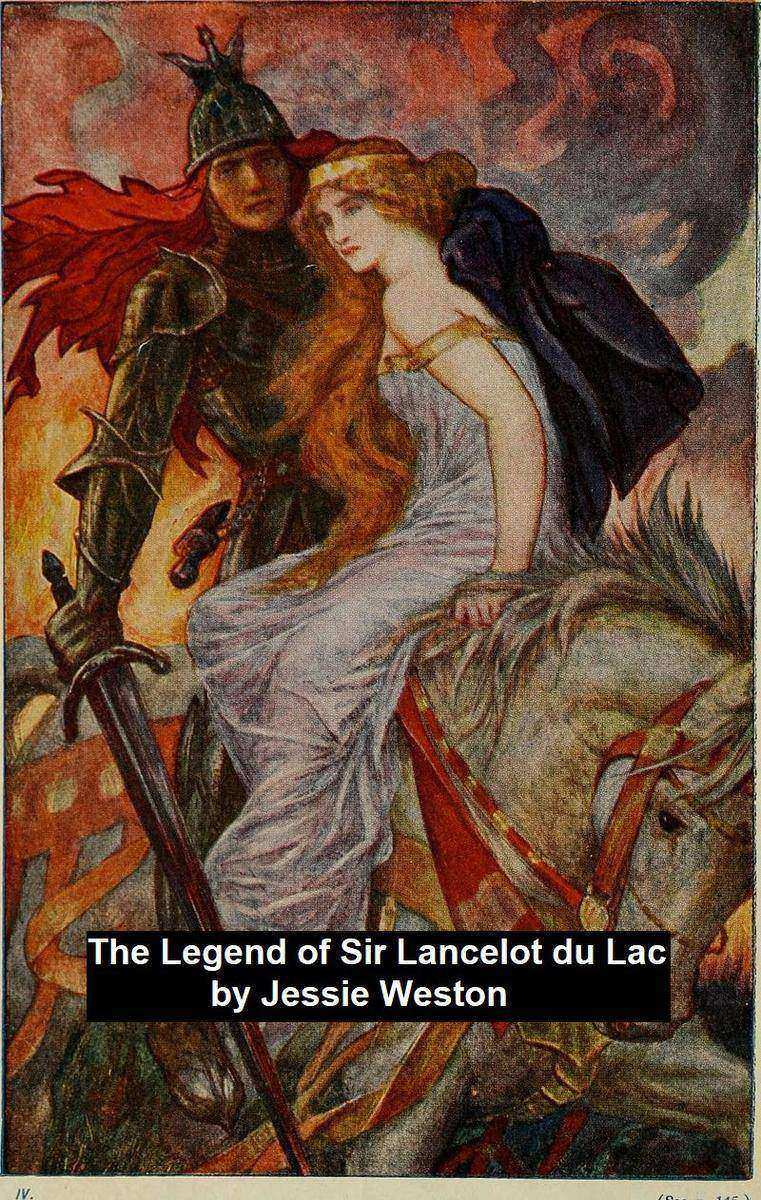
Legend of Sir Lancelot du Lac
¥8.09
First published in 1901. According to Wikipedia: "Jessie Laidlay Weston (1850–1928) was an independent scholar and folklorist, working mainly on mediaeval Arthurian texts. Her best-known work is From Ritual to Romance (1920). In it she brought to bear an analysis harking back to James George Frazer on the Grail legend, arguing for origins earlier than the Christian or Celtic sources conventionally discussed at the time. It was cited by T. S. Eliot in his notes to The Waste Land. (He later claimed that the notes as a whole were ironic in intention, and the extent of Weston's actual influence on the poem is unclear. Eliot also indicated that the notes were requested by the publisher to bulk out the length of the poem in book form, calling them "bogus scholarship".) It also caused her to be dismissed as a theosophist by F. L. Lucas, in a hostile review of Eliot's poem. The interpretation of the Grail quest as mystical and connected to self-realisation, which she added to the anthropological layer of reading, was to become increasingly popular during the 1920s. According to Richard Barber in The Holy Grail: Imagination and Belief, the Wasteland as theme in the Grail romances is of minor importance until the last works of the cycle, and the emphasis on fertility is "an interpretation which has haunted twentieth-century literature to a degree quite disproportionate to its basis in fact"... While Weston's work on the Grail theme has been derided as fanciful speculation in the years since the publication of From Ritual to Romance (even one-time supporter Roger Sherman Loomis eventually abandoned her hypothesis), her editions of numerous medieval romances have been commended as valuable translations"
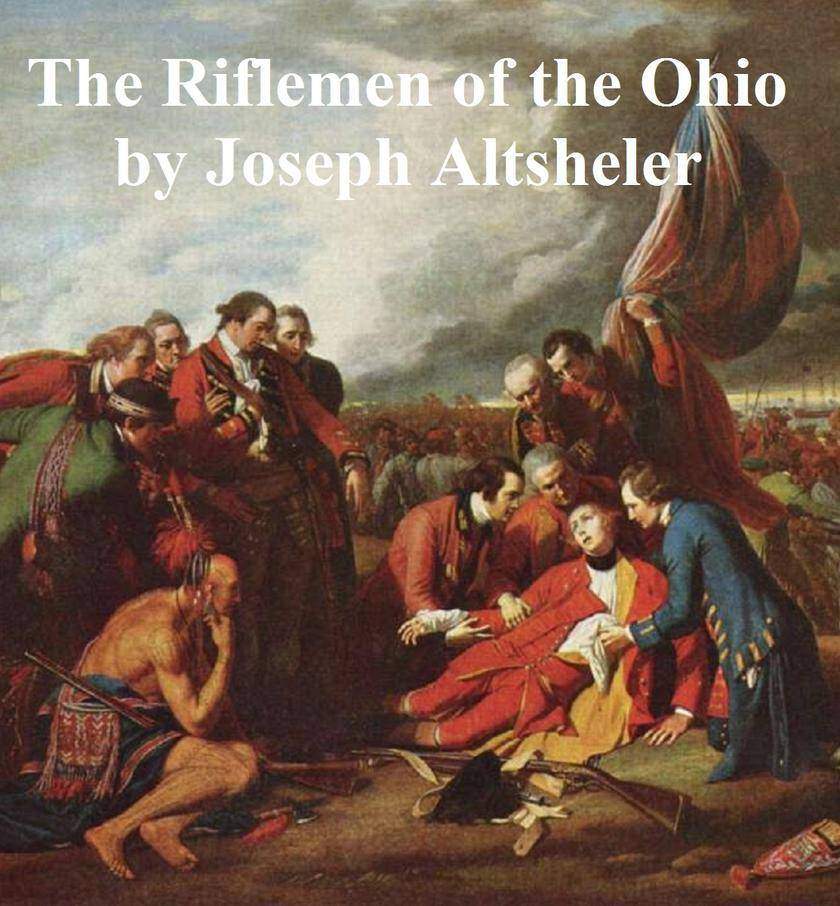
Riflemen of the Ohio
¥8.09
Historical novel, part of the Young Trailers series. According to the original publisher "Two boys, Henry Ware and Paul Cotter, and three scouts are the chief characters in these books dealing with frontier life and adventures with the Indians about the time of the Revolutionary War. Each story is complete in itself, full of excitement, and historically accurate." According to Wikpedia, "Joseph Alexander Altsheler (April 29, 1862 - June 5, 1919), was an American author of popular juvenile historical fiction."


