


 购物车
购物车 个人中心
个人中心

The Kingdom in History and Prophecy
¥8.09
According to Wikipedia: "Lewis Sperry Chafer (February 27, 1871 – August 22, 1952) was the founder and first president of Dallas Theological Seminary, and an influential founding member of modern Christian Dispensationalism.
Satan
¥8.09
According to Wikipedia: "Lewis Sperry Chafer (February 27, 1871 – August 22, 1952) was the founder and first president of Dallas Theological Seminary, and an influential founding member of modern Christian Dispensationalism.
The Forest Runners, A Story of the Great War Trail in Early Kentucky
¥8.09
Historical novel from the Young Trailers series. According to Wikipedia: "Joseph Alexander Altsheler (1862 - 1919), was an American author of popular juvenile historical fiction. Altsheler was born in Three Springs, Kentucky to Joseph and Louise Altsheler. In 1885, he took a job at the Louisville Courier-Journal as a reporter and later, an editor. He started working for the New York World in 1892, first as the paper's Hawaiian correspondent and then as the editor of the World's tri-weekly magazine. Due to a lack of suitable stories, he began writing children's stories for the magazine.
Free Rangers, A Story of the Early Days Along the Mississippi
¥8.09
Historical novel from the Young Trailers series. According to Wikipedia: "Joseph Alexander Altsheler (1862 - 1919), was an American author of popular juvenile historical fiction. Altsheler was born in Three Springs, Kentucky to Joseph and Louise Altsheler. In 1885, he took a job at the Louisville Courier-Journal as a reporter and later, an editor. He started working for the New York World in 1892, first as the paper's Hawaiian correspondent and then as the editor of the World's tri-weekly magazine. Due to a lack of suitable stories, he began writing children's stories for the magazine.
The Lion of the North, A Tale of the Times of Gustavus Adolphus
¥8.09
Historical novel set during the Thirty Years War. According to the Preface: "You are nowadays called upon to acquire so great a mass of learning and information in the period of life between the ages of twelve and eighteen that it is not surprising that but little time can be spared for the study of the history of foreign nations. Most lads are, therefore, lamentably ignorant of the leading events of even the most important epochs of Continental history, although, as many of these events have exercised a marked influence upon the existing state of affairs in Europe, a knowledge of them is far more useful, and, it may be said, far more interesting than that of the comparatively petty affairs of Athens, Sparta, Corinth, and Thebes." According to Wikipedia: "George Alfred Henty (8 December 1832 - 16 November 1902), referred to as G. A. Henty, was a prolific English novelist, special correspondent, and Imperialist born in Trumpington, Cambridgeshire, England. He is best known for his historical adventure stories that were popular in the late 19th century. His works include Out on the Pampas (1871), The Young Buglers (1880), With Clive in India (1884) and Wulf the Saxon (1895)."
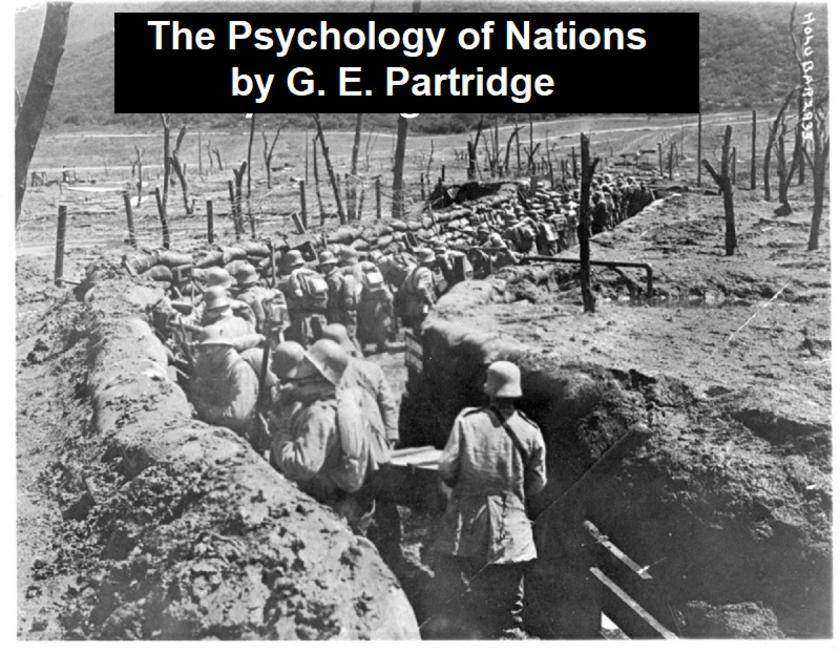
The Psychology of Nations
¥8.09
This "contribution to the philosophy of history" was first published soon after the First World War.
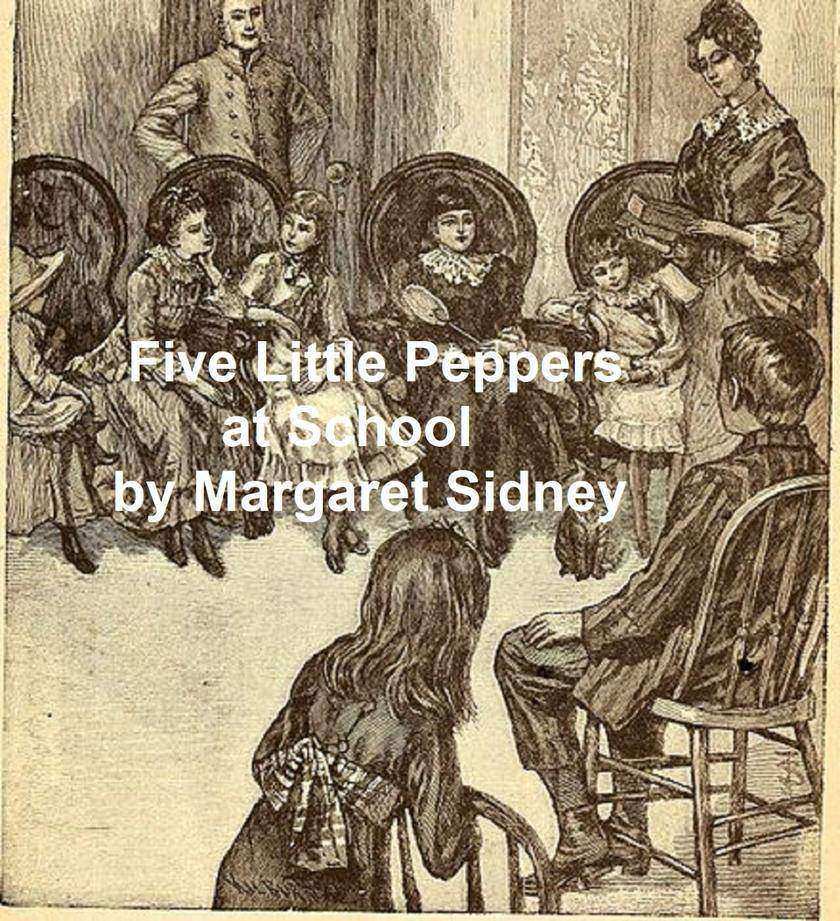
Five Little Peppers at School
¥8.09
Originally published in 1902, from the Five Little Peppers series. According to Wikipedia: "The Five Little Peppers book series was created by Margaret Sidney from 1881 to 1916. It covered the lives of five children with the surname Pepper. The series began with the Peppers in impoverished straits which they were eventually rescued from by a wealthy gentleman who took an interest in the family...Margaret Sidney was the pseudonym of Harriett Mulford Stone (June 22, 1844–August 2, 1924). She was an American author, born in New Haven, Connecticut. In 1878, at the age of 34, she began sending short stories to Wide Awake, a children's magazine in Boston. Two of her stories, "Polly Pepper's Chicken Pie" and "Phronsie Pepper's New Shoes", proved to be very popular with readers. Daniel Lothrop, the editor of the magazine, requested that Stone write more. The success of Harriett's short stories prompted her to write the now-famous Five Little Peppers series. This series was first published in 1881, the year that Stone married Daniel Lothrop. Daniel had founded the D. Lothrop Company of Boston, who published Harriett's books under her pseudonym, Margaret Sidney."
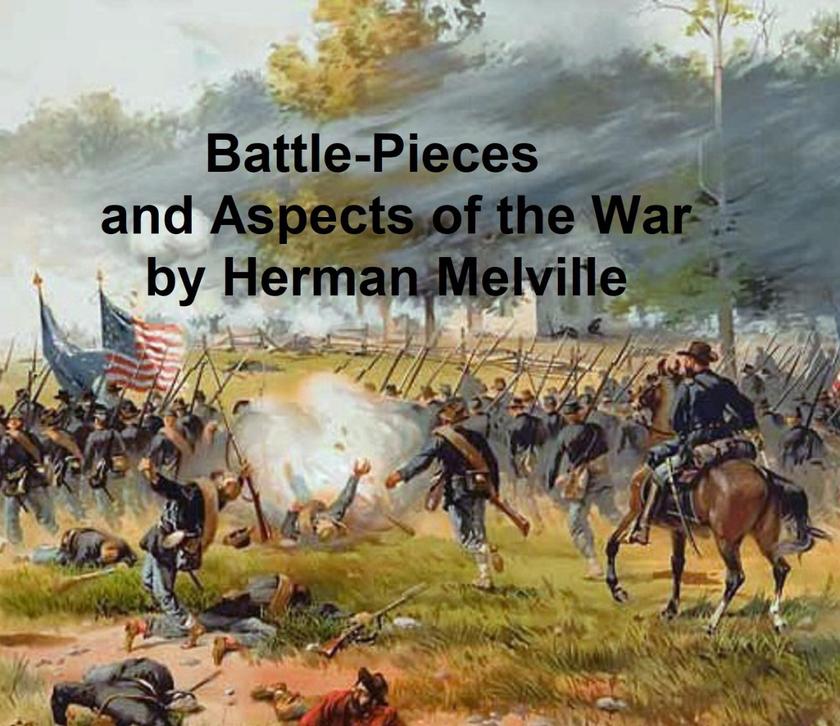
Battle-Pieces and Aspects of the War
¥8.09
Poems by the author of Moby Dick. He explains, "With few exceptions, the Pieces in this volume originated in an impulse imparted by the fall of Richmond. They were composed without reference to collective arrangement, but being brought together in review, naturally fall into the order assumed. The events and incidents of the conflict--making up a whole, in varied amplitude, corresponding with the geographical area covered by the war--from these but a few themes have been taken, such as for any cause chanced to imprint themselves upon the mind. The aspects which the strife as a memory assumes are as manifold as are the moods of involuntary meditation--moods variable, and at times widely at variance. Yielding instinctively, one after another, to feelings not inspired from any one source exclusively, and unmindful, without purposing to be, of consistency..."
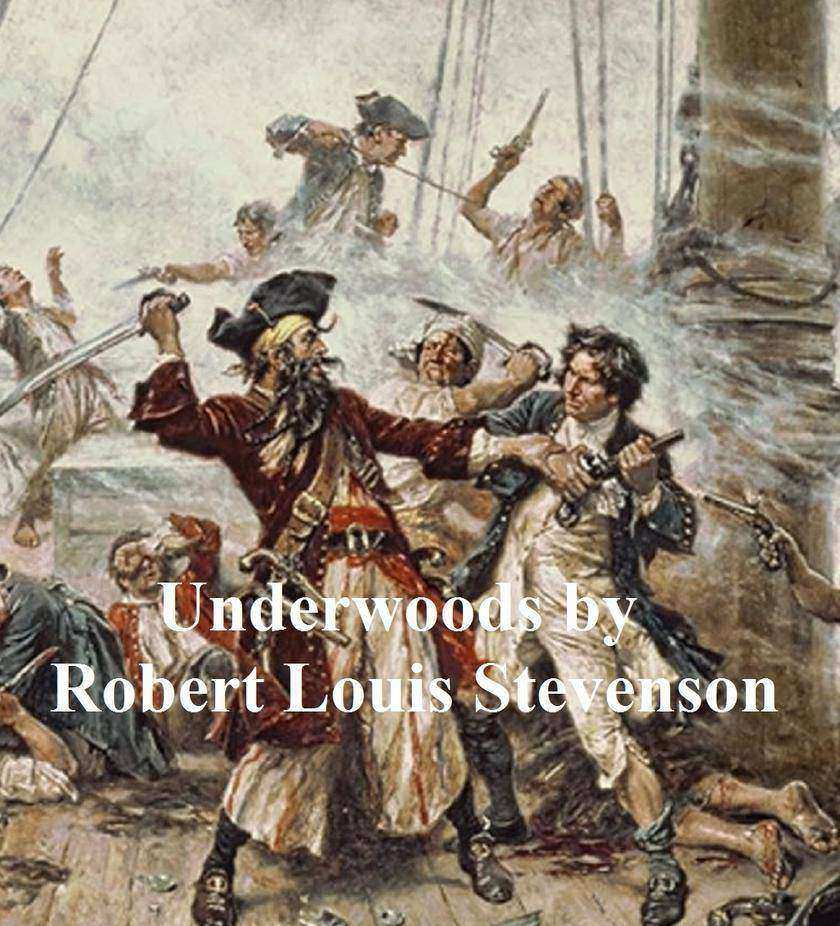
Underwoods
¥8.09
Poetry. According to Wikipedia: "Robert Louis (Balfour) Stevenson ( 1850 - 1894), was a Scottish novelist, poet, and travel writer, and a leading representative of Neo-romanticism in English literature. He was the man who "seemed to pick the right word up on the point of his pen, like a man playing spillikins", as G. K. Chesterton put it. He was also greatly admired by many authors, including Jorge Luis Borges, Ernest Hemingway, Rudyard Kipling, Vladimir Nabokov, and J. M. Barrie. Most modernist writers dismissed him, however, because he was popular and did not write within their definition of modernism. It is only recently that critics have begun to look beyond Stevenson's popularity and allow him a place in the canon."
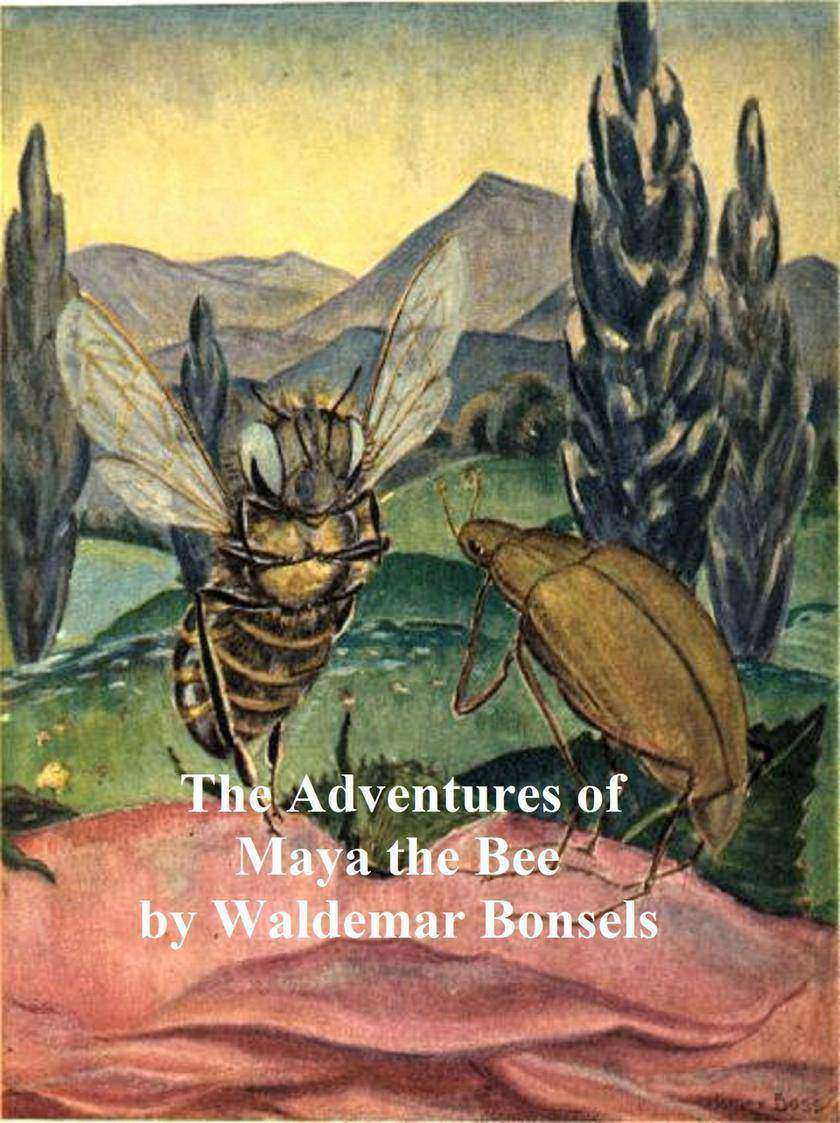
The Adventures of Maya the Bee (Illustrated)
¥8.09
Acccording to Wikipedia: "The Adventures of Maya the Bee is a German book ... written by Waldemar Bonsels and published in 1912. The book has been published in many other languages. The stories revolve around a little bee named Maya and her friends Willy the bee, Flip the grasshopper (referred to as "Maja", "Willi" and "Philip" respectively in some versions), Mrs. Cassandra (Maya's teacher), and many other insects and other creatures. The book depicts Maya's development from an adventurous youngster to a responsible adult member of bee society."
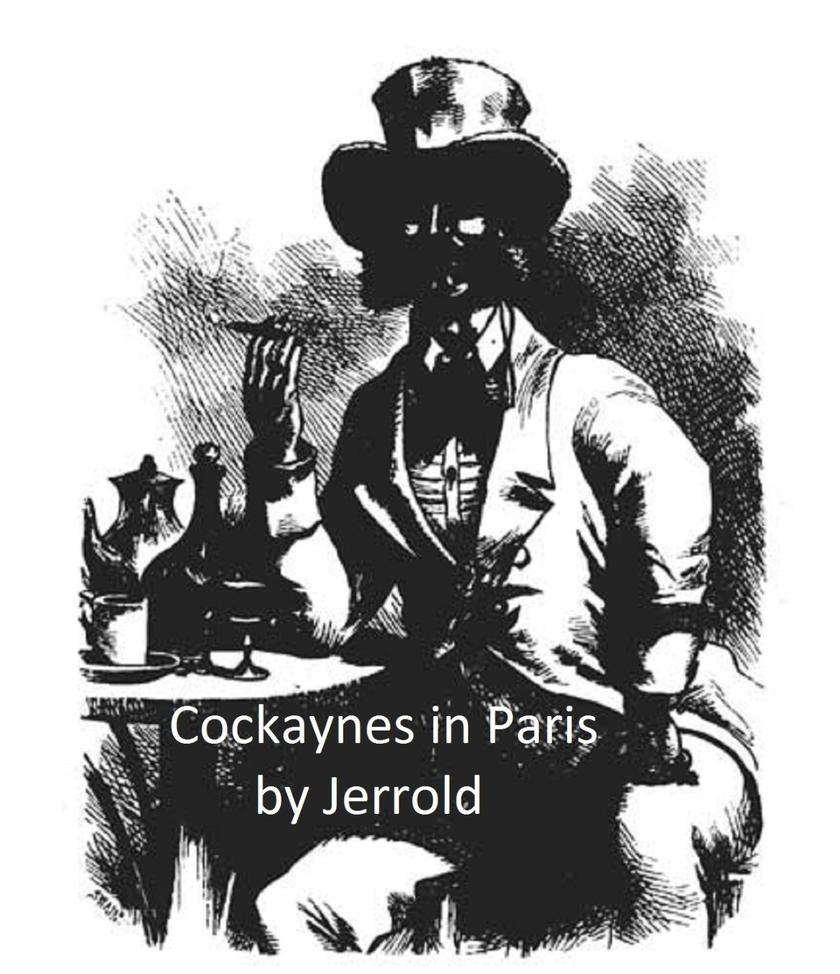
Cockaynes in Paris
¥8.09
Popular novel, first published in 1871. According to Wikipedia: "William Blanchard Jerrold (London 23 December 1826 – 10 March 1884), was an English journalist and author. He was born in London, the eldest son of the dramatist, Douglas William Jerrold. Due to his disagreements with the practices at the elite Mao ("Martin's Academy at Old Slaughter's") school, where he was educated for two and a half years, he quit school and began working on newspapers at an early age. He was appointed the Crystal Palace commissioner to Sweden in 1853, and wrote A Brage-Beaker with the Swedes (1854) on his return. In 1855 he was sent to the Paris exhibition as correspondent for several London papers, and from that time he lived much in Paris. In 1857 he succeeded his father as editor of Lloyd's Weekly Newspaper, a post which he held for twenty-six years... Paul Gustave Doré (January 6, 1832 – January 23, 1883) was a French artist, printmaker, illustrator and sculptor. Doré worked primarily with wood engraving."
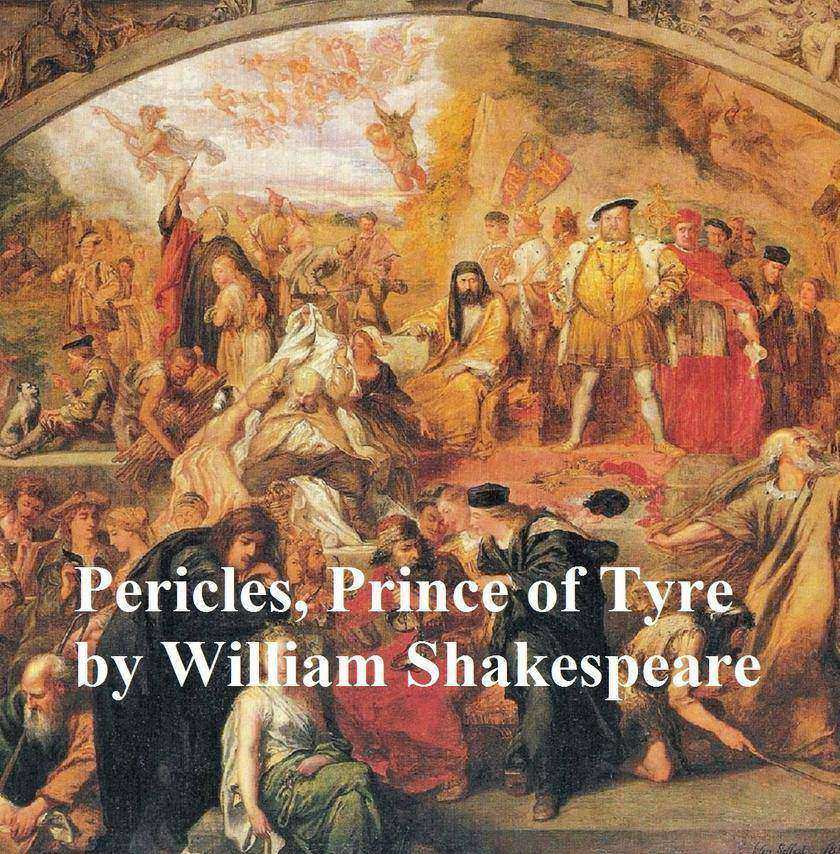
Pericles, Prince of Tyre, with line numbers
¥8.09
The classic Shakespeare play, with line numbers. According to Wikipedia: "Pericles, Prince of Tyre is a Jacobean play written at least in part by William Shakespeare and included in modern editions of his collected works despite questions over its authorship, as it was not included in the First Folio. Modern editors generally agree that Shakespeare is responsible for almost exactly half the play—827 lines—the main portion after scene 9 that follows the story of Pericles and Marina.[1][2][3][4] Modern textual studies indicate that the first two acts of 835 lines detailing the many voyages of Pericles were written by a mediocre collaborator, which strong evidence suggests to have been the victualler, pander, dramatist and pamphleteer George Wilkins.
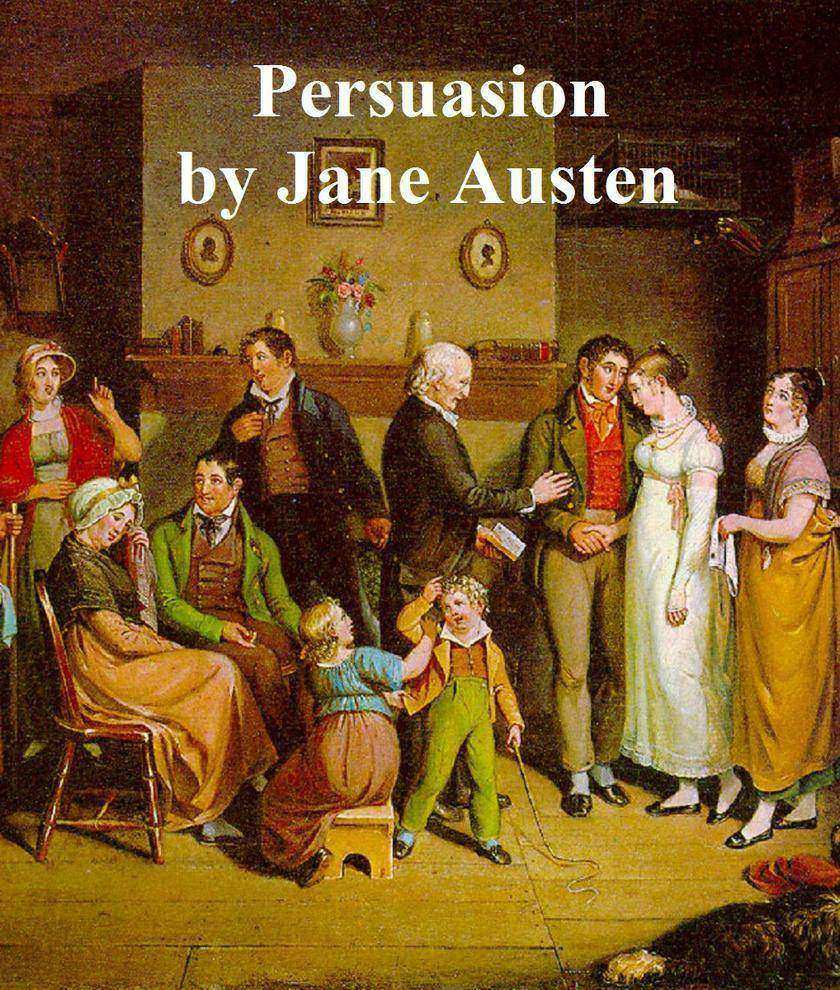
Persuasion
¥8.09
Posthumously published novel. According to Wikipedia: "Jane Austen (1775 – 1817) was an English novelist whose realism, biting social commentary and masterful use of free indirect speech, burlesque and irony have earned her a place as one of the most widely read and most beloved writers in English literature. Austen lived her entire life as part of a small and close-knit family located on the lower fringes of English gentry. She was educated primarily by her father and older brothers as well as through her own reading. The steadfast support of her family was critical to Austen's development as a professional writer. Austen's artistic apprenticeship lasted from her teenage years until she was about thirty-five years old. During this period, she experimented with various literary forms, including the epistolary novel which she tried and then abandoned, and wrote and extensively revised three major novels and began a fourth. From 1811 until 1815, with the release of Sense and Sensibility (1811), Pride and Prejudice (1813), Mansfield Park (1814) and Emma (1815), she achieved success as a published writer. She wrote two additional novels, Northanger Abbey and Persuasion, both published after her death in 1817, and began a third, which was eventually titled Sanditon, but died before completing it."

Saint George for England
¥8.09
Historical novel set in the 14th century, during the Hundred Years War between England and France. The Preface begins: "You may be told perhaps that there is no good to be obtained from tales of fighting and bloodshed, - that there is no moral to be drawn from such histories. Believe it not. War has its lessons as well as Peace. You will learn from tales like this that determination and enthusiasm can accomplish marvels, that true courage is generally accompanied by magnanimity and gentleness, and that if not in itself the very highest of virtues, it is the parent of almost all the others, since but few of them can be practised without it. The courage of our forefathers has created the greatest empire in the world around a small and in itself insignificant island; if this empire is ever lost, it will be by the cowardice of their descendants." According to Wikipedia: "George Alfred Henty (8 December 1832 - 16 November 1902), referred to as G. A. Henty, was a prolific English novelist, special correspondent, and Imperialist born in Trumpington, Cambridgeshire, England. He is best known for his historical adventure stories that were popular in the late 19th century. His works include Out on the Pampas (1871), The Young Buglers (1880), With Clive in India (1884) and Wulf the Saxon (1895)."
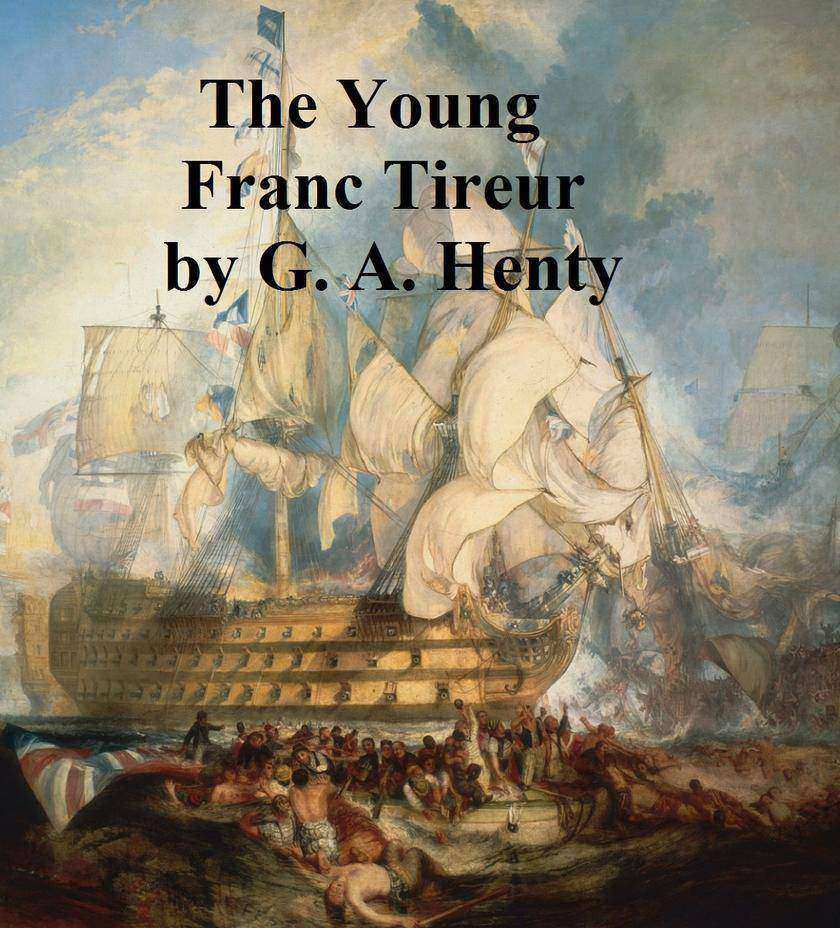
The Young Franc Tireurs
¥8.09
Historical novel set in the late 19th century, during the Franco-Prussian War. The Preface begins: "The present story was written and published a few months, only, after the termination of the Franco-German war. At that time the plan--which I have since carried out in The Young Buglers, Cornet of Horse, and In Times of Peril, and which I hope to continue, in further volumes--of giving, under the guise of historical tales, full and accurate accounts of all the leading events of great wars, had not occurred to me. My object was only to represent one phase of the struggle--the action of the bodies of volunteer troops known as franc tireurs." According to Wikipedia: "George Alfred Henty (8 December 1832 - 16 November 1902), referred to as G. A. Henty, was a prolific English novelist, special correspondent, and Imperialist born in Trumpington, Cambridgeshire, England. He is best known for his historical adventure stories that were popular in the late 19th century. His works include Out on the Pampas (1871), The Young Buglers (1880), With Clive in India (1884) and Wulf the Saxon (1895)."

The Heart of Mid-Lothian
¥8.09
Historical novel, first published in 1818. Set in Edinburgh, Richmond, and London in 1736. According to Wikipedia: "Sir Walter Scott, 1st Baronet (1771 – 1832) was a prolific Scottish historical novelist and poet popular throughout Europe during his time. In some ways Scott was the first English-language author to have a truly international career in his lifetime, with many contemporary readers all over Europe, Australia, and North America. His novels and poetry are still read, and many of his works remain classics of both English-language literature and of Scottish literature. Famous titles include Ivanhoe, Rob Roy, The Lady of The Lake, Waverley, The Heart of Midlothian and The Bride of Lammermoor."
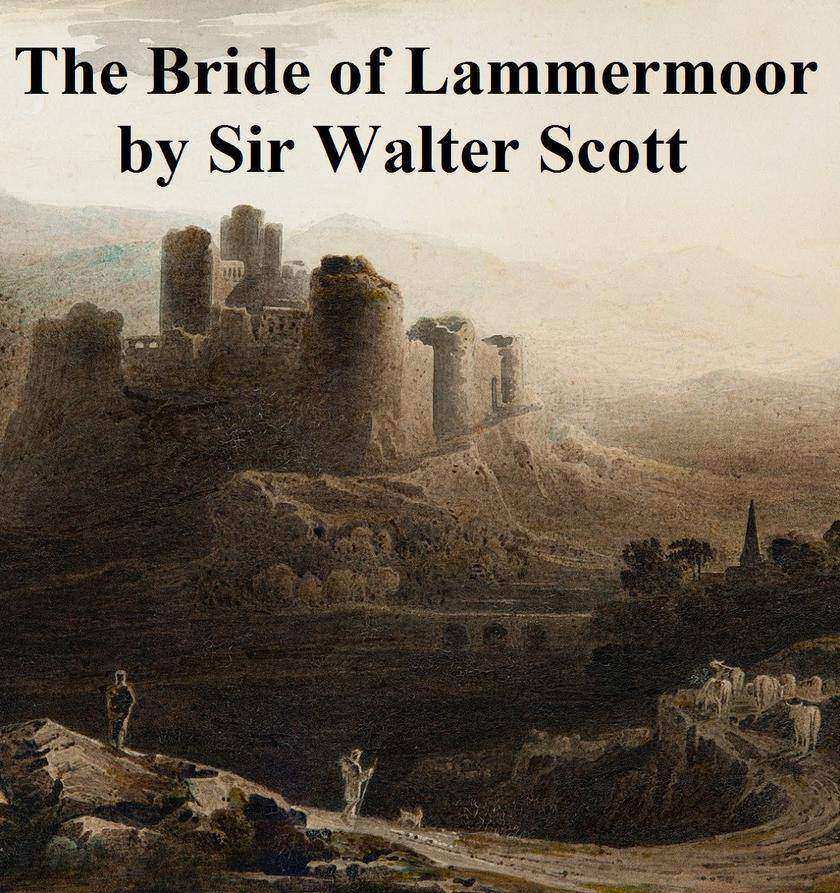
The Bride of Lammermoor
¥8.09
Historical novel, first published in 1819. Set in East Lothian, in 1709-1711. According to Wikipedia: "Sir Walter Scott, 1st Baronet (1771 – 1832) was a prolific Scottish historical novelist and poet popular throughout Europe during his time. In some ways Scott was the first English-language author to have a truly international career in his lifetime, with many contemporary readers all over Europe, Australia, and North America. His novels and poetry are still read, and many of his works remain classics of both English-language literature and of Scottish literature. Famous titles include Ivanhoe, Rob Roy, The Lady of The Lake, Waverley, The Heart of Midlothian and The Bride of Lammermoor."
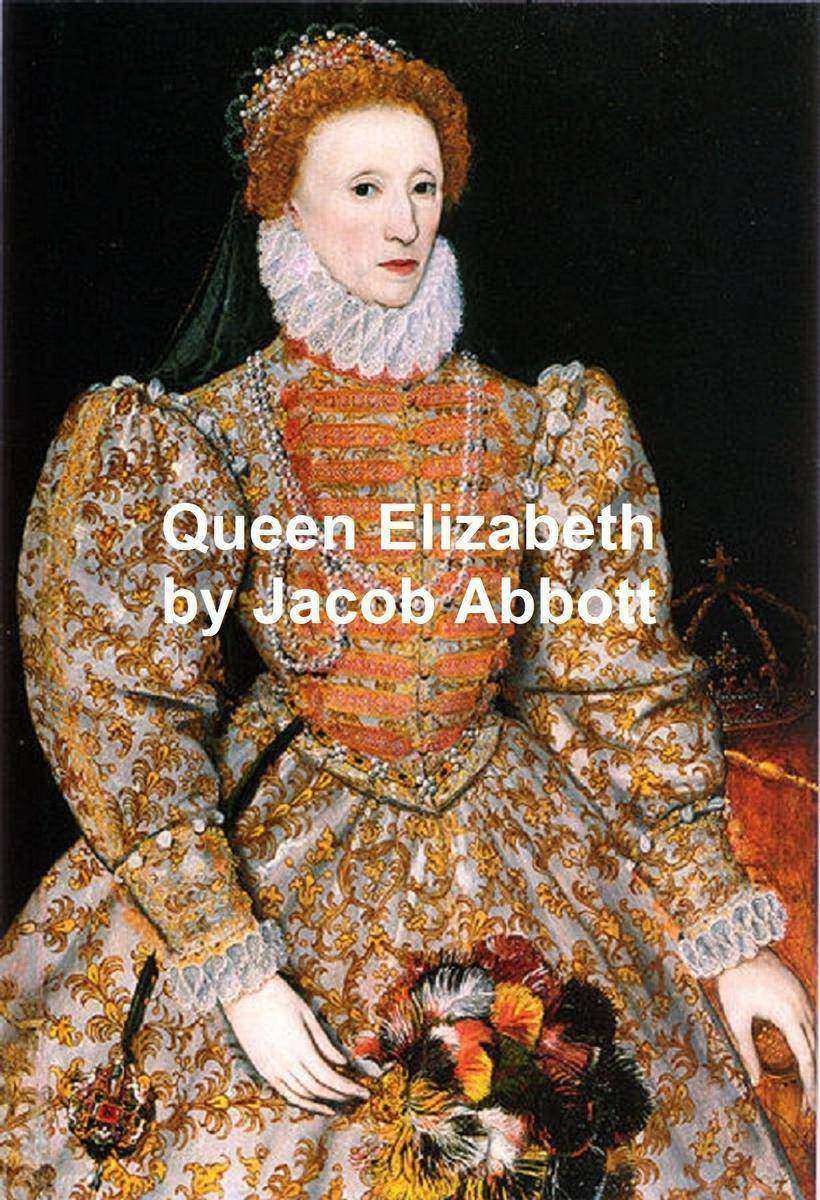
Queen Elizabeth
¥8.09
According to Wikipedia: "Elizabeth I (7 September 1533 – 24 March 1603) was Queen regnant of England and Queen regnant of Ireland from 17 November 1558 until her death. Sometimes called The Virgin Queen, Gloriana, or Good Queen Bess, Elizabeth was the fifth and last monarch of the Tudor dynasty. The daughter of Henry VIII, she was born a princess, but her mother, Anne Boleyn, was executed two and a half years after her birth, and Elizabeth was declared illegitimate. Her brother, Edward VI, bequeathed the crown to Lady Jane Grey, cutting his sisters out of the succession. His will was set aside, Lady Jane Grey was executed, and in 1558 Elizabeth succeeded the Catholic Mary I, during whose reign she had been imprisoned for nearly a year on suspicion of supporting Protestant rebels... Elizabeth's reign is known as the Elizabethan era, famous above all for the flourishing of English drama, led by playwrights such as William Shakespeare and Christopher Marlowe, and for the seafaring prowess of English adventurers such as Sir Francis Drake. Some historians are more reserved in their assessment. They depict Elizabeth as a short-tempered,[4] sometimes indecisive ruler,[5] who enjoyed more than her share of luck. Towards the end of her reign, a series of economic and military problems weakened her popularity to the point where many of her subjects were relieved at her death. Elizabeth is acknowledged as a charismatic performer and a dogged survivor, in an age when government was ramshackle and limited and when monarchs in neighbouring countries faced internal problems that jeopardised their thrones. Such was the case with Elizabeth's rival, Mary, Queen of Scots, whom she imprisoned in 1568 and eventually had executed in 1587. After the short reigns of Elizabeth's brother and sister, her 44 years on the throne provided welcome stability for the kingdom and helped forge a sense of national identity."

Redgauntlet
¥8.09
Historical novel, first published in 1824. Set in Southern Scotland and Cumberland, England, in 1766. According to Wikipedia: "Sir Walter Scott, 1st Baronet (1771 – 1832) was a prolific Scottish historical novelist and poet popular throughout Europe during his time. In some ways Scott was the first English-language author to have a truly international career in his lifetime, with many contemporary readers all over Europe, Australia, and North America. His novels and poetry are still read, and many of his works remain classics of both English-language literature and of Scottish literature. Famous titles include Ivanhoe, Rob Roy, The Lady of The Lake, Waverley, The Heart of Midlothian and The Bride of Lammermoor."
Arsene Lupin
¥8.09
According to Wikipedia: "Maurice Marie ?mile Leblanc (11 November 1864 – 6 November 1941) was a French novelist and writer of short stories, known primarily as the creator of the fictional gentleman thief and detective Arsène Lupin, often described as a French counterpart to Arthur Conan Doyle's creation Sherlock Holmes.
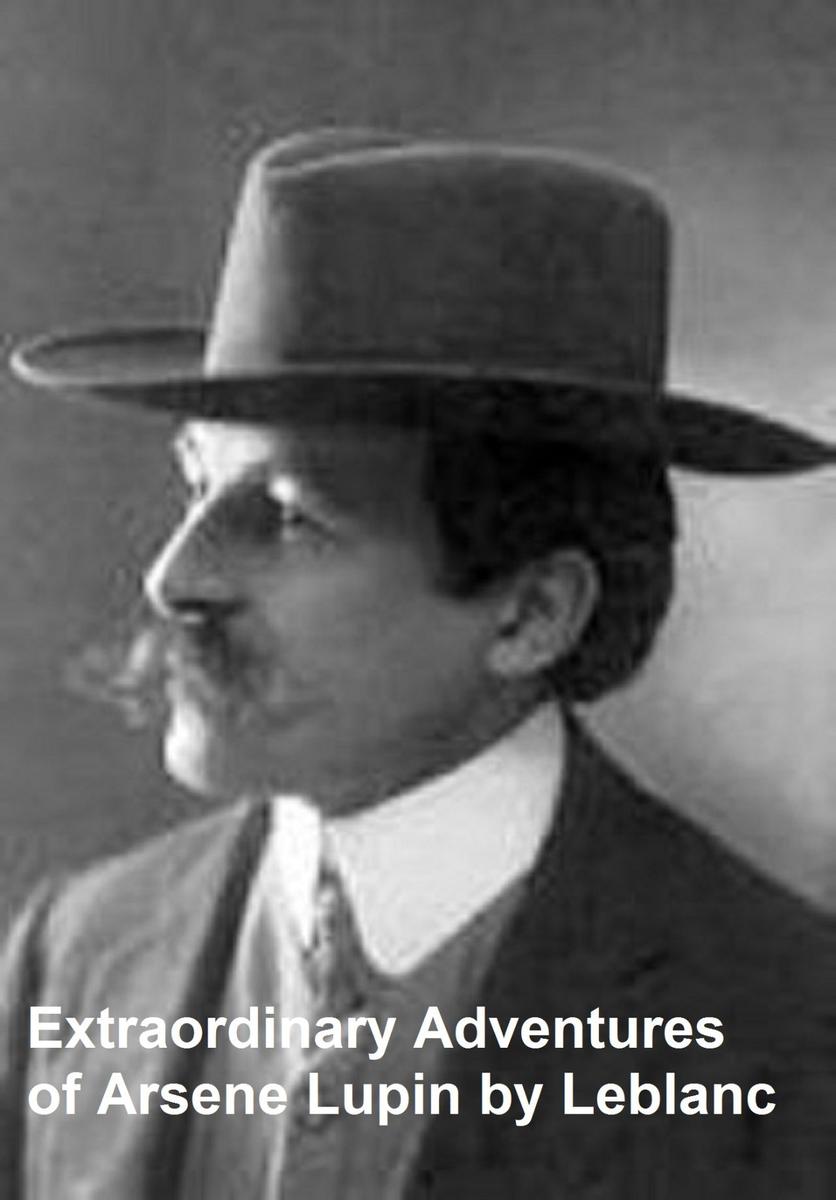
The Extraordinary Adventures of Arsene Lupin
¥8.09
According to Wikipedia: "Maurice Marie ?mile Leblanc (11 November 1864 – 6 November 1941) was a French novelist and writer of short stories, known primarily as the creator of the fictional gentleman thief and detective Arsène Lupin, often described as a French counterpart to Arthur Conan Doyle's creation Sherlock Holmes.


