


 购物车
购物车 个人中心
个人中心
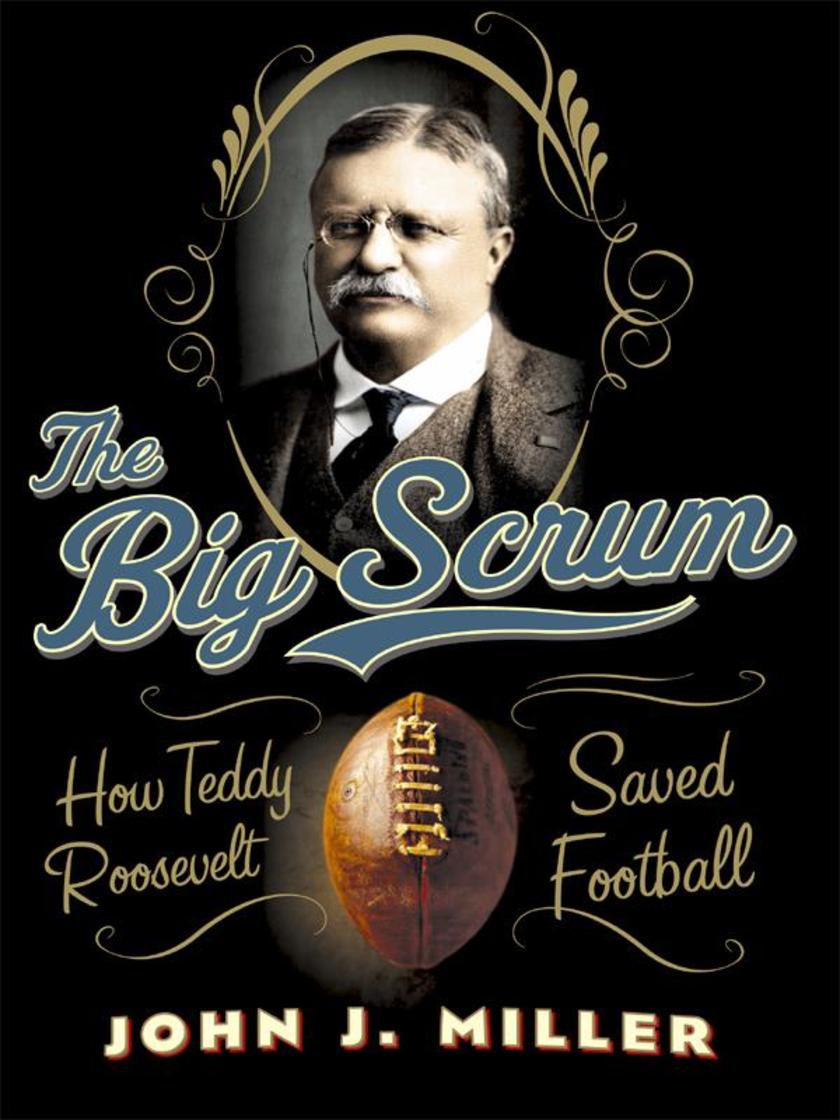
The Big Scrum
¥88.56
The intriguing, never-before-fully-told story of how Theodore Roosevelt helped tosave the game that would become America's most popular sport.In its infancy during the late nineteenth century,the game of football was still a work in progress thatonly remotely resembled the sport millions followtoday. There was no common agreement about many ofthe game's basic rules, and it was incredibly violent andextremely dangerous. An American version of rugby, thisnew game grew popular even as the number of casualtiesrose. Numerous young men were badly injured and dozensdied playing football in highly publicized incidents, oftenat America's top prep schools and colleges.Objecting to the sport's brutality, a movement ofproto-Progressives led by Harvard University presidentCharles W. Eliot tried to abolish the game. PresidentTheodore Roosevelt, a vocal advocate of the strenuouslife and a proponent of risk, acknowledged football's dangers but admired its potential for building character. A longtime fan of the game who purposely recruited menwith college football experience for his Rough Riders,Roosevelt fought to preserve the game's manly essence,even as he understood the need for reform.In 1905, he summoned the coaches of Harvard, Yale,and Princeton to the White House and urged them to act.The result was the establishment of the National CollegiateAthletic Association, as well as a series of rule changes including the advent of the forward pass that ultimatelysaved football and transformed it into the quintessentialAmerican game. The Big Scrum reveals for the first timethe fascinating details of this little-known story of sportshistory.
War Room
¥95.39
Football games aren’t won on Sundays in the fall. They’re won on draft day in the spring—in the war room. In this landmark book, New York Times bestselling author Michael Holley takes readers behind the scenes of three contending National Football League teams and into the brilliant minds of Bill Belichick and his two former protégés Thomas Dimitroff and Scott Pioli. Holley masterfully shows how a single idea conceived by Belichick in 1991—how to build the perfect team—triggered a journey filled with miraculous finishes, heartbreaking losses, broken relationships, and Super Bowl championships. Readers are given unprecedented access—from the draft room to the locker room to the sidelines—and insights into why Belichick is considered to be the NFL’s best coach and premier strategist. Before he achieved success, though, Belichick was barely surviving as a coach. War Room opens in Cleveland, where Belichick, a young head coach, worked in an office with two employees in their late twenties: Pioli, a low-paid scouting assistant, and Dimitroff, a groundskeeper and part-time scout. After Belichick was fired by the Browns in 1996, the three men were in separate cities and seemingly a lifetime away from being recognized as leaders and champions. But soon they were reunited in New England, where they refined and burnished Belichick’s method for constructing a winning team, overseeing one of the greatest franchises in modern NFL history. These three master strategists are now competitors. Belichick continues at the helm of the New England Patriots, while Pioli is now in charge of the Kansas City Chiefs and Dimitroff is running the Atlanta Falcons. And even though they no longer work for the same franchise, they do have a common goal: building the perfect team, one draft pick and one trade at a time. War Room is their unique and often astonishing story. It is packed with never-been-told anecdotes and new observations from team officials, players, coaches, and scouts, all leading to surprising and groundbreaking insights into the art of building a champion.
The Big Disconnect
¥95.39
Have iPads replaced conversation at the dinner tableWhat do infants observe when their parents are on their smartphonesShould you be your child's Facebook friendAs the focus of family has turned to the glow of the screen children constantly texting their friends, parents working online around the clock everyday life is undergoing a massive transformation. Easy availability to the Internet and social media has erased the boundaries that protect children from the unsavory aspects of adult life. Parents often feel they are losing a meaningful connection with their children. Children are feeling lonely and alienated. The digital world is here to stay, but what are families losing with technology's gain?As renowned clinical psychologist Catherine Steiner-Adair explains, families are in crisis around this issue, and even more so than they realize. Not only do chronic tech distractions have deep and lasting effects, but children desperately need parents to provide what tech cannot: close, significant interactions with the adults in their lives. Drawing on real-life stories from her clinical work with children and parents, and her consulting work with educators and experts across the country, Steiner-Adair offers insights and advice that can help parents achieve greater under-standing, authority, and confidence as they come up against the tech revolution unfolding in their living rooms.We all know that deep connection with the people we love means everything to us. It's time to look with fresh eyes and an open mind at the disconnection we are experiencing from our extreme device dependence. It's never too late to put down the iPad and come to the dinner table.
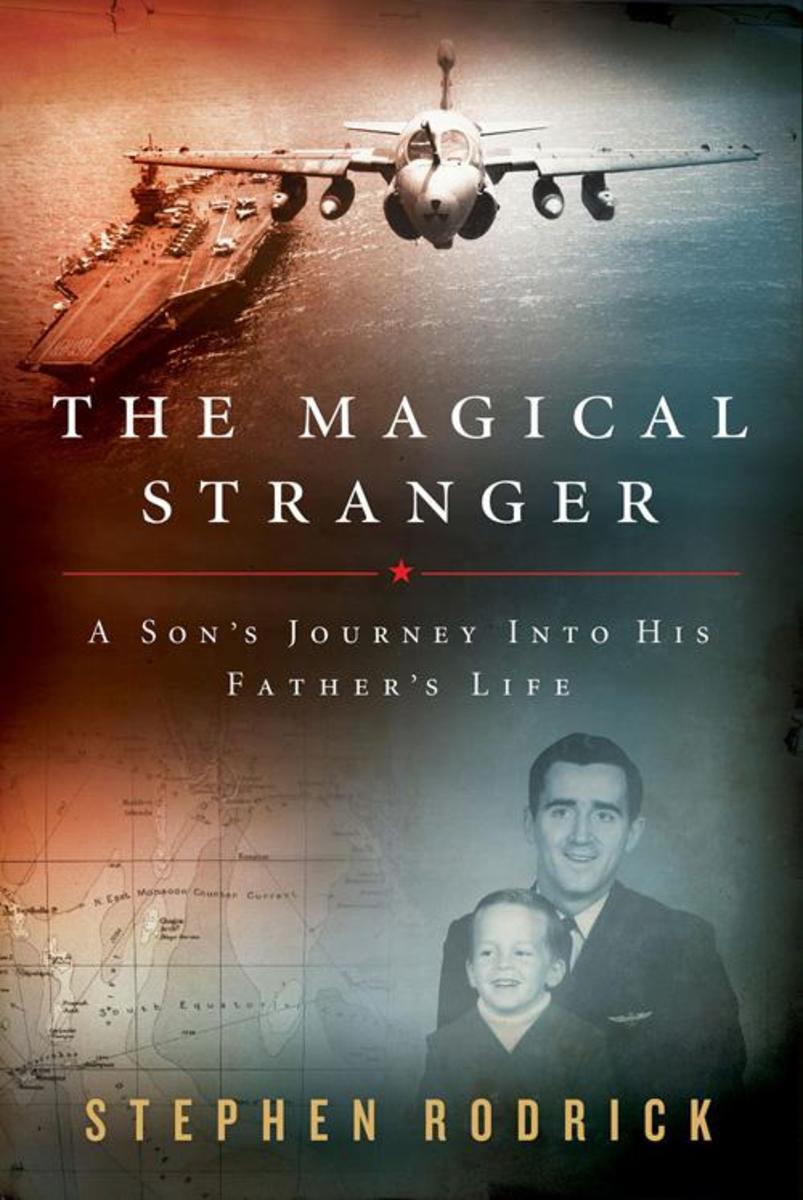
The Magical Stranger
¥90.73
On November 28, 1979, squadron commander and Navy pilot Peter Rodrick died when his plane crashed in the Indian Ocean. He was just thirty-six and had been the commanding officer of his squadron for 127 days. Eight thousand miles away on Whidbey Island, near Seattle, he left behind a grief-stricken wife, two daughters, and a thirteenyear-old son who would grow up to be a writer one who was drawn, perhaps inevitably, to write about his father, his family, and the devastating consequences of military service.In The Magical Stranger, Stephen Rodrick explores the life and death of the man who indelibly shaped his life, even as he remained a mystery: brilliant but unknowable, sacred but absent an apparition gone 200 days of the year for much of his young son's life a born leader who gave his son little direction. Through adolescence and into adulthood, Rodrick struggled to grasp fully the reality of his father's death and its permanence. Peter's picture and memory haunted the family home, but his name was rarely mentioned.To better understand his father and his own experience growing up without him, Rodrick turned to today's members of his father's former squadron, spending nearly two years with VAQ-135, the World-Famous Black Ravens.His travels take him around the world, from Okinawa and Hawaii to Bahrain and the Persian Gulf but always back to Whidbey Island, the setting of his family's own story. As he learns more about his father, he also uncovers the layers of these sailors' lives: their brides and girlfriends, friendships, dreams, disappointments and the consequences of their choices on those they leave behind.A penetrating, thoughtful blend of memoir and reportage, The Magical Stranger is a moving reflection on the meaning of service and the power of a father's legacy.
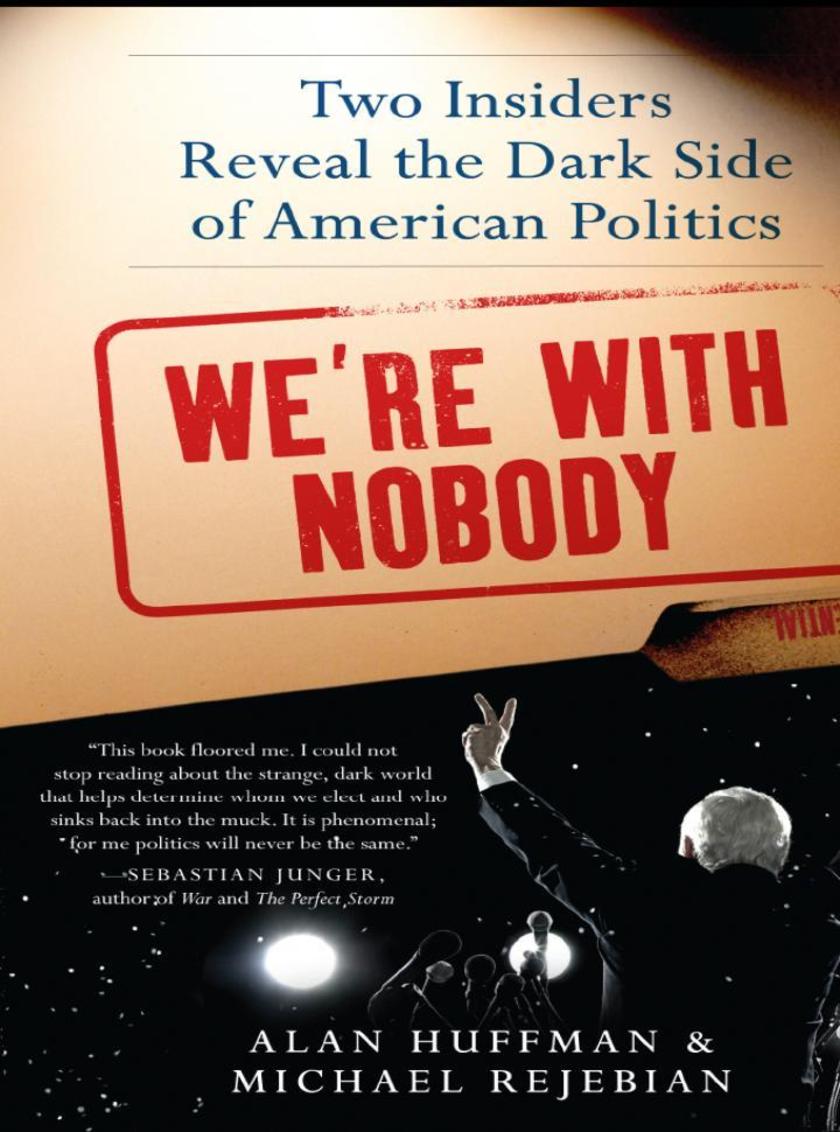
We're with Nobody
¥90.77
In politics, finding the dirt is a multimillion-dollar business.It’s called opposition research oppo” to insiders. Few Americans are aware of its existence, yet oppo has become an integral part of the campaign process, hastening the implosion of countless office-seekers around the country.For nearly two decades, former journalists Alan Huffman and Michael Rejebian have been uncovering the buried truths about political candidates, from presidential appointees all the way down to local school-board hopefuls. We’re with Nobody is the eye-opening account of their life as opposition researchers a remarkable adventure across the American political landscape and through the often seamy underbelly of U.S. politics. From doing battle with reluctant, sometimes purposefully misleading bureaucrats to arriving in an unmarked police car for a clandestine meeting on the New Jersey waterfront, We’re with Nobody offers readers a revealing slice of national and political life: a close-up look at today’s political process, the fallible men and women we often choose to represent us and the little-understood industry of trying to bring candidates’ weaknesses to light.
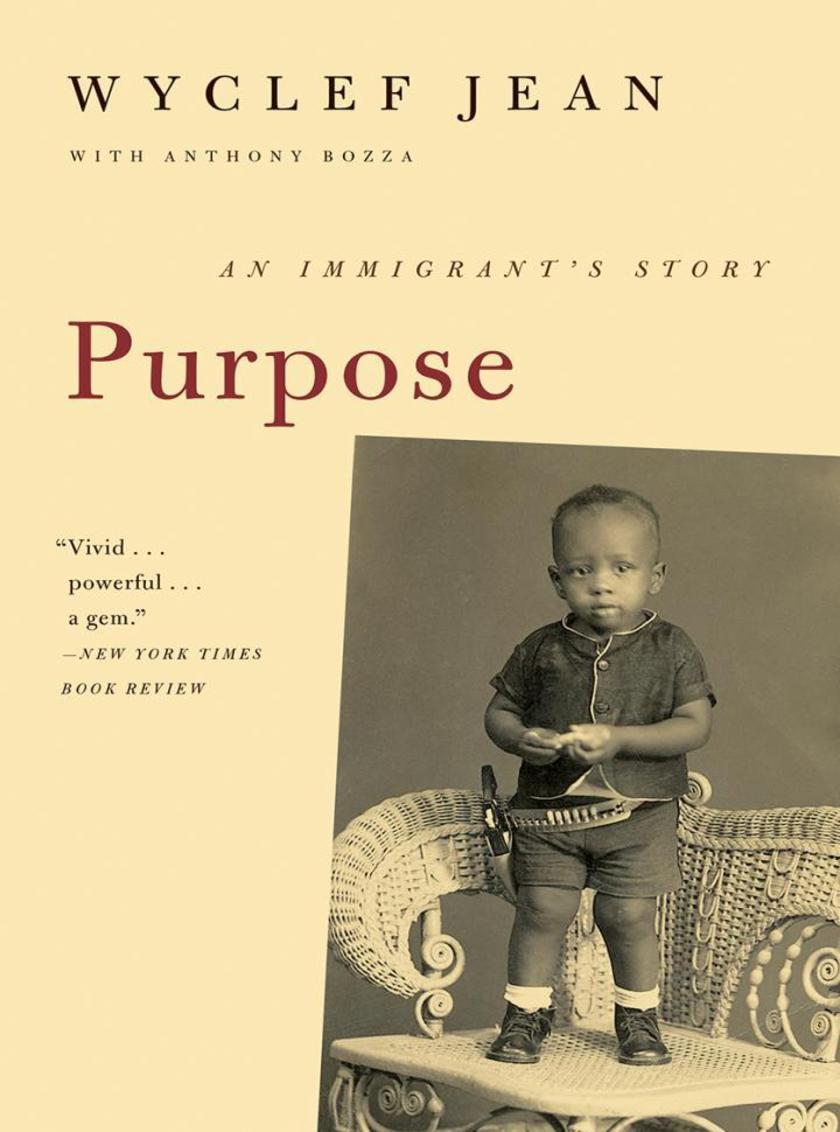
Purpose
¥90.77
Wyclef Jean is one of the most influential voices in hip-hop. He rocketed to fame in the 1990s with the Fugees, whose multiplatinum album, The Score, would prove a landmark in music history, winning two Grammys and going on to become one of the bestselling hip-hop albums of all time. In Purpose, Wyclef recounts his path to fame from his impoverished childhood in "Baby Doc" Duvalier's Haiti and the mean streets of Brooklyn and Newark to the bright lights of the world stage.The son of a pastor and grandson of a Vodou priest, Wyclef was born and raised in the slums of Haiti, moving with his family to New York when he was nine. He lived in Brooklyn's notorious Marlboro projects until his father, Gesner Jean, took them to Newark, where he converted a burnt-out funeral home into a house for his family and a church for his congregation. But life in New Jersey was no easier for Wyclef, who found it hard to shake his refugee status. Forced to act as a literal and cultural translator for his parents while still trying to master English himself, Wyclef soon learned that fitting in would be a constant struggle. He made his way by competing in "freestyle" rap battles, eventually becoming the best MC in his school. At the same time, Wyclef was singing in his father's choir and learning multiple instruments while also avidly exploring funk, rock, reggae, and jazz an experience that would forever shape his sound. When Wyclef chose to pursue a career in music over attending theological school, Gesner, who hated rap, nearly disowned him, creating a gulf between father and son that would take nearly a decade to bridge.Within a few short years, Wyclef would catapult to international renown with the Fugees. In Purpose he details for the first time ever the inside story of the group: their rise and fall, and his relationships with Pras and Lauryn Hill.Wyclef also looks back with candor at the catastrophic earthquake that struck Haiti in 2010 and his efforts to help rebuild his homeland, including the controversy surrounding Yle, his aid organization, and his exploratory bid for president of the island nation. The story revealed in Purpose is one of inspiration, full of drama and humor, told in compelling detail, about the incredible life of one of our most revered musical icons.
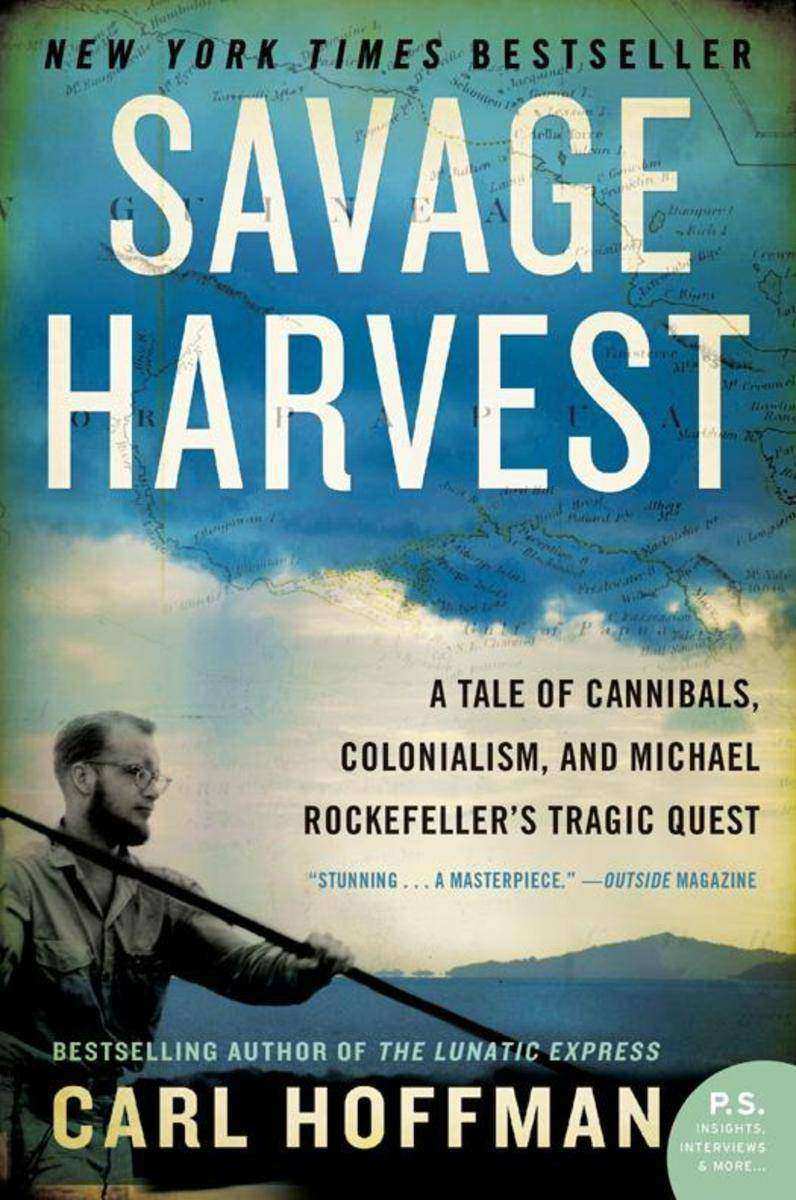
Savage Harvest
¥88.56
The mysterious disappearance of Michael Rockefeller in remote New Guinea in 1961 has kept the world, and even Michael's powerful, influential family, guessing for years. Now, Carl Hoffman uncovers startling new evidence that finally tells the full, astonishing story. On November 21, 1961, Michael C. Rockefeller, the twenty-three-year-old son of New York governor Nelson Rockefeller, vanished off the coast of southwest New Guinea when his catamaran capsized while crossing a turbulent river mouth. He was on an expedition to collect art for the Museum of Primitive Art, which his father had founded in 1957, and his expedition partner who stayed with the boat and was later rescued shared Michael's final words as he swam for help: "I think I can make it."Despite exhaustive searches by air, ground, and sea, no trace of Michael was ever found. Soon after his disappearance, rumors surfaced that he'd made it to shore, where he was then killed and eaten by the local Asmat a native tribe of warriors whose complex culture was built around sacred, reciprocal violence, headhunting, and ritual cannibalism. The Dutch government and the Rockefeller family vehemently denied the story, and Michael's death was officially ruled a drowning. While the cause of death was accepted publicly, doubts lingered and sensational stories circulated, fueling speculation and intrigue for decades. The real story has long waited to be told until now. Retracing Michael's steps, award-winning journalist Carl Hoffman traveled to the jungles of New Guinea, immersing himself in a world of former headhunters and cannibals, secret spirits and customs, and getting to know generations of Asmat. Through exhaustive archival research, he uncovered hundreds of pages of never-before-seen original documents and located witnesses willing to speak publicly for the first time in fifty years. In Savage Harvest Hoffman finally solves this decades-old mystery and illuminates a culture transformed by years of colonial rule, whose people continue to be shaped by ancient customs and lore. Combining history, art, colonialism, adventure, and ethnography, Savage Harvest is at once a mesmerizing whodunit and a fascinating portrait of the clash between two civilizations that resulted in the death of one of America's richest and most powerful scions.

Teach Your Children Well
¥94.10
Psychologist Madeline Levine brings together cutting-edge research and thirty years of clinical experience to explode once and for all the myth that good grades, high test scores, and college acceptances should define the parenting endgame.Parents, educators, and the media wring their hands about the plight of America's children and teens soaring rates of emotional problems, limited coping skills, disengagement from learning and yet there are ways to reverse these disheartening trends. Teach Your Children Well acknowledges that every parent wants successful children. However, until we are clearer about our core values and the parenting choices that are most likely to lead to authentic, and not superficial, success, we will continue to raise exhausted, externally driven, impaired children who believe they are only as good as their last performance. Real success is always an inside job, argues Levine, and is measured not by today's report card but by the people our children become fifteen or twenty years down the line.Refusing to be diverted by manufactured controversies such as "tiger moms versus coddling moms," Levine confronts the real issues behind the way we push some of our kids to the breaking point while dismissing the talents and interests of many others. She shows us how to shift our focus from the excesses of hyperparenting and the unhealthy reliance on our children for status and meaning to a parenting style that concentrates on both enabling academic success as well as developing a sense of purpose, well-being, connection, and meaning in our children's lives.Teach Your Children Well is a call to action. And while it takes courage to make the changes we believe in, the time has come, says Levine, to return our overwrought families to a healthier and saner version of themselves.
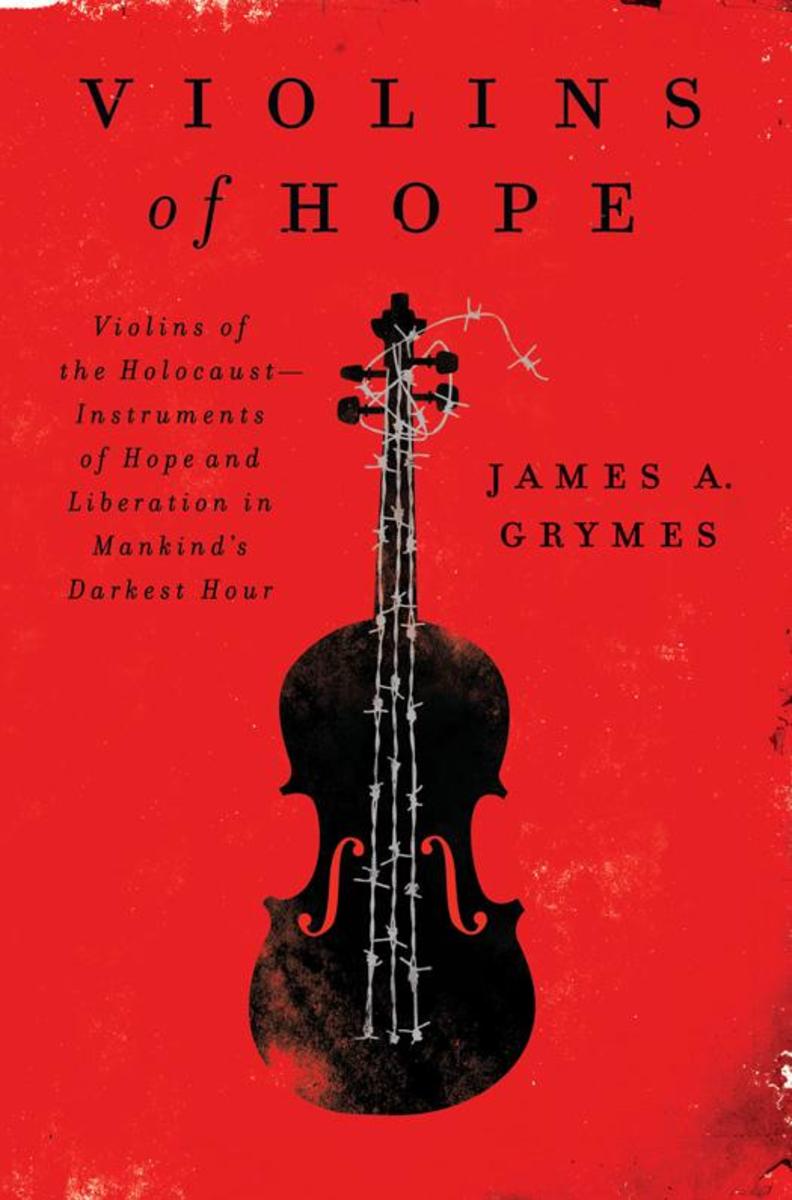
Violins of Hope
¥94.10
A stirring testament to the strength of the human spirit and the power of music, Violins of Hope tells the remarkable stories of violins played by Jewish musicians during the Holocaust and of the Israeli violinmaker dedicated to bringing these inspirational instruments back to life.The violin has formed an important aspect of Jewish culture for centuries, both as a popular instrument with Jewish classical musicians and as a central part of social life, as in the Klezmer tradition. But during the Holocaust, the violin assumed extraordinary roles within the Jewish community. For some musicians, the instrument was a liberator; for others, it was a savior that spared their lives. For many, the violin provided comfort in mankind's darkest hour, and, in at least one case, a violin helped avenge murdered family members. Above all, the violins of the Holocaust represented strength and optimism for the future.Today, these instruments serve as powerful reminders of an unimaginable experience they are memorials to those who perished and testaments to those who survived. In this spirit, renowned Israeli violinmaker Amnon Weinstein has devoted the past twenty years to restoring the violins of the Holocaust as a tribute to those who were lost, including four hundred of his own relatives. Behind each of these violins is a uniquely fascinating and inspiring story. Juxtaposing these narratives against one man's harrowing struggle to reconcile his own family's history and the history of his people, this insightful, moving, and achingly human book presents a new way of understanding the Holocaust.
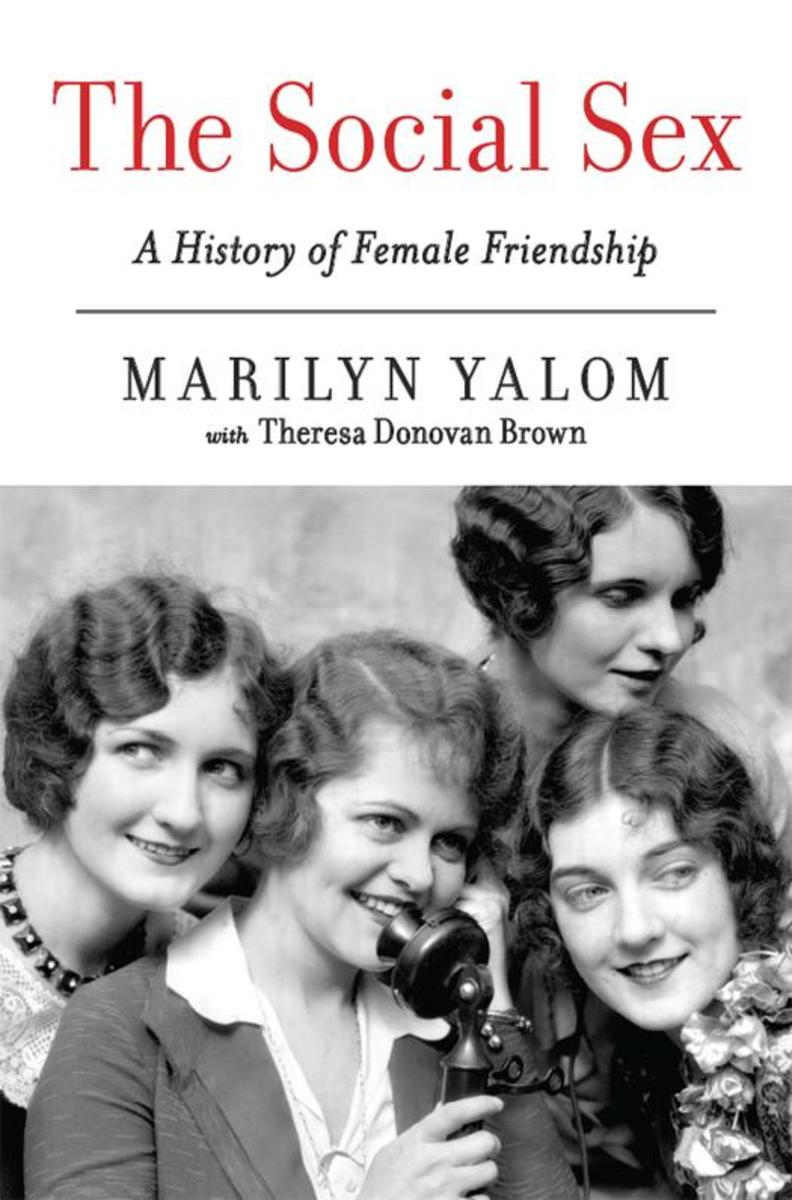
The Social Sex
¥90.51
In today's culture, the bonds of female friendship are taken as a given. But only a few centuries ago, the idea of female friendship was completely unacknowledged, even pooh-poohed. Dating back to the Greeks and the Romans, women were long considered weaker than men and constitutionally unsuited for friendship at the highest level. Only men, the reasoning went, had the emotional and intellectual depth to develop and sustain these meaningful relationships.Surveying history, literature, philosophy, religion, and pop culture, acclaimed author Marilyn Yalom and coauthor Theresa Donovan Brown demonstrate how women were able to co-opt the public face of friendship throughout the years. Chronicling shifting attitudes toward friendship both female and male from the Bible and the Romans to the Enlightenment, to the women's rights movements of the 1960s up to Sex and the City and Broad City, they reveal how the concept of female friendship has been inextricably linked to the larger social and cultural movements that have defined human history.With Yalom and Brown as our guides, we delve into the fascinating historical episodes and trends that illuminate the story of friendship between women: the literary salon as the original book club, the emergence of female professions and the working girl, the phenomenon of gossip, the advent of women's sports, and more.Lively, informative, and richly detailed, The Social Sex is a revelatory cultural history.
Secrets of Breaking into the Film and TV Business
¥90.77
A highly successful, award-winning independent producer shares his funny, practical, and innovative approach to breaking into film or television, whether you want to direct, act, write, or produceIt doesn't take film school or expensive, high-tech equipment to make a brilliant and marketable movie today, says successful maverick producer Dean Silvers. For aspiring filmmakers, it's easier than ever to produce and sell their work. Secrets of Breaking into the Film and TV Business is packed with concrete, proven advice to help you follow in the footsteps of today's cinematic giants, many of whom broke out with runaway independent successes. Drawing from his own experience as a filmmaker, Silvers offers essential tips and a wealth of invaluable knowledge about every aspect of the moviemaking business, from Internet shorts to how to adapt, option, and collaborate on feature-length films (with shoestring budgets).

Sociology Through the Eyes of Faith
¥88.56
Colorfully written by two popular and respected sociologists, this volume shows how sociology has evolved, how it became divided from Christian faith, and how Christian sociologists can make sense of this branch of social science.

I Didn't Come Here to Make Friends
¥88.56
Courtney Robertson joined season 16 of The Bachelor looking for love. A working model and newly single, Courtney fit the casting call: She was young, beautiful, and a natural in front of the cameras. Although she may have been there for all the right reasons, as the season unfolded and sparks began to fly something else was clear: She was not there to make friends. Courtney quickly became one of the biggest villains in Bachelor franchise history. She unapologetically pursued her man, steamrolled her competition, and broke the rules—including partaking in an illicit skinny-dip that sealed her proposal. Now, after a very public breakup with her Bachelor, Ben Flajnik, Courtney opens up and tells her own story—from her first loves to her first moments in the limo. She dishes on life before, during, and after the Bachelor, including Ben’s romantic proposal to her on a Swiss mountaintop and the tabloid frenzy that continued after the cameras stopped rolling. For the first time ever, a former Bachelor contestant takes us along on her journey to find love and reveals that “happily ever after” isn't always what it seems. Complete with stories, tips, tricks, and advice from your favorite Bachelor alumni, and filled with all the juicy details Courtney fans and foes alike want to know, I Didn’t Come Here to Make Friends is a must-read for every member of Bachelor nation.
Notes from a Small Island
¥90.51
Veering from the ludicrous to the endearing and back again, Notes From a Small Island is a delightfully irreverent jaunt around the unparalleled floating nation that has produced zebra crossings, Shakespeare, Twiggie Winkie's Farm, and places with names like Farleigh Wallop and Titsey.
The Italian American Reader
¥95.39
This anthology -- the first general-reader collection of writing by Italian American authors -- is part manifesto, part Sunday dinner. A gathering of voices old and new, some speak in the accents of another age, some completely contemporary and assured, and all together for the first time. To stand with all the other popular media images we represent, now, at last, one exists in written form, the literature of Italian American life.Inside, there are excerpts from novels, memoirs, short stories, essays, and poems -- by the living and the dead, the famous and the obscure. The excerpts are variously moving, funny, poignant, lusty, biting, reverent, witty, loving, angry, and wise, dealing in the most profound aspects of our lives no matter who we are: home, love, sex, family, food, work, God, death.Characters range from gangsters to grandmas, lovers to fighters, thinkers to doers, sinners to saints, with special appearances by Frank Sinatra and the Virgin Mary.

When Generations Collide
¥94.10
If your workplace feels like a battle zone and colleagues sometimes act like adversaries, you ore not alone. Today four generations glare at one another across the conference table, and the potential for conflict and confusion has never been greater. Traditionalist employees with their "heads down, onward and upward" attitude live out a work ethic shaped during the Great Depression. Eighty million Baby Boomers vacillate between their overwhelming need to succeed and their growing desire to slow down and enjoy life. Generation Xers try to prove themselves constantly yet dislike the image of being overly ambitious, disrespectful, and irreverent. Millennials, new to the workforce, mix savvy with social conscience and promise to further change the business landscape. This insightful book provides hands-on methods to close the generation gaps. With effective tools to recruit, retain, motivate, and manage each generation, you can now create teamwork, not war, in today's highperformance workplace . . . where at any age, productivity is what counts.
The Watson Dynasty
¥95.39
For an extraordinary fifty-seven-year period, one of the nation's largest and fastest-growing companies was run by two men who were flesh and blood. The chief executives of the International Business Machines Corporation from 1914 until 1971 were Thomas J. Watson and Thomas J. Watson, father and son. That great corporation bears the imprint of both men -- their ambitions and their strengths -- but it also bears the consequences of a family that was in near-constant conflict.Sometimes wrong but never in doubt, both Watsons had clear -- and farsighted -- visions of what their company could become. They also had volcanic tempers. Their fights with each other combined with their commitment to leadership and excellence made IBM one of the most rewarding, yet gut-clutching firms to work for in the history of American business.We are accustomed to describing professional behavior as if men and women leave their emotions and vulnerabilities at home each day. In the case of the Watsons, filial and sibling strife could not be excluded from the office. In closely studying the desires and frustrations of the Watson family, eminent historian Richard S. Tedlow has produced something more than a family portrait or a company history. He has raised the nearly forbidden issue of the role of emotion in corporate life.This book explores the interplay between the person- alities of these two extraordinary men and the firm they created. Both Watsons had deeply held beliefs about what a corporation is and should be. These ideas helped make "Big Blue" the bluest of blue-chip stocks during the Watsons' tenure. These very beliefs, however, also sowed the seeds for IBM's disasters in the late 1980s and early 1990s, when the company had lost sight of the original meaning behind many of the practices each man put into place.Tracing the family's idiosyncratic ability to cope with each other's weaknesses but not their strengths, The Watson Dynasty is a book for every person who ever went to work but didn't want to check his personality at the door.
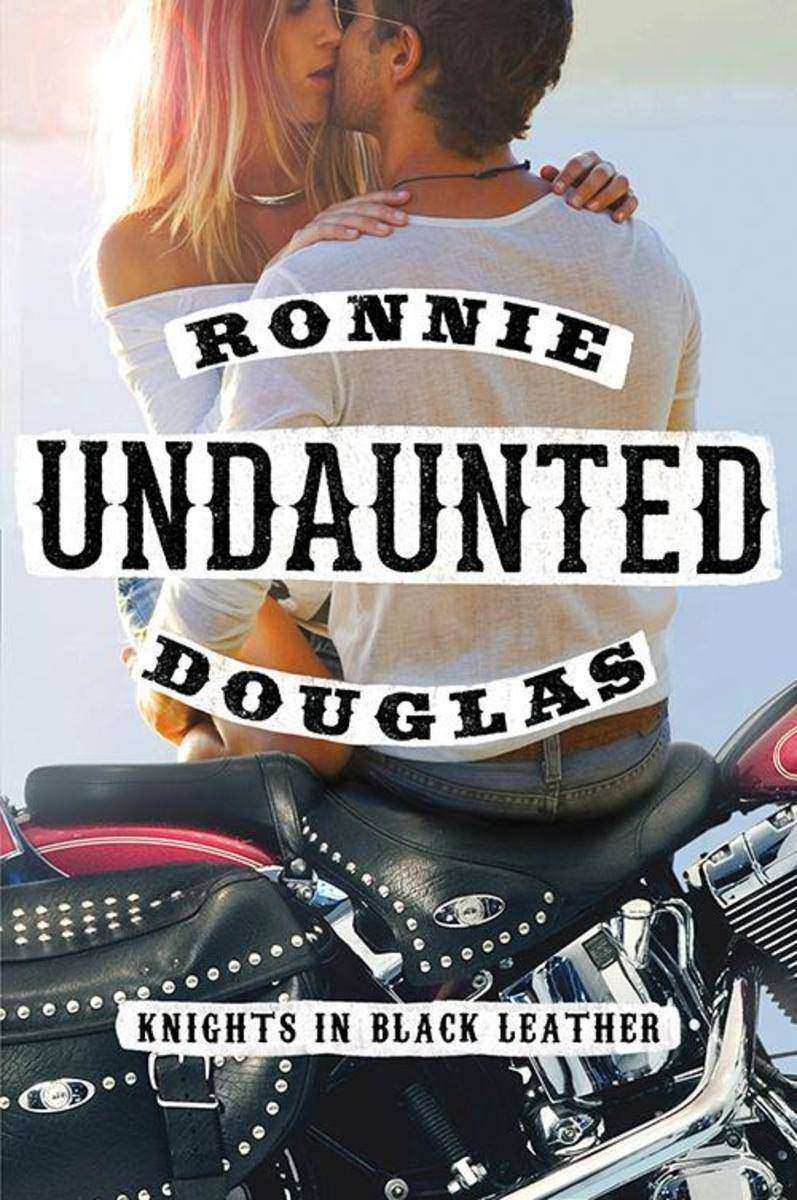
Undaunted
¥77.49
Being fearless has never looked so good . . .Aubrey Evans needs to get her life back on track after her father is indicted for embezzlement. All she has to do to hightail it out of small-town Tennessee is save up money for college tuition and steer clear of hard-muscled boys on motorcycles. Yet there's no ignoring someone like Zion. A knight in black leather, Zion looks like every bad idea she's been told to avoid, but she can't resist him. Whenever she's in trouble, he's there. Appealing as his rough exterior may be, it's the protective, principled man beneath who tempts her like crazy.Zion knows Aubrey doesn't intend to stick around. She claims to want only friendship, but he senses there's a naughty girl hiding on the inside one whose intense desires match his own. For now, he'll be patient and play by her rules. But he knows it's just a matter of time before he weakens her resolve.As they join forces to figure out who's behind a local crime spree, it's clear that the danger goes deeper than Aubrey guessed. And when she needs someone tall, dark, and undaunted to keep her safe, Zion intends to be there now and always.

Teaching a Stone to Talk
¥88.56
Here, in this compelling assembly of writings, Pulitzer Prize-winning author Annie Dillard explores the world of natural facts and human meanings.

Let's Ride
¥83.03
The Ultimate Motorcycle Guide By the Author Of The New York Times Bestselling Memoir Hell's Angel Let's Ride is a nuts-and-bolts guide to mastering the art of motorcycling. From choosing the right bike to sharpening riding techniques, Sonny Barger mines his lifetime of experience to provide advice and wisdom that will help fellow riders new and veteran alike survive the dangers of motorcycling. Let's Ride is the only book of its kind: an essential resource covering every aspect of motorcycle riding and ownership. Chapters include: Why RideDissecting the Beast: the Anatomy of a Motorcycle Types of Bikes Fundamentals of Riding Evaluating a Used Motorcycle Buying a Bike Advanced Riding Techniques Living with a Motorcycle Learn how to ride the right way from an American legend.
The Inner Experience
¥88.56
Now in paperback, revised and redesigned: This is Thomas Merton's last book, in which he draws on both Eastern and Western traditions to explore the hot topic of contemplation/meditation in depth and to show how we can practice true contemplation in everyday life. Never before published except as a series of articles (one per chapter) in an academic journal, this book on contemplation was revised by Merton shortly before his untimely death. The material bridges Merton's early work on Catholic monasticism, mysticism, and contemplation with his later writing on Eastern, especially Buddhist, traditions of meditation and spirituality. This book thus provides a comprehensive understanding of contemplation that draws on the best of Western and Eastern traditions. Merton was still tinkering with this book when he died; it was the book he struggled with most during his career as a writer. But now the Merton Legacy Trust and experts have determined that the book makes such a valuable contribution as his major comprehensive presentation of contemplation that they have allowed its publication.


