


 购物车
购物车 个人中心
个人中心

The Winning of the West: all four volumes
¥8.09
Volume 1 - from the Alleghanies to the Mississippi 1769-1776; Volume 2 - from the Alleghanies to the Mississippi 1777-1783; Volume 3 -- The Founding of the Trans-Alleghany Commonwealths 1784-1790; Volume 4 - Louisiana and the Northwest 1791-1807. According to Wikipedia: "Theodore Roosevelt (October 27, 1858 – January 6, 1919), also known as T.R., and to the public (but never to friends and intimates) as Teddy, was the 26th President of the United States. A leader of the Republican Party and of the Progressive Party, he was a Governor of New York and a professional historian, naturalist, explorer, hunter, author, and soldier. He is most famous for his personality: his energy, his vast range of interests and achievements, his model of masculinity, and his "cowboy" image. Originating from a story from one of Roosevelt's hunting expeditions, teddy bears are named after him."
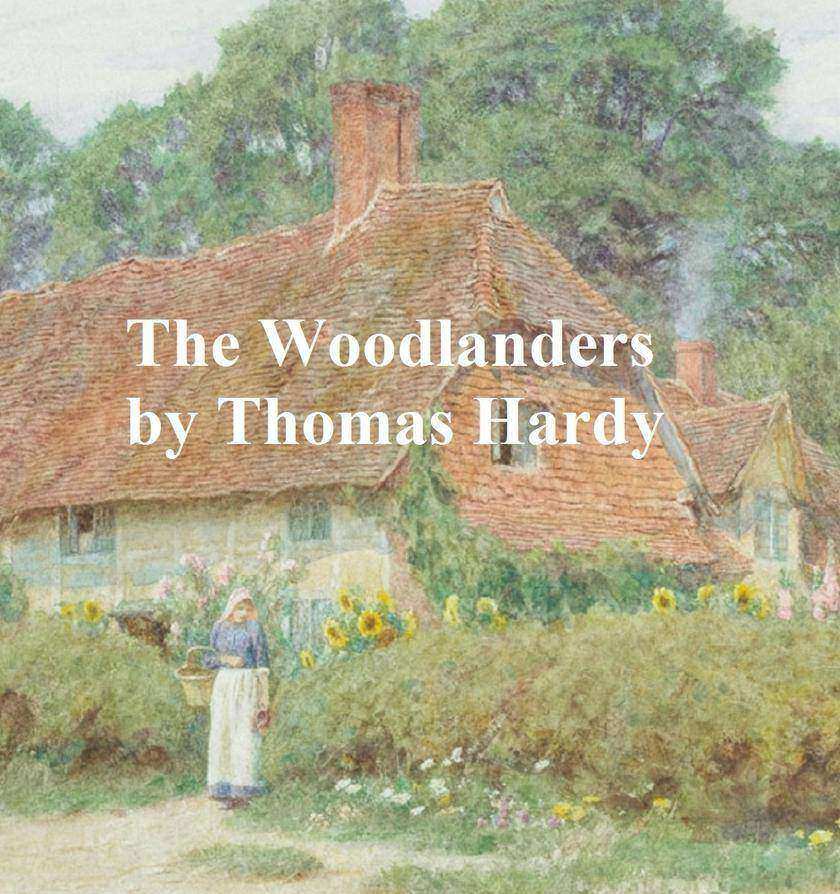
The Woodlanders
¥8.09
According to Wikipedia: "Thomas Hardy, (1840 – 1928) was an English author of the naturalist movement, though he regarded himself primarily as a poet and composed novels mainly for financial gain. The bulk of his work, set mainly in the semi-fictional land of Wessex, delineates characters struggling against their passions and circumstances. Hardy's poetry, first published in his 50s, has come to be as well regarded as his novels, especially after The Movement of the 1950s and 1960s."
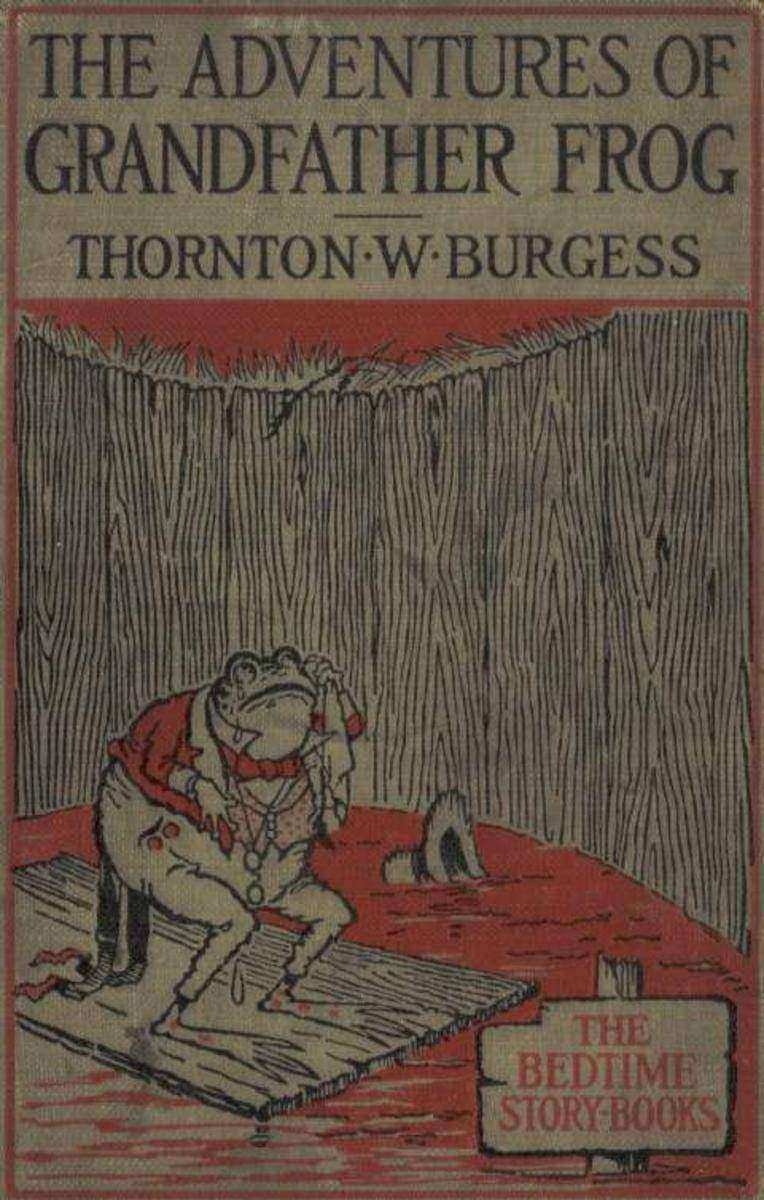
The Adventures of Grandfather Frog, Illustrated
¥8.09
With 6 black-and-white illustrations. According to Wikipedia: "Thornton Waldo Burgess (January 14, 1874 – June 5, 1965). Born in Sandwich, Cape Cod, Massachusetts, he was a conservationist and author of children's stories. Thornton Waldo Burgess loved the beauty of nature and its living creatures so much that he wrote about them for 50 years. By the time he retired, he had written more than 170 books and 15,000 stories for daily columns in newspapers."

The Adventures of Unc' Billy Possum, Illustrated
¥8.09
Children's book, first published in 1920, with 4 black-and-white illustrations. According to Wikipedia: "Thornton Waldo Burgess (January 14, 1874 – June 5, 1965). Born in Sandwich, Cape Cod, Massachusetts, he was a conservationist and author of children's stories. Thornton Waldo Burgess loved the beauty of nature and its living creatures so much that he wrote about them for 50 years. By the time he retired, he had written more than 170 books and 15,000 stories for daily columns in newspapers."
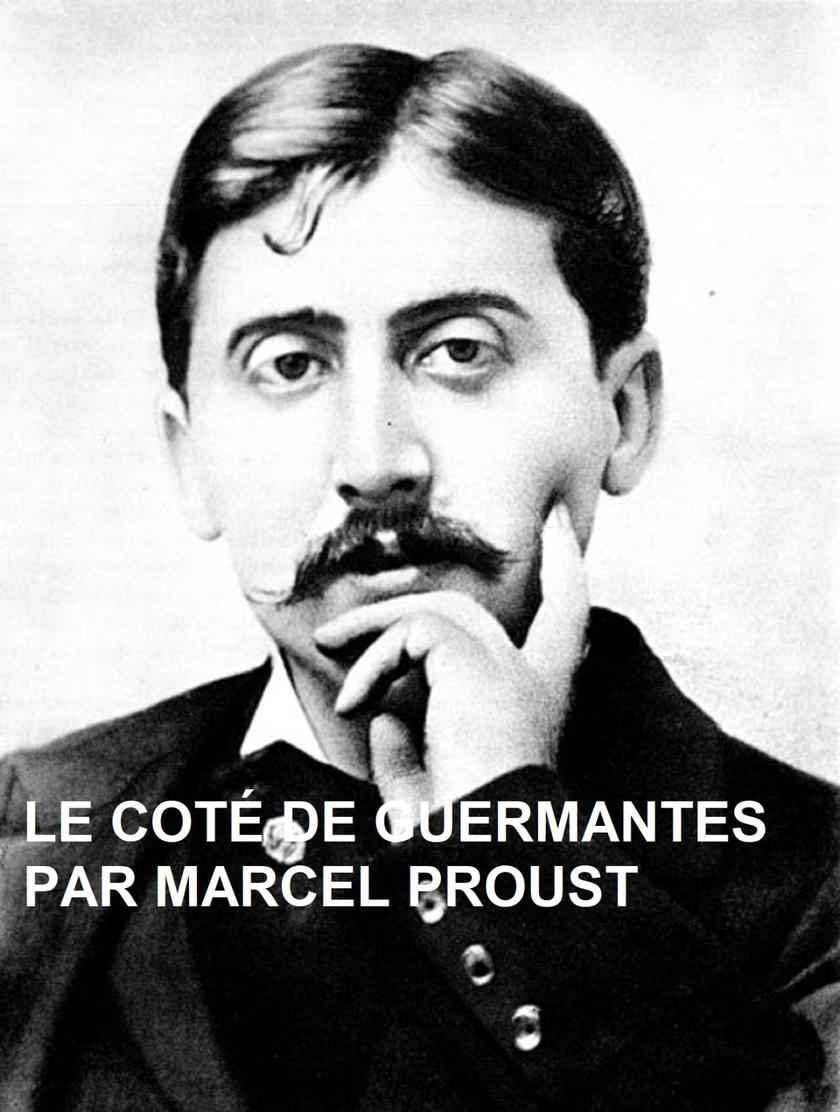
Le C?té de Guermantes
¥8.09
Selon Wikipédia: "Valentin Louis Georges Eugène Marcel Proust (10 Juillet 1871 - 18 Novembre 1922) était un romancier, essayiste et critique fran?ais, mieux connu comme l'auteur de la recherche du temps perdu Remembrance of Things Past), une ?uvre monumentale de fiction du XXe siècle publiée en sept parties de 1913 à 1927. "
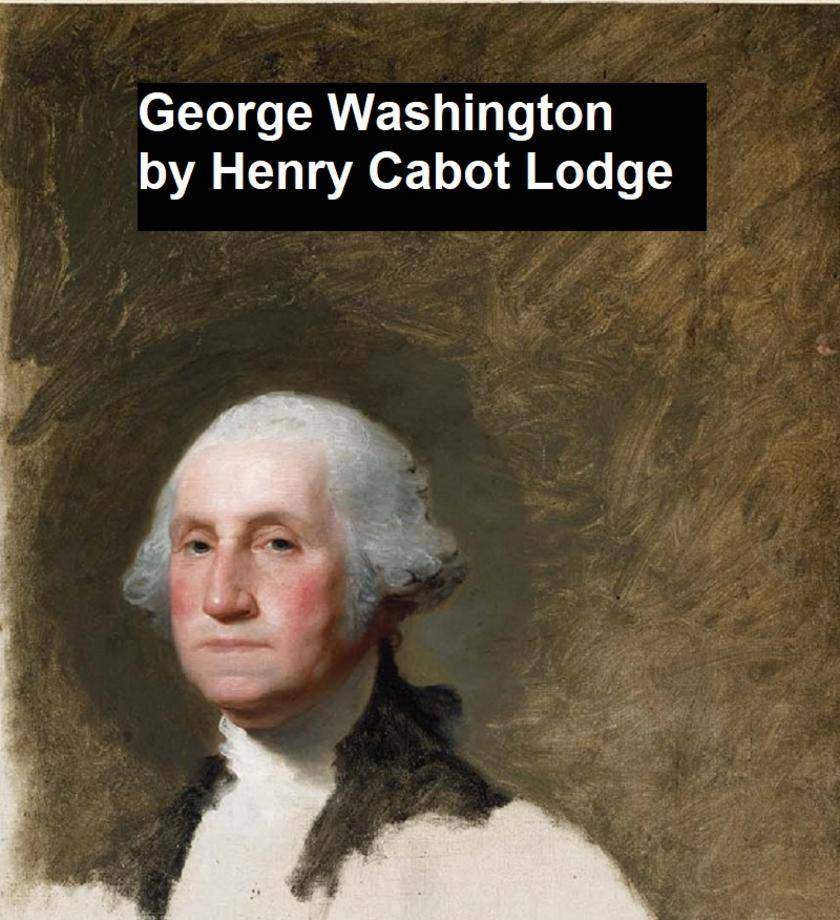
George Washington
¥8.09
According to Wikipedia: "Washington is seen as a symbol of the United States and republicanism in practice. His devotion to civic virtue made him an exemplary figure among early American politicians. Washington died in 1799, and in his funeral oration, Henry Lee said that of all Americans, he was "first in war, first in peace, and first in the hearts of his countrymen." Washington has been consistently ranked by scholars as one of the greatest U.S. Presidents."
George Washington
¥8.09
According to Wikipedia: "Washington is seen as a symbol of the United States and republicanism in practice. His devotion to civic virtue made him an exemplary figure among early American politicians. Washington died in 1799, and in his funeral oration, Henry Lee said that of all Americans, he was "first in war, first in peace, and first in the hearts of his countrymen." Washington has been consistently ranked by scholars as one of the greatest U.S. Presidents."
My Life
¥8.09
This translation first published in 1911. According to Wikipedia: "Wilhelm Richard Wagner (22 May 1813, Leipzig, Germany – 13 February 1883, Venice, Italy) was a German composer, conductor, theatre director and essayist, primarily known for his operas (or "music dramas", as they were later called). Unlike most other great opera composers, Wagner wrote both the scenario and libretto for his works." "Franz Liszt (October 22, 1811 – July 31, 1886) was a Hungarian composer, virtuoso pianist and teacher."

Critique of Practical Reason
¥8.09
According to Wikipedia: "Immanuel Kant (22 April 1724 – 12 February 1804) was an 18th-century German philosopher from the Prussian city of K?nigsberg (now Kaliningrad, Russia). He is regarded as one of the most influential thinkers of modern Europe and of the late Enlightenment. Kant created a new widespread perspective in philosophy which is influencing enlightened philosophy until the 21st Century. He published important works of epistemology as also scripts in coherence to religion, law and history. His most important work is the Critique of Pure Reason, an investigation into the limitations and structure of reason itself. It encompasses an attack on traditional metaphysics and epistemology, and highlights Kant's own contribution to these areas. The other main works of his maturity are the Critique of Practical Reason, which concentrates on ethics, and the Critique of Judgment, which investigates aesthetics and teleology."
A Political Romance
¥8.09
According to Wikipedia: "It was published in nine volumes, the first two appearing in 1759, and seven others following over the next 10 years. It was not always held in high esteem by other writers (Samuel Johnson responded that, "Nothing odd can last"), but its bawdy humour was popular with London society, and it has come to be seen as one of the greatest comic novels in English, as well as a forerunner for many modern narrative devices.""
Bill Nye's Comic History of England.txt
¥8.09
Classic humor, first published in 1896. "HEREIN WILL BE FOUND A RECITAL OF THE MANY EVENTFUL EVENTS WHICH TRANSPIRED IN ENGLAND FROM THE DRUIDS TO HENRY VIII. THE AUTHOR DOES NOT FEEL IT INCUMBENT ON HIM TO PRESERVE MORE THAN THE DATES AND FACTS, AND THESE ARE CORRECT, BUT THE LIGHTS AND SHADES OF THE VARIOUS PICTURES AND THE ORNAMENTAL WORDS FURNISHED TO ADORN THE CHARACTERS AND EVENTS ARE THE SOLE INVENTION OF THIS HISTORIAN."
Smoke Bellew
¥8.09
Classic Jack London stories, including The Taste of the Meat, The Meat, The Stampede to Squaw Creek, Shorty Dreams, The Man on the Other Bank, The Race for Number Three, The Little Man, The Hanging of Cultus George, The Mistake of Creation, A Flutter in Eggs, The Town-Site of Tra-Lee, and Wonder of Woman. According to Wikipedia: "Jack London (1876 – 1916) was an American author who wrote The Call of the Wild, White Fang, and The Sea Wolf along with many other popular books. A pioneer in the then-burgeoning world of commercial magazine fiction, he was one of the first Americans to make a lucrative career exclusively from writing."

Stalky and Company
¥8.09
Classic Kipling short stories, including IN AMBUSH, SLAVES OF THE LAMP--PART I., AN UNSAVORY INTERLUDE, THE IMPRESSIONISTS, THE MORAL REFORMERS, A LITTLE PREP, THE FLAG OF THEIR COUNTRY, THE LAST TERM, and SLAVES OF THE LAMP --PART II. According to Wikipedia: "Joseph Rudyard Kipling (1865 – 1936) was an English author and poet. Born in Bombay, British India (now Mumbai), he is best known for his works The Jungle Book (1894) and Rikki-Tikki-Tavi (1902), his novel, Kim (1901); his poems, including Mandalay (1890), Gunga Din (1890), If— (1910); and his many short stories, including The Man Who Would Be King (1888). He is regarded as a major "innovator in the art of the short story"; his children's books are enduring classics of children's literature; and his best works speak to a versatile and luminous narrative gift. Kipling was one of the most popular writers in English, in both prose and verse, in the late 19th and early 20th centuries.[2] The author Henry James said of him: "Kipling strikes me personally as the most complete man of genius (as distinct from fine intelligence) that I have ever known." In 1907, he was awarded the Nobel Prize in Literature, making him the first English language writer to receive the prize, and to date he remains its youngest recipient. Among other honours, he was sounded out for the British Poet Laureateship and on several occasions for a knighthood, all of which he declined.
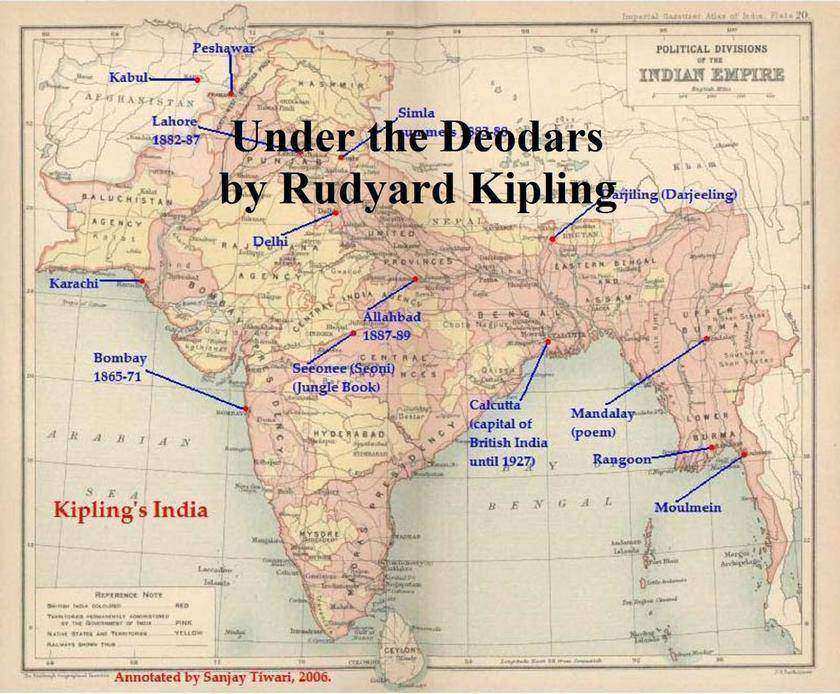
Under the Deodars
¥8.09
Classic Kipling short stories, including The Education of Otis Yeere, At the Pit's Mouth, A Wayside Comedy, The Hill of Illusion, A Second-rate Woman, Only a Subaltern, In the Matter of a Private, and The Enlightenments of Pagett. M. P. According to Wikipedia: "Joseph Rudyard Kipling (1865 – 1936) was an English author and poet. Born in Bombay, British India (now Mumbai), he is best known for his works The Jungle Book (1894) and Rikki-Tikki-Tavi (1902), his novel, Kim (1901); his poems, including Mandalay (1890), Gunga Din (1890), If— (1910); and his many short stories, including The Man Who Would Be King (1888). He is regarded as a major "innovator in the art of the short story"; his children's books are enduring classics of children's literature; and his best works speak to a versatile and luminous narrative gift. Kipling was one of the most popular writers in English, in both prose and verse, in the late 19th and early 20th centuries.[2] The author Henry James said of him: "Kipling strikes me personally as the most complete man of genius (as distinct from fine intelligence) that I have ever known." In 1907, he was awarded the Nobel Prize in Literature, making him the first English language writer to receive the prize, and to date he remains its youngest recipient. Among other honours, he was sounded out for the British Poet Laureateship and on several occasions for a knighthood, all of which he declined."
Summa Theologica: The sixth edition (considered the "definitive" edition)
¥8.09
According to Wikipedia: "The Summa Theologica (or the Summa Theologiae or simply the Summa, written 1265-1274) is the most famous work of Thomas Aquinas (c. 1225-1274) although it was never finished. It was intended as a manual for beginners as a compilation of all of the main theological teachings of that time. It summarizes the reasonings for almost all points of Christian theology in the West, which, before the Protestant Reformation, subsisted solely in the Roman Catholic Church."
The Titan
¥8.09
According to Wikipedia: "Theodore Herman Albert Dreiser (August 27, 1871 – December 28, 1945) was an American novelist and journalist. He pioneered the naturalist school and is known for portraying characters whose value lies not in their moral code, but in their persistence against all obstacles, and literary situations that more closely resemble studies of nature than tales of choice and agency... His second novel, Jennie Gerhardt, was published in 1911. Many of Dreiser's subsequent novels dealt with social inequality. His first commercial success was An American Tragedy (1925), which was made into a film in 1931 and again in 1951."
A Personal Record
¥8.09
Conrad's autobiography. According to Wikipedia: "Joseph Conrad (1857 – 1924) was a Polish-born English novelist. Many critics regard him as one of the greatest novelists in the English language—a fact that is remarkable, as he did not learn to speak English fluently until he was in his twenties (and always with a strong Polish accent). He became a naturalized British subject in 1886. Conrad is recognized as a master prose stylist. Some of his works have a strain of romanticism, but more importantly he is recognized as an important forerunner of modernist literature. His narrative style and anti-heroic characters have influenced many writers, including Ernest Hemingway, D. H. Lawrence, F. Scott Fitzgerald, Graham Greene, William S. Burroughs, Joseph Heller, V.S. Naipaul, Italo Calvino and J. M. Coetzee."
Desperate Remedies
¥8.09
According to Wikipedia: "Thomas Hardy, (1840 – 1928) was an English author of the naturalist movement, though he regarded himself primarily as a poet and composed novels mainly for financial gain. The bulk of his work, set mainly in the semi-fictional land of Wessex, delineates characters struggling against their passions and circumstances. Hardy's poetry, first published in his 50s, has come to be as well regarded as his novels, especially after The Movement of the 1950s and 1960s."
A Laodicean
¥8.09
According to Wikipedia: "Thomas Hardy, (1840 – 1928) was an English author of the naturalist movement, though he regarded himself primarily as a poet and composed novels mainly for financial gain. The bulk of his work, set mainly in the semi-fictional land of Wessex, delineates characters struggling against their passions and circumstances. Hardy's poetry, first published in his 50s, has come to be as well regarded as his novels, especially after The Movement of the 1950s and 1960s."

The Complete Works of Robert Burns: Containing His Poems, Songs, and Corresponde
¥8.09
Edition of 1855. According to Wikipedia: "Robert Burns (25 January 1759 - 21 July 1796) (also known as Rabbie Burns, Scotland's favourite son, the Ploughman Poet, the Bard of Ayrshire and in Scotland as simply The Bard) was a poet and a lyricist. He is widely regarded as the national poet of Scotland, and is celebrated worldwide. He is the best-known of the poets who have written in the Scots language, although much of his writing is also in English and a 'light' Scots dialect, accessible to an audience beyond Scotland. He also wrote in standard English, and in these pieces, his political or civil commentary is often at its most blunt. He is regarded as a pioneer of the Romantic movement..."

A Pair of Blue Eyes
¥8.09
According to Wikipedia: "Thomas Hardy, (1840 – 1928) was an English author of the naturalist movement, though he regarded himself primarily as a poet and composed novels mainly for financial gain. The bulk of his work, set mainly in the semi-fictional land of Wessex, delineates characters struggling against their passions and circumstances. Hardy's poetry, first published in his 50s, has come to be as well regarded as his novels, especially after The Movement of the 1950s and 1960s."


