


 购物车
购物车 个人中心
个人中心
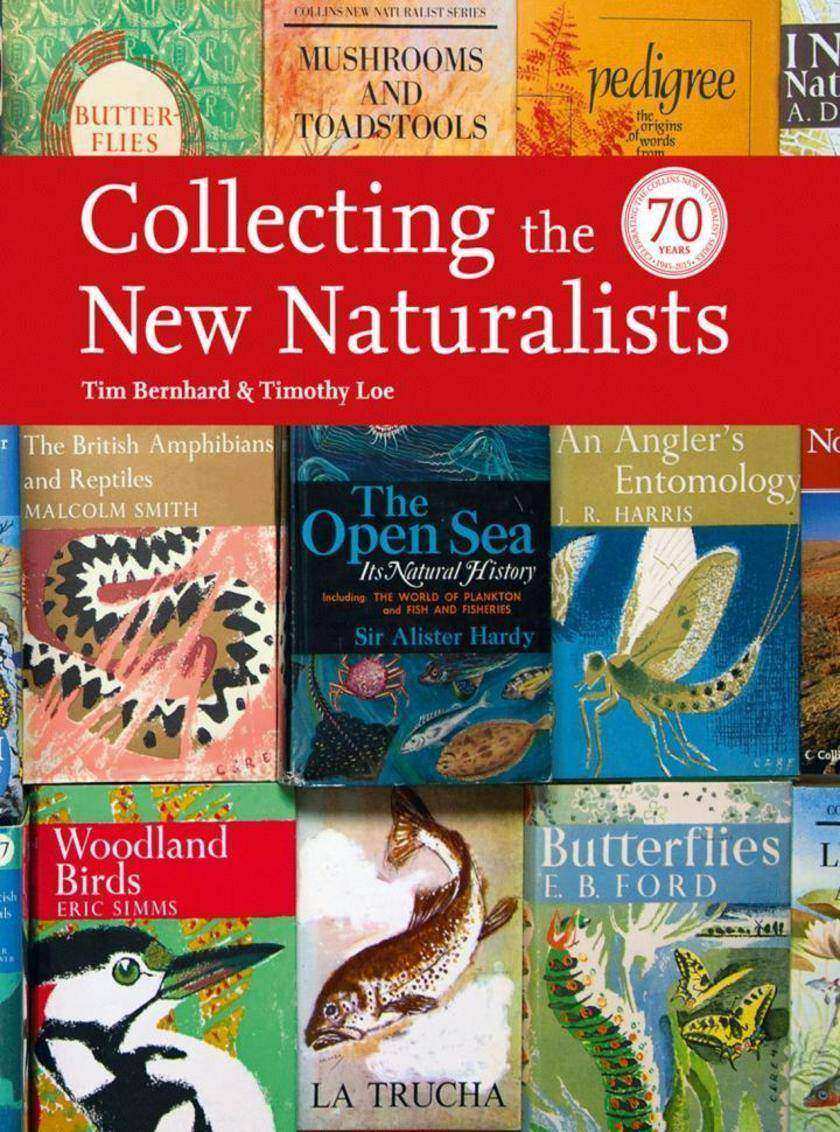
Collecting the New Naturalists (Collins New Naturalist Library)
¥442.14
Recommended for viewing on a colour tablet. The Collins New Naturalist series is the longest-running and arguably the most influential natural history series in the world with over 120 volumes published in nearly 70 years. Being a numbered series, with a very low print run for some volumes, New Naturalist publications have been and continue to be highly collectable. Second-hand copies of the rarer volumes, in very good condition, can command high prices. As such, there is considerable interest in a detailed bibliography and history of the series. Collecting the New Naturalists offers a detailed insight into the fascinating phenomenon that has gripped Britain since just after World War II and which reflects the country’s continued enthusiasm for wildlife and nature publishing generally. With previously unpublished in-depth insight into the workings of the series and its collectors, the book will comprehensively cover every aspect of the New Naturalists, from rare editions produced for Bloomsbury and the Reader’s Union to foreign editions, interviews with the iconic cover artists and well-known naturalists such as Nick Baker and Alan Titchmarsh telling the story of their own fascination with the series.
Lichens (Collins New Naturalist Library, Book 86)
¥447.14
Lichens are fascinating and beautiful organisms able to colonise a vast range of habitats, including seemingly impossible places such as bare icy mountain tops and sun-scorched coastal rocks. This book discusses all aspects of British lichens, revealing the secrets of their success. This edition is exclusive to newnaturalists.com Lichens are fascinating and beautiful organisms able to colonise a vast range of habitats, including seemingly impossible places such as bare icy mountain tops and sun-scorched coastal rocks. This book discusses all aspects of British lichens, revealing the secrets of their success. The book begins by looking at how lichens have been used throughout history in medicines, dyes, food and perfumes. It then goes on to describe what lichens are, and how they grow and reproduce. A detailed survey is given of the range of habitats in which lichens can be found: on trees, rocks, heaths and moors, chalk and limestone, mountains, rivers, lakes, the coast, walls and buildings, most famously on churches and in churchyards. Gilbert also discusses the susceptibility of lichens to air pollution, and how they can be used to detect environmental pollution. The comprehensive, reader-friendly text, over 150 illustrations and 16 pages of colour, combine to make Lichens the definitive work on this subject of great natural history interest.
Enduring Importance of Leo Strauss
¥453.22
The Enduring Importance of Leo Strauss takes on the crucial task of separating what is truly important in the work of Leo Strauss from the ephemeral politics associated with his school. Laurence Lampert focuses on exotericism: the use of artful rhetoric to simultaneously communicate a socially responsible message to the public at large and a more radical message of philosophic truth to a smaller, more intellectually inclined audience. Largely forgotten after the Enlightenment, exotericism, he shows, deeply informed Strauss both as a reader and as a philosophic writer-indeed, Lampert argues, Strauss learned from the finest practitioners of exoteric writing how to become one himself.Examining some of Strauss's most important books and essays through this exoteric lens, Lampert reevaluates not only Strauss but the philosophers-from Plato to Halevi to Nietzsche-with whom Strauss most deeply engaged. Ultimately Lampert shows that Strauss's famous distinction between ancient and modern thinkers is primarily rhetorical, one of the great examples of Strauss's exoteric craft. Celebrating Strauss's achievements while recognizing one main shortcoming-unlike Nietzsche, he failed to appreciate the ramifications of modern natural science for philosophy and its public presentation-Lampert illuminates Strauss as having even greater philosophic importance than we have thought before.?
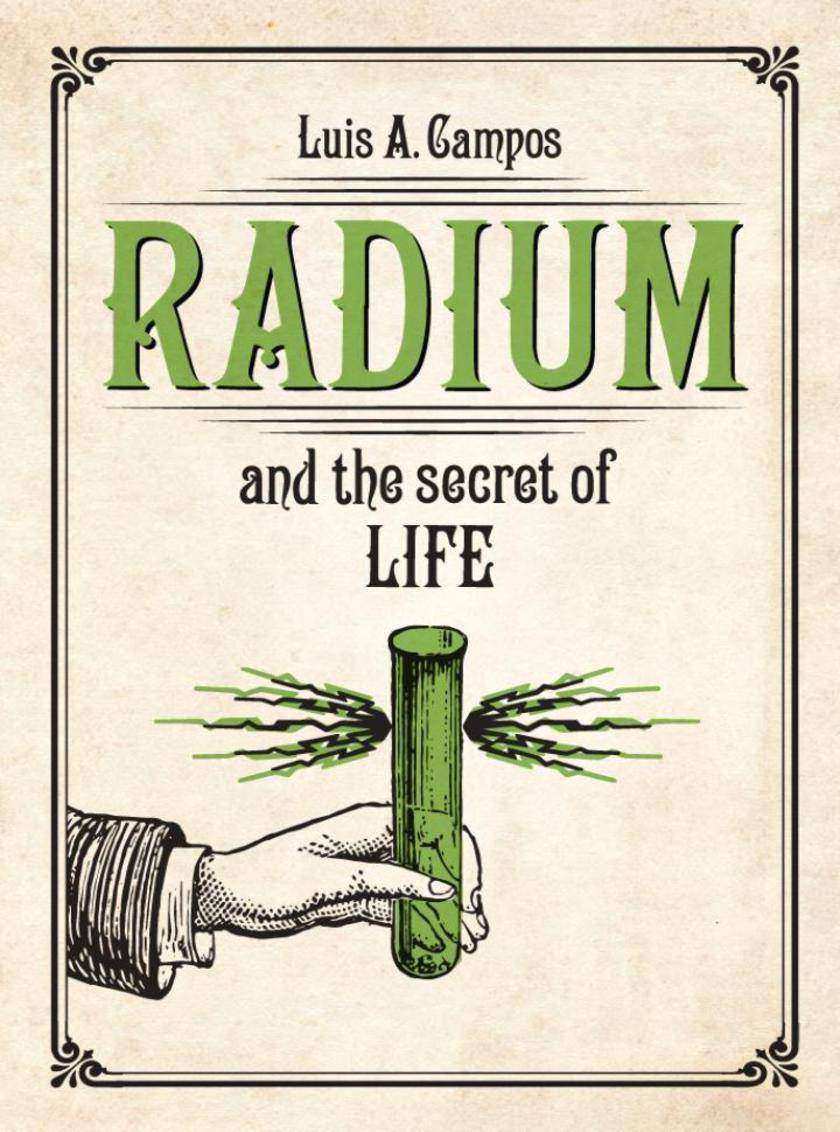
Radium and the Secret of Life
¥453.22
Before the hydrogen bomb indelibly associated radioactivity with death, many chemists, physicians, botanists, and geneticists believed that radium might hold the secret to life. Physicists and chemists early on described the wondrous new element in lifelike terms such as "e;decay"e; and "e;half-life,"e; and made frequent references to the "e;natural selection"e; and "e;evolution"e; of the elements. Meanwhile, biologists of the period used radium in experiments aimed at elucidating some of the most basic phenomena of life, including metabolism and mutation.From the creation of half-living microbes in the test tube to charting the earliest histories of genetic engineering, Radium and the Secret of Life highlights previously unknown interconnections between the history of the early radioactive sciences and the sciences of heredity. Equating the transmutation of radium with the biological transmutation of living species, biologists saw in metabolism and mutation properties that reminded them of the new element. These initially provocative metaphoric links between radium and life proved remarkably productive and ultimately led to key biological insights into the origin of life, the nature of heredity, and the structure of the gene. Radium and the Secret of Life recovers a forgotten history of the connections between radioactivity and the life sciences that existed long before the dawn of molecular biology.

Powers of Pure Reason
¥453.22
The Critique of Pure Reason-Kant's First Critique-is one of the most studied texts in intellectual history, but as Alfredo Ferrarin points out in this radically original book, most of that study has focused only on very select parts. Likewise, Kant's oeuvre as a whole has been compartmentalized, the three Critiques held in rigid isolation from one another. Working against the standard reading of Kant that such compartmentalization has produced,?The Powers of Pure Reason?explores forgotten parts of the First Critique in order to find an exciting, new, and ultimately central set of concerns by which to read all of Kant's works. ?Ferrarin blows the dust off of two egregiously overlooked sections of the First Critique-the Transcendental Dialectic and the Doctrine of Method. There he discovers what he argues is the Critique's greatest achievement: a conception of the unity of reason and an exploration of the powers it has to reach beyond itself and legislate over the world. With this in mind, Ferrarin dismantles the common vision of Kant as a philosopher writing separately on epistemology, ethics, and aesthetics and natural teleology, showing that the three Critiques are united by this underlying theme: the autonomy and teleology of reason, its power and ends. The result is a refreshing new view of Kant, and of reason itself.
Idea of Hegel's "e;Science of Logic"e;
¥453.22
Although Hegel considered?Science of Logic?essential to his philosophy, it has received scant commentary compared with the other three books he published in his lifetime. Here philosopher Stanley Rosen rescues the?Science of Logic?from obscurity, arguing that its neglect is responsible for contemporary philosophy's fracture into many different and opposed schools of thought. Through deep and careful analysis, Rosen sheds new light on the precise problems that animate Hegel's overlooked book and their tremendous significance to philosophical conceptions of logic and reason.Rosen's overarching question is how, if at all, rationalism can overcome the split between monism and dualism. Monism-which claims a singular essence for all things-ultimately leads to nihilism, while dualism, which claims multiple, irreducible essences, leads to what Rosen calls "e;the endless chatter of the history of philosophy."e; The?Science of Logic, he argues, is the fundamental text to offer a new conception of rationalism that might overcome this philosophical split. Leading readers through Hegel's book from beginning to end, Rosen's argument culminates in a masterful chapter on the Idea in Hegel. By fully appreciating theScience of Logic?and situating it properly within Hegel's oeuvre, Rosen in turn provides new tools for wrangling with the conceptual puzzles that have brought so many other philosophers to disaster.
Hardship and Happiness
¥453.22
Lucius Annaeus Seneca (4 BCE-65 CE) was a Roman Stoic philosopher, dramatist, statesman, and advisor to the emperor Nero, all during the Silver Age of Latin literature. The Complete Works of Lucius Annaeus Seneca is a fresh and compelling series of new English-language translations of his works in eight accessible volumes. Edited by Elizabeth Asmis, Shadi Bartsch, and Martha C. Nussbaum, this engaging collection helps restore Seneca-whose works have been highly praised by modern authors from Desiderius Erasmus to Ralph Waldo Emerson-to his rightful place among the classical writers most widely studied in the humanities.Hardship and Happiness?collects a range of essays intended to instruct, from consolations-works that offer comfort to someone who has suffered a personal loss-to pieces on how to achieve happiness or tranquility in the face of a difficult world. Expertly translated, the essays will be read and used by undergraduate philosophy students and experienced scholars alike.
Bird Atlas 2007-11
¥456.07
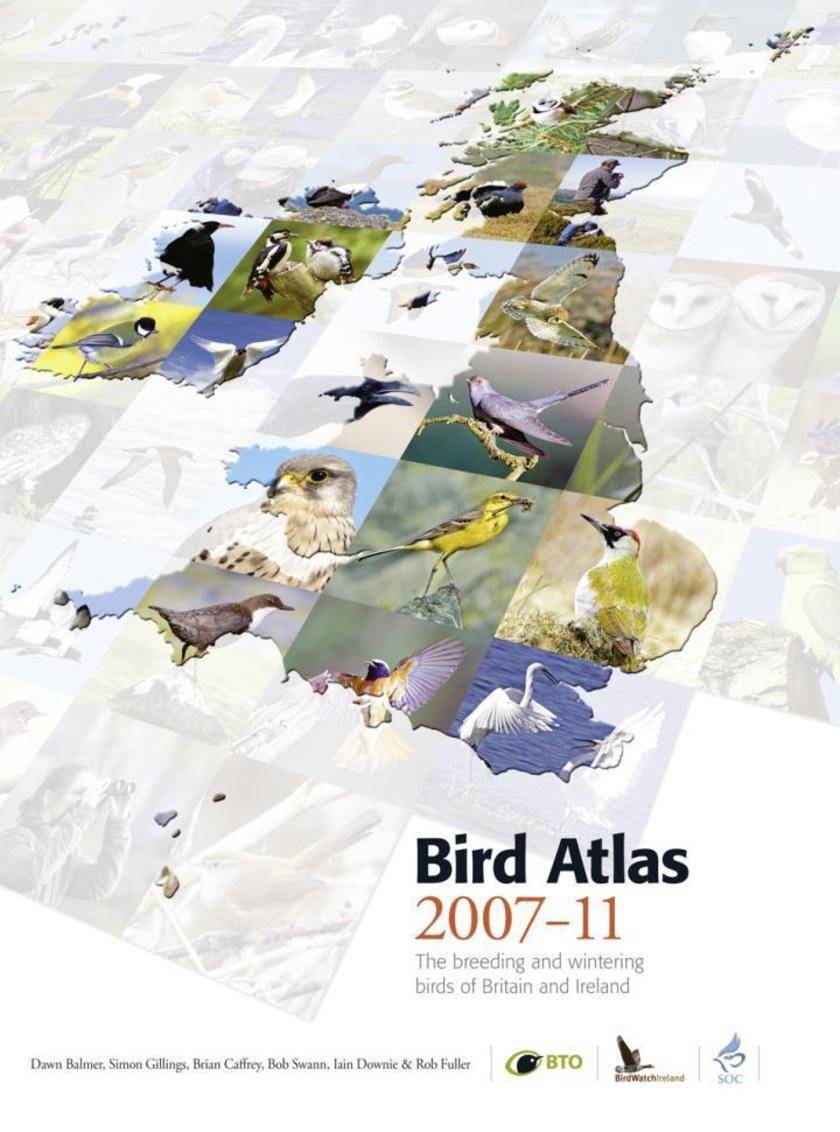
Bird Atlas 2007-2011 is the definitive statement on breeding and winter bird distributions in Britain and Ireland. It builds on previous atlases (1968-1972 Breeding Atlas, 1981-1984 Winter Atlas, 1988-1991 Breeding Atlas) to show how the fortunes of the birds of Britain and Ireland have changed over the last 40 years. Bird Atlas 2007-2011 presents over 1300 detailed maps for nearly 300 species, showing where each breeds and winters, where they are most and least abundant and where status is changing. The species accounts and chapters bring together the latest scientific findings to explain these patterns and highlight the major issues facing our changing bird faunas.

Pesticides and Pollution (Collins New Naturalist Library, Book 50)
¥456.66
Pesticides and Pollution examines the problems of pollution of air, land, river, and the sea, by herbicides, pesticides, sewage, industrial effluents, gases, radiation, leakages, over-drainage, mistakes and mismanagement, in Britain today. From an objective and scientific standpoint, Dr. Mellanby examines the problems of pollution of air, land, river, and the sea, by herbicides, pesticides, sewage, industrial effluents, gases, radiation, leakages, over-drainage, mistakes and mismanagement, in Britain to-day. He sets out to placate neither farmers nor naturalists, but to explain in each case what is happening, to point to both dangers and practical necessities, and to discuss what steps should be taken. Dr. Mellanby is Director of the Nature Conservancy's Monks Wood Experimental Station, was head of the Entomology department at Rothamsted, and for many years before that did research in medical entomology both in Britain and the tropics.

A Country Parish (Collins New Naturalist Library, Book 9)
¥456.66
The natural history of an ordinary English country parish was one of the first subjects that suggested themselves when the New Naturalist series was planned. Collins are delighted to announce the republication in facsimile form of the first editions of the very first volumes in the New Naturalist Library. Originally planned in the darkest days of World War II and first published in 1945, this series is the longest running nature series in the world. It is a reflection of the quality of the authors and the books they wrote, that they are still sought after 73 years later. The books will be identical in every way to the original first editions, including the iconic jackets by Clifford and Rosemary Ellis. The natural history of an ordinary English country parish was one of the first subjects that suggested themselves when the New Naturalist series was planned. Being chiefly farmland and therefore practically all man-made, most country parishes are extremely complex from the naturalist's point of view and also inevitably contain a vast amount of human history. Any attempt to describe their plants and animals has to be closely related with the ways of man himself, who must be regarded as the chief element in the community - a fact which has been obvious enough to naturalists ever since the days of Gilbert White. For this book we were fortunate to find an author who combined a thorough all-round knowledge of natural history with a sound insight into human customs, history, pastimes and farming methods. Arnold Boyd lived in Cheshire all his life - and in keeping with the best tradition of English amateur naturalists, he excelled as a collector of facts, as is apparent from his previous books, his writing in the Manchester Guardian and other journals, and in his assistant editorship of British Birds. By weaving together his collection of facts he presents us with a book of remarkable unity and which shows a wide grasp of every aspect of the living communities. This charming yet erudite portrait will protect his beloved parish for ever from the ravages of human forgetfulness.

Grass and Grassland (Collins New Naturalist Library, Book 48)
¥456.66
The use of natural and seeded grass pastures for the feeding of livestock and other unfamiliar uses for the ubiquitous grass family are described in this succinct and beautifully illustrated work. This edition is exclusive to newnaturalists.com The New Naturalist series has already covered many facets of the interrelationship between man and nature, but the grass family is probably the most important man in the whole plant kingdom - just how important is shown in this book. Dr. Moore, the Principal of Seale Hayne Agricultural College in Devon, is our leading authority on grasses and their utilization. His special interest is the use of natural and seeded grass pastures for the feeding of livestock. Striking advances have been made in recent years in the improvement of such pastures and Dr. Moore deals very fully with this vital link in the feeding of the human race; but he also covers that other equally important role of the grass family in our economy, the cultivation of cereal crops for the production of grain. Grass lawns and playing fields form a centre-piece in most British gardens and public parks and there is a chapter on these, but the horticultural value of grasses as ornamental plants in herbaceous borders and woodland gardens is less well known. These and many other unfamiliar uses for the ubiquitous grass family are described in this succinct and beautifully illustrated work.
British Birds of Prey (Collins New Naturalist Library, Book 60)
¥456.66
Leslie Brown's account of our 15 resident, 7 vagrant and 2 migrant species of eagles, falcons, hawks and vultures in Britain presents a great mass of scientific information about our birds of prey in a manner as attractive to the general reader as to the dedicated ornithologist. The diurnal raptors are among the most arresting and dramatic of British bird species, from the magnificent and immense golden eagle of the Highlands to the more widespread but equally spectacular peregrine falcon and the frequent and adaptable kestrel of motorways and urban ledges. Leslie Brown's account of our 15 resident, 7 vagrant and 2 migrant species of eagles, falcons, hawks and vultures in Britain presents a great mass of scientific information about these birds in a manner as attractive to the general reader as to the dedicated ornithologist. Each of the resident species is discussed in detail - its status, past and present; its feeding and hunting behaviour; its life history; its breeding behaviour; migration and the threats to its survival. Then the biology of the birds of prey, changes in their habitat and status, their food habits, breeding behaviour, their territories and populations are examined in depth in separate chapters. An acknowledged world authority on birds of prey - co-author with Dean Amadon of Eagles, Hawks and Falcons of the World, and author of many other books besides - Leslie Brown is immensely enthusiastic; and the many tables, maps, figures and bibliography are all indicative of the thoroughness of his research. Also illustrated with 40 superb black and white photographs.
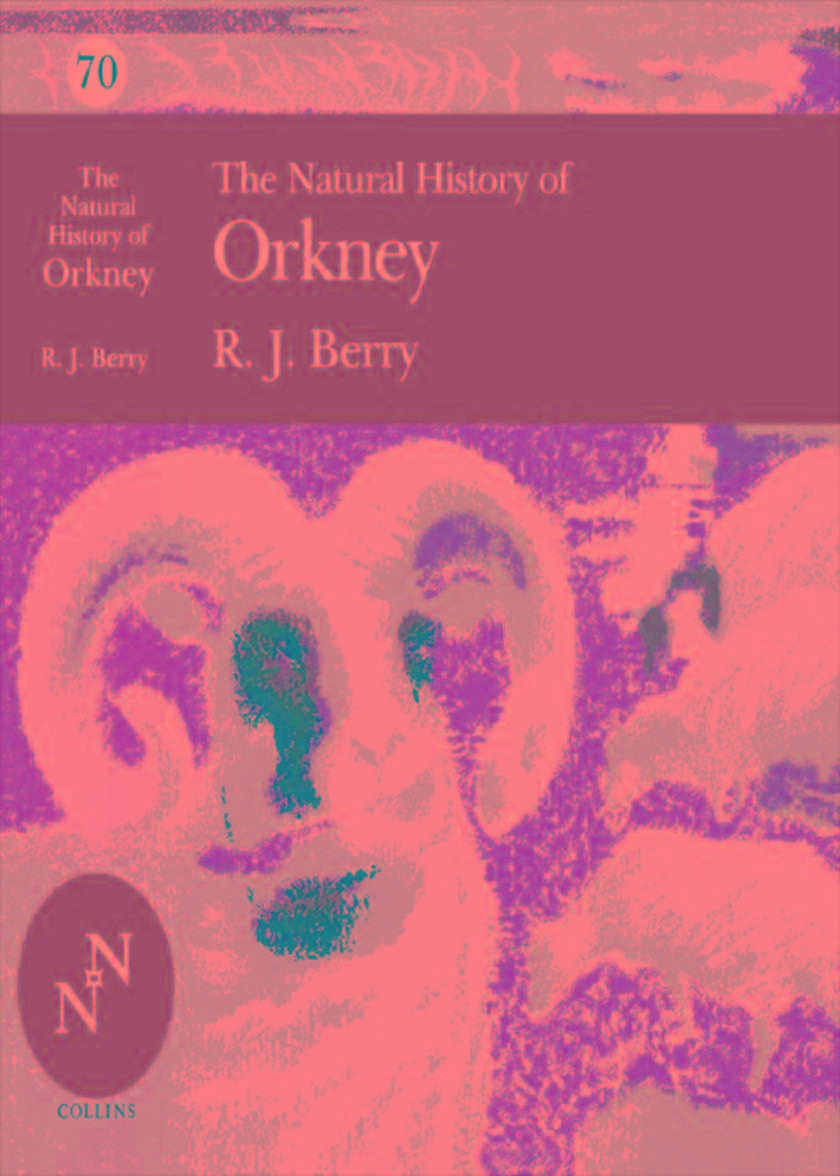
The Natural History of Orkney (Collins New Naturalist Library, Book 70)
¥456.66
This is the first survey of the islands' natural history, complete in one volume. Because Orkney is exceptional, it is vital reading for the serious naturalist, as well as for being a comprehensive and absorbing guide for every visitor. This edition is exclusive to newnaturalists.com Orkney is a very special place for naturalists. Closer to Oslo than to London, its geography and climate create quite distinct environmental conditions - even though it is only six miles from the Scottish mainland. On these islands of fierce gales, long summer days and long winter nights, the wildlife has adapted in intriguing ways… Starlings adapt to ground-nesting…local sheep eat seaweed…and there are voles exclusive to Orkney. Here is one of the very few areas where the rare and delicate Scottish Primrose thrives…where you find the British stronghold of the Hen Harrier, and vast colonies of seabirds and seals. This is the first - and long-needed - survey of the islands' natural history, complete in one volume. Because Orkney is exceptional, it is vital reading for the serious naturalist, as well as for being a comprehensive and absorbing guide for every visitor. In his tracing of the island's evolution from its geological creation to the effects of oil technology; in the detailed, yet fascinating exploration of the plants and animals (and where best to see them), Professor Berry's expertise and enthusiasm is backed by that of local specialists, and Orkney's long tradition of natural history study. Appendices include definitive lists of all the species of flora and fauna on record, and an extensive bibliography.
Art of the New Naturalists: A Complete History
¥456.66
The stunning, specially commissioned cover illustrations are one of the great joys of the New Naturalist series, lending it a distinctive style which has inspired nature enthusiasts for many decades. The Collins New Naturalist series is the longest-running and arguably the most influential natural history series in the world with over 100 volumes published in over 60 years. Throughout the years, the highly characteristic dust jacket illustrations have become iconic, lifting the books to a level of collectibility and increasing the level of admiration for an already well-established and respected series. With early cover illustrations prepared by Clifford and Rosemary Ellis, later and more recent covers have been designed by Robert Gillmor. Featuring prints of the awe-inspiring artwork of the New Naturalists, the book will offer a unique insight into Gillmor’s approach to each subject matter and the intricate and creative way through which he has brought his own distinctive style and craft of printmaking to the New Naturalist series. Marren explores the findings from the Ellis archive, which has thrown up considerable information on how the old covers were developed, approved, in some cases rejected, and then proofed. The Art of the New Naturalists offers a fascinating insight into how the creation of these eminent cover designs has developed and progressed and will be essential reading for everyone interested in the frantic workings behind the seemingly serene collection of artwork that is one of Britain’s iconic book series.
British Bats (Collins New Naturalist Library, Book 93)
¥456.66
British Bats is a comprehensive account of the natural history of these fascinating animals, from their origins and evolution to their feeding habits and reproduction. This edition is exclusive to newnaturalists.com Bats are arguably the most successful and diverse mammals ever to evolve. In Britain, one in three of our native land mammals is a bat. Their ecology and behaviour is fascinating. Few mammals live closer to humans; in fact many species roost unnoticed in our homes, and some are now almost entirely dependent on man-made structures for their survival. Bats are the only mammals capable of powered flight. They are also one of just two groups which have a sophisticated echolocation system (the other being the dolphins and their relatives). In this book, John Altringham discusses all the different aspects of the natural history of bats, from their origins and evolution to their behaviour, feeding habits and reproduction. He also discusses the threats to the survival of bats, and how we are working to conserve them. Finally, he gives an account of how to watch and study bats in the wild.
Seashore (Collins New Naturalist Library, Book 94)
¥456.66
A comprehensive, authoritative account of the natural history of the seashore, from earliest times to the present day. The seashore, with its endlessly changing tides, is one of the most fluctuating physical environments on the planet. Home to an abundance of animal and plant life, it is also one of the richest habitats the naturalist can explore. Here in Britain, we are fortunate to have a long and varied coastline, and our relatively large tidal ranges mean that our seashore offers a wide range of coastal habitats, including mud, sand, shingle and rock. In New Naturalist Seashore, Peter Hayward looks at: ? Resident and migrant species, including fish, barnacles, limpets, winkles, sponges, algae, lichens and sea grasses ? The effects of tourism and pollution on these habitats ? The geology of the British Isles, with its sinking and rising coastlines ? The responses and adaptations of plant and animal life to a changing physical environment This narrow strip of beach between the land and the sea that we call the seashore, has always attracted man, in the early years as a source of food, and in Victorian times as a rich habitat that the early naturalists would explore. In this fascinating addition to the highly regarded New Naturalist series, Peter Hayward brings the natural history of the seashore right up to date.
Mushrooms and Toadstools (Collins New Naturalist Library, Book 7)
¥456.66
Britain's neglect of fungi as table delicacies has perhaps been responsible for our surprising ignorance of the natural history of such fascinating plants. This edition is exclusive to newnaturalists.com Puff-balls, more than a foot in diameter; mouls in jam-pots; dry rot; truffles; these are examples of the wide range of the Group, comprising over 100,000 species. Many are of economic importance – for example, the rusts that attack wheat and other crops, and the yeasts which ferment beer – and there are others of great biological interest, such as the mycorrhizal fungi which live in association with the roots of forest trees, orchids and other plants, and help them to absorb food from the soil. Penicillin, of course, has become a household word, and this book's final chapter on the industry is one of the best short accounts of the subject yet writtern. Dr. Ramsbottom was for many years Keeper of Botany at the Natural History Museum, and has devoted his life to the study of fungi in all their aspects. He is equally at home in the field, the laboratory and the library. One of the special features of Mushrooms and Toadstools is the wealth of historical allusion to fungi extracted from old books. Set out in a style reminiscent of Robert Burton, this volume can truly be described as a 20th century Anatomy of Toadstool. Indeed, in fairy rings, science and superstition have gone hand in hand to produce a lively story of alternating surmise and research – and even today a full and final explanation of these mysterious rings has not yet been made. Many of the larger toadstools are brightly coloured and lend themselves admirably to colour photography, as shown by the 80 remarkable illustrations by Mr Paul de Laszlo.
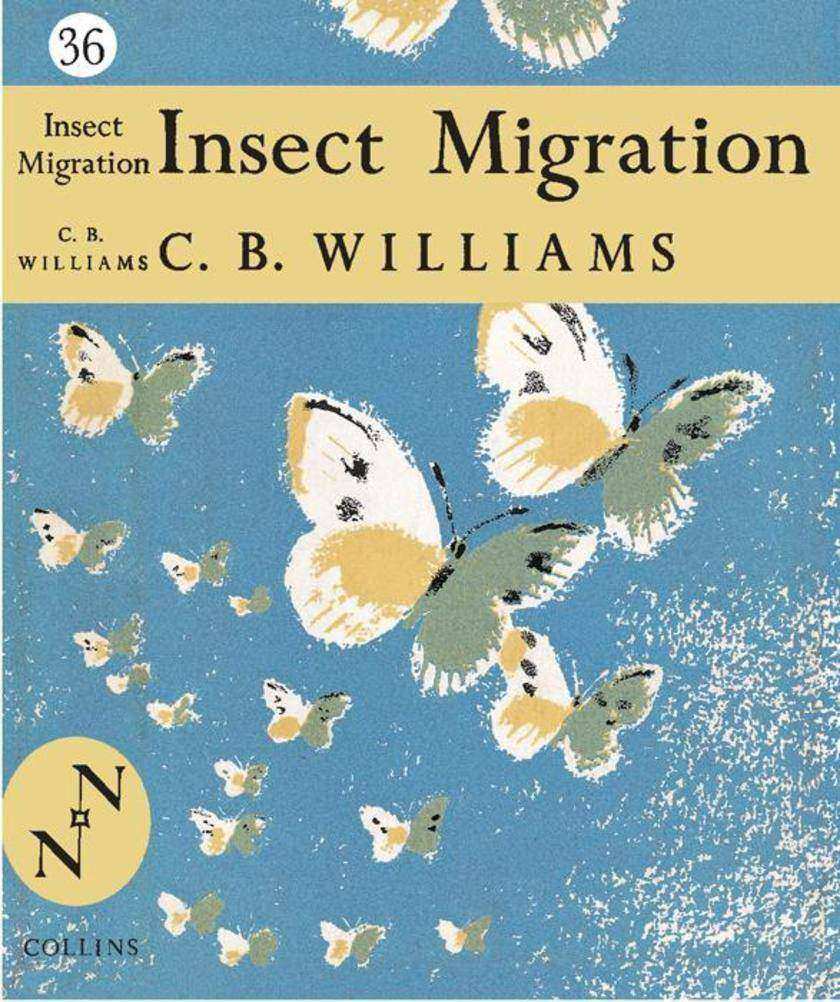
Insect Migration (Collins New Naturalist Library, Book 36)
¥456.66
Highlighting the significance of the widespread distribution of the migratory habit throughout the insect world. This edition is exclusive to newnaturalists.com This is a pioneer book, a real milestone in the progress of biology. Only in recent years have the scientists begun to realise the significance of the widespread distribution of the migratory habit throughout the insect world. Dr. Williams's own personal observations and adventures have played a fundamental part in the wakening of human consciousness to the extent to which insects migrate. His opportunities of studying the problem in remote corners of the world - such as British Guiana, Costa Rica, Egypt, Tanganyika and the Pyrenees - make the book as exciting as a world detective story. For Insect Migration deals with the subject on an international basis, with Britain - the home of the development of the present theories - as the natural peg on which a biological problem belonging to the world can properly be hung. From 1932 to 1955 C. B. Williams was chief entomologist at the Rothamsted Experimental Station. This book is the distillation of a subject which has occupied him for nearly the whole of his life. His theories are marshalled and summarised with modesty, economy and skill. The New Naturalist is honoured to publish what will certainly prove to be, above all things, the stimulus for new search and fresh discoveries.
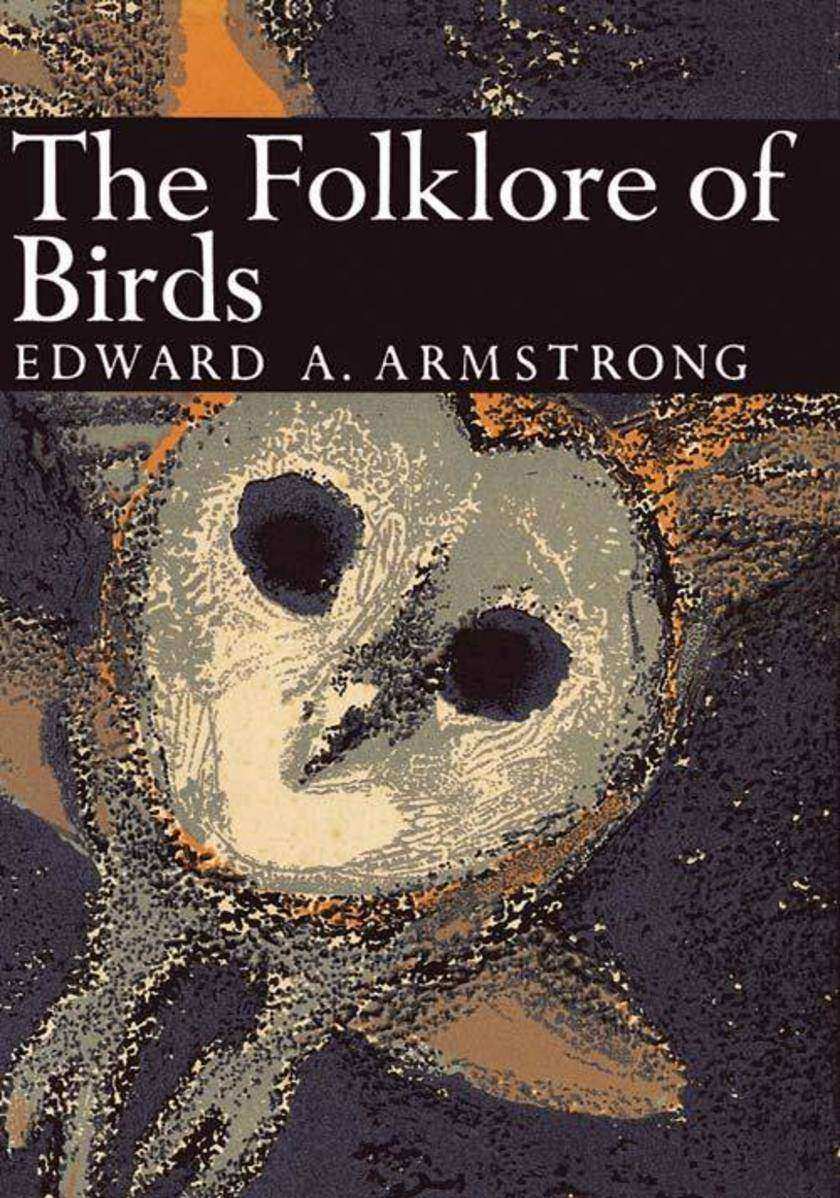
The Folklore of Birds (Collins New Naturalist Library, Book 39)
¥456.66
Tracing the magico-religious beliefs surrounding birds as far back in time as is possible, to the cultures in which these beliefs arose. This edition is exclusive to newnaturalists.com Edward A Armstrong is already known to readers of the New Naturalist as the author of the remarkable study on the wren. His wide scholarship and talents have fitted him outstandingly for this book, which could only have been written by a man with his deep understanding, not only of ornithology, but of social anthropology, psychology and comparative religion. Mr Amstrong has selected a number of familiar birds - such as the swan, the raven, the owl, the robin and the wren - and has traced magico-religious beliefs concerning them as far back as possible to the cultures in which these beliefs arose. With the scientist’s eye and methods of analysis he has examined the development of myth and ritual with originality and ingenuity. Many odd and interesting facts are cited, and explanations are given, for example of the customs of breaking the wish-bone, and of fables concerning weather-prophet birds and the generation of the Barnacle Goose from shell-fish. This book is the first treatment of a group of folklore beliefs as a series of artefacts are treated by an archaeologist, classifying them in order according to epochs. Archaeological data, as well as oral and literary traditions, have been used to illustrate the origins and significance of the current folklore. The illustrations are of exceptional quality and consist of over 140 carefully chosen photographs and line drawings from worldwide sources.
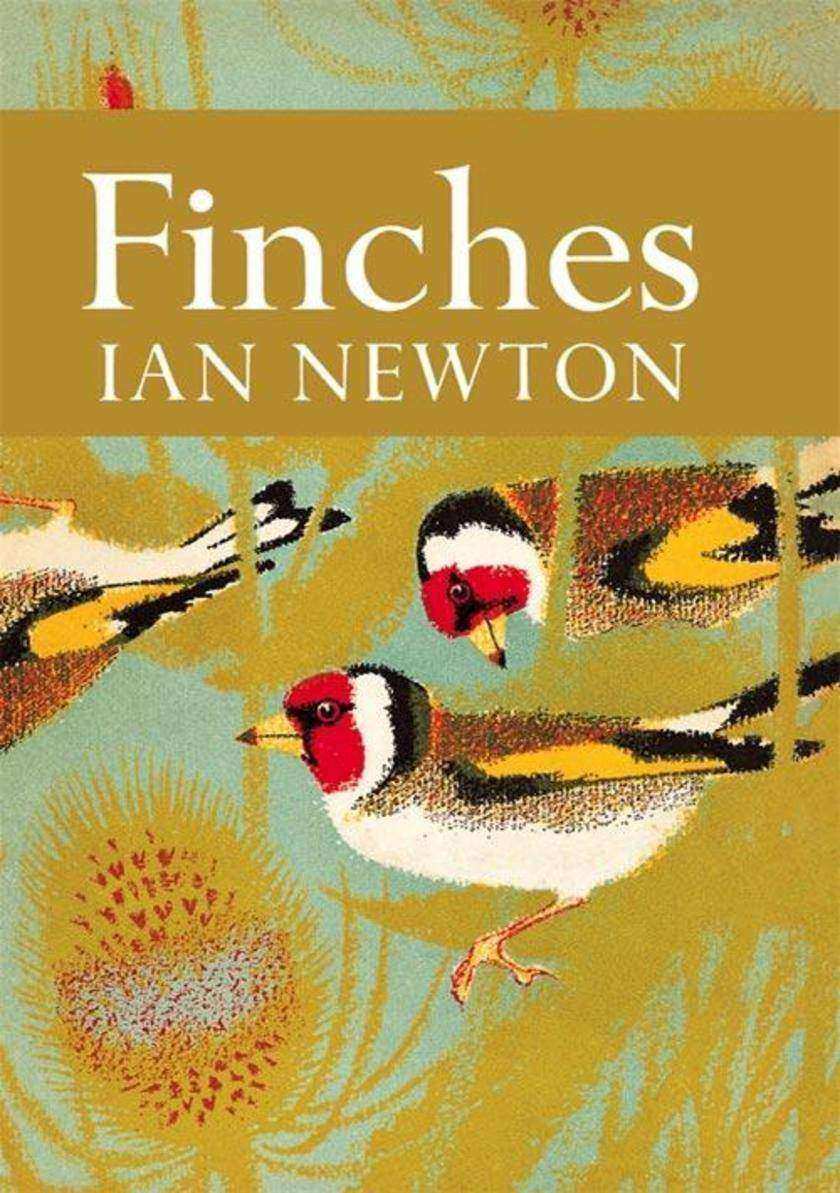
Finches (Collins New Naturalist Library, Book 55)
¥456.66
This illustrated survey of finch behaviour is a thorough, non-technical account of the habits of these birds throughout the world. Greenfinches nest in plantations, large shrubby gardens and churchyards with lots of evergreens, thickets and tall hedges. After breeding, goldfinches forage on waste land, overgrown rubbish dumps, neglected allotments of food, and rough pastures. Bullfinches, in their breeding season, develop in the floor of their mouths special pouches in which food for the young is retained. These pouches open, one on each side of the tongue and, when full, extend back under the jaws as far as the neck, when they together hold about one cubic centimetre of food. Cocks of the Chaffinch and Brambling species sing in the breeding season to repel other cocks and attract hens. This illustrated survey of finch behaviour is a thorough, non-technical account of the habits of these birds throughout the world. Dr. Newton uses his extensive bird-watching experience and knowledge of the published literature to document the main patterns of feeding, development of feathers, breeding, and migration. As a result, he presents the changing relationship of the birds to their environment. The author is on the staff of the Nature Conservancy at Edinburgh, Scotland. His several scientific papers on finches have appeared in Birds, Journal of Animal Ecology and other scholarly periodicals.
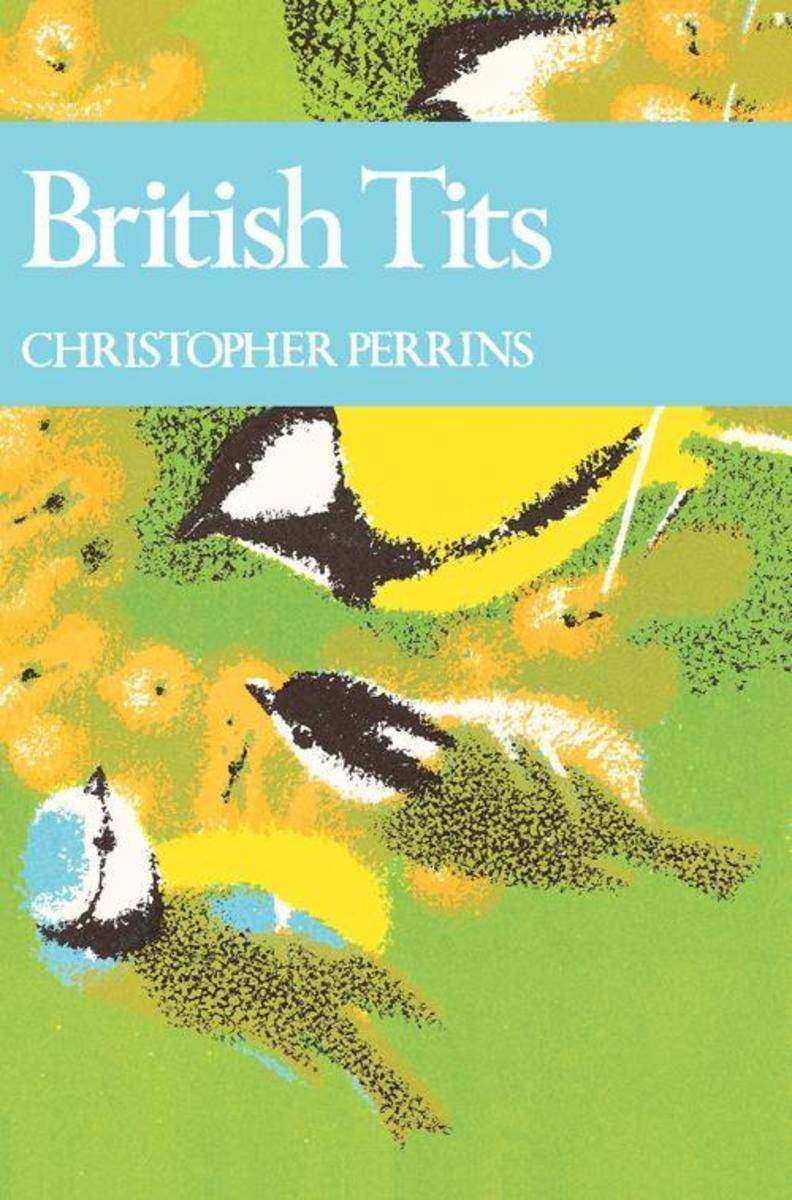
British Tits (Collins New Naturalist Library, Book 62)
¥456.66
In addition to dealing with the general biology and behaviour of the birds, Dr Perrins gives full attention to such things as their social lives, their intelligence and adaptiveness, and their puzzling ability to adjust their population sizes to the future availability of food. This edition is exclusive to newnaturalists.com Because of their ubiquity and apparent boldness, the tits are among the most easily observed, and the most popular, of all British birds. The Blue Tit, particularly, is an attractive and confident bird and will arrive at a well-stocked bird table, or at a bag of peanuts outside a window, within a few minutes of its being set out. Curiously, little has been written about tits for the general naturalist. In this book, Christopher Perrins, who succeeded the late David Lack at the Edward Grey Institute of Ornithology in Oxford, sets out to remedy this omission. Dr Perrins has spent many years studying these small birds in great detail and has himself made many important discoveries about their lives and behaviour. The book deals with seven species of tit. These include the six members of the true tits - Coal, Great, Blue, Crested, Marsh and Willow Tits - as well as the more distantly related Long-tailed Tit. In addition to dealing with the general biology and behaviour of the birds, Dr Perrins gives full attention to such things as their social lives, their intelligence and adaptiveness, and their puzzling ability to adjust their population sizes to the future availability of food. Dr Perrin's study demonstrates that there is much unsuspected complexity - some of it still not clearly understood - in the lives of even the most popular of groups of birds; as such it will be of interest to every birdwatcher, amateur and professional alike.


