


 购物车
购物车 个人中心
个人中心
Introduction to ‘The Zoology of the Voyage of H.M.S. Beagle’ by Charles Darwin
¥8.09
This eBook features the unabridged text of ‘Introduction to ‘The Zoology of the Voyage of H.M.S. Beagle’ by Charles Darwin - Delphi Classics (Illustrated)’ from the bestselling edition of ‘The Complete Works of Charles Darwin’. Having established their name as the leading publisher of classic literature and art, Delphi Classics produce publications that are individually crafted with superior formatting, while introducing many rare texts for the first time in digital print. The Delphi Classics edition of Darwin includes original annotations and illustrations relating to the life and works of the author, as well as individual tables of contents, allowing you to navigate eBooks quickly and easily. eBook features: * The complete unabridged text of ‘Introduction to ‘The Zoology of the Voyage of H.M.S. Beagle’ by Charles Darwin - Delphi Classics (Illustrated)’ * Beautifully illustrated with images related to Darwin’s works * Individual contents table, allowing easy navigation around the eBook * Excellent formatting of the text Please visit www.delphiclassics.com to learn more about our wide range of titles
The Ethics and Two Other Books
¥8.09
This file includes: The Ethics, On the Improvement of the Understanding, and A Theologico-Political Treatise (all four parts). According to Wikipedia: "Baruch or Benedict de Spinoza (November 24, 1632 – February 21, 1677) was a Dutch philosopher of Portuguese Jewish origin. Revealing considerable scientific aptitude, the breadth and importance of Spinoza's work was not fully realized until years after his death. Today, he is considered one of the great rationalists of 17th-century philosophy, laying the groundwork for the 18th century Enlightenment and modern biblical criticism. By virtue of his magnum opus, the posthumous Ethics, in which he opposed Descartes' mind–body dualism, Spinoza is considered to be one of Western philosophy's most important philosophers. Philosopher and historian Georg Wilhelm Friedrich Hegel said of all modern philosophers, "You are either a Spinozist or not a philosopher at all." All of Spinoza's works were listed on the Index Librorum Prohibitorum (List of Prohibited Books) by the Roman Catholic Church. Spinoza lived quietly as a lens grinder, turning down rewards and honors throughout his life, including prestigious teaching positions, and gave his family inheritance to his sister."
Jacob’s Room by Virginia Woolf - Delphi Classics (Illustrated)
¥8.09
This eBook features the unabridged text of ‘Jacob’s Room by Virginia Woolf - Delphi Classics (Illustrated)’ from the bestselling edition of ‘The Complete Works of Virginia Woolf’. Having established their name as the leading publisher of classic literature and art, Delphi Classics produce publications that are individually crafted with superior formatting, while introducing many rare texts for the first time in digital print. The Delphi Classics edition of Woolf includes original annotations and illustrations relating to the life and works of the author, as well as individual tables of contents, allowing you to navigate eBooks quickly and easily. eBook features: * The complete unabridged text of ‘Jacob’s Room by Virginia Woolf - Delphi Classics (Illustrated)’ * Beautifully illustrated with images related to Woolf’s works * Individual contents table, allowing easy navigation around the eBook * Excellent formatting of the text Please visit www.delphiclassics.com to learn more about our wide range of titles
Salvation
¥8.09
According to Wikipedia: "Lewis Sperry Chafer (February 27, 1871 – August 22, 1952) was the founder and first president of Dallas Theological Seminary, and an influential founding member of modern Christian Dispensationalism.
No and Yes
¥8.09
According to Wikipedia: "Mary Baker Eddy (born Mary Morse Baker July 16, 1821 – December 3, 1910) was the founder of the Christian Science movement. Deeply religious, she advocated Christian Science as a spiritual practical solution to health and moral issues. She wrote Science and Health with Key to the Scriptures, founded The First Church of Christ, Scientist of Boston in 1879, and several periodicals including The Christian Science Monitor. She took the name Mary Baker Glover from her first marriage and was also known as Mary Baker Glover Eddy or Mary Baker G. Eddy from her third marriage. She did much spiritual teaching, lecturing, and instantaneous healing. Her influence continues to grow through her writings."

Matthew Henry's Concise Commentary on the Bible
¥8.09
According to Wikipedia: "Matthew Henry (18 October 1662 – 22 June 1714), was an English non-conformist clergyman. He was born at Broad Oak, a farmhouse on the borders of Flintshire and Shropshire. His father, Philip Henry, had just been ejected by the Act of Uniformity 1662. Unlike most of his fellow-sufferers, Philip possessed some private means, and was thus able to give his son a good education. Matthew went first to a school at Islington, and then to Gray's Inn. He soon gave up his legal studies for theology, and in 1687 became minister of a Presbyterian congregation at Chester. He moved again in 1712 to Mare Street, Hackney. Two years later (22 June 1714), he died suddenly of apoplexy at the Queen's Aid House (41 High Street) in Nantwich while on a journey from Chester to London. Henry's well-known Exposition of the Old and New Testaments (1708–1710) is a commentary of a practical and devotional rather than of a critical kind, covering the whole of the Old Testament, and the Gospels and Acts in the New Testament. After the author's death, the work was finished by a number of ministers, and edited by G. Burder and John Hughes in 1811. Not a work of textual criticism, its attempt at good sense, discrimination, its high moral tone and simple piety with practical application, combined with the well-sustained flow of its English style, made it one of the most popular works of its type. Matthew Henry's six volume Complete Commentary, originally published in 1706, provides an exhaustive verse by verse study of the Bible. His commentaries are still in use to this day. Henry's commentaries are primarily exegetical, dealing with the scripture text as presented. Henry's prime intention was explanation, not translation or textual research."
Commenting and Commentaries
¥8.09
Addressed to the students of The Pastors' College, Metropolitan Tabernacle, and first published in 1890. Spurgeon was a Baptist preacher in England, known as "the Prince of Preachers". According to Wikipedia: "Charles Haddon Spurgeon, commonly C.H. Spurgeon, ( 1834 – 1892) was a British Reformed Baptist preacher who remains highly influential among Christians of different denominations, among whom he is still known as the "Prince of Preachers." He also founded the charity organization now known as Spurgeon's, that works worldwide with families and children, as well as a famous theological college which after his death was called after him: Spurgeon's College. Spurgeon was a prolific author of many types of works including sermons, an autobiography, a commentary, books on prayer, a devotional, a magazine, and more. Many sermons were transcribed as he spoke and were translated into many languages during his lifetime. Arguably, no other author, Christian or otherwise, has more material in print than C.H. Spurgeon."
Is Life Worth Living Without Immortality?
¥8.09
Dodo Collections brings you another classic from M. M. Mangasarian, ‘Is Life Worth Living Without Immortality?’ ? This book is based upon the famous lecture delivered before the Independent Religious Society, Chicago?by Mangasarian. ? Born in Mashger (now within Turkey) in the Ottoman Empire, M. M. Mangasarian attended Robert College in Constantinople, and was ordained as minister in Marsovan in 1878. In about 1880 he enrolled at Princeton University. He was pastor at a Presbyterian church in Philadelphia from 1882 to 1885, when he resigned, becoming an independent preacher and a lecturer on "independent religion" in New York. In 1892 he became leader of the Ethical Culture Society of Chicago, a group established by Felix Adler. In 1900 he organized the Independent Religious Society of Chicago, a rationalist group, of which he remained pastor until 1925. He retired to Piedmont, California, where he lived for the rest of his life. ? During his life Mangasarian wrote a number of books. His most popular, including The Truth About Jesus — Is He a Myth? (1909) and The Bible Unveiled (1911), deal with the evidence against the existence of an historical Jesus. He also wrote hundreds of essays and lectures on questions of the times. His books and essays were translated into French, German, Spanish, and other foreign languages. The general subject of his writing was religious criticism and the philosophy of religion. ? Mangasarian considered himself a Rationalist or a Secularist not an Atheist, since he considered atheism a non-verifiable belief system.

Experiences of a Dug-out: 1914-1918
¥8.09
A different commentary on the First World War, this memoir is a compelling and insightful not from a soldier who has served in the front line but rather from a man who served in the war office. Thoroughly compulsive reading, putting so much into context and giving great insight into the major strategic decisions of the First World War.
The Works of Jonathan Edwards
¥8.09
The complete works. A massive tome. According to Wikipedia: "Jonathan Edwards (October 5, 1703 – March 22, 1758) was a colonial American Congregational preacher, theologian, and missionary to Native Americans. Edwards "is widely acknowledged to be America's most important and original philosophical theologian". His work is very broad in scope, but he is often associated with his defense of Calvinist theology, the metaphysics of theological determinism, and the Puritan heritage. His famous sermon "Sinners in the Hands of an Angry God," emphasized the just wrath of God against sin and contrasted it with the provision of God for salvation; the intensity of his preaching sometimes resulted in members of the audience fainting, swooning, and other more obtrusive reactions. The swooning and other behaviors in his audience caught him up in a controversy over "bodily effects" of the Holy Spirit's presence."
The Old Sixth Regiment:Its War Record, 1861-65
¥8.09
The object of this work is to give a true and impartial record of the old Sixth Regiment during the war. The author collected the facts from a private diary kept by himself while in the service. Less has been known of the Sixth by our citizens than most of the other regiments; perhaps this is due partly to the fact that when we arrived.in Washington Colonel Chatfield instructed officers and men that it was unmilitary to write letters for the press; he desired that the War Record should know the record of the Sixth, and not the newspapers only. Its history is less full on this account; yet none can say that the record of the Sixth is sullied. In many trying places the regiment proved itself honor ably and gained confidence from its corps and department commanders. There may be errors in this work, and if any are inclined to censure, I trust they will remember that very few histories are without them; yet they are errors of the head and not of the heart. If what is here written meets the approval of the old members and the intelligent readers in general, I shall feel that my labors have been amply rewarded.
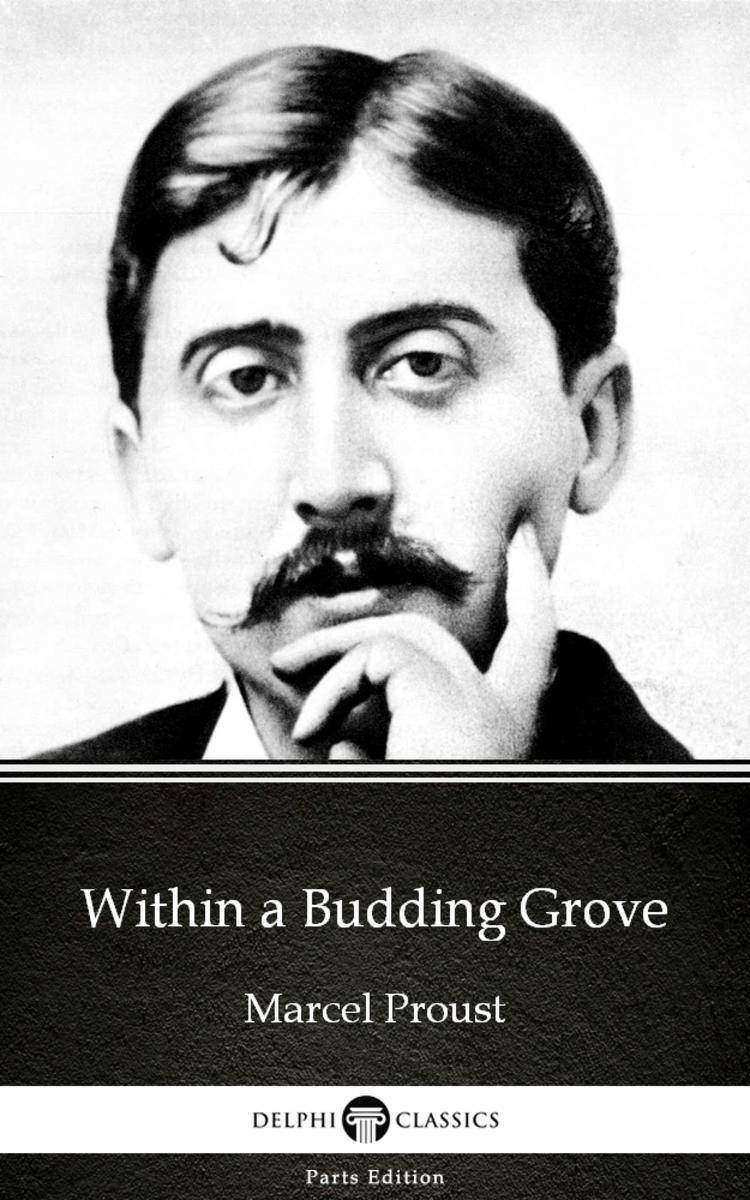
Within a Budding Grove by Marcel Proust - Delphi Classics (Illustrated)
¥8.09
This eBook features the unabridged text of ‘Within a Budding Grove by Marcel Proust - Delphi Classics (Illustrated)’ from the bestselling edition of ‘The Complete Works of Marcel Proust’. Having established their name as the leading publisher of classic literature and art, Delphi Classics produce publications that are individually crafted with superior formatting, while introducing many rare texts for the first time in digital print. The Delphi Classics edition of Proust includes original annotations and illustrations relating to the life and works of the author, as well as individual tables of contents, allowing you to navigate eBooks quickly and easily. eBook features: * The complete unabridged text of ‘Within a Budding Grove by Marcel Proust - Delphi Classics (Illustrated)’ * Beautifully illustrated with images related to Proust’s works * Individual contents table, allowing easy navigation around the eBook * Excellent formatting of the text Please visit www.delphiclassics.com to learn more about our wide range of titles
Dialogues Concerning Natural Religion
¥8.09
Dialogues Concerning Natural Religion is a philosophical work by the Scottish philosopher David Hume. Through dialogue, three philosophers named Demea, Philo, and Cleanthes debate the nature of God's existence. Whether or not these names reference specific philosophers, ancient or otherwise, remains a topic of scholarly dispute. While all three agree that a god exists, they differ sharply in opinion on God's nature or attributes and how, or if, humankind can come to knowledge of a deity. ? In the Dialogues, Hume's characters debate a number of arguments for the existence of God, and arguments whose proponents believe through which we may come to know the nature of God. Such topics debated include the argument from design—for which Hume uses a house—and whether there is more suffering or good in the world (argument from evil). ? Hume started writing the Dialogues in 1750 but did not complete them until 1776, shortly before his death. They are based partly on Cicero's De Natura Deorum. The Dialogues were published posthumously in 1779, originally with neither the author's nor the publisher's name.
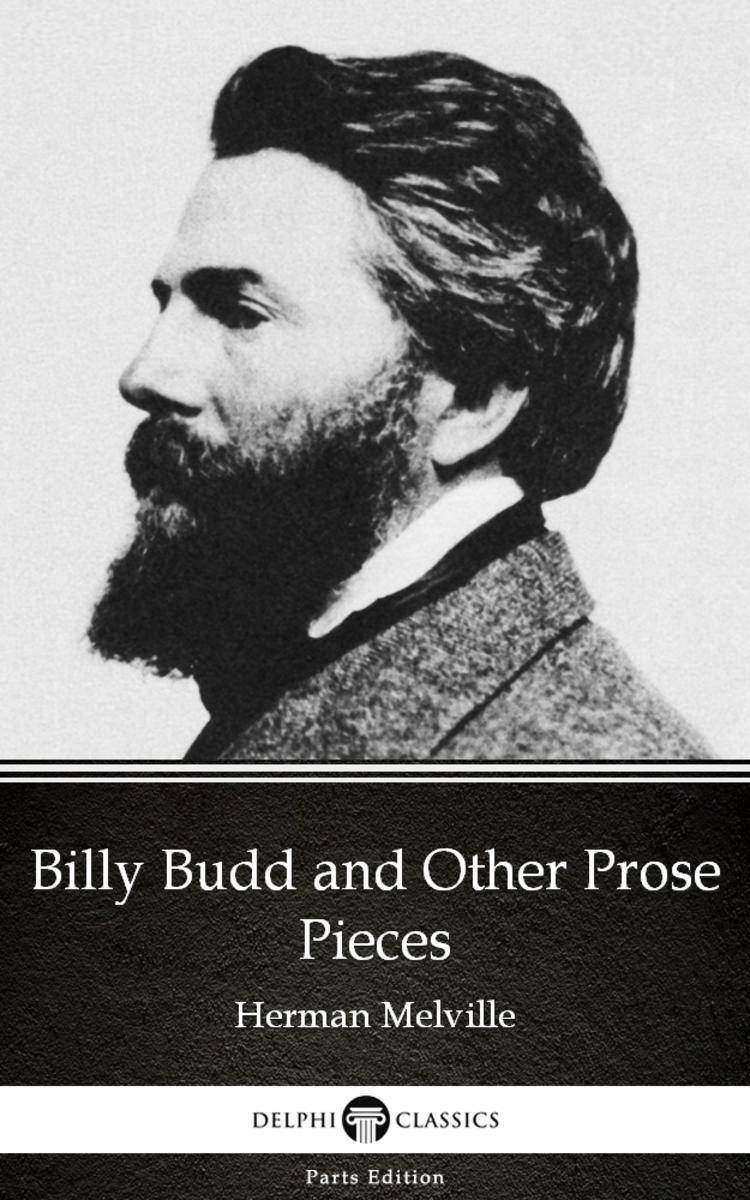
Billy Budd and Other Prose Pieces by Herman Melville - Delphi Classics (Illustra
¥8.09
This eBook features the unabridged text of ‘Billy Budd and Other Prose Pieces by Herman Melville - Delphi Classics (Illustrated)’ from the bestselling edition of ‘The Complete Works of Herman Melville’. Having established their name as the leading publisher of classic literature and art, Delphi Classics produce publications that are individually crafted with superior formatting, while introducing many rare texts for the first time in digital print. The Delphi Classics edition of Melville includes original annotations and illustrations relating to the life and works of the author, as well as individual tables of contents, allowing you to navigate eBooks quickly and easily. eBook features: * The complete unabridged text of ‘Billy Budd and Other Prose Pieces by Herman Melville - Delphi Classics (Illustrated)’ * Beautifully illustrated with images related to Melville’s works * Individual contents table, allowing easy navigation around the eBook * Excellent formatting of the text Please visit www.delphiclassics.com to learn more about our wide range of titles
A Woman of Thirty by Honoré de Balzac - Delphi Classics (Illustrated)
¥8.09
This eBook features the unabridged text of ‘A Woman of Thirty by Honoré de Balzac - Delphi Classics (Illustrated)’ from the bestselling edition of ‘The Collected Works of Honoré de Balzac’. Having established their name as the leading publisher of classic literature and art, Delphi Classics produce publications that are individually crafted with superior formatting, while introducing many rare texts for the first time in digital print. The Delphi Classics edition of Balzac includes original annotations and illustrations relating to the life and works of the author, as well as individual tables of contents, allowing you to navigate eBooks quickly and easily. eBook features: * The complete unabridged text of ‘A Woman of Thirty by Honoré de Balzac - Delphi Classics (Illustrated)’ * Beautifully illustrated with images related to Balzac’s works * Individual contents table, allowing easy navigation around the eBook * Excellent formatting of the text Please visit www.delphiclassics.com to learn more about our wide range of titles
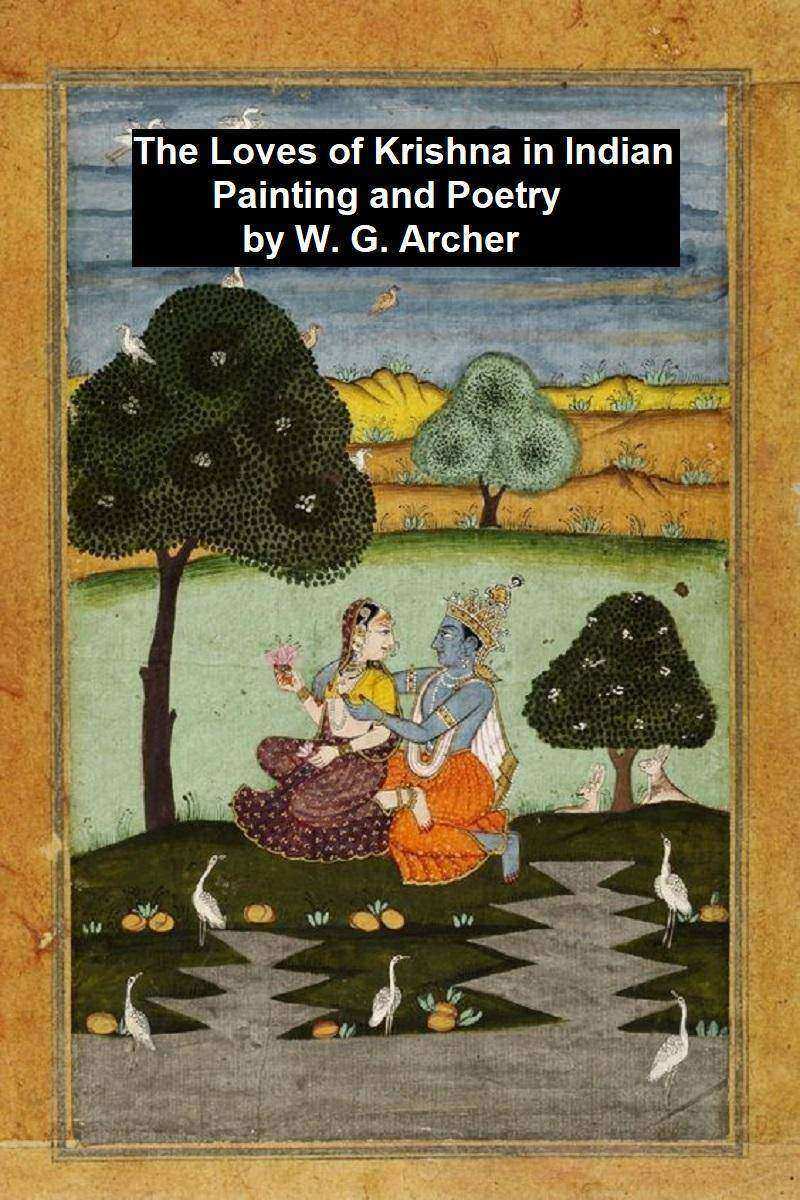
Loves of Krishna
¥8.09
The Introduction explains: "During the twentieth century, a certain type of Indian painting began to fascinate the West. Unlike Mughal art, it was a product of Hindu courts in Rajasthan and the Punjab Hills and unlike Mughal painting, its chief concern was with the varied phases of romance. Ladies would be shown brooding in their chambers as storm clouds mounted in the sky. A girl might be portrayed desperately fondling a plantain tree, gripping a pet falcon, the symbol of her lover, or hurrying through the rainy darkness intent only on reaching a longed-for tryst. A prince would appear lying on a terrace, his outstretched arms striving vainly to detain a calm beauty or welcoming with delight a bashful girl as she slowly advanced. In all these pictures, romantic love was treated as the highest good and physical passion was interpreted with a freshness and innocence unequalled in the world's art."

The Will to Believe and Other Essays in Popular Philosophy
¥8.09
According to Wikipedia: ""The Will to Believe" is a lecture by William James, first published in 1896, which defends, in certain cases, the adoption of a belief without prior evidence of its truth. In particular, James is concerned in this lecture about defending the rationality of religious faith even lacking sufficient evidence of religious truth. James' central argument in "The Will to Believe" hinges on the idea that access to the evidence for whether or not certain beliefs are true depends crucially upon first adopting those beliefs without evidence. As an example, James argues that it can be rational to have unsupported faith in one's own ability to accomplish tasks that require confidence. Importantly, James points out that this is the case even for pursuing scientific inquiry. James then argues that like belief in one's own ability to accomplish a difficult task, religious faith can also be rational even if one at the time lacks evidence for the truth of one's religious belief.
The Republic
¥8.09
Plato's best-known dialogue. According to Wikipedia: "The Republic is a Socratic dialogue written by Plato around 380 BC concerning the definition of justice and the order and character of the just city-state and the just man. The dramatic date of the dialogue has been much debated and though it must take place some time during the Peloponnesian War, "there would be jarring anachronisms if any of the candidate specific dates between 432 and 404 were assigned".[2] It is Plato's best-known work and has proven to be one of the most intellectually and historically influential works of philosophy and political theory. In it, Socrates along with various Athenians and foreigners discuss the meaning of justice and examine whether or not the just man is happier than the unjust man by considering a series of different cities coming into existence "in speech", culminating in a city (Kallipolis) ruled by philosopher-kings; and by examining the nature of existing regimes. The participants also discuss the theory of forms, the immortality of the soul, and the roles of the philosopher and of poetry in society."
Of the Nature of Things
¥8.09
Classic work of philosophy, in English translation. Titus Lucretius Carus (ca. 99 BC – ca. 55 BC) was a Roman poet and philosopher. His only known work is an epic philosophical poem laying out the beliefs of Epicureanism, De rerum natura, translated into English as On the Nature of Things or "On the Nature of the Universe".

Inaugural Addresses Washington to Obama
¥8.09
Collection of speeches by U.S. presidents. According to Wikipedia: "The inauguration of the President of the United States takes place during the commencement of a new term of a President of the United States, which is every four years... "
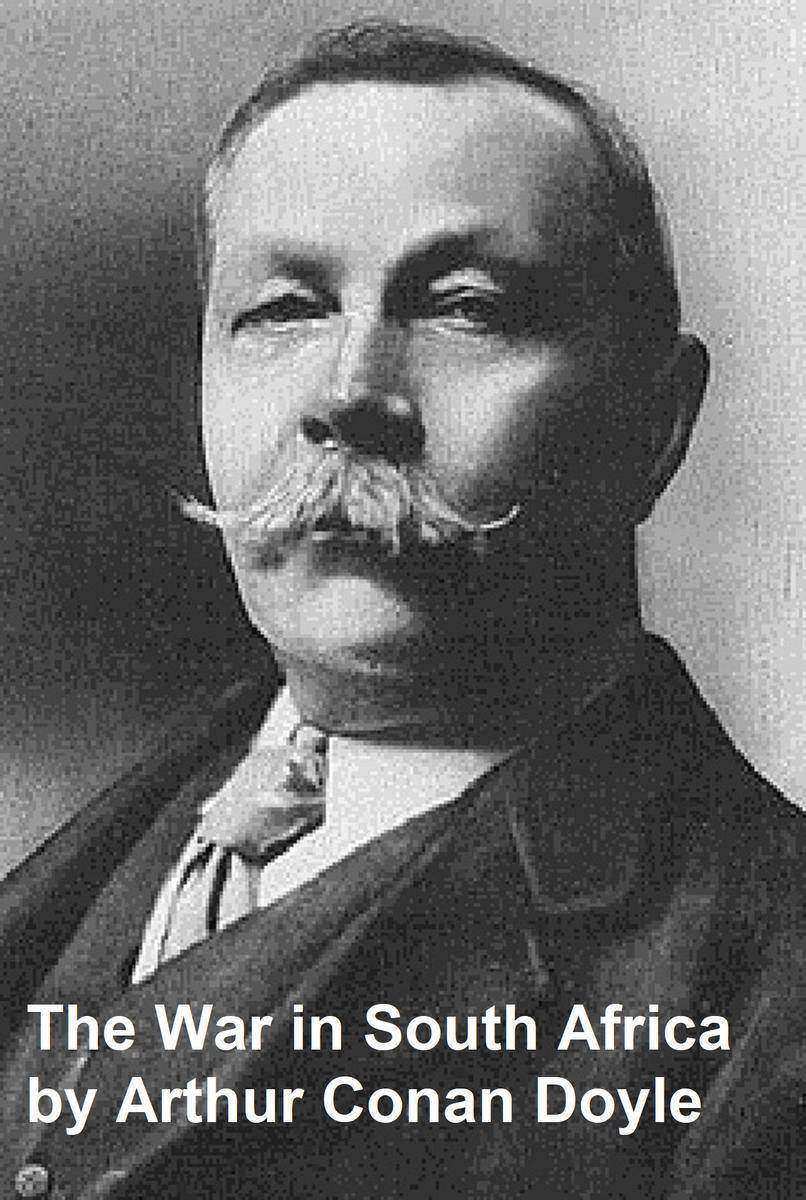
The War in South Africa
¥8.09
Account of the Boer War, first published in 1902. According to Wikipedia: "Sir Arthur Ignatius Conan Doyle (22 May 1859 – 7 July 1930) was a Scottish physician and writer who is most noted for his fictional stories about the detective Sherlock Holmes, which are generally considered milestones in the field of crime fiction. He is also known for writing the fictional adventures of a second character he invented, Professor Challenger, and for popularising the mystery of the Mary Celeste. He was a prolific writer whose other works include fantasy and science fiction stories, plays, romances, poetry, non-fiction, and historical novels.


