


 购物车
购物车 个人中心
个人中心
Aristotle: Poetics, Ethics, Politics, and Categories
¥8.09
This file includes four books: Poetics, Ethics, Politics, and Categories. According to Wikipedia: "Aristotle (384 BC – 322 BC)[1] was a Greek philosopher and polymath, a student of Plato and teacher of Alexander the Great. His writings cover many subjects, including physics, metaphysics, poetry, theater, music, logic, rhetoric, linguistics, politics, government, ethics, biology, and zoology. Together with Plato and Socrates (Plato's teacher), Aristotle is one of the most important founding figures in Western philosophy. Aristotle's writings were the first to create a comprehensive system of Western philosophy, encompassing morality, aesthetics, logic, science, politics, and metaphysics."
The Great Pestilence
¥8.09
According to Wikipedia: "The Black Death was one of the most devastating pandemics in human history, resulting in the deaths of an estimated 75 to 200 million people and peaking in Europe in the years 1346–53. Although there were several competing theories as to the etiology of the Black Death, analysis of DNA from victims in northern and southern Europe published in 2010 and 2011 indicates that the pathogen responsible was the Yersinia pestis bacterium, probably causing several forms of plague. The Black Death is thought to have originated in the arid plains of central Asia, where it then travelled along the Silk Road, reaching the Crimea by 1346.[citation needed][6] From there, it was most likely carried by Oriental rat fleas living on the black rats that were regular passengers on merchant ships. Spreading throughout the Mediterranean and Europe, the Black Death is estimated to have killed 30–60% of Europe's total population. All in all, the plague reduced the world population from an estimated 450 million down to 350–375 million in the 14th century. The aftermath of the plague created a series of religious, social, and economic upheavals, which had profound effects on the course of European history. It took 150 years for Europe's population to recover. The plague recurred occasionally in Europe until the 19th century."
The Path of the King
¥8.09
The Path of the King is a travel through historic events that traces a band of gold as it is passed from a young Viking to Abraham Lincoln. The following is a quotation from its original publication (AL BURT COMPANY PUBLISHERS, 1921): "We wonder that so great a man as Abraham Lincoln should spring from humble people but who knows what his more distant ancestry might have been In a series of dramatic chapters Mr Buchan tells what he imagines to have been the ancestry of Lincoln The worthy son of a northern chieftain who had come down with his people into Normandy, a Norman knight who fought under Duke William and settled in England, a French knight emissary of Saint Louis to Kubla Khan, a proud demoiselle friend to Jeanne d Arc, a French gentleman who went with Columbus on his second voyage, an avenger of Saint Bartholomew's Day, a friend to Sir Walter Raleigh, a supporter of Cromwell, a soldier of fortune under Marlborough, a mighty hunter in Virginia, all these says Mr Buchan were Lincoln's forebears Their blood ran in his veins and made him in James Russell Lowell's phrase the last of the kings." According to Wikipedia, "John Buchan, 1st Baron Tweedsmuir (26 August 1875 – 11 February 1940) was a Scottish novelist and Unionist politician who served as Governor General of Canada. Buchan's 100 works include nearly thirty novels, seven collections of short stories and biographies of Sir Walter Scott, Caesar Augustus, and Oliver Cromwell. Buchan's most famous of his books were the spy thrillers (including) The 39 Steps (which was converted to a play as well as an Alfred Hitchcock movie starring Robert Donat as Richard Hannay, though with Buchan's story much altered.) The "last Buchan" (as Graham Greene entitled his appreciative review) was the 1941 novel Sick Heart River (American title: Mountain Meadow), in which a dying protagonist confronts in the Canadian wilderness the questions of the meaning of life. The insightful quotation "It's a great life, if you don't weaken" is famously attributed to Buchan, as is "No great cause is ever lost or won, The battle must always be renewed, And the creed must always be restated."
The Germany and the Agricola of Tacitus
¥8.09
According to Wikipedia: "Publius (or Gaius) Cornelius Tacitus (AD 56 – AD 117) was a senator and a historian of the Roman Empire. The surviving portions of his two major works—the Annals and the Histories—examine the reigns of the Roman Emperors Tiberius, Claudius, Nero and those who reigned in the Year of the Four Emperors. These two works span the history of the Roman Empire from the death of Augustus in AD 14 to (presumably) the death of emperor Domitian in AD 96. There are enormous lacunae in the surviving texts, including one four books long in the Annals. Other works by Tacitus discuss oratory (in dialogue format, see Dialogus de oratoribus), Germania (in De origine et situ Germanorum), and biographical notes about his father-in-law Agricola, primarily during his campaign in Britannia (see De vita et moribus Iulii Agricolae)."
The Varieties of Religious Experience
¥8.09
The psychology of religious belief. "If the inquiry be psychological, not religious institutions, but rather religious feelings and religious impulses must be its subject, and I must confine myself to those more developed subjective phenomena recorded in literature produced by articulate and fully self-conscious men, in works of piety and autobiography." According to Wikipedia: "William James (1842 – 1910) was a pioneering American psychologist and philosopher trained as a medical doctor. He wrote influential books on the young science of psychology, educational psychology, psychology of religious experience and mysticism, and the philosophy of pragmatism. He was the brother of novelist Henry James and of diarist Alice James. William James was born at the Astor House in New York City. He was the son of Henry James Sr., an independently wealthy and notoriously eccentric Swedenborgian theologian well acquainted with the literary and intellectual elites of his day. The intellectual brilliance of the James family milieu and the remarkable epistolary talents of several of its members have made them a subject of continuing interest to historians, biographers, and critics."
The Complete Dialogues of Plato
¥8.09
This book-collection file includes all 26 dialogues: Apology, Charmides (and preface to the collection), Cratylus, Critias, Crito, Euthyphro, Euthydemus, Gorgias, Ion, Laches, Laws, Lesser Hippias, Lysis, Menexus, Meno, Parmenides, Phaedo, Phaedrus, Philebus, Protagoras, Republic, Sophist, Statesman, Symposium, Theaetetus, and Timaeus. The Jowett translation. According to Wikipedia: "Plato (428/427 BC[a] – 348/347 BC), was a Classical Greek philosopher, who, together with his mentor, Socrates, and his student, Aristotle, helped to lay the foundations of Western philosophy.[2] Plato was also a mathematician, writer of philosophical dialogues, and founder of the Academy in Athens, the first institution of higher learning in the western world. Plato was originally a student of Socrates, and was as much influenced by his thinking as by what he saw as his teacher's unjust death."
The Origin and Deeds of the Goths
¥8.09
This English version first published in 1908. "For the first time the story of the Goths recorded in the Getica of Jordanes, a Christian Goth who wrote his account in the year 551, probably in Constantinople, is now put in English form, as part of an edition of the Getica prepared by Mr. Mierow. Those who care for the romance of history will be charmed by this great tale of a lost cause and will not find the simple-hearted exaggerations of the eulogist of the Gothic race misleading. He pictured what he believed or wanted to believe, and his employment of fable and legend, as well as the naive exhibition of his loyal prejudices, merely heightens the interest of his story." According to Wikipedia: "Jordanes, also written Jordanis or, uncommonly, Jornandes, was a 6th-century Roman bureaucrat, who turned his hand to history later in life. While he also wrote Romana about the history of Rome, his best-known work is his Getica, written in Constantinople about AD 551. It is the only extant ancient work dealing with the early history of the Goths."
A Visit to Three Fronts
¥8.09
Account of World War I, first published in 1916. According to Wikipedia: "Sir Arthur Ignatius Conan Doyle (22 May 1859 – 7 July 1930) was a Scottish physician and writer who is most noted for his fictional stories about the detective Sherlock Holmes, which are generally considered milestones in the field of crime fiction. He is also known for writing the fictional adventures of a second character he invented, Professor Challenger, and for popularising the mystery of the Mary Celeste. He was a prolific writer whose other works include fantasy and science fiction stories, plays, romances, poetry, non-fiction, and historical novels."
The Fall of the Moghul Empire of Hindustan
¥8.09
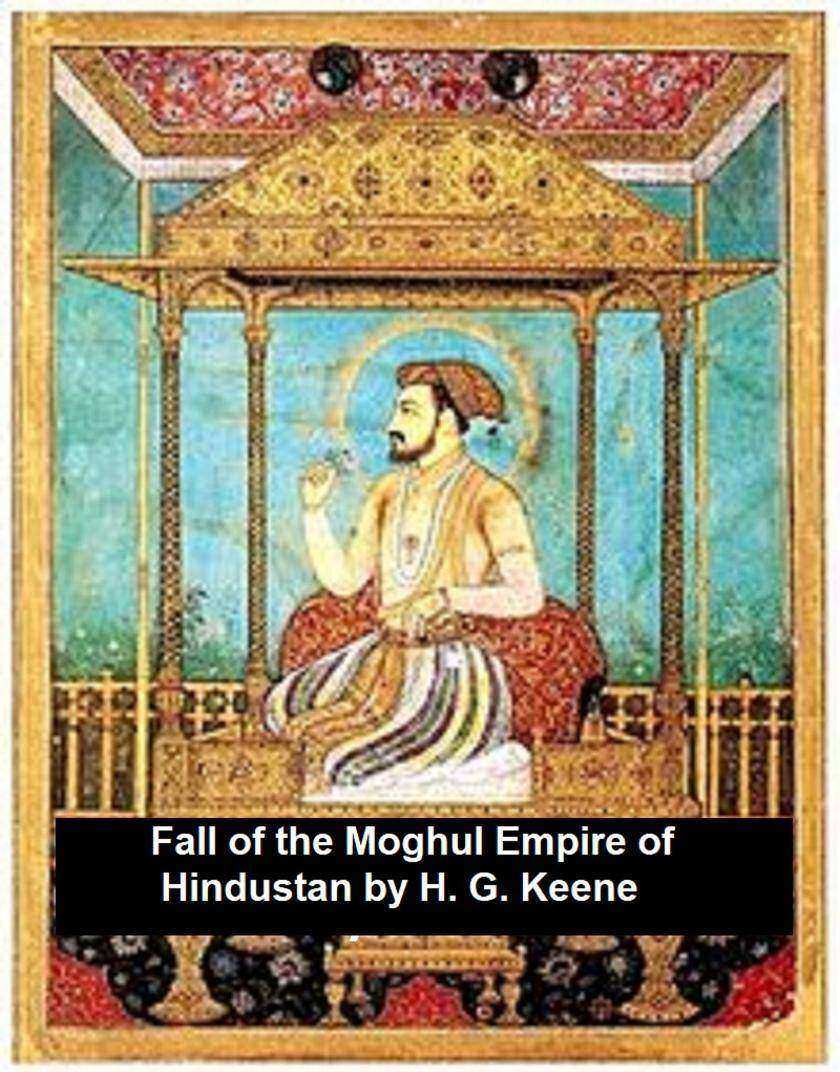
First published in 1887. Acording to the Preface: "The rise and meridian of the Moghul Empire have been related in Elphinstone's " History of India: the Hindu and Mahometan Period; " and a Special Study of the subject will Also be found in the " Sketch of the History of Hindustan" published by the present writer in 1885. Neither of those works, however, undertakes to give a detailed account of the great Anarchy that marked the conclusion of the eighteenth century, the dark time that came before the dawn of British power in the land of the Moghul. Nor is there is any other complete English book on the Subject."
The Dolliver Romance by Nathaniel Hawthorne - Delphi Classics (Illustrated)
¥8.09
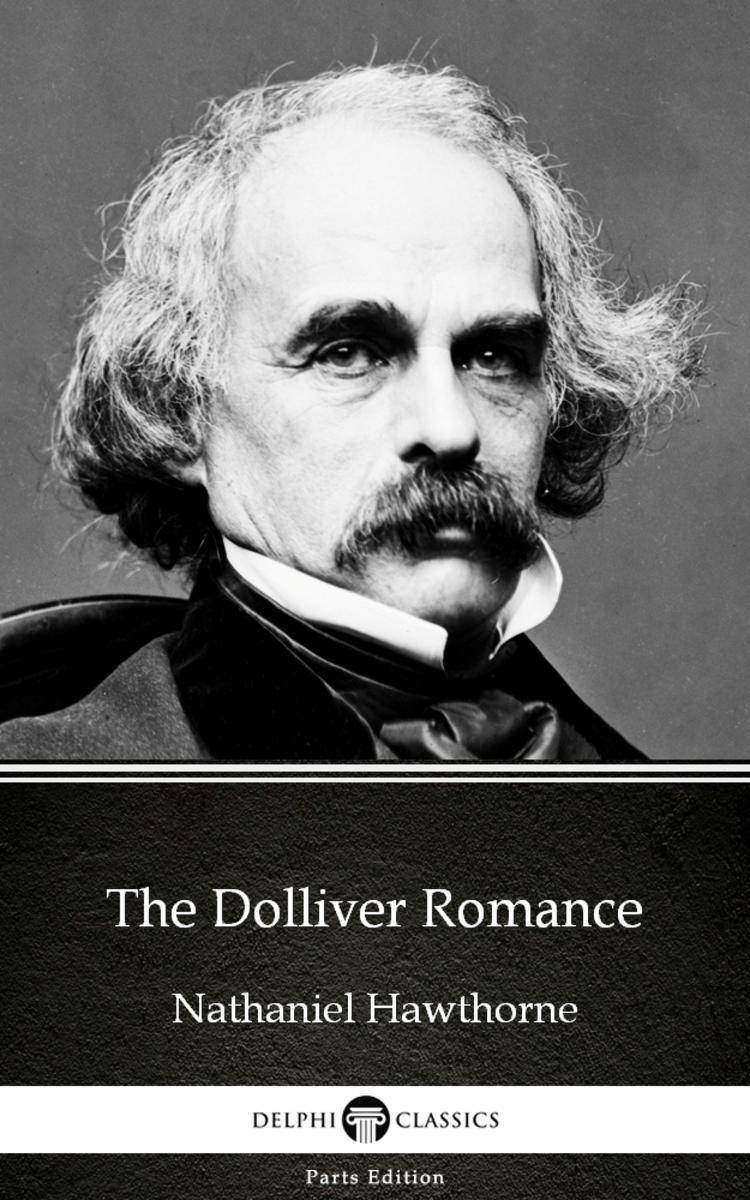
This eBook features the unabridged text of ‘The Dolliver Romance by Nathaniel Hawthorne - Delphi Classics (Illustrated)’ from the bestselling edition of ‘The Complete Works of Nathaniel Hawthorne’. Having established their name as the leading publisher of classic literature and art, Delphi Classics produce publications that are individually crafted with superior formatting, while introducing many rare texts for the first time in digital print. The Delphi Classics edition of Hawthorne includes original annotations and illustrations relating to the life and works of the author, as well as individual tables of contents, allowing you to navigate eBooks quickly and easily. eBook features: * The complete unabridged text of ‘The Dolliver Romance by Nathaniel Hawthorne - Delphi Classics (Illustrated)’ * Beautifully illustrated with images related to Hawthorne’s works * Individual contents table, allowing easy navigation around the eBook * Excellent formatting of the text Please visit www.delphiclassics.com to learn more about our wide range of titles
The Life, Crimes, and Capture of John Wilkes Booth
¥8.09
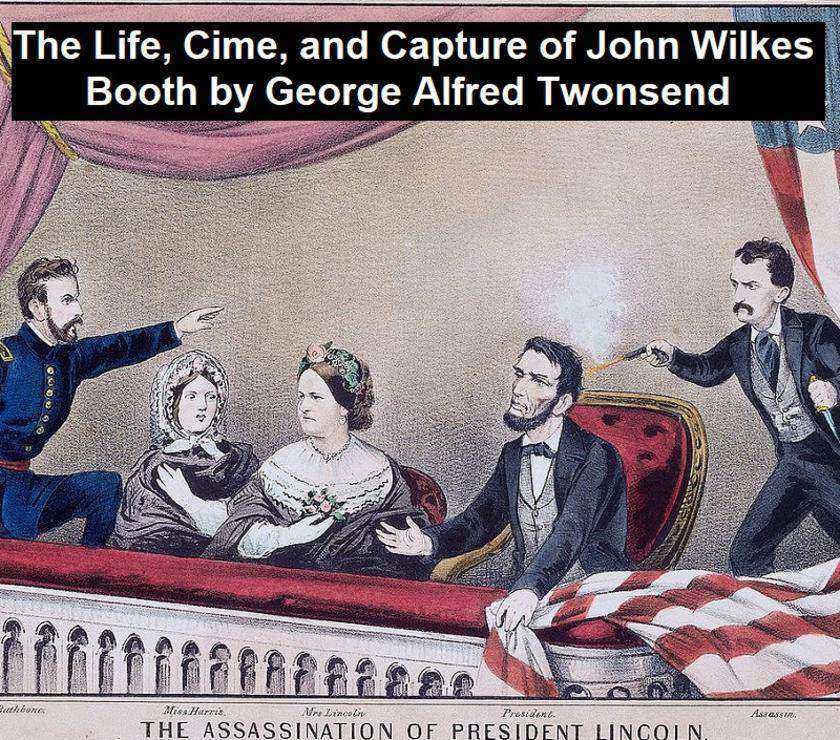
Account of the assassination of Abraham Lincoln, first published in 1865. According to Wikipedia: "George Alfred Townsend (January 30, 1841 – April 15, 1914), was a noted war correspondent during the American Civil War, and a later novelist. Townsend wrote under the pen name "Gath", which was derived by adding an "H" to his initials, and inspired by the biblical passage II Samuel 1:20, "Tell it not in Gath, publish it not in the streets of Askalon"... He is considered to have been the youngest correspondent of the war. In 1865, Townsend was Washington correspondent for the New York World, covering the assassination of Abraham Lincoln and its aftermath. His daily reports filed between April 17 – May 17 were published later in 1865 as a book, The Life, Crime, and Capture of John Wilkes Booth."
Narrative of the Mutiny on the Bounty
¥8.09
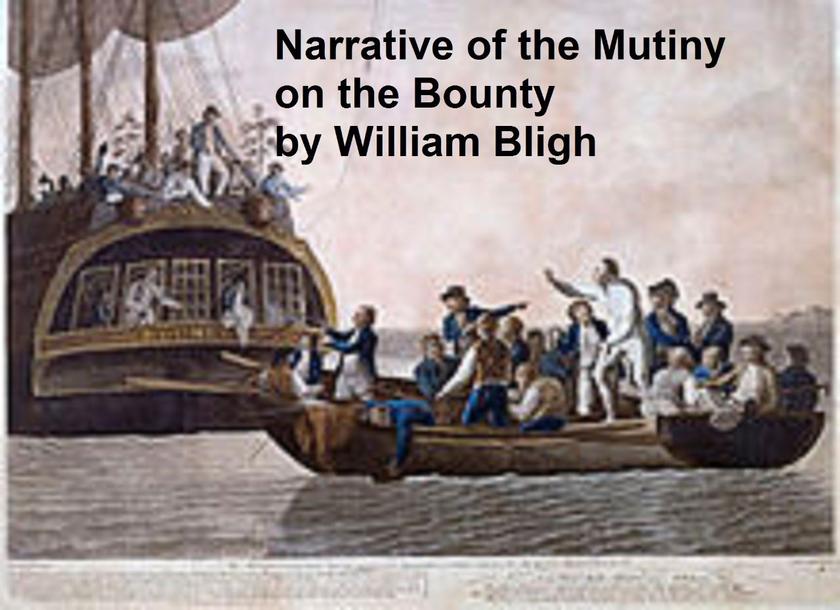
According to Wikipedia: "Vice Admiral William Bligh, (9 September 1754 – 7 December 1817) was an officer of the British Royal Navy and a colonial administrator. A historic mutiny occurred during his command of HMS Bounty in 1789; Bligh and his loyal men made a remarkable voyage to Timor, after being set adrift in the Bounty's launch by the mutineers. Fifteen years after the Bounty mutiny, he was appointed Governor of New South Wales in Australia, with orders to clean up the corrupt rum trade of the New South Wales Corps, resulting in the so-called Rum Rebellion."
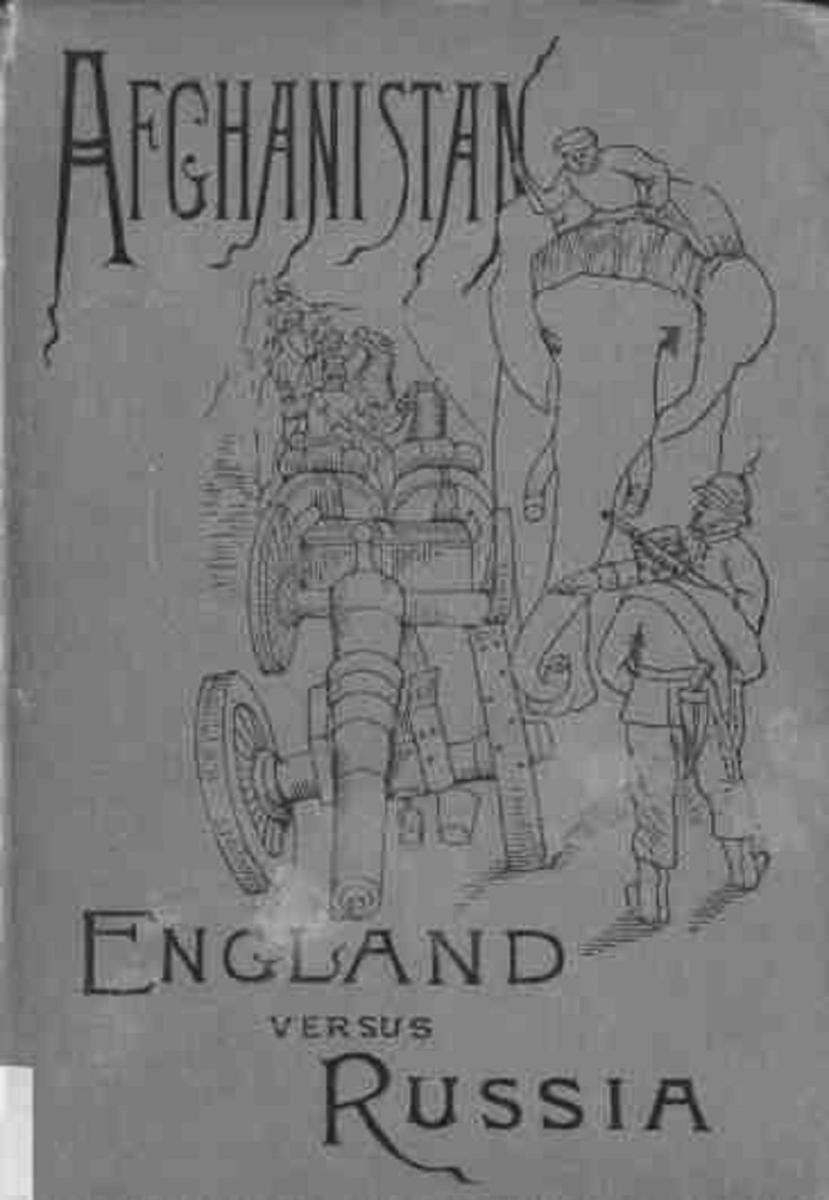
Afghanistan
¥8.09
First published in the 19th century. Written by a brigadier general from the U.S. The book begins: "In universal history there is no more interesting subject for the consideration of the political student than the record of Russian progress through Central Asia. In one sense this advance is a practical reestablishment or extension of the influence of the Aryan race in countries long dominated by peoples of Turki or Mongolian origin; in another sense it has resulted in a transition from the barbarism or rude forms of Asiatic life to the enlightenment and higher moral development of a European age. In a religious sense it embodies a crusade against Oriental fanaticism; and it is a curious feature of the Anglo-Russian dispute, that upon a question of temporal gain, the greatest Christian nation finds itself allied with the followers of Buddha and Mahomet against Russia under the Banner of the Cross."
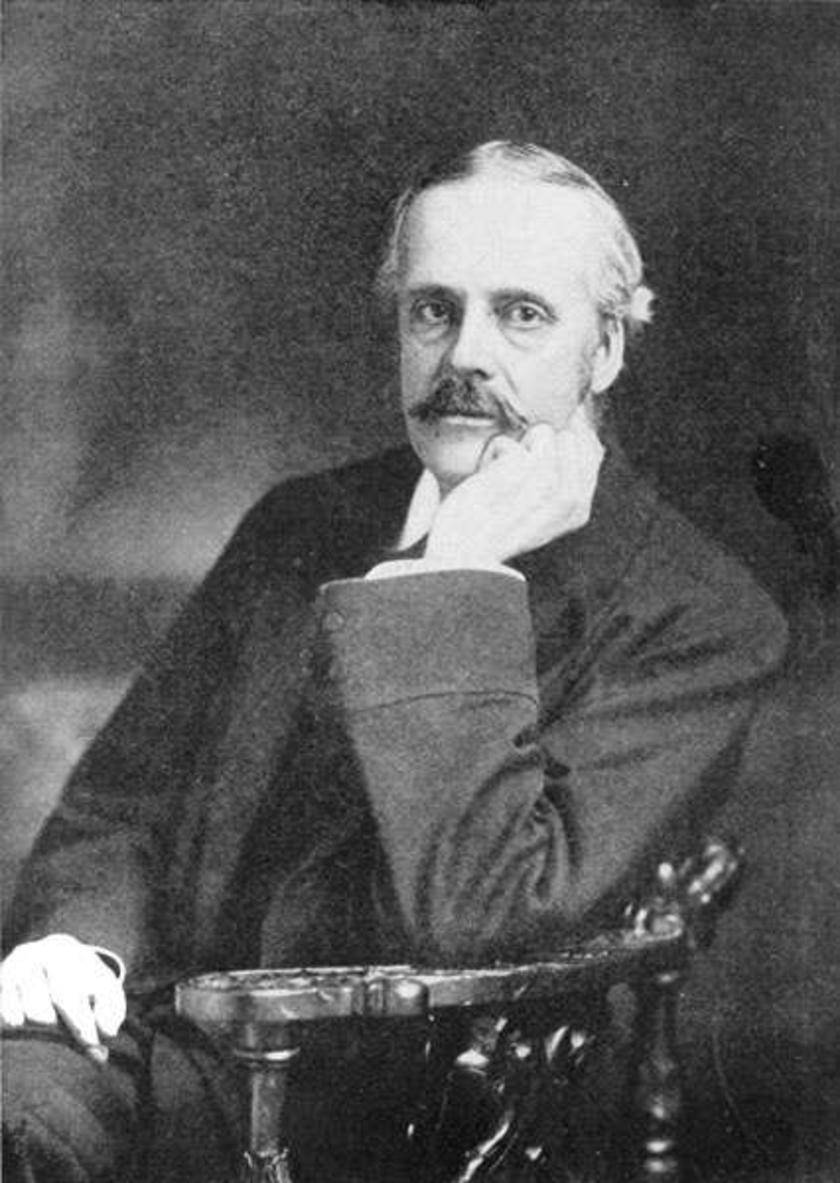
British Political Leaders
¥8.09
First published in 1903. Biographies of Balfour, Lord Salisbury, Lord Rosebery, Chamberlain, Labourchere, Morley, Burns, Hicks-Beach, Redmond,Harcourt, Bryce, Campbell-Bannerman, and the Earl of Aberdeen.
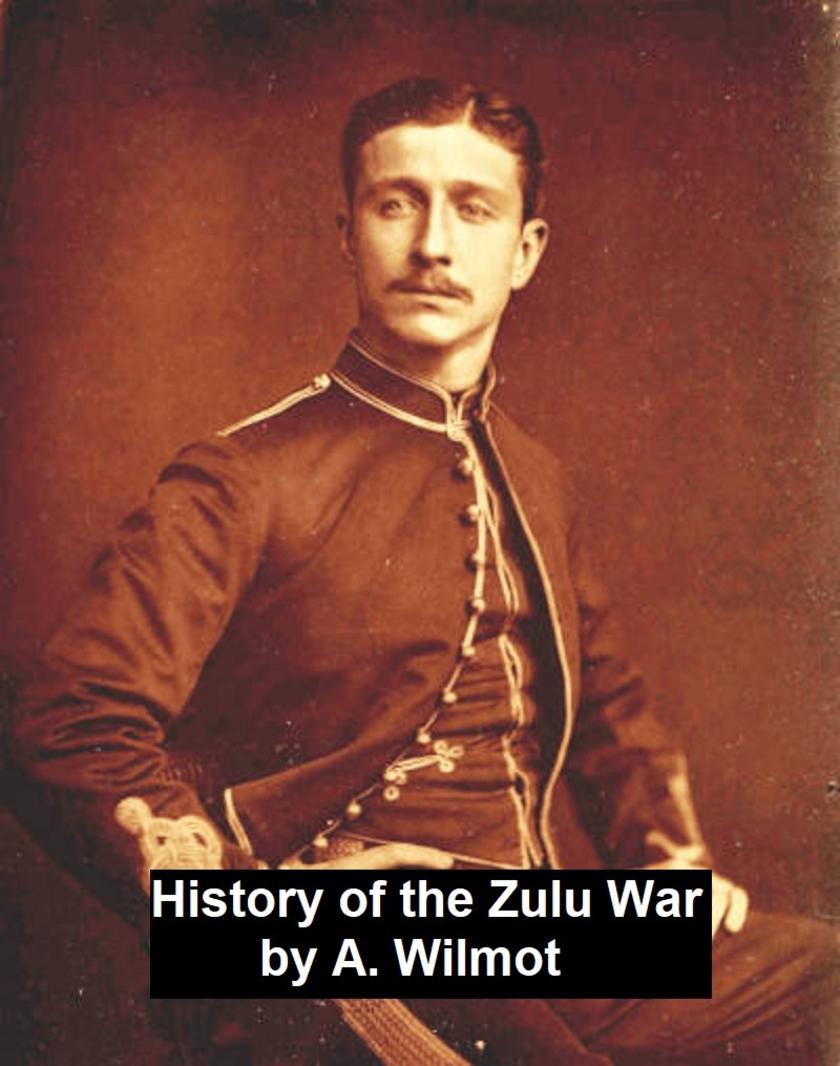
History of the Zulu War
¥8.09
First published in 1880. According to Wikipedia: "The Anglo-Zulu War was fought in 1879 between the British Empire and the Zulu Kingdom. Following Lord Carnarvon's successful introduction of federation in Canada, it was thought that similar political effort, coupled with military campaigns, might succeed with the African kingdoms, tribal areas and Boer republics in South Africa. In 1874, Sir Henry Bartle Frere was sent to South Africa as High Commissioner for the British Empire to bring such plans into being. Among the obstacles were the presence of the independent states of the South African Republic and the Kingdom of Zululand and its army.[6] Frere, on his own initiative, without the approval of the British government[7][8] and with the intent of instigating a war with the Zulu, had presented an ultimatum on 11 December 1878, to the Zulu king Cetshwayo with which the Zulu king could not comply.[9] Cetshwayo did not comply and Bartle Frere sent Lord Chelmsford to invade Zululand.[10] The war is notable for several particularly bloody battles, including a stunning opening victory by the Zulu at Isandlwana, as well as for being a landmark in the timeline of imperialism in the region. The war eventually resulted in a British victory and the end of the Zulu nation's independence."
Afghanistan - A Country Study
¥8.09
Based on research completed in 1997. Originally published by the Federal Research Division of the Library of Congress as part of the Country Studies/Area Handbook Series sponsored by the U.S. Department of the Army between 1986 and 1998. Each study offers a comprehensive description and analysis of the country or region's historical setting, geography, society, economy, political system, and foreign policy.

Predicting the Soviet Invasion of Afghanistan
¥8.09
Originally published by the CIA, as an unclassified public document. Douglas MacEachin served as CIA's Deputy Director for Intelligence from 1993 to 1995 during his thirty-two year career at CIA. Mr. MacEachin was an officer-in-residence at Harvard University's John F. Kennedy School of Government, from 1995 to 1997, subsequently becoming a senior at the Kennedy School.
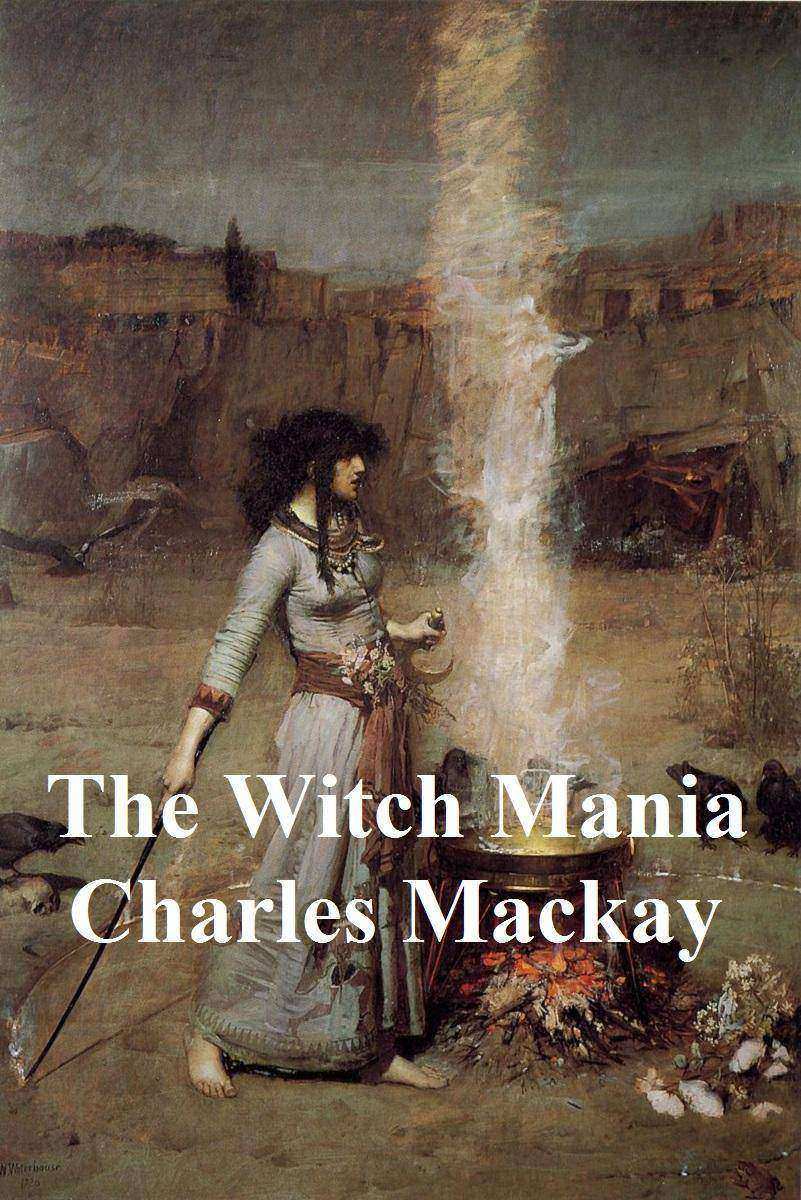
The Witch Mania
¥8.09
Excerpt from Memoirs of Extraordinary Popular Delusions. The essay begins: "The belief that disembodied spirits may be permitted to revisit this world, has its foundation upon that sublime hope of immortality, which is at once the chief solace and greatest triumph of our reason. Even if revelation did not teach us, we feel that we have that within us which shall never die; and all our experience of this life but makes us cling the more fondly to that one repaying hope. But in the early days of "little knowledge," this grand belief became the source of a whole train of superstitions, which, in their turn, became the fount from whence flowed a deluge of blood and horror. Europe, for a period of two centuries and a half, brooded upon the idea, not only that parted spirits walked the earth to meddle in the affairs of men, but that men had power to summon evil spirits to their aid to work woe upon their fellows. An epidemic terror seized upon the nations; no man thought himself secure, either in his person or possessions, from the machinations of the devil and his agents. Every calamity that befell him, he attributed to a witch."
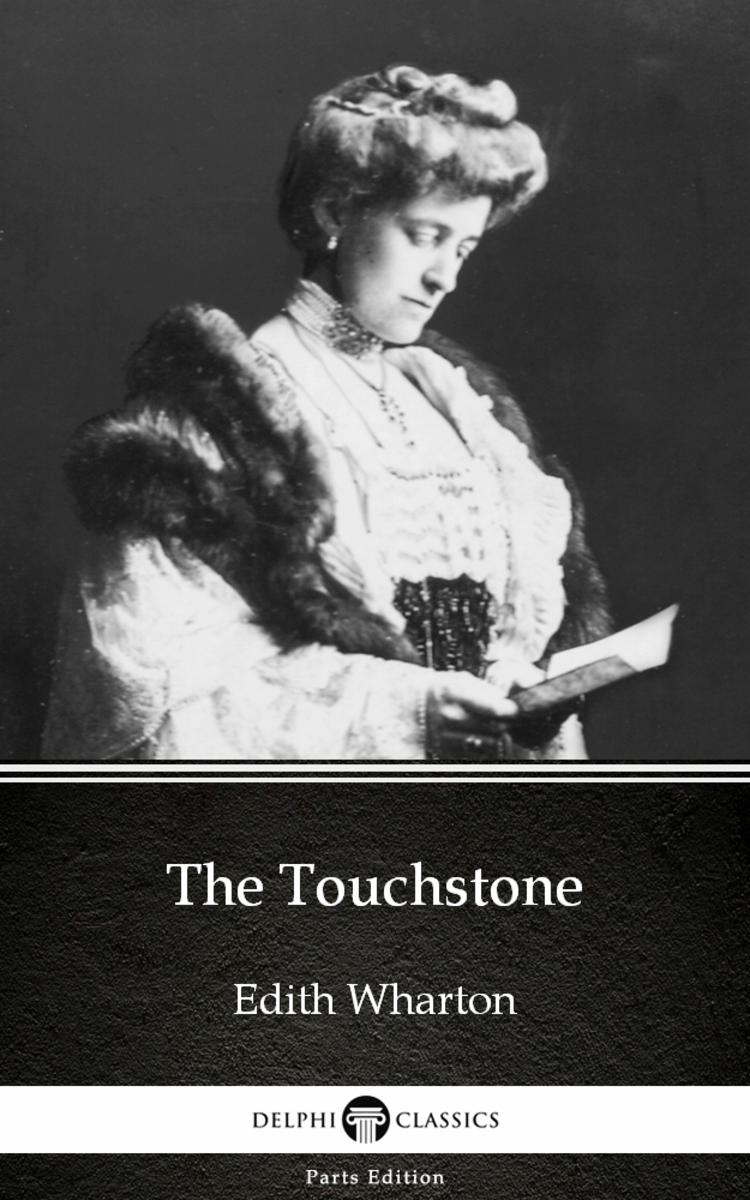
The Touchstone by Edith Wharton - Delphi Classics (Illustrated)
¥8.09
This eBook features the unabridged text of ‘The Touchstone by Edith Wharton - Delphi Classics (Illustrated)’ from the bestselling edition of ‘The Complete Works of Edith Wharton’. Having established their name as the leading publisher of classic literature and art, Delphi Classics produce publications that are individually crafted with superior formatting, while introducing many rare texts for the first time in digital print. The Delphi Classics edition of Wharton includes original annotations and illustrations relating to the life and works of the author, as well as individual tables of contents, allowing you to navigate eBooks quickly and easily. eBook features: * The complete unabridged text of ‘The Touchstone by Edith Wharton - Delphi Classics (Illustrated)’ * Beautifully illustrated with images related to Wharton’s works * Individual contents table, allowing easy navigation around the eBook * Excellent formatting of the text Please visit www.delphiclassics.com to learn more about our wide range of titles

The Captive by Marcel Proust - Delphi Classics (Illustrated)
¥8.09
This eBook features the unabridged text of ‘The Captive by Marcel Proust - Delphi Classics (Illustrated)’ from the bestselling edition of ‘The Complete Works of Marcel Proust’. Having established their name as the leading publisher of classic literature and art, Delphi Classics produce publications that are individually crafted with superior formatting, while introducing many rare texts for the first time in digital print. The Delphi Classics edition of Proust includes original annotations and illustrations relating to the life and works of the author, as well as individual tables of contents, allowing you to navigate eBooks quickly and easily. eBook features: * The complete unabridged text of ‘The Captive by Marcel Proust - Delphi Classics (Illustrated)’ * Beautifully illustrated with images related to Proust’s works * Individual contents table, allowing easy navigation around the eBook * Excellent formatting of the text Please visit www.delphiclassics.com to learn more about our wide range of titles
Pragmatism:A New Name for Some Old Ways of Thinking
¥8.09
A profoundly influential figure in American psychology, William James (1842–1910) was also a philosopher of note, who used Charles S. Peirce's theories of pragmatism as a basis for his own conception of that influential philosophy. For James, this meant an emphasis on "radical empiricism" and the concept that the meaning of any idea — philosophical, political, social, or otherwise — has validity only in terms of its experiential and practical consequences. James propounded his theories of pragmatism in this book, one of the most important in American philosophy. In a sense, he wished to test competing systems of thought in the "marketplace of actual experience" to determine their validity, i.e. whether adopting a particular philosophical theory or way of looking at the world makes an actual difference in individual conduct or in how we perceive and react to the varieties of experience. In these pages, James not only makes a strong case for his own ideas, but mounts a powerful attack against the transcendental and rationalist tradition. For anyone interested in William James or the history of American philosophical thought, Pragmatism is an essential and thought provoking reference. In this handy, inexpensive edition, it will challenge and stimulate any thinking person.


