


 购物车
购物车 个人中心
个人中心

Life Atomic
¥247.21
After World War II, the US Atomic Energy Commission (AEC) began mass-producing radioisotopes, sending out nearly 64,000 shipments of radioactive materials to scientists and physicians by 1955. Even as the atomic bomb became the focus of Cold War anxiety, radioisotopes represented the government's efforts to harness the power of the atom for peace-advancing medicine, domestic energy, and foreign relations.?In Life Atomic, Angela N. H. Creager tells the story of how these radioisotopes, which were simultaneously scientific tools and political icons, transformed biomedicine and ecology. Government-produced radioisotopes provided physicians with new tools for diagnosis and therapy, specifically cancer therapy, and enabled biologists to trace molecular transformations. Yet the government's attempt to present radioisotopes as marvelous dividends of the atomic age was undercut in the 1950s by the fallout debates, as scientists and citizens recognized the hazards of low-level radiation. Creager reveals that growing consciousness of the danger of radioactivity did not reduce the demand for radioisotopes at hospitals and laboratories, but it did change their popular representation from a therapeutic agent to an environmental poison. She then demonstrates how, by the late twentieth century, public fear of radioactivity overshadowed any appreciation of the positive consequences of the AEC's provision of radioisotopes for research and medicine.
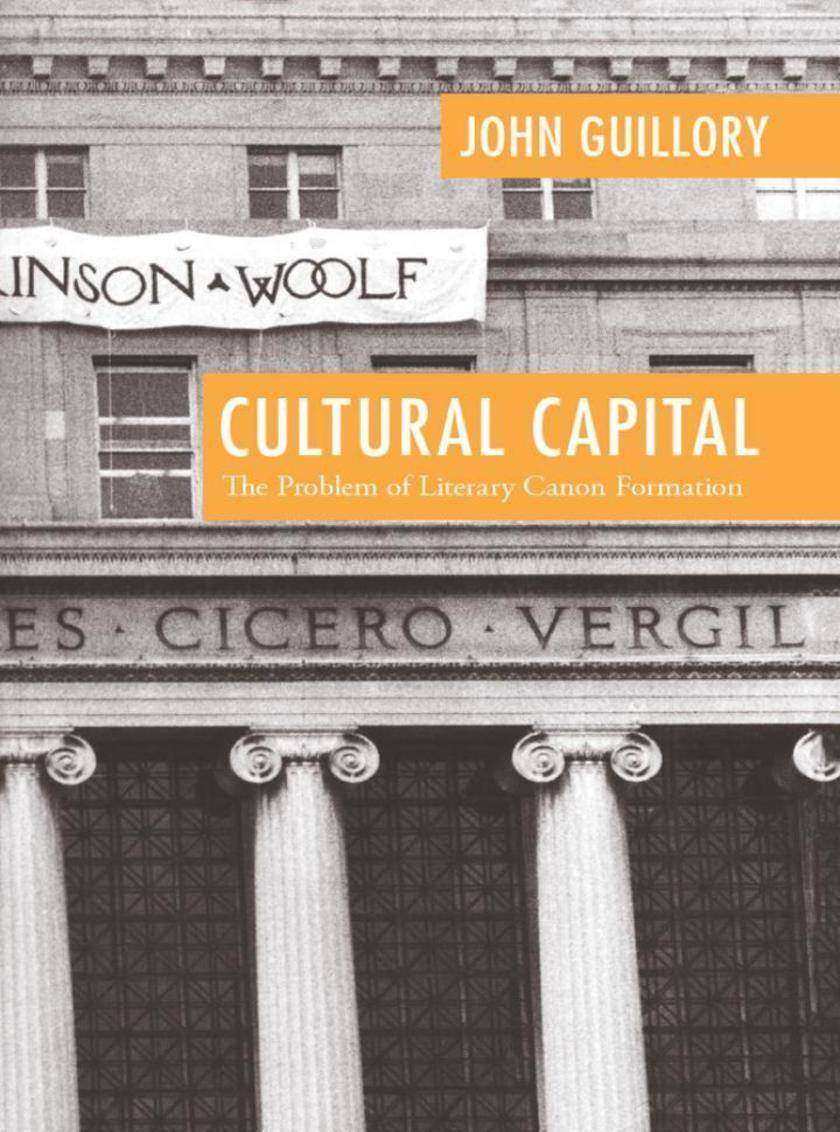
Cultural Capital
¥247.21
John Guillory challenges the most fundamental premises of the canon debate by resituating the problem of canon formation in an entirely new theoretical framework. The result is a book that promises to recast not only the debate about the literary curriculum but also the controversy over "e;multiculturalism"e; and the current "e;crisis of the humanities."e; Employing concepts drawn from Pierre Bourdieu's sociology, Guillory argues that canon formation must be understood less as a question of the representation of social groups than as a question of the distribution of "e;cultural capital"e; in the schools, which regulate access to literacy, to the practices of reading and writing.
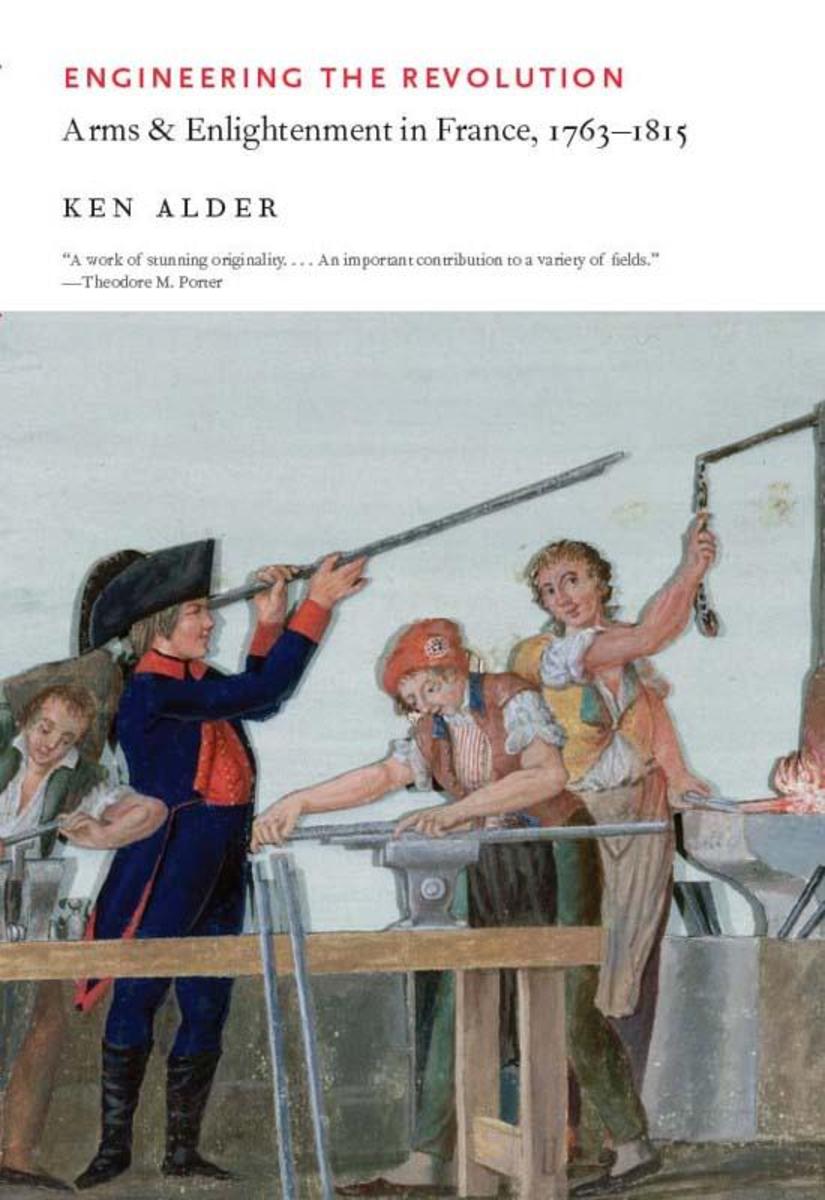
Engineering the Revolution
¥247.21
Engineering the Revolution documents the forging of a new relationship between technology and politics in Revolutionary France, and the inauguration of a distinctively modern form of the "e;technological life."e;Here, Ken Alder rewrites the history of the eighteenth century as the total history of one particular artifact-the gun-by offering a novel and historical account of how material artifacts emerge as the outcome of political struggle. By expanding the "e;political"e; to include conflict over material objects, this volume rethinks the nature of engineering rationality, the origins of mass production, the rise of meritocracy, and our interpretation of the Enlightenment and the French Revolution.
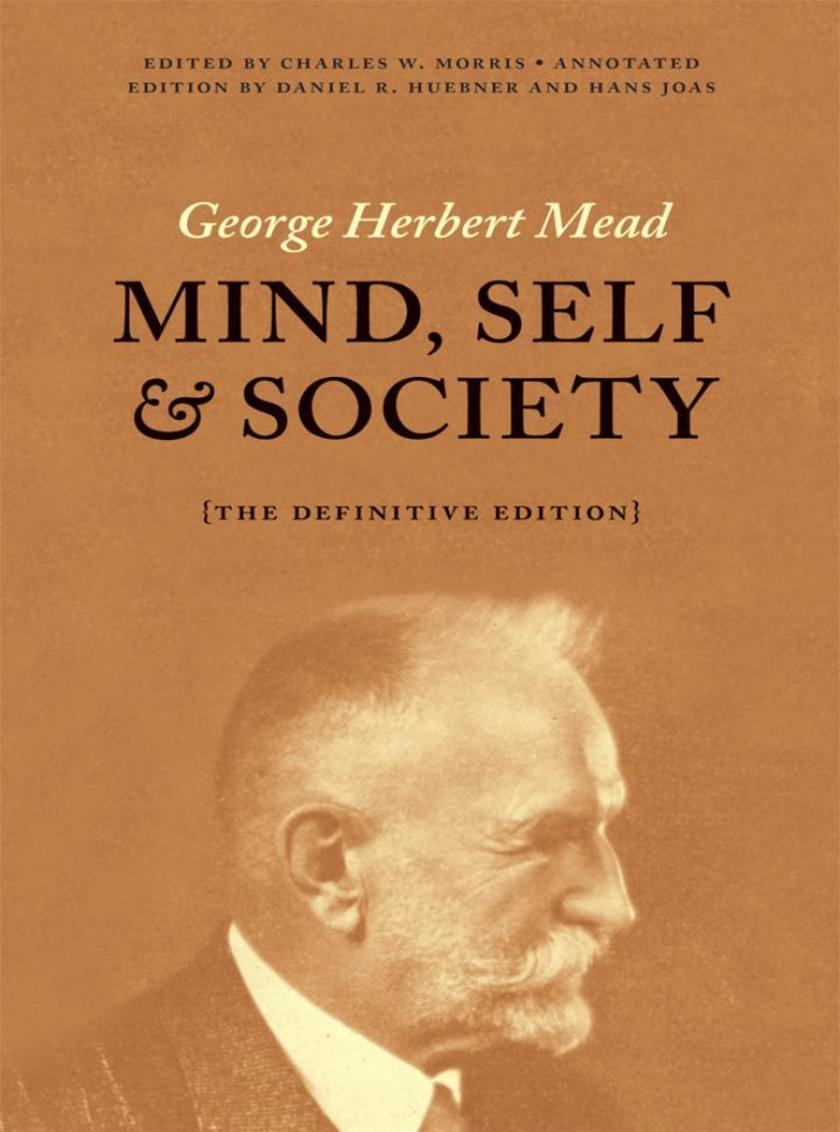
Mind, Self, and Society
¥247.21
George Herbert Mead is widely recognized as one of the most brilliantly original American pragmatists. Although he had a profound influence on the development of social philosophy, he published no books in his lifetime. This makes the lectures collected in Mind, Self, and Society all the more remarkable, as they offer a rare synthesis of his ideas.This collection gets to the heart of Mead's meditations on social psychology and social philosophy. Its penetrating, conversational tone transports the reader directly into Mead's classroom as he teases out the genesis of the self and the nature of the mind. The book captures his wry humor and shrewd reasoning, showing a man comfortable quoting Aristotle alongside Alice in Wonderland.Included in this edition are an insightful foreword from leading Mead scholar Hans Joas, a revealing set of textual notes by Dan Huebner that detail the text's origins, and a comprehensive bibliography of Mead's other published writings. While Mead's lectures inspired hundreds of students, much of his brilliance has been lost to time. This new edition ensures that Mead's ideas will carry on, inspiring a new generation of thinkers.

Nature and Nurture of Love
¥247.21
The notion that maternal care and love will determine a child's emotional well-being and future personality has become ubiquitous. In countless stories and movies we find that the problems of the protagonists-anything from the fear of romantic commitment to serial killing-stem from their troubled relationships with their mothers during childhood. How did we come to hold these views about the determinant power of mother love over an individual's emotional developmentAnd what does this vision of mother love entail for children and mothersIn The Nature and Nurture of Love, Marga Vicedo examines scientific views about children's emotional needs and mother love from World War II until the 1970s, paying particular attention to John Bowlby's ethological theory of attachment behavior. Vicedo tracks the development of Bowlby's work as well as the interdisciplinary research that he used to support his theory, including Konrad Lorenz's studies of imprinting in geese, Harry Harlow's experiments with monkeys, and Mary Ainsworth's observations of children and mothers in Uganda and the United States. Vicedo's historical analysis reveals that important psychoanalysts and animal researchers opposed the project of turning emotions into biological instincts. Despite those substantial criticisms, she argues that attachment theory was paramount in turning mother love into a biological need. This shift introduced a new justification for the pre*ive role of biology in human affairs and had profound-and negative-consequences for mothers and for the valuation of mother love.

Paris Blues
¥247.21
The Jazz Age. The phrase conjures images of Louis Armstrong holding court at the Sunset Cafe in Chicago, Duke Ellington dazzling crowds at the Cotton Club in Harlem, and star singers like Bessie Smith and Ma Rainey. But the Jazz Age was every bit as much of a Paris phenomenon as it was a Chicago and New York scene.In?Paris Blues, Andy Fry provides an alternative history of African American music and musicians in France, one that looks beyond familiar personalities and well-rehearsed stories. He pinpoints key issues of race and nation in France's complicated jazz history from the 1920s through the 1950s. While he deals with many of the traditional icons-such as Josephine Baker, Django Reinhardt, and Sidney Bechet, among others-what he asks is how they came to be so iconic, and what their stories hide as well as what they preserve. Fry focuses throughout on early jazz and swing but includes its re-creation-reinvention-in the 1950s. Along the way, he pays tribute to forgotten traditions such as black musical theater, white show bands, and French wartime swing.?Paris Blues?provides a nuanced account of the French reception of African Americans and their music and contributes greatly to a growing literature on jazz, race, and nation in France.
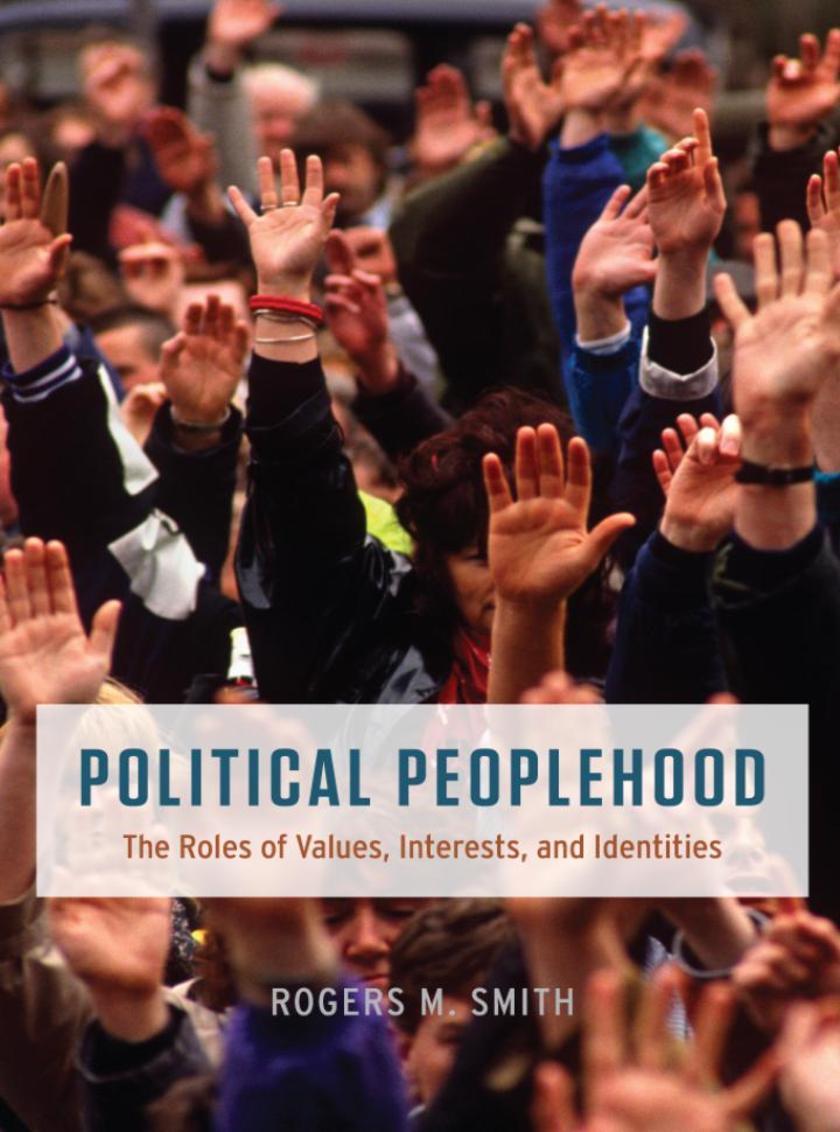
Political Peoplehood
¥247.21
For more than three decades, Rogers M. Smith has been one of the leading scholars of the role of ideas in American politics, policies, and history. Over time, he has developed the concept of "e;political peoples,"e; a category that is much broader and more fluid than legal citizenship, enabling Smith to offer rich new analyses of political communities, governing institutions, public policies, and moral debates.This book gathers Smith's most important writings on peoplehood to build a coherent theoretical and historical account of what peoplehood has meant in American political life, informed by frequent comparisons to other political societies. From the revolutionary-era adoption of individual rights rhetoric to today's battles over the place of immigrants in a rapidly diversifying American society, Smith shows how modern America's growing embrace of overlapping identities is in tension with the providentialism and exceptionalism that continue to make up so much of what many believe it means to be an American.A major work that brings a lifetime of thought to bear on questions that are as urgent now as they have ever been, Political Peoplehood will be essential reading for social scientists, political philosophers, policy analysts, and historians alike.
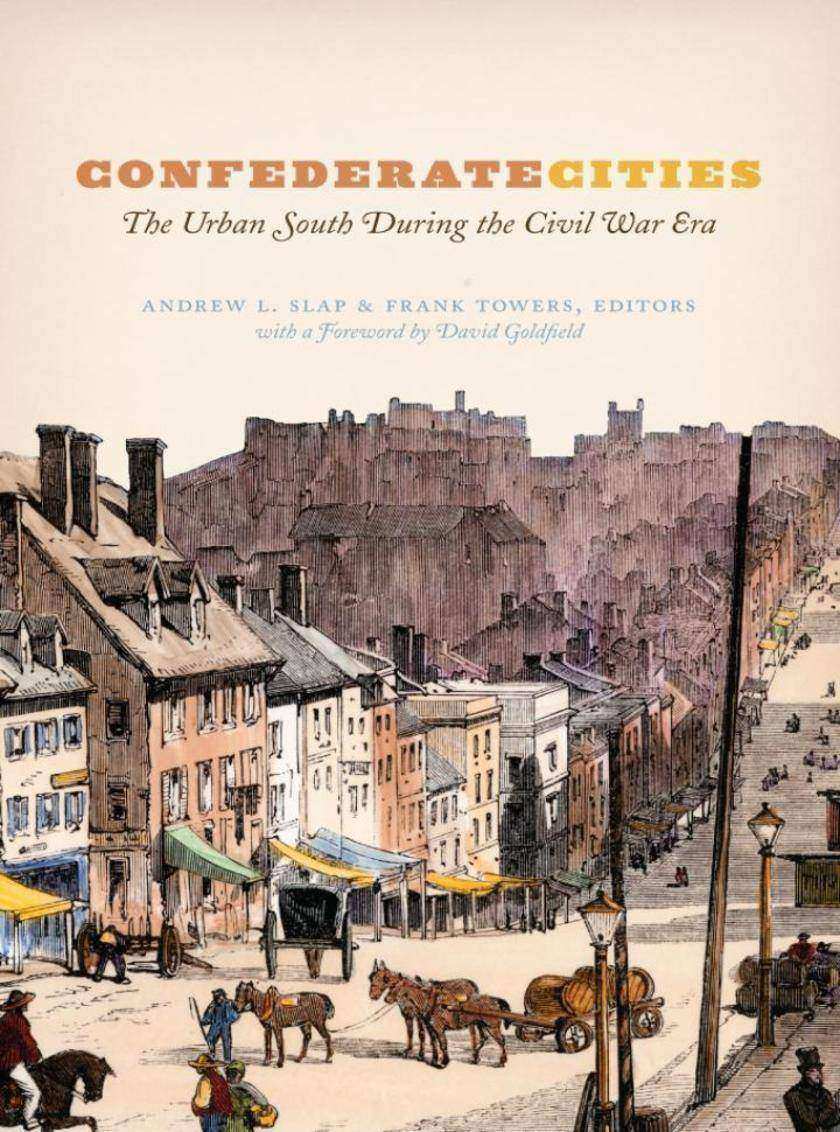
Confederate Cities
¥247.21
When we talk about the Civil War, we often describe it in terms of battles that took place in small towns or in the countryside: Antietam, Gettysburg, Bull Run, and, most tellingly, the Battle of the Wilderness. One reason this picture has persisted is that few urban historians have studied the war, even though cities hosted, enabled, and shaped Southern society as much as they did in the North.Confederate Cities, edited by Andrew L. Slap and Frank Towers, shifts the focus from the agrarian economy that undergirded the South to the cities that served as its political and administrative hubs. The contributors use the lens of the city to examine now-familiar Civil War-era themes, including the scope of the war, secession, gender, emancipation, and war's destruction. This more integrative approach dramatically revises our understanding of slavery's relationship to capitalist economics and cultural modernity. By enabling a more holistic reading of the South, the book speaks to contemporary Civil War scholars and students alike-not least in providing fresh perspectives on a well-studied war.
General Cytology
¥247.21
A Textbook of Cellular Structure and Function for Students of Biology and Medicine
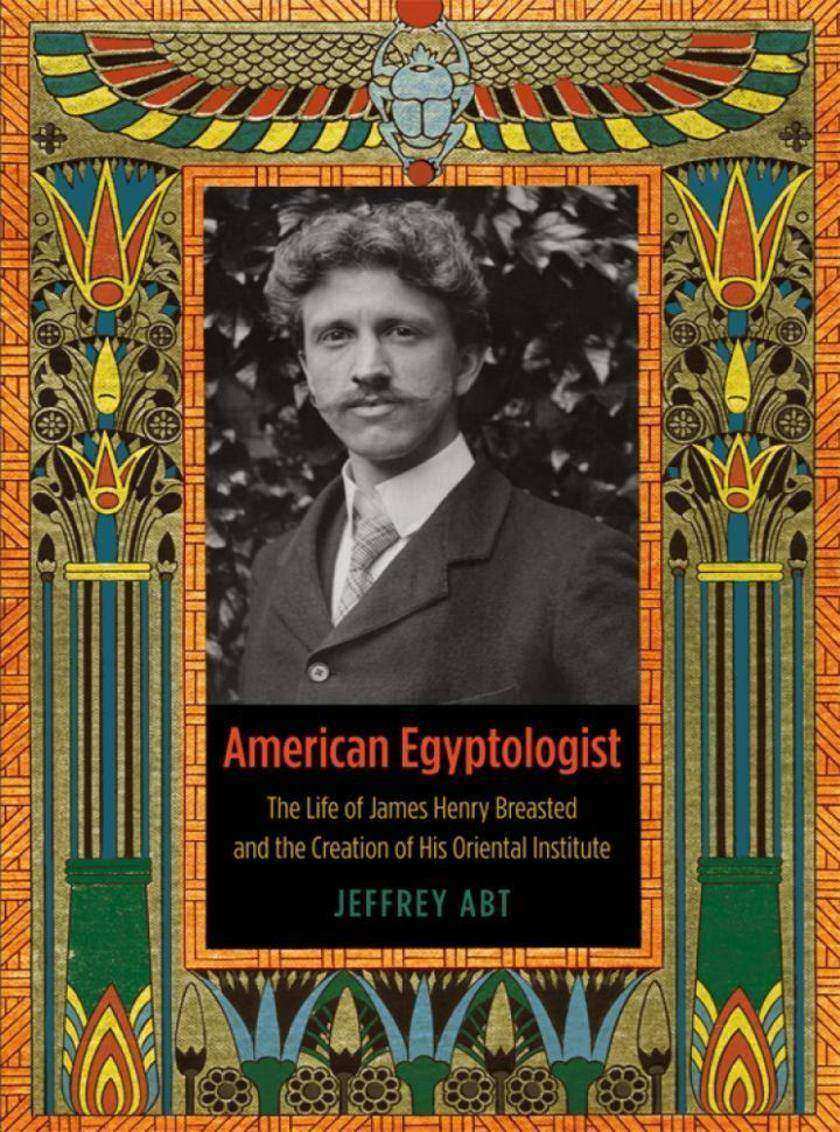
American Egyptologist
¥247.21
James Henry Breasted (1865-1935) had a career that epitomizes our popular image of the archaeologist. Daring, handsome, and charismatic, he traveled on expeditions to remote and politically unstable corners of the Middle East, helped identify the tomb of King Tut, and was on the cover of Time magazine. But Breasted was more than an Indiana Jones-he was an accomplished scholar, academic entrepreneur, and talented author who brought ancient history to life not just for students but for such notables as Teddy Roosevelt and Sigmund Freud.In American Egyptologist, Jeffrey Abt weaves together the disparate strands of Breasted's life, from his small-town origins following the Civil War to his evolution into the father of American Egyptology and the founder of the Oriental Institute in the early years of the University of Chicago. Abt explores the scholarly, philanthropic, diplomatic, and religious contexts of his ideas and projects, providing insight into the origins of America's most prominent center for Near Eastern archaeology.?An illuminating portrait of the nearly forgotten man who demystified ancient Egypt for the general public, American Egyptologist restores James Henry Breasted to the world and puts forward a brilliant case for his place as one of the most important scholars of modern times.
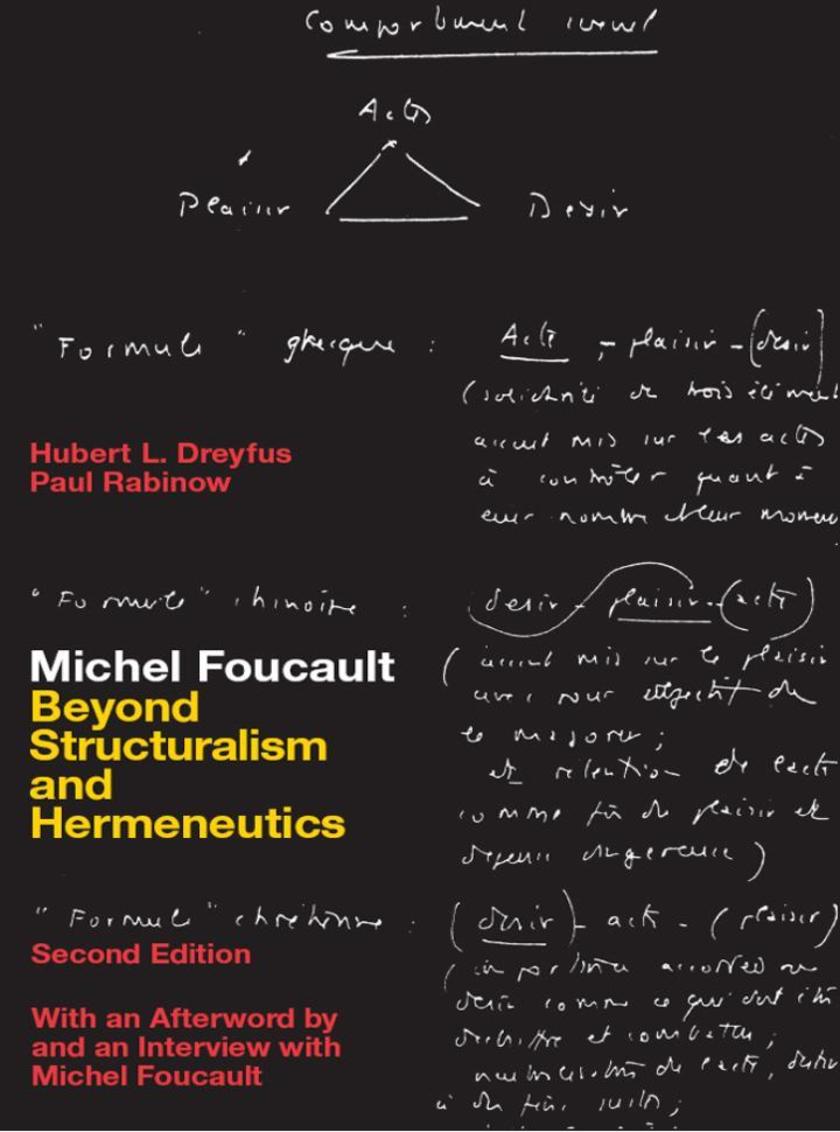
Michel Foucault
¥247.21
This book, which Foucault himself has judged accurate, is the first to provide a sustained, coherent analysis of Foucault's work as a whole.To demonstrate the sense in which Foucault's work is beyond structuralism and hermeneutics, the authors unfold a careful, analytical exposition of his oeuvre. They argue that during the of Foucault's work became a sustained and largely successful effort to develop a new method-"e;interpretative analytics"e;-capable fo explaining both the logic of structuralism's claim to be an objective science and the apparent validity of the hermeneutical counterclaim that the human sciences can proceed only by understanding the deepest meaning of the subject and his tradition."e;There are many new secondary sources [on Foucault]. None surpass the book by Hubert Dreyfus and Paul Rabinow. . . . The American paperback edition contains Foucault's 'On the Genealogy of Ethics,' a lucid interview that is now our best source for seeing how he construed the whole project of the history of sexuality."e;-David Hoy, London Review of Books
Grasping Hand
¥247.21
In 2005, the Supreme Court ruled that the city of New London, Connecticut, could condemn fifteen residential properties in order to transfer them to a new private owner. Although the Fifth Amendment only permits the taking of private property for "e;public use,"e; the Court ruled that the transfer of condemned land to private parties for "e;economic development"e; is permitted by the Constitution-even if the government cannot prove that the expected development will ever actually happen. The Court's decision in Kelo v. City of New London empowered the grasping hand of the state at the expense of the invisible hand of the market.In this detailed study of one of the most controversial Supreme Court cases in modern times, Ilya Somin argues that Kelo was a grave error. Economic development and "e;blight"e; condemnations are unconstitutional under both originalist and most "e;living constitution"e; theories of legal interpretation. They also victimize the poor and the politically weak for the benefit of powerful interest groups and often destroy more economic value than they create. Kelo itself exemplifies these patterns. The residents targeted for condemnation lacked the influence needed to combat the formidable government and corporate interests arrayed against them.Moreover, the city's poorly conceived development plan ultimately failed: the condemned land lies empty to this day, occupied only by feral cats. The Supreme Court's unpopular ruling triggered an unprecedented political reaction, with forty-five states passing new laws intended to limit the use of eminent domain. But many of the new laws impose few or no genuine constraints on takings. The Kelo backlash led to significant progress, but not nearly as much as it may have seemed.Despite its outcome, the closely divided 5-4 ruling shattered what many believed to be a consensus that virtually any condemnation qualifies as a public use under the Fifth Amendment. It also showed that there is widespread public opposition to eminent domain abuse. With controversy over takings sure to continue, The Grasping Hand offers the first book-length analysis of Kelo by a legal scholar, alongside a broader history of the dispute over public use and eminent domain and an evaluation of options for reform.?
Combating Jihadism
¥247.21
Although terrorism is an age-old phenomenon, jihadi ideology is distinctive in its ambition to abandon the principle of state sovereignty, overthrow the modern state system, and replace it with an extremely radical interpretation of an Islamic world order. These characteristics reflect a radical break from traditional objectives promoted by terrorist groups. In Combating Jihadism Barak Mendelsohn argues that the distinctiveness of the al-Qaeda threat led the international community to change its approach to counterterrorism. Contrary to common yet erroneous conceptions, the United States, in its role as a hegemon, was critical for the formulation of a multilateral response.While most analyses of hegemony have focused on power, Mendelsohn firmly grounds the phenomenon in a web of shared norms and rules relating to the hegemon's freedom of action. Consequently, he explains why US leadership in counterterrorism efforts was in some spheres successful, when in others it failed or did not even seek to establish multilateral collaborative frameworks. Tracing the ways in which international cooperation has stopped terrorist efforts, Combating Jihadism provides a nuanced, innovative, and timely reinterpretation of the war on terrorism and the role of the United States in leading the fight against al-Qaeda and its affiliates.
Egyptian Oedipus
¥247.21
A contemporary of Descartes and Newton, Athanasius Kircher, S. J. (1601/2-80), was one of Europe's most inventive and versatile scholars in the baroque era. He published more than thirty works in fields as diverse as astronomy, magnetism, cryptology, numerology, geology, and music. But Kircher is most famous-or infamous-for his quixotic attempt to decipher the Egyptian hieroglyphs and reconstruct the ancient traditions they encoded. In 1655, after more than two decades of toil, Kircher published his solution to the hieroglyphs, Oedipus Aegyptiacus, a work that has been called "e;one of the most learned monstrosities of all times."e; Here Daniel Stolzenberg presents a new interpretation of Kircher's hieroglyphic studies, placing them in the context of seventeenth-century scholarship on paganism and Oriental languages.?Situating Kircher in the social world of baroque Rome, with its scholars, artists, patrons, and censors, Stolzenberg shows how Kircher's study of ancient paganism depended on the circulation of texts, artifacts, and people between Christian and Islamic civilizations. Along with other participants in the rise of Oriental studies, Kircher aimed to revolutionize the study of the past by mastering Near Eastern languages and recovering ancient manu*s hidden away in the legendary libraries of Cairo and Damascus. The spectacular flaws of his scholarship have fostered an image of Kircher as an eccentric anachronism, a throwback to the Renaissance hermetic tradition. Stolzenberg argues against this view, showing how Kircher embodied essential tensions of a pivotal phase in European intellectual history, when pre-Enlightenment scholars pioneered modern empirical methods of studying the past while still working within traditional frameworks, such as biblical history and beliefs about magic and esoteric wisdom.
Rethinking Therapeutic Culture
¥247.21
Social critics have long lamented America's descent into a "e;culture of narcissism,"e; as Christopher Lasch so lastingly put it fifty years ago. From "e;first world problems"e; to political correctness, from the Oprahfication of emotional discourse to the development of Big Pharma products for every real and imagined pathology, therapeutic culture gets the blame. Ask not where the stereotype of feckless, overmedicated, half-paralyzed millennials comes from, for it comes from their parents' therapist's couches.?Rethinking Therapeutic Culture makes a powerful case that we've got it all wrong. Editors Timothy Aubry and Trysh Travis bring us a dazzling array of contributors and perspectives to challenge the prevailing view of therapeutic culture as a destructive force that encourages narcissism, insecurity, and social isolation. The collection encourages us to examine what legitimate needs therapeutic practices have served and what unexpected political and social functions they may have performed. Offering both an extended history and a series of critical interventions organized around keywords like pain, privacy, and narcissism, this volume offers a more nuanced, empirically grounded picture of therapeutic culture than the one popularized by critics. Rethinking Therapeutic Culture is a timely book that will change the way we've been taught to see the landscape of therapy and self-help.
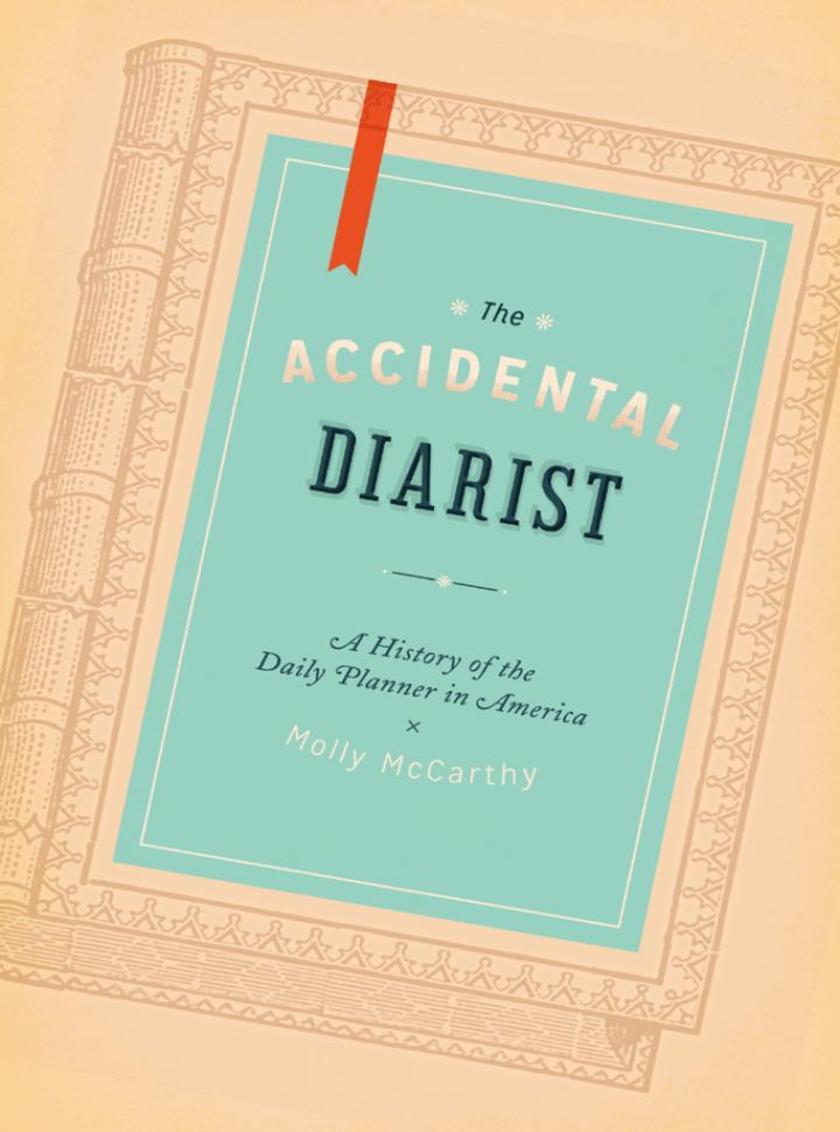
Accidental Diarist
¥247.21
In this era of tweets and blogs, it is easy to assume that the self-obsessive recording of daily minutiae is a recent phenomenon. But Americans have been navel-gazing since nearly the beginning of the republic. The daily planner-variously called the daily diary, commercial diary, and portable account book-first emerged in colonial times as a means of telling time, tracking finances, locating the nearest inn, and even planning for the coming winter. They were carried by everyone from George Washington to the soldiers who fought the Civil War. And by the twentieth century, this document had become ubiquitous in the American home as a way of recording a great deal more than simple accounts.In this appealing history of the daily act of self-reckoning, Molly McCarthy explores just how vital these unassuming and easily overlooked stationery staples are to those who use them. From their origins in almanacs and blank books through the nineteenth century and on to the enduring legacy of written introspection, McCarthy has penned an exquisite biography of an almost ubiquitous document that has borne witness to American lives in all of their complexity and mundanity.

Meet Joe Copper
¥247.21
"e;I realize that I am a soldier of production whose duties are as important in this war as those of the man behind the gun."e; So began the pledge that many home front men took at the outset of World War II when they went to work in the factories, fields, and mines while their compatriots fought in the battlefields of Europe and on the bloody beaches of the Pacific. The male experience of working and living in wartime America is rarely examined, but the story of men like these provides a crucial counter-narrative to the national story of Rosie the Riveter and GI Joe that dominates scholarly and popular discussions of World War II.In Meet Joe Copper, Matthew L. Basso describes the formation of a powerful, white, working-class masculine ideology in the decades prior to the war, and shows how it thrived-on the job, in the community, and through union politics. Basso recalls for us the practices and beliefs of the first- and second-generation immigrant copper workers of Montana while advancing the historical conversation on gender, class, and the formation of a white ethnic racial identity. Meet Joe Copper provides a context for our ideas of postwar masculinity and whiteness and finally returns the men of the home front to our reckoning of the Greatest Generation and the New Deal era.

Boundaries of the State in US History
¥247.21
The question of how the American state defines its power has become central to a range of historical topics, from the founding of the Republic and the role of the educational system to the functions of agencies and America's place in the world. Yet conventional histories of the state have not reckoned adequately with the roots of an ever-expanding governmental power, assuming instead that the American state was historically and exceptionally weak relative to its European peers.Here, James T. Sparrow, William J. Novak, and Stephen W. Sawyer assemble definitional essays that search for explanations to account for the extraordinary growth of US power without resorting to exceptionalist narratives. Turning away from abstract, metaphysical questions about what the state is, or schematic models of how it must work, these essays focus instead on the more pragmatic, historical question of what it does. By historicizing the construction of the boundaries dividing America and the world, civil society and the state, they are able to explain the dynamism and flexibility of a government whose powers appear so natural as to be given, invisible, inevitable, and exceptional.
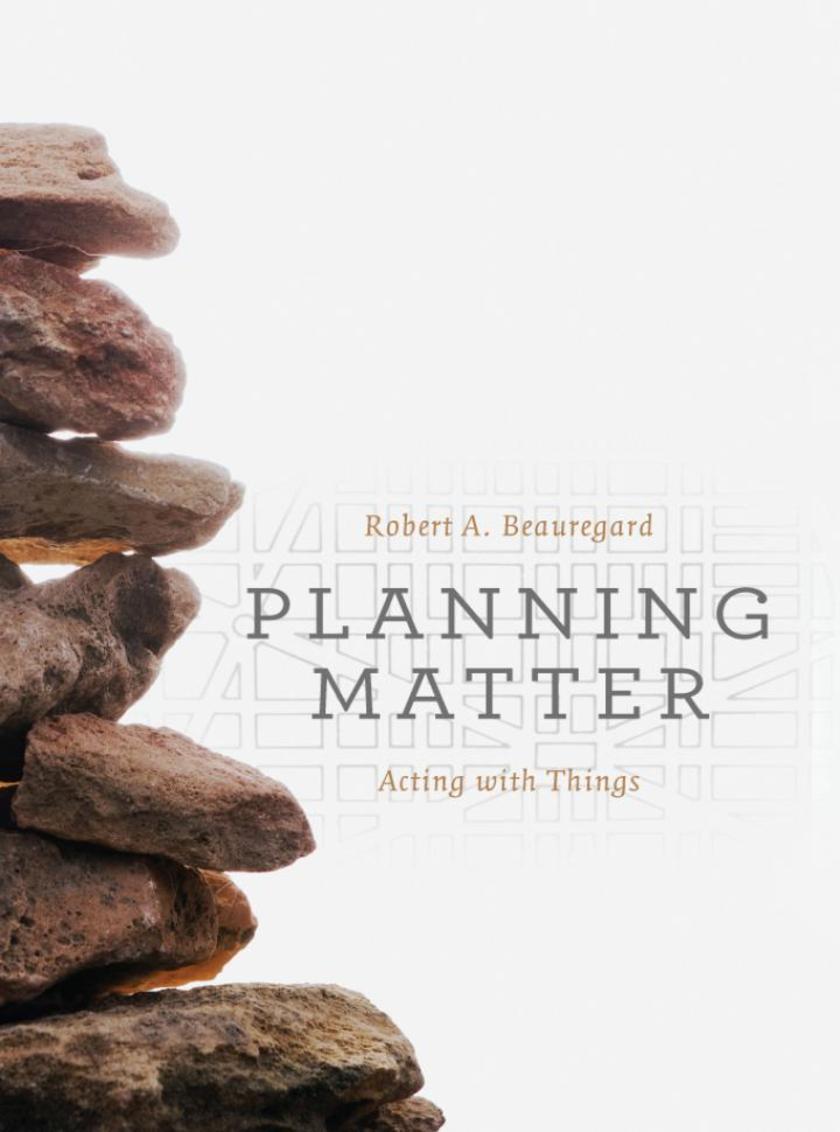
Planning Matter
¥247.21
City and regional planners talk constantly about the things of the world-from highway interchanges and retention ponds to zoning documents and conference rooms-yet most seem to have a poor understanding of the materiality of the world in which they're immersed. Too often planners treat built forms, weather patterns, plants, animals, or regulatory technologies as passively awaiting commands rather than actively involved in the workings of cities and regions.In the ambitious and provocative Planning Matter, Robert A. Beauregard sets out to offer a new materialist perspective on planning practice that reveals the many ways in which the nonhuman things of the world mediate what planners say and do. Drawing on actor-network theory and science and technology studies, Beauregard lays out a framework that acknowledges the inevitable insufficiency of our representations of reality while also engaging more holistically with the world in all of its diversity-including human and nonhuman actors alike.
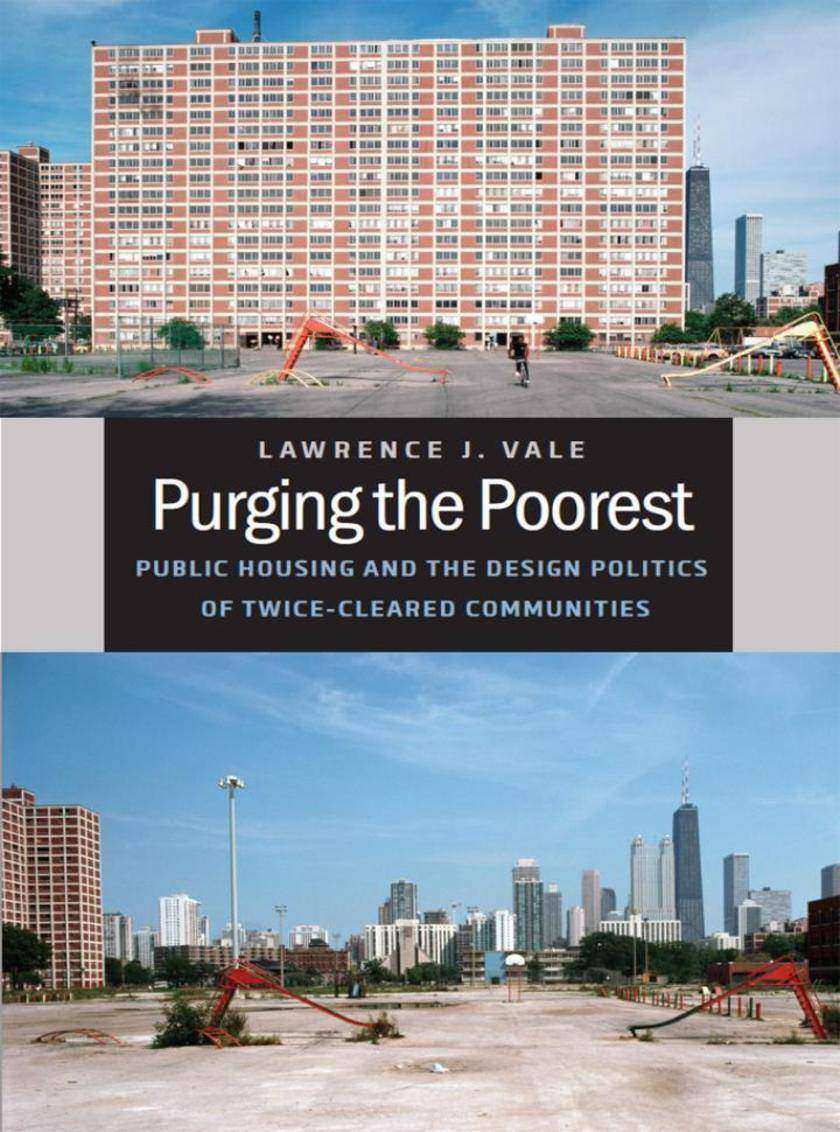
Purging the Poorest
¥247.21
The building and management of public housing is often seen as a signal failure of American public policy, but this is a vastly oversimplified view. In?Purging the Poorest, Lawrence J. Vale offers a new narrative of the seventy-five-year struggle to house the "e;deserving poor."e;In the 1930s, two iconic American cities, Atlanta and Chicago, demolished their slums and established some of this country's first public housing. Six decades later, these same cities also led the way in clearing public housing itself. Vale's groundbreaking history of these "e;twice-cleared"e; communities provides unprecedented detail about the development, decline, and redevelopment of two of America's most famous housing projects: Chicago's Cabrini-Green and Atlanta's Techwood /Clark Howell Homes. Vale offers the novel concept of?design politics?to show how issues of architecture and urbanism are intimately bound up in thinking about policy. Drawing from extensive archival research and in-depth interviews, Vale recalibrates the larger cultural role of public housing, revalues the contributions of public housing residents, and reconsiders the role of design and designers.

Tim Green's Football Collection
¥250.77
New York Times bestselling author and former NFL defensive end Tim Green's football stories are packed with sports action and emotional heart that will keep kids on the edge of their seats. This collection contains four bestselling novels in the series.The Big Time: Things couldn't be going better for Troy White. The Atlanta Falcons' football genius is at the top of his game, helping the team get to the playoffs. Agents and lawyers are knocking on his door with big-money offers for the upcoming season. And his own football team has just won the Georgia State Championship! Troy's celebrating with his friends at linebacker Seth Halloway's mansion when another lawyer comes knocking—and he says, "I think I'm your father." In that instant, Troy's life is changed.Deep Zone: From the moment two football champs cross paths, Troy White and Ty Lewis begin to size each other up. But when the two rivals find themselves somehow tangled in the same dangerous web of deceit, they discover that they have more in common than their skill at football. Uniting Troy, first seen in the New York Times bestselling Football Genius, and Ty, who was chased by the Mafia in Football Hero, this fourth book in the Football Genius series delivers high-stakes action on and off the field.Perfect Season: Troy's dreams of the big time have backfired. Sure, he's moved to New Jersey to start his new job as "genius" for the New York Jets, but his dad has taken his entire salary, leaving Troy and his mom broke. Now Troy has no hope of going to private school and playing for a football powerhouse with his cousin Ty. But when he gets Seth to coach his public school team, Troy feels ready for a perfect season. He doesn't guess that he'll be struggling against those who want him to lose. When Troy's talent for calling plays slips and his abilities as a quarterback are threatened, he's got to dig deep.Unstoppable: If anyone understands the phrase "tough luck," it's Harrison. As a foster kid in a cruel home, he knows his dream of one day playing in the NFL is a longshot. Then Harrison is brought into a new home with kind, loving parents—his new dad is even a football coach. But Harrison's good luck can't last forever. When a routine sports injury leads to a devastating diagnosis, it will take every ounce of Harrison's determination not to give up for good. Inspired by interviews with real-life cancer survivors and insider sports experience, this unforgettable New York Times bestseller shows a brave boy who learns what it truly means to be unstoppable. As National Ambassador for Young People's Literature emeritus Jon Scieszka said, Unstoppable is "absolutely heroic, and something every guy should read."


