


 购物车
购物车 个人中心
个人中心
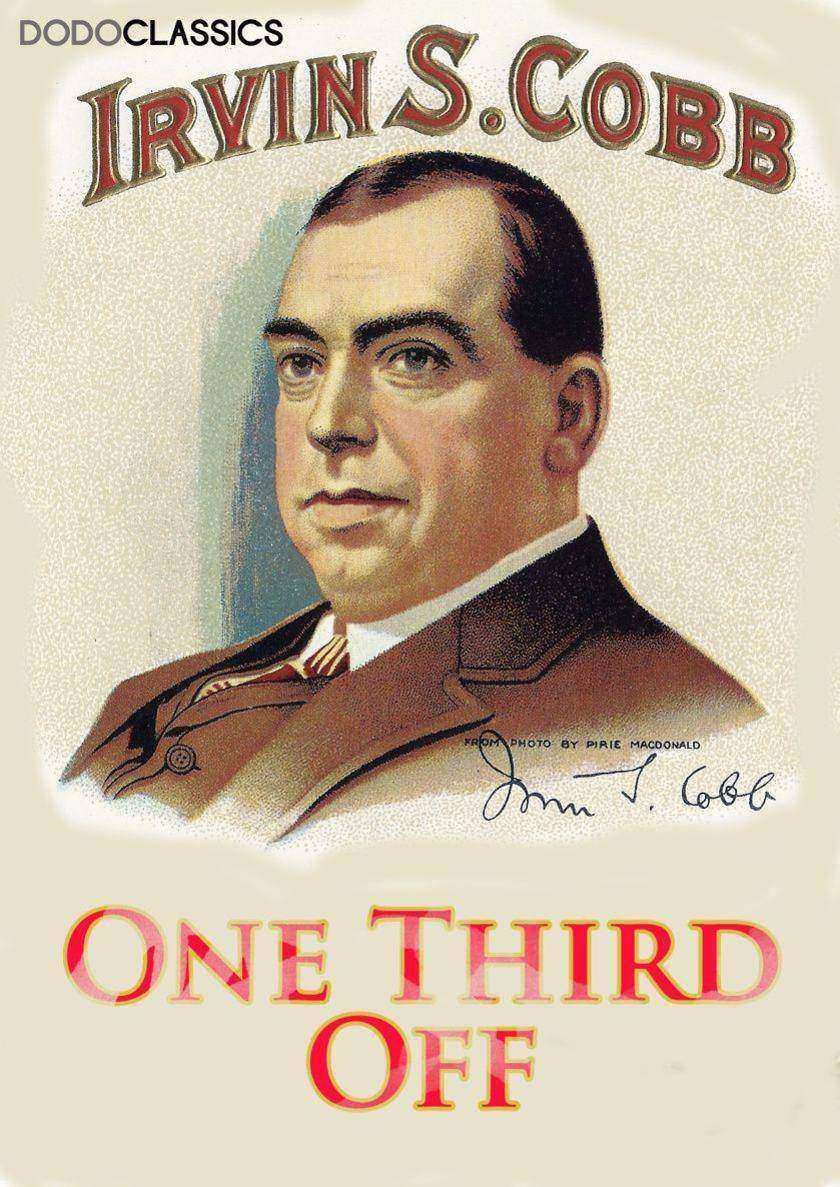
One Third Off
¥8.09
Dodo Collections brings you another classic from Irvin Shrewsbury Cobb, ‘One Third Off.’ ? Cobb is remembered best for his humorous stories of Kentucky and is part of the American literary regionalism school. These stories were collected first in the book Old Judge Priest (1915), whose title character was based on a prominent West Kentucky judge named William Pitman Bishop. Writer Joel Harris wrote of these tales, "Cobb created a South peopled with honorable citizens, charming eccentrics, and loyal, subservient blacks, but at their best the Judge Priest stories are dramatic and compelling, using a wealth of precisely rendered detail to evoke a powerful mood."Among his other books are the humorous Speaking of Operations (1916), and anti-prohibition ode to bourbon, Red Likker (1929).

Paranormal Investigators Box Set: Books 1 - 5
¥8.09
Book One. Ed and Lorraine Warren The Enfield Poltergeist. In the town of Enfield England almost 40 years ago supernatural events would start a chain of events that would bring the world's most famous paranormal investigators, the Warrens, there to investigate. An investigation that would inspire The Conjuring part 2. Book Two, Amityville, An Ed and Lorraine Warren file.Amityville has become a name that invokes images of death and supernatural horror. In this book, we look at the event that formed the legend and the two paranormal investigators who came to believe that these events had supernatural origins. Book Three. The Exorcist, Father Gabriele Amoth In this book you are introduced to the Vatican's top paranormal investigator and exorcist. You will also learn about the rites of exorcism in many of the world's top religions. The book also features a brief review of the case that inspired the greatest horror film of all time The Exorcist. Book Four The Borley Rectory, A Harry Price File. This book introduces you to the legendary paranormal investigator Harry Price. He helped to show the world that the investigation of the paranormal could be elevated to a respected science. The Borley rectory, before it burned down, was considered to be the most haunted place on earth. Harry Price's investigation of the Rectory and what he discovered set the standard for all investigation of hauntings that followed. Book Five. Gaurav Tiwari Death of a Ghost Hunter. Tiwari was well on his way to becoming one of the world's top paranormal investigators when he was found dead under strange circumstances. Being a paranormal investigator seems like fun and games from a distance, but death and how it may have happened has been a stark reminder that dealing with supernatural forces can be a life or death deal.
What Shall We Do?
¥8.09
According to Wikipedia: "What Is to be Done? (sometimes translated as What Then Must We Do?) is a non-fiction work by Leo Tolstoy, in which Tolstoy describes the social conditions of Russia in his day. Tolstoy completed the book in 1886, and the first English language publication came in 1887. The English title was also used for two better-known works by Nikolai Chernyshevsky and Vladimir Lenin; Tolstoy's Russian title is similar but not identical to Chernyshevsky's (and Lenin's), both of them sharing the same Biblical reference (Luke 3:10-14)."
Pearl-Maiden by H. Rider Haggard - Delphi Classics (Illustrated)
¥8.09
This eBook features the unabridged text of ‘Pearl-Maiden by H. Rider Haggard - Delphi Classics (Illustrated)’ from the bestselling edition of ‘The Complete Works of H. Rider Haggard’. Having established their name as the leading publisher of classic literature and art, Delphi Classics produce publications that are individually crafted with superior formatting, while introducing many rare texts for the first time in digital print. The Delphi Classics edition of Haggard includes original annotations and illustrations relating to the life and works of the author, as well as individual tables of contents, allowing you to navigate eBooks quickly and easily. eBook features: * The complete unabridged text of ‘Pearl-Maiden by H. Rider Haggard - Delphi Classics (Illustrated)’ * Beautifully illustrated with images related to Haggard’s works * Individual contents table, allowing easy navigation around the eBook * Excellent formatting of the text Please visit www.delphiclassics.com to learn more about our wide range of titles
Les Trois Mousquetaires
¥8.09
Le roman historique classique, dans le fran?ais original. Selon Wikipédia: "Alexandre Dumas, père (fran?ais pour" père ", apparenté à" Senior "en anglais), né Dumas Davy de la Pailleterie (24 juillet 1802 - 5 décembre 1870) était un écrivain fran?ais, mieux connu pour ses nombreux romans historiques de grande aventure qui ont fait de lui l'un des auteurs fran?ais les plus lus au monde, dont plusieurs de ses romans, dont Le Comte de Monte-Cristo, Les Trois Mousquetaires et Le Vicomte de Bragelonne, écrit des pièces de thé?tre et des articles de magazines et était un correspondant prolifique. "
Biographical Studies
¥8.09
The biographies (from the collection "Fanshawe and Other Pieces") are: Mrs. Hutchinson, Sir William Phips, Sir William Pepperell, Thomas Green Fessenden, and Jonathan Cilley. According to Wikipedia: ""Nathaniel Hawthorne (born Nathaniel Hathorne; July 4, 1804 – May 19, 1864) was an American novelist and short story writer."
Journal of an African Cruiser
¥8.09
"Comprising sketches of the Canaries, the Cape Verds, Liberia, Maeira, Sierra Leone, and other places of interest on the west coast of Africa. By an officer of the US Navy. Edited by Nathaniel Hawthorne... 1845." According to Wikipedia: ""Nathaniel Hawthorne (born Nathaniel Hathorne; July 4, 1804 – May 19, 1864) was an American novelist and short story writer."

The Mill on the Floss
¥8.09
The classic novel. According to Wikipedia: "Mary Ann (Marian) Evans (1819 – 1880), better known by her pen name, George Eliot, was an English novelist. She was one of the leading writers of the Victorian era. Her novels, largely set in provincial England, are well known for their realism and psychological perspicacity. She used a male pen name, she said, to ensure that her works were taken seriously. Female authors published freely under their own names, but Eliot wanted to ensure that she was not seen as merely a writer of romances. An additional factor may have been a desire to shield her private life from public scrutiny and to prevent scandals attending her relationship with the married George Henry Lewes."

Goethes Novellen Und Erz?hlungen
¥8.09
Novelle, Belagerung von Mainz, und Unterhaltungen Deutscher Ausgewanderten. Wikipedia: "Johann Wolfgang von Goethe (* 28. August 1749 in Frankfurt am Main; ? 22. M?rz 1832 in Weimar), geadelt 1782, war ein deutscher Dichter. Er forschte und publizierte au?erdem auf verschiedenen naturwissenschaftlichen Gebieten. Ab 1776 bekleidete er am Hof von Weimar unterschiedliche politische und administrative ?mter. Goethes literarische Produktion umfasst Gedichte, Dramen, erz?hlende Werke (in Vers und Prosa), autobiografische, ?sthetische, kunst- und literaturtheoretische sowie naturwissenschaftliche Schriften. Auch sein umfangreicher Briefwechsel ist von gro?er literarischer Bedeutung. Goethe war ein Vorreiter und der wichtigste Vertreter des Sturm und Drang. Sein Roman Die Leiden des jungen Werthers machte ihn 1774 in ganz Europa berühmt. Sp?ter wandte er sich inhaltlich und formal den Idealen der Antike zu und wurde ab den 1790er Jahren, gemeinsam mit Friedrich Schiller und im Austausch mit diesem, zum wichtigsten Vertreter der Weimarer Klassik. Im Alter galt Goethe auch im Ausland als Repr?sentant des geistigen Deutschland."
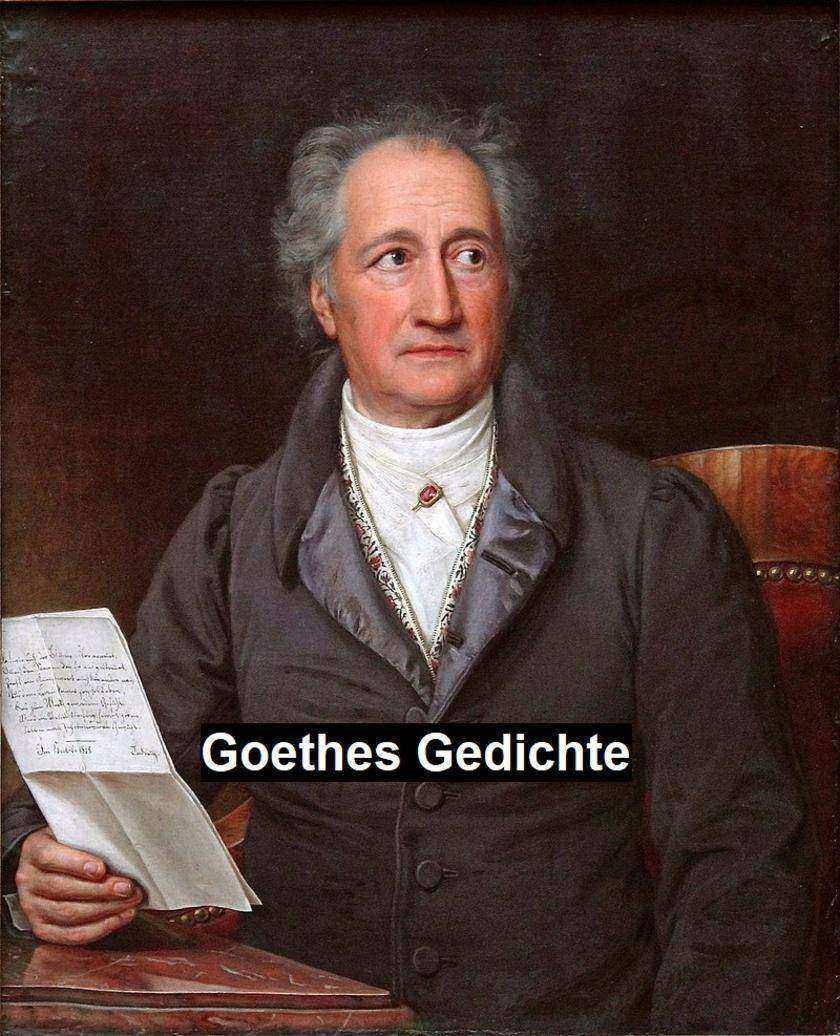
Goethes Gedichte
¥8.09
Hermann und Dorothea, Reineke Fuchs, Romische Elegien, Venetianische Epigramme, und West-Ostlicher Divan. Wikipedia: "Johann Wolfgang von Goethe (* 28. August 1749 in Frankfurt am Main; ? 22. M?rz 1832 in Weimar), geadelt 1782, war ein deutscher Dichter. Er forschte und publizierte au?erdem auf verschiedenen naturwissenschaftlichen Gebieten. Ab 1776 bekleidete er am Hof von Weimar unterschiedliche politische und administrative ?mter. Goethes literarische Produktion umfasst Gedichte, Dramen, erz?hlende Werke (in Vers und Prosa), autobiografische, ?sthetische, kunst- und literaturtheoretische sowie naturwissenschaftliche Schriften. Auch sein umfangreicher Briefwechsel ist von gro?er literarischer Bedeutung. Goethe war ein Vorreiter und der wichtigste Vertreter des Sturm und Drang. Sein Roman Die Leiden des jungen Werthers machte ihn 1774 in ganz Europa berühmt. Sp?ter wandte er sich inhaltlich und formal den Idealen der Antike zu und wurde ab den 1790er Jahren, gemeinsam mit Friedrich Schiller und im Austausch mit diesem, zum wichtigsten Vertreter der Weimarer Klassik. Im Alter galt Goethe auch im Ausland als Repr?sentant des geistigen Deutschland."
M?zli (Illustrated)
¥8.09
This eBook features the unabridged text of ‘M?zli by Johanna Spyri - Delphi Classics (Illustrated)’ from the bestselling edition of ‘The Collected Works of Johanna Spyri’. Having established their name as the leading publisher of classic literature and art, Delphi Classics produce publications that are individually crafted with superior formatting, while introducing many rare texts for the first time in digital print. The Delphi Classics edition of Spyri includes original annotations and illustrations relating to the life and works of the author, as well as individual tables of contents, allowing you to navigate eBooks quickly and easily. eBook features: * The complete unabridged text of ‘M?zli by Johanna Spyri - Delphi Classics (Illustrated)’ * Beautifully illustrated with images related to Spyri’s works * Individual contents table, allowing easy navigation around the eBook * Excellent formatting of the textPlease visit www.delphiclassics.com to learn more about our wide range of titles
Vinzi (Illustrated)
¥8.09
This eBook features the unabridged text of ‘Vinzi by Johanna Spyri - Delphi Classics (Illustrated)’ from the bestselling edition of ‘The Collected Works of Johanna Spyri’. Having established their name as the leading publisher of classic literature and art, Delphi Classics produce publications that are individually crafted with superior formatting, while introducing many rare texts for the first time in digital print. The Delphi Classics edition of Spyri includes original annotations and illustrations relating to the life and works of the author, as well as individual tables of contents, allowing you to navigate eBooks quickly and easily. eBook features: * The complete unabridged text of ‘Vinzi by Johanna Spyri - Delphi Classics (Illustrated)’ * Beautifully illustrated with images related to Spyri’s works * Individual contents table, allowing easy navigation around the eBook * Excellent formatting of the textPlease visit www.delphiclassics.com to learn more about our wide range of titles
The History of Rome
¥8.09
Mommsen's history of the Roman Republic in five volumes. These volumes cover from the founding of Rome up to the disintegration of the First Triumvirate (Caesar, Pompey, Crassus). The author cites dates in the Roman style, AUC, from the founding of the city in 753 BC. A table at the end shows modern-day equivalents. According to Wikipedia, Mommsen is "generally regarded as the greatest classicist of the 19th century." This work complements Gibbon's "Decline and Fall of the Roman Empire".
A Study in Scarlet, First of the Four Sherlock Holmes Novels
¥8.09
The four Sherlock Holmes novels are: A Study in Scarlet, Sign of the Four, The Hound of the Baskervilles, and The Valley of Fear. According to Wikipedia: "Sir Arthur Ignatius Conan Doyle, (22 May 1859 – 7 July 1930) was an author most noted for his stories about the detective Sherlock Holmes, which are generally considered a major innovation in the field of crime fiction, and for the adventures of Professor Challenger. He was a prolific writer whose other works include science fiction stories, historical novels, plays and romances, poetry, and non-fiction."
Dead Men Tell No Tales
¥8.09
Classic Crime Press presents you Dead Men Tell No Tales in a fantastic ebook edition. ? There's a hard-boiled plot that starts with a disaster at sea. There's stolen gold and gun-play. There's suspense, there's a good guy, some really bad guys, and at least two complex characters who contain a modern amount of both good and bad. One of whom is a dame. ? The book has a beautiful language to it, and each word delicately paints the picture of every moment from his departure on the ship, to the very terrible moment his plans of a smooth voyage take a turn for the horrible.

The Blue Pavilions
¥8.09
Dodo Collections brings you another classic from Arthur Quiller-Couch ‘The Blue Pavilions.’ The Blue Pavilions was first published in 1891. Sir Arthur Thomas Quiller-Couch was a Cornish writer, who published under the pen name of Q. He published his Dead Man's Rock (a romance in the vein of Stevenson's Treasure Island) in 1887, and he followed this up with Troy Town (1888) and The Splendid Spur (1889). After some journalistic experience in London, mainly as a contributor to the Speaker, in 1891 he settled at Fowey in Cornwall. He published in 1896 a series of critical articles, Adventures in Criticism, and in 1898 he completed Robert Louis Stevenson's unfinished novel, St Ives. With the exception of the parodies entitled Green Bays: Verses and Parodies (1893), his poetical work is contained in Poems and Ballads (1896). In 1895 he published an anthology from the sixteenth and seventeenth-century English lyrists, The Golden Pomp, followed in 1900 by an equally successful Oxford Book of English Verse, 1250-1900 (1900). He was made a Bard of Gorseth Kernow in 1928, taking the Bardic name Marghak Cough ('Red Knight'). Quiller-Couch was a noted literary critic, publishing editions of some of Shakespeare's plays (in the New Shakespeare, published by Cambridge University Press, with Dover Wilson) and several critical works, including Studies in Literature (1918) and On the Art of Reading (1920). He edited a successor to his verse anthology: Oxford Book of English Prose, which was published in 1923. He left his autobiography, Memories and Opinions, unfinished; it was nevertheless published in 1945.
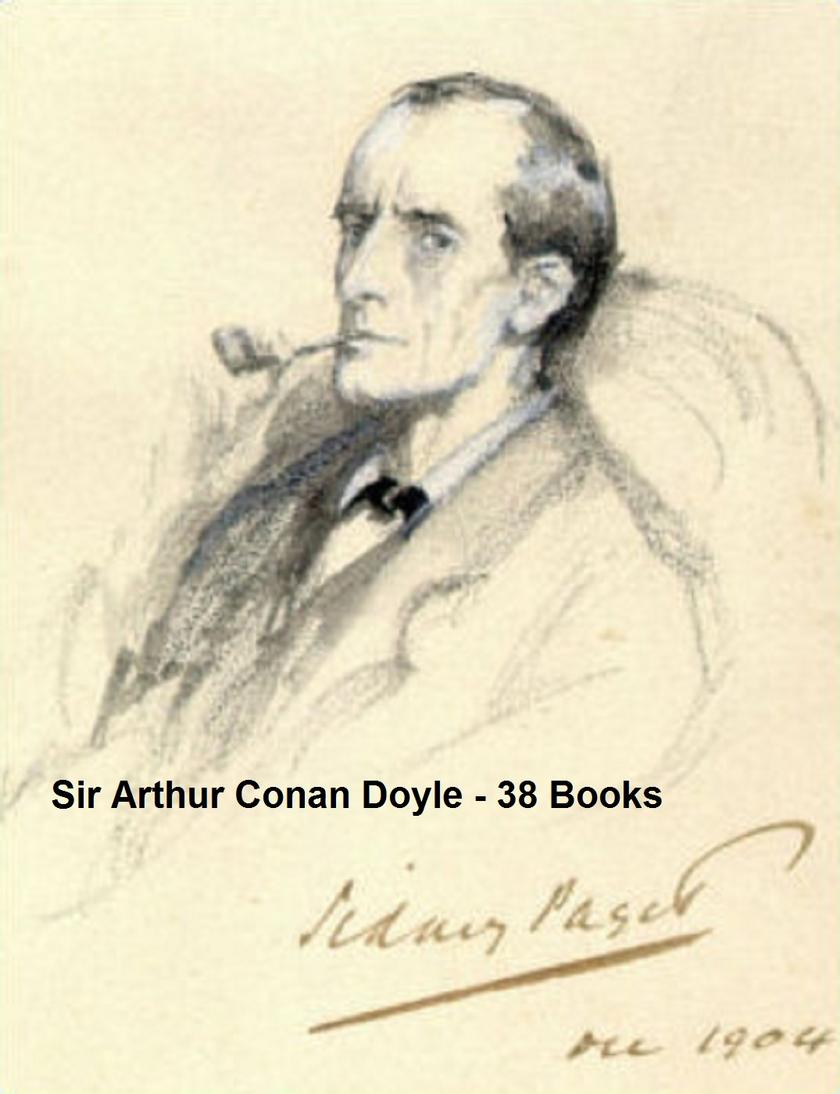
38 Books
¥8.09
This book-collection file includes 38 books -- Sherlock Holmes, Challenger, historical novels, other novels, and non-fiction. Sherlock Holmes Novels and Stories: A Study in Scarlet, novel, 1887; The Sign of the Four, novel, 1890; The Adventures of Sherlock Holmes, collection of stories originally published 1891-1892 (A Scandal in Bohemia; The Red-headed League; A Case of Identity; The Boscombe Valley Mystery; The Five Orange Pips; The Man with the Twisted Lip; The Adventure of the Blue Carbuncle; The Adventure of the Speckled Band; The Adventure of the Engineer's Thumb; The Adventure of the Noble Bachelor; The Adventure of the Beryl Coronet; The Adventure of the Copper Beeches); The Memoirs of Sherlock Holmes, collection of stories originally published 1892-1893; The Hound of the Baskervilles, novel, 1901-1902; The Return of Sherlock Holmes, collection of stories originally published 1903-1904; The Valley of Fear, novel, 1914- 1915; His Last Bow, collection of stories originally published 1908-1913 and 1917 . Challenger Novels: The Lost World and The Poison Belt. Historical Novels: Micah Clarke, 1888; The White Company, 1891; The Great Shadow and Other Napoleonic Tales, 1892; The Refugees, 1893; Rodney Stone, 1896; Uncle Bernac, 1897; Sir Nigel, 1906. Books about War: The Great Boer War; The War in South Africa; A Visit to Three Fronts, June 1916. Other Fiction: The Adventures of Gerard; Beyond the City; The Captain of the Polestar and Other Stories; A Desert Drama, Tragedy of the Korosko; The Doings of Raffles Haw; A Duet With Occasional Chorus; The Exploits of Brigadier Gerard; The Firm of Girdlestone; The Green Flag; The Last Galley. Impressions and Tales; The Mystery of Cloomber; The Parasite; The Stark Munro Letters; Tales of Terror and Mystery; Through the Magic Door. Spiritualism: The New Revelation; The Vital Message. Medicine: Round the Red Lamp, Facts and Fancies of the Medical Life.
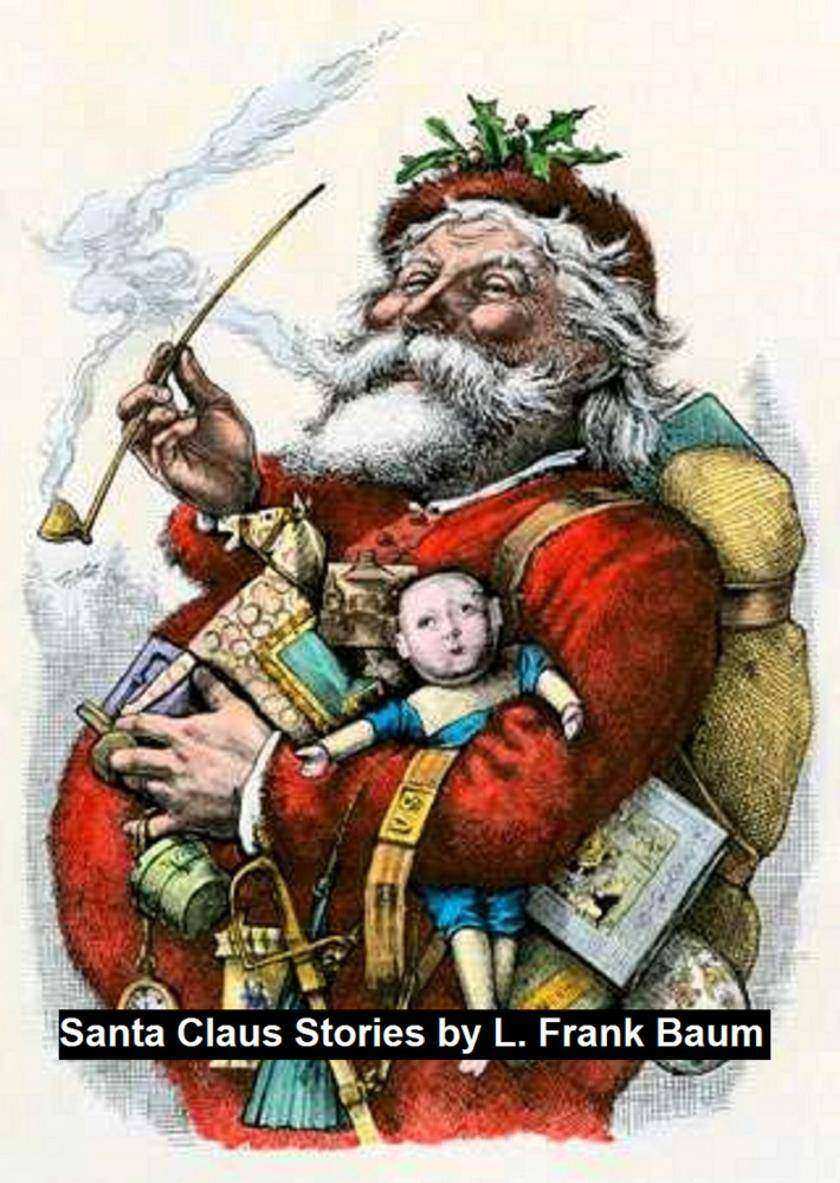
Santa Claus Stories
¥8.09
This file includes the book The Life and Adventures of Santa Claus and the short story Kidnapped Santa Claus. According to Wikipedia: "The Life and Adventures of Santa Claus is a 1902 children's book, written by L. Frank Baum… In 1904, a short story called A Kidnapped Santa Claus, by Baum, appeared in The Delineator magazine... The story deals with Santa Claus's kidnapping by the Daemons of the caves, in an effort to thwart his yearly delivery of toys. However, Claus's assistants complete the task for him, and later attempt an unnecessary rescue.."

The Doctrine And Practice Of Yoga
¥8.09
One of the best books to read about how to grow as a whole being or body, mind, spirit. If you really follow this logic you can enhance your mental capacity and your spiritual aura. ? Including the Practices and Exercises of Concentration, both Objective and Subjective, and Active and Passive Mentation, an Elucidation of Maya, Guru Worship, and the Worship of the Terrible, also the Mystery of Will-Force.
Twinkle Tales and Policeman Bluejay
¥8.09
According to Wikipedia: "The Twinkle Tales is a 1905 series by L. Frank Baum, published under the pen name Laura Bancroft. The six stories were issued in separate booklets by Baum's publisher Reilly & Britton, with illustrations by Maginel Wright Enright. In 1911, the six eight-chapter stories were collected as Twinkle and Chubbins; Their Astonishing Adventures in Nature-Fairyland — which is a misnomer, since Chubbins appears in only two stories and few are set in "Nature-Fairyland"... The series was a hit; Reilly & Britton sold 40,000 copies of the little books in a short time. Such commercial success justified a sequel: Baum took his Policeman Bluejay character from the Twinkle Tale "Bandit Jim Crow" and cast him in a separate novel, to be issued the following year."
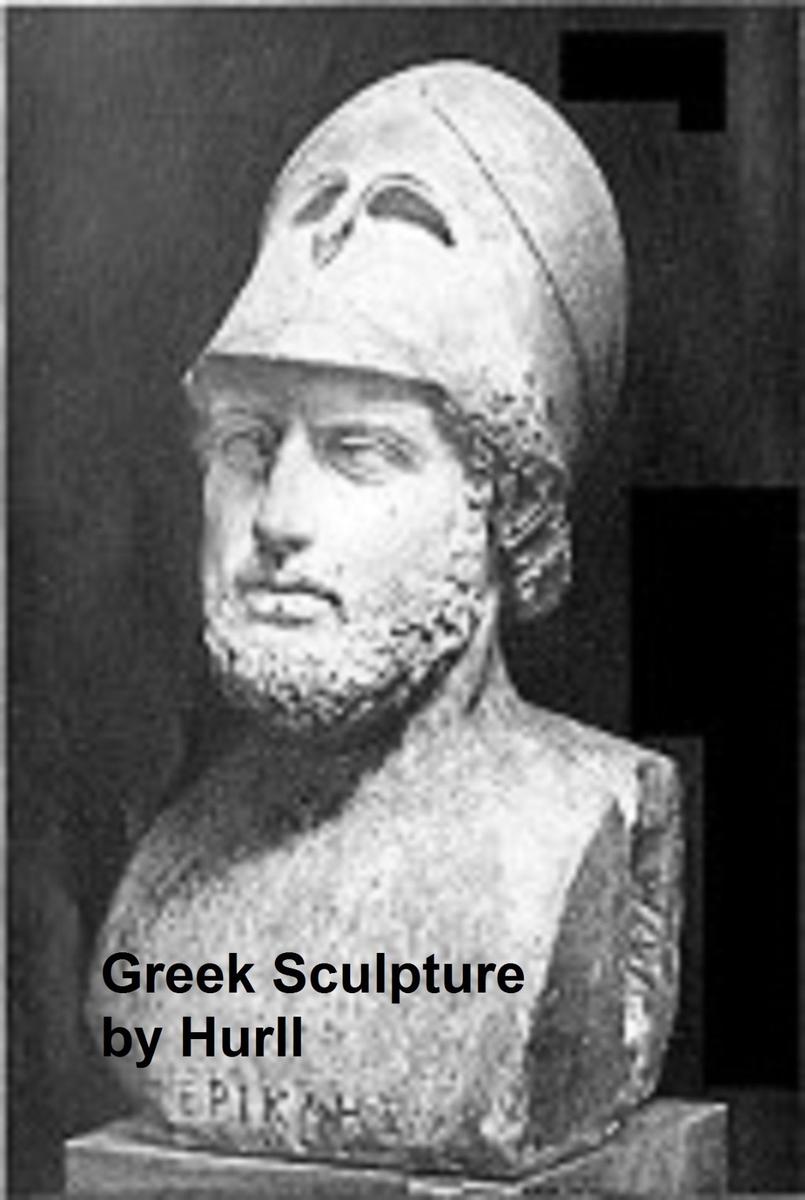
Greek Sculpture: A Collection of 16 Pictures of Greek Marbles (Illustrated)
¥8.09
A collection of 16 pictures of Greek marbles (black and white), with introduction and interpretation by Estelle Hurll. According to Wikipedia: "Estelle May Hurll (1863–1924), a student of aesthetics, wrote a series of popular aesthetic analyses of art in the early twentieth century.Hurll was born 25 July 1863 in New Bedford, Massachusetts, daughter of Charles W. and Sarah Hurll. She attended Wellesley College, graduating in 1882. From 1884 to 1891 she taught ethics at Wellesley. Hurll received her A.M. from Wellesley in 1892. In earning her degree, Hurll wrote Wellesley's first master's thesis in philosophy under Mary Whiton Calkins; her thesis was titled "The Fundamental Reality of the Aesthetic." After earning her degree, Hurll engaged in a short career writing introductions and interpretations of art, but these activities ceased before she married John Chambers Hurll on 29 June 1908."


