


 购物车
购物车 个人中心
个人中心
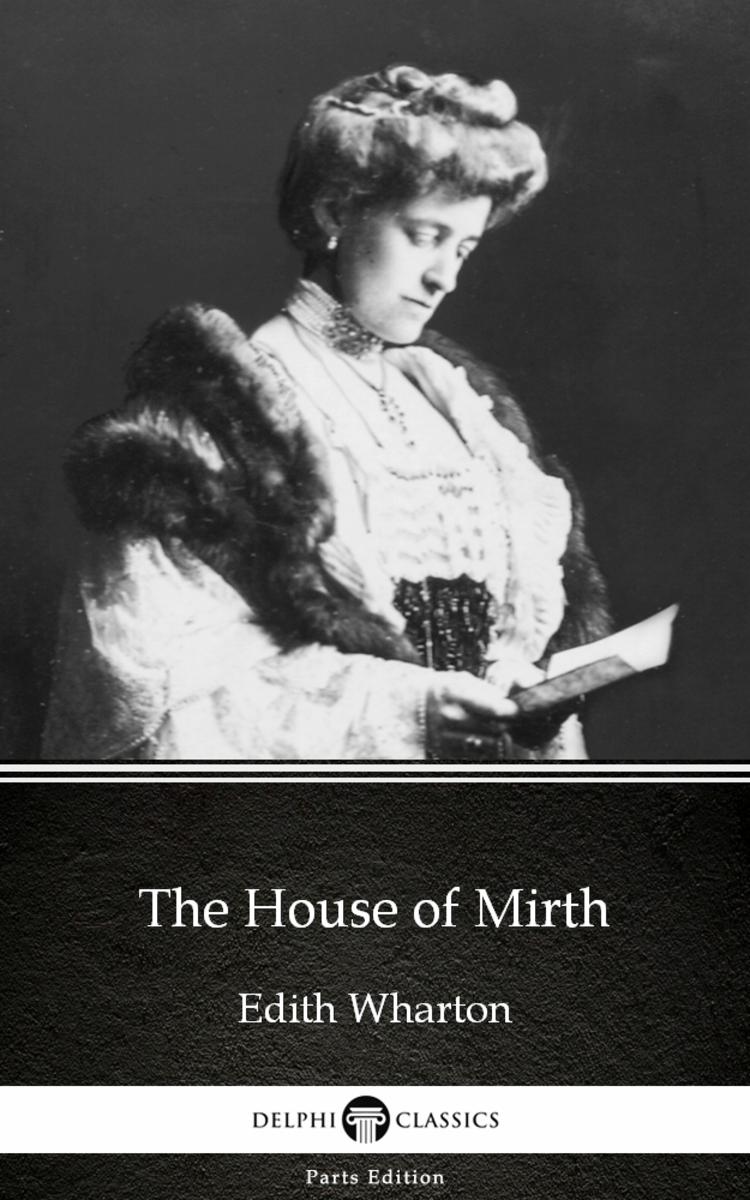
The House of Mirth by Edith Wharton - Delphi Classics (Illustrated)
¥8.09
This eBook features the unabridged text of ‘The House of Mirth by Edith Wharton - Delphi Classics (Illustrated)’ from the bestselling edition of ‘The Complete Works of Edith Wharton’. Having established their name as the leading publisher of classic literature and art, Delphi Classics produce publications that are individually crafted with superior formatting, while introducing many rare texts for the first time in digital print. The Delphi Classics edition of Wharton includes original annotations and illustrations relating to the life and works of the author, as well as individual tables of contents, allowing you to navigate eBooks quickly and easily. eBook features: * The complete unabridged text of ‘The House of Mirth by Edith Wharton - Delphi Classics (Illustrated)’ * Beautifully illustrated with images related to Wharton’s works * Individual contents table, allowing easy navigation around the eBook * Excellent formatting of the text Please visit www.delphiclassics.com to learn more about our wide range of titles
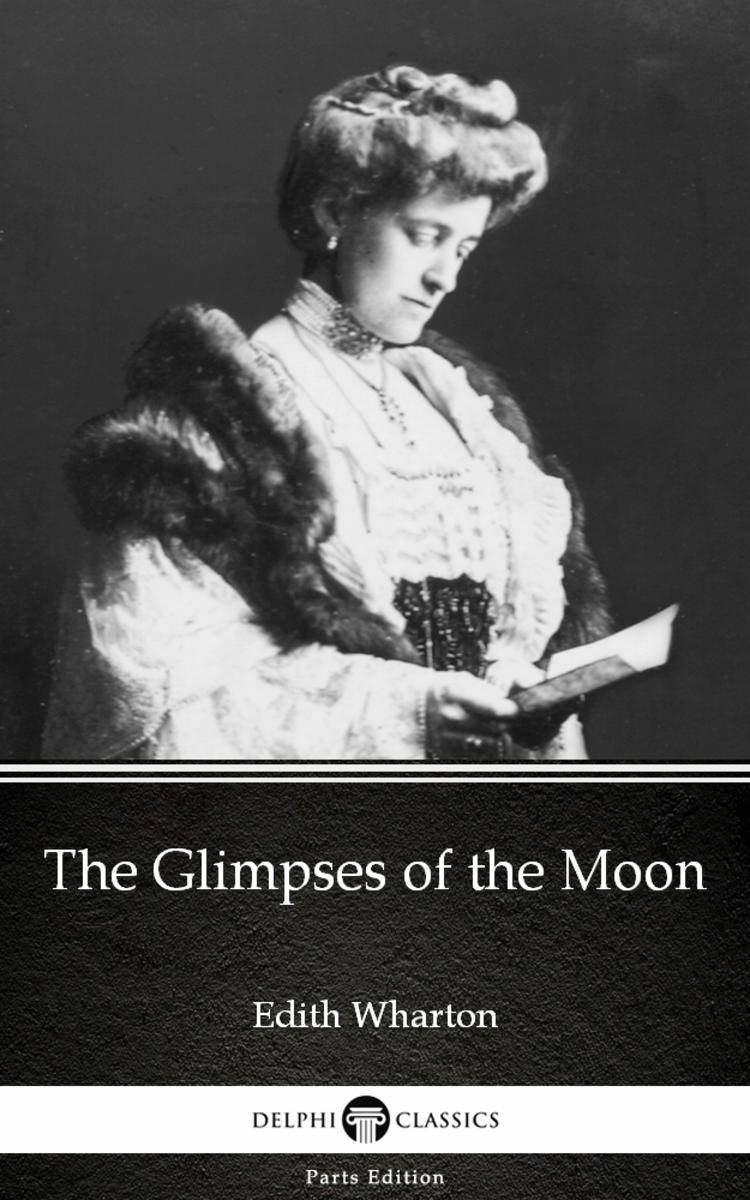
The Glimpses of the Moon by Edith Wharton - Delphi Classics (Illustrated)
¥8.09
This eBook features the unabridged text of ‘The Glimpses of the Moon by Edith Wharton - Delphi Classics (Illustrated)’ from the bestselling edition of ‘The Complete Works of Edith Wharton’. Having established their name as the leading publisher of classic literature and art, Delphi Classics produce publications that are individually crafted with superior formatting, while introducing many rare texts for the first time in digital print. The Delphi Classics edition of Wharton includes original annotations and illustrations relating to the life and works of the author, as well as individual tables of contents, allowing you to navigate eBooks quickly and easily. eBook features: * The complete unabridged text of ‘The Glimpses of the Moon by Edith Wharton - Delphi Classics (Illustrated)’ * Beautifully illustrated with images related to Wharton’s works * Individual contents table, allowing easy navigation around the eBook * Excellent formatting of the text Please visit www.delphiclassics.com to learn more about our wide range of titles
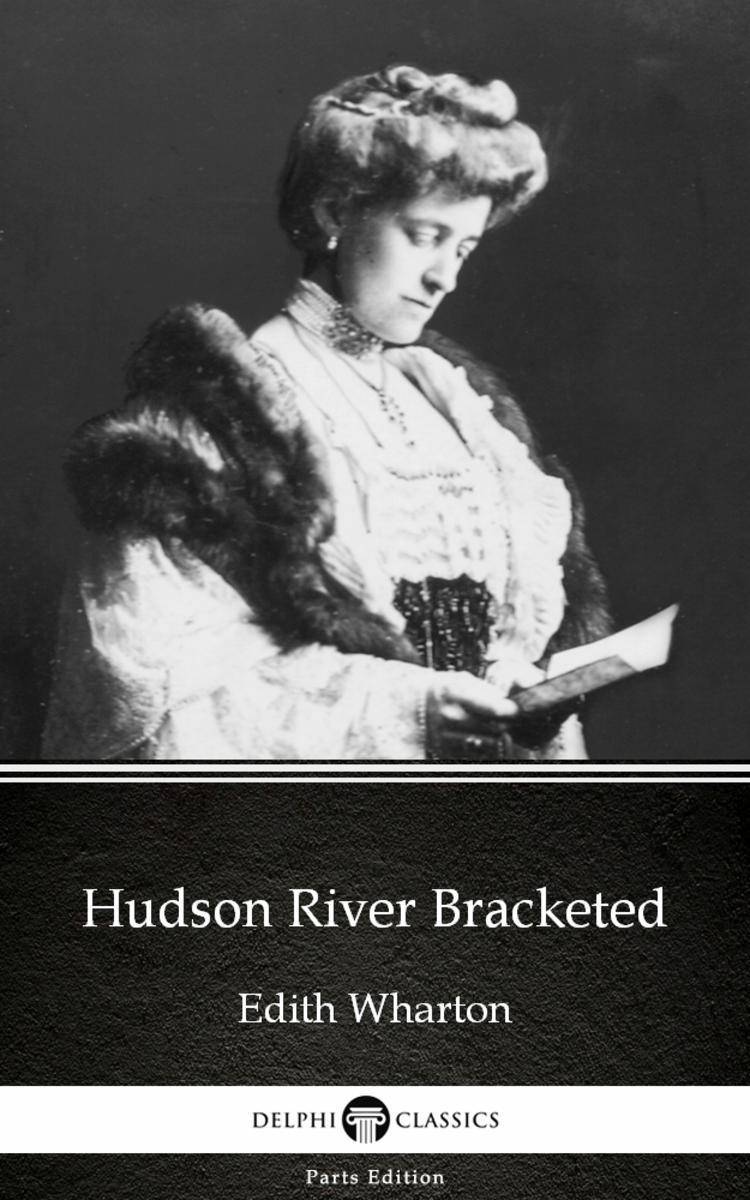
Hudson River Bracketed by Edith Wharton - Delphi Classics (Illustrated)
¥8.09
This eBook features the unabridged text of ‘Hudson River Bracketed by Edith Wharton - Delphi Classics (Illustrated)’ from the bestselling edition of ‘The Complete Works of Edith Wharton’. Having established their name as the leading publisher of classic literature and art, Delphi Classics produce publications that are individually crafted with superior formatting, while introducing many rare texts for the first time in digital print. The Delphi Classics edition of Wharton includes original annotations and illustrations relating to the life and works of the author, as well as individual tables of contents, allowing you to navigate eBooks quickly and easily. eBook features: * The complete unabridged text of ‘Hudson River Bracketed by Edith Wharton - Delphi Classics (Illustrated)’ * Beautifully illustrated with images related to Wharton’s works * Individual contents table, allowing easy navigation around the eBook * Excellent formatting of the text Please visit www.delphiclassics.com to learn more about our wide range of titles
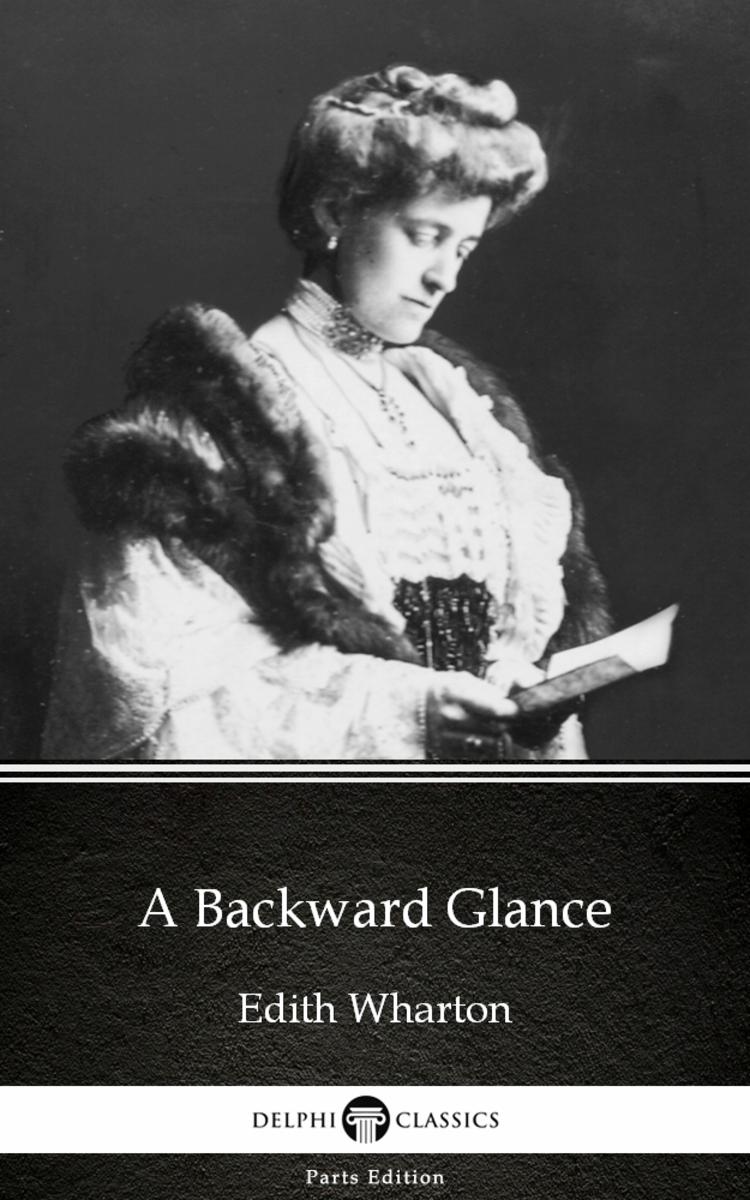
A Backward Glance by Edith Wharton - Delphi Classics (Illustrated)
¥8.09
This eBook features the unabridged text of ‘A Backward Glance by Edith Wharton - Delphi Classics (Illustrated)’ from the bestselling edition of ‘The Complete Works of Edith Wharton’. Having established their name as the leading publisher of classic literature and art, Delphi Classics produce publications that are individually crafted with superior formatting, while introducing many rare texts for the first time in digital print. The Delphi Classics edition of Wharton includes original annotations and illustrations relating to the life and works of the author, as well as individual tables of contents, allowing you to navigate eBooks quickly and easily. eBook features: * The complete unabridged text of ‘A Backward Glance by Edith Wharton - Delphi Classics (Illustrated)’ * Beautifully illustrated with images related to Wharton’s works * Individual contents table, allowing easy navigation around the eBook * Excellent formatting of the text Please visit www.delphiclassics.com to learn more about our wide range of titles
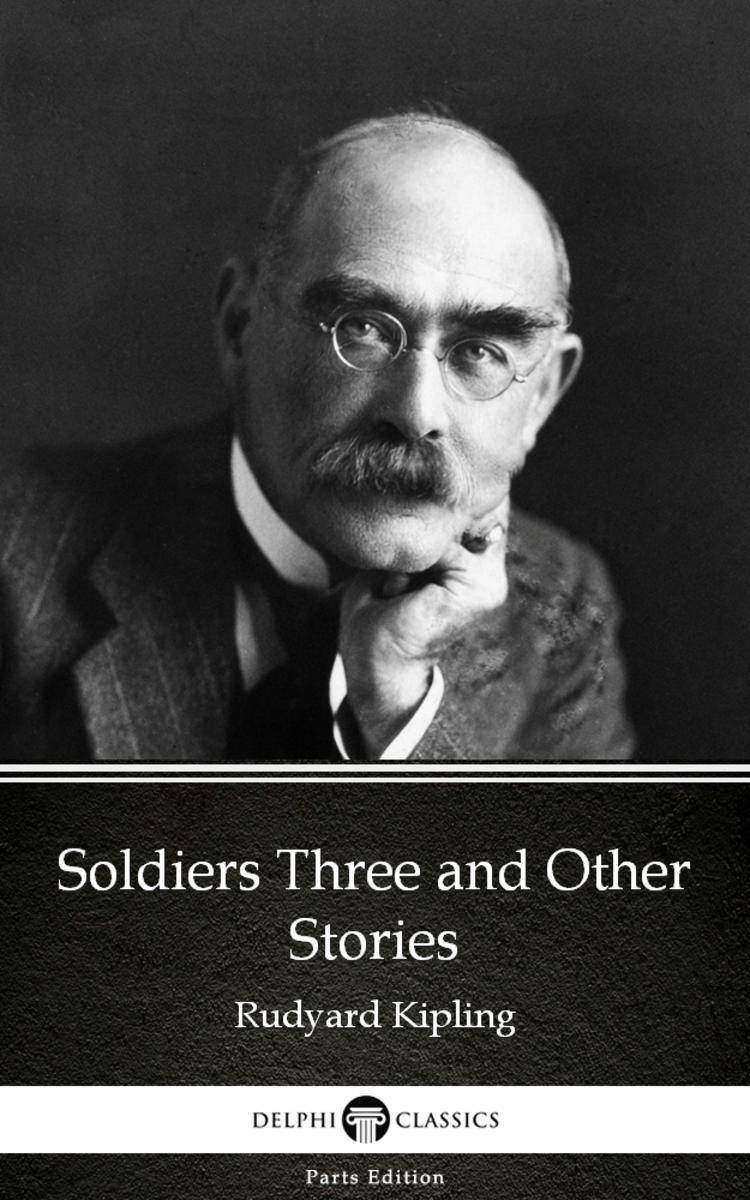
Soldiers Three and Other Stories by Rudyard Kipling - Delphi Classics (Illustrat
¥8.09
This eBook features the unabridged text of ‘Soldiers Three and Other Stories by Rudyard Kipling - Delphi Classics (Illustrated)’ from the bestselling edition of ‘The Complete Works of Rudyard Kipling’. Having established their name as the leading publisher of classic literature and art, Delphi Classics produce publications that are individually crafted with superior formatting, while introducing many rare texts for the first time in digital print. The Delphi Classics edition of Kipling includes original annotations and illustrations relating to the life and works of the author, as well as individual tables of contents, allowing you to navigate eBooks quickly and easily. eBook features: * The complete unabridged text of ‘Soldiers Three and Other Stories by Rudyard Kipling - Delphi Classics (Illustrated)’ * Beautifully illustrated with images related to Kipling’s works * Individual contents table, allowing easy navigation around the eBook * Excellent formatting of the text Please visit www.delphiclassics.com to learn more about our wide range of titles
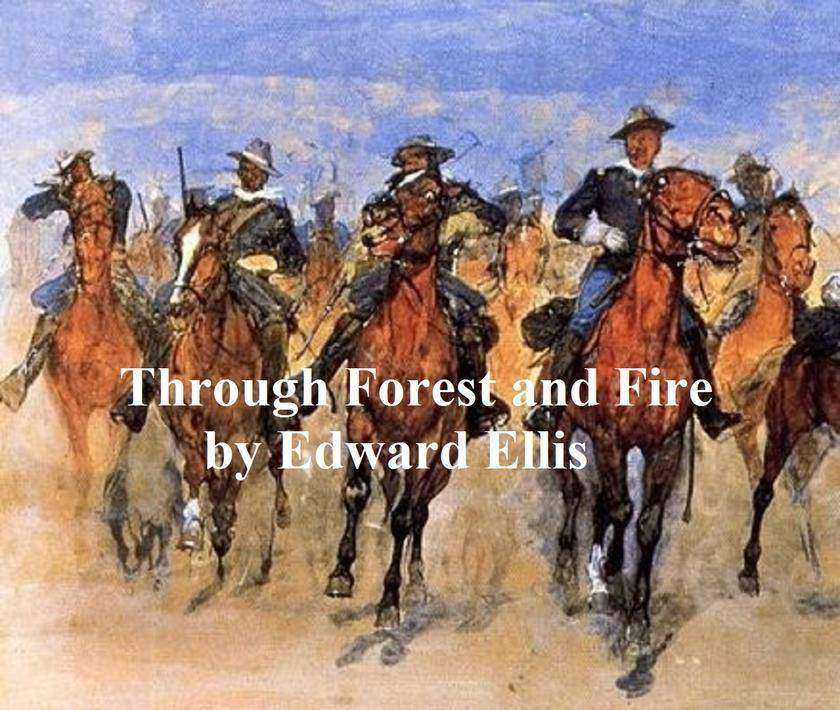
Through Forest and Fire
¥8.09
Classic adventure novel. According to Wikipedia: "Edward Sylvester Ellis (April 11, 1840 – June 20, 1916) was an American author who was born in Ohio and died at Cliff Island, Maine. Ellis was a teacher, school administrator, and journalist, but his most notable work was that that he performed as author of hundreds of dime novels that he produced under his name and a number of noms de plume. Notable works by Ellis include The Huge Hunter, or the Steam Man of the Prairies and Seth Jones, or the Captives of the Frontier. Internationally, Edward S. Ellis is probably best known for his Deerhunter novels widely read by young boys up to the 1950s (together with works by James Fenimore Cooper and Karl May). In the mid-1880s, after a fiction-writing career of some thirty years, Ellis eventually turned his pen to more serious works of biography, history, and persuasive writing."
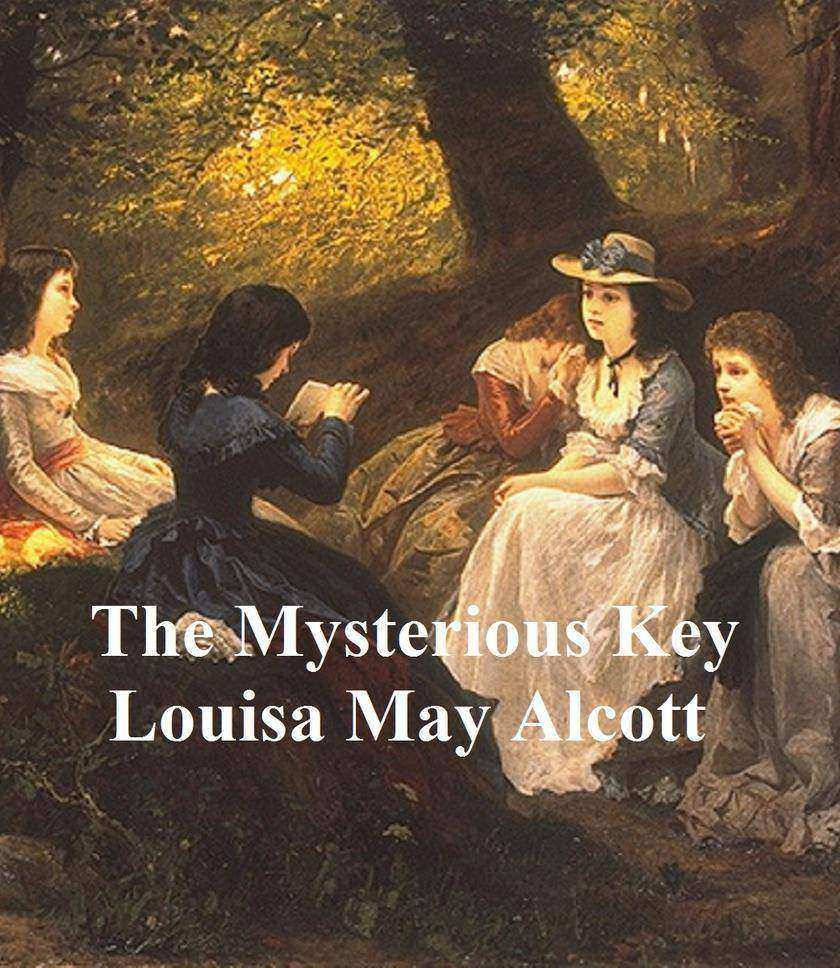
The Mysterious Key and What It Opened
¥8.09
Classic children's novel by the author of "Little Women". According to Wikipedia: "Louisa May Alcott (1832 – 1888) was an American novelist. She is best known for the novel Little Women, published in 1868. This novel is loosely based on her childhood experiences with her three sisters."
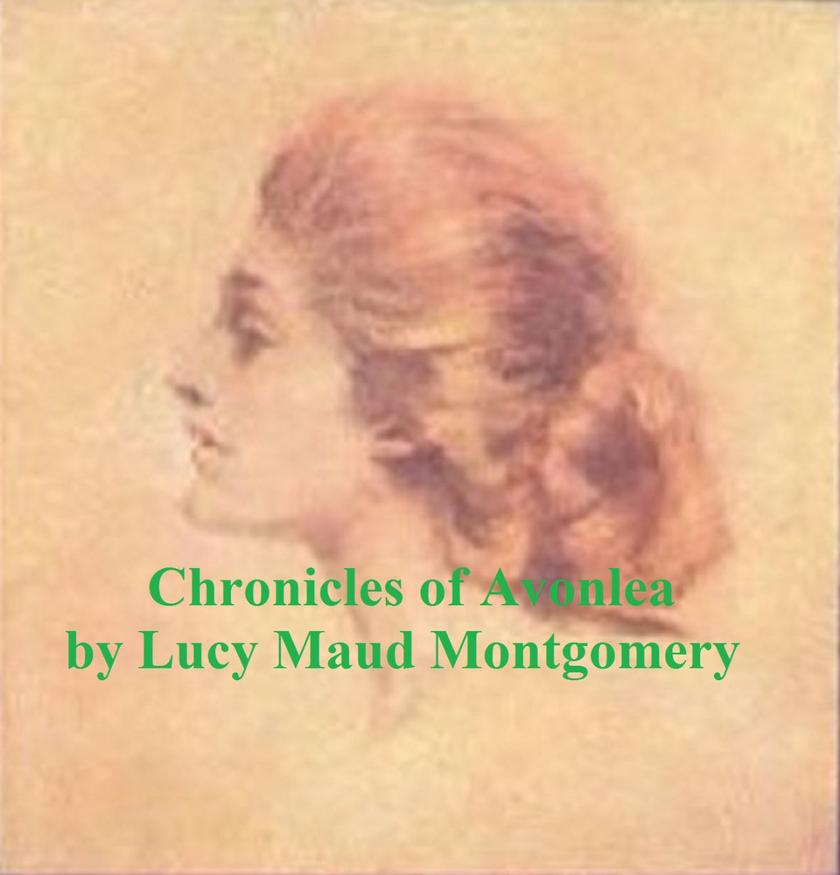
Chronicles of Avonlea
¥8.09
Classic children's novel. According to Wikipedia: "Lucy Maud Montgomery, (always called "Maud" by family and friends) and publicly known as L. M. Montgomery, (1874-1942) was a Canadian author, best known for a series of novels beginning with Anne of Green Gables, published in 1908. Anne of Green Gables was an immediate success. The central character, Anne, an orphaned girl, made Montgomery famous in her lifetime and gave her an international following. The first novel was followed by a series of sequels with Anne as the central character. The novels became the basis for the highly acclaimed 1985 CBC television miniseries, Anne of Green Gables and several other television movies and programs, including Road to Avonlea, which ran in Canada and the U.S. from 1990-1996."

The Brown Fairy Book
¥8.09
Classic collection of fairy tales. According to Wikipedia: "Andrew Lang (1844 - 1912) was a prolific Scots man of letters. He was a poet, novelist, and literary critic, and contributor to anthropology. He now is best known as the collector of folk and fairy tales." With the active (hyperlinked) table of contents, click on a story title to go to that story.
Chance
¥8.09
According to Wikipedia: "Chance is a novel by Joseph Conrad, published in 1913 following serial publication the previous year. Although the novel was not one upon which Conrad's later critical reputation was to depend, it was his greatest commercial success upon initial publication. Chance is narrated by Conrad's regular narrator, Charles Marlow, but is characterised by a complex, nested narrative in which different narrators take up the story at different points. The novel is also unusual among its author's works for its focus on a female character: the heroine, Flora de Barral."
Hernani
¥8.09
1411/5000 Le drame classique a d'abord joué et publié en 1830. La pièce elle-même est en fran?ais, mais l'introduction est en anglais. Selon Wikipedia: ? Hernani est un drame du poète fran?ais Victor Hugo Le jeu est ouvert à Paris le 25 Février, 1830 Aujourd'hui est le drame pour les manifestations qui ont accompagné la première, et pour l'opéra de Verdi Ernani l'inspiration que pour son .. mérites est ... Victor-Marie Hugo (26 Février 1802-1822 mai 1885) était un poète fran?ais, auteur dramatique, romancier, essayiste, artiste plasticien, homme d'?tat, des militants des droits de l'homme et des représentants du mouvement romantique en France en France, Hugo est littéraire renommée principalement de ses poèmes, mais aussi de ses romans et ses Leistungen.Von dramatique de nombreux livres de poésie sont Contemplations et la Légende des particulièrement élevé en siècle le prestige et Hugo parfois, il est considéré comme le plus grand poète fran?ais, ses ?uvres les plus célèbres hors de France les romans Les Misérables et Notre-Dame de Paris (aussi connu comme le bossu de Notre-Dame) royal quand il était jeune, Hugo est devenu plus libéral que les décennies passées; il est devenu un partisan passionné de républicanisme, et son travail touche les questions les plus politiques et sociales et les tendances artistiques de son époque. Il est enterré au Panthéon. "
Le Roi S'Amuse
¥8.09
Drame classique dans le texte original, publié en 1832. Selon Wikipedia: "Victor-Marie Hugo (26 février 1802 - 22 mai 1885) était un poète, dramaturge, romancier, essayiste, artiste visuel, homme d'?tat, militant des droits de l'homme et En France, la renommée littéraire de Hugo vient en premier lieu de sa poésie, mais repose aussi sur ses romans et ses réalisations dramatiques Parmi les nombreux volumes de poésie, Les Contemplations et La Légende des siècles tiennent particulièrement haut dans l'estime critique, et Hugo est parfois identifié comme le plus grand poète fran?ais.A l'extérieur de la France, ses ?uvres les plus connues sont les romans Les Misérables et Notre-Dame de Paris (connu aussi en anglais sous le nom de Le Bossu de Notre Dame). était jeune, Hugo devint plus libéral au fil des décennies, il devint un partisan passionné du républicanisme et son travail touche à la plupart des questions politiques et sociales et aux tendances artistiques de son temps. Il est enterré au Panthéon. "
Style
¥8.09
Classic essay, first published around 1900. "Style, the Latin name for an iron pen, has come to designate the art that handles, with ever fresh vitality and wary alacrity, the fluid elements of speech. By a figure, obvious enough, which yet might serve for an epitome of literary method, the most rigid and simplest of instruments has lent its name to the subtlest and most flexible of arts. Thence the application of the word has been extended to arts other than literature, to the whole range of the activities of man. The fact that we use the word "style" in speaking of architecture and sculpture, painting and music, dancing, play-acting, and cricket, that we can apply it to the careful achievements of the housebreaker and the poisoner, and to the spontaneous animal movements of the limbs of man or beast, is the noblest of unconscious tributes to the faculty of letters. The pen, scratching on wax or paper, has become the symbol of all that is expressive, all that is intimate, in human nature; not only arms and arts, but man himself, has yielded to it. His living voice, with its undulations and inflexions, assisted by the mobile play of feature and an infinite variety of bodily gesture, is driven to borrow dignity from the same metaphor; the orator and the actor are fain to be judged by style." According to Wikipedia: "Professor Sir Walter Alexander Raleigh (5 September 1861 – 13 May 1922) was a Scottish scholar, poet and author... He was Professor of English Literature at the Mohammedan Anglo-Oriental College in Aligarh (1885-87), Professor of Modern Literature at the University College Liverpool (1890-1900), Regius Professor of English Language and Literature at Glasgow University (1900-1904), and Chair of English Literature at Oxford University and Fellow of Merton College, Oxford (1904-22. Raleigh was knighted in 1911."

Pierre and Jean
¥8.09
Classic French novel in English translation. According to Wikipedia: "Henri Rene Albert Guy de Maupassant (5 August 1850 - 6 July 1893) was a popular 19th-century French writer. He is one of the fathers of the modern short story. As a protege of Flaubert, his short stories are characterized by their economy of style and their efficient effortless denouement. He also wrote six short novels. A number of his stories often denote the futility of war and the innocent civilians who, caught, emerge changed - many are set during the Franco-Prussian War of the 1870s."
Bel-Ami
¥8.09
Classic French novel, in English translation. According to Wikipedia: "Henri Rene Albert Guy de Maupassant (5 August 1850 - 6 July 1893) was a popular 19th-century French writer. He is one of the fathers of the modern short story. As a protege of Flaubert, his short stories are characterized by their economy of style and their efficient effortless denouement. He also wrote six short novels. A number of his stories often denote the futility of war and the innocent civilians who, caught, emerge changed - many are set during the Franco-Prussian War of the 1870s."

The Rangeland Avenger
¥8.09
Dodo Collections brings you another classic from Max Brand, ‘The Rangeland Avenger.’ If you enjoy a fast moving western dealing with vengeance and well-deserved payback, you'll like The Rangeland Avenger by Max Brand. A soft spoken but ruthless gunman cuts a path of deadly payback across the Wild West in this exciting adventure. ? Frederick Schiller Faust (1892-1944) was an American fiction author known primarily for his thoughtful and literary Westerns. Faust wrote mostly under pen names, and today he is primarily known by one, Max Brand. Others include George Owen Baxter, Martin Dexter, Evin Evans, David Manning, Peter Dawson, John Frederick, and Pete Morland. Faust was born in Seattle. He grew up in central California and later worked as a cowhand on one of the many ranches of the San Joaquin Valley. Faust attended the University of California, Berkeley, where he began to write frequently. During the 1910s, Faust started to sell stories to the many emerging pulp magazines of the era. In the 1920s, Faust wrote furiously in many genres, achieving success and fame, first in the pulps and later in the upscale "slick" magazines. His love for mythology was, however, a constant source of inspiration for his fiction and his classical and literary inclinations. The classical influences are particularly noticeable in his first novel The Untamed (1919), which was also made into a motion picture starring Tom Mix in 1920.
The Seventh Man
¥8.09
Dodo Collections brings you another classic from Max Brand, ‘The Seventh Man.’ ? This book tells part of the story of the larger-than-life western character, Dan Barry, known as “Whistling Dan,” and his alter-ego companions, Black Bart, the wolf-dog, and Satan, the indomitable black stallion. It’s also the story of Kate Cumberland and the incredible five-year-old daughter of Kate and Dan, Joan. We first see Dan as a gentle, caring man with a deep sense of fairness. But then, after six years of a peaceful life in their mountain cabin Dan, more feral than human, sets out to revenge an injustice by killing seven men. Ultimately, it is his devotion to his daughter and Kate’s love for the child that brings about the climax of the tale. ? Warning: don’t look for a typical cowboy story here – it’s far deeper and stronger than that. ? Frederick Schiller Faust (1892-1944) was an American fiction author known primarily for his thoughtful and literary Westerns. Faust wrote mostly under pen names, and today he is primarily known by one, Max Brand. Others include George Owen Baxter, Martin Dexter, Evin Evans, David Manning, Peter Dawson, John Frederick, and Pete Morland. Faust was born in Seattle. He grew up in central California and later worked as a cowhand on one of the many ranches of the San Joaquin Valley. Faust attended the University of California, Berkeley, where he began to write frequently. During the 1910s, Faust started to sell stories to the many emerging pulp magazines of the era. In the 1920s, Faust wrote furiously in many genres, achieving success and fame, first in the pulps and later in the upscale "slick" magazines. His love for mythology was, however, a constant source of inspiration for his fiction and his classical and literary inclinations. The classical influences are particularly noticeable in his first novel The Untamed (1919), which was also made into a motion picture starring Tom Mix in 1920.
The Brethren
¥8.09
Dodo Collections brings you another classic from H. Rider Haggard, ‘The Brethren’ From the sea-wall on the coast of Essex, Rosamund looked out across the ocean eastwards. To right and left, but a little behind her, like guards attending the person of their sovereign, stood her cousins, the twin brethren, Godwin and Wulf, tall and shapely men. Godwin was still as a statue, his hands folded over the hilt of the long, scabbarded sword, of which the point was set on the ground before him, but Wulf, his brother, moved restlessly, and at length yawned aloud. They were beautiful to look at, all three of them, as they appeared in the splendour of their youth and health. The imperial Rosamund, dark-haired and eyed, ivory skinned and slender-waisted, a posy of marsh flowers in her hand; the pale, stately Godwin, with his dreaming face; and the bold-fronted, blue-eyed warrior, Wulf, Saxon to his finger-tips, notwithstanding his father's Norman blood. At the sound of that unstifled yawn, Rosamund turned her head with the slow grace which marked her every movement. "Would you sleep already, Wulf, and the sun not yet down?" she asked in her rich, low voice, which, perhaps because of its foreign accent, seemed quite different to that of any other woman. Sir Henry Rider Haggard was an English writer of adventure novels set in exotic locations, predominantly Africa, and the creator of the Lost World literary genre. His stories, situated at the lighter end of the scale of Victorian literature, continue to be popular and influential. He was also involved in agricultural reform and improvement in the British Empire. His breakout novel was King Solomon's Mines( 1885), which was to be the first in a series telling of the multitudinous adventures of its protagonist, Allan Quatermain. Haggard was made a Knight Bachelor in 1912 and a Knight Commander of the Order of the British Empire in 1919. He stood unsuccessfully for Parliament as a Conservative candidate for the Eastern division of Norfolk in 1895. The locality of Rider, British Columbia, was named in his memory.
A Bundle of Letters
¥8.09
Dodo Classics brings you another classic from Henry James, ‘A Bundle of Letters.’ This 1878 comic story was originally published in The Parisian magazine in 1878, which is also when the story takes place. Several people in a Paris boarding house write letters home filled with anecdotes about their fellow boarders. The characters' undercutting of each other's lies and pretensions provide much of the humor. The boarders are not aware that the others are writing about them, only the reader is privy to this knowledge. Henry James, OM, son of theologian Henry James Sr., brother of the philosopher and psychologist William James and diarist Alice James, was an American-born author, one of the founders and leaders of a school of realism in fiction. He spent much of his life in England and became a British subject shortly before his death. He is primarily known for a series of major novels in which he portrayed the encounter of America with Europe. His plots centered on personal relationships, the proper exercise of power in such relationships, and other moral questions. His method of writing from the point of view of a character within a tale allowed him to explore the phenomena of consciousness and perception, and his style in later works has been compared to impressionist painting. ? James insisted that writers in Great Britain and America should be allowed the greatest freedom possible in presenting their view of the world, as French authors were. His imaginative use of point of view, interior monologue and unreliable narrators in his own novels and tales brought a new depth and interest to realistic fiction, and foreshadowed the modernist work of the twentieth century. An extraordinarily productive writer, in addition to his voluminous works of fiction he published articles and books of travel writing, biography, autobiography, and criticism,and wrote plays, some of which were performed during his lifetime with moderate success. His theatrical work is thought to have profoundly influenced his later novels and tales.
The Middle Years
¥8.09
Dodo Collections brings you another classic from Henry James, ‘The Middle Years’. ? It may be the most affecting and profound of James's stories about writers. The novelist in the tale speculates that he has spent his whole life learning how to write, so a second life would make sense, "to apply the lesson." Second lives aren't usually available, so the novelist says of himself and his fellow artists: "We work in the dark--we do what we can--we give what we have. Our doubt is our passion and our passion is our task. The rest is the madness of art." ? Henry James, OM (15 April 1843 – 28 February 1916) was an American writer who spent most of his writing career in Britain. He is regarded as one of the key figures of 19th-century literary realism. He was the son of Henry James, Sr. and the brother of philosopher and psychologist William James and diarist Alice James. ? He is best known for a number of novels showing Americans encountering Europe and Europeans. His method of writing from a character's point of view allowed him to explore issues related to consciousness and perception, and his style in later works has been compared to impressionist painting. His imaginative use of point of view, interior monologue and unreliable narrators brought a new depth to narrative fiction. ? James contributed significantly to literary criticism, particularly in his insistence that writers be allowed the greatest possible freedom in presenting their view of the world. James claimed that a text must first and foremost be realistic and contain a representation of life that is recognizable to its readers. Good novels, to James, show life in action and are, most importantly, interesting. In addition to his voluminous works of fiction he published articles and books of travel, biography, autobiography, and criticism, and wrote plays. James alternated between America and Europe for the first twenty years of his life; eventually he settled in England, becoming a British subject in 1915, one year before his death. James was nominated for the Nobel Prize in Literature in 1911, 1912, and 1916.
The Real Thing and Other Tales
¥8.09
Dodo Classics brings you another classic from Henry James, ‘The Real Thing and Other Tales.’ ? This story, often read as a parable, plays with the reality-illusion dichotomy that fascinated James, especially in the later stages of his career. For the illustrator who narrates the story, the genuine article proves all too useless for his commercial purposes. The story portrays the unfortunate victims of a society in which reality and representation are closely intertwined in ways that make art a difficult project to untangle the two. Henry James, OM (15 April 1843 – 28 February 1916) was an American writer who spent most of his writing career in Britain. He is regarded as one of the key figures of 19th-century literary realism. He was the son of Henry James, Sr. and the brother of philosopher and psychologist William James and diarist Alice James. ? He is best known for a number of novels showing Americans encountering Europe and Europeans. His method of writing from a character's point of view allowed him to explore issues related to consciousness and perception, and his style in later works has been compared to impressionist painting. His imaginative use of point of view, interior monologue and unreliable narrators brought a new depth to narrative fiction. ? James contributed significantly to literary criticism, particularly in his insistence that writers be allowed the greatest possible freedom in presenting their view of the world. James claimed that a text must first and foremost be realistic and contain a representation of life that is recognizable to its readers. Good novels, to James, show life in action and are, most importantly, interesting. In addition to his voluminous works of fiction he published articles and books of travel, biography, autobiography, and criticism, and wrote plays. James alternated between America and Europe for the first twenty years of his life; eventually he settled in England, becoming a British subject in 1915, one year before his death. James was nominated for the Nobel Prize in Literature in 1911, 1912, and 1916.


