


 购物车
购物车 个人中心
个人中心
Droll Stories
¥8.09
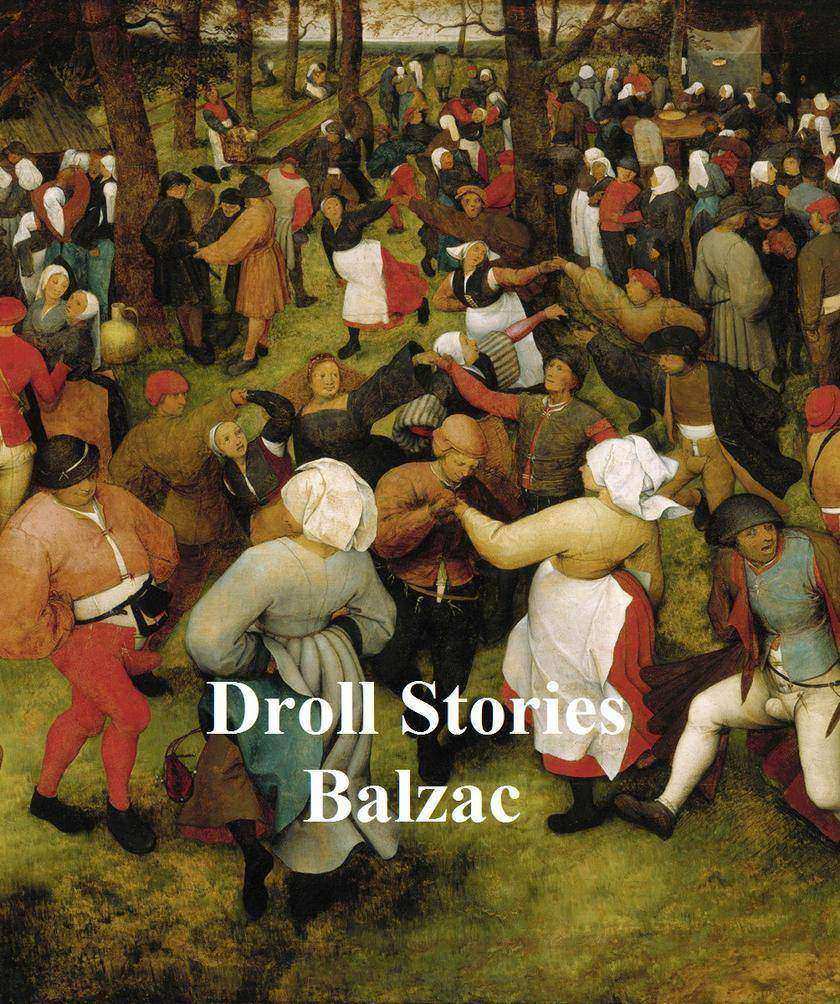
According to the Translator's Preface: "He claimed for his book the protection of all those to whom literature was dear, because it was a work of art--and a work of art, in the highest sense of the word, it undoubtedly is.Like Boccaccio, Rabelais, the Queen of Navarre, Ariosto, and Verville, the great author of The Human Comedy has painted an epoch. In the fresh and wonderful language of the Merry Vicar Of Meudon, he has given us a marvelous picture of French life and manners in the sixteenth century."
The Romance of a Mummy
¥8.09
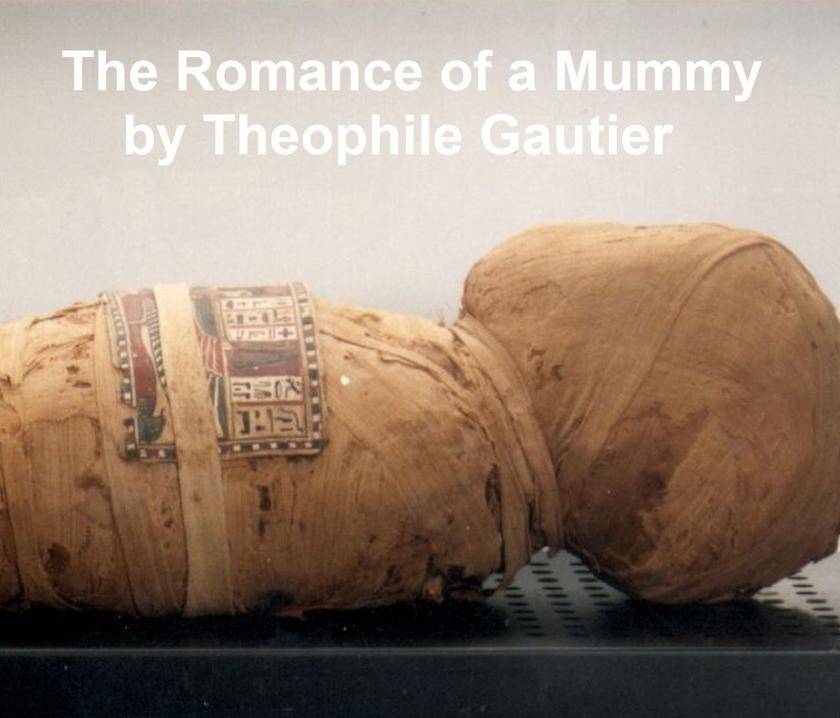
Classic French story, first published in 1857. According to Wikipedia: "Pierre Jules Théophile Gautier (August 30, 1811 – October 23, 1872) was a French poet, dramatist, novelist, journalist, and literary critic. While an ardent defender of Romanticism, Gautier's work is difficult to classify and remains a point of reference for many subsequent literary traditions such as Parnassianism, Symbolism, Decadence and Modernism. He was widely esteemed by writers as diverse as Balzac, Baudelaire, the Goncourt brothers, Flaubert and Oscar Wilde."
The Monastery
¥8.09
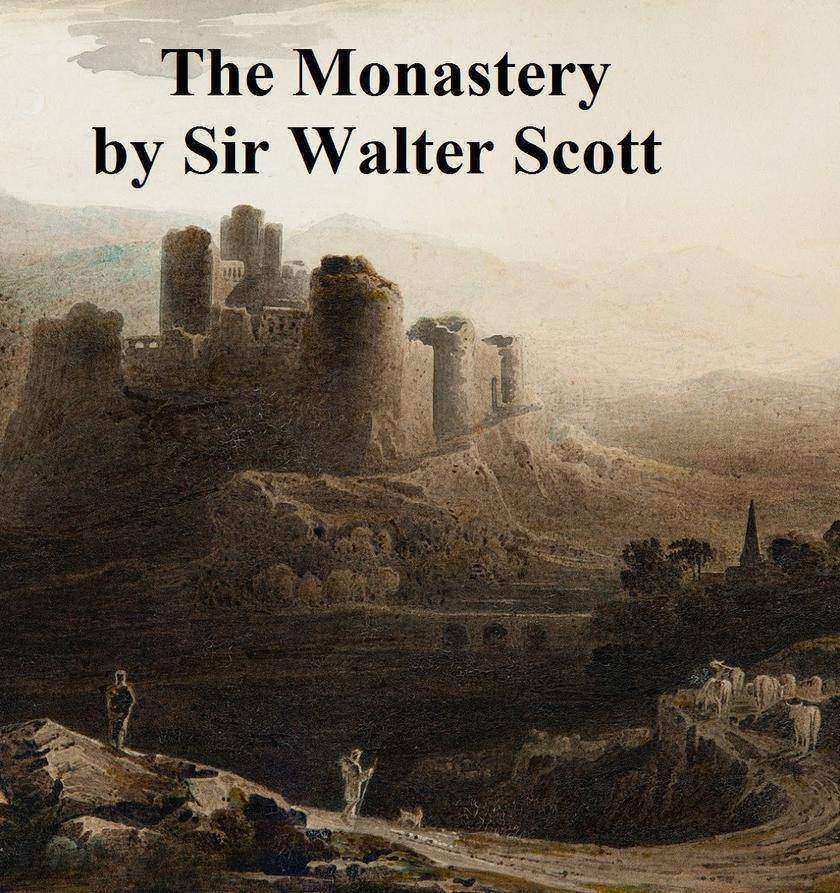
First published in 1820, historical novel, set in the 16th century, in the time of Mary Queen of Scots, one of Sir Walter Scott's "Tales from Benedictine Sources". According to Wikipedia: "Sir Walter Scott, 1st Baronet (1771 – 1832) was a prolific Scottish historical novelist and poet popular throughout Europe during his time. In some ways Scott was the first English-language author to have a truly international career in his lifetime, with many contemporary readers all over Europe, Australia, and North America. His novels and poetry are still read, and many of his works remain classics of both English-language literature and of Scottish literature. Famous titles include Ivanhoe, Rob Roy, The Lady of The Lake, Waverley, The Heart of Midlothian and The Bride of Lammermoor."
The Mysterious Island
¥8.09
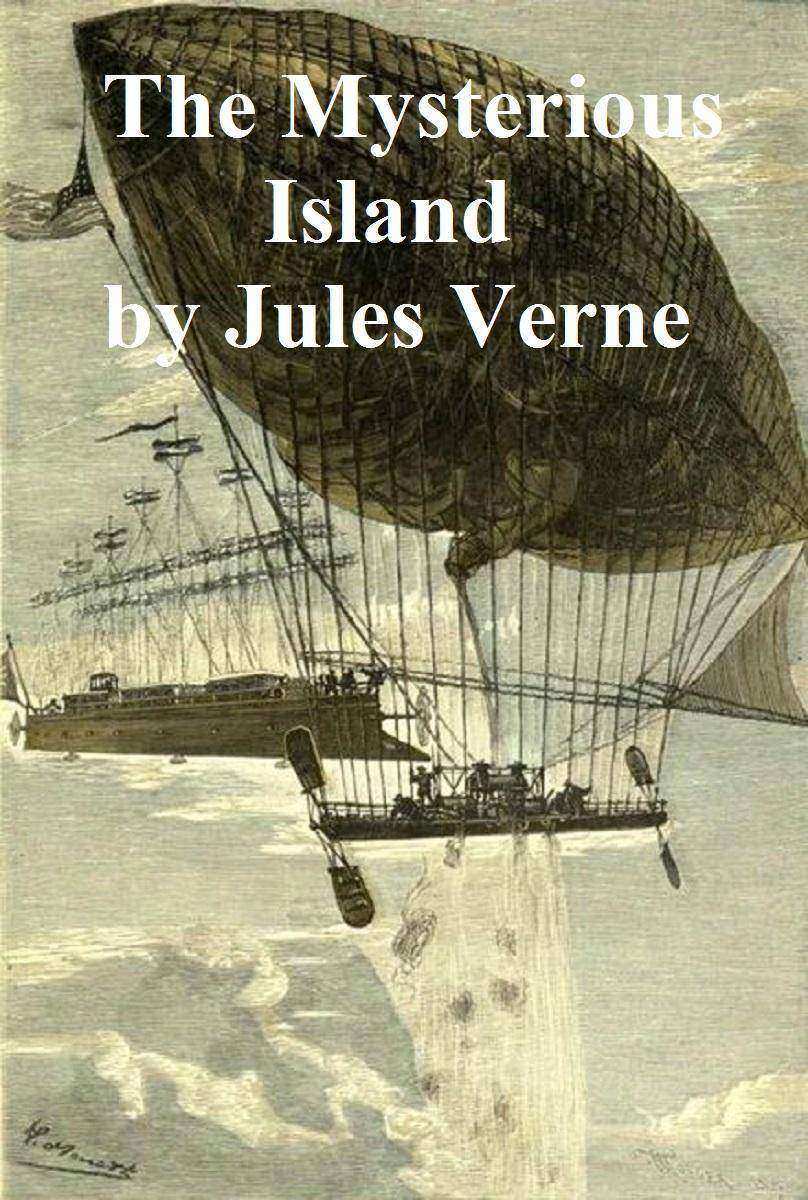
According to Wikipedia, "The Mysterious Island is a novel by Jules Verne, published in 1874. The original edition, published by Hetzel, contains a number of illustrations by Jules Ferat. The novel is a crossover sequel to Verne's famous Twenty Thousand Leagues Under the Sea and In Search of the Castaways, though thematically it is vastly different from those books. An early draft of the novel, initially rejected by Verne's publisher and wholly reconceived before publication, was titled Shipwrecked Family: Marooned With Uncle Robinson, seen as indicating the influence on the novel of Robinson Crusoe and The Swiss Family Robinson."
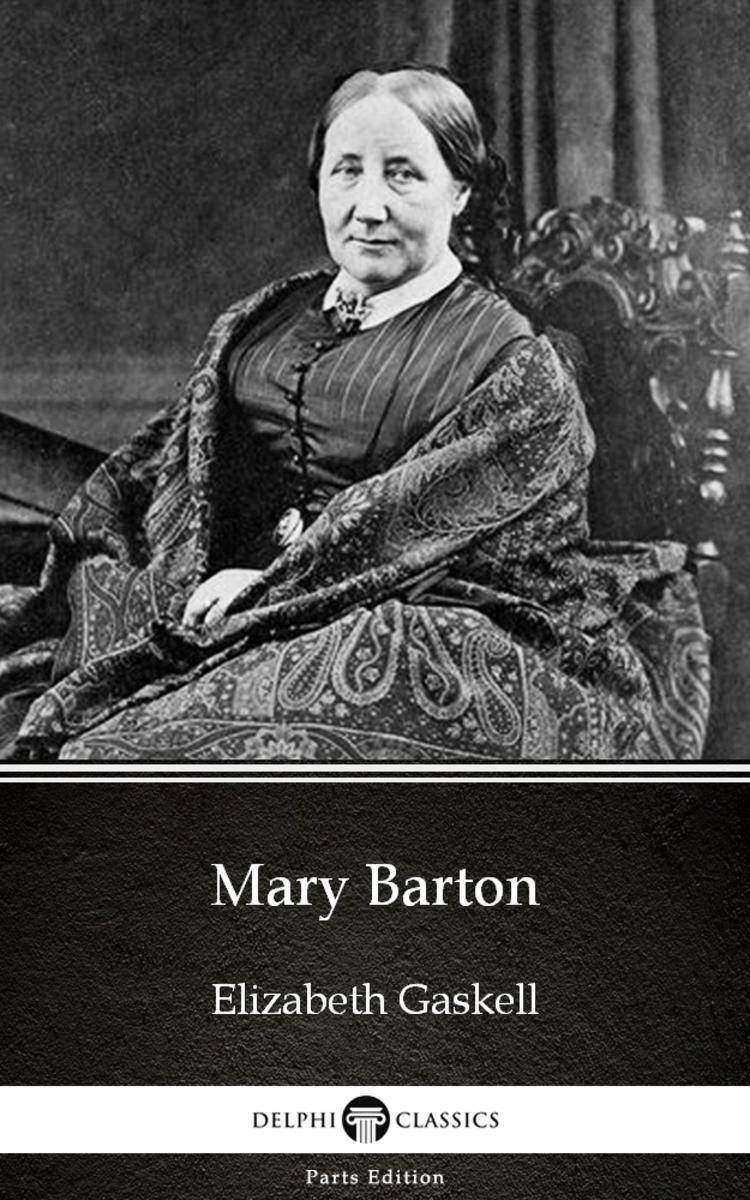
Mary Barton by Elizabeth Gaskell - Delphi Classics (Illustrated)
¥8.09
This eBook features the unabridged text of ‘Mary Barton by Elizabeth Gaskell - Delphi Classics (Illustrated)’ from the bestselling edition of ‘The Complete Works of Elizabeth Gaskell’. Having established their name as the leading publisher of classic literature and art, Delphi Classics produce publications that are individually crafted with superior formatting, while introducing many rare texts for the first time in digital print. The Delphi Classics edition of Gaskell includes original annotations and illustrations relating to the life and works of the author, as well as individual tables of contents, allowing you to navigate eBooks quickly and easily. eBook features: * The complete unabridged text of ‘Mary Barton by Elizabeth Gaskell - Delphi Classics (Illustrated)’ * Beautifully illustrated with images related to Gaskell’s works * Individual contents table, allowing easy navigation around the eBook * Excellent formatting of the text Please visit www.delphiclassics.com to learn more about our wide range of titles

The Redheaded Outfield and Other Stories
¥8.09
First published in 1920, baseball short stories by Zane Grey (who at one point aspired to become a major league ball player). According to Wikipedia: "Zane Grey (1872 – 1939) was an American author best known for his popular adventure novels and stories that presented an idealized image of the rugged Old West. As of June 2007, the Internet Movie Database credits Grey with 110 films, one TV episode, and a series, Dick Powell's Zane Grey Theater based loosely on his novels and short stories."
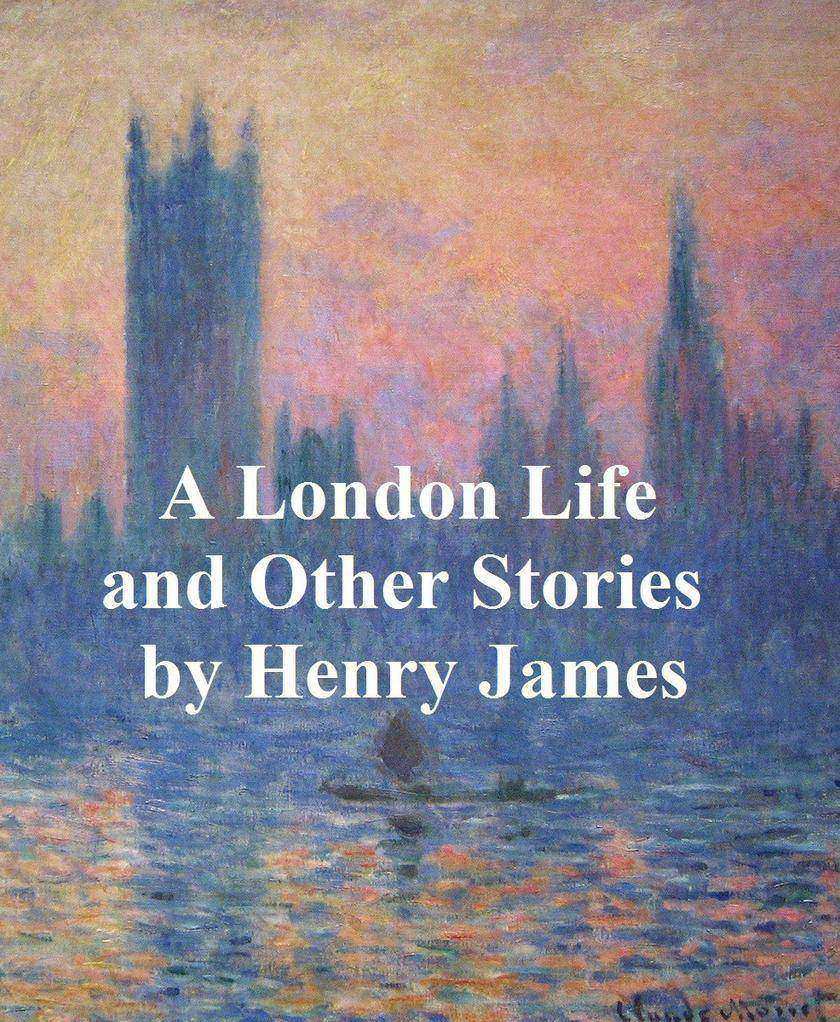
A London Life, The Patagonia, The Liar, Mrs. Temperly
¥8.09
Four classic short stories by Henry James. According to Wikipedia: "Henry James, O.M. (April 15, 1843(1843-04-15) – February 28, 1916) was an American author. He is one of the key figures of 19th century literary realism; the fine art of his writing has led many academics to consider him the greatest master of the novel and novella form. The son of theologian Henry James Sr., brother of the philosopher and psychologist William James and diarist Alice James, he spent much of his life in England and became a British subject shortly before his death. He is primarily known for a series of major novels in which he portrayed the encounter of America with Europe. His plots centered on personal relationships, the proper exercise of power in such relationships, and other moral questions. His method of writing from the point of view of a character within a tale allowed him to explore the phenomena of consciousness and perception, and his style in later works has been compared to impressionist painting."

Swallow: A Tale of the Great Trek
¥8.09
Dodo Collections brings you another classic from H. Rider Haggard, ‘Swallow: A Tale of the Great Trek’. ? Swallow: A Tale of the Great Trek is an 1899 novel by H. Rider Haggard set in South Africa during the Boer Trek of 1836. ? The novel was adapted into a 1922 South African film. ? H. Rider Haggard practically invented the "journey-to-a-lost-civilization" adventure genre, which captured the public's imagination.? He traveled the world, spending much time in southern Africa.? These exotic experiences influenced all his works.? He wrote best-selling adventure stories on a dare. All his writings reflect a deep appreciation of humanity in the midst of extraordinary fantasy and adventure. In all, he wrote over 40 novels. ? H. Rider Haggard — was an English writer of adventure novels set in exotic locations, predominantly Africa, and a pioneer of the Lost World literary genre. He was also involved in agricultural reform throughout the British Empire. His stories, situated at the lighter end of Victorian literature, continue to be popular and influential. ? His novels portray many of the stereotypes associated with colonialism, yet they are unusual for the degree of sympathy with which the native populations are portrayed. Africans often play heroic roles in the novels, although the protagonists are typically European (though not invariably). Notable examples are the heroic Zulu warrior Umslopogaasi and Ignosi, the rightful king of Kukuanaland, in King Solomon's Mines. Having developed an intense mutual friendship with the three Englishmen who help him regain his throne, he accepts their advice and abolishes witch-hunts and arbitrary capital punishment.

Red Eve
¥8.09
Dodo Collections brings you another classic from H. Rider Haggard, ‘Red Eve’. ? Red Eve is a novel by H Rider Haggard set in the reign of Edward III. ? H. Rider Haggard practically invented the "journey-to-a-lost-civilization" adventure genre, which captured the public's imagination.? He traveled the world, spending much time in southern Africa.? These exotic experiences influenced all his works.? He wrote best-selling adventure stories on a dare. All his writings reflect a deep appreciation of humanity in the midst of extraordinary fantasy and adventure. In all, he wrote over 40 novels. ? H. Rider Haggard — was an English writer of adventure novels set in exotic locations, predominantly Africa, and a pioneer of the Lost World literary genre. He was also involved in agricultural reform throughout the British Empire. His stories, situated at the lighter end of Victorian literature, continue to be popular and influential. ? His novels portray many of the stereotypes associated with colonialism, yet they are unusual for the degree of sympathy with which the native populations are portrayed. Africans often play heroic roles in the novels, although the protagonists are typically European (though not invariably). Notable examples are the heroic Zulu warrior Umslopogaasi and Ignosi, the rightful king of Kukuanaland, in King Solomon's Mines. Having developed an intense mutual friendship with the three Englishmen who help him regain his throne, he accepts their advice and abolishes witch-hunts and arbitrary capital punishment.

Doctor Therne
¥8.09
Doctor Therne is a 1898 science fiction novel about a plague that sweeps England. Sir Henry Rider Haggard was an English writer of adventure novels set in exotic locations, predominantly Africa, and the creator of the Lost World literary genre. His stories, situated at the lighter end of the scale of Victorian literature, continue to be popular and influential. He was also involved in agricultural reform and improvement in the British Empire. ? His breakout novel was King Solomon's Mines (1885), which was to be the first in a series telling of the multitudinous adventures of its protagonist, Allan Quatermain. ? Haggard was made a Knight Bachelor in 1912 and a Knight Commander of the Order of the British Empire in 1919. He stood unsuccessfully for Parliament as a Conservative candidate for the Eastern division of Norfolk in 1895. The locality of Rider, British Columbia, was named in his memory.

Mr. Meeson's Will
¥8.09
Dodo Collections brings you another classic from H. Rider Haggard, ‘Mr. Meeson's Will.’ ? Mr. Meeson's Will is the story of mean Mr. Meeson, the greedy and wealthy owner of a publishing house. Augusta Smithers is a young writer who enters into an unfair contract with Meeson. In order to make a fresh start she boards a steamer bound for New Zealand only to find her enemy is on the same ship. After a collision with a whaler Augusta, Meeson and several others are washed up on one of the lonely Kerguelen Islands, in the south Indian Ocean. Before his death Meeson tattoos his will on Augusta's back. This leads to a very interesting court battle in the second half of the book. ? Sir Henry Rider Haggard was an English writer of adventure novels set in exotic locations, predominantly Africa, and the creator of the Lost World literary genre. His stories, situated at the lighter end of the scale of Victorian literature, continue to be popular and influential. He was also involved in agricultural reform and improvement in the British Empire. ? His breakout novel was King Solomon's Mines (1885), which was to be the first in a series telling of the multitudinous adventures of its protagonist, Allan Quatermain. ? Haggard was made a Knight Bachelor in 1912 and a Knight Commander of the Order of the British Empire in 1919. He stood unsuccessfully for Parliament as a Conservative candidate for the Eastern division of Norfolk in 1895. The locality of Rider, British Columbia, was named in his memory.
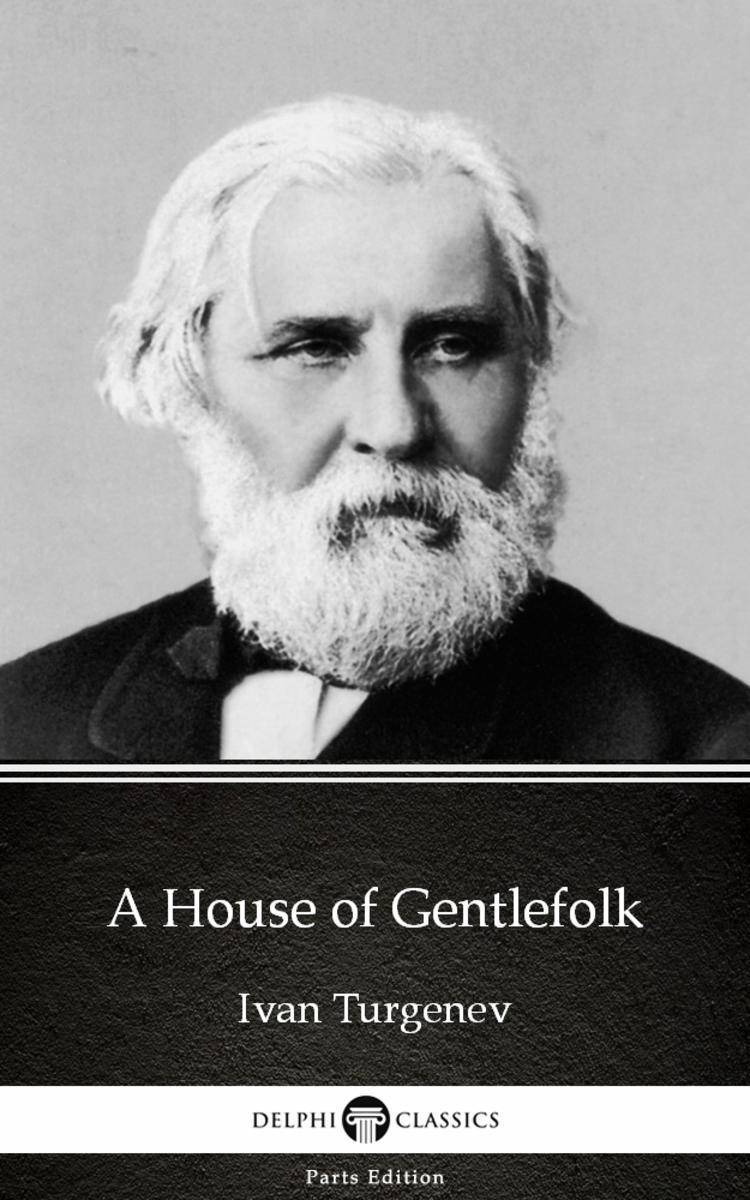
A House of Gentlefolk by Ivan Turgenev - Delphi Classics (Illustrated)
¥8.09
This eBook features the unabridged text of ‘A House of Gentlefolk by Ivan Turgenev - Delphi Classics (Illustrated)’ from the bestselling edition of ‘The Collected Works of Ivan Turgenev’. Having established their name as the leading publisher of classic literature and art, Delphi Classics produce publications that are individually crafted with superior formatting, while introducing many rare texts for the first time in digital print. The Delphi Classics edition of Turgenev includes original annotations and illustrations relating to the life and works of the author, as well as individual tables of contents, allowing you to navigate eBooks quickly and easily. eBook features: * The complete unabridged text of ‘A House of Gentlefolk by Ivan Turgenev - Delphi Classics (Illustrated)’ * Beautifully illustrated with images related to Turgenev’s works * Individual contents table, allowing easy navigation around the eBook * Excellent formatting of the text Please visit www.delphiclassics.com to learn more about our wide range of titles

Poor White
¥8.09
Dodo Collections brings you another classic from Sherwood Anderson, ‘"Poor White". It is the story of an inventor, Hugh McVey, who rises from poverty on the bank of the Mississippi River. The novel shows the influence of industrialism on the rural heartland of America. ? Hugh McVey was born in a little hole of a town stuck on a mud bank on the western shore of the Mississippi River in the State of Missouri. It was a miserable place in which to be born. With the exception of a narrow strip of black mud along the river, the land for ten miles back from the town - called in derision by river men "Mudcat Landing" - was almost entirely worthless and unproductive. The soil, yellow, shallow and stony, was tilled, in Hugh's time, by a race of long gaunt men who seemed as exhausted and no-account as the land on which they lived. They were chronically dis-couraged, and the merchants and artisans of the town were in the same state. The merchants, who ran their stores - poor tumble-down ramshackle affairs - on the credit system, could not get pay for the goods they handed out over their counters and the artisans, the shoemakers, carpenters and harnessmakers, could not get pay for the work they did. Only the town's two saloons prospered. The saloon keepers sold their wares for cash and, as the men of the town and the farmers who drove into town felt that without drink life was unbearable, cash always could be found for the purpose of getting drunk. ? Anderson was born on Sept. 13, 1876, in Camden, Ohio. He never finished high school because he had to work to support his family. By 1912, he was the successful manager of a paint factory in Elyria, Ohio, and the father of three children by the first of his four wives. In 1912, Anderson deserted his family and job. In early 1913, he moved to Chicago, where he devoted more time to his imaginative writing. He became a heroic model for younger writers because he broke with what they considered to be American materialism and convention to commit himself to art. by their own limitations.
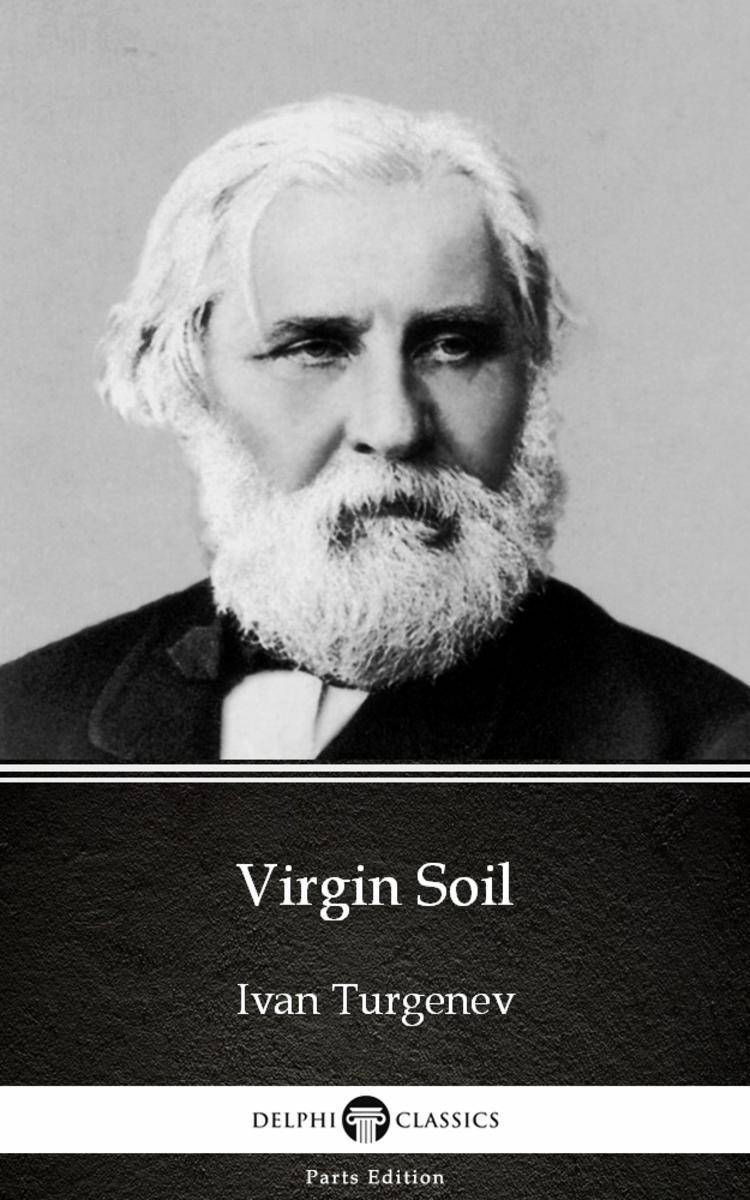
Virgin Soil by Ivan Turgenev - Delphi Classics (Illustrated)
¥8.09
This eBook features the unabridged text of ‘Virgin Soil by Ivan Turgenev - Delphi Classics (Illustrated)’ from the bestselling edition of ‘The Collected Works of Ivan Turgenev’. Having established their name as the leading publisher of classic literature and art, Delphi Classics produce publications that are individually crafted with superior formatting, while introducing many rare texts for the first time in digital print. The Delphi Classics edition of Turgenev includes original annotations and illustrations relating to the life and works of the author, as well as individual tables of contents, allowing you to navigate eBooks quickly and easily. eBook features: * The complete unabridged text of ‘Virgin Soil by Ivan Turgenev - Delphi Classics (Illustrated)’ * Beautifully illustrated with images related to Turgenev’s works * Individual contents table, allowing easy navigation around the eBook * Excellent formatting of the text Please visit www.delphiclassics.com to learn more about our wide range of titles

The Wallet of Kai Lung
¥8.09
Dodo Collections brings you another classic from Bramah Ernest, ‘The Wallet of Kai Lung.’ ? The Wallet of Kai Lung is a collection of fantasy stories by Ernest Bramah, all but the last of which feature Kai Lung, an itinerant story-teller of ancient China. ? Although the collection is presented in the fashion of a novel, with each of its component stories designated chapters, there is no overall plot aside from each of the first eight tales being presented as narratives told by Kai Lung at various points in his itinerant career. The final tale is represented as being from a manuscript left by its own separate first-person narrator, Kin Yen. ? Contents "The Transmutation of Ling" "The Story of Yung Chang" "The Probation of Sen Heng" "The Experiment of the Mandarin Chan Hung" "The Confession of Kai Lung" "The Vengeance of Tung Fel" "The Career of the Charitable Quen-Ki-Tong" "First Period: The Public Official" "Second Period: The Temple Builder" "The Vision of Yin, the Son of Yat Huang" "The Ill-Regulated Destiny of Kin Yen, the Picture Maker" Bramah was a reclusive soul, who shared few details of his private life with his reading public. His full name was Ernest Bramah Smith. It is known that he dropped out of Manchester Grammar School at the age of 16, after displaying poor aptitude as a student and thereafter went into farming, and began writing vignettes for the local newspaper. Bramah's father was a wealthy man who rose from factory hand to a very wealthy man in a short time, and who supported his son in his various career attempts. ? Bramah went to Fleet Street after the farming failure and became a secretary to Jerome K. Jerome, rising to a position as editor of one of Jerome's magazines. At some point, he appears to have married Mattie.

The Lion's Share
¥8.09
Dodo Collections brings you another classic from Arnold Bennett, ‘"The Lion's Share."’ ? Enoch Arnold Bennett (always known as Arnold Bennett) was one of the most remarkable literary figures of his time, a product of the English Potteries that he made famous as the Five Towns. Yet he could hardly wait to escape his home town, and he did so by the sheer force of his ambition to succeed as an author. In his time he turned his hand to every kind of writing, but he will be remembered for such novels as The Old Wives' Tale, the Clayhanger trilogy (Clayhanger, Hilda Lessways, and These Twain), and The Card. He also wrote such intriguing self-improvement books as Literary Taste, How To Live on 24 Hours a Day, The Human Machine, etc. ? After a local education Bennett finished his education at the University of London and for a time was editor of Woman magazine. After 1900 he devoted himself entirely to writing; dramatic criticism was one of his foremost interests. Bennett is best known, however, for his novels, several of which were written during his residence in France. ? Bennett's infancy was spent in genteel poverty, which gave way to prosperity as his father succeeded as a solicitor. From this provincial background he became a novelist. ? His enduring fame is as a Chronicler of the Potteries towns, the setting and inspiration of some of his most famous and enduring literary work and the place where he grew up.
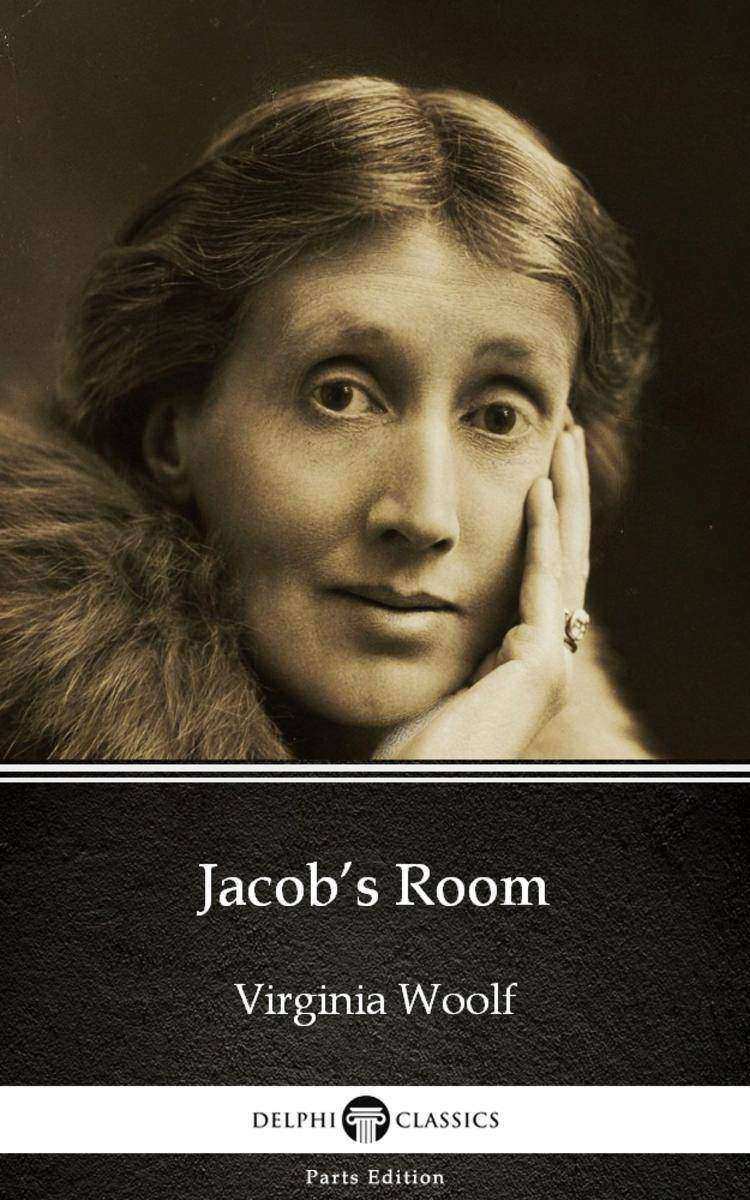
Jacob’s Room by Virginia Woolf - Delphi Classics (Illustrated)
¥8.09
This eBook features the unabridged text of ‘Jacob’s Room by Virginia Woolf - Delphi Classics (Illustrated)’ from the bestselling edition of ‘The Complete Works of Virginia Woolf’. Having established their name as the leading publisher of classic literature and art, Delphi Classics produce publications that are individually crafted with superior formatting, while introducing many rare texts for the first time in digital print. The Delphi Classics edition of Woolf includes original annotations and illustrations relating to the life and works of the author, as well as individual tables of contents, allowing you to navigate eBooks quickly and easily. eBook features: * The complete unabridged text of ‘Jacob’s Room by Virginia Woolf - Delphi Classics (Illustrated)’ * Beautifully illustrated with images related to Woolf’s works * Individual contents table, allowing easy navigation around the eBook * Excellent formatting of the text Please visit www.delphiclassics.com to learn more about our wide range of titles
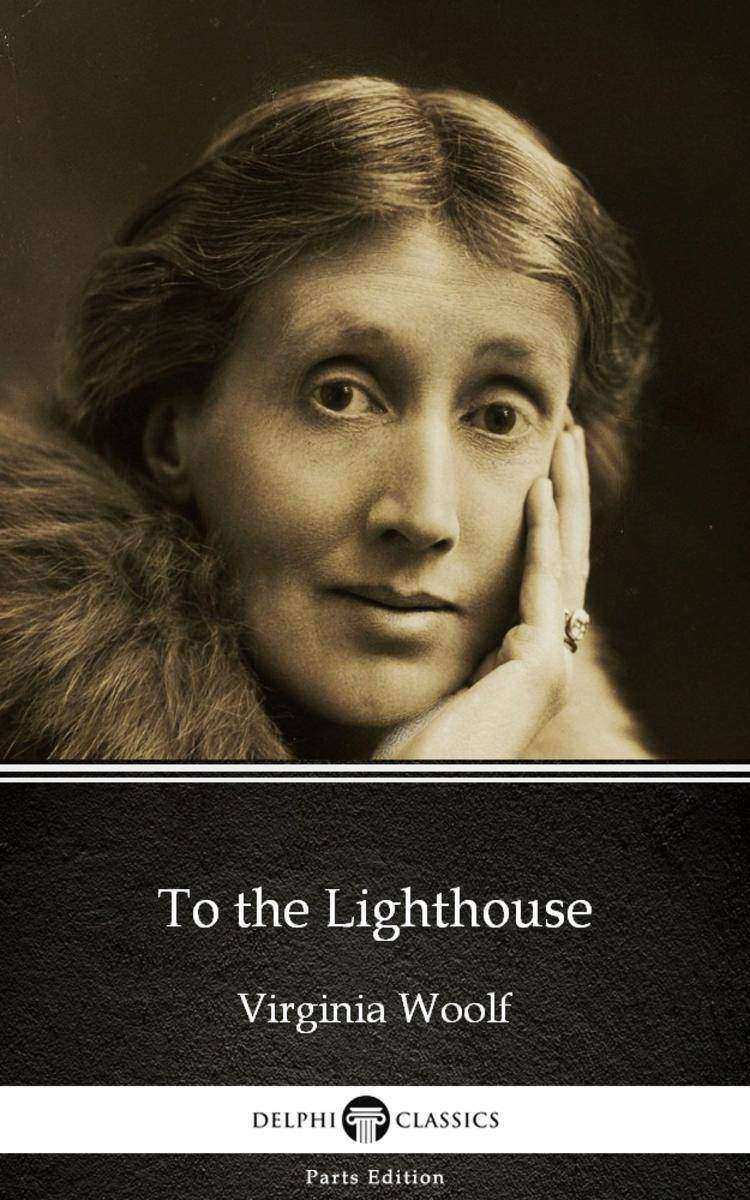
To the Lighthouse by Virginia Woolf - Delphi Classics (Illustrated)
¥8.09
This eBook features the unabridged text of ‘To the Lighthouse by Virginia Woolf - Delphi Classics (Illustrated)’ from the bestselling edition of ‘The Complete Works of Virginia Woolf’. Having established their name as the leading publisher of classic literature and art, Delphi Classics produce publications that are individually crafted with superior formatting, while introducing many rare texts for the first time in digital print. The Delphi Classics edition of Woolf includes original annotations and illustrations relating to the life and works of the author, as well as individual tables of contents, allowing you to navigate eBooks quickly and easily. eBook features: * The complete unabridged text of ‘To the Lighthouse by Virginia Woolf - Delphi Classics (Illustrated)’ * Beautifully illustrated with images related to Woolf’s works * Individual contents table, allowing easy navigation around the eBook * Excellent formatting of the text Please visit www.delphiclassics.com to learn more about our wide range of titles

The Bostonians
¥8.09
Dodo Classics brings you another classic from Henry James, ‘The Bostonians’. ? This bittersweet tragicomedy centers on an odd triangle of characters: Basil Ransom, a political conservative from Mississippi; Olive Chancellor, Ransom's cousin and a Boston feminist; and Verena Tarrant, a pretty, young protégée of Olive's in the feminist movement. The storyline concerns the struggle between Ransom and Olive for Verena's allegiance and affection, though the novel also includes a wide panorama of political activists, newspaper people, and quirky eccentrics. Henry James is best known for a number of novels showing Americans encountering Europe and Europeans. His method of writing from a character's point of view allowed him to explore issues related to consciousness and perception, and his style in later works has been compared to impressionist painting. His imaginative use of point of view, interior monologue and unreliable narrators brought a new depth to narrative fiction.
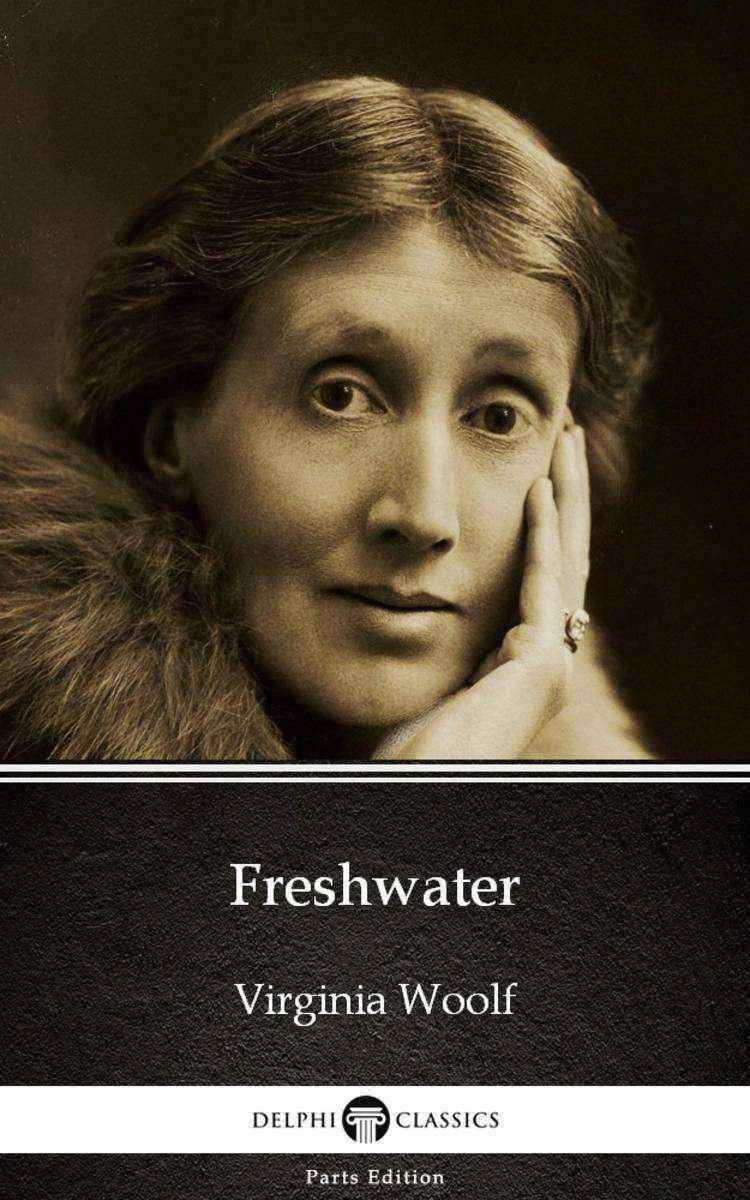
Freshwater by Virginia Woolf - Delphi Classics (Illustrated)
¥8.09
This eBook features the unabridged text of ‘Freshwater by Virginia Woolf - Delphi Classics (Illustrated)’ from the bestselling edition of ‘The Complete Works of Virginia Woolf’. Having established their name as the leading publisher of classic literature and art, Delphi Classics produce publications that are individually crafted with superior formatting, while introducing many rare texts for the first time in digital print. The Delphi Classics edition of Woolf includes original annotations and illustrations relating to the life and works of the author, as well as individual tables of contents, allowing you to navigate eBooks quickly and easily. eBook features: * The complete unabridged text of ‘Freshwater by Virginia Woolf - Delphi Classics (Illustrated)’ * Beautifully illustrated with images related to Woolf’s works * Individual contents table, allowing easy navigation around the eBook * Excellent formatting of the text Please visit www.delphiclassics.com to learn more about our wide range of titles
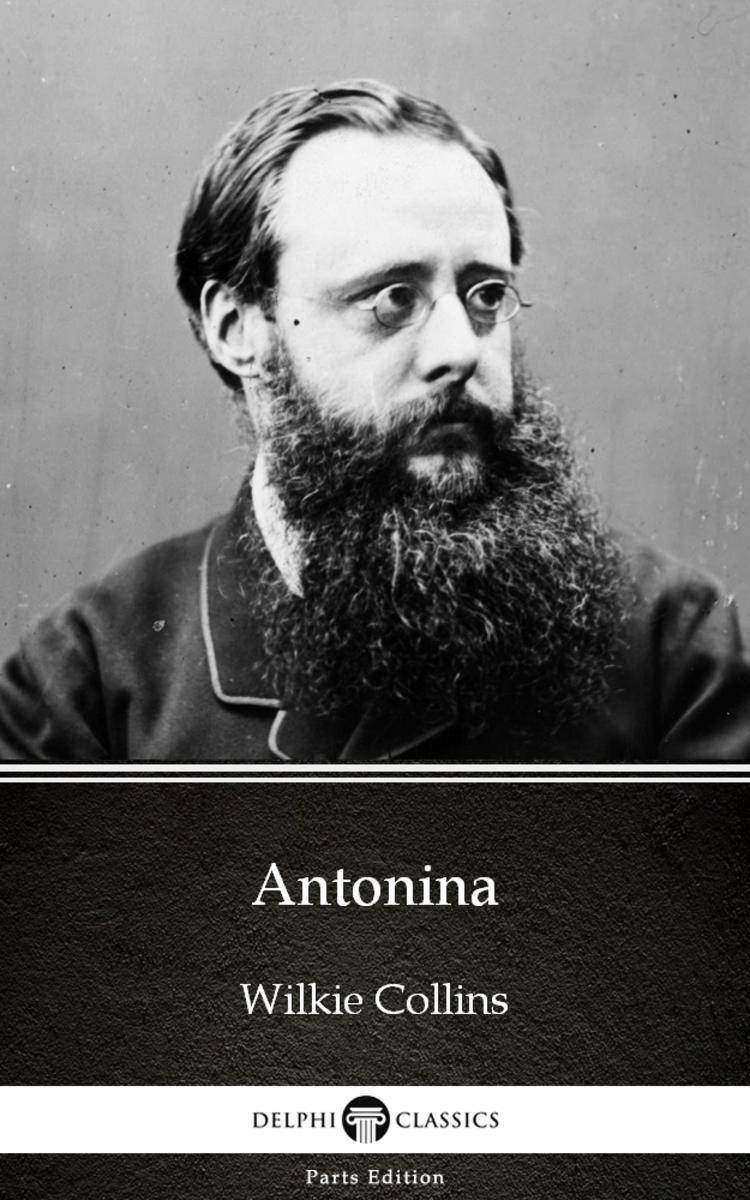
Basil by Wilkie Collins - Delphi Classics (Illustrated)
¥8.09
This eBook features the unabridged text of ‘Basil by Wilkie Collins - Delphi Classics (Illustrated)’ from the bestselling edition of ‘The Complete Works of Wilkie Collins’. Having established their name as the leading publisher of classic literature and art, Delphi Classics produce publications that are individually crafted with superior formatting, while introducing many rare texts for the first time in digital print. The Delphi Classics edition of Collins includes original annotations and illustrations relating to the life and works of the author, as well as individual tables of contents, allowing you to navigate eBooks quickly and easily. eBook features: * The complete unabridged text of ‘Basil by Wilkie Collins - Delphi Classics (Illustrated)’ * Beautifully illustrated with images related to Collins’s works * Individual contents table, allowing easy navigation around the eBook * Excellent formatting of the text Please visit www.delphiclassics.com to learn more about our wide range of titles


