


 购物车
购物车 个人中心
个人中心
Metaphysics
¥40.79
All men by nature desire to know. An indication of this is the delight we take in our senses; for even apart from their usefulness they are loved for themselves; and above all others the sense of sight. For not only with a view to action, but even when we are not going to do anything, we prefer seeing (one might say) to everything else. The reason is that this, most of all the senses, makes us know and brings to light many differences between things.
The Model Millionaire
¥40.79
Hughie Erskine is in love and wants to marry, but the girl's father will not allow it, since Erskine has no money. Erskine's friend Alan Trevor is a painter, and he visits him at his studio one day to find him with a pitiable beggar — the model for his painting. Erskine only has one coin, on which he depends for transportation, but he decides he can walk for a couple of weeks and gives the beggar the coin.
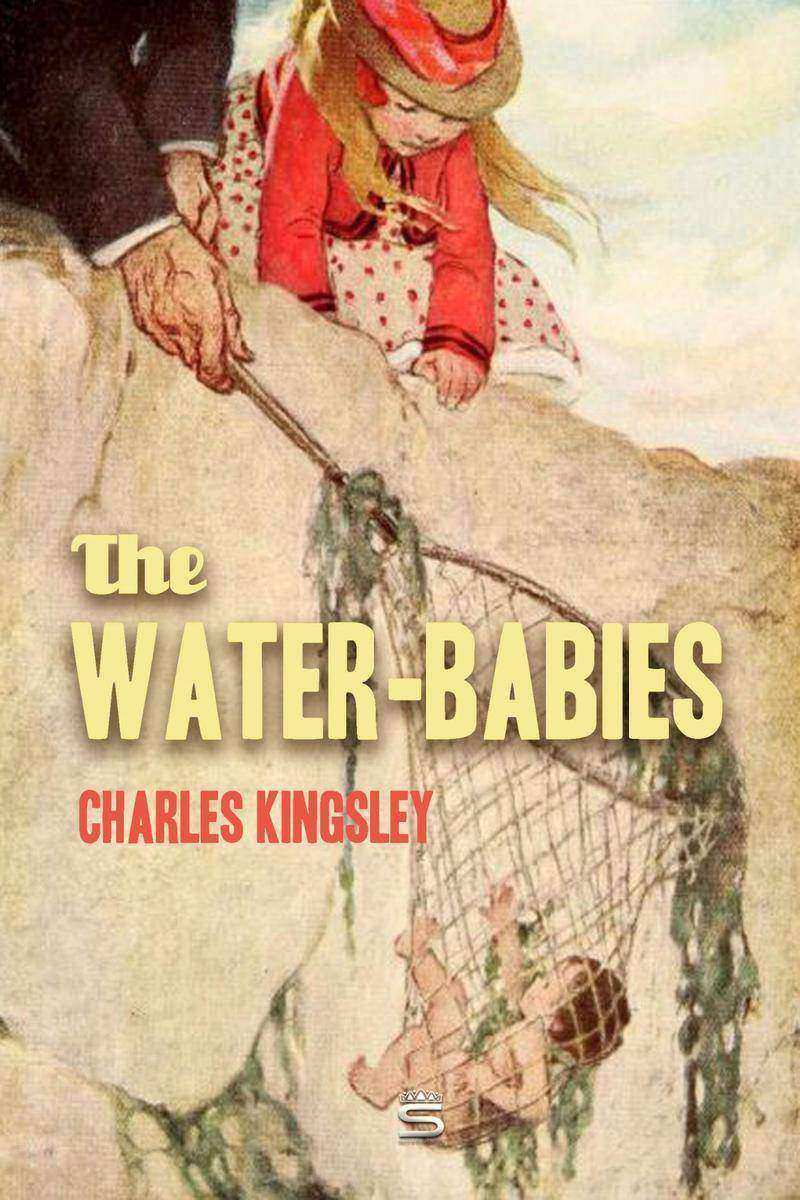
The Water-Babies: A Fairy Tale for a Land-Baby
¥40.79
Tom is a young chimney sweep, who falls into a river after meeting an upper-class girl named Ellie and being chased out of her house. There he drowns and is transformed into a water-baby. Tom embarks on a series of adventures and lessons, and enjoys the community of other water-babies once he proves himself a moral creature.
Tales of Dostoyevsky, Volume 1
¥40.79
Dostoyevsky is the only psychologist from whom I had something to learn', remarked Friedrich Nietzsche. 'He ranks among the most beautiful strokes of fortune in my life'. Discover the universal truths and wisdoms of Dostoyevsky in this volume of Dostoyevsky's tales including: An Honest Thief, The Heavenly Christmas Tree, The Peasant Marey.
The Odd Women
¥40.79
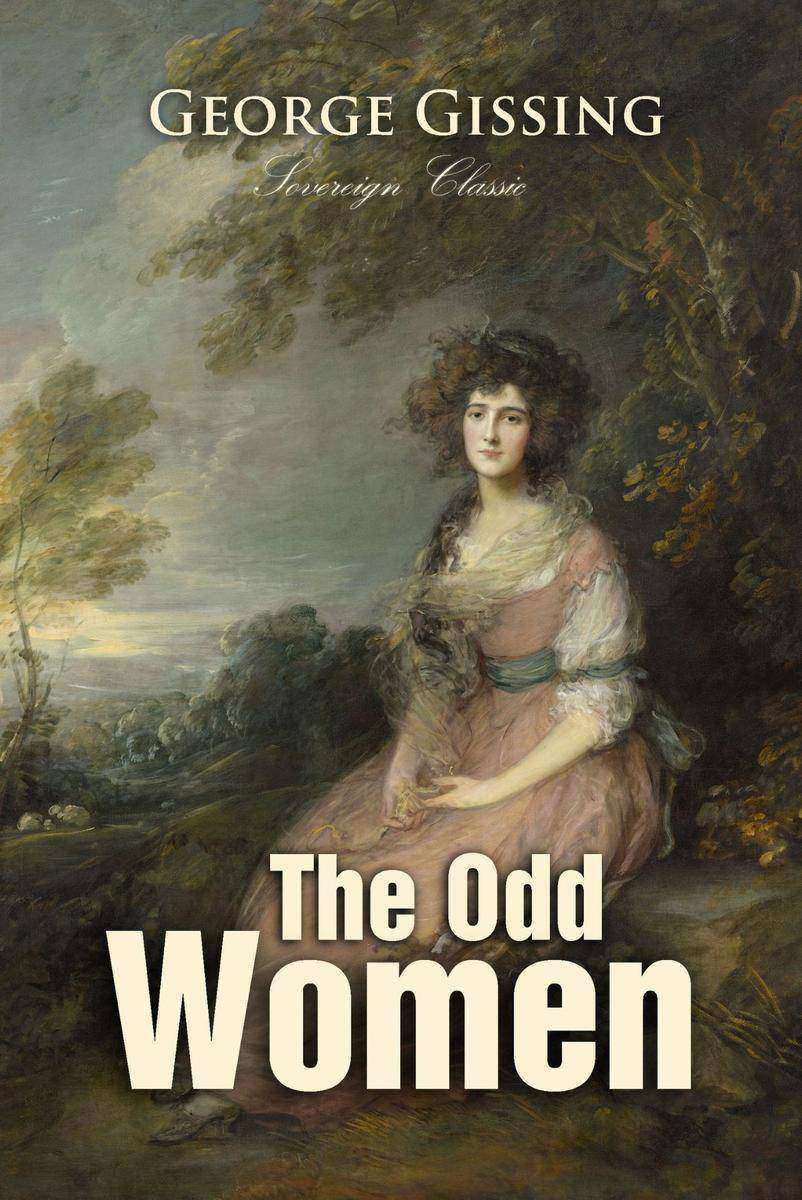
Alice and Virginia Madden move to London and renew their friendship with Rhoda, an unmarried bluestocking. She is living with the also unmarried Mary Barfoot, and together they run an establishment teaching secretarial skills to young middle-class women remaindered in the marriage equation.
Thyrza
¥40.79
Thyrza Trent, a young hat-trimmer, meets and falls in love with Walter Egremont, an Oxford-trained idealist who gives lectures on literature to workers. Trapped by birth and circumstance, Thyrza is attempting to escape her destiny in this tale of ambition, romance, betrayal and disillusionment.
The Secret of the Island
¥40.79
It was now two years and a half since the castaways from the balloon had been thrown on Lincoln Island, and during that period there had been no communication between them and their fellow-creatures. Once the reporter had attempted to communicate with the inhabited world by confiding to a bird a letter which contained the secret of their situation, but that was a chance on which it was impossible to reckon seriously. Ayrton, alone, under the circumstances which have been related, had come to join the little colony.
The Wisdom of Father Brown
¥40.79
Two men appeared simultaneously at the two ends of a sort of passage running along the side of the Apollo Theatre in the Adelphi. The evening daylight in the streets was large and luminous, opalescent and empty. The passage was comparatively long and dark, so each man could see the other as a mere black silhouette at the other end. Nevertheless, each man knew the other, even in that inky outline; for they were both men of striking appearance and they hated each other.

The Devoted Friend
¥40.79
Little Hans spends most of his time gardening and makes a living from sales of his beautiful flowers. Little Hans always treats his neighbours well and even allows neighbouring rich Miller to pick flowers from his garden. But the Miller rarely invites Hans into his house or responds in kind. The Miller instead develops has his own philosophy of friendship: ‘Lots of people act well but very few people talk well, which shows that talking is much the more difficult thing of the two, and much the finer thing also'.
A Woman of No Importance
¥40.79
The play opens with a party on a terrace in Lady Hunstanton's estate. The upper class guests exchange social gossip and small talk. Lady Caroline Pontrefact patronizes an American visitor, Hester Worsley, and proceeds to give her own opinion on everyone in the room and her surrounding life. Lady Caroline also denounces Hester's enthusiasm for Gerald Arbuthnot until Gerald himself enters to proclaim that Lord Illingworth, a powerful, flirtatious male political figure intends to take him under his wing as secretary.
Eugenie Grandet
¥40.79
Eugenie's father Felix is a former cooper who has become wealthy through both business ventures and inheritance. However, he is very miserly, and he, his wife, daughter and their servant Nanon live in a run-down old house which he is too miserly to repair. His banker des Grassins wishes Eugenie to marry his son Adolphe, and his lawyer Cruchot wishes Eugenie to marry his nephew President Cruchot des Bonfons, both parties eyeing the inheritance from Felix.
The Mysterious Island
¥40.79
The story follows adventures of five Americans on an uncharted island in the South Pacific. The five Americans escape from prison during the siege of Richmond, Virginia, by hijacking a balloon.
Lord Arthur Savile's Crime and Other Stories
¥40.79
Lord Arthur Savile's Crime is the opening story in this volume of Oscar Wilde tales and this collection will delight the reader with slightly darker undertones of Wilde's hugely enjoyable humorous tales. Also included in this collection: The Canterville Ghost, The Sphinx Without a Secret, The Modle Millionaire, The Protrait of Mr. W.H.

Our Friend the Charlatan
¥40.79
As he waited for his breakfast, never served to time, Mr. Lashmar drummed upon the window-pane, and seemed to watch a blackbird lunching with much gusto about the moist lawn of Alverholme Vicarage. But his gaze was absent and worried. The countenance of the reverend gentleman rarely wore any other expression, for he took to heart all human miseries and follies, and lived in a ceaseless mild indignation against the tenor of the age.

Emelian And The Empty Drum
¥40.79
Emelian was a labourer and worked for a master. He was walking through a field one day on his way to work, when a frog hopped in front of him and he just missed crushing it by stepping across. Suddenly some one called to him from behind. He turned, and there stood a beautiful maiden, who said to him, 'Why don’t you marry, Emelian?'
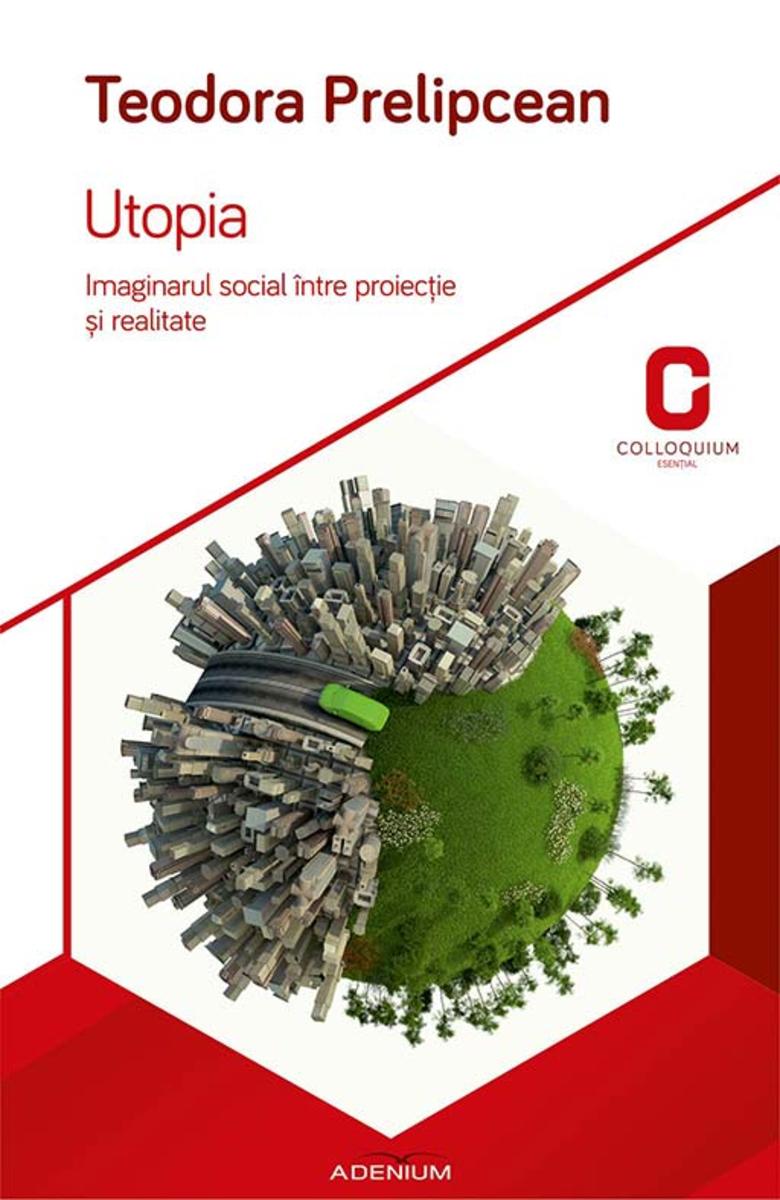
Utopia. Imaginarul social ?ntre proiec?ie ?i realitate
¥40.79
La acest ?nceput de secol XXI, ?n ?ntreaga lume se intensific? studierea problemelor fundamentale, eterne, ca via?a ?i moartea, rostul vie?ii, originile ?i destina?iile noastre ultime, c?t ?i ?ntrebarea cu privire la existen?a de dup? moarte. Cartea examineaz? filosofia de via?? a budismului Nichiren ?n lumina ideilor de ultim? or? despre via?? ?i moarte, de?i cuprinderea exhaustiv? ?ntr?un singur volum a unei probleme at?t de vaste este imposibil?. Budismul Nichiren ofer? oamenilor mijloacele de a??i transforma destinele prin ?nf?ptuirea propriei revolu?ii umane individuale ?i dezv?luie calea spre pace ?i fericire.
Politics: A Treatise on Government
¥40.79
The Politics of Aristotle is the second part of a treatise of which the Ethics is the first part. It looks back to the Ethics as the Ethics looks forward to the Politics. For Aristotle did not separate, as we are inclined to do, the spheres of the statesman and the moralist. In the Ethics he has described the character necessary for the good life, but that life is for him essentially to be lived in society, and when in the last chapters of the Ethics he comes to the practical application of his inquiries, that finds expression not in moral exhortations addressed to the individual but in a description of the legislative opportunities of the statesman.
Poetics
¥40.79
Aristotle's Poetics is the earliest surviving work of dramatic theory and the first extant philosophical treatise to focus on literary theory. In it, Aristotle offers an account of what he calls poetry.
On Dreams
¥40.79
We must, in the next place, investigate the subject of the dream, and first inquire to which of the faculties of the soul it presents itself, i.e. whether the affection is one which pertains to the faculty of intelligence or to that of sense-perception; for these are the only faculties within us by which we acquire knowledge.
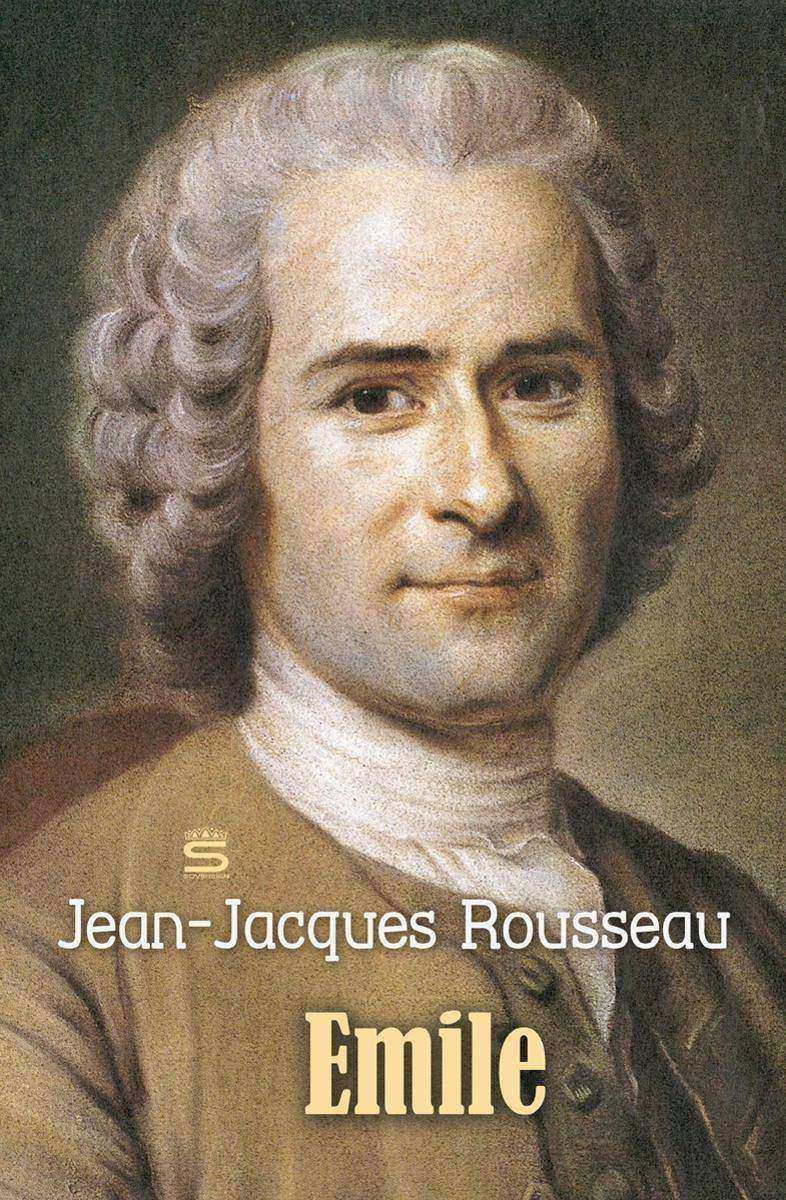
Emile
¥40.79
Emile is a treatise on the nature of education and on the nature of man written by Jean-Jacques Rousseau, who considered it to be the best and most important of all his writings. During the French Revolution, Emile served as the inspiration for what became a new national system of education.

Apology
¥40.79
Apology presents the speech of self-defence given by Socrates in his trial for impiety and corruption specifically against the charges of corrupting the young, and by not believing in the gods in whom the city believes, but in other daimonia that are novel.


