


 购物车
购物车 个人中心
个人中心

A trubadúr
¥22.73
Egy kétségtelenül szellemes megjegyzés szerint a cím csak akkor fedheti le pontosan a k?nyv tartalmát, ha bet?r?l bet?re megegyezik vele. Valami hasonló mondható a fülsz?vegekr?l is (biztos Boegesnek is tetszene ez a gondolat), és ennek megfelel?en meg sem kísérlem néhány mondatban ?sszefoglalni, hogy mir?l lesz szó. Ehelyett inkább el?sz?r is azt emelem ki, hogy a címnek megfelel?en mir?l nem: például nem magáról Borgesr?l, a 20. század egyik legjelent?sebb argentin írójáról. Hanem inkább arról, hogy a novelláival kapcsolatban milyen, az irodalomtól olyakor látszólag meglehet?sen távol álló kérdések merülhetnek fel kezdve azon, hogy az általa leírt bábeli k?nyvtár valóban olyan teljes és mindenre kiterjed?-e, miként azt Borges sugallja; folytatva azon, hogy van-e egyáltalán értelme felvetni, hogy milyen lenne, ha valaki t?kéletes emlékezettel rendelkezne (nincs). Meg, hogy elképzelhet?-e, nem pedig, hogy létezik vagy legalább lehetséges-e egy olyan pont vagy térrész: egy olyan Alef, amelyen keresztül egyszerre láthatunk mindent. ?s így tovább egészen addig, hogy mit mondhatunk az irodalomkritikáról, az irodalmi zsánerek létrej?ttér?l meg elt?nésér?l vagy éppen az irodalmi halhatatlanságról – ismét csak mint elméleti problémáról. Azaz végs? soron persze mégiscsak egyfajta bolyongás ez a borgesi k?nyvtában, illetve bizonyos, legalább hipotetikusan lehetséges és az irodalomhoz így vagy úgy kapcsolódó kérdések fázisterében még akkor is, ha a fentebbiekben, miként a figyelmes olvasó már észre vehette, éppen azt tettem, amir?l korábban azt sejttettem, hogy nem fogom: néhány példa említésével próbáltam utalni rá, hogy mir?l szól az egész. De talán ez sincs igazi ellentmondásban azzal a megk?zelítéssel, amit ez a k?nyv sugall. Galántai Zoltán tudományt?rténész és író. Korábbi k?nyvei az eClassicnál: K?nyvkett?. A k?nyv, az írás és az irodalom j?v?jér?l (2013) http://eclassic.xyz/shop/bemutato/konyvketto-a-konyv-az-iras-es-az-irodalom-jovojerol/ Monoverzumok. Kozmosz, t?rvény, tudomány (2016) http://eclassic.xyz/shop/szabadpolc/monoverzumok/
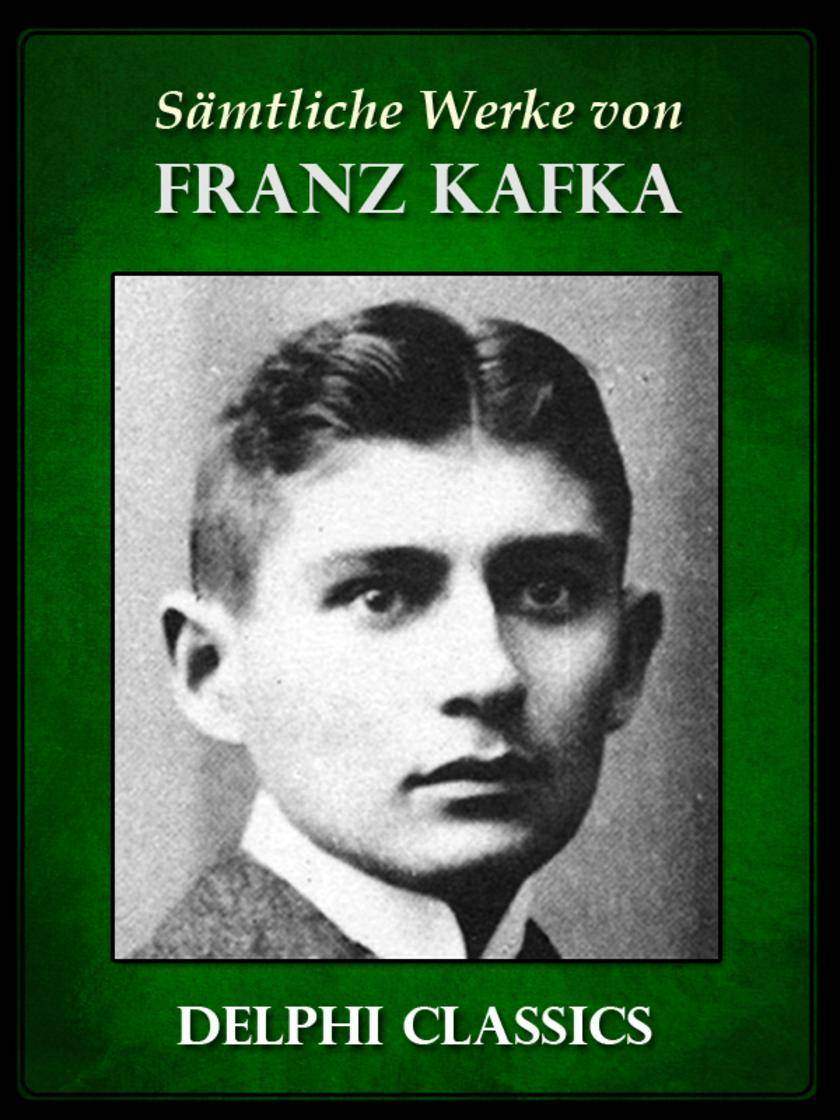
Saemtliche Werke von Franz Kafka (Illustrierte)
¥16.27
Franz Kafka ist eine wichtige Figur der moderne Literatur. Jetzt k?nnen Sie das Gesamtwerk von Kafka auf Ihrem E-Reader, mit vielen Bonus-Features, genie?en. Dies ist das erste deutsche eBook von Delphi Classics, erfolgreicher Verleger klassischer Fiktion. (Version: 2) * Alle Romanfragmente, jedes mit einem Inhaltsverzeichnis * Kurze Einführungen zu den Romanen und anderen Texten * Viele Bilder mit Bezug zu Franz Kafka, seinem Leben und seinen Werken * Alle Kurzgeschichten, darunter seltene Erz?hlungen * Spezielle alphabetische Inhaltsverzeichnisse für die Geschichten * Kafkas seltenes Drama DER GRUFTW?CHTER * Kafkas Tagebücher — Erkunden Sie des Schriftstellers unruhige Gedanken * Weitere Werke von Kafka * Enth?lt jetzt auch FRANZ KAFKA: EINE BIOGRAPHIE von Max Brod – die erste Biographie über das Leben von Kafka! INHALT: Romanfragmente DER PROZESS DAS SCHLOSS AMERIKA (DER VERSCHOLLENE) Kurzgeschichten BETRACHTUNG BESCHREIBUNG EINES KAMPFES HOCHZEITSVORBEREITUNGEN AUF DEM LANDE DIE AEROPLANE IN BRESCIA EIN DAMENBREVIER GESPR?CH MIT DEM BETER GESPR?CH MIT DEM BETRUNKENEN AM FENSTER EIN ROMAN DER JUGEND IN DER NACHT EINE ENTSCHLAFENE ZEITSCHRIFT GROSSER L?RM AUS MATL?RH?ZA DAS URTEIL DIE VERWANDLUNG DER HEIZER IN DER STRAFKOLONIE DER DORFSCHULLEHRER BLUMFELD, EIN ?LTERER JUNGGESELLE EIN LANDARZT DER J?GER GRACCHUS EIN BERICHT F?R EINE AKADEMIE DIE ABWEISUNG EIN HUNGERK?NSTLER BEIM BAU DER CHINESISCHEN MAUER FORSCHUNGEN EINES HUNDES DER BAU PARABELN Erz?hlungen in Alphabetischer Reihenfolge Drama DER GRUFTW?CHTER Tagebücher LISTE DER TAGEBUCHEINTR?GE TAGEBUCH EINER REISE NACH FRIEDLAND UND REICHENBERG Weitere Werke BRIEF AN DEN VATER BETRACHTUNGEN ?BER S?NDE, LEID, HOFFNUNG UND DEN WAHREN WEG DIE ACHT OKTAVHEFTE Biographie FRANZ KAFKA. EINE BIOGRAPHIE von Max Brod Besuchen Sie bitte www.delphiclassics.com für weitere Informationen und unsere anderen eBooks durchsuchen.
Sin
¥90.03
Zakhar Prilepin’s novel-in-stories, Sin, has become a literary phenomenon in Russia, where it was published in 2007. It has been hailed as the epitome of the spirit of the opening decade of the 21st century, and was called “the book of the decade” by the prestigious Super Natsbest Award jury. Now available for the first time in English, it not only embodies the reality of post-perestroika Russia, but also shows that even in this reality, just like in any other, it is possible to maintain a positive attitude while remaining human. Zakharka is young, strong, in love with love and with life’s random, telling moments. In the episodes of his life, presented here in non-chronological order, we see him as a little boy, a lovelorn teenager, a hard-drinking grave-digger, a nightclub bouncer, a father, and a soldier in Chechnya. He even writes poetry, and his stylistically varied verses are presented in the penultimate chapter of the book. Loving life, he looks boldly, and even with curiosity, into the face of death – taking pictures of the deceased at a funeral, staring with agitation at the entrails of a just-disembowelled pig, chronicling the death of a childhood friend – and values the freedom of not fearing his own end. It is family that ultimately defines happiness for Zakharka; but it is also family that makes him realize, on the desolate Chechen border, that his love for them has deprived him of this freedom. Sin offers a fascinating glimpse into the recent Russian past, as well as its present, with its unemployment, poverty, violence, and local wars – social problems that may be found in many corners of the world. Zakhar Prilepin presents these realities through the eyes of Zakharka, taking us along on the life-affirming journey of his unforgettable protagonist.
The Last Man by Mary Shelley - Delphi Classics (Illustrated)
¥8.09
This eBook features the unabridged text of ‘The Last Man by Mary Shelley - Delphi Classics (Illustrated)’ from the bestselling edition of ‘The Complete Works of Mary Shelley’. Having established their name as the leading publisher of classic literature and art, Delphi Classics produce publications that are individually crafted with superior formatting, while introducing many rare texts for the first time in digital print. The Delphi Classics edition of Shelley includes original annotations and illustrations relating to the life and works of the author, as well as individual tables of contents, allowing you to navigate eBooks quickly and easily. eBook features: * The complete unabridged text of ‘The Last Man by Mary Shelley - Delphi Classics (Illustrated)’ * Beautifully illustrated with images related to Shelley’s works * Individual contents table, allowing easy navigation around the eBook * Excellent formatting of the text Please visit www.delphiclassics.com to learn more about our wide range of titles
Wolfert’s Roost by Washington Irving - Delphi Classics (Illustrated)
¥8.09
This eBook features the unabridged text of ‘Wolfert’s Roost by Washington Irving - Delphi Classics (Illustrated)’ from the bestselling edition of ‘The Complete Works of Washington Irving’. Having established their name as the leading publisher of classic literature and art, Delphi Classics produce publications that are individually crafted with superior formatting, while introducing many rare texts for the first time in digital print. The Delphi Classics edition of Irving includes original annotations and illustrations relating to the life and works of the author, as well as individual tables of contents, allowing you to navigate eBooks quickly and easily. eBook features: * The complete unabridged text of ‘Wolfert’s Roost by Washington Irving - Delphi Classics (Illustrated)’ * Beautifully illustrated with images related to Irving’s works * Individual contents table, allowing easy navigation around the eBook * Excellent formatting of the text Please visit www.delphiclassics.com to learn more about our wide range of titles

Men, Women, and Boats
¥40.79
A collection of tales, sketches and stories by the master of American naturalism and realism Stephen Crane featuring: The Scotch Express, London Impressions, The Snake, The Mesmeric Mountain, A Tent in Agony, The Dark Brown Dog, And Experiment in Misery, and other stories.
John Dough and the Cherub by L. Frank Baum - Delphi Classics (Illustrated)
¥8.09
This eBook features the unabridged text of ‘John Dough and the Cherub by L. Frank Baum - Delphi Classics (Illustrated)’ from the bestselling edition of ‘The Complete Works of L. Frank Baum’. Having established their name as the leading publisher of classic literature and art, Delphi Classics produce publications that are individually crafted with superior formatting, while introducing many rare texts for the first time in digital print. The Delphi Classics edition of Baum includes original annotations and illustrations relating to the life and works of the author, as well as individual tables of contents, allowing you to navigate eBooks quickly and easily. eBook features: * The complete unabridged text of ‘John Dough and the Cherub by L. Frank Baum - Delphi Classics (Illustrated)’ * Beautifully illustrated with images related to Baum’s works * Individual contents table, allowing easy navigation around the eBook * Excellent formatting of the text Please visit www.delphiclassics.com to learn more about our wide range of titles
Delphi Complete Works of Juvenal (Illustrated)
¥16.27
Juvenal’s ‘Satires’ are a vital source for the study of Latin literature, offering a lurid, comic and fascinating window into the world of ancient Rome. Delphi’s Ancient Classics series provides eReaders with the wisdom of the Classical world, with both English translations and the original Latin and Greek texts. This comprehensive eBook presents Juvenal’s complete extant works, with beautiful illustrations, rare texts and the usual Delphi bonus material. (Version 1) * Beautifully illustrated with images relating to Juvenal's life and works * Features the complete works of Juvenal, in both English translation and the original Latin * Concise introduction to the ‘Satires’ * Includes Ramsay’s translations, which previously appeared in Loeb Classical Library editions of Juvenal’s works * Excellent formatting of the texts * Easily locate the Satires you want to read with individual contents tables * Includes line numbers in both the English and Latin texts – ideal for students * Provides a special dual English and Latin text, allowing readers to compare each Satire paragraph by paragraph – ideal for students * Features a bonus biography – discover Juvenal's ancient world * Scholarly ordering of texts into chronological order and literary genres Please visit www.delphiclassics.com to browse through our range of exciting titles CONTENTS: The Translations THE SATIRES The Latin Text CONTENTS OF THE LATIN TEXT The Dual Text DUAL LATIN AND ENGLISH TEXT The Biography THE LIFE OF JUVENAL by G. G. Ramsay Please visit www.delphiclassics.com to browse through our range of exciting titles
New Grub Street
¥40.79
Milvain, one of the two central characters of the novel is a modern young man driven by pure financial ambition in navigating his literary career. He accepts that he will always despise the people he writes for, networks within the appropriate social circle to create opportunity, and authors articles for popular periodicals. Reardon prefers to write novels of a more literary bent and refuses to pander to contemporary tastes until, as a last-gasp measure against financial ruin, he attempts a popular novel.
In the Year of Jubilee
¥40.79
The story of the romantic and sexual initiation of a suburban heroine, Nancy Lord which Gissing wrote after his return from Exeter. He took lodgings with his second wife at 76 Burton Road, Brixton where South London provided new literary inspiration. He went for long walks through nearby Camberwell, soaking up impressions of the way of life he saw emerging there.
The Whirlpool
¥40.79
Alma's farther looses fortunes at his bank and commits suicide forcing his 20 years old daughter to go abroad to make plans and pursue her career. Two admirers follow her: Cyrus Redgrave a wealthy bachelor who makes an indecent proposal and Harvey Rolfe whom she ends up marrying.
The Absentee
¥40.79
Lord Colambre finds that his mother Lady Clonbrony's attempts to buy her way into the high society of London are only ridiculed, while his father, Lord Clonbrony, is in serious debt as a result of his wife's lifestyle. His mother wishes him to marry an heiress, Miss Broadhurst, who is a friend of Grace Nugent. However, Colambre has already fallen in love with his cousin, Grace Nugent, who lives with the family as a companion to Lady Clonbrony. Worried that his mother will pressure him into a marriage with someone he does not love, Colambre decides to leave the London social scene and visit his ancestral home in County Wicklow in Ireland.

Where There is Love, There is God Also
¥40.79
In the town there was a shoemaker by the name of Martin, who lived in a basement with a tiny little window looking out into the street. Martin could see the people pass, and though he only got a glimpse of their feet, he still knew every one, for Martin could recognize people by their boots. Martin had lived in that basement for many a long year and had numbers of acquaintances.
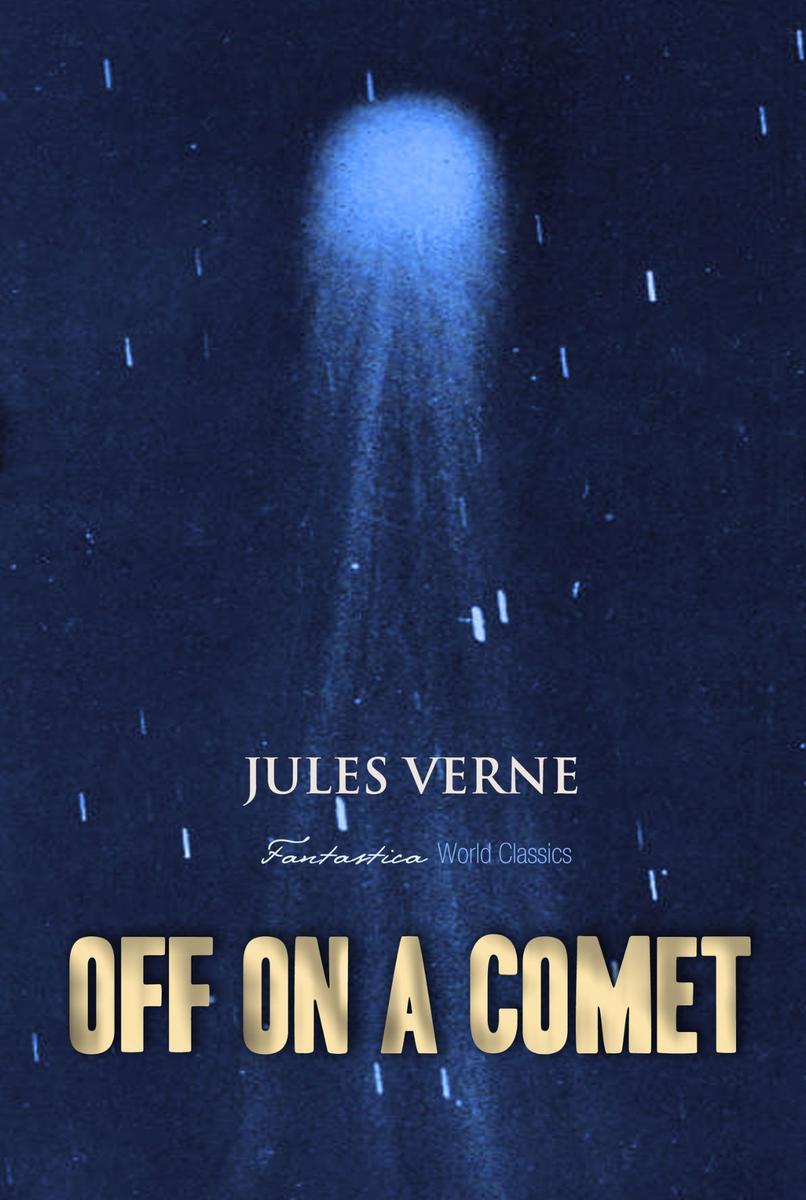
Off on a Comet
¥40.79
A comet called Gallia touches the Earth in its flight and collects a few small chunks of it. On the territory that was carried away by the comet there remained a total of thirty-six people of French, English, Spanish and Russian nationality. These people did not realize at first what had happened, and considered the collision an earthquake.
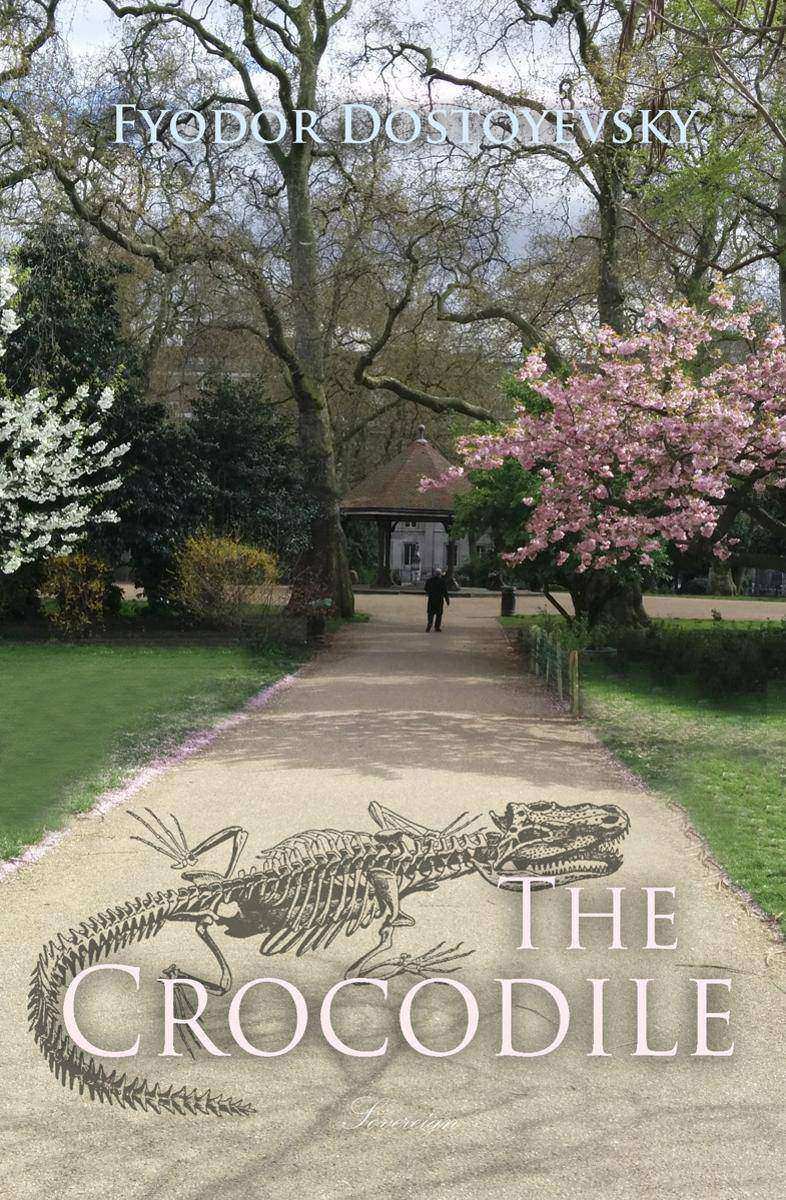
The Crocodile
¥40.79
A true story of how a gentleman of a certain age and of respectable appearance was swallowed alive by the crocodile in the Arcade, and of the consequences that followed.
On the Heavens
¥40.79
The science which has to do with nature clearly concerns itself for the most part with bodies and magnitudes and their properties and movements, but also with the principles of this sort of substance, as many as they may be. For of things constituted by nature some are bodies and magnitudes, some possess body and magnitude, and some are principles of things which possess these. Now a continuum is that which is divisible into parts always capable of subdivision, and a body is that which is every way divisible.
Politics: A Treatise on Government
¥40.79
The Politics of Aristotle is the second part of a treatise of which the Ethics is the first part. It looks back to the Ethics as the Ethics looks forward to the Politics. For Aristotle did not separate, as we are inclined to do, the spheres of the statesman and the moralist. In the Ethics he has described the character necessary for the good life, but that life is for him essentially to be lived in society, and when in the last chapters of the Ethics he comes to the practical application of his inquiries, that finds expression not in moral exhortations addressed to the individual but in a description of the legislative opportunities of the statesman.
Poetics
¥40.79
Aristotle's Poetics is the earliest surviving work of dramatic theory and the first extant philosophical treatise to focus on literary theory. In it, Aristotle offers an account of what he calls poetry.
On Dreams
¥40.79
We must, in the next place, investigate the subject of the dream, and first inquire to which of the faculties of the soul it presents itself, i.e. whether the affection is one which pertains to the faculty of intelligence or to that of sense-perception; for these are the only faculties within us by which we acquire knowledge.
![Paradoksal Ritüeller: [Aforizmatik Deneme]](https://platform-permanent.ddimg.cn/pt-media-info-soa-resource/digital/product/52/41/1901165241_ii_cover.jpg?version=5f278778-44c3-4b14-8966-56dc668dfc2a)
Paradoksal Ritüeller: [Aforizmatik Deneme]
¥18.80
Geli?mi?li?in ??karsamalar?nda ilk akla gelen ?l?üt, meden? olarak ilerleme kaydetti?ini iddi? eden, d??avurumcu insanlar toplulu?unun bencil yap?la?mas?ndan ge?mektedir. Ara?t?rmalar sonucunda elde edilebilen, g?rsel, i?itsel, yaz?l?, ar?iv v.b tüm veriler do?rultusunda ayd?nlat?lm?? ger?ekler düny?si mevcuttur. Asalak olarak hayata tutunmaya ?al??an, ?z bireyci katmanlar?n en alt?na indirgenmi? insan say?lan varl?klar?n, niteliksel ?zelliklerle ?a?a tutunmas? imk?nsizdir. "En ?ok ben kazanay?m." s?yleminden yola ??karak, rahatl?k ve konforun adresinde bulu?an simbiyoz ya?ant?lar?n; ?a?d??? kalm??, kendi dü?üncesi h?ricindekileri yok sayan, ?ok katmanl? yüzeysel düny?s?nda gezinmenin verdi?i ferahl?k, bir?ok insan? cezbederek, ?ekilsiz ya?ant? portrelerini bilfiil olu?turmu?tur. Dü?ünceleri ve mevc?diyeti ?imento ile kaplanan nesillerin, zenginlik saltanat?na ayak ba?? olmas?ndan korkan erkin, katmerli yapt?r?mlar? bulunmaktad?r. D??s?z kalm?? medeniyetin, ??karsamalarla dolu ??karc? düny?s?nda, kendine en ufak bir yer edinimini ba?ar? sayan birey, ya?ant? düny?sinin ger?ek yüzeyine ula?t??? i?in mutlu olmal? m?d?r? G?rülen ve g?sterilen, verilen, yapt?r?lan tüm edimlerin ve edinimlerin, do?rultusunda, bireyin ??karc? sistem adamlar? ile yapt??? yolculu?a dikkat etmesi gerekir. Ritüel h?line gelmi?, paradoksal d?ngüde her d?im ba?lad??? yerden farkl? bir sona ula?mas? gereken yolculu?u yapan bireyin de, beklentisi bu olan macer?s?nda, üzüntü ve yenilgi verici sonucun, ayn? ?ekilde ikinci, ü?üncü defa ger?ekle?mesi ve ?o?u insan?n, bunun fark?ndal???nda olmay???n?n verdi?i bocalamayla ge?en ?mrünün c?resizli?inde ??rp?nmas? ve bo?ulmas? an meselesidir. Yapt?r?mlar yapt?r?mlar?, bilgisizlik ve c?hillik yeni olu?umlar? tetikleyecektir. ?nemli olan her insan?n asl?nda bir paradoks denkleminde, paradoks yolunda oldu?unu bilmesi ve ba?lad??? noktaya geldi?inde, nas?l bir düzenin i?erisinde ritüel yapt???n?n fark?nda olmas? gerekmektedir. Naz?re davran??lar?, sistem i?erisinde en az?ndan denemek, ayn? dü?üncede bulunan insanlar? bir araya getirmek ?artt?r. Ulusal bilincin her d?im uyan?k tutulmas?, paradokslarla sava??n en mükemmel ?rneklerinden birini olu?turacakt?r. ?nsan?n kat etti?i yol da, bu s?yede dünden kopu?un de?il, yar?n?n güvence alt?na al?nmas?n? tetikleyecektir. Yar?n? güvence alt?na al?nan bireyler de; kof, mesnetsiz, yalan ve riy?karl??a dayal? sistemleri ??kertme ve kendi hastal?kl? sistemlerini dayatmaya ?al??an ?o?unlu?un, katmerli ezici üstünlü?ü alt?nda direni? g?stermenin, mutlak gayreti i?erisinde olacakt?r. ?nsan?n yahut insanl???n bu eylemi ger?ekle?tirmeye ?al??mas?n?, en az?ndan denemesini diliyorum. N??M ONUR TEZMEN, 2013 MUSTAFA VE AY?E Mustafa’ya g?re; canl?lar?n, kompleks ya?am süreci i?erisinde, kabullenebilir davran?? grafi?ini topluma uydurmak ve o uyumu devam ettirme g?revi, bireysel sorumluluk gerektirmekteydi. Toplum i?erisindeki statüsünü belirleyen birtak?m rolleri üstlenen bireyin, davran?? biliminde girece?i rollerin karma?as?na kap?lmadan, gerekli ve ?l?ülü davran??, sosyal bilim do?rulu?u vey? bu do?rulu?a en yak?n olmay? gerektiren tüm birle?imler; bireyin ?zünü, karakterini ve bili?sel zek?sini olu?turmaktayd?. En az?ndan Mustafa'n?n dü?ünceleri ?????nda, akl?n? yordu?u; bilgi, kültür, gelenek ve g?renek birikimi ile a??klamas? buydu. Varolu?unun aksine, ayn? y?nde kürek ?ekmesine ba?l? olan ya?amsal uzamda, kendi do?ruluk pay?n? olu?turmas? ve bu pay?, ?evresindeki insanlara sunmas?, ona zevkli bir hus? veriyordu. Mustafa’ya g?re bilgelik, kazan?lan tecrübelerle birlikte, birikimlerin, paralel vey? ayn? düzlem i?erisinde hareket ettirebilmenin yoluydu. Bundan ??karacak ders de, birine bir do?ruyu empoze etmeden, ikn? k?biliyetini, ki?inin benzer birle?imlerinde ivme kazanan ara?lar gibi haz?rlamak ve var??a ondan ?nce vararak, kendi do?rusunun en yak?n bile?enine, kar??s?ndaki insan? ?ekebilmekti.

400 de re?ete culinare pentru copilul t?u. 0-3 ani. Cre?te?i mari ?i s?n?to?i!
¥73.49
Dac? Riscul g?ndirii nu s-a bucurat de aten?ia meritat?, probabil din cauza exploziei nea?teptate de produc?ii culturale – ?i mai ales pseudoculturale – care s-a petrecut dup? decembrie 1989, noua lucrare a celor doi g?nditori, scris? dup? aproape dou? decenii, ar trebui s? aib? toate premisele pentru a fi receptat? cum se cuvine.Sub forma ?n?el?toare a dialogului ?ntre cinci personaje caracterizate – fiecare – de un stil de g?ndire bine determinat cei doi ascund nenum?rate giuvaere ale g?ndirii originale, penetrante ?i vizionare. Cititorul obi?nuit s? caute pe copert? elementele care s?-i permit? m?car printr-un exerci?iu deductiv descifrarea ingredientelor discursului celor doi autori va fi surprins la fiecare pagin?.Dac? ?cele 5 lucruri esen?iale pe care trebuie s? le ?tii despre via??“ reprezint? de cele mai multe ori o simpl? etichet?, sub care compozi?ia eterogen? a con?inutului, superficialitatea ?i caracterul facil al expunerii mul?umesc ?i conving doar pe termen scurt, ?n cazul lucr?rii celor doi filosofi rom?ni lucrurile stau exact pe dos. ?n cele cinci capitole care analizeaz? avatarurile g?ndirii sunt ascunse nenum?rate modele de ?n?elepciune ?i de disciplin? a logosului, f?r? a fi anun?ate, explicate cu toate determina?iile conexe sau accentuate ?n vreun fel. Acesta este probabil cel mai elegant mod de a r?spl?ti cititorii: spun?ndu-le cum f?r? a-i avertiza c?.Pentru cine ??i dore?te totu?i o etichet? care s? u?ureze clasificarea acestui volum, cea mai concis? ?i mai potrivit? este oferit? de un binecunoscut dicton latin: Sapienti sat. ?ntr-un ocean de solu?ii, Sorin Vieru ?i Terente Robert construiesc o insul? de probleme a c?rei tr?inicie este alarmant? ?i, ?n acela?i timp, reconfortant?.


