


 购物车
购物车 个人中心
个人中心

50 Quick Facts about Colorado
¥9.71
This book is part of a series of 50 quick facts about each of the United States of America. This book covers the state of Colorado. Facts about the major cities, the history of the state, famous people linked to Colorado and many more subjects. This book contains all you will ever need to know about the Centennial state.
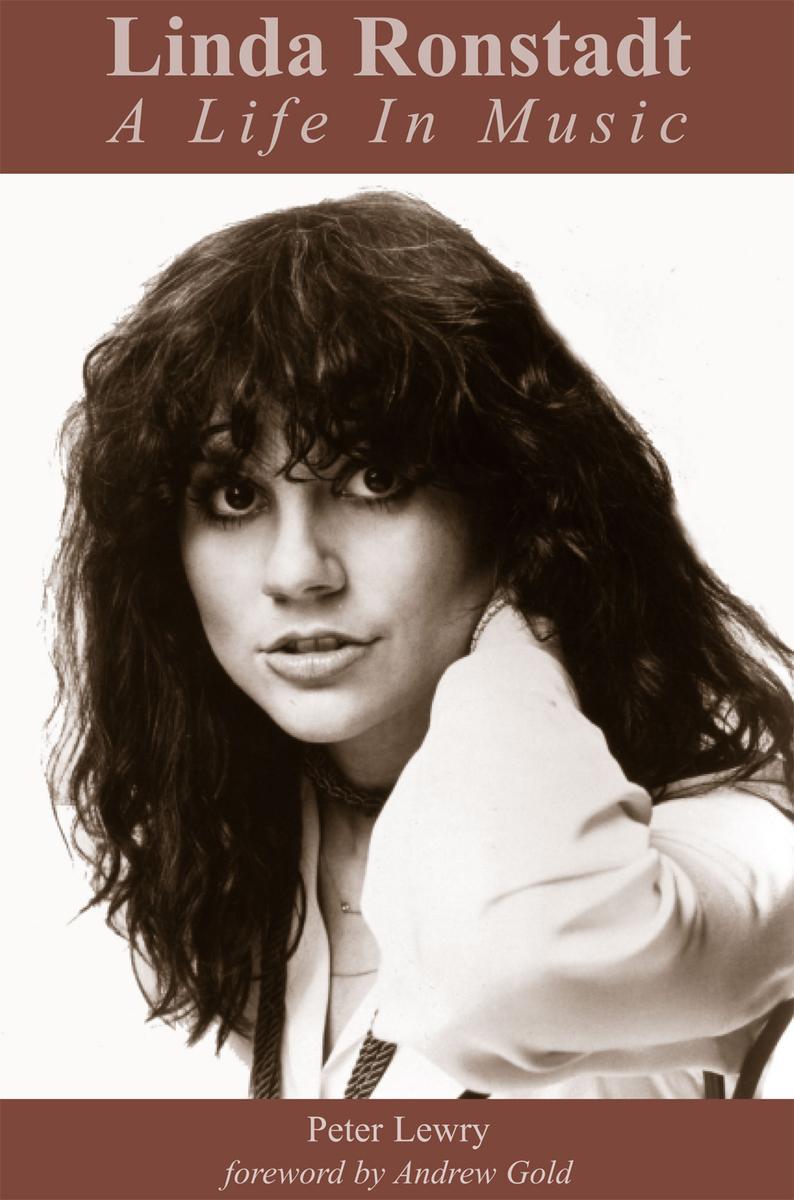
Linda Ronstadt
¥73.48
Often dismissed by rock historians as a product of the antiseptic Californian country-music scene, an artist who relied on watered-down covers of classic rock n' roll and pop standards, this description of Linda Ronstadt couldn't be further from the truth. Throughout a recording career that has covered more than forty years she has recorded in a remarkable variety of styles from pure country to pop, light opera to big band standards and new wave to mariachi, often taking risks beyond the reach of many critically acclaimed artists. It would be hard, if not impossible, to find another vocalist who has had a more diversified career. In their press release for the album Winterlight her record company managed to convey exactly what it was that made Linda Ronstadt such a special artist. - "e;Versatile doesn't begin to describe Linda Ronstadt's astounding career - a wildly eclectic, devoutly adventurous journey through a myriad of styles and genres. Who else has worked with Philip Glass and Dolly Parton? Aaron Neville and Nelson Riddle? Ronstadt's unforgettably gorgeous voice, at once technically dazzling and resonating with deep emotion, has woven a magical path from rock to mariachi, from country to opera, gathering critical and commercial success at every stop along the way."e; Linda Ronstadt - A Life In Music is an unauthorised biography that traces Linda Ronstadt's career from her days as a member of The Stone Poneys, her early solo albums, the critically acclaimed albums from the seventies, her work with Nelson Riddle , the foreign language recordings and her collaborations with Dolly Parton and Emmylou Harris. The book gives an in-depth analysis of every studio album and is supported by a background to her life and the influences, musical and social, that shaped her career. Appendices in the book include a comprehensive discography, chart statistics, details of Record Industry Association of America (RIAA) and British Phonographic Industry (BPI) awards along with a list of Grammy Award nominations and wins. The book includes a foreword written by Andrew Gold.
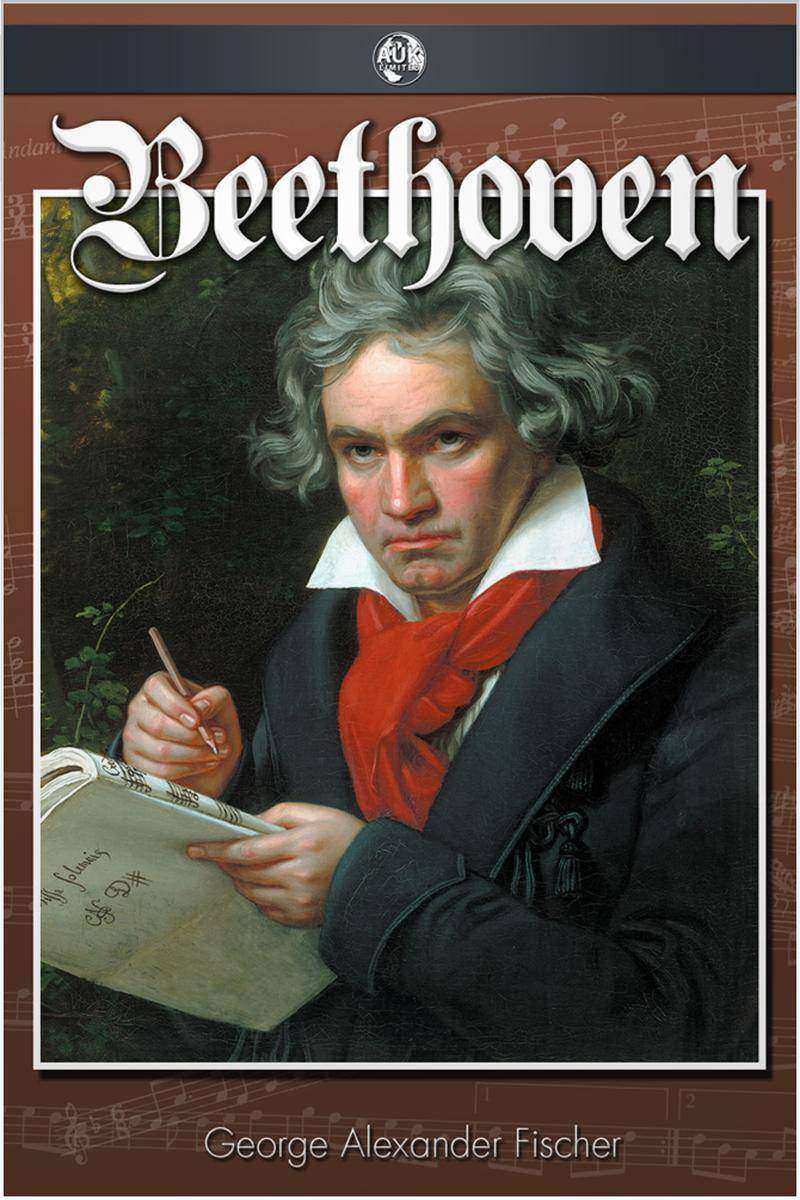
Beethoven
¥44.05
This short biography of the famous composer Ludwig van Beethoven details his life, his works and gives the reader an interesting guide to the style that defined this master of symphonies and other musical works. It also discusses the influence he had on Wagner's style. This version has been specifically edited and formatted for today's e-readers, and makes an excellent addition to any music-related book collection.
101 Amazing Facts about Avril Lavigne
¥19.52
Are you the world's biggest Avril Lavigne fan? Or do you want to know everything there is to know about the Canadian singer and fashion icon?If so, then this is the book for you! Contained within are 101 amazing facts about everything, from how Avril got started in the music business to her love life, awards she has won plus many more. The book is easily organised into sections so you can find the information you want fast and is perfect for all ages!
Harry Potter - The Ultimate Book of Facts
¥34.24
Are you a huge fan of Harry Potter? You have probably read every book and seen every film many times over. But how much do you really know? This excellent book has more than two hundred facts that will surprise and amaze you in equal measure. Sections include:- Harry Potter and Daniel Radcliffe- Quidditch- Hermione Granger and Emma Watson- The Ministry of Magic- The Triwizard Tournament- Hogwarts- And many moreIf you love Harry Potter and want to expand your knowledge of the series, this is the perfect way to do it - you can even use these fantastic facts to make the ultimate quiz for your friends!
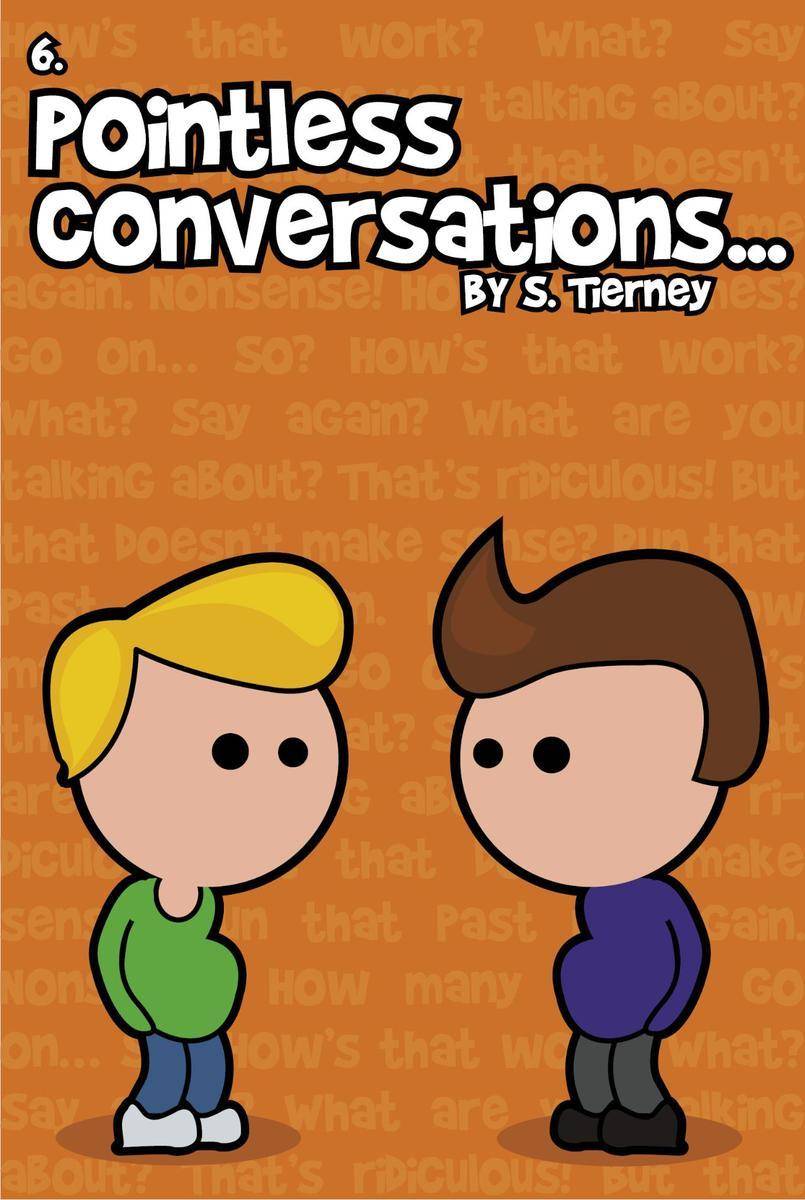
Pointless Conversations
¥19.52
Pointless conversations: a selection of daft, ridiculous and utterly pointless meanderings from the mind of Scott Tierney. If you've ever wanted to know the answers to why Superman is a coward; why Spiderman should technically be deformed; and if Superdog caused the death of Krypton, then these bite-sized comics will reveal all. The discussions may be insane, and most of what is said is rambling, but despite this, you may find yourself agreeing with most of what is said. It's a fair point: where does Spiderman store all that web?
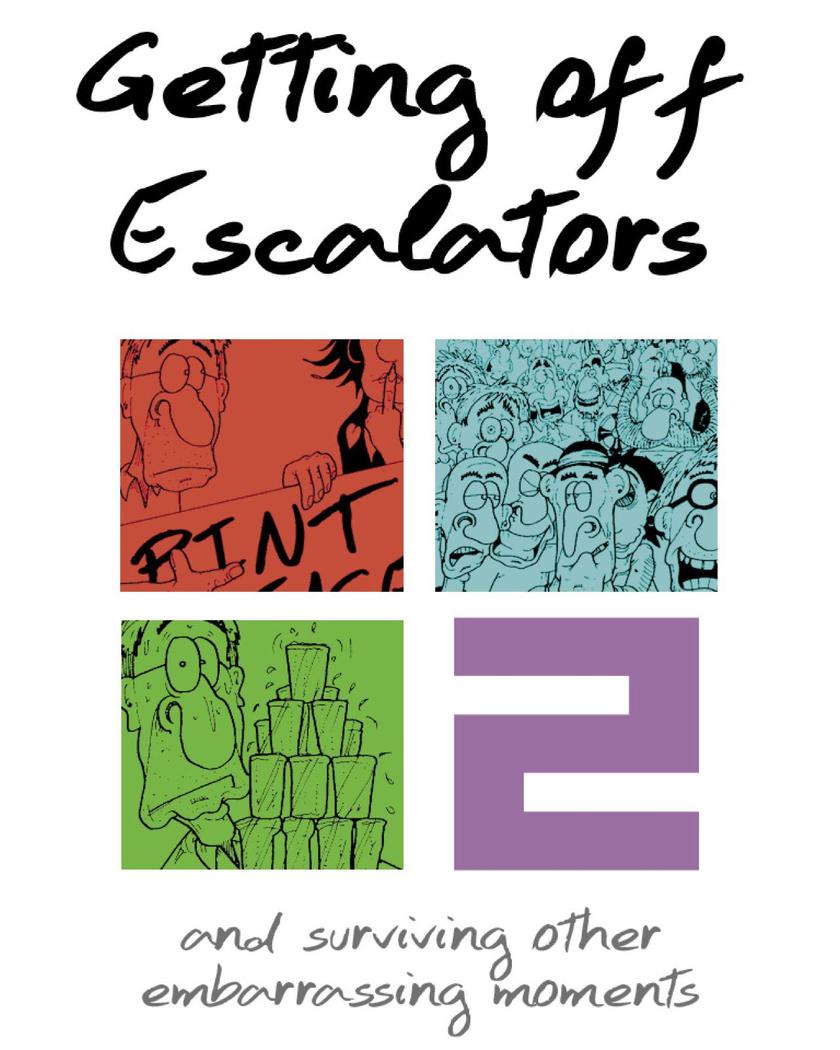
Getting Off Escalators - Volume 2
¥29.33
Getting Off Escalators and surviving other embarrassing moments: Do you struggle to find the confidence to talk in public, without melting into a puddle of pathetic hopelessness? Are you having panic attacks when riding an escalator, or you don't feel manly enough to hold a pint with any authority of pride? Then you, sir, need this guide... or medical help... yes, medical help is probably a safer bet. But comics are funnier, so choose this. About the author: Scott Tierney is a nervous, awkward, confidence-lacking and stress-ridden writer, who produces self-help comics that provide very little guidance for those who read them. Luckily, these comics are extremely funny, so when the reader does loss their reason to live, they go out with a smile.
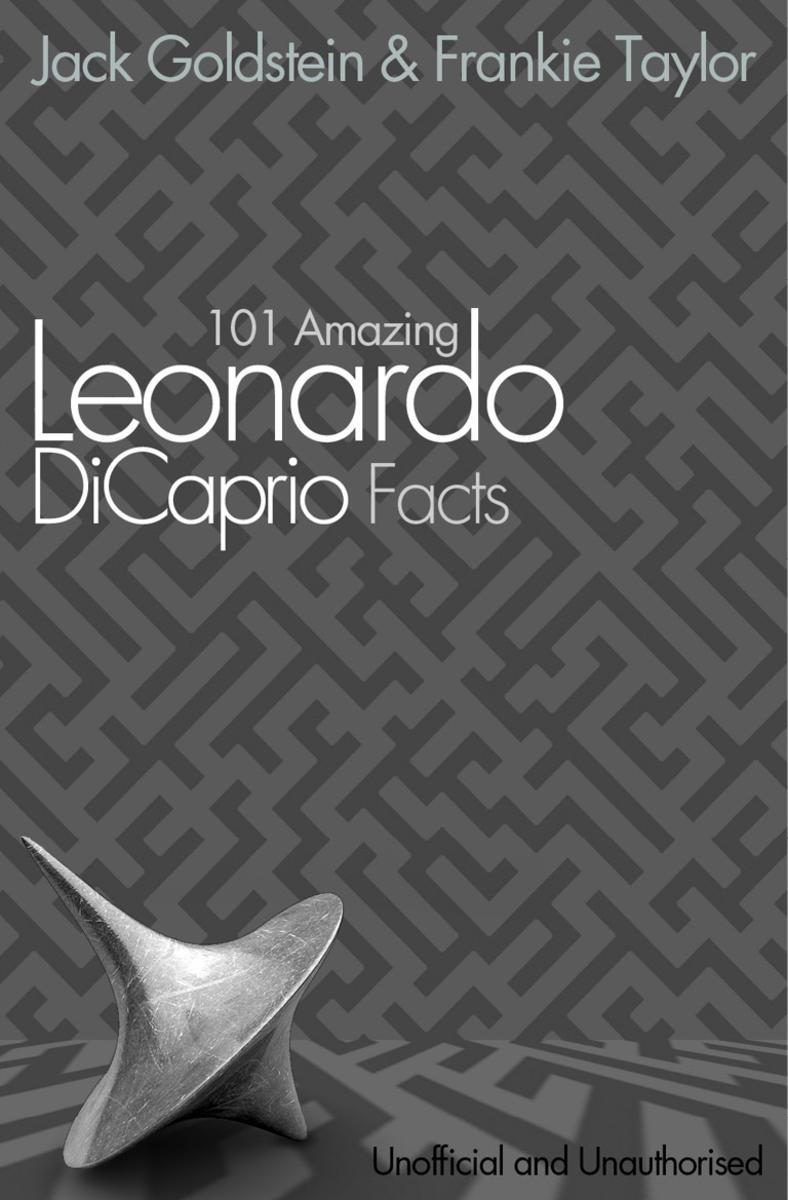
101 Amazing Leonardo DiCaprio Facts
¥19.52
Are you the world's biggest Leonardo DiCaprio fan? Do you know everything there is to know about the actor of a generation? Then this is the book for you! In this easy-to-digest eBook are 101 facts about your favourite movie star - do you know all of them?Test yourself and your friends with these handily-packaged facts easily organised into categories for maximum enjoyment. Sections include Leo's films, his family and friends and some crazy facts about his life!Whether your favourite film is Titanic, Inception or The Great Gatsby, this fantastic eBook is full of great fun facts for you.

101 Amazing Facts About The Wanted
¥19.52
Are you the world's biggest fan of The Wanted? Or do you want to find out everything there is to know about the world's greatest boy-band?If so, then this is the book for you! Contained within are 101 amazing facts about how they boys got started in the music industry, the women they have dated, incredible things about their personal lives plus many more. The book is easily organised into sections so you can find the information you want fast!
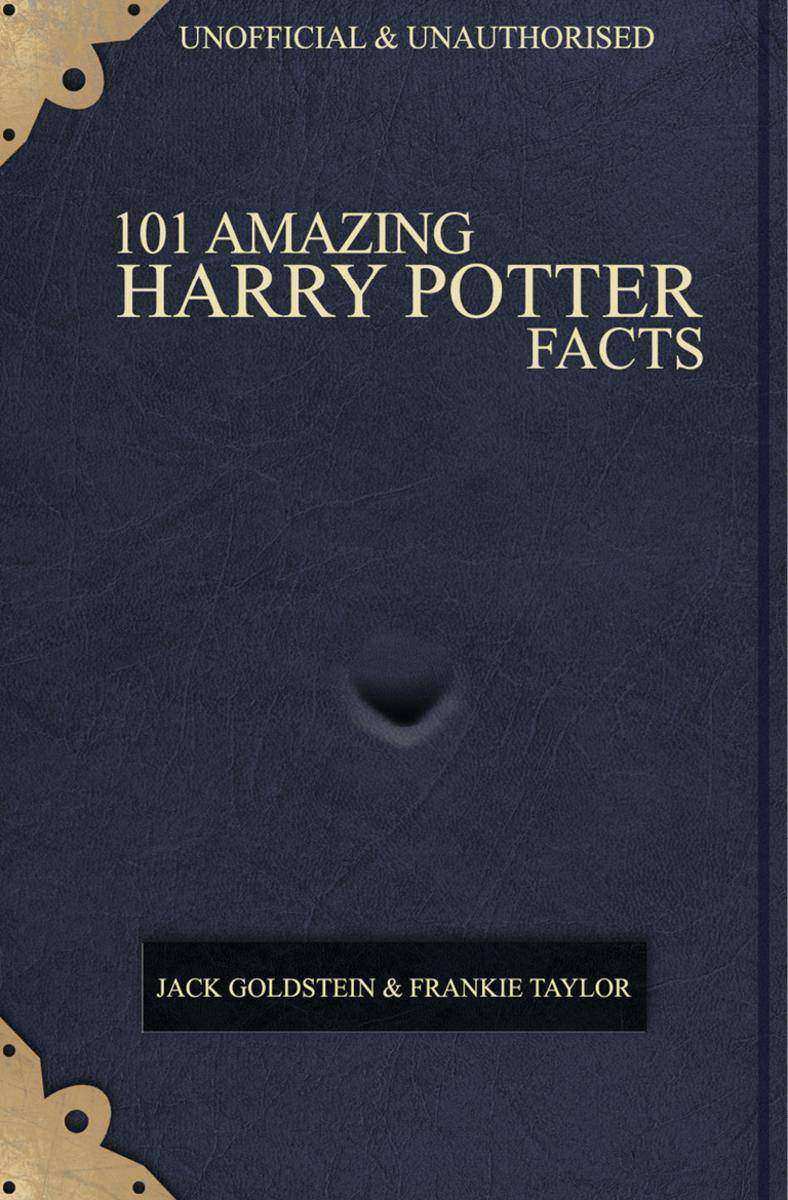
101 Amazing Harry Potter Facts
¥39.14
Runtime: 18 minutesThrough JK Rowling's series of Harry Potter books and the eight films, we have been introduced to a fantastic and magical world that many of us would like to visit. But what is the story behind what we see and read, and what are some little-known facts about the books, the films, the actors and the characters? This audiobook contains 101 amazing facts which you most likely didn't know!
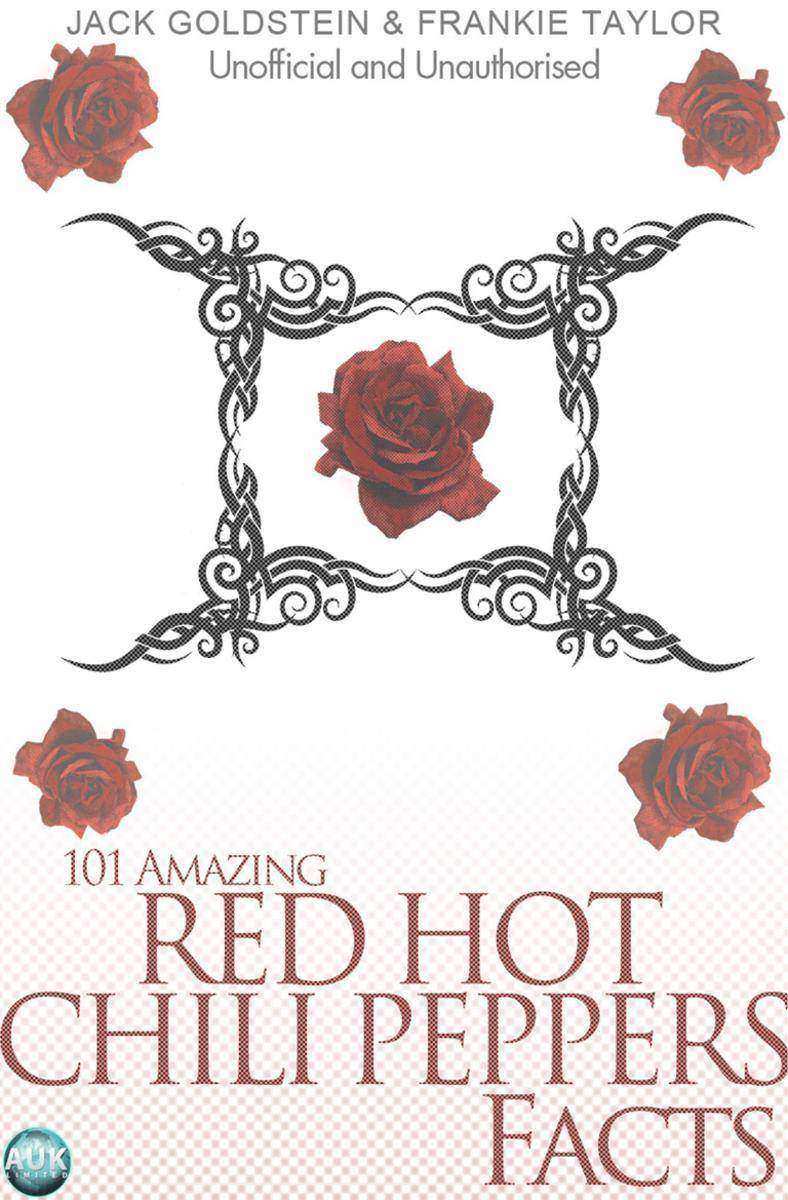
101 Amazing Red Hot Chili Peppers Facts
¥19.52
Are you the world's biggest Red Hot Chili Peppers Fan? Do you know everything there is to know about Anthony, Flea and the rest of the boys? Then this is the book for you! In this easy-to-digest eBook are 101 facts about your favourite band - do you know all of them?Test yourself and your friends with these handily-packaged facts easily organised into categories for maximum enjoyment. Sections include the members of the band, how they formed, awards they have won and some crazy facts about their antics over the years. Show everyone that you are the master of RHCP knowledge!
90s Movies Quiz Book
¥19.52
How well do you know your 90s Movies? This Quiz book will test even the most avid fan, with questions that span the 90s films of all genres! Test yourself and your friends with this 90s Movies Quiz Book.
Back to the Future Quiz Book
¥19.52
Are you a fan of the film - Back To The Future - Do you think you know all there is to know about the film. Containing questions about the plot, characters and actors, as well as facts about the making of the film. This fun quiz book will test you, your family and friends knowledge of this great film.
Firefly Quiz Book
¥19.52
Firefly is the brainchild of the hugely talented Joss Whedon. A space western drama that lasted on 14 episodes but in that time gathered a hardcore and vociferous following that like to call themselves Browncoats. This quiz book contains well over 100 questions from subjects like the original crew of the Firefly-class ship Serenity, the interpersonal relationships of the crew members, the deadly Reavers, the antics of the hero they call Jayne and many more. Prepare to test your knowledge on this short lived but much loved series.You can't stop the signal.
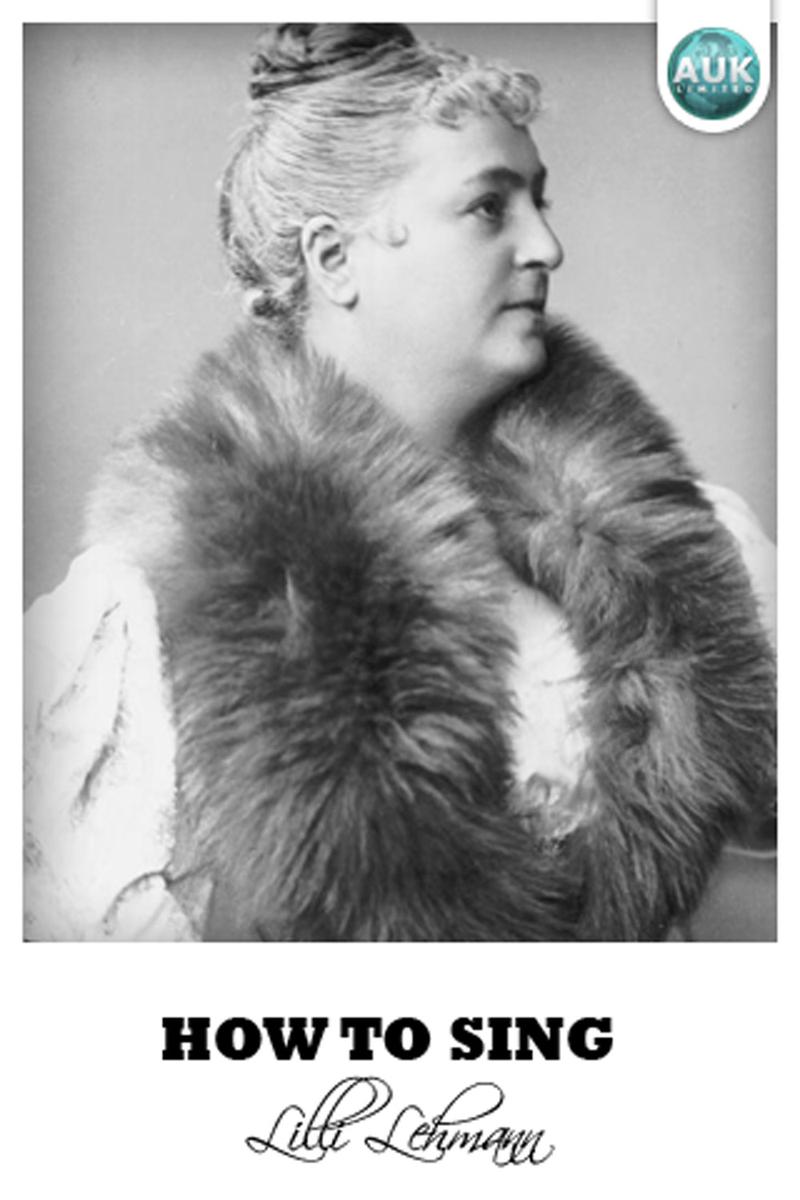
How To Sing
¥44.05
This classic guide teaching the reader the techniques of singing was written by a professional opera singer - Lilli Lehman - over 100 years ago. It has since become a must-read book for all those wishing to expand their vocal talents, and teaches a range of skills which the amateur singer often overlooks. Miss Lehmann was born in Germany in 1848 and went on to become a soprano of phenomenal versatility and in later years a voice teacher of much acclaim. Miss Lehmann sung her way around europe appearing in most of the leading opera houses - her voice was her passport. Looking at her presence on the cover it is no surprise that she was one of the greatest Wagnerian singers of her day. In 1916 Miss Lehmann hung up her breast plate and founded the International Summer Academy in Salzburg that focused on voice lessons and coached many up and coming opera stars.
101 Interesting Facts on Doctor Who
¥24.43
Are you a Doctor Who fan? Have you followed the series through the years? Can you remember the names of all the past 'Doctors' and their companions? Would you like to know more about the iconic TV programme and its characters? If you answered yes to any of these questions, you won't want to be without 101 Interesting Facts on Doctor Who. Do you know where Dr Who's tomb is located or how many times The Doctor has regenerated inside the TARDIS? Which Doctor Who extra-terrestrials come from the plant Raxacoricicofallapatorius and what was The Doctor's companion, Romana's full name? Find out the answers, along with much more Doctor Who-related trivia, inside this new book. Discover fascinating facts about The Doctors, companions, their allies and enemies and the actors who bring them all to life, as well as information about the different storylines from programme past and present. This is a must-have book for all Doctor Who enthusiasts, whether you are a lifelong fan or one of the series many new followers.
Little Garden of Assisi
¥29.33
At the graveside of Chippums - beloved pet of Mrs Tarleton - the unctuous proprietor of The Little Garden of Assisi is the model undertaker, consoling the bereaved owner and reassuring her of the dog's happy existence in the afterlife. But when the mourners have gone, it's a very different story. Happy to continue to dupe unsuspecting customers, and pocket the rewards, Dribone seems to lead a charmed existence: until the Mayor arrives with a very curious request. The Little Garden of Assisi is one of three twenty-minute comedies for television in this ebook: the others are Ten Days That Shook The Kremlin, and The Yank With the Pig's Head.
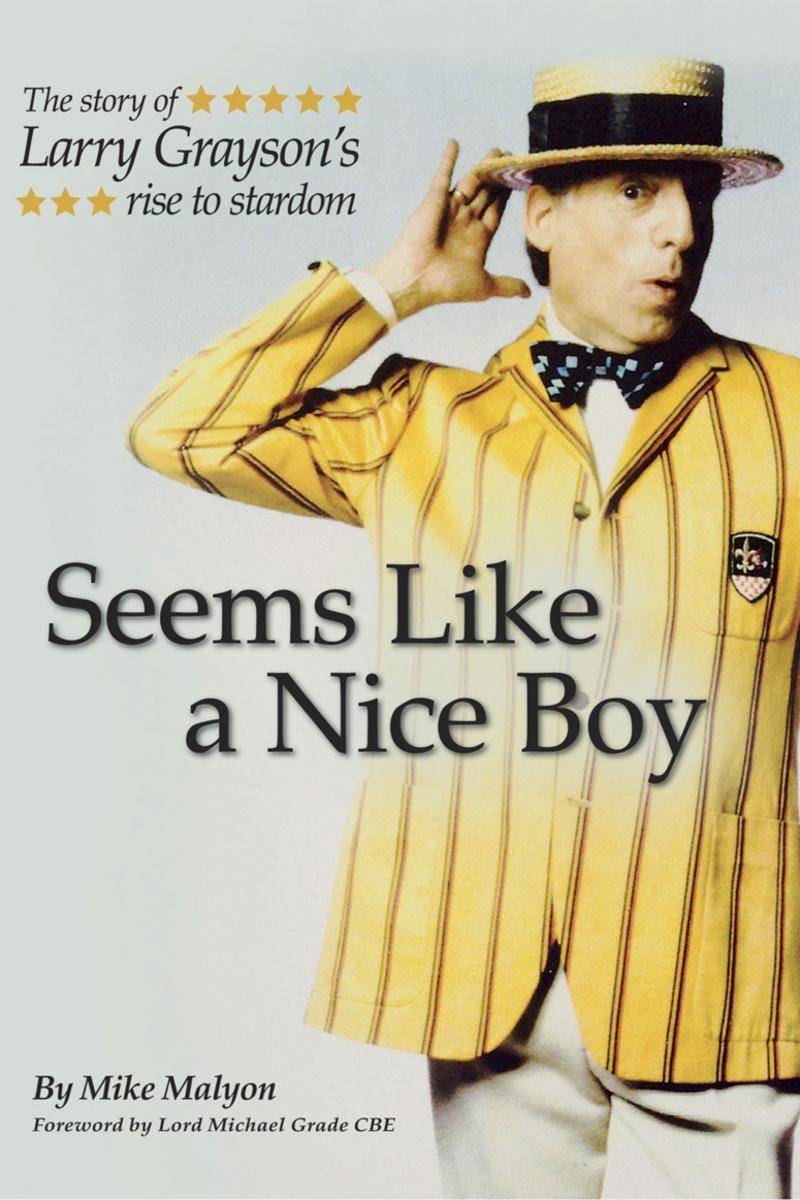
Seems Like a Nice Boy
¥48.95
The name Larry Grayson will be instantly recognisable to anyone who can remember the 1970s when his catchphrase 'Shut That Door' was on everybody's lips. However, Larry's rise to fame was slow in coming, born of years of perfecting his craft in clubs and theatres across the country. This biography details Larry's early life, how he was handed over as a baby to a miner's family in mysterious circumstances and brought up by his beloved foster sister, Flo, who was to become his lifelong companion. As a boy, encouraged by Flo, Larry would perform comedy routines for his school chums, standing on a tin bath in a wash-house yard, and he took his first steps into showbiz as a teenager with a local concert party. Seems Like a Nice Boy describes how, after a long career, Larry was eventually spotted by a top agent and set on the road to stardom, not only on stage but on television. Larry went on to host The Generation Game, attracting weekly audiences of around twenty million viewers and bringing Larry the kind of fame that he had always dreamed of. This fascinating book reveals how Larry Grayson's determination to succeed turned him into one of Britain's best-loved entertainers. This is a must-have read for Larry Grayson fans and anyone who enjoys classic comedy from a bygone age.
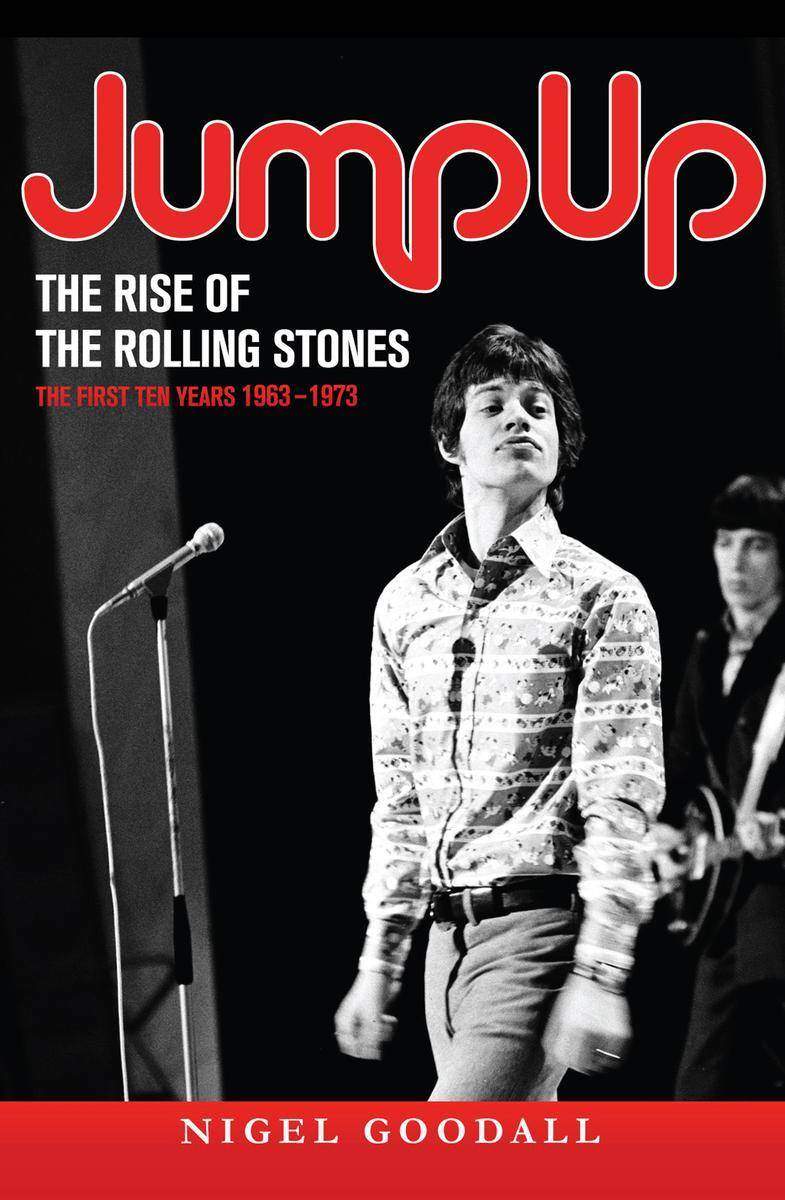
Jump Up - The Rise of the Rolling Stones
¥44.05
Jump Up - The Rise of the Rolling Stones was originally a coffee-table illustrated softback that traced the band's first ten years from 1963 onwards. Now available in digital format for the first time since it was published in 1995, the book, taken from author Nigel Goodall's original unedited manuscript, assembles an amazing picture of the first decade of the 'Greatest Rock 'n' Roll Band In the World' - and includes details of previously unheard interviews with the Stones and with all those that knew and worked with them during the period the book covers. Hailed as one of the first biographies to potray a vivid and dramatic telling of the early life and career of the band, the book covers everything from Jagger and Richards meeting on Dartford Railway Station to the early days of playing West London blues clubs, the package tours, the drug busts, the women, the death of Brian Jones, the beginning of the sticky 70s and the major stadium gigs.
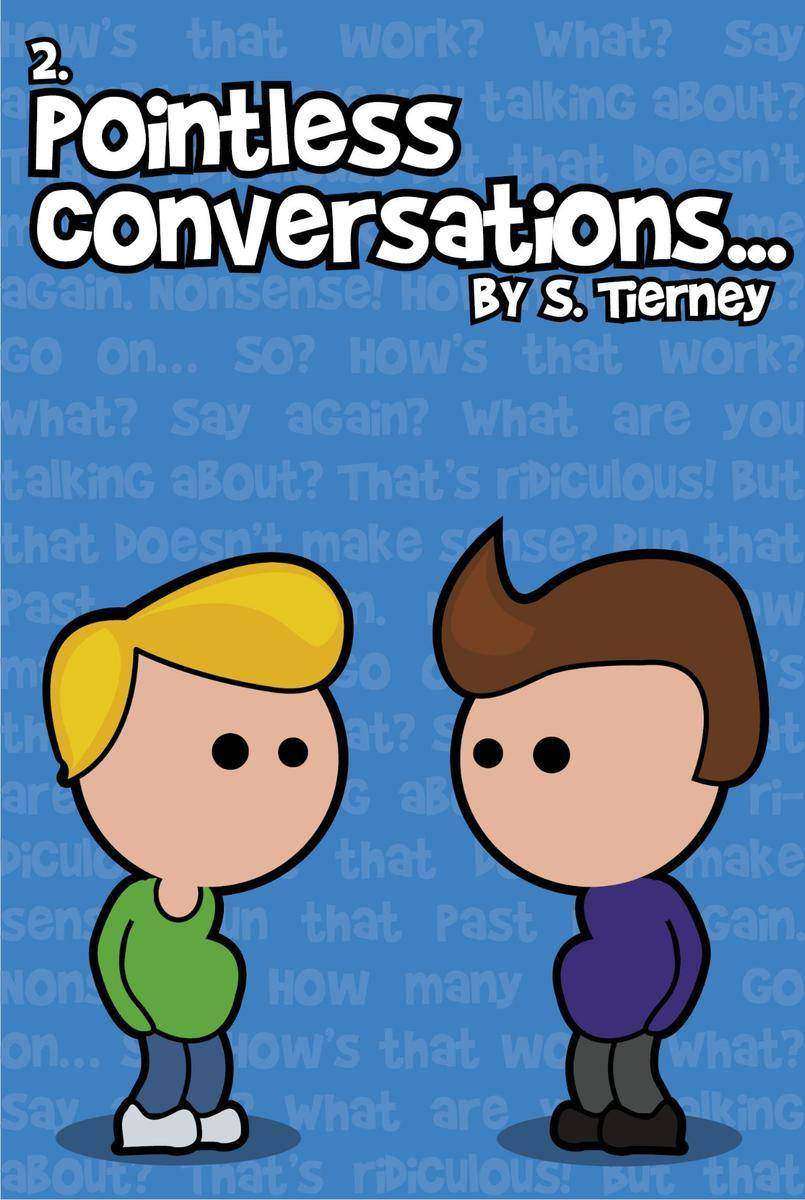
Pointless Conversations
¥19.52
Pointless conversations: a selection of daft, ridiculous and utterly pointless meanderings from the mind of Scott Tierney. If you've ever wanted to know the answers to why Superman is a coward; why Spiderman should technically be deformed; and if Superdog caused the death of Krypton, then these bite-sized comics will reveal all. The discussions may be insane, and most of what is said is rambling, but despite this, you may find yourself agreeing with most of what is said. It's a fair point: where does Spiderman store all that web?
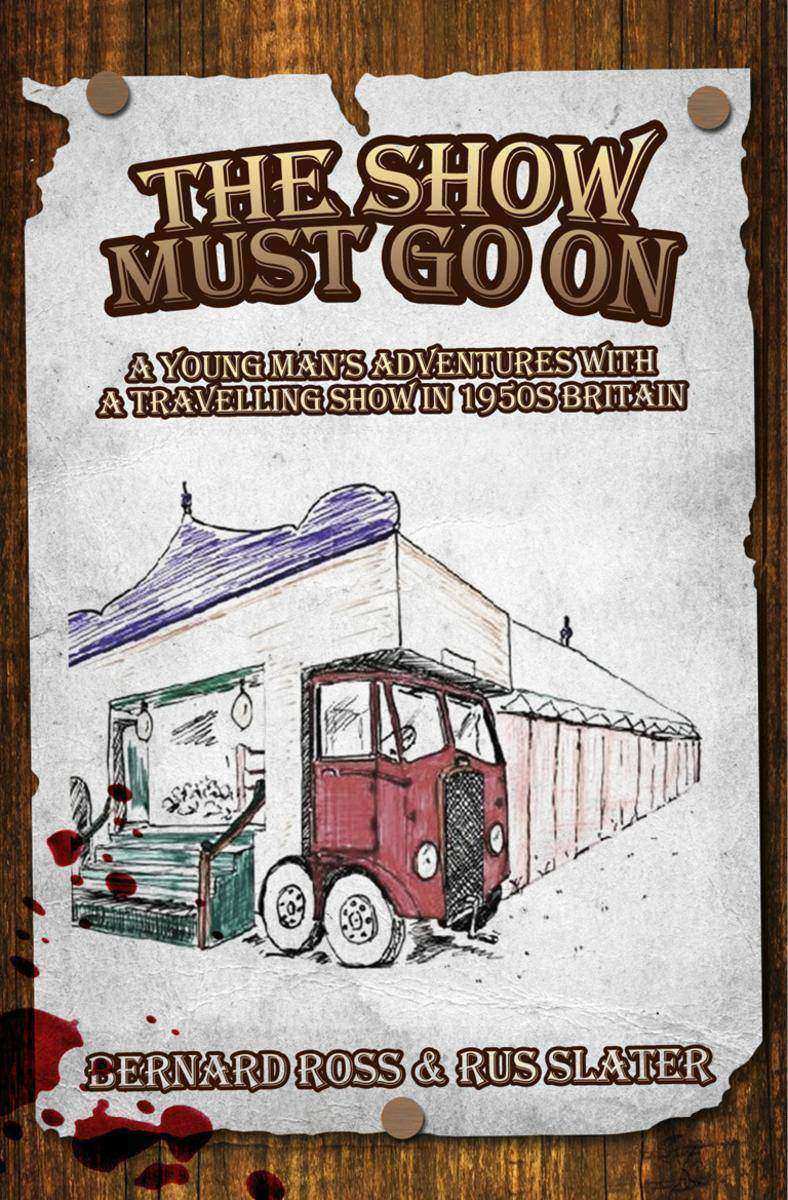
Show Must Go On
¥29.33
"e;running away from home"e; aged 15 Bernard Ross joined a travelling funfair, this book follows his adventures as one of the last live funfair wrestlers in the UK


