


 购物车
购物车 个人中心
个人中心
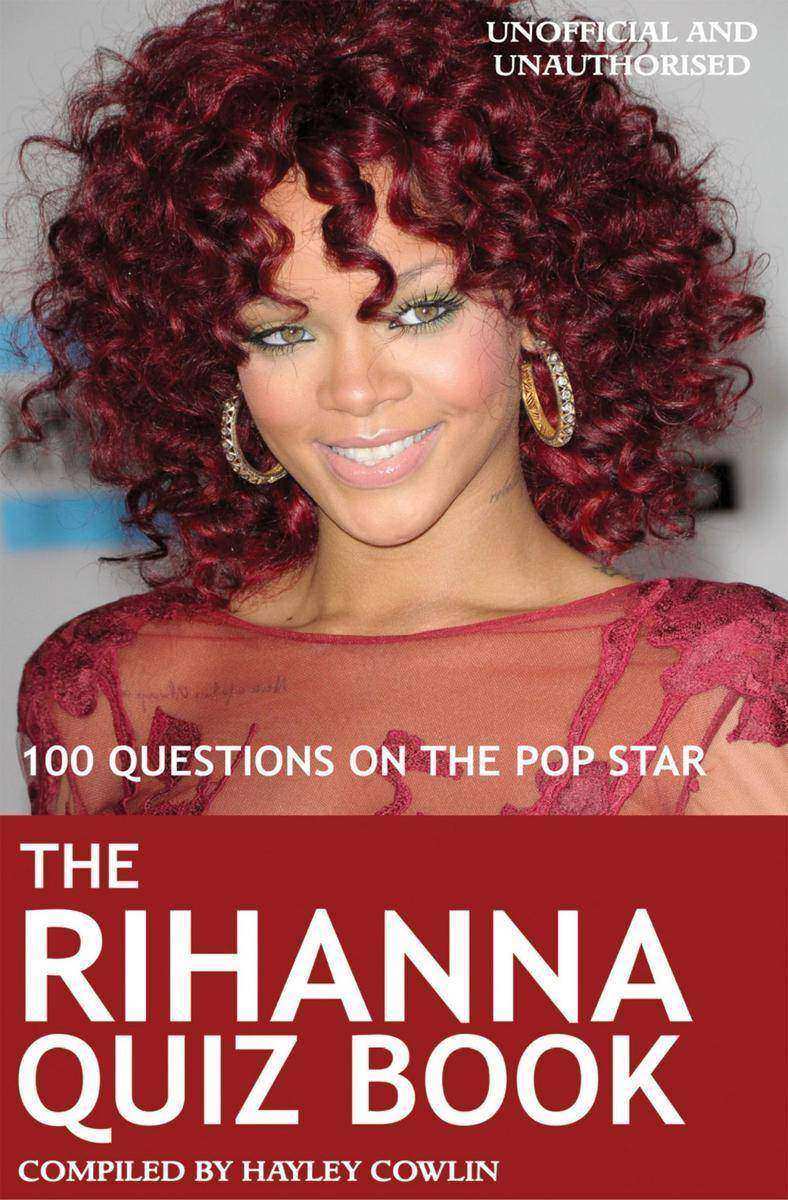
Rihanna Quiz Book
¥24.43
Are you a Rihanna fan? Do you know the lyrics to all of her songs? Can you name her albums? From releasing her debut album at the age of 17 to becoming one of the best selling artists of all time, Rihanna is one of the biggest success stories in recent pop history. But how much do you really know about your favourite star? Find out in this fascinating quiz book. Where did Rihanna grow up? How did she get started in the music business? What was the name of the person who discovered her? The answers to all of these questions and more can be found in this book. Brim full of interesting facts that cover all aspects of the multi-talented singer-songwriter's life, from her early successes to chart topping hits including many personal details such as her nickname, favourite colour and the names of her best friends, you are certain to learn something new about the international singing sensation in The Rihanna Quiz Book. There is only one Rihanna and this is the must-have quiz book for all of her fans.
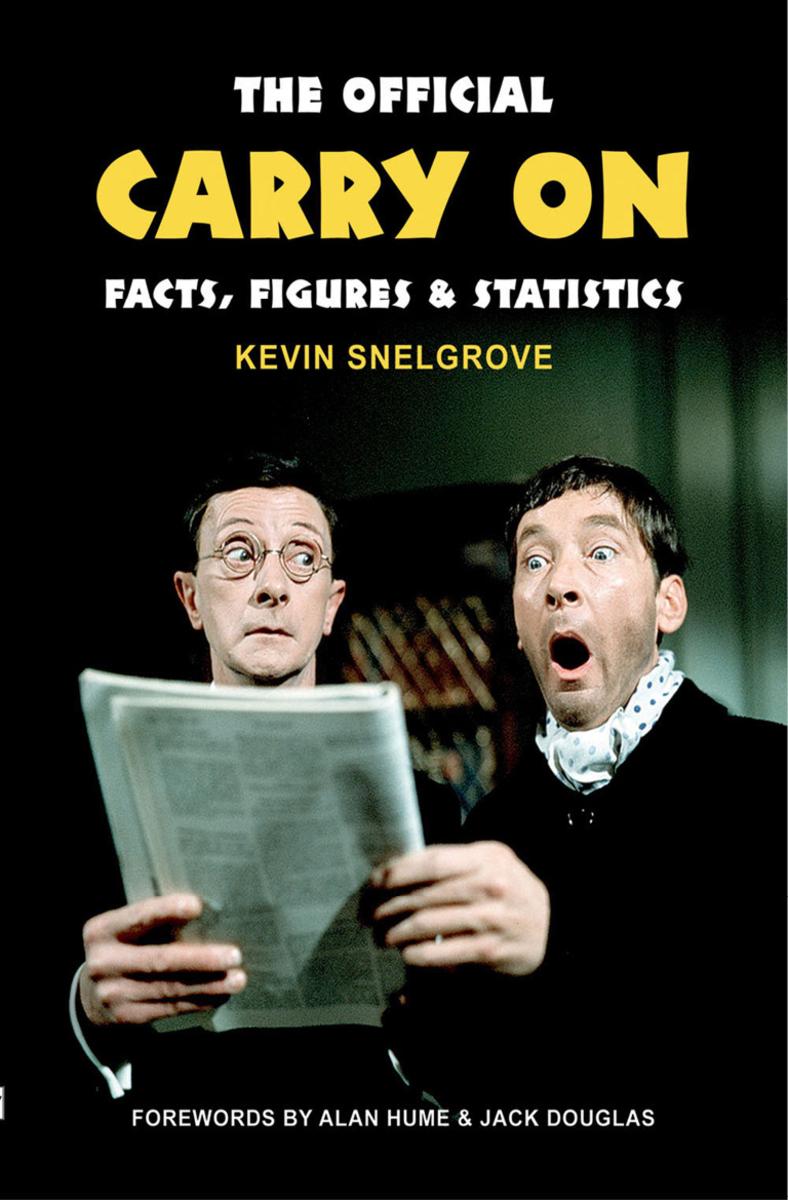
Official Carry On Facts, Figures & Statistics
¥73.48
Little did anyone know, back in 1958 when the first Carry On film, Carry on Sergeant, was produced by Peter Rogers and directed by Gerald Thomas, that 50 years and 31 films later Carry On would have become such a well-loved British comedy institution, and one that continues to have people rolling in the aisles. And what better way to celebrate Carry On's 50th anniversary in 2008 than to dazzle Carry On fans with this incredibly well-researched treasure trove of information, including technical data about each film, interesting facts about every member of the Carry On team and every conceivable statistic that you could ever imagine. With forewords by Carry On cameraman Alan Hume and actor Jack Douglas, and peppered with photographs and actors' anecdotes and memories, this book is an absolute must for every Carry On aficionado.
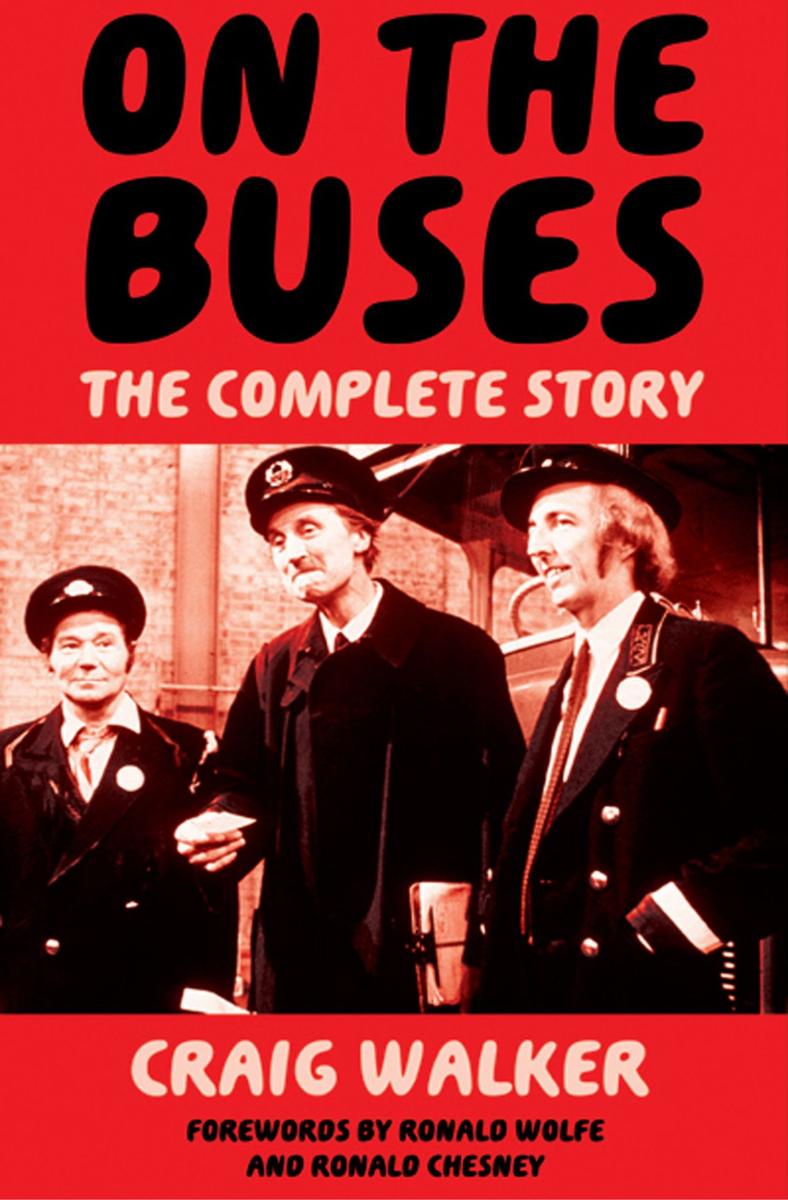
On The Buses
¥68.57
On The Buses was a classic British situation comedy, created by Ronald Wolfe and Ronald Chesney, which ran for seven series from 1969 to 1973, and introduced a host of much-loved memorable characters. The series followed the ups and downs of life on the buses as portrayed by two work shy-busmen, Stan Butler (played by Reg Varney) and his mate Jack Harper (Bob Grant) as they invented new scams to wind up their long suffering boss, inspector Cyril Blakey Blake (Stephen Lewis). This book tells the whole 'On The Buses' story from its inception through to the three spin-off feature films it spawned. It includes details of cast, crew, locations and the many famous faces and catch phrases which made-up one of the most popular sitcoms ever to appear on our TV screens. On The Buses aired in an era where entertainment was unrestrained by politically correct rules but hilarious scripts and quality acting guaranteed the series a legion of loyal fans around the globe. This book is a must have for anyone interested in learning more about On The Buses an example of British sitcom at its best.

Straight From The Force's Mouth
¥88.19
Everyone has heard of Darth Vader, the infamous Star Wars villain we all love to fear, created by George Lucas and brought to life by Dave Prowse MBE, but people may not be so familiar with the story of the multi-talented man behind the mask. It required someone exceptional to turn a helmeted costume into the principal character in the highest grossing film series in cinema history - that someone was Dave Prowse. The towering, physical presence of the 6ft 7"e; bodybuilder was ideally suited to personify the intimidating Darth Vader. Straight from the Force's Mouth takes us behind the scenes of Star Wars and documents how this extraordinary man took on the role of the menacing central character to creating one of the most iconic villains in cinema history. In this book of memoirs, Dave shares his journey from disadvantaged child and poor student to champion weightlifter and international film star. The Dave Prowse story is one of determination and hard work and in this honest account he explains how he overcame the many setbacks in his life to achieve success and global recognition. This book is a must have for Star Wars fans of all ages and will appeal to anyone who enjoys a truly inspirational and motivating real life story.
Сила звички
¥36.13
UNGV?RY KRISZTI?N és TABAJDI G?BOR rendhagyó útikalauza a 20. század politikai diktatúrái és legmegrázóbb t?rténelmi eseményei mentén veszi lajstromba Budapest emlékeit. A szerz?páros olyan f?városi helyszíneket mutat be olvasóinak, amelyek jobbára ismeretlenek a turisták el?tt, a városlakók számára pedig már a félmúlt homályába vesznek. A fiatal kutatók budapesti sétáin feltárulnak az 1919-es Tanácsk?ztársaság és az azt k?vet? fehérterror, a német megszállás, a nyilas rémuralom és a zsidóüld?zés, a világháborús f?város, a szovjet megszállás és a Rákosi-diktatúra, az 1956-os forradalom és szabadságharc, végül a Kádár-korszak elfeledett vagy épp szándékosan titokban tartott t?rténeti helyszínei és emlékhelyei. Az egyes t?rténelmi eseményekhez k?thet? szobrok és m?emlékek kapcsán a szerz?k múlt és jelen emlékezetpolitikai t?rekvéseit is áttekintik. A t?rténészpáros kíméletlen és fájdalmas ?szinteséggel mutat rá: a múlt századi véres diktatúrák emlékei jel?letlenül bár, de ma is ott kísértenek a f?város utcáin – ideje lenne hát mindenkinek megismerni ?ket. UNGV?RY KRISZTI?N 1969-ben született Budapesten. Tanulmányait az ELTE BTK t?rténelem-német szakán végezte. Budapest ostromát feldolgozó doktori disszertációja k?nyv formájában is megjelent, és számos hazai, illetve külf?ldi kiadást megélt. 2001-t?l az 1956-os Intézet tudományos munkatársa, t?bb nemzetk?zi tudományos testület tagja. Kutatási területe a 20. század politika- és hadt?rténete, a széls?jobb mozgalmak, valamint az állambiztonság t?rténete. TABAJDI G?BOR 1980-ban született Budapesten. Az ELTE B?lcsészettudományi Karán t?rténelmet, politikaelméletet és filozófiát tanult. Jelenleg az Országos Széchényi K?nyvtár 1956-os Intézetének munkatársa. Eddig f?ként a 20. századi Magyarország politikat?rténetével kapcsolatos publikációi jelentek meg. F? kutatási területei: a magyar állambiztonsági szervek, illetve a pártállami rendszer m?k?désének t?rténete. A fiatal kutatókat t?m?rít? ?Fehér Hollók” munkacsoport koordinátora.
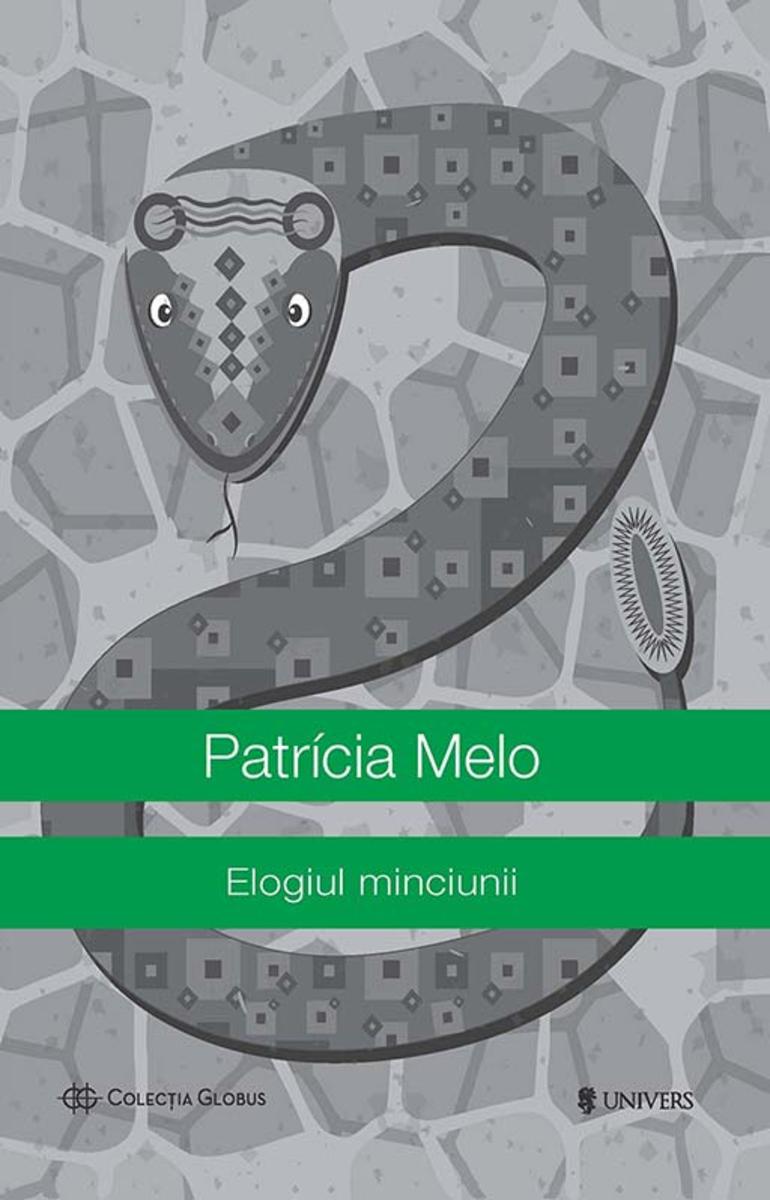
Elogiul minciunii
¥32.62
National Book Critics Circle Award 2005 pentru carte de nonfic?iune. Premiul pentru Pace Erich-Maria-Remarque, 2001 Carte interzis? ?n Bielorusia ?Explozia reactorului num?rul 4 va deveni cel mai mare dezastru nuclear civil din istoria omenirii. Zona este o realitate ?n toat? monstruozitatea ei. La fel ca ?n cartea SF a fra?ilor Struga?ki, Picnic la marginea drumului, Zona este un infern pe p?m?nt, guvernat de propriile legi. Aici danseaz? lumini deasupra c?mpului, praful ridicat de v?nt are culori ciudate, se nasc copii cu muta?ii genetice, popula?ia a fost evacuat?, regiunea, interzis? ?i p?zit? de patrule militare, dar oameni stranii ?i-au f?cut din Zon? locul ?n care tr?iesc. Ei sunt C?l?uzele reale ?n Zona reactorului de la Cernob?l.“ – Ion M. Ioni?? C?nd fra?ii Arkadi ?i Boris Struga?ki publicau ?n 1972 celebrul lor roman SF Picnic la marginea drumului, nu ?i-ar fi putut imagina, nici ?n cele mai negre vise, c? Zona descris? ?n roman va deveni realitate paisprezece ani mai t?rziu, ?n ?ara lor, URSS. Conform ideologiei oficiale, Zona nu avea cum s? apar? ?n patria sovietelor. Doar URSS construia cele mai sigure reactoare nucleare din lume care ?ar fi putut fi instalate chiar ?n Pia?a Ro?ie, at?t de fiabile erau“. Nu a fost a?a. Pe 26 aprilie 1986, lumea avea s? intre ?n epoca Cernob?l. Explozia reactorului num?rul patru va deveni cel mai mare dezastru nuclear civil din istoria omenirii. Zona este o realitate ?n toat? monstruozitatea ei. La fel ca ?n cartea SF a fra?ilor Struga?ki, Zona este un infern pe p?m?nt, guvernat de propriile legi. Aici lumini danseaz? deasupra c?mpului, praful ridicat de v?nt are culori ciudate, se nasc copii cu muta?ii genetice, popula?ia a fost evacuat?, regiunea, interzis? ?i p?zit? de patrule militare, dar oameni stranii ?i-au f?cut din Zon? locul ?n care tr?iesc. ?O istorie oral? mi?c?toare a catastrofei din 1986 de la reactorul nuclear de la Cernob?l, ?n care curajul fatalist ?i stoic este dublat de un umor incredibil de negru. Jurnalista rus? Svetlana Aleksievici a ?nregistrat o serie de m?rturii pe care le-a prezentat sub forma unor ?monologuri?, ?n stil romanesc, care zugr?vesc imaginea vie a atmosferei generale de nemul?umire de la sf?r?itul perioadei comuniste, ?n care liderilor de partid agresivi, propagandei paranoice ?i mobiliz?rilor haotice li se opun sarcasmul deprimant, g?ndurile amare ?i abuzul de votc?. Rezultatul este o radiografie de neuitat a sufletului rus.“ – Publishers Weekly
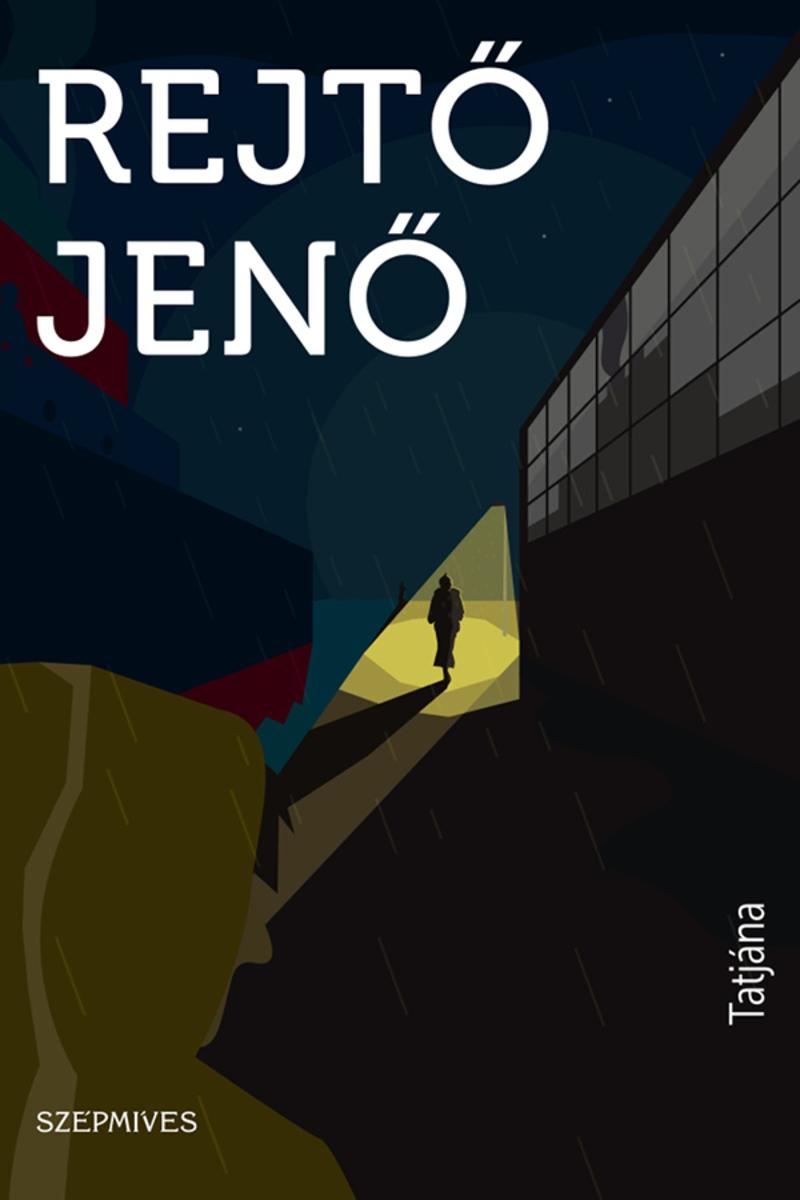
Tatjána
¥58.04
Vajon van esélye Hanna és Olivér szerelmének?Túlélheti a fiatal lány a végzetesnek hitt balesetet? ?s ha túl is éli, visszaállhat-e az élete a normális kerékvágásba?Mire képes a szerelem, mit bír el a szív? Elfogadni, megbocsátani, elengedni, újrakezdeni. A másik oldalról els? részében megismert szerepl?ké mellett új kapcsolatok alakulását is nyomon k?vethetjük. Együtt sírhatunk és nevethetünk a hétk?znapi h?s?kkel, akikkel végtelen természetességük miatt igazán k?nny? azonosulni. A korábbi k?tethez hasonlóan ezúttal is számtalan komoly téma vet?dik fel, a bonyodalmakkal dúsított, meglep?, néhol megd?bbent? fordulatokban gazdag t?rténet mégis k?nnyed, szórakoztató kikapcsolódást ígér. Papp Csilla legújabb k?nyvében, mely ott kezd?dik, ahol az els? regény véget ér, újra és újra rácsodálkozhatunk a szerelem erejére, mik?zben minden kétséget kizáróan el fogjuk hinni, hogy biztosan nincsenek véletlenek.
Világfa
¥28.53
A budapesti Lánchíd pesti hídf?jénél álló Gresham-palotát mindannyian jól ismerjük – legalábbis kívülr?l. De tudjuk-e, miféle titkokat rejtett egykor az impozáns épület? Szelke László izgalmas és olvasmányos nyomozása, A Gresham a nácik ellen a 19. századtól a második világháborúig kíséri nyomon a mai luxusszálloda fordulatos t?rténetét. A százarcú épület a kezdetekt?l a t?rténelem f?sodrában állt. El?dje, a Nákó-palota magánházként olyan hírességek lakhelye volt, mint a Lánchíd tervein dolgozó Clark ?dám vagy a Széchenyi István életnagyságú portréját fest? Barabás Miklós, a század végén pedig a Gresham életbiztosító társaság székhelyéül szolgált. Miután a 20. század elején szecessziós stílusban újjáépítették, a pezsg? kávéházi élet meghatározó színterévé, haladó értelmiségiek találkahelyévé avanzsált. Ahogy a Horthy-rendszer idején egyre fogyott a leveg?, úgy vált a Gresham-palota az ellenzéki politika, a szellemi ellenállás, a mind rendszerkritikusabb kabarék otthonává ? a második világháború idején pedig a titkos diplomácia és az embermentés megkerülhetetlen k?zpontjává. Náciellenes m?vészek, újságírók, tudósítók, attasék, hírszerz?k, kémelhárítók, kett?s, s?t hármas ügyn?k?k fordultak meg a falai k?zt, és itt m?k?d?tt t?bbek k?zt a liberális párt pesti klubja, illetve a szabadelv? Esti Kurir cím? napilap szerkeszt?sége. A k?nyv lapjain a kor olyan meghatározó figurái t?nnek fel, mint Szent-Gy?rgyi Albert és Herczeg Ferenc, Szekf? Gyula és Raoul Wallenberg, de megismerkedhetünk a budapesti k?nyvhét alapítójával, a bátor emberment? Supka Gézával, a zsidót?rvények kíméletlen kritikusával, Rassay Károllyal vagy a Pódium Kabarét vezet? Békeffi Lászlóval, aki az angol titkosszolgálattal is kapcsolatban állt. Tények és legendák, t?rvénytisztel?k és provokátorok, h?s?k és áldozatok – A Gresham a nácik ellen a t?rténelem legrejtettebb kulisszái m?gé kalauzolja olvasóját. Szelke László 1975-ben született. Egyetemi adjunktus, 2013-ban szerzett doktori fokozatot, jelenleg a piliscsabai M?vel?dési Információs K?zpont és K?nyvtár igazgatója. 19?20. századi magyar és egyetemes t?rténelmet tanít a Pázmány Péter Katolikus Egyetemen.

Union J Quiz Book
¥24.43
Are you a fan of Union J? If so, you will probably be able to name the band members but how much else do you know about the four boys? Whether you are fully familiar with the lads from Union J, or would like to find out more about them, this quiz book is for you. With what record company did Union J sign after their time on The X Factor in 2012? Where did Union J first perform their single 'Carry You'? During what month in 2013 did Union J take over the Daybreak sofa at 7.50 am each morning for a week? The answers to these questions and more can all be found inside this new book. Packed with fun facts about all aspects of Union J, including many personal details, The Union J Quiz Book documents the boys' journey from four unknown artists into successful X Factor boy band and beyond. With 100 questions about your favourite group, this is a book Union J fans of all ages just won't want to be without.
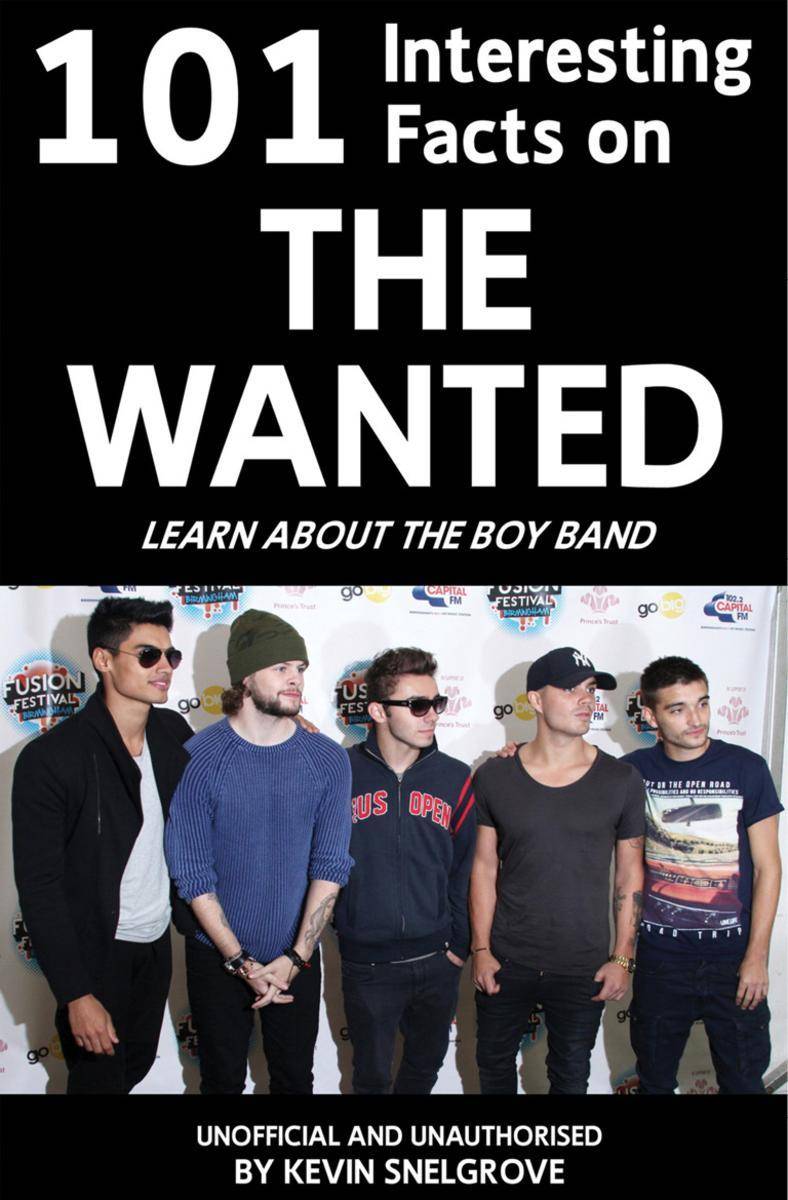
101 Interesting Facts on The Wanted
¥24.43
Do you like British boy band The Wanted? Have you followed their career from when they first formed in 2009 through to the current day? Would you like to find out more about Max, Siva, Jay, Tom and Nathan? If you answered yes to any of these questions, 101 Interesting Facts on The Wanted is certain to appeal to you. Do you know who is the oldest member of the group? Which artist did The Wanted support on tour in Brazil? What member of the band originally came up with the name, The Wanted? The answers can all be found inside this book, together with many more fascinating facts about your favourite band. Fun and informative, this book includes many personal details about the individual band members as well as up-to-date information about The Wanted's projects, past and present. Gen up on The Wanted so that you can impress your friends with your knowledge. If you are a fan of The Wanted, you won't want to be without this book.
Ultimate Doctor Who Quiz Book
¥39.14
Are you a big fan of Doctor Who? Have you watched all of the series from years gone by through to the present day? Can you name the various actors who have played the Doctor from William Hartnell to Matt Smith? If you can tell a Hath from the Heavenly Host and a Sontaran from a Slitheen, you are certain to enjoy this fun new quiz book? What was the title of episode one of the first Doctor story, The Daleks? Who played The Siren in the eleventh Doctor story, The Curse of the Black Spot? What companion has appeared in the most episodes of Doctor Who since its return in 2005? The answers to these brain-teasers and more can all be found inside The Doctor Who Quiz Book. As the iconic series celebrates 50 years of production, have a go at the 500 questions in this book to find out how much you really know about the Doctor. This is a must-have tribute for Doctor Who fans of all ages.

101 Interesting Facts on Arctic Monkeys
¥24.43
Are you a fan of rock band the Arctic Monkeys? Have you followed their career from the early days when the band first gained recognition via the internet through to international success? Would you like to know more about your favourite indie band? 101 Interesting Facts on Arctic Monkeys gives you the chance to pick up some little-known trivia about popular band from Sheffield. What was the original line-up and who was the band's other lead singer with Alex Turner? What NME first did the Arctic Monkeys clock up in 2006? What offer did the Band repeatedly turn down during 2005? Find out the answers in this exciting new book along with many more fascinating facts. Packed with information including many personal details about the individual band members as well as up-to-date news on the Arctic Monkeys' recent projects. This book will appeal to anyone with an interest in contemporary music and is a must-have for all Arctic Monkeys' fans.
101 Interesting Facts on One Direction
¥24.43
Are you a fan of One Direction? Have you followed the popular boyband from their very first performance on The X Factor to international stardom? Would you like to find out more about the 1D boys? If so, you there is no better way to get to know your favourite band than with 101 Interesting Facts About One Direction. Which member of One Direction was the first to suggest the name for the band? When and where was the premiere of 1D's 2013 film This Is Us held? What new product did One Direction launch in September 2013? Find out the answers inside this book, full of up to the minute information all about 1D. The book includes many personal details about each of the band members as well as facts about their past and current projects.Make sure that you are up to date on all the latest 1D news with this new book. If you love One Direction, you won't want to be without it.
Ronnie Biggs Quiz Book
¥24.43
Ronnie Biggs is widely known for his part in the Great Train Robbery of 1963, his subsequent escape from prison, and notoriety as he lived as a fugitive around the globe with his family. Biggs' story has been well documented over the years but how much do you really know about the man behind the headlines? The Ronnie Biggs Quiz Book is your chance to gen up on all the facts. How old was Ronnie when he first appeared in court? On what date did Ronnie receive a 30 year sentence? Who was Ronnie's famous cellmate in Brazil? The answers to these questions and more can all be found in this fascinating new book. The 50th anniversary of the Great Train Robbery in 2013 has renewed interest in the gang who pulled of this audacious heist, and Ronnie Biggs in particular. Packed with information, this book will tell you everything you want to know about Ronnie Biggs, his life on the run and his part in one of the most talked about crimes of all time.
101 Quirky Observations on Classical Music
¥24.43
Are you a fan of classical music? Can you name all the well-known composers, conductors and the compositions they are associated with? Or perhaps, you would like to learn more about them? If so, you are certain to enjoy the quotes and musical miscellany in 101 Quirky Observations on Classical Music. Who defined music as 'a science that would have us laugh and sing and dance'? Which composer said, 'the trombones are too sacred for frequent use'? What writer requested, 'please do not shoot the pianist, he is doing his best'? The answers to these questions and similar brain-teasers can all be found inside this book. With sections on composers, compositions, instruments, orchestras and their musicians, conductors, soloists and opera as well as much more classical music related trivia, this book has something for everyone. This book is a great way to find out more about classical music and those who have been involved in writing, playing and performing it through the years. This is a must-have for anyone who listens to, plays or appreciates classical music.
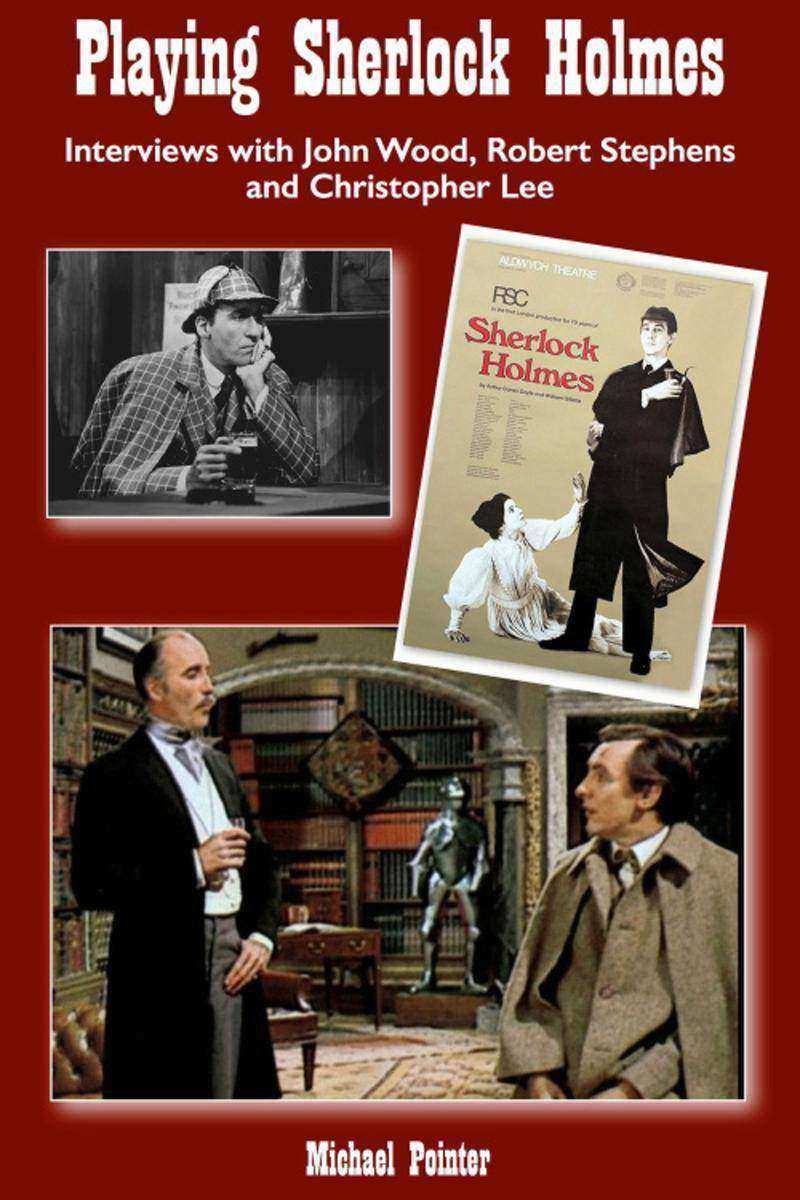
Playing Sherlock Holmes
¥19.52
Playing Sherlock Holmes contains three verbatim interviews - with John Wood, Robert Stephens and Christopher Lee - about their very different experiences of appearing as Holmes on stage and screen. The interviews were conducted in 1974. At the time, John Wood was appearing on stage in an acclaimed revival of William Gillette's play Sherlock Holmes, a Royal Shakespeare Company production; Robert Stephens had recently completed The Private Life of Sherlock Holmes for film director Billy Wilder; and Christopher Lee - who had a role as Mycroft Holmes in that film - had earlier played the lead role in Sherlock Holmes and the Deadly Necklace. The interviews have been transcribed from tapes held in the Arthur Conan Doyle Collection - Richard Lancelyn Green Bequest at Portsmouth Museum.
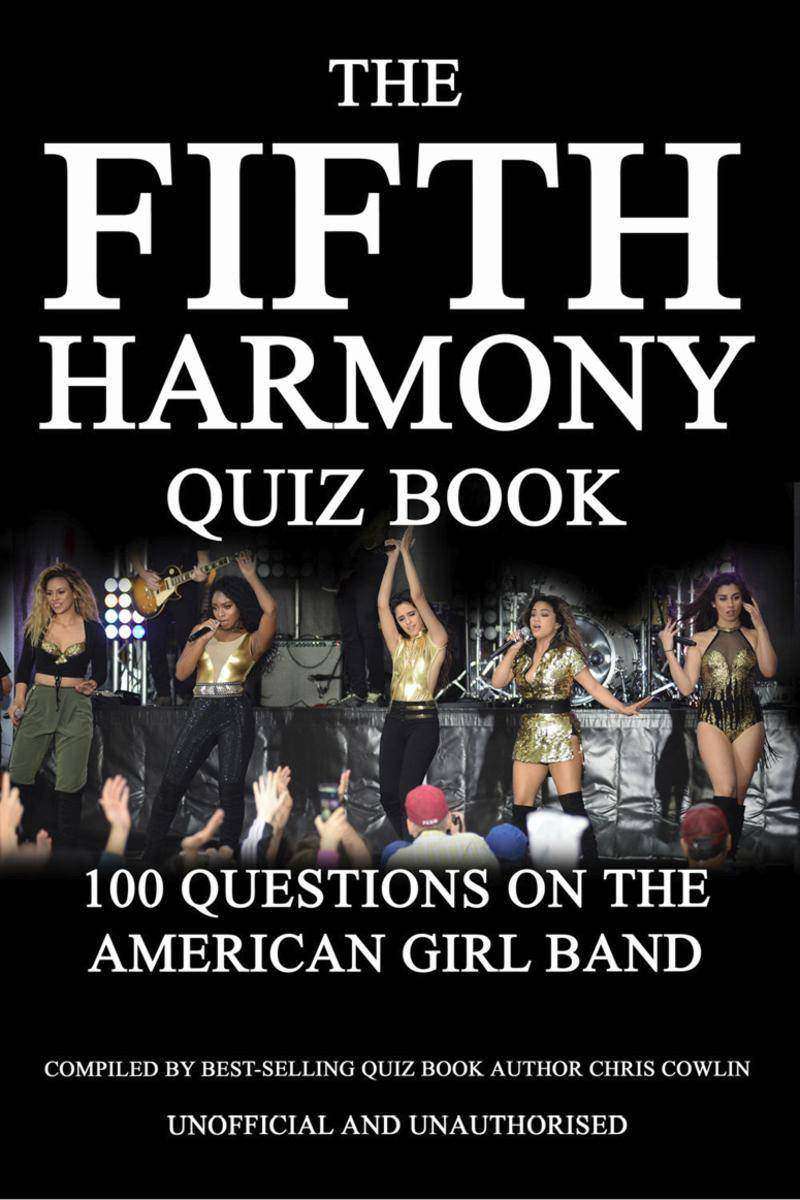
Fifth Harmony Quiz Book
¥24.43
Are you a fan of American girl band Fifth Harmony? Have you followed the girls' success from auditioning as solo artists on The X Factor USA to the formation of Fifth Harmony and beyond? If you think you know all about Ally, Normani, Dinah, Lauren and Camilla, or would like to find out more about them, dip inside The Fifth Harmony Quiz Book. What song did Ally sing during her audition on The X Factor USA in 2012? When the group was formed by Simon Cowell and Demi Lovato, what was the band's original name? What award did Fifth Harmony win at the 'People's Choice Awards 2016'? The answers can all be found in this exciting new quiz book. With 100 questions and fascinating facts all about Fifth Harmony, including many personal details, you are certain to learn something new about this popular girl band. This is a must-have book for everyone who supported the girls on their The X Factor USA journey and who continue to enjoy the music of Fifth Harmony.
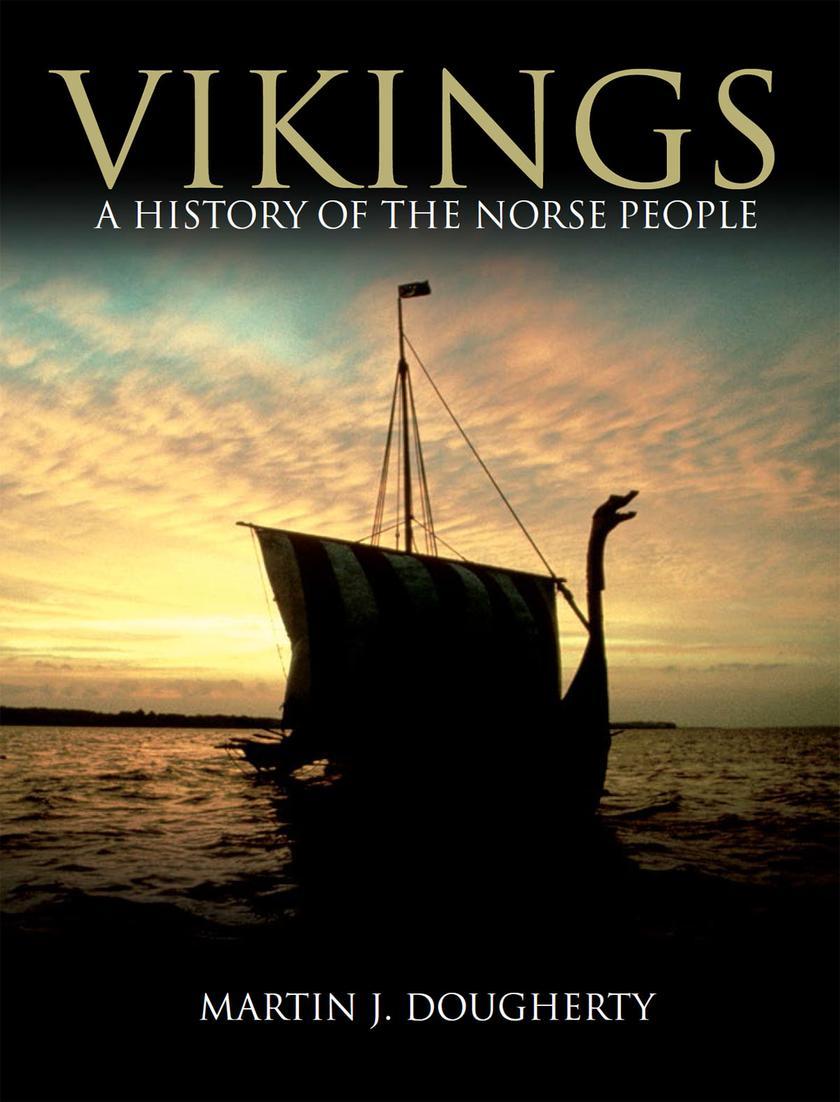
Vikings: A History of the Norse People
¥81.67
“From the fury of the Northmen, good Lord deliver us.” – Anonymous monk, Noirmoutier, France, 9th century AD Beginning in 789AD, the Vikings raided monasteries, sacked cities and invaded western Europe. They looted and enslaved their enemies. But that is only part of their story. In long boats they discovered Iceland and America (both by accident) and also sailed up the Seine to Paris (which they sacked). They settled from Newfoundland to Russia, founded Dublin and fought battles as far afield as the Caspian Sea. A thousand years after their demise, traces of the Vikings remain all the way from North America to Istanbul. They traded walruses with Inuits, brought Russian furs to Western Europe and took European slaves to Constantinople. Their graves contain Arab silver, Byzantine silks and Frankish weapons. In this accessible book, the whole narrative of the Viking story is examined from the eighth to the eleventh centuries. Arranged thematically, Vikings: A History of the Norse People examines the Norsemen from exploration to religion to trade to settlement to weaponry to kingdoms to their demise and legacy. But today questions remain: what prompted the first Viking raids? What stopped their expansion? And how much of the tales of murder, rape and pillage is myth? Illustrated with more than 200 photographs, maps and artworks, Vikings: A History of the Norse People is an expertly written account of a people who have long captured the popular imagination.
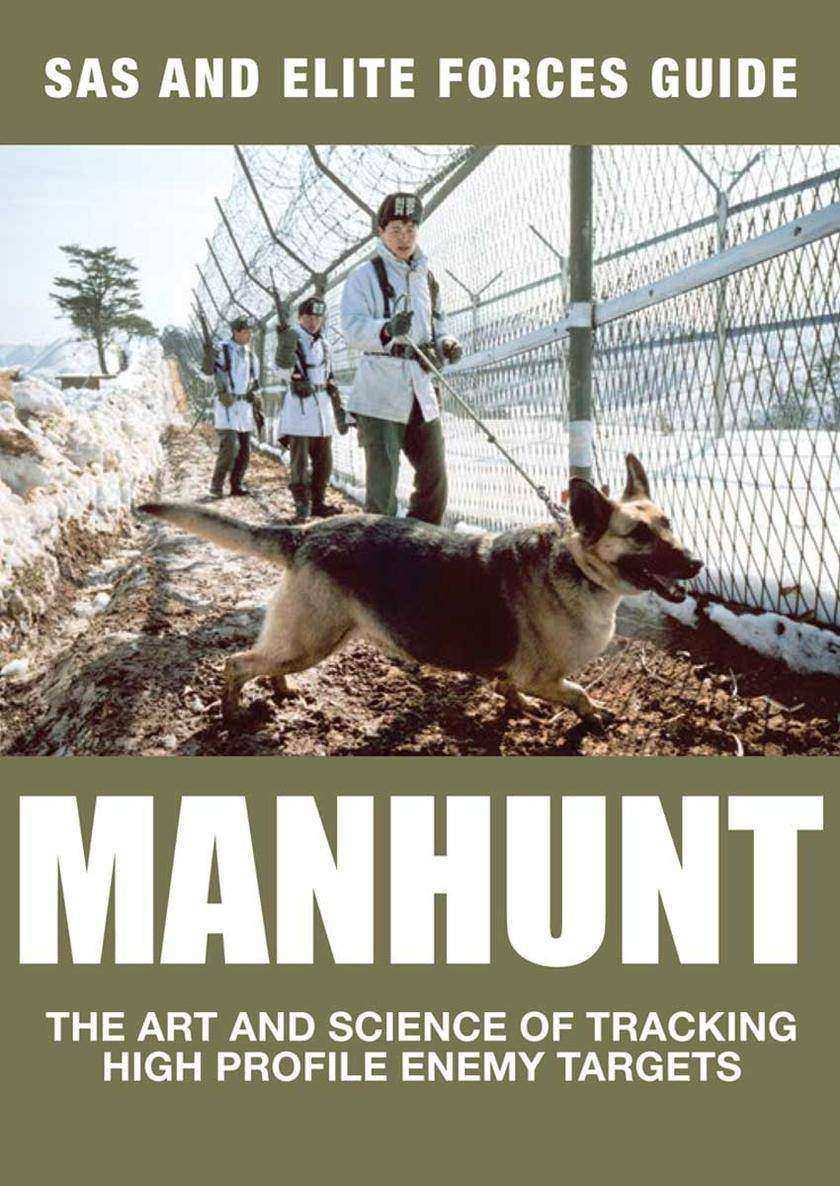
Manhunt: The Art and Science of Tracking High Profile Enemy Targets
¥65.32
A manhunt can involve helicopters, hounds and hundreds of military or police personnel, but it can also turn on the evidence of one broken spider’s web. Manhunts today might involve the technology of infrared cameras and surveillance devices such as powerful satellite technology, but they may also rely on examining the width, depth, tread and intervals of footprints, or observing minute changes in the natural environment. From searching for high-value enemy targets such as Osama bin Laden and Saddam Hussein to finding soldiers caught behind enemy lines, from escaped prisoners and serial killers to a missing child, SAS and Elite Forces Guide: Manhunt explores just how the military and police forces track people down. Including many case studies of high-value targets, suspected criminals and fugitives from justice, and with extensive background on the different techniques in tracking used, from traditional Native American trackers’ skills to the latest high-tech methods, Manhunt brings together the history and science of tracking. Illustrated with 150 maps and photographs, SAS and Elite Forces Guide: Manhunt is an authoritative examination of tracking from footprints to forensics and a must for anyone interested in the latest military practices, true crime and survival skills.
The World's Greatest Small Arms: An Illustrated History
¥81.67
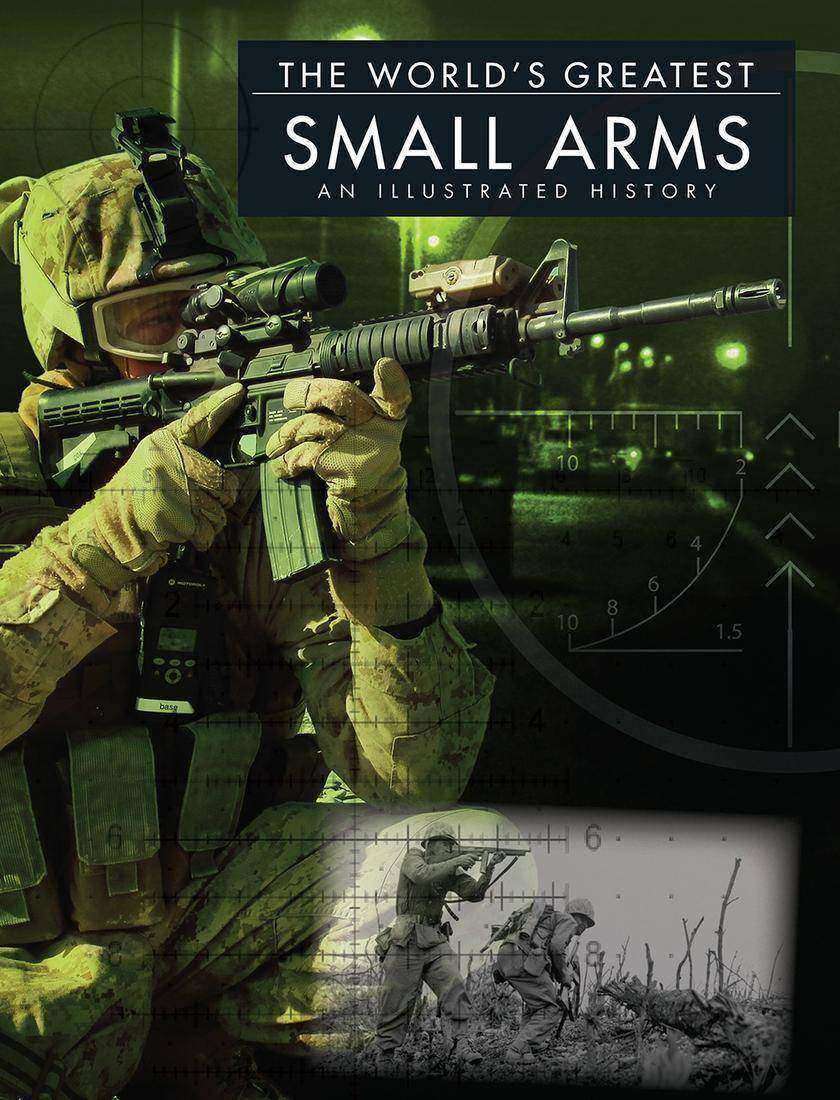
Small arms have developed hugely since the introduction of the machine gun in the 1870s. Magazine-fed rifles, submachine guns, automatic pistols and, later, assault rifles and personal defence weapons have changed the face of infantry warfare, offering a range of weaponry designed for both the specialist and novice. The World’s Greatest Small Arms features 52 weapons from the late 19th century to the present day. The book includes the best-known weapons from throughout the modern era, from the Gatling gun, SMLE rifle and Luger pistol, to the Uzi, FN MAG and the M110 sniper rifle. Great iconic weapons, such as the Colt M1911 pistol, Bren Gun, MP5 submachine gun, and Steyr AUG rifle are featured, as well as timeless classics still in use today: the M2 Browning 50 cal, AK-47 and M16 rifle. Each weapon is illustrated with a colour profile artwork and photographs, along with a description of the weapon’s development and history, key features and a full specifications box. Including more than 200 artworks and photographs, The World’s Greatest Small Arms is a colourful guide for the military historian.
A Christmas Carol
¥40.79
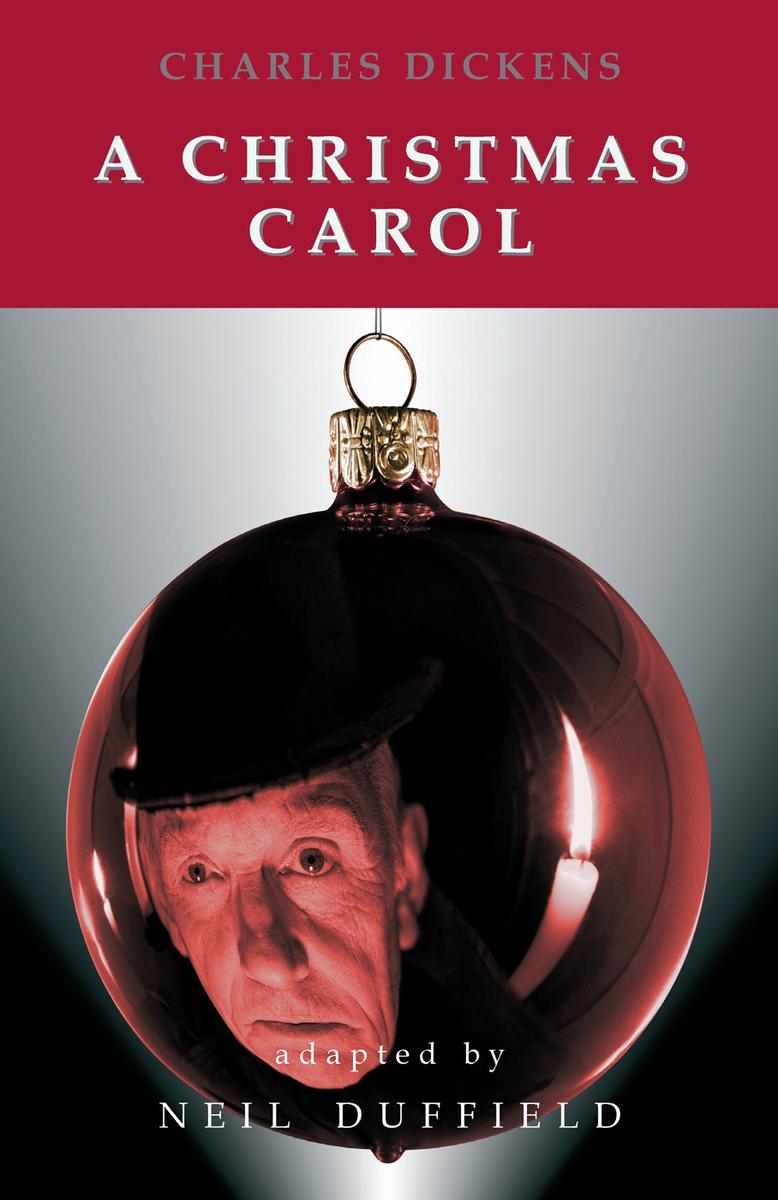
Charles Dickens’ timeless story is brought to life in this vibrant new version by the award-winning playwright Neil Duffield. Christmas, the most wonderful time of the year! Well, it is for everyone except the miserable Scrooge. He prefers to spend Christmas all alone in his large house, instead of celebrating with mistletoe and merriment. Bah, humbug! But one cold, dark Christmas Eve Scrooge is surprised by the ghost of Marley, his former business partner. Marley warns Scrooge that he will be called upon by three spirits – each will take him on a mysterious and magical journey to show him the error of his ways… Can Scrooge discover the true wonder and meaning of Christmas before it’s too late?


