


 购物车
购物车 个人中心
个人中心
May Martin’s Sewing Bible e-short 6
¥15.60
The last of 6 eBook-only shorts from star of The Great British Sewing Bee and doyenne of the Women’s Institute, May Martin, including fabulous tips for making those difficult sewing techniques easy to master. May has been teaching sewing for over 40 years. From hems to facings May simplifies some of the trickiest methods in sewing for those already experienced and needing a little extra helping hand in the art of sewing. Beautifully styled and simple-to-follow, this authoritative sewing e-short, taken from May Martin’s Sewing Bible, offers three new approaches to some of the more complicated ways of sewing.
May Martin’s Sewing Bible: 40 years of tips and tricks
¥184.23
Star of the Great British Sewing Bee and doyenne of the Women’s Institute, May Martin has been teaching sewing for over 40 years. Now for the first time she shares her tips and tricks, offering the ultimate beginners’ guide to sewing. Beautifully styled and simple-to-follow, this authoritative sewing bible gives readers information on everything they need to know to get started with sewing. Providing all the essential background information on sewing, setting up your sewing space and detailed lists of all the equipment you’ll need; step-by-step instructions for over 40 projects; and a wealth of general sewing tips and techniques to help you finally master overlocking, seams, fastenings, hemming and much much more, with this book May will simplify all the skills and terms you need, demystify sewing and inspire you to unpack your sewing machine and have a go. It contains over 40 beautiful projects, including crafts, accessories, womenswear, kidswear, menswear and home furnishings. With a range of difficulties for each category – from super-easy but stylish ideas to get even the most nervous sewers started to more elaborate ideas for the aspiring sewer looking for a challenge.
The Garden in the Clouds: From Derelict Smallholding to Mountain Paradise
¥66.22
A warm, witty memoir of one man’s escape from the city in an unlikely quest to create out of a mountainous Welsh landscape a garden fit for inclusion in the prestigious Yellow Book – the ‘Gardens of England and Wales Open for Charity’ guide – in just one year. It was a derelict smallholding so high up in the Black Mountains of Wales it was routinely lost in cloud. But to Antony Woodward, Tair-Ffynnon was the most beautiful place in the world. Equally ill-at-ease in town and country after too long in London’s ad-land, Woodward bought Tair-Ffynnon because he yearned to reconnect with the countryside he never felt part of as a child. But what excuse could he invent to move there permanently? The solution, he decided, was a garden. In just a year he’d create a garden so special it would be selected for the prestigious Yellow Book – the famous National Gardens Scheme guide to gardens open to the public for charity. It’s an unlikely ambition to entertain in this most unlikely of settings, and one that soon sees Woodward driven by odder and odder compulsions – from hauling a 20-tonne railway carriage up the mountain to making hay with hopelessly antiquated machinery. The path to Woodward’s elusive sense of belonging turns out to be a rocky and winding one, taking in childhood haunts, children’s books and Proustian nostalgia trips. As the family battles gales, mud and Welsh mountain sheep of marble-eyed cunning, not to mention the notoriously fastidious NGS County Organiser, it remains deeply uncertain whether the ‘Not Garden’ and the ‘infinity vegetable patch’ (that grows only stones) will ever make the grade… Warm, thought-provoking and brilliantly funny, this is a memoir of a hopeless romantic with a grandly ludicrous ambition – an ambition to which anyone who’s ever dropped into a garden centre, or opened a packet of seeds, has already succumbed.
People in Watercolour (Collins 30-Minute Painting)
¥66.02
This practical and inspirational guide, in a handy sketchbook format, is aimed at the practised beginner and shows how to achieve successful watercolour paintings of people in just 30 minutes – ideal for the busy amateur artist who doesn't have much time to paint. Many people think they don't have enough time to paint, but in this attractive guide Trevor Waugh encourages quick and simple painting. By working with just a few materials and focusing on the key techniques it is possible to achieve successful, realistic paintings of people in no more than half an hour. And for those artists who already have a little painting experience, learning to work more quickly enables them to free up their style and paint more spontaneously. All the key topics are covered, from watercolour techniques, colour and tone to learning about proportions, simple silhouettes, facial features, and backgrounds.
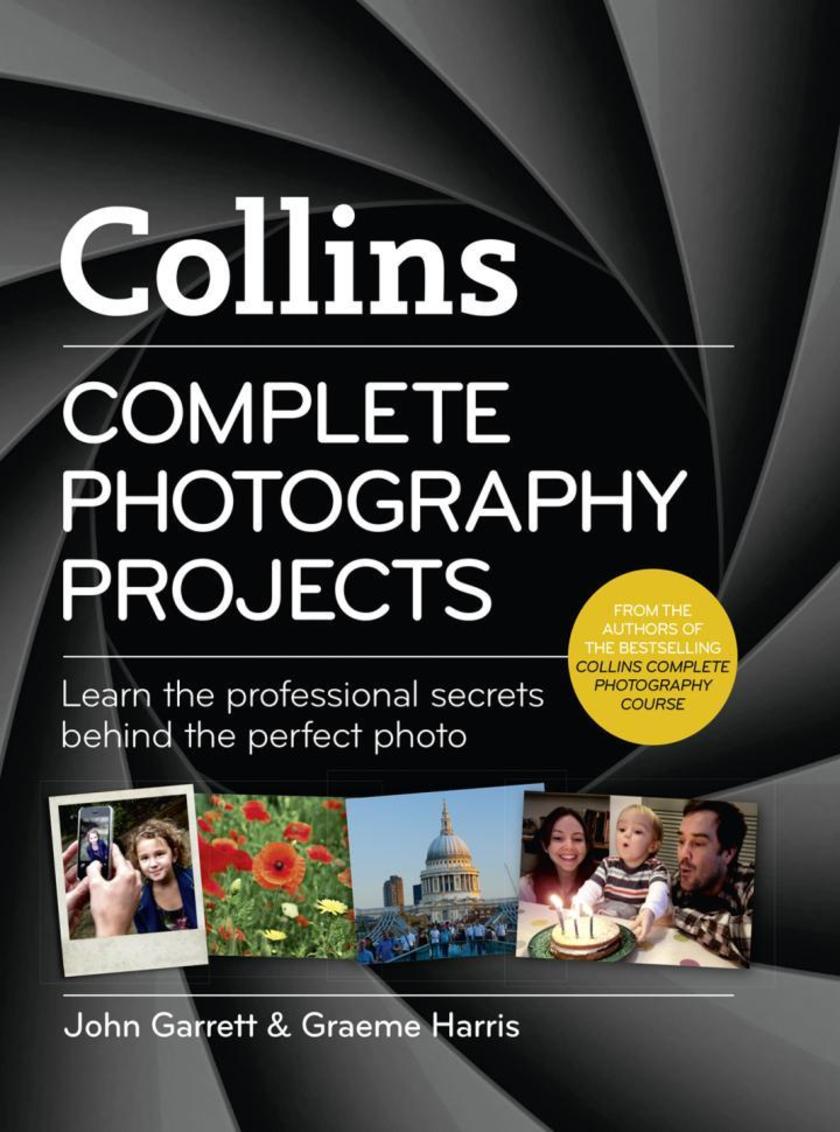
Collins Complete Photography Projects
¥91.43
The book all amateur digital photographers need – learn how to take the perfect photograph every time, from the authors of the bestselling Collins Complete Photography Course. In this book, John and Graeme apply their years of experience as professional photographers and instructors to teaching you the techniques and tips for capturing your friends and family, children and pets, holidays, sports days, celebrations, parties, festivals, weddings, births and birthdays. This book will show you the best way to photograph them all – every important person, place and memory you’ll want to treasure. Using the same practical, project based course structure that helped so many amateur photographers get to grips with their cameras in their bestselling Collins Complete Photography Course, John and Graeme will give you the confidence to get out your camera and start taking photos. Includes tips and advice on how to get the best out of your iphone and other mobile and point-and-shoots cameras as well as your digital SLR. John and Graeme’s warm and encouraging style will build your confidence, inspire your creativity and get you experimenting with your photos. With specially shot case studies and projects, step-by-steps, troubleshooting and project reviews you’ll be learning as you shoot right from the get go. Collins Complete Photography Projects is the natural follow-up to the Collins Complete Photography Course, benefiting those who have worked their way through the first one, but it will stand alone with a concise technical section that will bring new readers up to speed. A must have photography book for anyone with a digital camera and a little imagination.

The Gospel of the Flying Spaghetti Monster
¥87.51
It all began in June 2005 when Bobby Henderson wrote an open letter to the Kansas School Board proposing a third alternative to the teaching of evolution and intelligent design in schools. Bobby is a prophet of sorts, the spiritual leader of a growing, world-wide group of followers who worship the teachings of The Flying Spaghetti Monster (FSM). The FSM appeared to Bobby as a giant ball of spaghetti, with meatballs for eyes, and touched Bobby with “His noodly appendage” – resulting in the revelation that the FSM is the real creator of the universe. The FSM faithful look to Bobby as their prophet and spiritual leader. Shortly after Bobby’s revelation a website (www.flyingspaghettimonster.org) came into existence to promote the word. Then came the articles, which were worldwide: The New York Times, The Washington Post, The Guardian (UK), Die Welt (Germany), Surprise (Austria), and many others chimed in to report the existence of the FSM. Bobby received letters of support from academics and Kansas School Board members alike – not to mention a couple million hits per day on the website – and it was all-too-clear that there needed to be a book to lay out FSM *ure, rites and observances, proofs, and answers to the Big Questions. This is that book.
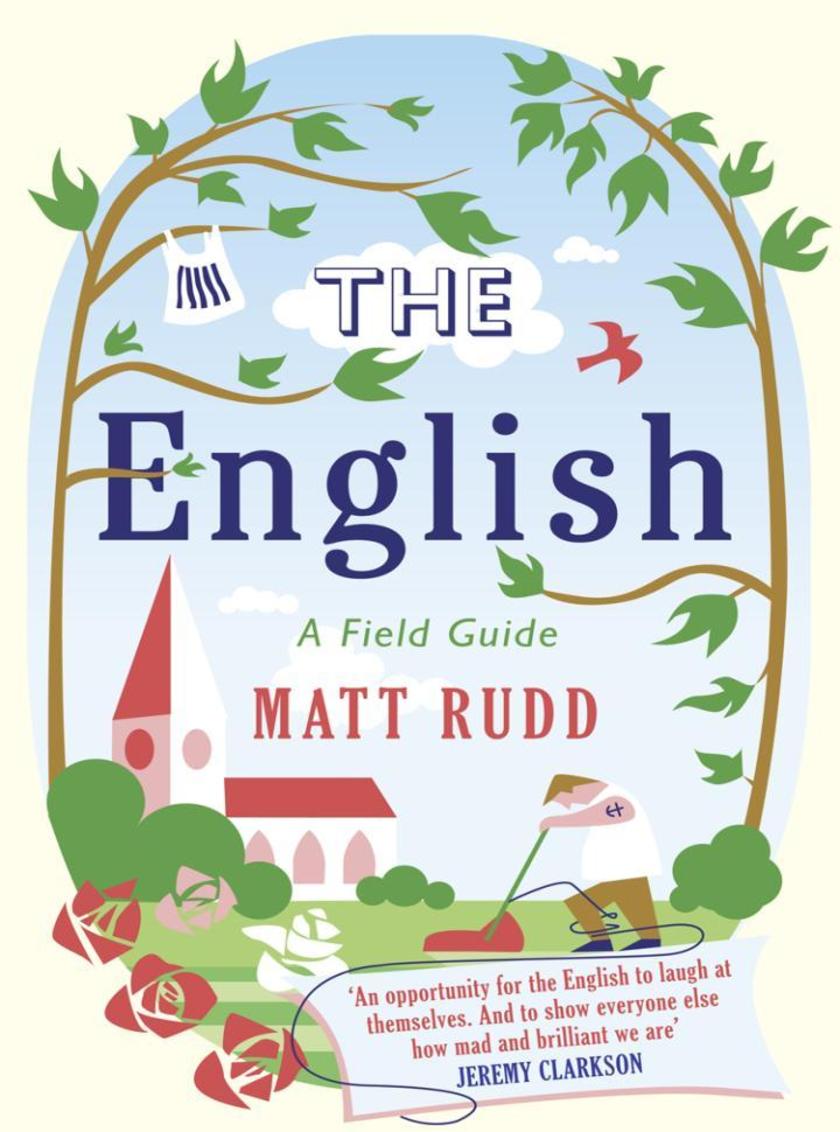
The English:A Field Guide
¥73.58
A hilarious field guide to the world’s most remarkable and unusual creatures: the English. Thanks to television documentaries by Bruce Parry and David Attenborough, we are better acquainted with the hunting rituals of the San bushmen and the mating habits of Papua New Guinean tribes than we are with the everyday lives of that most peculiar of species – the English. In ‘The English: A Field Guide’, Sunday Times journalist Matt Rudd, sets out to uncover what makes us, the English, tick. He will examine us in our natural habitats, starting with the living room and moving out to the kitchen, the garden, the commuter train, the office, the motorway, the high street, the sports stadium, the pub, club, bingo hall, balti house, beach and ending up in the bedroom. Hilarious, warm-hearted and surprisingly enlightening, ‘The English’ shines a strong searchlight on us all.
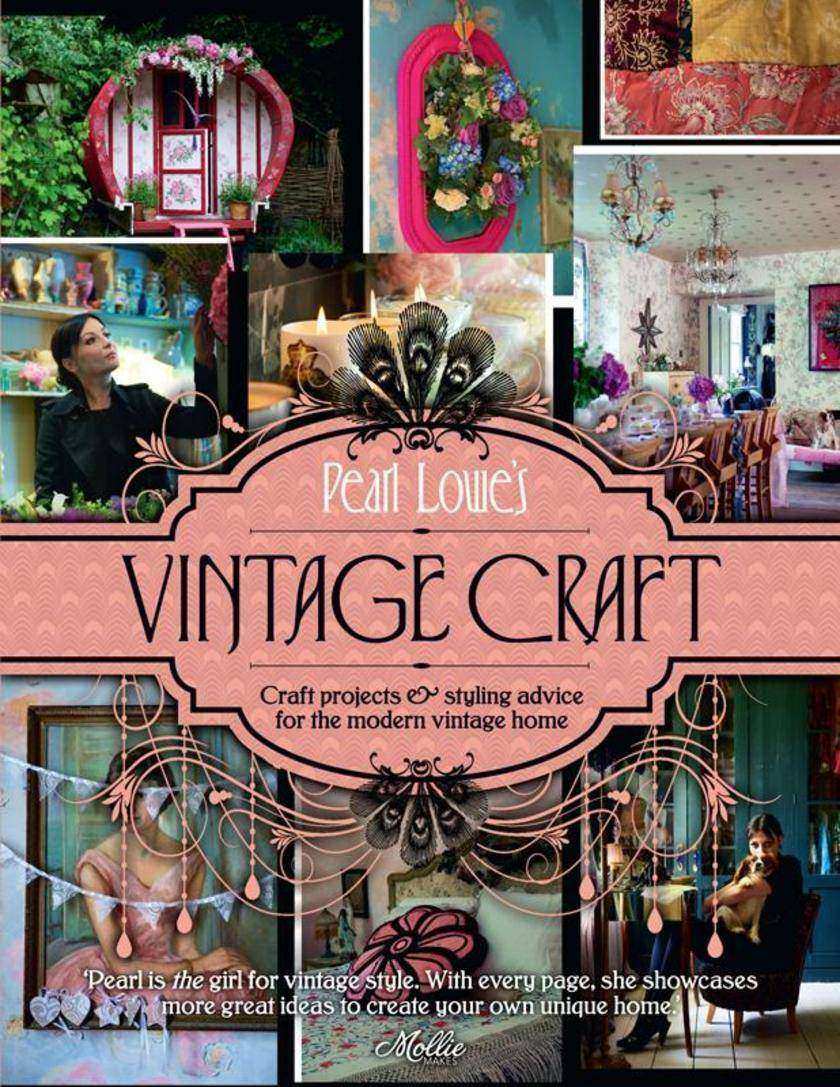
Pearl Lowe’s Vintage Craft:50 Craft Projects and Home Styling Advice
¥114.48
Vintage designer Pearl Lowe shows you how to create the authentic vintage look in your own home with her expert advice and simple craft projects. This practical guide, complete with inspiring photography includes … ? 50 step-by-step craft projects ? Sewing, painting, upcycling and crafting secrets ? A how-to guide to sourcing your own vintage treasures ? And Pearl’s little black book of shops and suppliers An absolute must-have for lovers of vintage and all things handmade. Craft projects include … Dyed lace window panels Vintage bunting Midsummer and winter wreaths Gypsy-style apron Two-toned fringed lampshade Personalised rubber stamp Sumptuous padded headboard Upcycled chest of draws Antique ghost mirror Handmade vintage-style tiles The patterns and templates in this ebook are best viewed on an ereader that supports colour and has a zoom function.
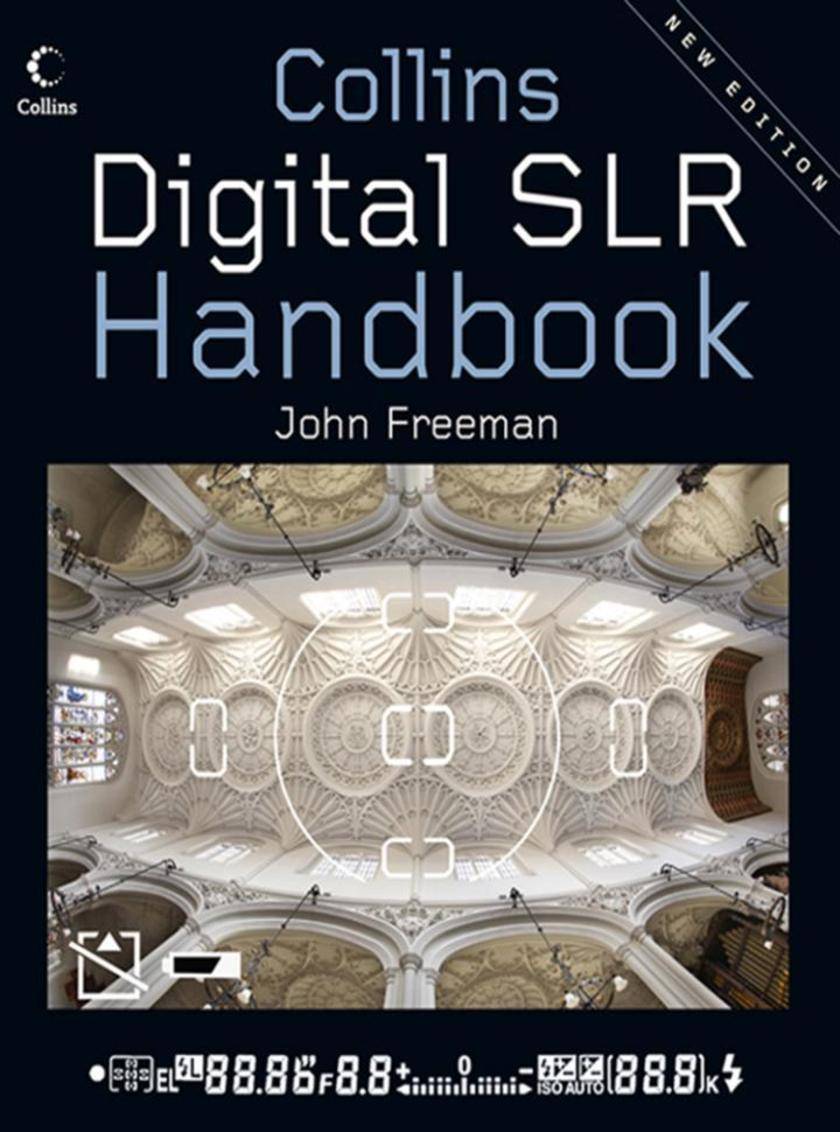
Digital SLR Handbook
¥125.18
This is the definitive practical guide to getting the most out of your digital SLR camera, written by top working photographer, John Freeman. Full of inspiring photography and professional tips, it is ideal for all keen amateur photographers and those aspiring to move over from using a traditional film SLR camera. The digital single lens reflex (DSLR) camera is now the must-have camera for all serious amateur photographers. Whether you already own one or are thinking of making the move from a point-and-shoot digital camera or a film SLR, this practical guide will provide all the help, advice and inspiration you need. Chapters include: understanding the DSLR system, seeing the picture, photographing landscapes, nature, people, architecture, still life, action, getting more from your DSLR and post-production techniques.
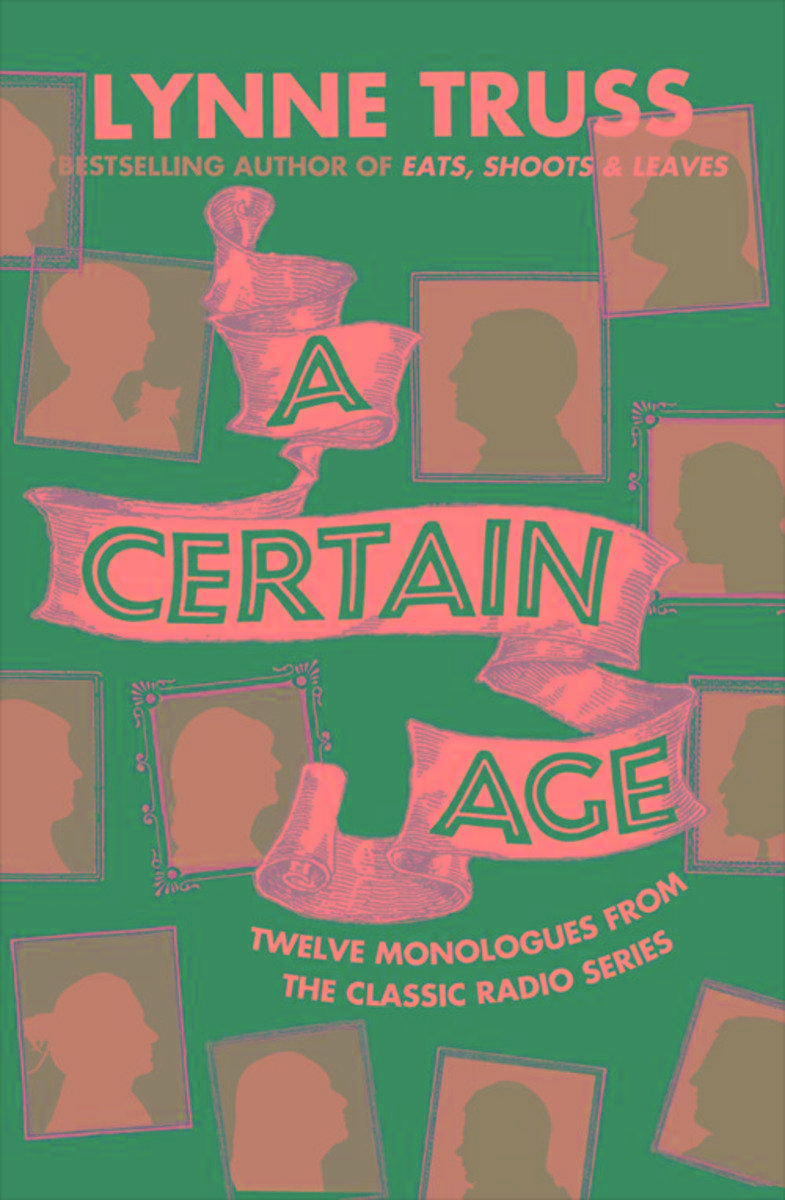
A Certain Age
¥62.59
From the bestselling author of ‘Eats Shoots & Leaves’, a wonderfully funny collection of twelve monologues. In the tradition of Alan Bennett's ‘Talking Heads’ come Lynne Truss's twelve bittersweet tales about love, romance, friendship and family. Her six men and six women each have very different stories to tell, ranging from the wife who feels better when her husband disappears to the pedant who undergoes a TV makeover and the swimmer who can't escape the shadow of her sister…but all are funny, touching and as beautifully observed as would be expected from the bestselling author. Whether describing fathers and daughters, married men, cat-lovers or ‘other women’, she is always brilliantly perceptive.
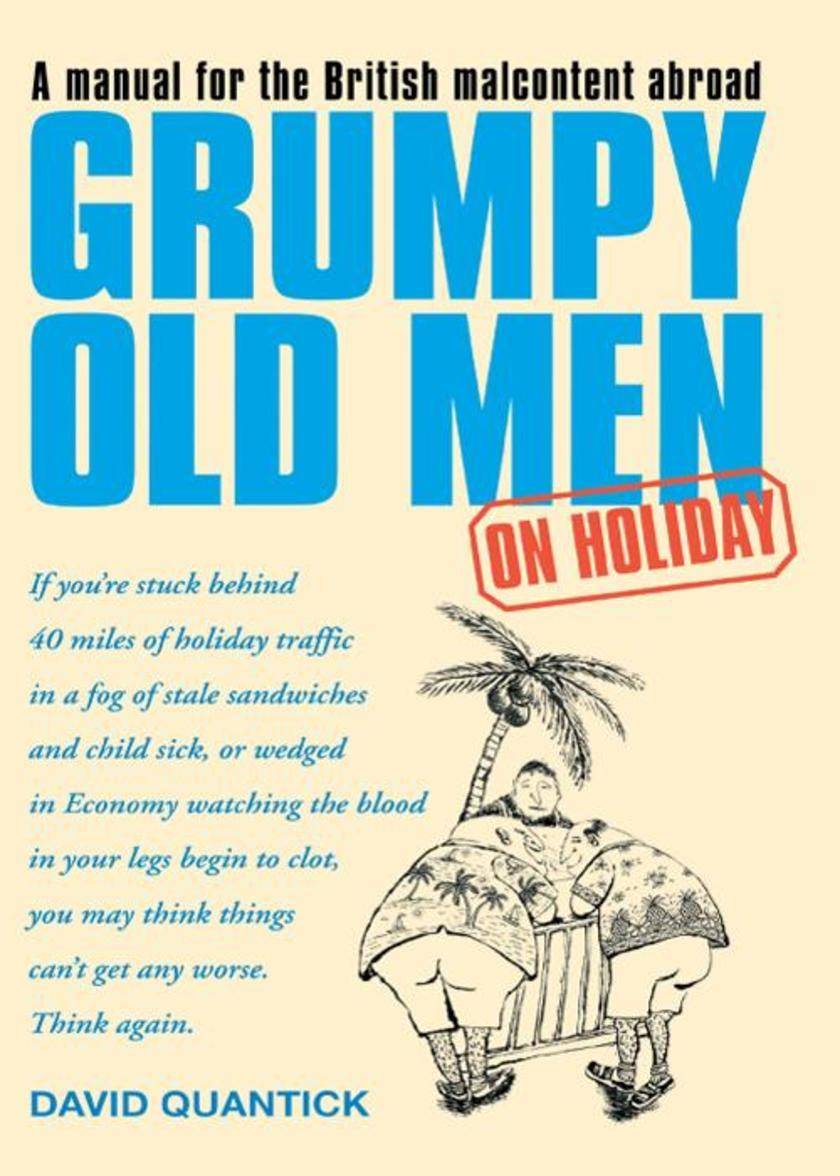
Grumpy Old Men on Holiday (Text Only)
¥76.03
Following the phenomenal success of Grumpy Old Men, the quintessential grumpy old man, David Quantick, has taken a well-deserved holiday. But no matter where you go, there is always something to moan about. You're stuck behind endless caravans on the M4, waiting for a non-existent filthy train, hanging around looking at crap luggage in an airport. Is it going to be worth the effort? Of course is b****y well isn't. David Quantick here explores everything that makes the rest of the world different – and therefore worse – than Britain and lets us know exactly why it is safer to stay at home than to become grumpy old men on holiday. The indispensable guide to the grumpy old xenophobe in us all.

Wear This Now
¥73.58
Stop Wondering What to Wear and Wear. This… Now. That first date, job interview or dinner with your future in-laws may be stressful, but figuring out what to wear for it shouldn’t be. And thanks to style expert Michelle Madhok and the editors of SHEfinds.com, it isn’t. Members of the team behind SHEfinds.com make a living putting the perfect outfit together (at the right price), and they’ve taken the guesswork out of getting dressed. From basic essentials to special events, learn how to build a foolproof wardrobe―without breaking the bank―and look stylish for every season, every occasion, every single day of the year. Get the inside scoop on: Designer deals and steals, When to invest and when to spend less, The essentials for every season, S.O.S. for any (and every) style conundrum, Navigating the sales racks―and seasons!―like a pro

Burnt Boats
¥32.62
Burnt Boats
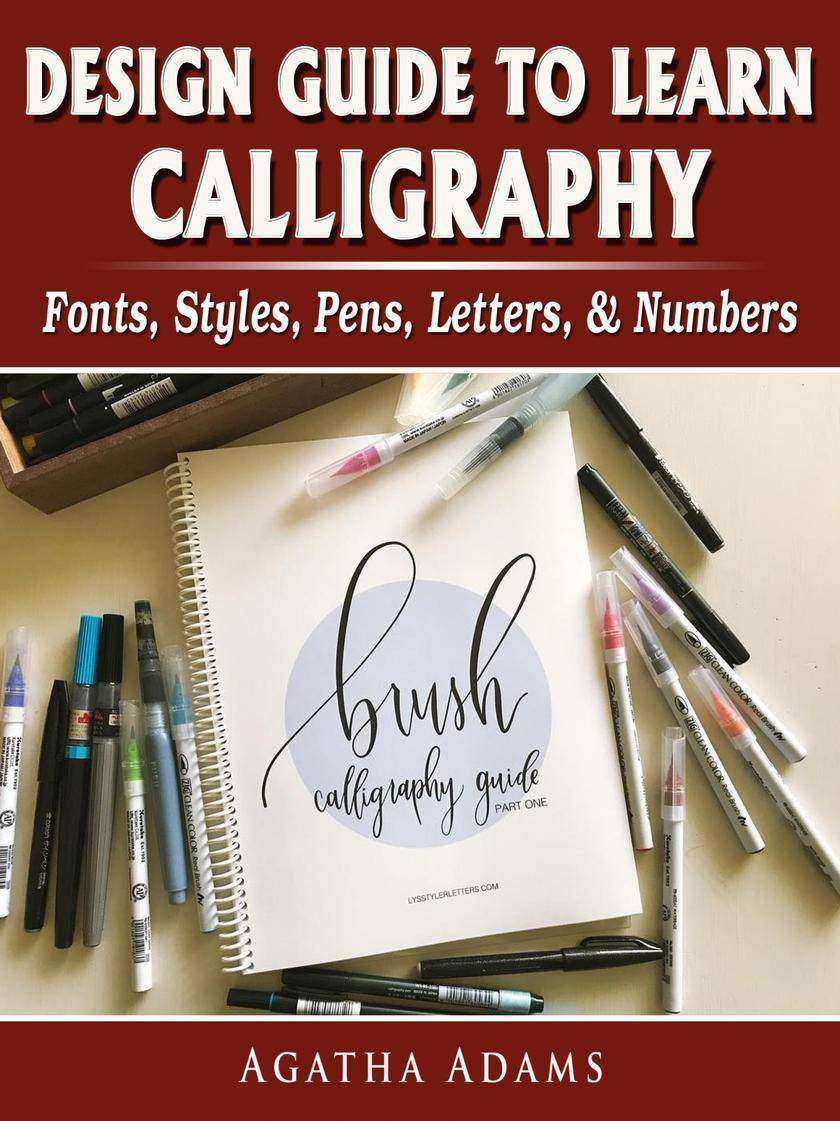
Design Guide to Learn Calligraphy: Fonts, Styles, Pens, Letters, & Numbers
¥40.79
Design Guide to Learn Calligraphy: Fonts, Styles, Pens, Letters, & Numbers
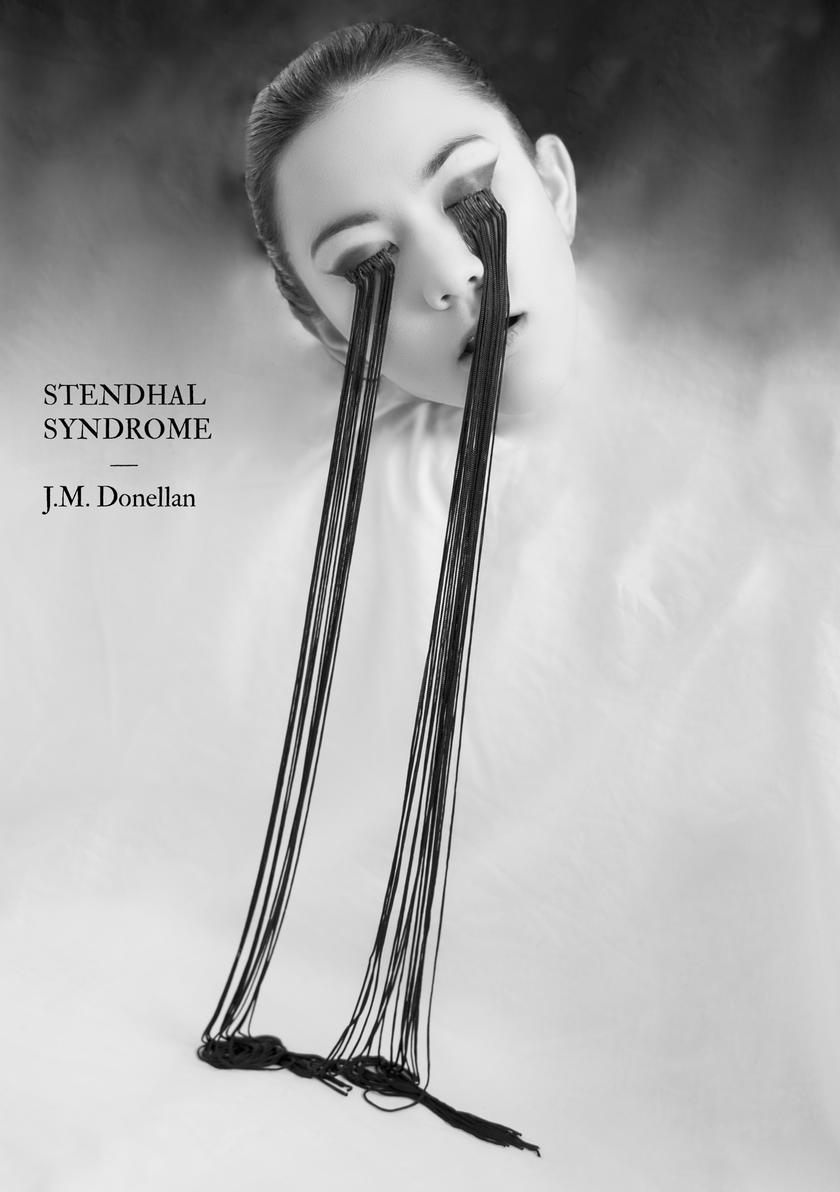
Stendhal Syndrome
¥24.44
Stendhal Syndrome

Shakespeare's Tragedies: 11 plays with line numbers
¥8.09
This book-collection file includes all of Shakespeare's tragedies, with line numbers: Antony and Cleopatra, Coriolanus, Hamlet, Julius Caesar, King Lear, Macbeth, Othello, Romeo and Juliet, Timon of Athens, Titus Andronicus, and Troilus and Cressida. It also includes "Notes to Shakespeare volume 3 Tragedies" by Samuel Johnson and Shakespearean Tragedy: Lectures on Hamlet, Othello, King Lear, Macbeth" by A.C. Bradley.
The Ten Tragedies of Euripides
¥8.09
This file includes 10 tragedies by Euripides, literally translated by Theodore Buckley. The plays are: HECUBA, ORESTES, PHOENISSAE (The Phoenician Virgins), MEDEA, HIPPOLYTUS, ALCESTIS, BACCHAE, HERACLIDAE, IPHIGENIA IN AULIS, and IPHIGENIA IN TAURIS. According to Wikipedia: "Euripides (ca. 480 BCE–406 BCE) was the last of the three great tragedians of classical Athens (the other two being Aeschylus and Sophocles). Ancient scholars thought that Euripides had written ninety-five plays, although four of those were probably written by Critias. Eighteen or nineteen of Euripides' plays have survived complete. There has been debate about his authorship of Rhesus, largely on stylistic grounds and ignoring classical evidence that the play was his. Fragments, some substantial, of most of the other plays also survive. More of his plays have survived than those of Aeschylus and Sophocles together, because of the unique nature of the Euripidean manuscript tradition. Euripides is known primarily for having reshaped the formal structure of Athenian tragedy by portraying strong female characters and intelligent slaves and by satirizing many heroes of Greek mythology. His plays seem modern by comparison with those of his contemporaries, focusing on the inner lives and motives of his characters in a way previously unknown to Greek audiences."
The Seven Plays of Sophocles
¥8.09
This file includes the English verse translation by Lewis Campbell of all seven extant Sophocles plays: Antigone, Aias. King Oedipus, Electra, The Tracinian Maidens, Philoctetes, and Oedippus at Colonos. According to Wikipedia: "Sophocles( c. 496 BC-406 BC) was the second of the three ancient Greek tragedians whose work has survived. His first plays were written later than those of Aeschylus and earlier than those of Euripides. According to the Suda, a 10th century encyclopedia, Sophocles wrote 123 plays during the course of his life, but only seven have survived in a complete form... The most famous of Sophocles' tragedies are those concerning Oedipus and Antigone: these are often known as the Theban plays, although each play was actually a part of different tetralogy, the other members of which are now lost. Sophocles influenced the development of the drama, most importantly by adding a third actor and thereby reducing the importance of the chorus in the presentation of the plot."

Three Books of Poetry and Two Plays
¥8.09
This file includes the short poetry collections A Few Figs from Thistles, Renascence and Other Poems, and Second April. It also includes the plays Aria da Capo (one act) and The Lamp and The Bell (five acts). According to Wikipedia: "Edna St. Vincent Millay (February 22, 1892 – October 19, 1950) was an American lyrical poet and playwright and the first woman to receive the Pulitzer Prize for Poetry. She was also known for her unconventional, bohemian lifestyle and her many love affairs. She used the pseudonym Nancy Boyd for her prose work."
The Odes of Pindar
¥8.09
This translation first published in 1874. According to Wikipedia: "Pindar (c. 522–443 BC), was an Ancient Greek lyric poet from Thebes. Of the canonical nine lyric poets of ancient Greece, his work is the best preserved. Quintilian wrote, "Of the nine lyric poets, Pindar is by far the greatest, in virtue of his inspired magnificence, the beauty of his thoughts and figures, the rich exuberance of his language and matter, and his rolling flood of eloquence, characteristics which, as Horace rightly held, make him inimitable." His poems however can also seem difficult and even peculiar... his style still challenges the casual reader and he continues to be a much admired though largely unread poet."
My Lady Ludlow
¥40.79
I am an old woman now, and things are very different to what they were in my youth. Then we, who travelled, travelled in coaches, carrying six inside, and making a two days’ journey out of what people now go over in a couple of hours with a whizz and a flash, and a screaming whistle, enough to deafen one. Then letters came in but three times a week: indeed, in some places in Scotland where I have stayed when I was a girl, the post came in but once a month;—but letters were letters then; and we made great prizes of them, and read them and studied them like books. Now the post comes rattling in twice a day, bringing short jerky notes, some without beginning or end, but just a little sharp sentence, which well-bred folks would think too abrupt to be spoken. Well, well! They may all be improvements,—I dare say they are; but you will never meet with a Lady Ludlow in these days.


