


 购物车
购物车 个人中心
个人中心
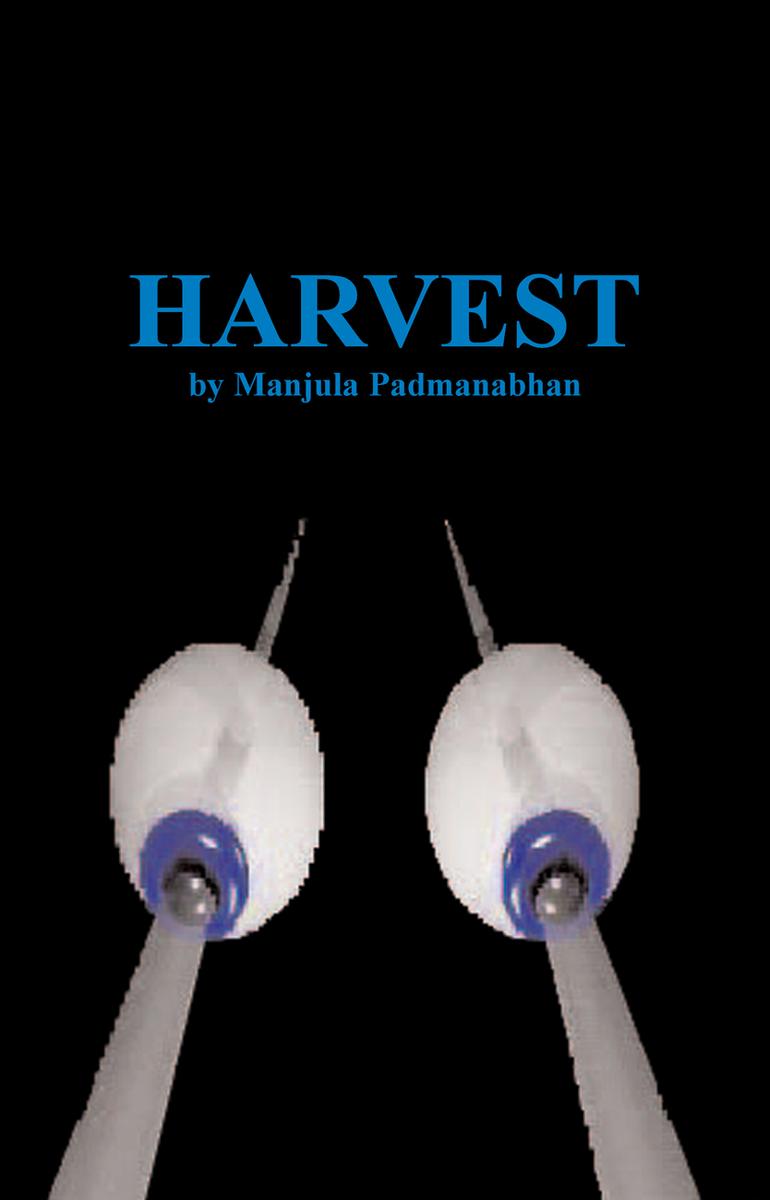
Harvest
¥40.79
A futuristic satire on the trade in live organs from the Third World to the West. Om, a young man is driven by unemployment to sell his body parts for cash. Guards arrive to make his home into a germ-free zone. When his brother Jeetu returns unexpectedly, he is taken away as the donor. Om can’t accept this. Java, his wife, is left alone. Will she too be seduced into selling her body for use by the rich westerners? Harvest won first prize in the first Onassis Cultural Competition for Theatre and was premiered in Greek at the Teatro Texnis, Athens. It has also been performed by a youth theatre in the UK, broadcast by the BBC World Service and made into a feature film, directed by Govind Nihalani, titled Body, which was screened at the Regus London Film Festival.
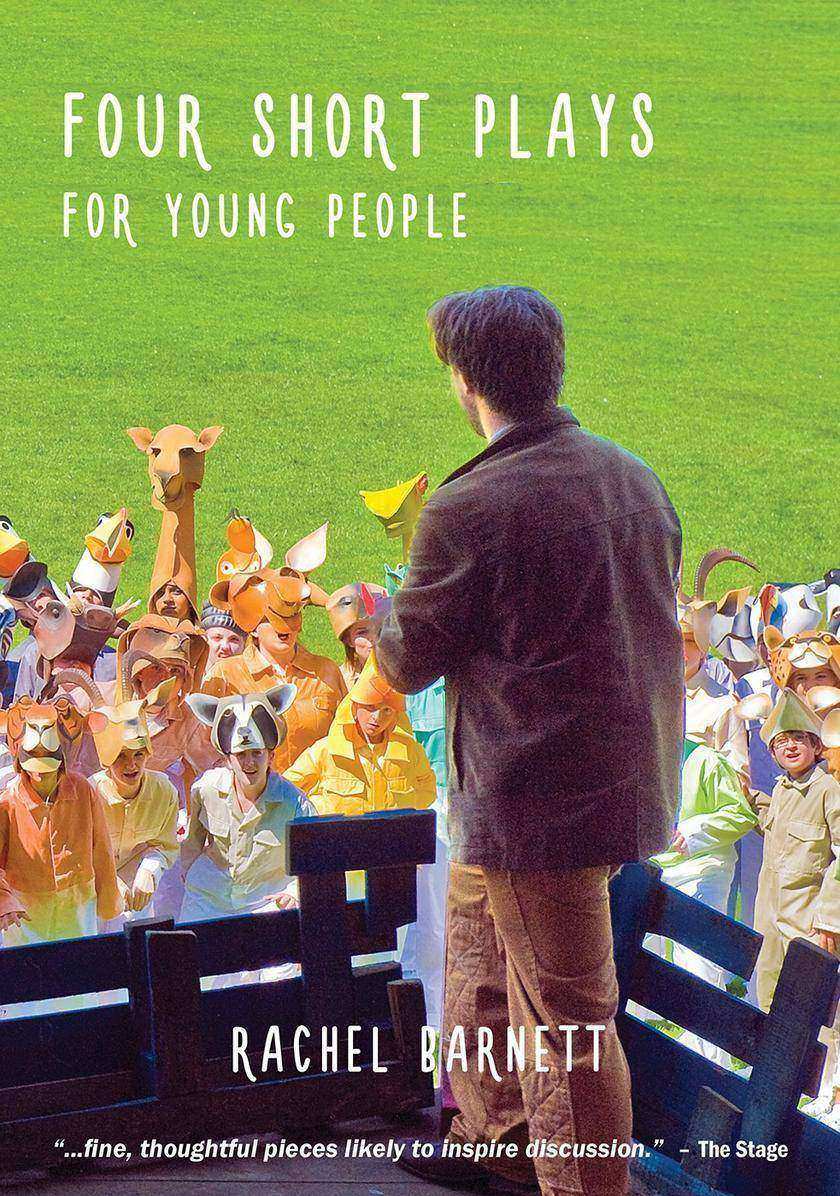
Four Short Plays for Young People
¥38.62
An entertaining collection of new short plays by popular children’s playwright Rachel Barnett. The plays were specially commissioned to help young people explore complex issues, such as bullying, alcohol abuse and the rights of young people. Successfully produced by youth theatres across the UK, these four lively, contemporary plays are certain to become firm favourites for young performers.

Delphi Complete Works of Mark Twain (Illustrated)
¥24.44
This is the COMPLETE WORKS of America's favourite storyteller Mark Twain. The eBook contains every novel, short story - even the very rare ones ? essay, travel book, non-fiction text, letter and much, much more! . (Current Version: 3) Features: * ALL 12 novels, with concise introductions and contents tables * images of how the books first appeared, giving your eReader a taste of the original texts * includes Twain's rare unfinished novel 'The Mysterious Stranger', often missed out of collections * ALL of the short stories, with quality formatting * the short stories have their own chronological and alphabetical contents tables - find that special story easily! * Twain's 20 short story contributions to "The Library of Humor", with their own contents table * even INCLUDES Twain's complete letters, essays and satires - with their own special contents tables * ALL of the travel writing, with contents tables * includes Twain's "Chapters from My Autobiography" * SPECIAL BONUS texts, including three contemporary Twain biographies - explore the great man's amazing life in Paine's and Howells' famous biographies! * UPDATED with a special literary criticism section, with various works exploring Twain's contribution to literature * UPDATED with Archibald Henderson's critical study MARK TWAIN * UPDATED with the complete speeches * scholarly ordering of texts into chronological order and literary genres The eBook also includes a front no-nonsense table of contents to allow easy navigation around Twain's immense oeuvre. Welcome to hours upon hours upon hours of reading one of literature's most famous storytellers! CONTENTS The Novels THE GILDED AGE: A TALE OF TODAY THE ADVENTURES OF TOM SAWYER THE PRINCE AND THE PAUPER ADVENTURES OF HUCKLEBERRY FINN and many more! The Short Stories (too many to list!) CHRONOLOGICAL LIST OF SHORT STORIES ALPHABETICAL LIST OF SHORT STORIES MARK TWAIN'S LIBRARY OF HUMOR The Essays and Satires LIST OF TWAIN'S ESSAYS AND SATIRES The Travel Writing THE INNOCENTS ABROAD ROUGHING IT A TRAMP ABROAD FOLLOWING THE EQUATOR SOME RAMBLING NOTES OF AN IDLE EXCURSION The Non-Fiction OLD TIMES ON THE MISSISSIPPI and many more! The Letters THE COMPLETE LETTERS OF MARK TWAIN The Speeches THE COMPLETE SPEECHES The Criticism MARK TWAIN BY ARCHIBALD HENDERSON MARK TWAIN BY BRANDER MATTHEWS THE AMERICANS BY DAVID CHRISTIE MURRAY MARK TWAIN BY FREDERICK WADDY NEW YORK TIMES ARTICLES The Biographies CHAPTERS FROM MY AUTOBIOGRAPHY BY M.TWAIN MY MARK TWAIN BY WILLIAM DEAN HOWELLS MARK TWAIN A BIOGRAPHY BY A.B. PAINE THE BOYS' LIFE OF MARK TWAIN BY A. B. PAINE
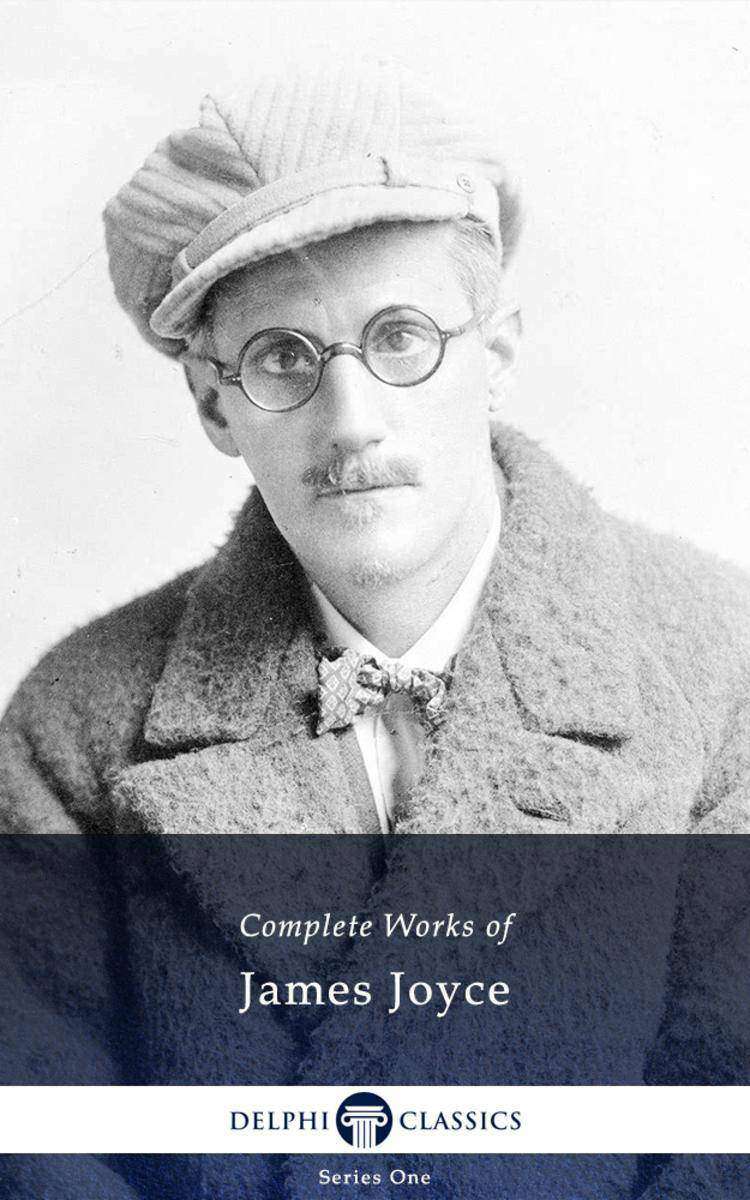
Delphi Complete Works of James Joyce (Illustrated)
¥24.44
This is the definitive digital edition of James Joyce’s complete works. At last the great modernist writer joins the scholarly range of Delphi Classics. (Version 6) * CONCISE introductions to the novels and other texts * every novel, poetry collection and play has its own contents table to allow easy navigation – you won’t get lost! * the rare unfinished novel STEPHEN HERO * COUNTLESS images related to Joyce and his works * special images of the original first editions, giving your eReader a flavour of the original texts * ALL of the short stories and poems * scholarly ordering of texts into chronological order * ‘Ulysses’ has special introductions to all eighteen episodes of the epic novel. Finally you can finish and understand the novel! * includes the rare children’s short story THE CAT AND THE DEVIL * introductory chapters for each part of FINNEGANS WAKE, aiding your understanding of this abstruse text * includes the rare prose poem GIACOMO JOYCE, first time in digital print * boasts a special non-fiction section with essays, letters and newspaper articles The eBook also includes a front no-nonsense table of contents to allow easy navigation around Joyce’s oeuvre. Welcome to hours upon hours upon hours of reading one of literature’s most experimental writers! CONTENTS The Novels A PORTRAIT OF THE ARTIST AS A YOUNG MAN ULYSSES FINNEGANS WAKE STEPHEN HERO The Short Stories DUBLINERS THE CAT AND THE DEVIL Other Prose Works EPIPHANIES GIACOMO JOYCE The Play EXILES The Poetry Collections EARLY POETRY CHAMBER MUSIC POMES PENYEACH LATER POETRY The Poetry LIST OF POEMS IN CHRONOLOGICAL ORDER LIST OF POEMS IN ALPHABETICAL ORDER The Non-Fiction LIST OF ESSAYS, LETTERS AND ARTICLES
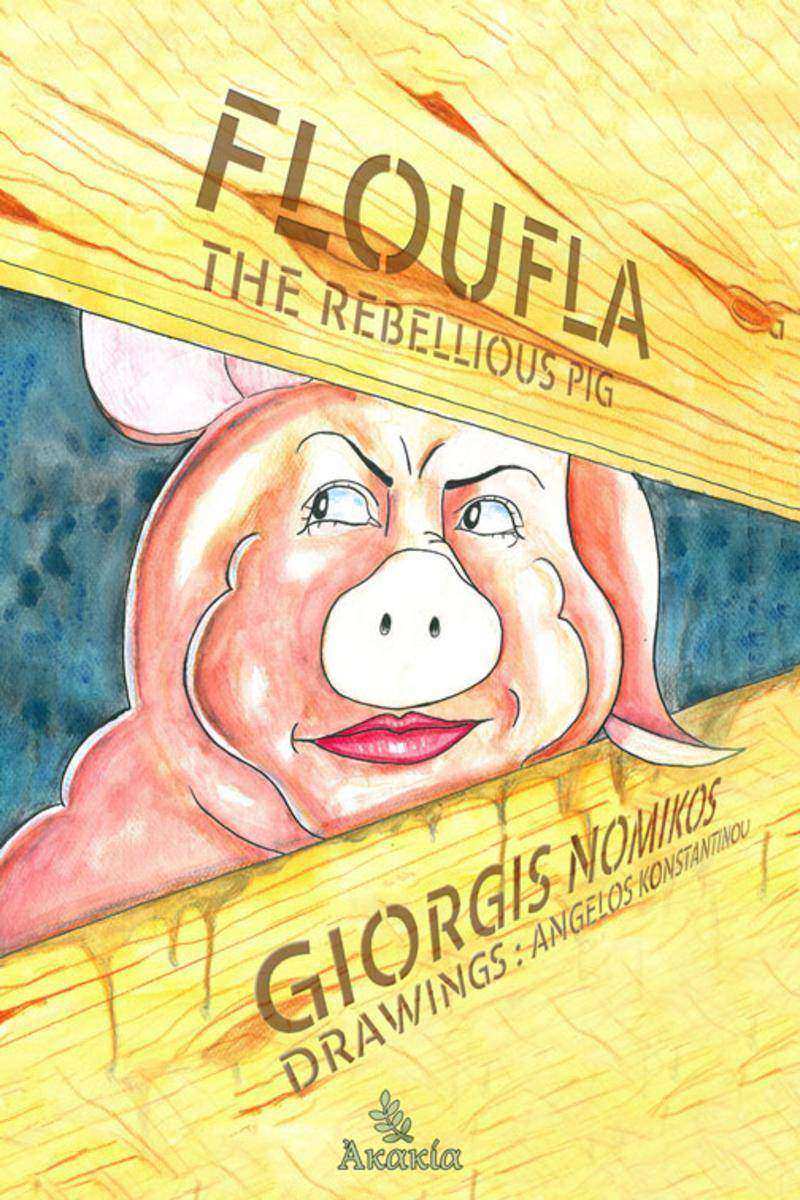
Floufla the Rebellious Pig
¥52.65
Once upon a time, pig had friends in a pig farm. She was liked to talk about politics with other animals about their future. The day came in which a butcher and his son took her to a slaughterhouse. She was taken to the garden while the family went to the supermarket, thinking of how to prepare our little pig as a dish. In the meanwhile, the pig seeks for the help of various insects, such as a ladybug, a grasshopper, and the ants nearby, but all refuse to help her. The butterfly wanted to help, but she was in a hurry, as she was afraid of being captured by the kids. It seemed the rebellious pig was done for. A very caring bee, however, came near the garden. Floufla told the bee she would turn into roasted pork for dinner. Fearing for Floufla’s future, the bee ran to her beehive to inform the Queen about the incident. The queen decided to stop the operations of the beehive and organize an Extraordinary Council, and the board decided to help Floufla under the directions of the Queen. The working bees, disciplined and obedient, stung the family and sacrificed themselves for Floufla’s freedom. While the family was busy trying to relieve themselves with ointments, Floufla escapes to the meadow, and before Floufla departs, the Queen gives her a final piece of advice that Floufla should observe those around her and respect their diversity.
The Voyage Out
¥40.79
Rachel Vinrace embarks for South America on her father's ship and is launched on a course of self-discovery in a kind of modern mythical voyage. The mismatched jumble of passengers provide Woolf with an opportunity to satirise Edwardian life. The novel introduces Clarissa Dalloway, the central character of Woolf's later novel, Mrs. Dalloway. The work is distinguished by its innovative narrative style and the focus on feminine consciousness and sexuality.

The Haunted Hotel
¥40.79
There was a time when a man in search of the pleasures of gossip sought the society of ladies. The man knows better now. He goes to the smoking-room of his club.

Utilitarianism
¥40.79
The book explains what utilitarianism is, why it is the best theory of ethics, defends it against a wide range of criticisms and misunderstandings. Though heavily criticized both in Mill's lifetime and in the years since, Utilitarianism did a great deal to popularize utilitarian ethics and was 'the most influential philosophical articulation of a liberal humanistic morality that was produced in the nineteenth century.'
Orchid Growing for Beginners:A Beginners Starters Guide to Growing Orchids
¥38.62
WANT TO LEARN THE INS AND OUTS OF ORCHID GROWING FOR BEGINNERS? Here Is A Preview Of What You'll Learn... Why Should I Grow Orchids? What My Orchid Needs Important Growing Requirements for Your Orchids Re-potting Your Orchids Propagation to Help Grow More Orchids Much, Much, More!
Gardening for Beginners
¥38.62
WANT TO LEARN THE INS AND OUTS OF GARDENING FOR BEGINNERS? Here Is A Preview Of What You'll Learn About Container Gardening... Getting the Containers for Your Garden Creating a Good Environment for the Container Plants Choosing the Right Time to Plant The Best Plants to Grow in Your Container Garden Tips for Helping Your Plants to Thrive Much, Much, More! Here Is A Preview Of What You'll Learn About Greenhouse Gardening... Setting Up a Greenhouse Garden Growing Plants in Your Greenhouse Ways to Control the Climate in the Greenhouse Some of the Best Planting Methods in the Greenhouse How to Get Rid of the Pests Much, Much, More! Here Is A Preview Of What You'll Learn About Vertical Gardening... Setting Up the Base You Need in Your Garden Working on the Maintenance of Your Vertical Garden Making Room for the Plants Picking Out the Right Plants Some Tips for Your Vertical Garden Much, Much, More!

February:A Screenplay
¥8.09
In FEBRUARY, together, Sergeant Femi Kolawole and investigative journalist Chioma Okafor solves Emeka's Valentine-day murder, and on doing so, Chioma is exposed to Femi's heroic personality, which makes her eventually fall in love with him.The Plot:Chioma Okafor, a young investigative journalist, is pressured by her over-ambitious mother into an unwanted romantic relationship with Uche, a young sophisticated university lecturer. Chioma yields to her mother’s pressure, hoping she would eventually fall in love with Uche as her mother assured, but she never did. On a Valentine date with Uche, Chioma gets a glimpse of what her relationship has been missing, as she feels love for the first time with Emeka, a handsome stranger who’s unfortunately expecting a baby with Amara, a girl who Uche used to date in university. Uche turns a relationship that he intended to blow up into an engagement on Valentine's day, into a blood bath before midnight. Chioma who survives the near-death experience, narrates her Valentine dilemma to Femi, a clever Police Sergeant. The Twist:Everybody thinks Uche died that night, but a strange text message sent from Chioma’s phone to Emeka, triggers a series of twisted events, which proves that the jealous and malicious Uche is still alive and in the wind, and that the life of Chioma is hanging down by a thin thread. The ultimate question is: 'Since Uche is alive, then who is the man laying lifeless in the mortuary?' Chioma is certainly not pleased with the answer. Femi forcefully becomes Chioma’s personal bodyguard, while he hunts down Uche, an innocent-looking man who Femi had met a day ago and poorly judged. Follow Femi as he uncovers this intriguing murder mystery that nobody even knew happened.The Play:The screenplay starts with a scene of a couple whose faces aren’t revealed to the screen, laying MOTIONLESS in a wrecked car, covered in their own blood, and ends in a conference room, as Chioma calls Femi to tell him how she feels about him.FEBRUARY is a unique blend of romance, comedy, suspense, and adventure. A beautifully crafted story of love, jealousy, betrayal, conspiracy, and ambition.
Delphi Complete Works of J. M. Synge (Illustrated)
¥24.44
The playwright J. M. Synge was a key figure in the Irish Literary Revival and was one of the co-founders of the Abbey Theatre. Today he is best known for his controversial play ‘The Playboy of the Western World’, which caused riots in Dublin during its opening run. Synge's writings are chiefly concerned with the world of the Roman Catholic peasants of rural Ireland and with what he saw as the essential paganism of their world view. He was a poetic dramatist of great power, whose modern plays are celebrated for their sophisticated craftsmanship. For the first time in digital publishing, this eBook presents Synge’s complete works, with numerous illustrations, rare texts, informative introductions and the usual Delphi bonus material. (Version 1) * Beautifully illustrated with images relating to Synge’s life and works* Concise introductions to the plays* All 6 plays, with individual contents tables* Images of how the books were first published, giving your eReader a taste of the original texts* Excellent formatting of the texts* Rare poetry available in no other collection* Includes Synge’s prose, featuring many essays and reviews– available in no other collection* Features two biographies, including Yeats’ seminal work ‘Synge and the Ireland of His Time’ – discover Synge’s literary life* Scholarly ordering of texts into chronological order and literary genres Please visit www.delphiclassics.com to browse through our range of exciting titles CONTENTS: The PlaysIn the Shadow of the GlenRiders to the SeaThe Well of the SaintsThe Playboy of the Western WorldThe Tinker’s WeddingDeirdre of the Sorrows The Poetry CollectionsCollected Poems The ProseThe Aran IslandsIn Wicklow and West KerryMiscellaneous Essays and Reviews The BiographiesSynge and the Ireland of His Time by W. B. YeatsBrief Biography of John Millington Synge by William Kirkpatrick Magee Please visit www.delphiclassics.com to browse through our range of exciting titles or to purchase this eBook as a Parts Edition of individual eBooks
Delphi Complete Works of Plautus (Illustrated)
¥24.44
The Roman playwright Plautus wrote comedies that are the earliest Latin literary texts to have survived in their entirety. Loosely adapted from lost Greek plays, the works of Plautus helped establish a truly Roman drama in the Latin language for the first time. Delphi’s Ancient Classics series provides eReaders with the wisdom of the Classical world, with both English translations and the original Latin texts. This comprehensive eBook presents Plautus’ complete extant works, with relevant illustrations, informative introductions and the usual Delphi bonus material. (Version 1) * Beautifully illustrated with images relating to Plautus’ life and works* Features the complete extant works of Plautus, in both English translation and the original Latin* All 20 extant plays* Concise introductions to the plays* Features translations by Henry Thomas Riley * Excellent formatting of the texts* Easily locate the acts you want to read with individual contents tables* Includes Plautus’ rare plays, first time in digital print* Features a bonus biography – discover Plautus’ ancient world* Scholarly ordering of texts into chronological order and literary genres Please visit www.delphiclassics.com to explore our range of Ancient Classics titles or buy the entire series as a Super Set CONTENTS: The TranslationsAMPHITRYONASINARIAAULULARIABACCHIDESCAPTIVICASINACISTELLARIACURCULIOEPIDICUSMENAECHMIMERCATORMILES GLORIOSUSMOSTELLARIAPERSAPOENULUSPSEUDOLUSRUDENSSTICHUSTRINUMMUSTRUCULENTUS The Latin TextsLIST OF LATIN TEXTS The BiographyINTRODUCTION TO PLAUTUS by Paul Nixon Please visit www.delphiclassics.com to browse through our range of exciting titles
The Village of Youth
¥40.79
There was a young King who ought to have been the happiest monarch in the world. He was blessed with everything a mortal could desire. His palace might have been designed by the Divine architect Himself, so perfect was it in all its parts; and it stood amidst gardens with its dependent village at its gates, like a dream of feudal beauty in a story of romance. Notwithstanding his good fortune, the King was oppressed with what he conceived to be a great trouble.

The Two Gentlemen of Verona
¥40.79
Valentine is preparing to leave Verona for Milan so as to broaden his horizons. He begs his best friend, Proteus, to come with him, but Proteus is in love with Julia, and refuses to leave. The play deals with the themes of friendship and infidelity, the conflict between friendship and love, and the foolish behaviour of people in love. This edition of 'The Two Gentlemen of Verona' is an adaptation of Shakespeare's eponymous drama, narrated in plain modern English, capturing the very essence and key elements of the original Shakespeare's work.
Container Gardening:Container Gardening for Beginners
¥38.62
WANT TO LEARN THE INS AND OUTS OF CONTAINER GARDENING? Here Is A Preview Of What You'll Learn... ? Getting the Containers for Your Garden ? Creating a Good Environment for the Container Plants ? Choosing the Right Time to Plant ? The Best Plants to Grow in Your Container Garden ? Tips for Helping Your Plants to Thrive ? Much, Much, More! Here Is A Preview Of Some Of The Vegetables You'll Learn To Grow... ? Lettuce ? Onions ? Tomatoes ? Carrots ? Radishes ? Cucumbers ? Beans ? Beets ? Cole Crops ? Eggplant ? Peppers ? Much, Much, More!

Dissertations on the English Language
¥8.09
According to Wikipedia: "Noah Webster, Jr. (October 16, 1758 – May 28, 1843), was an American lexicographer, textbook pioneer, English-language spelling reformer, political writer, editor, and prolific author. He has been called the "Father of American Scholarship and Education." His blue-backed speller books taught five generations of American children how to spell and read, secularizing their education. According to Ellis (1979) he gave Americans "a secular catechism to the nation-state." Webster's name has become synonymous with "dictionary" in the United States, especially the modern Merriam-Webster dictionary that was first published in 1828 as An American Dictionary of the English Language. He was one of the Founding Fathers of the nation."

The Importance of Being Earnest
¥8.09
Space and Time are pleased to bring you this classic presented as a wonderfully presented edition with a fully interactive table of contents.
The Tale of Mr. Jeremy Fisher by Beatrix Potter - Delphi Classics (Illustrated)
¥8.09
This eBook features the unabridged text of ‘The Tale of Mr. Jeremy Fisher by Beatrix Potter - Delphi Classics (Illustrated)’ from the bestselling edition of ‘The Complete Works of Beatrix Potter’. Having established their name as the leading publisher of classic literature and art, Delphi Classics produce publications that are individually crafted with superior formatting, while introducing many rare texts for the first time in digital print. The Delphi Classics edition of Potter includes original annotations and illustrations relating to the life and works of the author, as well as individual tables of contents, allowing you to navigate eBooks quickly and easily. eBook features: * The complete unabridged text of ‘The Tale of Mr. Jeremy Fisher by Beatrix Potter - Delphi Classics (Illustrated)’ * Beautifully illustrated with images related to Potter’s works * Individual contents table, allowing easy navigation around the eBook * Excellent formatting of the textPlease visit www.delphiclassics.com to learn more about our wide range of titles

Liberty Bazaar
¥40.79
Liverpool, 1863: Newly arrived in England, wealthy liberals enlist Trinity, an escaped slave girl, in their campaign to abolish slavery and support Abraham Lincoln's Union. Jubal, a high-ranking Confederate officer, has just arrived in Liverpool to find supporters and raise funds for the opposing side. When Trinity discovers a high-stakes conspiracy there to help win the war for the Southern States, she must risk everything to stop it – including her new-found freedom. But who will believe a runaway slave? And who can she really trust?
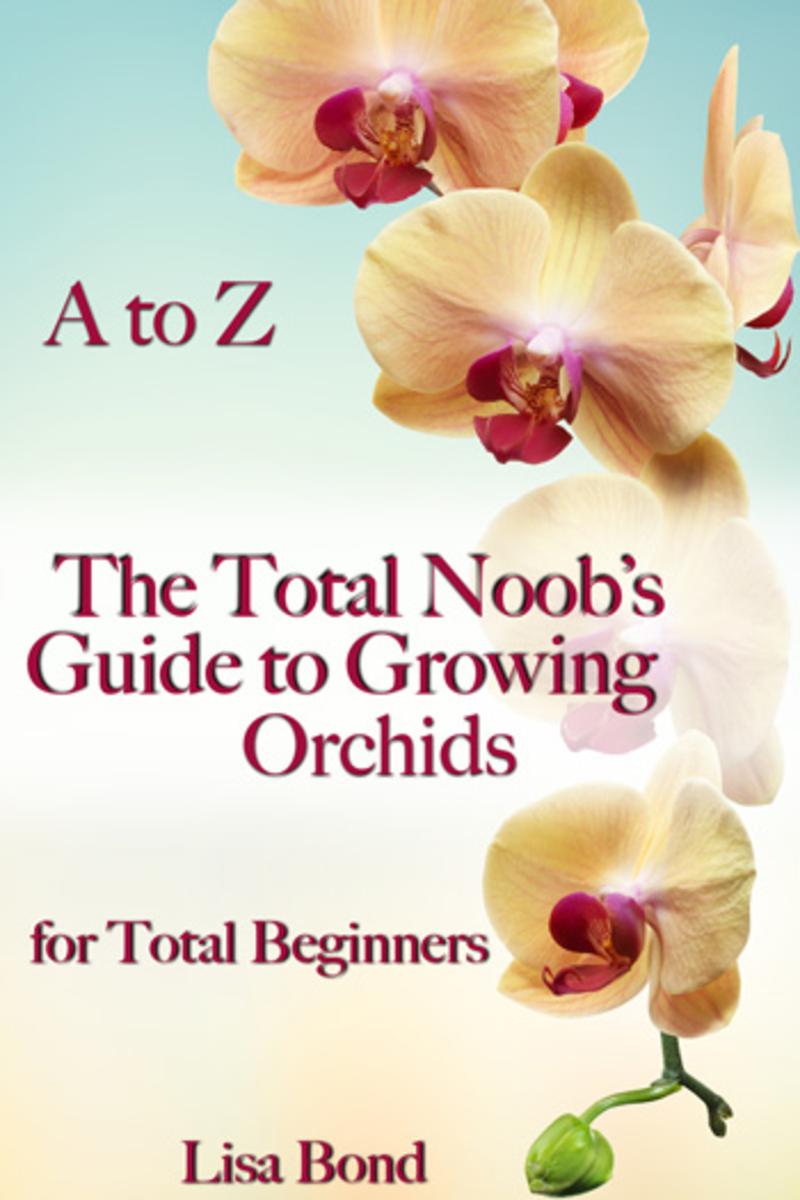
A to Z The Total Noob's Guide to Growing Orchids for Total Beginners
¥32.62
You Can Grow Your Own Orchids, Yes You Can! You're probably already thinking to yourself If I have to read a book to grow a flower in a pot, why should I bother?! Yeah, I know –but to be honest, there are a lot of excellent things that come with being able to master at least growing one successful pot of orchids. For one thing, they're gorgeous! Who wouldn't want to say, "Yeah, I grew those…"? Damn right you would! Being a badass indoor gardener is one thing, but tackling tropical plants like orchids is a feat unto itself. It's an artform. Think about it for a second. Most of us do not live in the climate conducive to these beauties just thriving on their own in the wild. Anyone who already actively grows and nurtures any species of orchid knows that you've got to climate control that environment like you wouldn't believe. It's not just about that, but you also must watch other factors too. It's an extremely rewarding yet very challenging experience. In addition, there are so many different species of orchid out there that you can safely assume that each plant you grow is going to be unique to itself. You can get some that you know will definitely be the same color, size or general shape, but we all know that there are so many things unique to each plant. How many flower spikes you end up with after the first blooms dissipate, how many leaves you have, how tall it grows and so many other things are all going to be different. The cool thing is that with the right know-how, you can nurture one potted orchid for years before you have to kiss it goodbye. In fact, you might keep them growing for almost a decade without even realizing it if you can take care them properly. It will also bolster your confidence when it comes to indoor gardening. You might have never planted anything outside, but you can throw these puppies in a pot and watch them go for forever if you follow a few key pointers and stay on top of their care. You just need to lovingly embrace the hobby and be patient with the process. Heck, you could have a whole atrium or sunroom full of tropical flowers by the time you're finished fooling around with different kinds –and there are a lot of them! Just imagine the possibilities… In this book, you're going to learn all about how to start off on the right foot with one of the cantankerous ones: orchids. So get out your gloves, grab a bag of potting mix, start jotting down supplies on a notepad, and get growing!


