


 购物车
购物车 个人中心
个人中心

Mame ?i fiice. Pove?ti adev?rate. Vol. 5
¥11.04
Fiecare zi a anului are o poveste de spus. Cine a fost asasinat, cine a urcat pe tron, cine a fugit din ?ar?? Cine s-a n?scut? Ce armat? a fost ?nvins? ?n mod nea?teptat?Autorii prezint?, structurate pe zilele anului, evenimente cu impact asupra epocii ?n care s-au petrecut (?i poate chiar asupra epocii noastre) – na?teri, decese, c?s?torii, ?ncoron?ri, asasin?ri, scandaluri, execu?ii, b?t?lii, dueluri ?i tratate. Adeseori, evenimentele au ?n centrul lor c?te o personalitate marcant?, precum Horatio Nelson sau Lorenzo Magnificul, Robespierre sau Dante. Ve?i citi despre ziua ?n care Rommel, Vulpea De?ertului, s-a sinucis, cea ?n care Napoleon a evadat din exilul de pe insula Elba, cea ?n care Galileo Galilei a fost condamnat pentru erezie ?i despre multe altele.Un compendiu fascinant, pentru to?i cei interesa?i de marile evenimente care au marcat istoria sau de sl?biciunile oamenilor mari din toate epocile.

Viitoare mame. Pove?ti adev?rate. Vol. 6
¥11.04
n 1960, Adolf Eichmann, artizanul soluiei finale“, era capturat n Argentina de un comando al Mossadului i adus n Israel pentru a fi judecat. Avea s fie doar una dintre rsuntoarele operaiuni ale temutului serviciu secret israelian. Au ieit la iveal multe altele – eradicarea gruprii Septembrie Negru (responsabil de atentatul sngeros de la München, din 1972), distrugerea facilitilor nucleare siriene, eliminarea savanilor iranieni implicai n proiectul nuclear, lichidarea unor lideri teroriti extrem de periculoi etc.Despre misiunile Mossadului s-a scris puin, n comparaie cu alte servicii secrete de elit (KGB, CIA sau MI5). Cu att mai fascinant este cartea autorilor Michael Bar-Zohar i Nissim Mishal, care ne introduce n culisele spionajului israelian, de la nfiinarea acestuia pn n prezent. Metodele pe care le folosete, de la otrav la virui informatici i drone, par desprinse din filmele cu spioni, de o complexitate i o eficien incredibile. Nu este de mirare c Mossadul a cptat, n timp, o aur de legend, fiind considerat n prezent cel mai eficient serviciu de spionaj din lume.Aceast carte ne spune ceea ce ar fi trebuit s fie tiut i nu este – c fora ascuns a Israelului este la fel de formidabil ca puterea lui fizic recunoscut.“ – Shimon Peres, preedinte al statului Israel
Ceasul r?u pe strada Hickory
¥33.03
Cartea de fa?? vrea s? relateze succint, dar temeinic, evenimentele petrecute în cei dou?zeci de ani de insecuritate ?i criz? ce au urmat Marelui R?zboi. Indiferent cât de puternice sau de durat? au fost for?ele ce au dus la izbucnirea celui de-al Doilea R?zboi Mondial, a existat un moment când principalii actori pe scena istoriei s-au v?zut nevoi?i s? se confrunte cu aceste for?e ?i s? ia anumite decizii. Marile evenimente ale istoriei î?i genereaz? o dinamic? ?i o desf??urare proprii. Din perspectiva noastr?, a celor de acum, al Doilea R?zboi Mondial pare s? fi izbucnit din cauza crizei interna?ionale provocate de Germania lui Hitler. Îns? nimic din ce se întâmpl? în istorie nu este inevitabil, dup? cum va încerca s? demonstreze acest volum. Dialogul straniu între sistem ?i actorii lui se afl? la baza relat?rii istorice. Evenimentele înse?i pot fi, în acela?i timp, cauz? ?i efect – la fel cum s-a întâmplat ?

Un buzunar plin cu secar?
¥33.03
Istoria serviciilor de informa?ii sovietice continu? s? fie un mister“, m?rturise?te Boris Volodarski, fost c?pitan în Serviciul de Informa?ii Militare din URSS (GRU), unul dintre cei mai mari exper?i în studierea serviciilor secrete sovietice. ?i tot Volodarski este de p?rere c? majoritatea materialelor publicate pe aceast? tem? este plin? de falsuri ?i de informa?ii distorsionate, incluzând aici ?i memoriile publicate de fo?tii agen?i. Noile documente disponibile ast?zi ne permit s? cunoa?tem mult mai bine adev?rul despre interven?ia sovietic? în Spania ?i rolul jucat de agen?ii URSS: Gerö, Grigulevici, Philby (ini?ial trimis cu misiunea de a-l asasina pe Franco), Kol?ov ?i, mai ales, Lev Nikolski, cunoscut drept Aleksandr Orlov – omul care i-a în?elat pe Stalin ?i pe cei de la CIA, ?i chiar lumea întreag? cu memoriile sale. Acesta a condus, din februarie 1937, sta?ia NKVD din Spania ?i a fost responsabil de o etap? important? a regimului de teroare sângeroas?, care a inclus asasinarea lui Kurt Landau ?i a lui Andreu Nin. Cartea de fa??, care demonteaz? o cantitate impresionant? de fabula?ii, falsuri ?i minciuni, ce continu? s? fie propagate ?i ast?zi, va fi, f?r? îndoial?, o referin?? indispensabil? pentru to?i cei care î?i propun s? studieze R?zboiul Civil din Spania.
Pisicile r?zboinice. Cartea a VI-a - Vremuri ?ntunecate
¥73.49
Junimea ?i revista Convorbiri literare, pentru o ?ar? ca a noastr?, a tuturor nea?ez?rilor, au fost un suflu de temeinicie care s-a mai repetat ?n perioada interbelic?, f?r? a reu?i s? se coaguleze ca urmare a r?zboiului ?i dictaturilor ce l-au ?nso?it ?i urmat; suflu care pare ?nc? departe, ca s? nu spunem imposibil s? revin? ?n cultura rom?n? sub presiunea globalismului ?i multiculturalismului, a deconstruc?iei cu program ?n toate manifest?rile social-culturale, materiale ?i spirituale. E un model care, dup? o sut? cincizeci de ani, ?nc? ??i trimite razele f?r? a primi o reflectare pe m?sur?.Ceea ce deosebe?te criticismul junimist de criticile epocii ?i, ?n parte, ?i de al ?nainta?ilor este atitudinea comun?, afirmat? de Maiorescu, respectul adev?rului.Importan?a ?i influen?a junimismului ?n sfera politic? sunt de acela?i nivel cu cele afirmate ?n plan cultural ?i literar, e drept, nu cu aceea?i durabilitate, politicul este mult mai efemer, dar nu mai pu?in implicat ?i cu efecte imediate ?i adesea pe termen mediu ?i lung ?n via?a social? a ??rii. (Cassian Maria Spiridon)

Negru profund, noian de negru
¥75.21
Aceast? carte este un demers pe care l-am g?ndit ca pe o lucrare de sintez? care s? surprind?, ?n m?sura posibilit??ilor, puncte de referin?? ?ntre texte ?i autori din perioade diferite, din Evul Mediu european ?i Rena?tere, con?tient? fiind c? epoca medieval? nu trebuie considerat? cu nimic mai prejos dec?t grandorile Greciei vechi sau ale Rena?terii. Problematica acestui concept al Alegoriei ?n receptarea sa de c?tre literatura Evului Mediu, dar ?i de c?tre epocile ulterioare, este complex? ?i bogata bibliografie ce i s-a consacrat ?n ultimele decenii nu face dec?t s? provoace la noi discu?ii ?i interpret?ri a?a cum este ?i aceast? lucrare.
Charles I
¥18.56
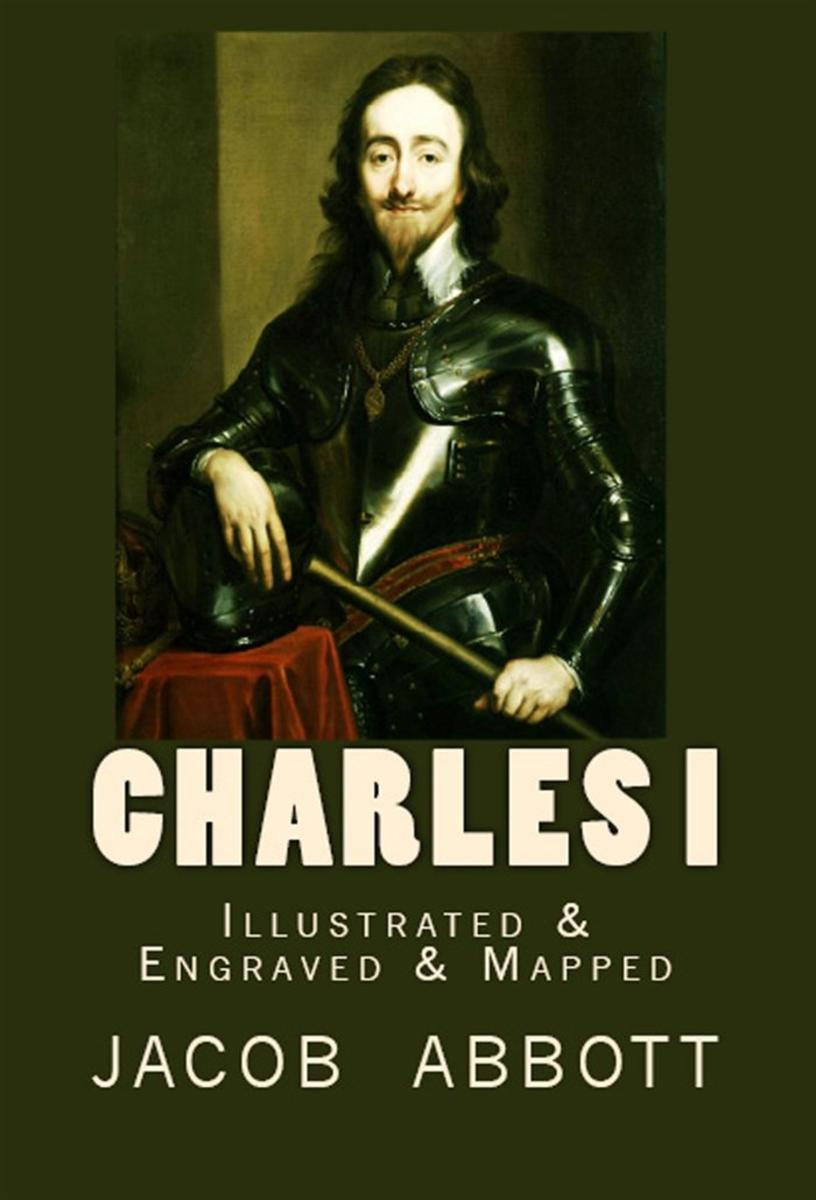
KING CHARLES THE FIRST was born in Scotland. It may perhaps surprise the reader that an English king should be born in Scotland. The explanation is this:??They who have read the history of Mary Queen of Scots, will remember that it was the great end and aim of her life to unite the crowns of England and Scotland in her own family. Queen Elizabeth was then Queen of England. She lived and died unmarried. Queen Mary and a young man named Lord Darnley were the next heirs. It was uncertain which of the two had the strongest claim. To prevent a dispute, by uniting these claims, Mary made Darnley her husband. ??They had it son, who, after the death of his father and mother, was acknowledged to be the heir to the English throne, whenever Elizabeth's life should end. In the meantime he remained King of Scotland. His name was James. He married a princess of Denmark; and his child, who afterward was King Charles the First of England, was born before he left his native realm.

Woody Allen. Bufon ?i filosof
¥48.97
Cartea constituie un foarte dens ?i interesant manual indirect de istorie a Americii, adres?ndu-se elevilor, studen?ilor, precum ?i publicului larg de cititori. O carte despre fragmentele cele mai controversate ale istoriei Americii.
Karl Marx ?n 1234 de fragmente alese de Ion Iano?i
¥65.32
Volumul cuprinde un amplu studiu introductiv (aprox. 50 pag.) si o selectie – pe tema stabilita in titlu – de 200 documente inedite descoperite in arhivele britanice, americane, franceze, germane si foste sovietice.
Marea amiaz?. Studii ?i eseuri despre Nietzsche
¥40.79
The work represents a synthesis published and printed in two volumes (the 1st volume in 2002, the second one, in 2004) under the aegis of Mica Valahie Publishing House in Bucharest. Being elaborated on the basis of some documents discovered in the Romanian and foreign archives, the two volumes cover the period up to 1929 in the first volume and the period from 1929 to 2005 in the second one. The paper reveals the role and place of Romanian oil in the evolution of the national and worldwide history, especially during the World War between 1939 and 1945 and in the development of the so-called “cold war”. The book insists upon the prospects of the specific “black gold” evolution.In the addendum there are to be found some interesting documents and the complete bibliography of oil.
Romulus
¥18.56
SOME men are renowned in history on account of the extraordinary powers and capacities which they exhibited in the course of their career, or the intrinsic greatness of the deeds which they performed. Others, without having really achieved any thing in itself very great or wonderful, have become widely known to mankind by reason of the vast consequences which, in the subsequent course of events, resulted from their doings. Men of this latter class are conspicuous rather than great. From among thousands of other men equally exalted in character with themselves, they are brought out prominently to the notice of mankind only in consequence of the strong light reflected, by great events subsequently occurring, back upon the position where they happened to stand.??The celebrity of Romulus seems to be of this latter kind. He founded a city. A thousand other men have founded cities; and in doing their work have evinced perhaps as much courage, sagacity, and mental power as Romulus displayed. ?The city of Romulus, however, became in the end the queen and mistress of the world. It rose to so exalted a position of influence and power, and retained its ascendency so long, that now for twenty centuries every civilized nation in the western world have felt a strong interest in every thing pertaining to its history, and have been accustomed to look back with special curiosity to the circumstances of its origin. ??In consequence of this it has happened that though Romulus, in his actual day, performed no very great exploits, and enjoyed no pre-eminence above the thousand other half-savage chieftains of his class, whose names have been long forgotten, and very probably while he lived never dreamed of any extended fame, yet so brilliant is the illumination which the subsequent events of history have shed upon his position and his doings, that his name and the incidents of his life have been brought out very conspicuously to view, and attract very strongly the attention of mankind.??The history of Rome is usually made to begin with the story of ?neas. In order that the reader may understand in what light that romantic tale is to be re-garded, it is necessary to premise some statements in respect to the general condition of society in ancient days, and to the nature of the strange narrations, circulated in those early periods among mankind, out of which in later ages, when the art of writing came to be introduced, learned men compiled and recorded what they termed history.
An American Book of Golden Deeds
¥28.29
AS you open this book you will probably ask, "What is a golden deed?"?Let me tell you. It is the doing of something for somebody else doing it without thought of self, without thought of reward, fearlessly, heroically, and because it is a duty.??Such a deed is possible to you, to me, to everybody. It is frequently performed without forethought or definite intention. It is the spontaneous manifestation of nobility, somewhere, of mind or heart. It may consist merely in the doing of some kind and helpful service at home or at school. It may be an unexpected test of heroism a warning of danger, a saving of somebody's life. It may be an act of benevolence, or a series of such acts, world-wide in application and results.??This little volume is only a book of samples. Here are specimens of golden deeds of various kinds and of different degrees of merit, ranging from the unpremeditated saving of a railroad train to the great humanitarian movement which carries blessings to all mankind. To attempt to tell of every such deed, or of every one that is eminently worthy, would fill a multitude of books. ??The, examples which I have chosen are such only as have occurred on American soil, or have been performed by Americans, thus distinguishing the volume from Miss Charlotte Yonge's "Book of Golden Deeds," published for English readers fifty years ago. While some of these narratives may have the appearance of romance, yet they are all believed to be true, and in most cases the real name of the hero, or of the lover of humanity, is given.??Instances of doing and daring have always a fascination for young people, and when to these is added the idea of a noble underlying motive the lessons taught by them cannot fail to be beneficial. ?
![Descent into Hell: [Illustrated & Biography Added]](https://platform-permanent.ddimg.cn/pt-media-info-soa-resource/digital/product/47/16/1901164716_ii_cover.jpg?version=a18d0f02-f816-45de-87f7-612b965f776d)
Descent into Hell: [Illustrated & Biography Added]
¥18.56
Descent Into Hell is a novel written by Charles Williams, first published in 1937. Williams is less well known than his fellow Inklings, such as C. S. Lewis and J. R. R. Tolkien. Like some of them, however, he wrote a series of novels which combine elements of fantasy fiction and Christian symbolism. Forgoing the detective fiction style of most of his earlier supernatural novels, most of the story's action is spiritual or psychological in nature. It fits the "theological thriller" description sometimes given to his works. For this reason Descent was initially rejected by publishers, though T. S. Eliot's publishing house Faber and Faberwould eventually pick up the novel, as Eliot admired Williams's work, and, though he did not like Descent Into Hell as well as the earlier novels, desired to see it printed.SHORT SUMMARY: The action takes place in Battle Hill, outside London, amidst the townspeople's staging of a new play by Peter Stanhope. The hill seems to reside at the crux of time, as characters from the past appear, and perhaps at a doorway to the beyond, as characters are alternately summoned heavenwards or descend into hell. Pauline Anstruther, the heroine of the novel, lives in fear of meeting her own doppelganger, which has appeared to her throughout her life. But Stanhope, in an action central to the author's own theology, takes the burden of her fears upon himself—Williams called this The Doctrine of Substituted Love—and enables Pauline, at long last, to face her true self. Williams drew this idea from the biblical verse, "Ye shall bear one another's burdens" And so Stanhope does take the weight, with no surreptitious motive, in the most affecting scene in the novel. And Pauline, liberated, is able to accept truth.On the other hand, Lawrence Wentworth, a local historian, finding his desire for Adela Hunt to be unrequited, falls in love instead with a spirit form of Adela, which seems to represent a kind of extreme self-love on his part. As he isolates himself more and more with this insubstantial figure, and dreams of descending a silver rope into a dark pit, Wentworth begins the descent into Hell.HARROWING of HELL: "Christ in Limbo" and "Descent into Hell" redirect here. For the novel by Charles Williams, see Descent into Hell (novel). For the 8th-century Anglo-Saxon liturgical play, see Harrowing of Hell (drama).
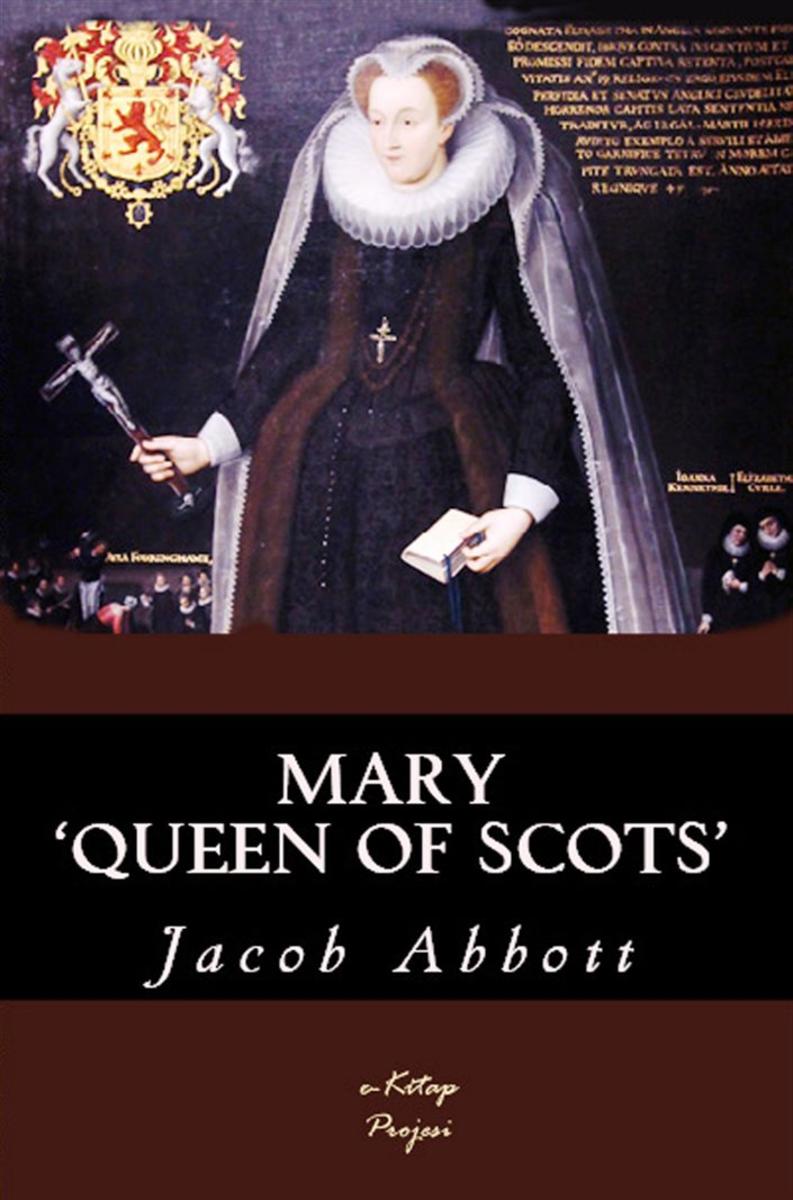
Mary Queen of Scots
¥27.88
TRAVELERS who go into Scotland take a great interest in visiting, among other places, a certain room in the ruins of an old palace, where Queen Mary was born. Queen Mary was very beautiful, but she was very unfortunate and unhappy. Every body takes a strong interest in her story, and this interest attaches, in some degree, to the room where her sad and sorrowful life was begun.??The palace is near a little village called Linlithgow. The village has but one long street, which consists of ancient stone houses. North of it is a little lake, or rather pond: they call it, in Scotland, a loch. The palace is between the village and the loch; it is upon a beautiful swell of land which projects out into the water. There is a very small island in the middle of the loch and the shores are bordered with fertile fields. The palace, when entire, was square, with an open space or court in the center. There was a beautiful stone fountain in the center of this court, and an arched gateway through which horsemen and carriages could ride in. The doors of entrance into the palace were on the inside of the court.??The palace is now in ruins. A troop of soldiers came to it one day in time of war, after Mary and her mother had left it, and spent the night there: they spread straw over the floors to sleep upon. In the morning, when they went away, they wantonly set the straw on fire, and left it burning, and thus the palace was destroyed. Some of the lower floors were of stone; but all the upper floors and the roof were burned, and all the wood-work of the rooms, and the doors and window-frames. Since then the palace has never been repaired, but remains a melancholy pile of ruins.??The room where Mary was born had a stone floor. The rubbish which has fallen from above has covered it with a sort of soil, and grass and weeds grow up all over it. It is a very melancholy sight to see.

Eliberarea de jocurile min?ii
¥32.62
Indezirabilii, publicat sub egida Institutului de Istorie ?George Bari?iu“ al Academiei Rom?ne, scoate la lumin? informa?ii pu?in cunoscute despre exodul etnicilor evrei, rom?ni, ru?i ?i ucraineni din URSS ?n Rom?nia.Cauzele, mijloacele emigr?rii, reac?ia autorit??ilor, a popula?iei autohtone ?i a organiza?iilor interna?ionale, fenomenele conexe sunt relevate ?n contextul profundelor transform?ri sociale ?i politice din perioada 1919-1939. Prezentarea unor texte scrise de ?i despre emigran?i ofer? detalii asupra atrocit??ilor comise de regimul sovietic, a modului ?n care au fost percepu?i ?i a celui ?n care au perceput indezirabilii statul na?ional unitar rom?n.Fragment din subsec?iunea ?Trecerea Nistrului ?n ambele sensuri: motive ?i consecin?e“Unul din efectele masacrelor de la Nistru din lunile februarie-martie 1932 ?i ale noului val de refugia?i din RASS Moldoveneasc? asupra opiniei publice din Rom?nia a constat ?n exprimarea pozi?iei fa?? de evenimentele tragice ?n publica?ii. Jurnali?tii ?i cercet?torii nu s-au limitat la analiza evenimentelor, ci au publicat o serie ?ntreag? de materiale despre istoria regiunii transnistrene ?i a rom?nilor de acolo. De exemplu, potrivit lui Pamfil ?eicaru, amplificarea represiunilor din URSS reprezenta unul din aspectele luptei ?mpotriva tradi?iei (familia, p?m?ntul, religia), iar rom?nii transnistreni – un bastion de ?nd?r?tnic? rezisten?? a tradi?iei. ?n fapt, purificarea regiunii transnistrene, echivala cu desfiin?area pseudo-autonomiei moldovene?ti, iar dispari?ia entit??ii intra ?n linia necesit??ilor de via?? ale centraliz?rii Moscovei, trec?nd peste particularit??ile provinciale. Motivele extermin?rii sunt rezumate ?n finalul analizei: ?Moldovenii n-au fost buni, n-au slujit scopurilor pentru care li se d?duse chiar ?i titlul de Republic? Moldoveneasc?, dispari?ia lor a ap?rut ca o porunc? nivelatoare a standardului na?ional conceput de Stalin. ?i de pe p?m?nturile unde tr?iesc de veacuri, de pe malurile Nistrului, sunt porni?i ?n dep?rt?rile pustii ?i ?nghe?ate ale Siberiei. Drumul lung ?i greu, foamea, bolile, le va tot ?mpu?ina num?rul, p?n? ce nu va mai r?m?ne niciunul din neamul blestemat al moldovenilor, ace?ti ?nd?r?tnici adversari ai uniformiz?rii staliniste. De-a lungul Rusiei ro?ii (tot at?t de milostiv? ca ?i Rusia ?arist?) mormintele lor vor ?nsemna drumul crucific?rii moldave. ?i ieri ?i azi Pohod na Sibir! Numai imbecilii ??i ?nchipuie c? esen?a na?iilor se schimb? prin revolu?ii“. La 23 martie 1932, sub impresia cazurilor, individuale sau de grup, aproape zilnice, de ?mpu?care a ??ranilor rom?ni care ?ncercau s? p?trund? din Transnistria ?n Rom?nia, Pamfil ?eicaru dezvolta ideea de standardizare spiritual? prin represiune masiv?, exterminatorie, ?ntr-un articol cu accente directe antiminoritare ?i indirecte antiguvernamentale. Raportat la incapacitatea sau imposibilitatea opririi crimelor de la frontiera sovieto-rom?n?, directorul Curentului propunea efectuarea unui schimb de popula?ie cu URSS, mediat de Societatea Na?iunilor: ?[…] exact ?n propor?ia numeric? a moldovenilor de peste Nistru ce ni s-ar trimite, am expedia comuni?ti ruteni, oameni converti?i ce nu ar mai necesita at?ta trud? uciga?? c?te sunt constr?nse autorit??ile sovietice s? fac?“. O critic? explicit? viza rolul activ pe care ar fi trebuit s?-l joace Societatea Na?iunilor: ?Un mijloc foarte simplu de a curma un asasinat, un semn de prezen?? uman? a institu?iei de asisten?? a popoarelor, de activ? prezen?? a Societ??ii Na?iunilor“. Trebuie men?ionat ?ns? faptul c?, ?ntr-un articol ulterior, se consemna sprijinul acordat de A. ?ulghin, reprezentantul ucrainean la Geneva, delega?iei Rom?niei, care a cerut condamnarea masacrelor de la Nistru ?n format multilateral. Mai mult dec?t at?t, putem observa c? ucrainenii sunt men?iona?i pe l?ng? etnicii rom?ni ca victime ale atrocit??ilor: ?Masacrele s-au repetat, ??ranii au fost ?mpu?ca?i f?r? mil?, rom?ni ?i ucraineni laolalt?“.
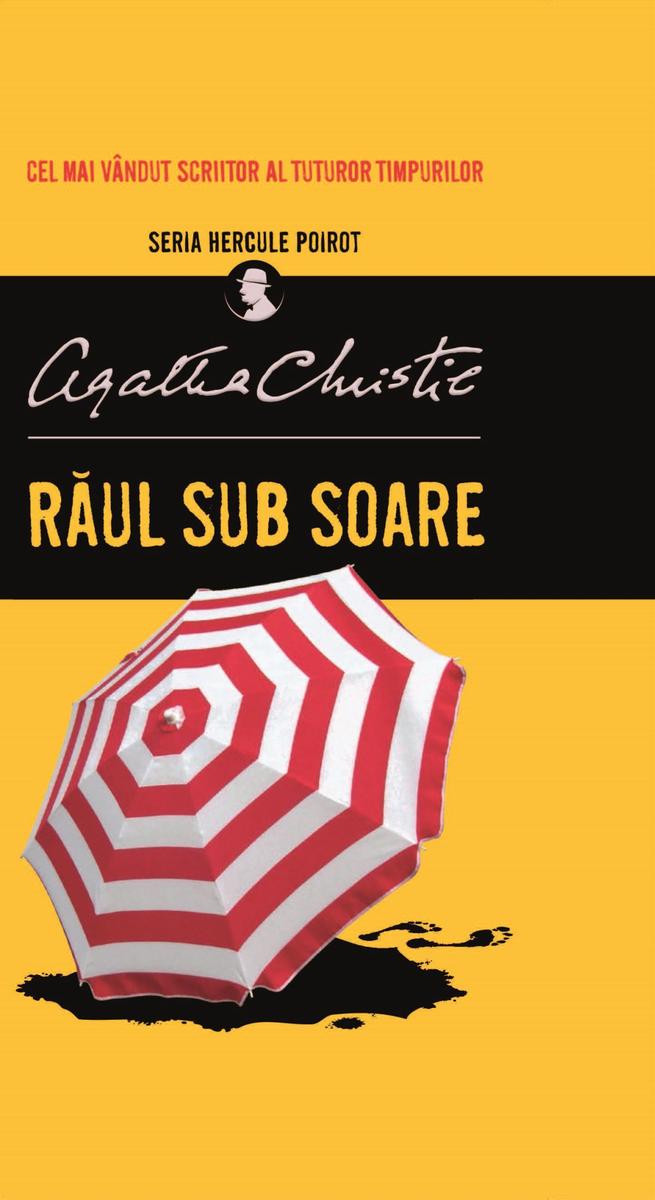
Raul sub soare
¥51.50
n vara anului 1914, cea mai mare parte a Europei s-a prbuit ntr-un rzboi att de catastrofal nct a zdruncinat politica i nsui sistemul de credine al continentului ntr-un mod fundamental. Dezastrul i-a nspimntat pe supravieuitori i a ocat o civilizaie care i asumase total rolul de model pentru restul lumii. Totul s-a prbuit ntr-un haos de o slbticie aflat dincolo de orice termen de comparaie. n 1939, europenii aveau s nceap un al doilea conflict care a reuit s fie chiar i mai teribil – un rzboi n care uciderea civililor a ocupat scena central i care a culminat cu Holocaustul. Drumul spre iadne spune aceast poveste cu nelegere, fler i originalitate. Kershaw reia evenimentele ntr-o naraiune fascinant, dar abordeaz i problemele cele mai dificile pe care le ridic aceste ntmplri din trecut – ce au nsemnat ele pentru europenii care le-au declanat i care le-au trit i ce nseamn pentru noi. Istorie la dimensiuni epice... ar trebui s figureze n lista lecturilor obligatorii. –The New York Times Ne aflm n prezena unui istoric emerit.– Spectator Magistral.– The Economist
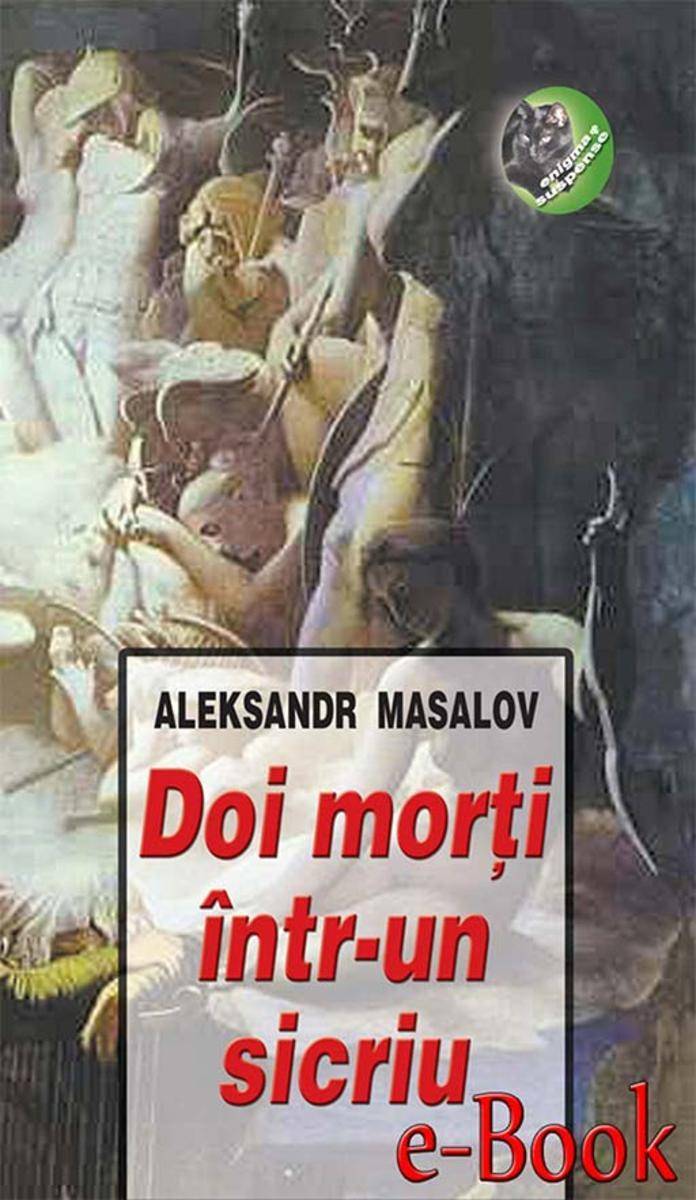
Doi mor?i ?ntr-un sicriu
¥40.79
Un fascinant discurs despre unul dintre cei mai celebri ?i cei mai disputa?i actori ?i regizori, cu istorii scandaloase al c?ror personaj atipic a fost, cu via?? – nu totdeauna lipsit? de r?sp?ntii ?i suspans – de culise a acestui filosof al scenei ?i bufon metafizic al existen?ei. Autoarei i s-a decernat pentru aceast? carte Premiul Uniunii Cinea?tilor din Rom?nia.

Vigyázz, mit kívánsz!
¥45.53
RUINS OF ANCIENT CITIES, WITH GENERAL AND PARTICULAR ACCOUNTS OF THEIR RISE, FALL, AND PRESENT CONDITION. - BY CHARLES BUCKE This Volume contain these cities; Abydos, Abydus, ?gesta, ?ina, Agrigentum, Alba Longa, Alcantara, Alexandria, Amisus, Antioch, Argos, Ariammene, Arsinoe, Artaxata, Artemita, Athens, Babylon, Balbec, Byzantium, Cairo (Old), Cann?, Capua, Carthage, Catanea, Chalcedon, Ch?ronea, Corduba, Corcyra (Corfu), Corinth, Ctesiphon, Delphos, Ecbatana, Eleusis, Elis, Ephesus, Gerasa (Djerash), Granada, Gnidos, Heliopolis, Herculaneum, Hierapolis, Isfahan, Italica, Jerusalem, Laced?mon, Or Sparta, Laodicea, Leuctra, Magnesia, Mantinea, Marathon, Megalopolis, Megara, Memphis. Of chance or change, oh! let not man complain;Else shall he never, never, cease to wail;For from the imperial dome, to where the swainRears his lone cottage in the silent dale,All feel the assault of fortune's fickle gale.Art, empire, earth itself, to change are doom'd;Earthquakes have raised to heaven the humble vale;And gulfs the mountains' mighty mass entomb'd;And where the Atlantic rolls wide continents have bloom'd. {BEATTIE.} The reader is requested to observe, that, though the plan of this work is entirely his own, the compiler of it does not put it forth as in any way original in respect to language or description. It is, in fact, a much better book, than if it had been what is strictly called original, (which, indeed, must have involved an utter impossibility:) for it is a selection of some of the best materials the British Museum could furnish; sometimes worked up in his own language; and sometimes—and, indeed, very frequently—in that of others: the compiler having, at an humble distance and with unequal steps, followed the plan which M. Rollin proposed to himself, when he composed his celebrated history of ancient times.—"To adorn and enrich my own," says that celebrated writer, "I will be so ingenuous as to confess, that I do not scruple, nor am ashamed, to rifle whereever I come; and that I often do not cite the authors from whom I transcribe, because of the liberty I take to make some slight alterations. I have made the best use in my power of the solid reflections that occur in the Bishop of Meaux's Universal History, which is one of the most beautiful and most useful books in our language. I have also received great assistance from the learned Dean Prideaux's 'Connexion of the Old and New Testament,' in which he has traced and cleared up, in an admirable manner, the particulars relating to ancient history. I shall take the same liberty with whatever comes in my way, that may suit my design, and contribute to its perfection. I am very sensible, that it is not so much for a person's reputation to make use of other men's labours, and that it is in a manner renouncing the name and quality of author. But I am not over-fond of that title, and shall be extremely well pleased, and think myself very happy, if I can but deserve the name of a good compiler; and supply my readers with a tolerable history, who will not be over-solicitous to inquire what hand it comes from, provided they are but pleased with it."
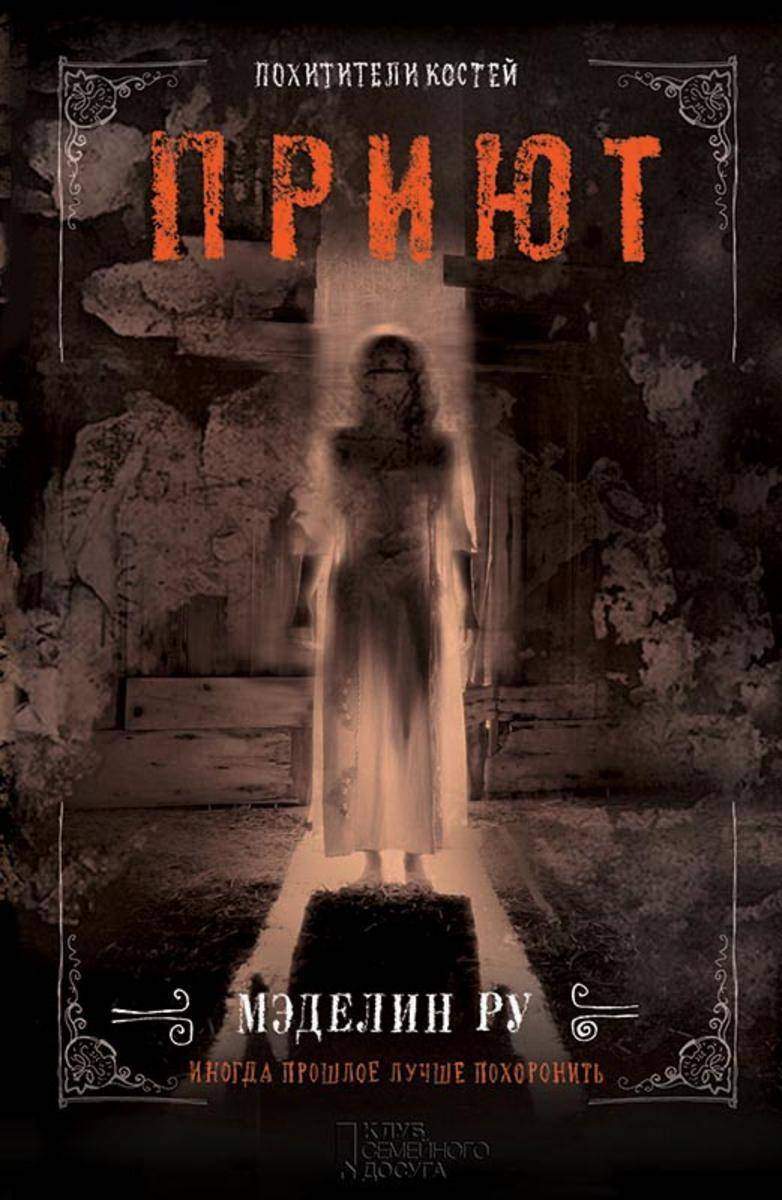
Приют. Похитители костей (Prijut. Pohititeli kostej)
¥26.65
Йшов четвертий р?к св?тово? в?йни. Втомлений под?ями генерал-лейтенант рос?йсько? ?мператорсько? арм?? Павло Петрович Скоропадський, нащадок старовинно? старшинсько? фам?л??, ще не знав, що стане гетьманом незалежно? Укра?нсько? Держави.??Епоха зм?н, яку самовбивчо наближали революц?онери вс?х мастей, перетворилася на апокал?псис, в?йну вс?х проти вс?х, але Скоропадському стало духу взяти на себе невдячну ношу державного буд?вництва. Спроба зак?нчилася ц?лковитим ? оч?куваним провалом, але окрем? починання гетьмана дотривали до наших дн?в: саме йому Укра?на завдячу?, наприклад, Академ??ю наук.
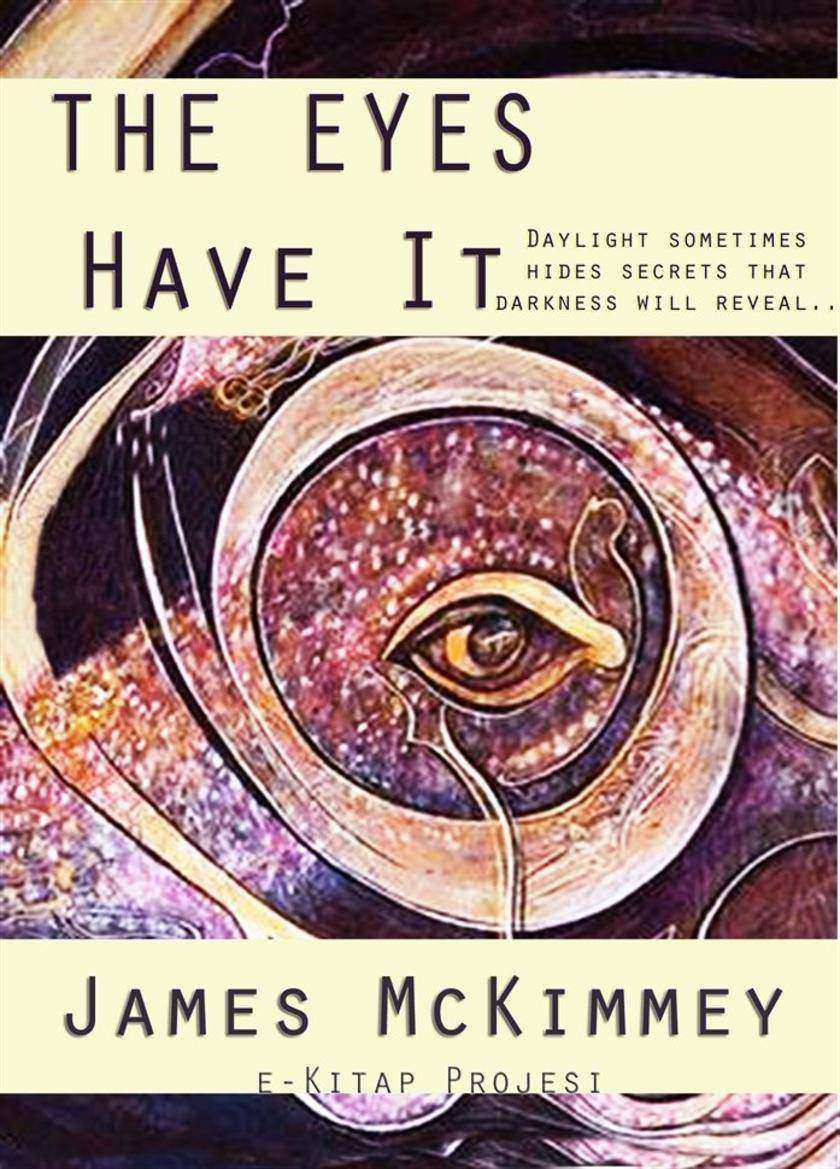
The Eyes Have It
¥4.58
MODERN scientific publications, although they may in some or even many cases equal in their scientific quality the memoirs of earlier workers, do not, on the average, reach a high standard as regards illustration. For instance, in Great Britain botany is pre-eminent in its morphological aspects; it should therefore follow that the illustrations, which form so important a part of such papers, should be beyond reproach. This is not always so, a fact which must be patent to anyone with the slightest critical knowledge who looks through a typical journal. This is a fact much to be regretted, since many of the earlier scientists were accomplished draughtsmen and, indeed, often artists; in this connection the Hookers and Pro-fessor Daniel Oliver may be mentioned. The implication is not intended that there are no good amateur draughtsmen nowadays; there are, and in some cases pos-sessed of great ability. The beautiful work of Church in his Floral Mechanisms may be cited as an example. It may, of course, be argued that any picture which serves to illustrate the particu-lar feature is good enough; this is the contention of one who takes an insufficient pride in his work. A feature worthy of an illustration deserves the best the author can produce, more especially as a literary form is still, fortunately, preserved or, at any rate, aimed at.The reason for indifferent illustrations is primarily due to bad or mediocre draw-ings, or to their unsuitability for the kind of reproduction in view. With regard to the first point: this lack of draughtsmanship often obtains; when education entirely replaces mere instruction, it is to be hoped that all students of science will be trained in the rudiments of drawing. Meanwhile the difficulty can be partly overcome, as will be seen later on, by the simple means of drawing on an enlarged scale, in order that in reproduction reduction can be made. The second reason, the onus of which also falls on the authors, is a lack of knowledge regarding the kind of drawing suitable for the different modes of re-production; this is a very important point, for "technical conditions govern even genius itself."Authors, however, are not always to blame; it would appear that even editors sometimes are wanting in the requisite knowledge, for we have known straight-forward line drawings reproduced by half-tone; in other cases the paper used is unsuitable for the reproduction and, at other times, the printers are at fault. With a view to remedying, at any rate in part, these deficiencies, a course of lec-tures, arranged by the Board of Studies in Botany of the University of London, was delivered in the Lent term of 1913 in the Department of Botany of University College, London. In gratifying the wish expressed by some that these lectures should be given a more permanent dress, the author feels that some apology is necessary, for he can lay no claim to authoritative knowledge of much of the subject-matter; questions relating to the graphic arts and to illustrations, however, have always been of in-terest to him, so that he has tried various experiments, often with disastrous re-sults, and thus has gained some experience. In these matters the author has benefited much through his association with Pro-fessor F. W. Oliver, who, characteristically, has been ever ready to discuss these problems with, and to place his knowledge and experience at the disposal of the author.

K?zel a t?zh?z
¥71.69
This book, in affectionate tribute to the gallant courage, rugged indepen-dence and wonderful endurance of those adventurous souls who formed the vanguard of civilization in the early history of the Territory of Arizona and the remainder of the Great West, is DEDICATED TO JOHN H. CADY and?BASIL D. WOON ?/ ?PATAGONIA, ARIZONA, NINETEEN-FIFTEEN. When I first broached the matter of writing his autobiography to John H. Cady, two things had struck me particularly. One was that of all the literature about Arizona there was little that attempted to give a straight, chronological and intimate description of events that occurred during the early life of the Territory, and, second, that of all the men I knew, Cady was best fitted, by reason of his extraordinary experiences, remarkable memory for names and dates, and seniority in pioneership, to supply the work that I felt lacking. Some years ago, when I first came West, I happened to be sitting on the observation platform of a train bound for the orange groves of Southern California. A lady with whom I had held some slight conversation on the journey turned to me after we had left Tucson and had started on the long and somewhat dreary journey across the desert that stretches from the "Old Pueblo" to "San Berdoo," and said: "Do you know, I actually used to believe all those stories about the 'wildness of the West.' I see how badly I was mistaken." She had taken a half-hour stroll about Tucson while the train changed crews and had been impressed by the—to the casual observer—sleepiness of the ancient town. She told me that never again would she look on a "wild West" moving picture without wanting to laugh. She would not believe that there had ever been a "wild West"—at least, not in Arizona. And yet it is history that the old Territory of Arizona in days gone by was the "wildest and woolliest" of all the West, as any old settler will testify.


