


 购物车
购物车 个人中心
个人中心
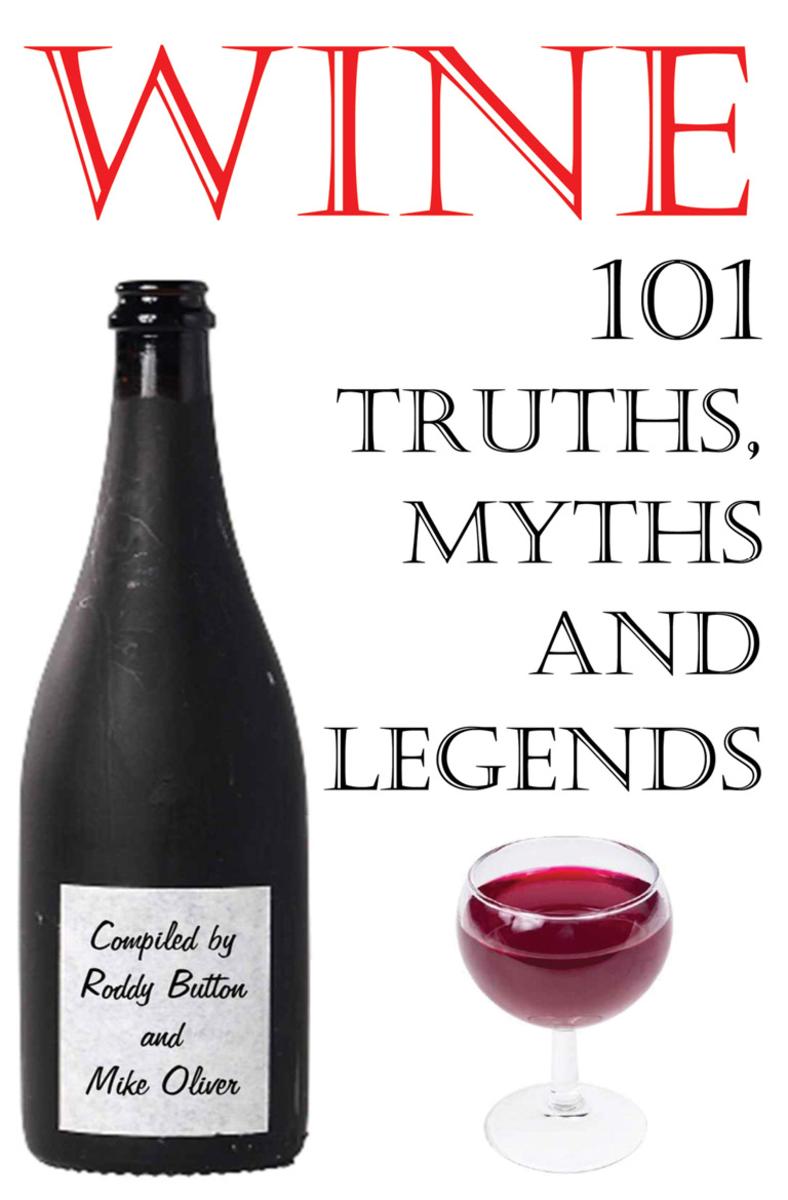
Wine - 101 Truths, Myths and Legends
¥24.43
Are you a wine connoisseur? Do you prefer to try different makes and vintages or do you have a firm favourite? At the weekend, do you like to open a bottle (or two!) to enjoy with family and friends? Whatever your wine drinking habits, if you like wine, you are certain to enjoy this new trivia book. Do you know how the American 'Starboard' wine came to be named? What did the eminent scientist William Lemeck discover about champagne? Who said, "e;Whether wine is a nourishment, medicine or poison is a matter of dosage."e;? The answers can all be found in Wine - 101 Truths, Myths and Legends.With sections on names of wines, champagne, colour, history, labels, quotes, cost, and much more, you can't help but find out some fascinating new facts about wine and the myths and legends surrounding it. Whether red, white or rose is your tipple, and even if you only ever drink champagne, if you like wine and are interested in the facts and figures associated with its production, you won't want to without this book.
Fulham Quiz Book
¥34.24
Is Fulham your local football team or the one you have chosen to support? Do you go to every match? Are you clued up on all the events, people and places that have shaped the club's long history? Then why not find out how much you really know about The Cottagers with this fun quiz book?With 250 thought-provoking questions about all aspects of the club, including the top players and managers, nationalities and playing positions, worthy opponents, club honours, and all those memorable matches from days gone by, this book can't fail to turn up one or two surprises alongside all the well known facts.Packed full of information, The Fulham Quiz Book is certain to score a hit with football fans of all ages, whether you want to impress family and friends with your knowledge or simply find out more about the club. This tribute to the Cottagers is an indispensable guide for all fans of Fulham FC and anyone who is interested in learning about London's oldest professional football team.
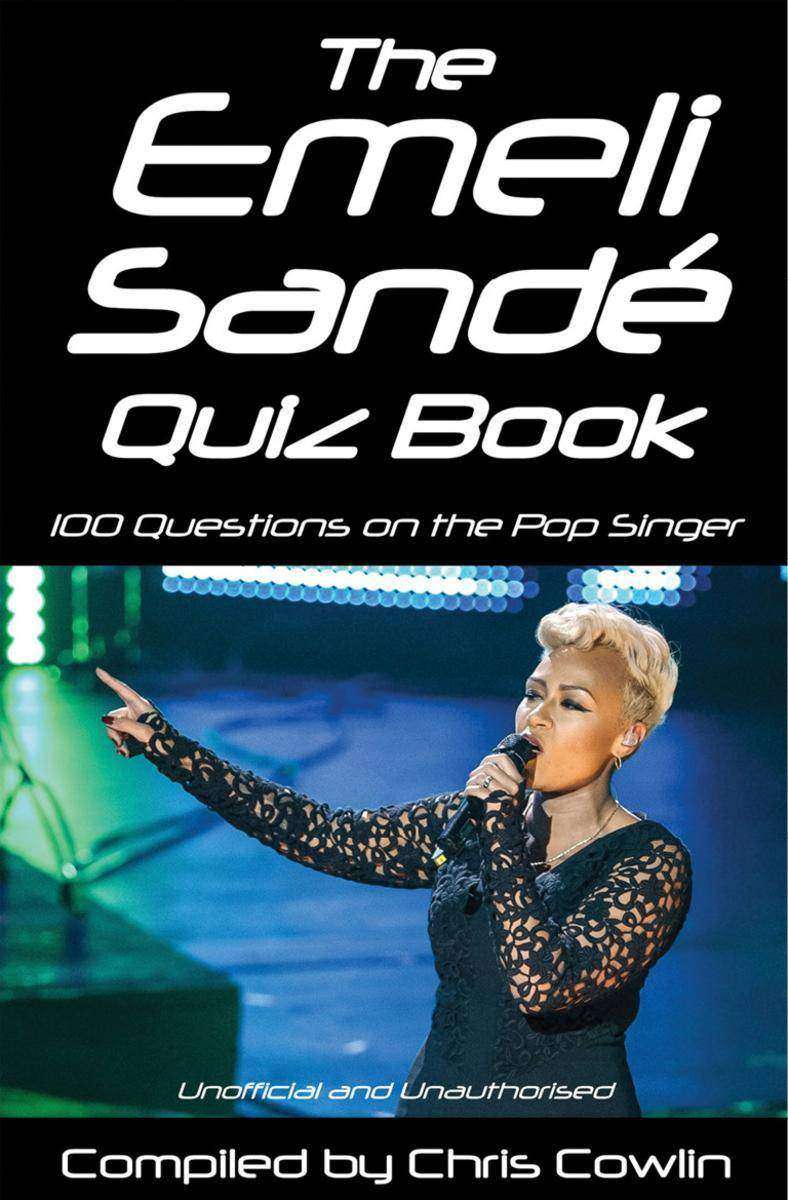
Emeli Sande Quiz Book
¥24.43
Are you a fan of Emeli Sande? Have you followed her rise to fame from early collaborations to singing at the opening ceremony of the London 2012 Olympic Games? Do you know all the words to Emeli's soulful lyrics and like to sing along? If so, you are certain to enjoy this informative new quiz book all about the multi-talented singer-songwriter.What award did Emeli win at the 2012 Harper's Bazaar Women of the Year awards? Where in the UK was Emeli born? What is unusual about Emeli's music video for her 2012 single 'Clown'? The answers to these questions and many more like them can be found in The Emeli Sande Quiz Book.Packed full of facts about Emeli's amazing career to date, this quiz book contains 100 questions about the award winning star and covers all aspects of Emeli's professional life as well as many personal details. This is a must-have book for anyone who enjoys the music of Emeli Sande or would like to find out more about her.

Next Train's Gone!
¥19.52
In the 1930s, British film producers and critics championed the idea of 'quality' pictures - thoughtful, intelligent films that would project a particular and positive view of Britain. The result was to drive a wedge between 'national' cinema (which reflected middle-class values) and 'popular' cinema (which reflected the working-class values of the majority of cinema audiences). 'Popular' became a term of abuse, particularly directed at comedies, whose roots often lay in music-hall. A very different image of Britain emerges from these comedies, as this insightful analysis of two Will Hay films - Oh Mr Porter (1937) and Ask a Policeman (1939) reveals.
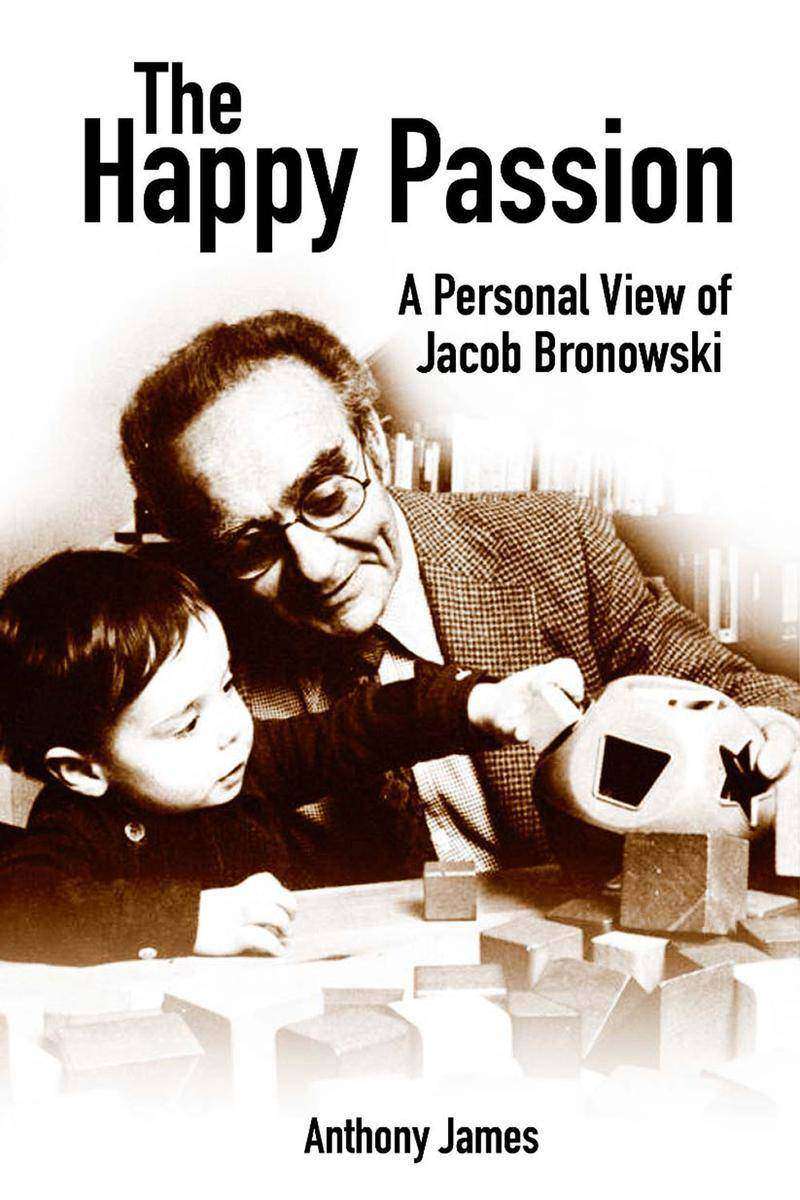
Happy Passion
¥63.67
Jacob Bronowski (1908-1974) lived through what he described as 'the two great catastrophes of the twentieth century: the rise of Hitler in 1933 and the dropping of the atomic bombs in 1945', and yet the keynote of his astonishingly rich and varied life and work was an enduring optimism. Bronowski was a professional scientist, scientific administrator, poet, philosopher, dramatist and television and radio personality, possessing an energy and versatility that make him a rare figure in our cultural history. His final achievement, the groundbreaking television series The Ascent of Man, first shown in 1973, influenced and inspired millions of ordinary people by bringing an awareness of human evolution and the adventure of science into their homes. Anthony James describes his own journeys to key locations in Bronowski's television series The Ascent of Man, from Auschwitz, a monument to human depravity that has haunted the conscience of contemporary society, to Iceland, where democracy in northern Europe was born more than a thousand years ago. Bronowski would not have been surprised by our dilemmas today, but he would have insisted that confidence in our ascent as a species is a far greater force than the cynical destructiveness of politicians. Although human beings are inevitably fallible, the pursuit of knowledge is, in Bronowski's philosophy, an adventure: in his own words a 'happy passion'.
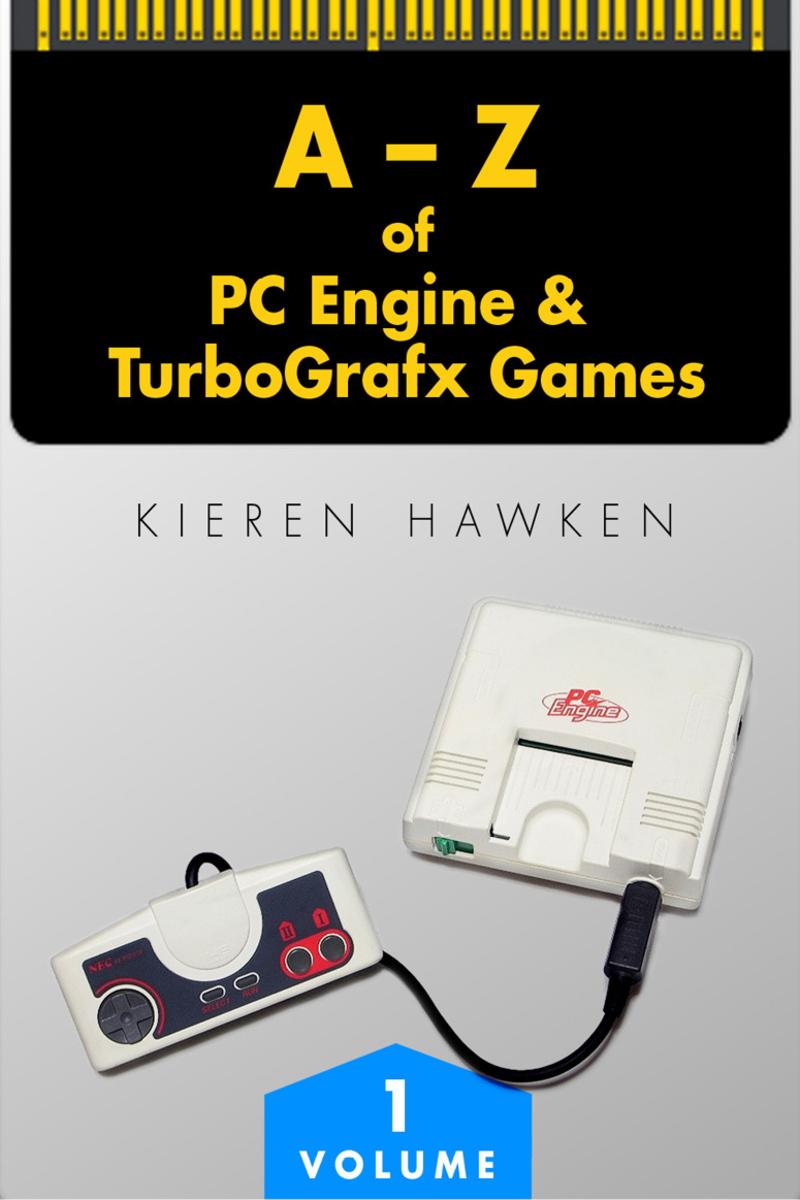
A-Z of PC Engine & TurboGrafx Games
¥19.52
The A-Z of PC Engine & TurboGrafx: Volume 1 features reviews of three different games for each letter of the alphabet. The games range from the very earliest releases in 1987 to the modern homebrew games of today. This book shows you just how diverse the library of titles is for the PC Engine and TurboGrafx and how they became so popular with retro gaming collectors.
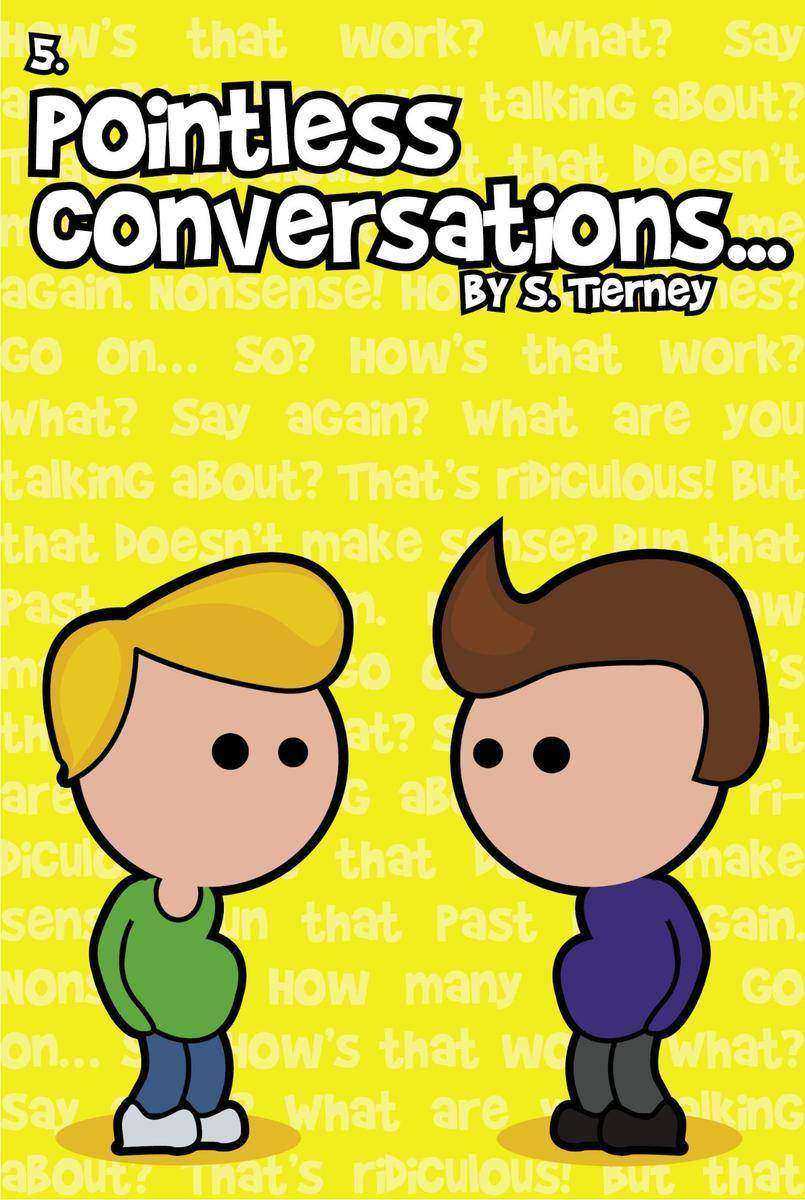
Pointless Conversations
¥19.52
Pointless conversations: a selection of daft, ridiculous and utterly pointless meanderings from the mind of Scott Tierney. If you've ever wanted to know the answers to why Superman is a coward; why Spiderman should technically be deformed; and if Superdog caused the death of Krypton, then these bite-sized comics will reveal all. The discussions may be insane, and most of what is said is rambling, but despite this, you may find yourself agreeing with most of what is said. It's a fair point: where does Spiderman store all that web?
101 Amazing Facts about The Movies - Volume 2
¥19.52
Did you know that watching scary movies burns more calories than any other genre? Or that three quarters of the women James Bond has slept with have tried to kill him? If you enjoy going to the movies, you will love this book which contains over one hundred amazing facts about your favourite flicks. Organised into sections such as costumes, props, original endings and more, this is the perfect addition for any film fan's bookshelf.
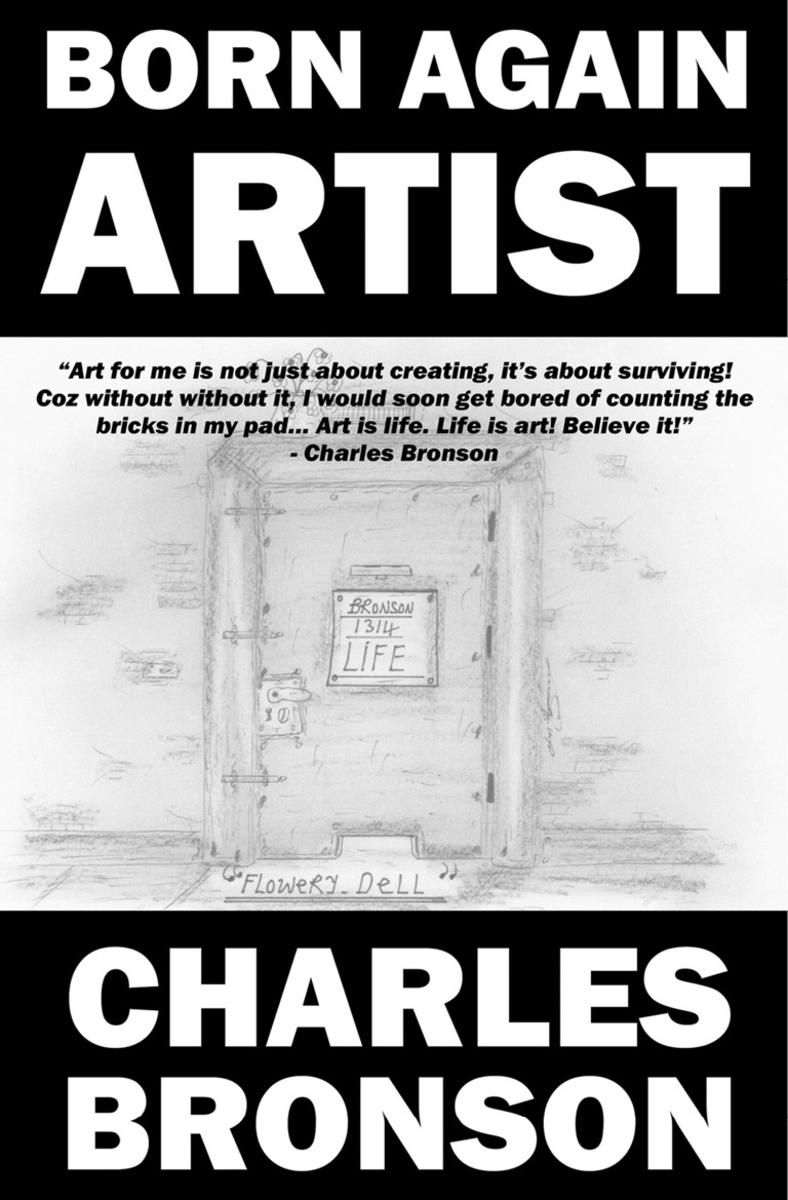
Born Again Artist
¥58.76
From Charles Bronson himself:It's back. It's crazy. It's mind blowing. It's on the edge. It's total bonkers! It's dark. It's brain explosive material. Hell ... it's me ... I'm back!I never really disappeared ... I'm always here. You just can't see me in the darkness. I live in a box in the shadows. I only slip out to create my dreams; then slip back away unseen, unheard. It's like sticking your tongue into a bear's ear ... you know you shouldn't, but you can't help yourself. It's like jumping off a cliff with the next doors cat ... it's not good. Half way down you wish you had gone to bed with a mug of hot chocolate and a copy of 'Born Again Artist' with some fig rolls.Hells bells, enjoy!
101 Interesting Facts on The Eurovision Song Contest
¥24.43
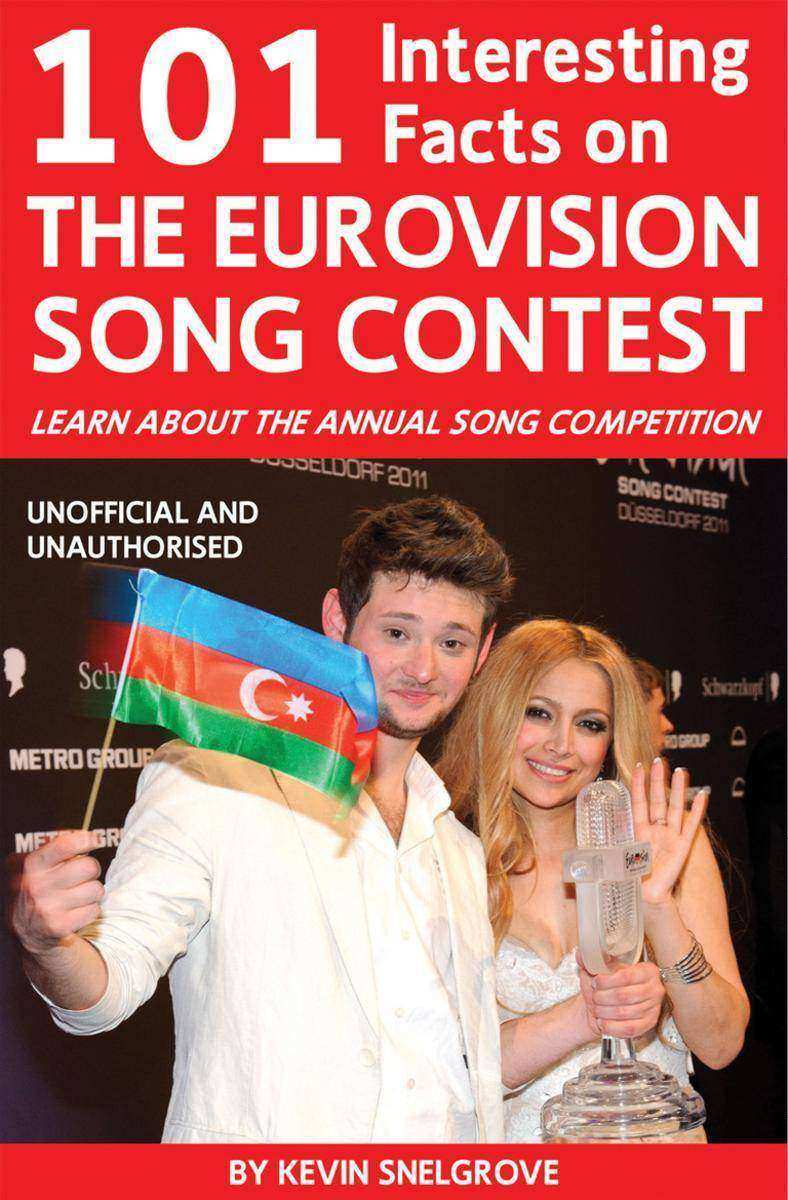
Are you a fan of the Eurovision Song Contest? Do you follow all the pre-show build-up and eagerly tune in to watch the contest on television when the big night arrives? Can you remember all the past winners, and losers, who have provided so many golden Eurovision moments? If so, you won't want to be without 101 Interesting Facts on the Eurovision Song Contest. Find out when and where the very first Eurovision Song Contest was held, how many countries took part and what the contest was originally called. Gen up on which country has finished in first and last place the greatest number of times and all the famous artists who have participated in the contest through the years. This book is full of fascinating Eurovision trivia about the performers, compares and participating countries as well as all statistics about the contest, to delight even the most knowledgeable Eurovision fans. If you enjoy the annual singing spectacular that is the Eurovision Song Contest, this book is for you.
Renaissance
¥58.76
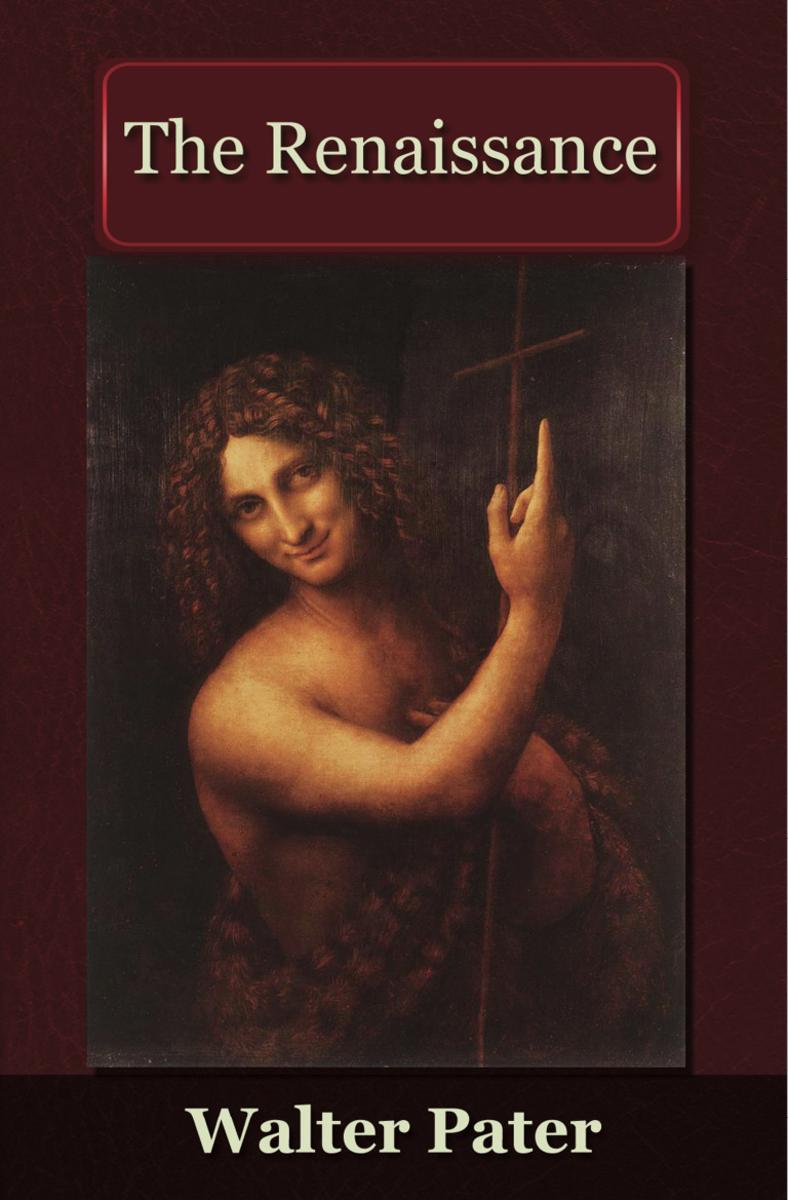
This fantastic classic text is Pater's graceful collection of essays discussing the achievements of Botticelli, Leonardo, Michelangelo, and other artists. The book concludes with an uncompromising advocacy of hedonism, urging readers to experience life as fully as possible. His cry of "e;art for art's sake"e; became the manifesto of the Aesthetic Movement, and his assessments of Renaissance art have influenced generations of readers. This version has been specially formatted for today's e-readers by Andrews UK.
101 Interesting Facts on Autistic Spectrum Disorder
¥24.43
Does a member of your family have Autistic Spectrum Disorder (ASD) or is someone close to you showing signs of being affected by it? Do you know what traits to look out for and how to respond to people with ASD? Would you like to gain a better insight of the problems associated with the disorder? If so, this book has been written with you in mind. How long do the effects of ASD last and can it be accurately diagnosed? Is ASD more common in boys or girls? What are the traits peculiar to people with ASD? 101 Interesting Facts on Autistic Spectrum Disorder has all the answers and is an excellent starting point for anyone who wants to understand the characteristics of ASD and how to recognise them. Written in a positive, easy-to-understand format, this book is the ideal reference for anyone who looking for a fast way to learn the basics of ASD. This is an invaluable guide that you won't want to be without.
Psy Quiz Book
¥24.43
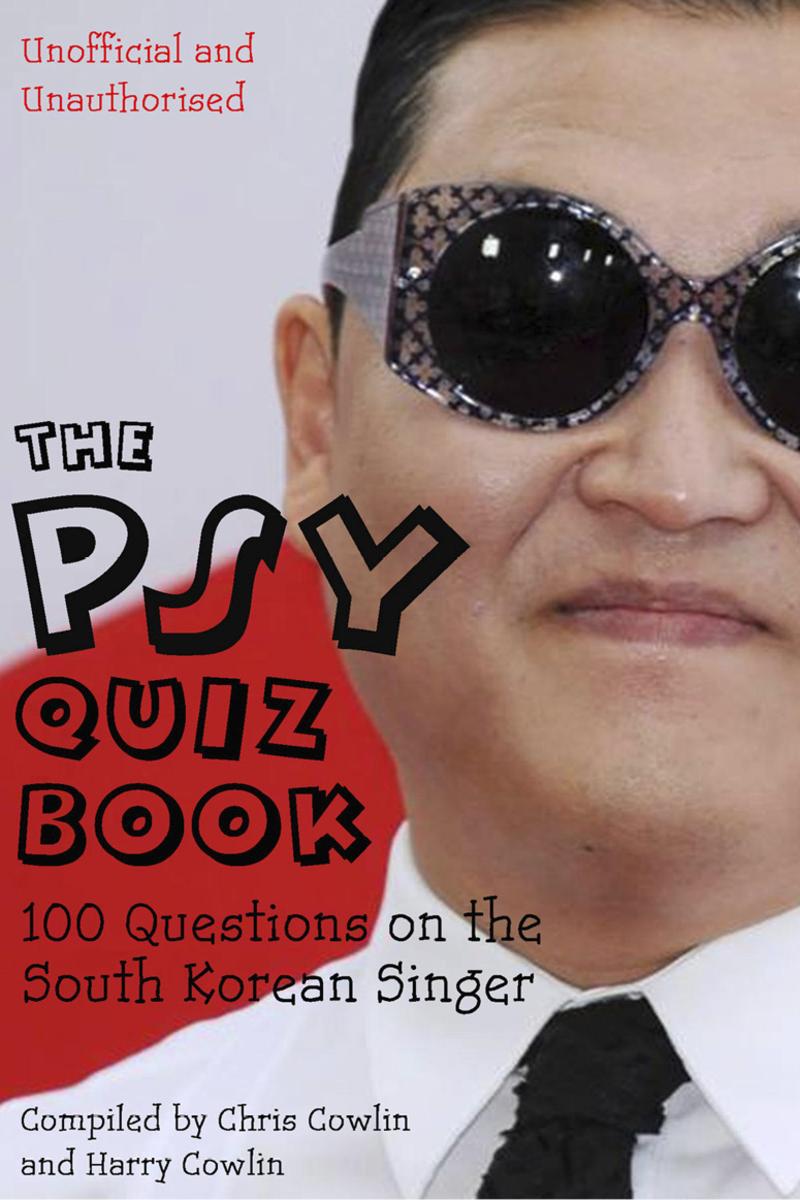
Are you a fan of South Korean singing sensation Psy? Did you discover his unique style of music on YouTube and liked what you heard? Would you like to find out more about the talented performer? If you answered yes to any of these questions, you are certain to enjoy The Psy Quiz Book. Which MTV Europe Music Award did Psy win in Frankfurt, Germany, in 2012, for his song 'Gangnam Style'? In what year did Psy marry his girlfriend Yoo Hye-yeon? Who featured on Psy's track 'In a Sauna Bath' which appears on his album 'Ssa2'? The answers to these and many similar questions can be found in this new quiz book all about Psy. Bringing you up to date with all the singles and albums as well as fascinating trivia about this popular and versatile performer, this is an entertaining and fun book for the whole family. With 100 brain-teasing questions for you to have a go at, this is a must-have book for Psy fans across the globe.
Miaow There!
¥39.14
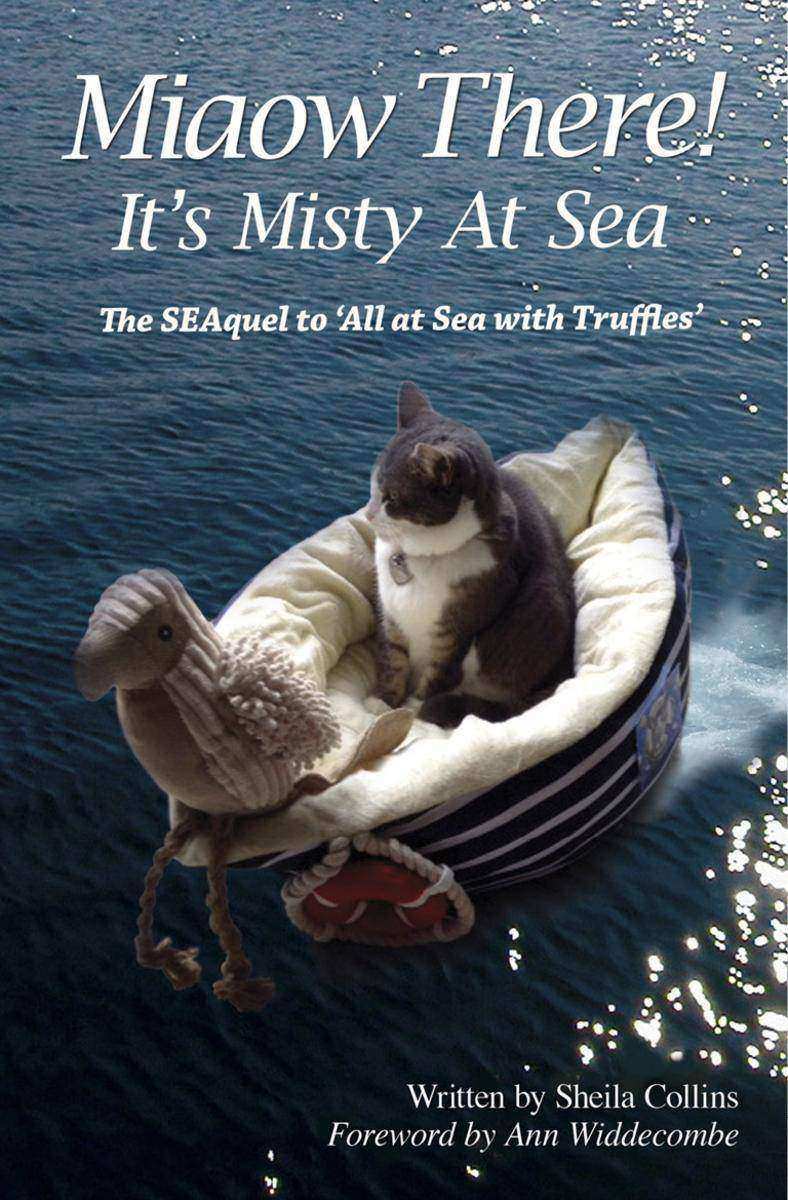
Following on from the success of her previous book, All at Sea with Truffles, Sheila Collins continues on the theme of cruising, with the story being picked up by her mischievous grey and white cat, Misty. In this fictional account, Misty takes us on a journey on board ship, as we experience life at sea through the eyes of a cat. Being an independent kind of animal, Misty naturally seeks out different adventures to her predecessor, Truffles, with hilarious consequences. With a foreword by former MP and cat lover Ann Widdecombe, Miaow There! It's Misty at Sea provides the reader with a humorous insight into the mind of a cat. From the many different sights, sounds and smells to the strange and wonderful people she encounters, Misty will give you a tantalising taste of life on board a cruise ship as she travels with her best friend and owner, Sheila. This charming tale will appeal to anyone who has ever been on a cruise, or has thought about going on one, and to all cat lovers everywhere.
Dad's Army - The Man and The Hour
¥29.33
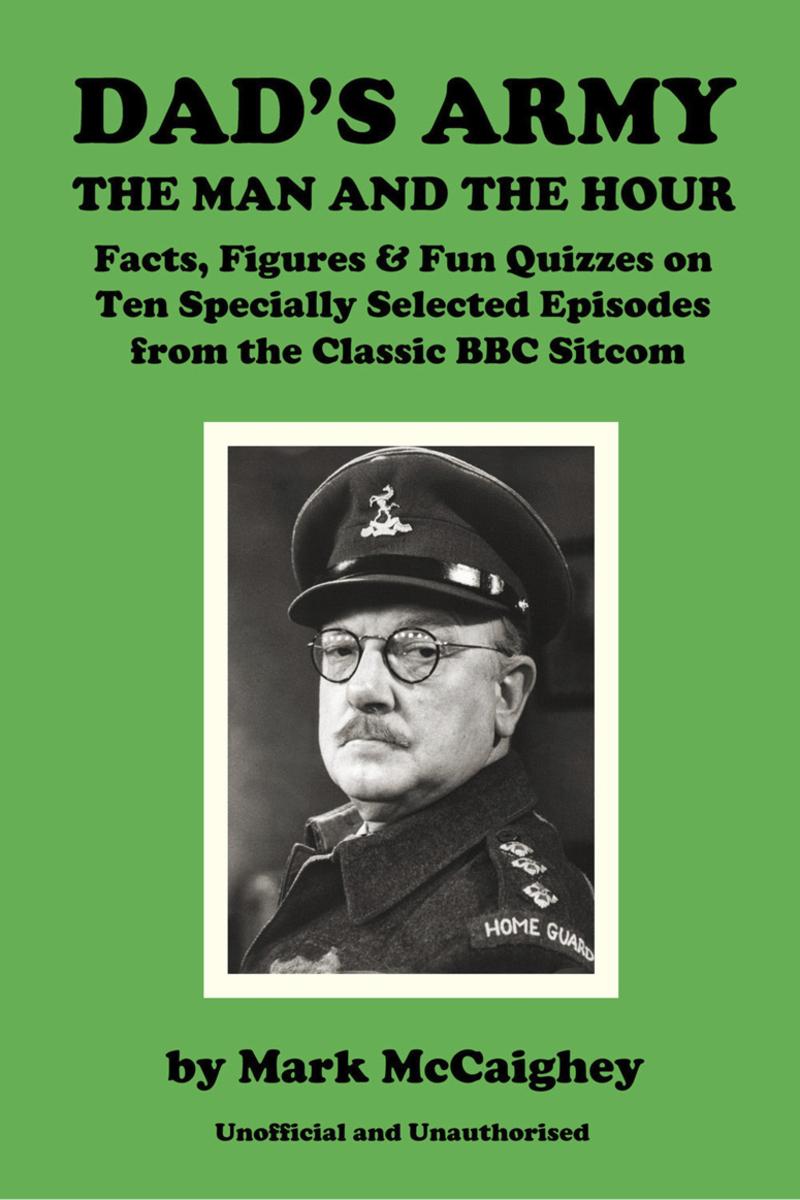
This original, informative and entertaining book focuses on ten specially chosen episodes from the eighty Dad's Army shows that were produced during the programme's long run from 1968 to 1977. Amongst the episodes featured are ones that have been favoured by the writers Jimmy Perry and David Croft and by some of its stars - John Le Mesurier, Ian Lavender and Frank Williams. There are anecdotes and quotes from those involved and quizzes on each of the episodes, which are: The Man and the Hour (first episode), The Showing Up of Corporal Jones, The Armoured Might of Lance Corporal Jones, Something Nasty in the Vault, Branded, Mum's Army, The Deadly Attachment (the "e;Don't tell him, Pike"e; episode), The Royal Train, Ring Dem Bells and Never Too Old (final episode). Dad's Army The Man and The Hour is an absolute must-have for fans of this classic sitcom.
Soap Quiz Book
¥39.14
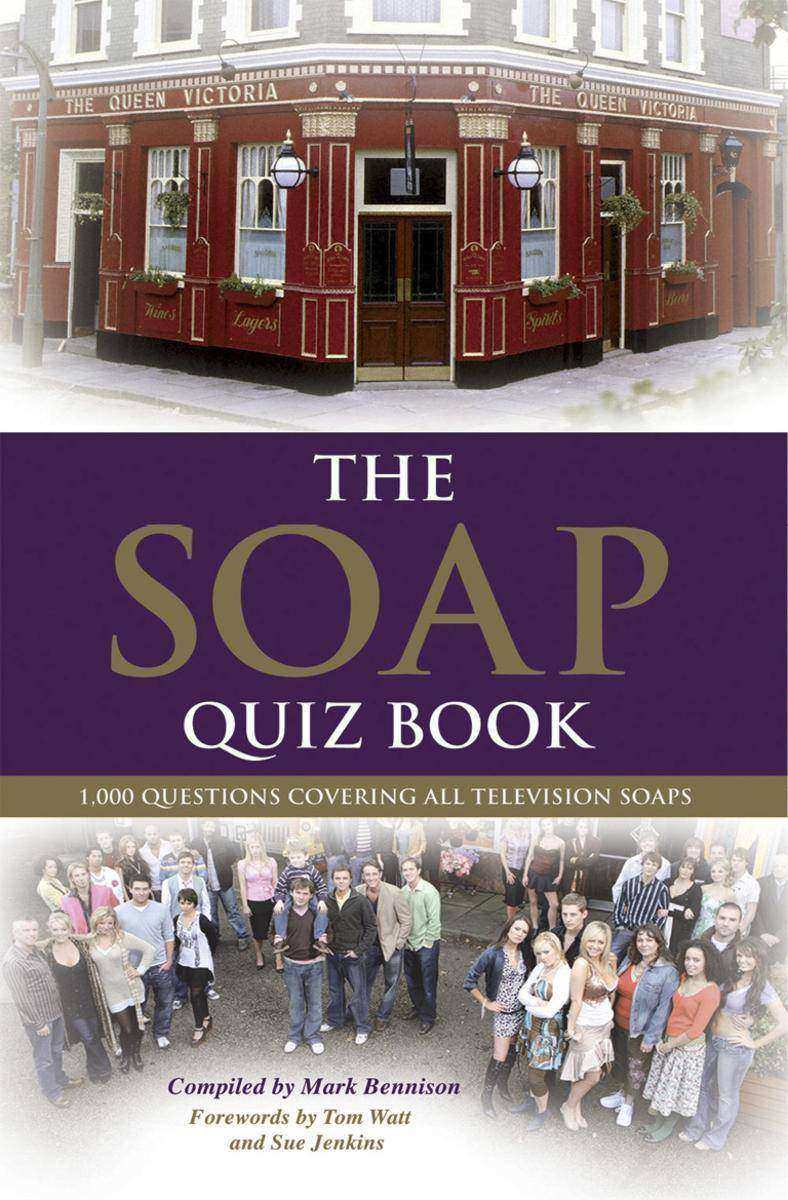
Can you remember Hilda Ogden, Annie Sugden and Dirty Den or are you more familiar with the current soap stars who keep us hooked with the ever changing dramatic events that shape their onscreen lives? All your favourite characters from yesteryear can be found in this quiz book alongside those more contemporary villains television audiences just love to hate. The 1,000 testing questions in this book will have you arguing with family and friends about the many memorable moments that have defined the history of soap. Gripping plots, bad guys and girls, heroes, happy events and dark moments, loves and losses are all covered in The Soap Quiz Book and will refresh your memory of all the essential viewing moments from the soaps down the years. Packed with fascinating facts this book is guaranteed to provide hours of entertainment for soap fans of all ages. So whether you are a dedicated follower of Coronation Street, have never missed an episode of Neighbours or have just discovered Hollyoaks this quiz book is sure to prove a fun read.
101 Interesting Facts on Union J
¥24.43
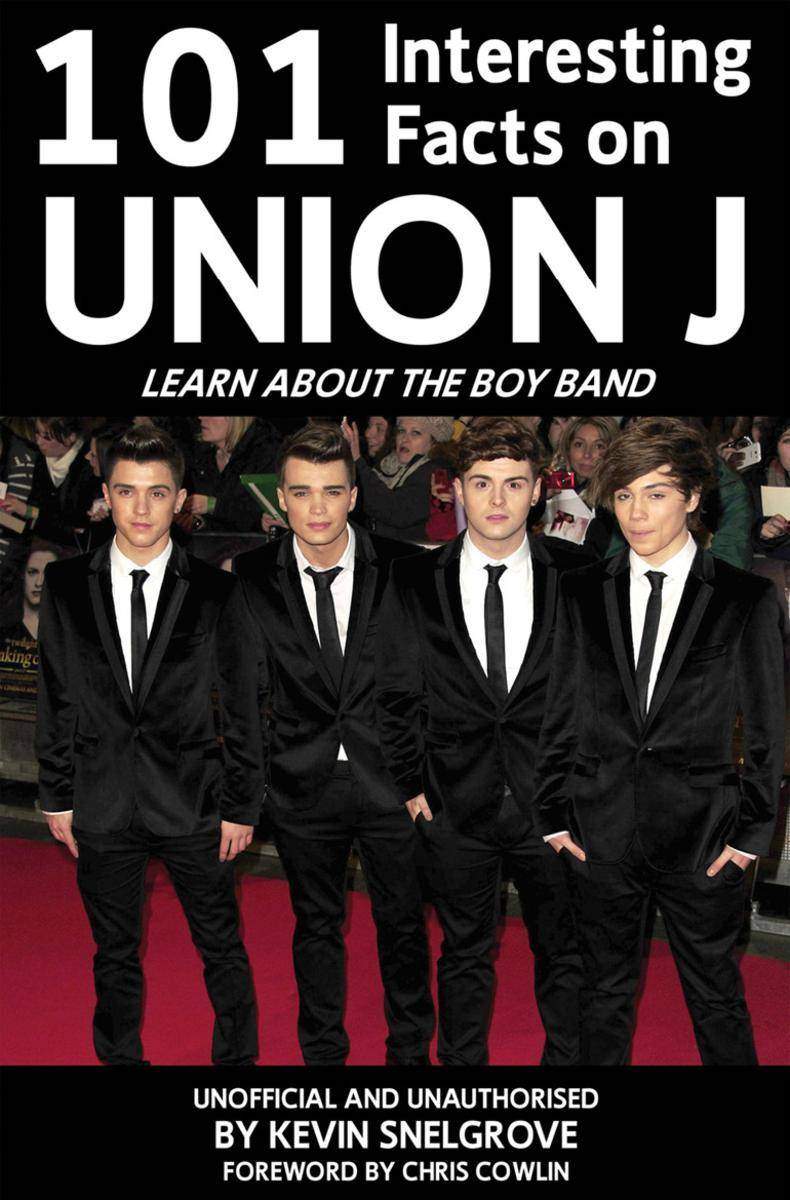
Are you Union J fan? Have you followed their career from performing together for the first time as a band on The X Factor to the release of their first studio album? Would you like to know a bit more about George, Josh, JJ, and Jaymi? If so, 101 Interesting Facts on Union J will tell you everything you ever wanted to know about the four band members. What is George's favourite film, Josh's shoe size, what type of food does Jaymi enjoy and what performer most inspires JJ? Find out the answers to these questions and more inside this new book all about pop sensation Union J. Full of information about your favourite boy band, including many personal details, this book covers the boys' journey from four unknown artists, to forming the band, releasing an album and going on tour. Find out about life before and after The X Factor for the boys with 101 interesting facts all about Union J, a must-have book for the band's many fans.

Puppy's Tail
¥19.52
People love cute and cuddly puppies, but have you ever wondered why so many are abandoned, often within a day of purchase? The answer is because the new owner never realised just how much is actually involved in looking after a young puppy. The aim of this book is to give the prospective owner an honest idea of what is involved in rearing a young puppy into adulthood and to get an idea if the experience is for them.
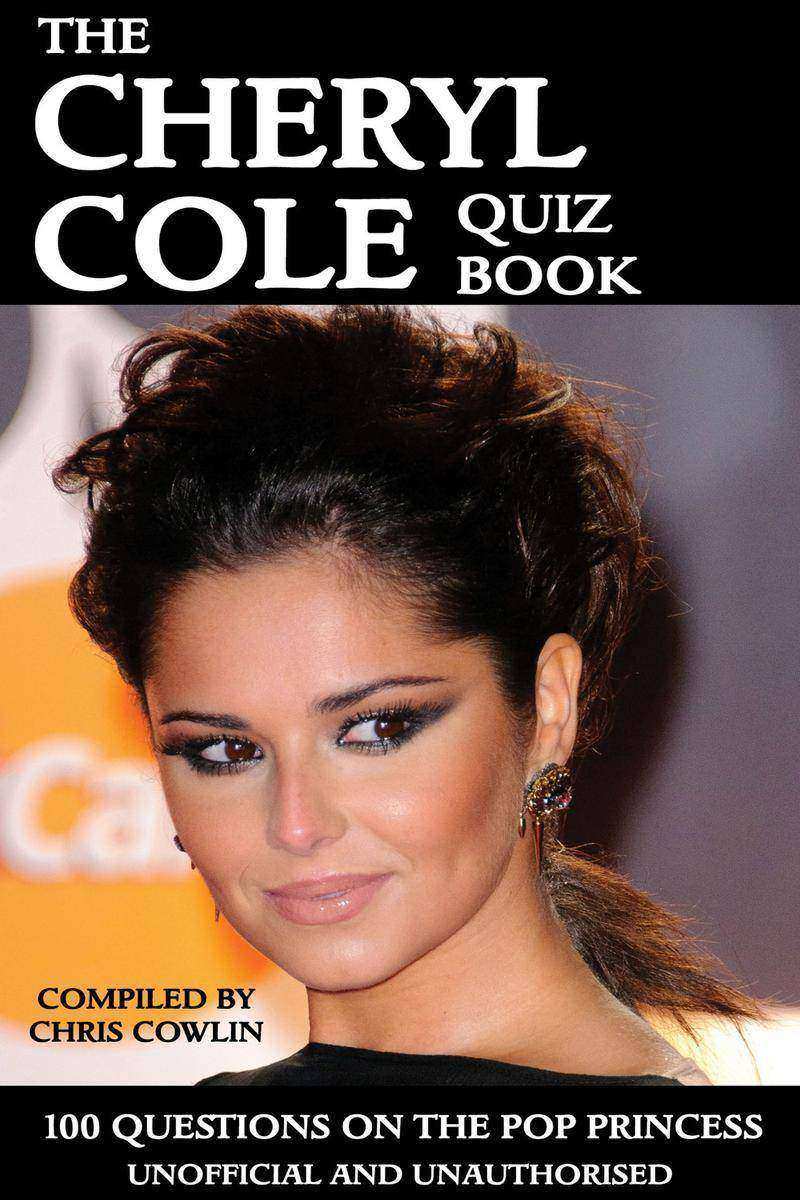
Cheryl Cole Quiz Book
¥24.43
Are you a devoted fan of Cheryl Cole? Have you followed her career from the early days of Girls Aloud through to chart topping solo artist and glamorous X Factor judge? Do you consider yourself to be an expert on the woman who has become a trend setting style icon and global megastar? If so, now you can test your knowledge with the 100 probing questions in this quiz book. Every aspect of Cheryl's life is well documented in the press, from her marriage break up and relationships to her fashion choices, but how much do you really know about the woman behind the public image? What is Cheryl's favourite film, what job did she do before finding fame as a singer and what are her political views? The answers to all these questions and more can be found inside The Cheryl Cole Quiz Book. Packed full of information, this book is certain to reveal some previously unknown fact about the Geordie 'girl next door' who went on to become an international star. This is a must-have read for Cheryl Cole fans everywhere.
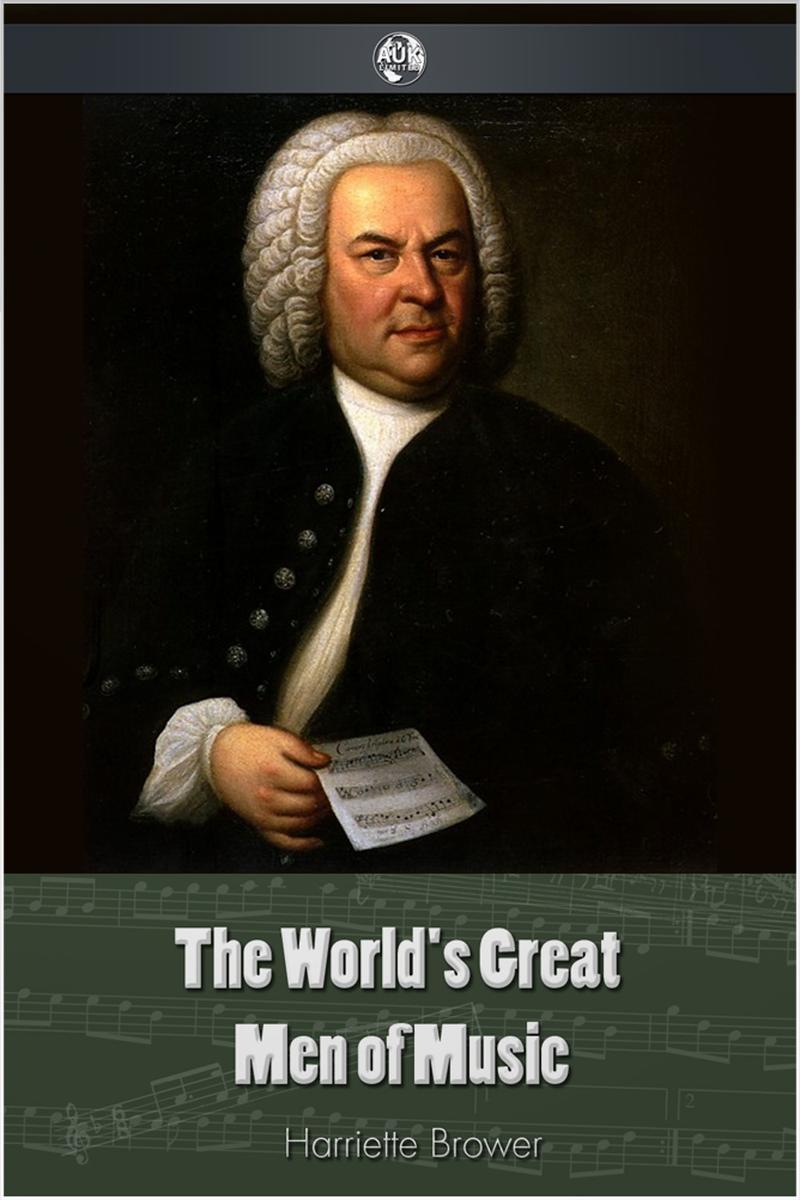
World's Great Men Of Music
¥44.05
This excellent ebook introduces the reader to a wide range of the world's greatest composers, including interesting facts about not only their musical styles but the men themselves. This edition has been specially formatted for today's e-readers, and will appeal to all those looking for a fascinating read about the history of classical music.
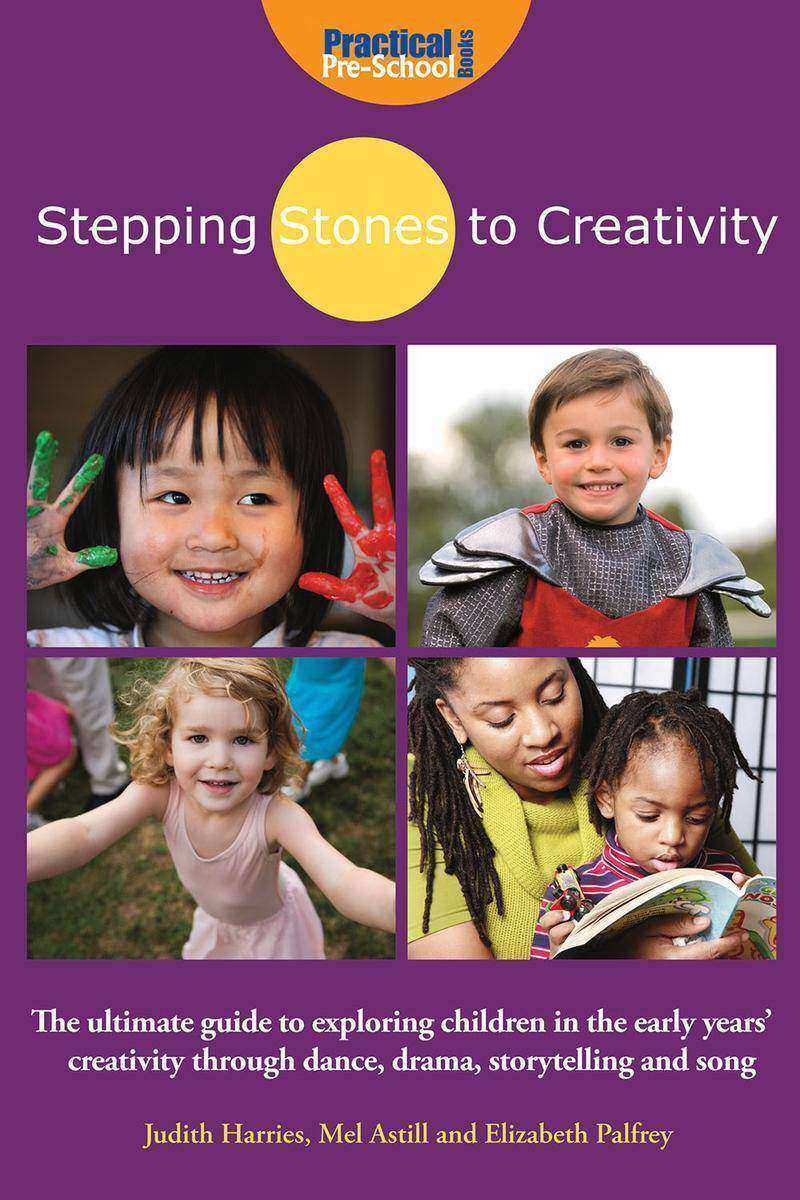
Stepping Stones to Creativity
¥186.29
This guide contains four books-worth of creative activities for the early years in one bumper-value guide.Perfect to dip into, this gem of a guide features:- Hundreds of easy-to-follow activities that cover 40 of the most popular early years topics- Each topic contains ideas for singing, dance, movement, storytelling, art and design, and drama- An easy-reference key showing which of the Creative Development Early Learning Goals are being exploredAn essential for anyone wanting new and creative ideas for use in topic work with the early years. This book is a compendium of all the activities from the following four Stepping Stones to Creativity titles: Dance and Movement; Design, Art and Modelling; Stories, Songs and Rhymes and Drama and Role Play.


