


 购物车
购物车 个人中心
个人中心

101 Amazing Facts about Busted
¥19.52
Are you the world's biggest Busted fan? Or do you want to find out everything there is to know about Charlie, Matt and James?If so, then this is the book for you! Contained within are 101 amazing facts about everything, from how each of the bandmates got started in the music industry, their success both during and after their time with Busted, awards they have won and many more. The book is easily organised into sections so you can find the information you want fast and is a great addition to any fan's bookshelf.

Ghidul de fertilitate ?i contracep?ie. Clinica Mayo
¥81.67
Specialist ?n domeniul avangardei, scriitorul – extrem de incomod uneori! – Ovidiu Morar, scrie despre scriitorii evrei din Rom?nia ?ntr-un stil incomod, m?nat de un zeu al drept??ii, impar?ial ?i feroce. Cine sunt scriitorii evrei? ?n ce m?sura ei se deosebesc de rom?ni, unguri, francezi, ?i ?n ce m?sur? se aseam?n?? Aceste ?i multe alte ?ntreb?ri mai mult sau mai pu?in comode revin aidoma unui laitmotiv pe parcursul c?r?ii, scrise ?ntr-un stil alert, incitant, cu note v?dit incomode, iar pe aclouri de-a dreptul provocatoare.
Dincolo de bine ?i de r?u. Genealogia moralei
¥98.02
Doamna Marusia CIRSTEA, doctor in stiinte istorice, a investigat, in baza cercetarii unei extrem de bogate bibliografii si a unor studii intense in arhivele diplomatice si militare interne (Arhiva Ministerului de Externe al Romaniei - Bucuresti, Arhivele Militare Nationale – Bucuresti si Pitesti, Arhivele Nationale ale Romaniei - Bucuresti, Biblioteca Nationala si Biblioteca Academiei Romane, ambele din Bucuresti), o problema de mare interes, abordata pana acum de numerosi istorici romani si straini (Paul D. Quinlan, Elisabeth Barker, V. F. Dobrinescu, Gh. Pascalau, Ion Patroiu s.a.). Tocmai de aceea, meritul autoarei este cu totul deosebit, intrucat, bazandu-se pe rezultatele cercetarilor anterioare, dar, aprofundandu-le si completandu-le substantial cu documente inedite, este in masura sa realizeze o contributie stiintifica de reala valoare pe marginea evolutiei raporturilor politico-diplomatice intre Romania si Marea Britanie intr-una din perioadele cele mai captivante si mai dificile ale epocii contemporane – ajunul conflagratiei mondiale din 1939-1945. Asa dupa cum se subliniaza in ampla Introducere, problema cercetata ?constituie o tema de studiu si de reflectie importanta, interesanta si plina de invataminte, nu numai pentru istoricul de astazi, dar si pentru omul simplu, pasionat de istorie si, indeosebi, pentru politicianul si diplomatul care trebuie sa gaseasca solutii practice unor aspecte interesand raporturile internationale“ (p. 3). Astfel, dupa o pertinenta si documentata Introducere, care elucideaza si aspectele istoriografice ale cercetarii, autoarea realizeaza o consistenta monografie privind relatiile dintre Bucuresti si Londra intre 1936 si 1939, in cuprinsul a patru capitole judicios repartizate pentru a se asigura tratarea globala si unitara a materiei. De un mare interes si cu o importanta pondere in economia lucrarii se dovedesc, nu mai putin, Concluziile (pp. 200-213), Bibliografia (pp. 214-232) si cele 25 de Anexe (pp. 233-350).Ultimele luni de pace si inceputul celui de-al doilea razboi mondial, evolutia raporturilor anglo-romane in context fac obiectul celui de-al IV-lea capitol. Principalele evenimente tratate sunt, in ordine cronologica, faimosul caz Tilea; garantiile franceze si britanice acordate Poloniei, Greciei si Romaniei; rostul pactului sovieto-german din 23 august 1939 in politica europeana; declansarea razboiului si atitudinea Romaniei si, in sfarsit, proclamarea neutralitatii Romaniei in razboi vizavi de implicarea Marii Britanii in ostilitati. Temeinicia cercetarii este atestata de o bogata si sistematica Bibliografíe, care, fara indoiala, intregeste, in chip fericit, textul lucrarii. In acelasi timp, Anexele ingaduie specialistului si cititorului interesat sa aprecieze amploarea si seriozitatea investigatiilor arhivistice.
Bernard Brooks' Adventures: Illustrated
¥4.58
The dominant motives in Calderon's dramas are characteristically national: fervid loyalty to Church and King, and a sense of honor heightened almost to the point of the fantastic. Though his plays are laid in a great variety of scenes and ages, the sentiment and the characters remain essentially Spanish; and this intensely local quality has probably lessened the vogue of Calderon in other countries. In the construction and conduct of his plots he showed great skill, yet the ingenuity expended in the management of the story did not restrain the fiery emotion and opulent imagination which mark his finest speeches and give them a lyric quality which some critics regard as his greatest distinction. Of all Calderon's works, "Life is a Dream" may be regarded as the most universal in its theme. It seeks to teach a lesson that may be learned from the philosophers and religious thinkers of many ages—that the world of our senses is a mere shadow, and that the only reality is to be found in the invisible and eternal. The story which forms its basis is Oriental in origin, and in the form of the legend of "Barlaam and Josaphat" was familiar in all the literatures of the Middle Ages. Combined with this in the plot is the tale of Abou Hassan from the "Arabian Nights," the main situations in which are turned to farcical purposes in the Induction to the Shakespearean "Taming of the Shrew." But with Calderon the theme is lifted altogether out of the atmosphere of comedy, and is worked up with poetic sentiment and a touch of mysticism into a symbolic drama of profound and universal philosophical significance. LIFE IS A DREAM DRAMATIS PERSONAE Basilio King of Poland.Segismund his Son.Astolfo his Nephew.Estrella his Niece.Clotaldo a General in Basilio's Service.Rosaura a Muscovite Lady.Fife her Attendant. Chamberlain, Lords in Waiting, Officers,Soldiers, etc., in Basilio's Service. The Scene of the first and third Acts lies on the Polish frontier: of the second Act, in Warsaw. As this version of Calderon's drama is not for acting, a higher and wider mountain-scene than practicable may be imagined for Rosaura's descent in the first Act and the soldiers' ascent in the last. The bad watch kept by the sentinels who guarded their state-prisoner, together with much else (not all!) that defies sober sense in this wild drama, I must leave Calderon to answer for; whose audience were not critical of detail and probability, so long as a good story, with strong, rapid, and picturesque action and situation, was set before them. about author: Pedro Calderon de la Barca was born in Madrid, January 17, 1600, of good family. He was educated at the Jesuit College in Madrid and at the University of Salamanca; and a doubtful tradition says that he began to write plays at the age of thirteen. His literary activity was interrupted for ten years, 1625-1635, by military service in Italy and the Low Countries, and again for a year or more in Catalonia. In 1637 he became a Knight of the Order of Santiago, and in 1651 he entered the priesthood, rising to the dignity of Superior of the Brotherhood of San Pedro in Madrid. He held various offices in the court of Philip IV, who rewarded his services with pensions, and had his plays produced with great splendor. He died May 5, 1681. At the time when Calderon began to compose for the stage, the Spanish drama was at its height. Lope de Vega, the most prolific and, with Calderon, the greatest, of Spanish dramatists, was still alive; and by his applause gave encouragement to the beginner whose fame was to rival his own. The national type of drama which Lope had established was maintained in its essential characteristics by Calderon, and he produced abundant specimens of all its varieties. Of regular plays he has left a hundred and twenty; of "Autos Sacramentales," the peculiar Spanish allegorical development of the medieval mystery, we have seventy-three; besides a considerable number of farces.

Vigyázz, mit kívánsz!
¥45.53
RUINS OF ANCIENT CITIES, WITH GENERAL AND PARTICULAR ACCOUNTS OF THEIR RISE, FALL, AND PRESENT CONDITION. - BY CHARLES BUCKE This Volume contain these cities; Abydos, Abydus, ?gesta, ?ina, Agrigentum, Alba Longa, Alcantara, Alexandria, Amisus, Antioch, Argos, Ariammene, Arsinoe, Artaxata, Artemita, Athens, Babylon, Balbec, Byzantium, Cairo (Old), Cann?, Capua, Carthage, Catanea, Chalcedon, Ch?ronea, Corduba, Corcyra (Corfu), Corinth, Ctesiphon, Delphos, Ecbatana, Eleusis, Elis, Ephesus, Gerasa (Djerash), Granada, Gnidos, Heliopolis, Herculaneum, Hierapolis, Isfahan, Italica, Jerusalem, Laced?mon, Or Sparta, Laodicea, Leuctra, Magnesia, Mantinea, Marathon, Megalopolis, Megara, Memphis. Of chance or change, oh! let not man complain;Else shall he never, never, cease to wail;For from the imperial dome, to where the swainRears his lone cottage in the silent dale,All feel the assault of fortune's fickle gale.Art, empire, earth itself, to change are doom'd;Earthquakes have raised to heaven the humble vale;And gulfs the mountains' mighty mass entomb'd;And where the Atlantic rolls wide continents have bloom'd. {BEATTIE.} The reader is requested to observe, that, though the plan of this work is entirely his own, the compiler of it does not put it forth as in any way original in respect to language or description. It is, in fact, a much better book, than if it had been what is strictly called original, (which, indeed, must have involved an utter impossibility:) for it is a selection of some of the best materials the British Museum could furnish; sometimes worked up in his own language; and sometimes—and, indeed, very frequently—in that of others: the compiler having, at an humble distance and with unequal steps, followed the plan which M. Rollin proposed to himself, when he composed his celebrated history of ancient times.—"To adorn and enrich my own," says that celebrated writer, "I will be so ingenuous as to confess, that I do not scruple, nor am ashamed, to rifle whereever I come; and that I often do not cite the authors from whom I transcribe, because of the liberty I take to make some slight alterations. I have made the best use in my power of the solid reflections that occur in the Bishop of Meaux's Universal History, which is one of the most beautiful and most useful books in our language. I have also received great assistance from the learned Dean Prideaux's 'Connexion of the Old and New Testament,' in which he has traced and cleared up, in an admirable manner, the particulars relating to ancient history. I shall take the same liberty with whatever comes in my way, that may suit my design, and contribute to its perfection. I am very sensible, that it is not so much for a person's reputation to make use of other men's labours, and that it is in a manner renouncing the name and quality of author. But I am not over-fond of that title, and shall be extremely well pleased, and think myself very happy, if I can but deserve the name of a good compiler; and supply my readers with a tolerable history, who will not be over-solicitous to inquire what hand it comes from, provided they are but pleased with it."
Hints for Lovers: "The Secret Nature and Psychology of Love"
¥18.74
The Aeneid is widely considered Virgil's finest work and one of the most important poems in the history of western literature. Virgil worked on the Aeneid during the last eleven years of his life (29–19 BC), commissioned, according to Propertius, by Augustus. The epic poem consists of 12 books in dactylic hexameter verse which describe the journey of Aeneas, a warrior fleeing the sack of Troy, to Italy, his battle with the Italian prince Turnus, and the foundation of a city from which Rome would emerge. The Aeneid's first six books describe the journey of Aeneas from Troy to Rome. Virgil made use of several models in the composition of his epic; Homer the preeminent classical epicist is everywhere present, but Virgil also makes especial use of the Latin poet Ennius and the Hellenistic poet Apollonius of Rhodes among the various other writers to which he alludes. Although the Aeneid casts itself firmly into the epic mode, it often seeks to expand the genre by including elements of other genres such as tragedy and aetiological poetry. Ancient commentators noted that Virgil seems to divide the Aeneid into two sections based on the poetry of Homer; the first six books were viewed as employing the Odyssey as a model while the last six were connected to the Iliad. Book 1 (at the head of the Odyssean section) opens with a storm which Juno, Aeneas' enemy throughout the poem, stirs up against the fleet. The storm drives the hero to the coast of Carthage, which historically was Rome's deadliest foe. The queen, Dido, welcomes the ancestor of the Romans, and under the influence of the gods falls deeply in love with him. At a banquet in Book 2, Aeneas tells the story of the sack of Troy, the death of his wife, and his escape, to the enthralled Carthaginians, while in Book 3 he recounts to them his wanderings over the Mediterranean in search of a suitable new home. Jupiter in Book 4 recalls the lingering Aeneas to his duty to found a new city, and he slips away from Carthage, leaving Dido to commit suicide, cursing Aeneas and calling down revenge in a symbolic anticipation of the fierce wars between Carthage and Rome. In Book 5, Aeneas' father Anchises dies and funeral games are celebrated for him. On reaching Cumae, in Italy in Book 6, Aeneas consults the Cumaean Sibyl, who conducts him through theUnderworld where Aeneas meets the dead Anchises who reveals Rome's destiny to his son. Book 7 (beginning the Iliadic half) opens with an address to the muse and recounts Aeneas' arrival in Italy and betrothal to Lavinia, daughter of King Latinus. Lavinia had already been promised to Turnus, the king of the Rutulians, who is roused to war by the Fury Allecto, and Amata Lavinia's mother. In Book 8, Aeneas allies with King Evander, who occupies the future site of Rome, and is given new armor and a shield depicting Roman history. Book 9 records an assault by Nisus and Euryalus on the Rutulians, Book 10, the death of Evander's young son Pallas, and 11 the death of the Volscian warrior princess Camilla and the decision to settle the war with a duel between Aeneas and Turnus. The Aeneid ends in Book 12 with the taking of Latinus' city, the death of Amata, and Aeneas' defeat and killing of Turnus, whose pleas for mercy are spurned. The final book ends with the image of Turnus' soul lamenting as it flees to the underworld.
Приют. Похитители костей (Prijut. Pohititeli kostej)
¥26.65
Йшов четвертий р?к св?тово? в?йни. Втомлений под?ями генерал-лейтенант рос?йсько? ?мператорсько? арм?? Павло Петрович Скоропадський, нащадок старовинно? старшинсько? фам?л??, ще не знав, що стане гетьманом незалежно? Укра?нсько? Держави.??Епоха зм?н, яку самовбивчо наближали революц?онери вс?х мастей, перетворилася на апокал?псис, в?йну вс?х проти вс?х, але Скоропадському стало духу взяти на себе невдячну ношу державного буд?вництва. Спроба зак?нчилася ц?лковитим ? оч?куваним провалом, але окрем? починання гетьмана дотривали до наших дн?в: саме йому Укра?на завдячу?, наприклад, Академ??ю наук.
The Eyes Have It
¥4.58
MODERN scientific publications, although they may in some or even many cases equal in their scientific quality the memoirs of earlier workers, do not, on the average, reach a high standard as regards illustration. For instance, in Great Britain botany is pre-eminent in its morphological aspects; it should therefore follow that the illustrations, which form so important a part of such papers, should be beyond reproach. This is not always so, a fact which must be patent to anyone with the slightest critical knowledge who looks through a typical journal. This is a fact much to be regretted, since many of the earlier scientists were accomplished draughtsmen and, indeed, often artists; in this connection the Hookers and Pro-fessor Daniel Oliver may be mentioned. The implication is not intended that there are no good amateur draughtsmen nowadays; there are, and in some cases pos-sessed of great ability. The beautiful work of Church in his Floral Mechanisms may be cited as an example. It may, of course, be argued that any picture which serves to illustrate the particu-lar feature is good enough; this is the contention of one who takes an insufficient pride in his work. A feature worthy of an illustration deserves the best the author can produce, more especially as a literary form is still, fortunately, preserved or, at any rate, aimed at.The reason for indifferent illustrations is primarily due to bad or mediocre draw-ings, or to their unsuitability for the kind of reproduction in view. With regard to the first point: this lack of draughtsmanship often obtains; when education entirely replaces mere instruction, it is to be hoped that all students of science will be trained in the rudiments of drawing. Meanwhile the difficulty can be partly overcome, as will be seen later on, by the simple means of drawing on an enlarged scale, in order that in reproduction reduction can be made. The second reason, the onus of which also falls on the authors, is a lack of knowledge regarding the kind of drawing suitable for the different modes of re-production; this is a very important point, for "technical conditions govern even genius itself."Authors, however, are not always to blame; it would appear that even editors sometimes are wanting in the requisite knowledge, for we have known straight-forward line drawings reproduced by half-tone; in other cases the paper used is unsuitable for the reproduction and, at other times, the printers are at fault. With a view to remedying, at any rate in part, these deficiencies, a course of lec-tures, arranged by the Board of Studies in Botany of the University of London, was delivered in the Lent term of 1913 in the Department of Botany of University College, London. In gratifying the wish expressed by some that these lectures should be given a more permanent dress, the author feels that some apology is necessary, for he can lay no claim to authoritative knowledge of much of the subject-matter; questions relating to the graphic arts and to illustrations, however, have always been of in-terest to him, so that he has tried various experiments, often with disastrous re-sults, and thus has gained some experience. In these matters the author has benefited much through his association with Pro-fessor F. W. Oliver, who, characteristically, has been ever ready to discuss these problems with, and to place his knowledge and experience at the disposal of the author.

Peisaje interioare
¥57.14
Volumul de fa?? reune?te portretele sclipitoare ale celor mai ilustre favorite. Apropiate puterii, exercit?ndu??i influen?a adesea ?ntr?o manier? clandestin?, ele alc?tuiesc un galant cortegiu de femei c?rora importan?i b?rba?i de stat le datoreaz? mult. Ce este o favorit?? Cuv?ntul, ne?ndoielnic originar din italian?, se refer? la o femeie care ?se bucur? de favorurile" unei persoane de rang foarte ?nalt. Spre deosebire de o amant?, favorita nu se mul?ume?te s? fie obiectul unei pasiuni amoroase, fie aceasta efemer? ori durabil?. Ea are putere, exercit? influen?? politic?, economic? sau artistic?; ob?ine rezultate, fericite sau dezastruoase. Fie c? e iubit? de popula?ie, tolerat? sau detestat?, nimic nu se face ?i nu se desface f?r? ea. Muzele prezentate de autor ?n acest periplu prin istoria Europei au jucat toate un rol propor?ional cu influen?a exercitat? asupra monarhului, prin?ului mo?tenitor, regelui sau ?mp?ratului l?ng? care s-au aflat, fie el c?s?torit, v?duv sau celibatar: Agnes Sorel, Diana de Poitiers, Gabrielle d’Estrées, Louise de La Valliere, marchiza de Montespan, doamna de Maintenon, surorile de Nesle, marchiza de Pompadour, doamna du Barry, Zoé du Cayla, Lol Montez, Miss Howard, Katia Dolgorukova, Blanche Delacroix, Magda Lupescu ?i Wallis Simpson. Optsprezece portrete de femei care au influen?at cursul istoriei. ?n bine ?i ?n r?u.?
Aforisme ?i pamflete
¥85.05
Cititorul va redescoperi, citind aceast? carte, istoriile, uneori-adeseori, scandaloase ale celebrelor cupluri bucure?tene, inclusiv c?teva din pove?tile de dragoste care s-au legat ?ntre domni?ele noastre ?i str?inii ajun?i la Bucure?ti, fie ?n calitate de diploma?i, fie de militari. Nu lipsesc din aceste pagini nici arti?tii din galeria ?aman?ilor magnifici“ ai Bucure?tilor de odinioar?. Un exemplu este povestea rivalit??ii Eminescu – Caragiale ?n ceea ce-o prive?te pe Veronica Micle sau povestea dublei pasiuni a arhitectului Alexandru Orascu – pentru so?ia sa Elena Marcovici ?i pentru ora?ul natal pe care visa s?-l ridice din cenu?? ?i ruine. Un Bucure?ti al Afroditei ?i al lui Eros (cum ?i mergea vestea ?nca din veacul fanariot, potrivit calug?rului grec Daponte), nu era de ?nchipuit f?r? evocarea vestitelor baluri din palatul ?u?u ?i nici f?r? evocarea cuplului Grigore ?i Irina ?u?u, arbitri ai elegan?ei, ospitalit??ii ?i curtoaziei specifice secolului al XIX-lea.
Tr?darea
¥65.32
Carte nominalizat? la premiile Samuel Johnson, Duff Cooper ?i Marsh Biography?O biografie splendid scris?, o carte care reu?e?te s? ne surprind? ?n multiple feluri. Nu numai c? scoate din umbra istoriei personalitatea lui Potemkin ?i cariera sa excentric?, dar aduce la via?? Rusia aristocratic? a secolului al XVIII-lea… Este evident c? ceea ce l-a fascinat pe Sebag Montefiore este ?nsu?i omul – personalitatea, realiz?rile, rela?ia sa de o via?? cu suverana-amant? –, iar aceast? fascina?ie transpare ?n fiecare pagin? a c?r?ii.“ – Anne Applebaum?O carte magnific?… Reabilitarea plin? de pasiune ?i de devotament a eroului lui Montefiore este numai unul dintre nenum?ratele atuuri minunate ale acestei c?r?i. Realizat? ?n urma cercet?rii am?nun?ite a arhivelor ruse?ti, este o lucrare ?tiin?ific? deosebit?… O biografie superb?… greu de imaginat c? va putea fi ?ntrecut? vreodat?.“ – Frank McLynn?Entuziasmul ?i erudi?ia lui Montefiore fac din aceast? carte mult mai mult dec?t o biografie captivant?, lectura ei este un galop n?valnic… Un triumf al muncii de cercetare ?i o bucurie a lecturii.“ – Antony BeevorCa t?n?r ofi?er de gard?, Grigori Potemkin a atras aten?ia Ecaterinei, la acea vreme Mare Duces? a Rusiei, cu un gest teatral plin de mare galanterie ?n timpul loviturii de palat care a adus-o pe aceasta la tron. ?n cei treizeci de ani care au urmat, avea s? devin? iubitul ei, partener la domnie ?i so? ?ntr-o c?s?torie secret?, care l?sa libertate am?ndurora pentru satisfacerea propriilor extravagan?e sexuale. Potemkin s-a dovedit a fi unul dintre cei mai sclipitori oameni de stat ai secolului al XVIII-lea, ajut?nd-o pe Ecaterina s? extind? Imperiul Rus ?i manipul?nd cu ?ndem?nare alia?i ?i adversari, de la Constantinopol p?n? la Londra.Aceast? biografie recreeaz? cu ?nsufle?ire personalitatea flamboaiant? ?i realiz?rile lui Potemkin ?i ?i red? locul cuvenit ca un adev?rat colos al secolului al XVIII-lea.Volumul este o cronic? a rela?iei tumultuoase dintre Potemkin ?i Ecaterina, a extraordinarei pove?ti de dragoste dintre dou? personalit??i puternice care au influen?at cursul istoriei. Aduc?nd la via?? aceste personaje cu destine romane?ti, Montefiore relateaz? totodat? povestea cre?rii Imperiului Rus. O biografie la superlativ – intim? ?i panoramic?, explod?nd de via?? ?i pasiune.?Una dintre marile pove?ti de dragoste ale istoriei, ?n aceea?i lig? cu Joséphine ?i Napoleon, Antoniu ?i Cleopatra… O carte excelent?, scris? cu o extraordinar? m?iestrie a detaliului ?i un talent literar uluitor.“ – The Economist
Mashi, and Other Stories
¥18.74
L'art pour tous was written in the year 1862 by Stéphane Mallarmé. This book is one of the most popular novels of Stéphane Mallarmé, and has been translated into several other languages around the world.This book is published by Booklassic which brings young readers closer to classic literature globally.
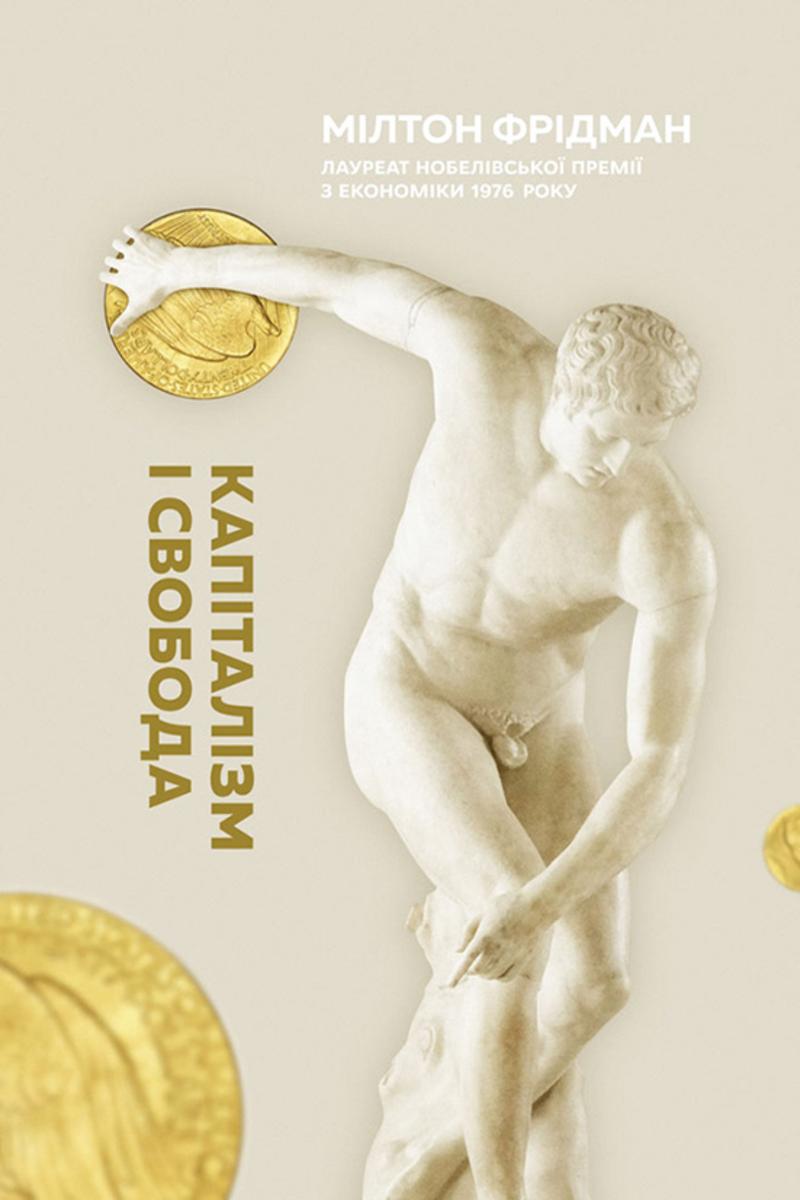
Кап?тал?зм ? свобода
¥28.61
Europa, 1900.–1914.: svijet u tra?enju, pulsiraju?e razdoblje kreativ?nosti i suprotnosti. Glavne su teme terorizam, globalizacija, imigranti, konzumerizam, propast moralnih vrijednosti i suparni?tvo velikih sila. Dvadeseto stolje?e nije se rodilo u rovovima kod Somme ili Passchendaela, nego u petnaest vrtoglavih godina koje su prethodile Prvome svjetskom ratu. U kratkom razdoblju novi svjetski poredak proiza?ao je iz tragi?nih suprotnosti staroga. Posljedice industrijske revolucije, na politi?kom i osobnom planu, osje?ale su se u cijelom svijetu: gradovi rastu zbog pristizanja seoskog stanovni?tva koje napu?ta svoje tradicionalne vrijednosti, znanost donosi napredak, ali i izume iz no?nih mora, obrazovanje je milijunima ljudi otvorilo nove mogu?nosti, masovno proizvedeni predmeti promijenili su svakodnevni ?ivot, radnici zahtijevaju udio u politi?koj vlasti, ?ene ?ele promijeniti svoj polo?aj u dru?tvu i prirodu seksualnih odnosa. Od nevjerojatne nade u novo stolje?e koju je utjelovio Svjetski sajam u Parizu 1900. do atentata na austrijskog nadvojvodu u Sarajevu 1914., povjesni?ar Philipp Blom ovo razdoblje istra?uje godinu po godinu. Premijeri i seljaci, anarhisti i glumice, znanstvenici i psihopati susre?u se na pozornici novoga stolje?a u ovom prikazu rasko?noga, nestabilnog doba na rubu katastrofe. Prelijepo napisana i puna vje?to ispri?anih anegdota, knjiga Vrtoglave godine o?ivljava ?udesa, u?ase i strahove ranoga dvadesetog stolje?a.

У л?с?-л?с? темному
¥24.93
The Interrelation Between Art Worlds is a part of PhD thesis and it deals with the simultaneous and successive art using the illustrations of Bhagavad Gita, in 18 chapters, where each chapter has two versions. The substance of the author's interest is a transfer of thoughts and feelings from the ancient Indian epic, through visual elements, that is, the visualization of temporal arts. She tried to explain the philosophy of Bhagavad Gita?through composition, color, contrast, third dimension, structure, texture, proportion, rhythm and dynamics, which is particular because in India philosophy equals religion, and vice versa. Described is also the analogy between temporal and spatial arts, such as color (valeur), music (chord). Through the synergy of meaning and radiation on the illustrations, we can achieve experience of "reading the image". ? Tatjana Burzanovi? is a writer, artist, graphics designer, and interior designer, professor at the Faculty of Culture and Tourism, where she teaches Indian culture, and Faculty of Design and Multimedia, at the University of Donja Gorica in Podgorica, Montenegro. She graduated from Academy of Fine Arts in Sarajevo, and acquired her PhD at Faculty of Art and Design at the University of Belgrade. She presented her works in numerous solo and group exhibitions, and took part in several artistic and pedagogical colonies. She received several awards for her book designs. The book The Interrelation Between Art Worlds?was awarded at 11th Book Fair in Podgorica for the best designed art book.

Джерело
¥34.83
Idu?i ?enskom stranom hrvatske knji?evnosti Lidija Duji? sla?e koncizan i zanimljiv pregled izabranog segmenta doma?e knji?evne povijesti. Ocrtava sociolo?ke krokije hrvatskih knji?evnica, iznosi kratke karakterizacije, uzgred problematiziraju?i ?enski geto didakti?ke i dje?je knji?evnosti. Analiziraju?i i ponovno vrednuju?i neka djela, prihva?ena pod etiketom ??enskog pisma“, autorica dovodi u pitanje mnoga op?a mjesta, ne ?tite?i se krinkom autoriteta znanstvene objektivnosti – pi?u?i u prvom licu. Knjiga se temelji na njezinoj doktorskoj disertaciji, ali je pisana popularno te je namijenjena ?iroj publici.
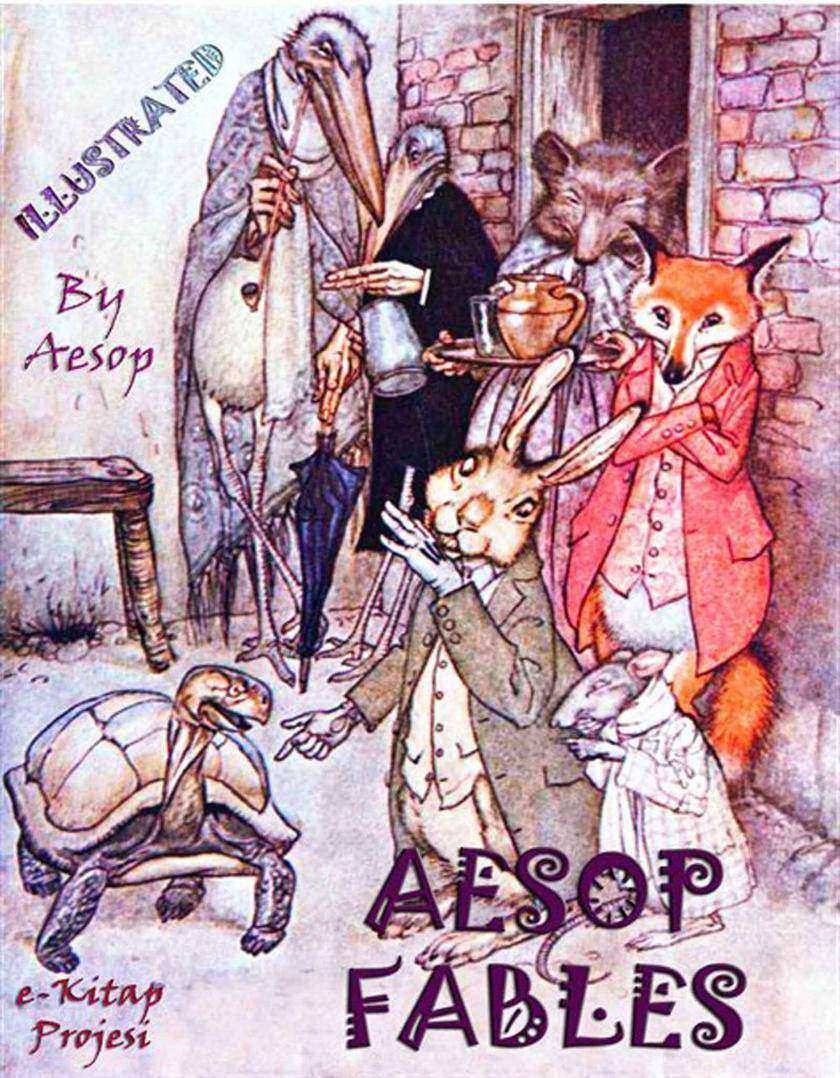
Aesop Fables: {Illustrated}
¥24.44
This book, re-edited and illustrated by e-kitap projesi and published again in ebook format. In this book, telling that Boyhood stories of the Most famous persons in the world, and so These 21 famous persons lay out from Christopher Colombus –The pre-founder of the America- to Otto von Bismarc. For example: “When he was sixteen Napoleon and his best friend, a boy named Desmazis, were ordered to join the regiment of La Fère which was then quartered in the south of France. Napoleon was glad of this change which brought him nearer to his island home, and he also felt that he would now learn something of actual warfare. The two boys were taken to their regiment in charge of an officer who stayed with them from the time they left Paris until the carriage set them down at the garrison town. The regiment of La Fère was one of the best in the French army, and the boy immediately took a great liking to everything connected with it. He found the officers well educated and anxious to help him. He declared the blue uniform with red facings to be the most beautiful uniform in the world. He had to work hard, still studying mathematics, chemistry, and the laws of fortification, mounting guard with the other subalterns, and looking after his own company of men. He seemed very young to be put in charge of grown soldiers, but his great ability had brought about this extraordinarily rapid promotion. He had a room in a boarding-house kept by an old maid, but took his meals at the Inn of the Three Pigeons. Now that he was an officer he began to be more interested in making a good appearance before people. He took dancing lessons and suddenly blossomed out into much popularity among the garrison. Older people could not help but see his great strength of character, and time and again it was predicted that he would rise high in the army.”

ДНК особистост?
¥33.03
Na prostorima nekada?nje Jugoslavije u posljednjih sto godina dogodile su se vi?estruke promjene, nastajale su? i nestajale dr?ave i politi?ki sistemi, doga?ali su se brojni ratovi i prevrati, povijest je nemilice mar?irala ulicama razdvajaju?i obitelji i tra?e?i od pojedinca da joj se povinuje ili suprotstavi. O jednoj takvoj povijesti pi?e Igor ?tiks? u svojoj kapitalnoj knjizi Dr?avljanin, gra?anin, stranac, neprijatelj. Nastala kao plod dugogodi?njeg bavljenja temama dr?avljanstva i gra?anstva na doktorskim? i postdoktorskim studijima, niza predavanja i referata te iznimnoga terenskog rada, ova knjiga kao nijedna do sada propituje pravo pojedinca i njegovu ulogu unutar dr?ave. ?tiks iz pojma dr?avljanina i gra?anina razvija i dokazuje tezu o mijenama politi?kih sistema i zajednica te koliko su i kako utjecali na poziciju i ?ivot pojedinca. Odgovara na pitanja ?to uop?e zna?i biti dr?avljanin, biti uklju?en ili pak isklju?en, kako se osje?ati u poziciji gra?anina i ?to se doga?a kada se ona mijenja u onu stranca ili pak neprijatelja. Knjiga Dr?avljanin, gra?anin, stranac, nepri?jatelj povijesna je, kulturolo?ka i sociolo?ka, ali prije svega politi?ka studija koja pokazuje koliko su krhki identiteti, kako se lako stvaraju i grade novi te koliko je pitanje dr?avljanstva i gra?anstva va?no i danas.

Miss Lou
¥73.48
The career of Louise Bennett ('Miss Lou') is an essential component in any reckoning of Jamaican culture. This book offers a brief account of her life (1919-2006): a story of challenges and blessings, of a journey towards national and international acclaim. It draws on a variety of sources, including interviews, archives, academic theses, documentary projects, recorded performances and Louise Bennett's own writings.It also offers an assessment of Miss Lou's contribution to the arts. She was a key figure in the transformation of the Little Theatre Movement pantomime; a generous, well trained actor; an expert creator of Anancy stories; a television personality regularly engaging with children; a distinctive radio commentator; a laughing poet evaluating attitudes, sometimes with complex irony.Miss Lou used Standard English comfortably in many contexts, and did not wish the country rid of it; but she chose in most of her creative work to employ the language most Jamaicans speak. Her ebullient delight in Jamaican Creole spread joy and promoted respect. A diligent researcher into Jamaican heritage, she acknowledged its various streams, but was especially concerned with continuities out of Africa.When the Asian culture and the European culturebuck up on African culture in the Caribbean people,we stir them up and blend them to we flavour,we shake them up and move them to we beat,we wheel them and we tu'n them and we rock themand we sound them and we temper them,and lawks, the rhythm sweet!Her name is frequently invoked by Jamaicans, especially in relation to national identity. As 'Jamaica's First Lady of Comedy' she delighted audiences in many parts of the world, and her publications have been praised internationally.

101 Facts you didn't know about Chas and Dave
¥29.33
Are you a Chas & Dave fan? Do you know all the words to their memorable hit songs and enjoy singing along? Have you been to see the 'rockney' duo perform live or, like thousands of others, watched them on TV? If you like Chas & Dave, this book is your chance to get to know them better. Dip inside 101 Things You Didn't Know About Chas & Dave to discover some little known facts and trivia associated with the creators of such boogie-woogie, sing-along classics as 'Rabbit', 'Gertcha' and 'There Aint' No Pleasin' You'. Full of fascinating facts, and compiled by one half of the duo, Chas Hodges, this book includes many personal details and information about Chas & Dave's projects, past and present. This book will appeal to everyone who enjoys the music-hall humour and folk-style entertainment associated with Chas & Dave and is a must-have read for all those people who would like to learn more about the musical duo.

Rixton Quiz Book
¥24.43
Are you a fan of British boy band Rixton? Can you name the individual band members? Have you watched the music videos that the band has uploaded to YouTube? If so, you will be familiar with Rixton and enjoy their music but how much do you really know about the up and coming band? Find out exactly what Rixton has been up to with this new quiz book. What was Rixton previously known as? Whose tour titled 'The Honeymoon Tour' did the band support, kicking off in February 2015? How did Rixton celebrate the success of the single 'Me and My Broken Heart'? These are just some of the questions to be found inside The Rixton Quiz Book. Packed with information, this book details Rixton's journey from young hopefuls to chart topping success and includes sections on each of the band members as well as facts about their music, tours, singles and album. With 100 questions all about your favourite band, this is a must-have book for Rixton's rapidly growing fan base.
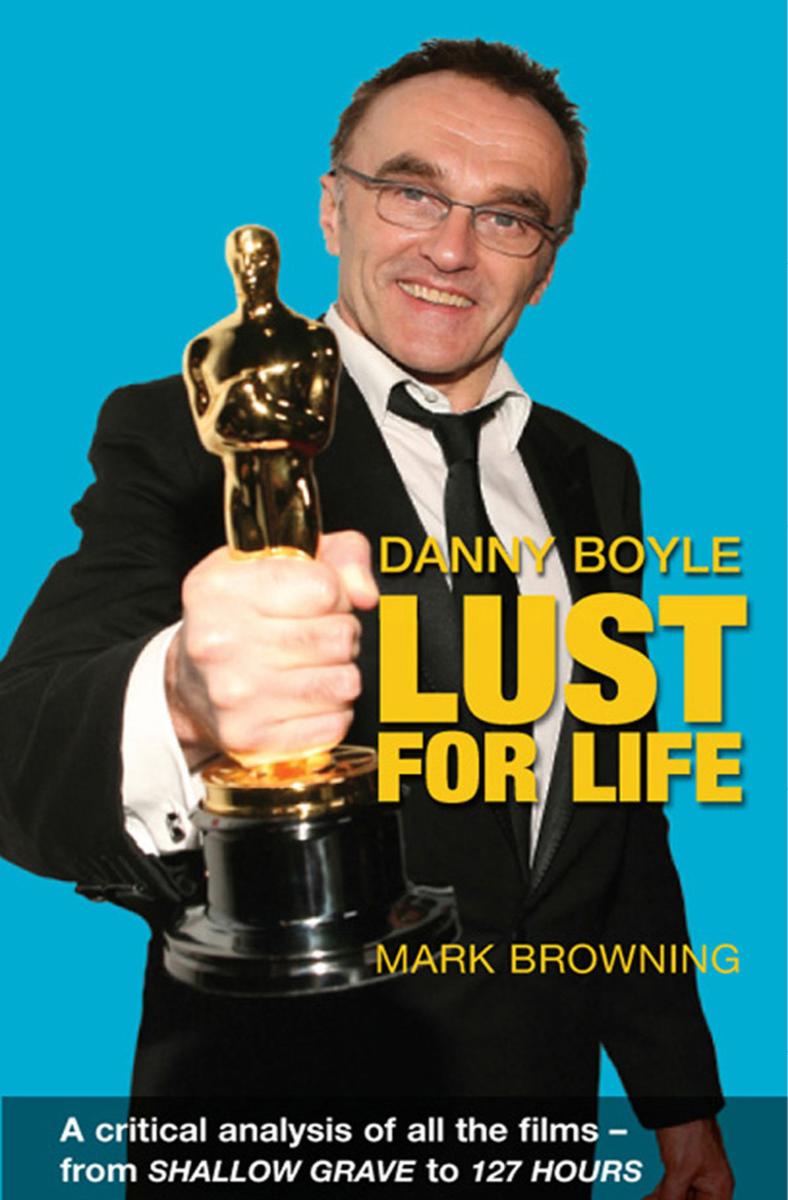
Danny Boyle - Lust for Life
¥98.00
Danny Boyle is one of contemporary filmmaking's most exciting talents. Since the early 1990s he has steadily created a body of work that crosses genres and defies easy categorisation, from black humour (Shallow Grave), gritty realism (Trainspotting), screwball comedy (A Life Less Ordinary), cult adaptations (The Beach), and horror (28 Days Later), to science fiction (Sunshine), children's drama (Millions), love stories (Slumdog Millionaire) and tales of personal redemption (127 Hours). Unlike many of his peers, Boyle seems most comfortable when working with modest budgets, relying on acting ability rather than special effects, and surrounding himself with a trusted team of writers, cinematographers and production designers. His restless energy, vitality and drive find their expression in the celebratory tone of his films - their lust for life.In this book, Mark Browning provides a rigorous but highly accessible analysis of Boyle's work, discussing the processes by which he absorbs generic and literary influences, the way he gains powerful performances both from inexperienced casts and A-list stars, his portrayal of regional identity, his use of moral dilemmas as a narrative trigger, and the religious undercurrents that permeate his films.


