


 购物车
 个人中心

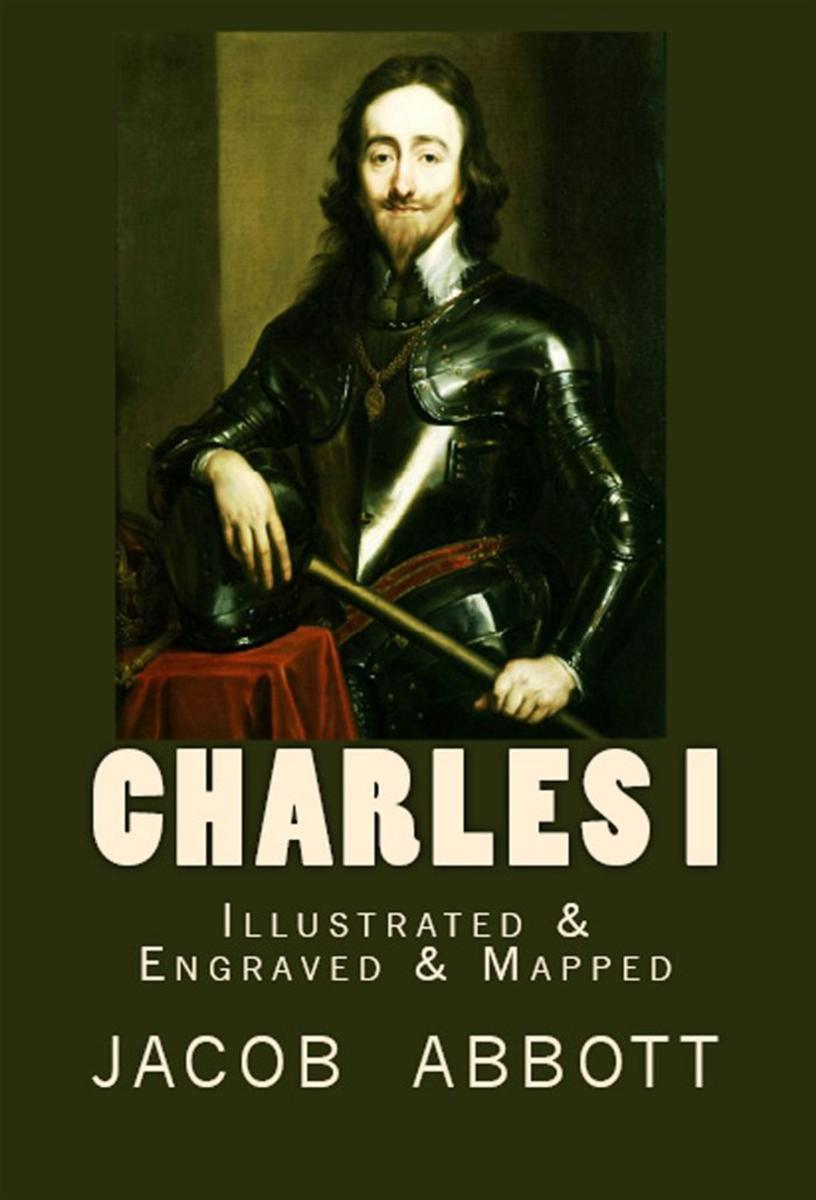
Charles I
¥18.56
KING CHARLES THE FIRST was born in Scotland. It may perhaps surprise the reader that an English king should be born in Scotland. The explanation is this:??They who have read the history of Mary Queen of Scots, will remember that it was the great end and aim of her life to unite the crowns of England and Scotland in her own family. Queen Elizabeth was then Queen of England. She lived and died unmarried. Queen Mary and a young man named Lord Darnley were the next heirs. It was uncertain which of the two had the strongest claim. To prevent a dispute, by uniting these claims, Mary made Darnley her husband. ??They had it son, who, after the death of his father and mother, was acknowledged to be the heir to the English throne, whenever Elizabeth's life should end. In the meantime he remained King of Scotland. His name was James. He married a princess of Denmark; and his child, who afterward was King Charles the First of England, was born before he left his native realm.
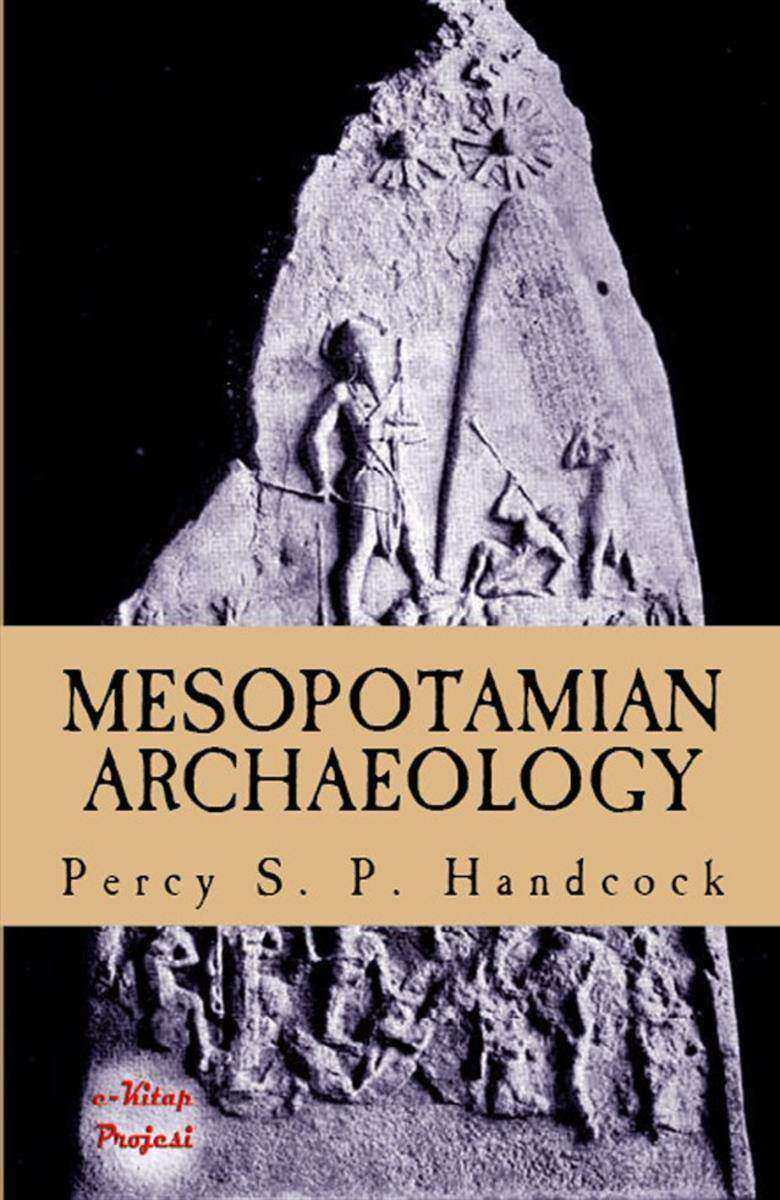
Mesopotamian Archaeology
¥37.20
THE Mesopotamian civilization shares with the Egyptian civilization the honour of being one of the two earliest civilizations in the world, and although M. J. de Morgan’s excavations at Susa the ruined capital of ancient Elam, have brought to light the elements of an advanced civilization which perhaps even antedates that of Mesopotamia, it must be remembered that the Sumerians who, so far as our present knowledge goes, were the first to introduce the arts of life and all that they bring with them, into the low-lying valley of the Tigris and Euphrates, probably themselves emigrated from the Elamite plateau on the east of the Tigris; at all events the Sumerians expressed both “mountain” and “country” by the same writing-sign, the two apparently being synonymous from their point of view; in support of this theory of a mountain-home for the Sumerians, we may perhaps further explain the temple-towers, the characteristic feature of most of the religious edifices in Mesopotamia, as a conscious or unconscious imitation in bricks and mortar of the hills and ridges of their native-land, due to an innate aversion to the dead-level monotony of the Babylonian plain, while it is also a significant fact that in the earliest period Shamash the Sun-god is represented with one foot resting on a mountain, or else standing between two mountains. However this may be, the history of the Elamites was intimately wrapped up with that of the dwellers on the other side of the Tigris, from the earliest times down to the sack of Susa by Ashur-bani-pal, king of Assyria, in the seventh century. Both peoples adopted the cuneiform system of writing, so-called owing to the wedge-shaped formation of the characters, the wedges being due to the material used in later times for all writing purposes—the clay of their native soil—: both spoke an agglutinative, as opposed to an inflexional language like our own, and both inherited a similar culture. A further, and in its way a more convincing argument in support of the mountain-origin theory is afforded by the early art of the Sumerians. On the most primitive seal cylinders1 we find trees and animals whose home is in the mountains, and which certainly were not native to the low-lying plain of Babylonia. The cypress and the cedar-tree are only found in mountainous districts, but a tree which must be identified with one or the other of them is represented on the early seal cylinders; it is of course true that ancient Sumerian rulers fetched cedar wood from the mountains for their building operations, and therefore the presence of such a tree on cylinder seals merely argues a certain acquaintance with the tree, but Ceteris paribus it is more reasonable to suppose that the material earthly objects depicted, were those with which the people were entirely familiar and not those with which they were merely casually acquainted. Again, on the early cylinders the mountain bull, known as the Bison bonasus, assumes the r?le played in later times by the lowland water-buffalo. This occurs with such persistent regularity that the inference that the home of the Sumerians in those days was in the mountains is almost inevitable. Again, as Ward points out, the composite man-bull Ea-bani, the companion of Gilgamesh, has always the body of a bison, never that of a buffalo. So too the frequent occurrence of the ibex, the oryx, and the deer with branching horns, all argues in the same direction, for the natural home of all these animals lay in the mountains.

The Value of Nothing
¥23.14
Welcome! Come on in! Take part in the project launch of ArtWorks, the new back to work initiative created and run by your friend and ours, the one, the only, the most fantastic… Vince Fine! And so begins the project launch from hell… Exploring issues of how society views those living on benefits, the ‘creative industries’ and what we should value in life, this dark comedy (running in real time) charts the fall from grace of the central comedic hero, Vince Fine, as he watches everything he’s ever dreamed of slip from his fingers. Includes some audience participation and interaction.
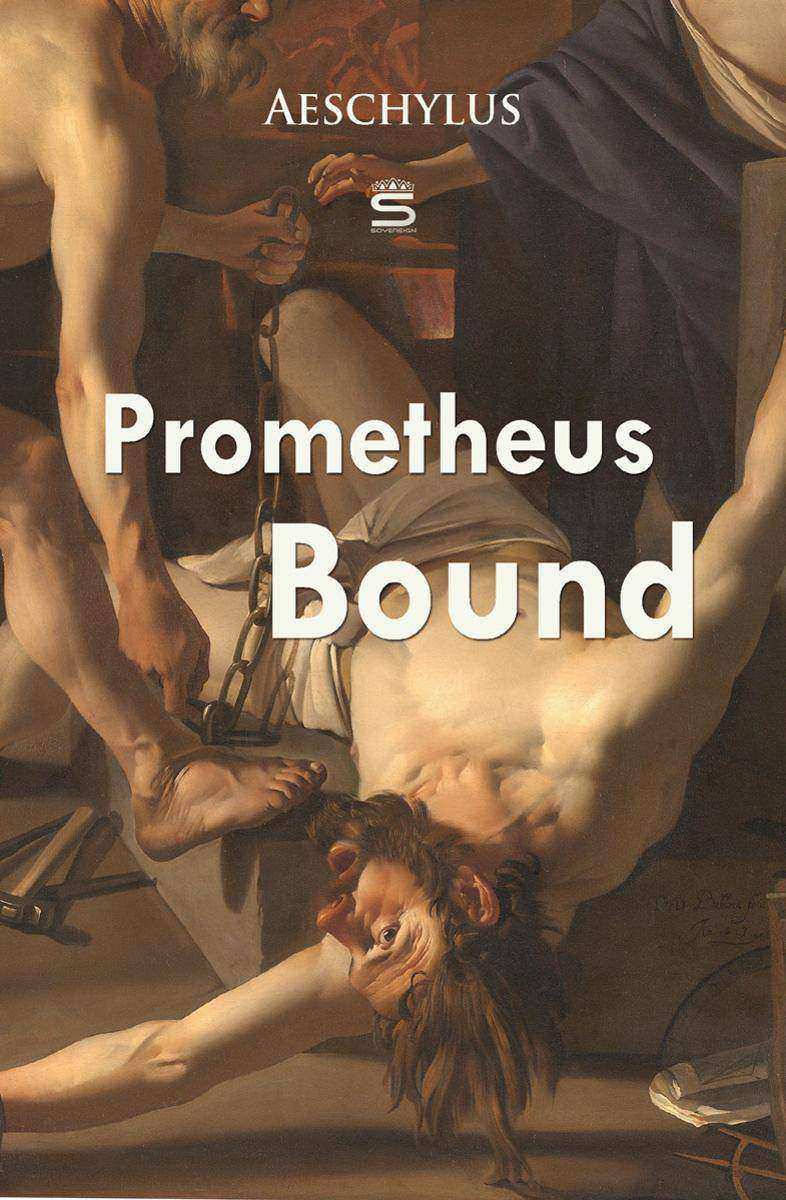
Prometheus Bound
¥40.79
Prometheus, a Titan who defies the gods and gives fire to mankind, acts for which he is subjected to perpetual punishment. The Oceanids appear and attempt to comfort Prometheus by conversing with him. Prometheus cryptically tells them that he knows of a potential marriage that would lead to Zeus's downfall. A Titan named Oceanus commiserates with Prometheus and urges him to make peace with Zeus.
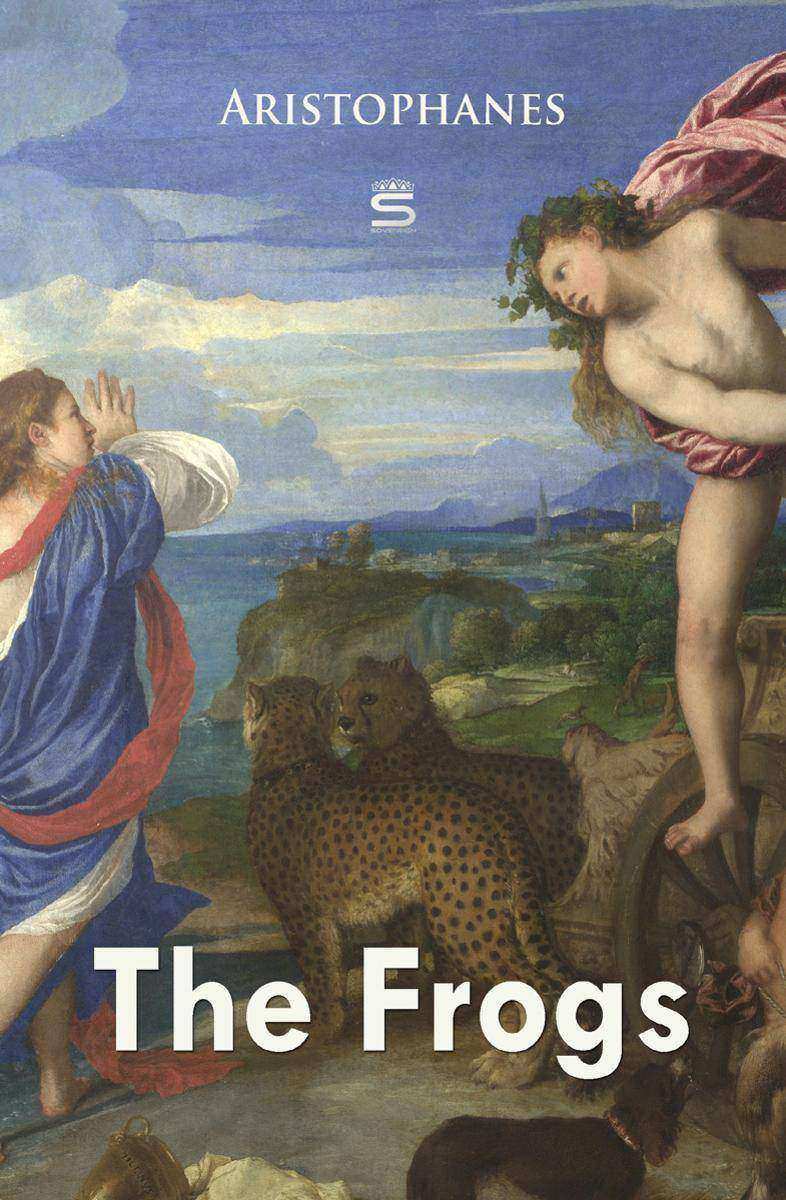
The Frogs
¥40.79
The Frogs tells the story of the god Dionysus, who, despairing of the state of Athens' tragedians, travels to the underworld to bring the playwright Euripides back from the dead. He brings along his slave Xanthias, who is smarter and braver than Dionysus. As the play opens, Xanthias and Dionysus argue over what kind of jokes Xanthias can use to open the play.
The Ecclesiazusae
¥40.79
A group of women, led by the wise and redoubtable Praxagora, has decided that the women of Athens must convince the men to give them control of the city, as they are convinced they can do a better job. Disguised as men, the women sneak into the assembly and command the majority of votes needed to carry their series of revolutionary proposals, even convincing some of the men to vote for it on the grounds that it is the only thing they have not tried.

Peisaje interioare
¥57.14
Volumul de fa?? reune?te portretele sclipitoare ale celor mai ilustre favorite. Apropiate puterii, exercit?ndu??i influen?a adesea ?ntr?o manier? clandestin?, ele alc?tuiesc un galant cortegiu de femei c?rora importan?i b?rba?i de stat le datoreaz? mult. Ce este o favorit?? Cuv?ntul, ne?ndoielnic originar din italian?, se refer? la o femeie care ?se bucur? de favorurile" unei persoane de rang foarte ?nalt. Spre deosebire de o amant?, favorita nu se mul?ume?te s? fie obiectul unei pasiuni amoroase, fie aceasta efemer? ori durabil?. Ea are putere, exercit? influen?? politic?, economic? sau artistic?; ob?ine rezultate, fericite sau dezastruoase. Fie c? e iubit? de popula?ie, tolerat? sau detestat?, nimic nu se face ?i nu se desface f?r? ea. Muzele prezentate de autor ?n acest periplu prin istoria Europei au jucat toate un rol propor?ional cu influen?a exercitat? asupra monarhului, prin?ului mo?tenitor, regelui sau ?mp?ratului l?ng? care s-au aflat, fie el c?s?torit, v?duv sau celibatar: Agnes Sorel, Diana de Poitiers, Gabrielle d’Estrées, Louise de La Valliere, marchiza de Montespan, doamna de Maintenon, surorile de Nesle, marchiza de Pompadour, doamna du Barry, Zoé du Cayla, Lol Montez, Miss Howard, Katia Dolgorukova, Blanche Delacroix, Magda Lupescu ?i Wallis Simpson. Optsprezece portrete de femei care au influen?at cursul istoriei. ?n bine ?i ?n r?u.?

TRI KNJIGE O SOFIJI
¥80.93
O istorie politico-sentimental? a capitalei noastre. De ce o istorie politico-sentimental?? Pentru c?, ?n evolu?ia Bucure?tiului, de-alungul secolelor, afacerile politice s-au ?mpletit adesea, inevitabil, cu b?t?ile inimii. Chiar prima perioad? a cet??ii, ca ?i capital? domneasc?, tutelat? de figu ra dominant? a doamnei Chiajna, poate fi b?nuit? de un senzualism crud care a deschis drum acelui fenomen pe care Ionescu-Gion ?l numea at?t de plastic ?ginecolatrie“, adic? ascultarea dovedit? de domnitorii valahi fa?? de so?iile lor.

Numele meu este Hanako. Aventurile c??elu?ei din Bucure?ti ajunse ?n Japonia
¥40.79
In The Beginner's American History, D. H. Montgomery provides a wide-ranging and authoritative history of America, capturing in a compact space the full story of our nation. The Beginner's American History offers an illuminating account of politics, diplomacy, and war as well as the full spectrum of social, cultural, and scientific developments that shaped our country.?Illustrated, Maps, Full-Page Illustrations. Contents start with Columbus, last chapter is Since the Civil War. Some of the other contents: Captian Sutter, General Sam Houston, General Andrew Jackson, General George Rogers Clark and lots more.

Eliberarea de jocurile min?ii
¥32.62
Indezirabilii, publicat sub egida Institutului de Istorie ?George Bari?iu“ al Academiei Rom?ne, scoate la lumin? informa?ii pu?in cunoscute despre exodul etnicilor evrei, rom?ni, ru?i ?i ucraineni din URSS ?n Rom?nia.Cauzele, mijloacele emigr?rii, reac?ia autorit??ilor, a popula?iei autohtone ?i a organiza?iilor interna?ionale, fenomenele conexe sunt relevate ?n contextul profundelor transform?ri sociale ?i politice din perioada 1919-1939. Prezentarea unor texte scrise de ?i despre emigran?i ofer? detalii asupra atrocit??ilor comise de regimul sovietic, a modului ?n care au fost percepu?i ?i a celui ?n care au perceput indezirabilii statul na?ional unitar rom?n.Fragment din subsec?iunea ?Trecerea Nistrului ?n ambele sensuri: motive ?i consecin?e“Unul din efectele masacrelor de la Nistru din lunile februarie-martie 1932 ?i ale noului val de refugia?i din RASS Moldoveneasc? asupra opiniei publice din Rom?nia a constat ?n exprimarea pozi?iei fa?? de evenimentele tragice ?n publica?ii. Jurnali?tii ?i cercet?torii nu s-au limitat la analiza evenimentelor, ci au publicat o serie ?ntreag? de materiale despre istoria regiunii transnistrene ?i a rom?nilor de acolo. De exemplu, potrivit lui Pamfil ?eicaru, amplificarea represiunilor din URSS reprezenta unul din aspectele luptei ?mpotriva tradi?iei (familia, p?m?ntul, religia), iar rom?nii transnistreni – un bastion de ?nd?r?tnic? rezisten?? a tradi?iei. ?n fapt, purificarea regiunii transnistrene, echivala cu desfiin?area pseudo-autonomiei moldovene?ti, iar dispari?ia entit??ii intra ?n linia necesit??ilor de via?? ale centraliz?rii Moscovei, trec?nd peste particularit??ile provinciale. Motivele extermin?rii sunt rezumate ?n finalul analizei: ?Moldovenii n-au fost buni, n-au slujit scopurilor pentru care li se d?duse chiar ?i titlul de Republic? Moldoveneasc?, dispari?ia lor a ap?rut ca o porunc? nivelatoare a standardului na?ional conceput de Stalin. ?i de pe p?m?nturile unde tr?iesc de veacuri, de pe malurile Nistrului, sunt porni?i ?n dep?rt?rile pustii ?i ?nghe?ate ale Siberiei. Drumul lung ?i greu, foamea, bolile, le va tot ?mpu?ina num?rul, p?n? ce nu va mai r?m?ne niciunul din neamul blestemat al moldovenilor, ace?ti ?nd?r?tnici adversari ai uniformiz?rii staliniste. De-a lungul Rusiei ro?ii (tot at?t de milostiv? ca ?i Rusia ?arist?) mormintele lor vor ?nsemna drumul crucific?rii moldave. ?i ieri ?i azi Pohod na Sibir! Numai imbecilii ??i ?nchipuie c? esen?a na?iilor se schimb? prin revolu?ii“. La 23 martie 1932, sub impresia cazurilor, individuale sau de grup, aproape zilnice, de ?mpu?care a ??ranilor rom?ni care ?ncercau s? p?trund? din Transnistria ?n Rom?nia, Pamfil ?eicaru dezvolta ideea de standardizare spiritual? prin represiune masiv?, exterminatorie, ?ntr-un articol cu accente directe antiminoritare ?i indirecte antiguvernamentale. Raportat la incapacitatea sau imposibilitatea opririi crimelor de la frontiera sovieto-rom?n?, directorul Curentului propunea efectuarea unui schimb de popula?ie cu URSS, mediat de Societatea Na?iunilor: ?[…] exact ?n propor?ia numeric? a moldovenilor de peste Nistru ce ni s-ar trimite, am expedia comuni?ti ruteni, oameni converti?i ce nu ar mai necesita at?ta trud? uciga?? c?te sunt constr?nse autorit??ile sovietice s? fac?“. O critic? explicit? viza rolul activ pe care ar fi trebuit s?-l joace Societatea Na?iunilor: ?Un mijloc foarte simplu de a curma un asasinat, un semn de prezen?? uman? a institu?iei de asisten?? a popoarelor, de activ? prezen?? a Societ??ii Na?iunilor“. Trebuie men?ionat ?ns? faptul c?, ?ntr-un articol ulterior, se consemna sprijinul acordat de A. ?ulghin, reprezentantul ucrainean la Geneva, delega?iei Rom?niei, care a cerut condamnarea masacrelor de la Nistru ?n format multilateral. Mai mult dec?t at?t, putem observa c? ucrainenii sunt men?iona?i pe l?ng? etnicii rom?ni ca victime ale atrocit??ilor: ?Masacrele s-au repetat, ??ranii au fost ?mpu?ca?i f?r? mil?, rom?ni ?i ucraineni laolalt?“.
The Marines in World War II
¥81.67
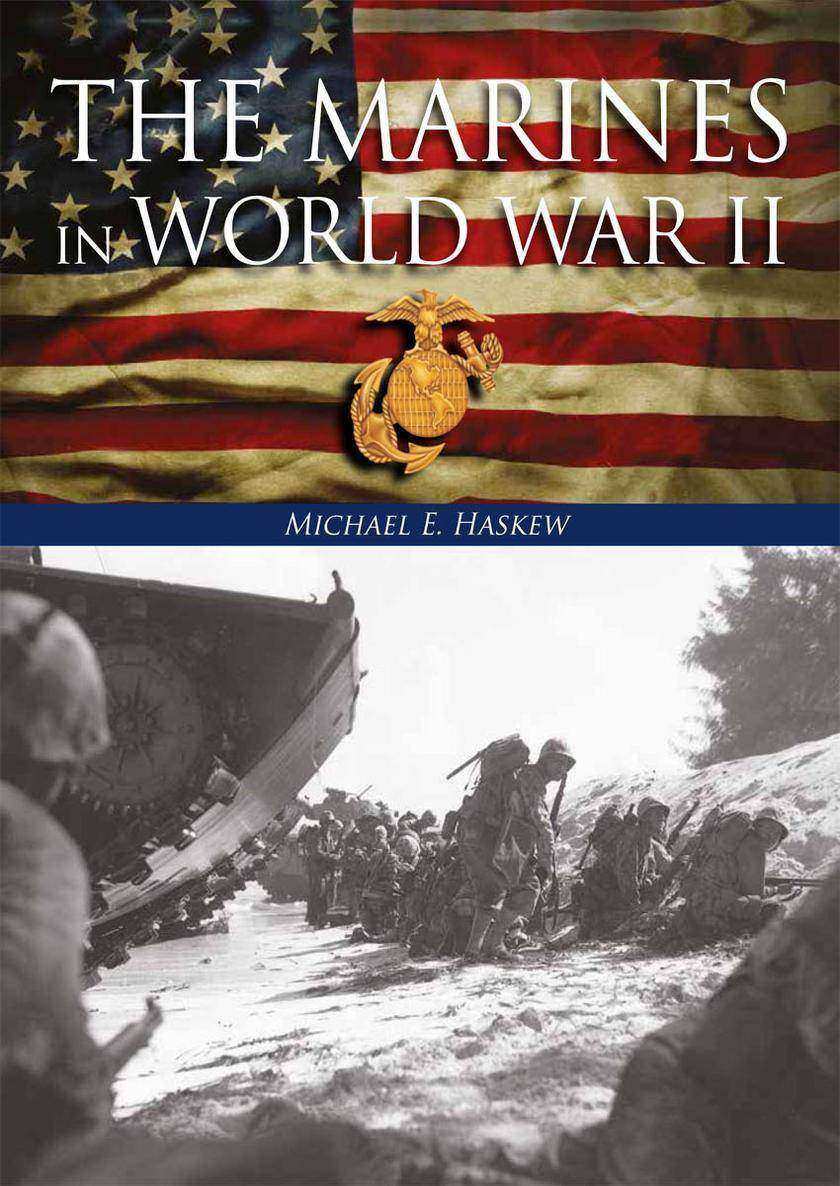
Iwo Jima, Okinawa, and Tarawa are legendary names on the US Marines’ roll of honour, a testament to the bravery and sacrifice of Marines who answered the call to arms following the Japanese surprise attack on Pearl Harbor in December 1941. Growing to a peak of almost half a million men in 1945, at the beginning of the war the Marine Corps was a small expeditionary force with outdated equipment and an unproven new mission – amphibious assault. The Marines in World War II charts the combat history of the Marines from Wake Island to Okinawa, covering every major battle in between: Guadalcanal, Kwajalein Atoll, Bougainville, Saipan, Guam, and Peleliu, to name just a few. In addition to chronicling these hard-fought battles, the book also examines the important role played by Navajo code talkers, the development of Marine Corps aviation, the little-known role of Marines in the European theatre, and the story behind the iconic “Raising the Flag on Iwo Jima” photograph. Today, the Marines are best remembered as the gritty, determined combat force that matured rapidly, learned hard lessons, took on the committed defenders of the Empire of Japan, crossed the Pacific Ocean island by island, and fought, bled, died – and won.
D-Day: Preparation for Overlord
¥40.79
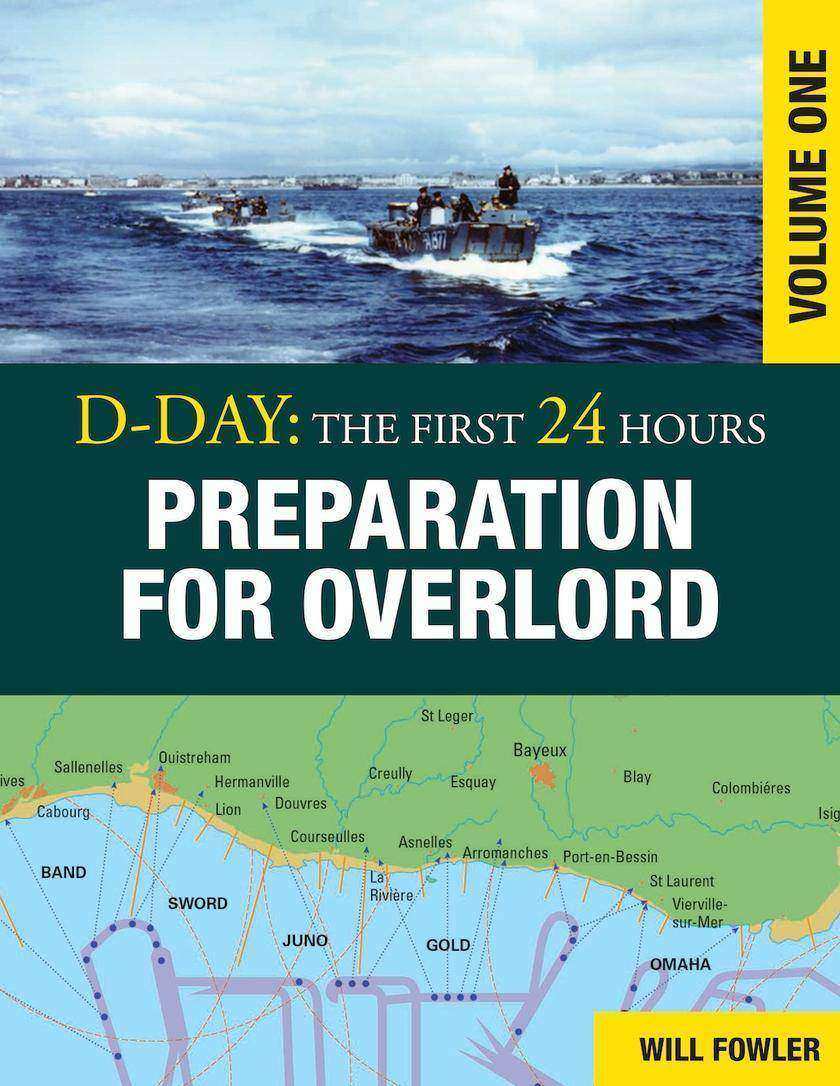
In any military operation throughout history, few 24-hour periods have been as crucial as that of 6th June 1944. With the aid of specially commissioned maps, D-Day: The First 24 Hours series gives the dramatic history of the first 24 hours of the Normandy landings, and explains in detail the events that occurred in each landing zone. In this first volume of the series, the book describes the build-up to the landings themselves, the German preparations for defending the French coastline, and the reasons behind the final Allied decision to attack in Normandy on 6 June 1944. With colour and black & white photographs, the book is a guide to key events in the first 24 hours of the D-Day landings that saw the Allies successfully achieve a foothold in Northern Europe.
Mashi, and Other Stories
¥18.74
L'art pour tous was written in the year 1862 by Stéphane Mallarmé. This book is one of the most popular novels of Stéphane Mallarmé, and has been translated into several other languages around the world.This book is published by Booklassic which brings young readers closer to classic literature globally.

Szoros emberfogás
¥57.31
"Ugyanabban az id?ben, és ugyanazon a napon, amelyen a nemzetek megszentégtelenítették, ugyanakkor szentelték fel a templomot énekszóvel, lantok, hárfák és cintányérok kíséretével. Az egész nép arcra borult, imádta és áldotta at Eget, hogy szerencséssé tette útjukat. Az oltár újraszentelését nyolc napig végezték, és ?r?mmel áldoztak ég?álozatokat és dícs?it? áldozatokat a szabadulásért. A templom homlokzatát aranykoszorúkkal és -pajzsocskákkal díszítették fel, megújították a kapukat és a papi kamrákat, és ajtókkal láttál el ?ket. Igen nagy ?r?m t?lt?tte le a népet, mivel sikerült elhárítaniuk magukról a nemzetek gyalázatát. Júdás és testvérei Izrael egész gyülekezetével együtt elhatározták, hogy évr?l évre megünnepilik az oltár újraszentelésének napjait a maga idején a Kiszlév hónap huszon?t?dik napjától kezdve nyolc napon át vidámsággal és ?r?mmel."? A Makkabeusok els? k?nyve Izrael népe t?rténelmének olyan fejezetét mutatja be, amikor az ?s?k hitéért való harc egyben a nemzeti ?nrendelkezésért való küzdelmet is jelentett a hellenizmus globális trendjével szemben.?

Maidanul cu dragoste
¥0.01
Organizarea, activitatea ?i orientarea ?n coresponden?? diplomatic? rom?n? ?i note ale SSIVolumul are ca subiect principal organizarea, activitatea ?i orientarea emigra?iei politice din fostul Imperiu Rus ?n Europa, considerat? ca un pericol permanent la adresa regimului comunist, emigra?ie ai c?rei lideri au f?cut obiectul ?ncerc?rilor permanente de terorizare, lichidare sau discreditare.Documentele selectate, ?n cea mai mare parte, din Arhiva Diplomatic?, reprezint? rapoarte ale lega?iilor ?i oficiilor consulare rom?ne din Atena, Belgrad, Berlin, Berna, Bratislava, Budapesta, Istanbul, Lisabona, Madrid, Paris, Praga, Roma, Rusciuk, Skopje, Sofia, Stockholm, Vichy sau Zagreb, precum ?i note ale Serviciului Special de Informa?ii, c?tre Ministerul Afacerilor Str?ine, ?n timpul campaniei germano-rom?ne ?mpotriva Uniunii Sovietice. Sursele reflect? nu doar starea de fapt ?i de spirit a emigran?ilor, for?a?i s? aleag? ?ntre regimul totalitar comunist ?i cel nazist, dar ?i pozi?ia Bucure?tiului fa?? de problemele rus? ?i ucrainean?, cu profunde implica?ii geopolitice.

Mo? Teac?
¥0.01
Publica?ii, documente, scrisori ?i fotografii?n anul 1920, ?ntr-o lupt? inegal? cu trupele bol?evice, ?n fruntea Brig?zii a 2-a de Mitraliere a Armatei Na?ionale Ucrainene, locotenent-colonelul Hnat Porohivski s-a retras pe malul drept al Nistrului. Participant la Primul R?zboi Mondial, lider al emigran?ilor ucraineni care s-au salvat din fostul Imperiu Rus ?n Rom?nia, ?n anul 1931 absolv? ?coala Superioar? de ?tiin?e Administrative din Bucure?ti, iar ?n 1940 devine comisar al guvernului ucrainean ?n exil pentru statele balcanice.Din anul 1930 lucreaz? pentru Serviciul Secret de Informa?ii al Armatei Rom?ne, sub numele conspirativ Ciobanu, loialitatea sa fiind determinat? nu doar de orientarea antisovietic?, dar ?i de ospitalitatea oferit?. Lu?nd parte la lupte din primele zile ale r?zboiului rom?no-sovietic, sub numele conspirativ Dobrescu, ?n calitate de ofi?er superior al Agenturii Frontului de Est, a condus Biroul de Studii, Documentare ?i Centralizare.Volumul reprezint? un prim pas de recuperare a memoriei celui c?ruia i se datoreaz?, ?n mare parte, renumele de care s-a bucurat emigra?ia politic? ucrainean? din Rom?nia, rezisten?a acesteia ?n fa?a asaltului de distrugere ?i divizare, men?inerea pozi?iei de ostilitate fa?? de comunism ?i de imperialism.
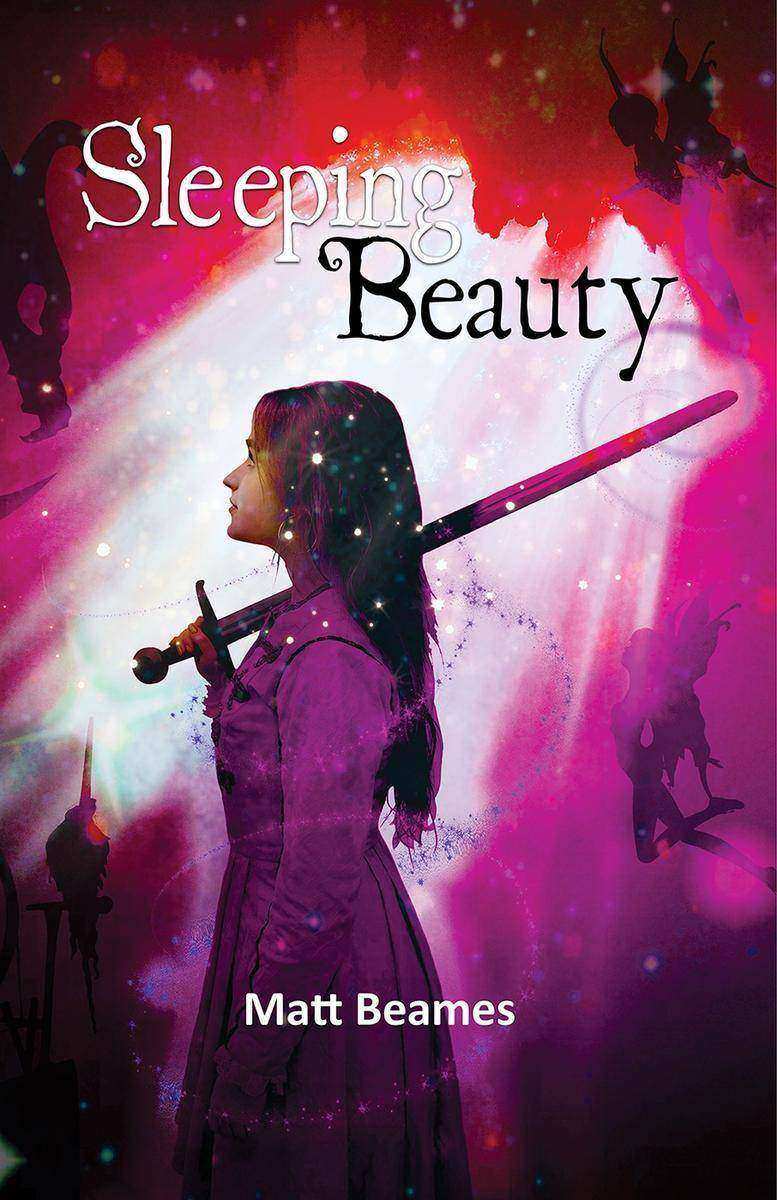
Sleeping Beauty
¥40.79
The world spins and the cycle of seasons turns as the Guardians of the Year gather to tell each other stories. As a new Winter begins it is time to tell another tale… A kingdom is in peril, its people driven to flee their homes as a dark forest covers the land. The King and Queen are missing and Prince Roland, only heir to the kingdom, lies sleeping, cursed never to awaken… All seems lost, and it falls to one young woman with a strong heart, aided by strange companions, to find her way to the castle at the heart of the enchanted forest. Once there, it will take a genuine act of love to break the curse and free the kingdom. A story about friendship, drawing on myth and folklore, Sleeping Beauty is an exciting and enchanting new adaptation of the well-loved story.

Glock: The World's Handgun
¥81.67
The Glock series of handguns represents one of the greatest steps forward in pistol design since the introduction of the Colt M1911. Inspired by the Austrian Army’s 1980 request for a new sidearm, the Glock Ges.m.b.H. company set to work designing and developing a revolutionary new weapon that combined reliability, firepower, and the latest in material technology. Within two years it had been adopted by the Austrian Army, but such were its qualities that within a decade the handgun was a dominant presence in the global military, law enforcement, and civilian markets. More than 2.5 million Glocks have been sold to date, to more than 50 nations. Glock: The World’s Handgun follows the evolution of the Glock handgun from concept to market leader, and explains each of the many variants and calibers, starting with the original Glock 17 and working through to the latest fourth generation models, including the 9mm Model 19, .40 caliber Model 22., and subcompact Model 26. Illustrated with more than 200 artworks and photographs, Glock: The World’s Handgun is an expertly written account of one of the most influential handguns in the world today.

The Monster Under the Bed
¥40.79
The complete playtext for use in schools and youth theatres. Imagine swapping places with a monster for the day. Ben has a BIG problem. His mum is acting grumpy, his best friend Vince has stolen his precious binoculars and his Dad is far, far away… Oh, and there’s a monster under his bed. But when Ben swaps places with the underbed monster, Ben’s life – and his school – is turned inside out and upside down. A funny and thrilling play for children about friendship and facing up to your fears. Suitable for young performers. WINNER OF THE WRITERS’ GUILD BEST CHILDREN’S PLAY AWARD
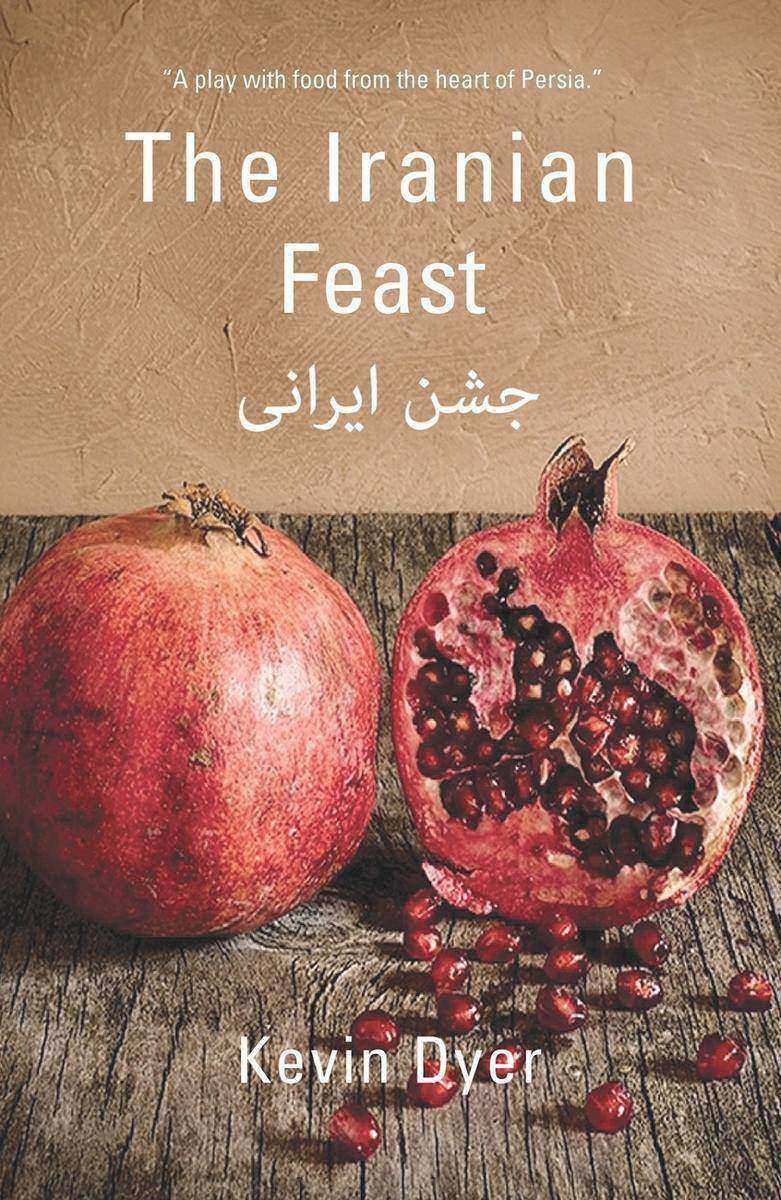
The Iranian Feast
¥40.79
In modern-day Tehran, you can never predict how life will turn out. Part thriller, part cookery lesson, this is the story of a family struggling to deal with the challenges of a regime where secrecy and surveillance are an everyday part of life. Abbas calls together his wife and daughter and their friends and nighbours for an impromptu feast. Going in the pot are fresh herbs, spices, sweet vegetables and Eli’s mother’s secret ingredient…

Keith? or Moliere Rewired
¥40.79
… A South African gunrunner turned Buddhist monk.… A gullible startup millionaire.… His radical feminist ex wife.… Their aid worker daughter.… The young British Muslim she met in Syria.… An ethical Serbian hitman.And an unstable Brazilian cleaner.Modern Britain. Moral chaos. Total nightmare.A new comedy about life in Brexit Britain, the lies we tell to each other – and to ourselves.


