


 购物车
购物车 个人中心
个人中心
Dorothy and the Wizard in Oz
¥8.67
Kijárat az Adriára cím? nagysiker? munkája után Lovas Ildikó újabb regénye a mai divatos n?irodalommal száll szembe, a test, az érzékiség nyelvét nem radikalizálja tovább, hanem ?visszavesz” bel?le, mivel rendkívüli tudatossággal újra és újra az ártatlanság nyelvén akar szólni. A Spanyol menyasszony az erotikus krimi és a klasszikus lányregény mesteri ?tv?zete. A regény két síkon játszódik, az egyik az én-elbeszél? kiskamaszkoráig vezet vissza, míg a másik a neves orvos-író Csáth Géza feleségének, Jónás Olgának az utolsó napját beszéli el, abból próbálja megfejteni az író és felesége kegyetlenül túlf?t?tt, és tragédiába torkolló kapcsolatát.

Fejt?l s lábtól
¥73.25
1974-ben az Emmanuelle meghódította a francia mozikat, és r?vid id?n belül az egész világon hatalmas sikert aratott. A korabeli plakátokról egy húsz év k?rüli, r?vid hajú, félmeztelen szépség nézett kihívóan egy fonott karosszékéb?l. Ekkor még senki sem sejtette, hogy SYLVIA KRISTEL, ez az akkor még ismeretlen holland lány hamarosan a szexuális forradalom egyik emblematikus alakjává válik. A hírnévt?l és a sikert?l megrészegült színészn? egy csapásra a nemzetk?zi filmvilág ünnepelt sztárja lett, azonban nem kapott elég id?t, hogy feldolgozza a hirtelen j?tt népszer?séget, sem pedig a gyermekkorában ?t ért sérelmeket. A sztárok fény?z? és gondtalan életét élte, udvarlók seregei hevertek a lába el?tt, bejáratos volt a legcsillogóbb hollywoodi fogadásokra. Magánéletében azonban már k?zel sem volt ilyen szerencsés. Házasságai zátonyra futottak, a sorozatos sorscsapások és a múlt démonai el?l az alkoholba és drogokba menekült. Kicsapongásainak végül egy súlyos betegség vetett véget. Visszaemlékezéseiben ?szintén tárja elénk egy olyan asszony felemel? és megrendít? t?rténetét, akinek nem csak meztelen teste érdemel figyelmet.
Az ?sfák fiainak lombjai alatt
¥36.54
A rock and roll nem csupán egy zenei m?faj, ?nem egy tánc”: maga az ?r?k fiatalság. Alkotás és feloldódás, amit nem magányos farkasoknak találtak ki. Csapatmunka, melyben zenész és hallgatósága egyaránt részt vesz. ?Mindenki itt van?” – kiáltja a sztár a színpadról, a t?meg pedig harsogva feleli: ?Mindenki!” Mert ahhoz, hogy egy dal megszülessen, hogy ezernyi torok visszhangozza az énekes mágikus szavait, valóban mindenkire szükség van. Az Azok a régi csibészek a hazai pop és rock legendáinak arcképcsarnoka. Csatári Bence t?rténész és Poós Zoltán író faggatja a popkultúra olyan ikonikus alakjait és nagyágyúit, mint Bródy János, Nagy Feró, Sz?rényi Levente, T?r?k ?dám, Pataky Attila, Zalatnay Sarolta és még sokan mások. Az interjúkból kirajzolódik a magyarországi rock and roll els? negyedszázadának íve Nógrádver?cét?l Londonig. A megszólalók mesélnek és mesélnek – a legvidámabb barakk k?nny?zenei szcénájáról, ?rületes bulikról, rend?rpofonokról és persze a rock and roll iránti olthatatlan szerelemr?l...

Szoros emberfogás
¥57.31
"Ugyanabban az id?ben, és ugyanazon a napon, amelyen a nemzetek megszentégtelenítették, ugyanakkor szentelték fel a templomot énekszóvel, lantok, hárfák és cintányérok kíséretével. Az egész nép arcra borult, imádta és áldotta at Eget, hogy szerencséssé tette útjukat. Az oltár újraszentelését nyolc napig végezték, és ?r?mmel áldoztak ég?álozatokat és dícs?it? áldozatokat a szabadulásért. A templom homlokzatát aranykoszorúkkal és -pajzsocskákkal díszítették fel, megújították a kapukat és a papi kamrákat, és ajtókkal láttál el ?ket. Igen nagy ?r?m t?lt?tte le a népet, mivel sikerült elhárítaniuk magukról a nemzetek gyalázatát. Júdás és testvérei Izrael egész gyülekezetével együtt elhatározták, hogy évr?l évre megünnepilik az oltár újraszentelésének napjait a maga idején a Kiszlév hónap huszon?t?dik napjától kezdve nyolc napon át vidámsággal és ?r?mmel."? A Makkabeusok els? k?nyve Izrael népe t?rténelmének olyan fejezetét mutatja be, amikor az ?s?k hitéért való harc egyben a nemzeti ?nrendelkezésért való küzdelmet is jelentett a hellenizmus globális trendjével szemben.?
Maidanul cu dragoste
¥0.01
Organizarea, activitatea ?i orientarea ?n coresponden?? diplomatic? rom?n? ?i note ale SSIVolumul are ca subiect principal organizarea, activitatea ?i orientarea emigra?iei politice din fostul Imperiu Rus ?n Europa, considerat? ca un pericol permanent la adresa regimului comunist, emigra?ie ai c?rei lideri au f?cut obiectul ?ncerc?rilor permanente de terorizare, lichidare sau discreditare.Documentele selectate, ?n cea mai mare parte, din Arhiva Diplomatic?, reprezint? rapoarte ale lega?iilor ?i oficiilor consulare rom?ne din Atena, Belgrad, Berlin, Berna, Bratislava, Budapesta, Istanbul, Lisabona, Madrid, Paris, Praga, Roma, Rusciuk, Skopje, Sofia, Stockholm, Vichy sau Zagreb, precum ?i note ale Serviciului Special de Informa?ii, c?tre Ministerul Afacerilor Str?ine, ?n timpul campaniei germano-rom?ne ?mpotriva Uniunii Sovietice. Sursele reflect? nu doar starea de fapt ?i de spirit a emigran?ilor, for?a?i s? aleag? ?ntre regimul totalitar comunist ?i cel nazist, dar ?i pozi?ia Bucure?tiului fa?? de problemele rus? ?i ucrainean?, cu profunde implica?ii geopolitice.

Mo? Teac?
¥0.01
Publica?ii, documente, scrisori ?i fotografii?n anul 1920, ?ntr-o lupt? inegal? cu trupele bol?evice, ?n fruntea Brig?zii a 2-a de Mitraliere a Armatei Na?ionale Ucrainene, locotenent-colonelul Hnat Porohivski s-a retras pe malul drept al Nistrului. Participant la Primul R?zboi Mondial, lider al emigran?ilor ucraineni care s-au salvat din fostul Imperiu Rus ?n Rom?nia, ?n anul 1931 absolv? ?coala Superioar? de ?tiin?e Administrative din Bucure?ti, iar ?n 1940 devine comisar al guvernului ucrainean ?n exil pentru statele balcanice.Din anul 1930 lucreaz? pentru Serviciul Secret de Informa?ii al Armatei Rom?ne, sub numele conspirativ Ciobanu, loialitatea sa fiind determinat? nu doar de orientarea antisovietic?, dar ?i de ospitalitatea oferit?. Lu?nd parte la lupte din primele zile ale r?zboiului rom?no-sovietic, sub numele conspirativ Dobrescu, ?n calitate de ofi?er superior al Agenturii Frontului de Est, a condus Biroul de Studii, Documentare ?i Centralizare.Volumul reprezint? un prim pas de recuperare a memoriei celui c?ruia i se datoreaz?, ?n mare parte, renumele de care s-a bucurat emigra?ia politic? ucrainean? din Rom?nia, rezisten?a acesteia ?n fa?a asaltului de distrugere ?i divizare, men?inerea pozi?iei de ostilitate fa?? de comunism ?i de imperialism.
Abaddon kapuja
¥73.49
ARCHITECTURE seems to me to be the most wonderful of all the arts. We may not love it as much as others, when we are young perhaps we cannot do so, because it is so great and so grand; but at any time of life one can see that in Architecture some of the most marvellous achievements of men are displayed. The principal reason for saying this is that Architecture is not an imitative art, like Painting and Sculpture. The first picture that was ever painted was a portrait or an imitation of something that the painter had seen. So in Sculpture, the first statue or bas-relief was an attempt to reproduce some being or object that the sculptor had seen, or to make a work which combined portions of several things that he had observed; but in Architecture this was not true. No temples or tombs or palaces existed until they had first taken form in the mind and imagination of the builders, and were created out of space and nothingness, so to speak. Thus Painting and Sculpture are imitative arts, but Architecture is a constructive art; and while one may love pictures or statues more than the work of the architect, it seems to me that one must wonder most at the last. We do not know how long the earth has existed, and in studying the most ancient times of which we have any accurate knowledge, we come upon facts which prove that men must have lived and died long before the dates of which we can speak exactly. The earliest nations of whose Architecture we can give an account are called heathen nations, and their art is called Ancient or Heathen Art, and this comes down to the time when the Roman Emperor Constantine was converted to Christianity, and changed the Roman Capitol from Rome to Constantinople in the year of our Lord 328. The buildings and the ruins which still remain from these ancient times are in Egypt, Assyria, Persia, Judea, Asia Minor, Greece, Etruria, and Rome. Many of these have been excavated or uncovered, as, during the ages that have passed since their erection, they had been buried away from sight by the accumulation of earth about them. These excavations are always going on in various countries, and men are ever striving to learn more about the wonders of ancient days; and we may hope that in the future as marvellous things may be revealed to us as have been shown in the past. EGYPT: As we consider the Architecture of Egypt, the Great Pyramid first attracts attention on account of its antiquity and its importance. This was built by Cheops, who is also called Suphis, about 3000 years before Christ. At that distant day the Egyptians seem to have been a nation of pyramid-builders, for even now, after all the years that have rolled between them and us, we know of more than sixty of these mysterious monuments which have been opened and explored. Of all these the three pyramids at Ghizeh are best known, and that of Cheops is the most remarkable among them. Those of you who have studied the history of the wars of Napoleon I. will remember that it was near this spot that he fought the so-called Battle of the Pyramids, and that in addressing his soldiers he reminded them that here the ages looked down upon them, thus referring to the many years during which this great pyramid had stood on the border of the desert, as if watching the flight of Time and calmly waiting to see what would happen on the final day of all earthly things. There have been much speculation and many opinions as to the use for which these pyramids were made, but the most general belief is that they were intended for the tombs of the powerful kings who reigned in Egypt and caused them to be built.The pyramid of Cheops was four hundred and eighty feet and nine inches high, and its base was seven hundred and sixty-four feet square. It is so difficult to understand. CLARA ERSKINE CLEMENTAUTHOR OF "HANDBOOK OF LEGENDARY AND MYTHOLOGICAL ART," "PAINTERS, SCULPTORS, ENGRAVERS, ARCHITECTS AND THEIR WORKS," "ARTISTS OF THE NINETEENTH CENTURY"
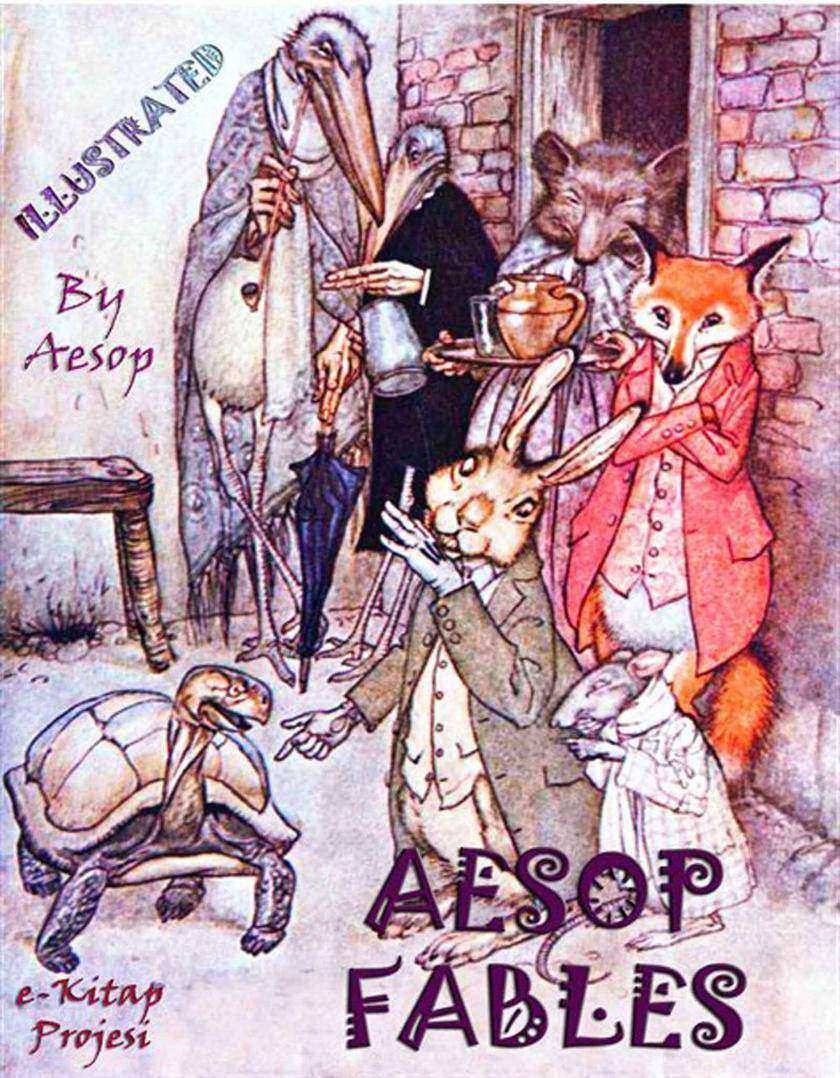
Aesop Fables: {Illustrated}
¥24.44
This book, re-edited and illustrated by e-kitap projesi and published again in ebook format. In this book, telling that Boyhood stories of the Most famous persons in the world, and so These 21 famous persons lay out from Christopher Colombus –The pre-founder of the America- to Otto von Bismarc. For example: “When he was sixteen Napoleon and his best friend, a boy named Desmazis, were ordered to join the regiment of La Fère which was then quartered in the south of France. Napoleon was glad of this change which brought him nearer to his island home, and he also felt that he would now learn something of actual warfare. The two boys were taken to their regiment in charge of an officer who stayed with them from the time they left Paris until the carriage set them down at the garrison town. The regiment of La Fère was one of the best in the French army, and the boy immediately took a great liking to everything connected with it. He found the officers well educated and anxious to help him. He declared the blue uniform with red facings to be the most beautiful uniform in the world. He had to work hard, still studying mathematics, chemistry, and the laws of fortification, mounting guard with the other subalterns, and looking after his own company of men. He seemed very young to be put in charge of grown soldiers, but his great ability had brought about this extraordinarily rapid promotion. He had a room in a boarding-house kept by an old maid, but took his meals at the Inn of the Three Pigeons. Now that he was an officer he began to be more interested in making a good appearance before people. He took dancing lessons and suddenly blossomed out into much popularity among the garrison. Older people could not help but see his great strength of character, and time and again it was predicted that he would rise high in the army.”

From Sixpences to Dollars
¥73.48
Jonny Texas came from an unconventional but close-knit Midlands family and developed a fascination with all forms of gambling from a young age. He grew up learning how to be a wheeler dealer and in his twenties, with a young family to support, the challenge of beating the odds to make large sums of money became even greater. As he grew older, his life was to become a rollercoaster of highs and lows as he moved from one wild money spinning venture to another, making huge amounts and then losing them, unable to resist any gambling opportunity. The two constants in his life have been his family and poker and, at times, they have made uneasy bedfellows. But somehow, Jonny has managed to pull off the unimaginable, repeatedly pulling himself back from the brink of disaster and turning himself into a winner, appearing on TV and in the public eye. From Sixpences to Dollars documents the extraordinary story of one man's obsession with gambling and how he has ultimately turned it to his advantage.
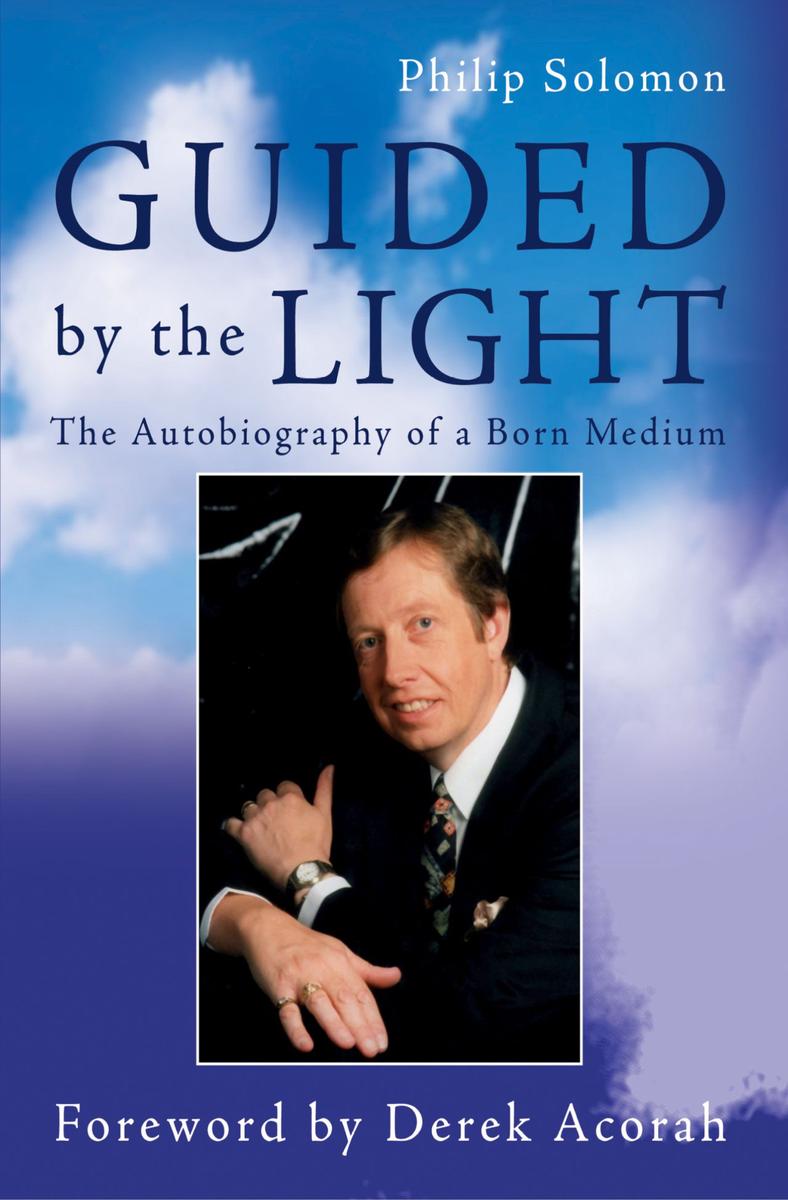
Guided by the Light
¥58.76
Described by Professor Hans Holzer, a leading authority in America on the paranormal, as the greatest medium of our time, Philip Solomon shares his amazing story, from his childhood psychic experiences of been born into a mediumistically gifted family with show business connections, through his many strands of spiritual and psychical development, to the finely honed, highly attuned state of awareness he has achieved. For those of you who think that mediumship is merely passing on messages from beyond the grave to members of a Spiritualist church or theatre audience, then your eyes are about to be opened, as this book covers predictions, meditation, hypnotism, sports psychology, guides and angels, ghosts and the paranormal, healing, astrology, leylines and UFOs, with an emphasis on the innate ability in each and every one of us to develop psychic awareness. With a fitting foreword by respected fellow-medium, Derek Acorah, this book will definitely challenge your perceptions and broaden your outlook on life, both on the earth plane and in the spirit world beyond. In this and his many previous books, Philip Solomon's intentions and convictions are clear. He has been chosen by Spirit to walk a sometimes difficult pathway on a mission to prove beyond doubt the existence of life after death and other-worldliness and to assure those that have lost loved ones that death is not the end.
Making the Most of your Creative Output
¥14.62
A guide to protecting your copyright and making money from your creativity, touches on music, art, photography and other artistic areas.
Motown Music Quiz Book
¥19.52
How well do you know your Motown Music? This Quiz book will test even the most avid fan, with questions that span Motown's bands and songs! Test yourself and your friends with this Motown Music Quiz Book.

60s Music Quiz Book
¥19.52
How well do you know your 60's Pop Music? This Quiz book will test even the most avid fan, with questions that span the 60's bands and songs! Test yourself and your friends with this 60's Pop Music Quiz Book.
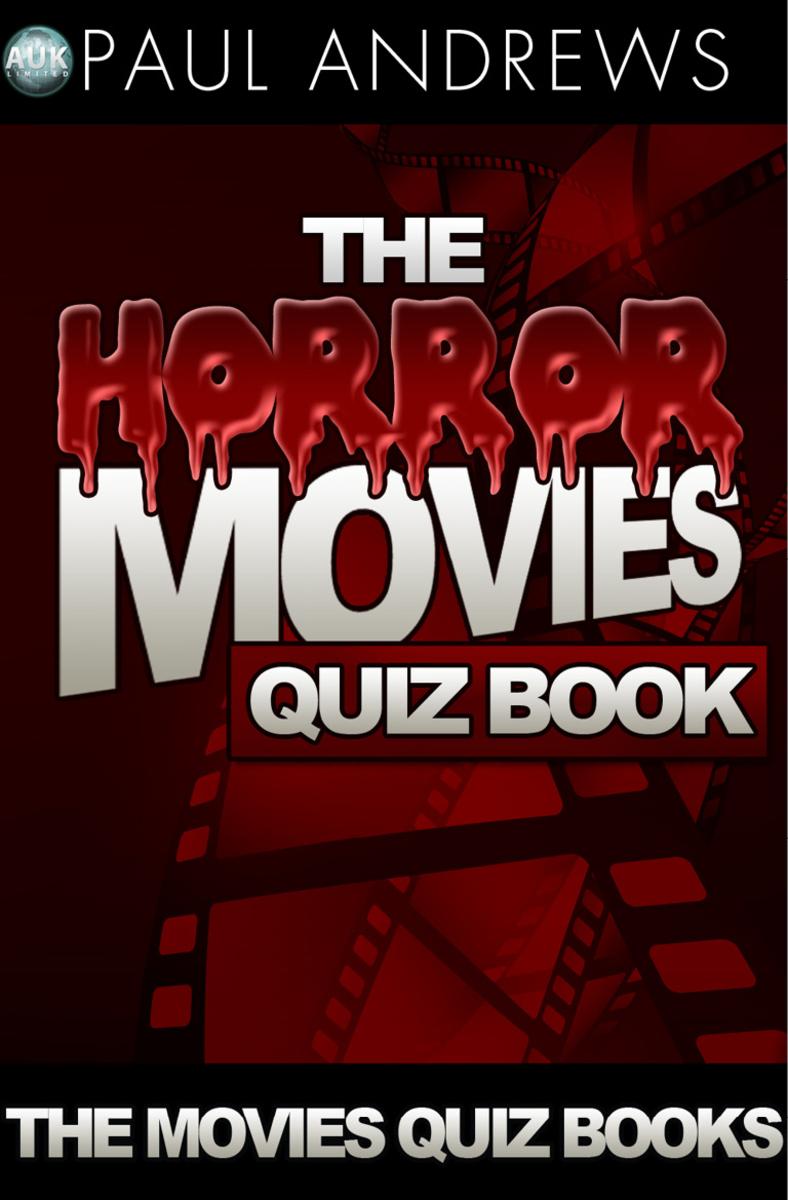
Horror Movies Quiz Book
¥19.52
How well do you know your Horror Movies? This Quiz book will test even the most avid fan, with questions that span the decades of Horror Movies! Test yourself and your friends with this Horror Movies Quiz Book.

Harry Styles - The Story So Far
¥39.14
Harry Styles, a member of world-famous boyband One Direction is known as the heart-throb of a generation. This quick-read biography tells his story so far, from his days in the band White Eskimo at school to his recent involvement in 1D's world tour.In addition to the chapters on Harry's life so far, this book also includes both books from Jack Goldstein's bestselling One Direction series - 101 Amazing One Direction Facts and 101 More Amazing One Direction Facts.This excellent bundle is perfect for any Harry Styles or One Direction fan!
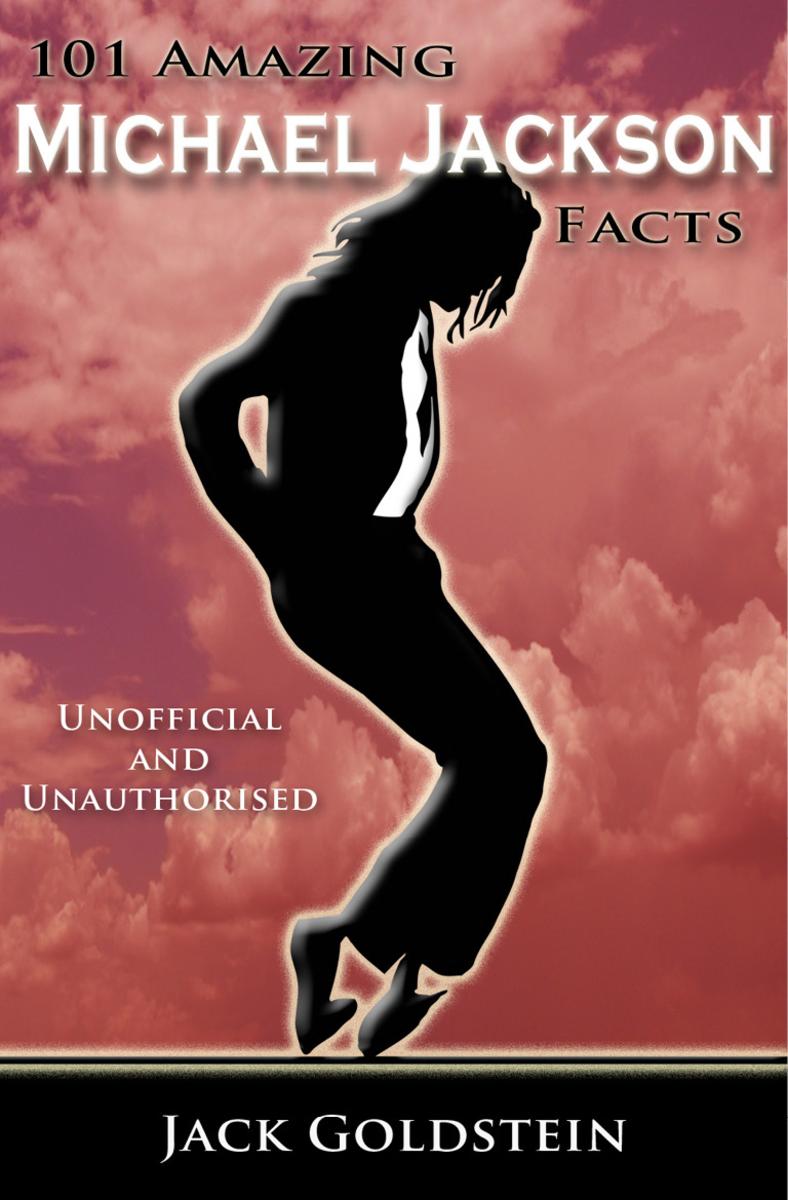
101 Amazing Michael Jackson Facts
¥19.52
Are you a fan of King of Pop Michael Jackson? Do you know everything there is to know about the world's greatest ever superstar? Then this is the book for you! In this easy-to-digest eBook are 101 facts about your favourite singer - do you know all of them?Test yourself and your friends with these handily-packaged facts easily organised into categories for maximum enjoyment. Sections include his upbringing, his music, and his tragic death. This is a perfect bite-sized eBook for any fan of the world-famous icon.
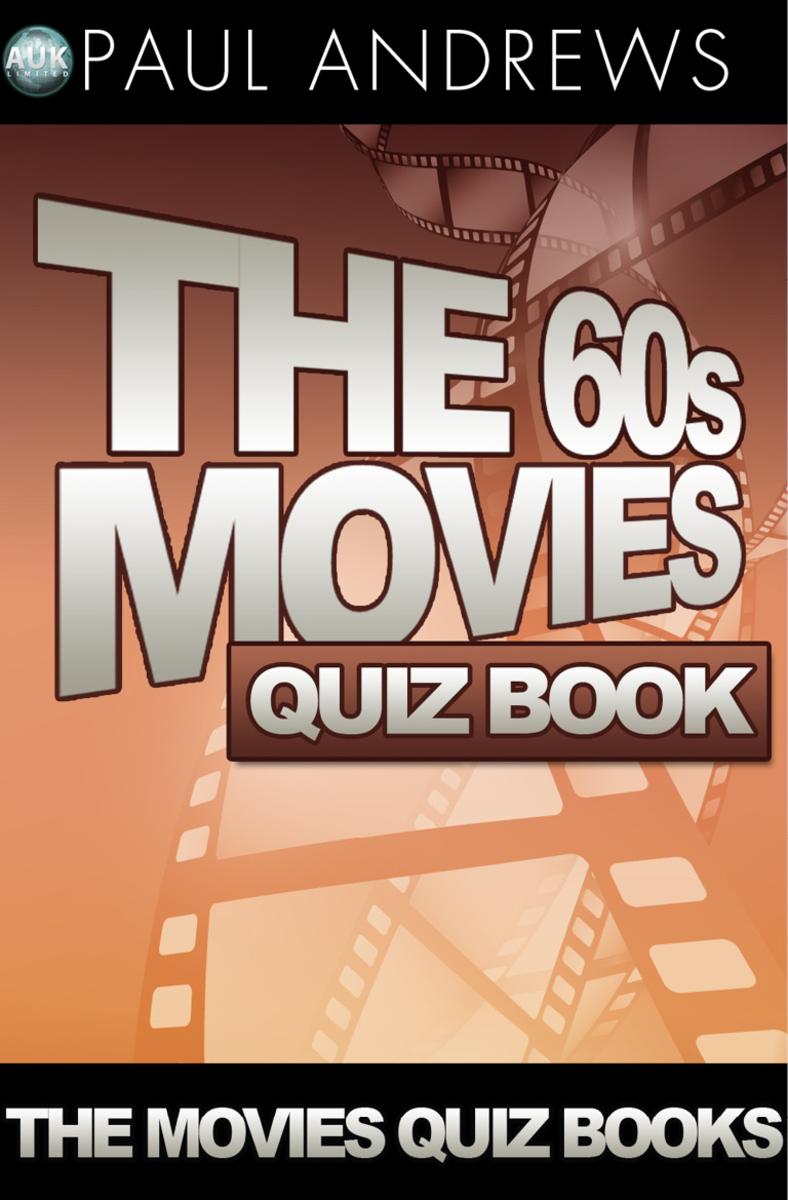
60s Movies Quiz Book
¥19.52
How well do you know your 60s Movies? This Quiz book will test even the most avid fan, with questions that span the 60s films of all genres! Test yourself and your friends with this 60s Movies Quiz Book.
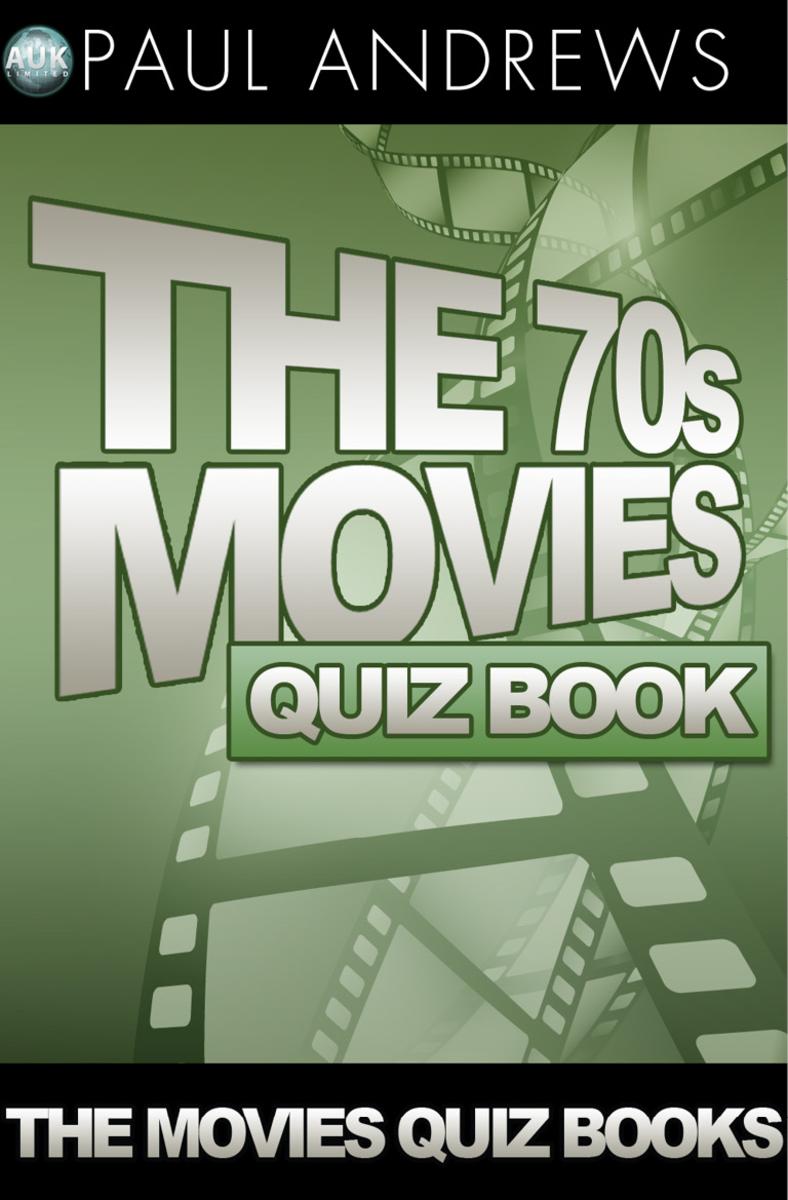
70s Movies Quiz Book
¥19.52
How well do you know your 70s Movies? This Quiz book will test even the most avid fan, with questions that span the 70s films of all genres! Test yourself and your friends with this 70s Movies Quiz Book.
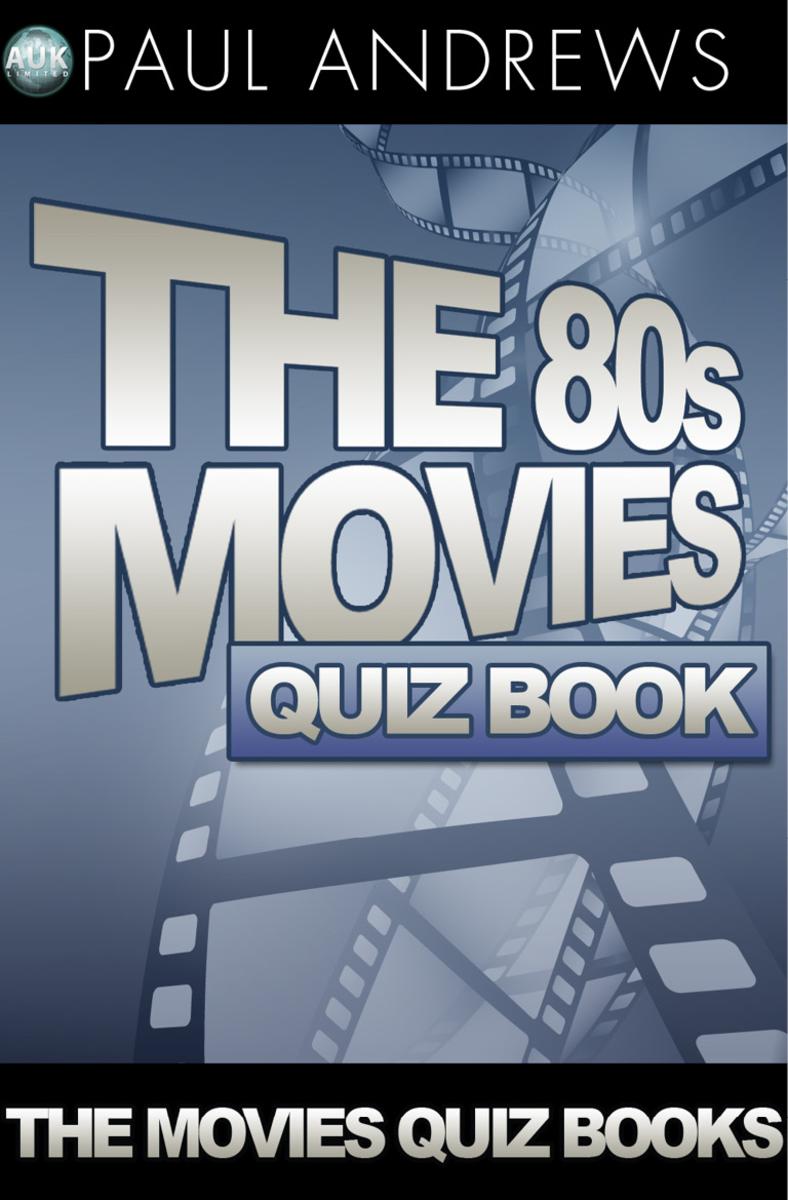
80s Movies Quiz Book
¥19.52
How well do you know your 80s Movies? This Quiz book will test even the most avid fan, with questions that span the 80s films of all genres! Test yourself and your friends with this 80s Movies Quiz Book.
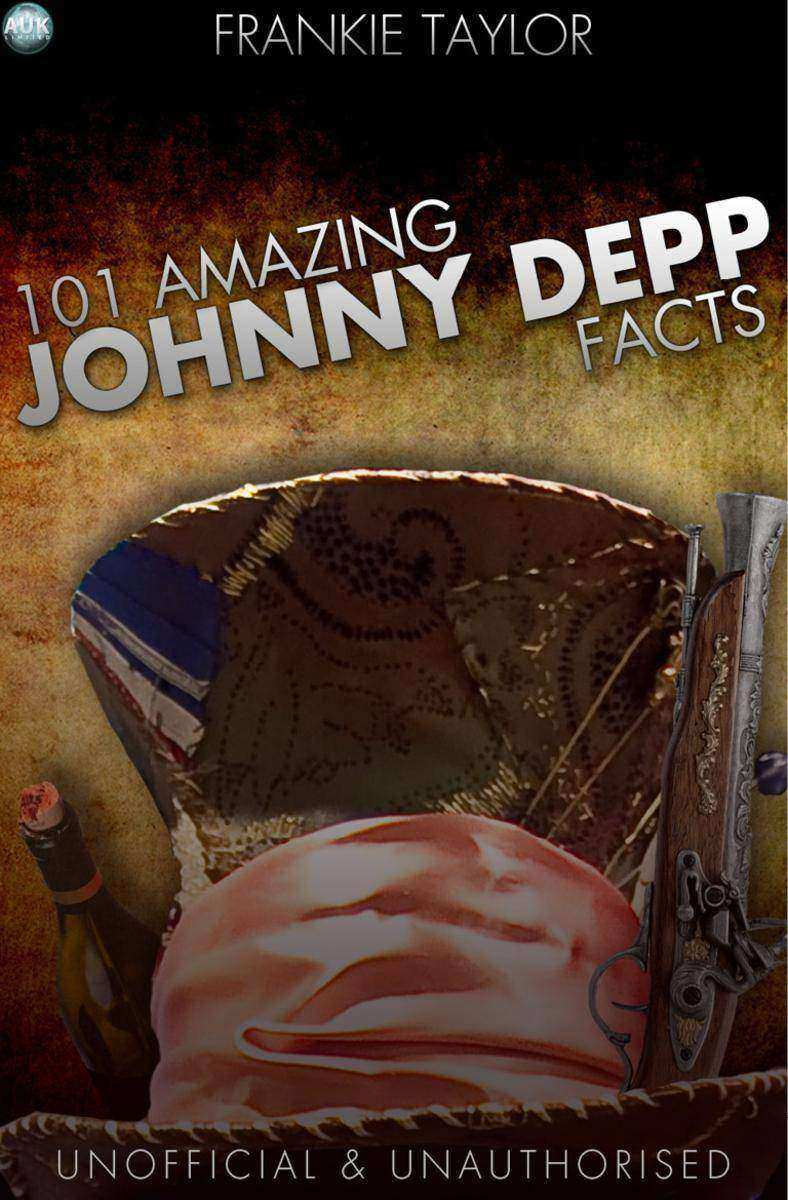
101 Amazing Johnny Depp Facts
¥19.52
Are you a fan of heart-throb actor Johnny Depp? Do you want to know 101 amazing facts about him that you probably weren't aware of until now? If so, then this easy-to-digest eBook is perfect for you. Contained within are 101 facts about the much loved-actor. Test yourself and your friends' knowledge with these handily-packaged facts easily organised into categories for maximum enjoyment. Subjects include his acting, music and of course his long line of romantic flings and relationships such as Winona Ryder, Kate Moss and Vanessa Paradis. Show everyone that you are the world expert on Johnny Depp!
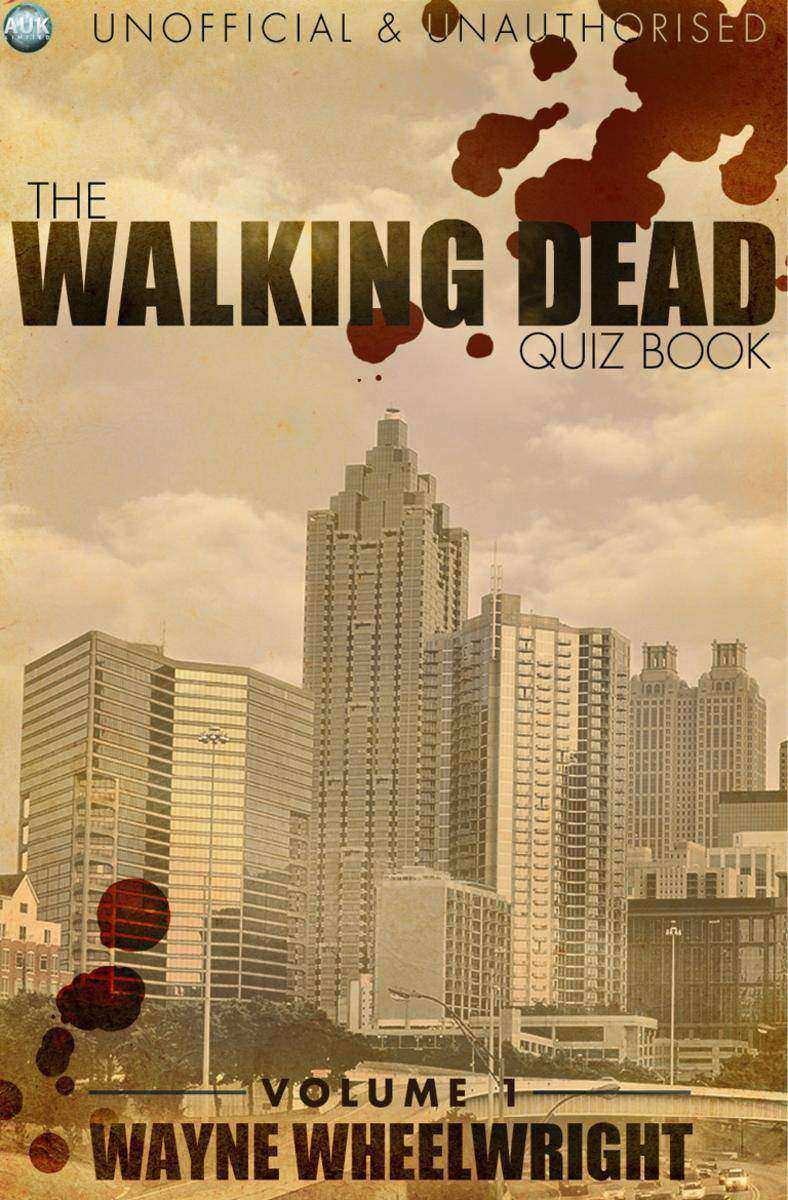
Walking Dead Quiz Book
¥19.52
This book contains over 100 questions on the TV show The Walking Dead. Mainly covered in volume 1 is the first season of the worldwide hit. The questions range from being about the episodes and character themselves to the people behind the making of The Walking Dead.


