


 购物车
购物车 个人中心
个人中心
Kenoma
¥16.27
Documentele publicate sub egida Institutului de Istorie ?George Bari?iu“ al Academiei Rom?ne au fost structurate ?n dou? p?r?i: Emigra?ia albgardist? ?i Biserica Rus? din Bucure?ti. Prima parte cuprinde r?spunsul direc?iilor regionale la Ordinul Direc?iei Generale a Securit??ii Statului nr. 354/81558 privind albgardi?tii din raza acestora de competen??, iar cea de a doua – materiale ale Direc?iei Regionale a Securit??ii Bucure?ti despre personalul, emigran?ii ?i refugia?ii care frecventeaz? Biserica Rus?. Sursele relev? destinul, starea de spirit ?i material? a fo?tilor membri ai armatelor ruse ?i ucrainene stabili?i ?n Rom?nia, supravie?uitori ai celor dou? r?zboaie mondiale, liderii fiind deja aresta?i.Din sinteza informativ? a Direc?iei Regionale a Securit??ii Bac?u din 27 octombrie 1951:??n urma ac?iunilor contrarevolu?ionare desf??urate ?n t?n?rul Stat Sovietic de c?tre bandele conduse de Denikin, Kerenski ?i Vranghel, bande ce au fost distruse de c?tre t?n?ra Armat? Ro?ie Sovietic? ?i alungate peste grani?ele Statului Sovietic, ?i ?n ?ar? la noi au venit o serie de elemente ce au f?cut parte din aceste armate, care ?i-au stabilit domiciliul ?n diferite ora?e ale ??rii noastre, unde sub regimul burghezo-mo?ieresc ce se afla ?n acel timp la c?rma ??rii noastre au g?sit azil ?i ocrotire.Astfel ?i ?n regiunea Bac?u din aceste elemente identificate p?n? ?n prezent sunt ?n num?r de 6 persoane, ?i anume: Mateevski Konstantin, ?n prezent domiciliat ?n Piatra-Neam?, de profesie electrician ?i mecanic, angajat ?n aceast? func?ie la Sovromlemn Piatra-Neam?; Petrovski Vasile, fost colonel de artilerie ?i avia?ie ?n armata alb? a lui Vranghel, ?n prezent domiciliat ?n Piatra-Neam?, fiind angajat ca magazioner la fabrica Bistri?a din Piatra-Neam?; Galini?cenko Alexandru, domiciliat ?n Piatra-Neam?, f?r? ocupa?ie, ?n prezent fiind b?tr?n; Kazimirov Mark, de profesie ?ofer angajat ?n aceast? calitate la fabrica ?Reconstruc?ia“ Piatra-Neam?, fost ofi?er ?n Armata Alb? ucrainean?, ?n prezent lucreaz? ca t?mplar, ?i Babici Ifrim, fost ofi?er ?n armata lui Vranghel, actualmente domiciliat ?n comuna Tarc?u, raionul Piatra-Neam?, cu serviciul la Sovromlemn.?n leg?tur? cu susnumi?ii trebuie s? ar?t?m c? dac? ?n trecut existau unele rela?ii de prietenie ?ntre d?n?ii, ?nt?lniri ?n care ??i reaminteau cu pl?cere de trecutul lor, ast?zi, fiind elemente b?tr?ne, nu se mai observ? aceste leg?turi, mai ales c? majoritatea sunt c?s?tori?i cu cet??ence rom?ne ?i parte dintre d?n?ii au chiar ?i copii.De asemeni, din cele cunoscute de noi rezult? c? ace?tia nu ?ntre?in leg?turi prin coresponden?? cu str?in?tatea ?i nici cu elementele dubioase ?i du?m?noase din locurile unde tr?iesc ei. S-a putut constata c? aceste elemente sunt extrem de fricoase ca nu cumva s? vin? o dispozi?ie care s?-i pun? ?n situa?ia s? se ?ntoarc? ?n URSS, obliga?i. Comentarii ?n acest gen au fost extrem de multe ?n r?ndurile lor, ?n special ?ntre anii 1945-1946, c?nd ei credeau sigur c? vor fi evacua?i din ?ara noastr? ?i trimi?i ?n Uniunea Sovietic?. Totu?i ?i ?n prezent, de?i b?tr?ni, exist? ?i ?n r?ndurile lor unele comentarii ?i nemul?umiri, pe care ?ns? ?i le arat? ?n anturajul restr?ns pe care eventual ?l au.“

Hajnali beszélgetések Lukits Milossal
¥27.71
T?rténik Olivér házában, Frigyes herceg udvarában, valamint az Ardeni-erd?ben – vélhet?leg Franciaországban. Egy nagy erej? vitéz, miként nálunk majd Toldi, legy?z egy bajnokot. Bár testvére ármánya miatt meg kellett volna halnia a párviadalban, mégis az ? homlokára kerül a gy?ztesnek kijáró koszorú. ?s ezzel kezdetét veszi vessz?futása. El?bb csak bátyja, majd uralkodója haragja el?l, utóbb egyenest a szám?zetésbe. Vigaszul csupán egy mosoly, egy fehér lánykézb?l kapott amulett és ?reg szolgája sírig h? ragaszkodása szolgál. ?m az ardeni erd? mélyén további barátokra, igaz szerelemre, és el?z?tt hercegének birodalmára talál.
Arany János – TOLDI
¥90.42
"Reportajele din aceast? carte vorbesc despre aspecte din istoria recent?, cum ar fi migra?ia, corup?ia, via?a ?n penitenciare sau problemele minorit??ilor, ?nchiderea spitalelor sau stresul care schimb? vie?i, crizele din s?n?tate, pove?ti ale unor oameni obi?nui?i, care fac lucruri speciale. Reg?sim, ?ns?, ?i pove?ti de demult, cum e cazul reportajelor despre lupt?torii anticomuni?ti din mun?i, despre tezaurul de la Pietroasele sau istoriile din satele s?se?ti. Reportajele surprind realit??i dintr-o Rom?nie aflat? ?n continu? schimbare, cu enorme discrepan?e. Sunt ca o fotografie a realit??ii. Cine le cite?te afl? cum se tr?ia sau cum se tr?ie?te ?n anumite locuri. Cum se schimb? sau de ce nu se schimb? lucrurile ?i mentalit??ile. Cartea cuprinde 30 de reportaje publicate ?n revista Dilema veche, dar ?i adapt?ri dup? reportaje sau documentare radio difuzate la Europa FM ?i Radio Rom?nia Actualit??i. Reportajul e un gen mai rar ?nt?lnit ast?zi ?n presa din Rom?nia. Dar asta nu se ?nt?mpl? din cauza lipsei de interes a publicului, ci din pricina lipsei de bani ?i de investi?ii ?ntr-o pres? de calitate. De fiecare dat? c?nd totu?i apar reportaje bine f?cute, se constat? c? publicul le urm?re?te cu interes, tot a?a cum urm?re?te reportajele ?i documentarele oferite de televiziunile str?ine. Asta fiindc? oamenii au nevoie de pove?ti. Un reportaj bine f?cut este de fapt o poveste adev?rat?. P?n? la urm?, ?i aceast? carte este o carte cu pove?ti adev?rate." (Liliana Nicolae)

Az ellopott futár
¥14.39
Mit jelent az, hogy széls?jobboldal? Kikkel szimpatizálnak és mit képviselnek az újhungaristák? Mit jelképez a 88-as szám? Miféle ideológia áll a széls?jobboldali irányzatok hátterében? Mikor és miért válnak sikeressé a radikálisok? K?tetünk ezeken a kérdéseken kívül arra is választ ad, hogy melyek voltak a magyar széls?jobboldali mozgalmak megszületésének hazai el?zményei, külf?ldi szellemi el?képei és testvérmozgalmai. Mindemellett rávilágít a széls?jobboldaliság kritériumaira az irányzat 1919-es születését?l napjainkig, és feltárja a széls?jobboldali szubkultúrák változatos, markáns ismertet?jegyeit. A Jobbik és a Magyar Gárda tevékenységéig ível? áttekintés azt is megmutatja, milyen sokszín? jelenség a magyarországi széls?jobboldal, pontosabban az a radikális politikai mozgalmakat t?m?rít? gy?jt?fogalom, amelyet ma így szokás nevezni. A szerz?, PAKSA RUDOLF 1981-ben született Ajkán, az ELTE-n doktorált t?rténelemb?l és 2009 októberét?l az MTA T?rténettudományi Intézetének a munkatársa. ?rdekl?dési területe a modern kori magyar t?rténelem; kutatásai súlypontja a 19–20. századi historiográfia, a régi E?tv?s Collegium, valamint a Horthy-kori széls?jobboldali irányzatok.

Выращиваем лекарственные и пряные травы на участке
¥17.74
Дарону Аджемо?лу ? Джеймсу Роб?нсону вдалося, здавалося б, неможливе — в?дпов?сти на питання, яке до них безрезультатно вивчали стол?ттями: чому одн? кра?ни багат?, а ?нш? — б?дн?????рунтуючись на п’ятнадцятир?чних досл?дженнях у галузях ?стор??, пол?толог?? та економ?ки, автори легко ? доступно пояснюють, чому економ?чний усп?х держав не залежить в?д культури, кл?мату чи географ?чного положення.??Аджемо?лу та Роб?нсон переконан?: кра?ни стали найусп?шн?шими через те, що ?хн? громадяни повалили владну ел?ту ? створили сусп?льства, де головною ц?нн?стю стали р?вн? економ?чн? та пол?тичн? права кожного. На ?хню думку, саме свобода робить св?т багатшим.??Книга ?Чому нац?? занепадають? — сво?р?дний пос?бник, який допоможе краще зрозум?ти причини, що сприяють процв?танню держав та ?хньому занепаду.

Укра?нська легко! (Ukra?ns'ka legko!)
¥26.65
Н?л Фер?юсон зауважу?: ?Ще на початку XV стол?ття сама лише думка про те, що наступн? п’ять стол?ть Зах?д буде дом?нувати над рештою св?ту, здалася б дуже дивною. А вт?м, це сталося?. ? нин? могутн?сть Заходу вража? нав?ть найбагатшу уяву... То чому ж так трапилося? Чому ?вропа, що на 1500-й р?к поступалася Сходу за багатьма показниками — економ?чними, технолог?чними, демограф?чними, — зум?ла р?зко рвонути уперед ? досягти безперечного св?тового панування? Як? складов? усп?ху зах?дно? цив?л?зац??? Саме ц? дражлив? питання украй см?ливо, часом нав?ть зухвало, а проте надзвичайно захопливо висв?тлю? Н?л Фер?юсон.
Don Quijote
¥8.09
Cartea pe care o ?ine?i ?n m?n? este periculoas?. Incomod?, scor?oas?, incendiar? fiind, ?n mod cert, va deranja unele personaje, nelipsite de importan??, din arena politicii rom?ne?ti, care confund? adeseori politica cu diletantismul, tr?d?nd interesele sus?inute cu at?ta patos ?n campaniile electorale. ?n mod sigur, Nu tr?da?i, v? rog! va alarma edilii capitalei ce se ?ntrec ?n a distruge ?micul Paris“ de pe vremuri. Aceast? carte, a?adar, va deranja nu pu?in? lume prin scenele din via?a social-politic? post-decembrist?, cu at?t mai mult, cu c?t umorul ?fichiuitor nu-i este str?in nici pe departe autorului. Nici deta?area…

The Complete William Shakespeare Collection (Illustrated)
¥17.57
The present ebook comprises the complete writings of William Shakespeare (37 plays, 160 sonnets, 5 poetry books). It comes with 150 original illustrations which are the engravings John Boydell commissioned for his Boydell Shakespeare Gallery.------------Contents:COMEDIES:The Comedy of ErrorsThe Taming of the ShrewThe Two Gentlemen of VeronaLove’s Labor’s LostA Midsummer Night’s DreamThe Merchant of VeniceThe Merry Wives of WindsorMuch Ado about NothingAs You Like ItTwelfth Night, or What You WillThe History of Troilus and CressidaAll’s Well That Ends WellMeasure for MeasureHISTORIES:The First Part of Henry the SixthThe Second Part of Henry the SixthThe Third Part of Henry the SixthThe Tragedy of Richard the ThirdThe Life and Death of King JohnThe Tragedy of King Richard the SecondThe First Part of Henry the FourthThe Second Part of Henry the FourthThe Life of Henry the FifthThe Famous History of the Life of King Henry the EighthTRAGEDIES:The Tragedy of Titus AndronicusThe Tragedy of Romeo and JulietThe Tragedy of Julius CaesarThe Tragedy of Hamlet, Prince of DenmarkThe Tragedy of Othello, the Moor of VeniceThe Tragedy of King LearThe Tragedy of MacbethThe Tragedy of Antony and CleopatraThe Tragedy of CoriolanusThe Life of Timon of AthensROMANCES:Pericles, Prince of TyreCymbelineThe Winter’s TaleThe TempestThe Two Noble KinsmenPOEMS:Venus and AdonisThe Rape of LucreceSonnetsA Lover’s ComplaintThe Passionate PilgrimThe Phoenix and Turtle
Cercul s?lbatic
¥106.19
O carte pasionant i minuios documentat.“ – Le Figaro Littéraire Dac exist o dinastie care s ntrupeze Europa, aceea este Casa de Habsburg“, scrie Jean des Cars n debutul acestei cavalcade pasionante prin istoria zbuciumat a Europei. Destinul prodigios al Habsburgilor ncepe, n cheie minor, n secolul al XI-lea, ntr-o fortrea situat n cantonul elveian Aargau, prinde aripi n 1273, odat cu alegerea, cu totul neateptat, a contelui Rudolf de Habsburg ca mprat al Sfntului Imperiu German, i i ncheie epopeea monarhic la Schnbrunn, pe 11 noiembrie 1918, cnd Carol al IV-lea semneaz actul de renunare la coroana imperial a Austriei. Vreme de apte secole, Habsburgii au dominat o mare parte a Europei, a Orientului Apropiat i a Americii de Sud. Cuceritorul Carol Quintul, reformatoarea Maria Tereza, Franz Joseph i legendara sa soie Sisi, Zita, suverana datoriei, sunt doar cteva dintre figurile emblematice ale acestei familii excepionale, care a marcat istoria. Nendoielnic, dispariia lor semnaleaz prbuirea unei lumi, dar numele lor rmne venic sinonim cu nflorirea artelor, grandoarea politic i identitatea european. Pentru alctuirea acestui volum incitant, n care faptul istoric documentat se ntlnete fericit cu excursul jurnalistic profesionist i bine calibrat, dar i cu o anecdotic ncnttoare, Jean des Cars, talentat raconteur i recunoscut cronicar al marilor monarhii europene, a consultat arhive, a vizitat toate locurile-reper ale dinastiei, a realizat interviuri i a cules mrturiile inedite ale mprtesei Zita i ale arhiducelui Otto de Habsburg. Istoria este plin de maiesti individuale, ns Habsburgii ntruchipeaz maiestatea dinastic. [...] A ajunge s nu mai constitui doar o familie, s nu mai reprezini doar o ar, ci un agregat de naiuni, a stpni jumtate din Europa i o mare parte din America, a purta o coroan mai grea chiar dect coroana Imperiului Britanic, dar a te plimba, n acelai timp, prin Prater, cu o umbrel sub bra, iat un spectacol pe care omenirea nul va mai vedea vreodat.“ – Paul Morand n 1919, prbuirea imperiilor i, apoi, o redivizare geografic arbitrar elimin de la conducere familii vechi i puternice, cum ar fi Romanovii, Hohenzollernii i Habsburgii. Dup veacuri de prestigiu i influen, vechile case domnitoare sunt terse de pe hart, asasinate sau surghiunite. Dar, n timp ce familiile imperiale din Rusia i din Germania au fost nevoite, ulterior, s se mulumeasc, dup caz, cu nostalgii discrete, compromisuri regretabile sau reabilitri tardive, Habsburgii au luptat mpotriva anihilrii progresive la care erau supui, ripostnd chiar fa de ostracizarea care le era impus. Nu fr eforturi sau adversiti umilitoare, ei au reuit s triasc, s i refac imaginea, s existe din nou, s impun respect fa de numele lor nainte de anii ’40 i s redobndeasc un loc att n memoria vechii Europe, ct i n noua construcie european, ceea ce este un lucru excepional.“ – Jean des Cars
Tr?darea criticii
¥81.67
Habsburgi, Windsori, Romanovi, Hohenzollerni, familii regale ale Belgiei, Olandei, Italiei, Iugoslaviei, Bulgariei, Rom?niei sau Greciei – monarhiile europene s-au aflat ?n inima celor dou? R?zboaie Mondiale.?ntr-o incursiune istoric? fascinant?, punctat? de portrete, anecdote, momente-cheie, ?nt?lniri decisive, jocuri de alian?e, Jean des Cars ne introduce ?n culisele cur?ilor europene prinse ?n v?rtejul celor dou? conflagra?ii care au zguduit secolul al XX-lea.?Jean des Cars, eminent specialist al marilor dinastii europene, realizeaz? – ?ar? dup? ?ar?, deceniu dup? deceniu – un expozeu al faptelor istorice marcante, construind o lucrare plin? de vivacitate ?i bine documentata, o lectura cu at?t mai captivanta, cu c?t cele aproape 170 de subcapitole care o compun istorisesc, fiecare ?n parte, o adev?rat? poveste." - Le Figaro Magazine?Una dintre cele mai bune c?r?i ale autorului ?i un succes de libr?rie: urm?rim pe parcursul acestor conflicte comportamentele monarhilor, majoritatea ?nrudi?i ?ntre ei. Un secol de istorie a marilor familii, a destinelor europene, iar pentru Europa de Est, o memorie reg?sit?." - Valeurs Actuelles?n vara lui 1914, Europa este majoritar monarhic?: din dou?zeci ?i dou? de state, nou?sprezece sunt regate, imperii, principate sau mari ducate. Ast?zi, nu au mai r?mas dec?t zece. Primul R?zboi Mondial provoac? pr?bu?irea a patru imperii (Germania, Rusia, Austro-Ungaria, Imperiul Otoman), iar al Doilea spulber? patru regate (Italia, Iugoslavia, Rom?nia, Bulgaria).Cine erau ace?ti suverani? Dar femeile care le ?mp?rt??eau destinul?De la ambi?ie la orbire, de la curaj la sl?biciune, de la gelozie la abnega?ie, care au fost triumfurile ?i e?ecurile lor? Cum ?i-au tr?it gloria, dramele, cum s-au confruntat cu ascensiunea extremismelor interbelice, cu apari?ia totalitarismelor? Erau con?tien?i de consecin?ele gesturilor lor? Sau au fost incapabili s? stopeze avansul na?ionalismelor? Care au fost vie?ile lor personale, iubirile ?i pasiunile secrete? Ace?ti monarhi, care se vor alia, se vor ?nfrunta ?i uneori tr?da, sunt to?i ?nrudi?i, uni?i prin leg?turi de s?nge ?i matrimoniale. Astfel, ?r?zboiul regilor" va fi o incredibil? reglare de conturi familial? – la scar? continental?, apoi mondial?.

Playlist (pentru sf?r?itul lumii)
¥24.44
Ac?iunea informativ? Nichita Smochin? reprezint? rezultatul cercet?rii ?n Arhiva CNSAS.Documentele publicate sub egida Institutului de Istorie ?George Bari?iu“ al Academiei Rom?ne au ca subiect urm?rirea informativ? a lui Nichita Smochin? de c?tre Securitate ?n perioada 1952-1962. Dup? abandonarea Rom?niei ?n sfera de influen?? sovietic?, activitatea academic?, publicistic? ?i umanitar?, desf??urat? ?n perioada interbelic? ?i ?n timpul celui de al Doilea R?zboi Mondial, dar mai ales calitatea de consilier al mare?alului Ion Antonescu, l-au plasat pe cel mai important militant pentru afirmarea spiritului rom?nesc ?n Transnistria ?n fruntea listei du?manilor URSS.FragmentDin nota privind ?nt?lnirea agentului ?Speran?a“ cu Nichita Smochin?: ?n ziua de 17 octombrie 1952, informatorul ?Speran?a“, sub pretextul c? vrea s? primeasc? lec?ii de limba rus? ?n scris, s-a dus la Smochin? Nichita, din str. N. Golescu nr. 14. La intrare ?Speran?a“ a fost ?nt?mpinat? de fiica lui Smochin?, care nu prea vroia s? o primeasc? ?n?untru. Dup? ce a fost primit? ?n?untru, a venit ?i Smochin?, cu care a ?nceput discu?ia. Din discu?ii a rezultat c? Smochin? ?n prezent traduce din limba rus? ?n limba rom?n? diferite c?r?i, pe care le prime?te de la o redac?ie din apropiere de locuin?a sa. A mai rezultat c? el, p?n? ?n anul 1938, a locuit ?n Ia?i, dup? care s-a mutat ?n Bucure?ti. Este v?duv, locuie?te ?mpreun? cu fiica sa, ginerele s?u ?i un nepot. Este o fire ?nchis?, necomunicativ?, ?ns? fa?? de ?Speran?a“ s-a ar?tat foarte binevoitor, mai ales v?z?nd c? ?tie la perfec?ie s? vorbeasc? limba rus?. Toat? conversa?ia a fost dus? ?n limba rus?. Sursa: ?Speran?a“. Valoarea: serioas?. Nota biroului: S-au trasat instruc?iuni informatorului s? se mai duc? la Smochin? ?i s? primeasc? lec?ii ?n scris, iar deocamdat? s? nu deschid? discu?ia despre trecutul s?u, pentru a putea c?p?ta ?ncrederea lui Smochin?, iar la a treia vedere s? deschid? discu?ia. Nota superiorului: ?S? se urm?reasc? ?n continuare ac?iunea lui Smochin?, p?n? vom primi noi dispozi?iuni de la Cabinet. Informatorului s? i se dea bani pentru a pl?ti medita?ia pe care o prime?te de la Smochin? (ss)“.
Bez ograniczeń
¥66.05
Milyen állambiztonsági kockázatokat rejtett magában egy futball-világbajnokság? Vajon miért volt olyan fontos a titkosszolgálat számára Puskás, hogy még a hatvanas évek végén is érkeztek róla jelentések? Valóban kiváltságos klubként kezelte a rendszer Kádár kedvenc csapatát, a Vasast? A politikai rend?rség szempontjából miért voltak kiemelten veszélyesek a Ferencváros mérk?zései? ?s vajon mi igaz abból, hogy a magyar válogatott nem nyerhetett a Szovjetunió ellen? ?s egyáltalán: miért érdekelte mindez az állambiztonságot? TAK?CS TIBOR k?nyvéb?l kiderül, hogy a sport, így a futball egyre fokozódó állambiztonsági ellen?rzését mindenekel?tt a kiszélesed? nemzetk?zi kapcsolatok indokolták, de egyes sportvezet?ket, játékosokat és szurkolókat is folyamatosan megfigyelés alatt tartottak. Ezzel együtt a kádári politikai rend?rség olykor maga sem tudta pontosan, mi dolga a labdarúgás k?rül – ilyenkor aztán m?k?désbe lépett az állambiztonsági paranoia, amely egy egyszer? szurkolói megnyilvánulásban is ?ellenséges tevékenységet” szimatolt. A t?rténész arra vállalkozik, hogy bemutassa: milyen tevékenységet végzett a Kádár-korszak állambiztonsága a legnagyobb t?megeket vonzó t?megsport, a labdarúgás k?rül. Futball és állambiztonság kapcsolatáról kül?nb?z?, néha párhuzamosan futó, olykor egymást metsz? t?rténeteken keresztül ad átfogó képet, mik?zben felvázolja az 1956 utáni állami sportirányítási rendszer és a politikai rend?rség m?k?désének f?bb vonásait és jellemz?it is. TAK?CS TIBOR Nyíregyházán született 1974-ben. A Kossuth Lajos Tudományegyetem B?lcsészettudományi Karán diplomázott 1997-ben. Ezt k?vet?en doktori ?szt?ndíjas volt, majd a nyíregyházi levéltárban dolgozott. 2002-t?l a T?rténeti Hivatal, illetve utódintézménye, az ?llambiztonsági Szolgálatok T?rténeti Levéltára munkatársa. 2005-ben a Debreceni Egyetemen doktori címet szerzett. F? kutatási területe az 1945 utáni magyar t?rténelem, kül?n?s tekintettel a politikai rend?rség m?k?désére

Joaca. Solu?ii distractive pentru buna dezvoltare a copiilor ?n primii cinci ani
¥48.97
Materialele reunite in acest volum reprezinta o suma de contributii si studii publicate in ultimii ani. Toate materialele au fost selectate pentru a corespunde titlului stabilit: BATALIA PENTRU BASARABIA. Este explicabil de ce, in atare conditii, preocuparile colectivului de autori s-au concentrat asupra epocii celui de-al Doilea Razboi Mondial, cu predilectie tratand sfartecarea teritoriala a Romaniei Mari in 1940 sau rolul si locul Maresalului Ion Antonescu in reluarea luptei nationale pentru eliberarea Basarabiei de sub dominatia Imperiului Rosu stalinist, dupa 1941. Nu au fost neglijate nici anume fapte si consideratii din rastimpul 1945-1989, cand batalia s-a desfasurat indeosebi pe plan politico-diplomatic, dar si ideologic ori istoriografic.
Lectura genurilor literare
¥31.88
n iunie 2015 am publicat n revista Permanene” (nr. 6) articolul Vladimir Tismneanu - ieri i azi”, motivat de faptul c Preedintele Comisiei Prezideniale pentru Analiza Dictaturii Comuniste din Romnia a devenit brusc un atacator al celor susinute n Raportul Final al Comisiei pe care a prezidat-o. Pn n prezent nu exist niciun fel de opinie a dlui Tismneanu i nici a celor de la Institutul Elie Wiesel” - MCA referitor la acest punct de vedere.
Sfera frigului
¥16.27
Toate popoarele sunt preocupate de identitatea lor, dar la rom?ni aceast? chestiune a ?mbr?cat forme speciale. Rom?nii, locuitori p?n? ?n epoca modern? ?n dou? principate autonome supuse Por?ii Otomane ?i r?vnite de mul?i al?i vecini, dar tr?itori ?i ?n vaste provincii ocupate de unguri, de austrieci, de ru?i ?i de turci, pierdu?i ?n mijlocul at?tor str?ini rapace, s-au ?ntrebat, parc? mai mult dec?t al?ii, de unde vin ?i cine sunt ei. P?n? la urm? ?ns?, toate popoarele mici, lovite de soart? ?i l?sate la cheremul celor mari, au asemenea preocup?ri, transformate uneori ?n adev?rate obsesii. (Ioan-Aurel Pop)
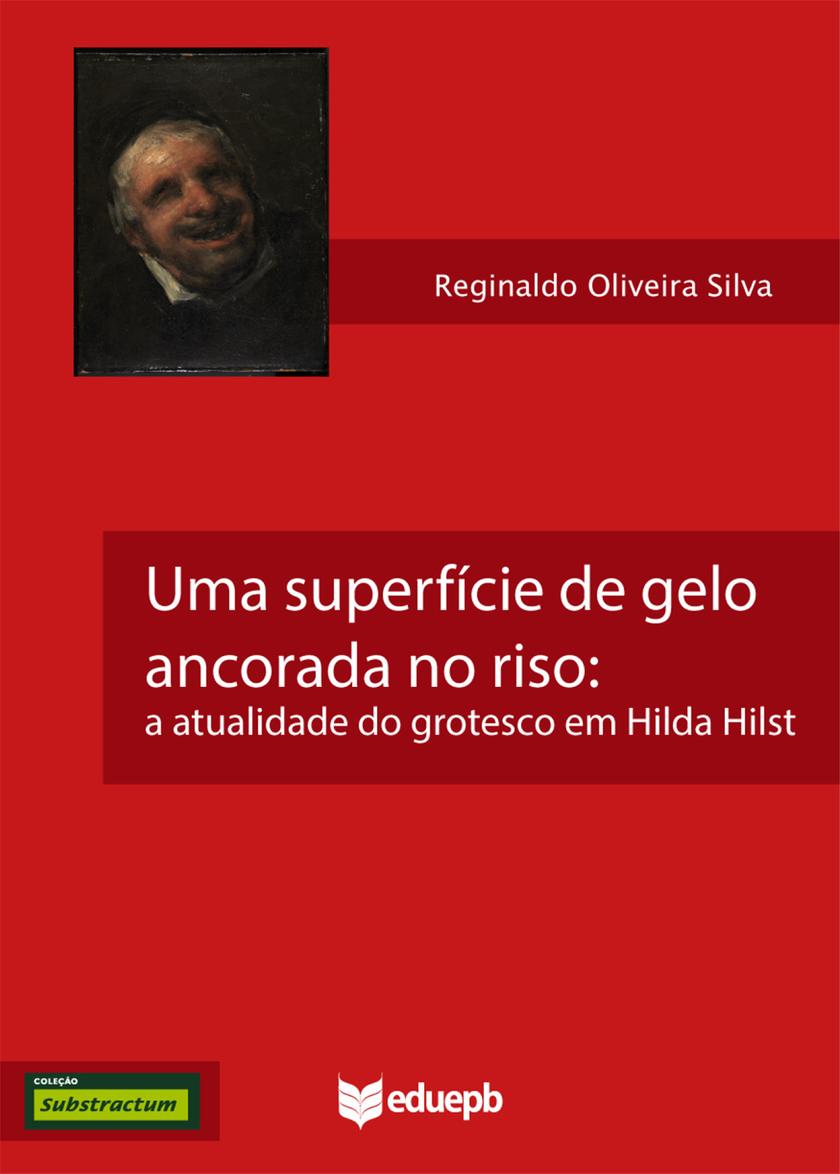
Uma superfície de gelo ancorada no riso: a atualidade do grotesco em Hilda Hilst
¥0.01
Imaginea Romaniei prin turism, targuri si expozitii universale, in perioada interbelica, este titlul unei noi carti extrem de interesante, adresata atat specialistilor cat si publicului larg. Lucrarea elaborata de dr. Claudiu-Alexandru Vitanos reprezinta bilantul unor eforturi sistematice ale autorului de cercetare a modului in care a fost elaborata politica nationala privind dezvoltarea turismului si, totodata, politica de promovare a Romaniei prin intermediul targurilor si expozitiilor universale de-a lungul deceniilor interbelice.

Сила звички
¥36.13
UNGV?RY KRISZTI?N és TABAJDI G?BOR rendhagyó útikalauza a 20. század politikai diktatúrái és legmegrázóbb t?rténelmi eseményei mentén veszi lajstromba Budapest emlékeit. A szerz?páros olyan f?városi helyszíneket mutat be olvasóinak, amelyek jobbára ismeretlenek a turisták el?tt, a városlakók számára pedig már a félmúlt homályába vesznek. A fiatal kutatók budapesti sétáin feltárulnak az 1919-es Tanácsk?ztársaság és az azt k?vet? fehérterror, a német megszállás, a nyilas rémuralom és a zsidóüld?zés, a világháborús f?város, a szovjet megszállás és a Rákosi-diktatúra, az 1956-os forradalom és szabadságharc, végül a Kádár-korszak elfeledett vagy épp szándékosan titokban tartott t?rténeti helyszínei és emlékhelyei. Az egyes t?rténelmi eseményekhez k?thet? szobrok és m?emlékek kapcsán a szerz?k múlt és jelen emlékezetpolitikai t?rekvéseit is áttekintik. A t?rténészpáros kíméletlen és fájdalmas ?szinteséggel mutat rá: a múlt századi véres diktatúrák emlékei jel?letlenül bár, de ma is ott kísértenek a f?város utcáin – ideje lenne hát mindenkinek megismerni ?ket. UNGV?RY KRISZTI?N 1969-ben született Budapesten. Tanulmányait az ELTE BTK t?rténelem-német szakán végezte. Budapest ostromát feldolgozó doktori disszertációja k?nyv formájában is megjelent, és számos hazai, illetve külf?ldi kiadást megélt. 2001-t?l az 1956-os Intézet tudományos munkatársa, t?bb nemzetk?zi tudományos testület tagja. Kutatási területe a 20. század politika- és hadt?rténete, a széls?jobb mozgalmak, valamint az állambiztonság t?rténete. TABAJDI G?BOR 1980-ban született Budapesten. Az ELTE B?lcsészettudományi Karán t?rténelmet, politikaelméletet és filozófiát tanult. Jelenleg az Országos Széchényi K?nyvtár 1956-os Intézetének munkatársa. Eddig f?ként a 20. századi Magyarország politikat?rténetével kapcsolatos publikációi jelentek meg. F? kutatási területei: a magyar állambiztonsági szervek, illetve a pártállami rendszer m?k?désének t?rténete. A fiatal kutatókat t?m?rít? ?Fehér Hollók” munkacsoport koordinátora.
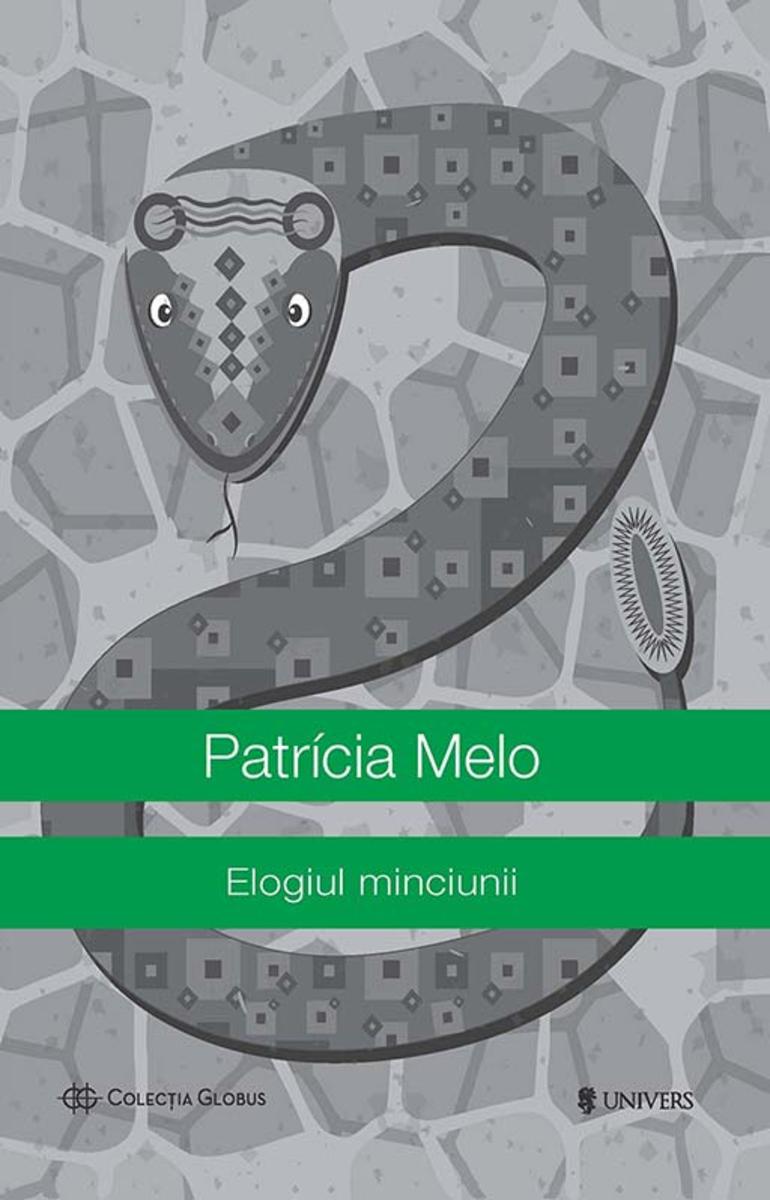
Elogiul minciunii
¥32.62
National Book Critics Circle Award 2005 pentru carte de nonfic?iune. Premiul pentru Pace Erich-Maria-Remarque, 2001 Carte interzis? ?n Bielorusia ?Explozia reactorului num?rul 4 va deveni cel mai mare dezastru nuclear civil din istoria omenirii. Zona este o realitate ?n toat? monstruozitatea ei. La fel ca ?n cartea SF a fra?ilor Struga?ki, Picnic la marginea drumului, Zona este un infern pe p?m?nt, guvernat de propriile legi. Aici danseaz? lumini deasupra c?mpului, praful ridicat de v?nt are culori ciudate, se nasc copii cu muta?ii genetice, popula?ia a fost evacuat?, regiunea, interzis? ?i p?zit? de patrule militare, dar oameni stranii ?i-au f?cut din Zon? locul ?n care tr?iesc. Ei sunt C?l?uzele reale ?n Zona reactorului de la Cernob?l.“ – Ion M. Ioni?? C?nd fra?ii Arkadi ?i Boris Struga?ki publicau ?n 1972 celebrul lor roman SF Picnic la marginea drumului, nu ?i-ar fi putut imagina, nici ?n cele mai negre vise, c? Zona descris? ?n roman va deveni realitate paisprezece ani mai t?rziu, ?n ?ara lor, URSS. Conform ideologiei oficiale, Zona nu avea cum s? apar? ?n patria sovietelor. Doar URSS construia cele mai sigure reactoare nucleare din lume care ?ar fi putut fi instalate chiar ?n Pia?a Ro?ie, at?t de fiabile erau“. Nu a fost a?a. Pe 26 aprilie 1986, lumea avea s? intre ?n epoca Cernob?l. Explozia reactorului num?rul patru va deveni cel mai mare dezastru nuclear civil din istoria omenirii. Zona este o realitate ?n toat? monstruozitatea ei. La fel ca ?n cartea SF a fra?ilor Struga?ki, Zona este un infern pe p?m?nt, guvernat de propriile legi. Aici lumini danseaz? deasupra c?mpului, praful ridicat de v?nt are culori ciudate, se nasc copii cu muta?ii genetice, popula?ia a fost evacuat?, regiunea, interzis? ?i p?zit? de patrule militare, dar oameni stranii ?i-au f?cut din Zon? locul ?n care tr?iesc. ?O istorie oral? mi?c?toare a catastrofei din 1986 de la reactorul nuclear de la Cernob?l, ?n care curajul fatalist ?i stoic este dublat de un umor incredibil de negru. Jurnalista rus? Svetlana Aleksievici a ?nregistrat o serie de m?rturii pe care le-a prezentat sub forma unor ?monologuri?, ?n stil romanesc, care zugr?vesc imaginea vie a atmosferei generale de nemul?umire de la sf?r?itul perioadei comuniste, ?n care liderilor de partid agresivi, propagandei paranoice ?i mobiliz?rilor haotice li se opun sarcasmul deprimant, g?ndurile amare ?i abuzul de votc?. Rezultatul este o radiografie de neuitat a sufletului rus.“ – Publishers Weekly

A-Z of Atari 2600 Games
¥19.52
The A-Z of Atari 2600 Games: Volume 1 features reviews of three different games for each letter of the alphabet. The games range from the very earliest releases in the 70s to the modern homebrew games of today. This book shows you just how diverse the library of titles is for the Atari 2600 and how it became one of the best-selling consoles of all time.
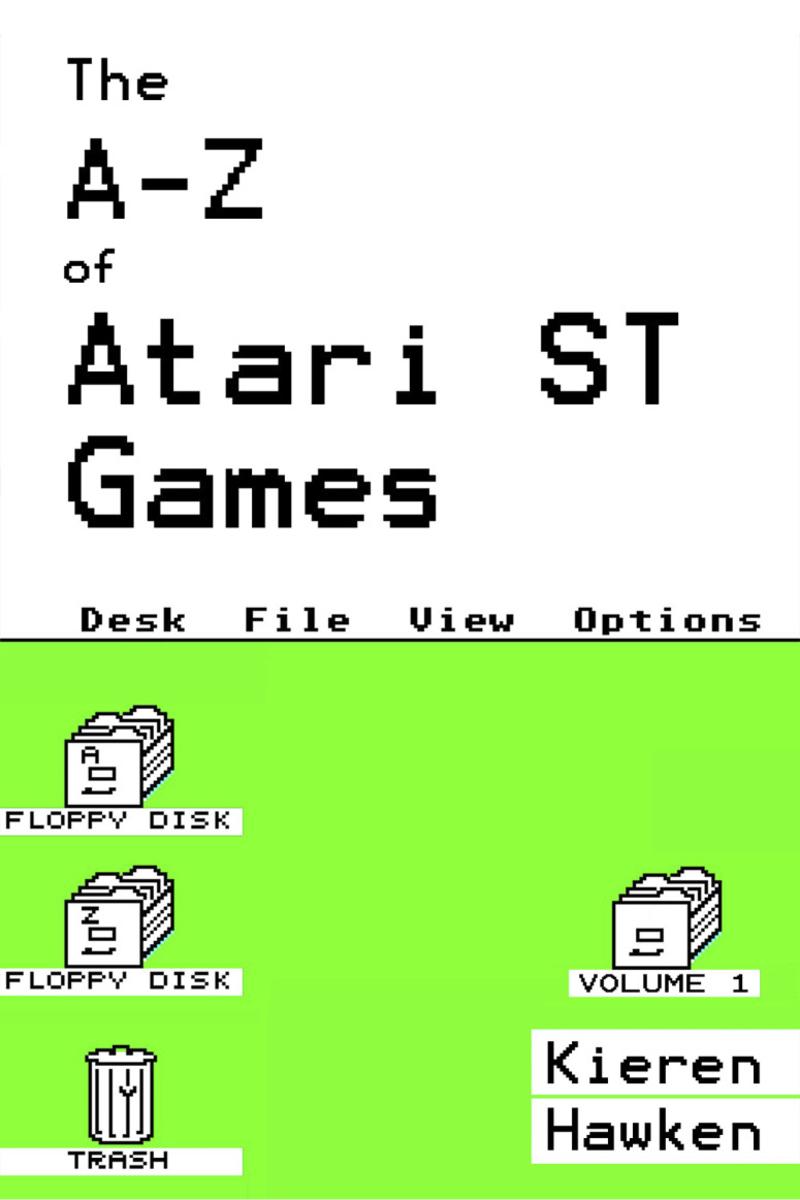
A-Z of Atari ST Games
¥19.52
The A-Z of Atari ST Games: Volume 1 features reviews of three different games for each letter of the alphabet. The games range from the very earliest releases in the mid 80s to the modern homebrew games of today. This book shows you just how diverse the library of titles is for the Atari ST range and how it became one of the popular home computers of all time.

A-Z of Atari 2600 Games
¥19.52
The A-Z of Atari 2600 Games: Volume 3 features reviews of three different games for each letter of the alphabet. The games range from the very earliest releases in the 70s to the modern homebrew games of today. This book shows you just how diverse the library of titles is for the Atari 2600 and how it became one of the best selling consoles of all time.


