


 购物车
购物车 个人中心
个人中心
Mercury Man
¥53.86
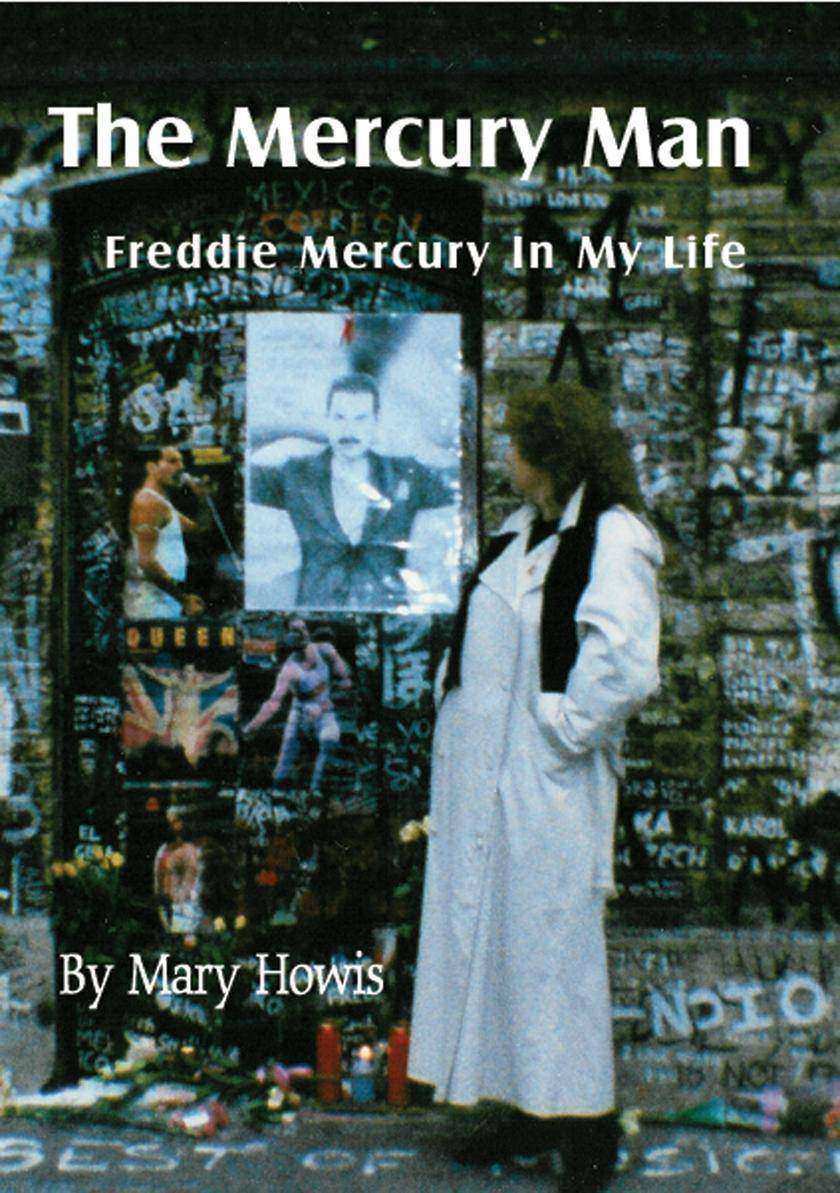
On 24 November 1991 people all over the world mourned the untimely death of Freddie Mercury, lead singer of rock band Queen. But for the author, Mary Howis, her life would never be the same, as, from that day forward, she was aware of a strange presence around her; someone from the spirit world - the spirit that once was Freddie Mercury, known in the spirit world as 'the Mercury Man'. Mary had been chosen for a special mission - to be an instrument for the spirit world, for Freddie, through which they could communicate. But why her? Why someone who, until the news reports of Freddie Mercury's death, had never even heard of him? Mary tells the story of her spiritual journey of discovery from disbelief, self-doubt and denial to an absolute conviction that what she was experiencing was real, the messages she was receiving were true, and they were proof that life continues after death; that Freddie was still alive, in spirit form, and had much knowledge to impart to the world. Despite the ridicule she might face, Mary knew that she was destined to write this book, to tell her story - Freddie's story - to the world, in the hope that it would bring comfort and hope to those who are suffering in their earthly bodies, who are grieving for loved ones, who are fearful of death. The message is clear: death is not the end, it is a new and exciting beginning.

50 Quick Facts about Alaska
¥9.71
This book is part of a series of 50 quick facts about each of the United States of America. This book covers the state of Alaska. Facts about the major cities, the history of the state, famous people linked to Alaska, the states intriguing climate and topography and many more subjects. This book contains all you will ever need to know about the last frontier state.

50 Quick Facts about Colorado
¥9.71
This book is part of a series of 50 quick facts about each of the United States of America. This book covers the state of Colorado. Facts about the major cities, the history of the state, famous people linked to Colorado and many more subjects. This book contains all you will ever need to know about the Centennial state.
Linda Ronstadt
¥73.48
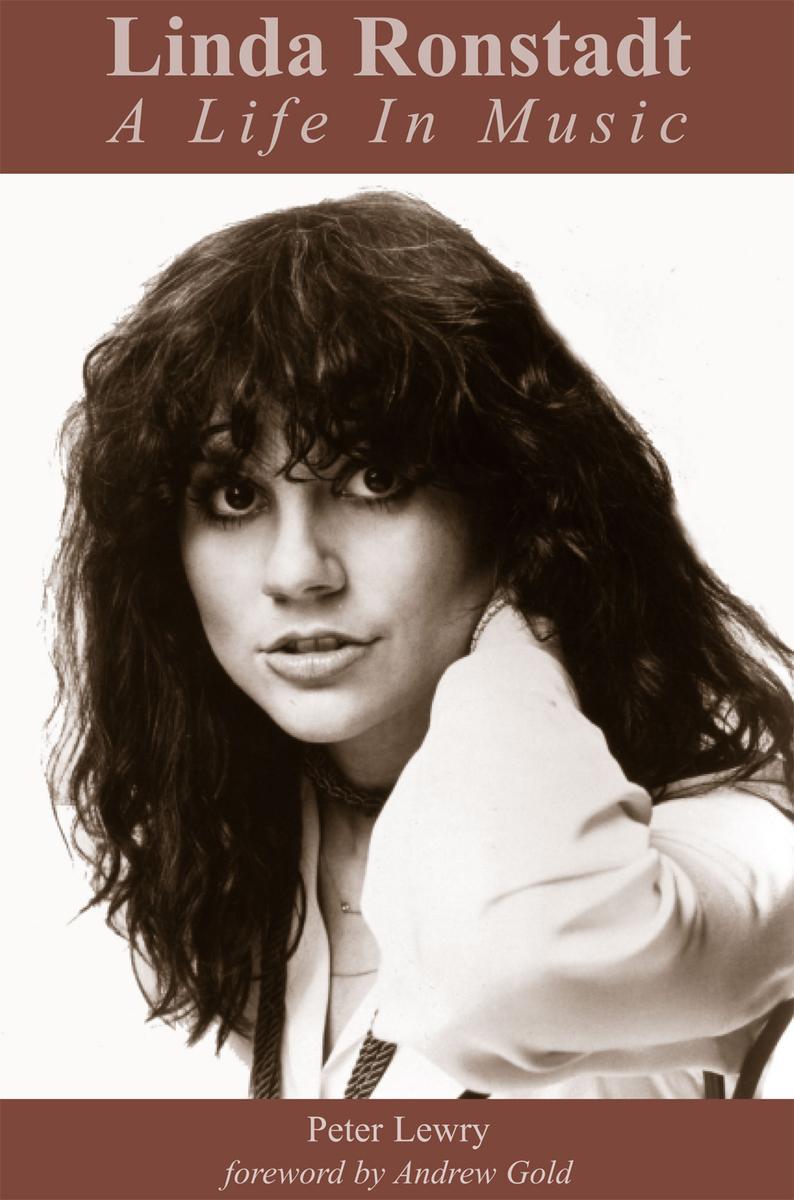
Often dismissed by rock historians as a product of the antiseptic Californian country-music scene, an artist who relied on watered-down covers of classic rock n' roll and pop standards, this description of Linda Ronstadt couldn't be further from the truth. Throughout a recording career that has covered more than forty years she has recorded in a remarkable variety of styles from pure country to pop, light opera to big band standards and new wave to mariachi, often taking risks beyond the reach of many critically acclaimed artists. It would be hard, if not impossible, to find another vocalist who has had a more diversified career. In their press release for the album Winterlight her record company managed to convey exactly what it was that made Linda Ronstadt such a special artist. - "e;Versatile doesn't begin to describe Linda Ronstadt's astounding career - a wildly eclectic, devoutly adventurous journey through a myriad of styles and genres. Who else has worked with Philip Glass and Dolly Parton? Aaron Neville and Nelson Riddle? Ronstadt's unforgettably gorgeous voice, at once technically dazzling and resonating with deep emotion, has woven a magical path from rock to mariachi, from country to opera, gathering critical and commercial success at every stop along the way."e; Linda Ronstadt - A Life In Music is an unauthorised biography that traces Linda Ronstadt's career from her days as a member of The Stone Poneys, her early solo albums, the critically acclaimed albums from the seventies, her work with Nelson Riddle , the foreign language recordings and her collaborations with Dolly Parton and Emmylou Harris. The book gives an in-depth analysis of every studio album and is supported by a background to her life and the influences, musical and social, that shaped her career. Appendices in the book include a comprehensive discography, chart statistics, details of Record Industry Association of America (RIAA) and British Phonographic Industry (BPI) awards along with a list of Grammy Award nominations and wins. The book includes a foreword written by Andrew Gold.
Beethoven
¥44.05
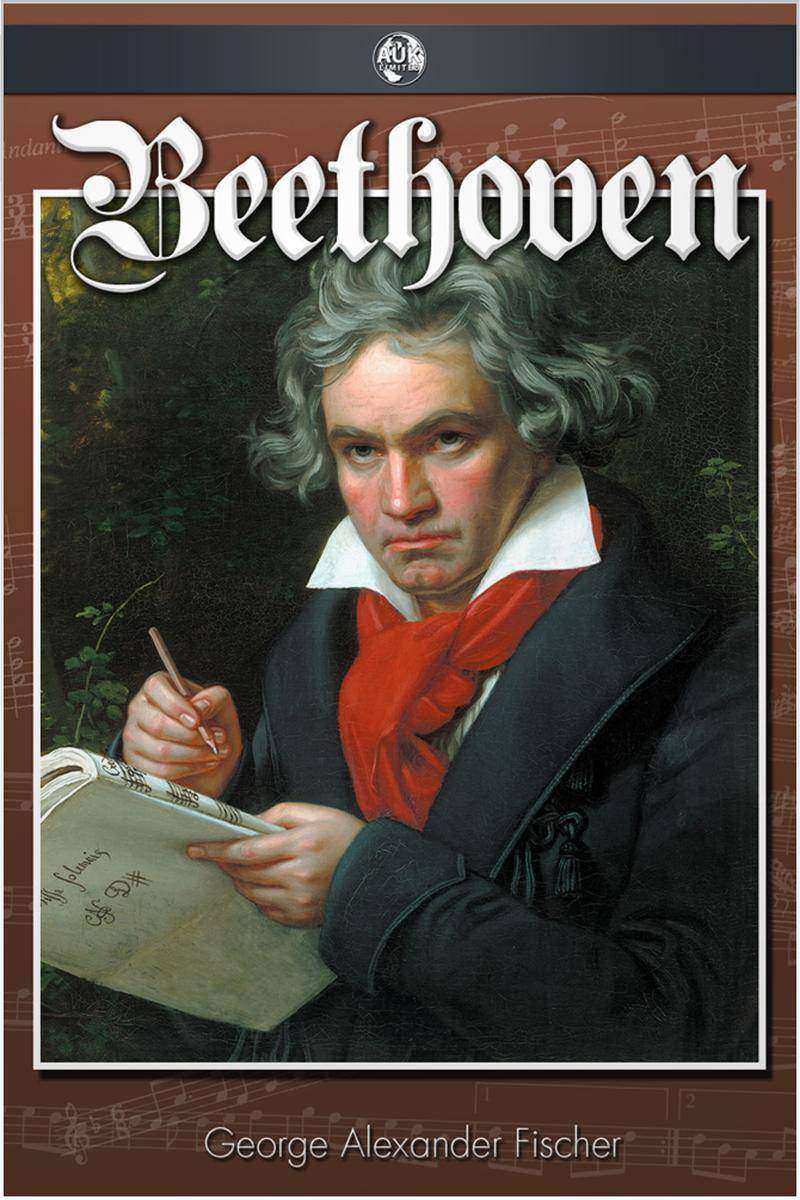
This short biography of the famous composer Ludwig van Beethoven details his life, his works and gives the reader an interesting guide to the style that defined this master of symphonies and other musical works. It also discusses the influence he had on Wagner's style. This version has been specifically edited and formatted for today's e-readers, and makes an excellent addition to any music-related book collection.
101 Amazing Facts about Avril Lavigne
¥19.52
Are you the world's biggest Avril Lavigne fan? Or do you want to know everything there is to know about the Canadian singer and fashion icon?If so, then this is the book for you! Contained within are 101 amazing facts about everything, from how Avril got started in the music business to her love life, awards she has won plus many more. The book is easily organised into sections so you can find the information you want fast and is perfect for all ages!
Harry Potter - The Ultimate Book of Facts
¥34.24
Are you a huge fan of Harry Potter? You have probably read every book and seen every film many times over. But how much do you really know? This excellent book has more than two hundred facts that will surprise and amaze you in equal measure. Sections include:- Harry Potter and Daniel Radcliffe- Quidditch- Hermione Granger and Emma Watson- The Ministry of Magic- The Triwizard Tournament- Hogwarts- And many moreIf you love Harry Potter and want to expand your knowledge of the series, this is the perfect way to do it - you can even use these fantastic facts to make the ultimate quiz for your friends!

101 Amazing Facts about Kendall and Kylie
¥19.52
For those who just can't get enough of the Kardashians and the Jenners, this is the perfect book for you! With over one hundred facts about not just Kendall and Kylie but the rest of the Klan as well - including their father Bruce's transition into a woman - this is a great read which you can pick up and put down at your leisure. If you enjoy spending time reading the latest celebrity gossip, you'll love finding out even more about the legendary sisters, their family, fashion, fun facts and shocking moments! Easily organised into sections so you can find the information you want fast, this is an unmissable addition to any fan's bookshelf.
101 Amazing Facts about Lionel Richie
¥19.52
Are you the world's biggest Lionel Richie fan? Or do you want to find out everything there is to know about the former Commodores lead vocalist and one of the world's best-loved singer-songwriters? If so, then this is the book for you! Contained within are 101 amazing facts about how Lionel got started in the music industry, the numerous awards he has won, his family and much, much more. The book is easily organised into sections so you can find the information you want fast and is the perfect addition to any fan's bookshelf.

101 Interesting Facts on Southend United
¥24.43
Is Southend United your local football club? Are you a lifelong fan of the Blues or new to the touchline? Do you know all about the team's long and fascinating past, which began in the Blue Boar pub in 1906? Would you like to find out more? If you answered yes to any of these questions, you are certain to enjoy 101 Interesting Facts on Southend United, all about the boys from Roots Hall. Perfect for challenging your friends on match days or teaching your children about the history of your local football team. This tribute to the Southend United will tell you everything you ever wanted to know about the Blues, including all the memorable faces that have played a part in the team's wins and losses through the years. This is a must-have book for Southend supporters of all ages, so why not relive all those unforgettable moments from days gone by and gen up on your favourite football club.

101 Amazing Justin Bieber Facts
¥14.62
Are you the world's biggest Belieber? Do you know everything there is to know about the world's best-known teen star? Then this is the book for you! In this easy-to-digest eBook are 101 facts about your favourite singer - do you know all of them?Test yourself and your friends with these handily-packaged facts easily organised into categories for maximum enjoyment. Show everyone that you are the master of Bieber fever!

101 More Amazing One Direction Facts
¥19.52
Are you the world's biggest One Direction fan? Do you know everything there is to know about the world's best-loved boy band? Then this is the book for you! In this easy-to-digest eBook are 101 facts about your favourite group - do you know all of them?This is the second book in Jack Goldstein's One Direction series, featuring even more fantastic facts about your favourite band - Get the complete set!Test yourself and your friends with these handily-packaged facts easily organised into categories for maximum enjoyment. Show everyone that you are the master of One Direction mania!

Sex and the City - The Ultimate Quiz Book
¥19.52
This excellent quiz book contains 150 questions (and answers!) to test the knowledge of any Sex and the City fan. From questions a casual viewer should know all the way through to trivia that would test Carrie herself, this is a fantastic way to enjoy the high-class, high-fashion world of the much-loved foursome even more.

Book of Operas
¥19.52
A comprehensive study of several great operas from the renowned musicologist Henry Edward Krehbiel. Includes in-depth analyses of: Il Bariere di Siviglia Le Nozze Di Figaro Die Zauberfloete Don Giovanni Fidelio Faust Mefistofele La Damnation de Faust La Traviata Aida Der Freischuetz Tannhaeuser Tristan und Isolde Parsifal Die Meistersinger von Nuernberg Lohengrin Haensel und Gretel
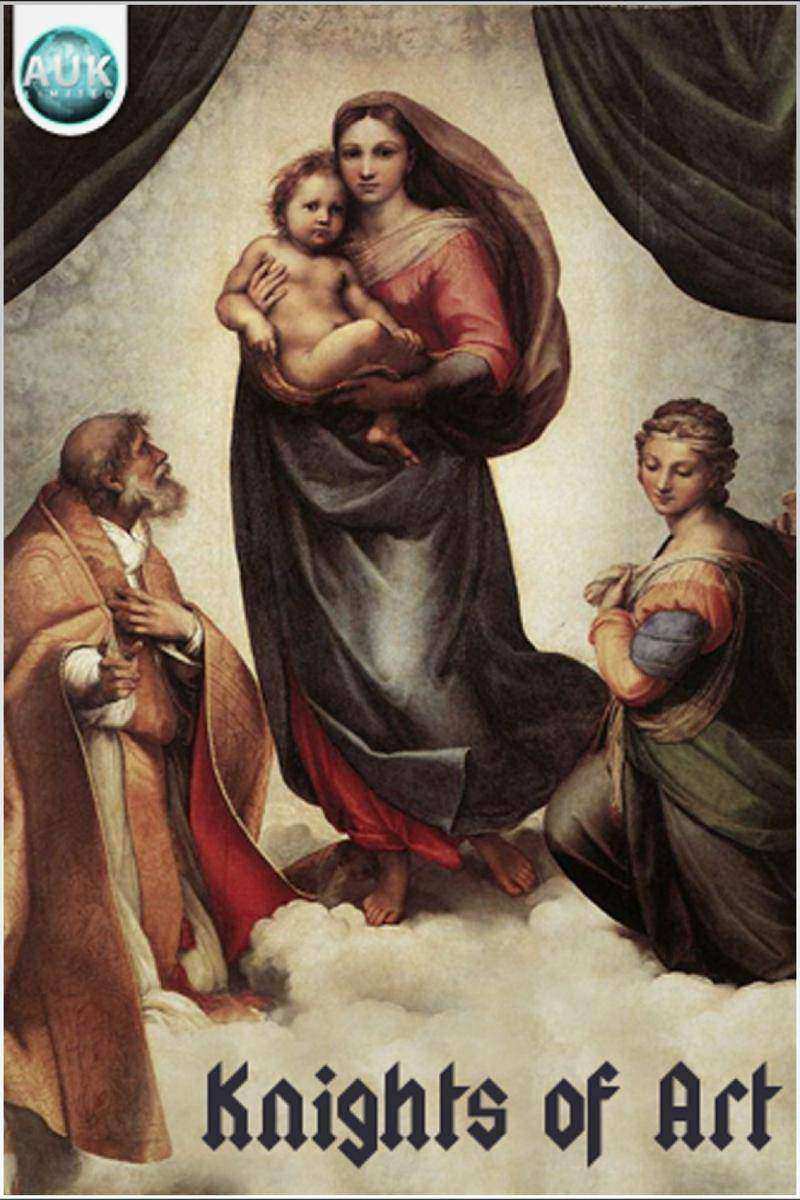
Knights of Art
¥19.52
The Renaissance,' a word which means being born again, or a new awakening, when men began to draw real pictures of real things and fill the world with images of beauty.Now it is the stories of the men of that time, who put new life into Art, that I am going to tell you--men who learned, step by step, to paint the most beautiful pictures that the world possesses.In telling these stories I have been helped by an old book called The Lives of the Painters, by Giorgio Vasari, who was himself a painter. He took great delight in gathering together all the stories about these artists and writing them down with loving care, so that he shows us real living men, and not merely great names by which the famous pictures are known. It did not make much difference to us when we were little children whether our pictures were good or bad, as long as the colours were bright and we knew what they meant. But as we grow older and wiser our eyes grow wiser too, and we learn to know what is good and what is poor. Only, just as our tongues must be trained to speak, our hands to work, and our ears to love good music, so our eyes must be taught to see what is beautiful, or we may perhaps pass it carelessly by, and lose a great joy which might be ours.So now if you learn something about these great artists and their wonderful pictures, it will help your eyes to grow wise. And some day should you visit sunny Italy, where these men lived and worked, you will feel that they are quite old friends. Their pictures will not only be a delight to your eyes, but will teach your heart something deeper and more wonderful than any words can explain.
50 Quick Facts About Game of Thrones
¥9.71
Game of Thrones is the television and written world phenomenon that has come from the mind of George R.R. Martin and his series of books, A Song of Ice and Fire. This book contains trivia and many interesting facts about the lands of Westeros and Essos. From stories about the filming of the series, tales from behind the camera through to a little more background on the families and locations in the Game of Thrones world. This book is a must have for any fan of the tales of the Iron Throne.
101 Amazing Facts about Cheryl Cole
¥19.52
Are you the world's biggest Cheryl Cole fan? Or do you want to know everything there is to know about the singer, X Factor judge and former member of Girls Aloud? If so, then this is the book for you! Contained within are 101 amazing facts about everything, from her upbringing to her huge success both in a girl band and as a solo artist plus much more. The book is easily organised into sections so you can find the information you want fast and is perfect for all ages!
101 Amazing Facts about Arctic Monkeys
¥19.52
Are you the world's biggest Arctic Monkeys fan? Or do you want to know everything there is to know about one of the biggest bands of the era?If so, then this is the book for you! Contained within are more than one hundred amazing facts about everything, from how the band got started in the music industry to their success in multiple awards ceremonies and much more. The book is easily organised into sections so you can find the information you want fast and is perfect for all ages!

101 Amazing Facts about Dogs
¥19.52
Did you know that in medieval times dogs were known to have accompanied their masters into battle wearing suits of armour? Or that the Rhodesian Ridgeback was first bred to fight lions? This fantastic quick-read eBook featured over one hundred facts about dogs split into categories such as evolution, health, behaviour, record breakers and many more. So if you want to know who the heaviest dog ever to have lived was, or what the wagometer was invented for, then this is the book for you! Find the information you want, fast.

Autobiography of Liza Goddard
¥78.38
Liza Goddard is one of the country's best loved and hardest working actresses, but few people know the real woman behind the 'dizzy blonde' image. In this much-anticipated autobiography, Liza talks about her work, her loves and the real-life dramas that have shaped her as a woman and an actress. The book charts her early life in England and follows her to Australia, where her beloved father played a key role in helping to set up the country's fledgling television industry. As a young actress, Liza was cast in the long-running children's drama series, Skippy the Bush Kangaroo. She later returned to England, where she appeared in a host of classic TV series, including Pig In The Middle, The Brothers, Bergerac, Dr Who and Midsomer Murders. Liza talks about her working relationship with Alan Ayckbourn and explains how a planned move to America failed to materialise. Find out how Liza got together with her first husband, actor Colin Baker on the set of The Brothers, why her marriage to '70s rocker Alvin Stardust failed and how she eventually found true love with producer David Cobham. Liza also reveals the truth about her alleged affair with Bergerac star John Nettles, and reveals how she successfully sued a tabloid newspaper over the allegations. She describes her courageous battle against breast cancer and reveals how beating the disease has given her a new perspective on life. Liza explains why animals continue to play an important part in her life and recounts some hilarious stories about the assortment of creatures that have featured in her life. A warts and all account from one of Britain's most popular actresses, Working With Children And Animals will have you laughing and crying in equal measure.

101 Amazing Facts about Blink-182
¥19.52
Are you the world's biggest Blink-182 fan? Do you know everything there is to know about pop-punk's greatest band? Or are you new to the scene and want to become an instant expert on the band everyone is talking about? Then this is the book for you. Contained within are 101 amazing facts covering everything from the band's early days through the more difficult times (including the infamous plane crash) right up to their 2016 comeback - although WE all know they never really went away! Amaze yourself and your friends with these handily-packaged facts which are easily organised into relevant categories for maximum enjoyment.


