


 购物车
购物车 个人中心
个人中心

A Prayer for Owen Meany
¥56.07
I am doomed to remember a boy with a wrecked voice not because of his voice, or because he was the smallest person I ever knew, or even because he was the instrument of my mother's death, but because he is the reason I believe in God; I am a Christian because of Owen Meany. In the summer of 1953, two eleven-year-old boys best friends are playing in a Little League baseball game in Gravesend, New Hampshire. One of the boys hits a foul ball that kills the other boy's mother. The boy who hits the ball doesn't believe in accidents; Owen Meany believes he is God's instrument. What happens to Owen after that 1953 foul ball is extraordinary.
Big Questions from Little People
¥138.41
Illuminating and essential, Big Questions from Little People is a timeless gift, a handbook for curious children and their perplexed parents. Many of the questions children ask in the course of growing up can stump even the best educated adult: Why can't I tickle myselfAre we all relatedWho named all the citiesDo aliens existWhat makes me meIs it okay to eat a wormWho invented chocolateIf the universe started from nothing, how did it become somethingHow do you fall in loveWho is GodHow do chefs get ideas for recipesWhy are some people meanThis charming and informative collection has been compiled from schoolchildren's actual questions, which are answered by the world's greatest experts, including Mary Roach, Richard Dawkins, Philip Pullman, Bear Grylls, David Eagleman, Philippa Gregory, Noam Chomsky, and Mario Batali.
Learning Bitcoin
¥80.65
Embrace the new world of fiance by leveraging the power of crypto-currencies using Bitcoin and the BlockchainAbout This BookSet up your own wallet, buy and sell Bitcoin, and execute custom transactions on the BlockchainLeverage the power of Bitcoin to reduce transaction costs and eliminate fraudA practical step-by-step guide to break down the Bitcoin technology to ensure safe transactions Who This Book Is For If you are familiar with online banking and want to expand your finances into a resilient and transparent currency, this book is ideal for you. A basic understanding of online wallets and financial systems will be highly beneficial to unravel the mysteries of Bitcoin.What You Will LearnSet up your wallet and buy a Bitcoin in a flash while understanding the basics of addresses and transactionsAcquire the knack of buying, selling, and trading Bitcoins with online marketplacesSecure and protect your Bitcoins from online theft using Brainwallets and cold storageUnderstand how Bitcoin’s underlying technology, the Blockchain, works with simple illustrations and explanationsConfigure your own Bitcoin node and execute common operations on the networkDiscover various aspects of mining Bitcoin and how to set up your own mining rigDive deeper into Bitcoin and write *s and multi-signature transactions on the networkExplore the various alt-coins and get to know how to compare them and their value In Detail The financial crisis of 2008 raised attention to the need for transparency and accountability in the financial world. As banks and governments were scrambling to stay solvent while seeking a sustainable plan, a powerfully new and resilient technology emerged. Bitcoin, built on a fundamentally new technology called “The Blockchain,” offered the promise of a new financial system where transactions are sent directly between two parties without the need for central control. Bitcoin exists as an open and transparent financial system without banks, governments, or corporate support. Simply put, Bitcoin is “programmable money” that has the potential to change the world on the same scale as the Internet itself. This book arms you with immense knowledge of Bitcoin and helps you implement the technology in your money matters, enabling secure transactions. We first walk through the fundamentals of Bitcoin, illustrate how the technology works, and exemplify how to interact with this powerful and new financial technology. You will learn how to set up your online Bitcoin wallet, indulge in buying and selling of bitcoins, and manage their storage. We then get to grips with the most powerful algorithm of all times: the Blockchain, and learn how crypto-currencies can reduce the risk of fraud for e-commerce merchants and consumers. With a solid base of Blockchain, you will write and execute your own custom transactions. Most importantly, you will be able to protect and secure your Bitcoin with the help of effective solutions provided in the book. Packed with plenty of screenshots, Learning Bitcoin is a simple and painless guide to working with Bitcoin.Style and approach This is an easy-to-follow guide to working with Bitcoin and the Blockchain technology. This book is ideal for anyone who wants to learn the basics of Bitcoin and explore how to set up their own transactions.
Web Development with MongoDB and NodeJS - Second Edition
¥71.93
Build an interactive and full-featured web application from scratch using Node.js and MongoDBAbout This BookConfigure your development environment to use Node.js and MongoDBUse Node.js to connect to a MongoDB database and perform data manipulationsA practical guide with clear instructions to design and develop a complete web application from start to finish Who This Book Is For This book is designed for JavaScript developers of any skill level that want to get up and running using Node.js and MongoDB to build full-featured web applications. A basic understanding of JavaScript and HTML is the only requirement for this book.What You Will LearnConfigure your development environment to use Node.js and MongoDBWrite and configure a web server using Node.js powered by the Express.js frameworkBuild dynamic HTML pages using the Handlebars template enginePersist application data using MongoDB and Mongoose ODMTest your code using automated testing tools such as the Mocha frameworkDeploy the development environment to the cloud using services such as Heroku, Amazon Web Services, and Microsoft AzureExplore Single-Page application frameworks to take your web applications to the next level In Detail Node.js and MongoDB are quickly becoming one of the most popular tech stacks for the web. Powered by Google's V8 engine, Node.js caters to easily building fast, scalable network applications while MongoDB is the perfect fit as a scalable, high-performance, open source NoSQL database solution. Using these two technologies together, web applications can be built quickly and easily and deployed to the cloud with very little difficulty. The book will begin by introducing you to the groundwork needed to set up the development environment. Here, you will quickly run through the steps necessary to get the main application server up and running. Then you will see how to use Node.js to connect to a MongoDB database and perform data manipulations. From here on, the book will take you through integration with third-party tools for interaction with web apps. It then moves on to show you how to use controllers and view models to generate reusable code that will reduce development time. Toward the end of the book, we will cover tests to properly execute the code and some popular frameworks for developing web applications. By the end of the book, you will have a running web application developed with MongoDB and Node.js along with it's popular frameworks.Style and approach An easy guide to Node.js and MongoDB, which will quickly introduce you to the relevant concepts by taking you through the different steps involved in building a full-fledged web application.
The Problem of Pain
¥78.32
If God is good and all-powerful, why does he allow his creatures to suffer painAnd what about the suffering of animals, who neither deserve pain nor can be improved by itThe greatest Christian thinker of our time sets out to disentangle these knotty issues. With his signature wealth of compassion and insight, C. S. Lewis offers answers to these crucial questions and shares his hope and wisdom to help heal a world hungering for a true understanding of human nature.

Weight of Glory
¥78.32
Addressing some of the most difficult issues we face in our day-to-day lives, C. S. Lewis ardent and timeless words provide an unparalleled path to greater spiritual understanding. Considered by many to be his most moving address, The Weight of Glory extols a compassionate vision of Christianity and includes lucid and compelling discussions on forgiveness and faith.
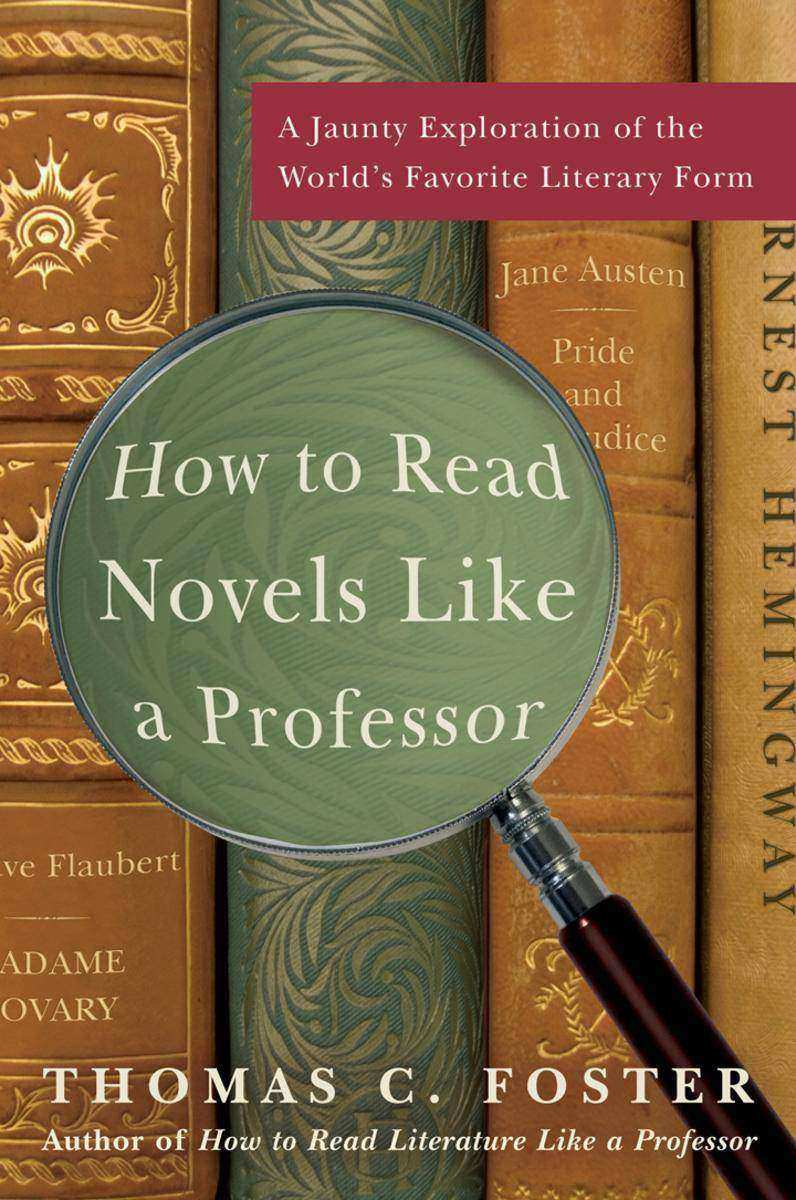
How to Read Novels Like a Professor
¥88.56
Of all the literary forms, the novel is arguably the most discussed . . . and fretted over. From Miguel de Cervantes's Don Quixote to the works of Jane Austen, F. Scott Fitzgerald, Ernest Hemingway, and today's masters, the novel has grown with and adapted to changing societies and technologies, mixing tradition and innovation in every age throughout history. Thomas C. Foster the sage and scholar who ingeniously led readers through the fascinating symbolic codes of great literature in his first book, How to Read Literature Like a Professor now examines the grammar of the popular novel. Exploring how authors' choices about structure point of view, narrative voice, first page, chapter construction, character emblems, and narrative (dis)continuity create meaning and a special literary language, How to Read Novels Like a Professor shares the keys to this language with readers who want to get more insight, more understanding, and more pleasure from their reading.

Best-Loved Chinese Proverbs
¥72.93
"By filling one's head instead of one's pocket, one cannot be robbed." The appeal of Chinese proverbs is profound and universal. With brevity, clarity, and simplicity, these carefully chosen words help pass wisdom and insight throughout the ages. This timeless, eloquent collection of proverbs offers fundamental truths about the natural world and the human condition, on subjects such as: Ability Adversity Beauty Character Conflict Cooperation Deception Defeat Fortune Greed Happiness Honor Inspiration Knowledge Leadership Love Moderation Necessity Neighbors Obstinacy Opportunity Perseverance Pride Sincerity Strategy Success Thought Trust Victory Wisdom And More "With our thoughts we must build our world."

I Never Metaphor I Didn't Like
¥88.56
The murals in restaurants are on a par with the food in museums. America is an enormous frosted cupcake in the middle of millions of starving people. Critics are like pigs at the pastry cart. Describing something by relating it to another thing is the essence of metaphorical thought. It is one of the oldest activities of humankind and one of the most impressive when done skillfully. Throughout history, many masters of metaphor have crafted observations that are so spectacular they have taken up a permanent residence in our minds. In I Never Metaphor I Didn't Like , quotation maven Dr. Mardy Grothe fixes his attention on the three superstars of figurative language analogies, metaphors, and similes. The result is an extraordinary compilation of nearly 2,000 feats of association that will entertain, educate, and occasionally inspire quotation lovers everywhere. In this intellectual smorgasbord, the author of Oxymoronica and Viva la Repartee explains figurative language in a refreshingly down-to-earth way before taking readers on a tour of history's greatest word pictures. In chapters on wit, love, sex, stage and screen, insults, politics, sports, and more, you will find quotations from Aristotle and Maya Angelou to George Washington and Oprah Winfrey.

Kiss from a Stranger
¥24.44
Horrified when her beloved dog, Rufus, is caught in a cruel snare while out walking in the estate of Arrow Castle, local Parson’s daughter Shenda is at first relieved when a handsome stranger comes to poor Rufus’s rescue and then at once she is abashed and confused when he claims a kiss – Shenda’s very first – as his reward. But then she is told that her father has been killed by a savage bull and that she must leave the family’s Vicarage forthwith. Penniless Shenda is obliged to take a job at Arrow Castle as a seamstress, where she stumbles across a letter from one of Napoleon Bonaparte’s spies to Society beauty Lucille Gratton, ‘the most beautiful Lady in England’, who is staying at The Castle. Reporting the discovery to the Earl, she finds that he is no other than her ‘gentleman stranger’ and just as she realises that she is falling in love with the heroic Earl of Arrow, she is embroiled in a counter-espionage plot that puts her young life – and her love for the Earl – in deadly peril.

Double the Love
¥24.44
The beautiful Ariana Dancer is orphaned and has led a cheerless life in London with her disagreeable Guardian, Uncle Konstantin Bardici. He has shown little interest in his niece and she has been left very much to her own devices. One day Uncle Konstantin suggests that Ariana marry an Albanian Prince – one who is seeking an English wife and who claims to have fallen in love with her portrait – and it does not take much to persuade her to agree. Even before she sets out for Albania, she begins to dream of romance and her lonely heart ensures that she quickly fancies herself in love with a man she has never seen. She is sure in her heart that she will find everlasting happiness with Prince Stefan of Dukka in the depths of Albania.! But the journey she must take to fulfil her dreams is longer and more treacherous than she could ever have imagined. When she and her hapless maid are kidnapped en route to Castle Dukka by brigands, the rosy future she dreamed of becomes bitterly compromised. Soon life in the wild mountains begins to exert an unexpected pull, while the King of the Brigands turns out to possess an irresistible charm. Ariana discovers that love can have a double meaning and that image is not all that it seems. Forced to choose between honour and passion and faced with the responsibility of deciding life or death for the man she loves, she bravely makes the ultimate sacrifice. Even then Ariana’s torment is not over – Find out how Ariana unexpectedly finds all that she has been seeking, and more, in this exciting and unusual romantic tale by BARBARA CARTLAND

The Viscount's Revenge
¥24.44
The handsome Viscount Trent finally makes up his mind to accede to the pleadings of his family and get married. He is twenty-seven and for a long time they have been begging him to take a wife and produce an heir to his illustrious title, his famous stately home and his vast estate. On the whole he finds debutantes extremely boring and has enjoyed a number of affaires-de-coeur with older married women. However there is one girl, Marigold Marlow, he considers outstanding and she is the acknowledged great beauty of the Season. As she is so beautiful, the Viscount is convinced that Marigold will make him a perfect wife, but he is astonished when, having proposed to her, she tells him that she has not quite made up her mind. She will let him know on Wednesday if she accepts his proposal of marriage. As the Viscount expects her to fall immediately into his arms, he is surprised, but content to wait until Wednesday for her answer, which he is certain will be ‘yes’. As he drives away from Marigold’s house, a young girl holding a white Pekingese in her arms begs him to give her a lift to London. He sees no reason to refuse and finds as they drive off that she is Salvia, a cousin of the beautiful Marigold. He then learns that Marigold has her eyes on the son of the Duke of Northerncliff, who is seriously ill. In fact if he dies as expected, she intends to marry his heir as one day soon he will be a Duke. Feeling surprised and angry, he is even more astonished to learn that Marigold is cruel to animals and that Salvia is running away because she is so unkind to her dog as well as to her. How the Viscount dreams up a way to avenge himself on Marigold and, if the Duke does recover, how he can escape marrying her as he has now changed his mind. How the Viscount’s plan succeeds. And how Salvia takes London by storm, faces appalling danger and finally finds the love of her life is all told in this unusual story by BARBARA CARTLAND.

A Packhorse Called Rachel
¥24.44
A story of courage, fear and defiance based on the authors own personal experience. A Pack Horse Called Rachel is the remarkable tale of a young woman, half Jewish, caught in the extraordinarily brutal world of France in 1944. Rachel moves through the pages of the book with her faithful dog Nourse, touching lives as her work with the Maquis based in the Auvergne takes her perilously close to danger on a day to day basis.The story is based on personal experience, the de*ion of historical events is as true as memory will allow, it is an elegantly written story capturing first hand Kellermann’s painful and lonely life as a resistance fighter within the ‘Maquis’, amidst the harsh beauty of the Auvergne. Beset by the freezing cold climate prevailing in winter, the Vichy traitors amongst the normal French Population and the hostility of ordinary people afraid for their own lives. Rachel overcomes the initial animosity and mistrust of the lecherous and alcoholic farmer Raboullet on whom she comes to rely; the wrath of the Gestapo, the betrayal of St Pré, a full and passionate love affair, tragic loss and yet she survives. Marcel Kellermann notes, with de*ive talent, and intricate detail that only someone especially observant could recall. From the opening raid to the closing trial, the book gives an incisive view, as we understand the mind and soul of the resistance better with each page. This is the story of a young woman paralleled with the struggle of a nation as it regains its courage to fight back.

Web Scraping with Python
¥63.21
Successfully scrape data from any website with the power of PythonAbout This BookA hands-on guide to web scraping with real-life problems and solutionsTechniques to download and extract data from complex websitesCreate a number of different web scrapers to extract information Who This Book Is For This book is aimed at developers who want to use web scraping for legitimate purposes. Prior programming experience with Python would be useful but not essential. Anyone with general knowledge of programming languages should be able to pick up the book and understand the principals involved.What You Will LearnExtract data from web pages with simple Python programmingBuild a threaded crawler to process web pages in parallelFollow links to crawl a websiteDownload cache to reduce bandwidthUse multiple threads and processes to scrape fasterLearn how to parse JavaScript-dependent websitesInteract with forms and sessionsSolve CAPTCHAs on protected web pagesDiscover how to track the state of a crawl In Detail The Internet contains the most useful set of data ever assembled, largely publicly accessible for free. However, this data is not easily reusable. It is embedded within the structure and style of websites and needs to be carefully extracted to be useful. Web scraping is becoming increasingly useful as a means to easily gather and make sense of the plethora of information available online. Using a simple language like Python, you can crawl the information out of complex websites using simple programming. This book is the ultimate guide to using Python to scrape data from websites. In the early chapters it covers how to extract data from static web pages and how to use caching to manage the load on servers. After the basics we'll get our hands dirty with building a more sophisticated crawler with threads and more advanced topics. Learn step-by-step how to use Ajax URLs, employ the Firebug extension for monitoring, and indirectly scrape data. Discover more scraping nitty-gritties such as using the browser renderer, managing cookies, how to submit forms to extract data from complex websites protected by CAPTCHA, and so on. The book wraps up with how to create high-level scrapers with Scrapy libraries and implement what has been learned to real websites.Style and approach This book is a hands-on guide with real-life examples and solutions starting simple and then progressively becoming more complex. Each chapter in this book introduces a problem and then provides one or more possible solutions.
VMware vSphere Troubleshooting
¥90.46
Gain expertise in troubleshooting most common issues to implement vSphere environments with easeAbout This BookPlan, analyze, and design effective solutions for your vSphere environmentTroubleshoot problems related to vSphere performanceFamiliarize yourself with the advanced troubleshooting conceptsand become an xpert level administrator Who This Book Is For The books is intended for mid-level System Engineers and System Integrators who want to learn VMware power tools to troubleshoot and manage the vSphere infrastructure. Good knowledge level and understanding of virtualization is expected.What You Will LearnConfigure vSphere management assistant and troubleshooting toolsUse troubleshooting tools to monitor performance and troubleshoot different issuesLearn how to troubleshoot High Availability and other commonly known problems with clusters such as insufficient resources, failing heartbeatsUse Direct Console User Interface (DCUI) to verify configurationDiagnose storage issues including iSCSI, NFS and VMFS problemsManage vSphere Network Virtual and Distributed Switches, Trunks, VLANSMonitor and shape network traffic, configure routes and DNSQuickly resolve common day-to-day problems by analysing logs of VMware vSphere hosts and VMware vCenter ServerDebug and resolve commonly known vSphere Cluster problems In Detail VMware vSphere is the leading server virtualization platform with consistent management for virtual data centers. It enhances troubleshooting skills to diagnose and resolve day to day problems in your VMware vSphere infrastructure environment. This book will provide you practical hands-on knowledge of using different performance monitoring and troubleshooting tools to manage and troubleshoot the vSphere infrastructure. It begins by introducing systematic approach for troubleshooting different problems and show casing the troubleshooting techniques. You will be able to use the troubleshooting tools to monitor performance, and troubleshoot issues related to Hosts and Virtual Machines. Moving on, you will troubleshoot High Availability, storage I/O control problems, virtual LANS, and iSCSI, NFS, VMFS issues. By the end of this book, you will be able to analyze and solve advanced issues related to vShpere environment such as vcenter certificates, database problems, and different failed state errors.Style and approach A step-by-step guide full of real world scenarios that will enhance advanced knowledge, skills, and abilities to achieve competence in troubleshooting the VMware vSphere environment. Basic concepts of vSphere and the most common vSphere infrastructure problems are explained with practical solutions to resolve it.
PhoneGap 4 Mobile Application Development Cookbook
¥90.46
Build real-world hybrid mobile applications using the robust PhoneGap development platformAbout This BookGet to grips with the usage of PhoneGap and its command-line interfaceLearn to use numerous plugins to access several hardware capabilitiesStep-by-step instructions on creating captivating mobile applications using popular frameworks Who This Book Is For If you are a developer who wants to get started with mobile application development using PhoneGap, then this book is for you. Previous experience with data mining libraries will help, but is not mandatory. A basic understanding of web technologies such as HTML, CSS, and JavaScript is a must.What You Will LearnSet up a development environment to develop PhoneGap applicationsGenerate, build, and run applications using the PhoneGap command-line interfaceInstall plugins from the command line to add native capabilities to your applicationCall the JavaScript API of plugins and hook into native eventsManipulate DOM using zepto and xuijsDevelop a user interface using jQuery Mobile and the Ionic frameworkGet accustomed to using the PhoneGap Build service In Detail Developing mobile applications often feels intimidating. Especially when building cross-platform application. We have to learn a specific programming language to build an application for each platform. PhoneGap makes cross-platform mobile application development faster and easier by using web technologies such as HTML5, CSS, and JavaScript. This book gives you practical lessons on how to build a world class mobile application using PhoneGap. Whether you are a brand new to mobile application development, a web developer expert, or a seasoned mobile application developer, this book will guide you through creating hybrid mobile applications. Starting with setting up a development environment, the book moves on to utilizing a new PhoneGap command-line tool, installing plugins, and designing your application. It then moves on to concepts such as file system, storage, and local database, the book effectively lays a solid base for advanced topics. By working through the steps in each chapter, you will quickly master the features of PhoneGap. By the end of the book, you will be able to successfully build a highly functional, real-world hybrid mobile application using PhoneGap.Style and approach And easy-to-follow guide full of practical examples of real-world mobile application. Each topic is explained step by step with detailed explanations on each concept.
Amazon S3 Essentials
¥63.21
Get started with Amazon S3 for virtually unlimited cloud and Internet storageAbout This BookFamiliarize yourself with the concepts of Amazon S3Understand basic operations of bucket, folders, and objects using Amazon S3 SDK JavaLeverage the power of Amazon S3 to effectively store and retrieve data Who This Book Is For This book is intended for System Engineers/ Developers, Software Architects, Project managers, and users who want to explore Amazon S3 SDK Java. If you want to learn about Amazon S3 quickly, then this book is for you. Basic knowledge of Java programming is expected.What You Will LearnStart with the basic concepts of Amazon S3 to get you goingUse Copy Object and Multipart Copy Object for objects of different sizesUnderstand how to use the amazon management console for Amazon S3Learn how to use the AWS SDK of Java and consume the Amazon S3Get to grips with managing the bucket life cycleConfigure CORS to share resources to a different domainDiscover how to develop and deploy the static website on Amazon S3 using different services of Amazon In Detail Amazon Simple Storage Service (Amazon S3), provides developers and IT teams with secure, durable, and highly-scalable object storage. Amazon S3 is easy to use, with a simple web services interface to store and retrieve any amount of data from anywhere on the web. S3 is automatically web scalable and responds to the requirements of your application and traffic, and therefore offers a key element to help companies deal dynamically with any spike in traffic for their application (such as a free e-book offer). This book starts with the basics of the Amazon S3 and its features, and you will quickly get an understanding how to use the Amazon Management Console for Amazon S3 which is the simplest way to manage Amazon S3. Next, we will cover basic operations on bucket, folder, objects. Once the basic operations are understood, you will know how to use Amazon S3 using Java SDK. Following that, you will learn about Copy Objects and Multipart copy objects for large objects size. You will also learn to manage the life cycle of bucket and how to share resources to the different domain by configuring CORS. The book will then guide you through the development and deployment of a static website on Amazon S3 using different services of Amazon. By the end of the book, you will be able to create a scalable application using Amazon S3.Style and approach This fast-paced book is a pragmatic guide to writing Amazon S3 applications. Each chapter is blended beautifully with lucid concepts and pertinent examples.
MariaDB Essentials
¥54.49
Quickly get up to speed with MariaDB—the leading, drop-in replacement for MySQL, through this practical tutorialAbout This BookGet to know the basic SQL queries so you can quickly start using MariaDBTake control of your data through the advanced features of MariaDBExploit the full potential of MariaDB’s exclusive features through quick, practical examples Who This Book Is For If you don't know the SQL language, but you want to quickly jump into the SQL world and learn how to use MariaDB, or if you already know how to use MySQL but you want to go further, then this book is ideal for you.What You Will LearnInstall and configure MariaDBCreate databases, tables, and indexesImport and export data from and to external filesWork with views and virtual columnsCreate, read, update, and delete records in your databaseUse dynamic columnsSet up a powerful full-text search systemAccess your external data from MariaDB through the CONNECT engine In Detail This book will take you through all the nitty-gritty parts of MariaDB, right from the creation of your database all the way to using MariaDB’s advanced features. At the very beginning, we show you the basics, that is, how to install MariaDB. Then, we walk you through the databases and tables of MariaDB, and introduce SQL in MariaDB. You will learn about all the features that have been added in MariaDB but are absent in MySQL. Moving on, you’ll learn to import and export data, views, virtual columns, and dynamic columns in MariaDB. Then, you’ll get to grips with full-text searches and queries in MariaDb. You’ll also be familiarized with the CONNECT storage engine. At the end of the book, you’ll be introduced to the community of MariaDB.Style and approach This is a complete guide that uses concrete examples to help you understand and exploit the full potential of MariaDB.
Mastering ServiceStack
¥80.65
Utilize ServiceStack as the rock solid foundation of your distributed systemAbout This BookTake advantage of the various data providers to access authentication and authorization, sessions, cache, and databaseLeverage asynchronous processing for decoupling components to ease scalingMonitor and tune the performance of your distributed system Who This Book Is For Mastering ServiceStack is targeted at developers who have already implemented web services with ASMX, WCF, or ServiceStack and want to gain more insight into the possibilities ServiceStack has to offer to build distributed systems of all scales.What You Will LearnDesign a prudent and resilient API, following the RESTful designUnderstand the internal processing chain and utilize the provided hooksIncorporate ServiceStack as a full service provider to your existing distributed systemLeverage the power of asynchronous processing and add message queues to your architectureAnalyze and tune the performance of your service In Detail Mastering ServiceStack covers real-life problems that occur over the lifetime of a distributed system and how to solve them by deeply understanding the tools of ServiceStack. Distributed systems is the enterprise solution that provide flexibility, reliability, scaling, and performance. ServiceStack is an outstanding tool belt to create such a system in a frictionless manner, especially sophisticated designed and fun to use. The book starts with an introduction covering the essentials, but assumes you are just refreshing, are a very fast learner, or are an expert in building web services. Then, the book explains ServiceStack's data transfer object patterns and teach you how it differs from other methods of building web services with different protocols, such as SOAP and SOA. It also introduces more low-level details such as how to extend the User Auth, message queues and concepts on how the technology works. By the end of this book, you will understand the concepts, framework, issues, and resolutions related to ServiceStack.Style and approach A step-by-step approach that follows the natural requirements of a distributed system in a conversational style.
Learning IPython for Interactive Computing and Data Visualization - Second Editi
¥71.93
Get started with Python for data analysis and numerical computing in the Jupyter notebookAbout This BookLearn the basics of Python in the Jupyter NotebookAnalyze and visualize data with pandas, NumPy, matplotlib, and seabornPerform highly-efficient numerical computations with Numba, Cython, and ipyparallel Who This Book Is For This book targets students, teachers, researchers, engineers, analysts, journalists, hobbyists, and all data enthusiasts who are interested in analyzing and visualizing real-world datasets. If you are new to programming and data analysis, this book is exactly for you. If you're already familiar with another language or analysis software, you will also appreciate this introduction to the Python data analysis platform. Finally, there are more technical topics for advanced readers. No prior experience is required; this book contains everything you need to know.What You Will LearnInstall Anaconda and code in Python in the Jupyter NotebookLoad and explore datasets interactivelyPerform complex data manipulations effectively with pandasCreate engaging data visualizations with matplotlib and seabornSimulate mathematical models with NumPyVisualize and process images interactively in the Jupyter Notebook with scikit-imageAccelerate your code with Numba, Cython, and IPython.parallelExtend the Notebook interface with HTML, JavaScript, and D3 In Detail Python is a user-friendly and powerful programming language. IPython offers a convenient interface to the language and its analysis libraries, while the Jupyter Notebook is a rich environment well-adapted to data science and visualization. Together, these open source tools are widely used by beginners and experts around the world, and in a huge variety of fields and endeavors. This book is a beginner-friendly guide to the Python data analysis platform. After an introduction to the Python language, IPython, and the Jupyter Notebook, you will learn how to analyze and visualize data on real-world examples, how to create graphical user interfaces for image processing in the Notebook, and how to perform fast numerical computations for scientific simulations with NumPy, Numba, Cython, and ipyparallel. By the end of this book, you will be able to perform in-depth analyses of all sorts of data.Style and approach This is a hands-on beginner-friendly guide to analyze and visualize data on real-world examples with Python and the Jupyter Notebook.

Inventions and their inventors 1750-1920
¥24.44
Our everyday lives are continually influenced by inventors whose ideas have led to commercial products available in most high streets across the civilised world. For the most part these creative individuals have remained relatively unknown. Yet some of the companies set up by the successful inventors survive to this day albeit with company names no longer associated with the original idea. Volume 1 of this two volume set documents some of the key inventions from the ‘Spinning Jenny’ invented by Hargraves in the late eighteenth century, to some of the most commercially successful ideas of the early 20th century.


